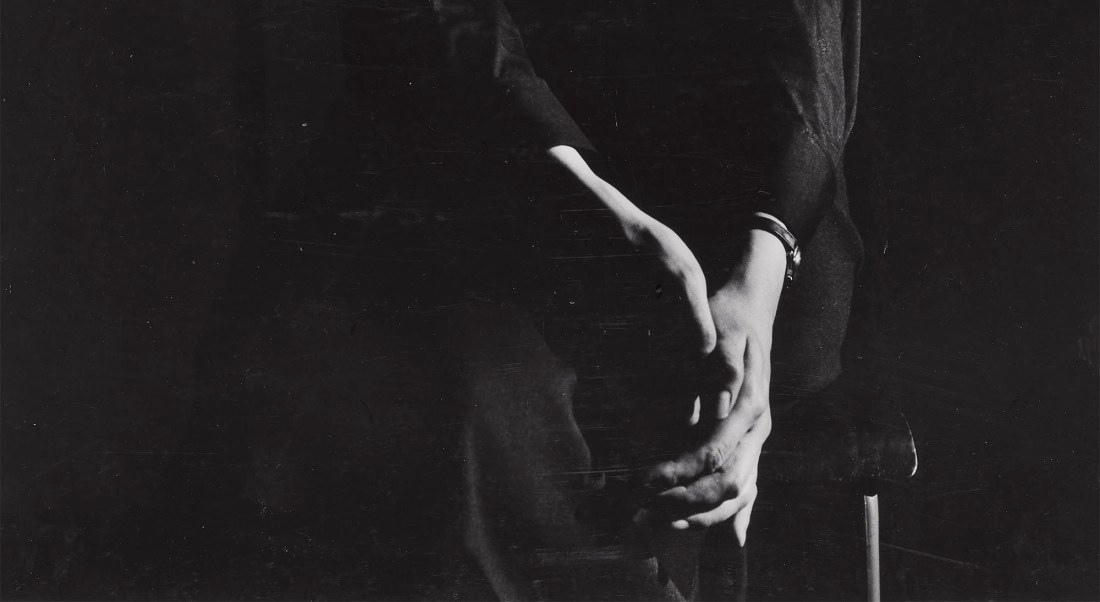
![[Otto Steinert (1915-1978), Bildnis S&W, 1952. Sammlung der Deutschen Gesellschaft für Photographie in der Photographischen Sammlung / SK Stiftung Kultur, Köln © Museum Folkwang, Essen]](https://live.staticflickr.com/65535/52704207952_fc43d08579_4k.jpg)
[also on : Sammlung der Deutschen Gesellschaft für Photographie in der Photographischen Sammlung / SK Stiftung Kultur, Köln © Museum Folkwang, Essen]
images that haunt us

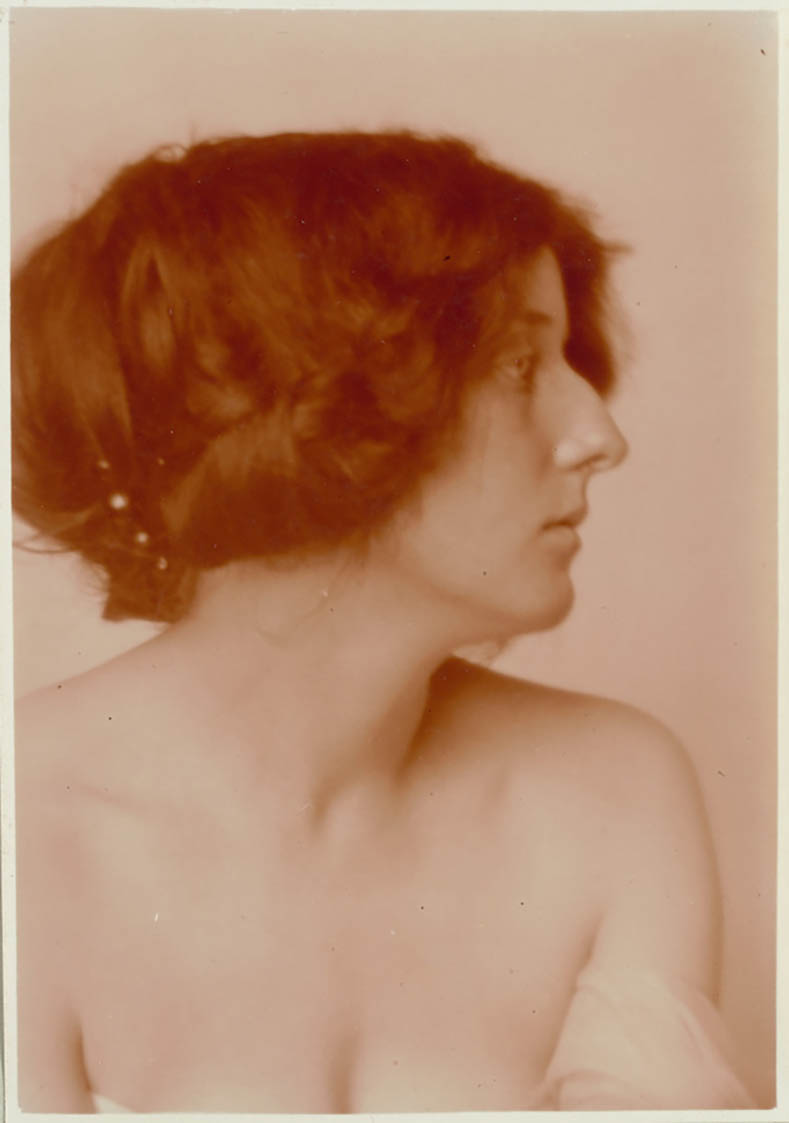
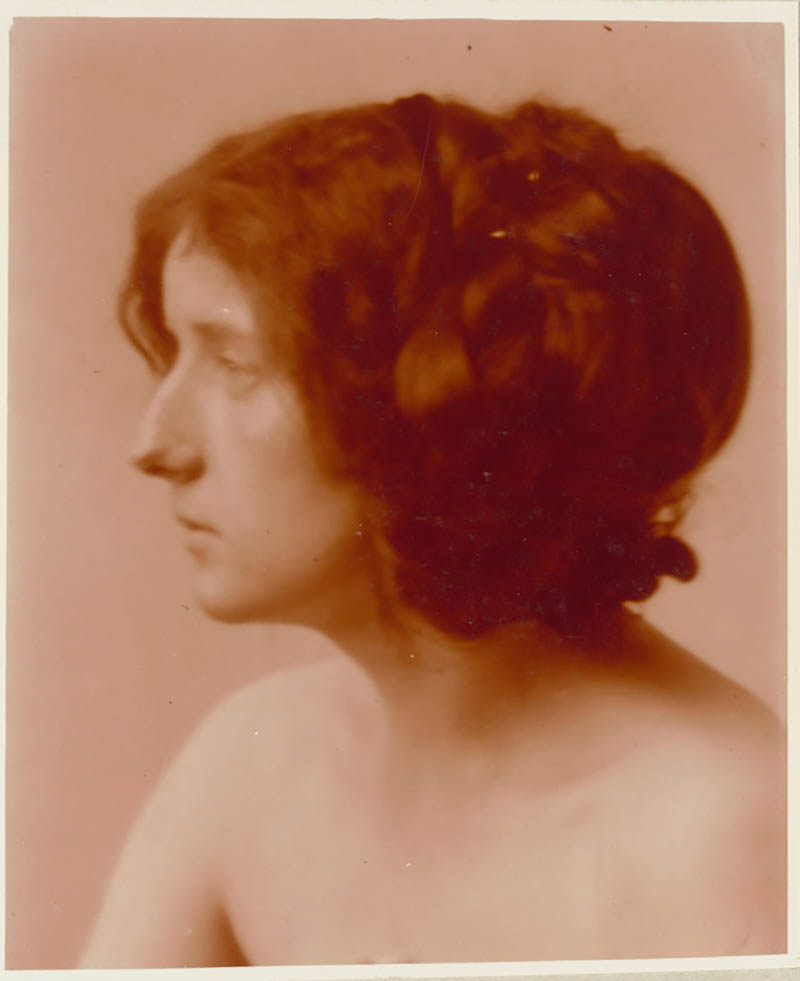

![Le Dieu bleu : [Tamara Karsavina dans le rôle de la jeune fille], 1912. [Photographe présumé : Waléry] | src Gallica ~ BnF
Le Dieu bleu : Légende hindoue en 1 acte / chorégraphie de Michel Fokine. - Paris : Théâtre du Châtelet, 13-05-1912](https://live.staticflickr.com/65535/52701235623_2116670e94_o.jpg)
![Title : Le Dieu bleu : [photographie] : [Tamara Karsavina dans le rôle de la jeune fille] : [photographie de Waléry, Paris ?]
Author : Waléry (1866-1935 ; photographe). Photographe présumé
Publication date : 1912
Relation : Le Dieu bleu : Légende hindoue en 1 acte / chorégraphie de Michel Fokine. - Paris : Théâtre du Châtelet, 13-05-1912](https://unregardoblique.com/wp-content/uploads/2023/02/le_dieu_bleu___photographie_.walery_1866-1935_btv1b52504383h_1_det.jpg)
![Auguste Bert :: Le spectre de la rose [Tamara Karsavina dans le rôle de la jeune fille], Théâtre de Monte-Carlo, 19-04-1911.
Le spectre de la rose : tableau chorégraphique / chorégraphie de Michel Fokine. | src Gallica ~ BnF](https://live.staticflickr.com/65535/52700221252_97914be3dc_o.jpg)
![Auguste Bert :: Le spectre de la rose [Tamara Karsavina dans le rôle de la jeune fille], Théâtre de Monte-Carlo, 19-04-1911.
Le spectre de la rose : tableau chorégraphique / chorégraphie de Michel Fokine. | src Gallica ~ BnF](https://unregardoblique.com/wp-content/uploads/2023/02/le_spectre_de_la_rosetamara_.bert_auguste_btv1b7002405z_1_det.jpg?w=1024)
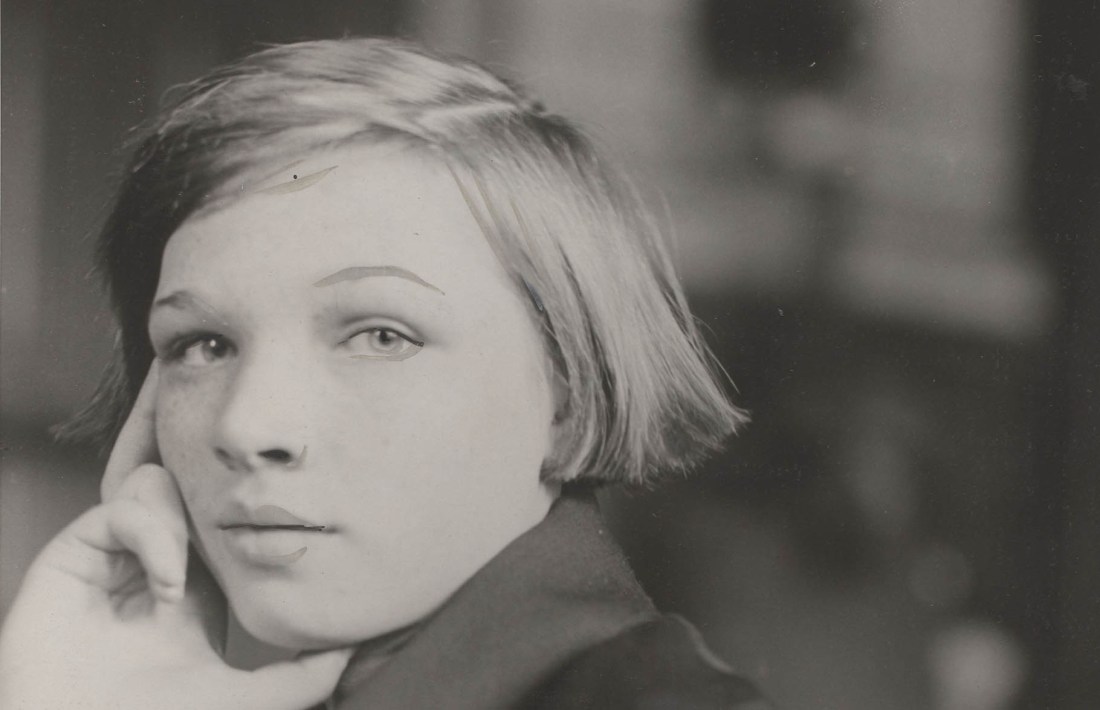
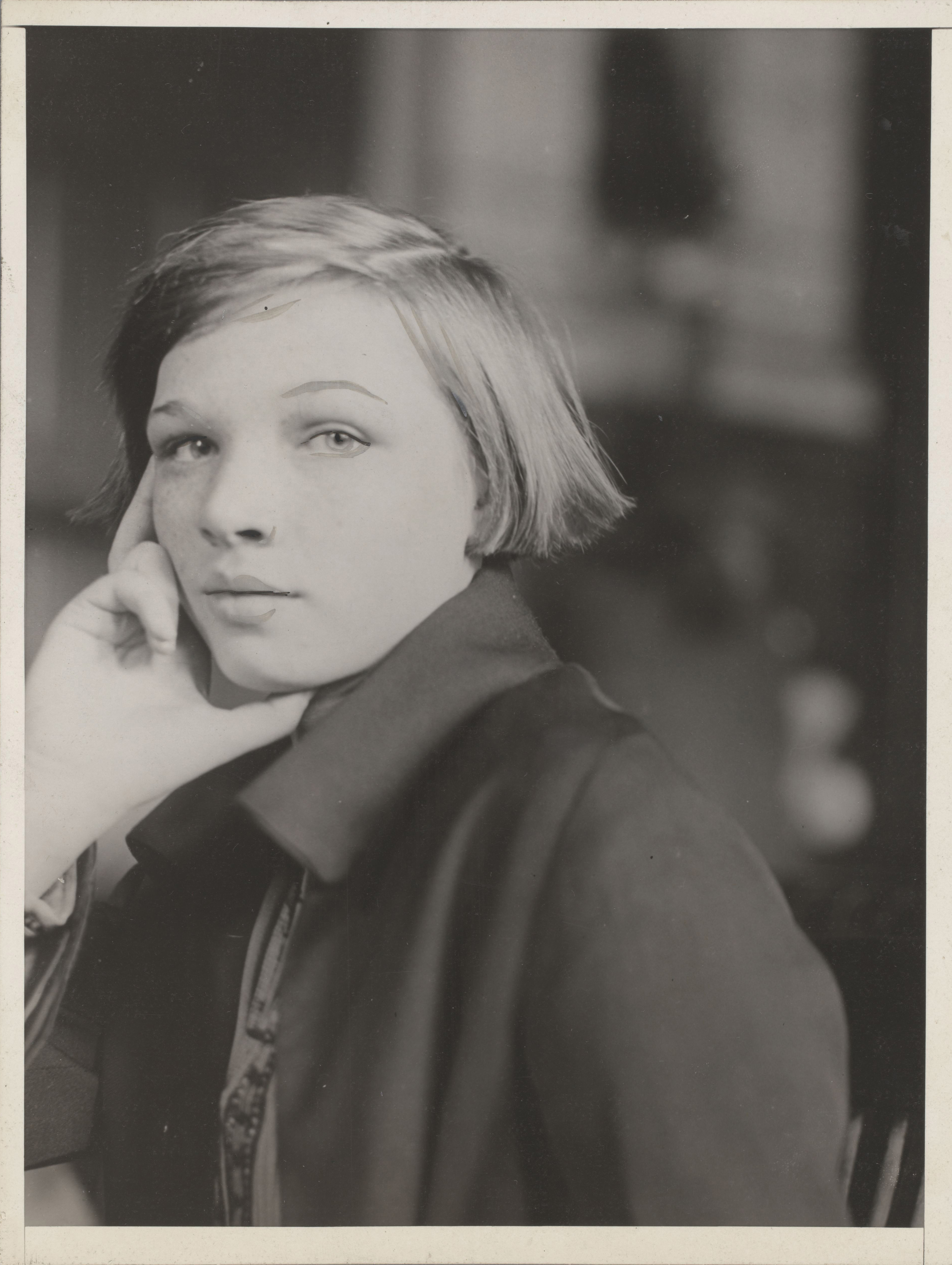


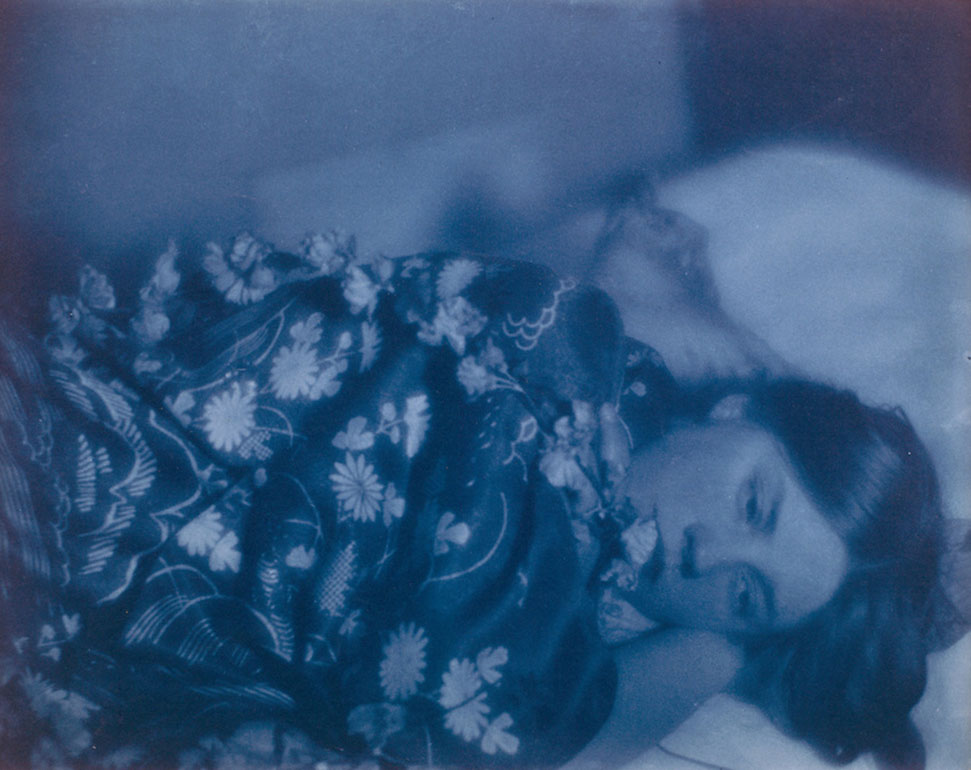
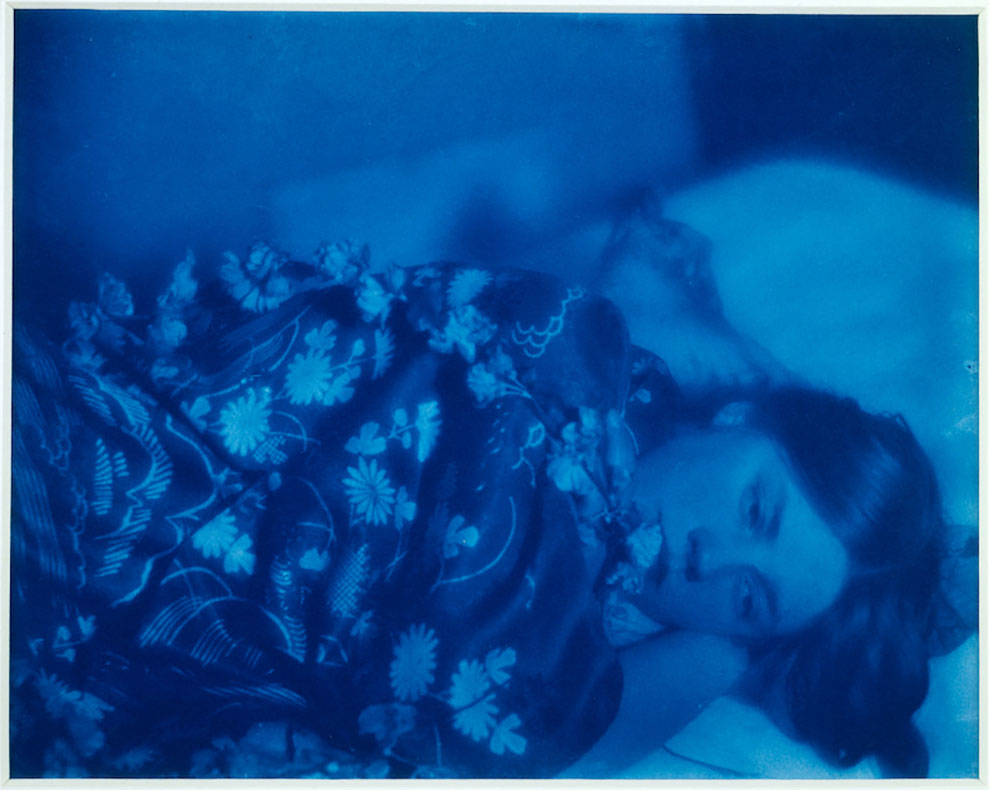
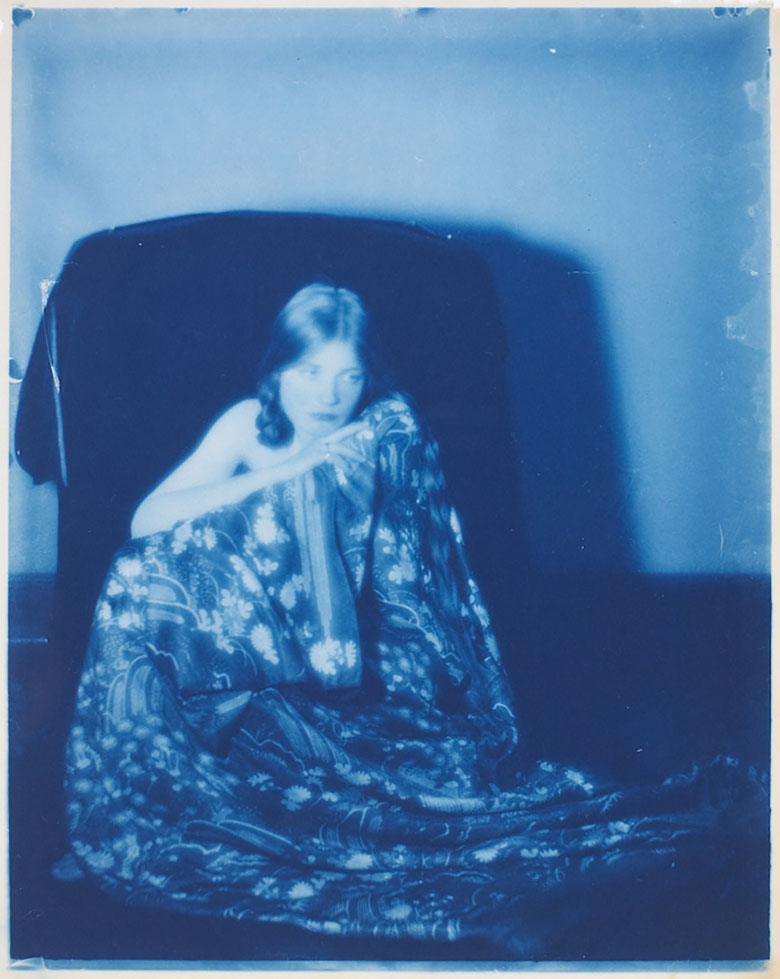
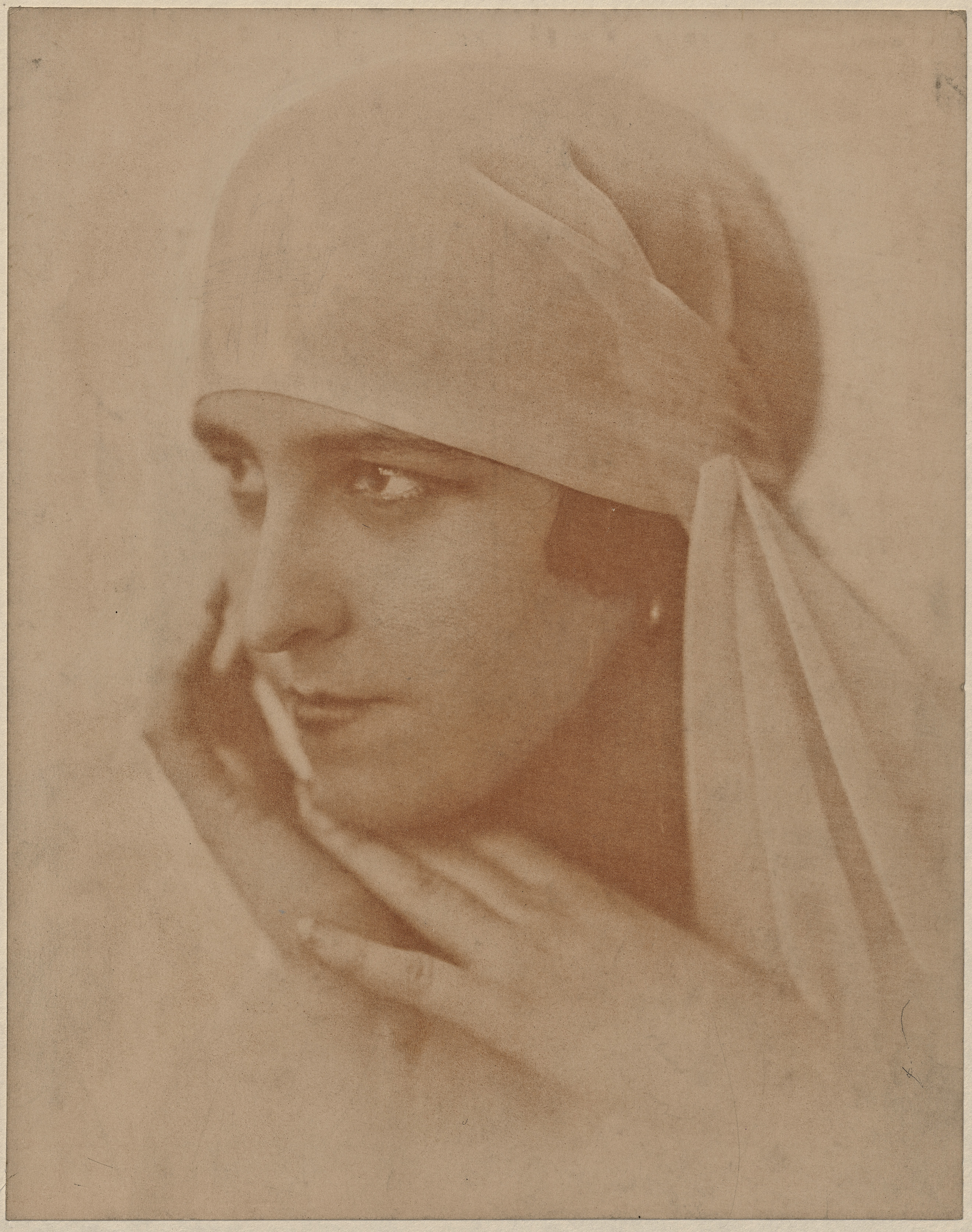
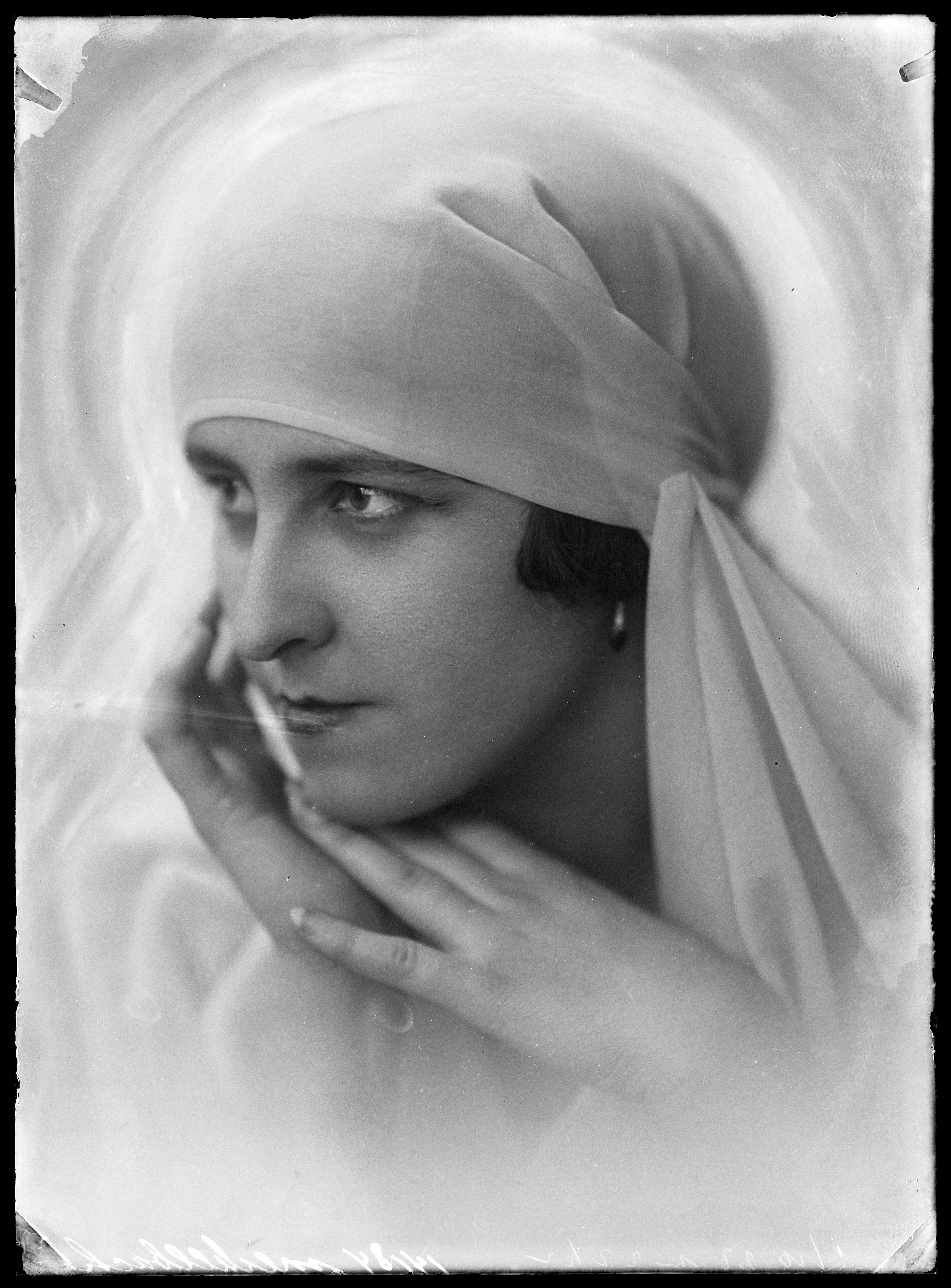
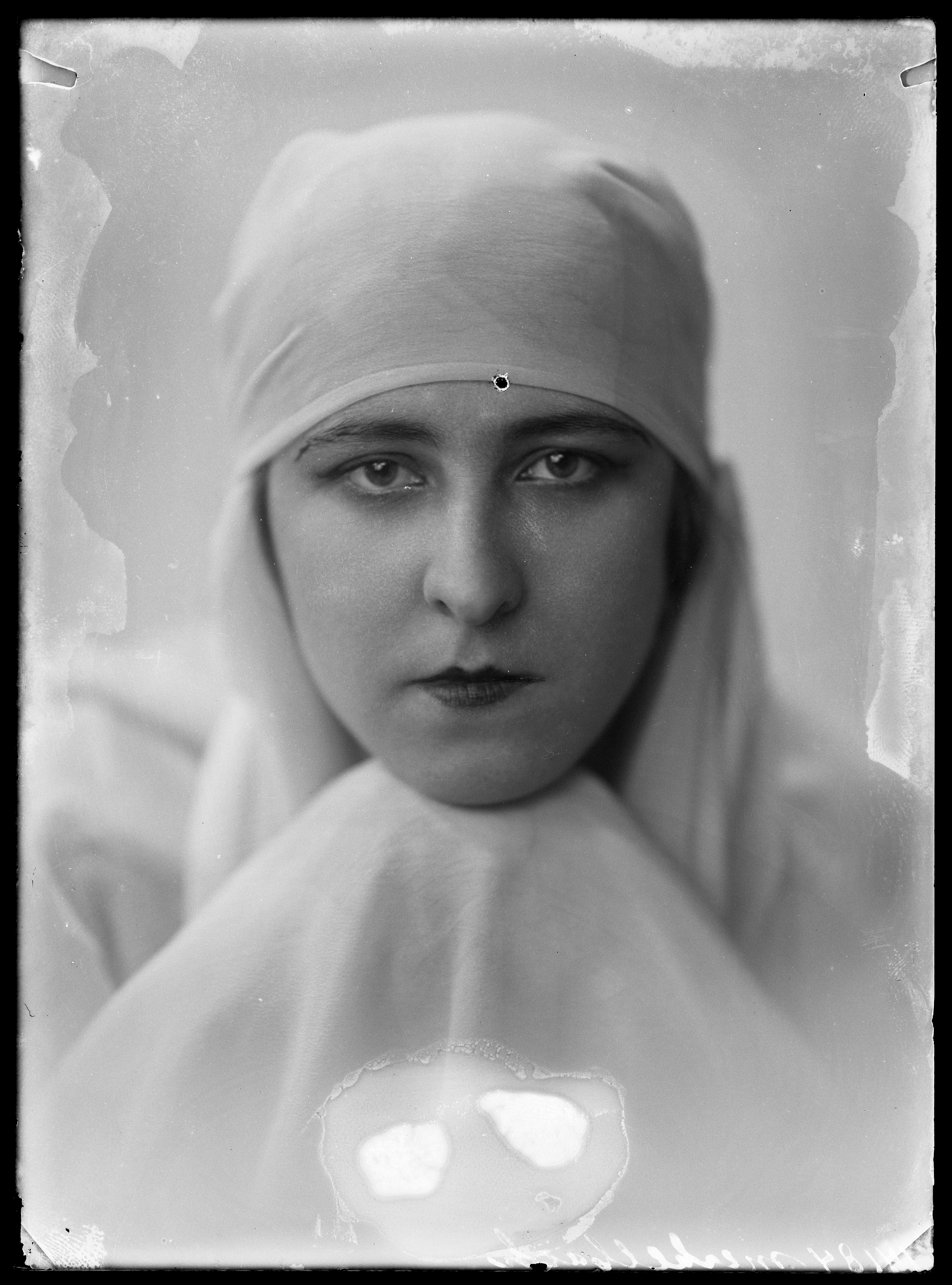
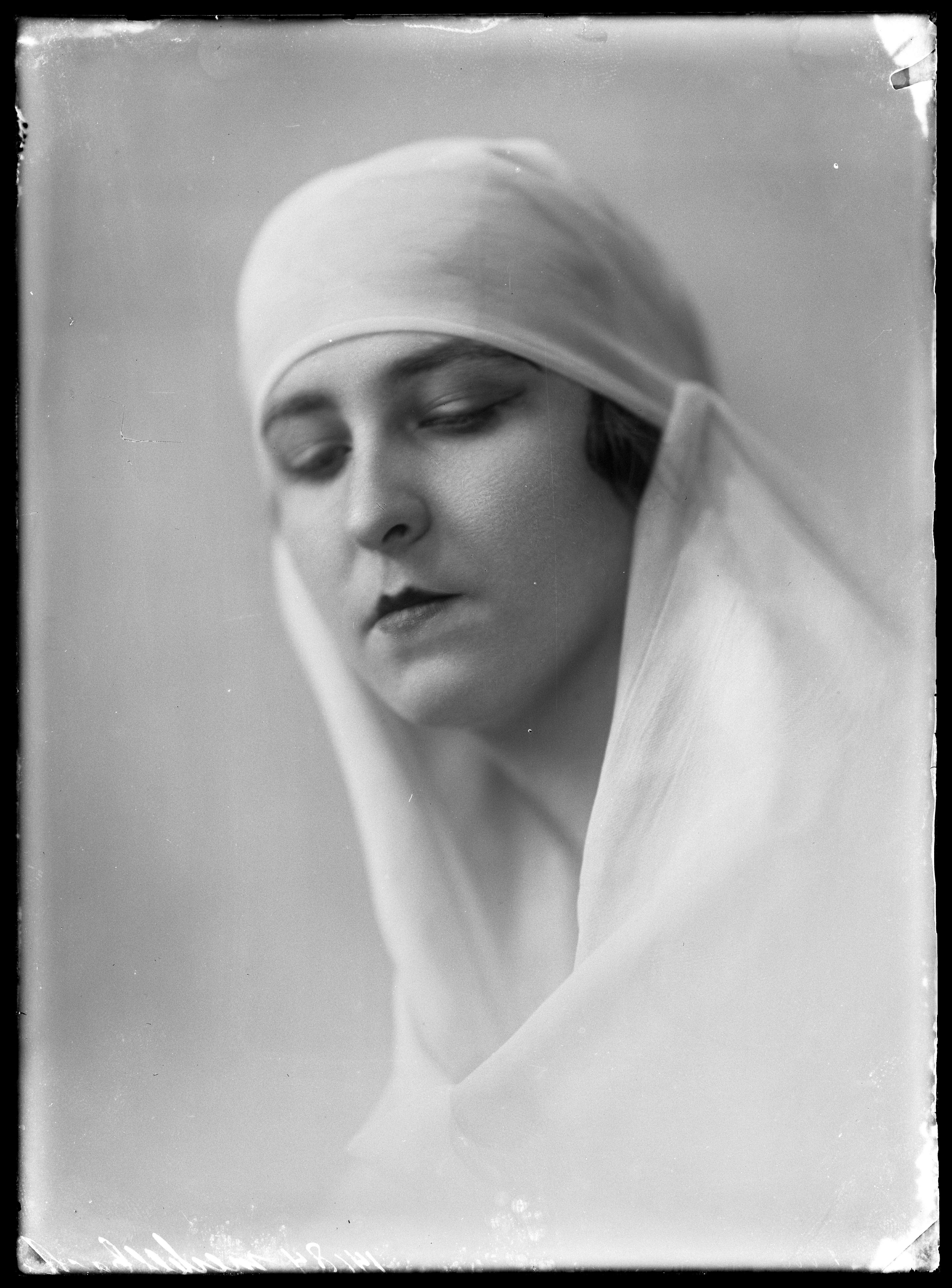
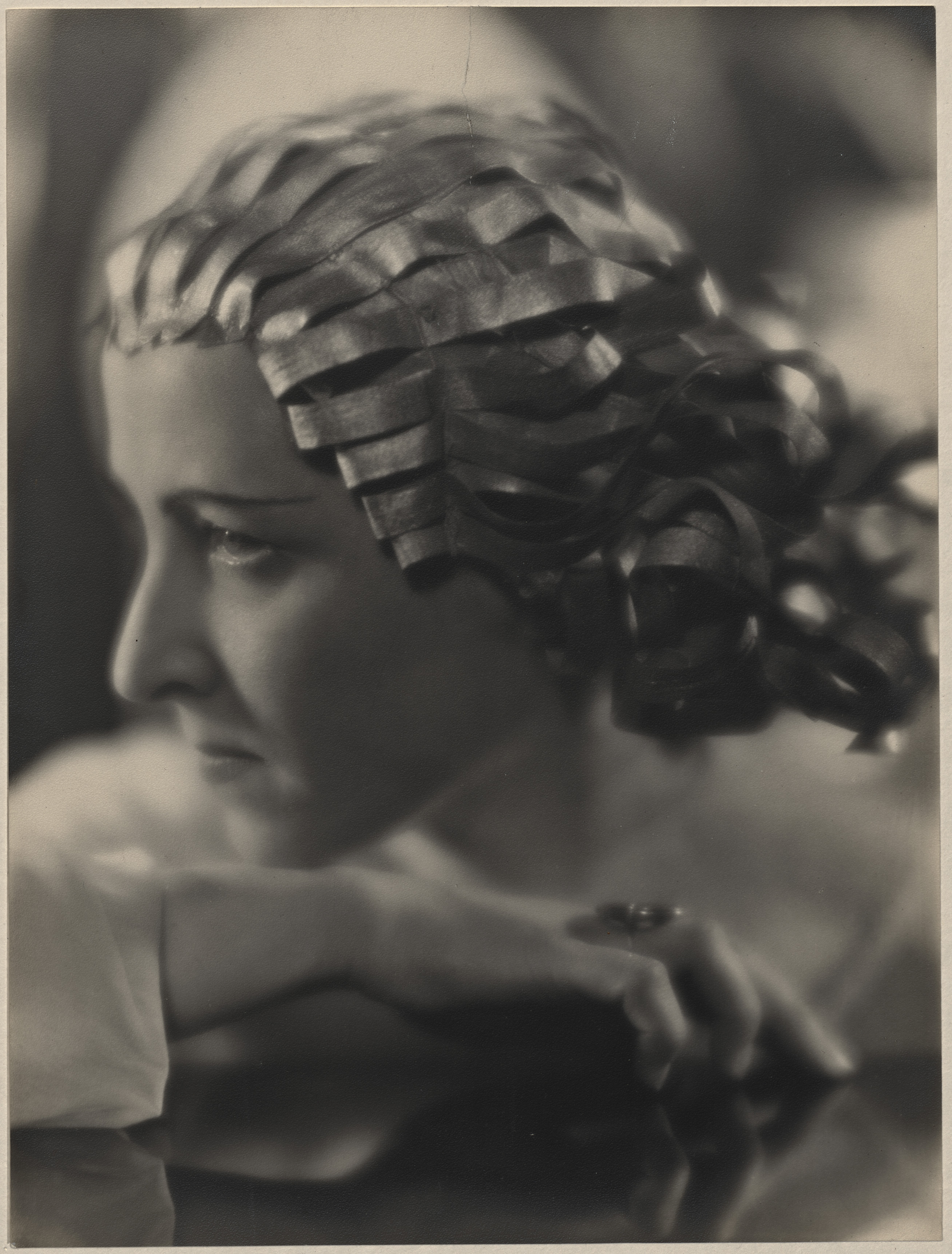
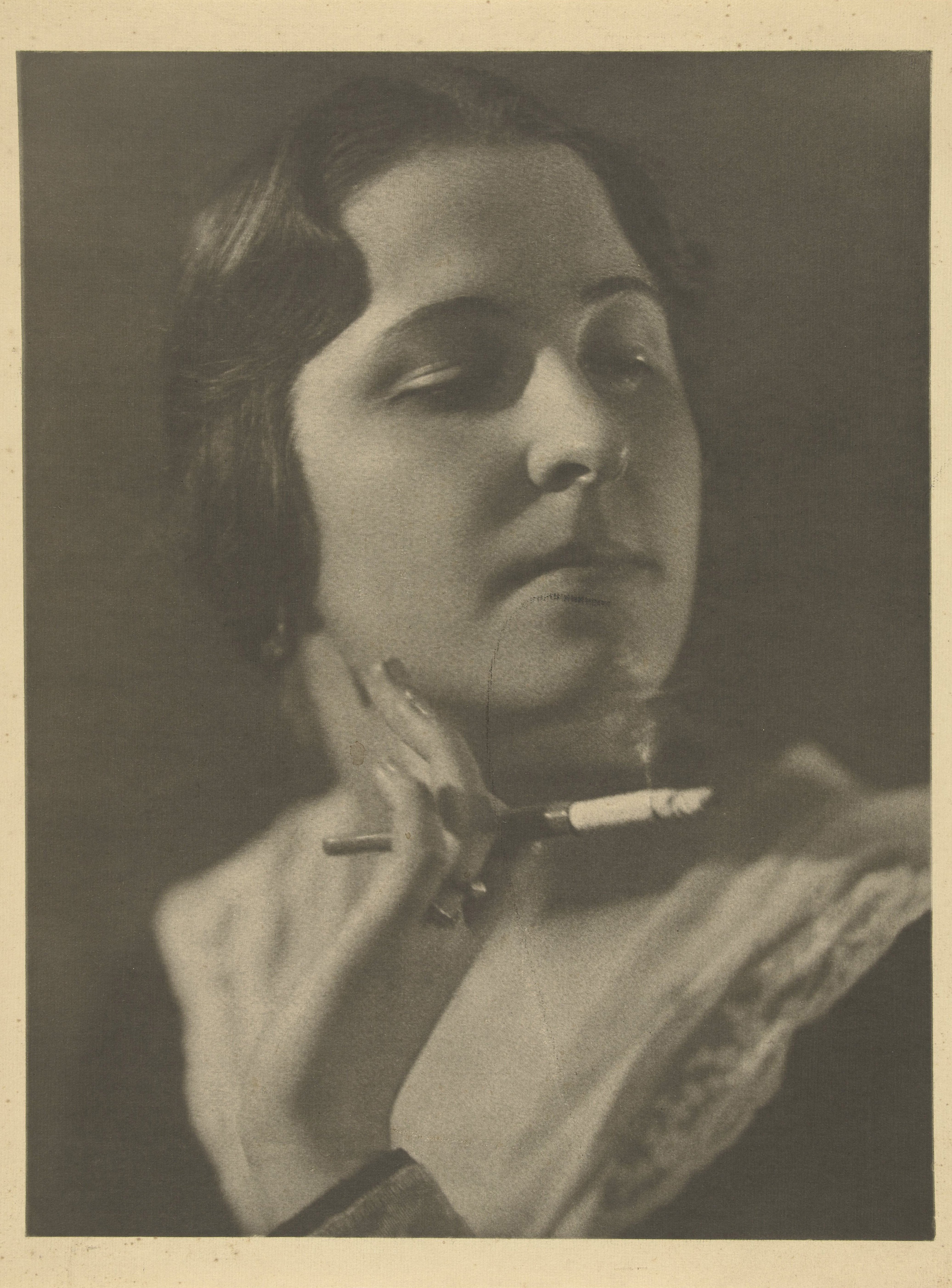
![Jacob Merkelbach (1877-1942) :: Mies Merkelbach [met sigarettenpijpje / with cigarette holder], 1925-1935. Universitaire Bibliotheken Leiden](https://live.staticflickr.com/65535/52684741641_cb570303a4_o.jpg)
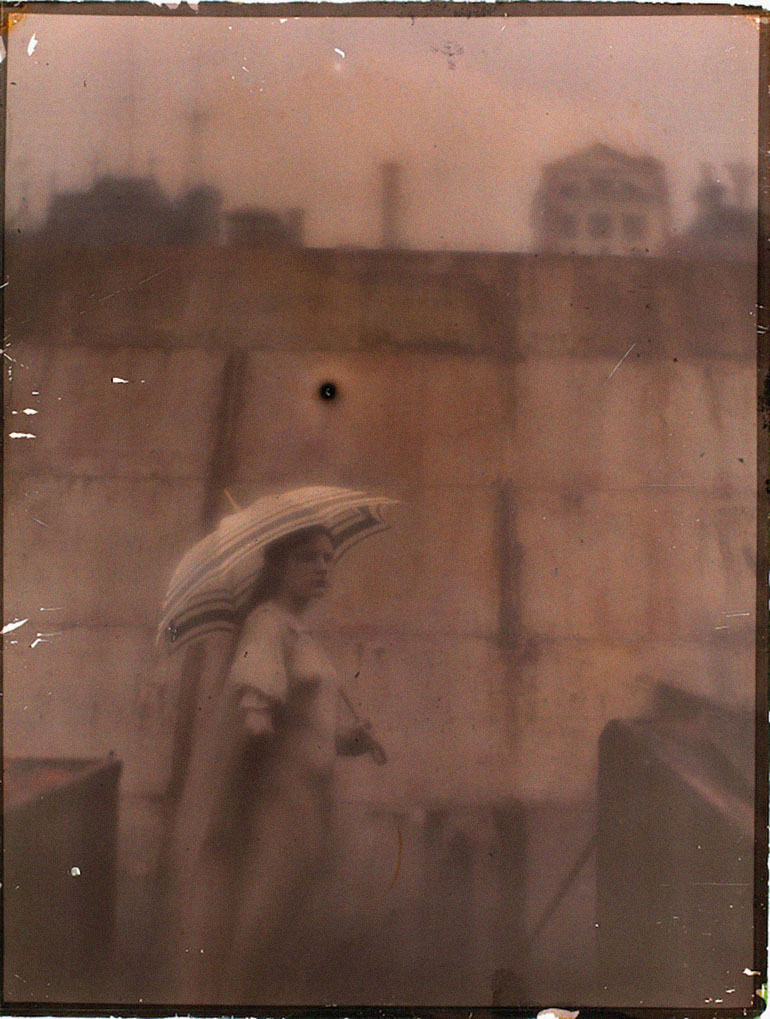

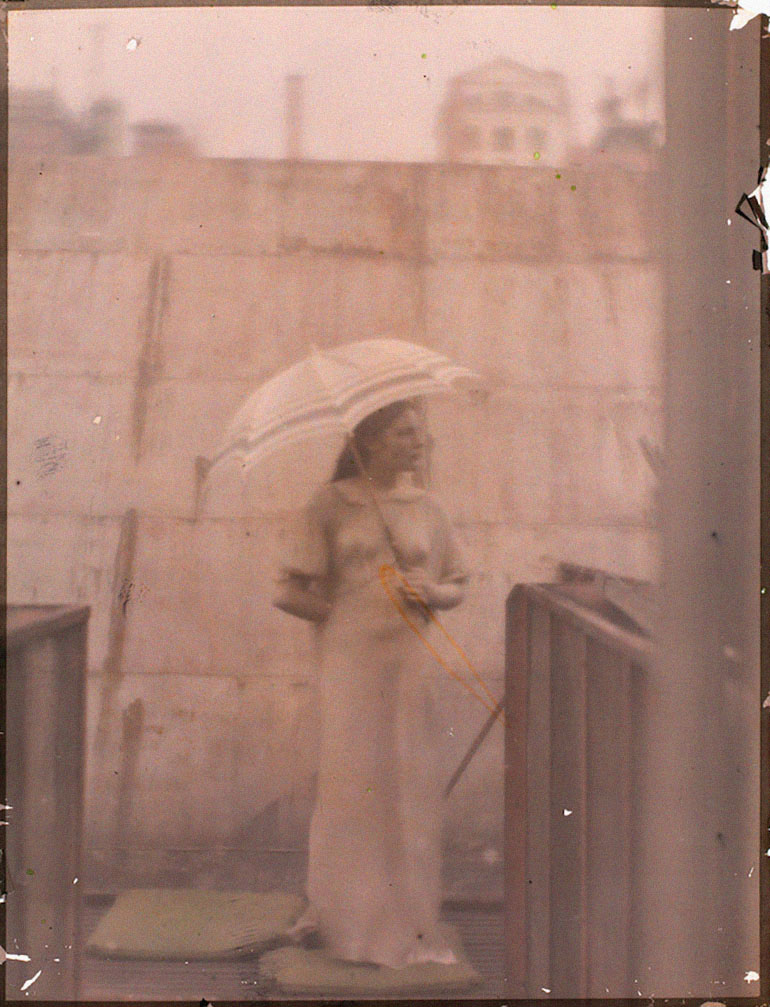

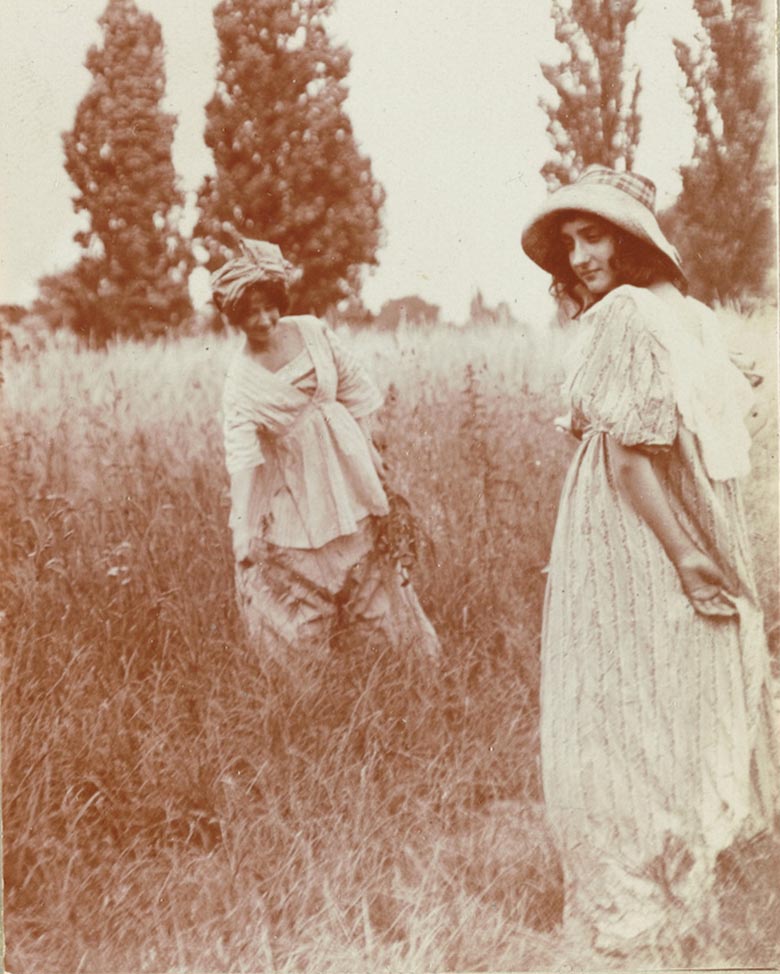
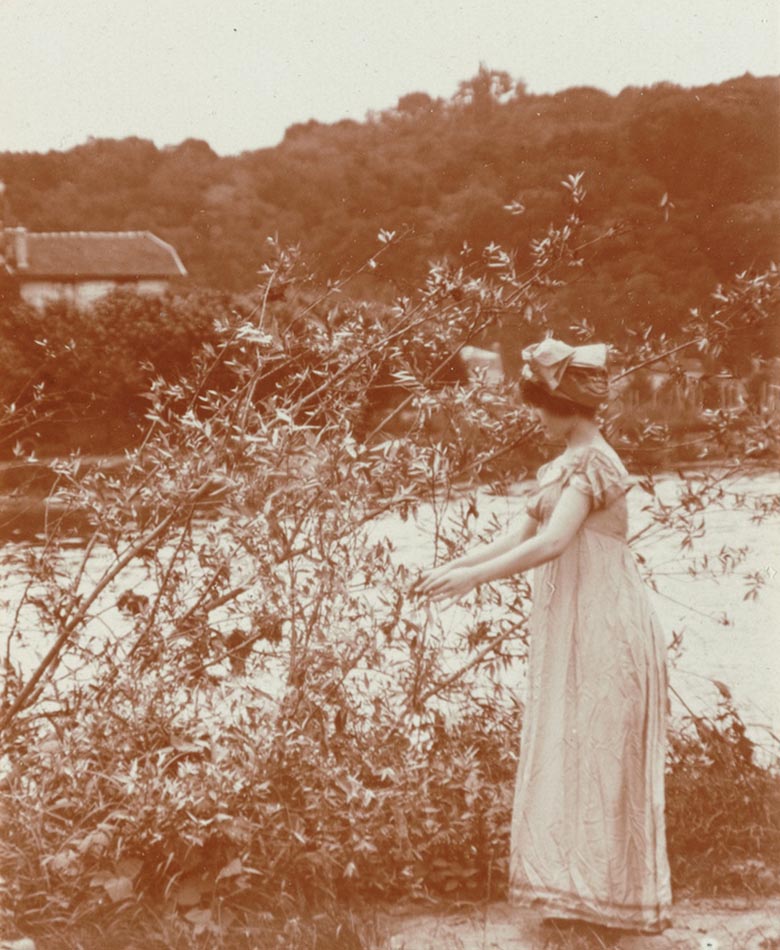
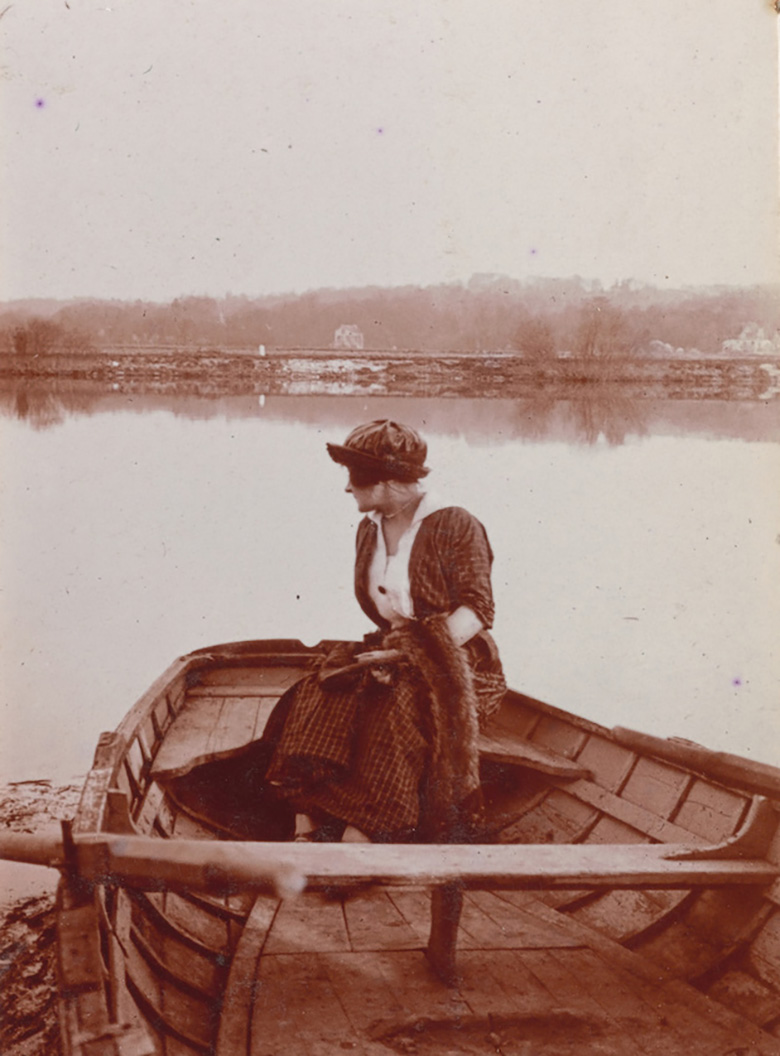
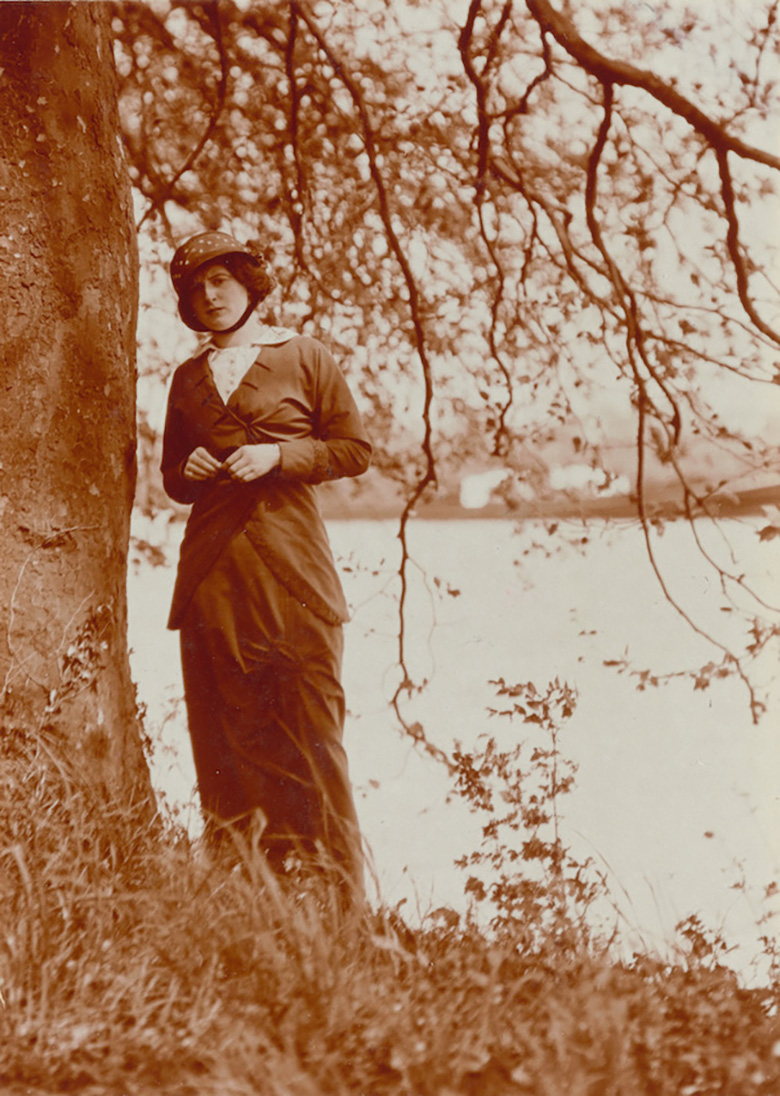
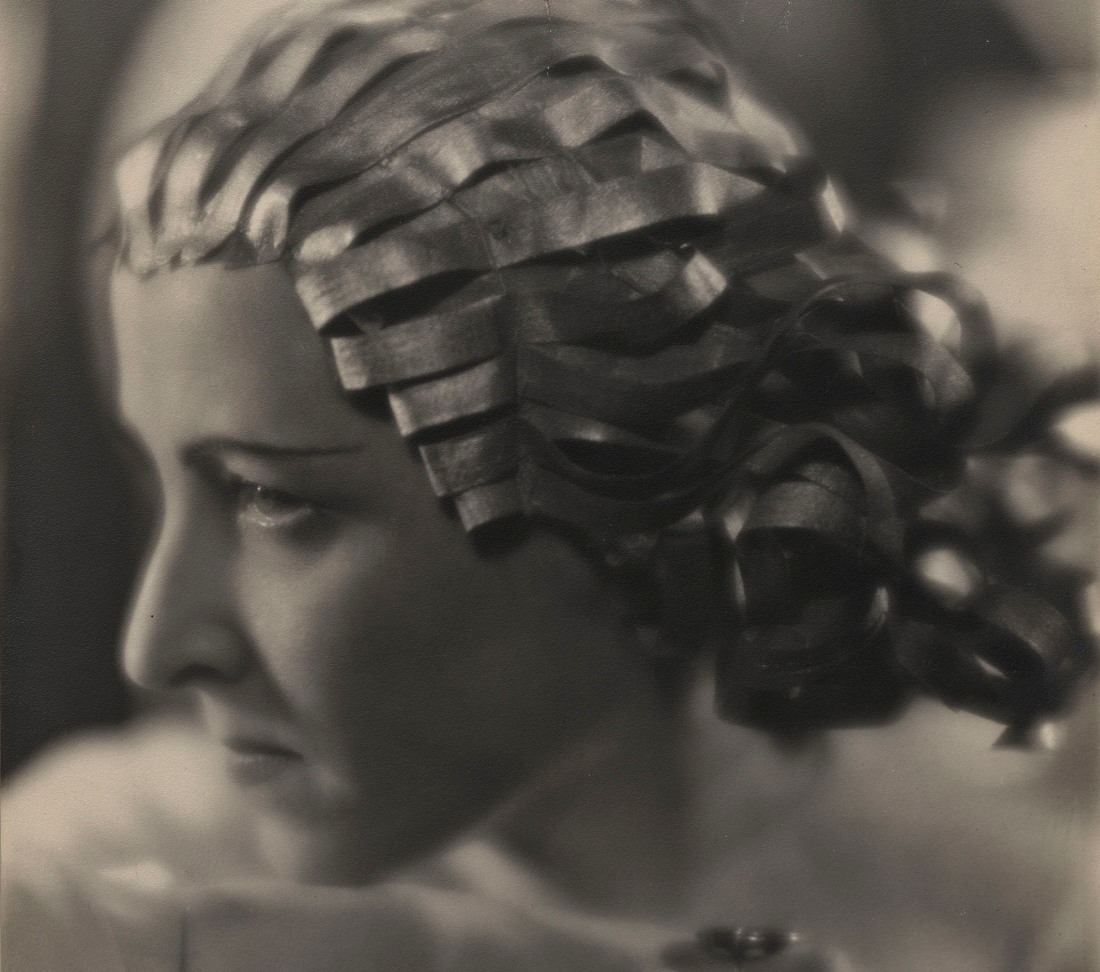
Paul Haviland, while working in New York as a representative for his father’s porcelain factory, explored the arts. His interest in writing and photography eventually led him to the Little Galleries of the Photo-Secession, where Alfred Stieglitz and his circle of photographers strove to have the medium recognized as a fine art. In 1910 Haviland was made associate editor of Stieglitz’s publication Camera Work.
Haviland’s Portrait of a Man [SAAM, 1994.91.65], made about the same time he met Stieglitz (ca. 1908), is an impressionistic study rather than a conventional likeness. Although Haviland continued making portraits upon returning to France after World war I, they lacked the engaging inventiveness of his work in New York. [quoted from Smithsonian American Art Museum : SAAM]
 un regard oblique