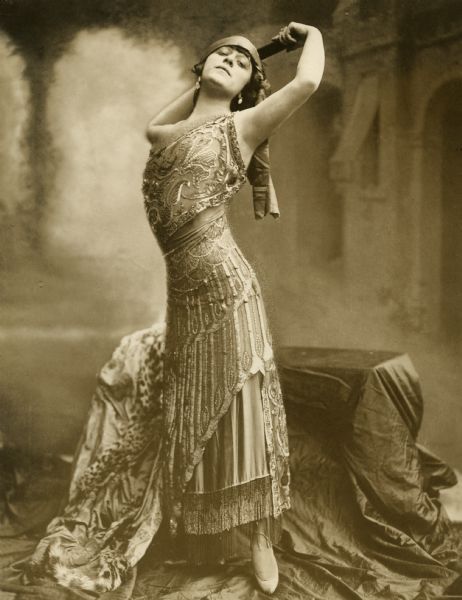
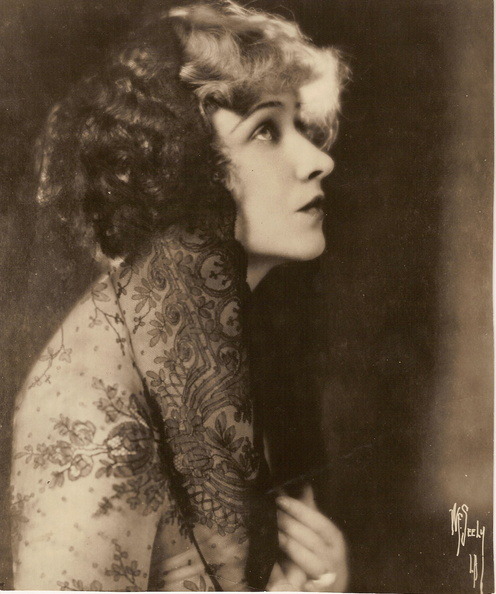
Valeska Suratt, 1911

Apeda Studio :: Publicity still of Valeska Suratt for the 1911 Broadway production The Red Rose in which Suratt played Lola, a Parisian artist’s model who falls in love with an American student. Original caption: “Valeska Suratt in The Red Rose, a new musical comedy by Harry B. and Robert B. Smith, music by Robert Hood Bowers, direction of Lee Harrison. Garrick Theater, May 1.” | src Wisconsin Center for Film and Theater Research 

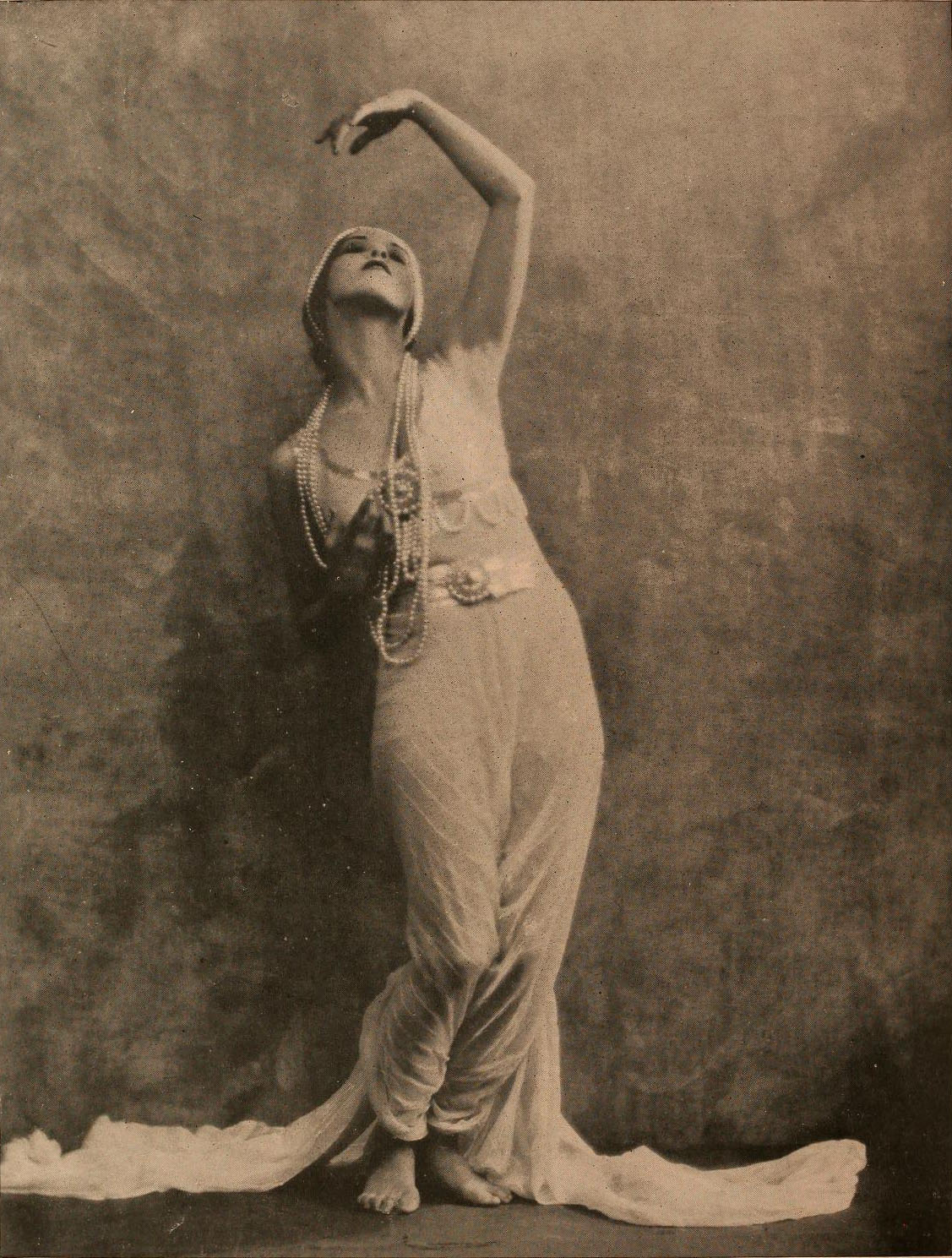
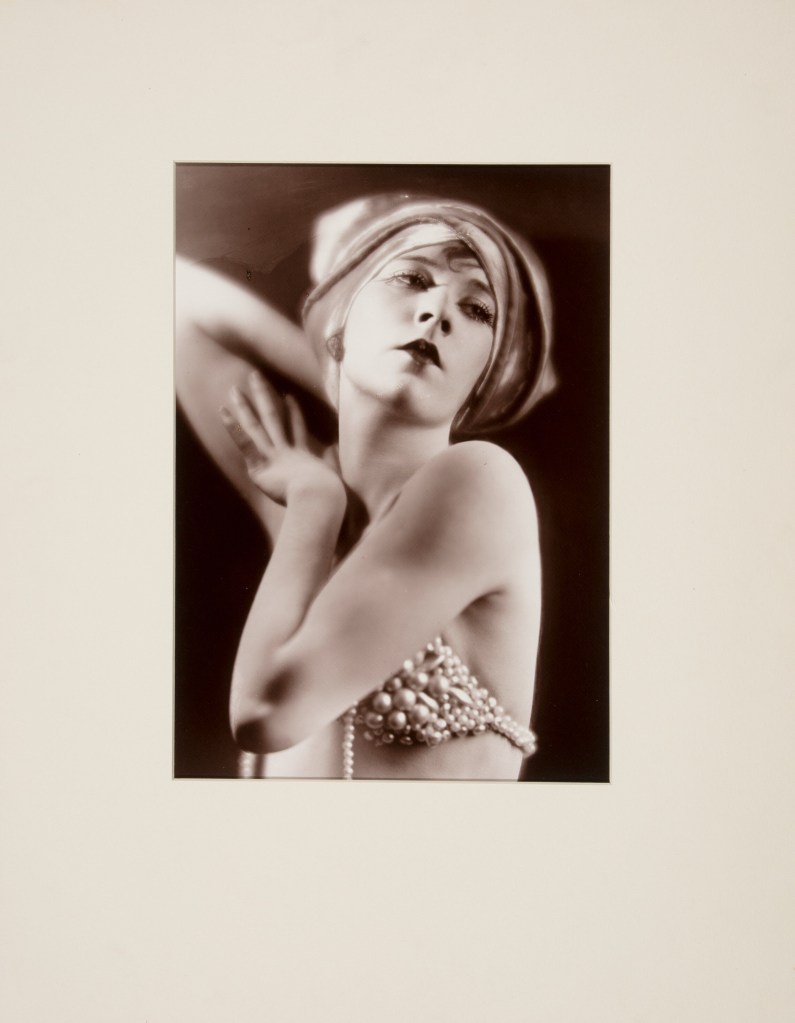
Martha Graham by N. Muray

Nickolas Muray ~ Dancer Martha Graham. Shadowland magazine, September 1922 | src internet archive
 ‘A classic dancer of proved ability, who is a graduate of the Denishawn School’ ~ Shadowland, September 1922


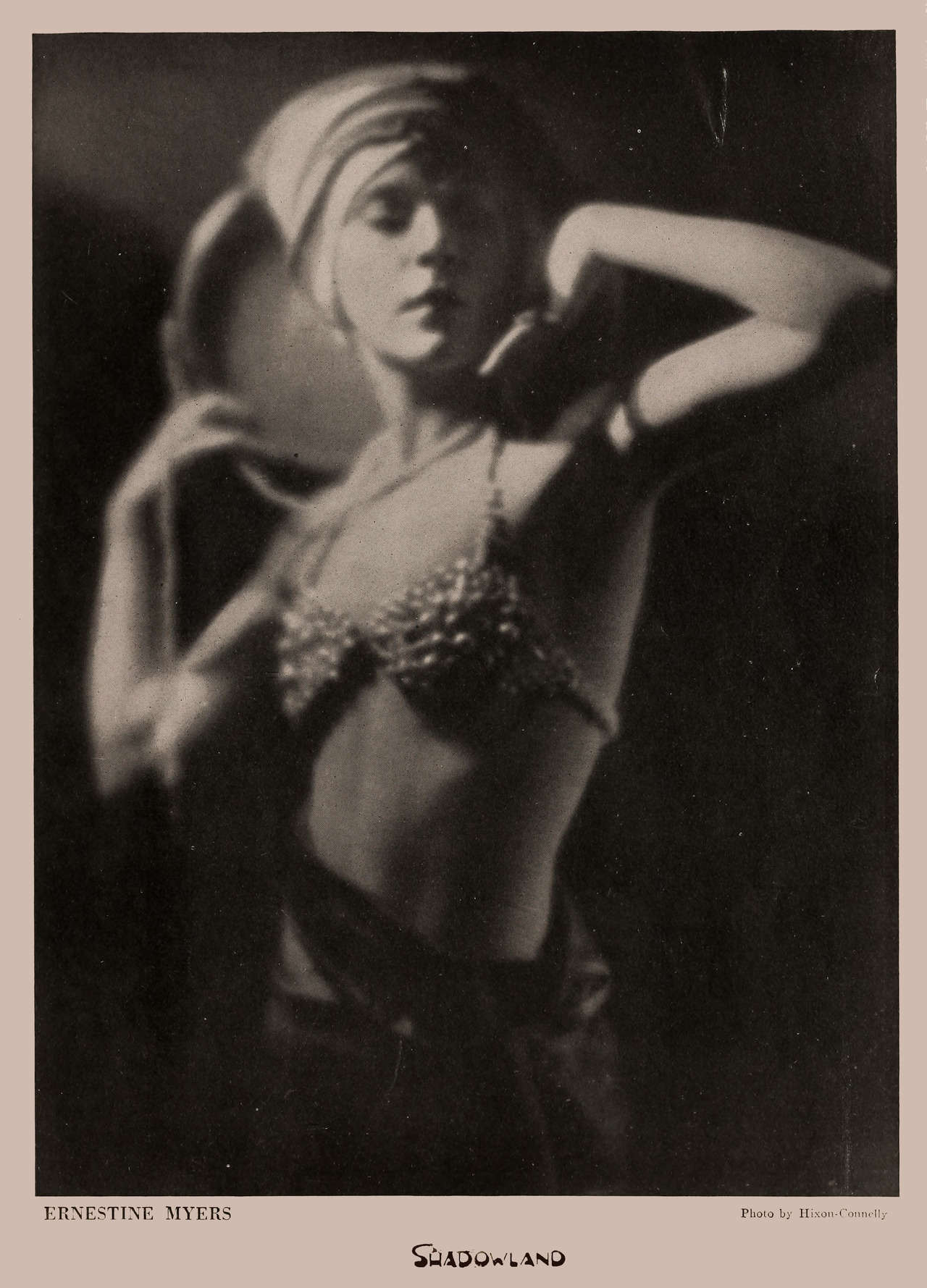
Ernestine Myers, 1920-22

Hixon & Connelly :: Dancer Ernestine Myers, published in Shadowland magazine, September 1922 issue. | src Library of Congress: Moving Image Section
Orval Hixon (1884-1982) :: Ernestine Myers, 1920. Gelatin silver print, printed 1976. | src Heritage Auctions
Orval Hixon (1884-1982) :: Ernestine Myers, 1920. Gelatin silver print, printed 1976. Credited, titled, and dated in pencil, verso. | src Heritage Auctions

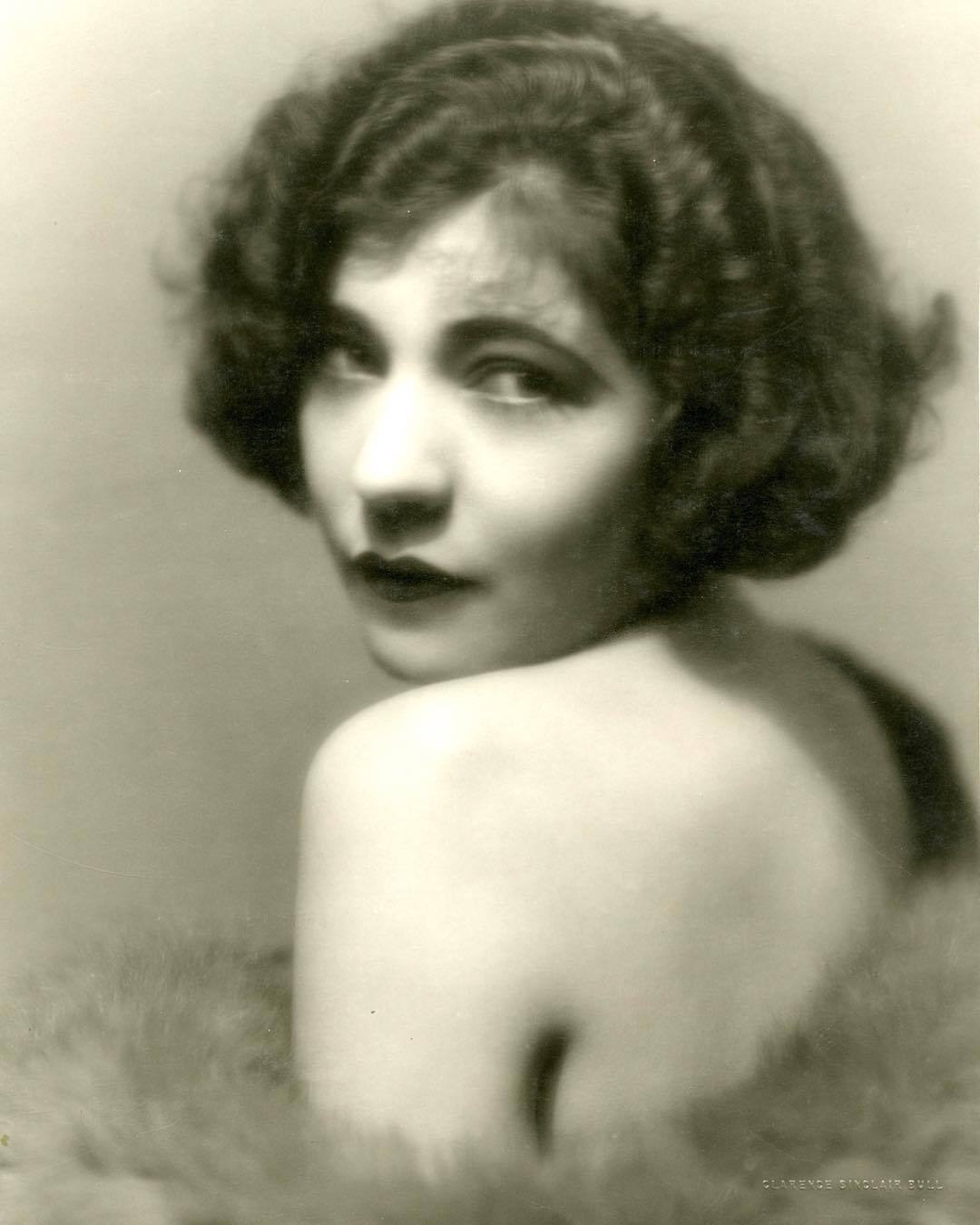
Betty Katz by Edward Weston

Edward H. Weston (1886 – 1958) ~ Betty Katz (‘nude’), Los Angeles, 1920. Palladium print | src The J. Paul Getty Museum
Edward H. Weston (1886 – 1958) ~ Betty Katz [Betty Brandner], 1920 | src The J. Paul Getty Museum

In 1920 Edward Weston began a series of pictures of Betty Katz (later Brandner, 1865-1982), who was introduced to Weston by his colleague Margrethe Mather (1886-1952). Weston and Brandner engaged in a brief affair in October 1920, when he made this and several other images of her in her attic and out on a balcony. With its soft focus, these particular portraits are Pictorialist in style compared to the more experimental images Weston made of Katz (Brandner) that are Modernist in their self-conscious handling of space and form.

Text adapted from Brett Abbott. Edward Weston, In Focus: Photographs from the J. Paul Getty Museum (Los Angeles: J. Paul Getty Museum, 2005), 20. (quoted from Getty Museum)

Lo Hesse in ‘Ahnfrau’, 1924

Franz Xaver Setzer :: German dancer Lo Hesse as ‘Ahnfrau’ (Ancestress) in a costume designed by Walter Schnackenberg, Vienna, 1924. (Photographie von Archiv Setzer-Tschiedel) | src Getty Images

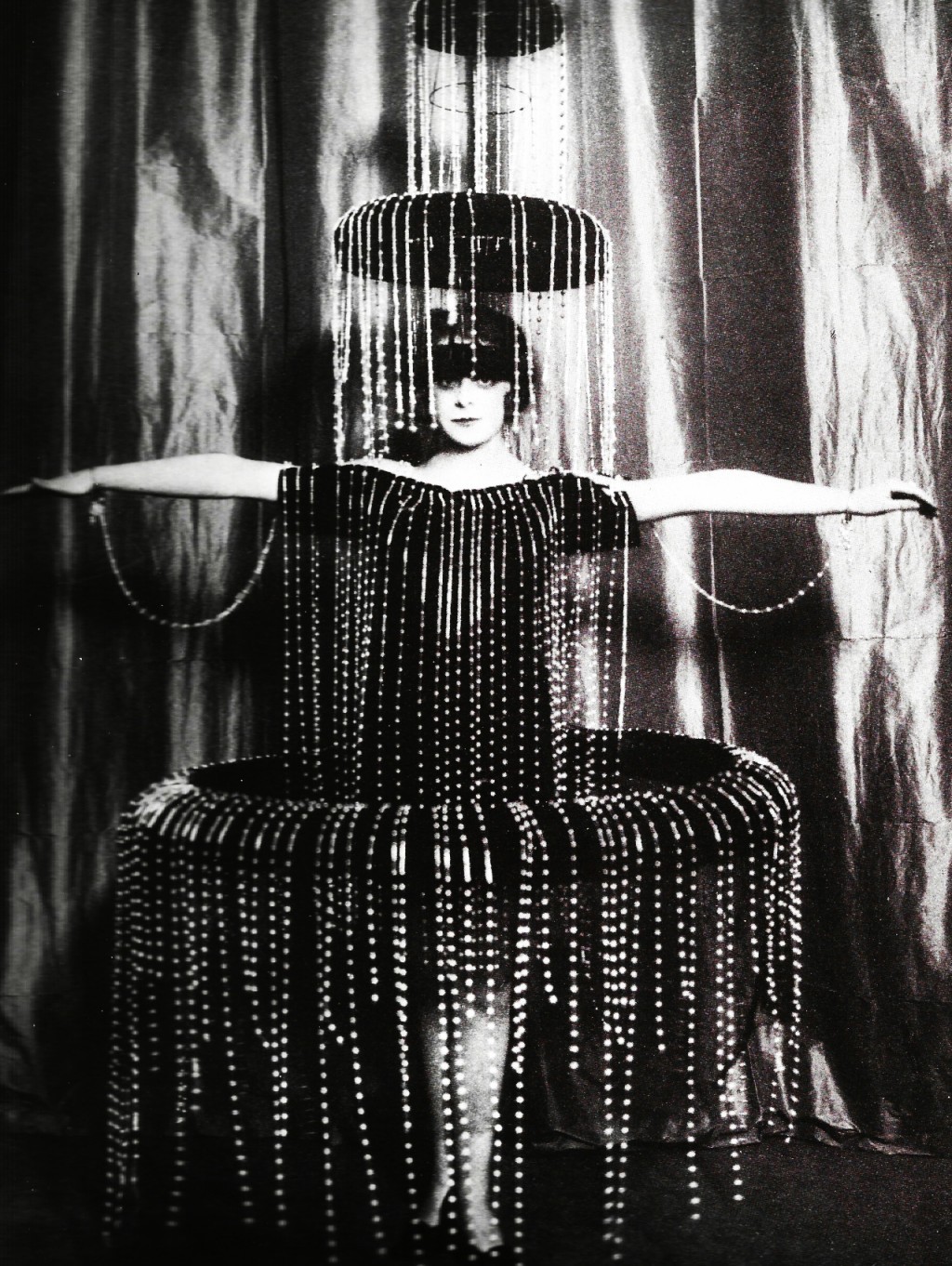
The Beaumont Ball of 1924

Marchesa Luisa Casati in a fountain dress made of wires and lights by couturier Paul Poiret, at the Beaumont Ball held by the Count Etienne de Beaumont in Paris, 1924.

The Beaumont Ball in Paris 1924 (an event with a guest list so selective that Gabrielle Coco Chanel was excluded for being too ‘trade’), was a homage to Pablo Picasso and the Cubists. The dress made entirely from wires and lights, it was too wide for the entrance to Beaumont’s ballroom: the artist Christian Bérard, who witnessed Marchesa Luisa Casati attempting to squeeze through the doorway, reported that she collapsed like a “smashed zeppelin”. (x)

De Beaumont’s fêtes reached an apex in 1924 with the ballet series Soirées de Paris, which took place at the Théâtre de la Cigale in Montmartre from May 17 to June 30, 1924. An homage to the review of the same name by Guillaume Apollinaire, the series included the scandalous ballet Mercure, which featured music composed by Erik Satie, sets and costumes designed by Pablo Picasso, and choreography devised by Léonide Massine. (x)

src lamarchesacasati