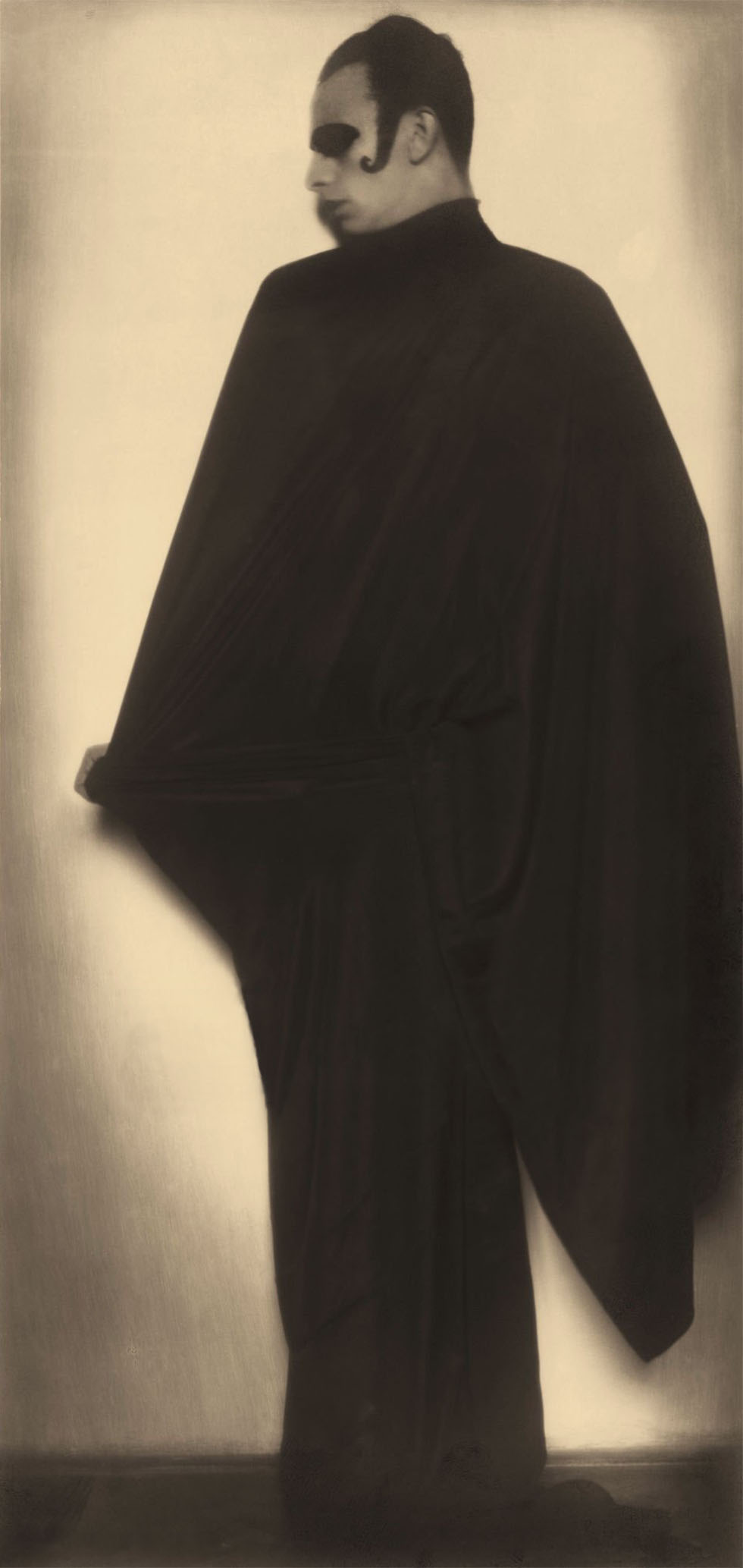
Madame d’Ora ~ Der deutsche Tänzer Sebastian Droste, 1922. | German dancer Sebastian Droste, 1922. Probably in ‘Dances of Vice, Horror and Ecstasy’. | src Bildergipfel & Getty Images
On secondary source (Getty Images) there are no photographer’s credits and the image is identified as one from the Archiv Setzer-Tschiedel. Even though, we believe it is a d’Ora photo, it keeps the same style as all her photos from Die Tänze des Lasters, des Grauens und der Ekstase.
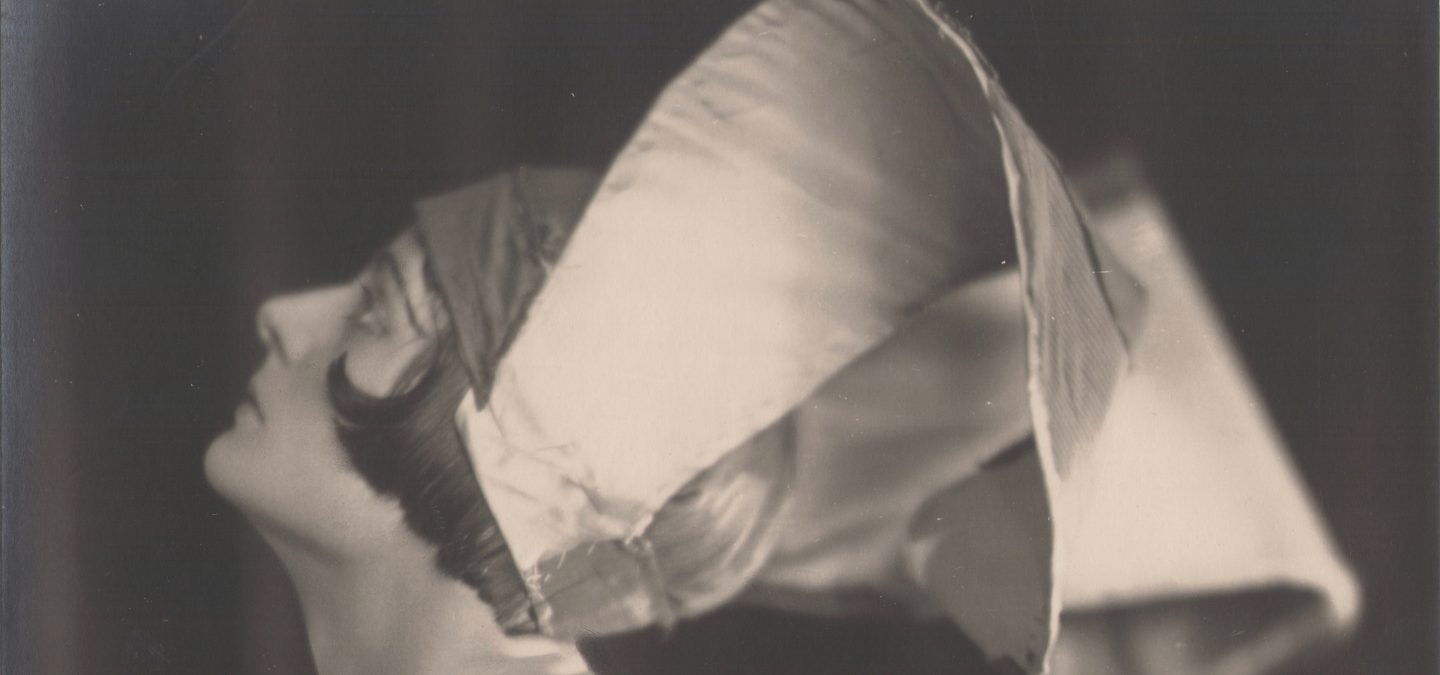
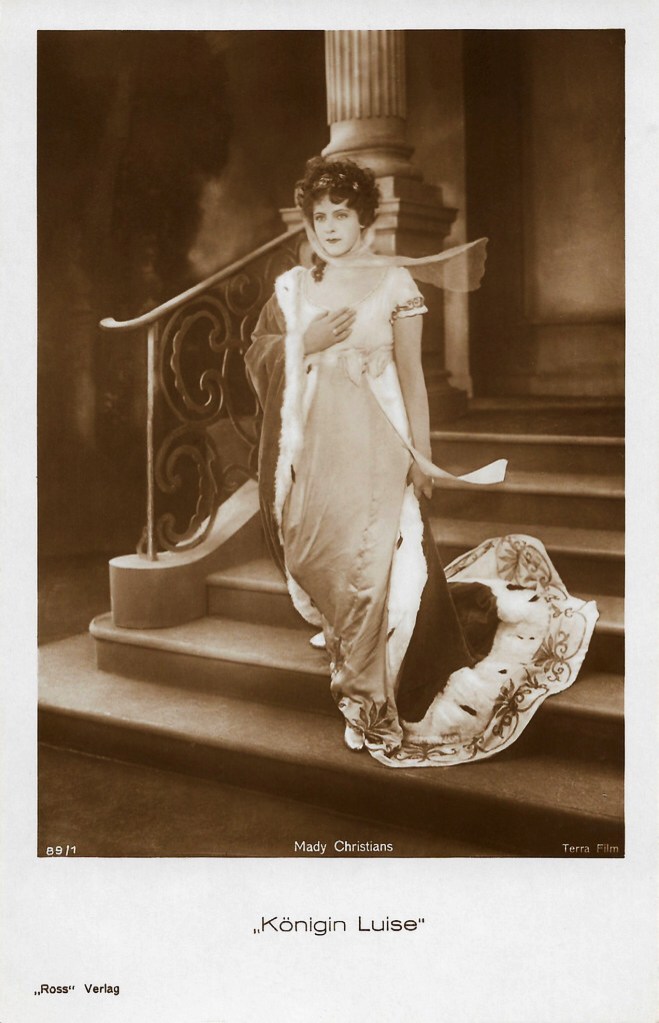
Austrian-born actress Mady Christians as Louise, Queen of Prussia in Königin Luise (Karl Grune, 1928). German postcard. Ross Verlag, nº. 89/1. Terra Film. | src Flickr
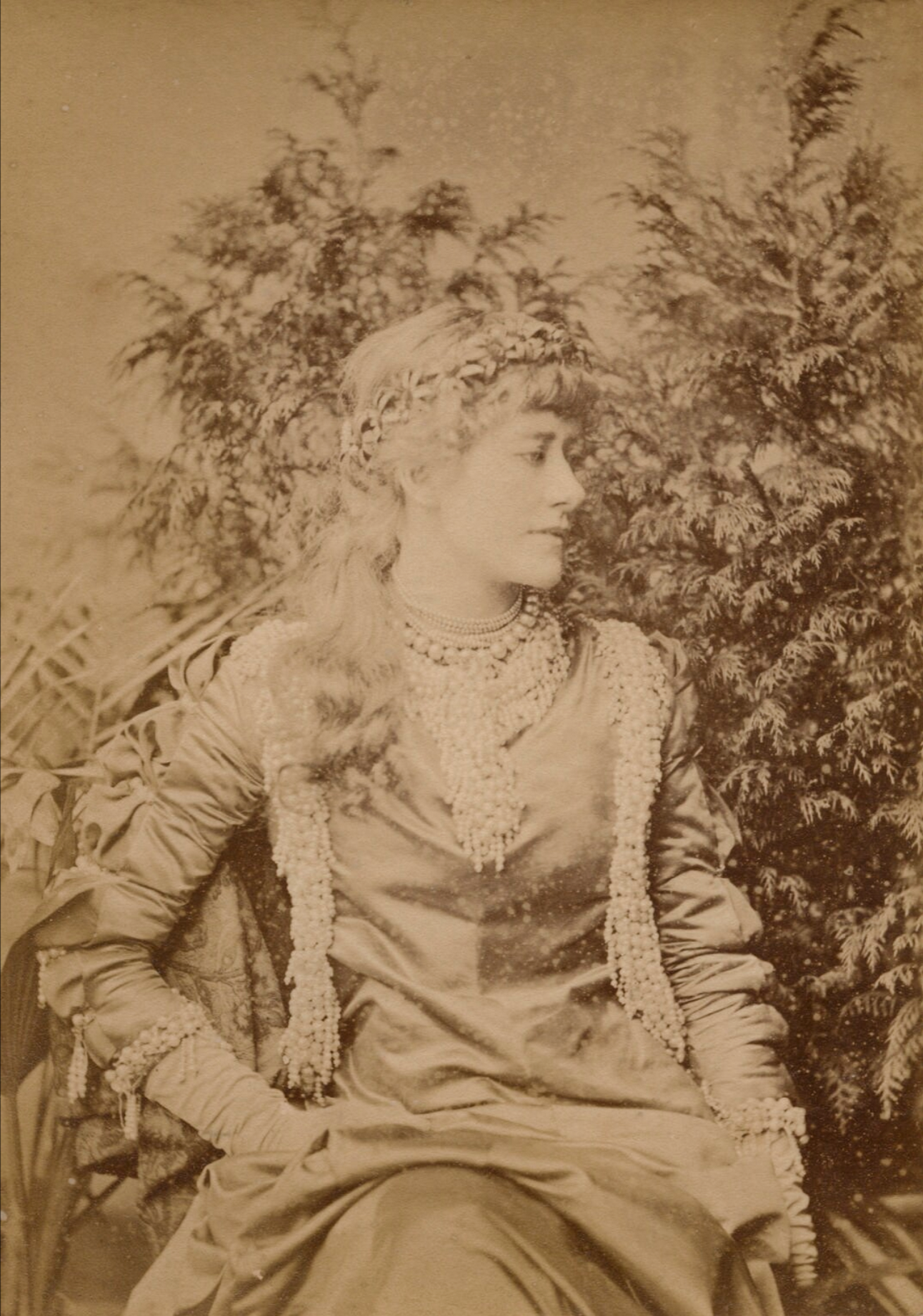
Ellen Terry as Juliet in ‘Romeo and Juliet’ by Window & Grove. Platinum print, 1882, published 1906. | src NPGEllen Terry as Juliet in ‘Romeo and Juliet’ by Window & Grove, albumen print, 1882. | src NPG · Terence Pepper CollectionEllen Terry as Juliet in Romeo and Juliet at the Lyceum Theatre by Window & Grove, 1882. Carte de visite. | V&A Museum
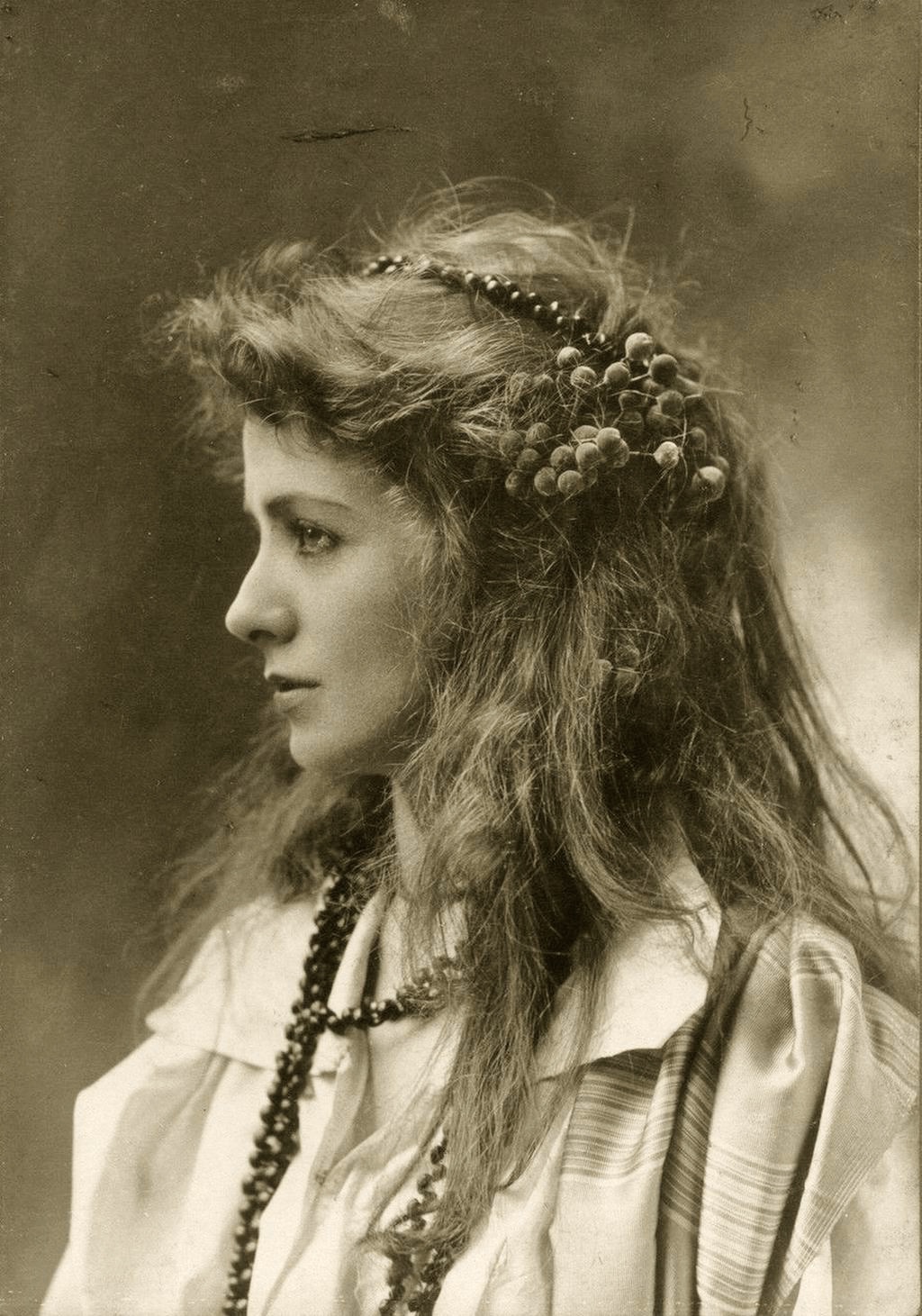
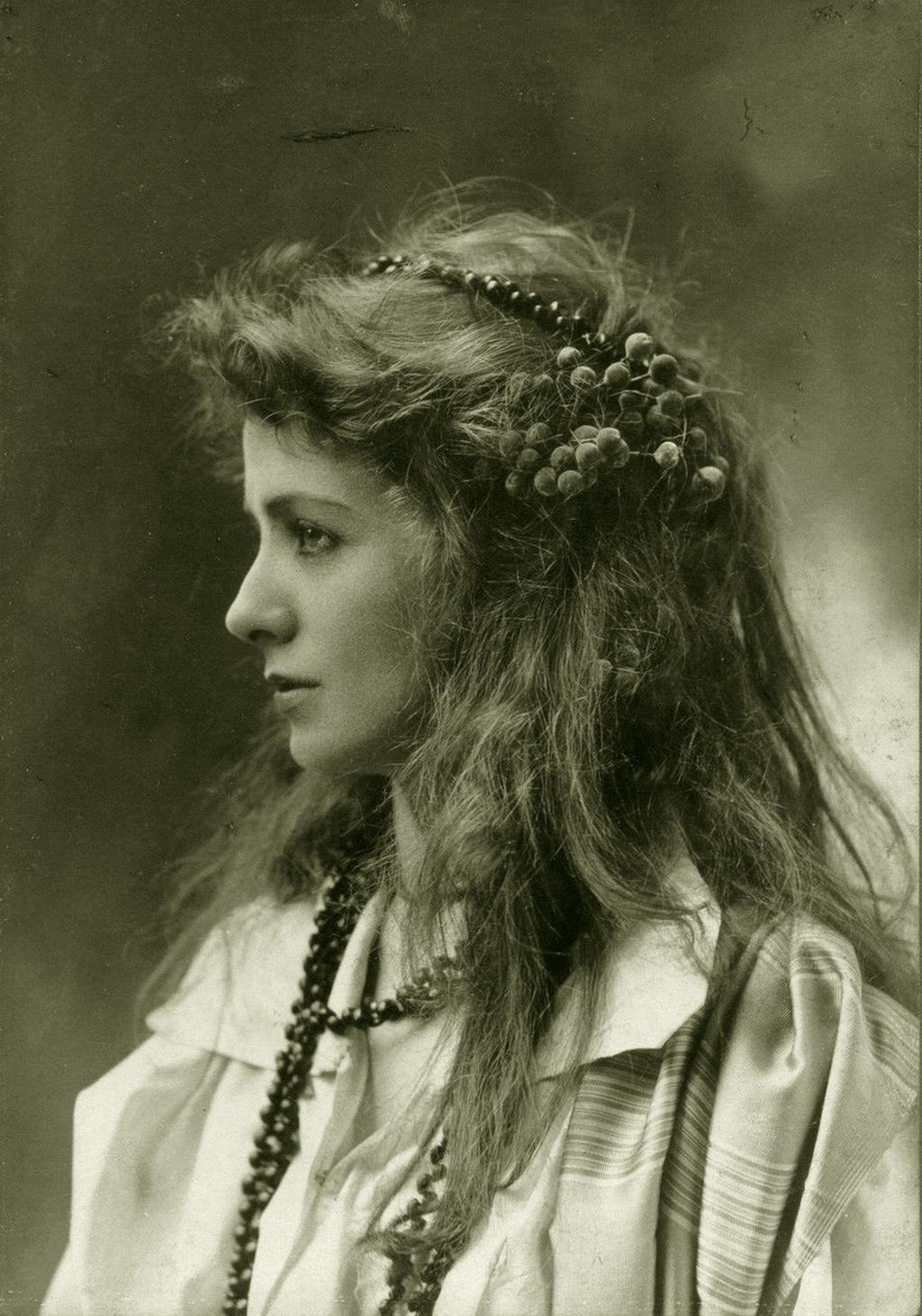
Sarony Studio ~ American stage actress Maude Ewing Adams Kiskadden, real photo postcard from about 1895 | src Flickr
Maude Adams achieved her greatest success as the character Peter Pan, first playing the role in the 1905 Broadway production of Peter Pan or The Boy Who Wouldn’t Grow Up (James Matthew Barrie)
Maude Adams as Peter Pan Rotograph series B 1443. Photographer not credited | src Flickr
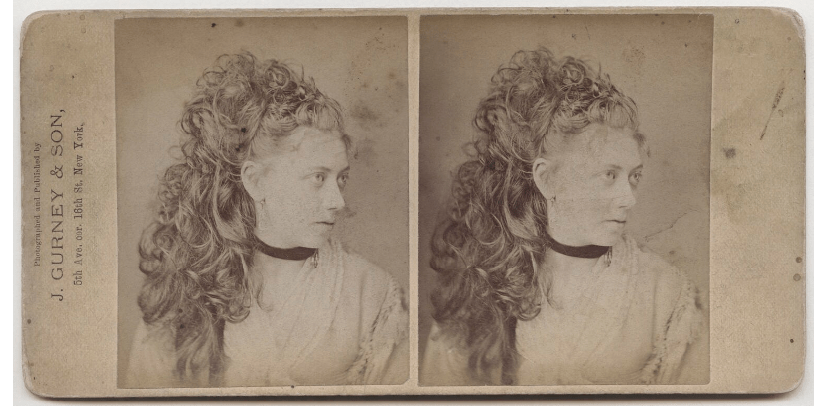
(Theodocia) Rosina Vokes by and published by Gurney & Son, albumen stereoscopic card 1870s. | src NPG Terence Pepper Collection(Theodocia) Rosina Vokes by and published by Gurney & Son, albumen stereoscopic card 1870s. | src NPG Terence Pepper Collection
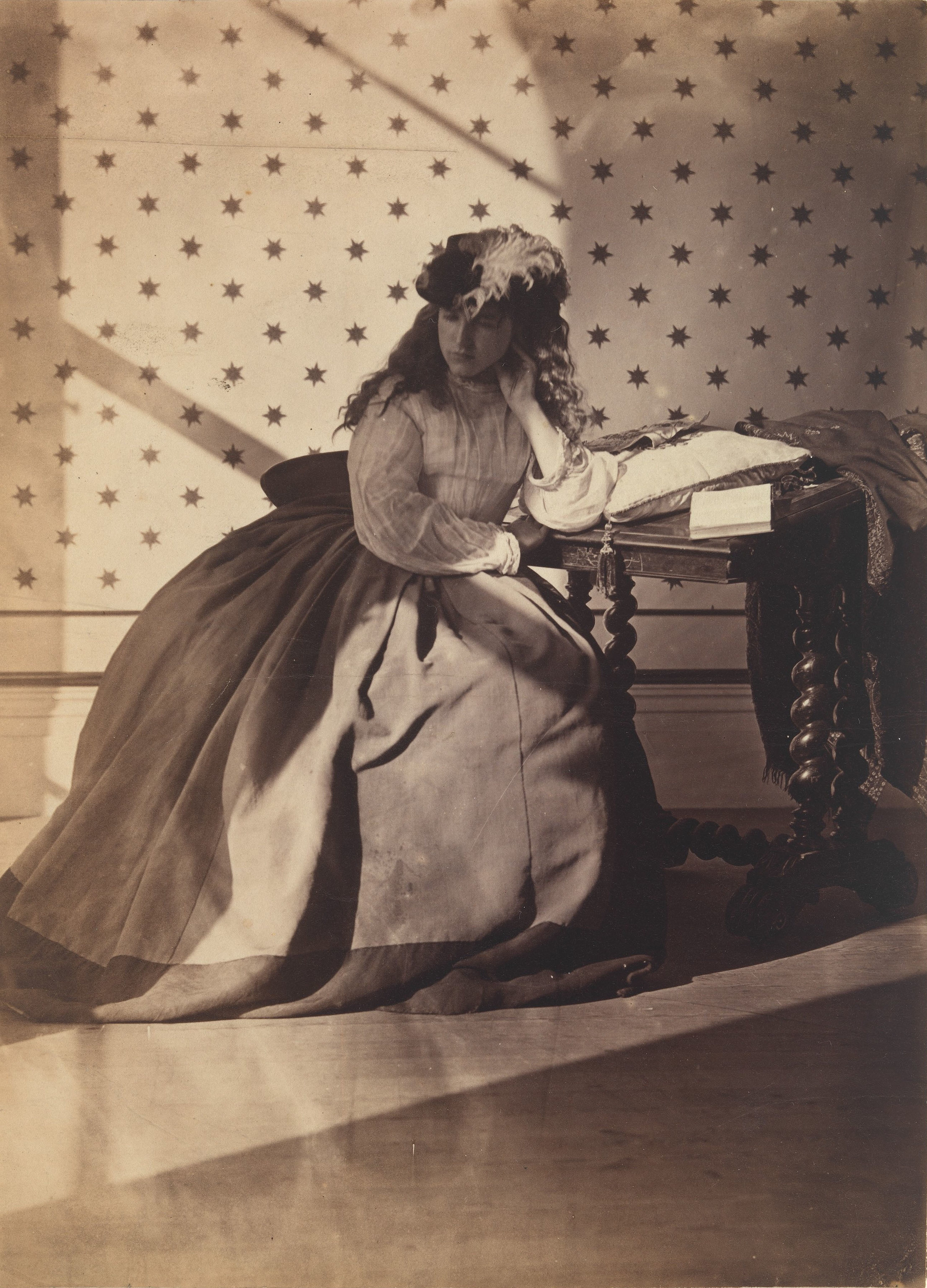
Clementina Maude, Viscountess Hawarden, aka Lady Clementina Hawarden ~ Photographic Study, early 1860s. Albumen silver print from glass negative | src MetMuseum
Clementina Maude, her mother’s preferred model, is seen here in a reflective pose against a star-studded wall. The casual placement of the shawl on the table and the girl’s loose hair contribute to the feeling of intimacy. In the airy room time seems to be suspended. The sensuous curves of the table legs, the soft weight of the crushed velvet, and the crispness of the starry wallpaper are enhanced by the skillful handling of the collodion technique. The composition, devoid of Victorian clutter, brings together light, shadow, and compositional elements in a spare and appealing interplay. In contrast to the prevailing fashion of giving literary or sentimental titles to portraits of young women, Lady Hawarden titled her works simply “Photographic Study”.
Lady Clementina Hawarden aka Viscountess Hawarden ~ Photographic Study, early 1860s (detail) | src MetMuseum






 un regard oblique