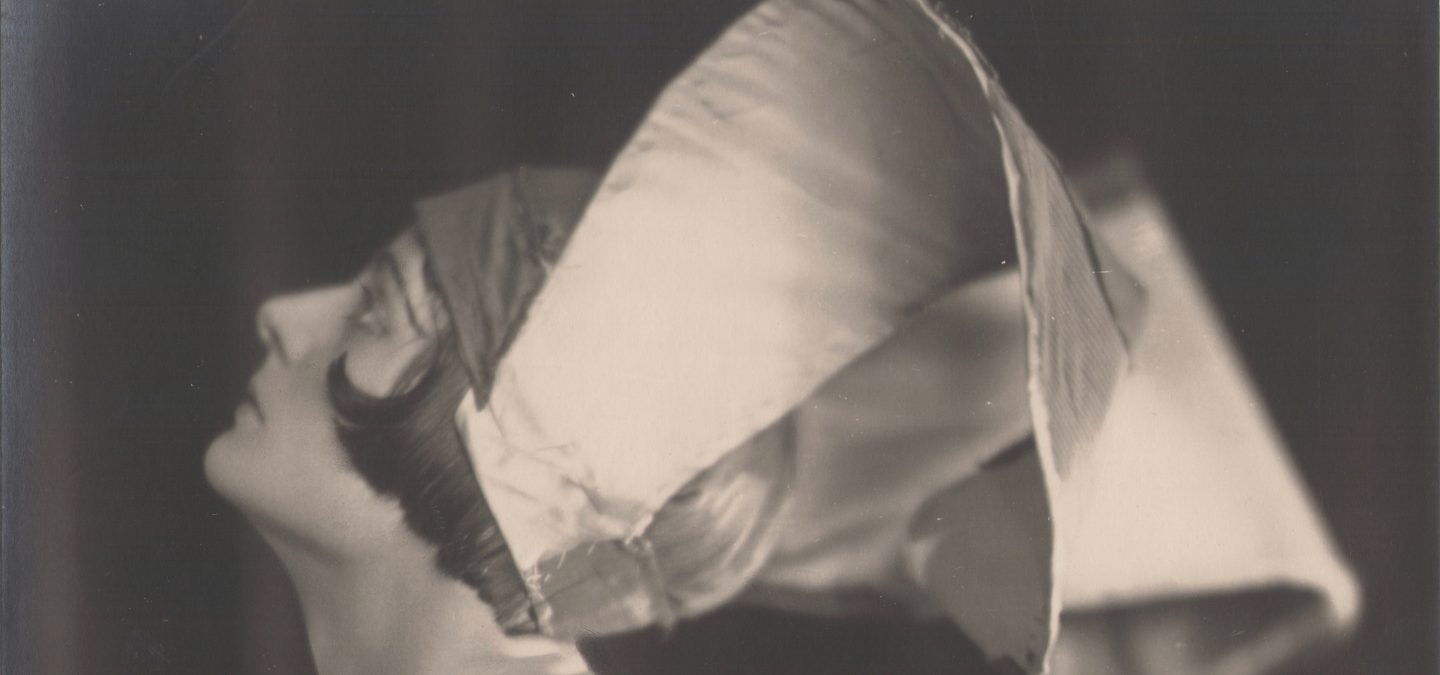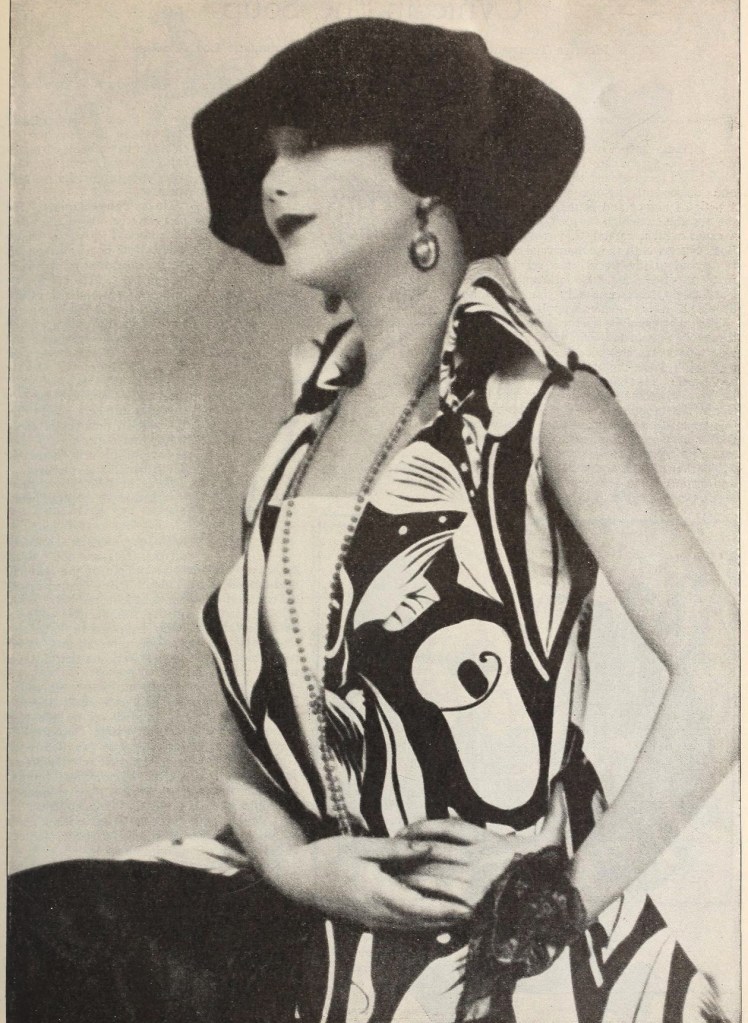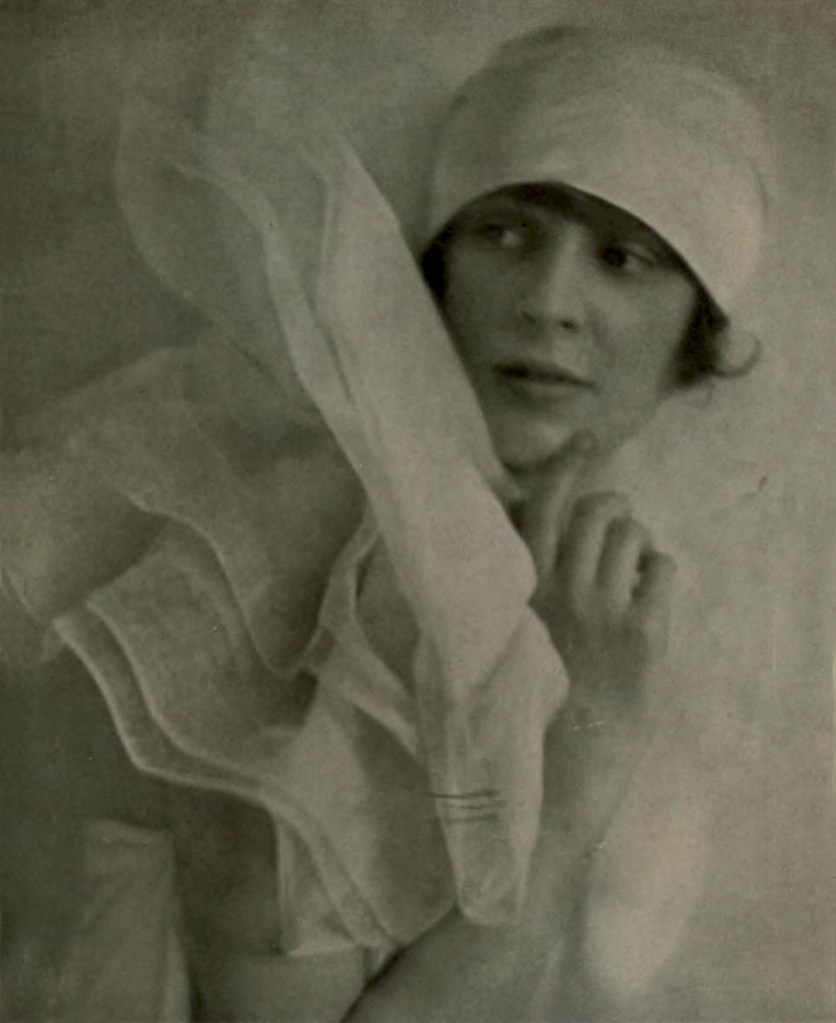
Pierrot Blanc (plate I), 1919

George Edward Stanhope Molyneux Herbert, 5th Earl of Carnavon :: Pierrot Blanc. Published in Photograms of the Year 1919 (plate I). Edited by F. J. Mortimer.| src archive.org

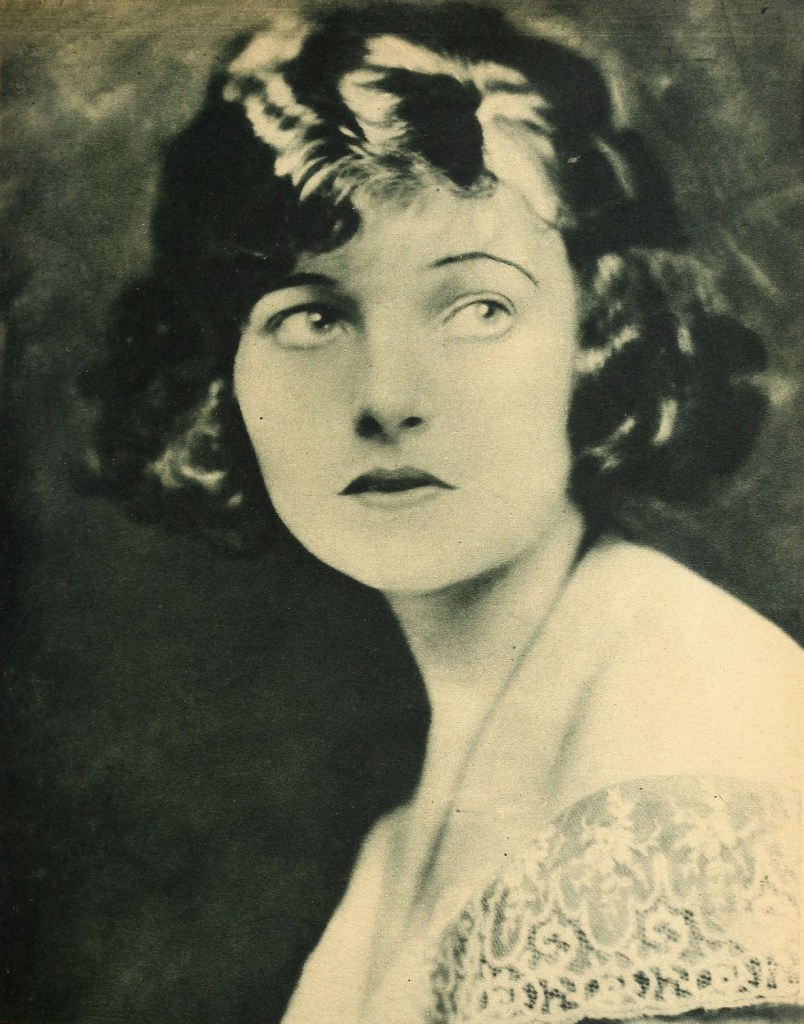
Margot, lead mannequin for Lucile, 1922

Margot, lead mannequin at the salon of Lucile, aka Lady Lucy Duff Gordon in the 1920s. Lucile pioneered the use of models and ‘mannequin parades’, a forerunner of the catwalk show. Unattributed photograph, published in The Sketch magazine, 17 May 1922. | src Mary Evans Picture Library

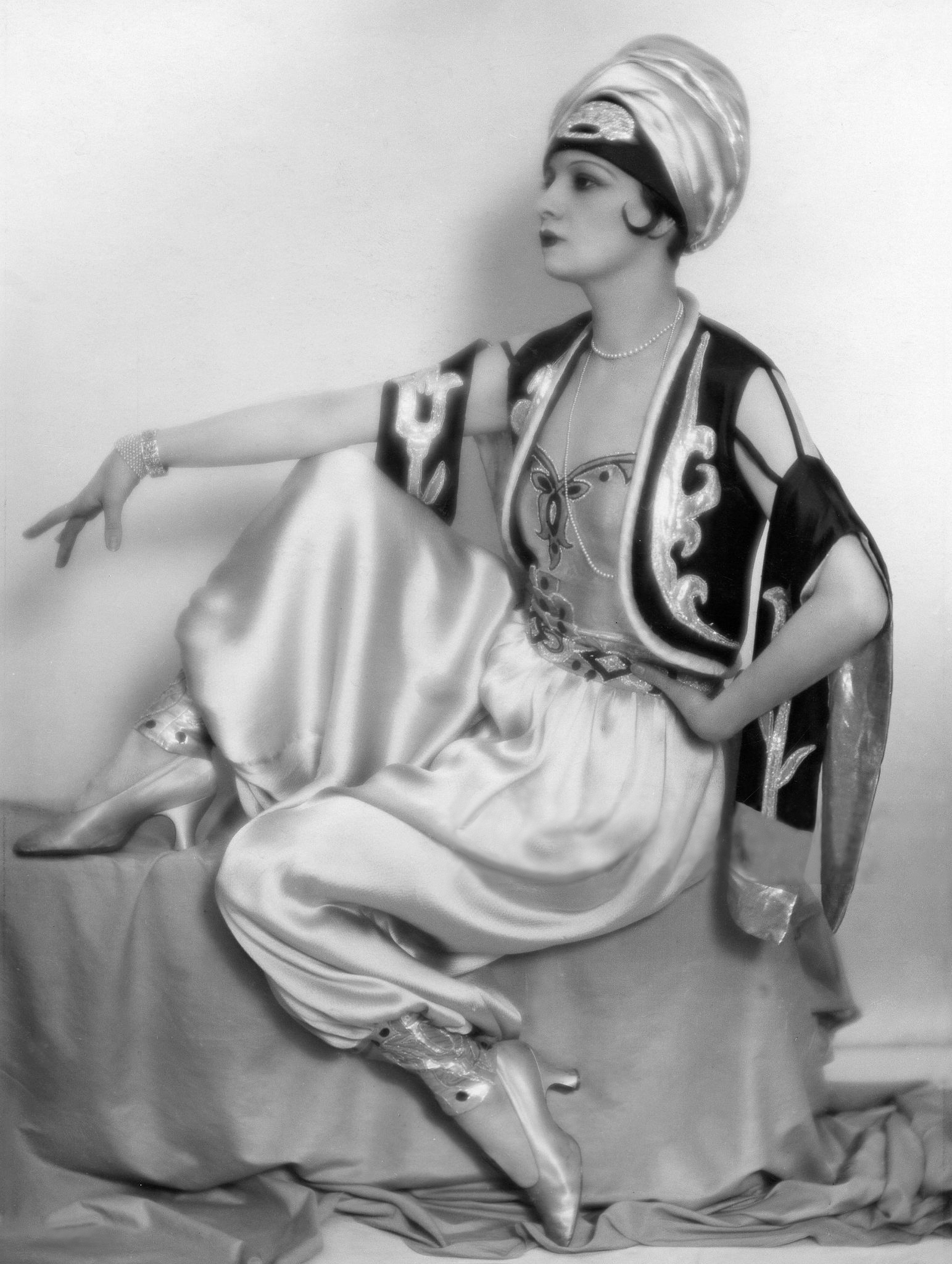
Jenny Steiner in Scheherazade carnival costume, 1927

Atelier Balázs (auch Balasz) :: Tänzerin Jenny Steiner im Karnevalskostüme "Scheherazade". Modell von Hermann Gerson, 1927. Dancer Jenny Steiner in "Scheherazade" carnival costume. Model by Hermann Gerson, 1927. | src Ullstein Bild via Getty Images
Atelier Balázs (auch Balasz) :: Tänzerin Jenny Steiner im Karnevalskostüme “Scheherazade”. Modell von Hermann Gerson, 1927. Dancer Jenny Steiner in “Scheherazade” carnival costume. Model by Hermann Gerson, 1927. | src Ullstein Bild via Getty Images

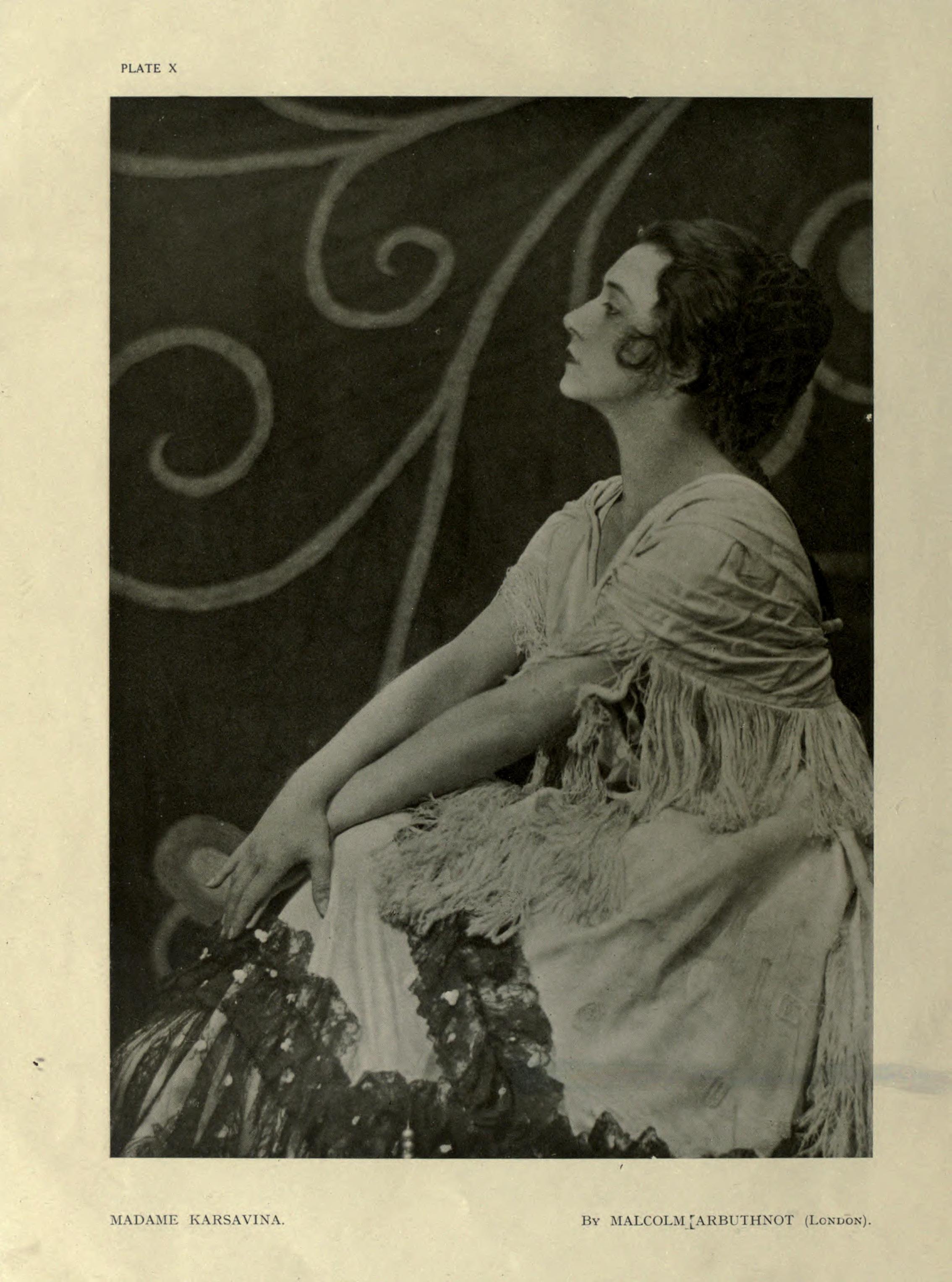
Vera Shabshay, 1925

Vera Kagan-Shabshay, Moscow, 1925. Family Archive, Israel. Photographer’s or studio’s stamp and date (25) | src The Museum of Russian Art, Israel. From the exhibition: Choreographer Vera Shabshay: Forgotten “Amazon of the Avant-Garde” (2008)

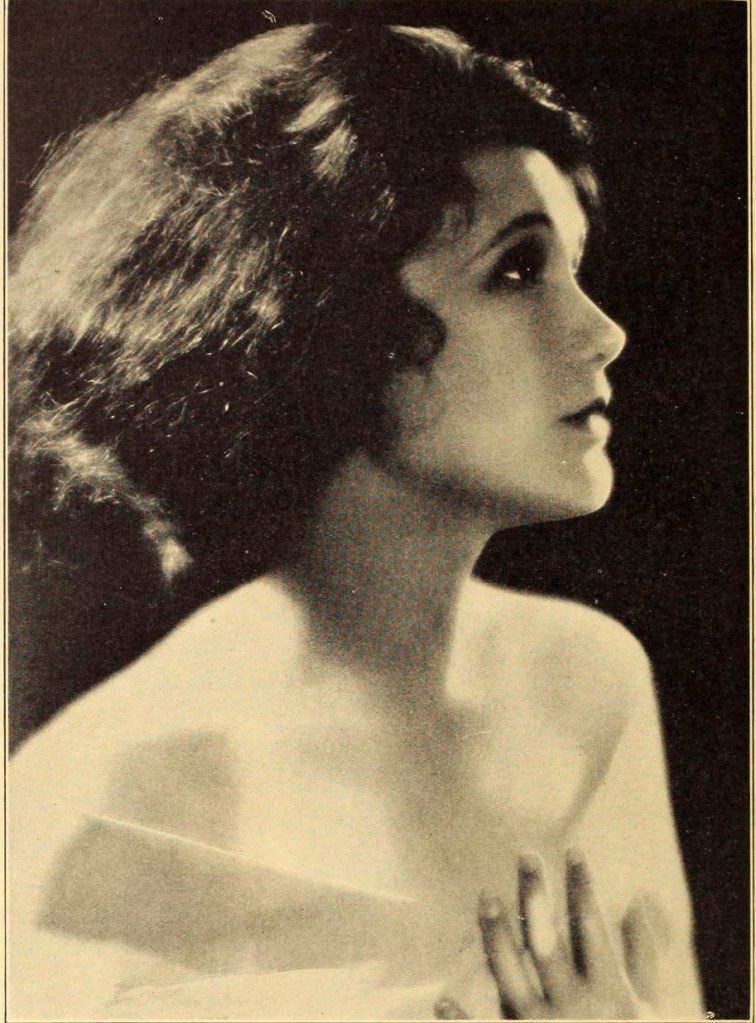
Vera Shabshay in «Aleph»

Vera Shabshay (also Shabshai, Shabashai or Shabshaj) (1905-1988) in the Dance of the Slave. From the ballet “Aleph”, choreographed and produced by Vera Shabshay, Moscow, season 1930-1931. Costume by N.P. Lamanova and N.S. Iznar | src The Museum of Russian Art in Israel on Fb / המוזיאון לאמנות רוסית

From 1926 to 1934, Vera Shabshai (1905 – 1988) created about a hundred miniatures ballets, mainly on Jewish themes, to the music of composers from the Society of Jewish Music. These choreographic numbers, combined into suites on a specific theme, made up the extensive repertoire of “Evenings of Jewish Dance” and “Evenings of Jewish Ballet and Pantomime” organized by Shabshai in the seasons of 1929-1930 and 1930-1931.

The most popular piece of these ballets was the Jewish pantomime-ballet “Aleph”, in which she said she wanted to express through plastic means various moments of Jewish history from antiquity to the present day. It consisted of six pats or cycles: “Jewish Bas-reliefs”, “Mourning dances”, “Jews in Spain”, “Shtetl dances” and the pantomime “ Smena / Change”.