Dialogues: 1860s-1920s-1940s

Eugène Cuvelier :: Près de la Caverne, Terrain Brûlé, early 1860s. Salted paper print from paper negative. | src The Met

“An atypical work for the naturalistically inclined Cuvelier, this highly Romantic image of two people sitting below the skeletons of burned pine trees and looking into the featureless distance like the contemplative figures in the paintings of Caspar David Friedrich, was no doubt a response to the startling sight of the charred landscape.” | quoted from The Met
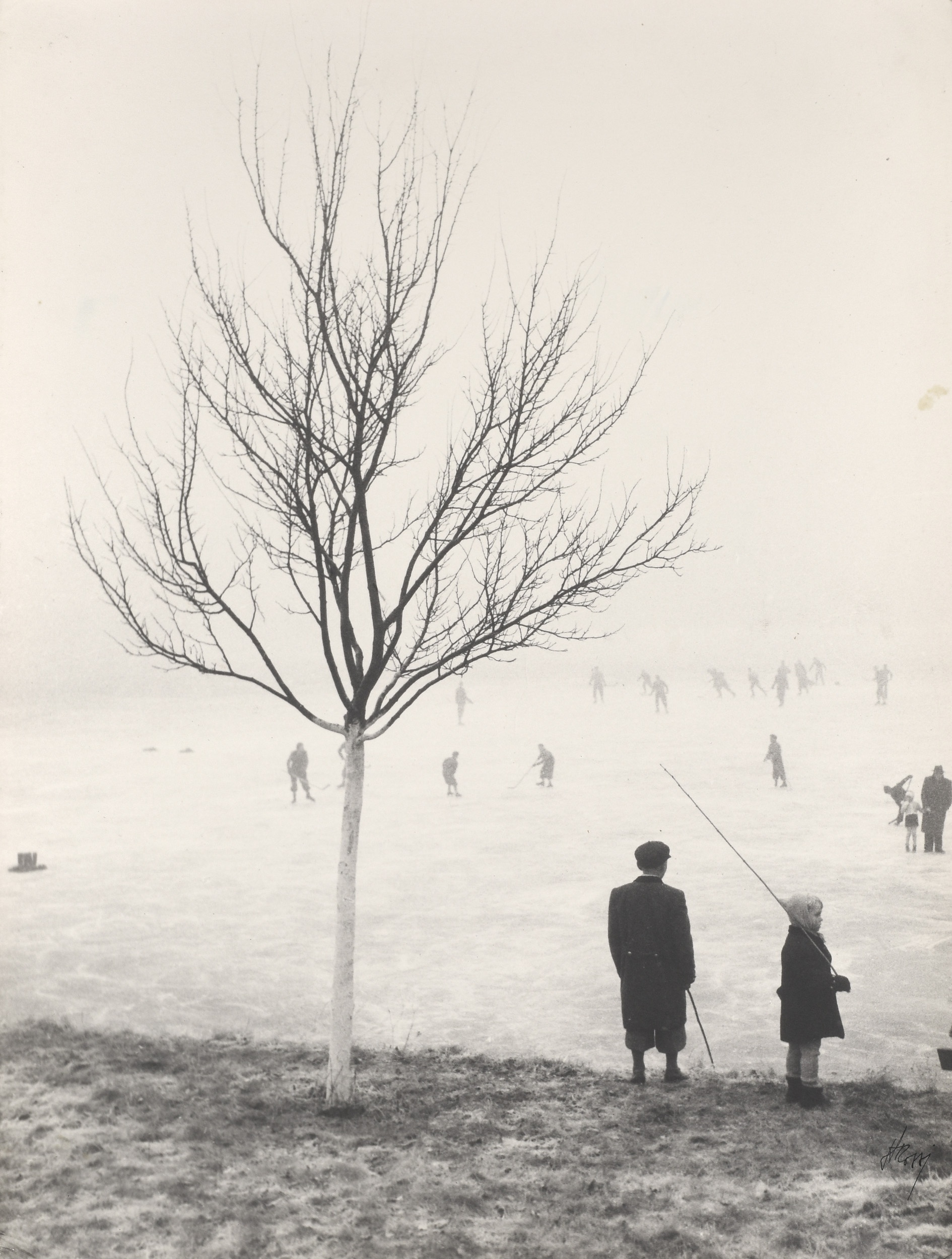
Adolf Rossi :: On a frozen lake, 1946. Vintage gelatin silver print | Sign. Adolf Rossi a Easter Cape International Salon of Photography. 6th C. P. A. International Salon 1965, Hong Kong | src Prague Auctions

“A heap of broken images, where the sun beats,
And the dead tree gives no shelter, the cricket no relief,
And the dry stone no sound of water. Only
There is shadow under this red rock,
(Come in under the shadow of this red rock),
And I will show you something different from either
Your shadow at morning striding behind you
Or your shadow at evening rising to meet you;
I will show you fear in a handful of dust.”
― T.S. Eliot, The Waste Land (1922)

“Winter kept us warm, covering
Earth in forgetful snow”
― T.S. Eliot, The Waste Land (1922)

Life is merely a fracas on an unmapped terrain, and the universe a geometry stricken with epilepsy. ― Emil Cioran, A Short History of Decay (1949)
Sipprell by Sipprell, 1900-1970

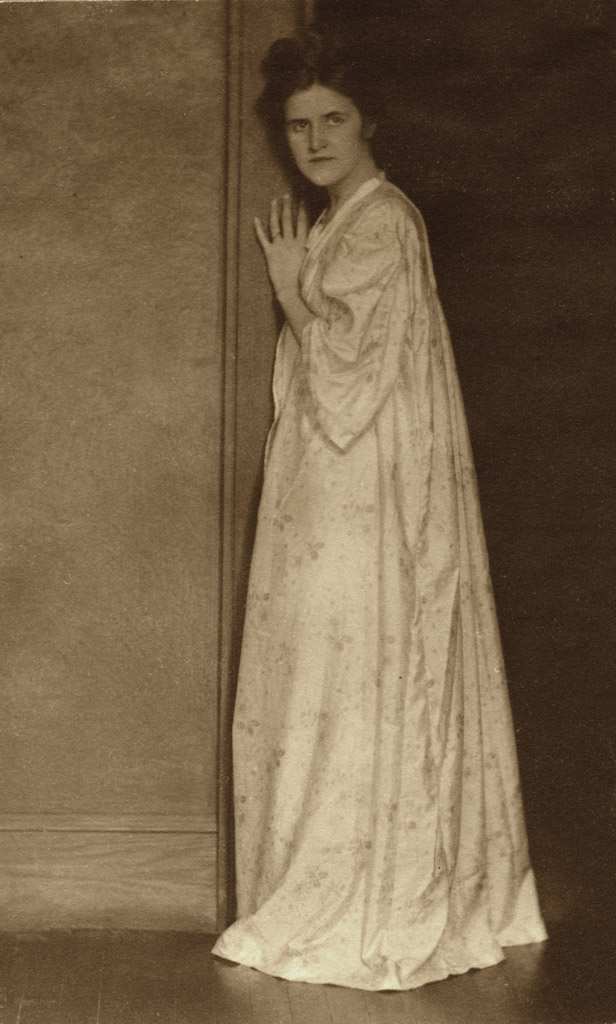
Francis J. Sipprell (1878-1958) :: Portrait of Clara E. Sipprell, ca. 1910. Platinum print. Burchfield Penney Art Center. | src l’œil de la photographie (broken link; linked to l’œil homepage)
Francis J. Sipprell (1878-1958) :: Clara E. Sipprell (1885-1975), ca. 1910. Platinum print. | src Burchfield Penney Art Center
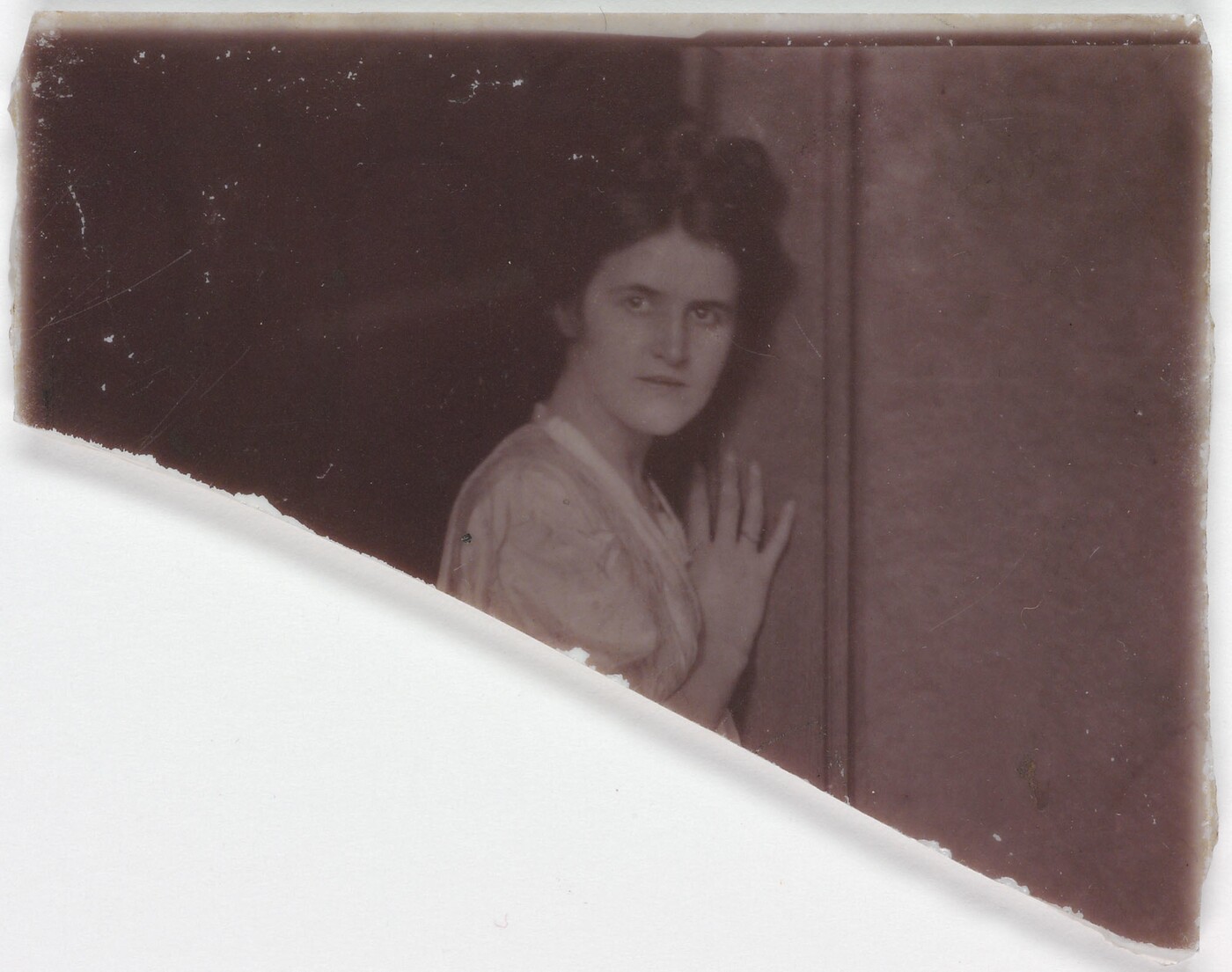
Clara Sipprell :: [Fragment of portrait of Clara Sipprell], ca. 1900. Gelatin silver print. Clara E. Sipprell Collection. There is no mention on source whether this photograph was taken by Clara or Francis. | src Amon Carter Museum of American Art
Clara Sipprell :: Lucy Sipprell, ca. 1913. Platinum print. Scan from color transparency. | src Smithsonian American Art Museum
Allen Sipprell (1919-1998) :: Portrait of Clara E. Sipprell, ca. 1970. Gelatin silver print. | src Burchfield Penney Art Center

Clara E. Sipprell was one of America’s most important pictorial photographers of the early 20th century. Born in Canada, she moved to Buffalo, New York after her oldest brother Francis opened a photography studio. She worked part-time as an apprentice, but eventually dropped out of school to work full-time at his studio, where she learned all different types of photographic techniques. She partnered with him in 1905, and after working together for ten years and having many successful shows, she opened a studio in New York City and eventually traveled all over the world.

Clara E. Sipprell’s use of a soft-focus lens and her reliance upon entirely natural light gave her photographs an atmospheric effect and moody romanticism. She was a successful portraitist, photographing such notable people as Eleanor Roosevelt, Robert Frost, and Albert Einstein. However, she did not confine herself to that genre. Her landscapes, cityscapes, and still-life subjects were exhibited in national and international salons, galleries, and museums. There are over 1,000 photographs by Sipprell in the Amon Carter Museum collection, a gift from The Dorothea Leonhardt Fund of the Communities Foundation of Texas, Inc.  The (then) Burchfield Art Center presented a solo exhibition of her work in 1991.

quoted from Burchfield Penney Art Center

Roses by Clara Sipprell, 1920s

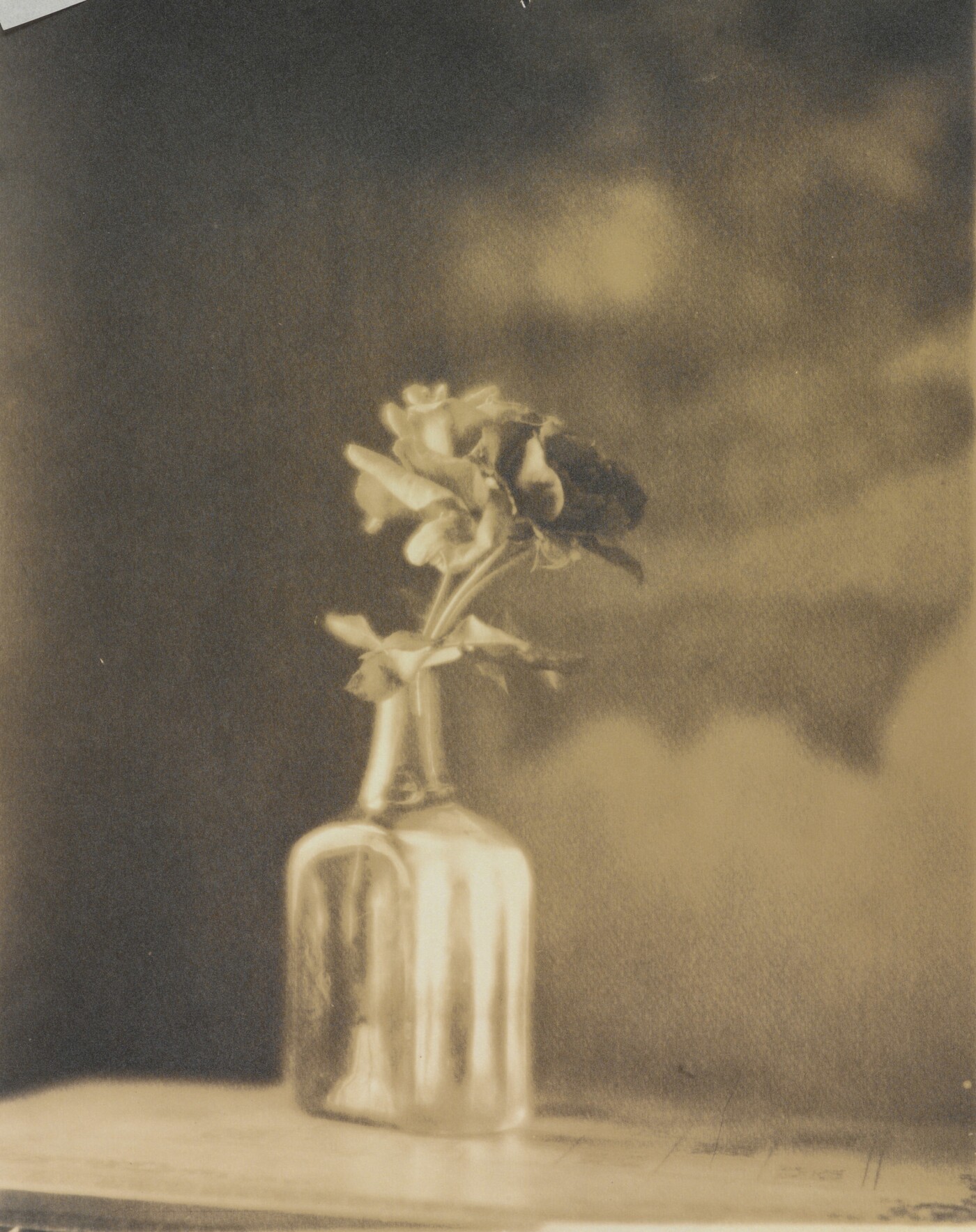
Clara Sipprell (1885-1975) :: [Rose in glass bottle], ca. 1922. Gelatin silver print. | src Amon Carter Museum of American Art
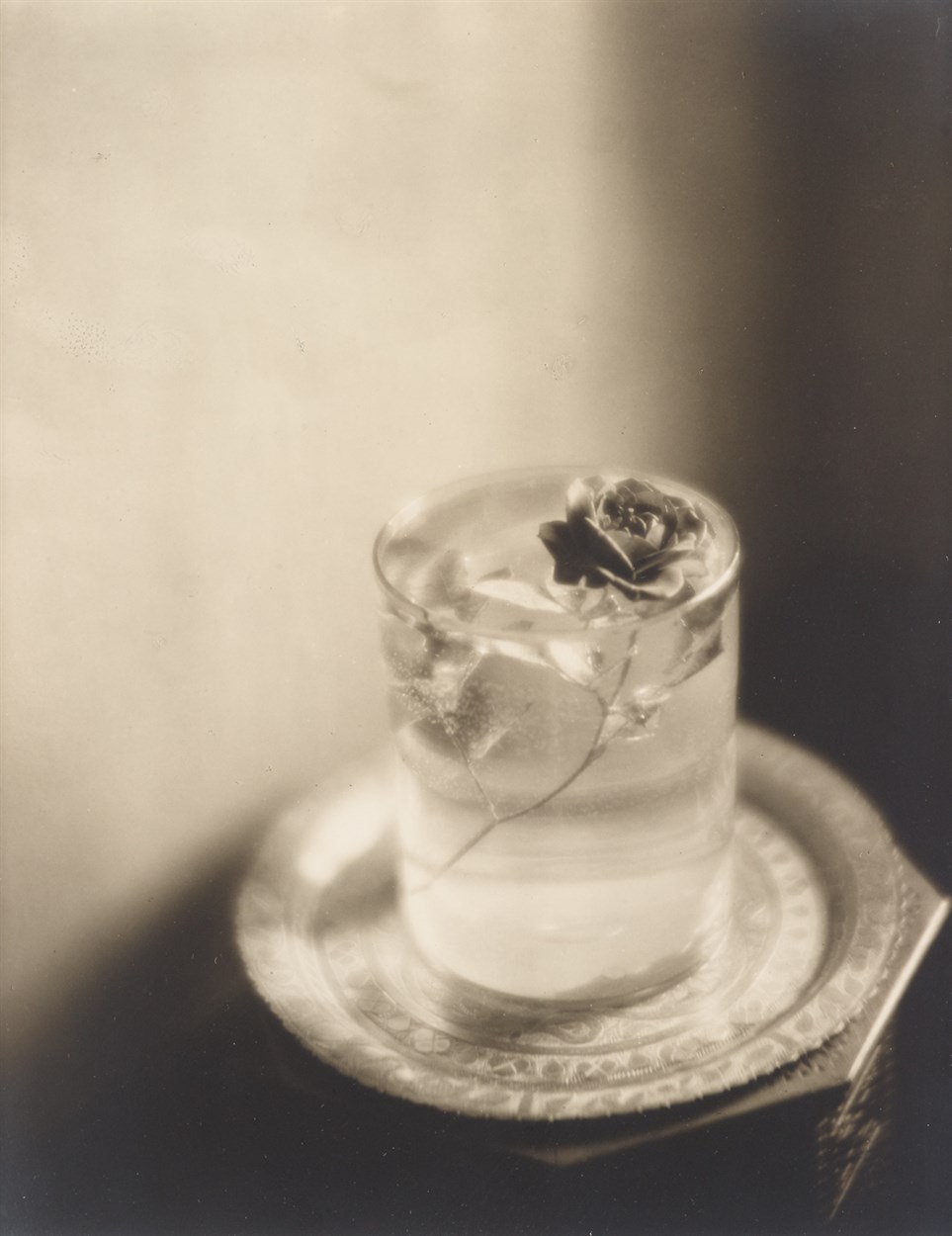
Clara E. Sipprell (1885-1975) :: Floating Rose, ca. 1920. Gelatin silver print. | src Freeman’s Auction # 4692
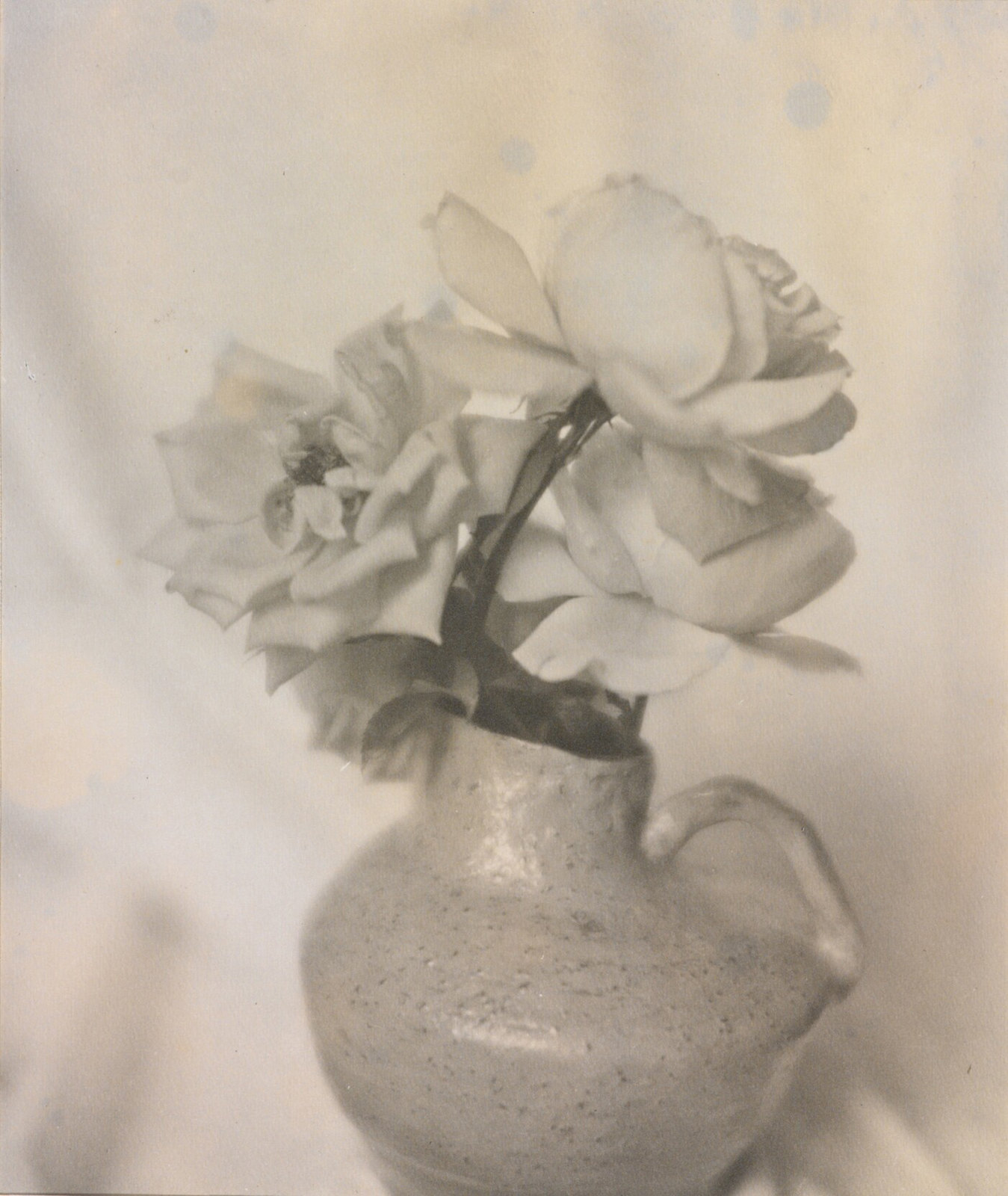
Clara Sipprell (1885-1975) :: Phyllis’s Roses, 1925. Gelatin silver print. | src Amon Carter Museum of American Art
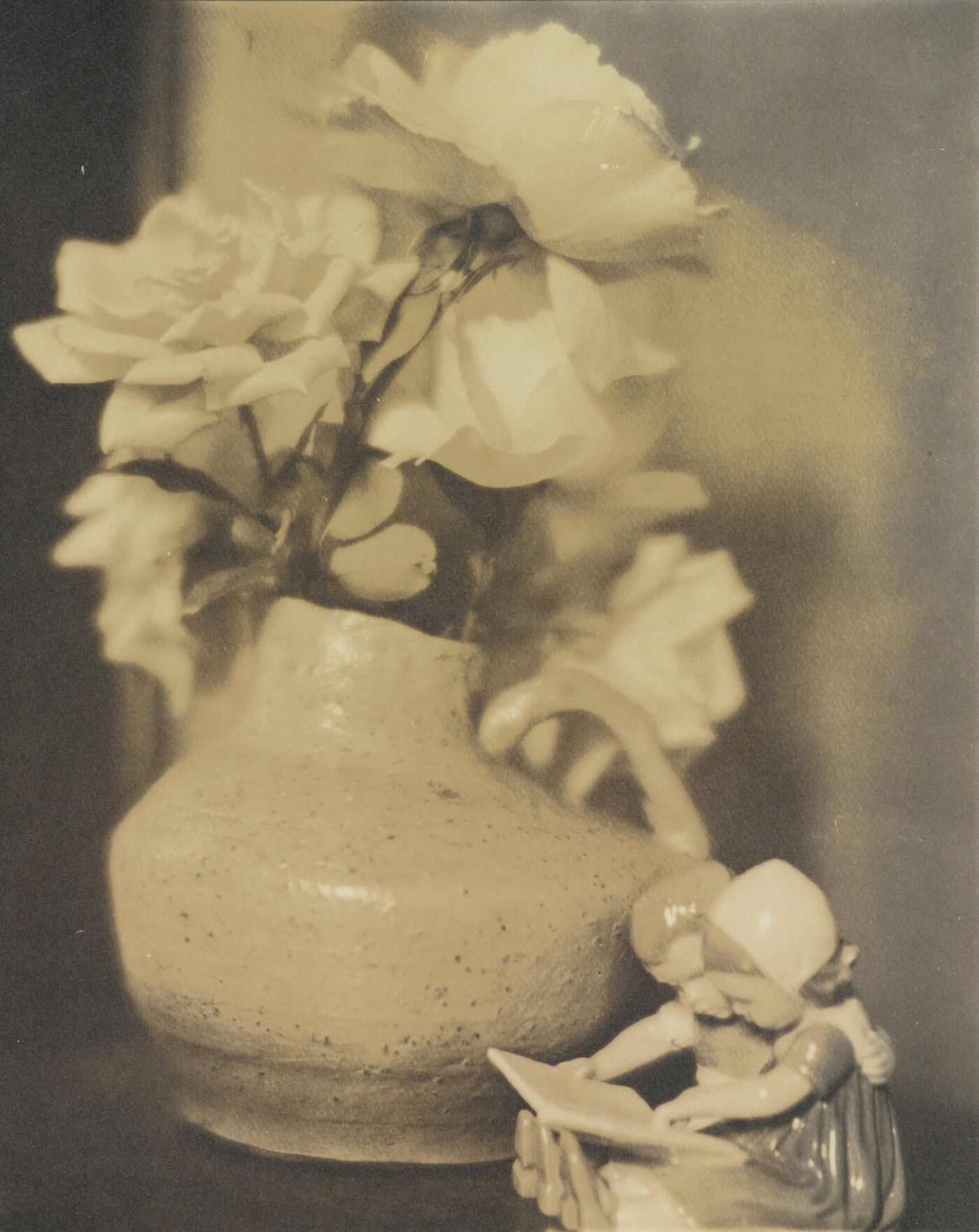
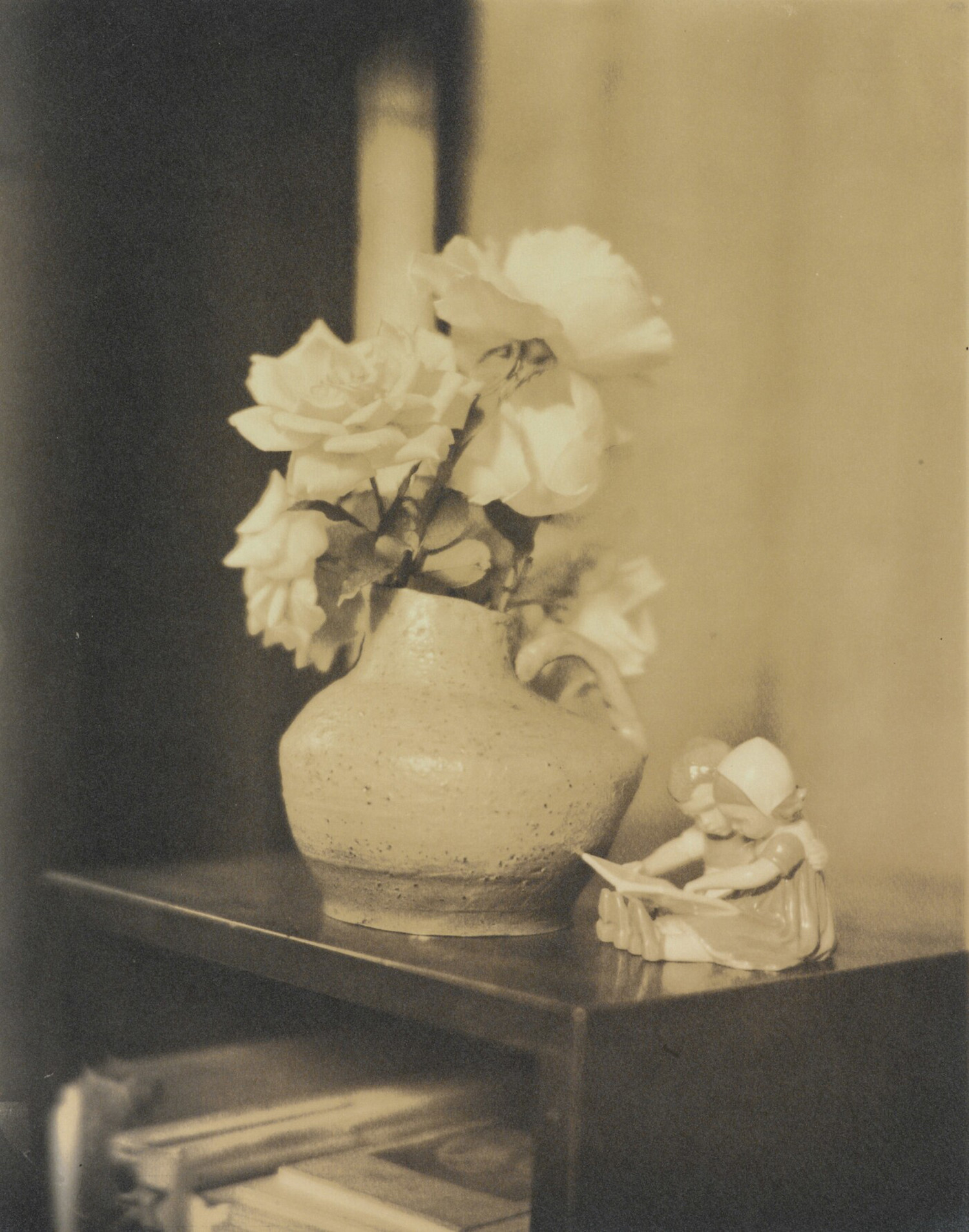
Clara Sipprell (1885-1975) :: [Rose and figurines], ca. 1922. Gelatin silver print. | src Amon Carter Museum of American Art

Callas and Lilies by Clara Sipprell

Clara Sipprell (1885-1975) :: Auratum Lilies, 1950. Gelatin silver print. | src Amon Carter Museum of American Art
Clara Sipprell (1885-1975) :: Calla Lilies, ca. 1925. Gelatin silver print on tissue. | src Amon Carter Museum of American Art
Clara Sipprell (1885-1975) :: Calla Lilies, ca. 1925, printed ca. 1926. | src Amon Carter Museum of American Art

Two Petunias or Hollyhocks

Clara Sipprell (1885-1975); [Two petunias]; ca. 1930’s; Gelatin silver print on tissue; Amon Carter Museum of American Art, Fort Worth, Texas, Purchase through gift of The Dorothea Leonhardt Fund of the Communities Foundation of Texas, Inc.; P1984.1.660
Clara Sipprell (1885-1975) :: Two Petunias, 1930s. Gelatin silver print on tissue. | src Amon Carter Museum
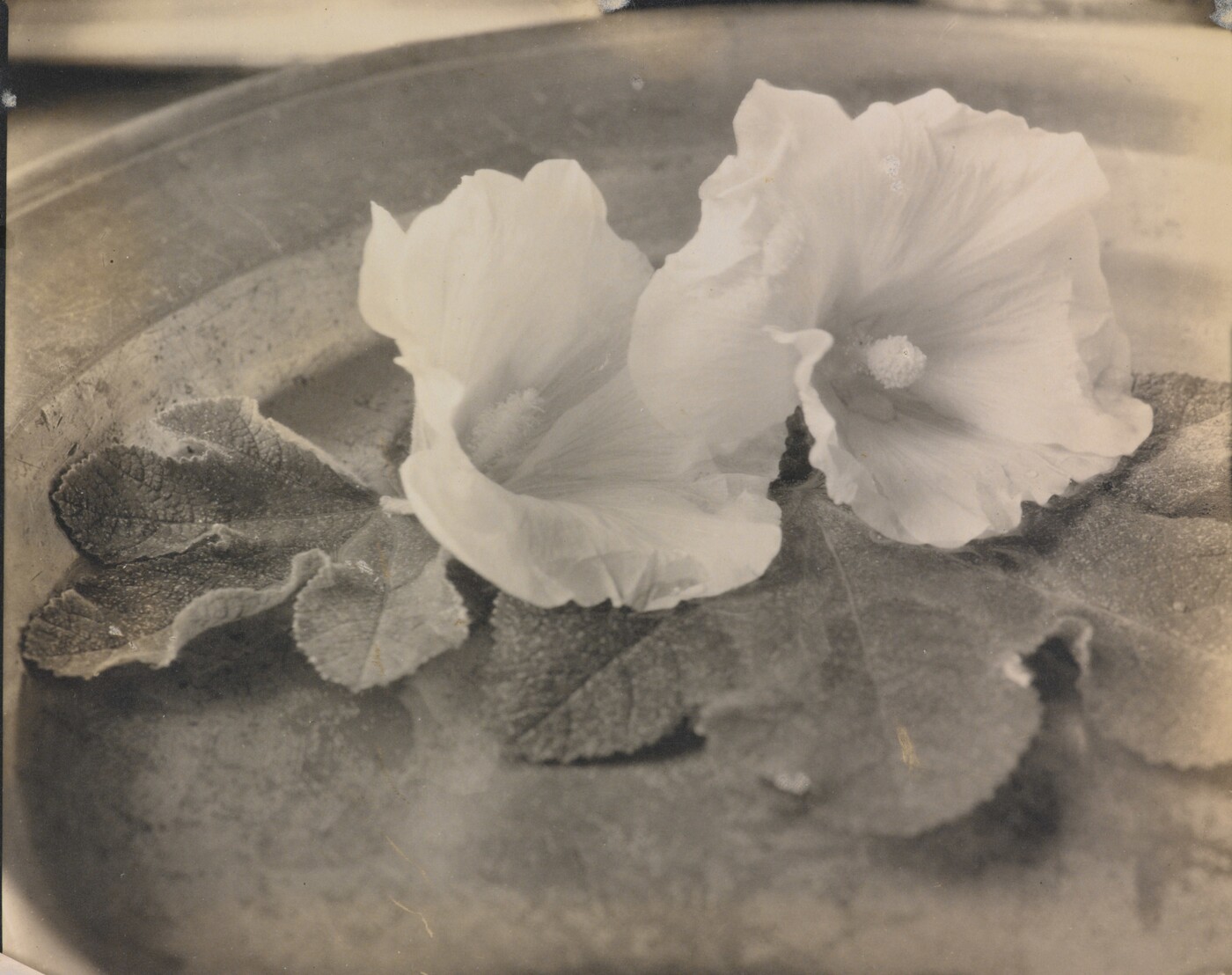
Clara E. Sipprell (1885-1975) :: Untitled [two hollyhock blossoms resting on a platter], undated. | src Burchfield Penney Art Center

Tulips, ca. 1911 (Clara Sipprell)

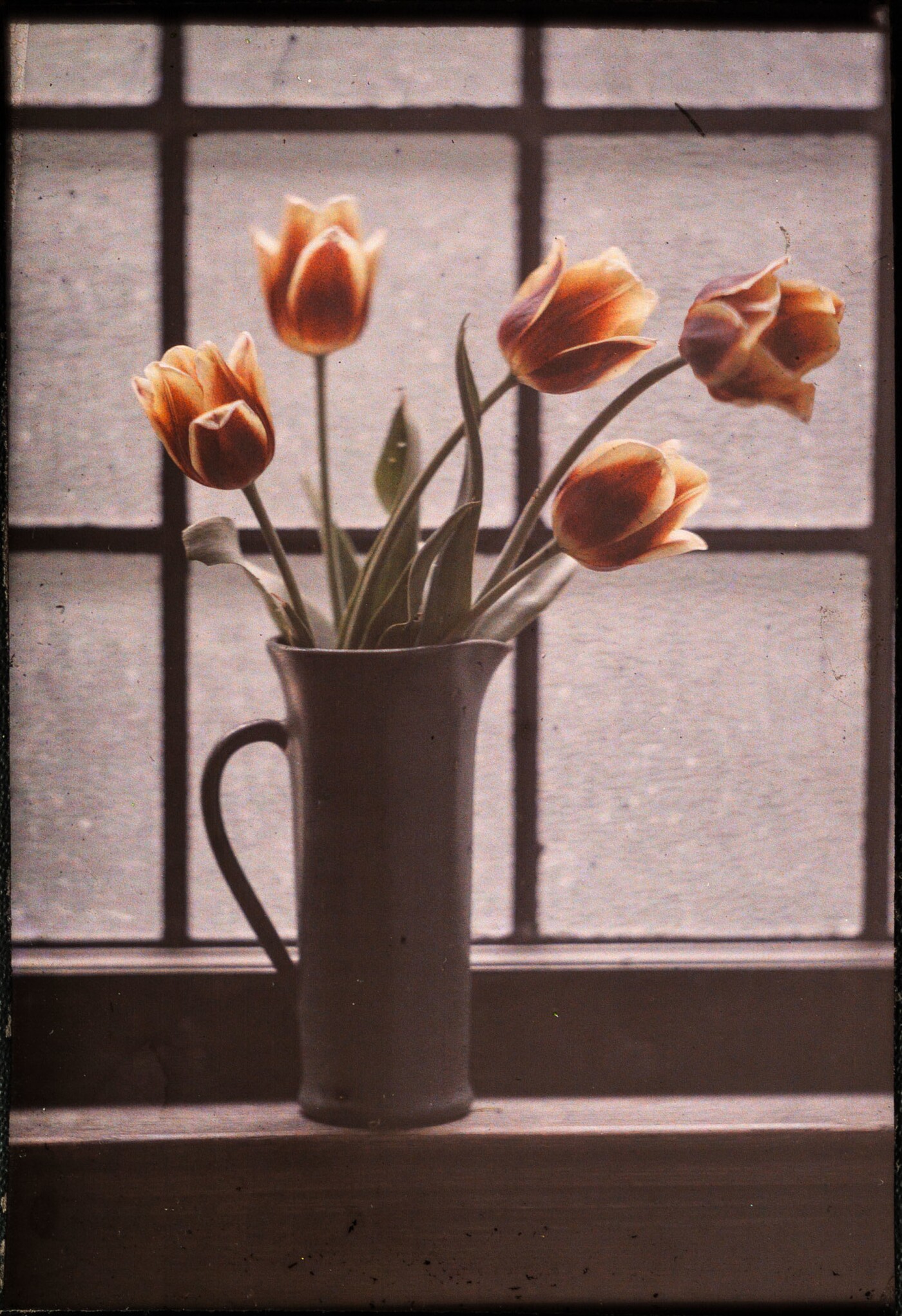
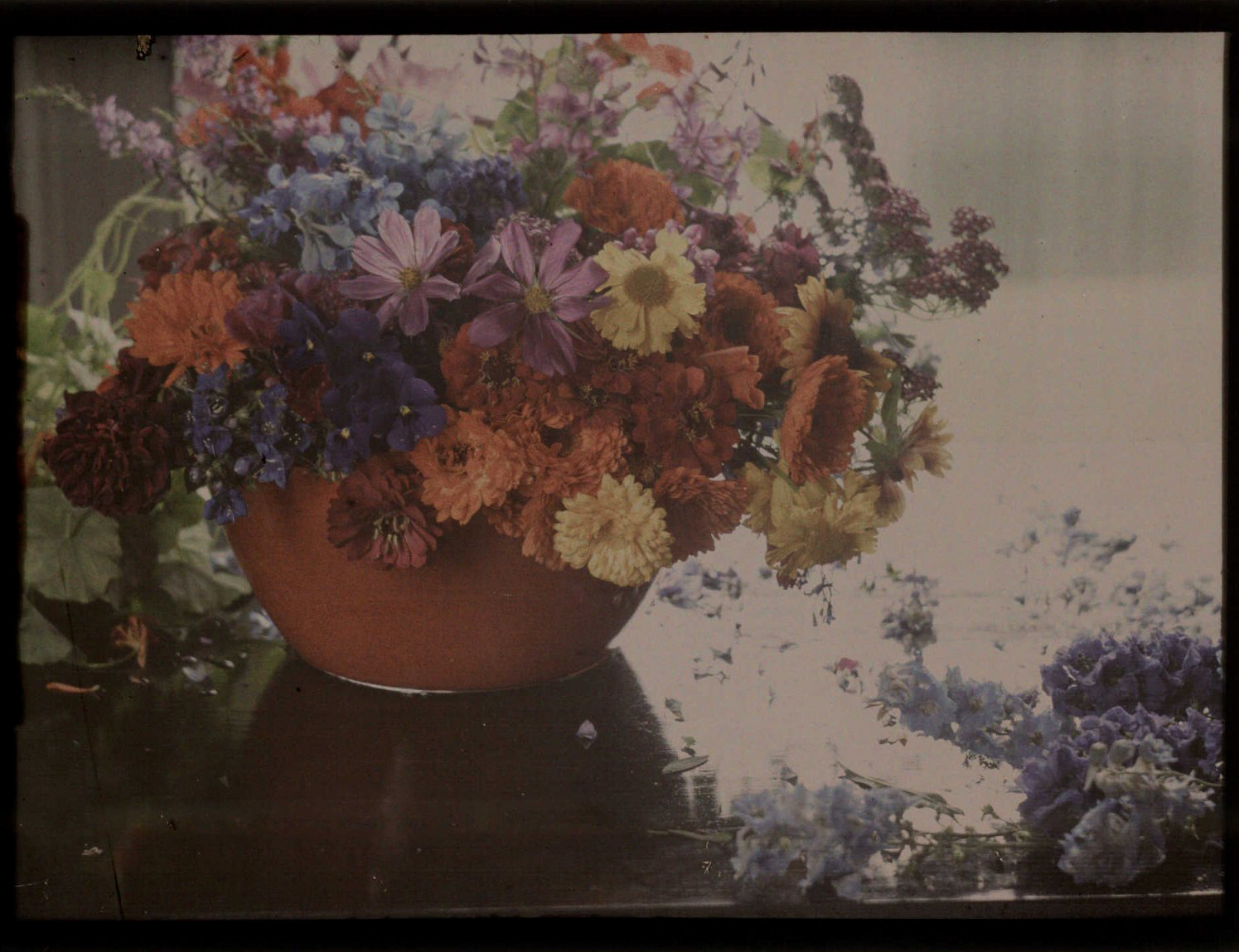
Clara Sipprell (1885-1975) :: Tulips, ca. 1911. Glass transparency. Additive color screen plate(*). | src Amon Carter Museum
Clara E. Sipprell :: Tulips, ca. 1911. Glass transparency. Additive color screen plate(*). | src Amon Carter Museum of American Art

(*) Additive Color Screen Plate or Screen Plate were known commonly by the product name: Autochrome, Filmcolor, Lumicolor, Alticolor. Used mainly between 1907 and 1935. Initially it has a glass support; later products on film supports. This process was the first fully practical single-plate color process. The Autochrome plate or Screen plate could record both saturated and subtle colors with fidelity, and since the screen and the image were combined, there were no registration problems. Nonetheless, it had its drawbacks: the exposure times were long, and the processed plates were very dense, transmitting only less than the 10% of the light reaching them.

The result is a soft, subdued, dreamy colored image. And grainy. Although the starch grain filters were microscopically small their random distribution meant that inevitably there would be clumping of grains of the same color.

The Mirror, 1912 (C.H. White)

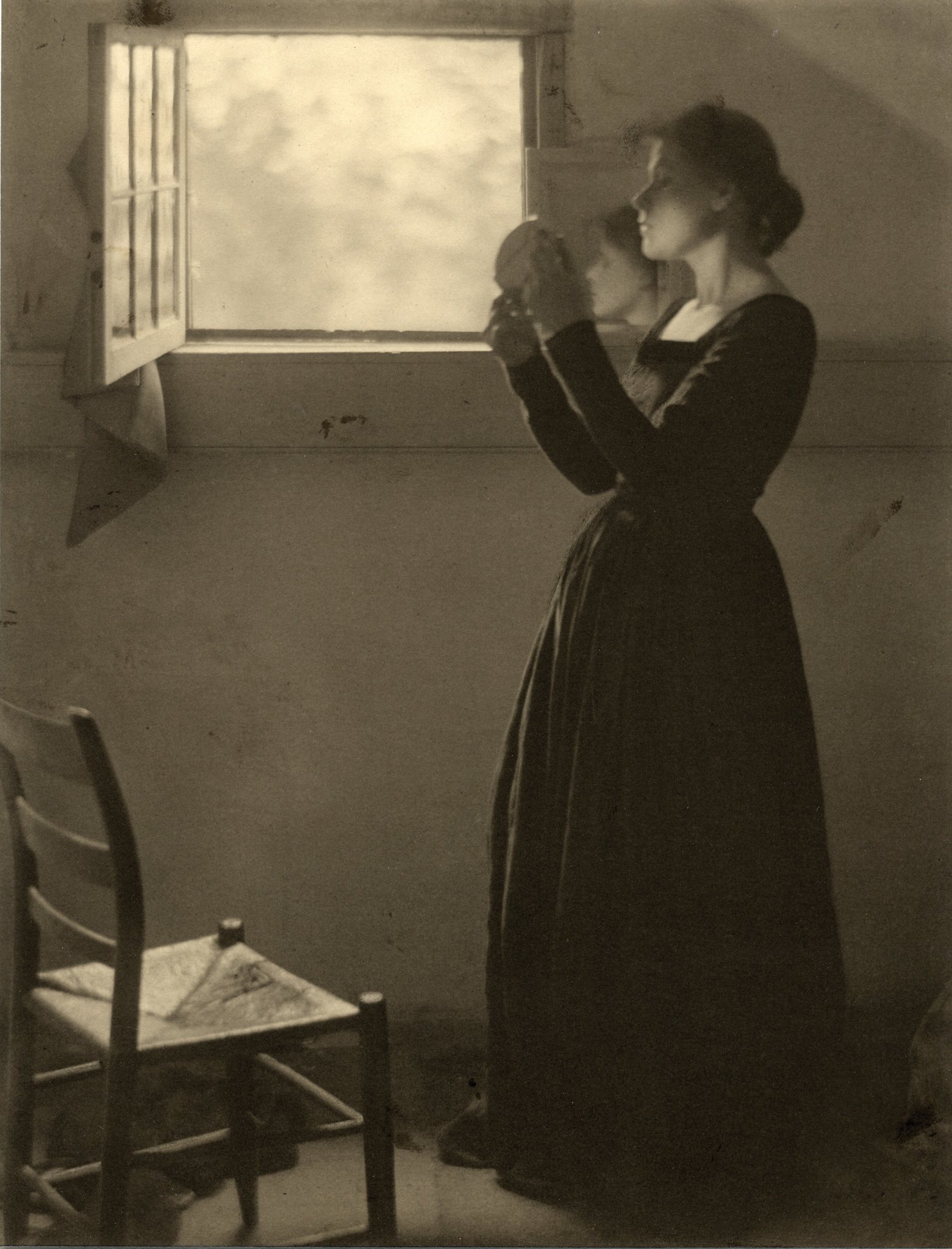
Clarence Hudson White :: The Mirror, 1912. From: Photo-Secession: Painterly Masterworks of Turn-of-the-Century Photography at D'Amour Museum of Fine Arts · Springfield Museums
Clarence Hudson White :: The Mirror, 1912. From: Photo-Secession: Painterly Masterworks of Turn-of-the-Century Photography at D’Amour Museum of Fine Arts · Springfield Museums

Georgia OʹKeeffe fixing hair

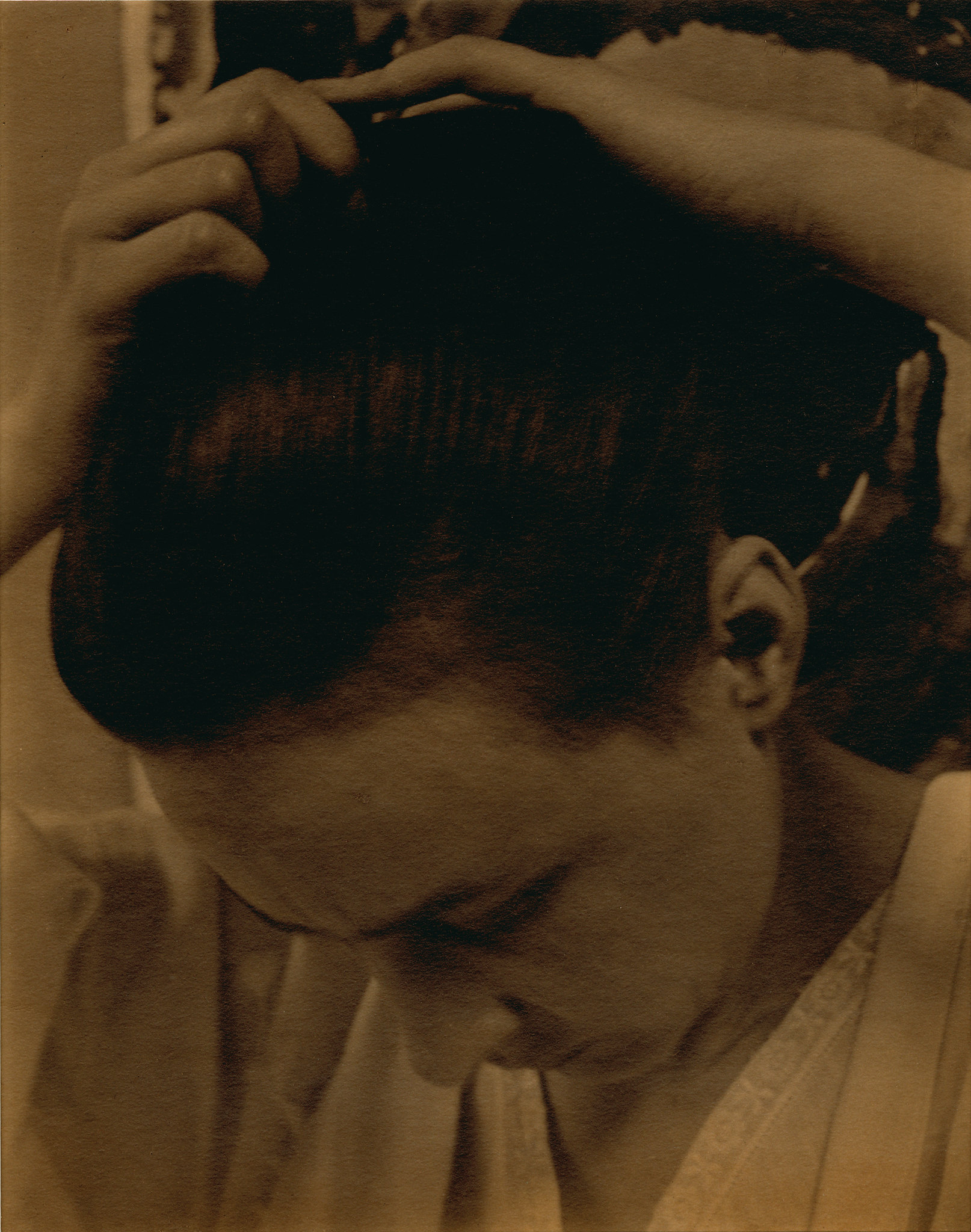
Alfred Stieglitz :: Georgia OʹKeeffe (fixing hair), 1919-21. From: Photo-Secession: Painterly Masterworks of Turn-of-the-Century Photography at D'Amour Museum of Fine Arts · Springfield Museums
Alfred Stieglitz :: Georgia OʹKeeffe (fixing hair), 1919-21. From: Photo-Secession: Painterly Masterworks of Turn-of-the-Century Photography at D’Amour Museum of Fine Arts · Springfield Museums

Flower studies by De Meyer

Baron Adolph de Meyer :: Flower Study, 1908. Autochrome. (Royal Photographic Society Collection) | src The Dawn of Colour at Science and Media Museum
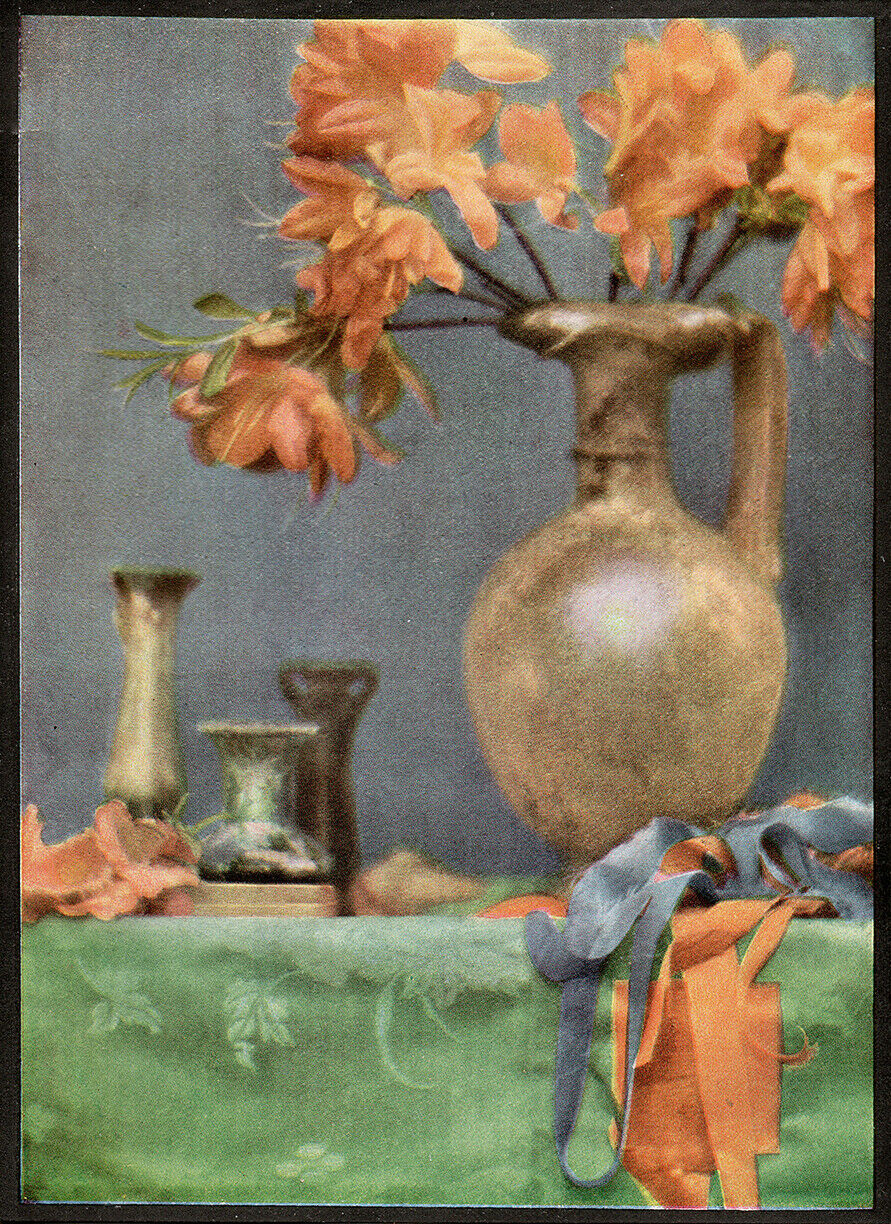
Baron Adolf de Meyer :: Still Life # 3, 1908. Halftone printed from an Autochrome. | src eBay
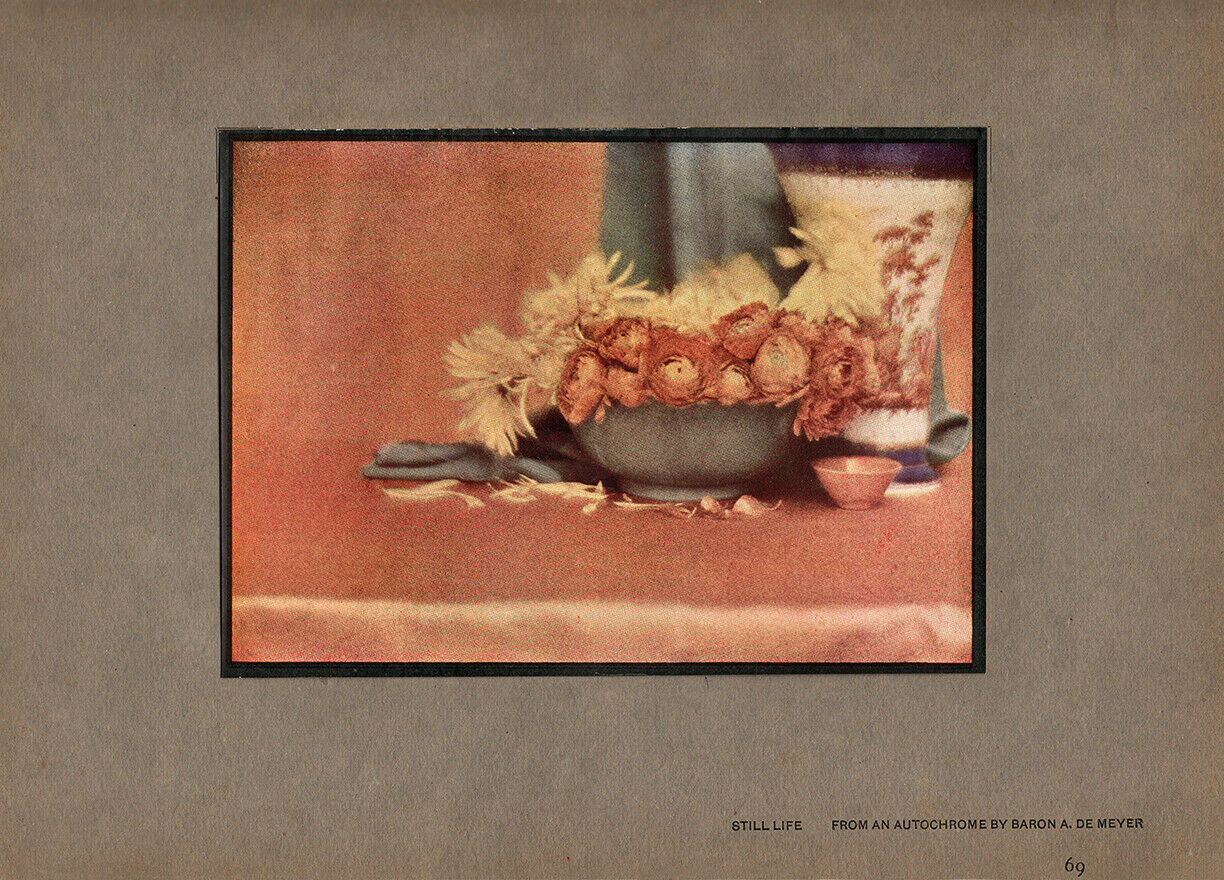
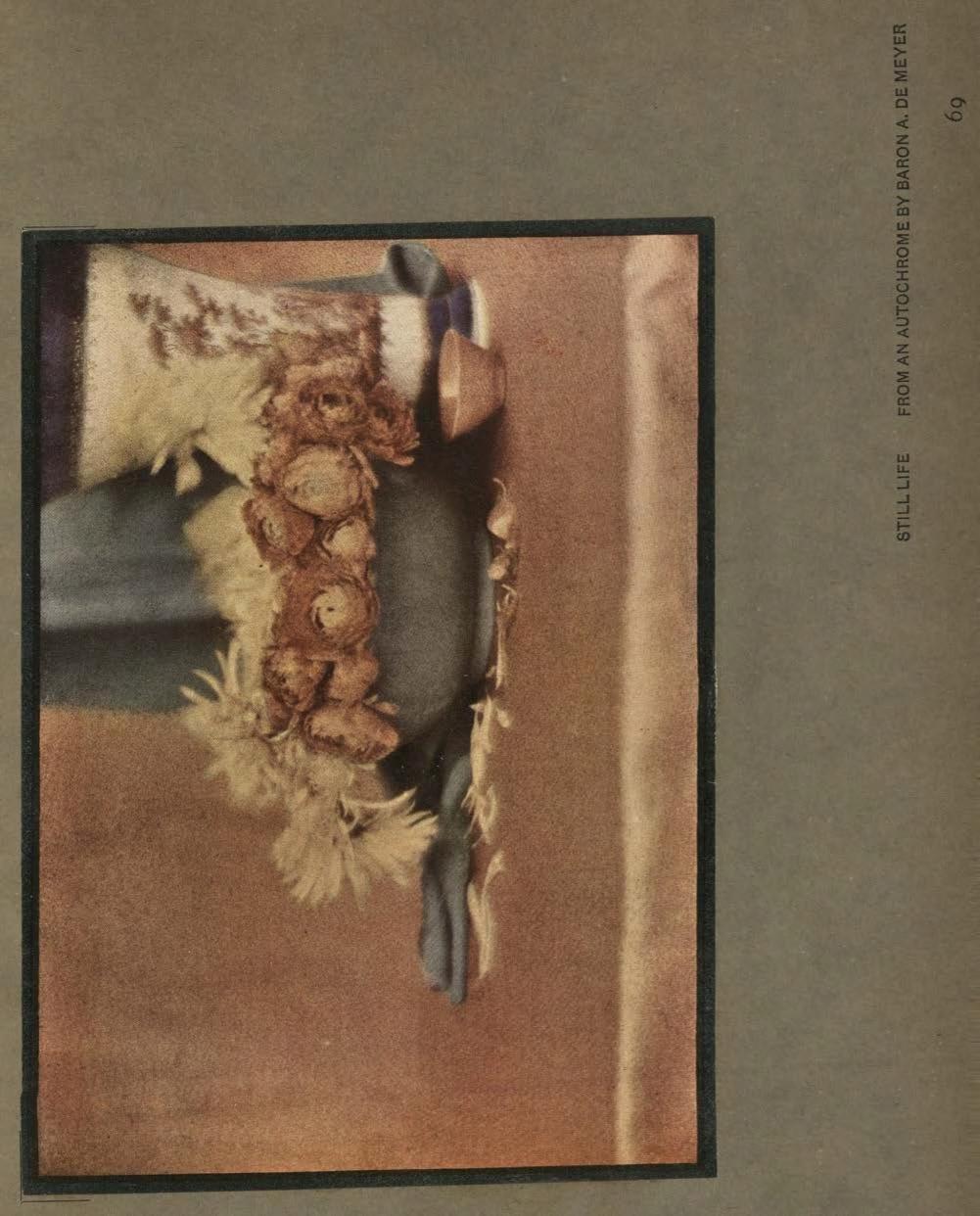
Still Life, ca. 1908. From an Autochrome by Baron A. de Meyer. From: “Colour Photography and other Recent Developments of the Art of the Camera”. Charles Holme ed., 1908. | src internet archive
Baron Adolf de Meyer :: Still Life, 1908. Halftone printed from an Autochrome. | src eBay

These studies, titled Still-life (Nature morte; Stillleben), are halftones printed from the original Autochrome dating from 1908; both were published in “Colour Photography and other Recent Developments of the Art of the Camera” a British companion along with “Art in Photography”, to Camera Work, the important American photo secessionist magazine published by Alfred Stieglitz. | src eBay & eBay

Das Goldfisch-Glas, ca. 1905

Pierre Dubreuil :: Das Goldfisch-Glas, ca. 1905. Photogravure. From: Photographische Mitteilungen 1905. | src Photogravure.com
Pierre Dubreuil :: Das Goldfisch-Glas [The Goldfish Bowl], ca. 1905. Photogravure. From: Photographische Mitteilungen 1905. | src Photoseed.com