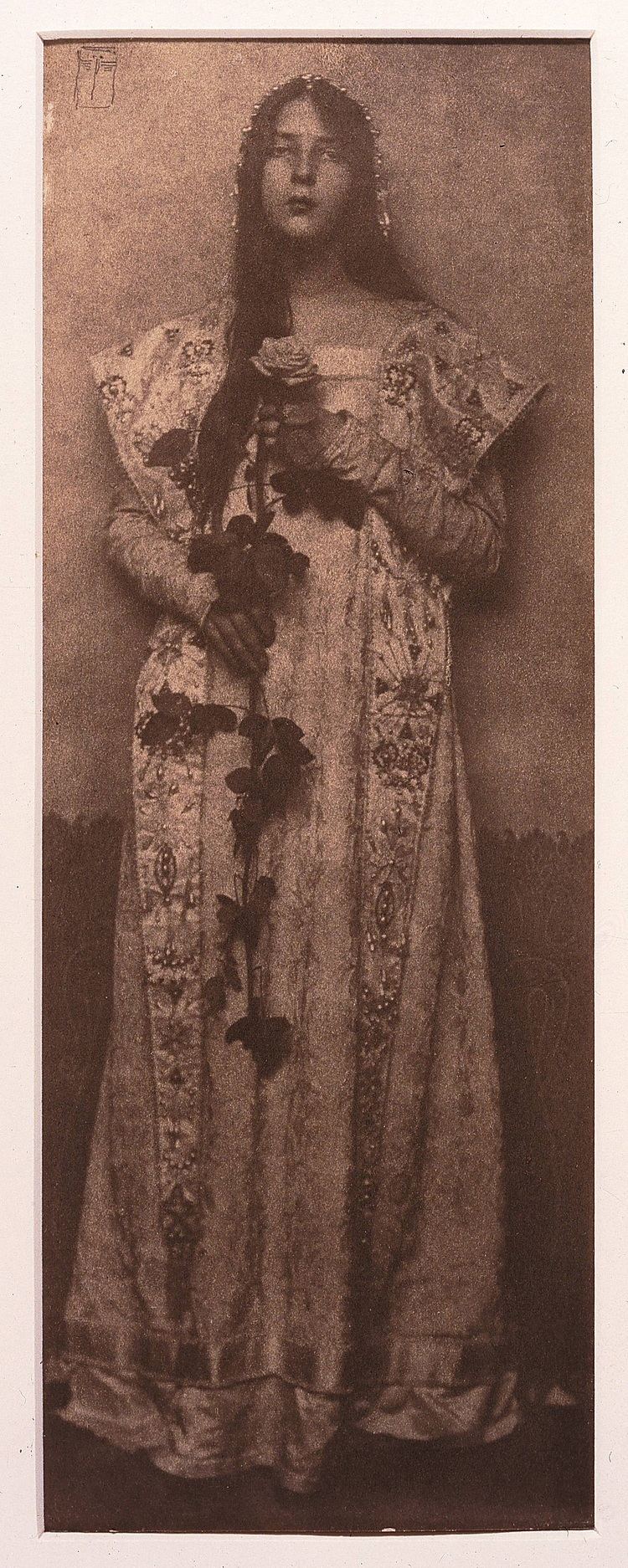
The Rose demonstrates Eva Watson-Schütze’s talent for creating dramatic photographs with pictorial qualities.
Here she posed the young woman against a plain studio backdrop, emphasizing the irregular outline of her dress. Positioned in the center of the composition, the sitter faces the camera directly. Watson-Schütz heightened the feeling of flatness by emphasizing the outline of the model’s body against the background.
Watson-Schütze chose an unusual format for this photograph: a narrow rectangle, which the figure nearly fills. Virtually every element in this composition emphasizes its verticality. For instance, the embroidered panels on the woman’s dress narrow to a point as they descend toward the hem.
The woman holds a fully opened rose, the stem of which is so long it reaches from her throat to her knees. The stem forms a narrow dark line that echoes model’s slender proportions and the center part of her hair. Watson-Schütze placed her monogram in the upper left corner, a device favored by many photographers of the time. [quoted from National Museum of Women in the Arts]
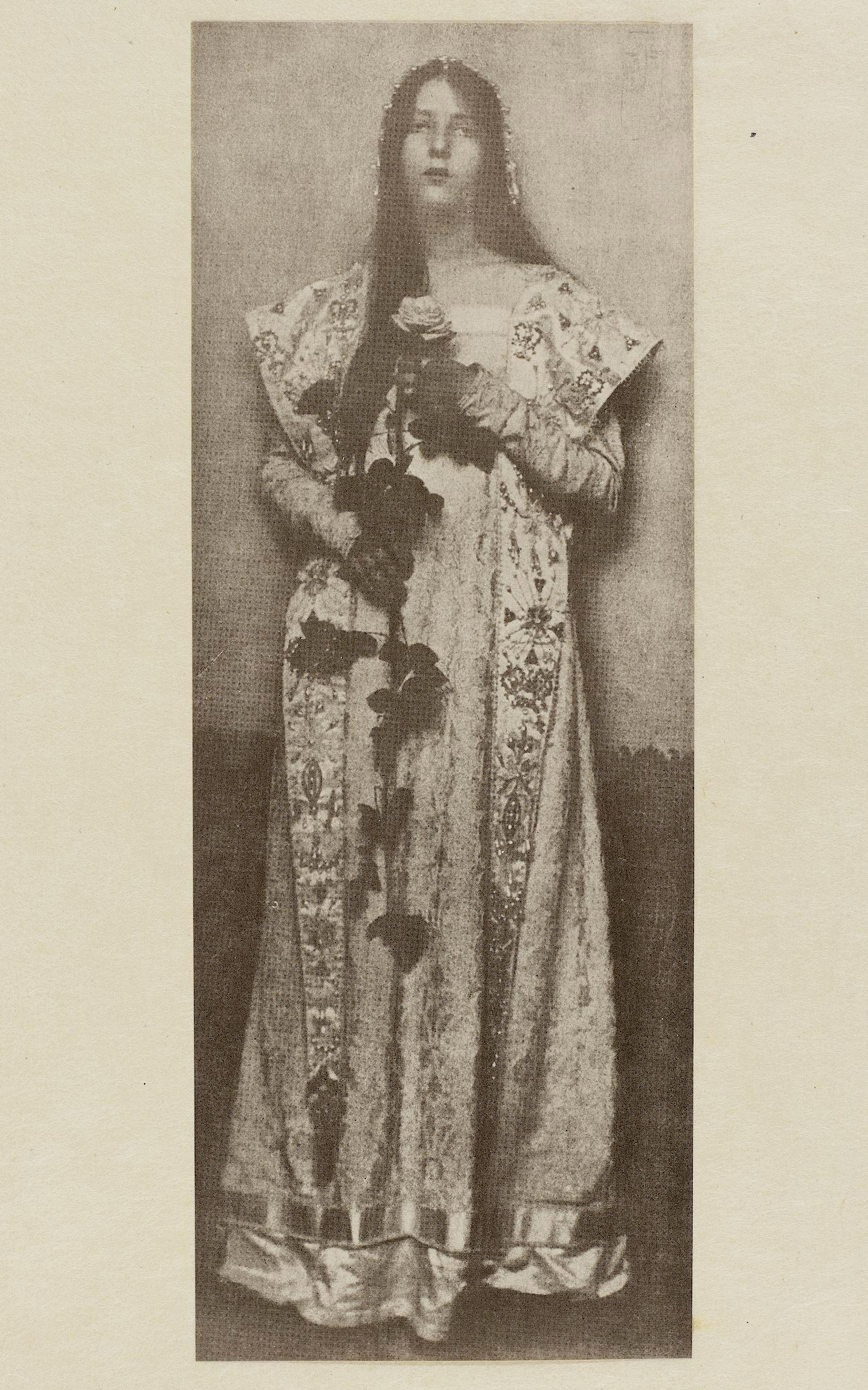
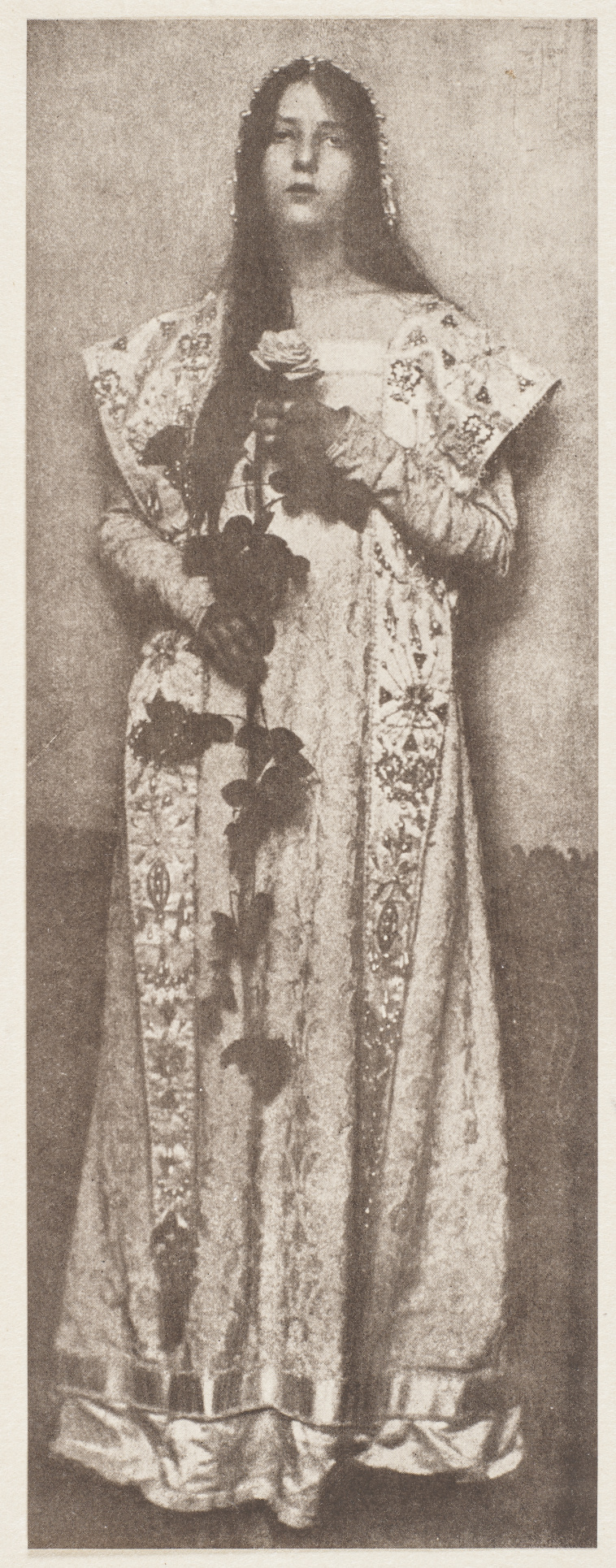
Eva Watson-Schütze :: The Rose, halftone reproduction from original gum print. Published in Camera Work, issue 9, 1905. | src Universitåts-Bibliothek Heidelberg
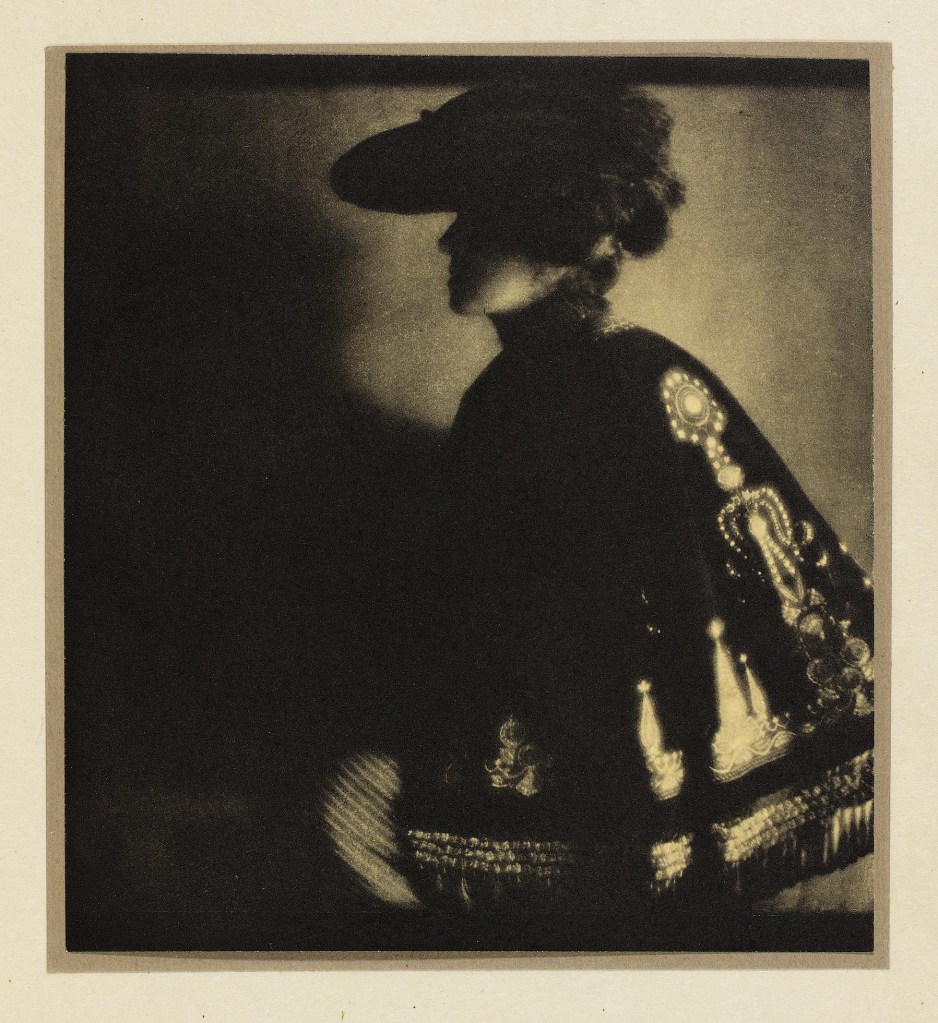
Eduard Jean Steichen :: Poster Lady, photogravure. Published in Camera Work Special Supplement (Steichen Supplement), 1906. | src and hi-res Heidelberg University and Universität Zürich
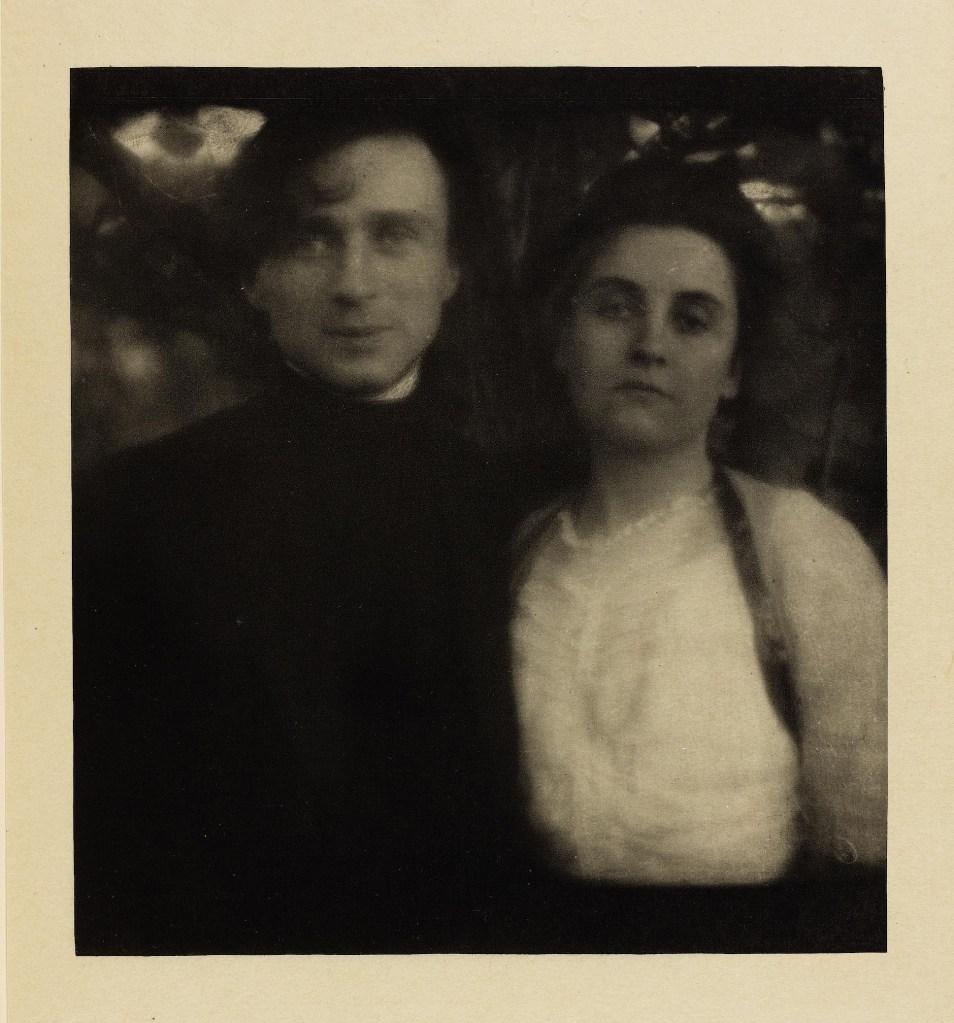
Eduard Jean Steichen :: Portraits ~ Evening, photogravure. Published in Camera Work Special Supplement (Steichen Supplement), 1906. | src and hi-res Heidelberg University and Universität Zürich
Eduard Jean Steichen :: Duse, photogravure (1903). Published in Camera Work Special Supplement (Steichen Supplement), 1906. | src Heidelberg University and Universität Zürich
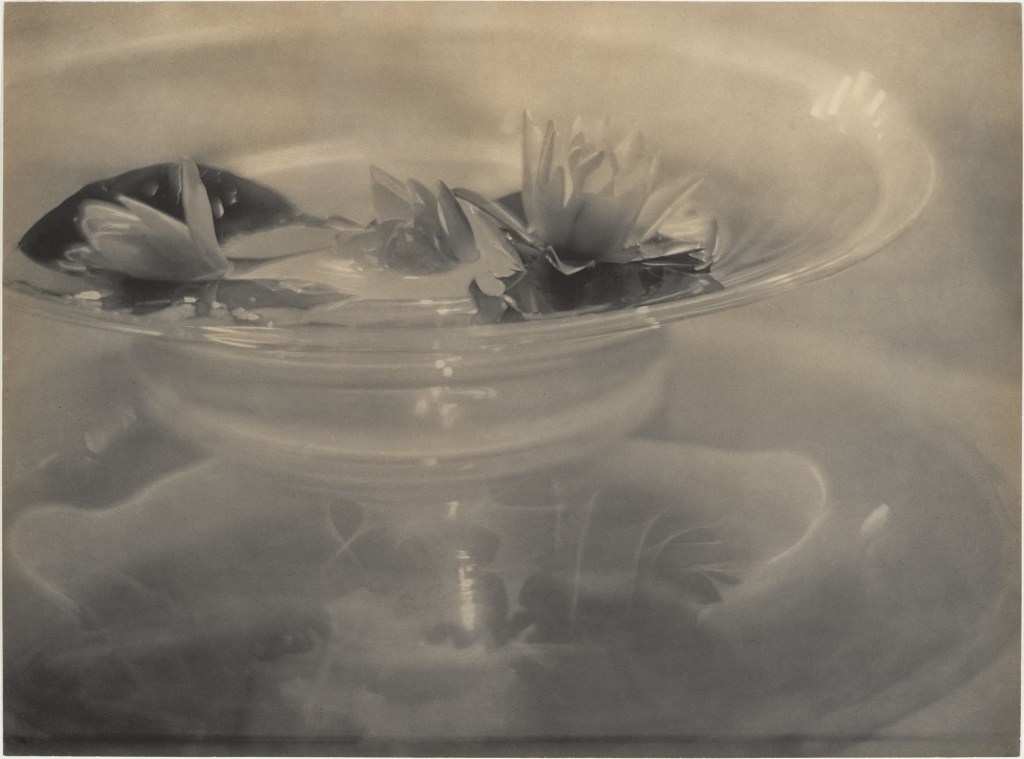
Baron Adolf de Meyer ::Water Lilies, ca. 1906. Platinum print, printed 1912. «The critic Charles H. Caffin described this photograph by de Meyer as “a veritable dream of loveliness.” It is one of several floral still lifes de Meyer made in London around 1906–9, when he was in close contact with Alvin Langdon Coburn, a fellow photographer and member of the Linked Ring. Both men were inspired by the Belgian writer Maurice Maeterlinck’s 1906 book The Intelligence of Flowers, a mystical musing on the vitality of plant life. De Meyer exhibited several of his flower studies, including this platinum print, at Stieglitz’s influential Photo-Secession galleries in New York in 1909. The image also appeared as a photogravure in an issue of Stieglitz’s art and photography journal Camera Work.» [Camera Work, issue nº 24, 1908] src The Metropolitan Museum of Art, Alfred Stieglitz Collection
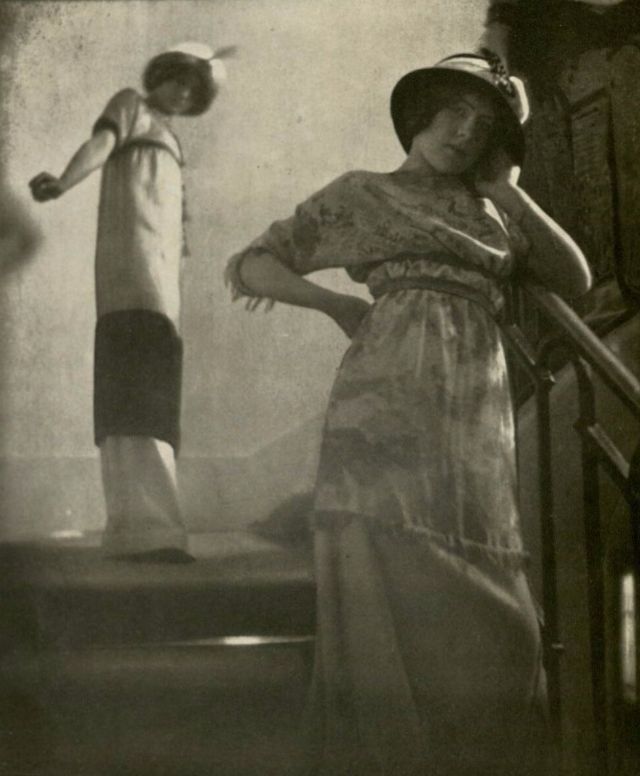
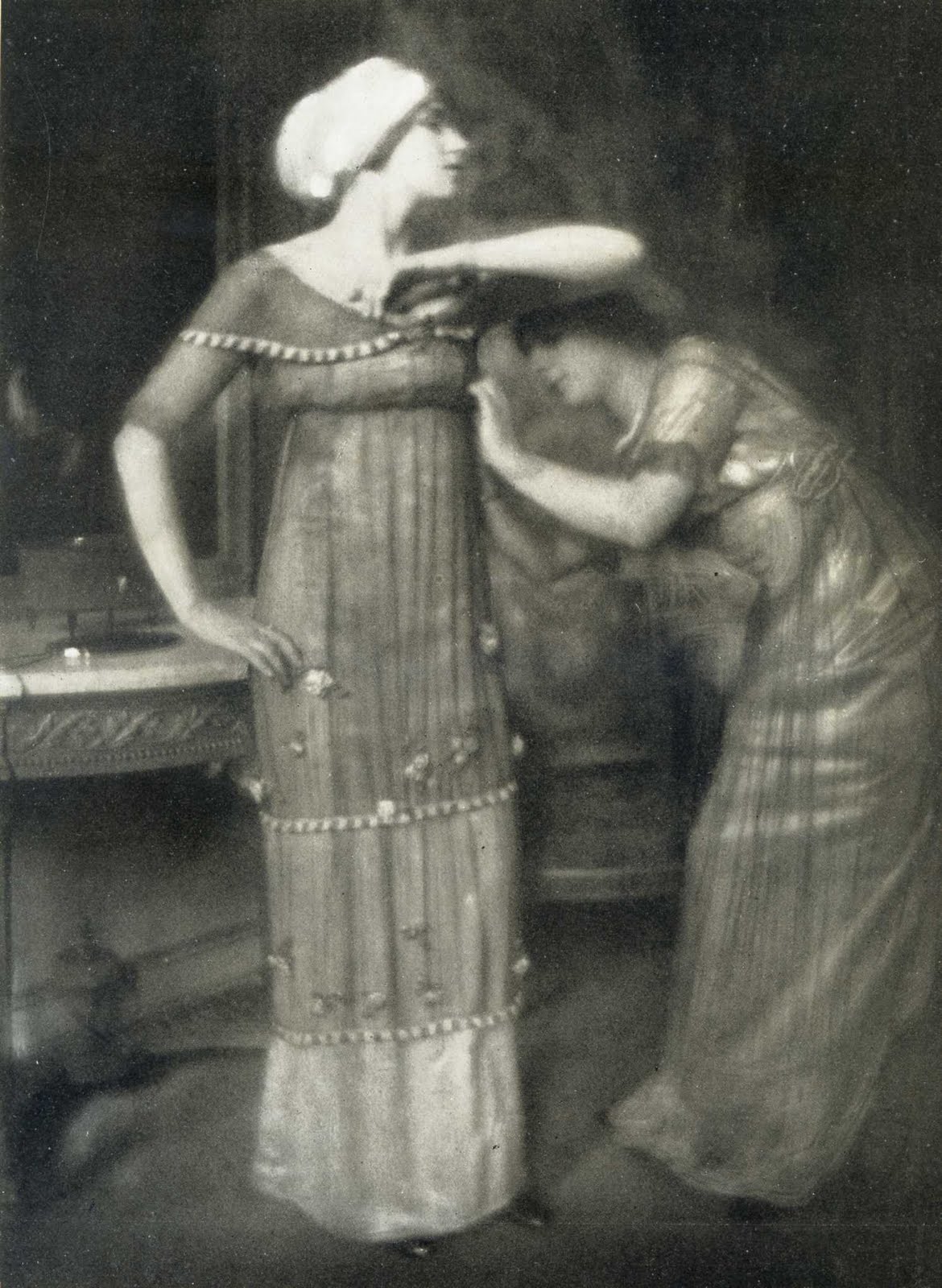
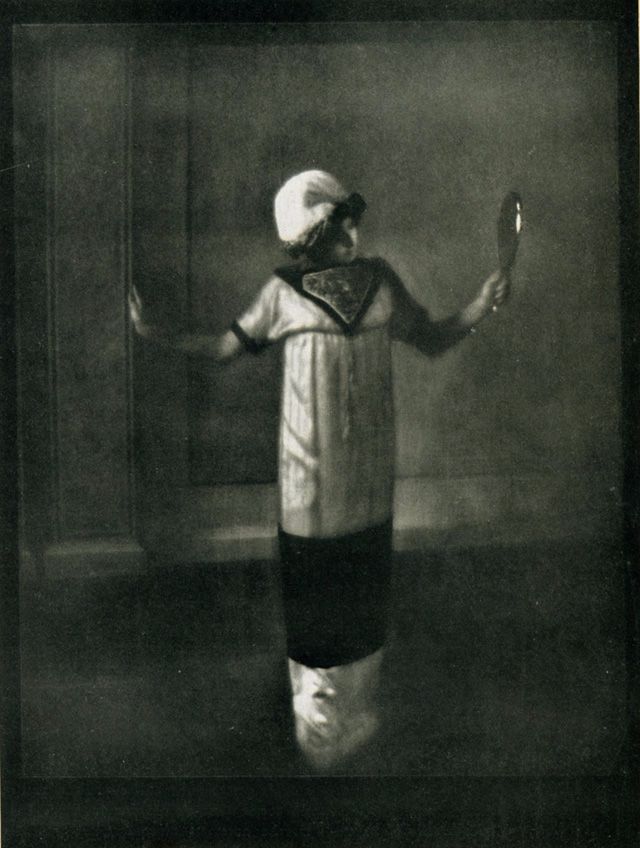
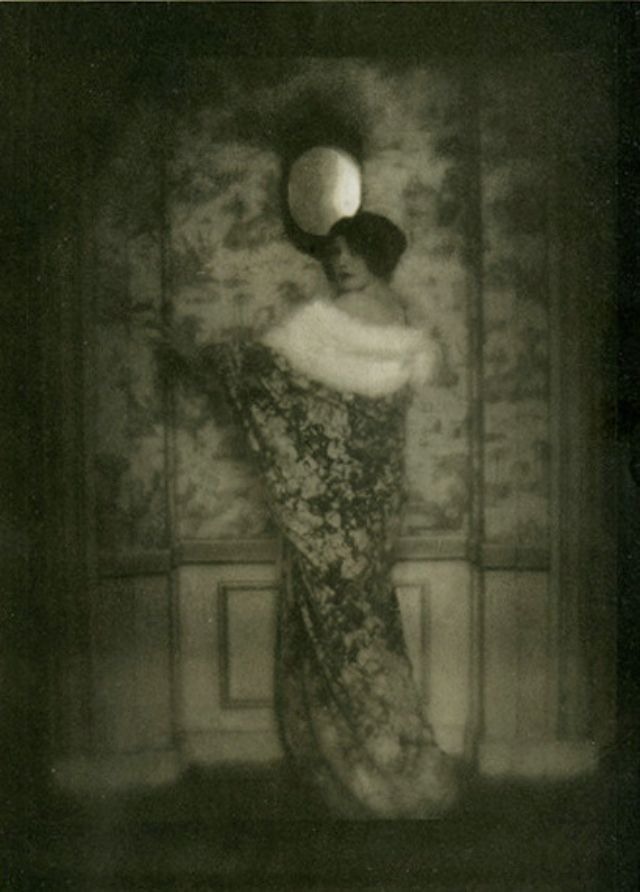
The First Modern Fashion Photography Shoot. Paul Poiret by Edward Steichen, 1911The First Modern Fashion Photography Shoot. Paul Poiret by Edward Steichen, 1911The First Modern Fashion Photography Shoot. Paul Poiret by Edward Steichen, 1911The First Modern Fashion Photography Shoot. Paul Poiret by Edward Steichen, 1911The First Modern Fashion Photography Shoot. Paul Poiret by Edward Steichen, 1911The First Modern Fashion Photography Shoot. Paul Poiret by Edward Steichen, 1911The First Modern Fashion Photography Shoot. Paul Poiret by Edward Steichen, 1911The First Modern Fashion Photography Shoot. Paul Poiret by Edward Steichen, 1911
In 1911, publisher Lucien Vogel dared photographer Edward Steichen to promote fashion as a fine art in his work. Steichen responded by snapping photos of gowns designed by leading French fashion designer Paul Poiret, hauntingly backlit and shot at inventive angles.
The photographs were published in the April 1911 issue of the magazine Art et Décoration. According to historian Jesse Alexander, the occasion is:
“now considered to be the first ever modern fashion photography shoot,”
The garments were imaged as much for their artistic quality as their formal appearance
Edward Steichen, L’Art de la Robe by Paul Poiret in Art et Décoration, 1911 via
Edward Steichen, L’Art de la Robe by Paul Poiret in Art et Décoration, 1911 via
Edward Steichen, L’Art de la Robe by Paul Poiret in Art et Décoration, 1911 via
Edward Steichen, L’Art de la Robe by Paul Poiret in Art et Décoration, 1911 via
Edward Weston :: The White Iris [Tina Modotti, nude bust portrait leaning toward iris], 1921. Platinum or palladium print. | src Johan Hagemeyer Collection at CCP










 un regard oblique