
images that haunt us


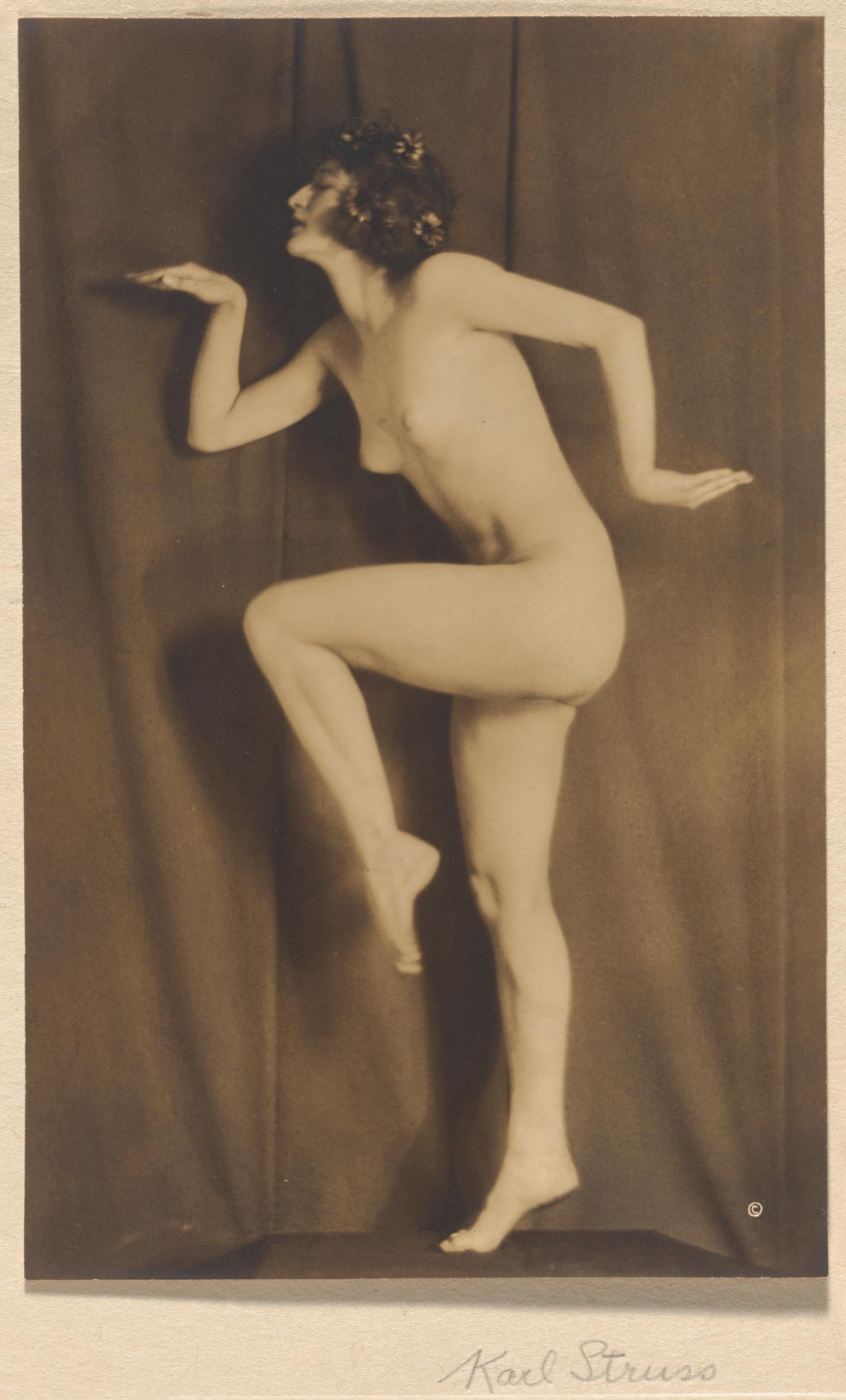
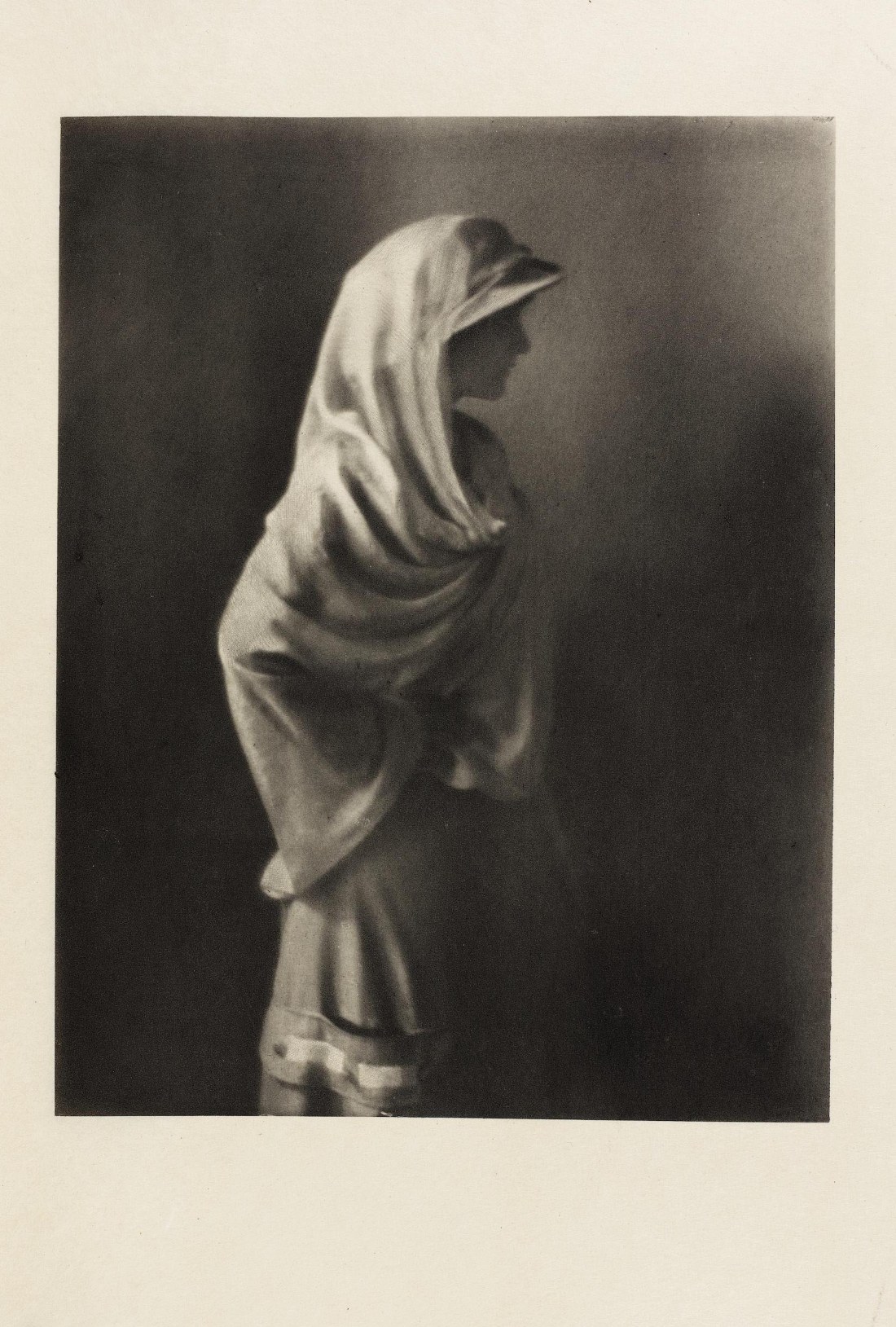
Inscriptions: Written in pencil on mount: “45” Stamped in black ink on verso: “From the Estate / of Karl Struss” “KS” (embellished ink stamp) Stamped in black ink on verso: “Original Photography by Karl Struss / FROM “THE FEMALE FIGURE”/First series 19 Plate No. 45 / Published & Copyrighted by F. Kotausek / New York City 1945 (written in black marker)” Written in pencil on verso of mount: “# 45”
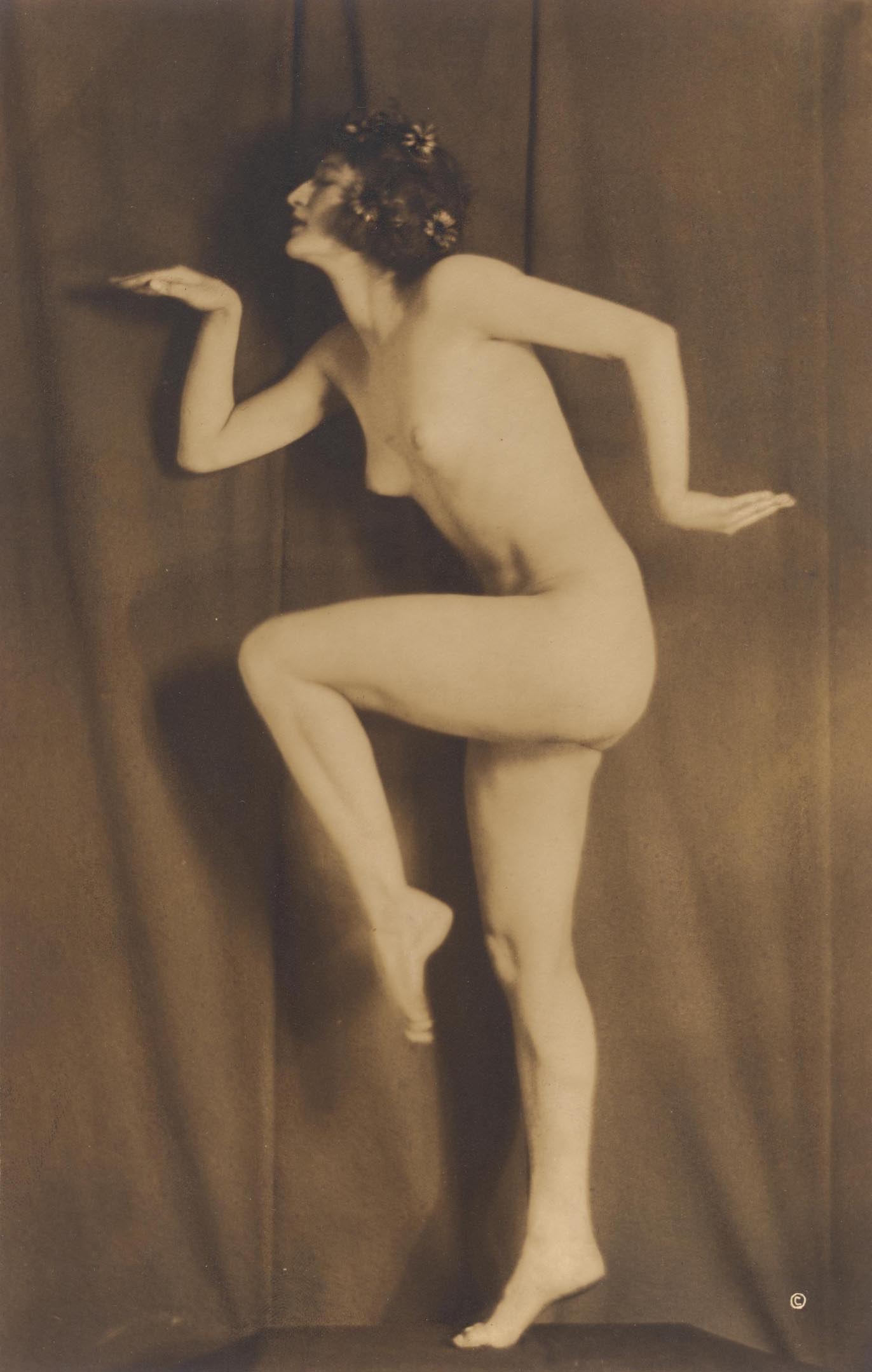
Ancient Egyptians depicted the human figure following conventions that, to contemporary eyes, appear to view the same body from different perspectives. This and other Egyptian styles and motifs inspired artists, architects, designers, and even dancers in the 19th and early 20th century, as evidenced in Struss’s photograph. This figural study belongs to The Female Figure, a portfolio of nude studies that Struss published for artists to use. He employed three painters to consult on the poses, which were executed by models and dancers. [quoted from Cleveland Museum of Art]

Karl F. Struss American, 1886-1981. Born and raised in New York City. Karl Fischer Struss was an important early pictorialist and a cofounder of the Pictorial Photographers of America. He was also a member of the Photo-Secession, publishing his works in Camera Work (April 1912), and a photographer for publications such as Vogue, Vanity Fair, and Harper’s Bazaar. A student of Clarence H. White, Struss was influenced by both White and Alvin Langdon Coburn. He developed his own style, however, an elegant synthesis of random qualities with formal composition. Struss experimented with various technical processes. He developed multiple platinum printing to enhance the depth of shadows and in 1909 designed the Struss Pictorial lens, which entered commercial production in 1915. Shortly after the First World War, Struss moved to Hollywood, where he became a successful cinematographer. He worked first for Cecil B. De Mille and later freelanced for both independent and major studios until his retirement in 1970. Among his film credits are Ben Hur (1926), Dr. Jekyll and Mr. Hyde (1932), and the Chaplin classics The Great Dictator (1940) and Limelight (1952). In 1928 Struss received an Academy Award for his work on De Mille’s film Sunrise. T.W.F. [quoted from Cleveland Museum of Art]


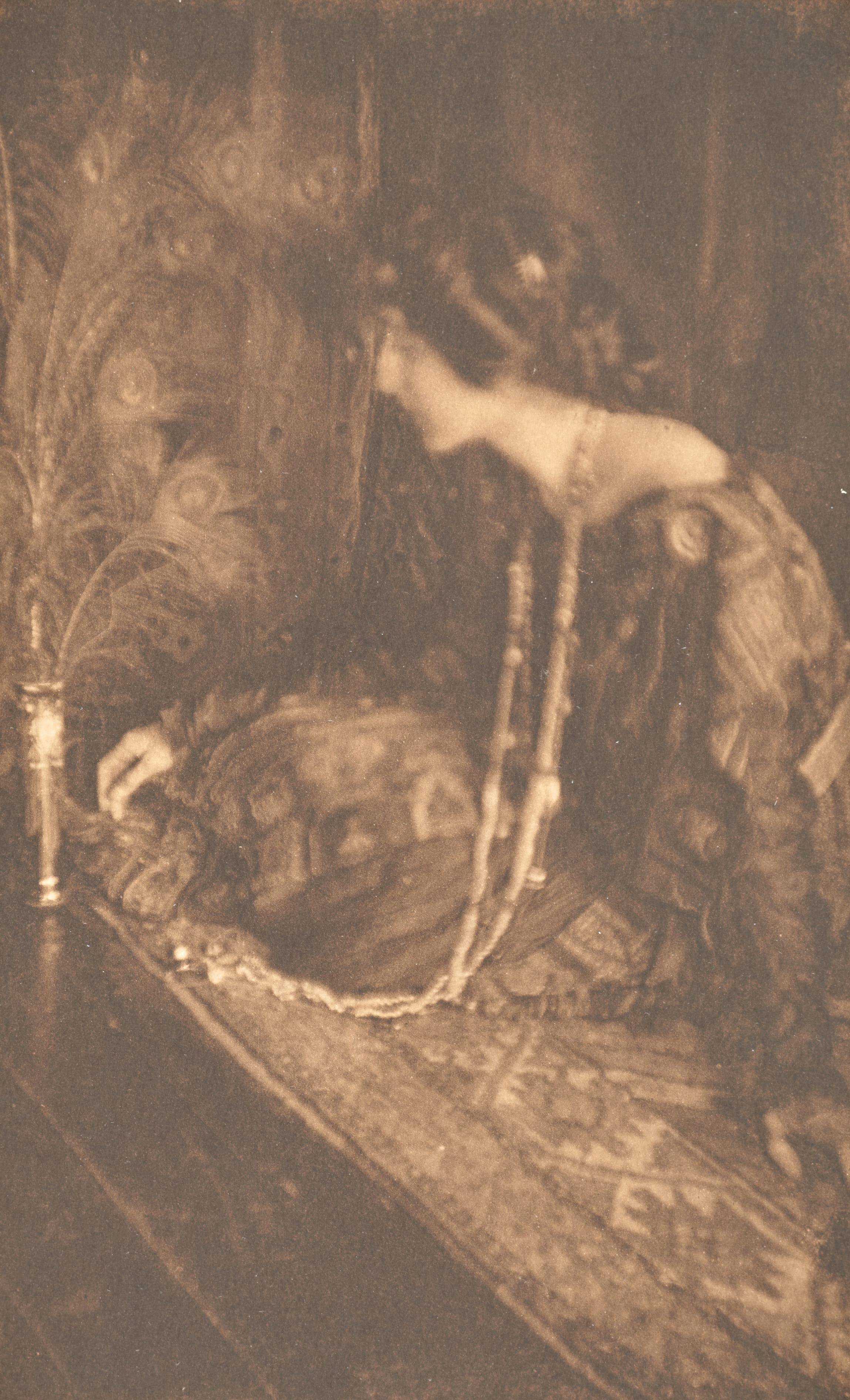
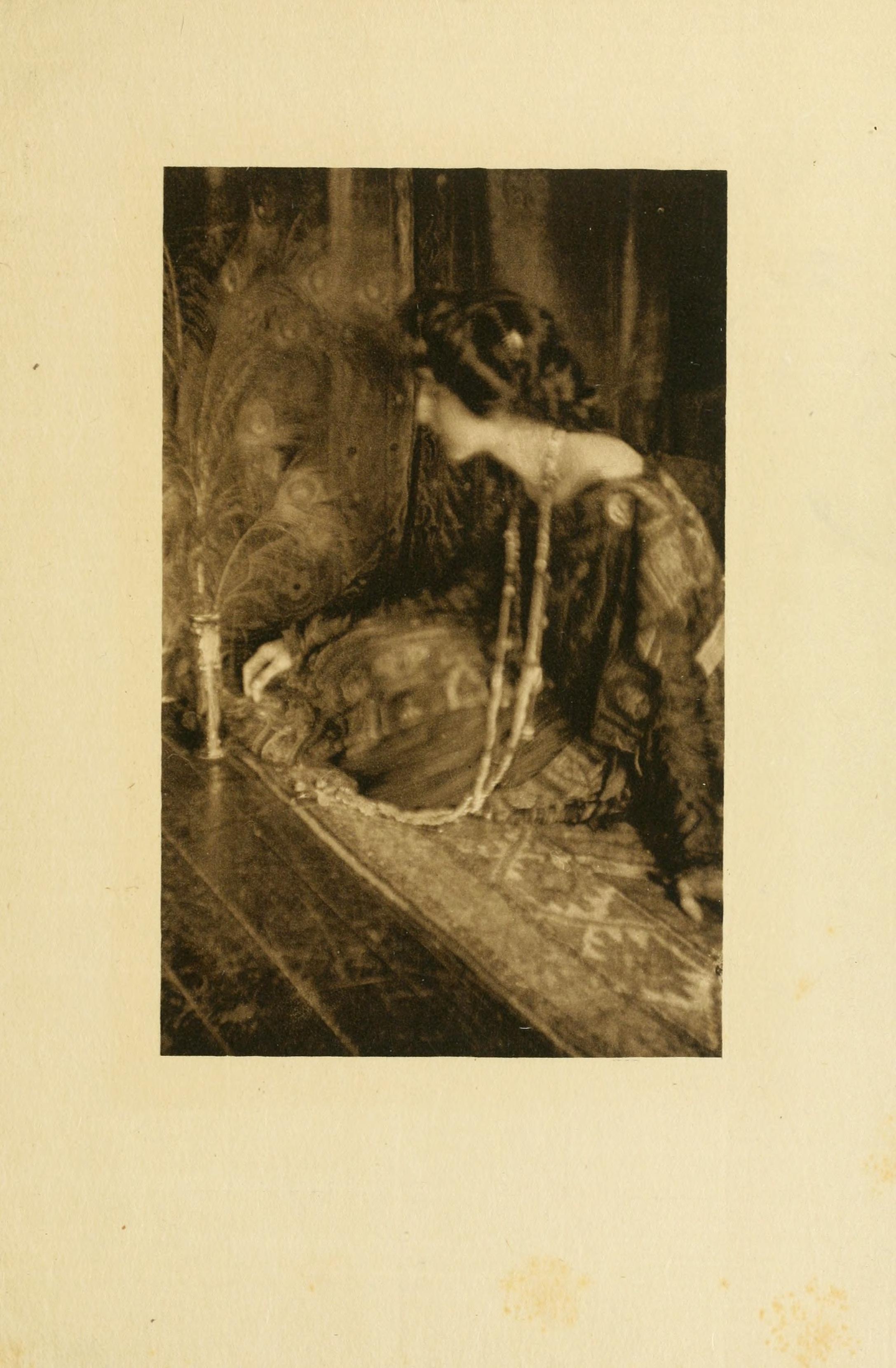
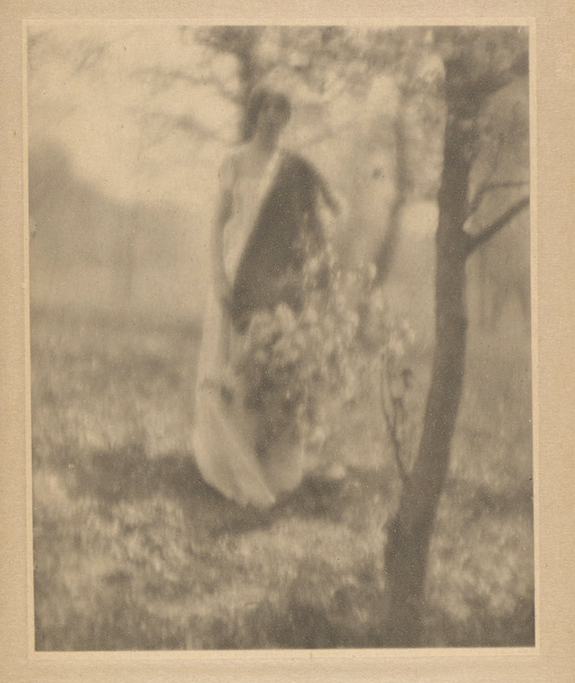
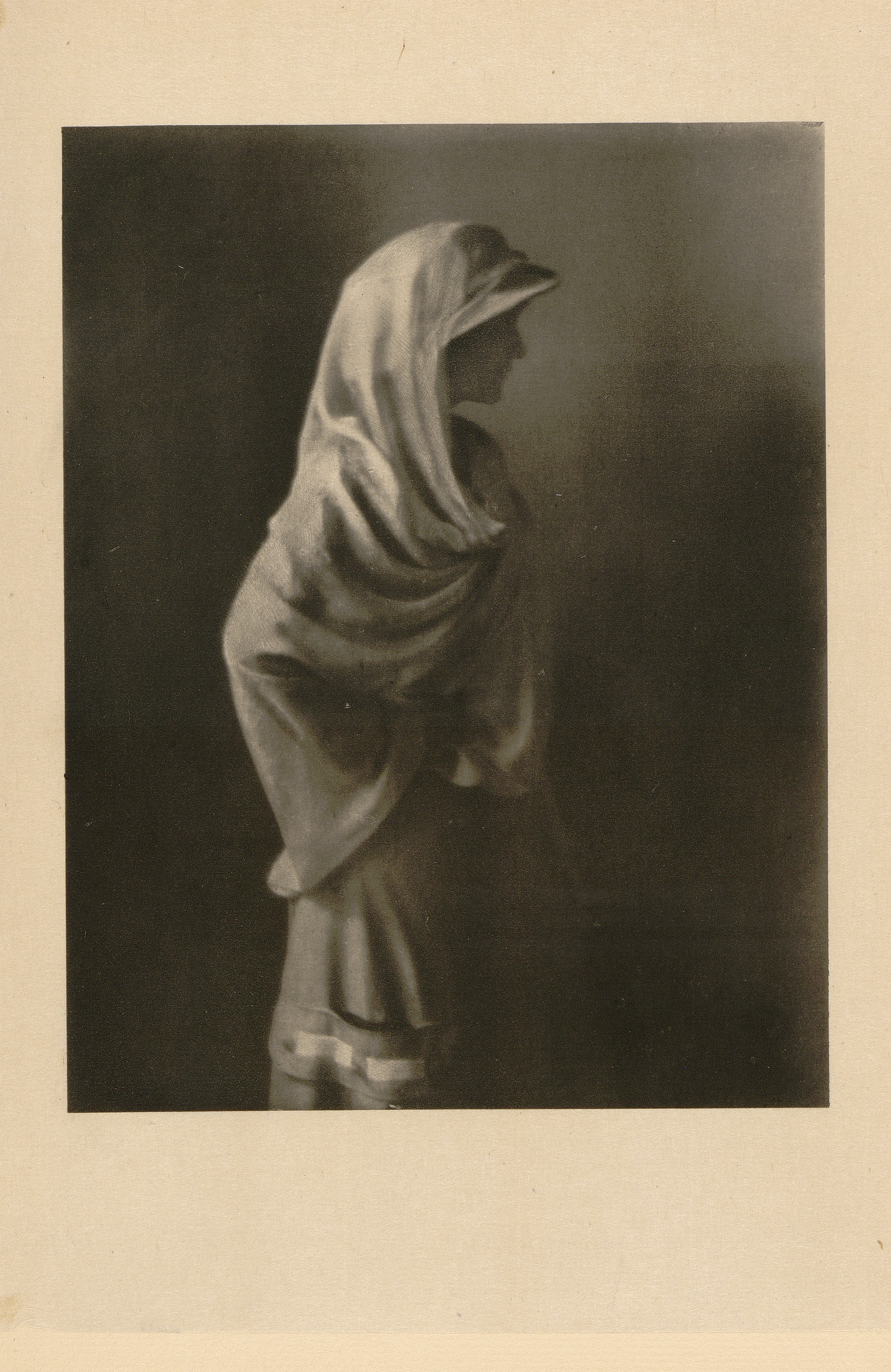
The image above is a four-color relief halftone made from Hicrome negative on embossed paper.
Photographer Karl F. Struss was a relentless experimenter. This diminutive work, representing one of his experiments with color photography, led Struss to print with four colors to approximate a realistic color spectrum. Typically in printmaking, a separate printing plate and an extra trip through the press are necessary for each color. This limits the range of colors one can achieve economically. The development of the halftone allowed Struss to create multiple photorelief plates of the same image, each adjusted to a different color range. When printed one over another, the distinctive colors combine in precise amounts to create the illusion of a full-color image.
Quoted from Cleveland Museum of Art
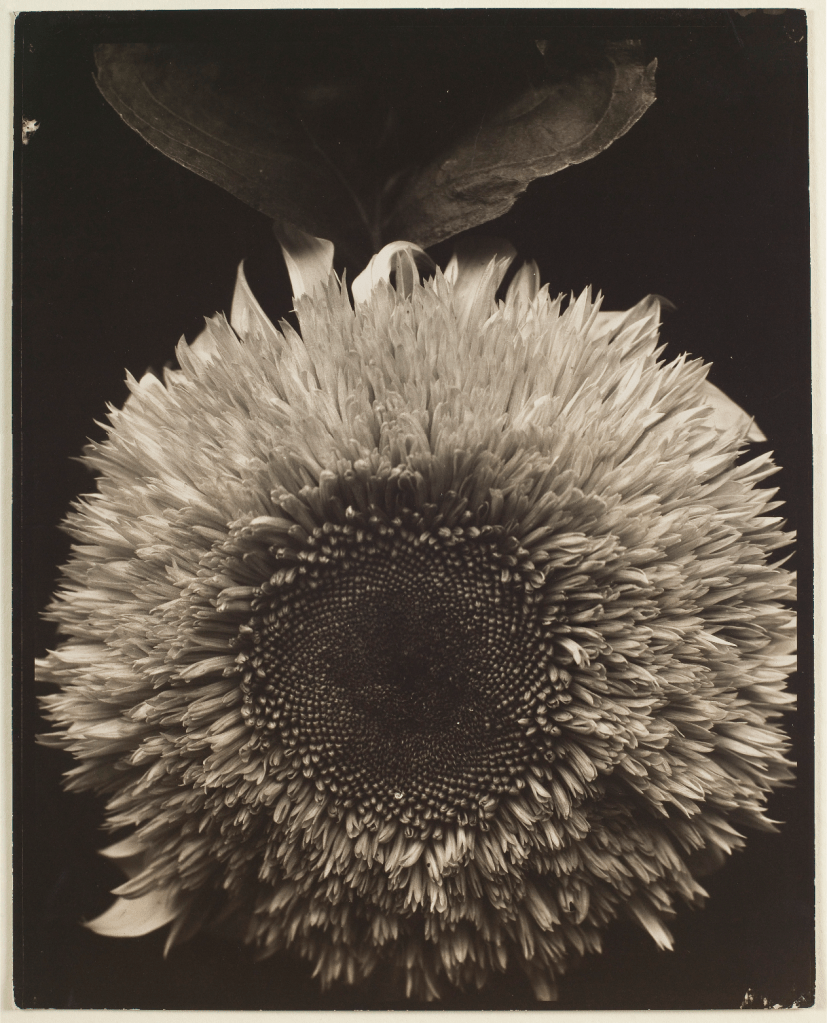
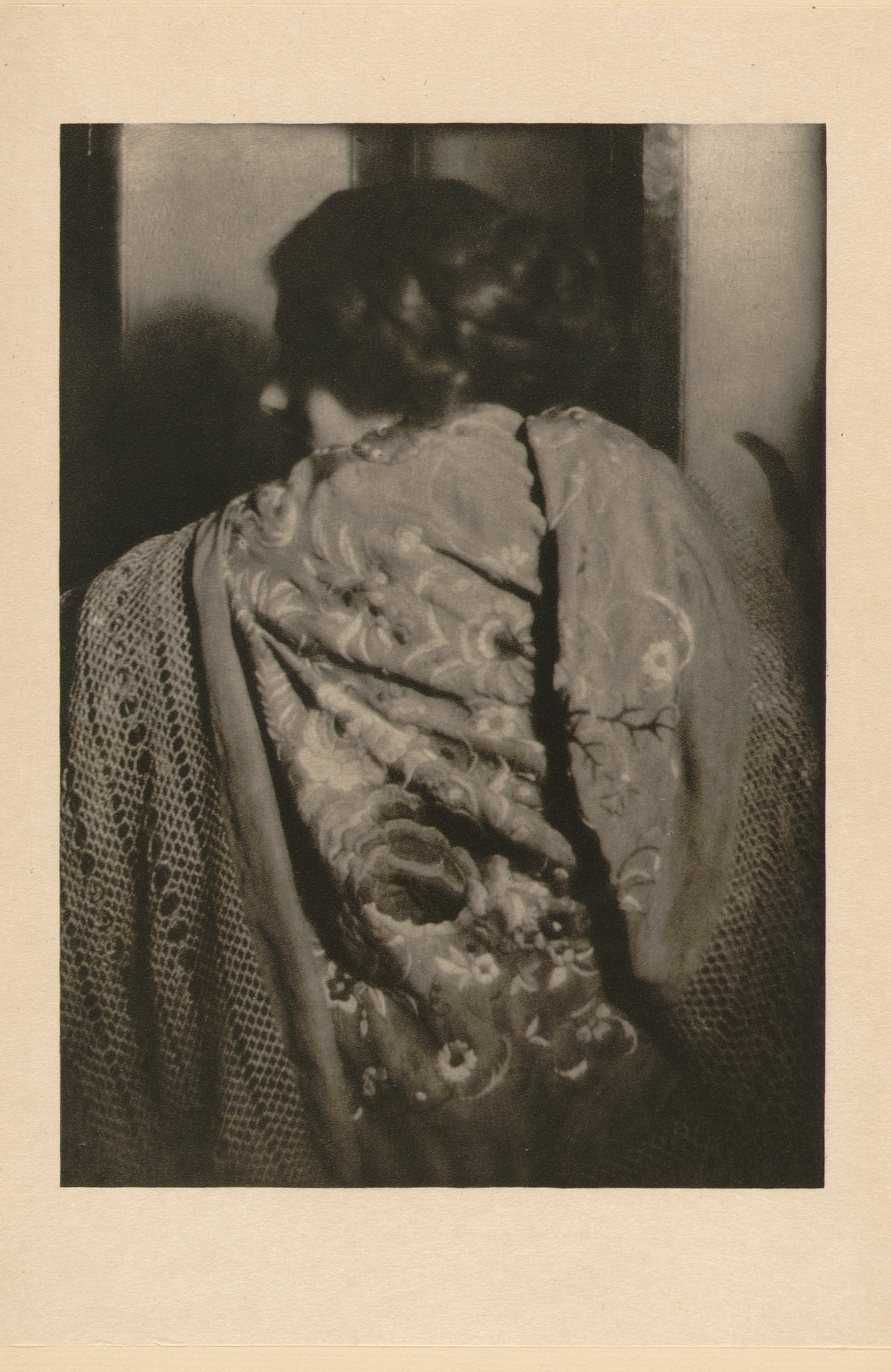
![Karl Struss (1886-1981) :: [Female nude], ca. 1917. Hess-Ives print. | src Amon Carter Museum of American Art](https://unregardoblique.com/wp-content/uploads/2022/02/karl-struss-female-nude-1917-amon-carter.jpg)
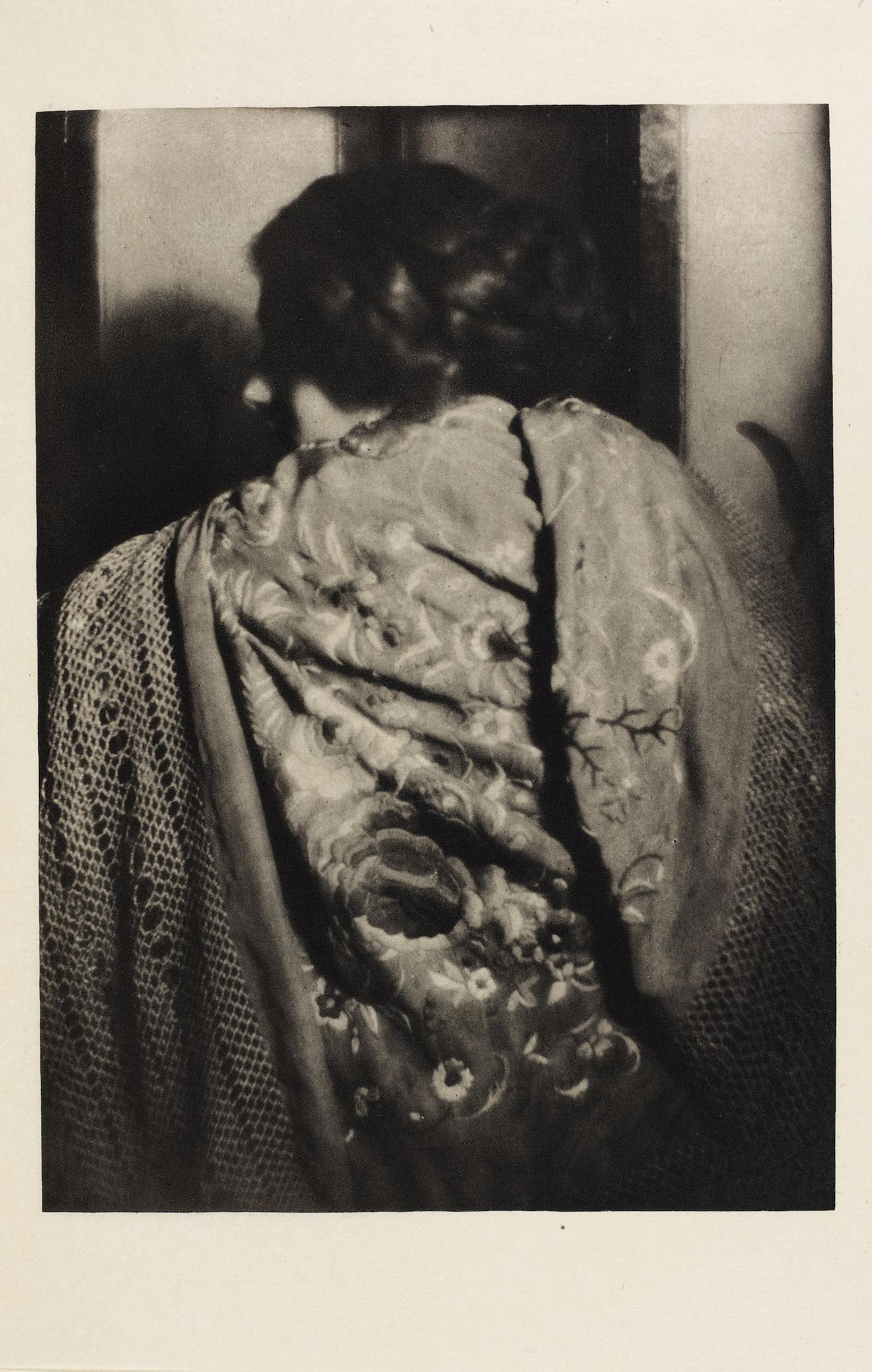
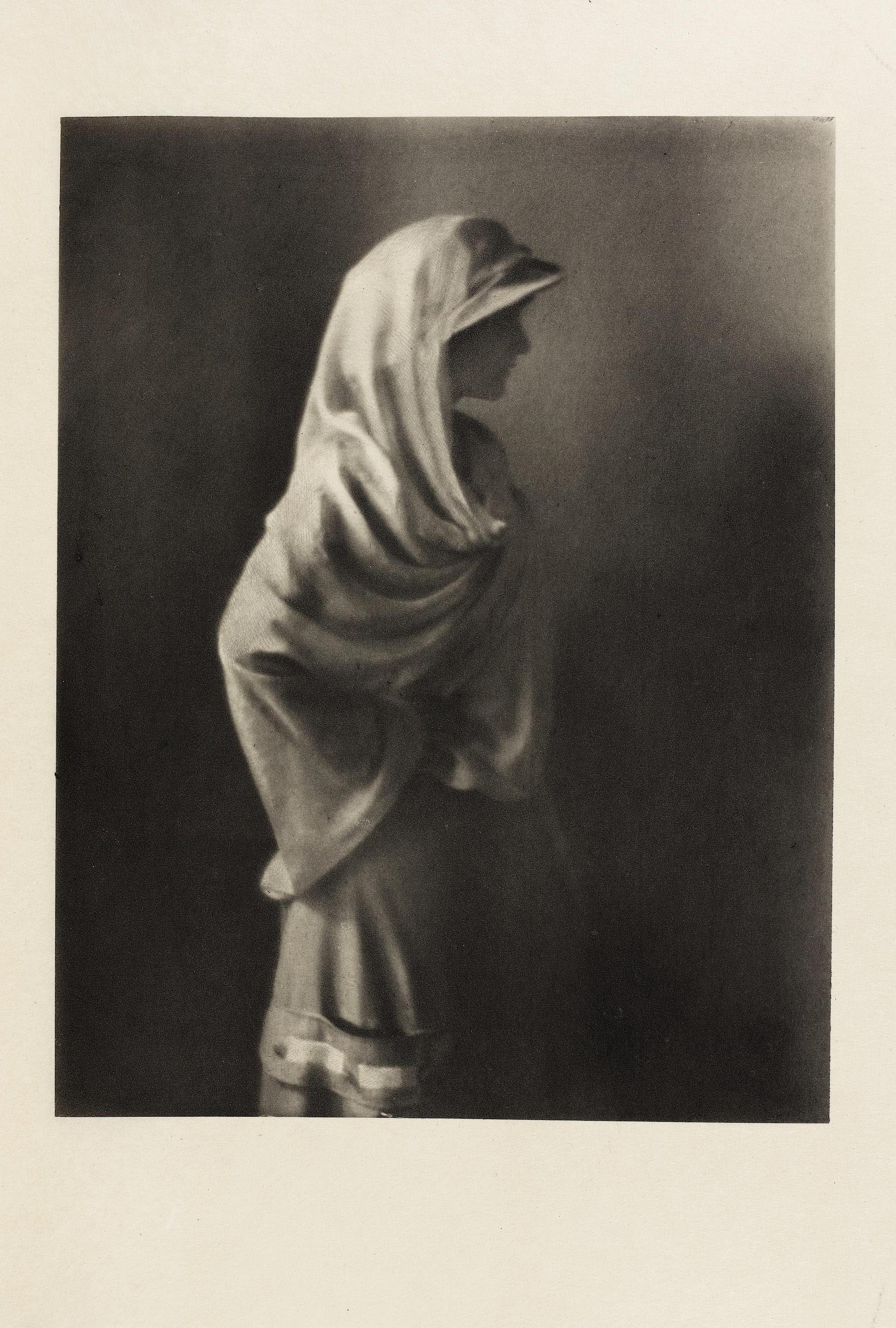
![Karl Struss (1886-1981) :: [Female nude], 1917. Rotogravure. | src Amon Carter Museum of American Art](https://live.staticflickr.com/65535/52584149780_37ab3b36a9_o.jpg)
Inscriptions on mount, recto: l.r. signed in graphite [below image]: Karl Struss, 1917. \ Karl Struss.
Inscriptions on mount, verso: [stamp]: KARL STRUSS \ ARTIST PHOTOGRAPHER \ HOLLYWOOD :: CALIFORNIA; l.c. in graphite: # 8 – plat.
A biography for Karl Struss by Christian Peterson (*)
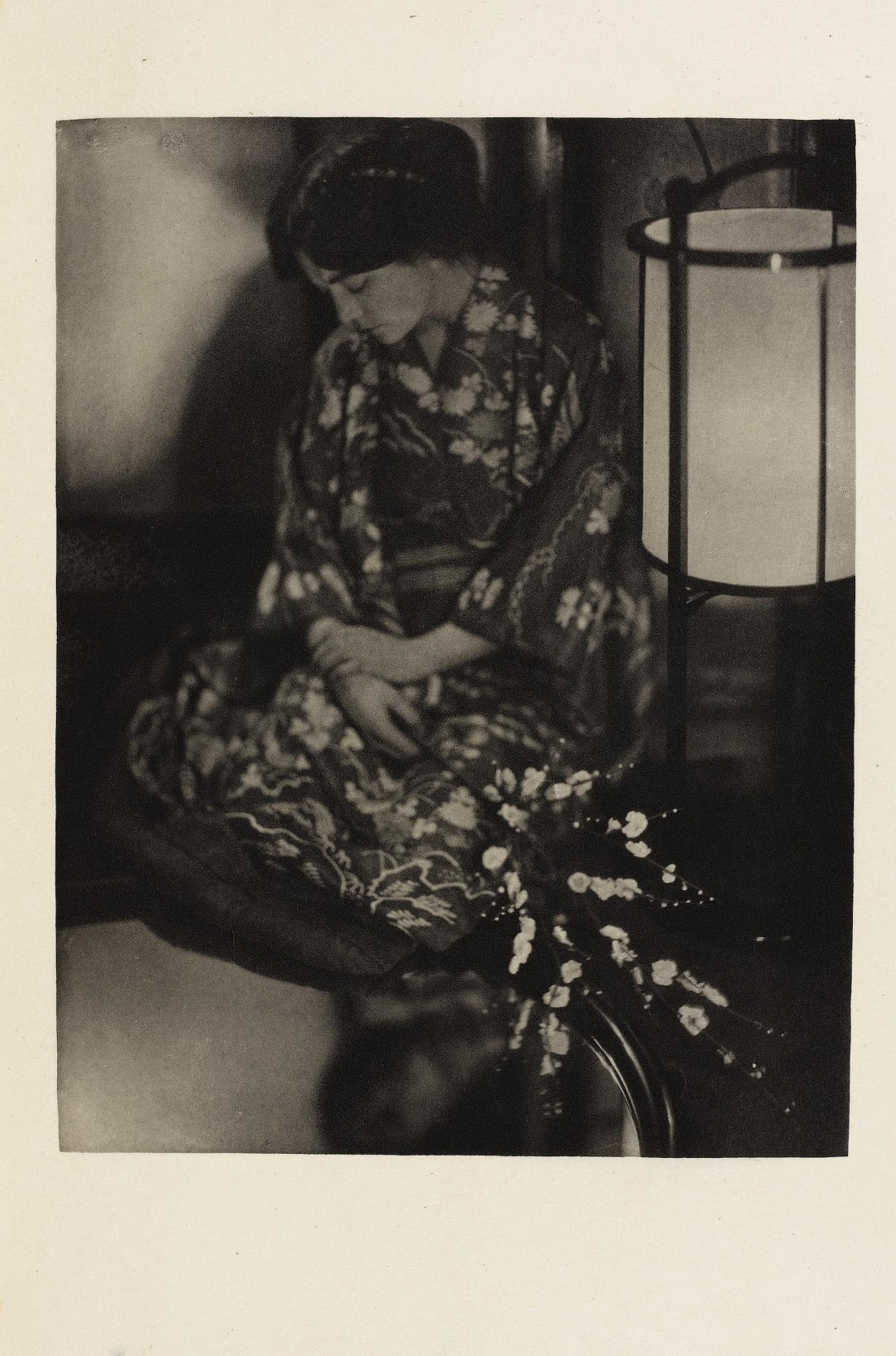
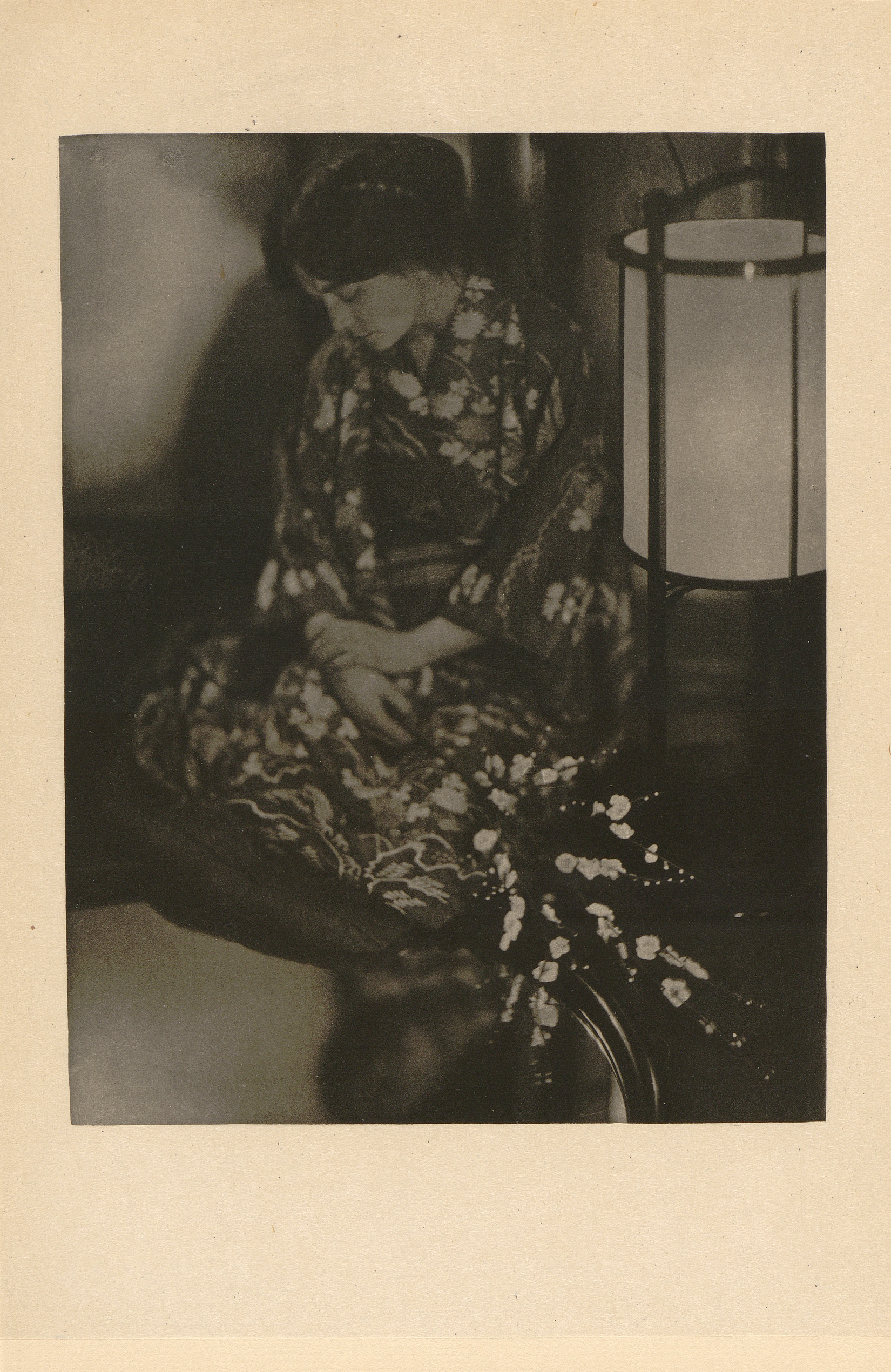
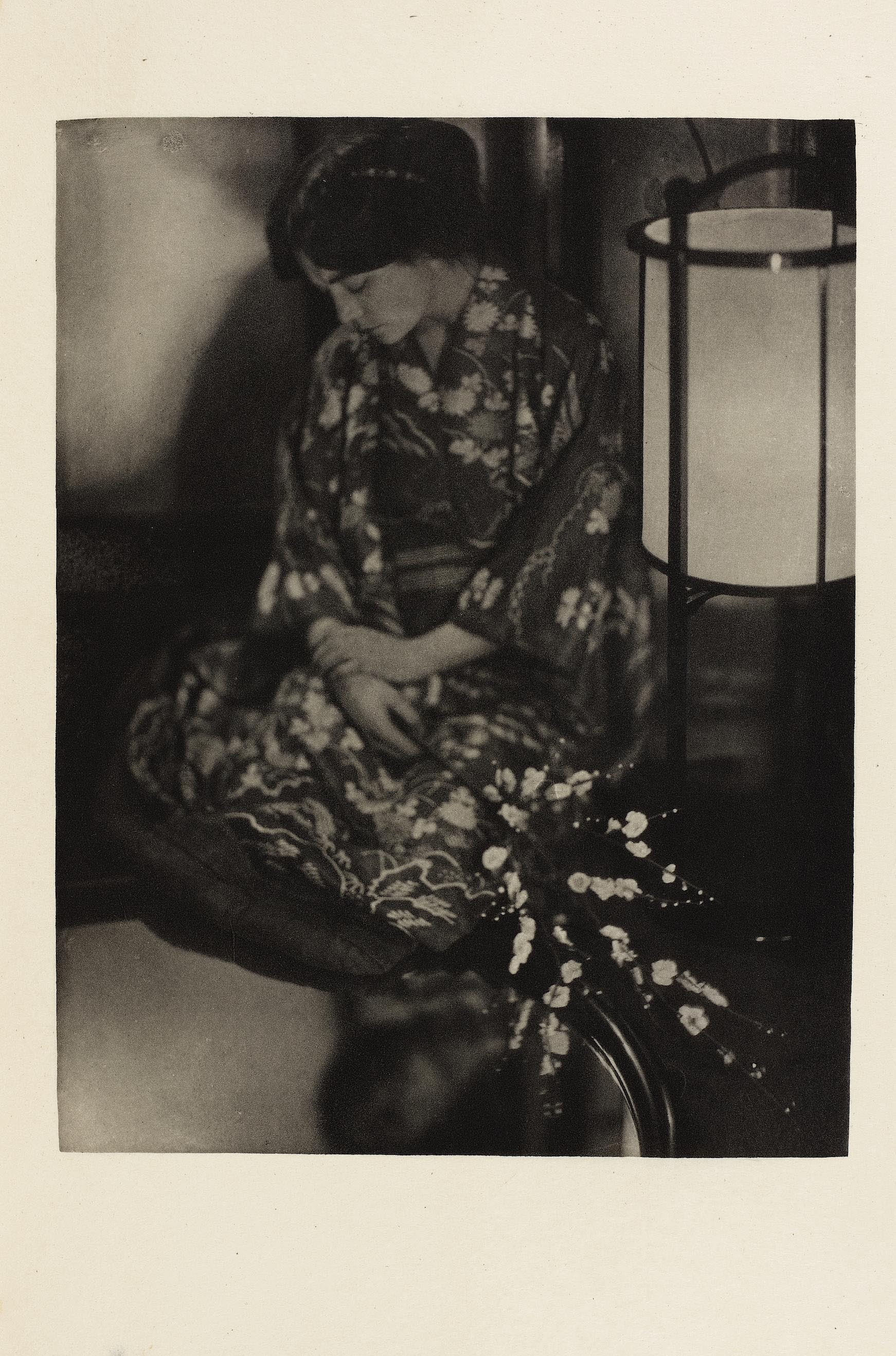
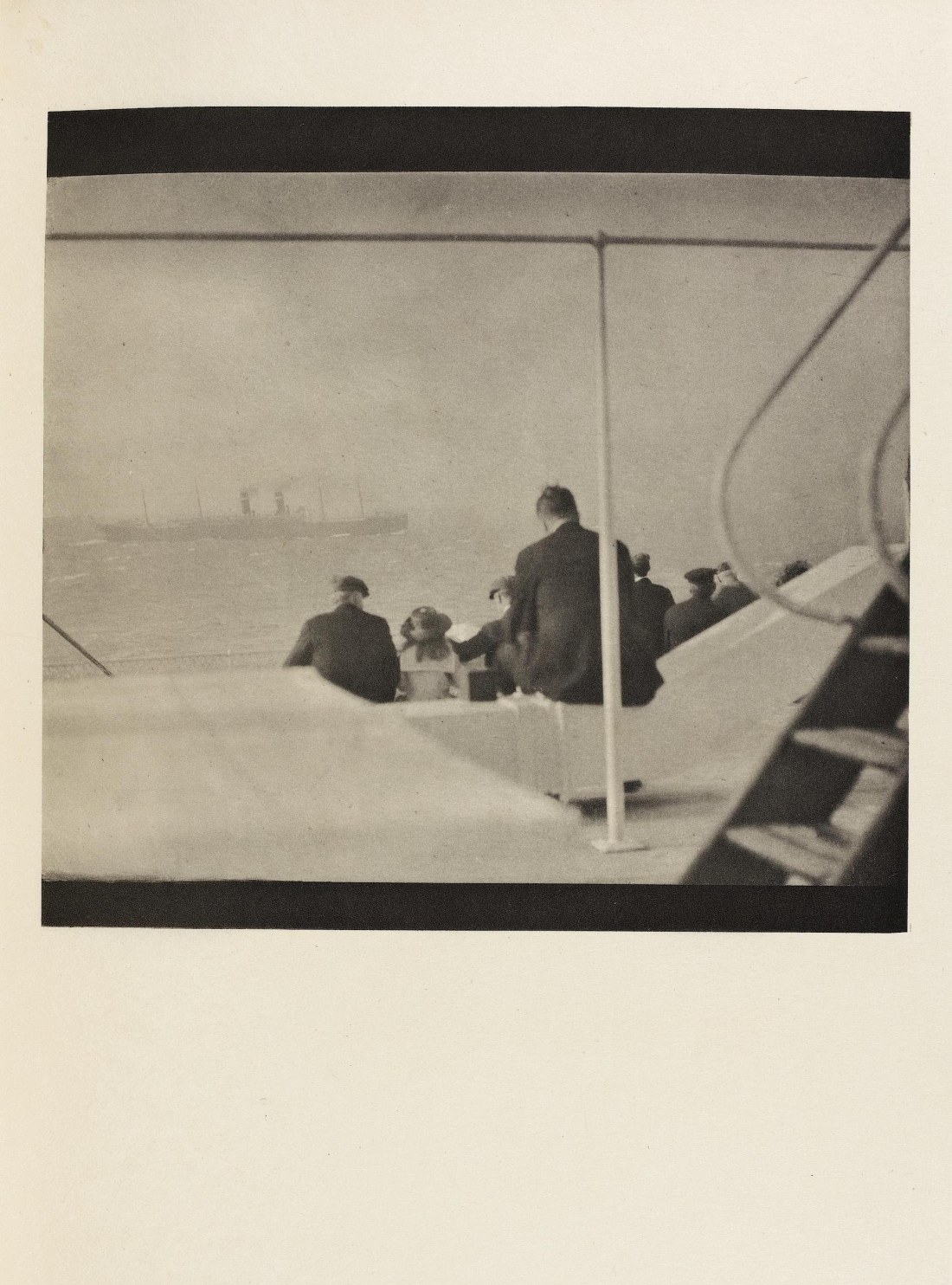
Struss was one of the few Photo-Secessionists to continue making pictorial photographs after World War I. His work from the 1910s focused on the distinctive light and new structures of Manhattan, while his later images featured the personalities of Hollywood and the landscape of California. He worked as a cameraman for films and television for half a century, from about 1920 through the sixties.
Karl Fischer Struss was born on November 30, 1886, in New York and made his first photographs at about age ten. He took extension classes at Teachers College of Columbia University with Clarence H. White and in 1910 twelve of his prints were included in the International Exhibition of Pictorial Photography, held at the Albright Art Gallery, Buffalo. Though this exhibition signaled the effective end of Stieglitz’s Photo-Secession, Struss “joined” the group two years later and saw eight of his images appear as photogravures in the April 1912 issue of Camera Work.
Struss soon became closely associated with Clarence H. White and Edward R. Dickson and supported their efforts to continue the tradition of pictorial photography. In 1913, he contributed an article on multiple-gum printing to Dickson’s short-lived but noteworthy periodical Platinum Print. The next year he was listed as an associate of the magazine, and a few of his photographs were subsequently reproduced on its cover and in its pages. In 1912, the year he finished studying with White, he himself taught a summer class on photography at Teachers College. Four years later, he joined White and a handful of others to found the Pictorial Photographers of America.
During this time, Struss made his living as a professional photographer. In 1914, he took over White’s former studio space, where he made portrait, advertising, and commercial photographs for three years. He offered his Struss Pictorial Lens for sale, after manufacturing it privately for a while. During his military service, from 1917 to 1919, Struss experimented with infrared photography.
After World War I, Struss headed directly to Hollywood, determined to get into the motion-picture industry. He was initially hired by Cecil B. DeMille to make still shots and soon found himself working behind a film camera on the set. His long career as a cinematographer began when he signed a two-year contract with DeMille. In 1924-25, he was one of the cameraman for Ben-Hur, and a few years later he and Charles Rosher shared the first-ever Academy Award for cinematography—for their Camera Work on Sunrise, directed by F. W. Murnau. Struss subsequently filmed more than a hundred pictures for United Artists, Paramount, and other studios. His credits include The Great Dictator and Dr. Jekyll and Mr. Hyde; among the stars he shot were Charlie Chaplin, Bing Crosby, and Mae West.
Struss resumed salon exhibiting in 1921, associating with the second generation of pictorialists in California. He joined the Camera Pictorialists of Los Angeles and presented a solo show of his work at San Francisco’s California Camera Club in 1929. His pictures also were seen at photographic salons in Buffalo, London, New York, Oakland, San Antonio, San Diego, Seattle, Tokyo, and Los Angeles, where he sometime served on the jury. In 1926 and 1929, reproductions of his pictures graced the pages of Pictorial Photography in America, the annual of the Pictorial Photographers of America. England’s Photograms of the Year included images by him in 1914, 1917/18, 1921, and 1922.
During the 1950s and 1960s, Struss did cinematography for television programs and commercials. At the same time, he made color slides, which he submitted to exhibitions. In 1970, Struss retired, and on December 15, 1981, he died in Los Angeles.
(*) Christian A. Peterson is associate curator of photography at the Minneapolis Institute of the Arts.
See also: After the Photo-Secession: American Pictorial Photography 1910-1955 (Minneapolis Institute of the Arts, 1997)

 un regard oblique