
Sleeping woman circa 1940

images that haunt us
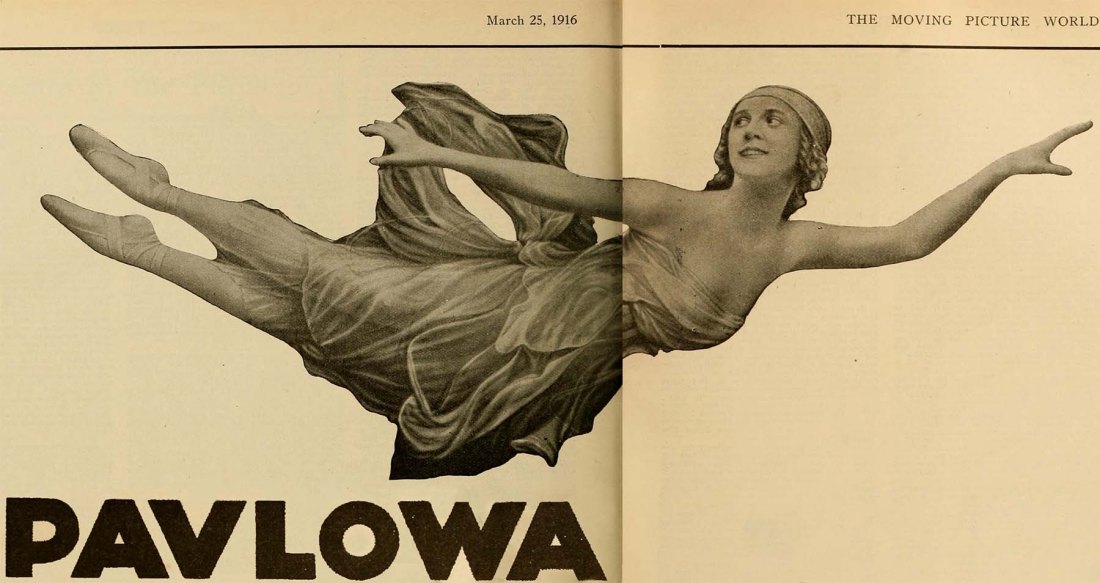
![Pavlowa The Incomparable in "The Dumb Girl of Portici". The Moving Picture World, March 1916 [detail]](https://unregardoblique.com/wp-content/uploads/2022/11/moving-picture-world-march-1916-pavlova-2199.jpg)
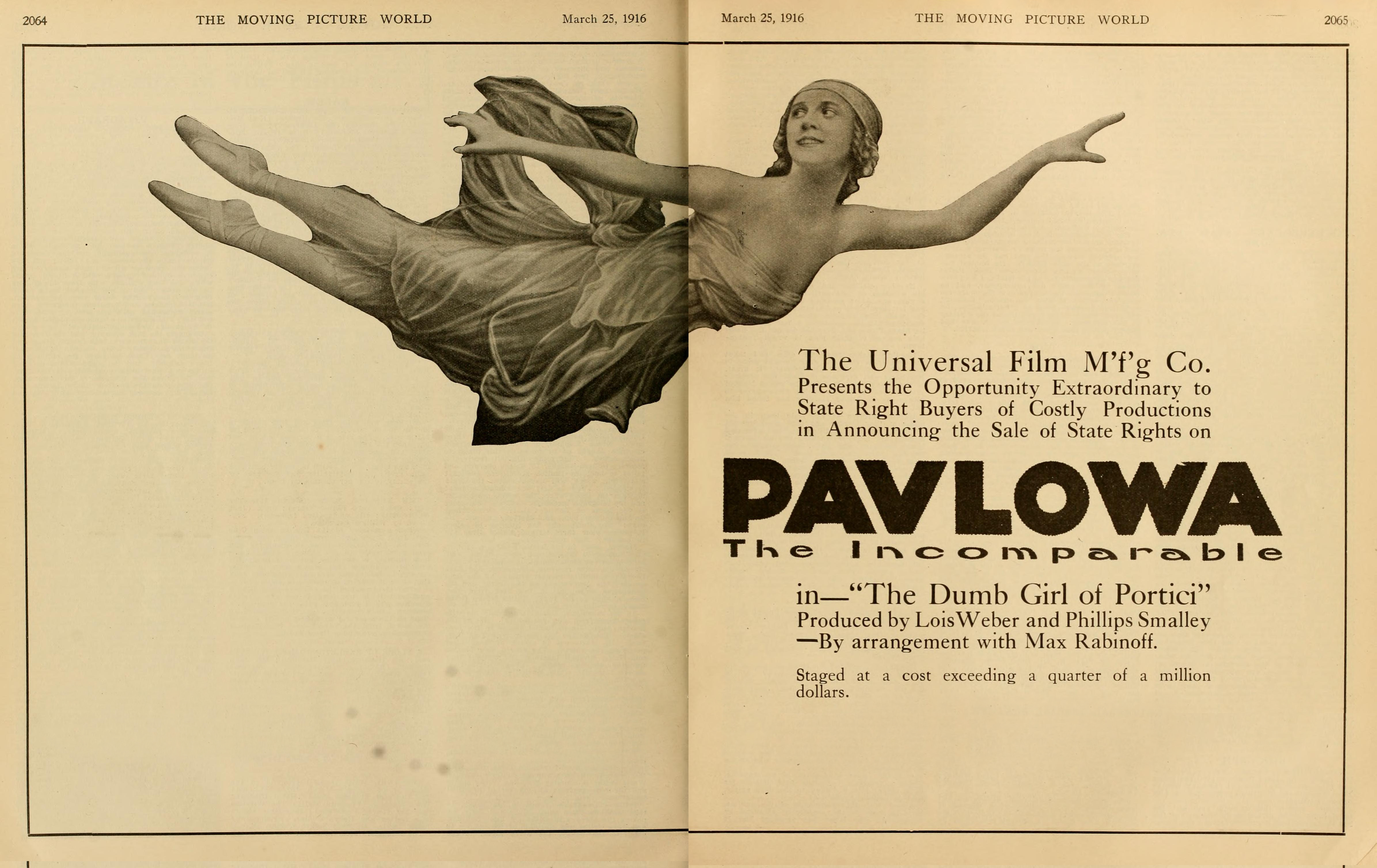
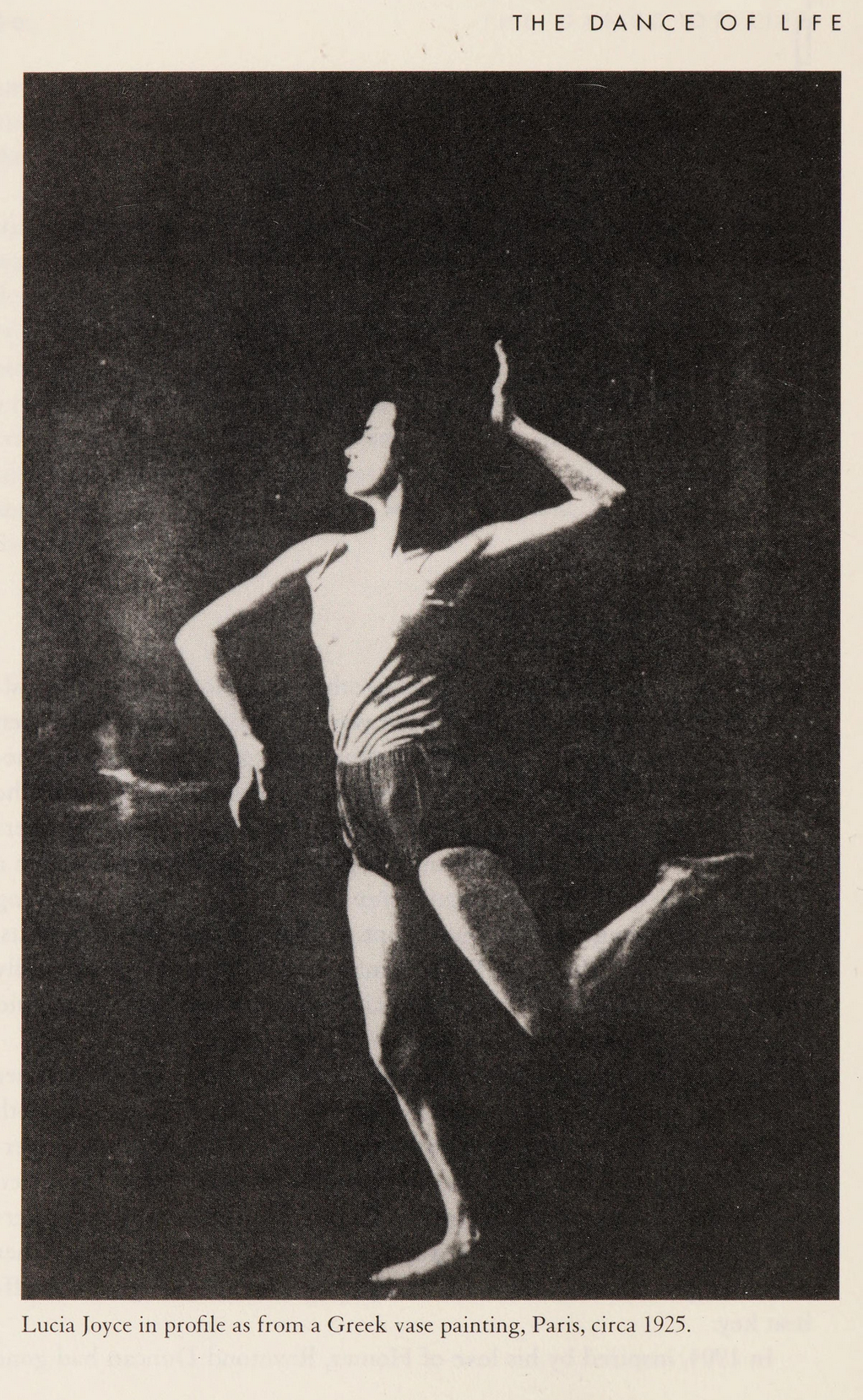
“Most accounts of James Joyce’s family portray Lucia Joyce as the mad daughter of a man of genius, a difficult burden. But in this important new book, Carol Loeb Shloss reveals a different, more dramatic truth: Lucia’s father not only loved her but shared with her a deep creative bond. His daughter, Joyce wrote, had a mind “as clear and as unsparing as the lightning.”” “Born at a pauper’s hospital in Trieste in 1907, educated haphazardly in Italy, Switzerland, and Paris as her penniless father pursued his art, Lucia was determined to strike out on her own. She chose dance as her medium, pursuing her studies in an art form very different from the literary ones celebrated in the Joyce circle and emerging, to Joyce’s amazement, as a harbinger of modern expressive dance in Paris. He described her then as a wild, beautiful, “fantastic being” who spoke to “a curious abbreviated language of her own” that he instinctively understood – for in fact it was his as well. The family’s only reader of Joyce’s work, Lucia was a child of the imaginative realms her father created. Even after emotional turmoil wreaked havoc with her and she was hospitalized in the 1930s, Joyce saw in her a life lived in tandem with his own.” “Though most of the documents about Lucia have been destroyed, Shloss has painstakingly reconstructed the poignant complexities of her life – and with them a vital episode in the early history of psychiatry, for in Joyce’s efforts to help his daughter he sought out Europe’s most advanced doctors, including Jung. Lucia emerges in Shloss’s account as a gifted, if thwarted, artist in her own right, a child who became her father’s tragic muse.”–Jacket, quoted from internet archive

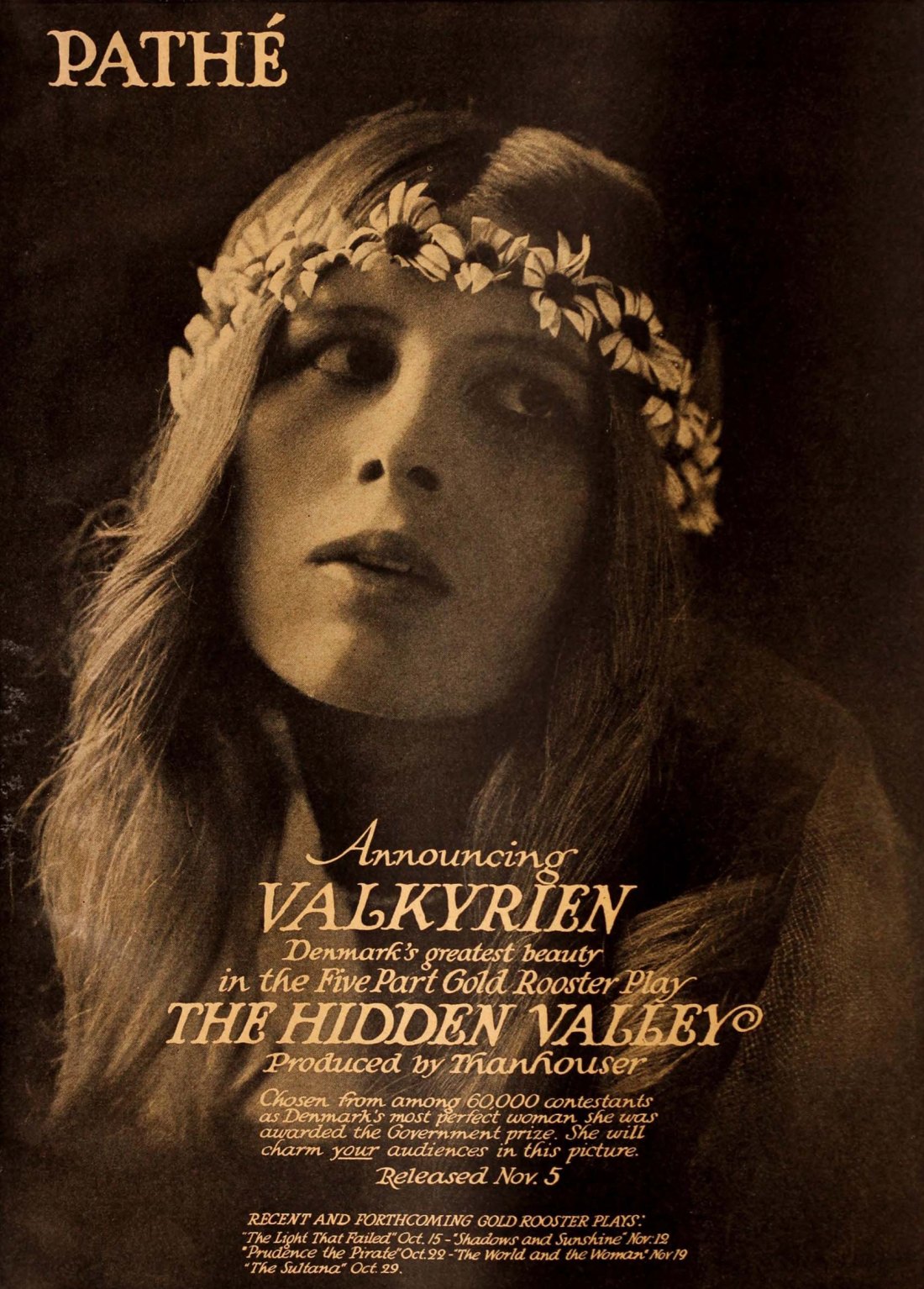
![Valda Valkyrien [Adele Frede, Adele Freed] in the American silent adventure fantasy The Hidden Valley (1916) directed by Ernest Warde.](https://unregardoblique.com/wp-content/uploads/2022/11/motion-picture-news-14moti_4_0038-valkirien-1916-crp.jpg)
![Valda Valkyrien [Adele Frede, Adele Freed] in the American silent adventure fantasy The Hidden Valley (1916) directed by Ernest Warde.](https://live.staticflickr.com/65535/52472219344_5c1e0cfc36_o.jpg)
![Valda Valkyrien [Adele Frede, Adele Freed] in the American silent adventure fantasy The Hidden Valley (1916) directed by Ernest Warde.](https://live.staticflickr.com/65535/52471941686_1cd7c3254e_o.jpg)

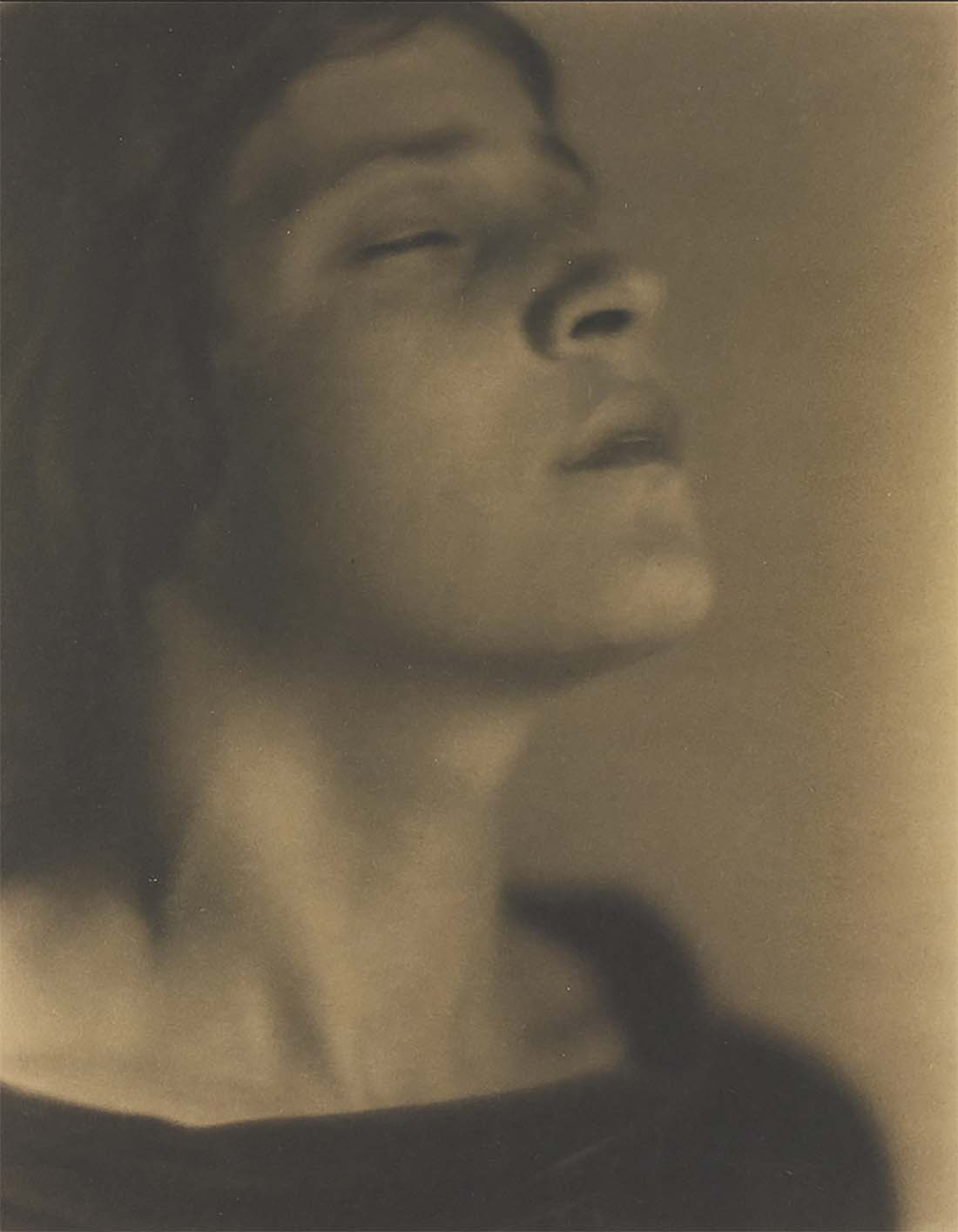
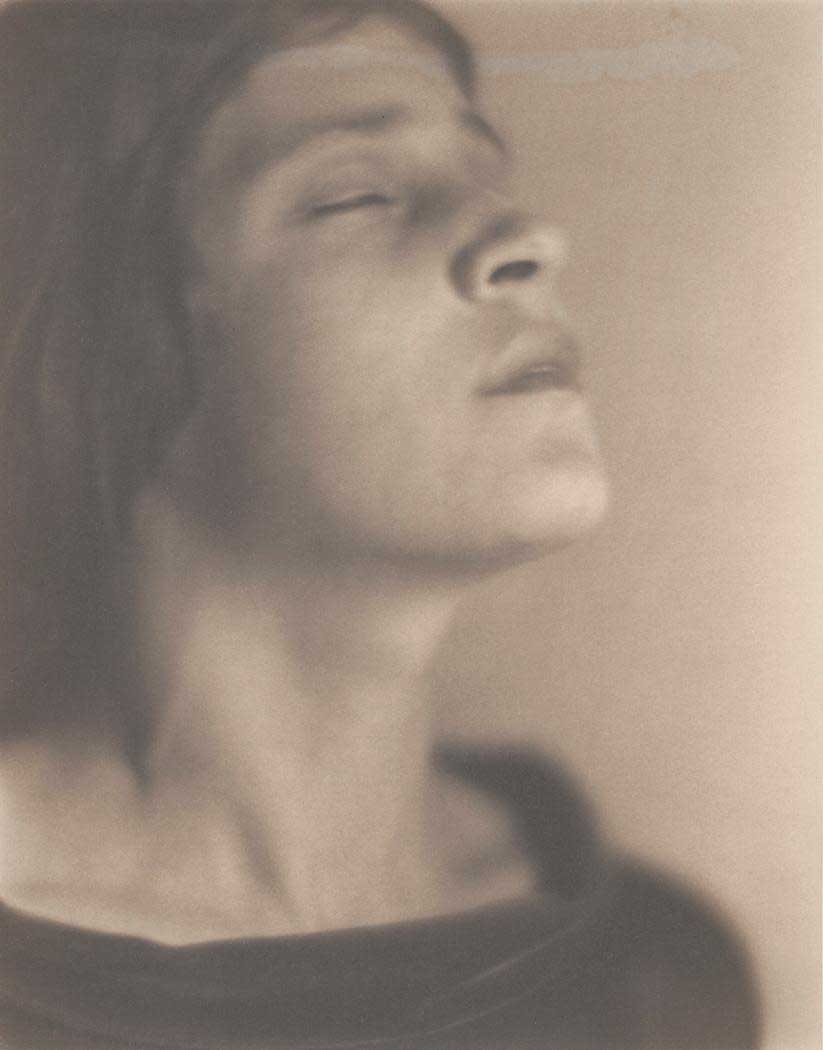
This photograph is among the earliest studies Edward Weston made of Tina Modotti, the woman whose face and figure would inspire some of Weston’s best work throughout the 1920s. The photographer regarded the image as an important one at the time, including it in two early exhibitions: in Amsterdam in 1922, and at the Aztec Land Gallery in Mexico City in 1923. This print is one of only three extant examples of this seminal picture of Modotti.
Head of an Italian Girl is from a series of studies and portraits of Modotti that Weston began in Los Angeles in 1921, soon after their love affair began, and would continue in Mexico. At the time this photograph was taken, each was married to someone else: Weston to the former Flora Chandler, the mother of his four children, and Modotti to the poet and textile designer, Roubaix de l’Abrie Richey. Born in Italy, Modotti was a recent arrival in Los Angeles, where she worked variously as an actress in silent films and as a seamstress and clothing designer. In the early 1920s, Weston made his living as a portrait photographer in Glendale, while pursuing his own creative work. The two fell in love shortly after they met, and Weston began photographing Modotti immediately. In April 1921, Weston wrote of Modotti to his friend, the photographer Johan Hagemeyer:
‘Life has been very full for me—perhaps too full for my good—I not only have done some of the best things yet—but have also had an exquisite affair . . . the pictures I believe to be especially good are of one Tina de Richey—a lovely Italian girl’ (The Archive, January 1986, Number 22, ‘The Letters from Tina Modotti to Edward Weston,’ p. 10)
In the present image, the ecstatic expression on Modotti’s face provides some indication of the intensity of their new relationship.
Amy Conger locates only two prints of this image, both in institutional collections: a palladium print originally owned by Johan Hagemeyer and now at the Center for Creative Photography, Tucson [view image below]; and a platinum print at the Baltimore Museum of Art. [quoted from source]
 un regard oblique