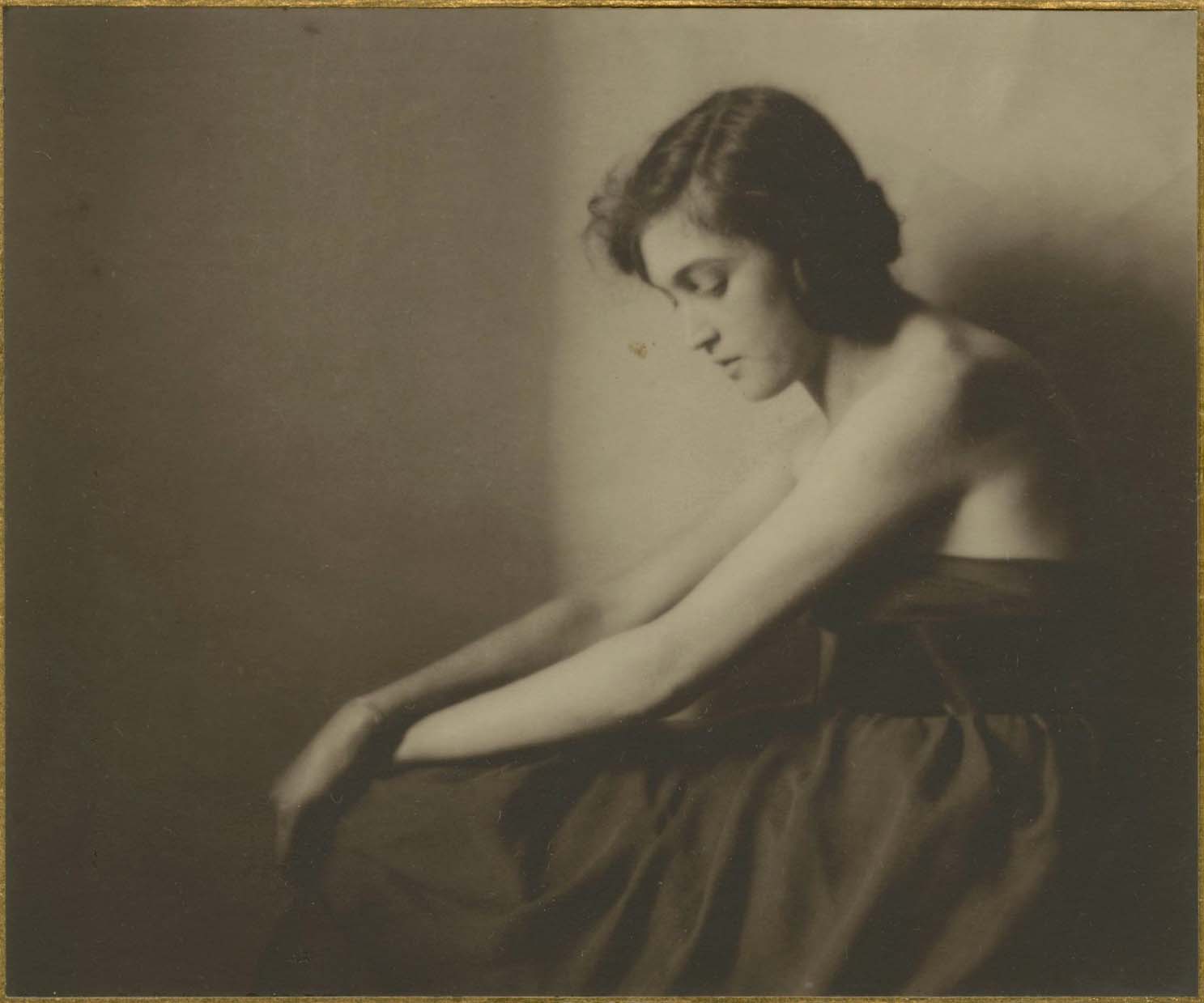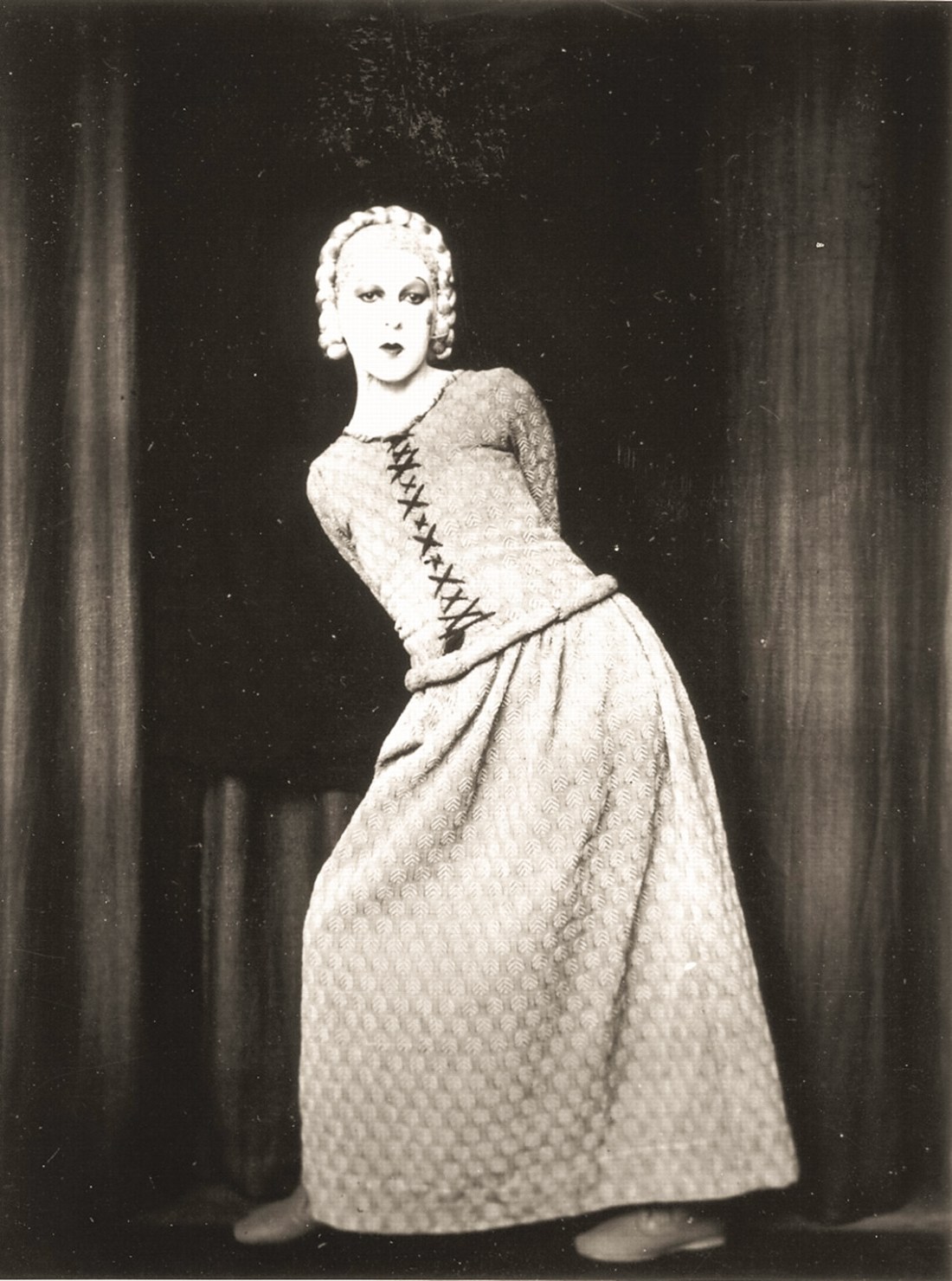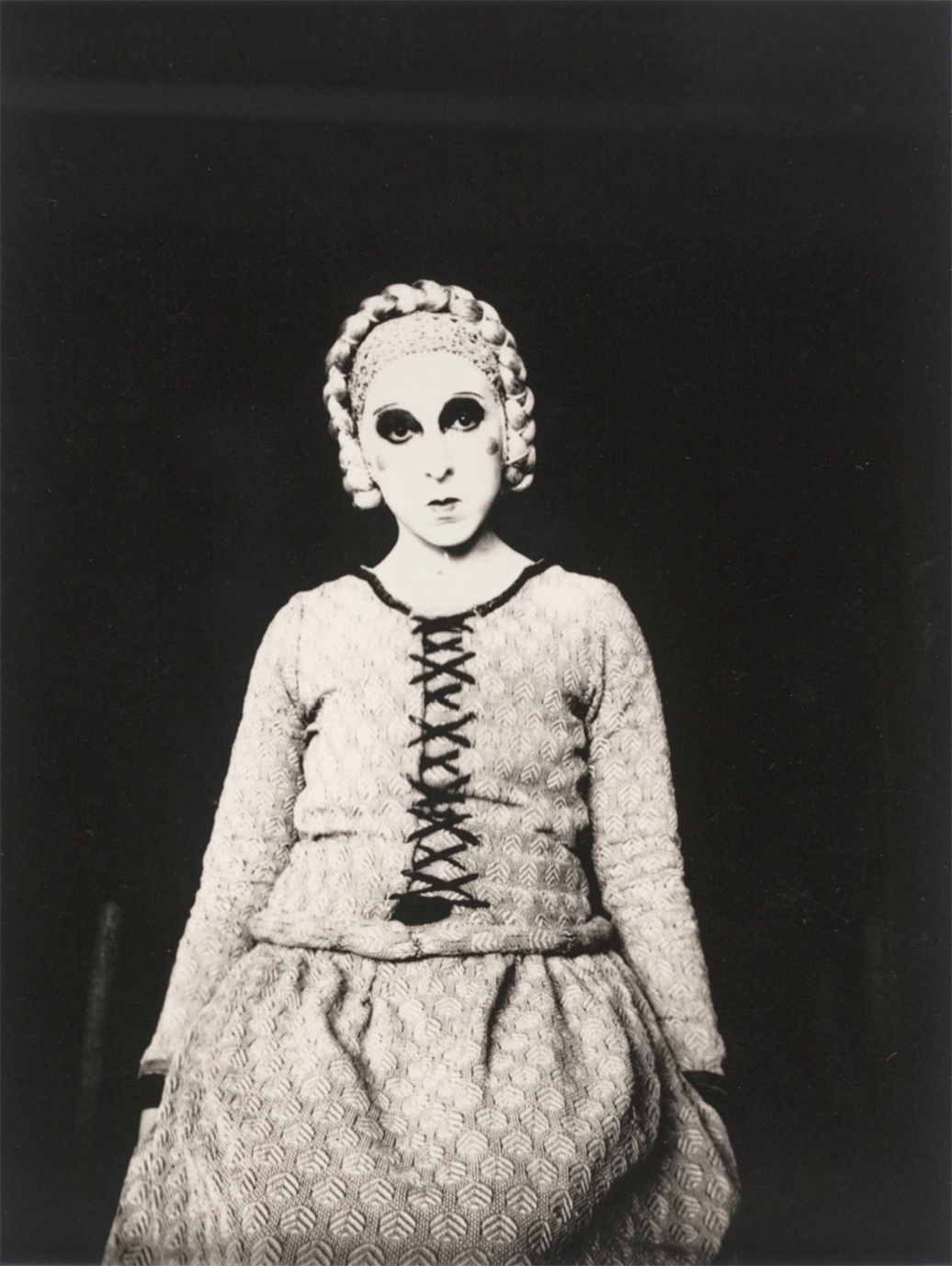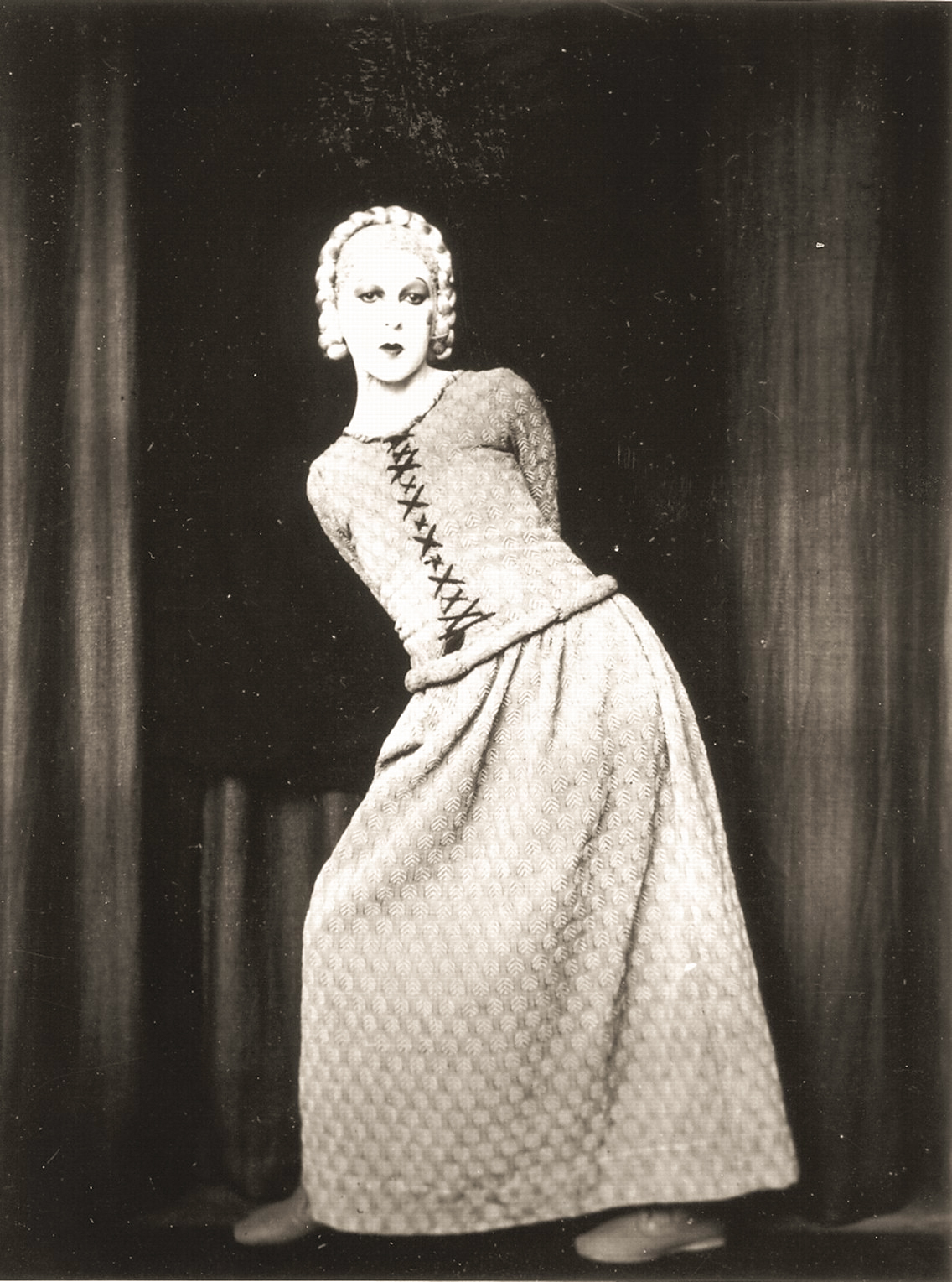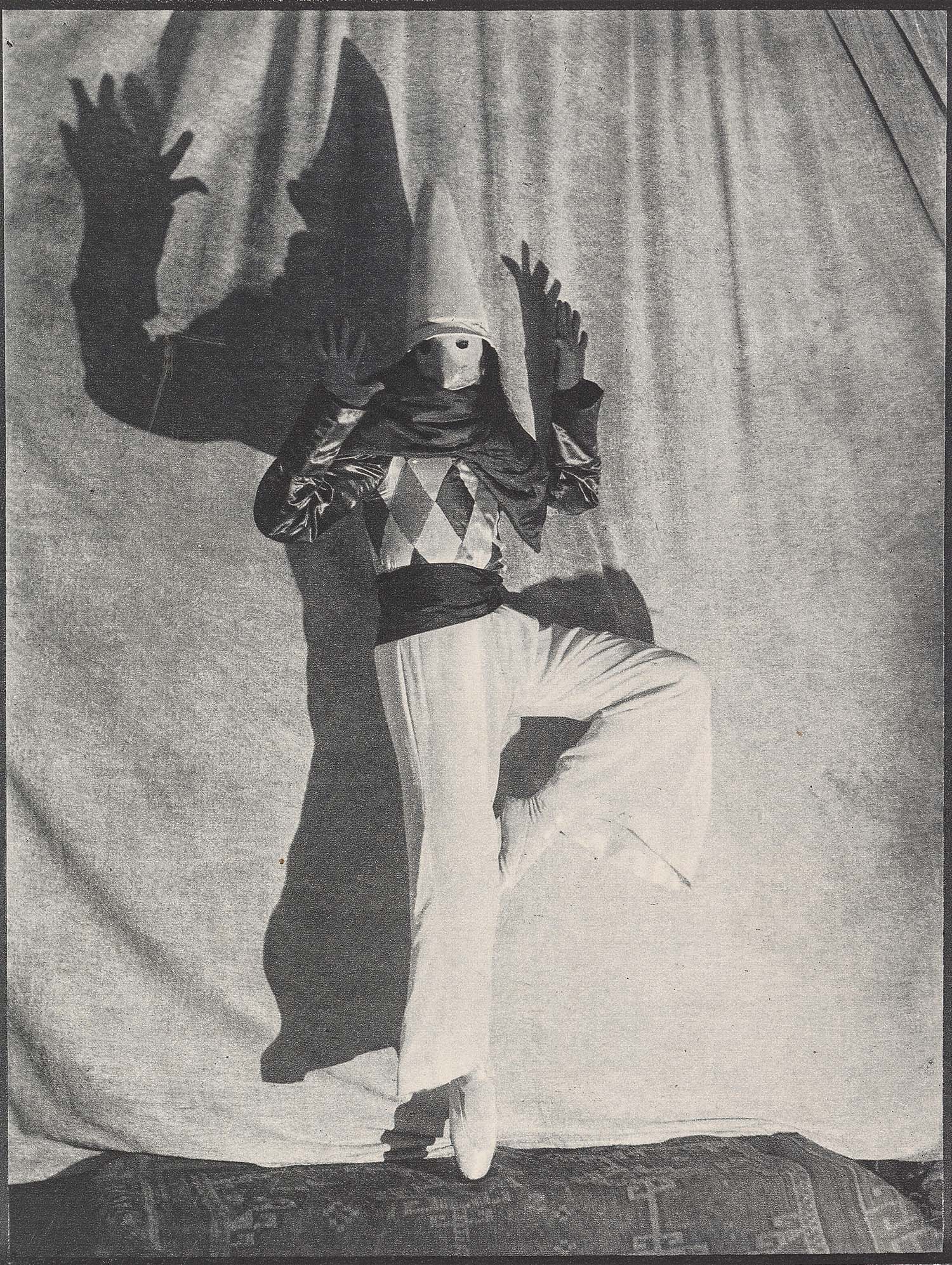
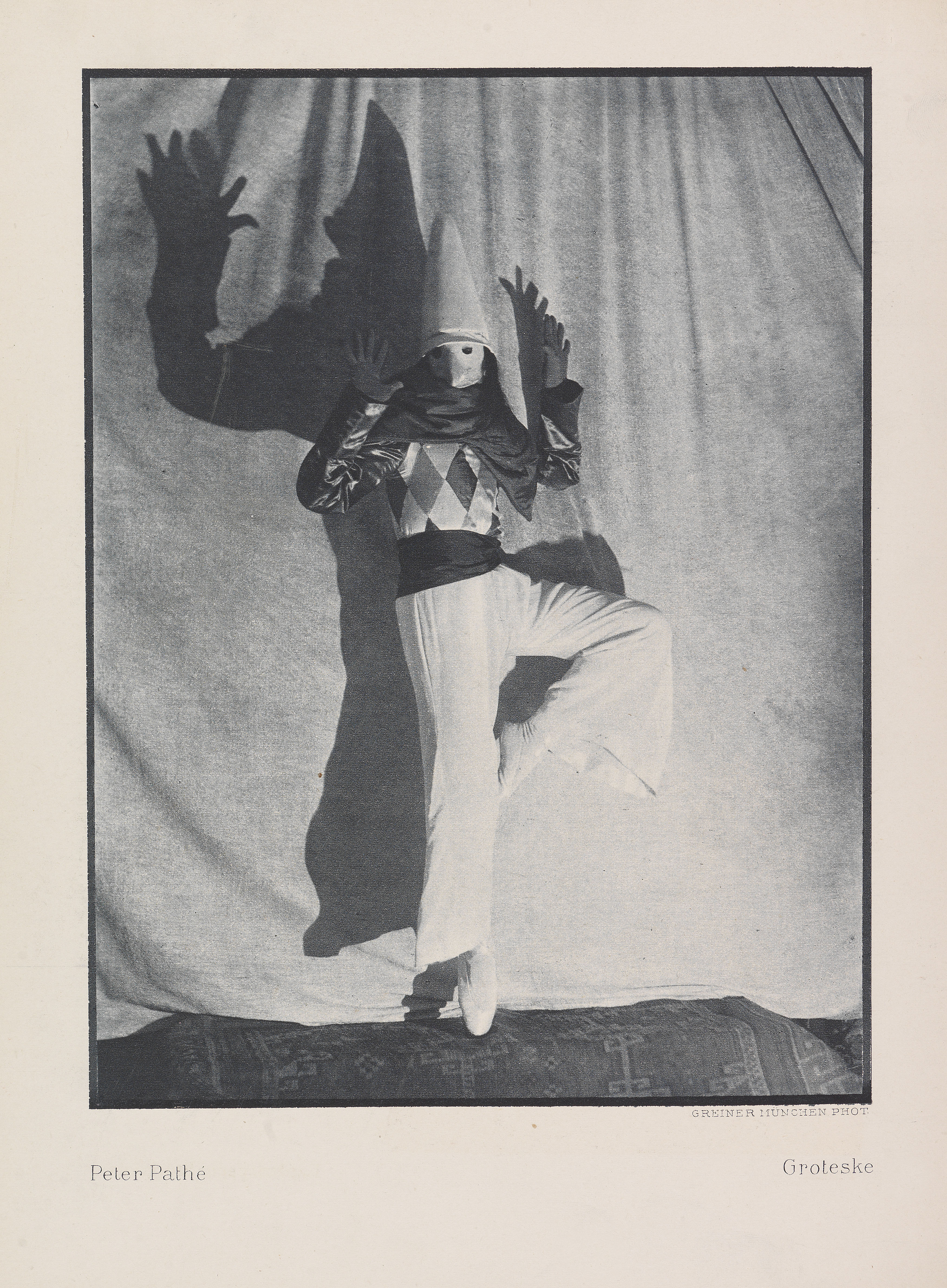
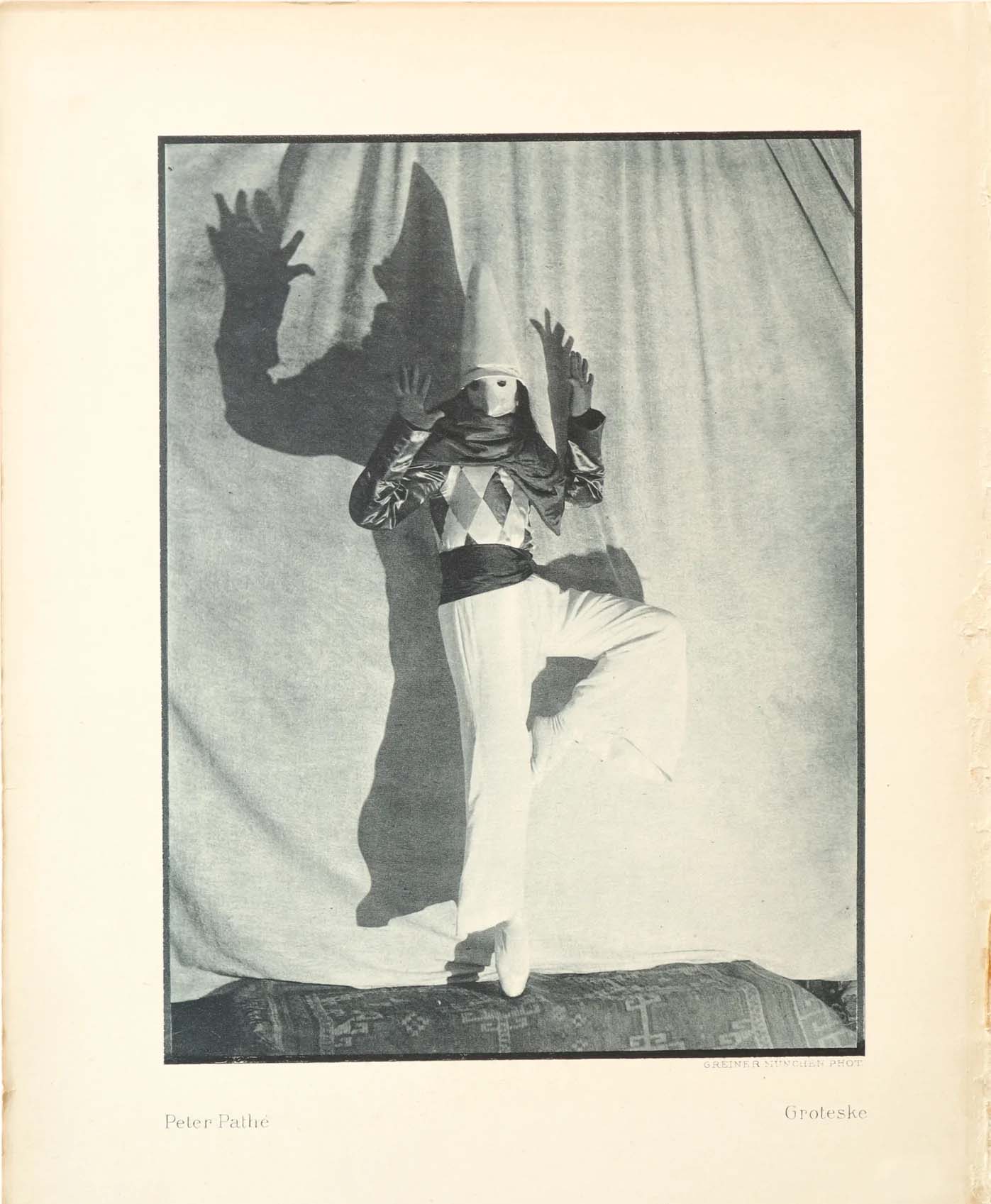
Peter Pathé in Groteske, 1922

From : Walter Schnackenberg : Kostüme, Plakate und Dekorationen. Zweite Auflage. München, Musarion 1922. | src Ketterer Kunst
Greiner :: Peter Pathé in Groteske. From a book of Schnackenberg's works, published in Munich in 1922 by Musarion. | src Ketterer Kunst
Greiner :: Peter Pathé in Groteske. From a book of Schnackenberg’s works, published in Munich in 1922 by Musarion. | src Ketterer Kunst
Peter Pathé in Groteske. Photo by Greiner. Costume design: Walter Schnackenberg. | src L'Affichiste
Peter Pathé in Groteske. Photo by Greiner. Costume design: Walter Schnackenberg. | src L’Affichiste

Cahun · selfportraits with cat

selfportrait with cat, lucy schwob, marcel moore
Claude Cahun & Marcel Moore :: Lucie and kid, Nantes, vers 1926. Tirage argentique. | src Christie's
Claude Cahun & Marcel Moore :: Lucie and Kid, Nantes, vers 1926. Tirage argentique. | src Christie’s, also MAM

“Lucy and Kid”. Nantes, ca.1926. Original silver print. This piece seems to close the series of “self-portraits with a glass globe” (1926), which initiates complex manipulations, technical processes that Claude Cahun (along with Marcel Moore) will later use for photomontages (1929-1939). Note the disturbing position of the suspended cat, held above the void against a background reminiscent of the decor of an expressionist film.
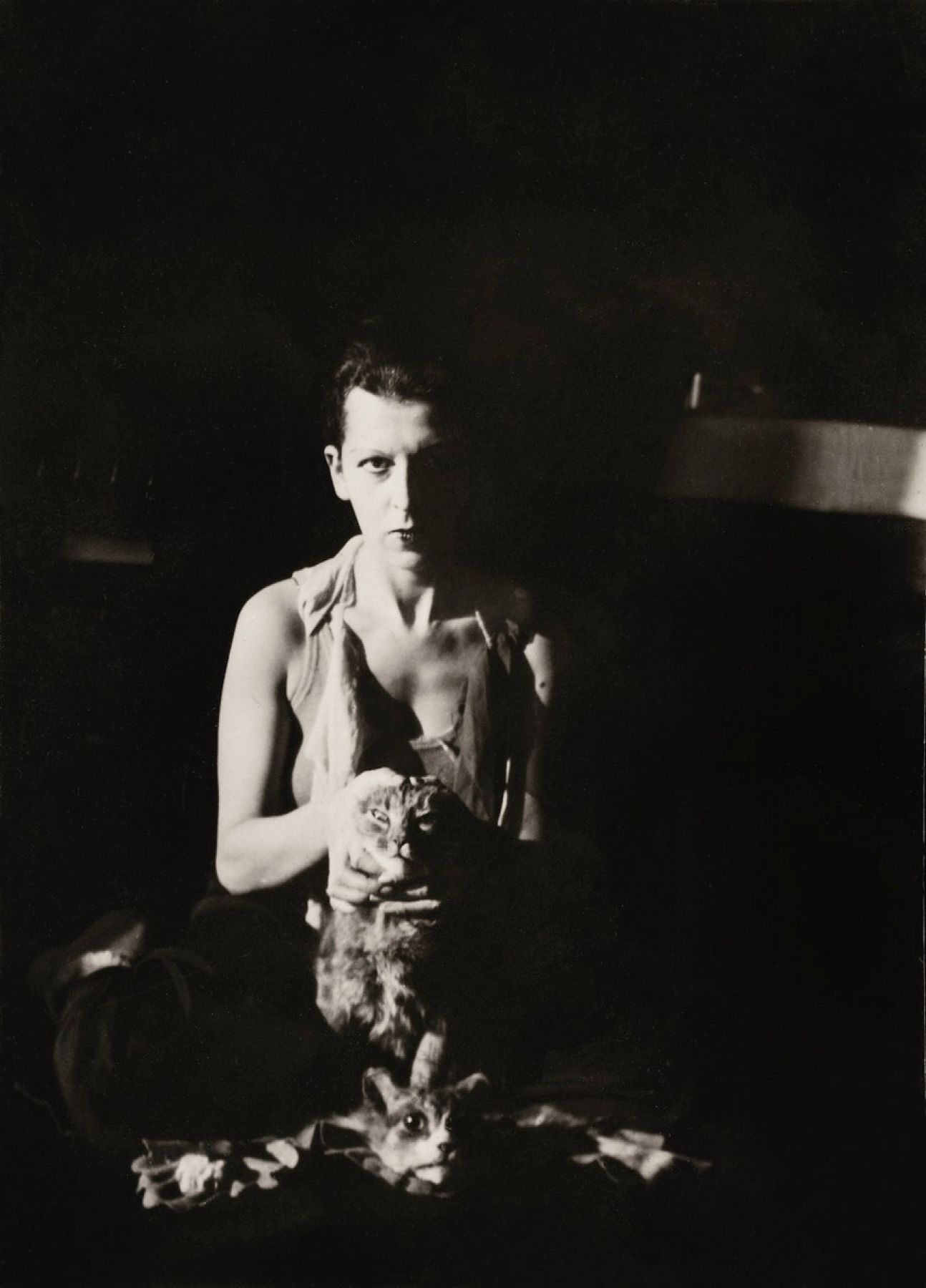
Claude Cahun & Marcel Moore :: Autoportrait au Chat, ca. 1927. Tirage argentique sépia. | src Musée d'art de Nantes
Claude Cahun & Marcel Moore :: Autoportrait au Chat, ca. 1927. Tirage argentique sépia. | src Musée d’art de Nantes

Claude Cahun Cat 1925-1940

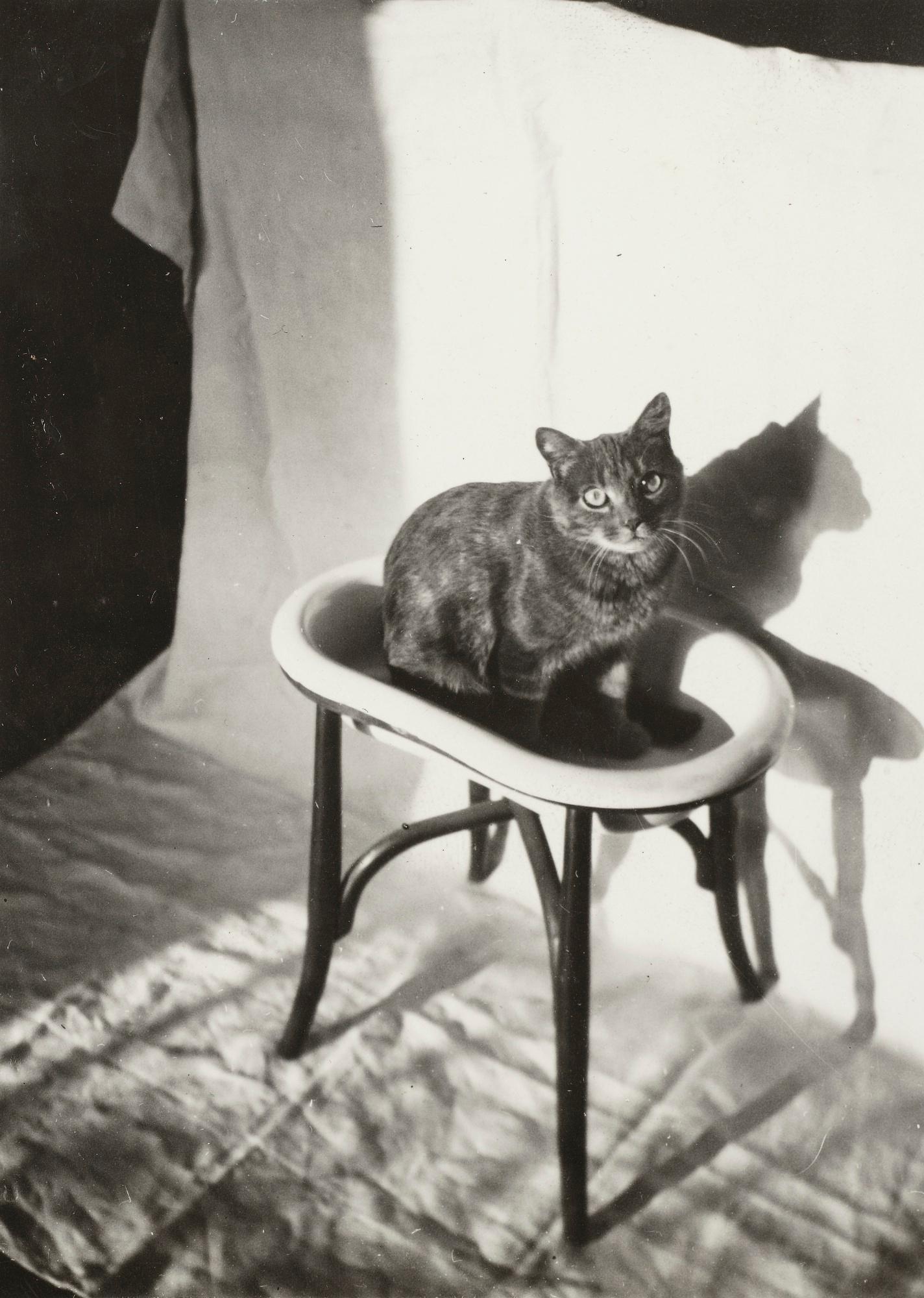
Claude Cahun (Lucy Schwob) :: Chat à la vasque, 1925 - 1930. Vintage silver print on Velox paper. | src Sotheby's
Claude Cahun (Lucy Schwob) :: Chat à la vasque, 1925 – 1930. Vintage silver print on Velox paper. | src Sotheby’s
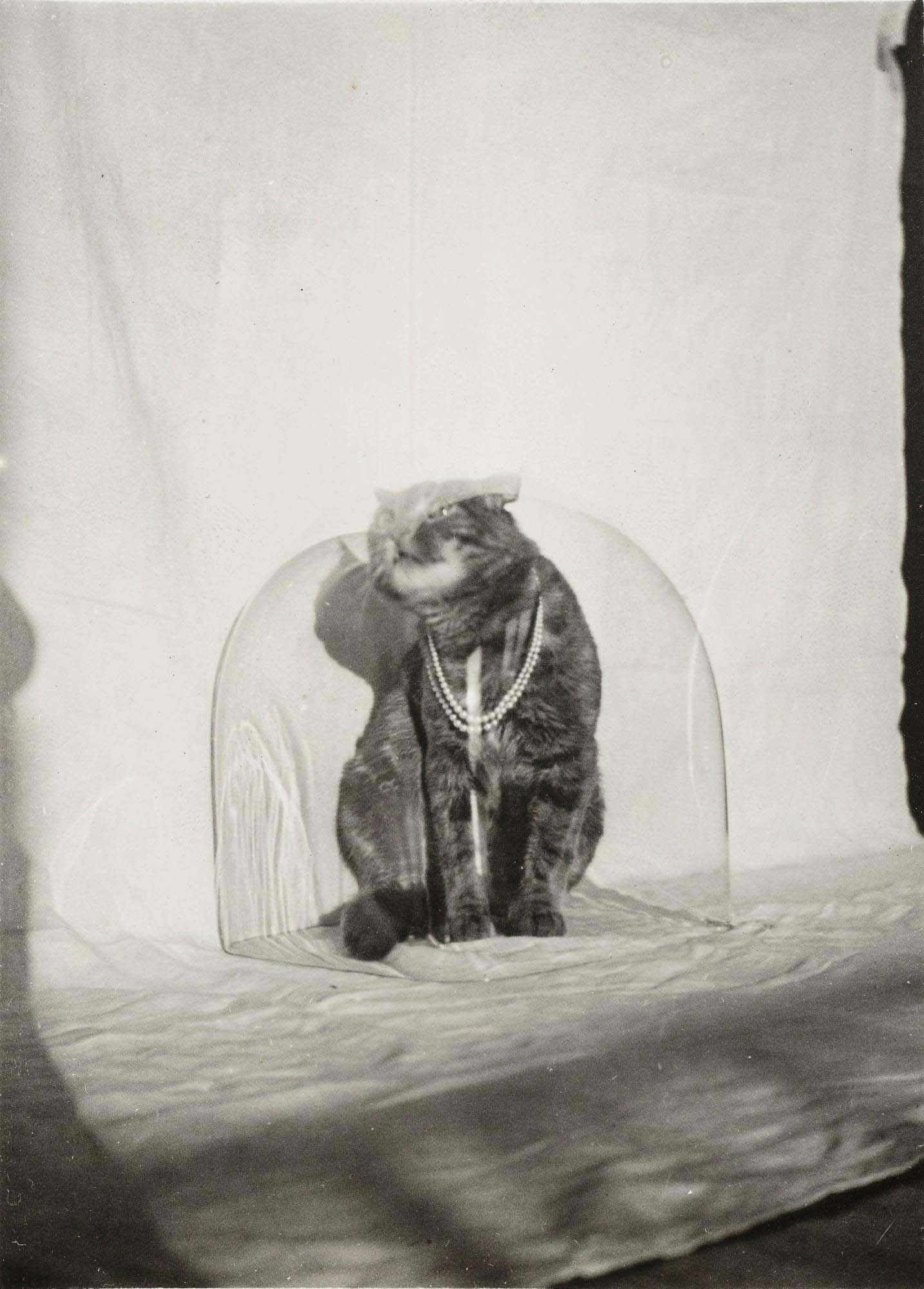
Claude Cahun (Lucy Schwob) :: Chat à la cloche, 1925 - 1930. Vintage silver print on Velox paper. | src Sotheby's
Claude Cahun (Lucy Schwob) :: Chat à la cloche, 1925 – 1930. Vintage silver print on Velox paper. | src Sotheby’s
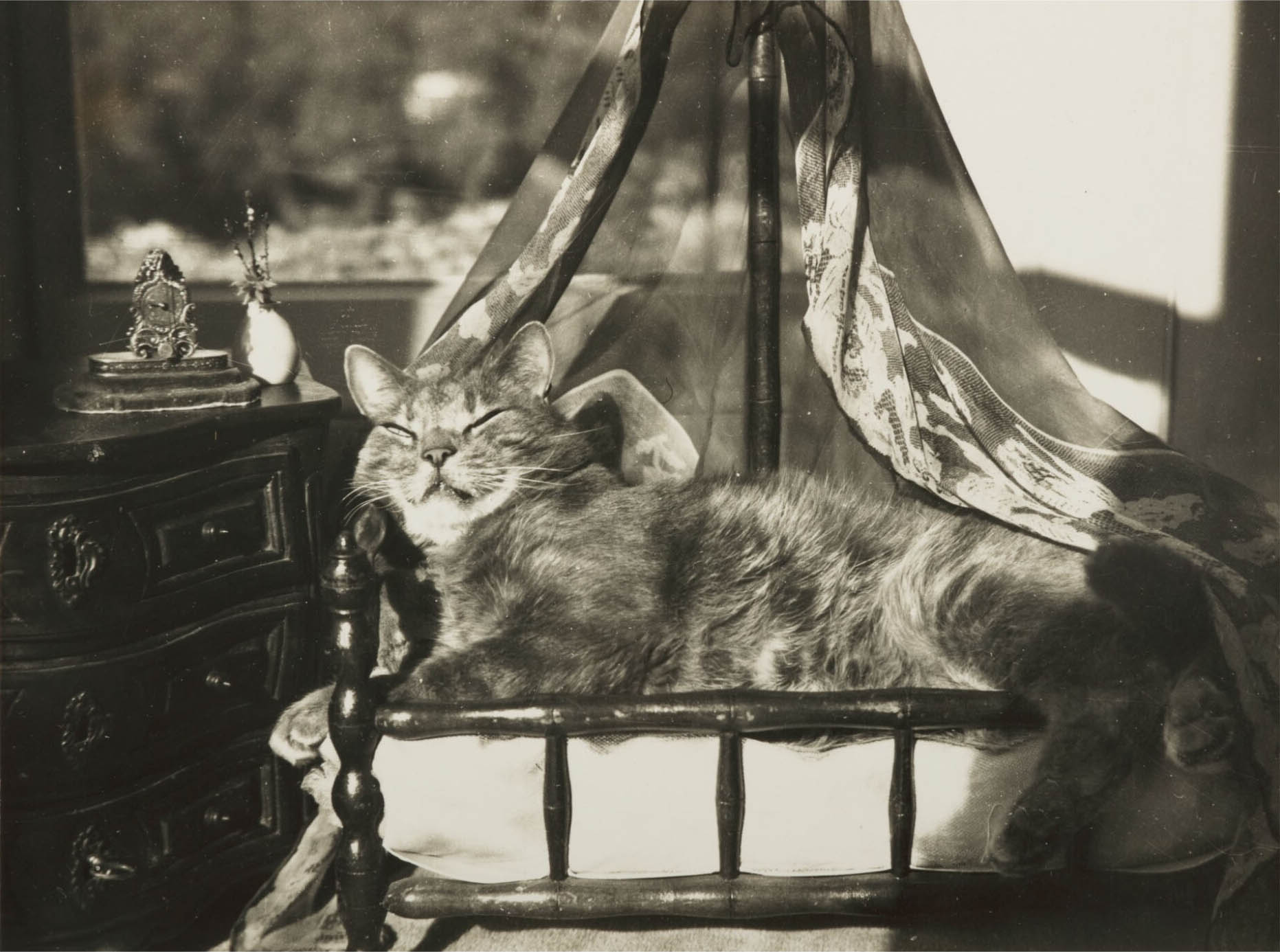
Claude Cahun (Lucy Schwob) :: La chambre du chat. Gelatin silver print signed, titled, and dated 1940 in ink on the reverse. | src Sotheby's
Claude Cahun (Lucy Schwob) :: La chambre du chat. Gelatin silver print signed, titled, and dated 1940 in ink on the reverse. | src Sotheby’s

Jack Thwaites’ Tasmania

landscape, tasmania, 1930s
Geilston Bay. Denison Range - Christmas 1935-1936. From the Jack Thwaites Photographic Collections. Libraries Tasmania's online collection NS3195/2/2217
Denison Range – Christmas 1935-1936. From the Jack Thwaites Photographic Collections. Libraries Tasmania‘s online collection NS3195/2/2217
Hobart Walking Club on Mt Arthur, 1948. From the Jack Thwaites Photographic Collections. Libraries Tasmania's online collection | permalink
Hobart Walking Club on Mt Arthur, 1948. From the Jack Thwaites Photographic Collections. Libraries Tasmania‘s online collection | permalink
Rocking Stone boulder on granite base north of Deep Creek near Eddystone Point. 11 Aug 1960. From the Jack Thwaites Photographic Collections. Libraries Tasmania's online collection | permalink
Rocking Stone boulder on granite base north of Deep Creek near Eddystone Point. 11 Aug 1960. From the Jack Thwaites Photographic Collections. Libraries Tasmania‘s online collection | permalink

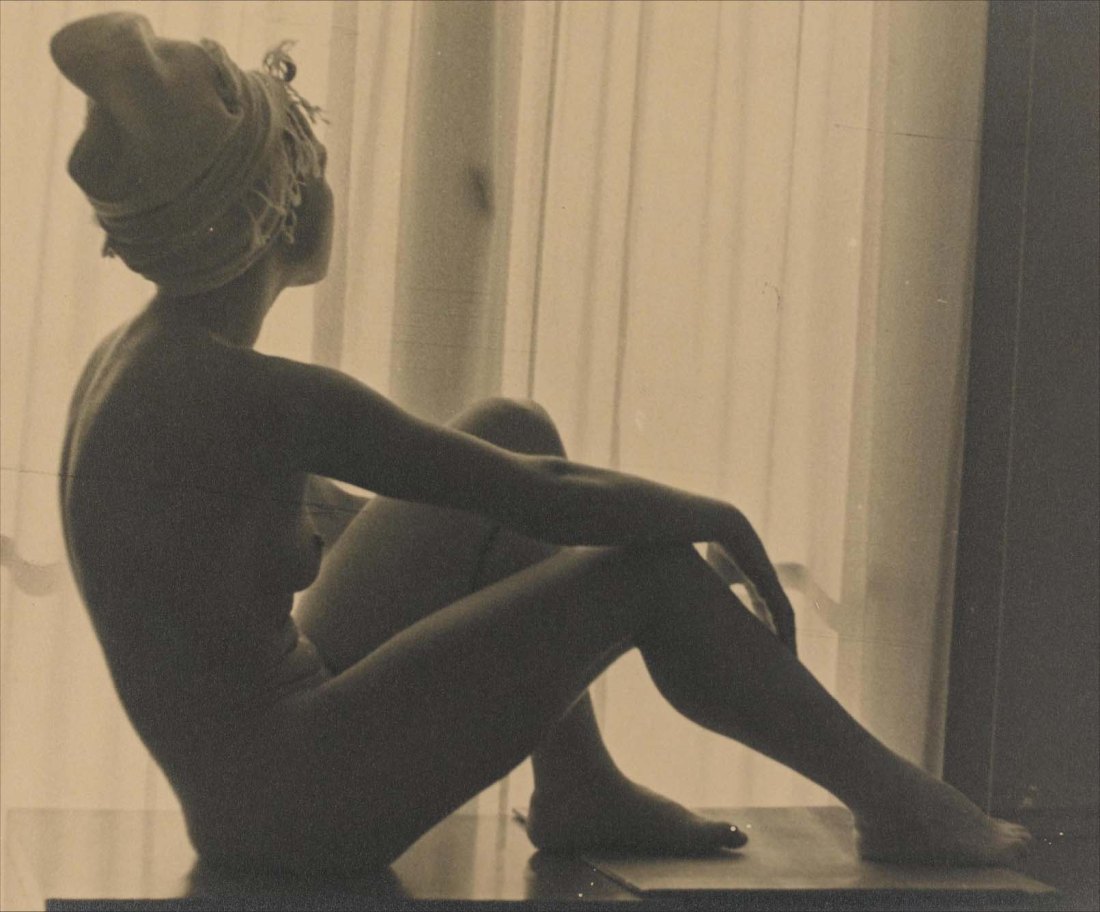
Solarized nudes by Fehr

female nude, nu feminin, solarization, 1930s
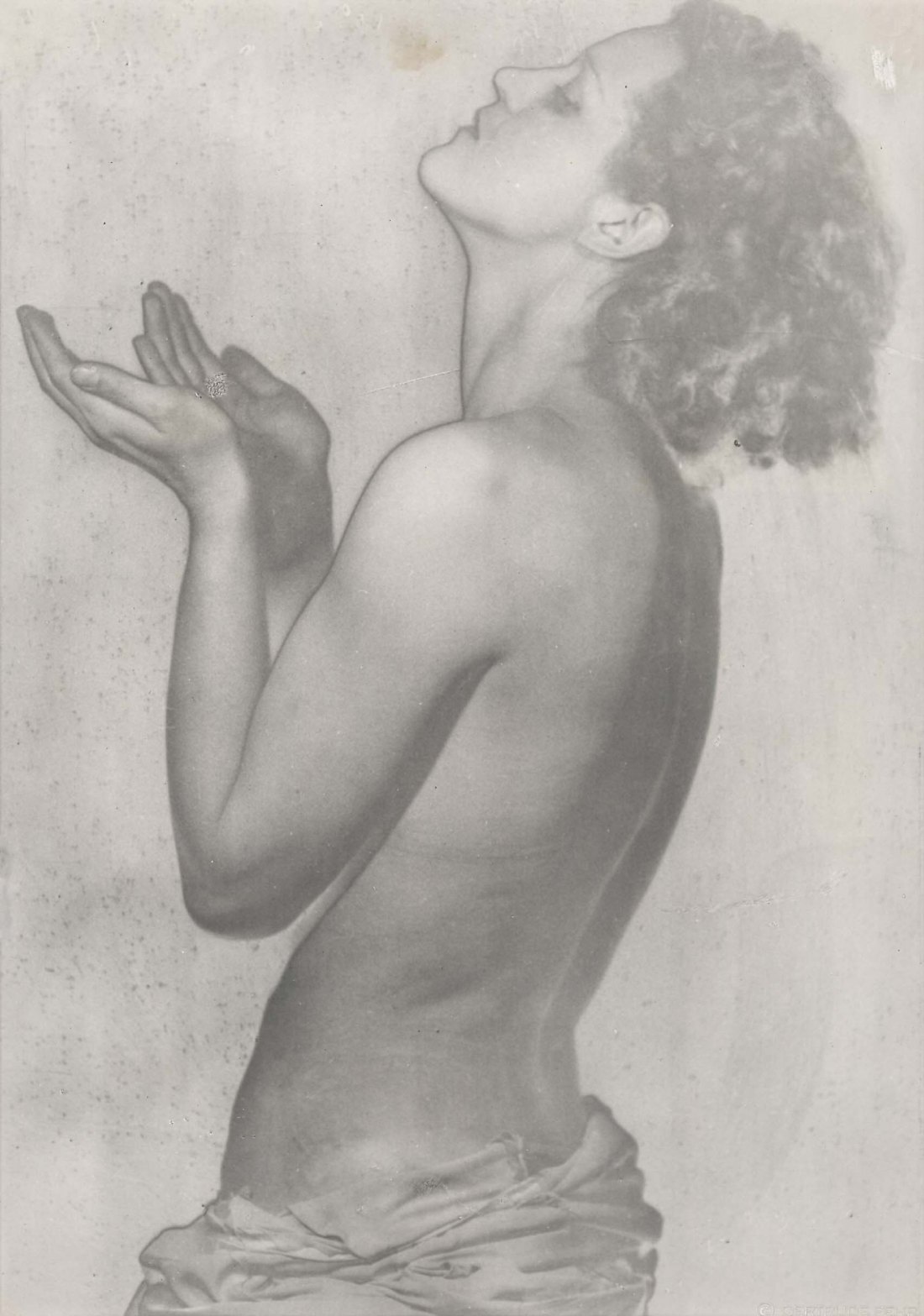
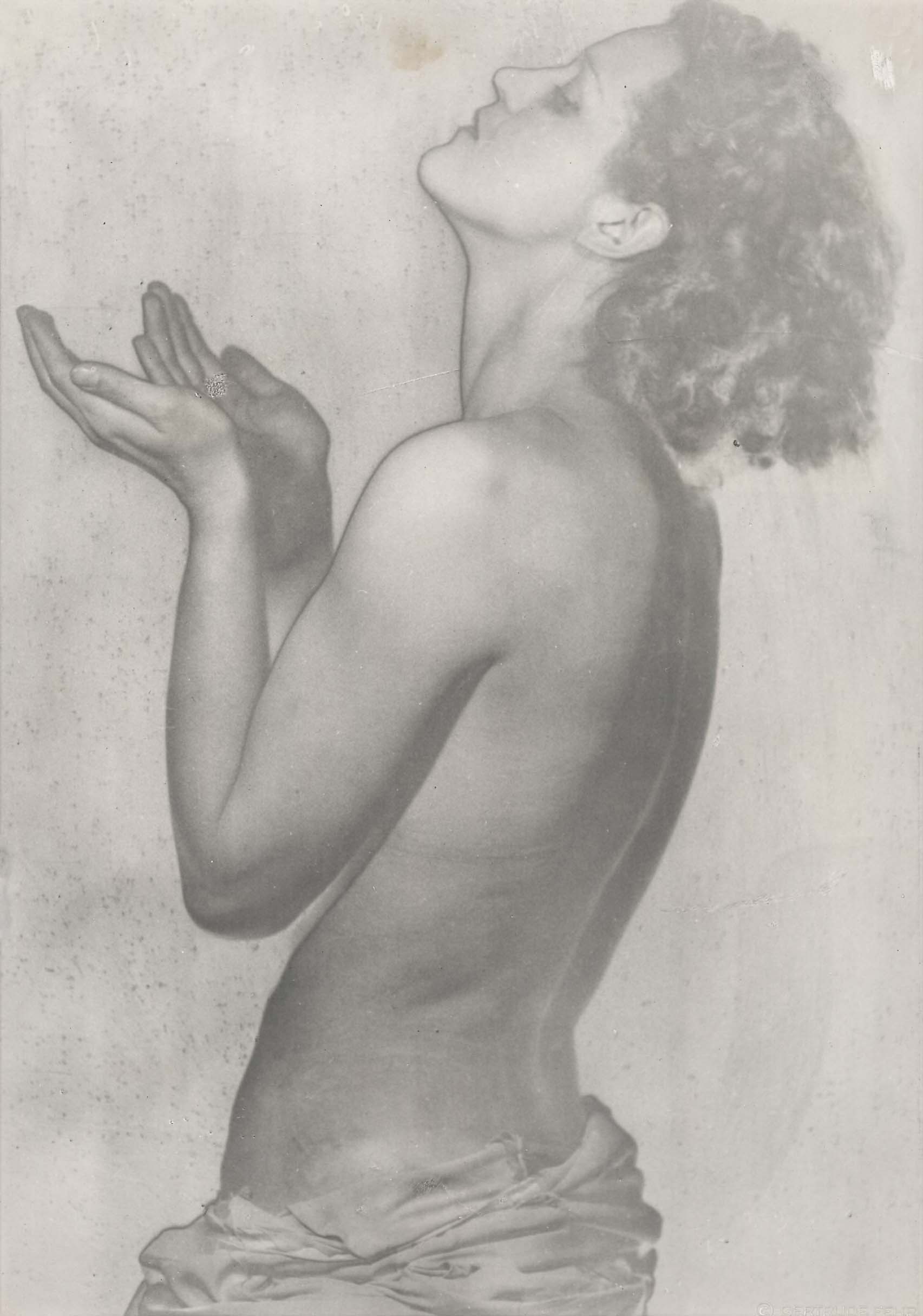
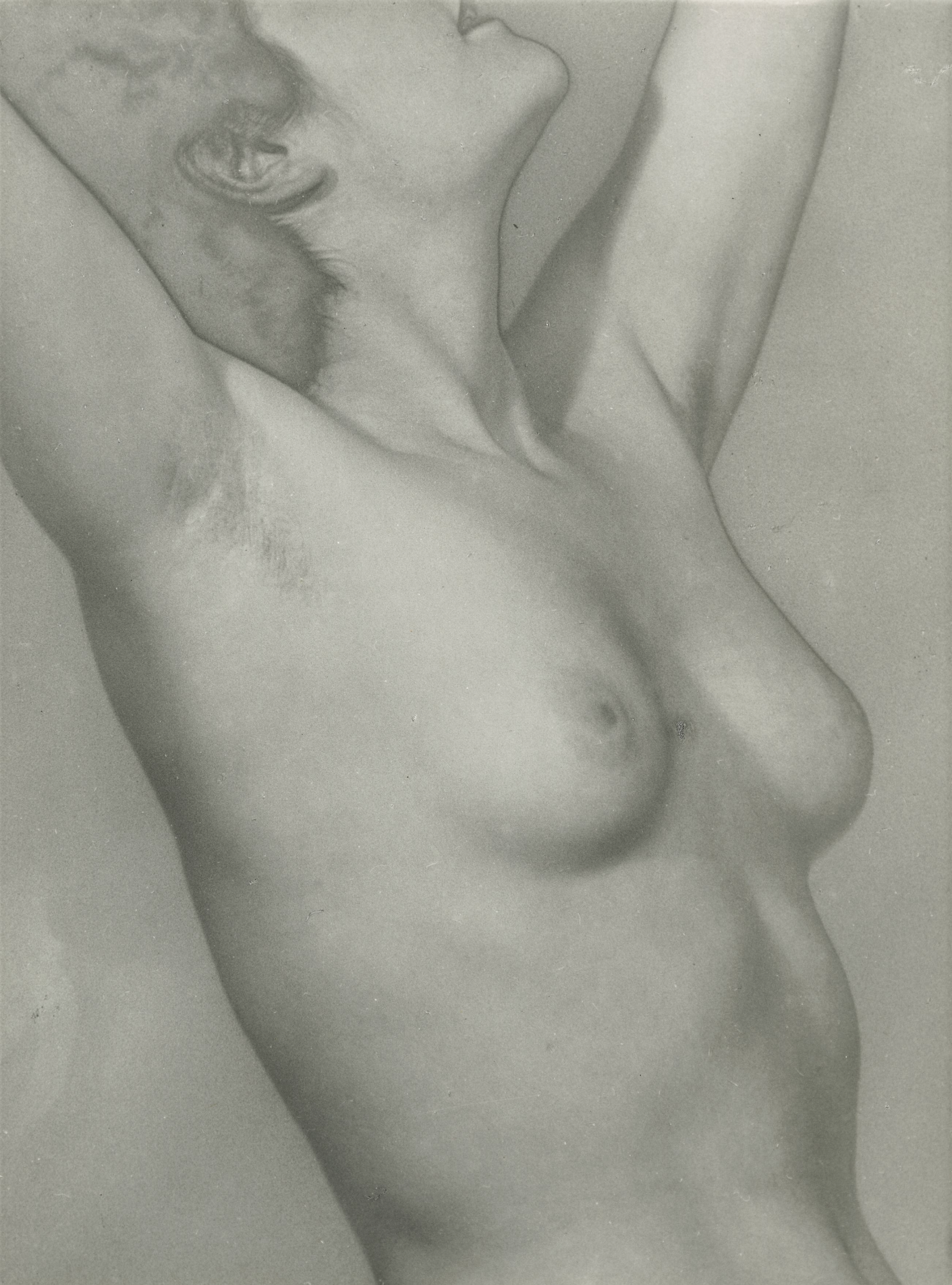
Gertrude Fehr :: Halbakt, solarisiert, 1936. | src Fotostiftung Schweiz
Gertrude Fehr :: Halbakt solarisiert, Paris, 1936 (?). | src Fotostiftung Schweiz
Gertrude Fehr :: Halbakt solarisiert, Paris, 1936 © 2021, ProLitteris, Zurich | src Fotostiftung Schweiz – Sammlung online

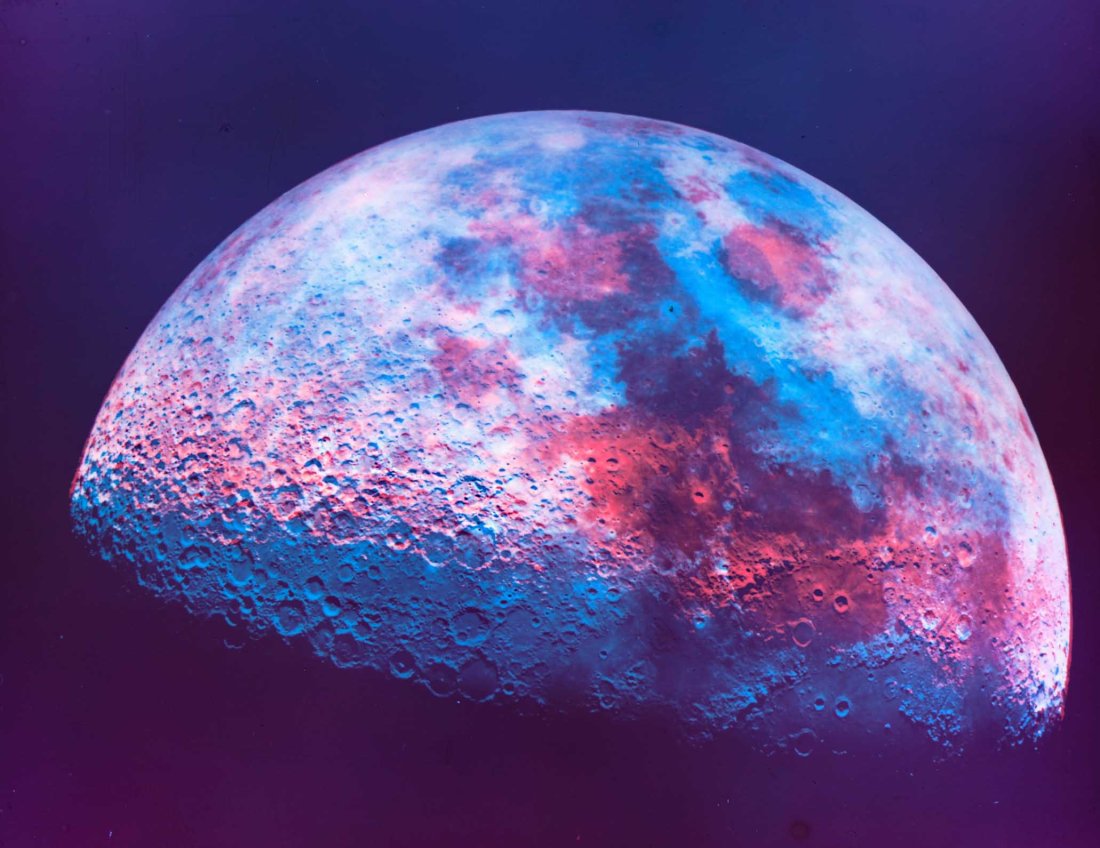
Anaglyph of the moon, 1923

Leon Gimpel :: Anaglyph vom Mond, 1923. Handkolorierte Silbergelatine-Glasplatte. | src Kunstmuseum Basel
León Gimpel :: Anaglyph of the moon, 1923. Hand-colored silver gelatin glass plate. | src Kunstmuseum Basel

There are many different ways of creating and viewing stereoscopic 3D images but they all rely on independently presenting different images to the left and right eye.
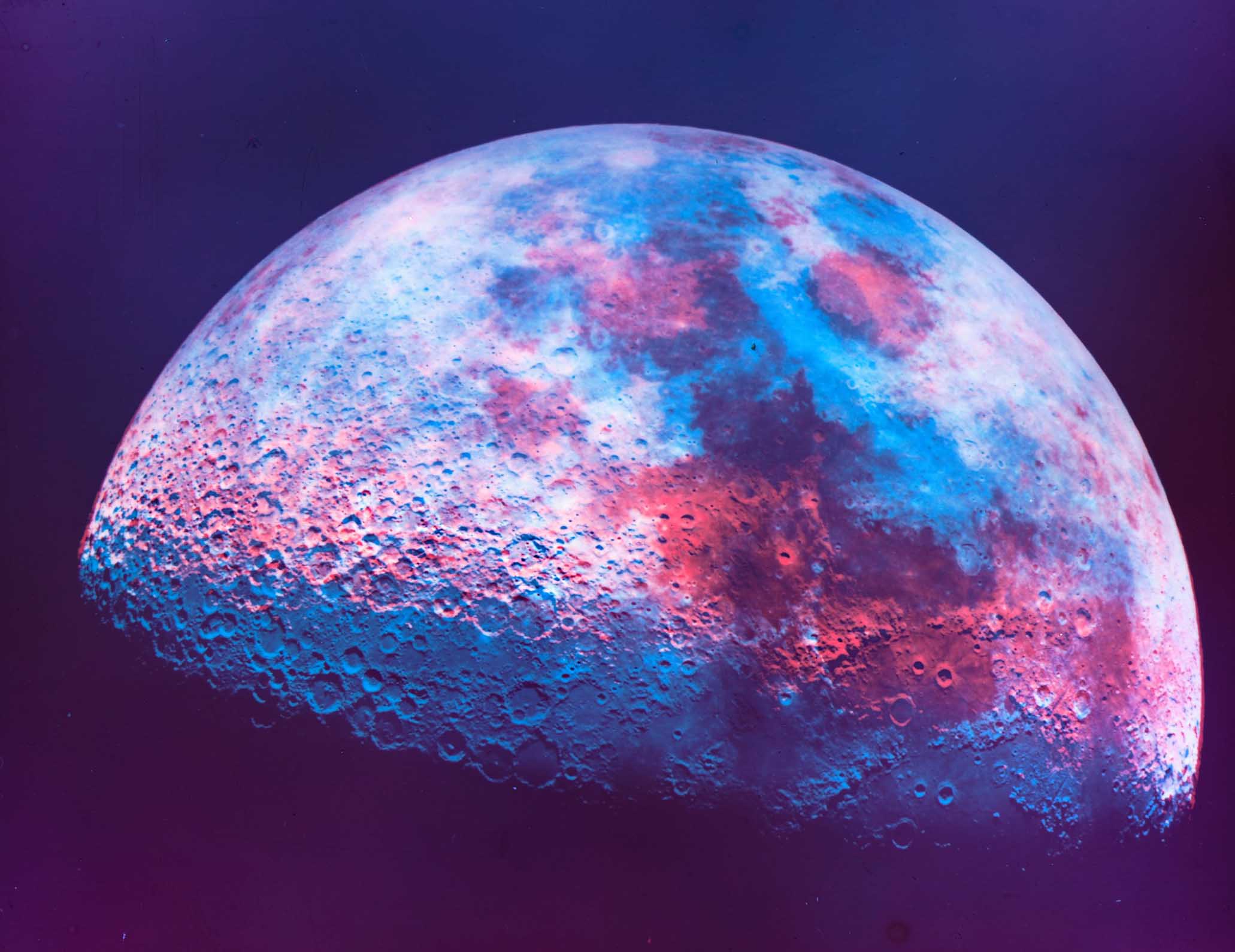
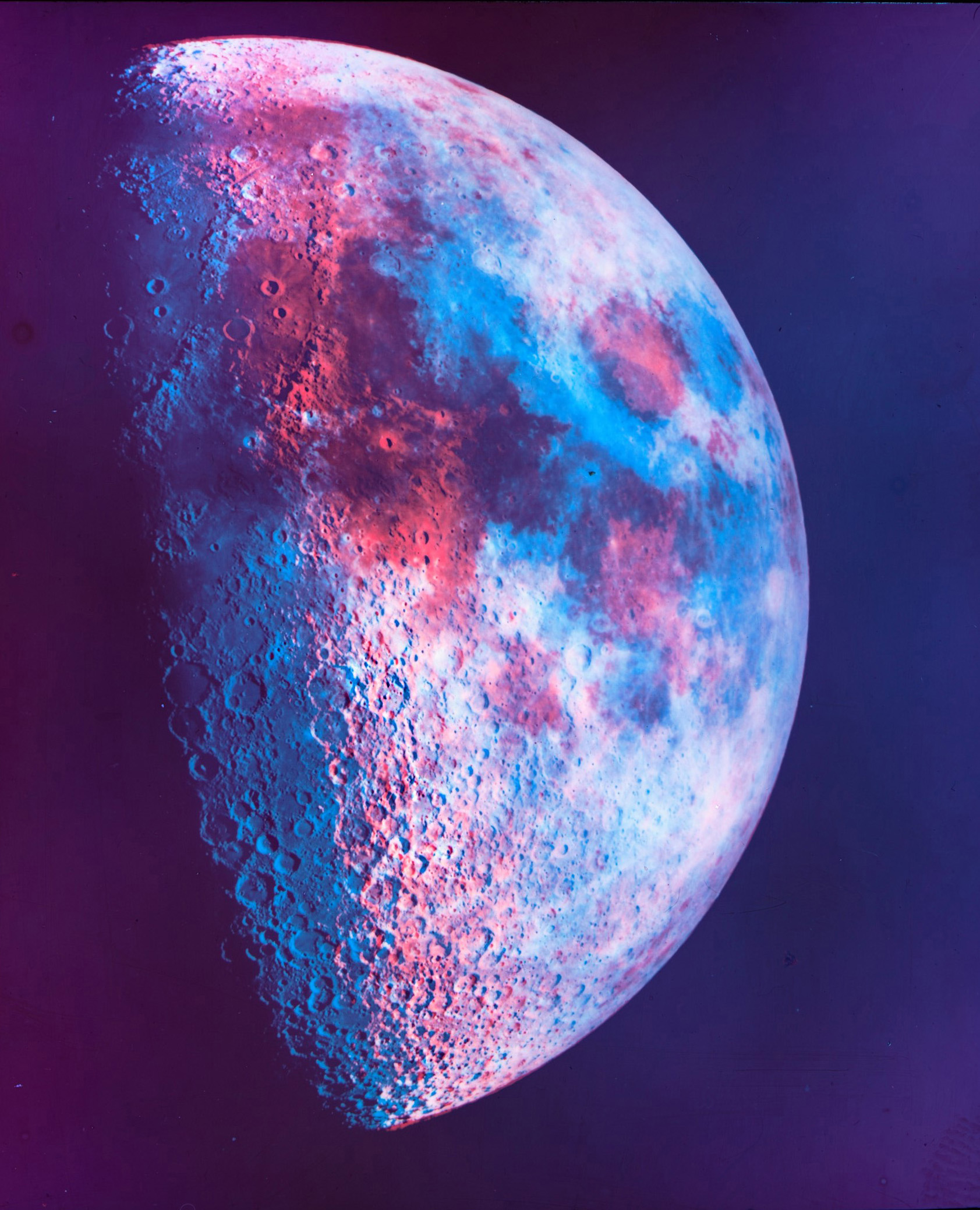
León Gimpel :: Anaglyph of the moon, 1923. Hand-colored silver gelatin glass plate. | src Kunstmuseum Basel

Anaglyphs are a straightforward way of presenting stereo pair images is the stereoscopic 3D effect achieved by means of encoding each eye’s image using filters of different (usually chromatically opposite) colors, typically red and cyan. Anaglyph 3D images contain two differently filtered colored images, one for each eye. When viewed through the “color-coded” “anaglyph glasses”, each of the two images reaches the eye it’s intended for, revealing an integrated stereoscopic image. The visual cortex of the brain fuses this into the perception of a three-dimensional scene or composition.

There are three types of anaglyph glasses in common use: red-blue, red-cyan, and red-green.
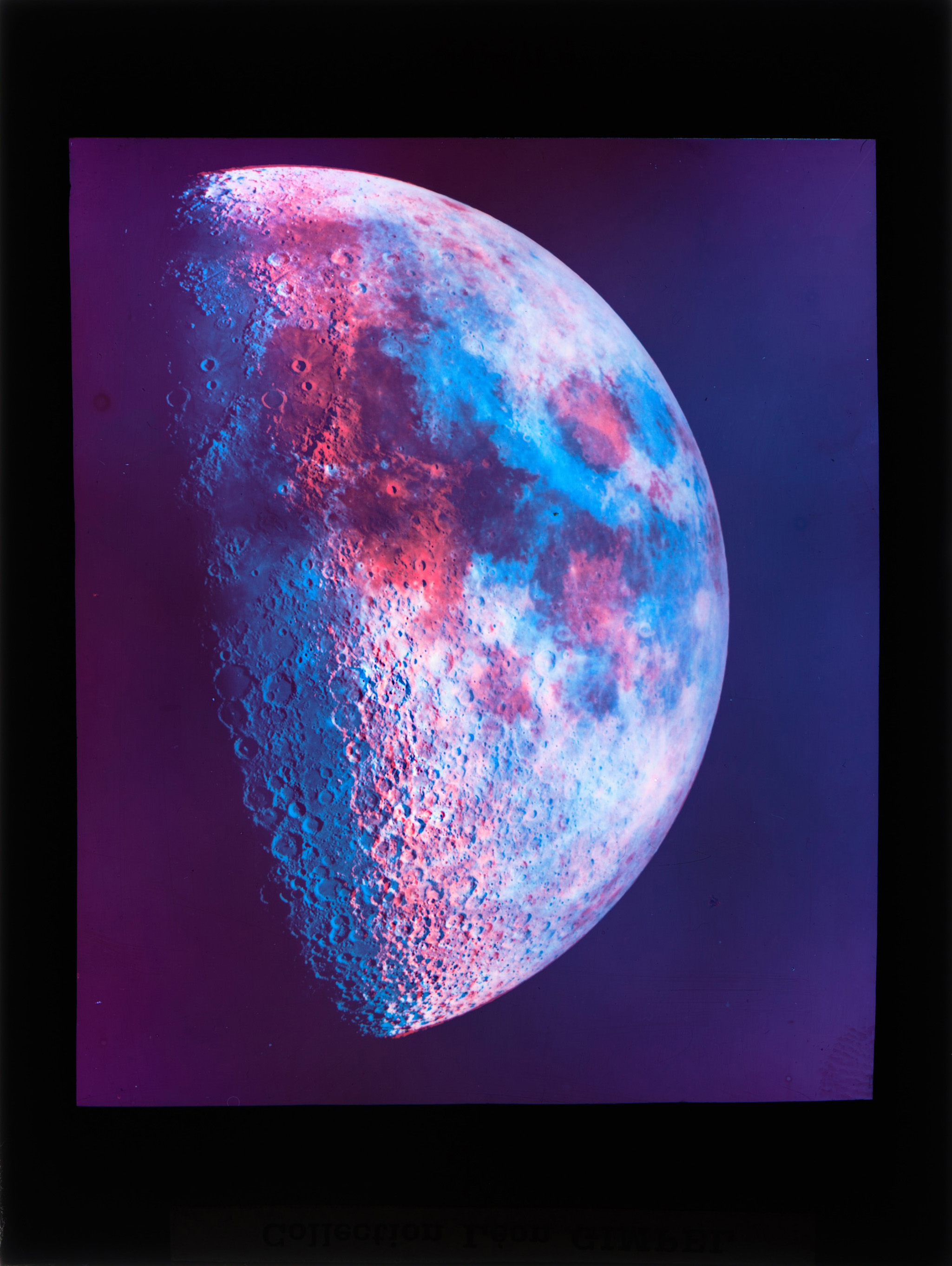
Leon Gimpel :: Anaglyph vom Mond, 1923. Handkolorierte Silbergelatine-Glasplatte. | src Kunstmuseum Basel