images that haunt us

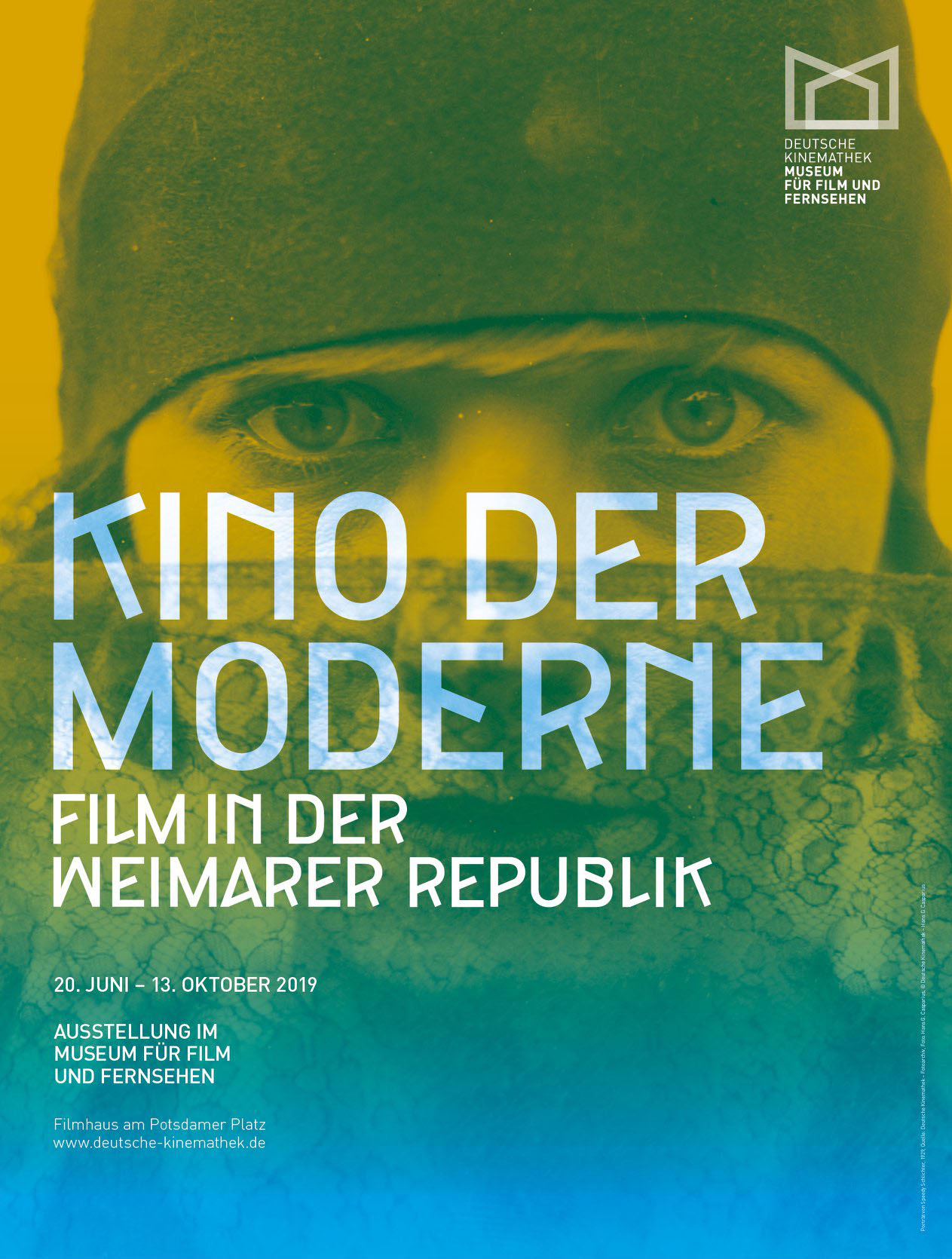
100 Jahre Weimarer Republik, 100 Jahre Kino der Moderne: Wir blicken zurück auf das Kino der ersten deutschen Republik, beleuchten das Verhältnis von Film und Alltagskultur, die künstlerischen und technischen Erfindungen der Zeit und das Entstehen von Filmkritik und -theorie.
Wie keine andere Kunstform spiegelte das Kino den Zeitgeist der Moderne. Mode und Sport, Mobilität und urbanes Leben, Genderfragen und Psychoanalyse prägen die Filme einer Stilepoche, die auf die Filmästhetik der ganzen Welt Einfluss nahm.
Zahlreiche Drehbücher, Plakate, Requisiten und Kameras zeigen, wie der Film auf Literatur, Kunst, Architektur und gesellschaftliche Entwicklungen reagierte. Außerdem rücken wir das Wirken von Frauen hinter der Kamera in den Fokus und stellen 21 weibliche Filmschaffende vor.
In 23 Themenschwerpunkten führt die Ausstellung durch das Kino der »wilden 20er« – von den ersten Kinopalästen mitten hinein ins Babylon Berlin und bis zum jähen Ende der Kunstfreiheit unter den Nationalsozialisten.
100 years of Weimar Republic, 100 years of modern cinema – we look back at the relationship between cinema and everyday culture, the innovations of the film trade and the emergence of film criticism and theory in the 1920s.
Like no other art form, cinema reflected the spirit of the modern era: fashion and sports, mobility and urban life, gender issues and the emergence of psychoanalysis characterize the films of the period, which would have a profound influence on international film aesthetics.
Screenplays, posters, props and cameras highlight film’s references to literature, arts, architecture and social developments. The exhibition also sheds light on the work of women behind the camera. It presents 21 women professionals within the film industry who played decisive roles as producers, directors, screenwriters, or set designers.
Along 23 main topics, we lead you through the “roaring 20s” – from the first cinema palaces right into the heart of Babylon Berlin and to the sudden end of artistic freedom under the National Socialists.


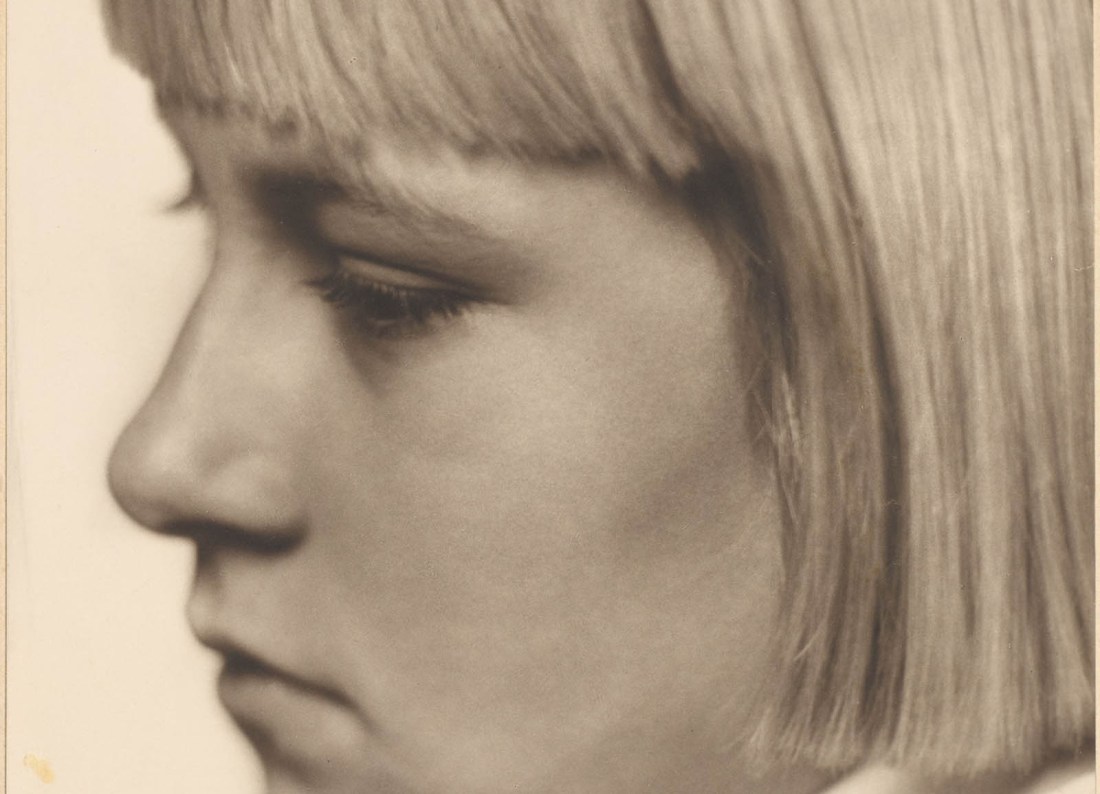


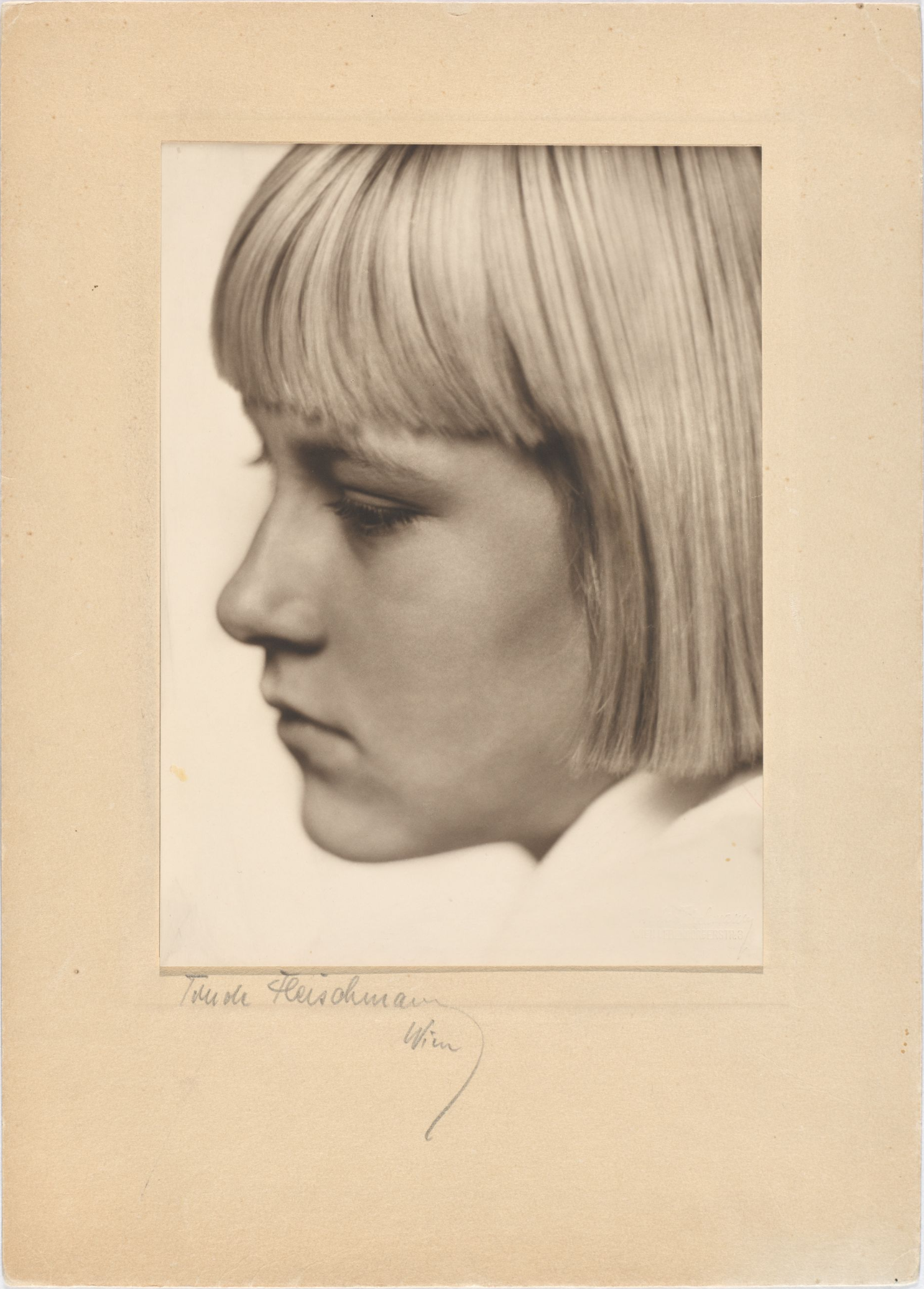
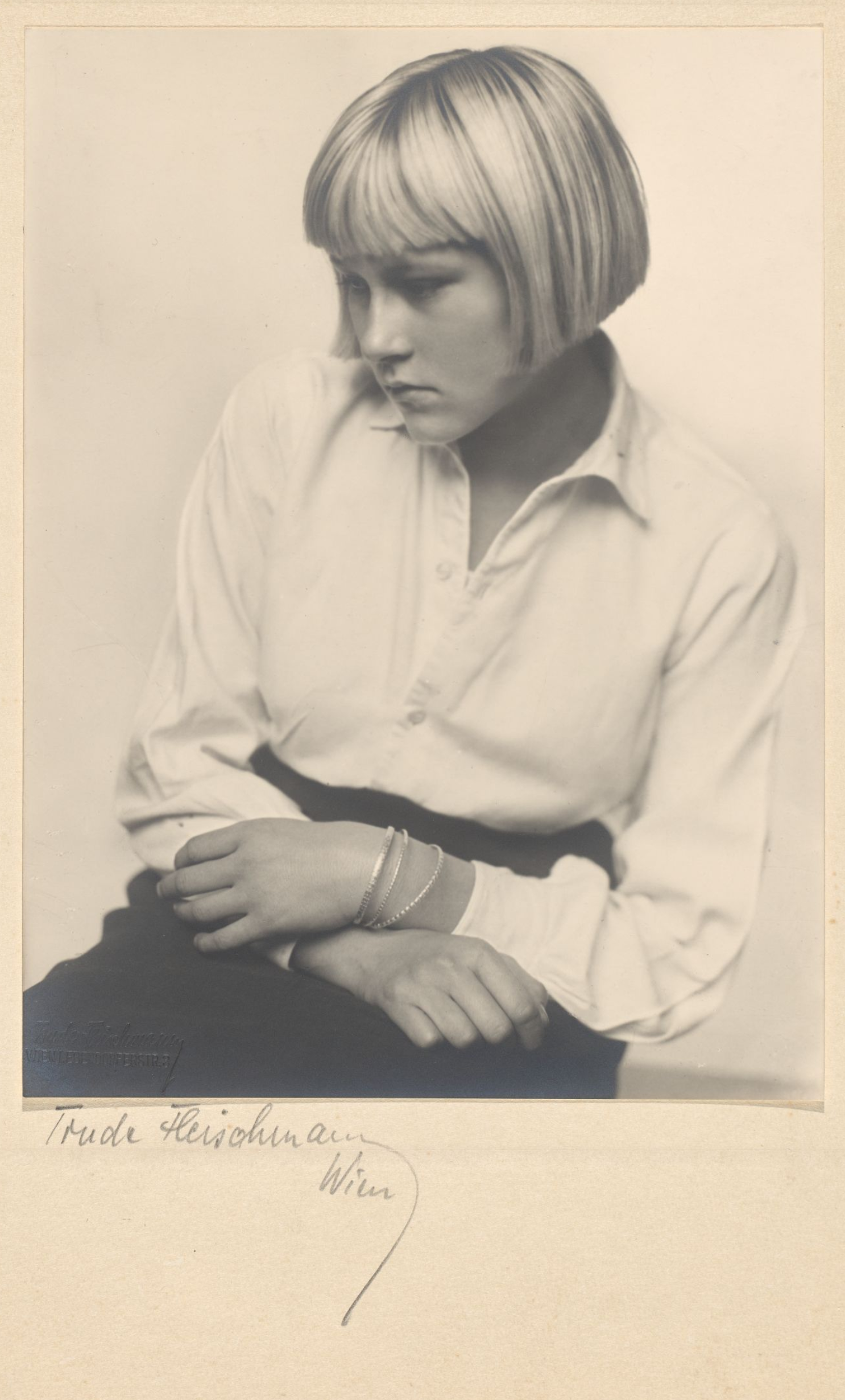
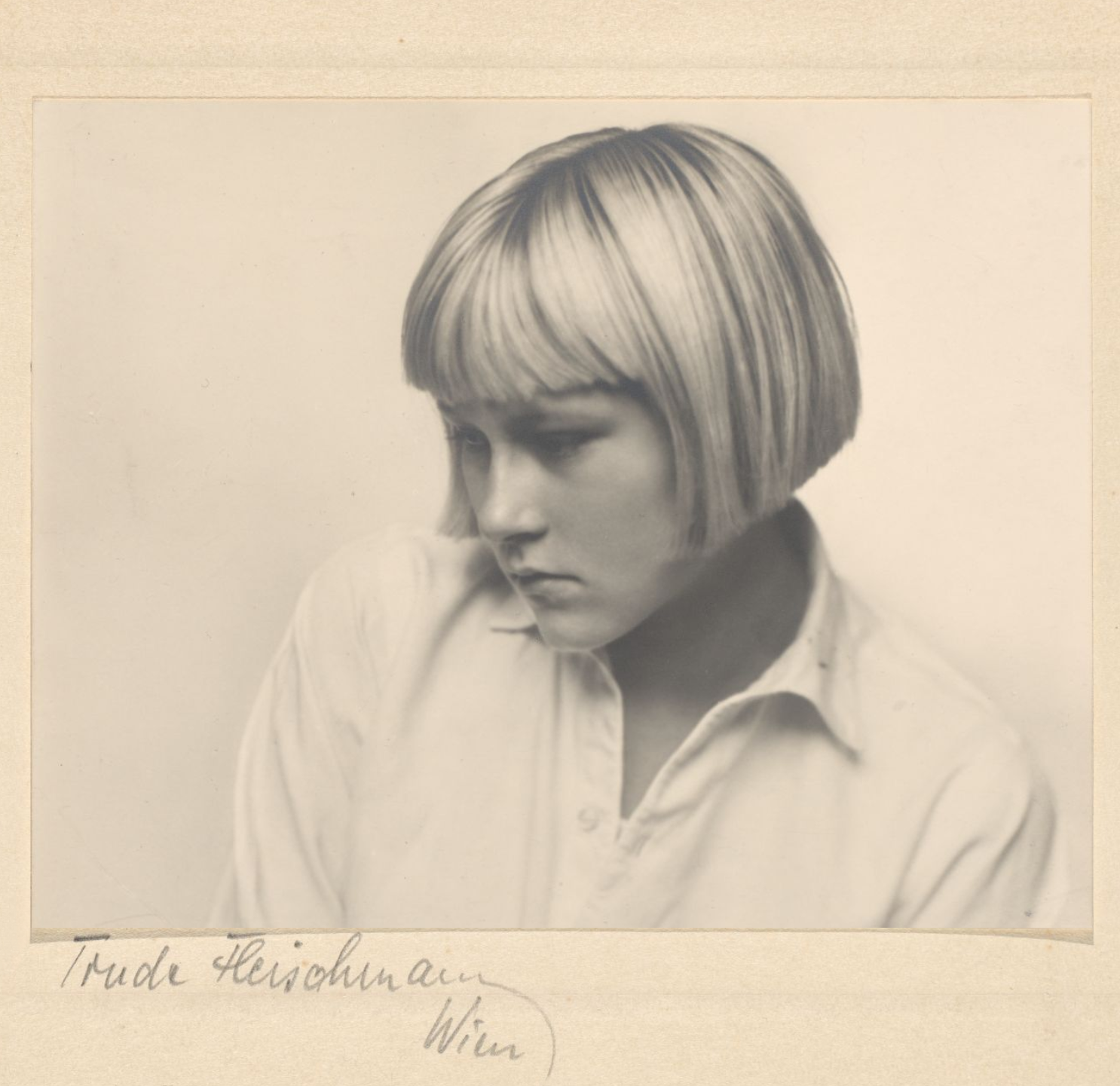
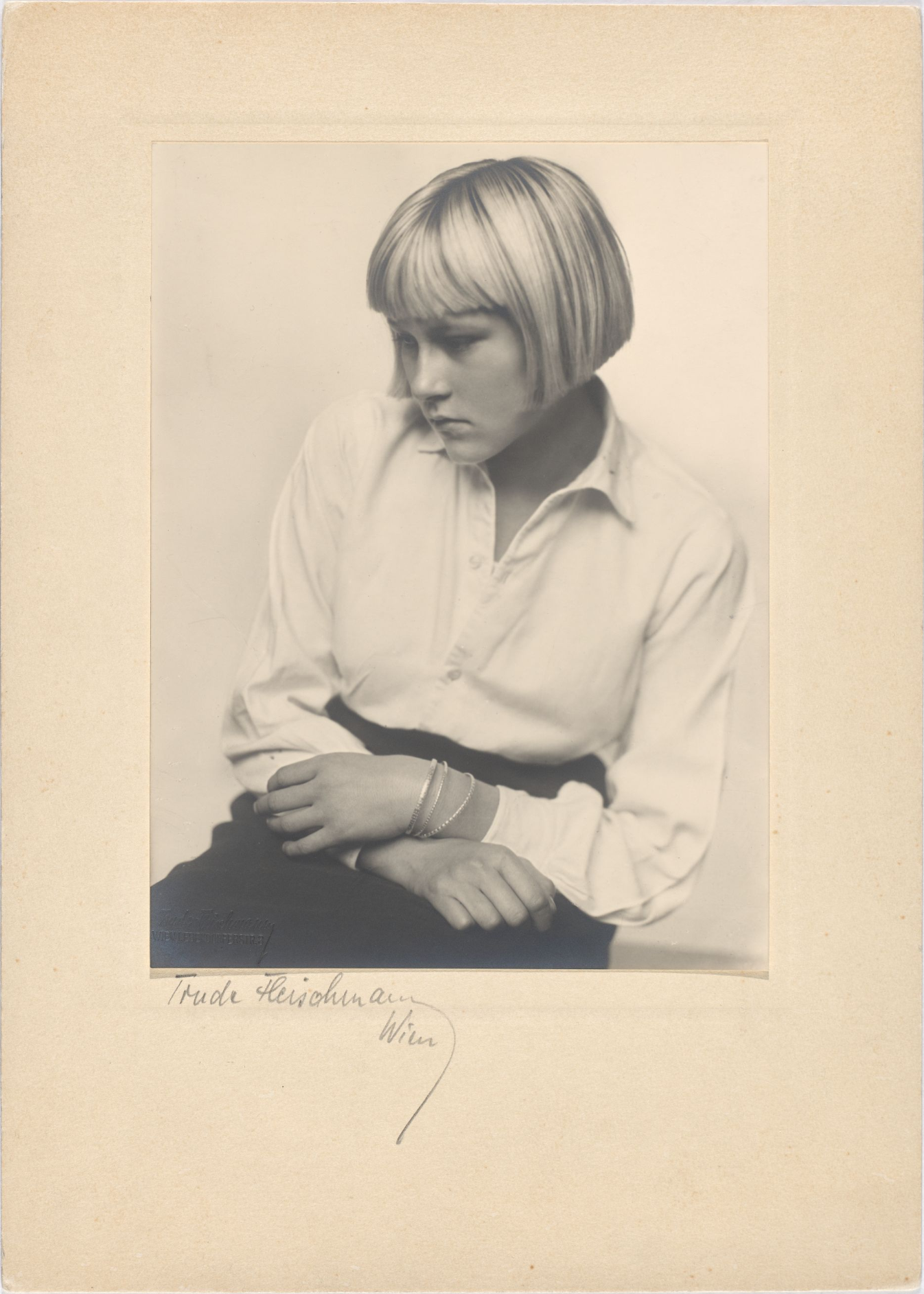
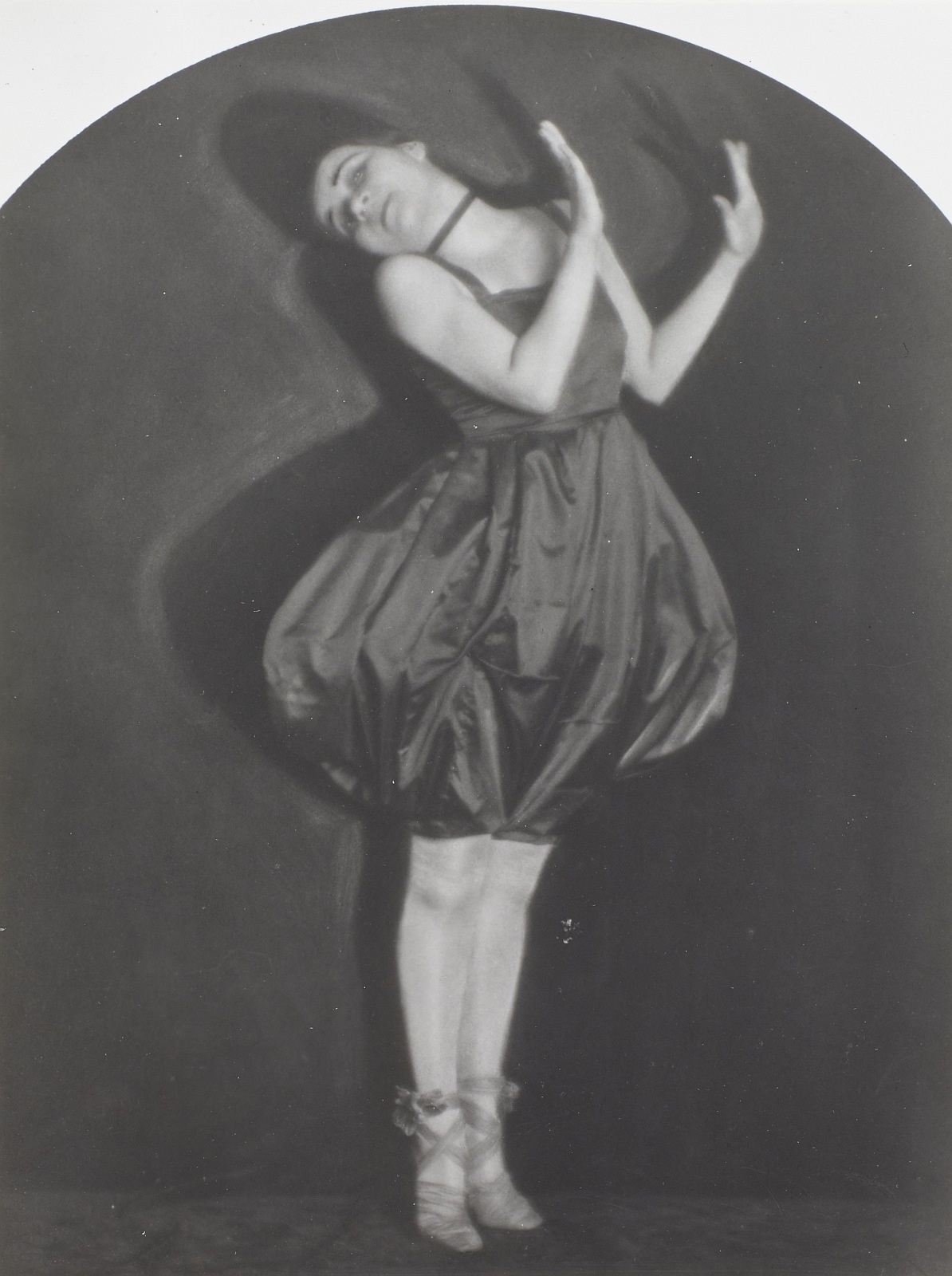
An alternative rendition of this photograph titled: ‘Porträt eines Mädchens, Wien’ and dated between 1930-1940 is hosted at Wien Museum: permalink
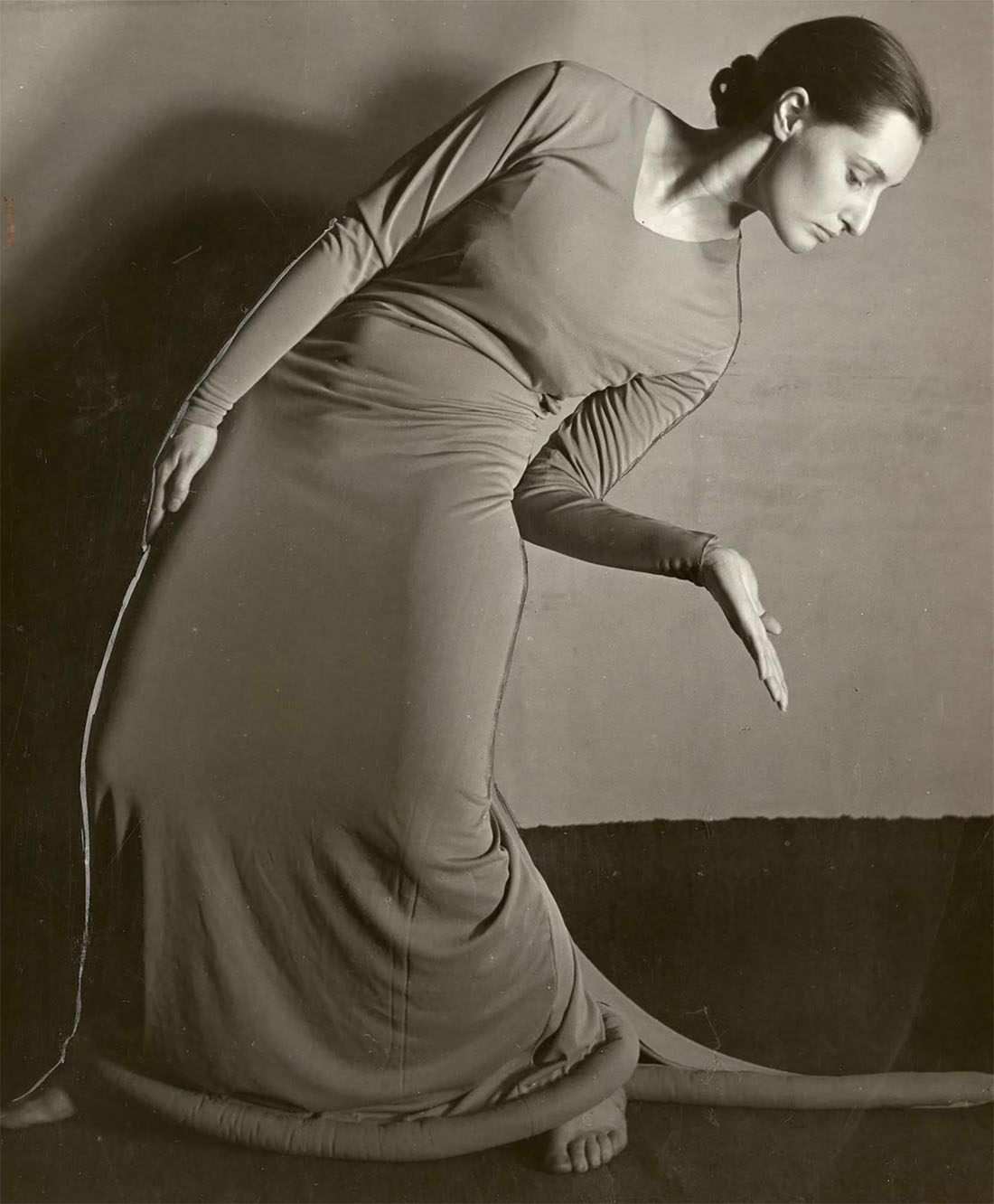
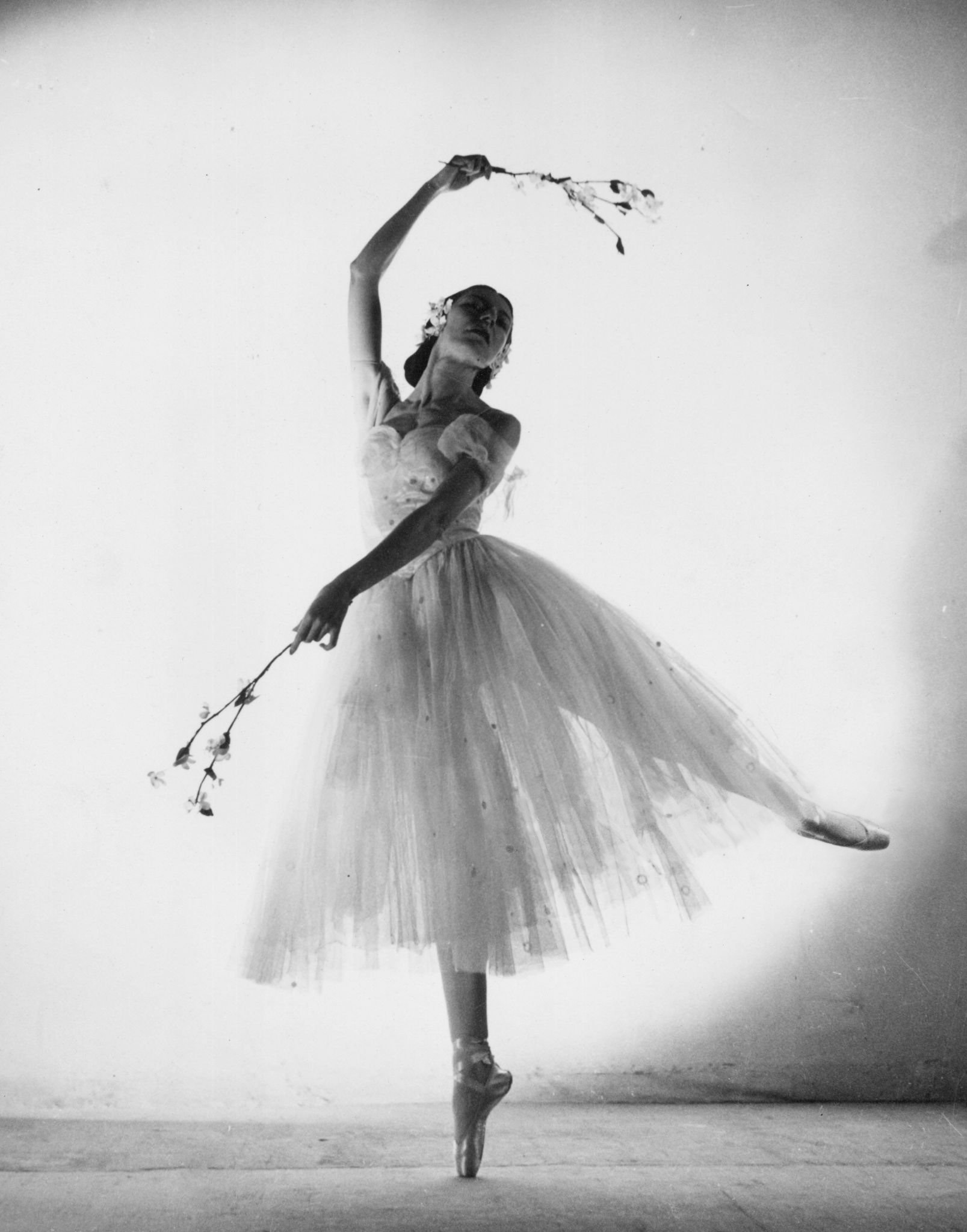
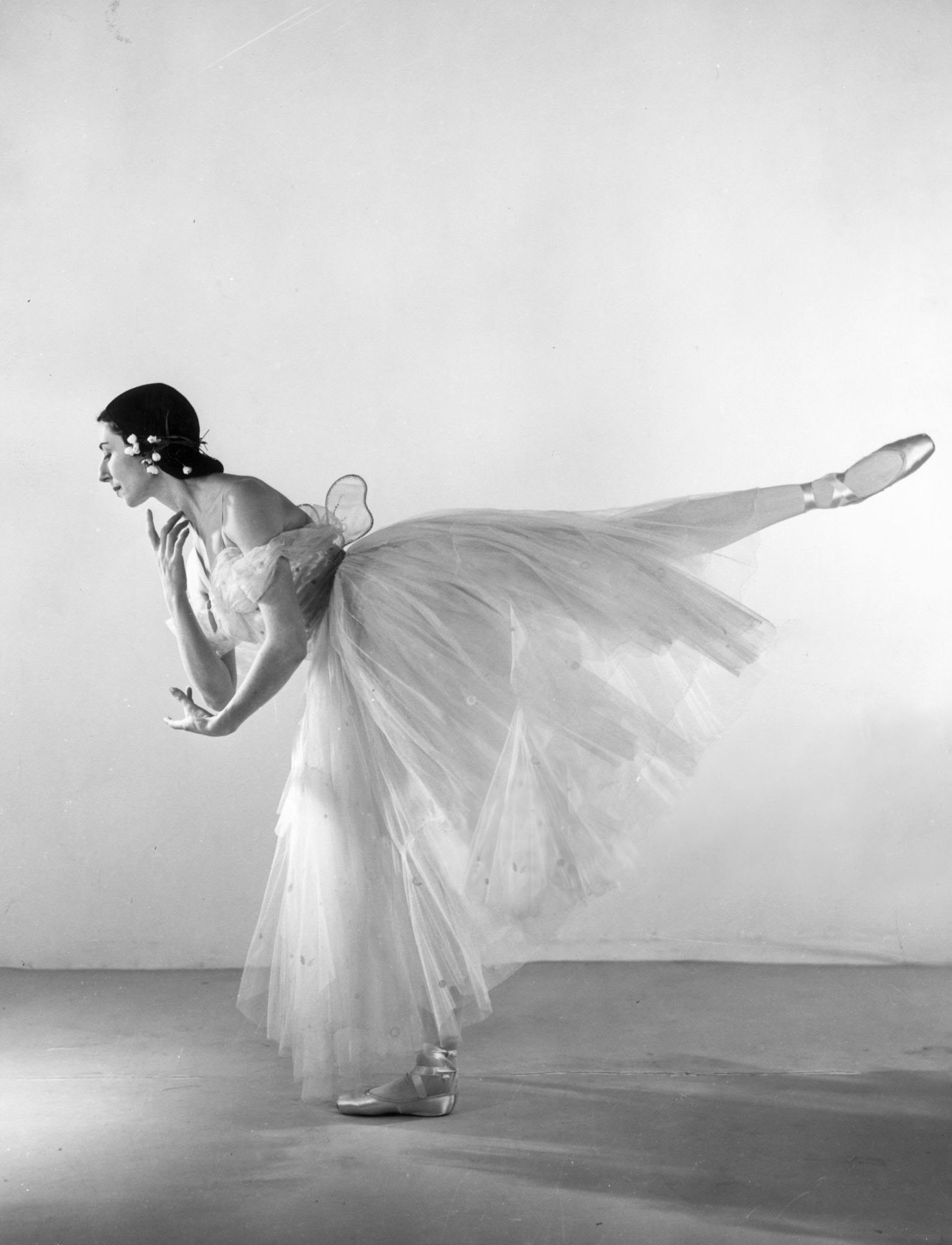
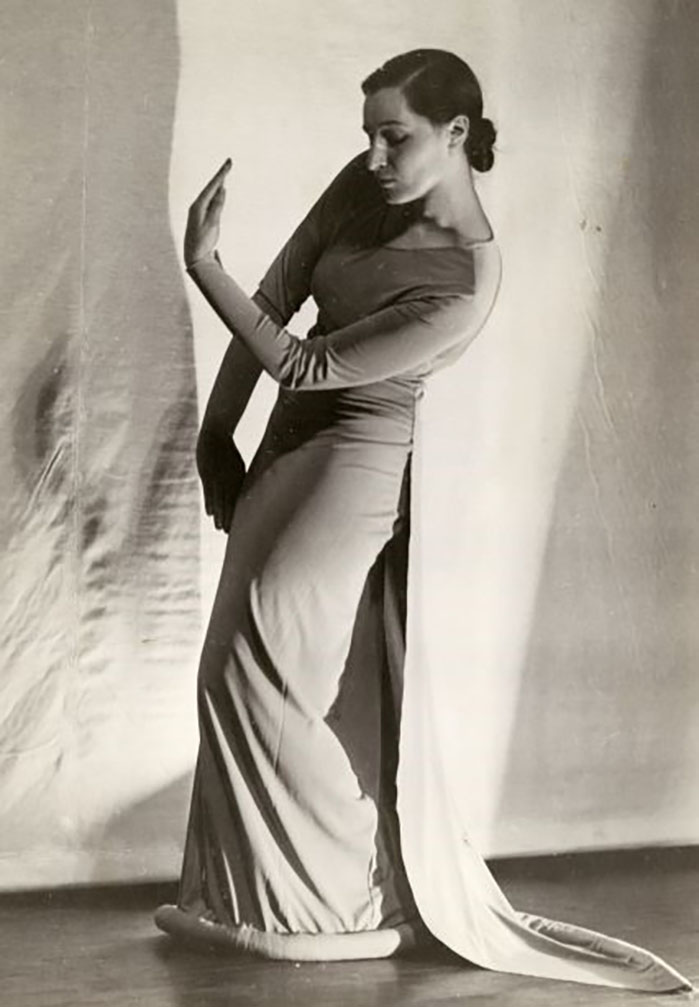
Eleanor Buchla (1910–1972) the first local dancer to gain a large audience, who began, c. 1931, performing her own choreography. Buchla’s dances, reportedly acclaimed by dance critics throughout the country, were a mixture of modern dance and Hungarian folk dance. She was the featured performer at the State of Ohio’s first dance symposium, hosted in 1933 by Ohio University, that drew students and devotees of modern dance from Ohio State, Wesleyan, Oberlin, Cincinnati, Kent State, the University of Virginia and the City of Detroit. Set to the music of Debussy, Chopin, Kodaly and the beloved Hungarian violinist and composer Jenö Hubay (1858–1937), her dancing evoked for Athens critic Forest Hopkins by turns the simplicity of Greek sculpture and the “severe and stylized [spirit of] Egyptian art. In some art circles,” said Hopkins, “Miss Buchla’s dancing is called modern, perhaps because of its free use of the entire body, particularly the torso, yet it is classic in conception. It carries refinement of form and simplicity of design molded successfully with the music.” She had studied ballet as a young girl and then in the late 1920s discovered modern dance.
“Buchla’s work as a whole merits high praise,” Cleveland Plain Dealer music critic Herbert Elwell wrote, “and there is no doubt about her success in her concert here, for the spectators lingered in their seats and clamored for more.” He praised “the subtle grace, the objectivity, the persuasive and suggestive immobility characteristic of [her] style.” Her physical beauty evoked for him “classic models,” while her arresting “personality made what she does seem important and interesting. Her dancing is sculpturesque in slow motion, and a sense of beauty is created in every line, which shows grace of movement. The impression at any moment is one of sculpture liquified and flowing with life.”
A strong proponent for dance in the schools, Buchla not only opened Cleveland’s first modern dance studio but also began a dance curriculum in the city’s summer playgrounds. She provided the choreography (and directed a number of productions) for several area theaters, including the Hudson Players, the Peninsula Players and, for six years, Cain Park in Cleveland Heights, and was instrumental in cultivating the first
Modern Dance Association, which was founded in 1934. An interesting footnote: Buchla was the sister-in-law of celebrated Cleveland artist Kalman Kubinyi. In the 1960s she and her husband Julius Kubinyi joined other Ohio families in providing temporary homes for Hungarian refugees in the wake of the uprising against the communist government. Though both Eleanor and Julius were born in America, they learned Hungarian from their parents and visited Hungary. In 1943 she played a key role in founding the Peninsula Library, on whose board she served until shortly before her death in 1972. / quoted from past masters project




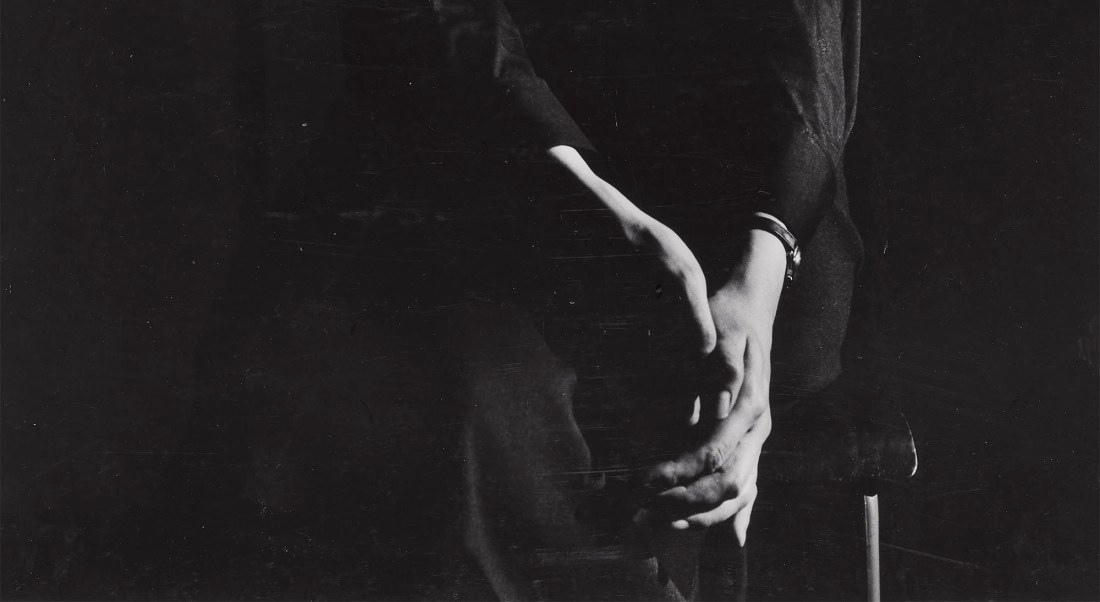
![[Otto Steinert (1915-1978), Bildnis S&W, 1952. Sammlung der Deutschen Gesellschaft für Photographie in der Photographischen Sammlung / SK Stiftung Kultur, Köln © Museum Folkwang, Essen]](https://live.staticflickr.com/65535/52704207952_fc43d08579_4k.jpg)
 un regard oblique