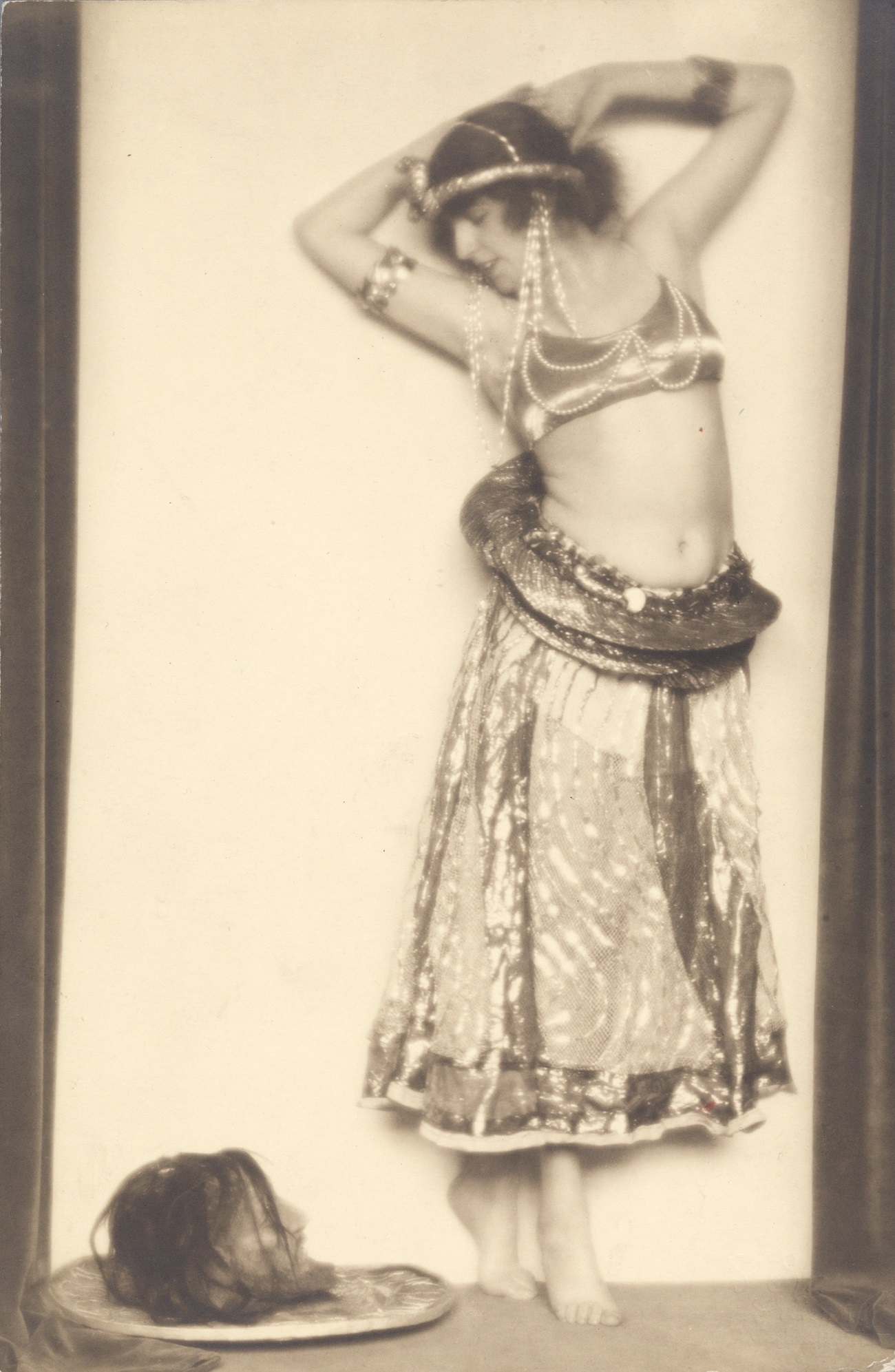
Madame d’Ora (1881–1963) ~ Hedy Pfundmayr in ‘Tanz der Salome’ (Richard Strauss), Vienna, ca. 1924 | src Ostlicht
On verso: “Wiener Foto-Kurier” agency stamp, label with text: “Hedy Pfundmayer (sic), Primaballerina de l’opera a Vienne comme ‘Salome'”. Also, several annotations in pencil on the reverse, as: “Berhümte Solo Tänzerin […] die Tänzerin Pfundmaier (sic)”.
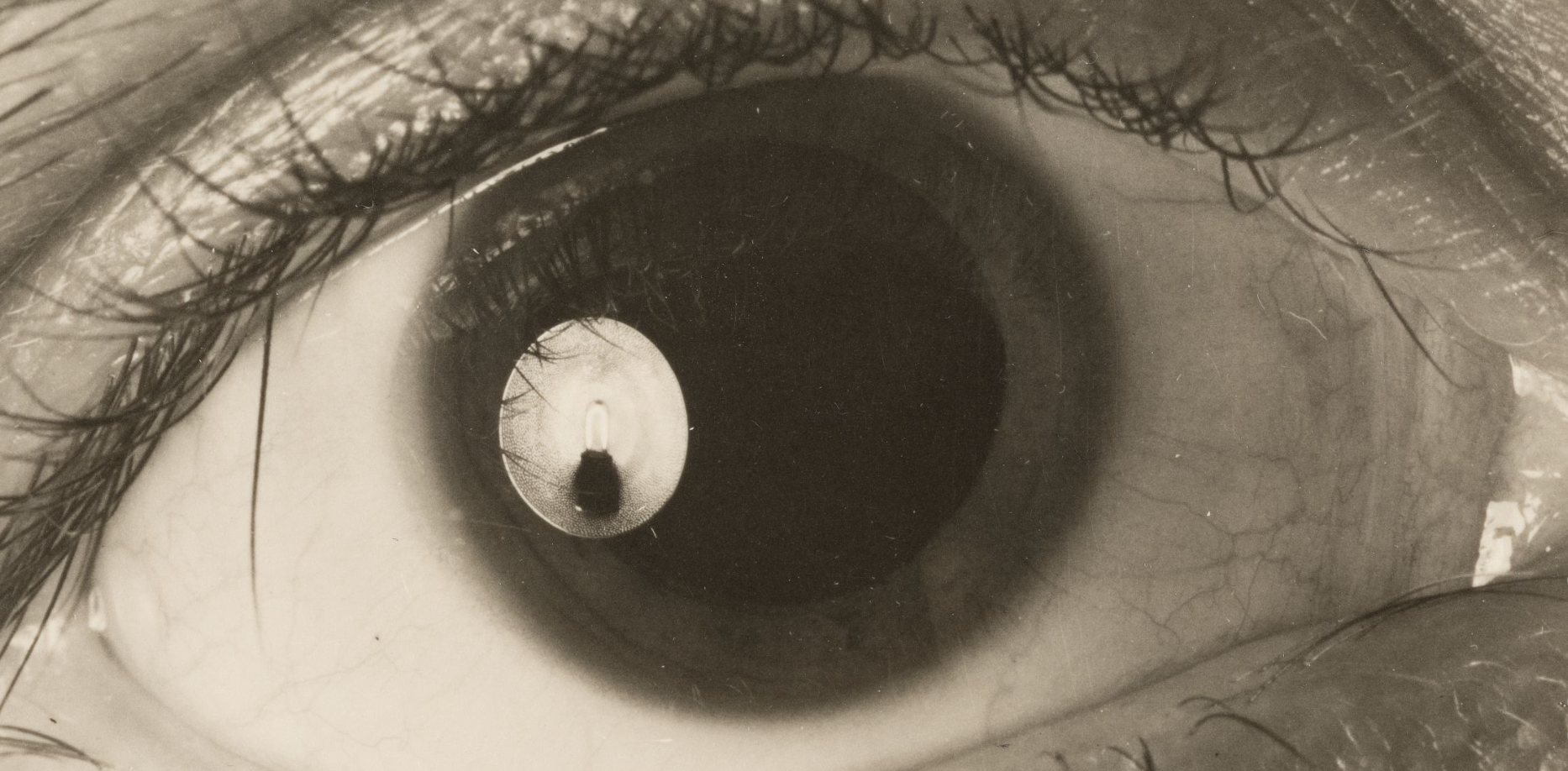
Carl Albiker ~ Ohne Titel (Close-up eines Auges), ca. 1930. Silbergelatine-Abzug auf Barytpapier | src Städel MuseumCarl Albiker ~ Untitled (Close-up of an Eye), ca. 1930. | close-up of close-upCarl Albiker ~ Ohne Titel (Close-up eines Auges), ca. 1930. | close-up-up of close-up
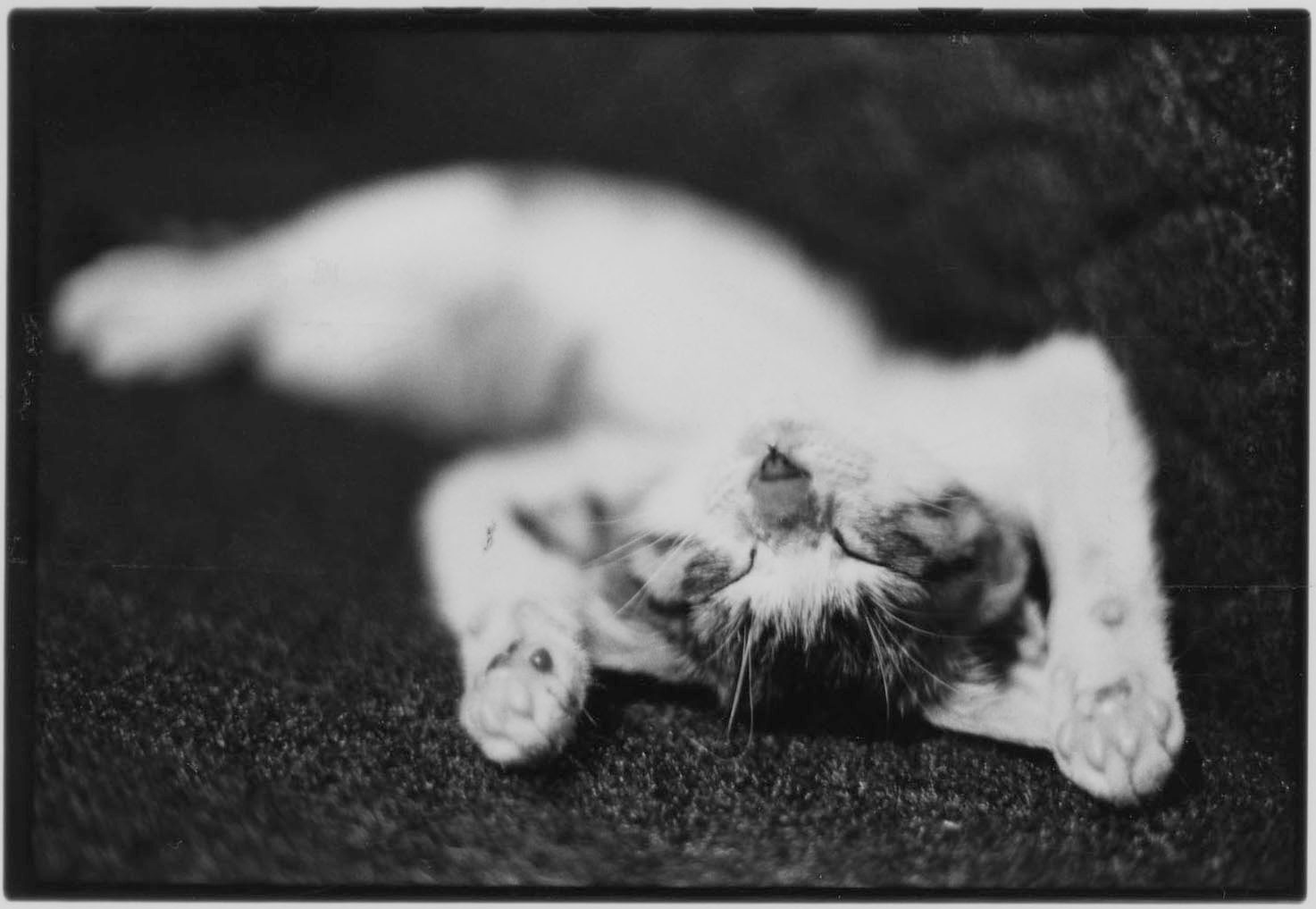
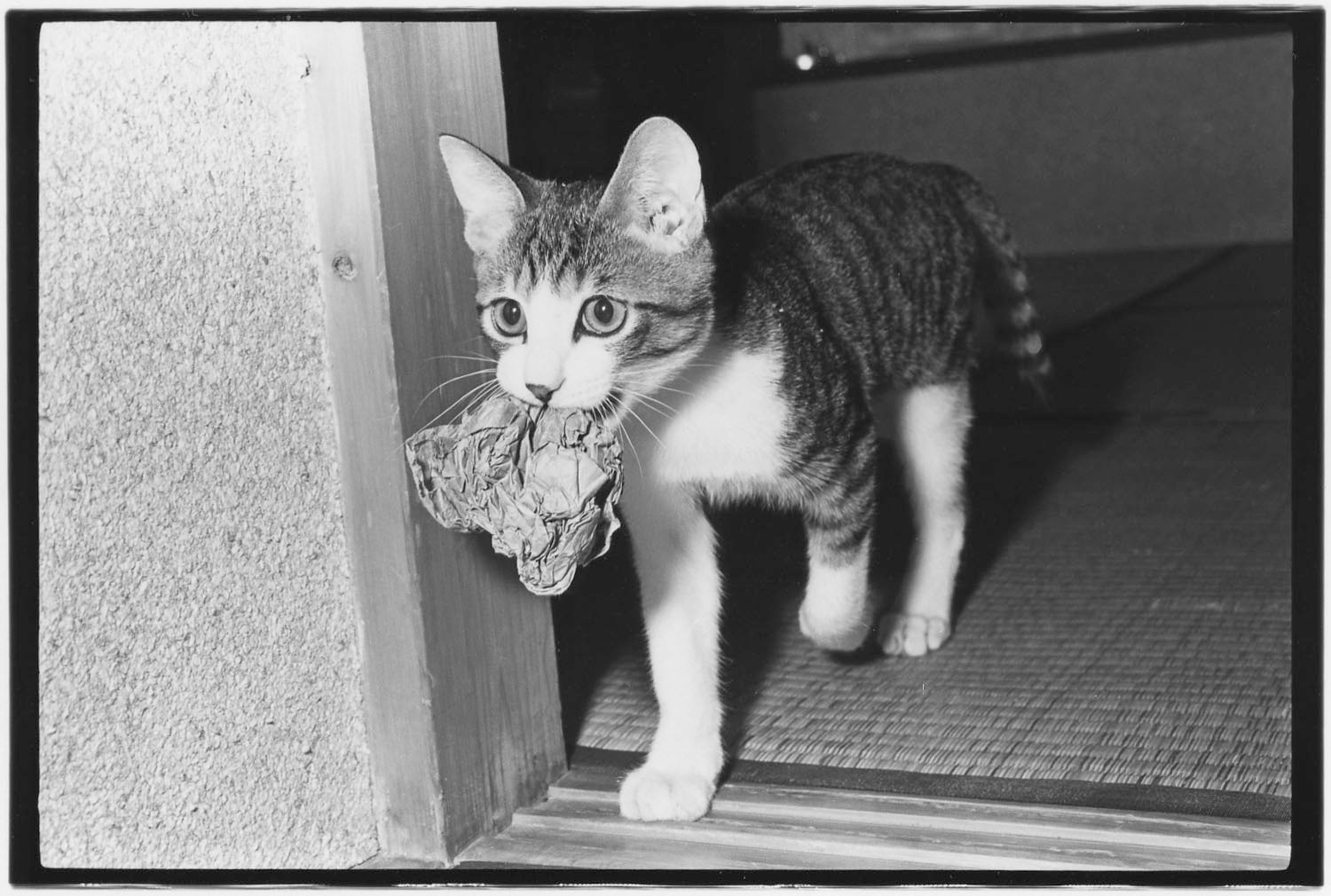
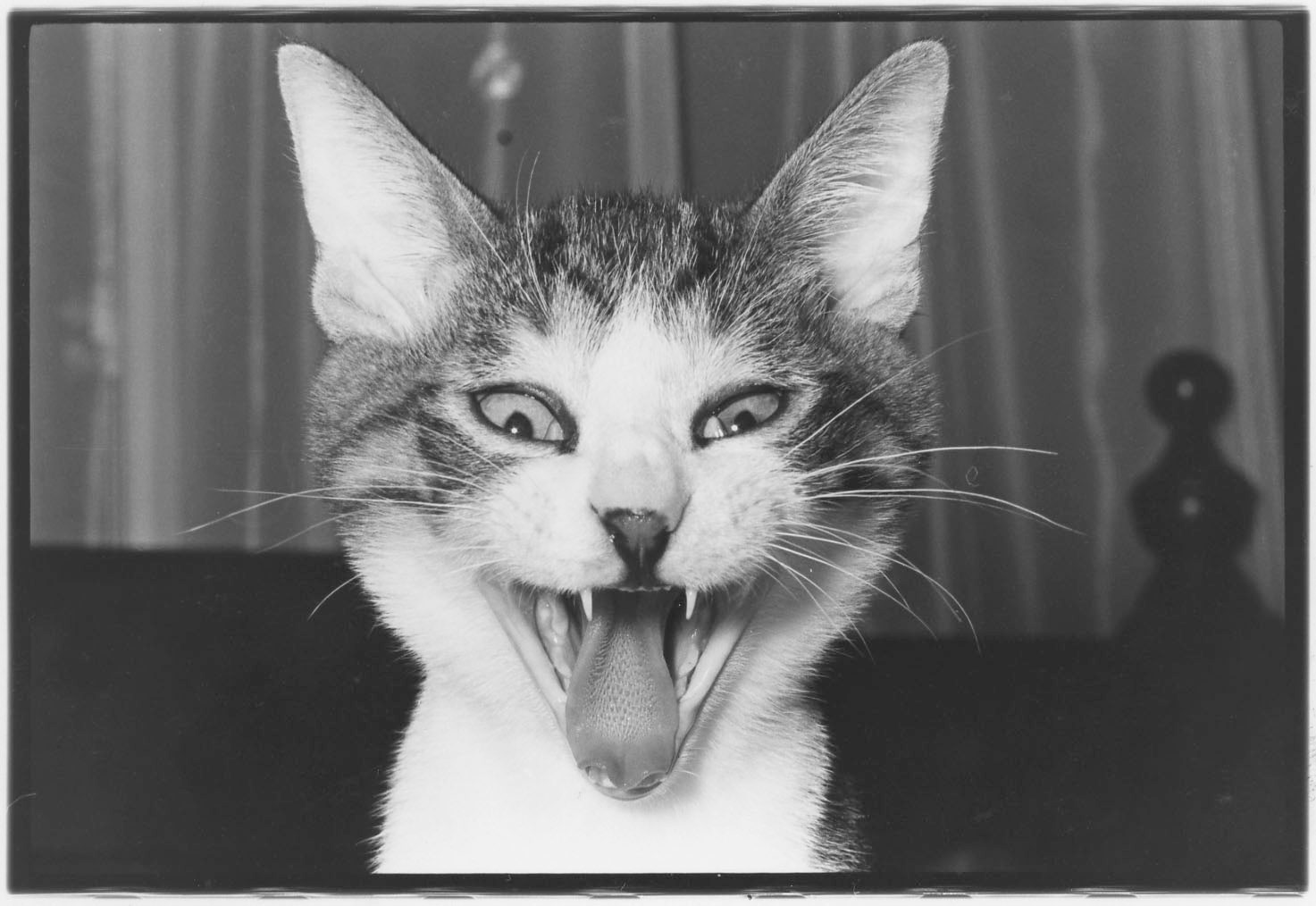
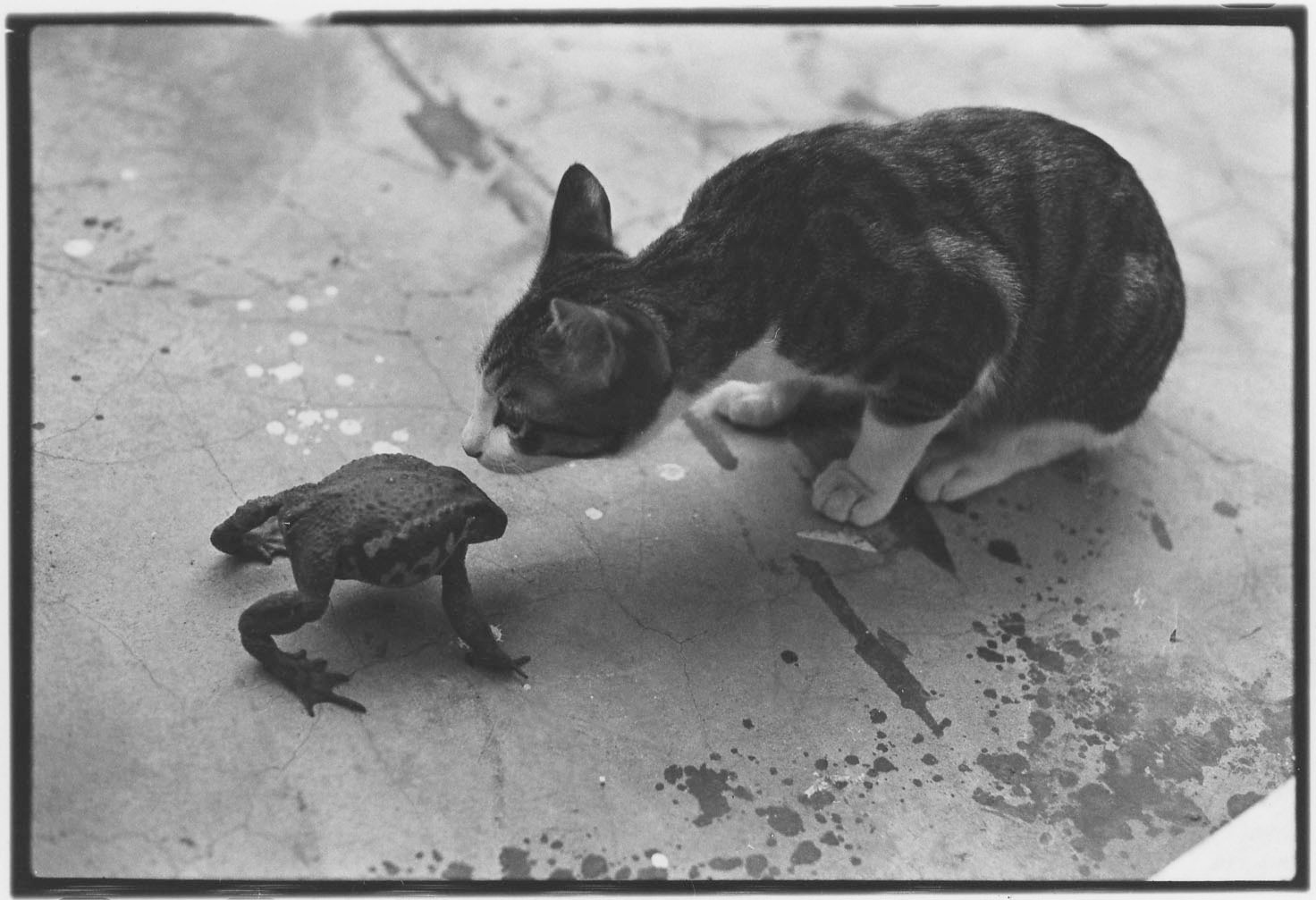
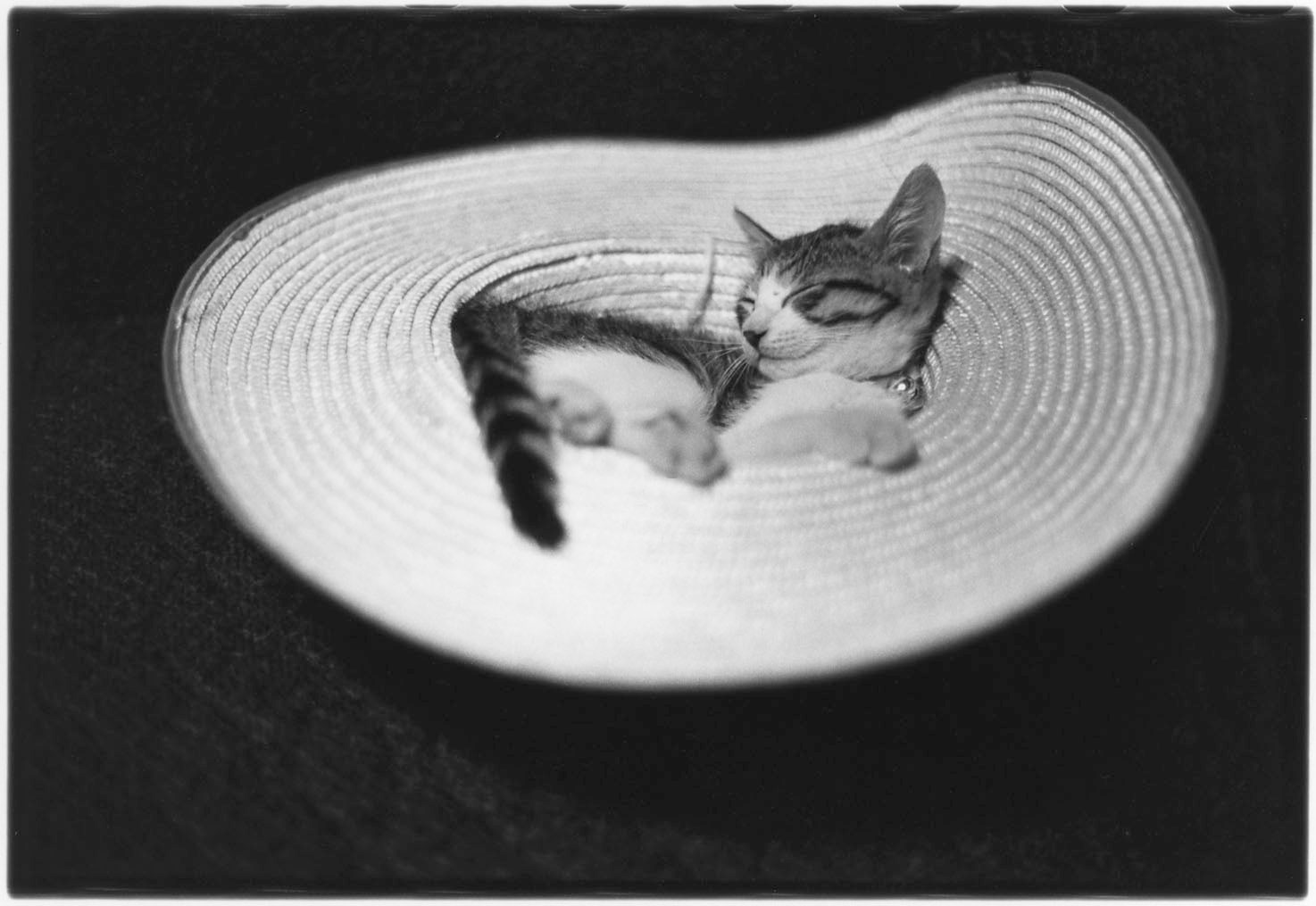
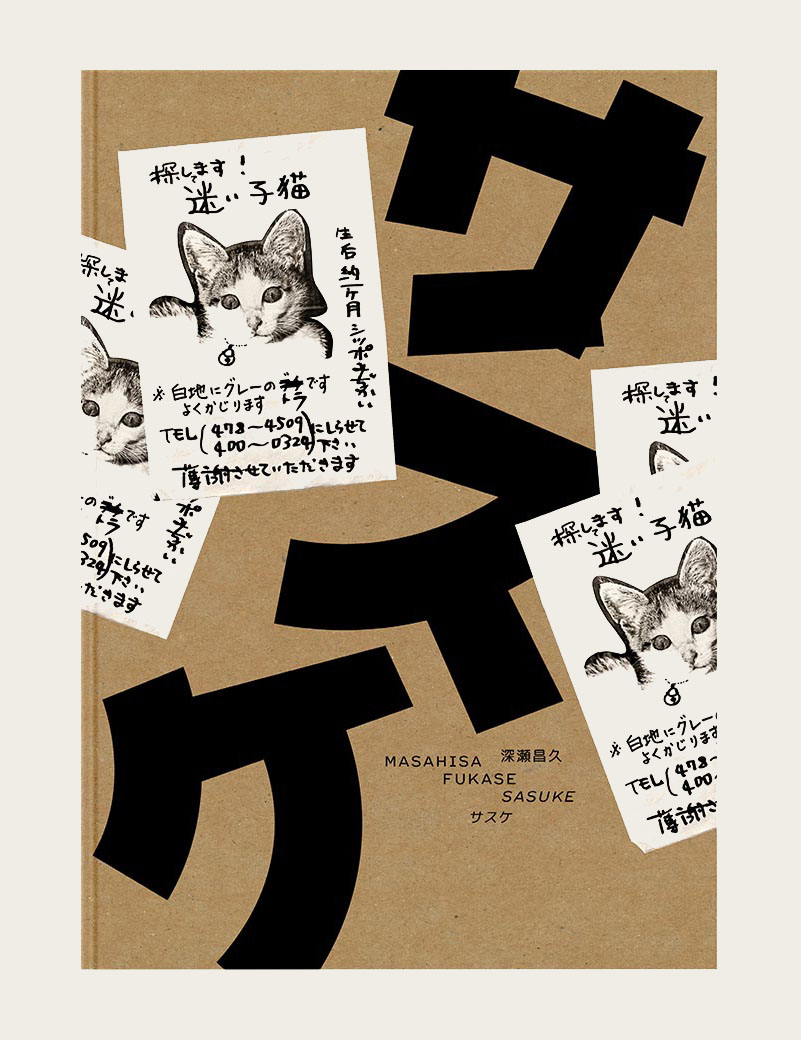
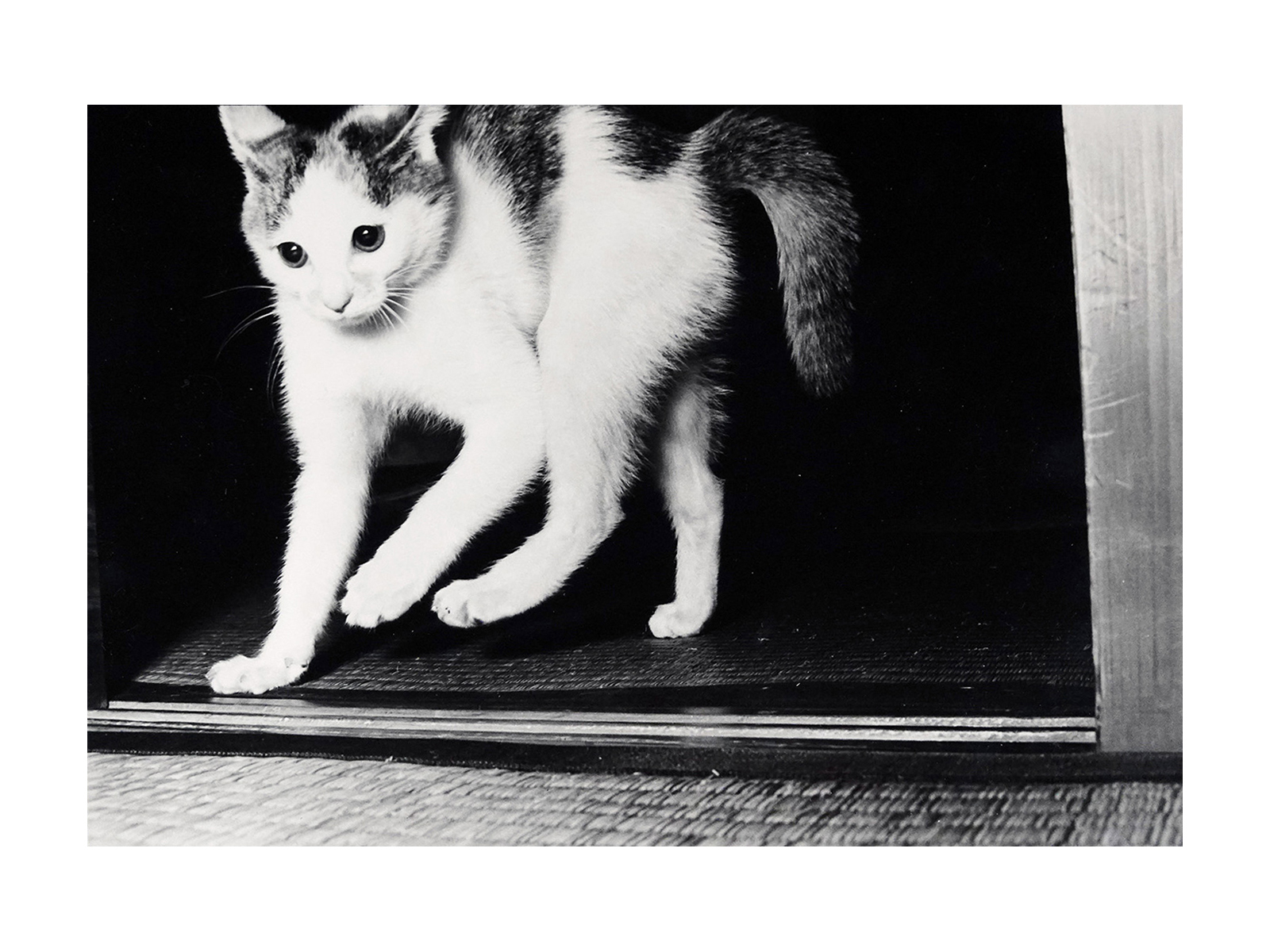
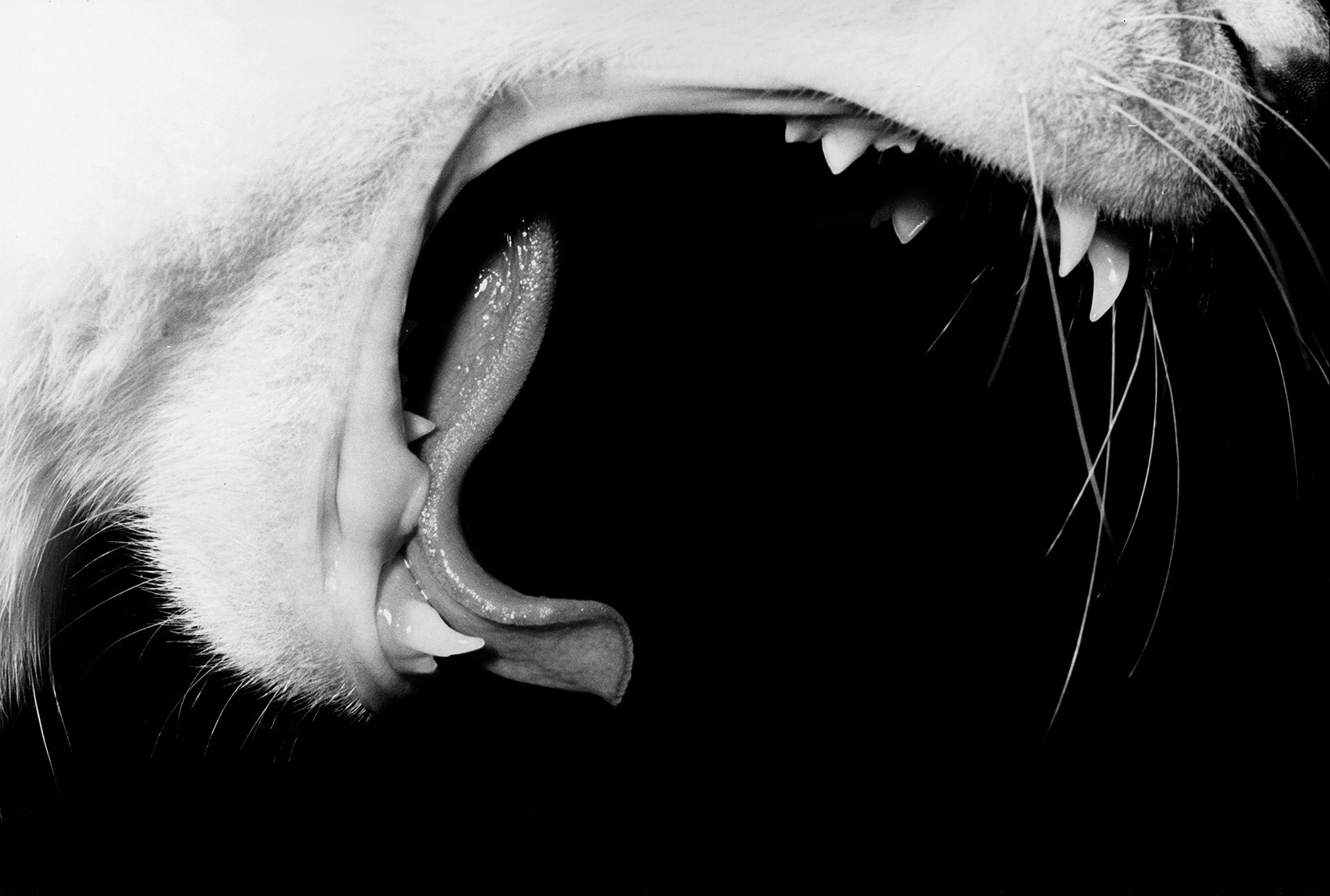
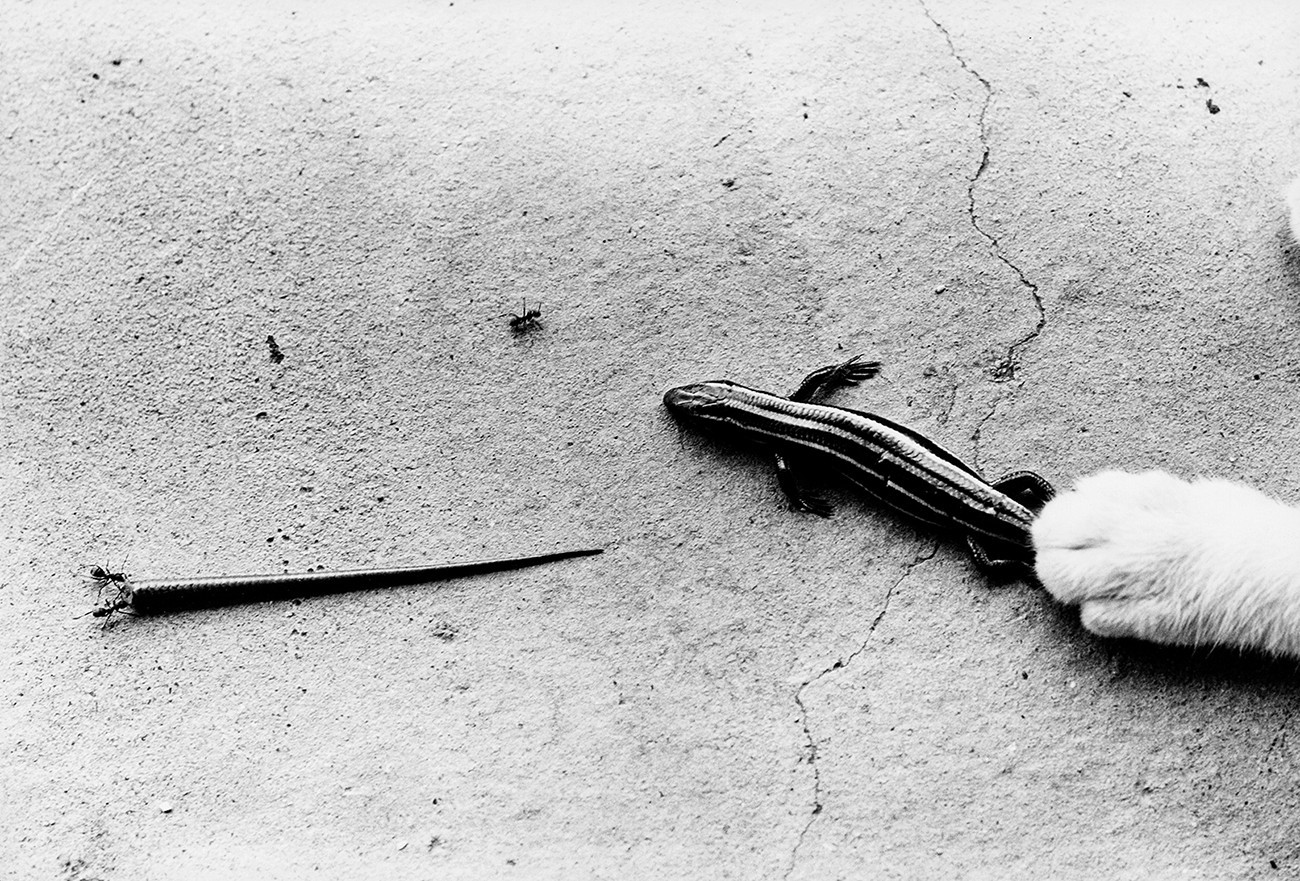
Masahisa Fukase ~ From Sasuke, ca. 1977. Atelier EXB (2021) | src Juxtapoz magazineMasahisa Fukase ~ From Sasuke, ca. 1977. Atelier EXB (2021) | src Juxtapoz magazineMasahisa Fukase ~ From Sasuke, ca. 1977. Atelier EXB (2021) | src Juxtapoz magazineMasahisa Fukase ~ From Sasuke, ca. 1977. Atelier EXB (2021) | src Juxtapoz magazineMasahisa Fukase ~ From Sasuke, ca. 1977. Atelier EXB (2021) | src Juxtapoz magazineMasahisa Fukase ~ From Sasuke, ca. 1977. Atelier EXB (2021) | src Juxtapoz magazineBook cover from Sasuke. Atelier EXB (2021) | src Juxtapoz magazine
In 1977, Fukase turned his lenses on his new companion Sasuke. Growing up with felines, he decides with the arrival of this new cat in his life that it would become a photographic subject in his own right, fascinated by this creature full of life named after a legendary ninja. Sasuke disappears after ten days and the photographer sticks hundreds of small posters in his neighborhood.
A person brings back his cat, yet it is not Sasuke but never mind he welcomes this new cat with as much affection. One year later, he takes a second cat named Momoe, entering the frame as well and he will never get tired of photographing their games. They become for the Japanese photographer a boundless experimental field leading to an extraordinary body of work in its technical and visual inventiveness.
As often in his work, this series shows a form of projection of the photographer into his subject. The cat, a faithful companion who never leaves him, takes the place of his wife, eternal heartache, later represented by the iconic fleeing crows.
A new book, Sasuke, is dedicated to Masahisa Fukase’s emblematic series on his two cats: Sasuke and Momoe, combining unpublished and iconic images. | Juxtapoz magazine
Masahisa Fukase ~ From Sasuke, ca. 1977. Atelier EXB | src ODLP ~ l’œil de la photographieMasahisa Fukase ~ From Sasuke, ca. 1977. Atelier EXB | src ODLP ~ l’œil de la photographieMasahisa Fukase ~ From Sasuke, ca. 1977. Atelier EXB | src ODLP ~ l’œil de la photographie
This publication is dedicated to Masahisa Fukase’s emblematic series on his two cats: Sasuke and Momoe, combining unpublished and iconic images. In 1977, Fukase turned his lenses on his new companion Sasuke. Growing up with felines, he decides with the arrival of this new cat in his life that it would become a photographic subject in his own right, fascinated by this creature full of life named after a legendary ninja. Sasuke disappears after ten days and the photographer sticks hundreds of small posters (as featured on the cover of the book) in his neighborhood. A person brings back his cat, yet it is not Sasuke but never mind he welcomes this new cat with as much affection. One year later, he takes a second cat named Momoe, entering the frame as well and he will never get tired of photographing their games. They become for the Japanese photographer a boundless experimental field leading to an extraordinary body of work in its technical and visual inventiveness.
As often in his work, this series shows a form of projection of the photographer into his subject. The cat, a faithful companion who never leaves him, takes the place of his wife, eternal heartache, later represented by the iconic fleeing crows.
His cats have been the subject of several books in his lifetime and Tomo Kosuga has dug into the photographer’s archives to conceive this ultimate book as the achievement of a series of publications devoted to his cats. / text: Atelier EXB
Masahisa Fukase ~ From Sasuke, ca. 1977. Atelier EXB | src ODLP ~ l’œil de la photographieMasahisa Fukase ~ Front cover from Sasuke. Texts by Masahisa Fukase and Tomo Kosuga | src Atelier EXB
Photographe anonyme. Etude de Nu, France, vers 1865. Tirage albuminé. | src galerie lumiere des roses~ Paris photo 2023Photographe anonyme. Étude de nu, France, vers 1920. Tirage argentique. | src galerie lumiere des roses~ Paris photo 2023Jean-Baptiste Igout (1837-1881) ~ Étude de nu pour peintre, France, vers 1870. Tirage albuminé. | src lumiere des rosesMary Willumsen (1884-1961) ~ Baigneuse à Helgoland, Danemark, vers 1920. Tirage argentique. | galerie lumiere des rosesJacques de Lalaing (1858-1917) ~ Nu au chevalet, Belgique, vers 1910. Tirage argentique. | src galerie lumiere des roses~ Paris photo 2023
Tom Wilkins ~ Untitled (selfportrait), 27.03.1981. Polaroid with legend. | src Paris Photo 2023
Courtesy Christian Berst Art Brut : Qui est Tom Wilkins ? C’est la question à laquelle Sébastien Girard essaie de répondre depuis 2011, date à laquelle il fait l’acquisition de 900 Polaroïds énigmatiques, édités en 2017 sous le nom My TV Girls. Cette série de captations télévisuelles légendées par son auteur met en scène des femmes et se termine par le seul et unique autoportrait de la série où Tom Wilkins, se représente en femme. | src ODLP ~ l’œil de la photographie
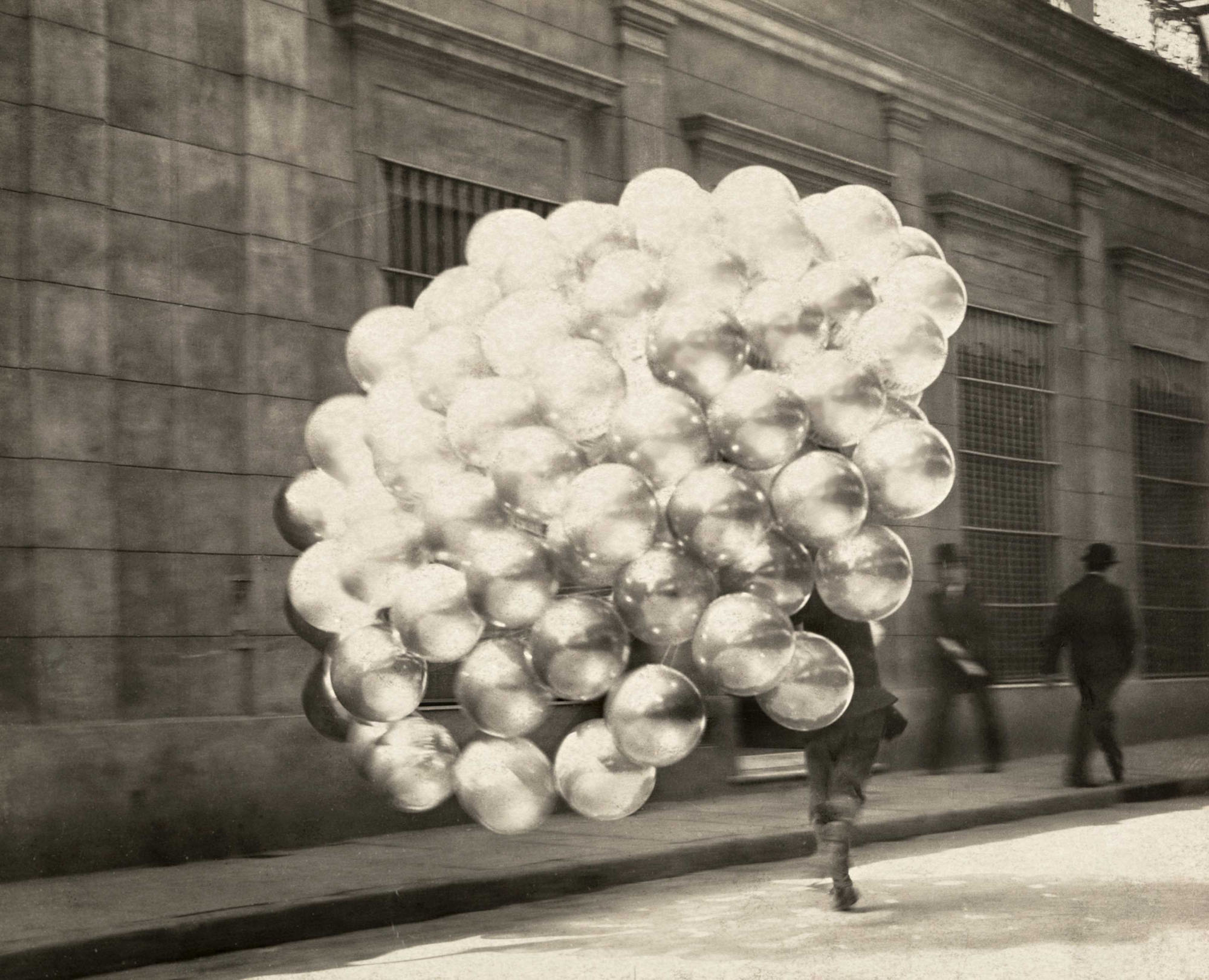
A balloon vendor runs across a street with a trailing mass of balloons in Buenos Aires, November 1921. Photo: Newton W. Gulick; for National Geographic | src 125 Years of National Geographic Photography · Christie’s
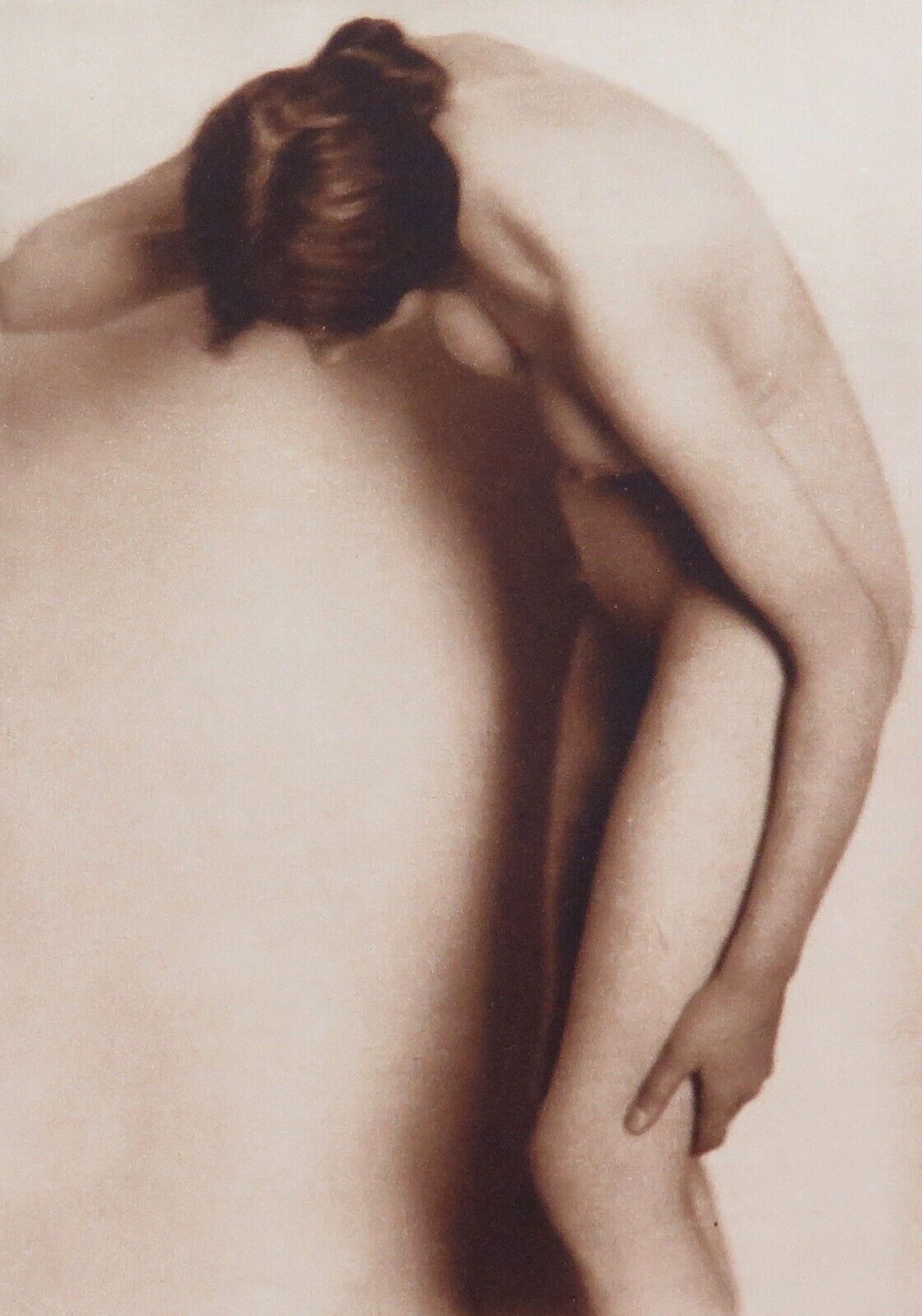
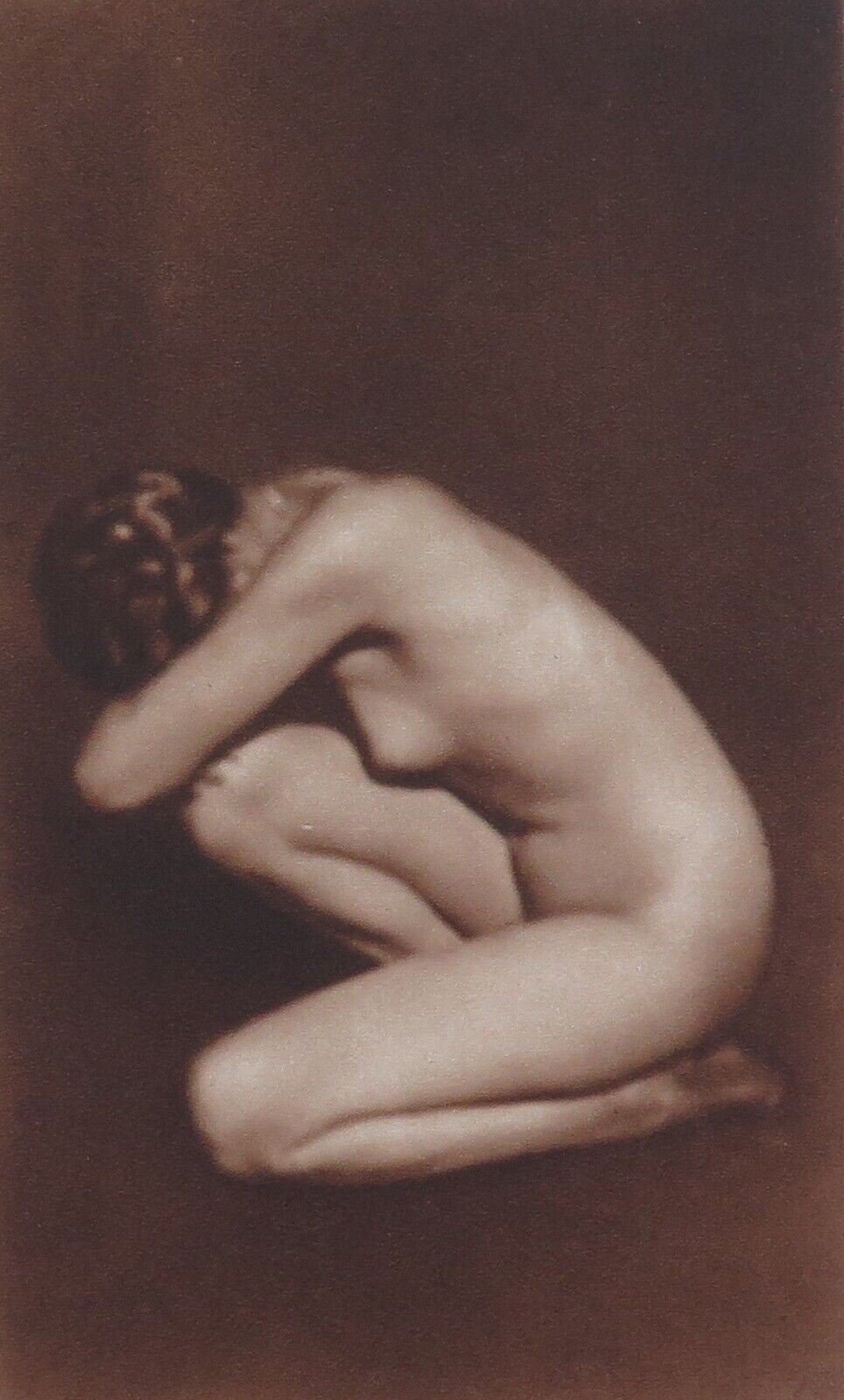
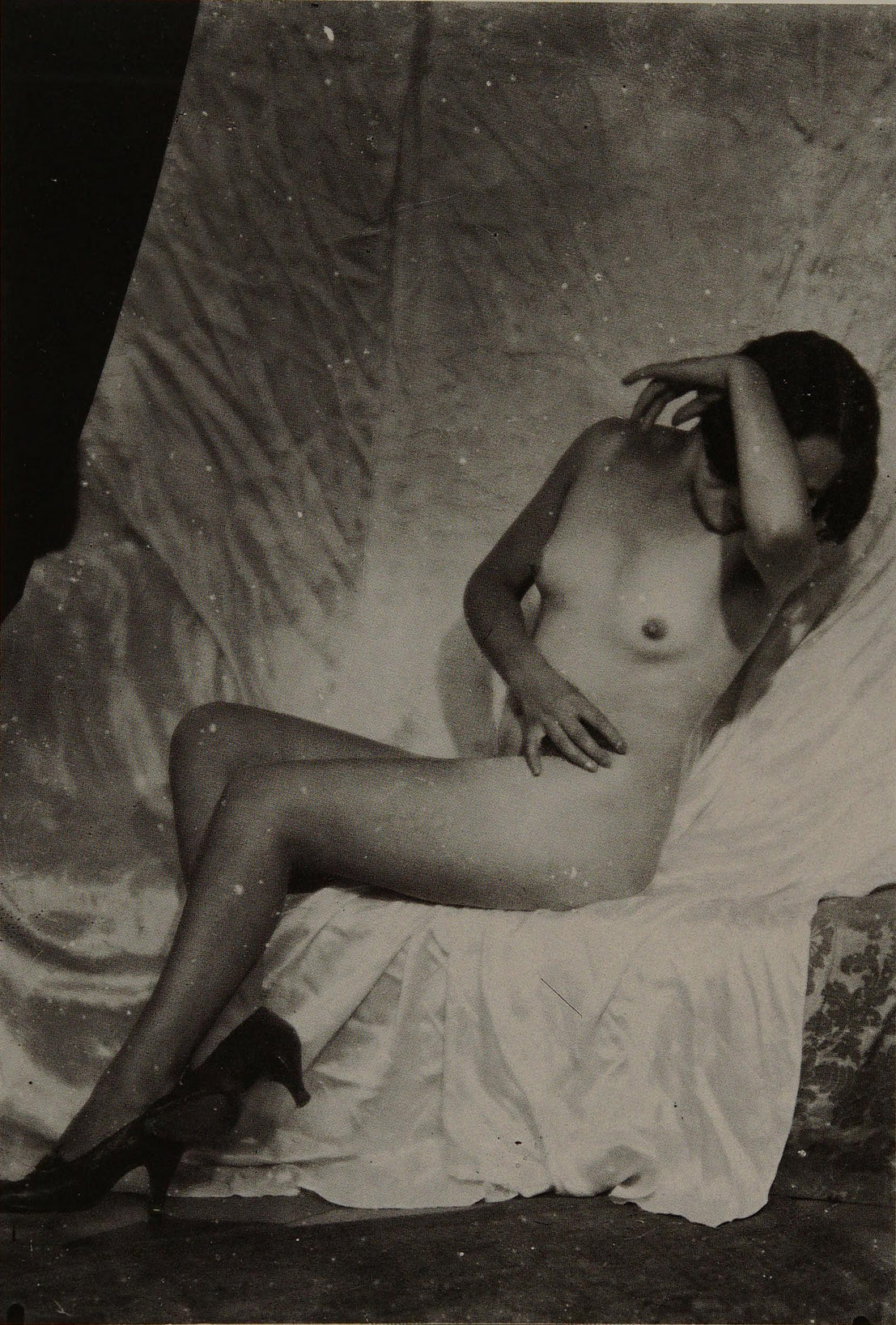
Bruno Miniati ~ Studio di nudo, ca. 1930 From : Bruno Miniati : fotografo, 1889-1974Bruno Miniati ~ Studio di nudo, ca. 1930 From : Bruno Miniati : fotografo, 1889-1974 (Alinari, Firenze, 1992) | src internet archive









 un regard oblique