Zinaida Reich Meyerhold · 1920s

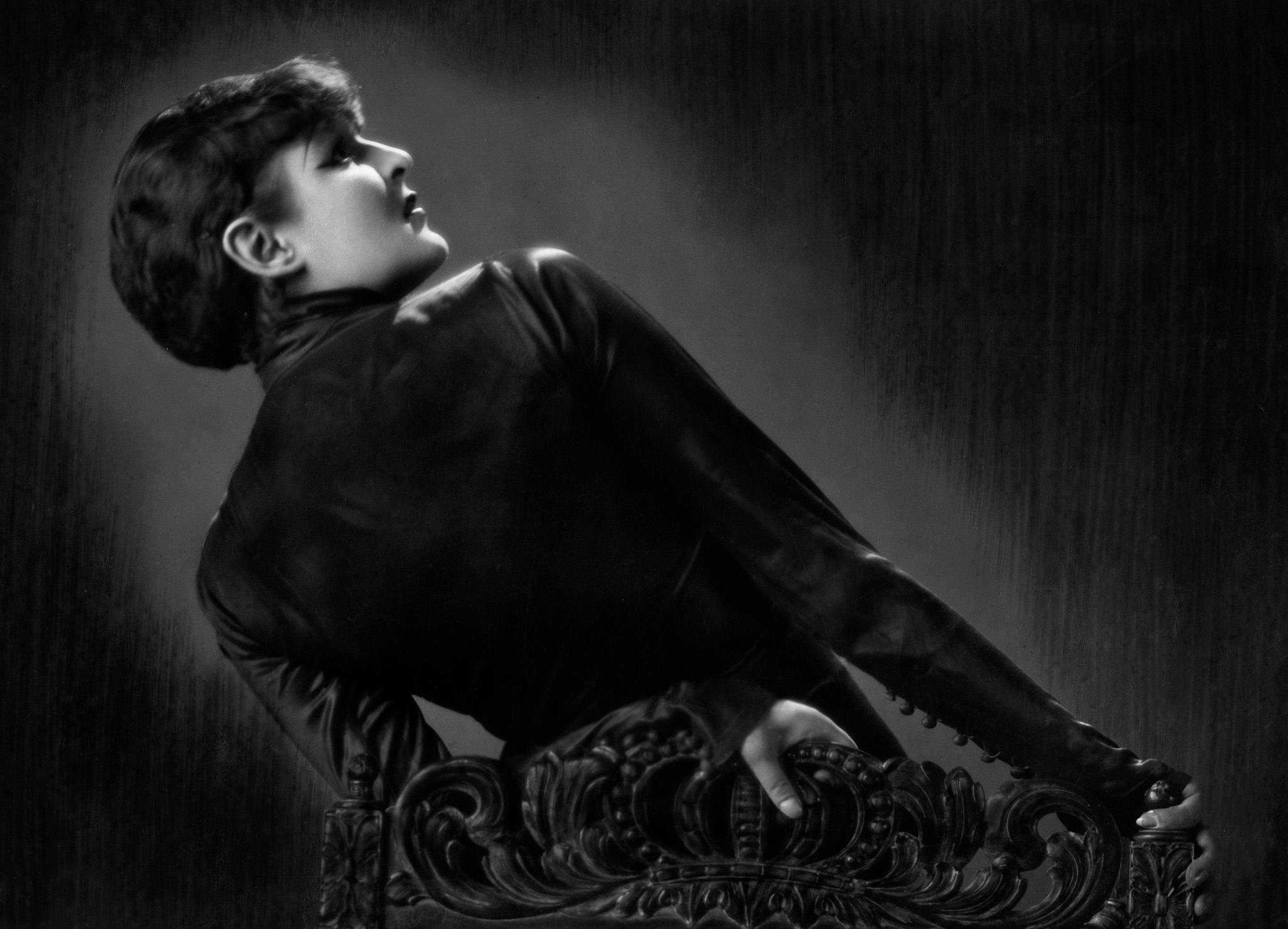
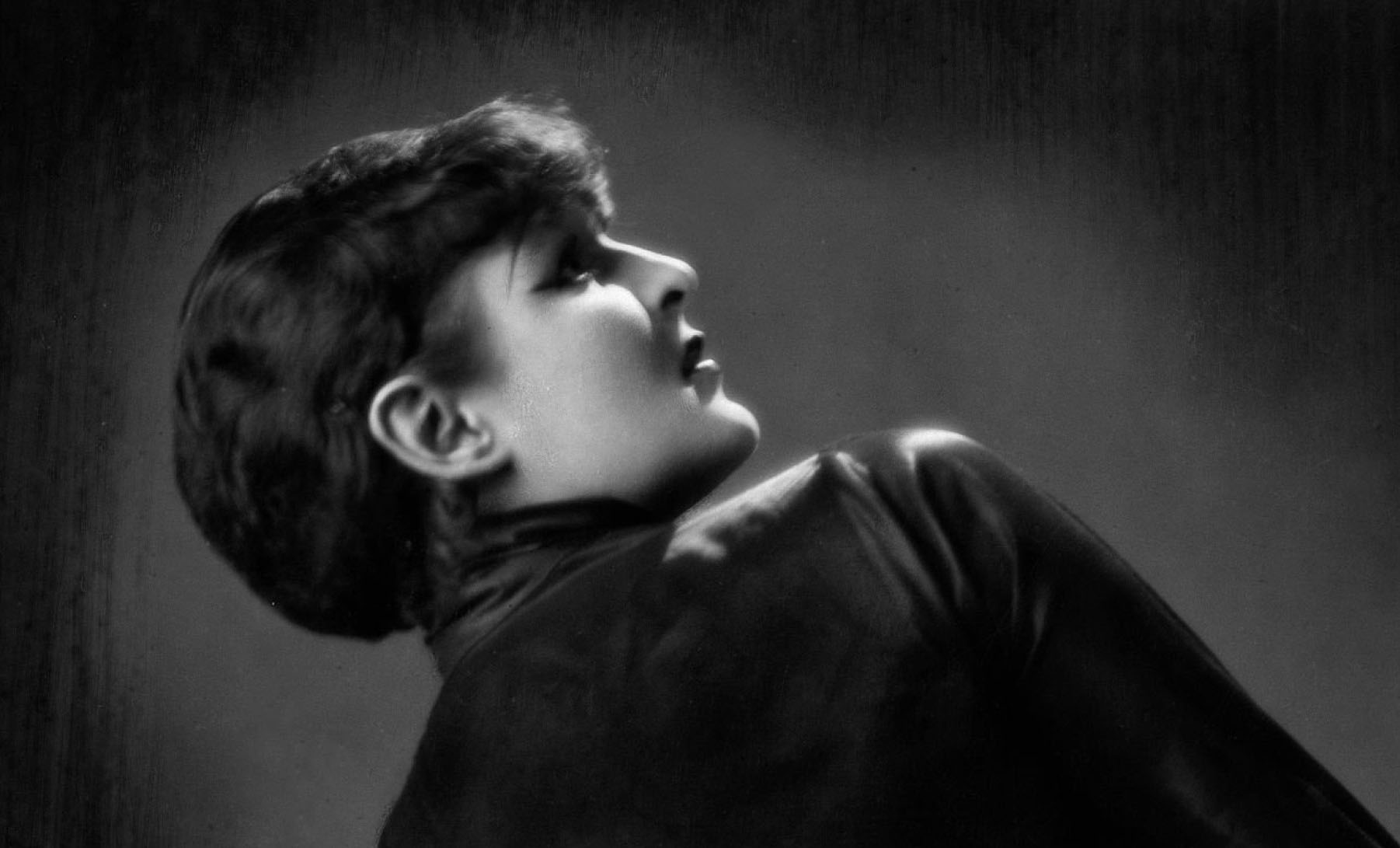
James E. Abbe ~ Zinaida Nikolayevna Raikh (or Reich) (1894-1939) second wife of Vsevolod Meyerhold; portrait in gown with fan, 1928. Published by ‘Die Dame’ 26/1928 | src getty images
Zinaida Reich as Phosphoric Woman in ‘The Bathhouse’. Photo by Alexey Temerin, USSR, 1930 | src soviet visuals on twitter & Fb

Approximately by the time this photo was taken Joseph Stalin was launching his campaign to compel all Soviet artists to observe the rules of ‘socialist realism’. The hunting took a step further and the Meyerhold weren’t the exception. In this new scenario of persecution there was no room for avant-gardists; it did not matter at all that he was one of the first prominent Russian artists to welcome the Bolshevik Revolution.

Reich and Meyerhold married in 1922 after Meyerhold return to Moscow and the foundation of his own theater in 1920, which was known from 1923 to 1938 as the Meyerhold Theatre. In the 1930s the Stimmung became more and more toxic and after Shostakovich had been singled out as being guilty of ‘formalism’, in January 1936, Meyerhold evidently surmised that he would soon be a target, and in March 1936 delivered a talk entitled “Meyer against Meyerholdism”.

A year later, in April 1937, his wife, Zinaida Reich, wrote Stalin a long letter alleging that her husband was the victim of a conspiracy by Trotskyists and former members of the disbanded Russian Association of Proletarian Writers.

In June 1939, Meyerhold was arrested in Leningrad (the 20th). Three weeks later two assailants stabbed Reich to death at the couple’s apartment in Moscow (July 14-15th). The murder is generally regarded as having been organized by the NKVD (People’s Commissariat for Internal Affairs). According to Arkadiy Vaksberg: “Beria needed this sadistic farce” because the actress was extraordinarily popular, independent, outspoken and known for saying: “if Stalin can make no sense of art, let him ask Meyerhold, and he will explain” (Toxic Politics; 2011)

Following his arrest, Meyerhold was taken to NKVD headquarters in Moscow and tortured repeatedly. But it was not until the 1st February 1940 after his “confession” of being a British or Japanese spy that he was sentenced to death by firing squad and executed the next day.

The images of this post are from an earlier, brighter era for the Meyerhold and in the USSR.

Soviet actress Zinaida Reich as Phosphoric Woman in ‘The Bathhouse’. Play by Vladimir Mayakovsky, production by Vsevolod Meyerhold. Photo by Alexey Temerin, USSR, 1930 | src soviet visuals on twitter & Fb

Berber by Binder in Die Dame 1927

Atelier Binder ~ German actress and dancer Anita Berber (1899-1928). Published in ‘Die Dame’ 5/1927 | src getty images
Atelier Binder ~ German actress and dancer Anita Berber, ca. 1927 (detail)

Hairstyle photo by Merkelbach

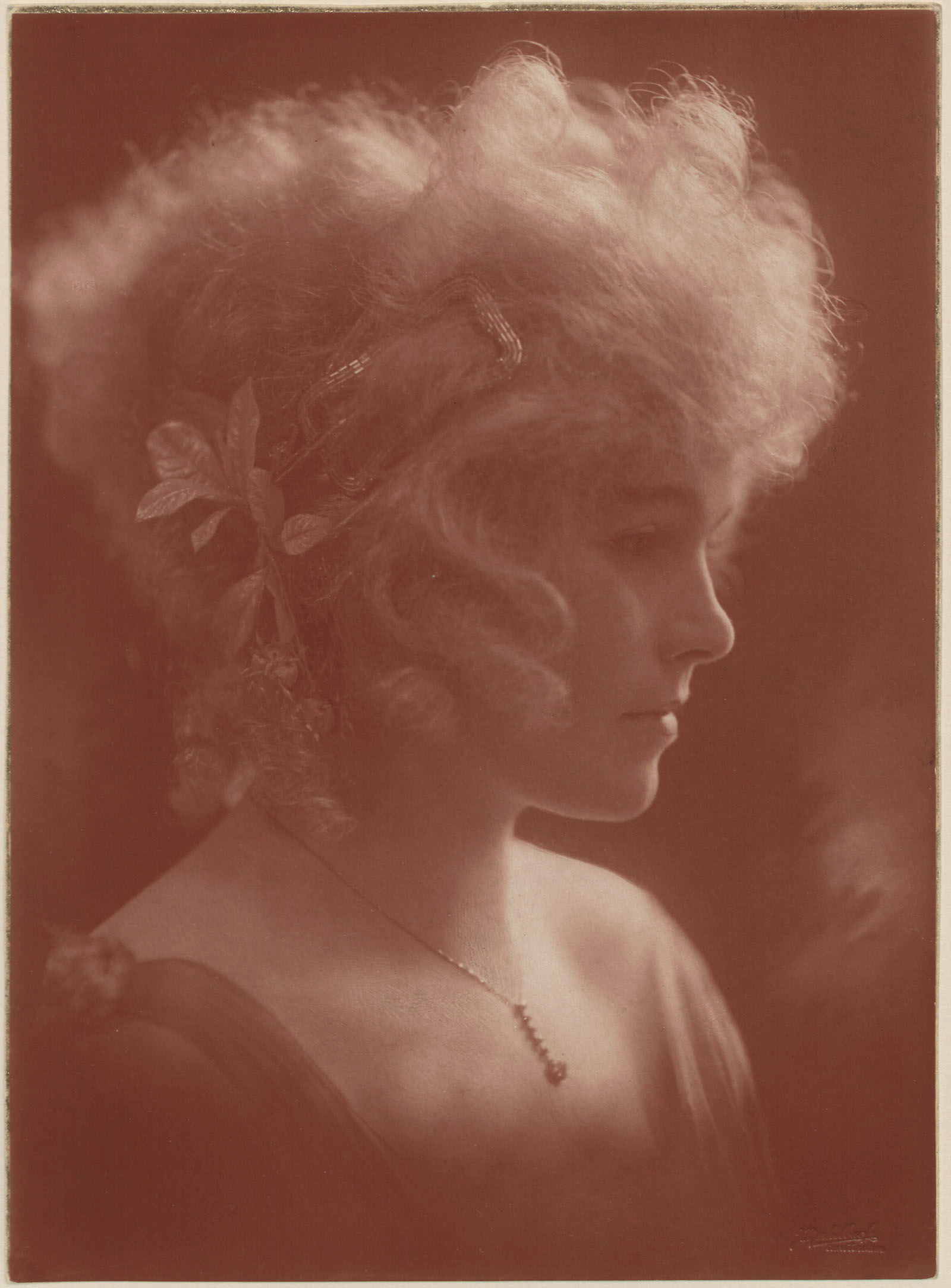
Jacob Merkelbach (1877-1942) ~ Kapsel / Hairstyle, 1920 [by stage hairdresser Maurice Vanstaen] | src Beeldbank
Jacob Merkelbach (1877-1942) ~ Kapsel / Hairstyle, 1921 [by stage hairdresser Maurice Vanstaen] | src Universitaire Bibliotheken Leiden

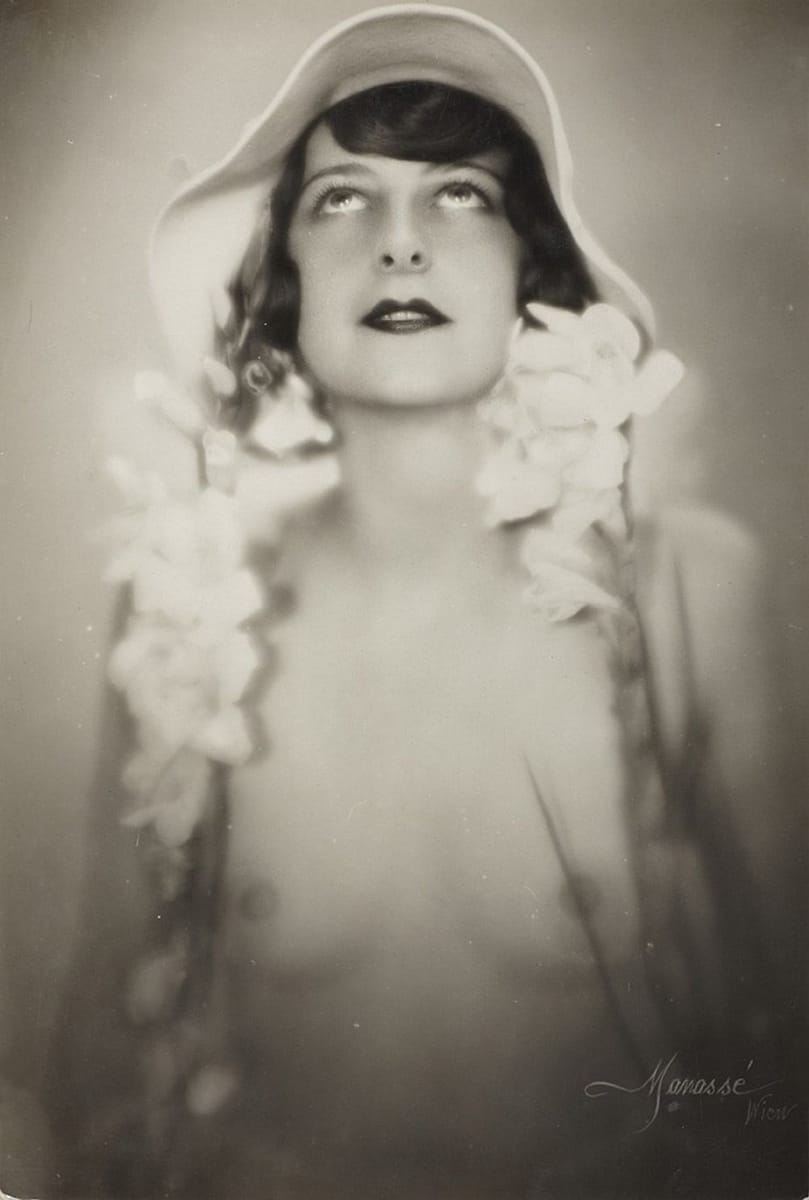
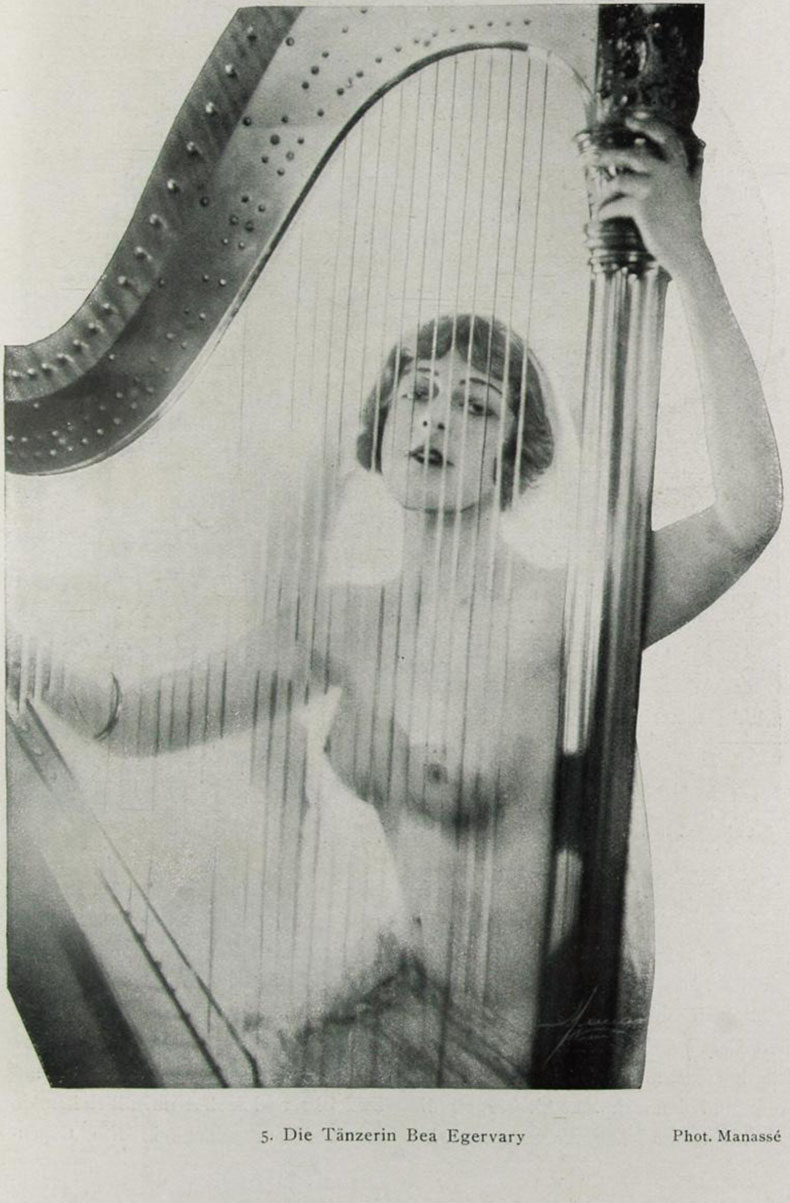
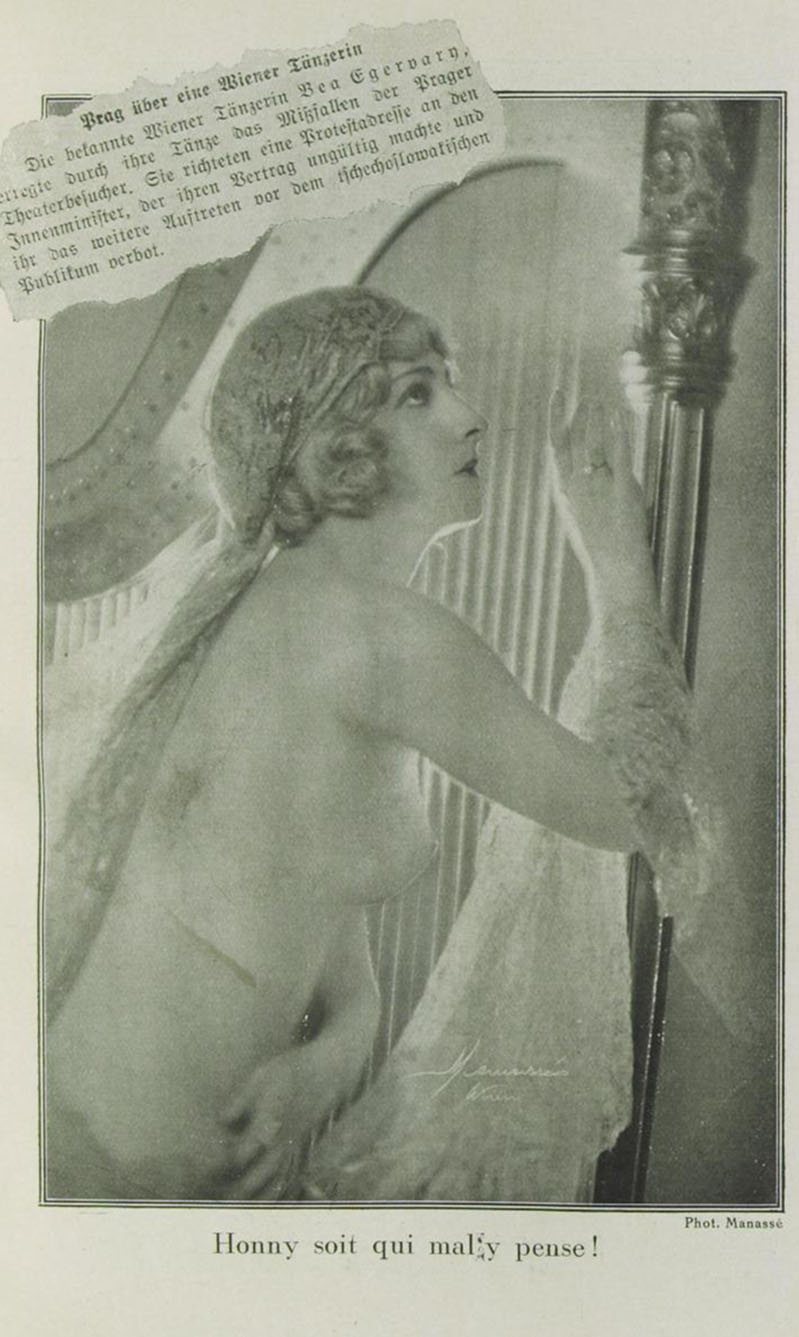
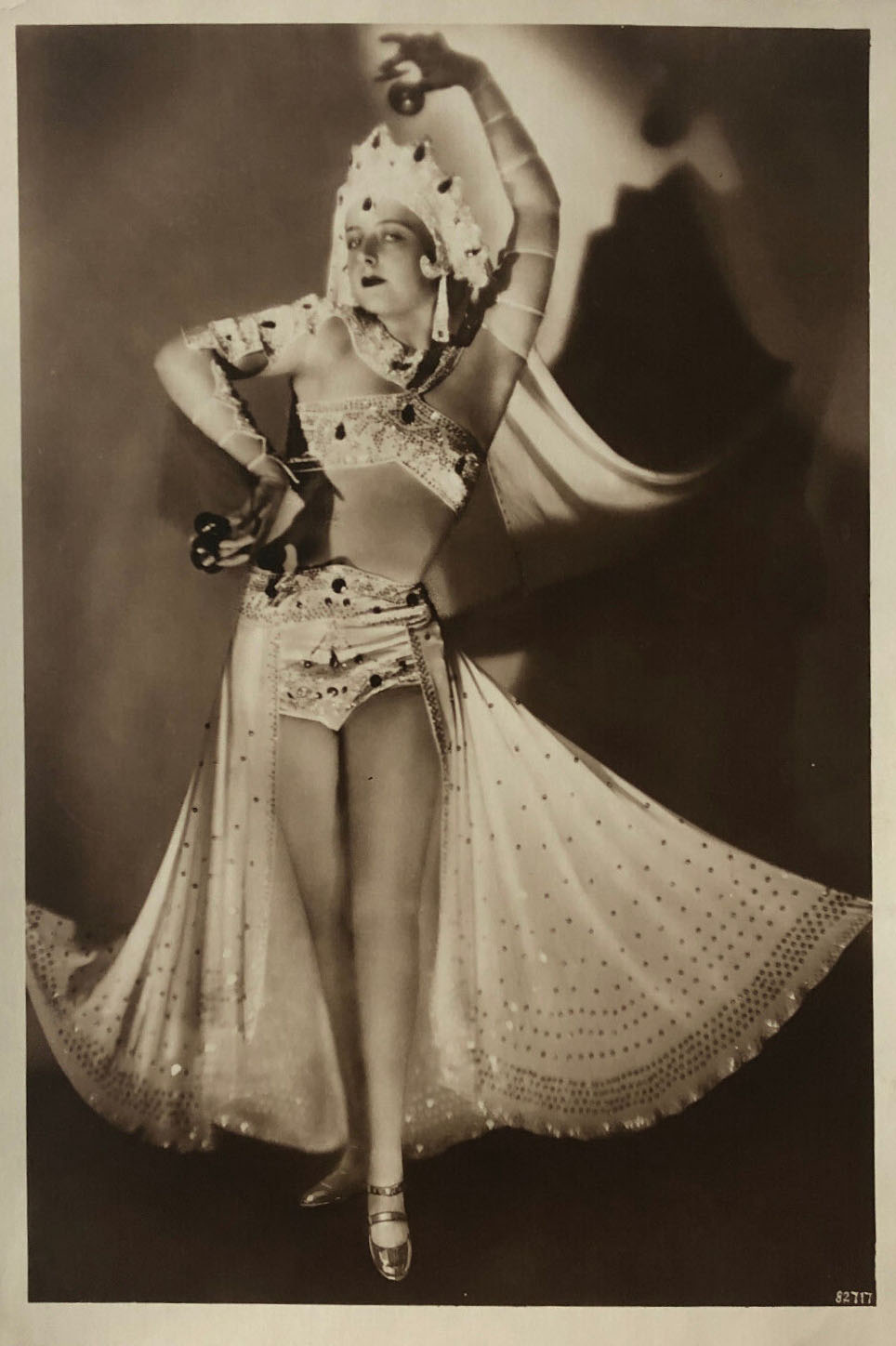
Bea Egervary by Manasse ca. 1928

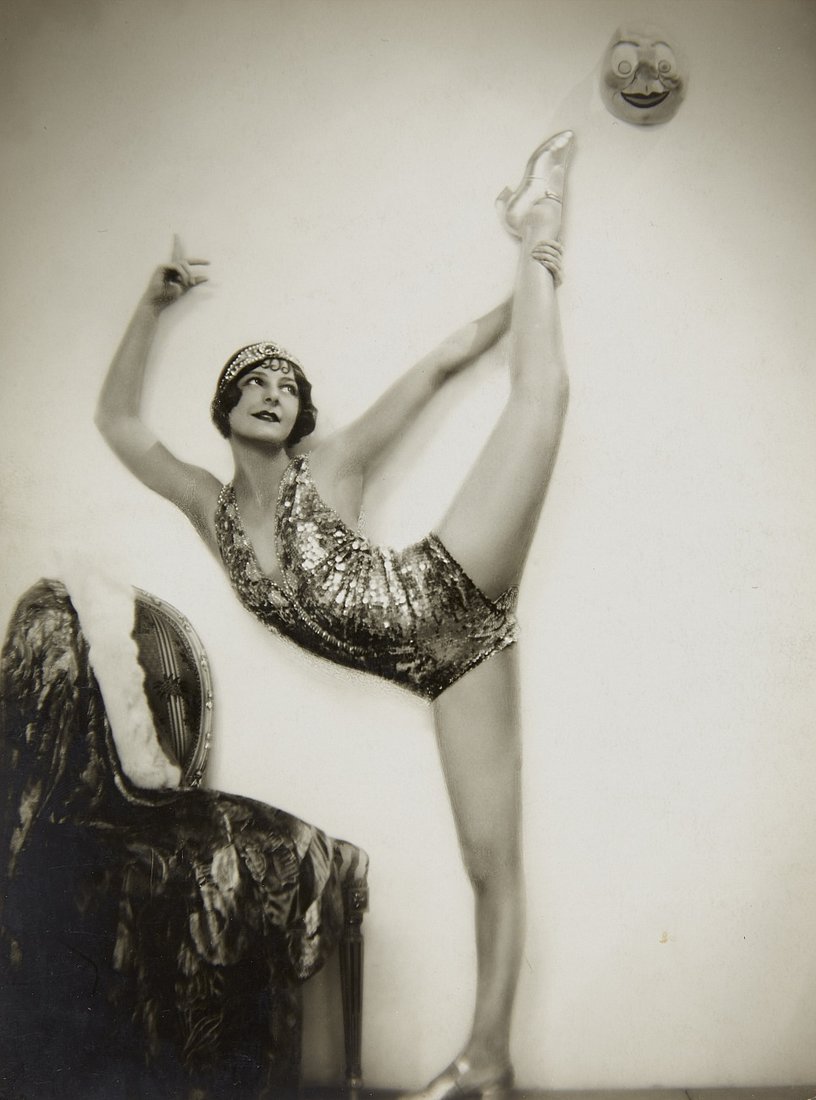
Atelier Manassé ~ The dancer Bea Egervary, ca. 1928 | src Lempertz via luminous lint ll/56616
Atelier Manassé ~ The dancer Bea Egervári (undated, likely ca. 1928) | src OstLicht 5th photo auction
Atelier Manassé ~ Die Tänzerin Bea Egervary. In: Das Leben, November 1928
Atelier Manassé ~ Die Tänzerin Bea Egervary. In: Revue des Monats, November 1928

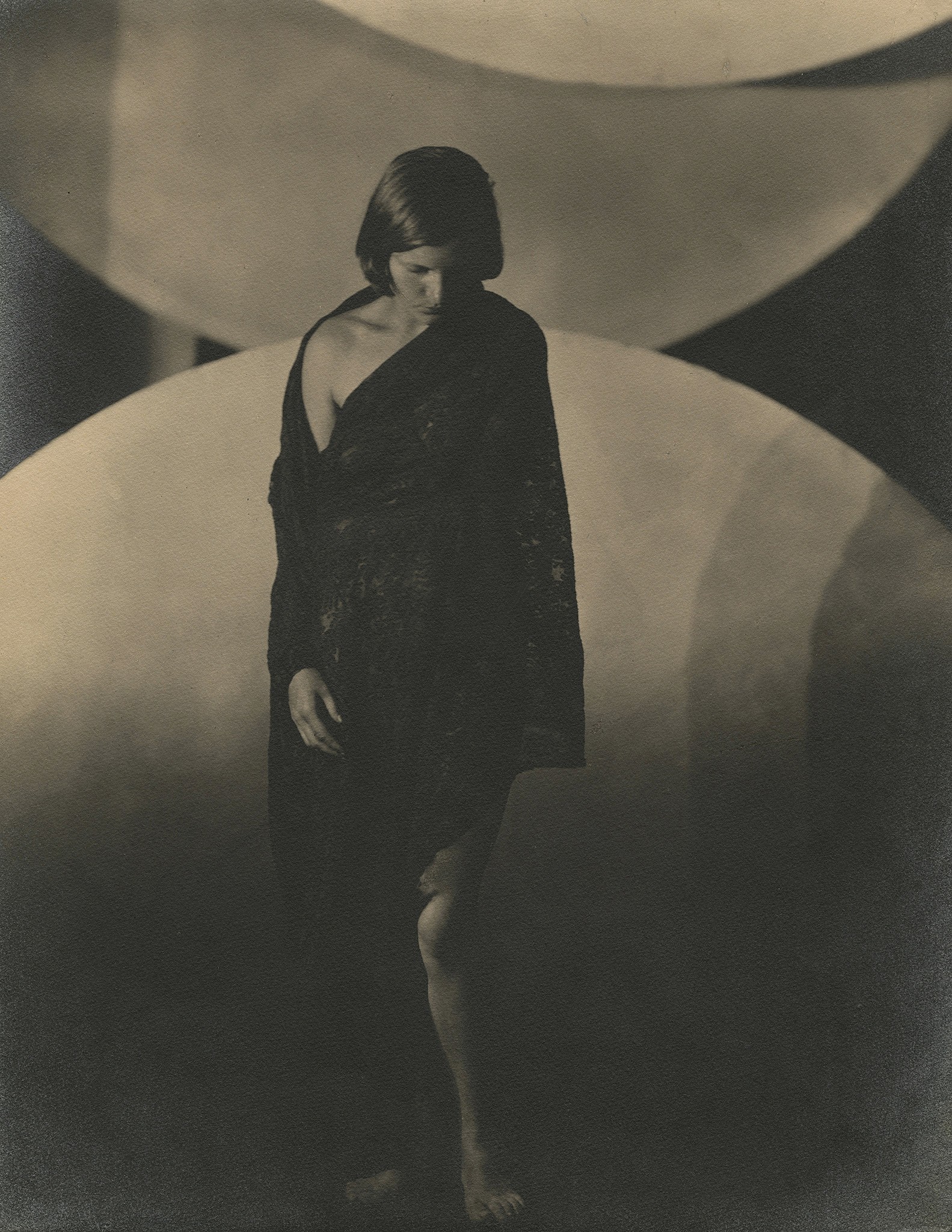
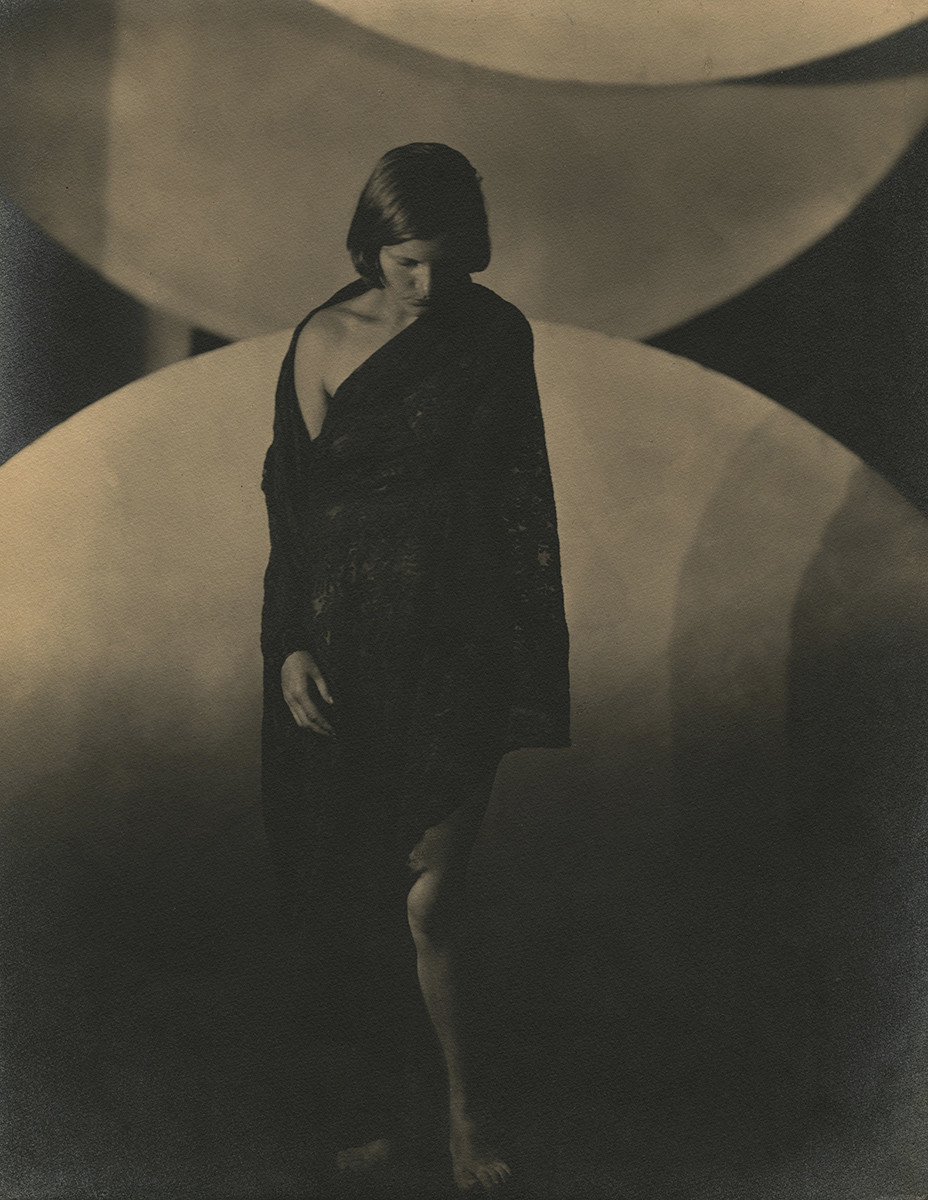
Pensive draped lady by Drtikol

František Drtikol (1883-1961) ~ Untitled, ca. 1923-29 | src Gitterman Gallery ~ Czech Avant-Garde (2023)
František Drtikol (1883-1961) ~ Untitled, ca. 1923-29. Courtesy Gitterman gallery | src ODLP ~ l’œil de la photographie

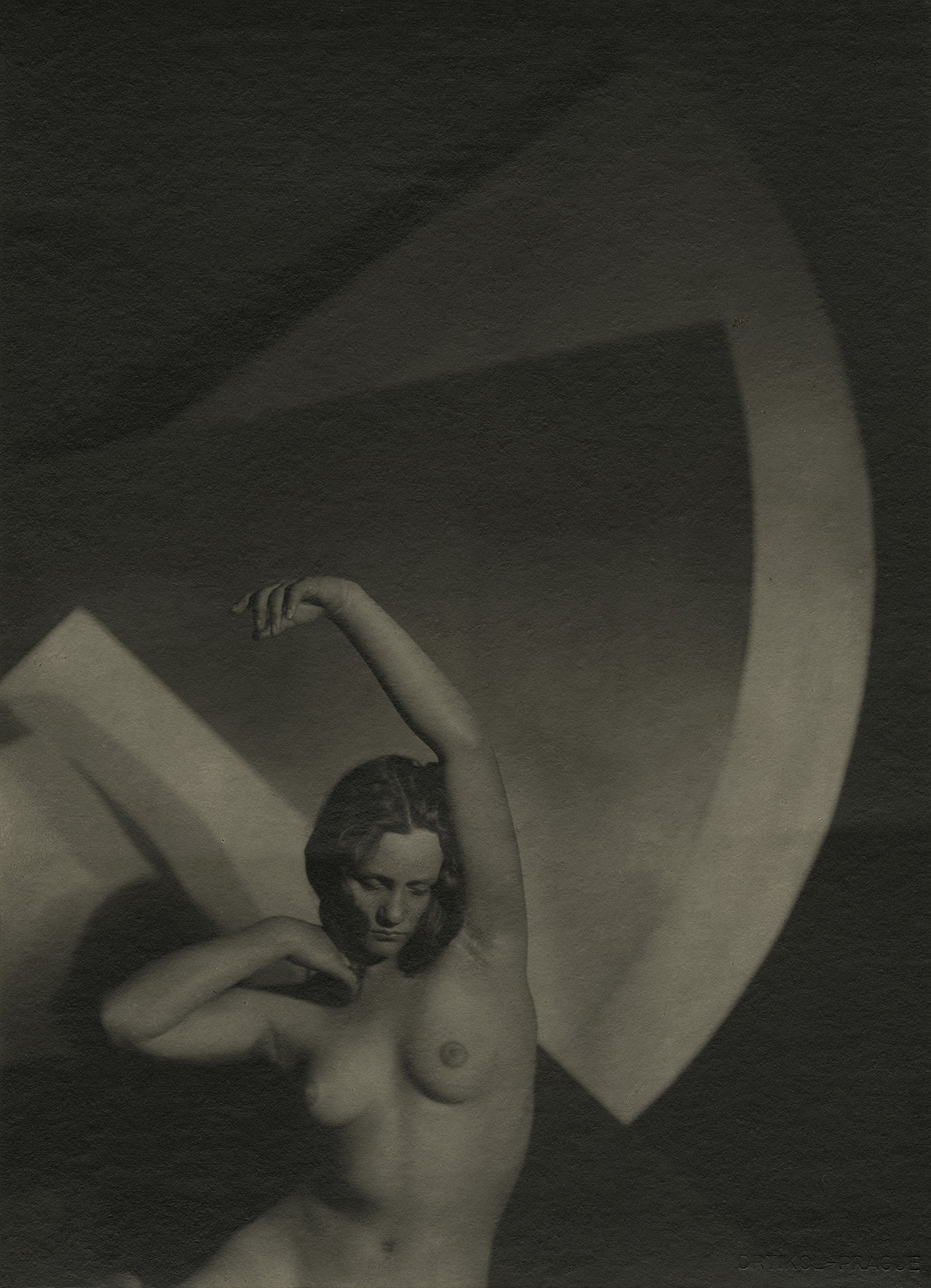
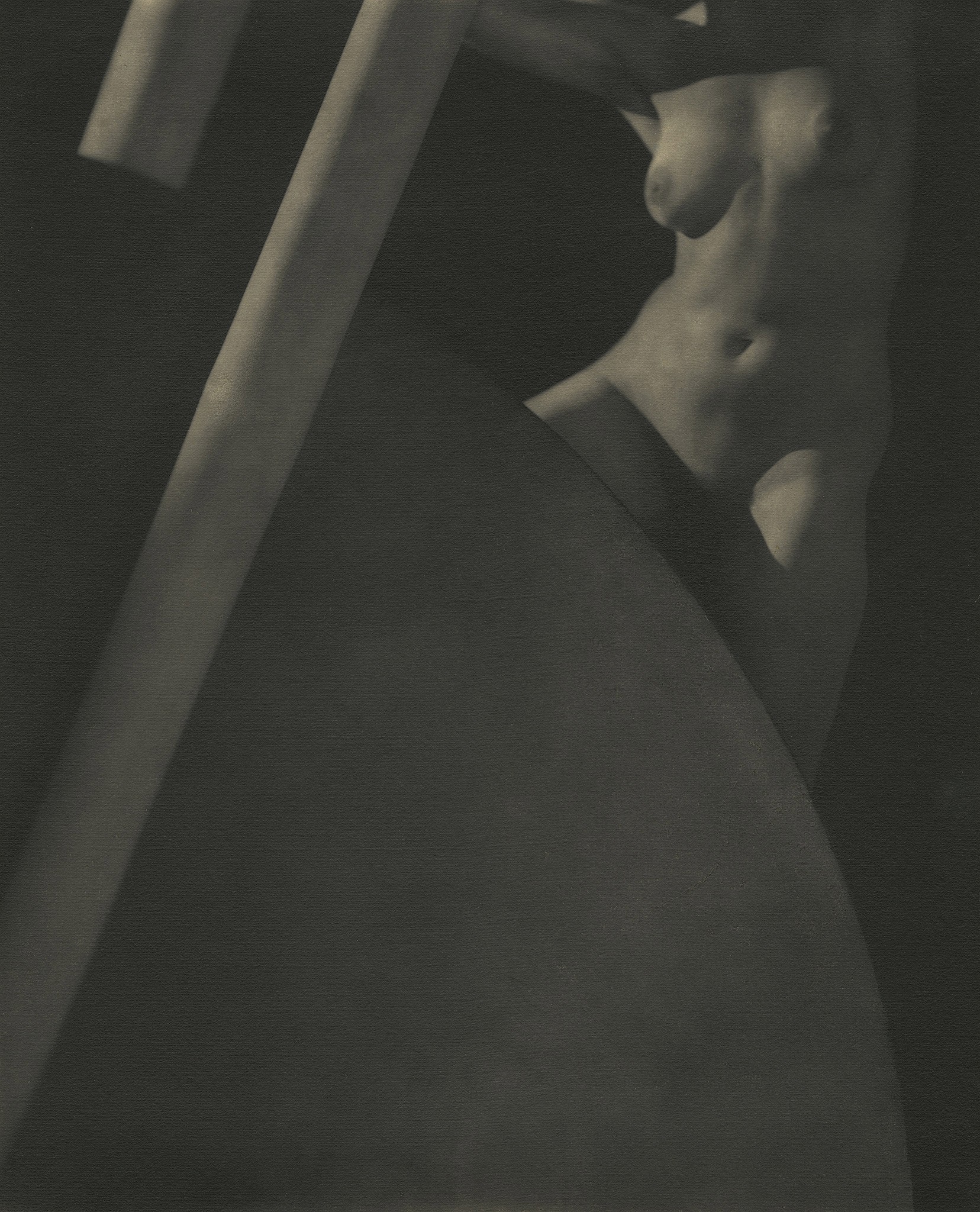
Drtikol modernist nudes

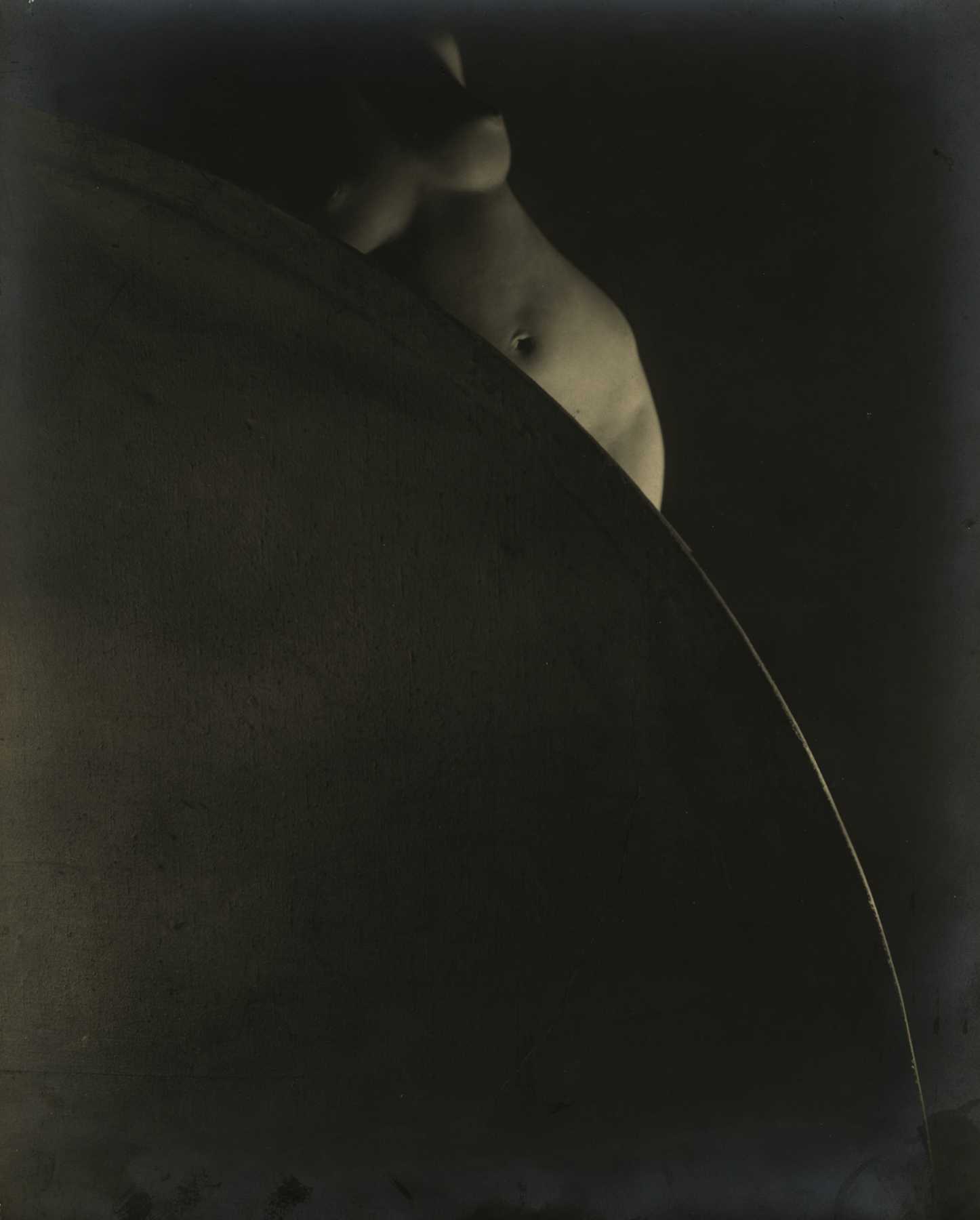
František Drtikol (1883-1961) ~ Untitled, 1927 (Carbon print) | src Gitterman Gallery ~ Czech Avant-Garde 2023

Czech Avant-Garde (2023) at Gitterman Gallery (NY)

Gitterman gallery presents a selection of avant-garde Czech photography with a focus on rare vintage works by two seminal figures, František Drtikol and Josef Sudek. Each created exquisite prints that added dimension to their innovative visions.

František Drtikol’s (1883-1961) photographs are distinctly emblematic of the Art Deco period (1920s and 30s) by merging styles of Symbolism, Pictorialism, and Modernism. These two photos are an example of his best known works: Pictorial images of nudes in Modernist (Art decó) stagings.

František Drtikol (1883-1961) ~ Kruh a Přímky (Circle and lines), 1926. Vintage pigment print, carbon. | src Gitterman gallery
František Drtikol ~ Akt s dekoracio | Nude with quarter circle, ca. 1926. Bromoil print | src Galerie Kicken Berlin

From Irene Caste archives

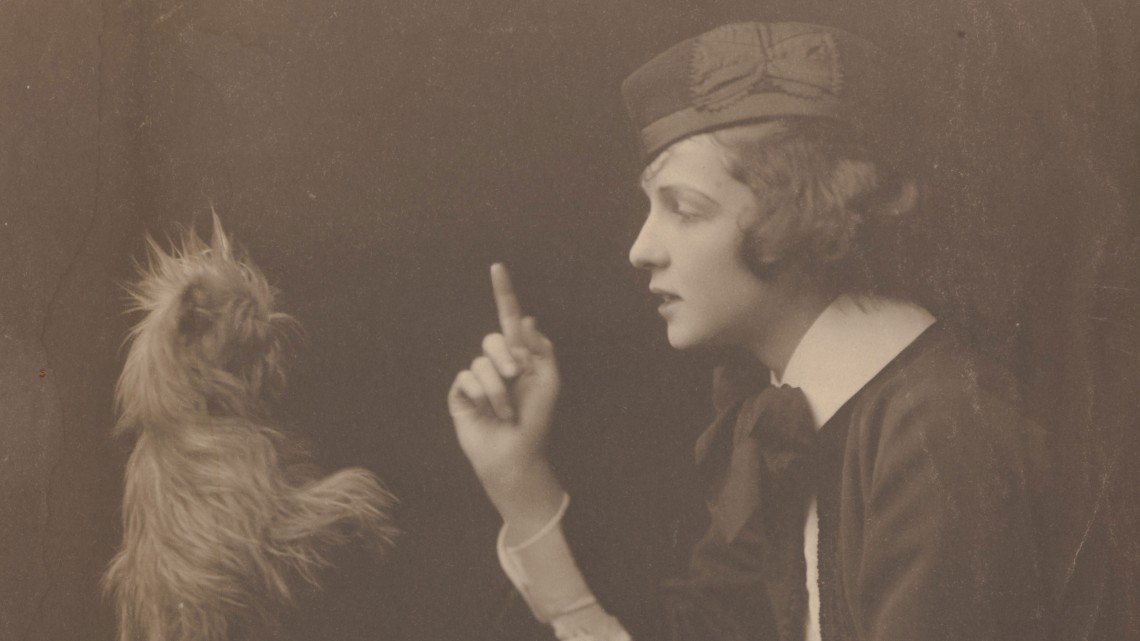
Irene Castle pictured here with one of her pups in a 1915 photo by Underwood & Underwood | Cornell fashion coll. on IG

Ballroom dancer. Silent film star. Fashion designer. Animal rights advocate. Irene Castle wore many hats – and donned countless dazzling costumes – as a celebrity during the early twentieth century.

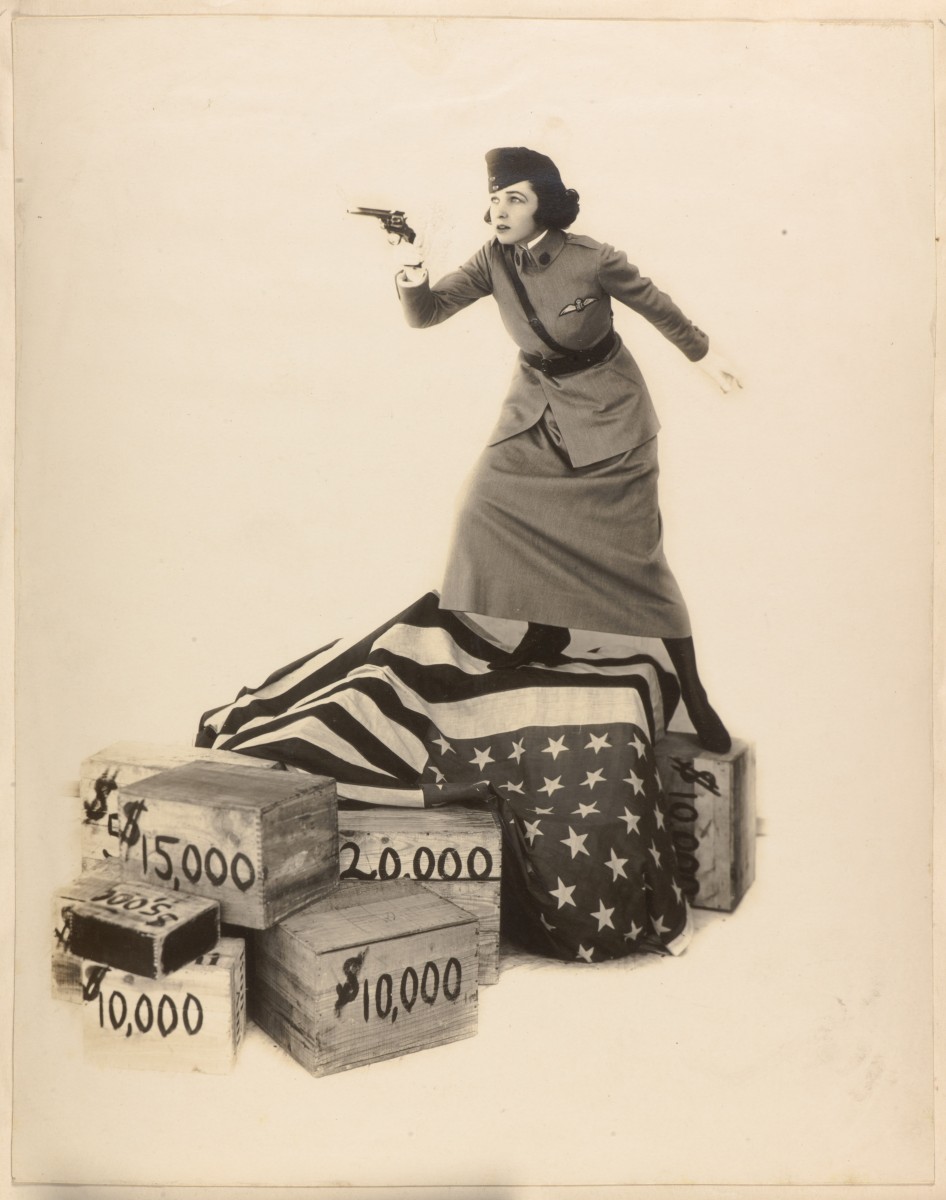
Irene Castle as Patria Channing in the serial Patria (1917). Only episodes 1 to 4, & 10 survive at the MoMA

Irene Castle was known for playing strong and stylish female leads such as the title character in the serial “Patria,” a swashbuckling, gun-toting munitions factory heiress who helps thwart a foreign invasion. Off-screen, Castle was also a pioneering entrepreneur who designed many of her own costumes and skillfully cultivated her image to become a household brand […]

“She was a very astute businesswoman,” Green said. “She knew the value of her name as a brand and so she branded all of her fashion innovations.” In 1917, Castle collaborated with Corticelli Silk Mills to develop “Patria”-themed fabrics, and started her own clothing line, Irene Castle Corticelli Fashions, in 1923. She also applied her moniker to everything from her “Castle Bob” haircut in 1913 that sparked a trend in the ’20s to the “Castle Band” of jewelry around her forehead that later resurfaced in hippie fashions of the ’60s, according to Green. / quoted from Cornell news

Silent film actress, dancer, and fashion icon Irene Castle, from the Irene Castle Photographs and Papers Coll. | src Cornell news

Sudek · through the window

Josef Sudek (1896-1976) ~ On the Windowsill of My Studio, 1944 | src Gitterman Gallery ~ Czech Avant-Garde 2023
Josef Sudek (1896-1976) ~ The Window of My Studio, 1952 | src Gitterman Gallery ~ Czech Avant-Garde 2023

Czech Avant-Garde at Gitterman Gallery ~ Nov 14 – Dec 22, 2023

Gitterman Gallery presents a selection of avant-garde Czech photography with a focus on rare vintage works by two seminal figures, František Drtikol and Josef Sudek. Each created exquisite prints that added dimension to their innovative visions.

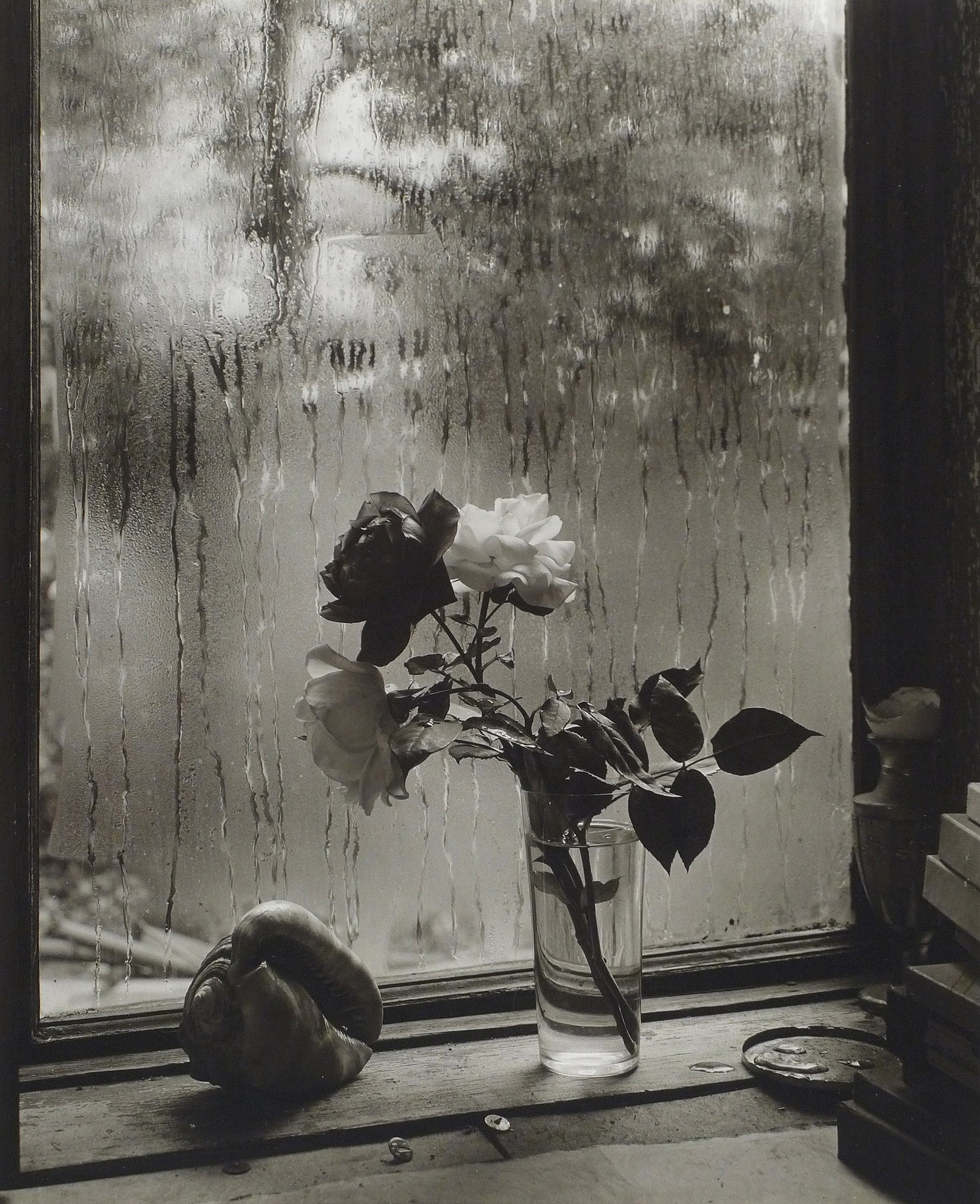
Josef Sudek (1896-1976), after having lost his right arm in combat during World War I, devoted his life to photography. Working with a large format camera, he stayed close to home. He primarily worked in his studio in Prague, photographing intricately constructed still lifes and atmospheric views through his studio window, as well as portraits, landscapes and his city. Though Sudek chose seemingly conventional subjects, his delicate prints convey the poetic magic of the photographic medium.

Josef Sudek (1896-1976) ~ The Window of My Studio, 1950 | src Gitterman Gallery ~ Czech Avant-Garde 2023
Josef Sudek (1896-1976) ~ The Window of My Studio, ca. 1960 | src Gitterman Gallery ~ Czech Avant-Garde 2023
Josef Sudek (1896-1976) ~ The Last Rose of Summer [from: The Window of My Studio], 1956 | src Gitterman Gallery
Josef Sudek (1896-1976) ~ The Window of My Studio, 1940-54 | src Gitterman Gallery ~ Czech Avant-Garde 2023