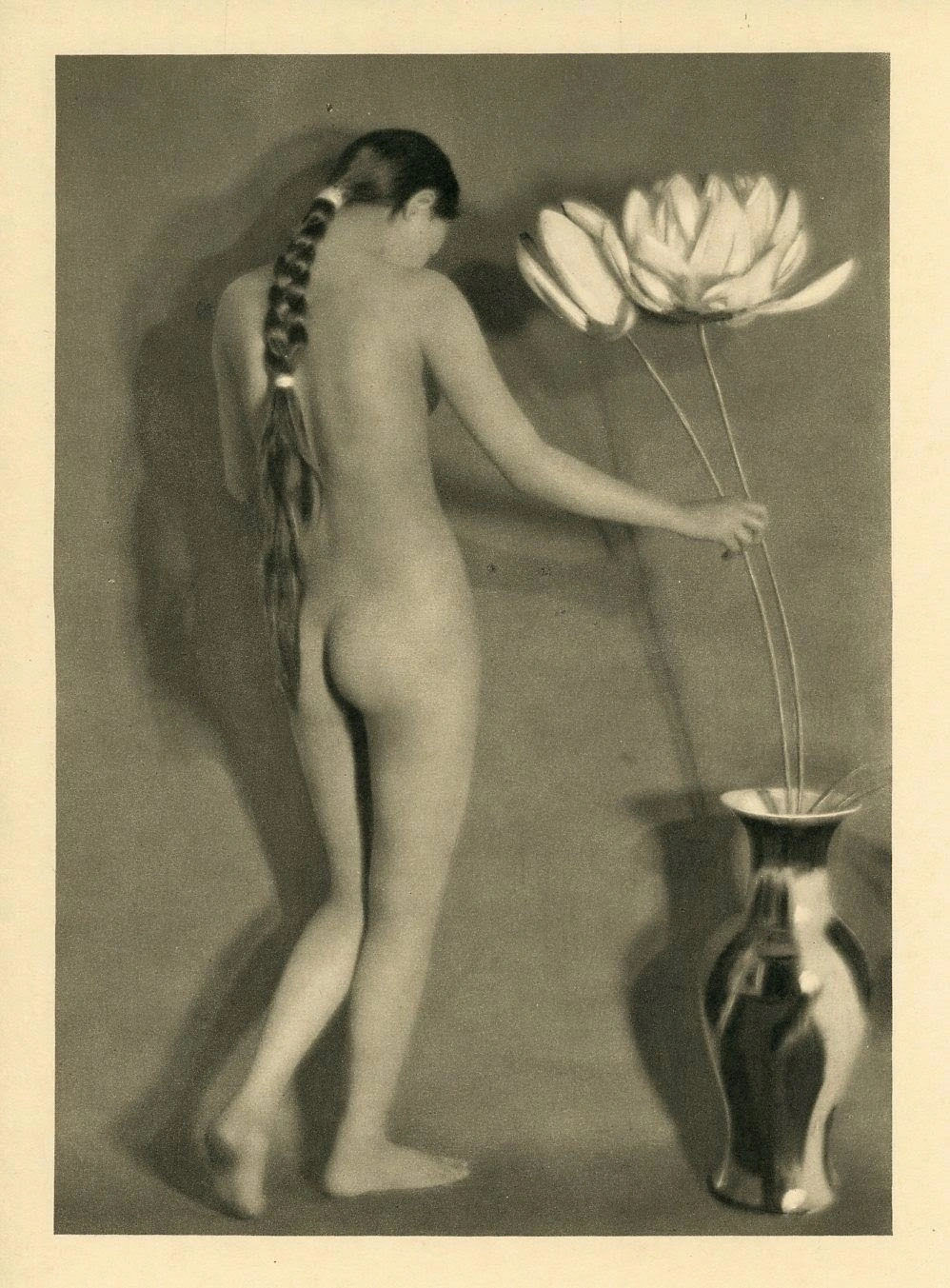
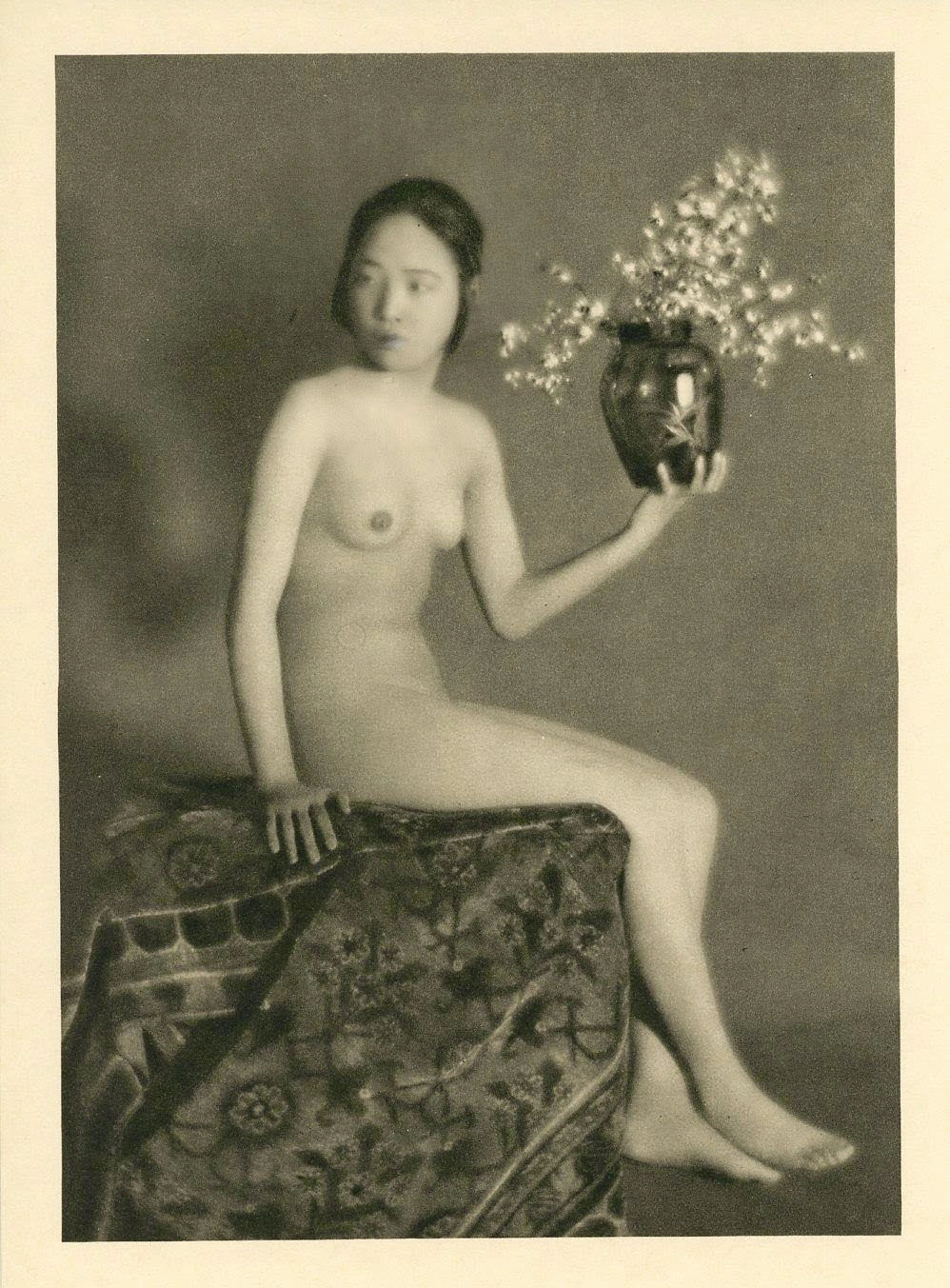
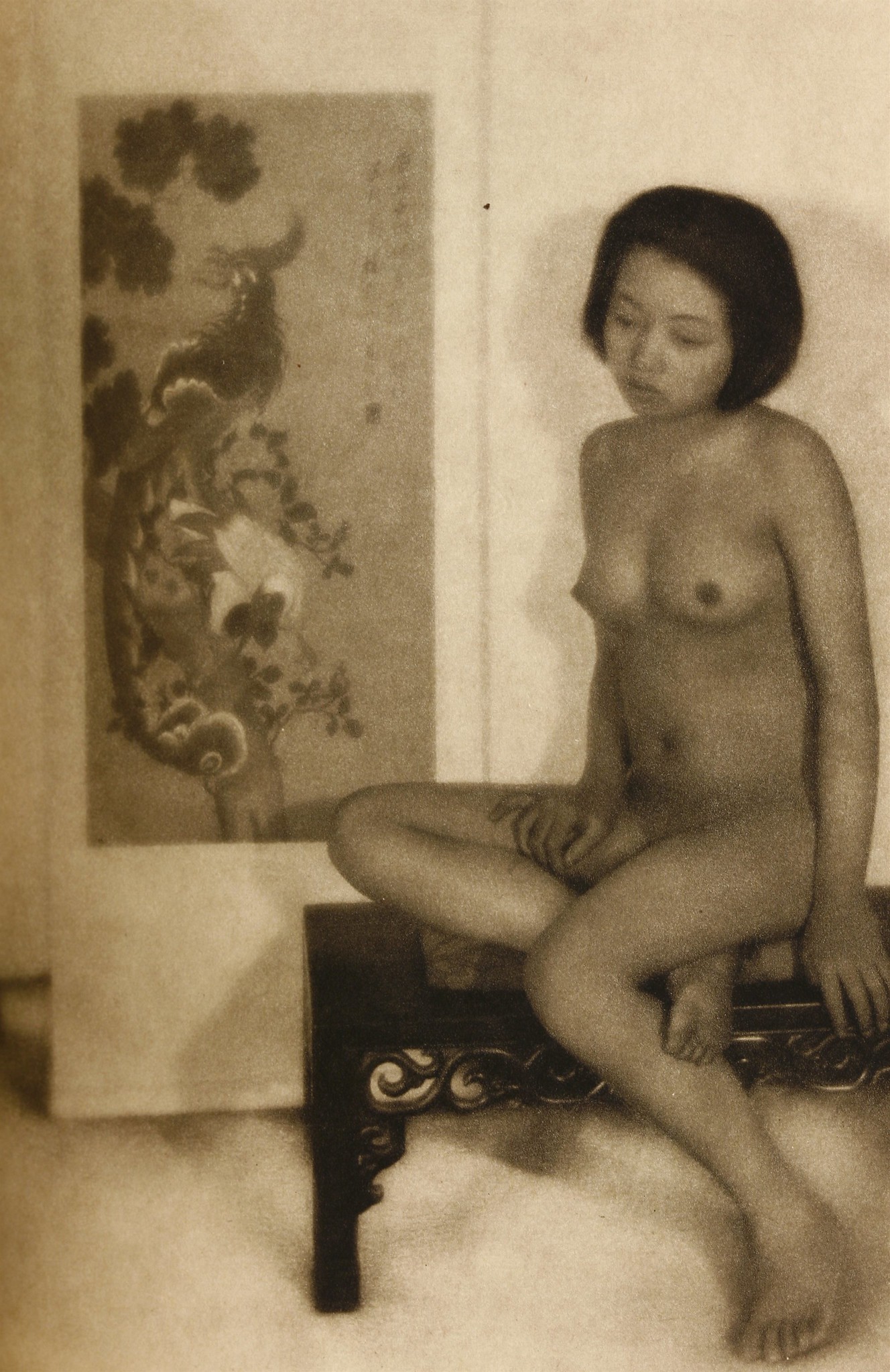
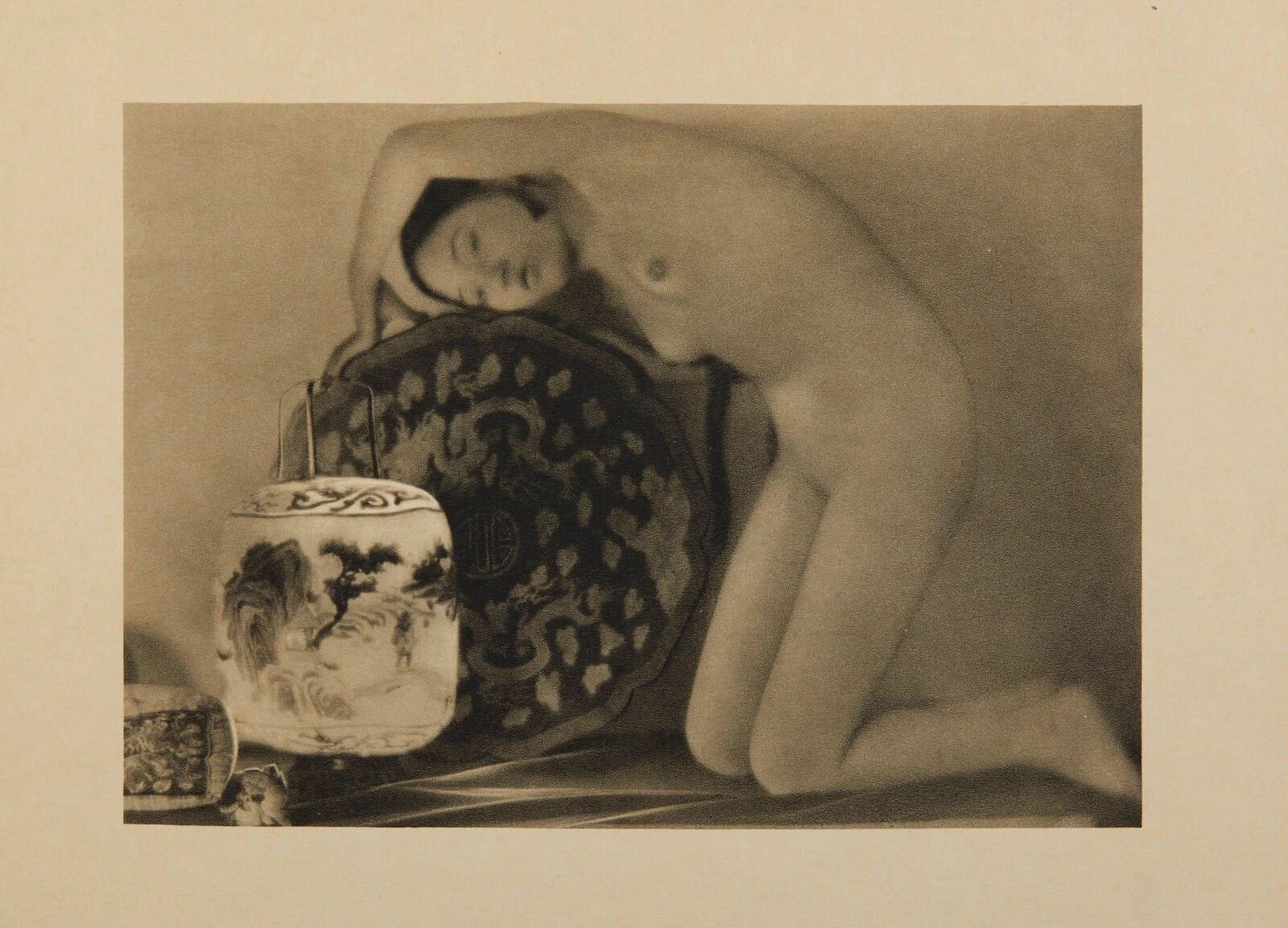
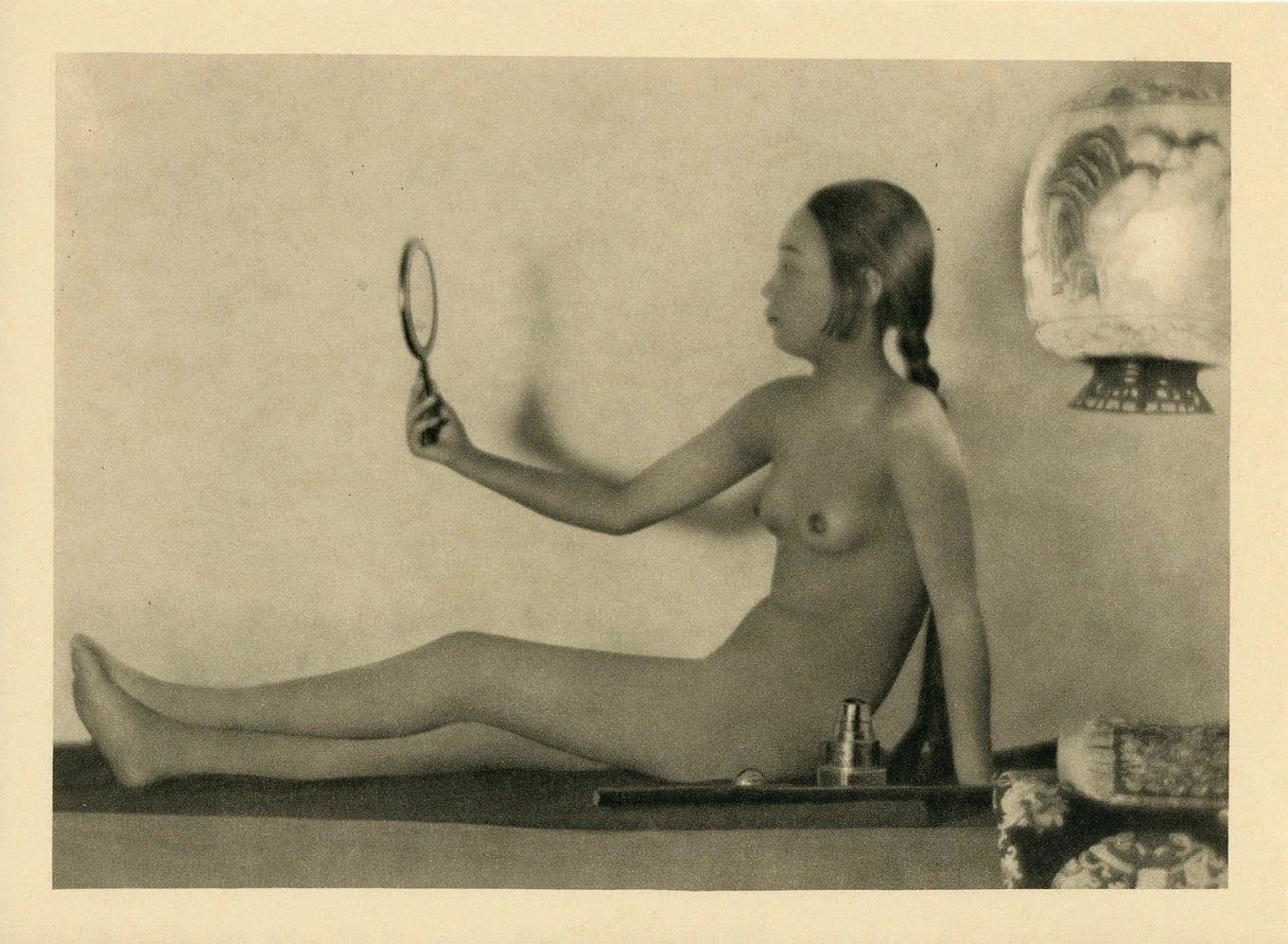
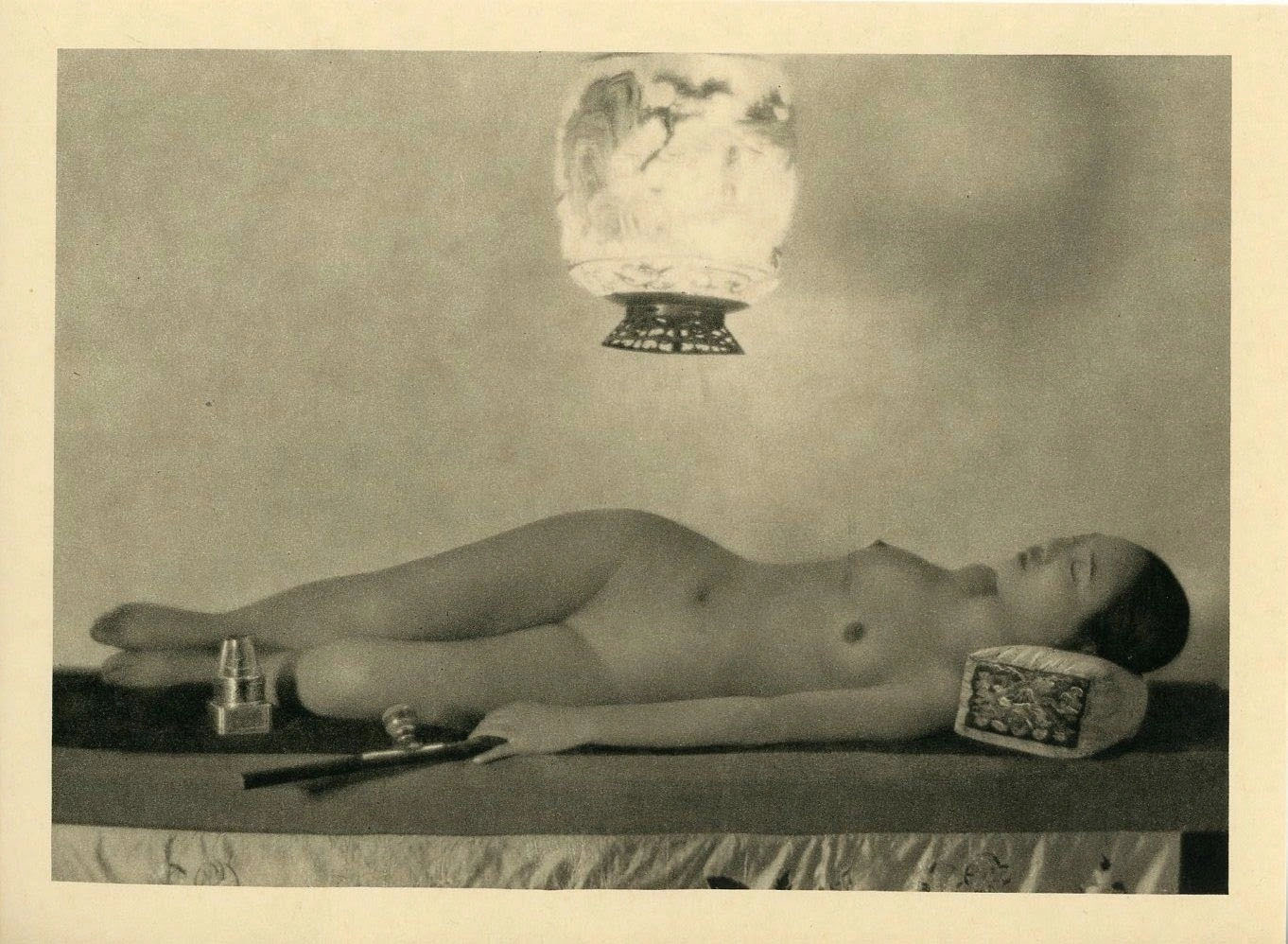
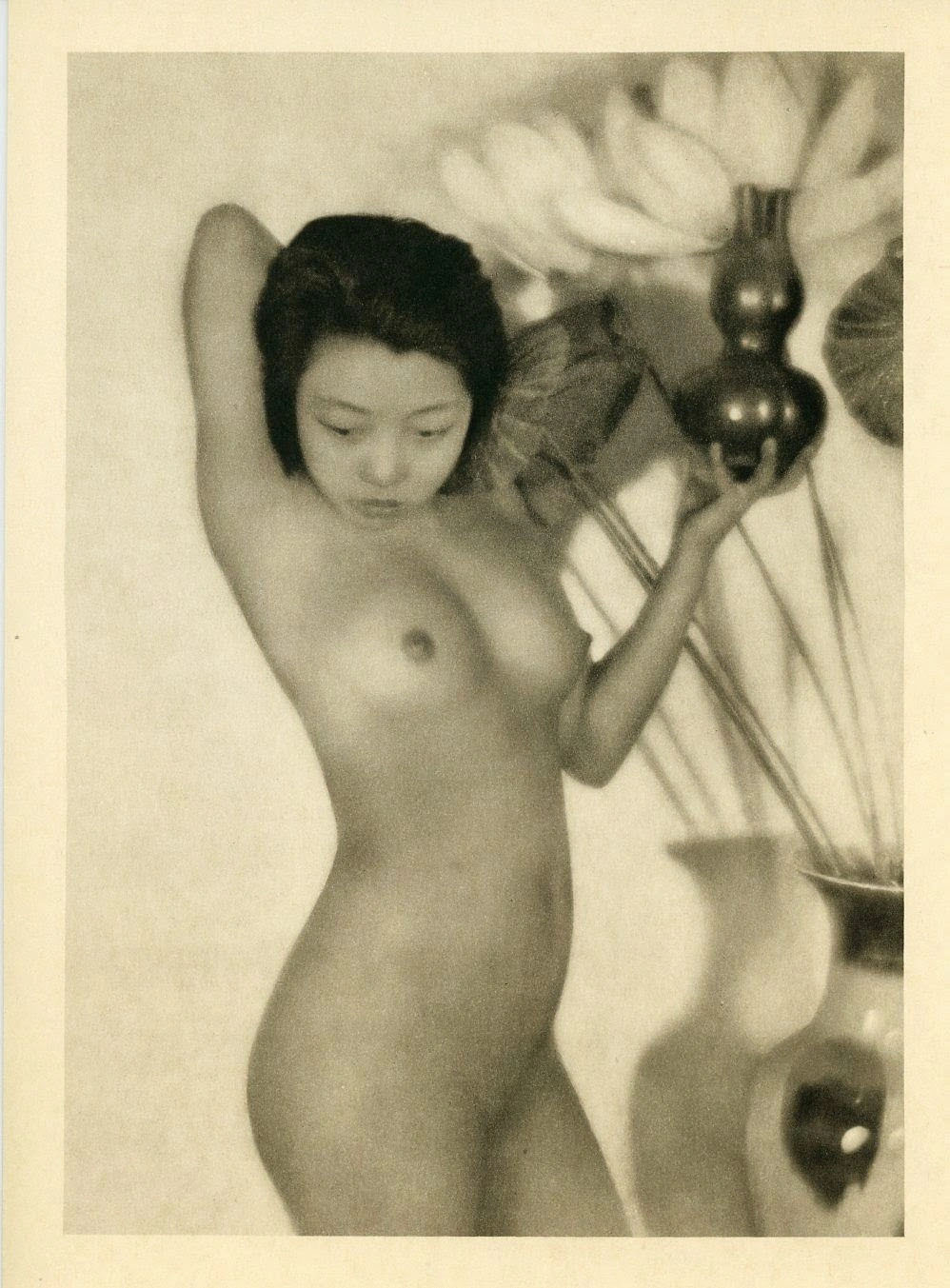
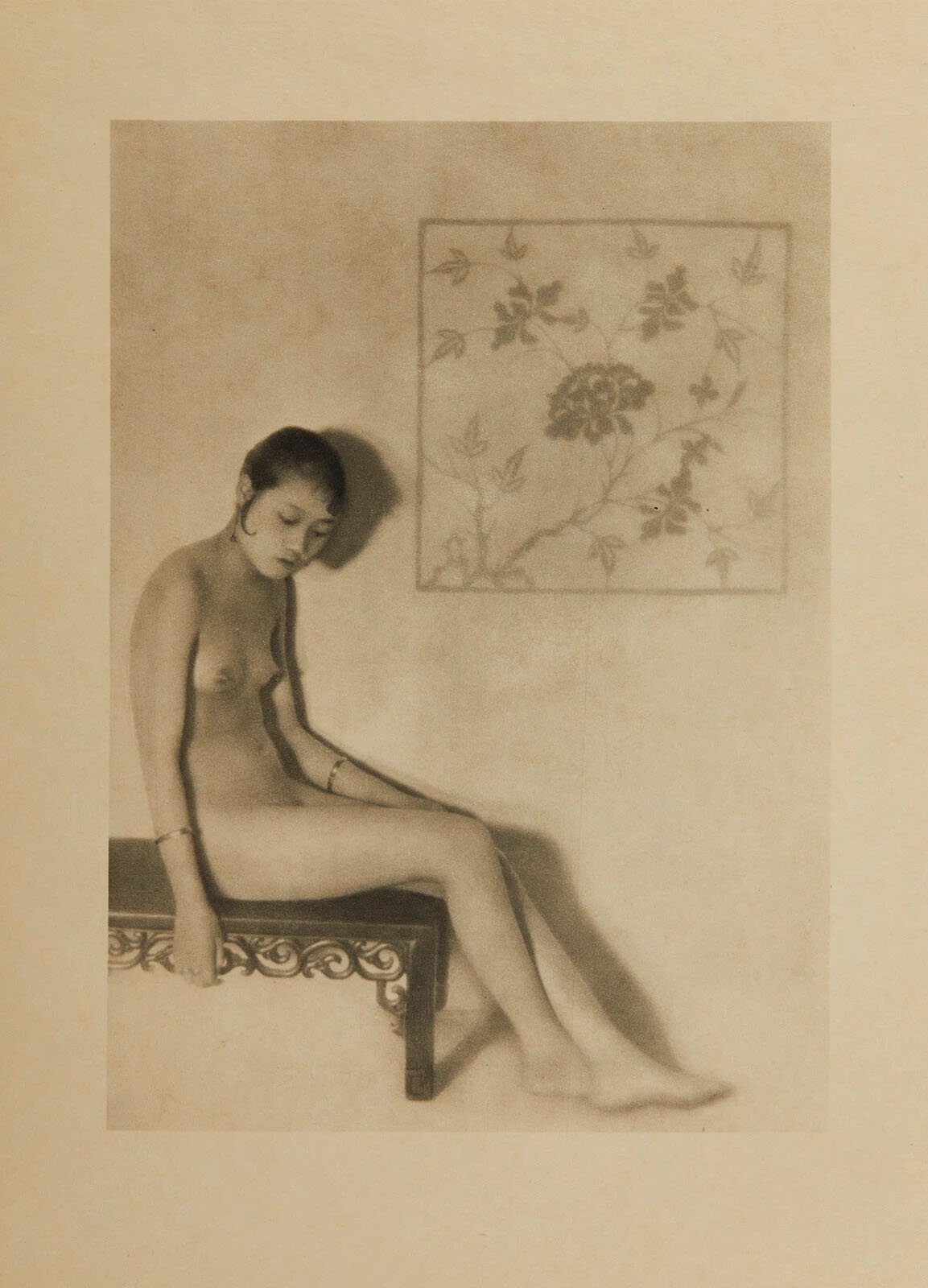
Heinz von Perckhammer ~ From “Edle Nacktheit in China /The culture of the Nude in China”. Eigenbrödler Verlag [Berlin, 1928] Heinz von Perckhammer ~ From “The culture of the Nude in China”. Eigenbrödler Verlag [Berlin, 1928] Heinz von Perckhammer ~ From “Edle Nacktheit in China”. Eigenbrödler Verlag [Berlin, 1928] 1st edition | src swordersHeinz von Perckhammer ~ Heliogravür. Edle Nacktheit in China. Berlin. Eigenbrödler Verlag [1928] | src mutualArtHeinz von Perckhammer ~ From “Edle Nacktheit in China /The culture of the Nude in China”. Eigenbrodler Verlag [Berlin, 1928] Heinz von Perckhammer ~ From “Edle Nacktheit in China”. Berlin, Eigenbrödler-Verlag, (1928)Heinz von Perckhammer ~ From “The culture of the Nude in China”. Eigenbrödler Verlag [Berlin, 1928] Heinz von Perckhammer ~ Heliogravure from “Edle Nacktheit in China”. Eigenbrödler Verlag [Berlin, 1928] | src mutualArtHeinz von Perckhammer ~ From “The culture of the Nude in China”. Berlin, Eigenbrödler-Verlag, (1928) Heinz von Perckhammer ~ From “Edle Nacktheit in China”. Berlin, Eigenbrödler-Verlag, (1928) | src AbebooksHeinz von Perckhammer ~ Akt. Edle Nacktheit in China. Berlin. Eigenbrödler Verlag [1928] | src Abebooks
Heinz von Perckhammer was born in Merano, Austria-Hungary (now Italy) in 1895. During the First World War he served aboard the SMS Kaiserin Elisabeth during the Siege of Tsingtao and between 1917 and 1919 was held as a prisoner of war. It was during this time when he was held captive that his interest in photography began. He apparently remained in China for much of the 1920s, and took these soft-focused and stylized photographs of women from Macao brothels.
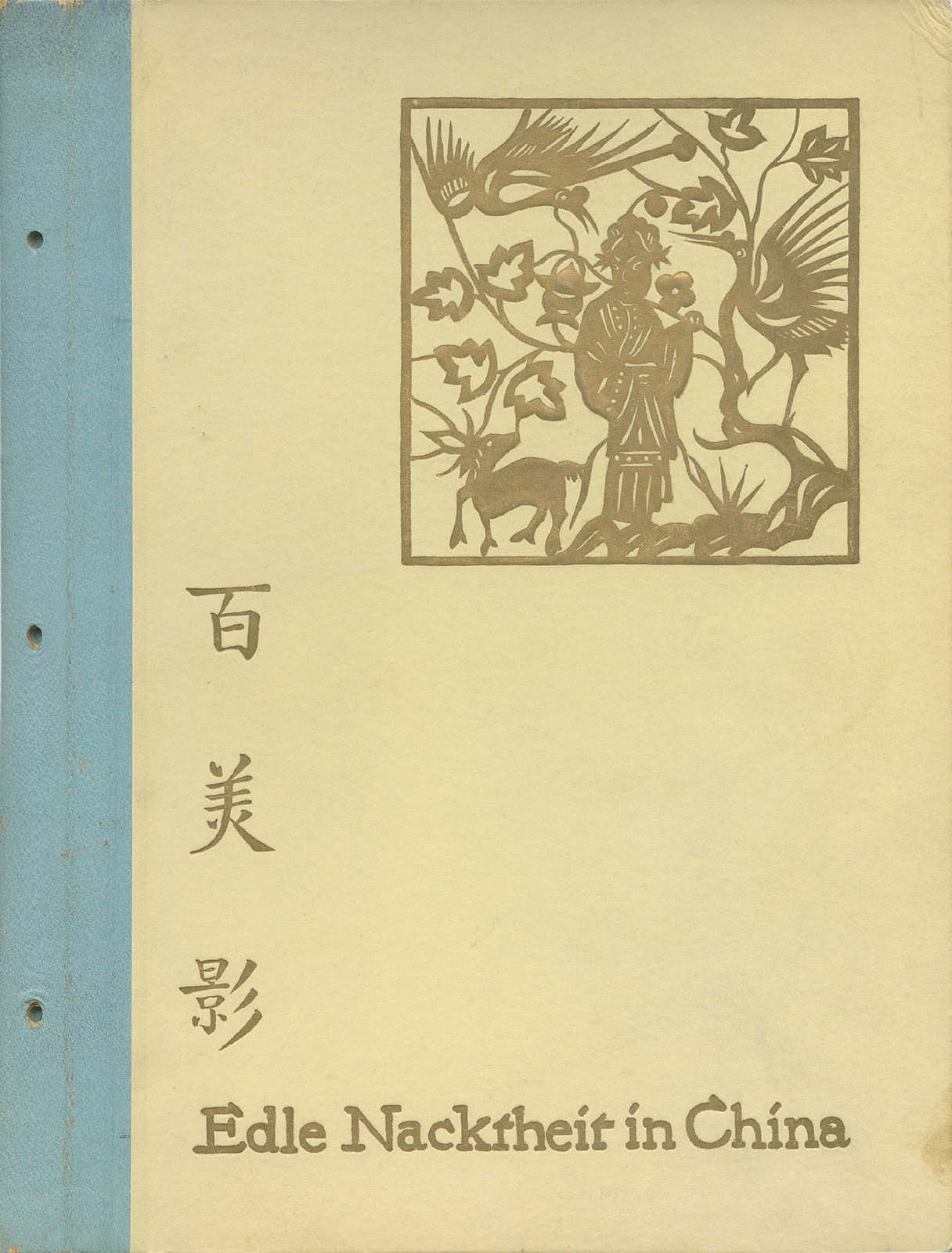
In the introduction to Edle Nacktheit in China he writes: ‘Pictures of nude women, setting aside the ugly caricatures of the “Spring pictures” of erotic scenes, simply do not exist in China. Therefore I believe, I have created something entirely new and of value.’ Edle Nacktheit in China was later banned by the Nazis as Degenerate art (Entartete Kunst) and appeared on the Liste des schädlichen und unerwünschten Schrifttums [List of harmful and undesirable writing].
Heinz von Perckhammer ~ front cover from Edle Nacktheit in China. Berlin. Eigenbrödler Verlag [1928] | src Abebooks
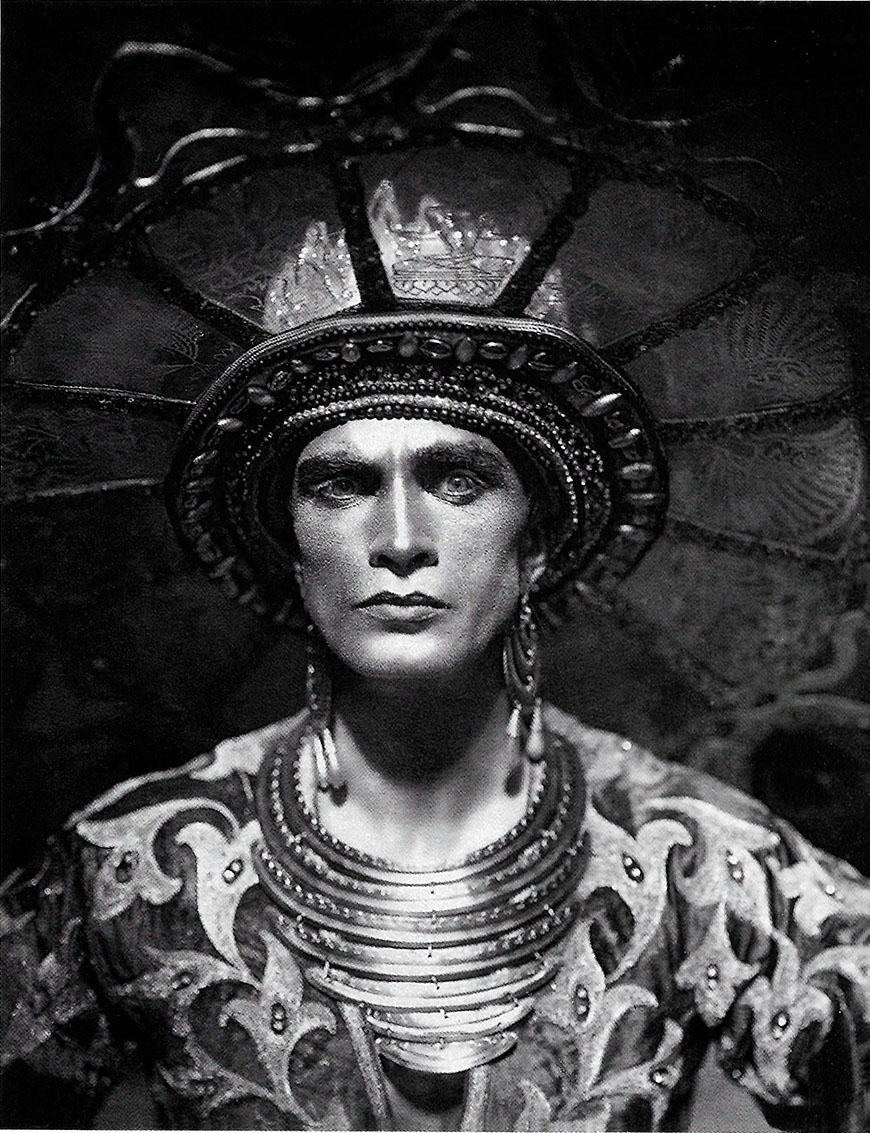
Conrad Veidt as the Maharajah of Bengal in Das Indische Grabmal / Mysteries of India (Joe May, 1921), produced by May Film, Berlin. Postcard. | src Flickr
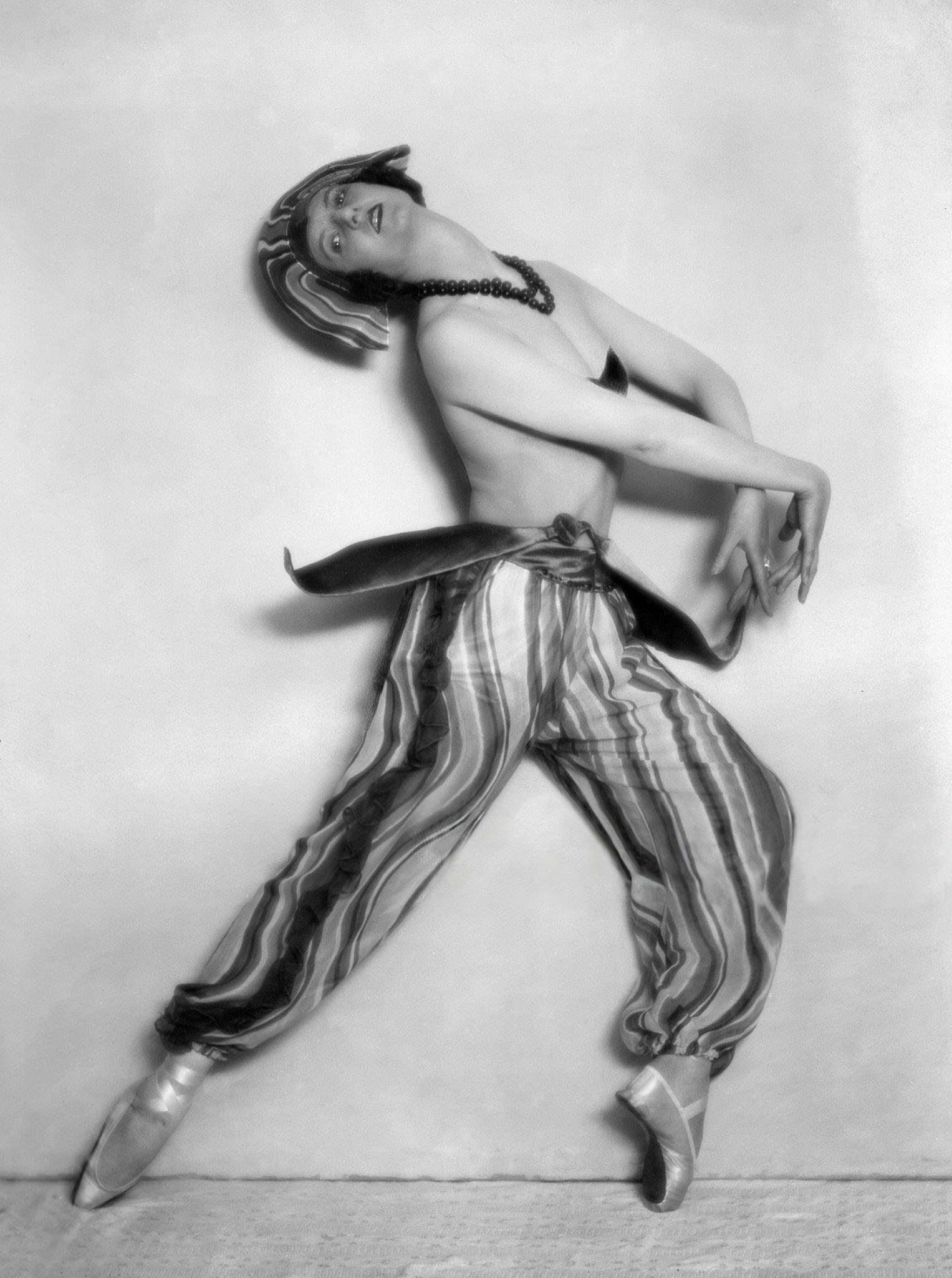
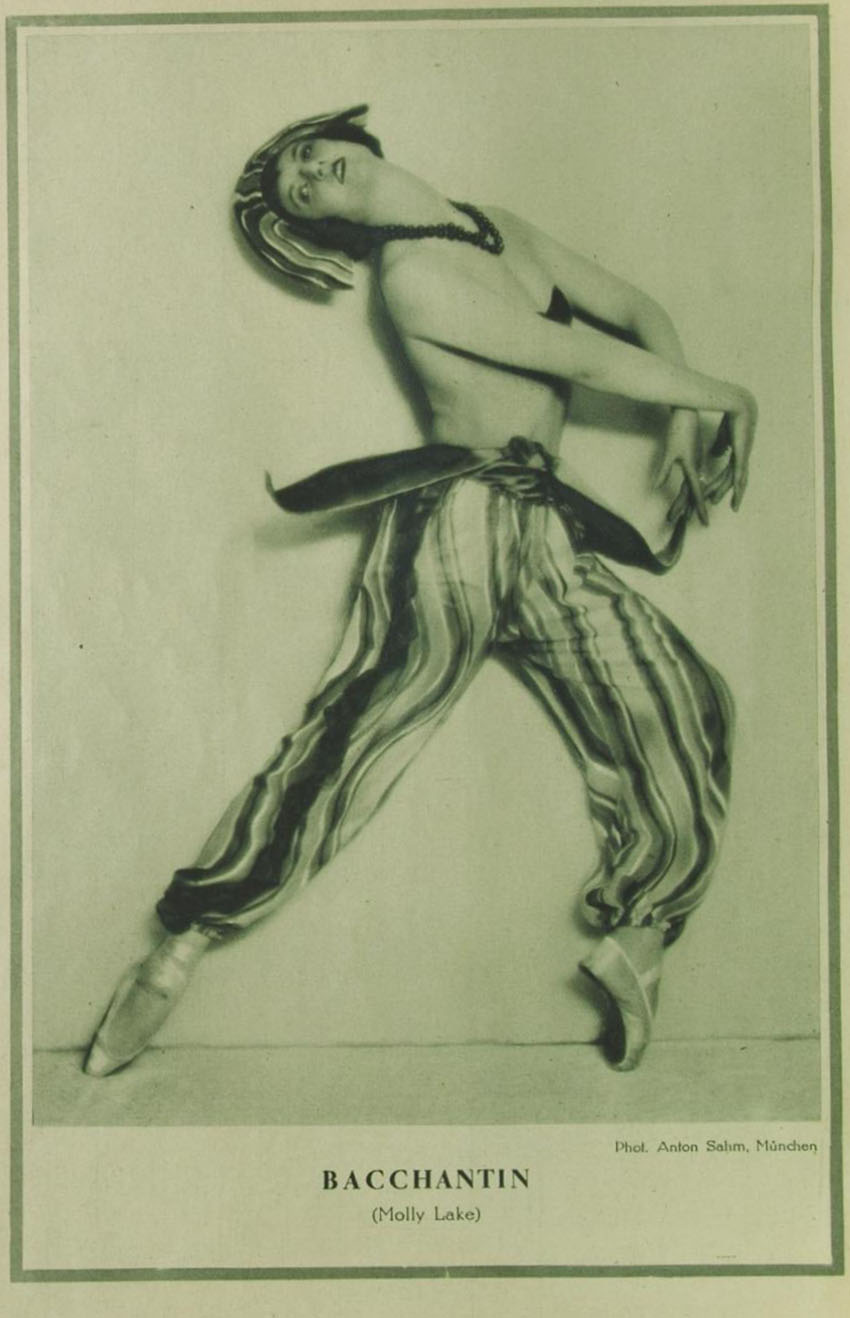
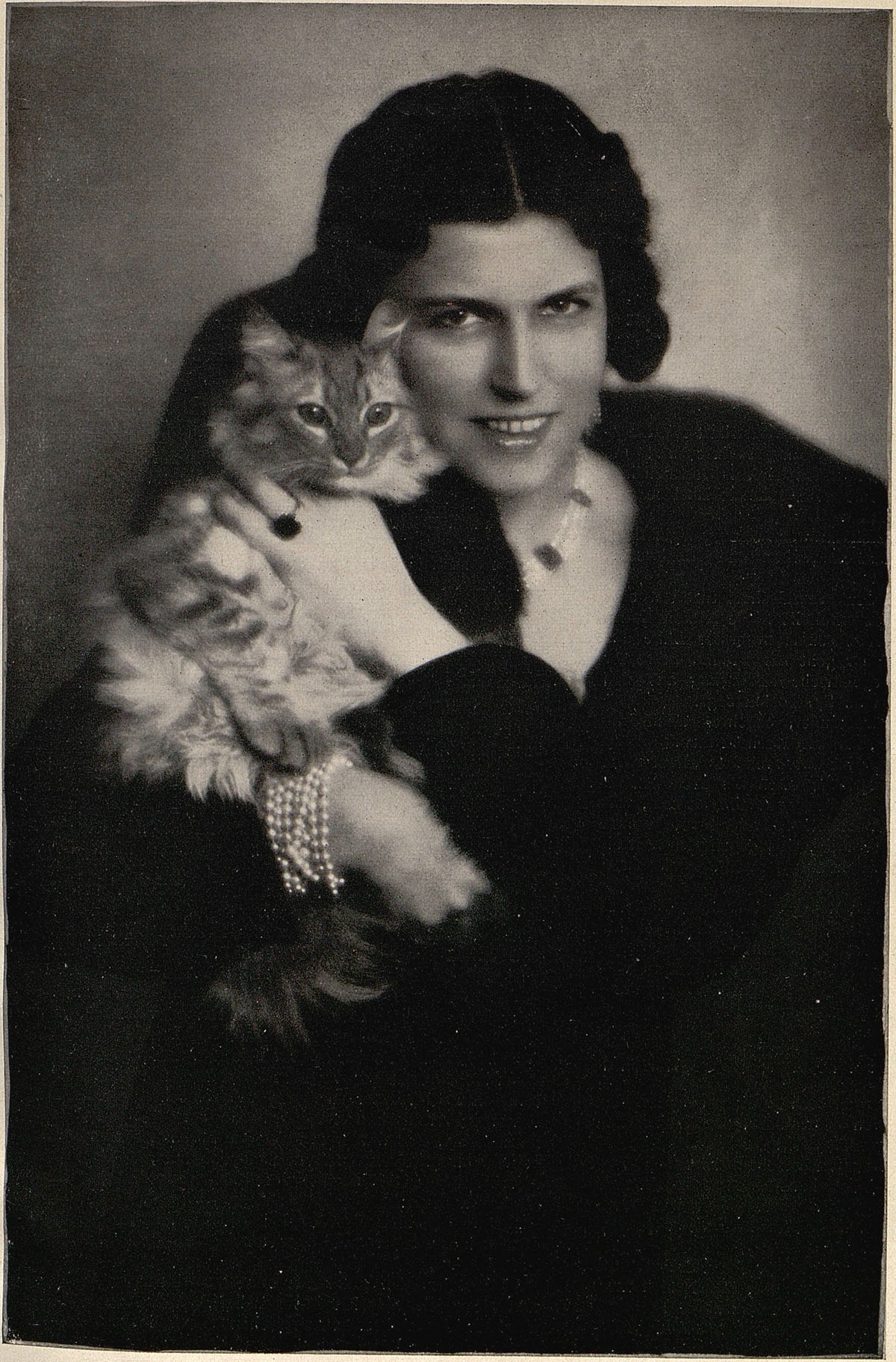
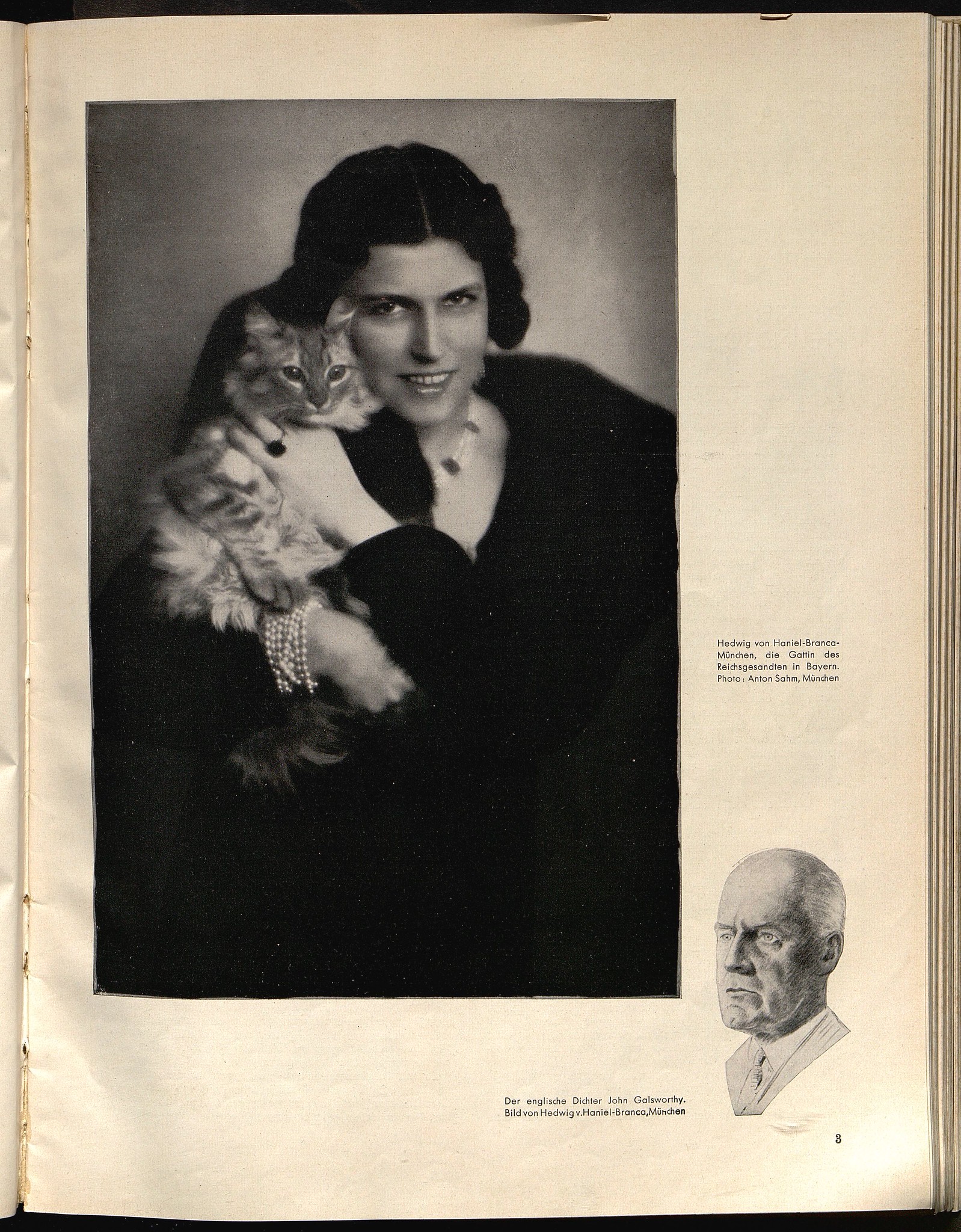
Anton Sahm ~ Headwig von Haniel-Branca-München. Die schöne Frau Nr. 8, 1931 | src ÖNBAnton Sahm ~ Headwig von Haniel-Branca-München. Foto: Anton Sahm. Die schöne Frau Nr. 8, 1931 | src ÖNB
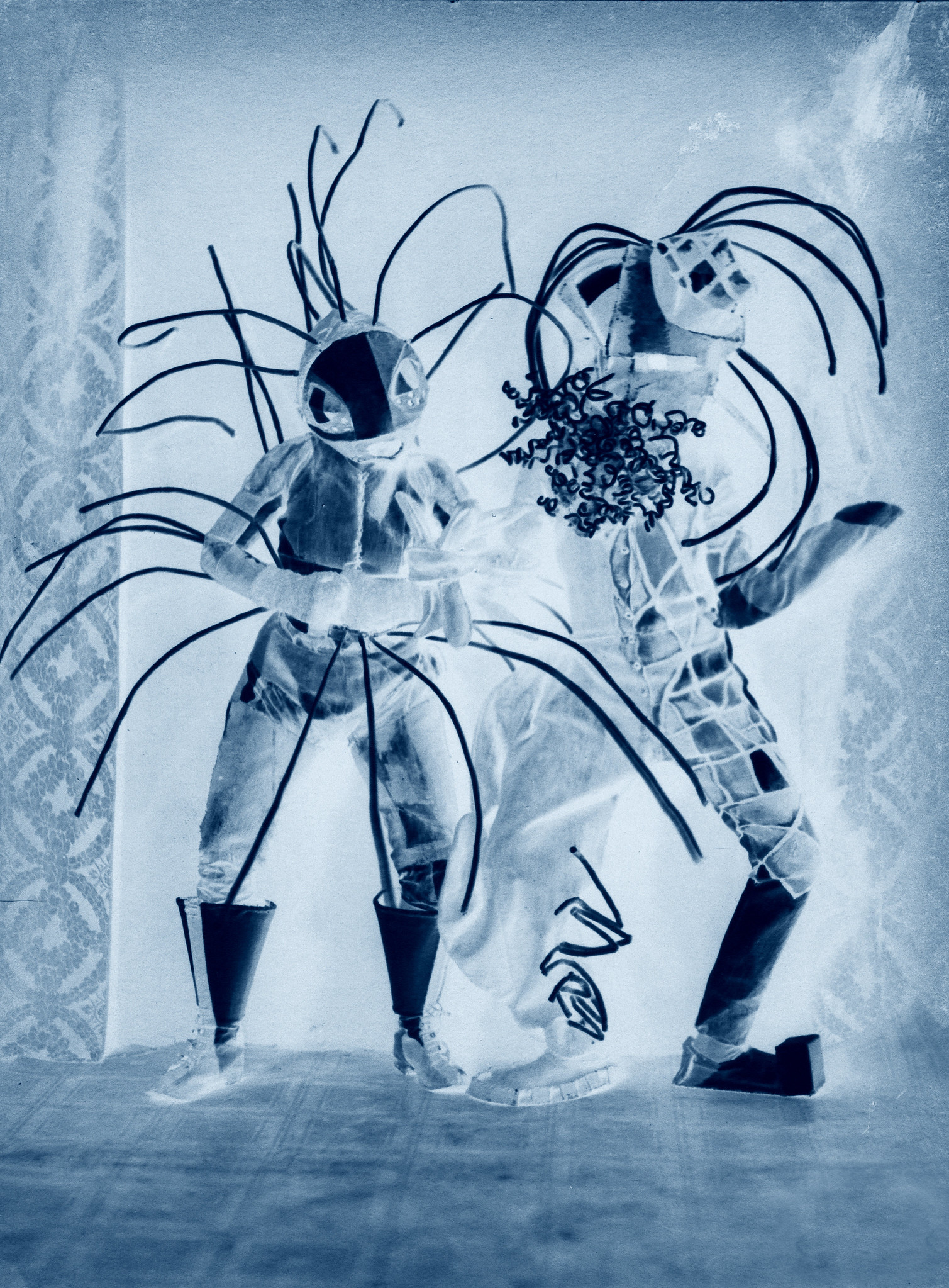
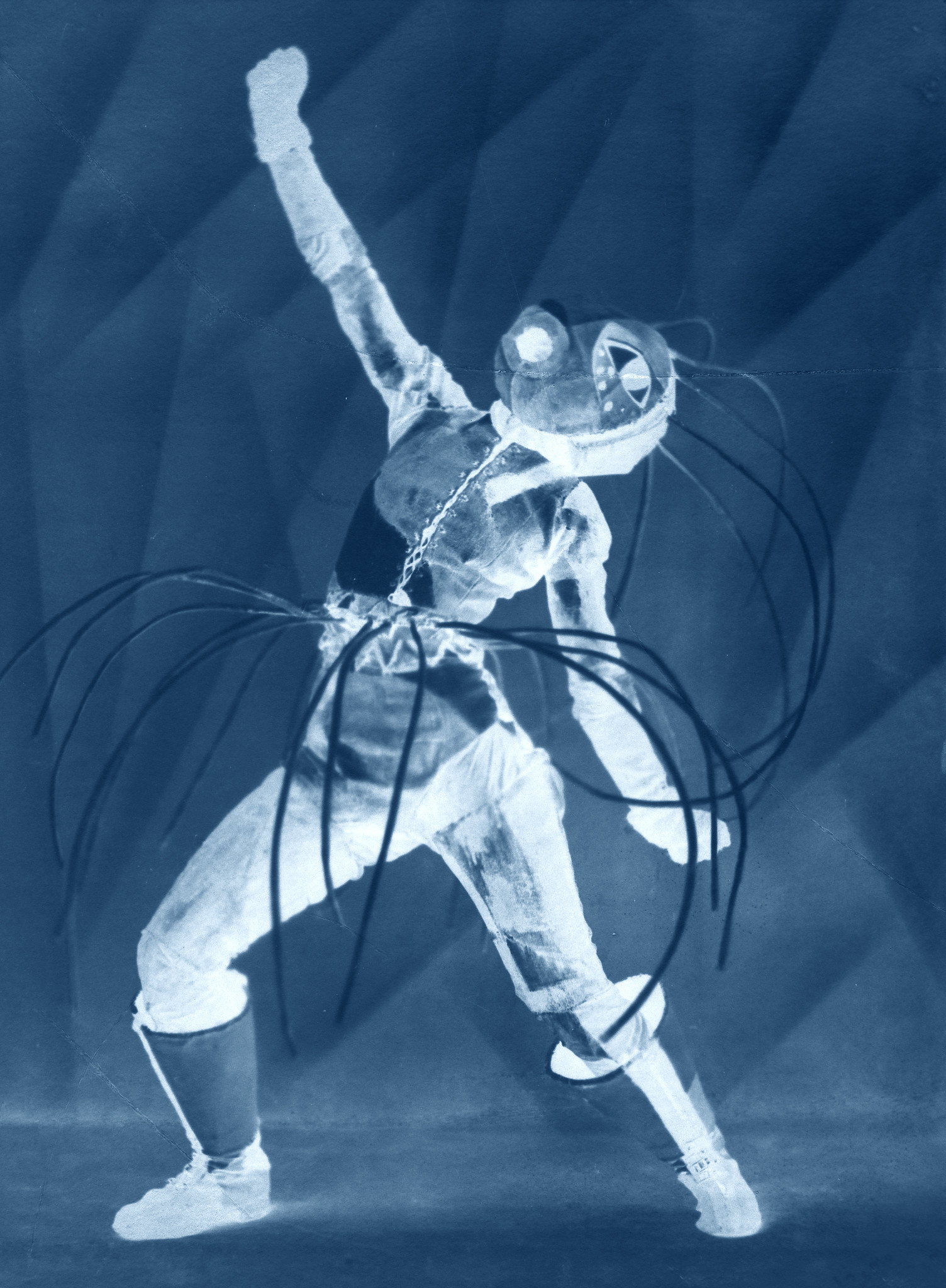
Thomas Ruff ~ neg◊laviniaschulz_07, 2021, c-print. Work from the series of Negative | src Mai 36 Galerie
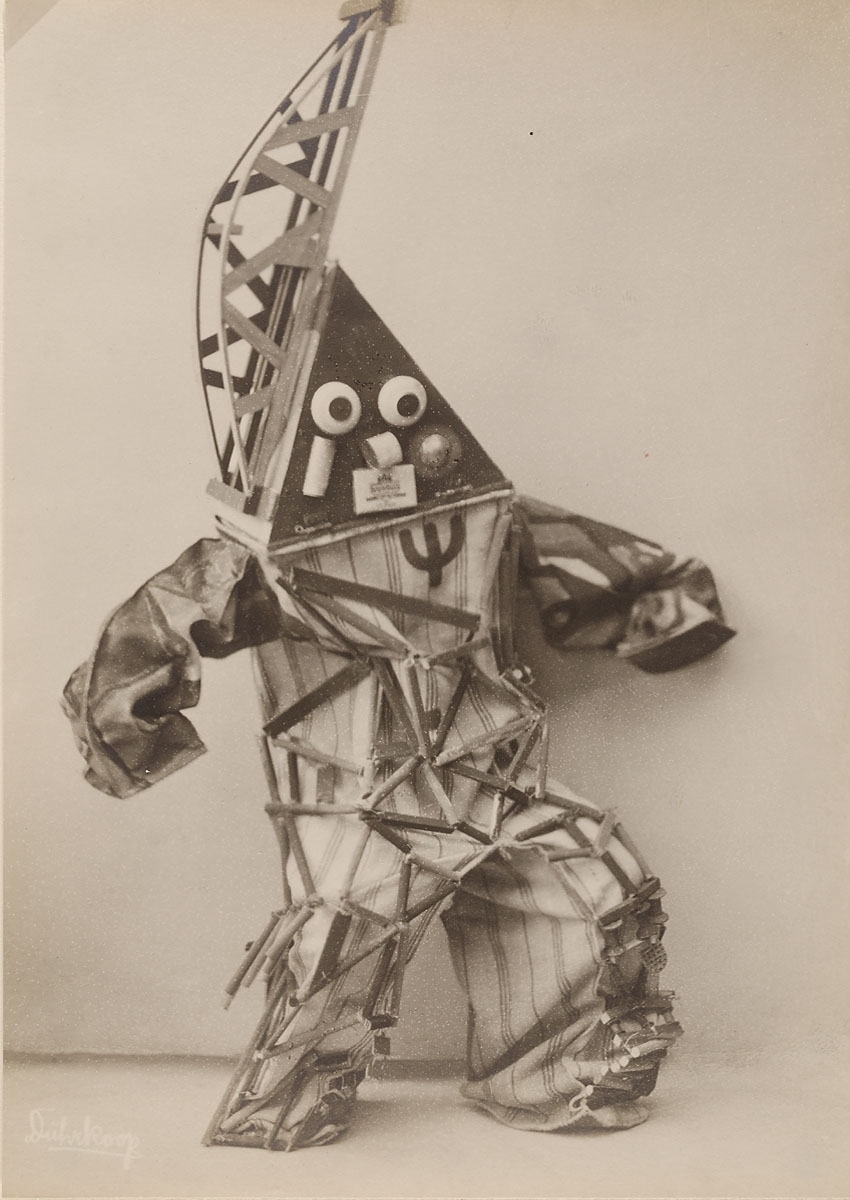
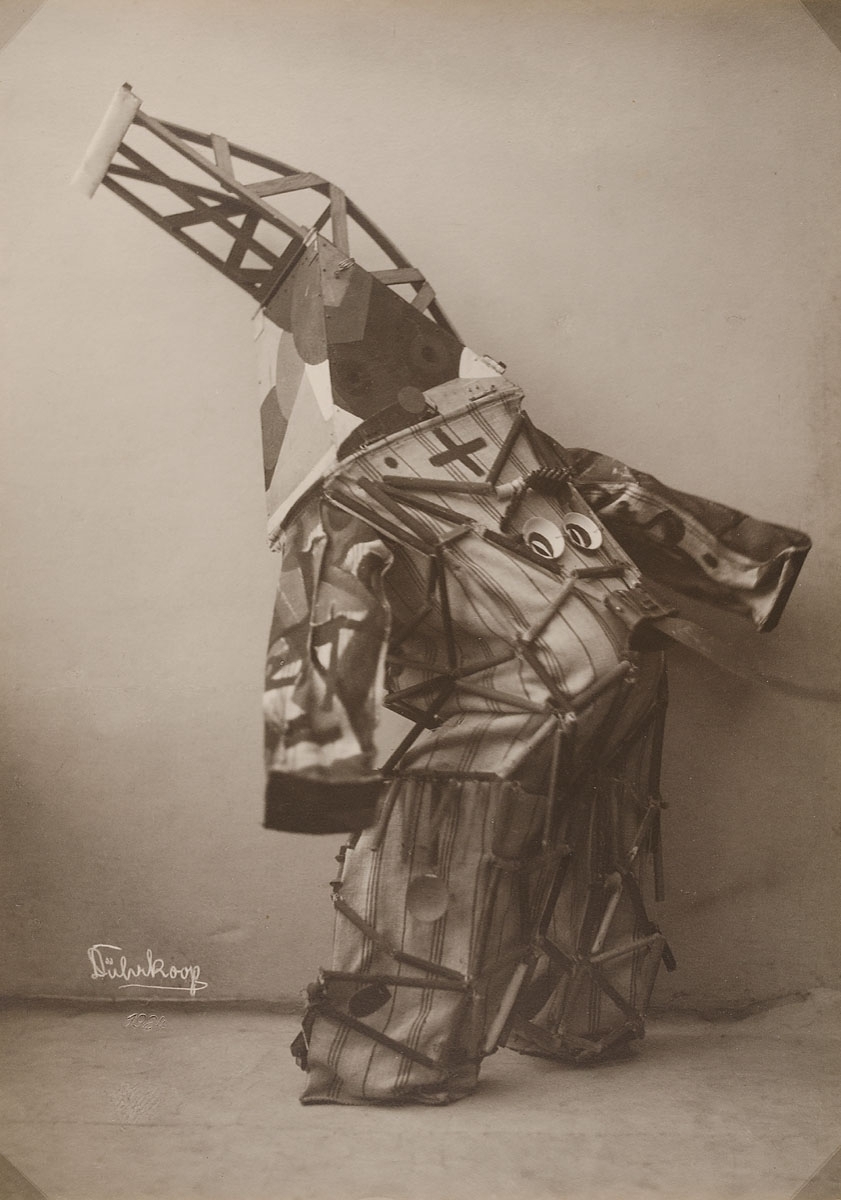
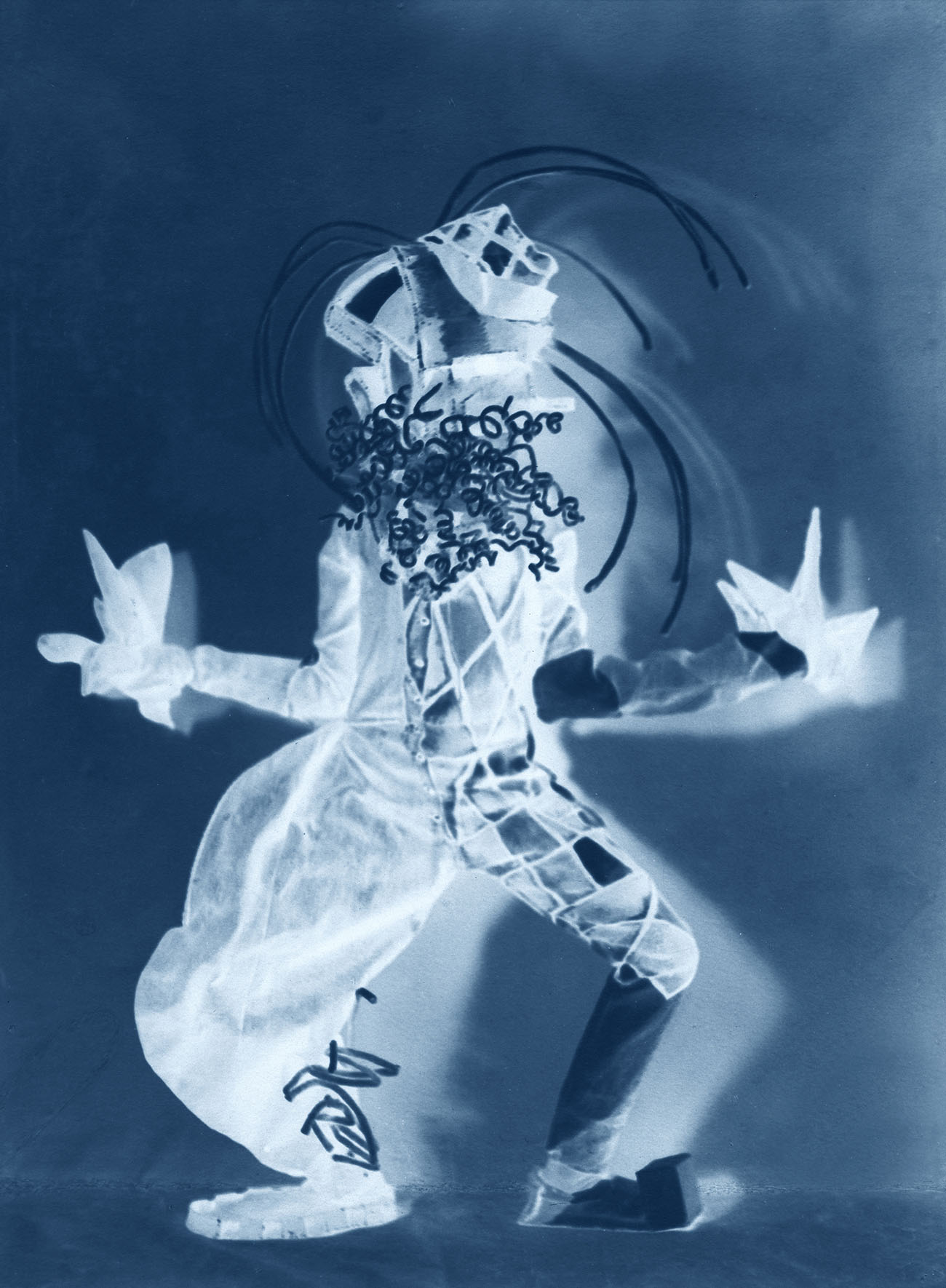
The neg◊laviniaschulz subgroup from the series of Negative are expressionist dance studies of the dancer Lavinia Schulz and the actor Walter Holdt in full-body masks, which they both designed together in the early 1920s. The starting point of the series are photographs of the 19th and 20th century (by Minya Diez-Dührkoop), which have a typical brown patina and whose motifs cover the entire range of historical photography. When these photographs are inverted (reversing the positive into the negative), a high-contrast blue tone emerges, and the compositional design comes to the fore. Thus, the negative, the actual ‘original’ of a photograph, which threatens to disappear completely due to the triumph of digital photography, becomes the object of contemplation.
Thomas Ruff ~ neg◊laviniaschulz_16, 2021, c-print. Work from the series of Negative | src Mai 36 GalerieThomas Ruff ~ neg◊laviniaschulz_14, 2021, c-print. Work from the series of Negative | src Mai 36 Galerie
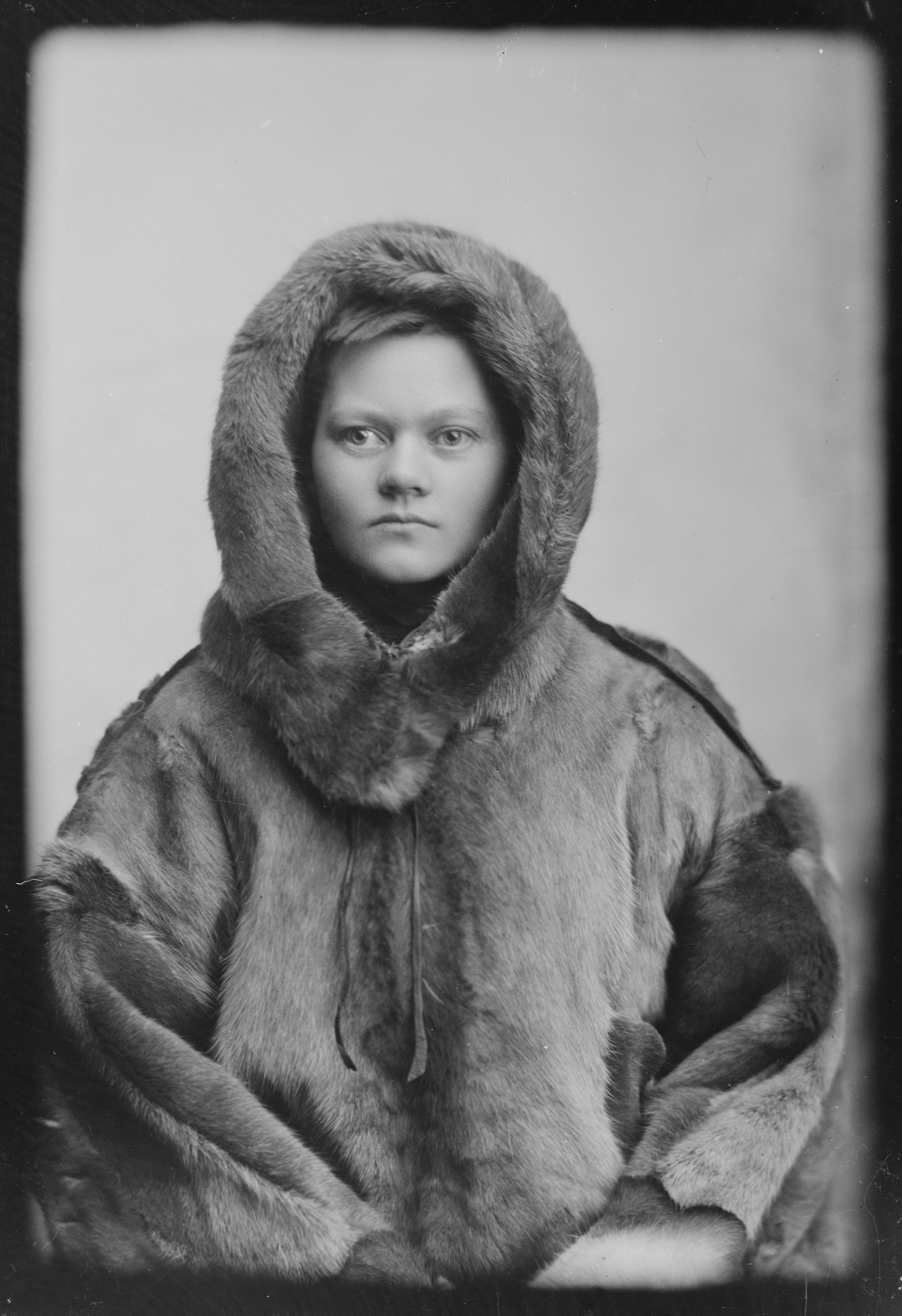
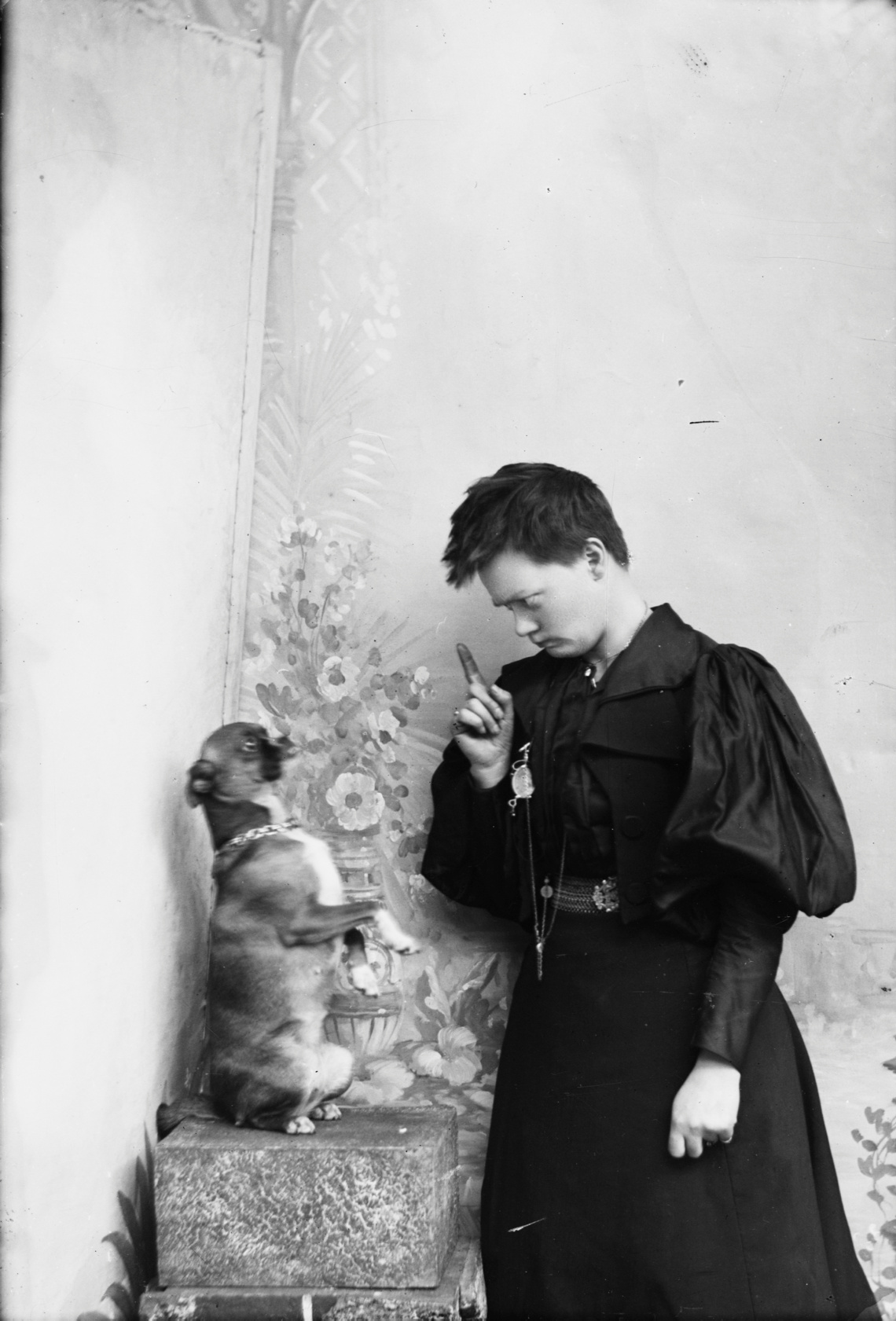
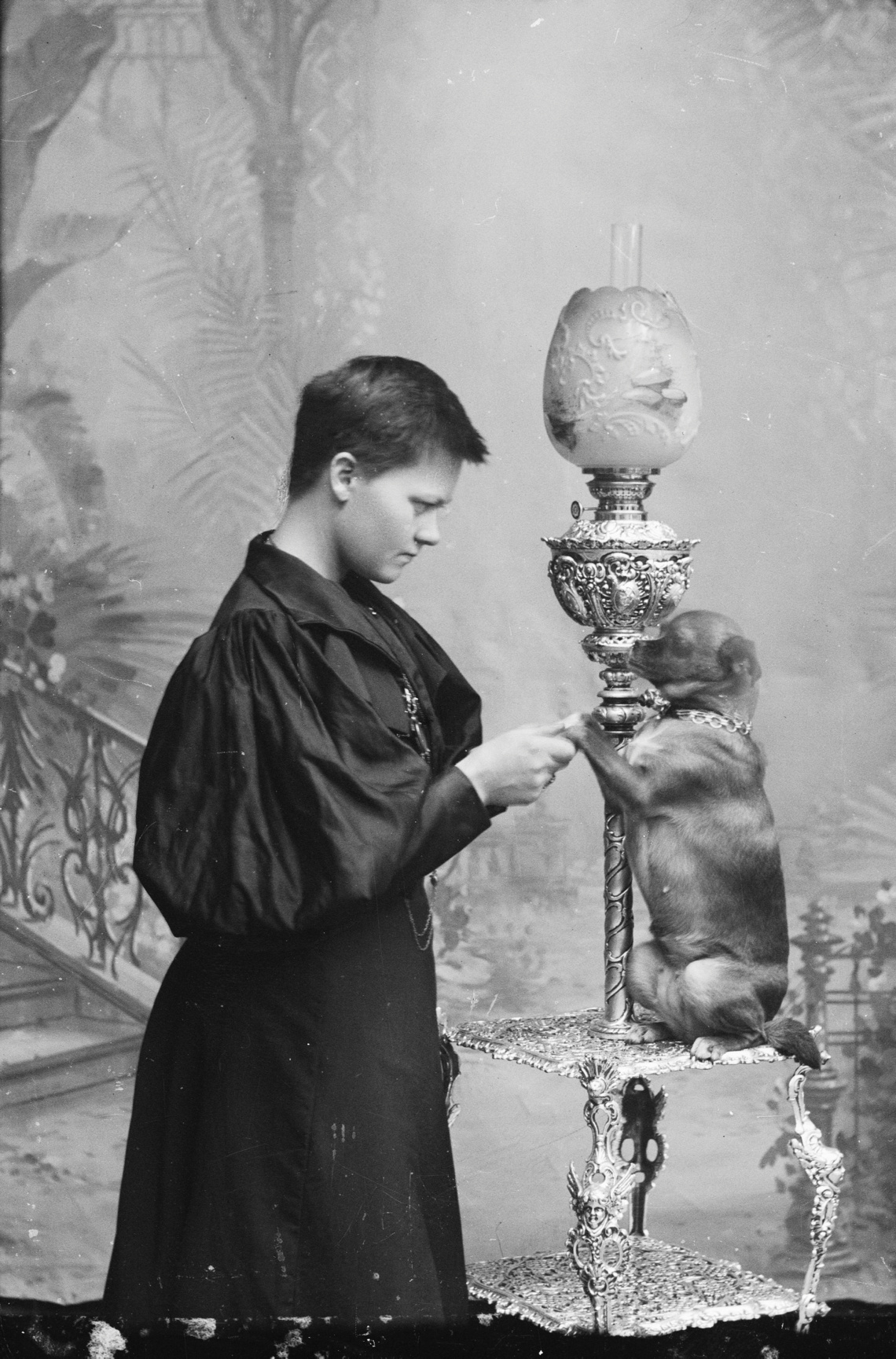
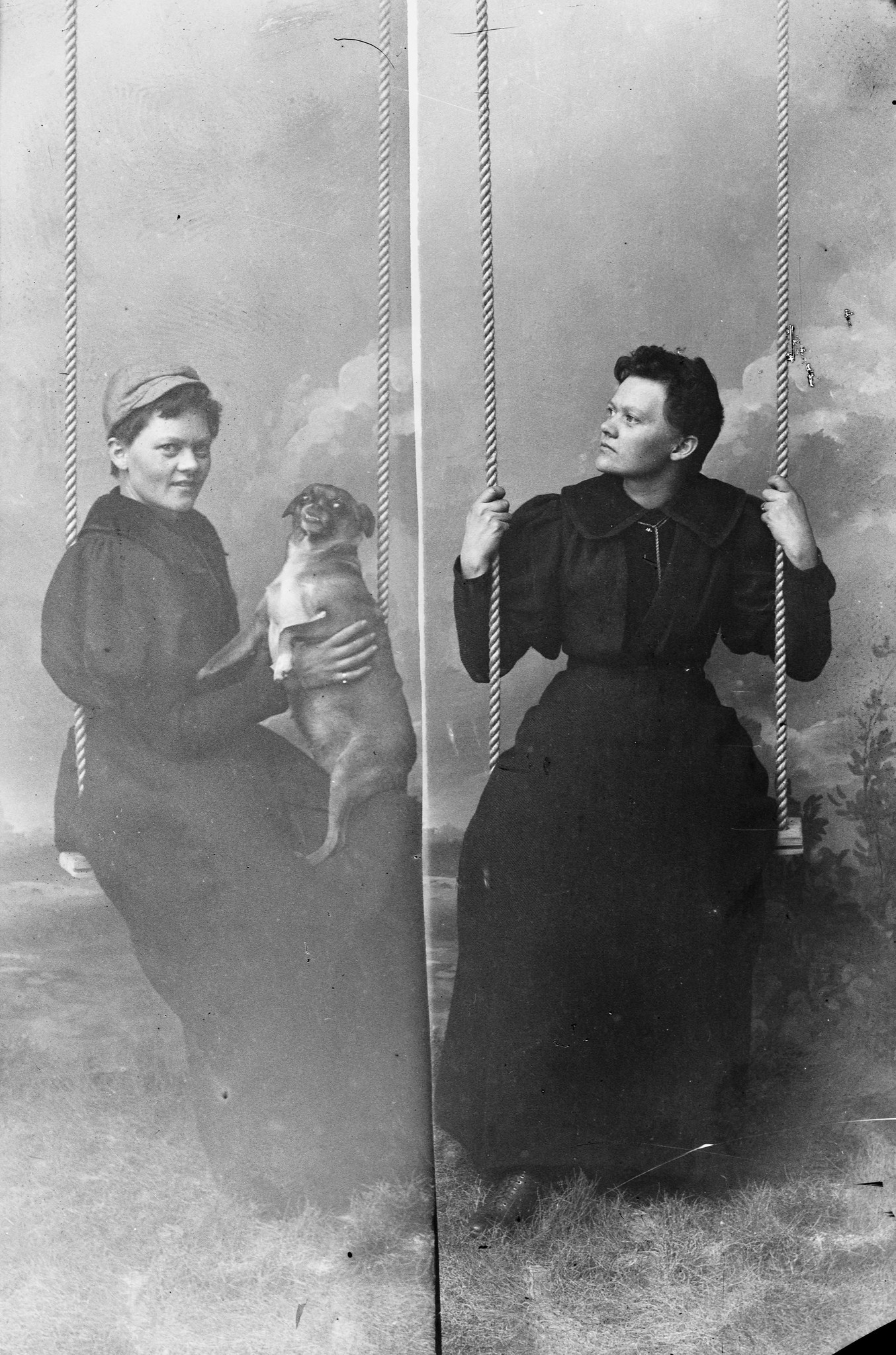
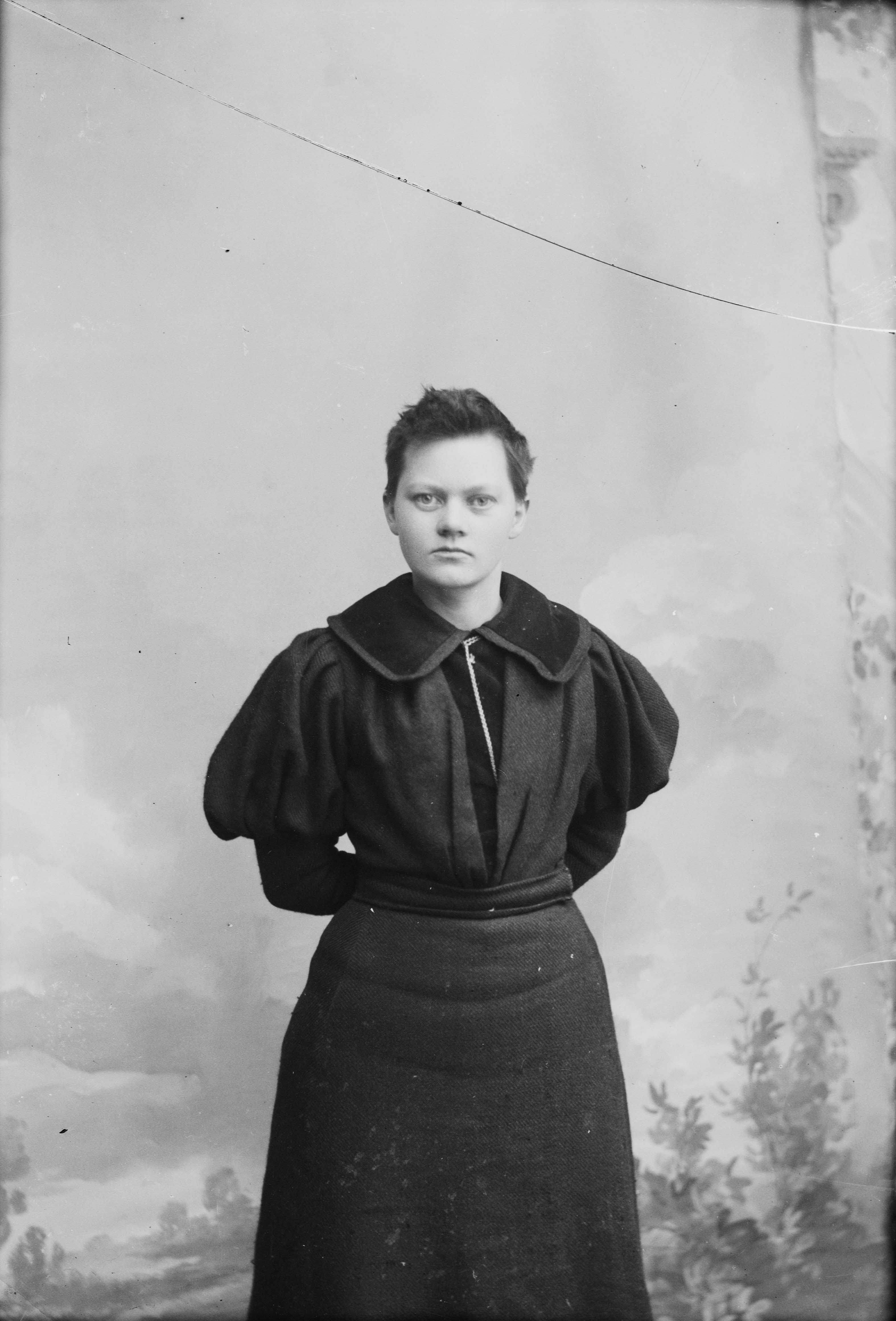
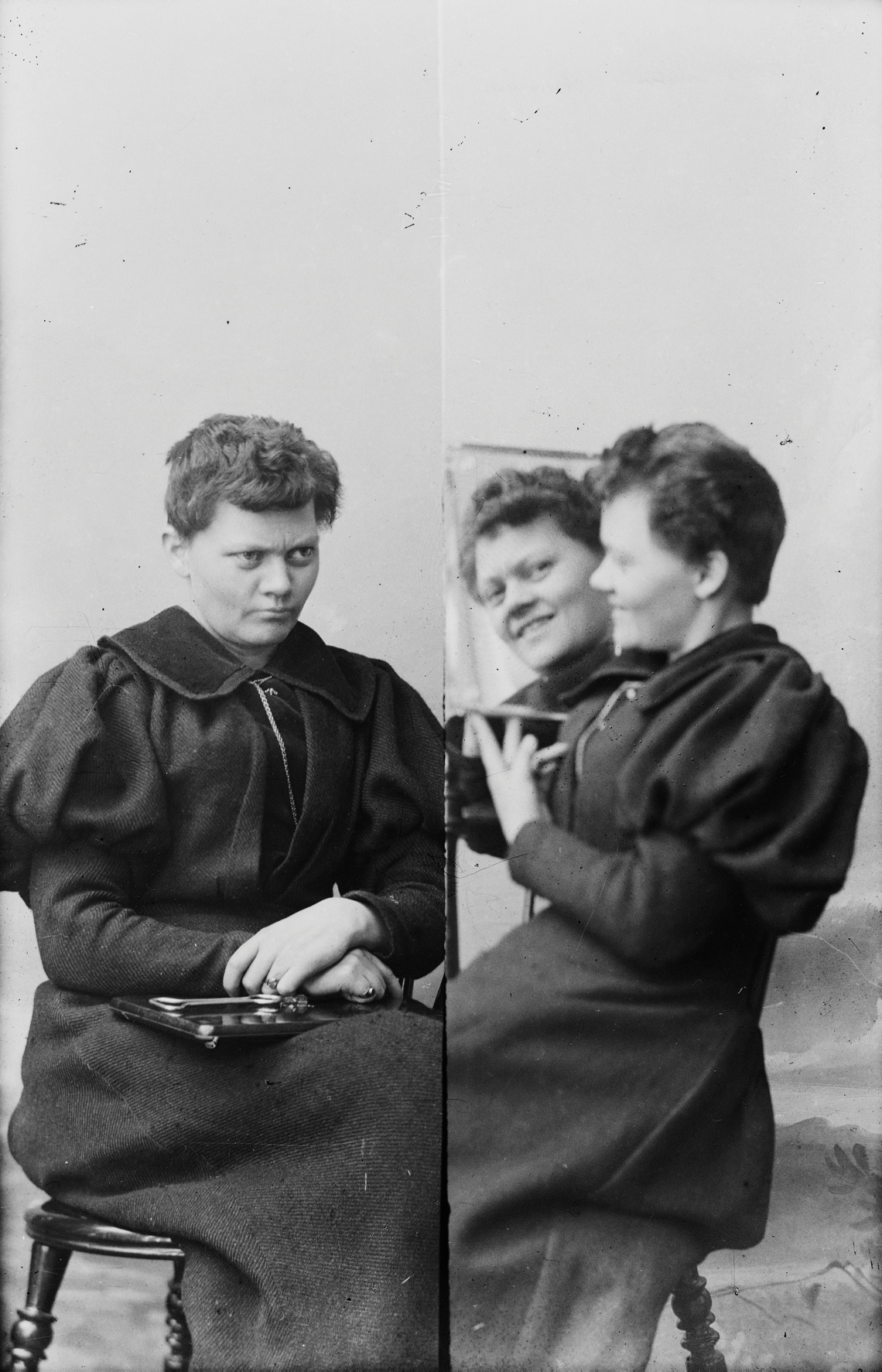
Marie Hoeg casually posing in her woolen underwear. Photo: Berg & Hoeg ca. 1895-1903. Glass plate negativeMarie Hoeg casually posing in her woolen underwear (back). Photo: Berg & Hoeg ca. 1895-1903Marie Høeg posing as an Arctic explorer (Portrett av Marie Høeg i selskinnspels med hette). Photo: Berg & Hoeg ca. 1895-1903Marie Hoeg as a young soldier with a sword (Marie Høeg i undertøy, som soldat med sverd). Photo: Berg & Hoeg ca. 1895-1903Marie Høeg stuper kråke. Photo: Berg & Hoeg ca. 1895-1903 | src The Preus museum collection on FlickrMed hendene på ryggen (Som soldat uten sverd)Photo: Berg & Hoeg ca. 1895-1903Marie Hoeg scolds the dog Tuss. Photo: Berg & Hoeg ca. 1895-1903. Glass plate negativeMarie Høeg greeting her dog Tuss (Marie Høeg hilser på hunden Tuss). Photo: Berg & Hoeg ca. 1895-1903. Glass plate negativeComposite photograph, Marie Høeg sitting on a swing (with Tuss. the dog). Two motives put together on one glass plate
In a box marked “private”, an amazing collection of glass plates were found 30 years ago, amongst the remnants of the two portrait photographers Marie Høeg (1866-1949) and Bolette Berg (1872-1944).
In 1895, they established the Berg & Høeg photography studio in Horten, Norway, where they took portraits and views of Horten and surroundings and lived on the proceeds from sales. At that time, photography was seen as a decent and acceptable profession for women, as it was a profession that demanded a certain amount of aesthetic sense – as part of the female nature.
Horten was a naval base with the main shipyard for the Norwegian navy and had a strong flow of people who needed photographs for celebration and recollection. Perhaps that is how the two photographers understood by the very process of portraiture how important it is to stage oneself and to what a large degree that contributes to how we are perceived.
The Preus museum collection has 440 glass negatives from Berg & Høeg. Among the cartons in the 1980s were discovered some on which had been written “private.” It is not unusual that photographers also have private photographs in their archives. But these were not ordinary keepsake pictures. They indicate that the two photographers, especially Marie Høeg, experimented with various gender roles.
Imagine the fun they must have had, cross-dressing and playing! At the same time, the images are deeply serious, as they reflect upon the expectations and attitudes towards women, and their lack of rights and freedom. We know that Høeg was the extrovert and started groups to fight for women’s rights. Bolette Berg was less in the public view. However, she must have been back of the camera in many of these photographs, which have attracted international notice.
We find several such boundary-breaking photographic projects in Europe and America around 1900. They correspond with women’s battle for full civil rights and the right to define their own identity. So these photographs are a part of an international history – or herstory – that has meaning and recognition value for all women, including now. All images are digital reproductions of the original glass plates. Some of the plates have cracks and damages, left visible in the reproductions.
All images and text retrieved from The Preus museum on Flickr
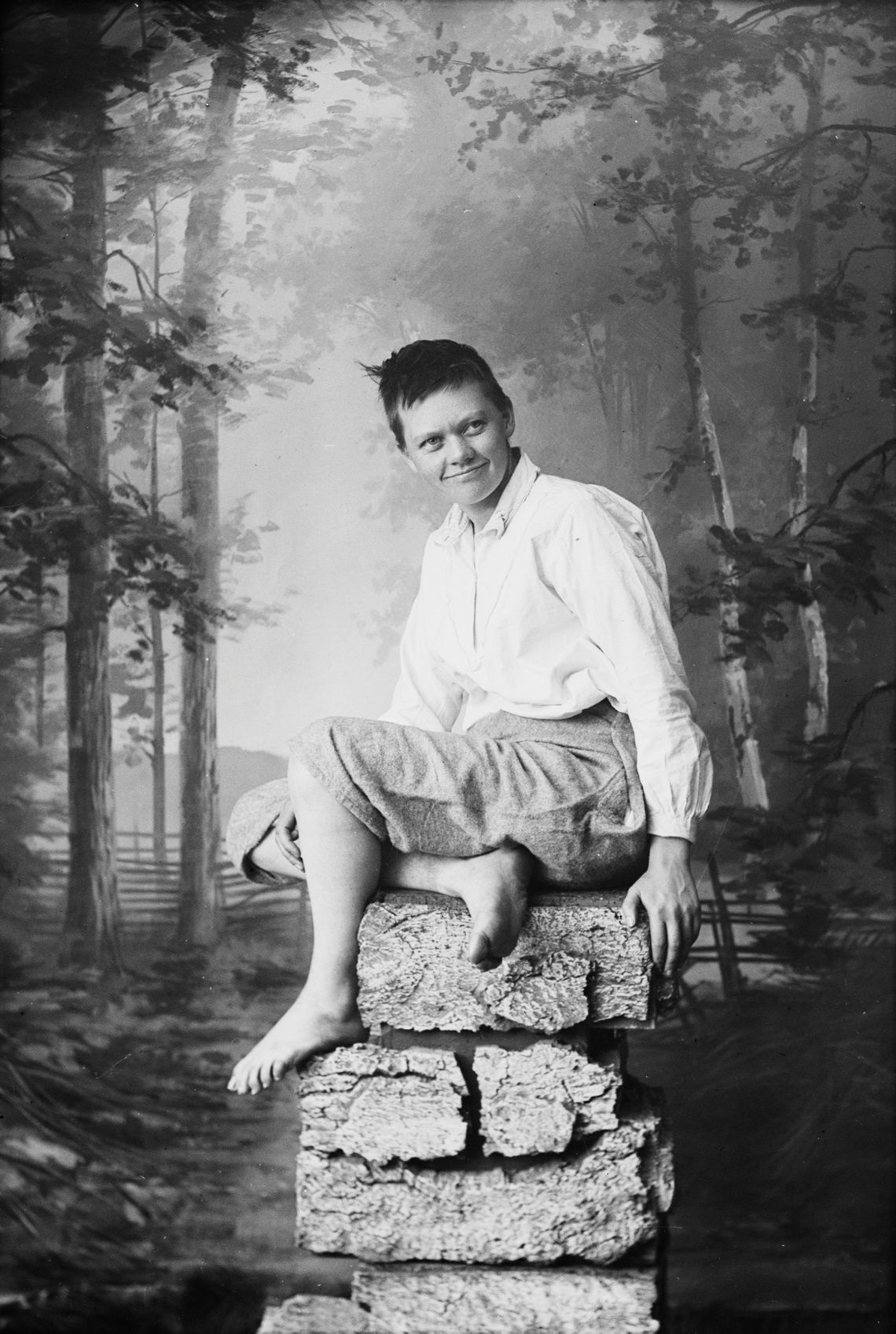
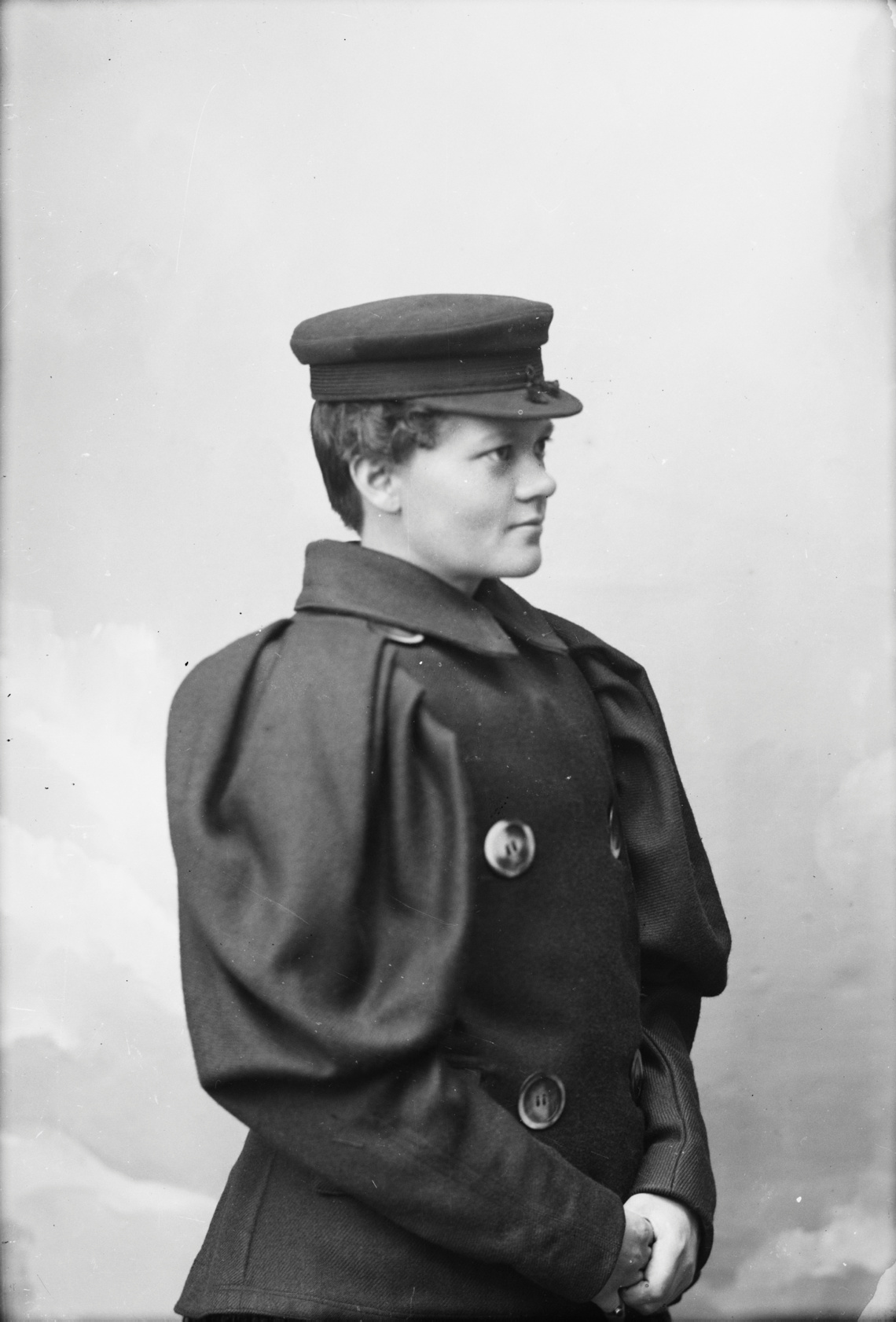
Marie Høeg (in underwear) as a young boy with cigarette. Photo: Berg & Hoeg, ca. 1895-1903 | src The Preus museum collectionMarie Høeg sits crossed-legged in her underwear, with her initials embroidered on the collar. Short hair, direct gaze to the camera, and a cigarette dangling. (ca. 1895-1903)Marie Høeg as a young boy with a cigarette. Photo: Berg & Hoeg, ca. 1895-1903Marie Høeg. Photo: Berg & Hoeg, ca. 1895-1903 | src The Preus museum collection on FlickrMarie Høeg i sjømannslue og kåpe. Photo: Berg & Hoeg, ca. 1895-1903. The Preus museum collectionMarie Høeg. Photo: Berg & Hoeg, ca. 1895-1903. Glass plate negativeKind of triptych of Marie Høeg. Two motives put together on one glass plate. Photo: Berg & Hoeg, ca. 1895-1903Composite photograph, Marie Høeg sitting on a swing. Two motives put together on one glass plate. Photo: Berg & HoegMarie Høeg. Photo: Berg & Hoeg, ca. 1895-1903Marie Høeg ‘after the burglary‘ sitting at a table counting money (gun on table). Photo: Berg & Hoeg, ca. 1895-1903
In a box marked “private”, an amazing collection of glassplates were found 30 years ago, amongst the remnants of the two portrait photographers Marie Høeg (1866-1949) and Bolette Berg (1872-1944).
In 1895, they established the Berg & Høeg photography studio in Horten, Norway, where they took portraits and views of Horten and surroundings and lived on the proceeds from sales. At that time, photography was seen as a decent and acceptable profession for women, as it was a profession that demanded a certain amount of aesthetic sense – as part of the female nature.
Horten was a naval base with the main shipyard for the Norwegian navy and had a strong flow of people who needed photographs for celebration and recollection. Perhaps that is how the two photographers understood by the very process of portraiture how important it is to stage oneself and to what a large degree that contributes to how we are perceived.
The Preus museum collection has 440 glass negatives from Berg & Høeg. Among the cartons in the 1980s were discovered some on which had been written “private.” It is not unusual that photographers also have private photographs in their archives. But these were not ordinary keepsake pictures. They indicate that the two photographers, especially Marie Høeg, experimented with various gender roles.
Imagine the fun they must have had, cross-dressing and playing! At the same time, the images are deeply serious, as they reflect upon the expectations and attitudes towards women, and their lack of rights and freedom. We know that Høeg was the extrovert and started groups to fight for women’s rights. Bolette Berg was less in the public view. However, she must have been back of the camera in many of these photographs, which have attracted international notice.
We find several such boundary-breaking photographic projects in Europe and America around 1900. They correspond with women’s battle for full civil rights and the right to define their own identity. So these photographs are a part of an international history – or herstory – that has meaning and recognition value for all women, including now. All images are digital reproductions of the original glass plates. Some of the plates have cracks and damages, left visible in the reproductions.
All images and text retrieved from The Preus museum on Flickr

















 un regard oblique