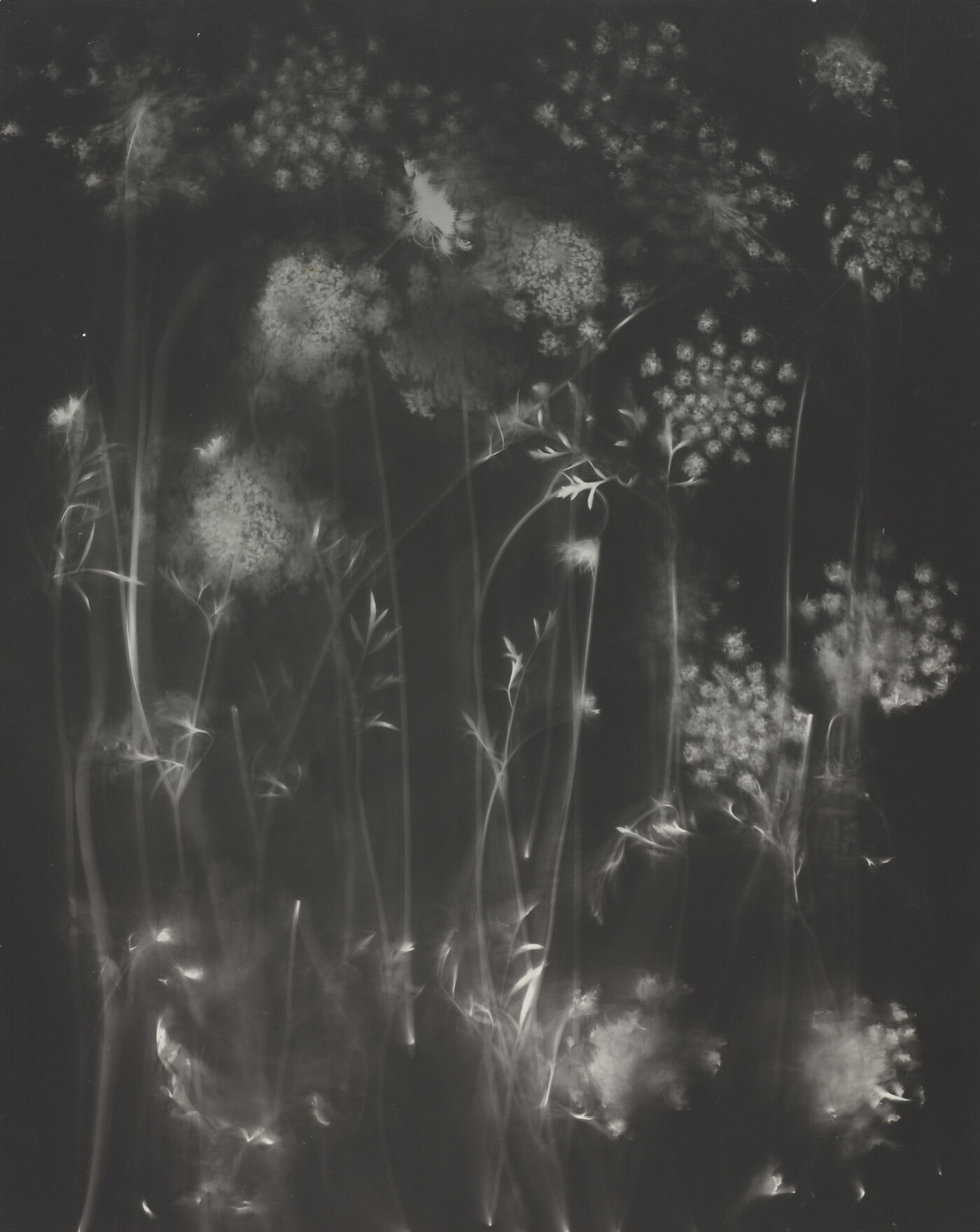
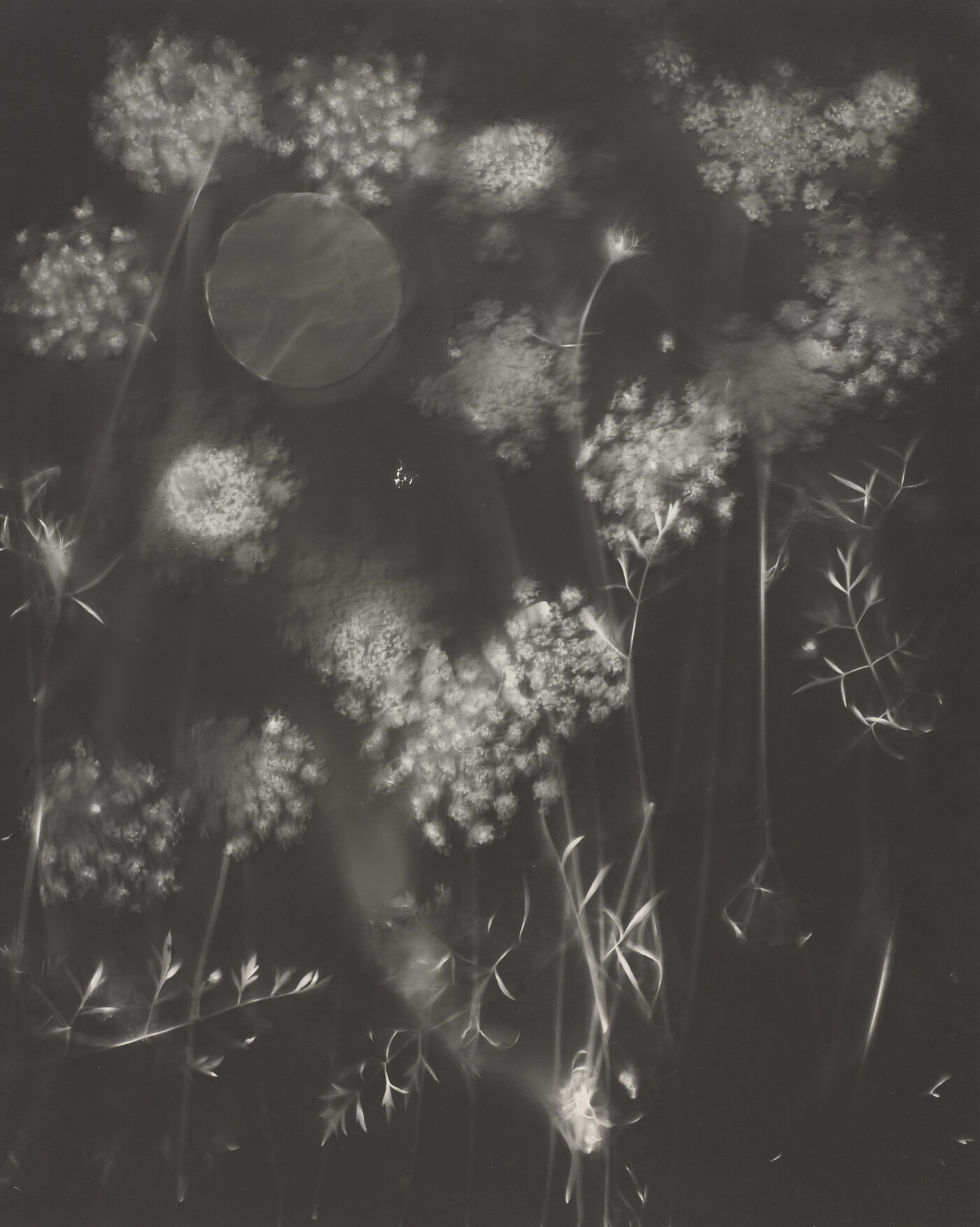
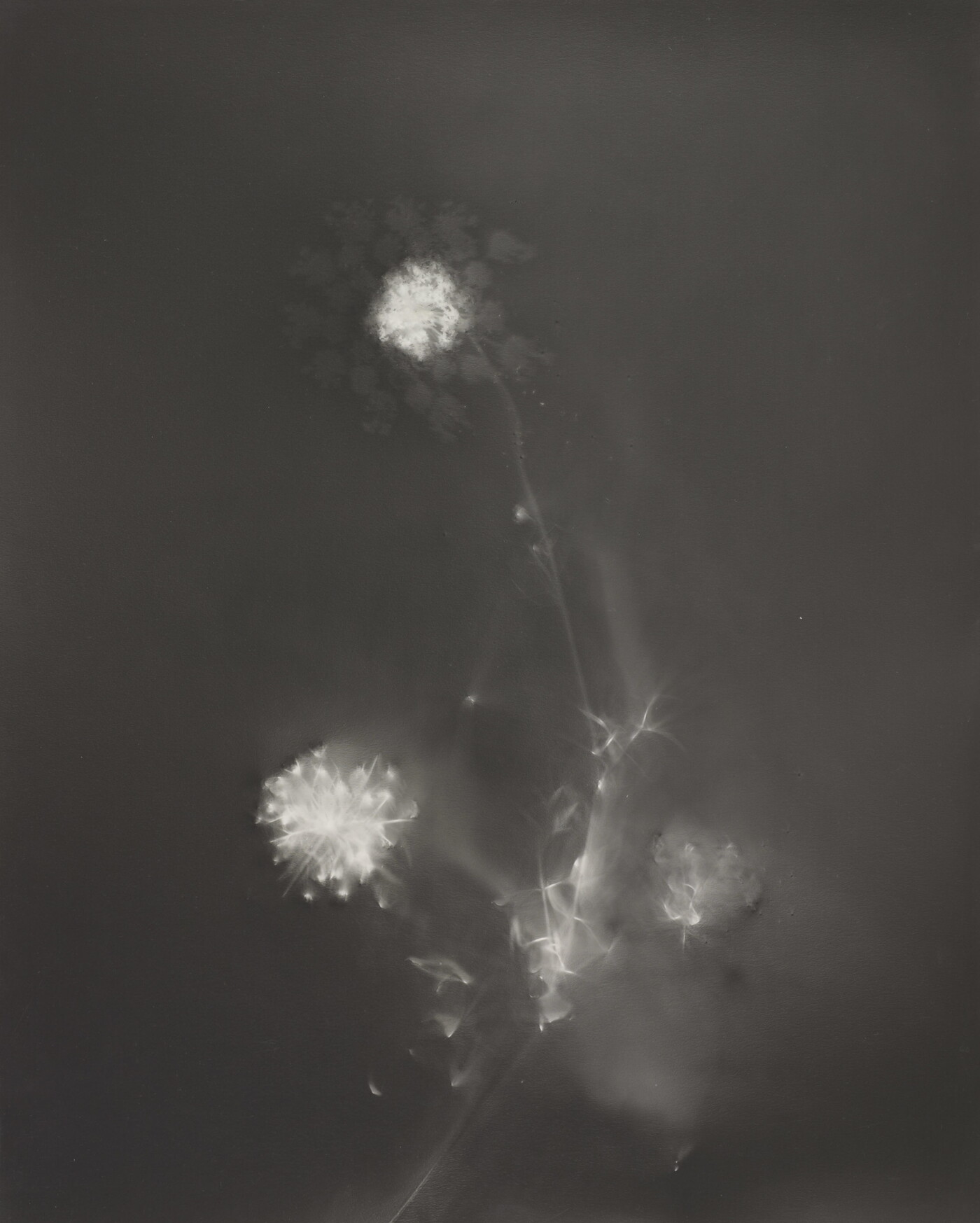
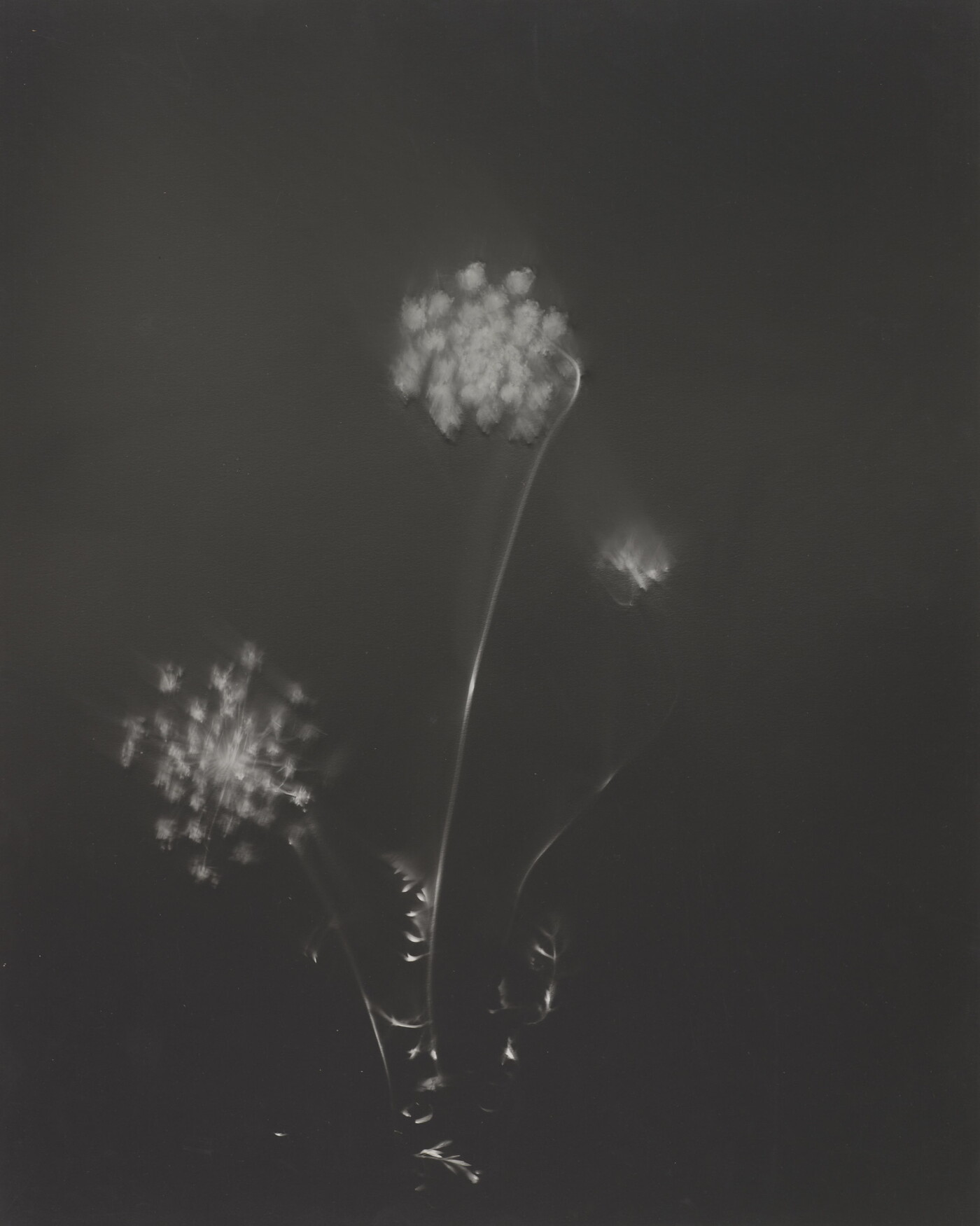
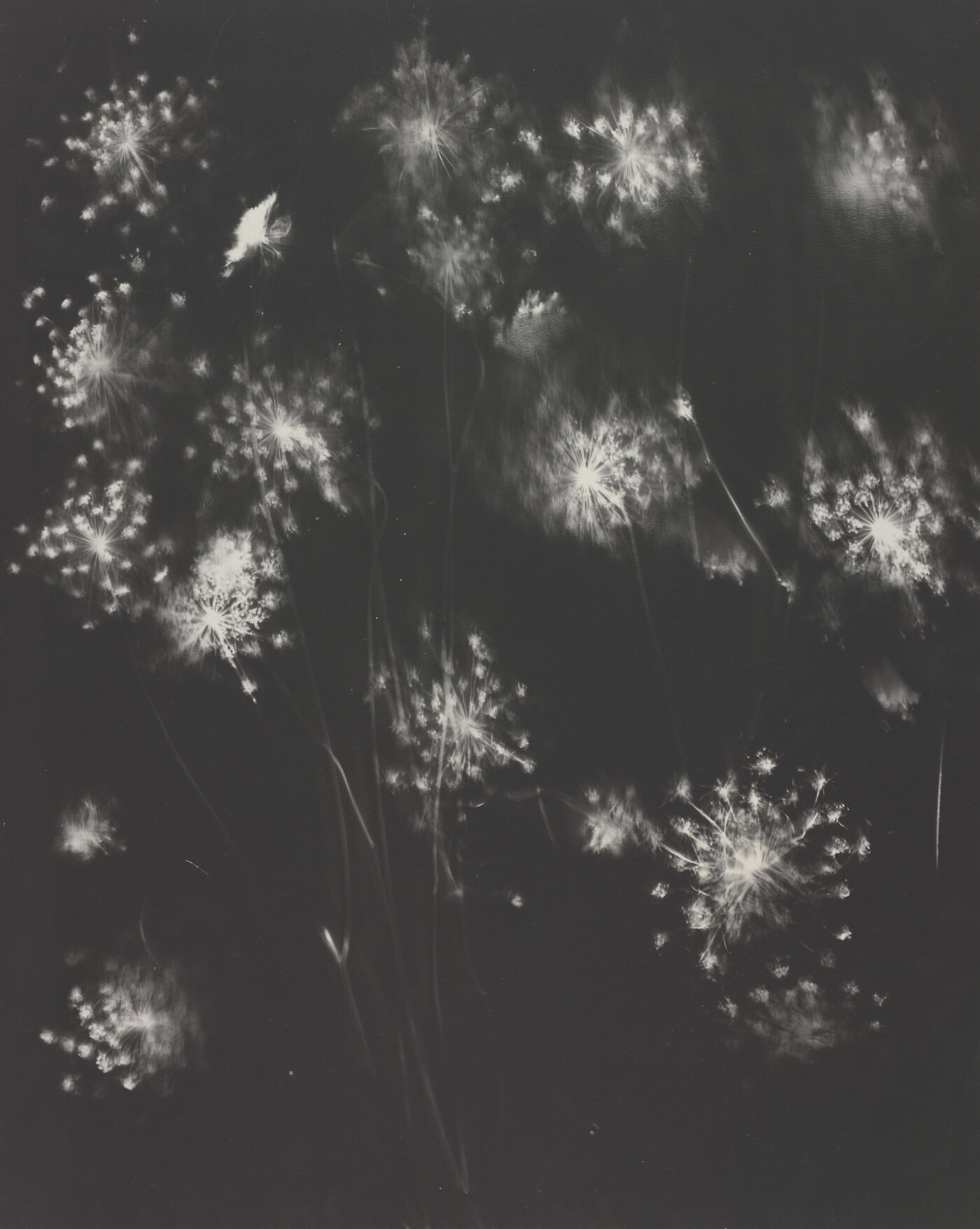
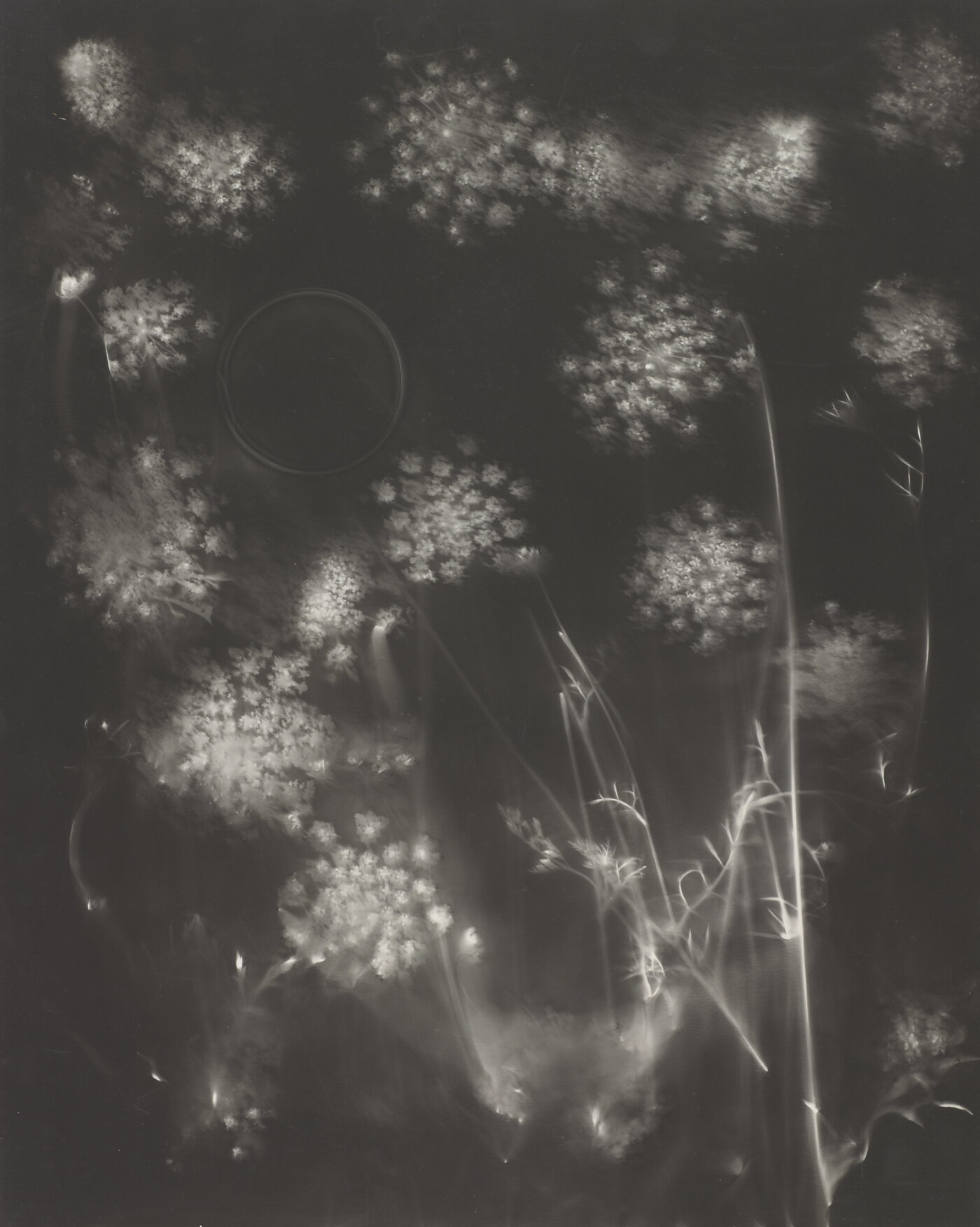
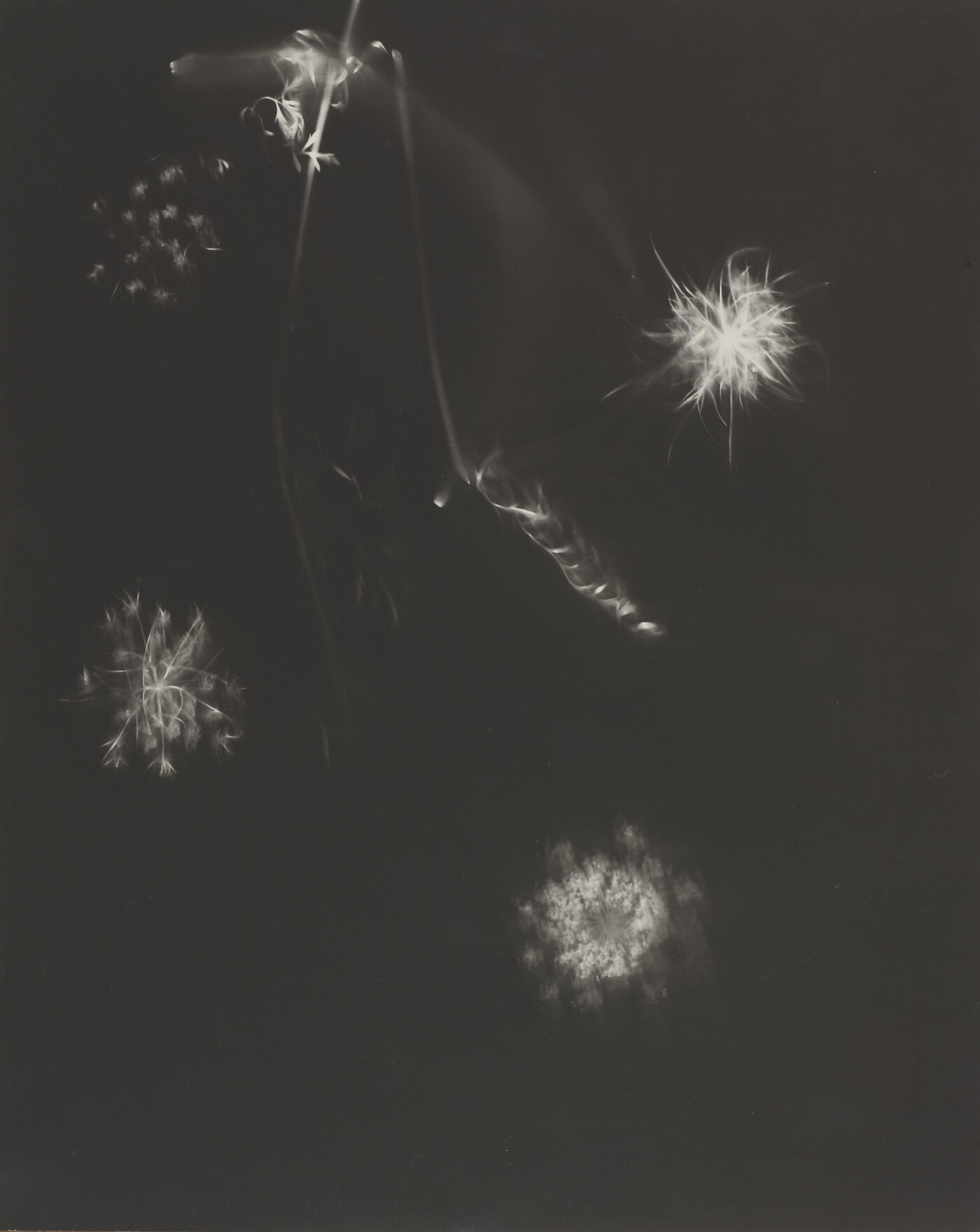
Flower photograms by Nell Dorr

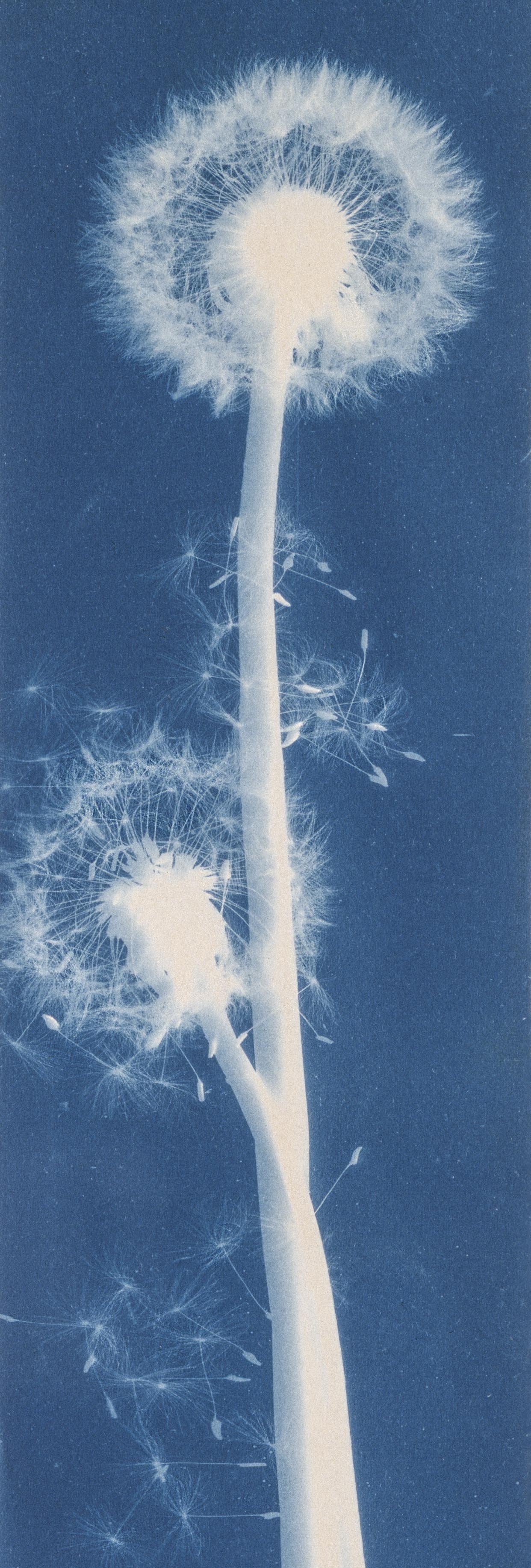
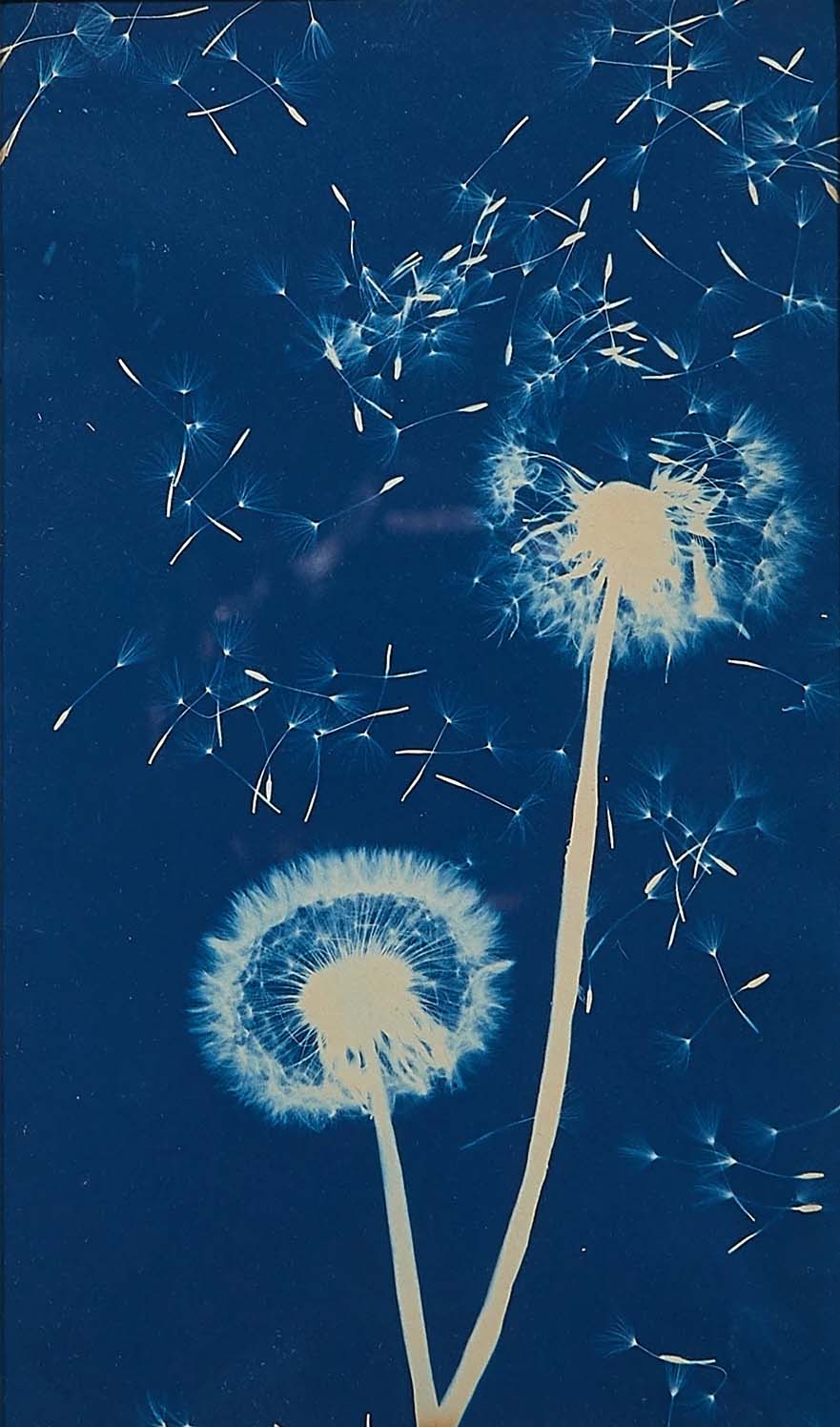
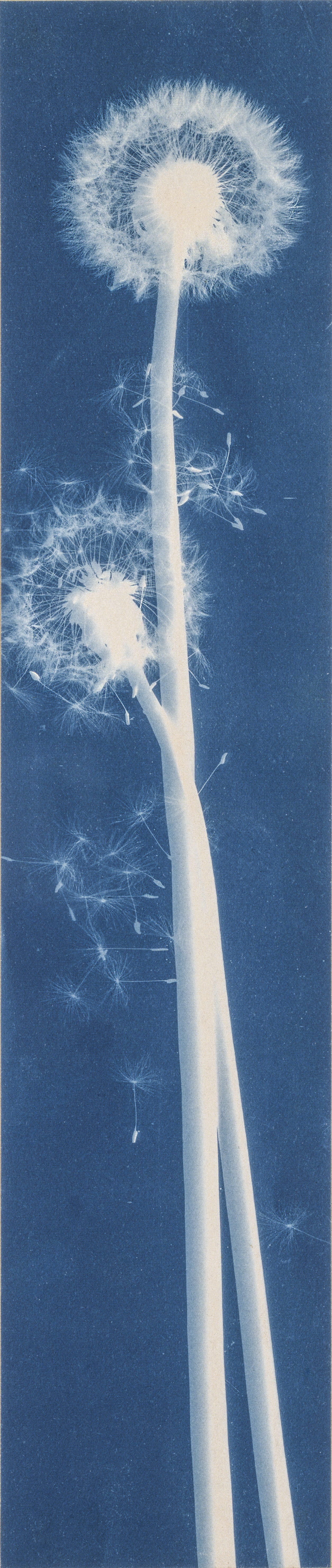
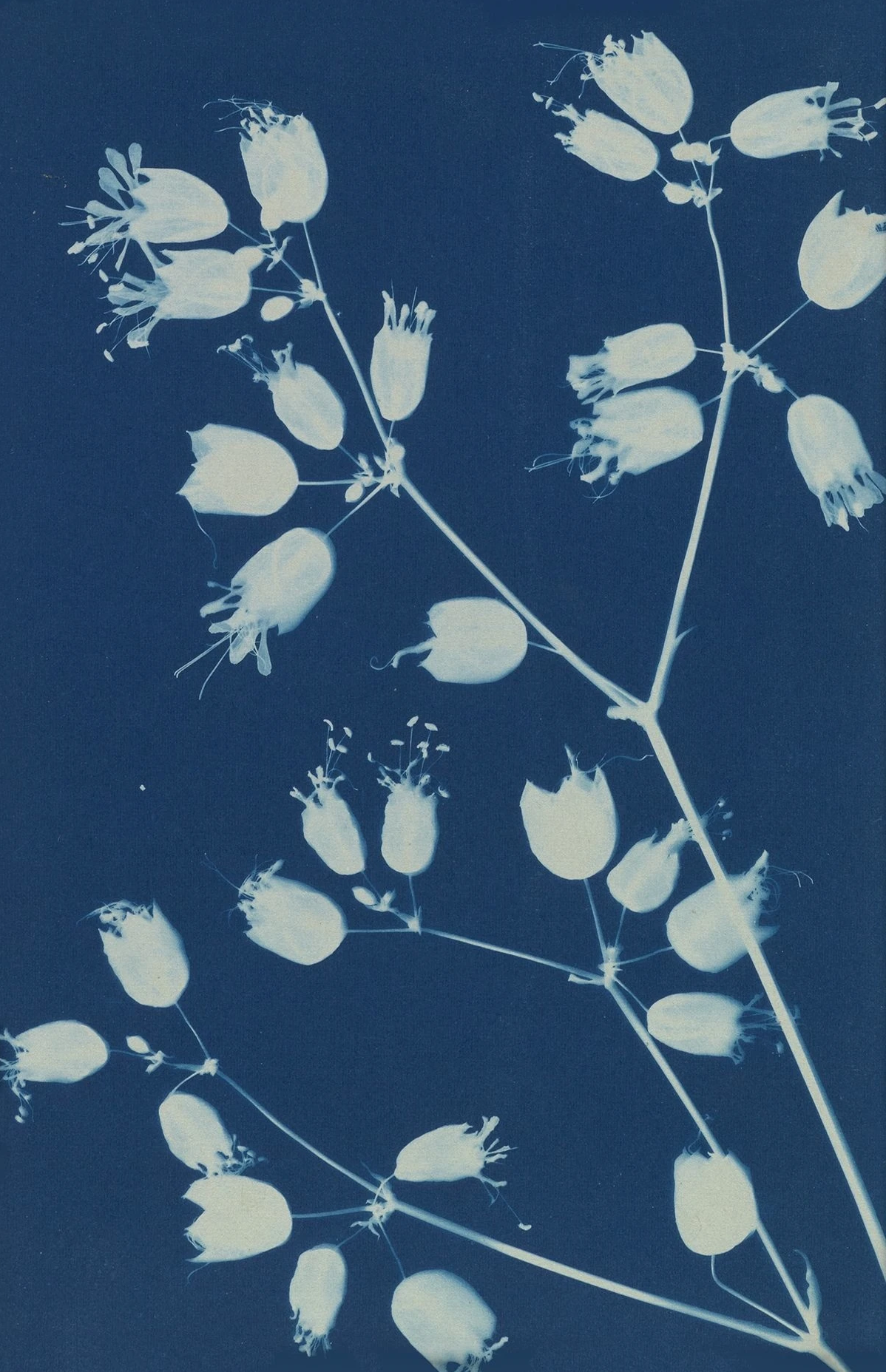
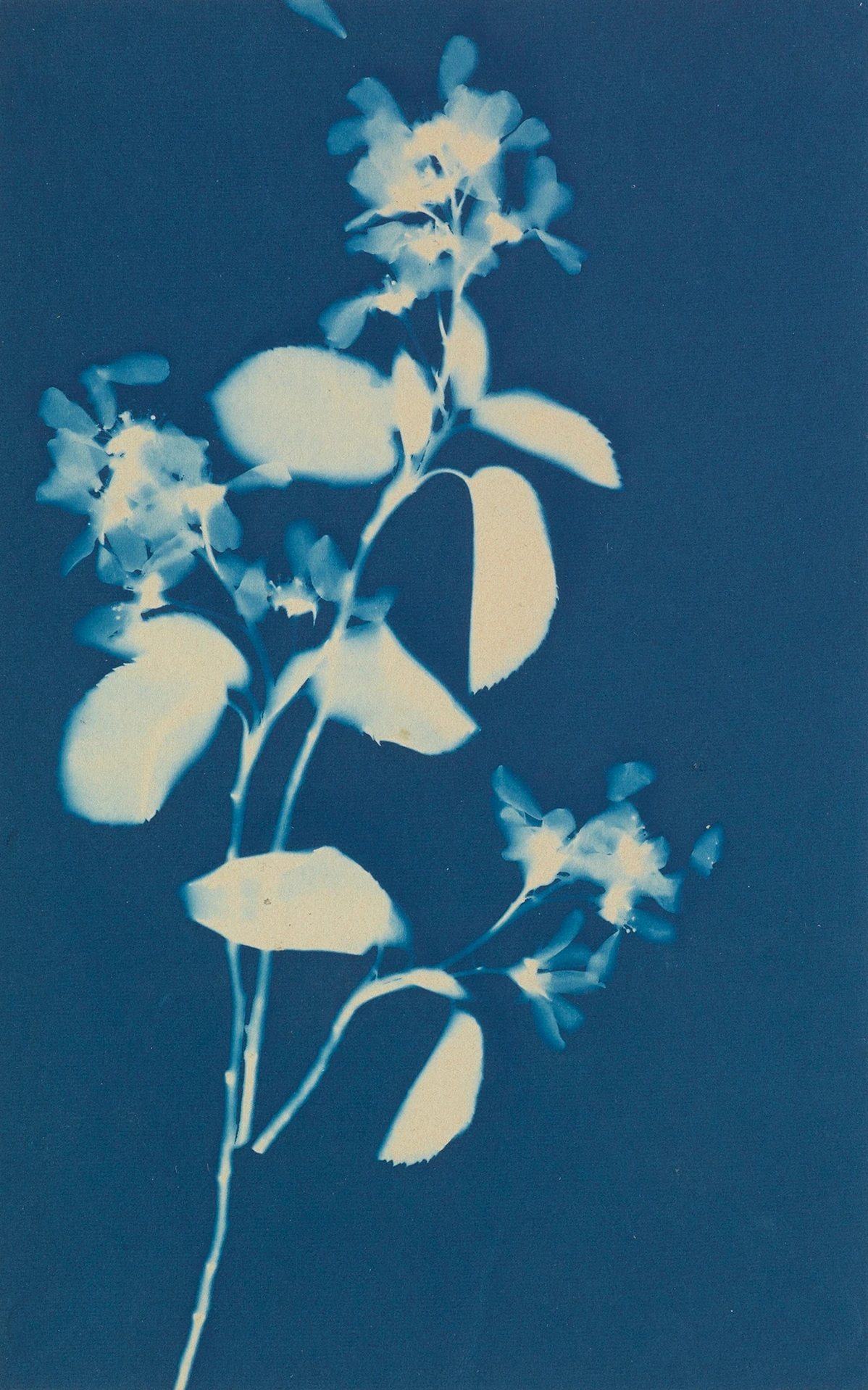
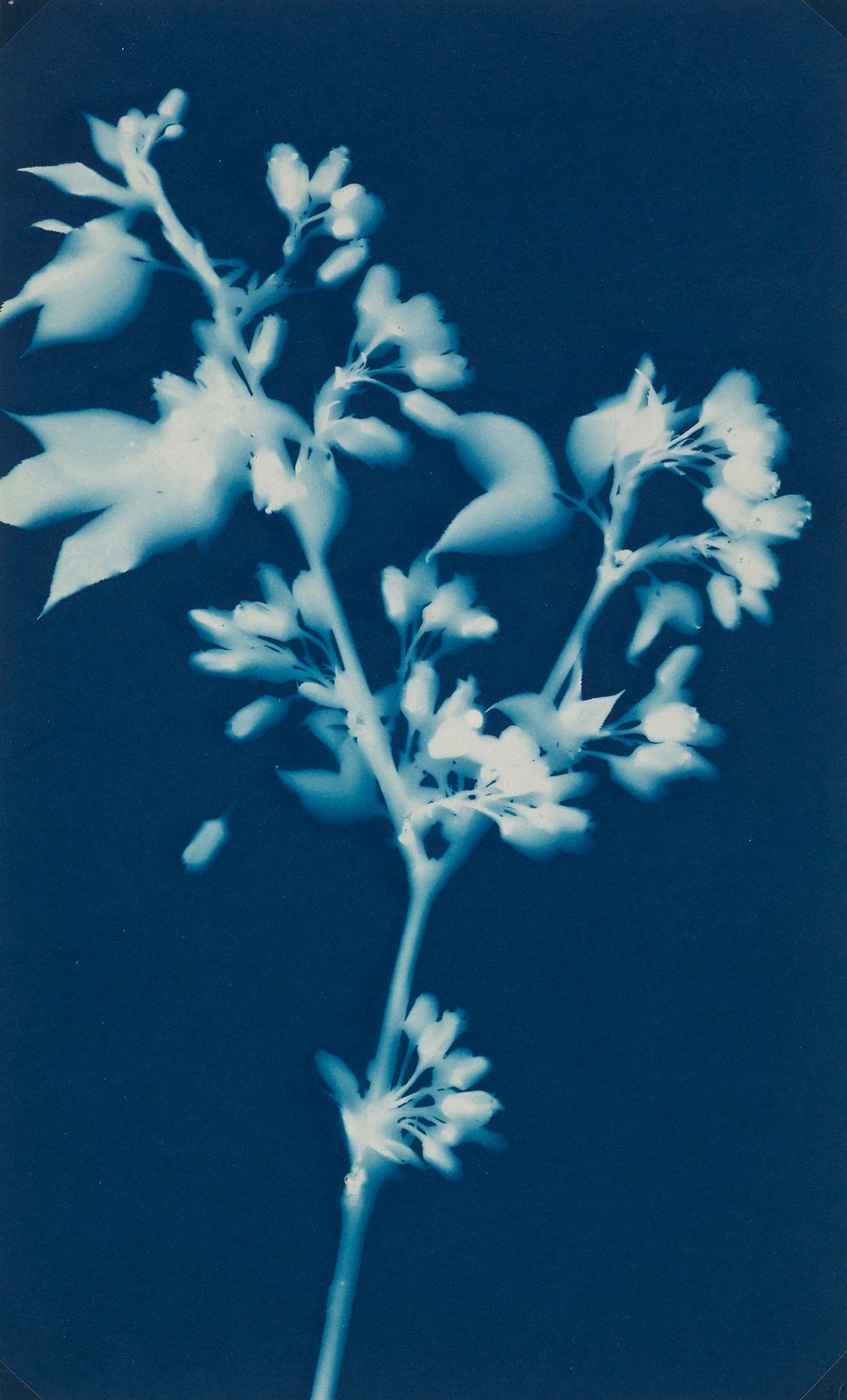
Nell Dorr (1893-1988) ~ [Wildflowers view two], ca. 1940-1954. Photogram | src Amon Carter Museum
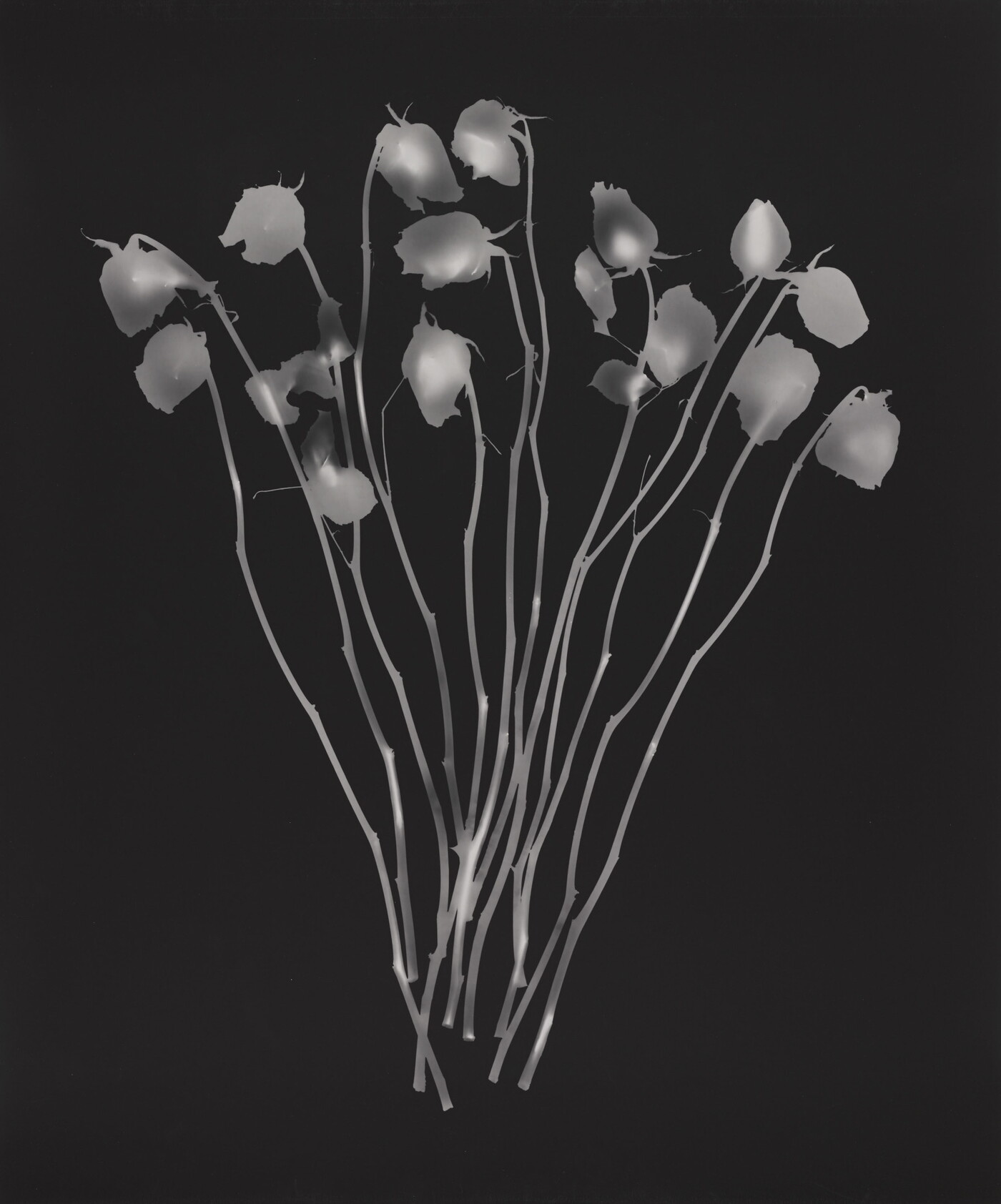
Nell Dorr (1893-1988) ~ [Wildflowers], ca. 1940-1954. Photogram. [Mother and Child 7] | src Amon Carter Museum
Nell Dorr (1893-1988) ~ [Wildflowers view five], ca. 1940-1954. Photogram. [Mother and Child 66] | src Amon Carter Museum
Nell Dorr (1893-1988) ~ [Wildflowers view seven], ca. 1940-1954. Photogram. [Mother and Child 83] | src Amon Carter Museum
Nell Dorr (1893-1988) ~ [Wildflowers view four], ca. 1940-1954 [Mother and Child 41] | src Amon Carter Museum
Nell Dorr (1893-1988) ~ [Wildflowers view four], ca. 1940-1954 [Mother and Child 41] | src Amon Carter Museum P1990.45.66
Nell Dorr (1893-1988) ~ [Wildflowers view three], ca. 1940-1954. Photogram. [Mother and Child 35] | src Amon Carter Museum
Nell Dorr (1893-1988) ~ [Wildflowers], ca. 1940-1954. Photogram | src Amon Carter Museum P1990.45.215
Nell Dorr (1893-1988) ~ [Wildflowers view nine], ca. 1940-1954. Photogram | src Amon Carter Museum
Nell Dorr (1893-1988) ~ [Wildflowers view eight], ca. 1940-1954. Photogram. [Mother and Child 84] | src Amon Carter Museum
Nell Dorr (1893-1988) ~ [Wildflowers view twenty-one], ca. 1940-1954. Photogram. Endpaper; right hand page
Nell Dorr (1893-1988) ~ [Wildflowers view fifteen], ca. 1940-1954. Photogram | src Amon Carter Museum
Nell Dorr (1893-1988) ~ [Wildflowers view six], ca. 1940-1954. Photogram. [Mother and Child 48-82] | src Amon Carter Museum

He Brings Me Roses

Barbara Crane (1928-2019) ~ He Brings Me Roses: Bouquet #3 view #1, 2011. Photogram | src Amon Carter Museum
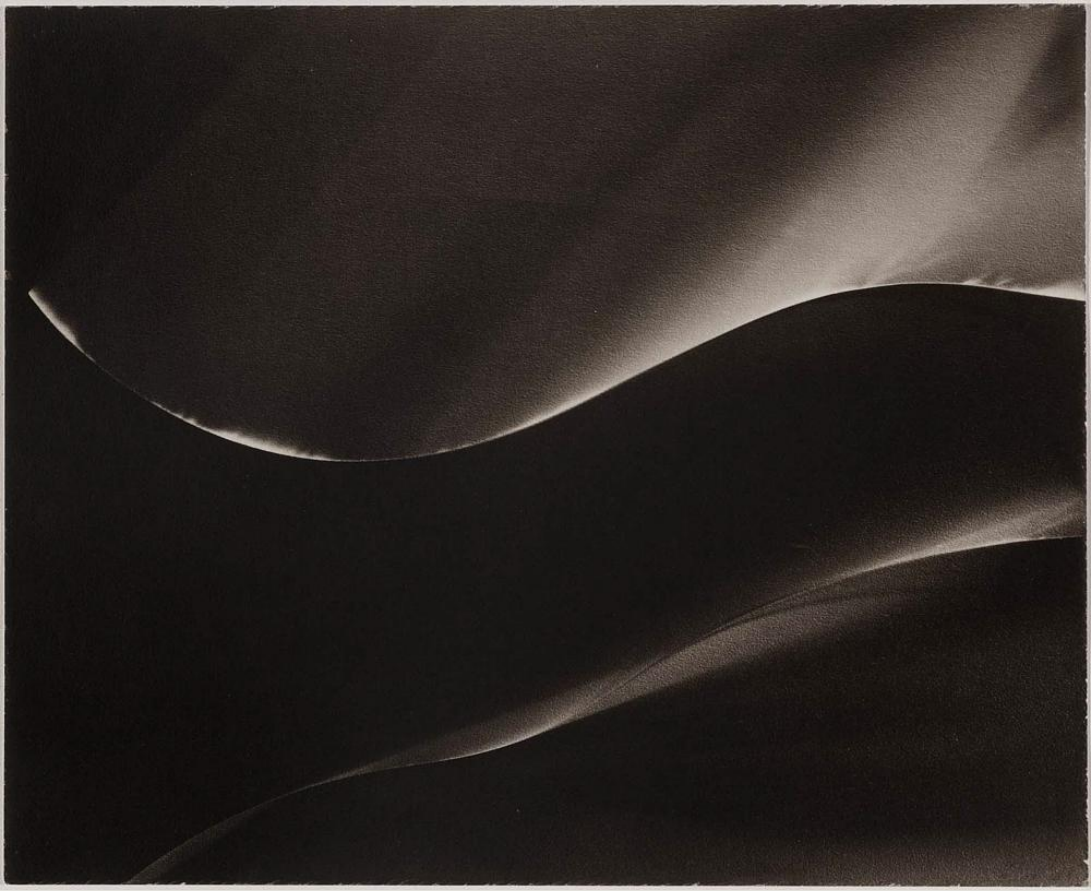
Barbara Crane (1928-2019) ~ He Brings Me Roses: Bouquet #4 view #1, 2011. Photogram | src Amon Carter Museum

Dialogues · Beaton & Kepes

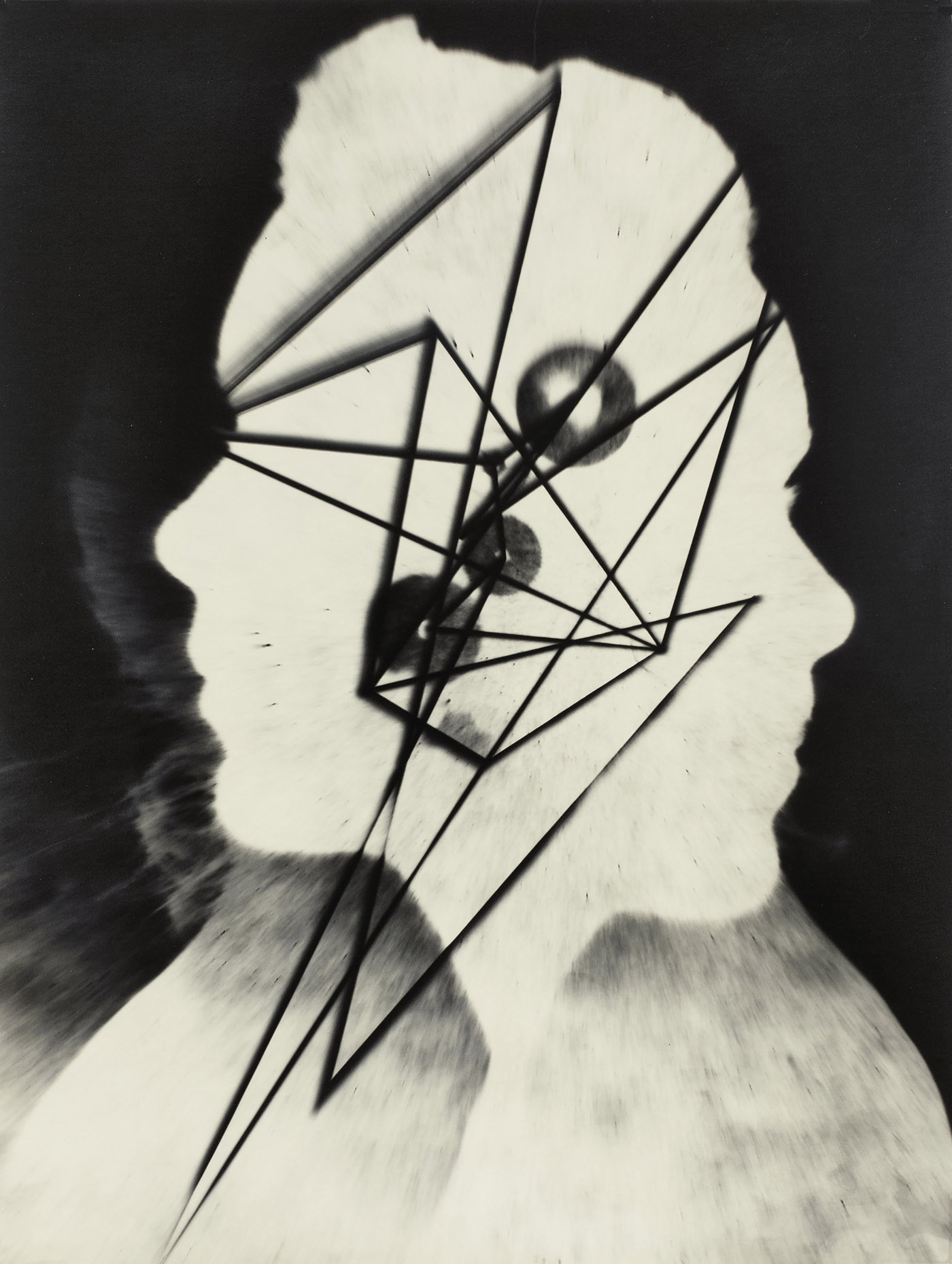
Cecil Beaton (1904-1980) ~ Portrait of Lady Loughborough, ca. 1935 (gelatin silver print on bromide paper). From: Shalom Shpilman Collection
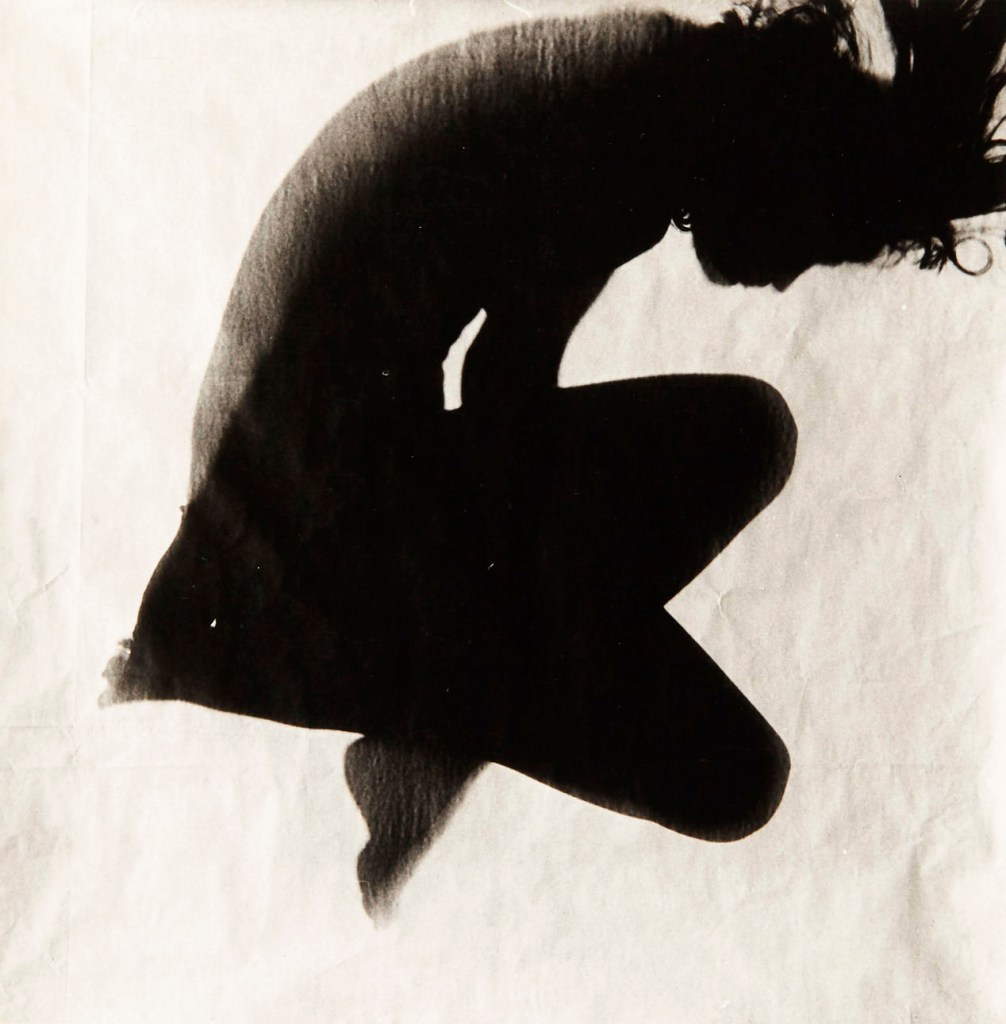
Gyorgy Kepes (1906-2001) ~ What Little Girls Are Made of, 1938 (gelatin silver print on Agfa paper) | src Christie’s

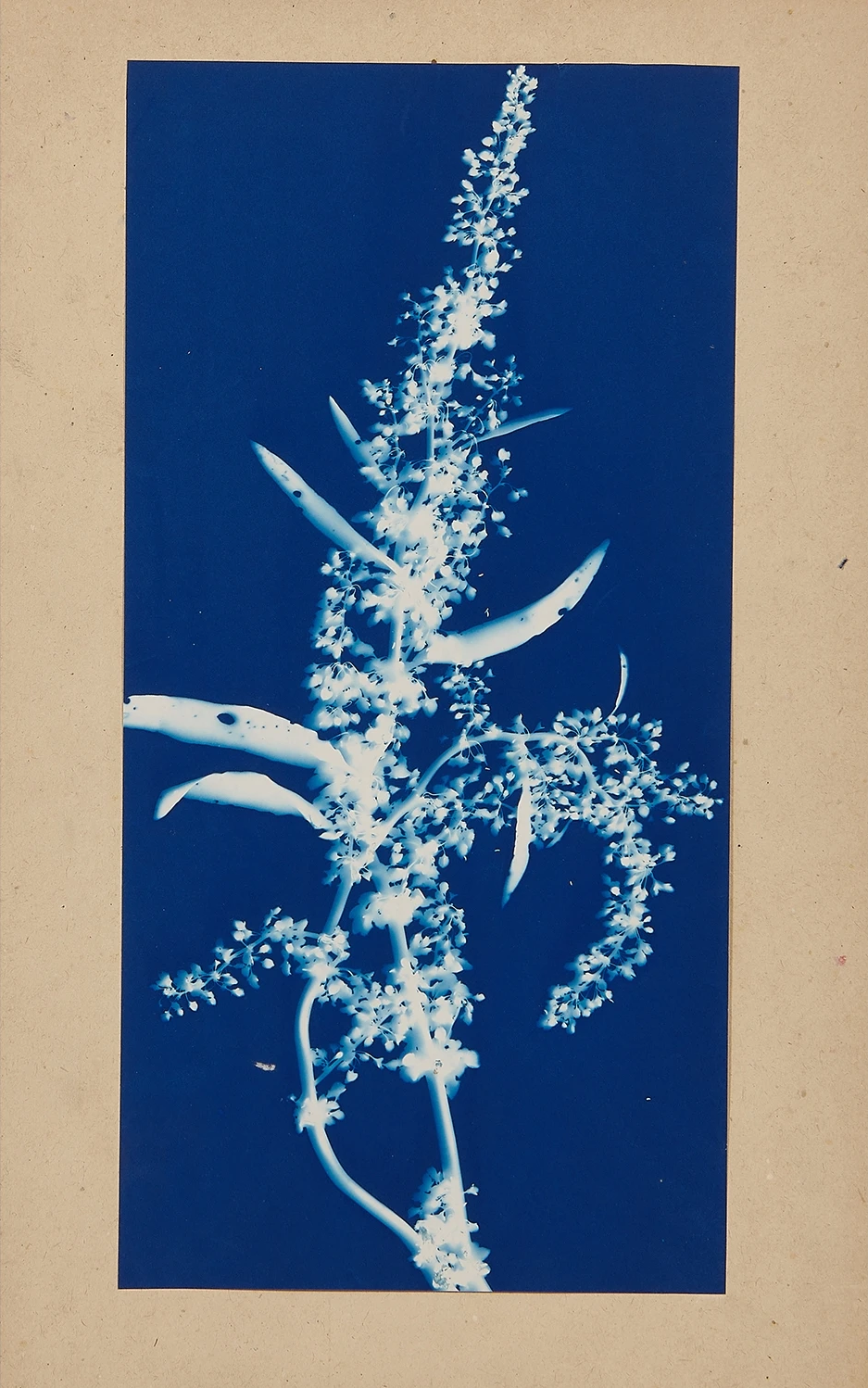
Blossoms of Dock by Jaques

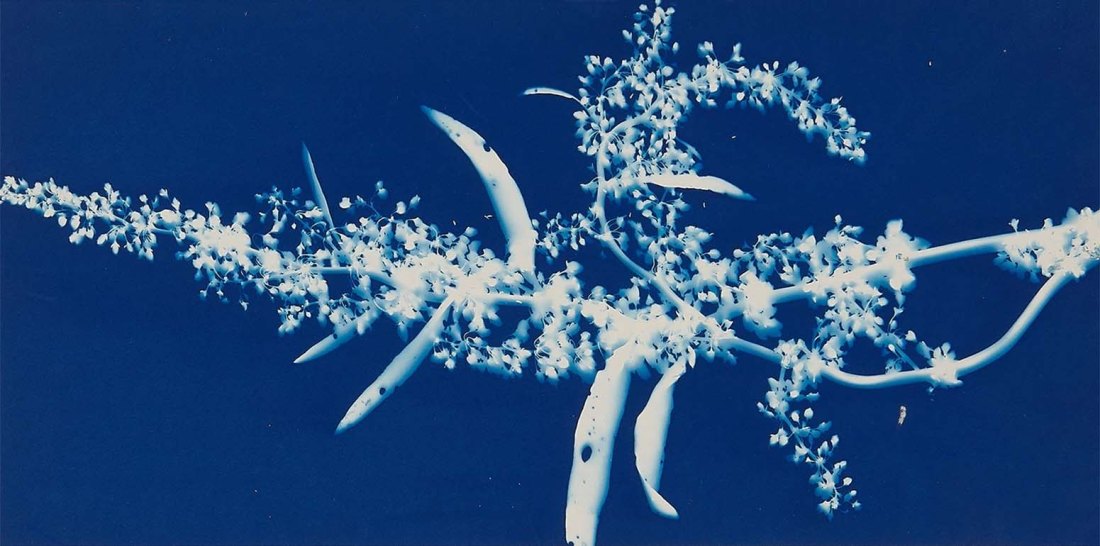
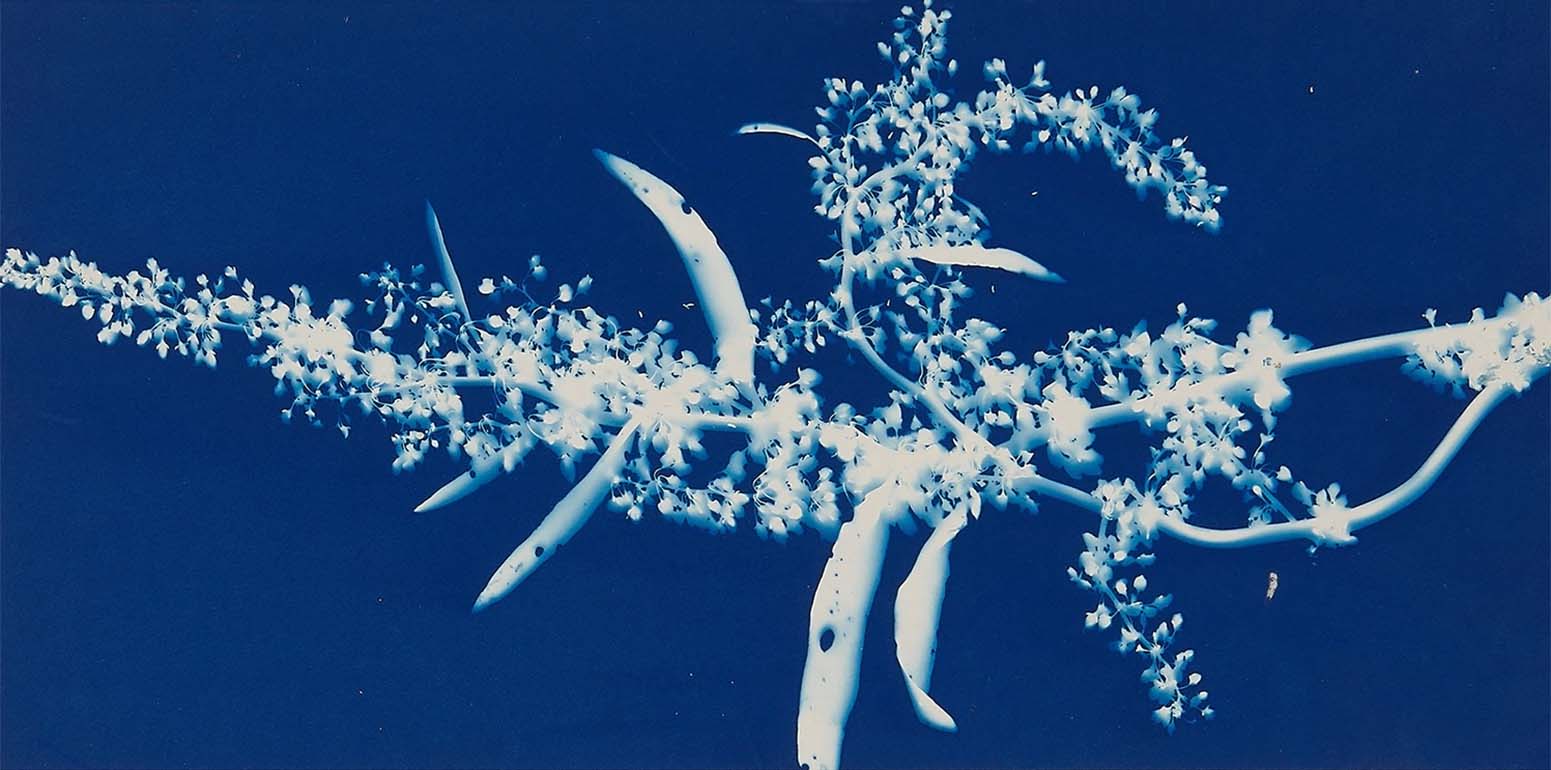
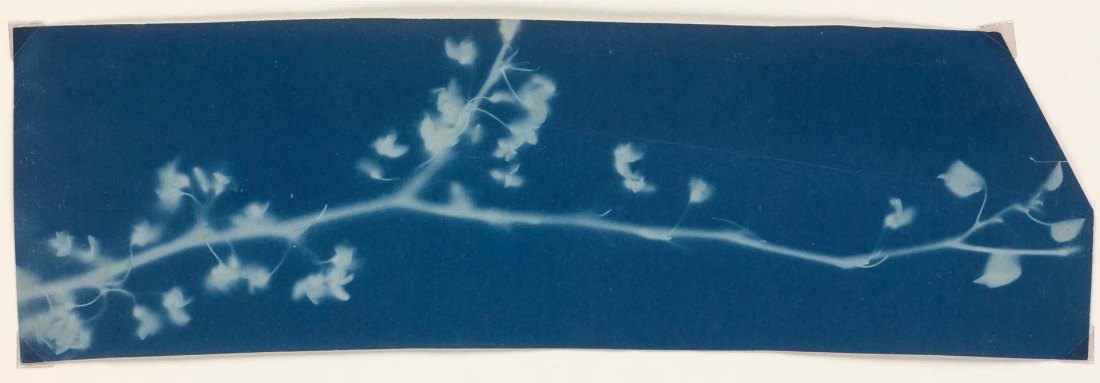
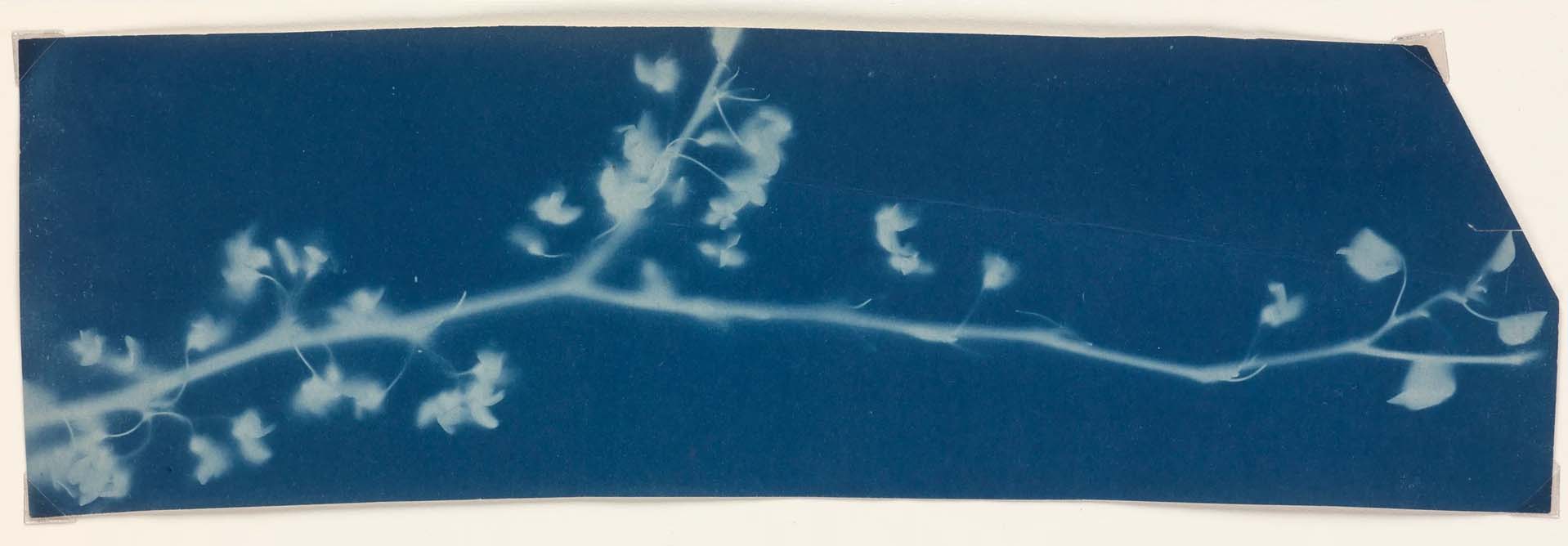
Bertha Evelyn Jaques :: Blossoms of Wild Dock, 1910. Cyanotype. | src MutualArt
Bertha Evelyn Jaques :: Blossoms of Dock, 1910. Cyanotype. | src MutualArt
Bertha Evelyn Jaques :: Blossoms of Wild Dock, 1910. Cyanotype. | src MutualArt
Bertha Evelyn Jaques :: Blossoms of Dock, 1910. Cyanotype. | src MutualArt
Bertha Evelyn Jaques :: Blossoms of Wild Dock, 1910. Cyanotype. | src MutualArt

Jaques was already a respected printmaker when she began making cyanotype photograms of wildflowers. An active member of the Wild Flower Preservation Society, she created over a thousand of these botanical images. Made without a camera by placing objects directly on sensitized paper and exposing it to light, the photogram is the least industrialized type of photography. Because prints were easy to produce by this method, it achieved wide popularity. Graphic artists often chose this form of print because of its rich Prussian blue color. Aligned with the antimodernist views of the late Victorian Arts and Crafts movement, Jaques’s work reflects a reverence for commonplace elements of nature and the beautifully crafted object.

Merry A. Foresta American Photographs: The First Century (Washington, D.C.: National Museum of American Art with the Smithsonian Institution Press, 1996). From Smithsonian American Art Museum (SAAM)
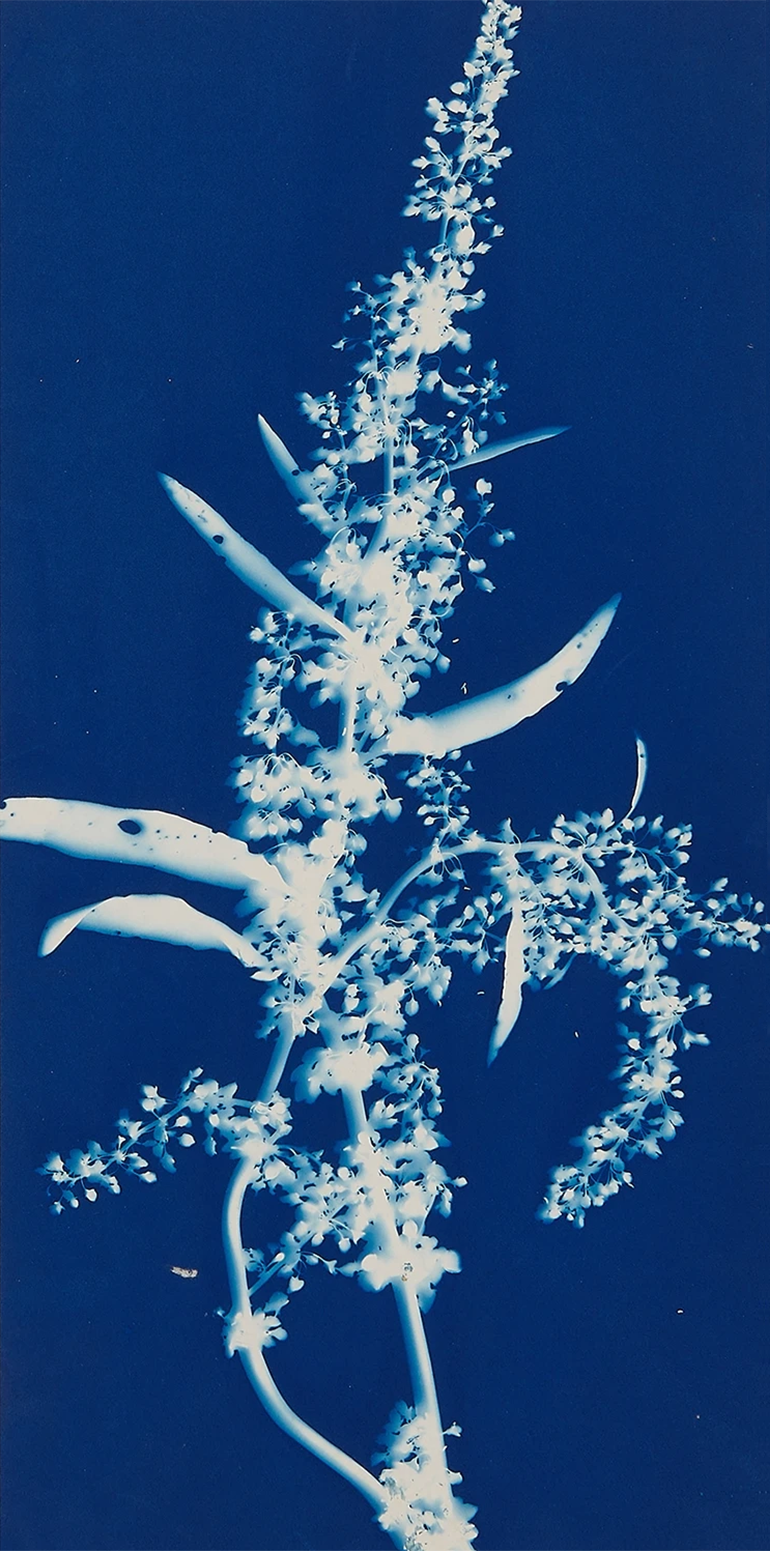
Bertha Evelyn Jaques :: Blossoms of Wild Dock, 1910. Cyanotype. | src MutualArt

Dandelion Seeds by Jaques

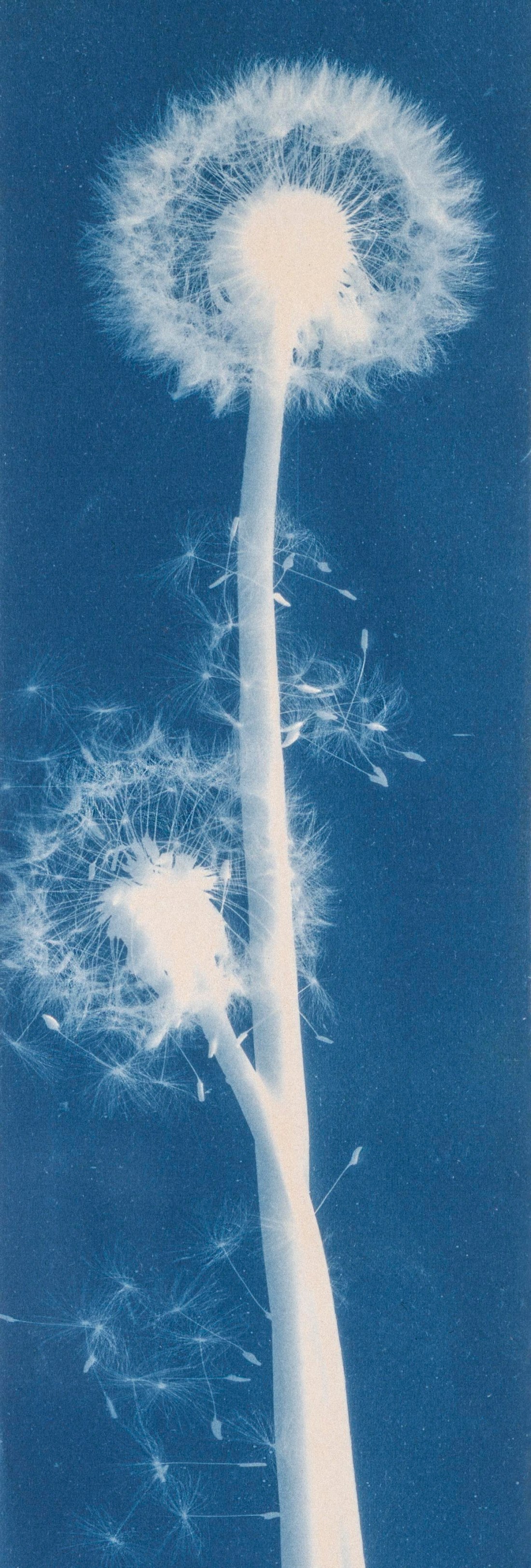
Bertha E. Jaques :: Dandelion Seeds, Taraxacium Officinale, ca. 1910, cyanotype photogram. | src Smithsonian American Art Museum
Bertha E. Jaques :: Dandelion Seeds, Taraxacium Officinale, ca. 1910, cyanotype photogram. (detail) | src Smithsonian American Art Museum
Bertha E. Jaques :: Dandelion Seeds, Taraxacium Officinale, ca. 1910, cyanotype photogram. | src Smithsonian American Art Museum
Bertha Evelyn Jaques :: Dandelion Seeds. A starry firmament, 1904. Cyanotype. | src MutualArt
Bertha E. Jaques :: Dandelion Seeds, Taraxacium Officinale, ca. 1910, cyanotype photogram (full size). Scan from color transparency. | src Smithsonian American Art Museum

Jaques was already a respected printmaker when she began making cyanotype photograms of wildflowers. An active member of the Wild Flower Preservation Society, she created over a thousand of these botanical images. [See Dandelion Seeds, Taraxacium Officinale, SAAM, 1994.91.89] Made without a camera by placing objects directly on sensitized paper and exposing it to light, the photogram is the least industrialized type of photography. Because prints were easy to produce by this method, it achieved wide popularity. Graphic artists often chose this form of print because of its rich Prussian blue color. Aligned with the antimodernist views of the late Victorian Arts and Crafts movement, Jaques’s work reflects a reverence for commonplace elements of nature and the beautifully crafted object.

Merry A. Foresta American Photographs: The First Century (Washington, D.C.: National Museum of American Art with the Smithsonian Institution Press, 1996). From Smithsonian American Art Museum (SAAM)
Bertha Jaques’ photograms

Bertha Jaques :: Photogram of a botanical specimen, 1900-1906. Cyanotype. | src MutualArt
Bertha Evelyn Jaques :: Photogram of a botanical specimen, 1900-1906. Cyanotype. | src MutualArt
Bertha Jaques :: Photogram of a botanical specimen, 1900-1906. Cyanotype. | src MutualArt and Elizabeth Houston Gallery
Bertha Jaques :: Photogram of a botanical specimen, 1900-1906. Cyanotype. | src MutualArt
Bertha Evelyn Jaques :: Photogram of a botanical specimen, 1900-1906. Cyanotype. | src MutualArt
Bertha Jaques :: Photogram of a botanical specimen, 1900-1906. Cyanotype. | src MutualArt and Elizabeth Houston Gallery

Cyanotypes of Algae, 1843

‘Photographs of British Algae: Cyanotype Impressions’ by Anna Atkins (1799-1871) Part 1 of Fox Talbot’s own copy, sewn in original blue wrapper. Atkins published a collection of cyanotype photograms of algae, in installments over ten years from 1843 to 1853. | src Science and Media Museum

Drawing photogram, 1920s

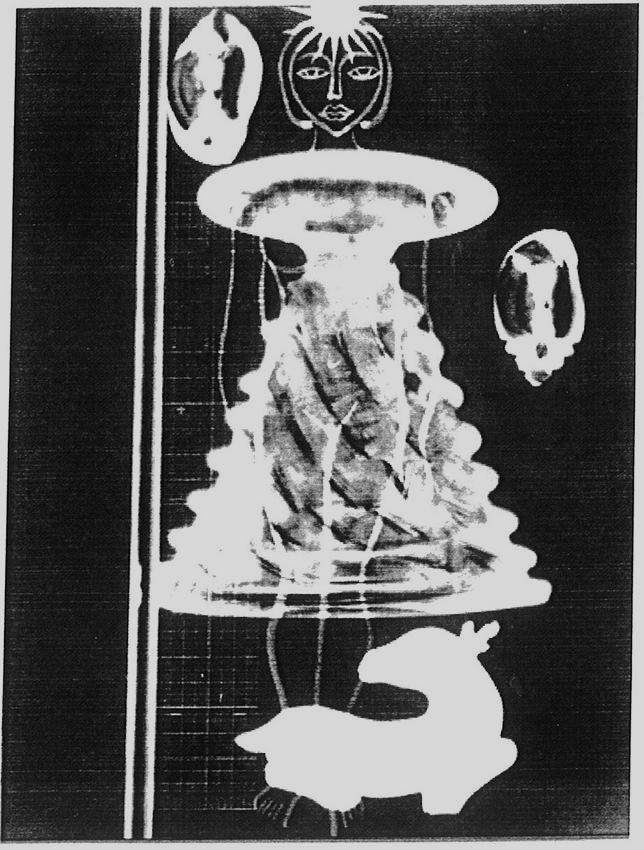
Rosa Rolanda :: Drawing Photogram, late 1920s | src Surrealism and Women Artists

Nude figure of a young woman covered by an inverted glass, which becomes her garment. The translucent glass allows the curves of her figure to be seen, but it still provides a modest covering. The shape of the glass is reminiscent of dress styles of the mid-1800s, with a wide hooped skirt and narrow waistline. Rosa Rolanda painted self-portraits from 1945 and 1952 depict the same somber persona. The simple style of her features is similar to those found on folkloric images of the sun reproduced in ceramics, wood, and textiles. Here, crowned by the sun, she is surrounded by shells, a deer, and a ruler.