Akt am Meer by Koppitz

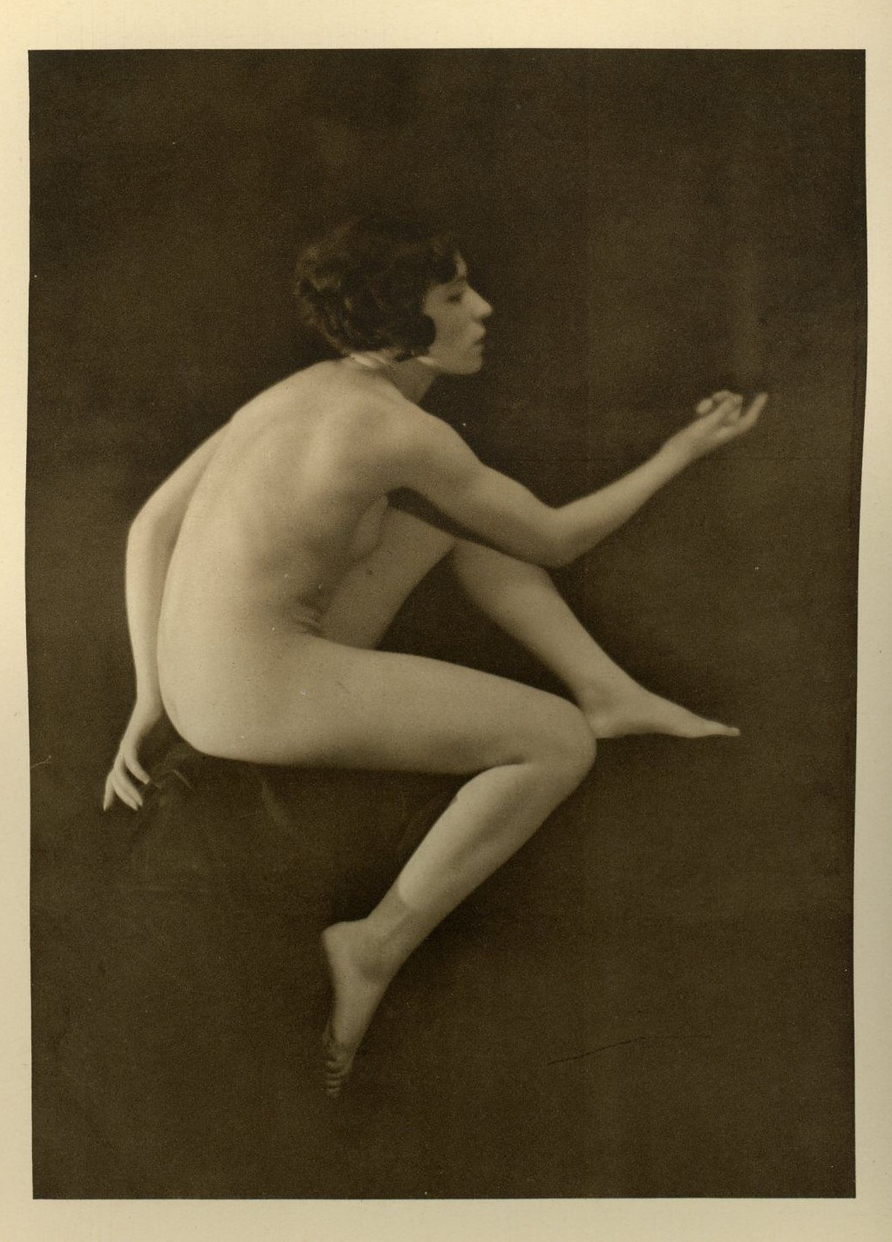
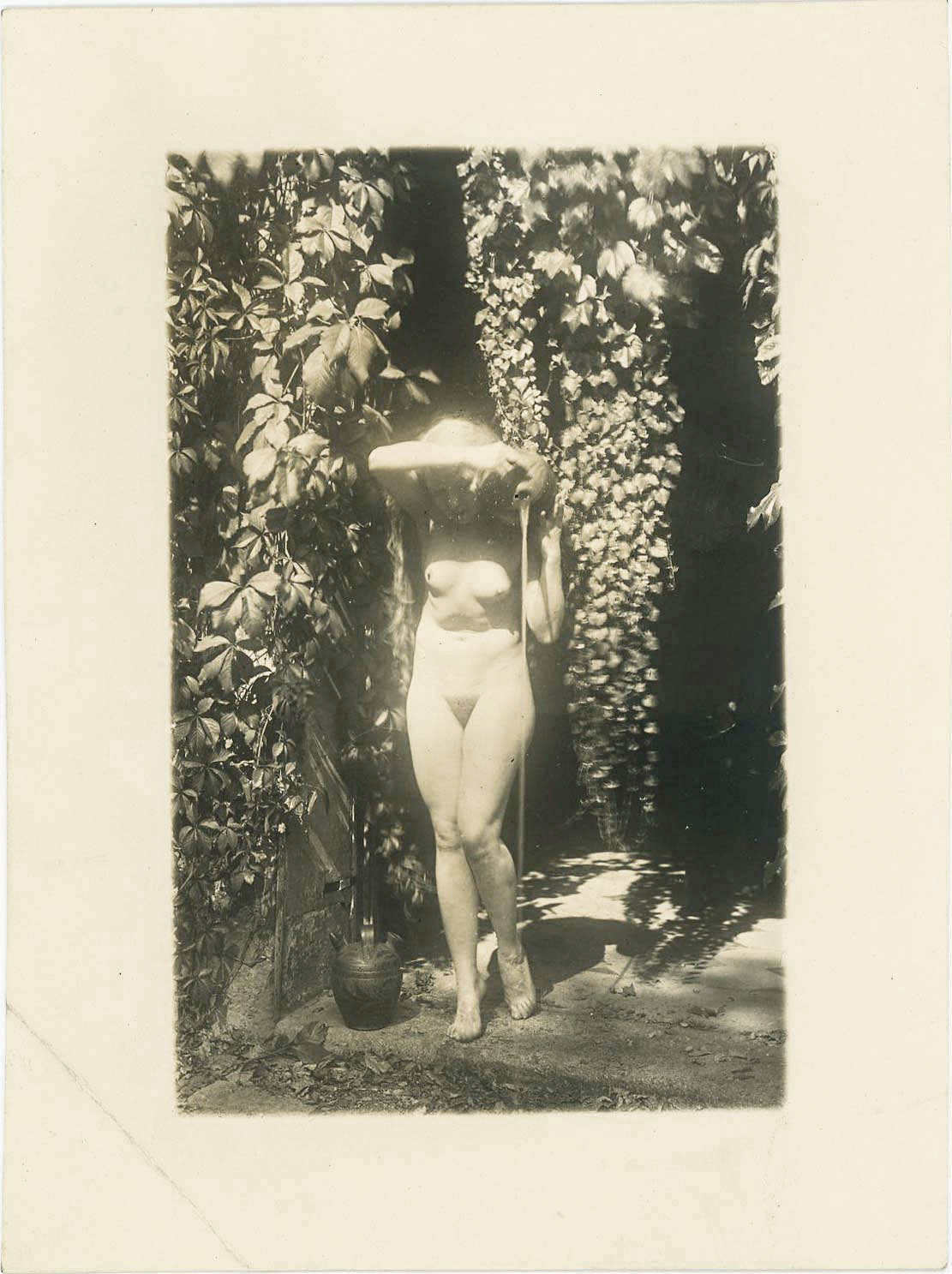
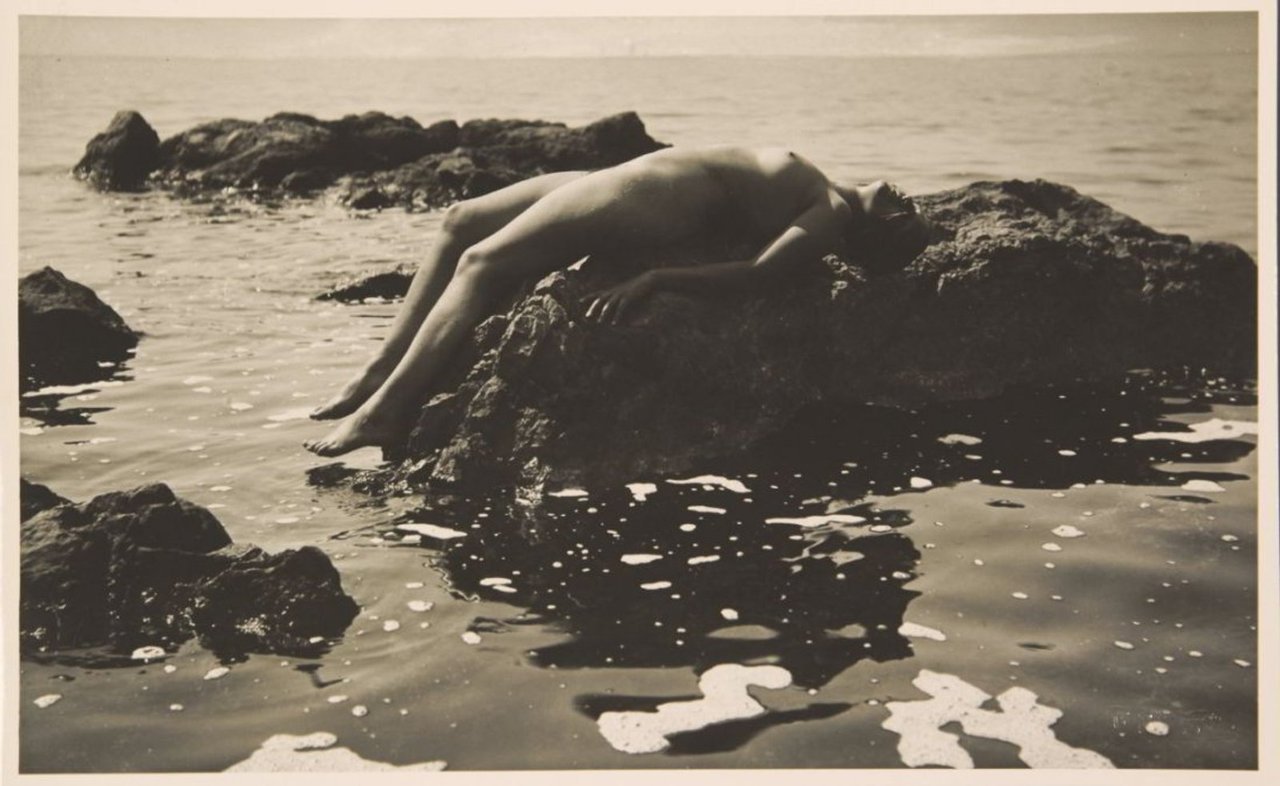
Rudolf Koppitz (1884-1936) ~ Akt am Meer (Nude by the Sea), Anna Koppitz, 1923. Vintage silver print | src liveauctioneers
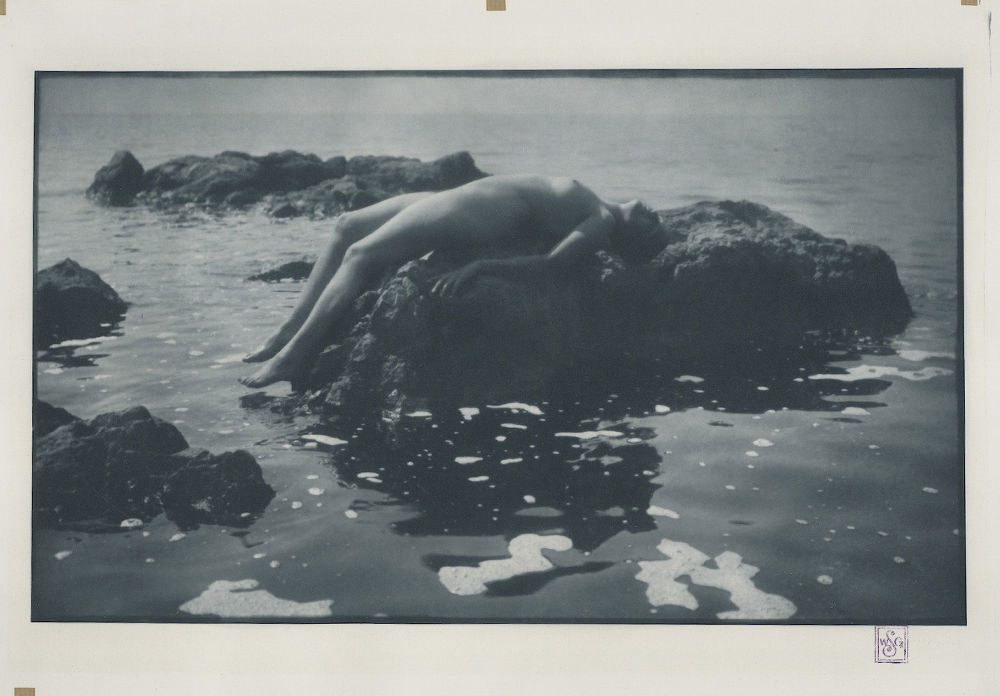
Rudolf Koppitz (1884-1936) ~ Akt am Meer (Nude by the Sea), Anna Koppitz, 1923. Pigment print | src Spallart (S-0022)

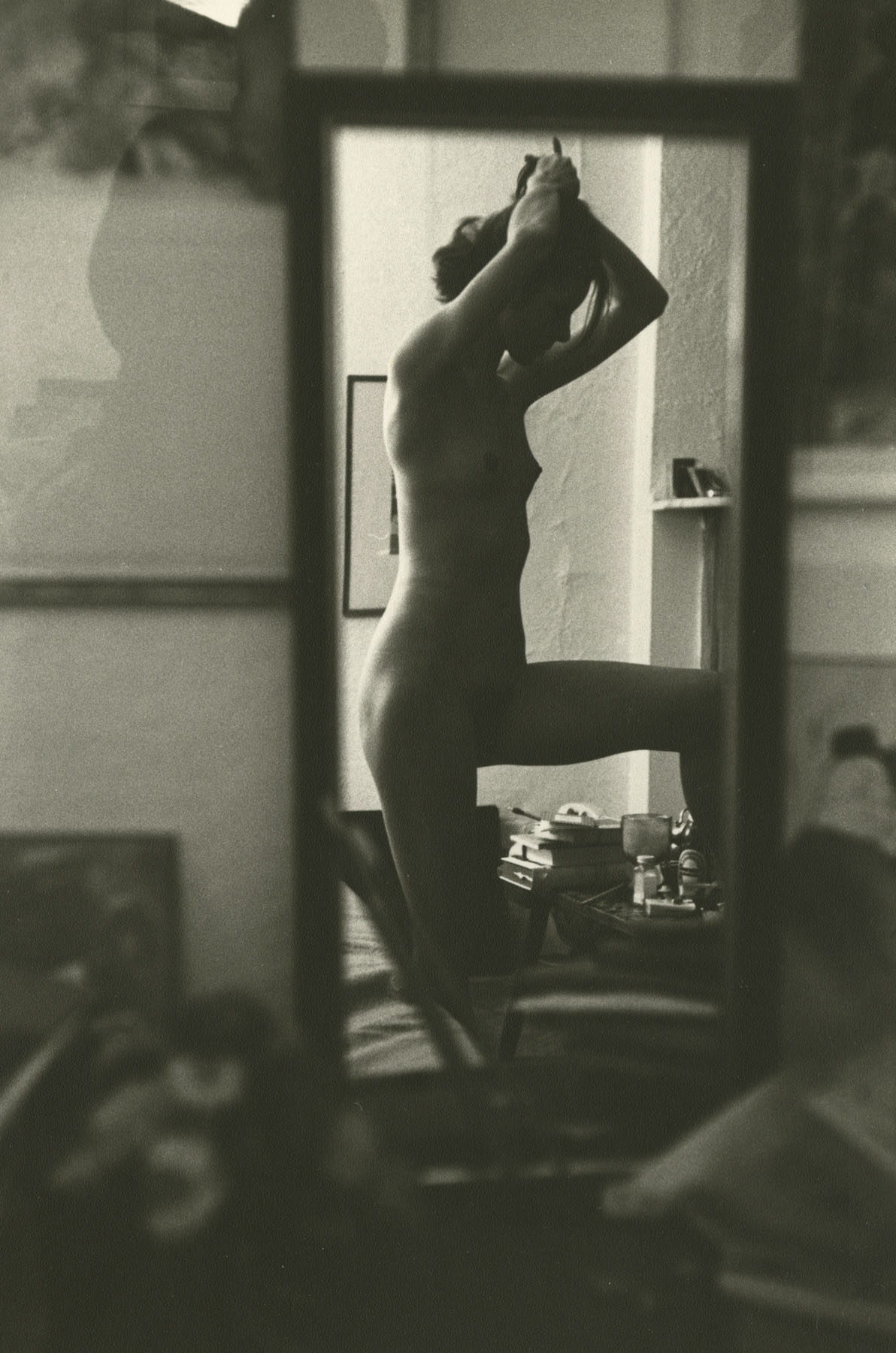
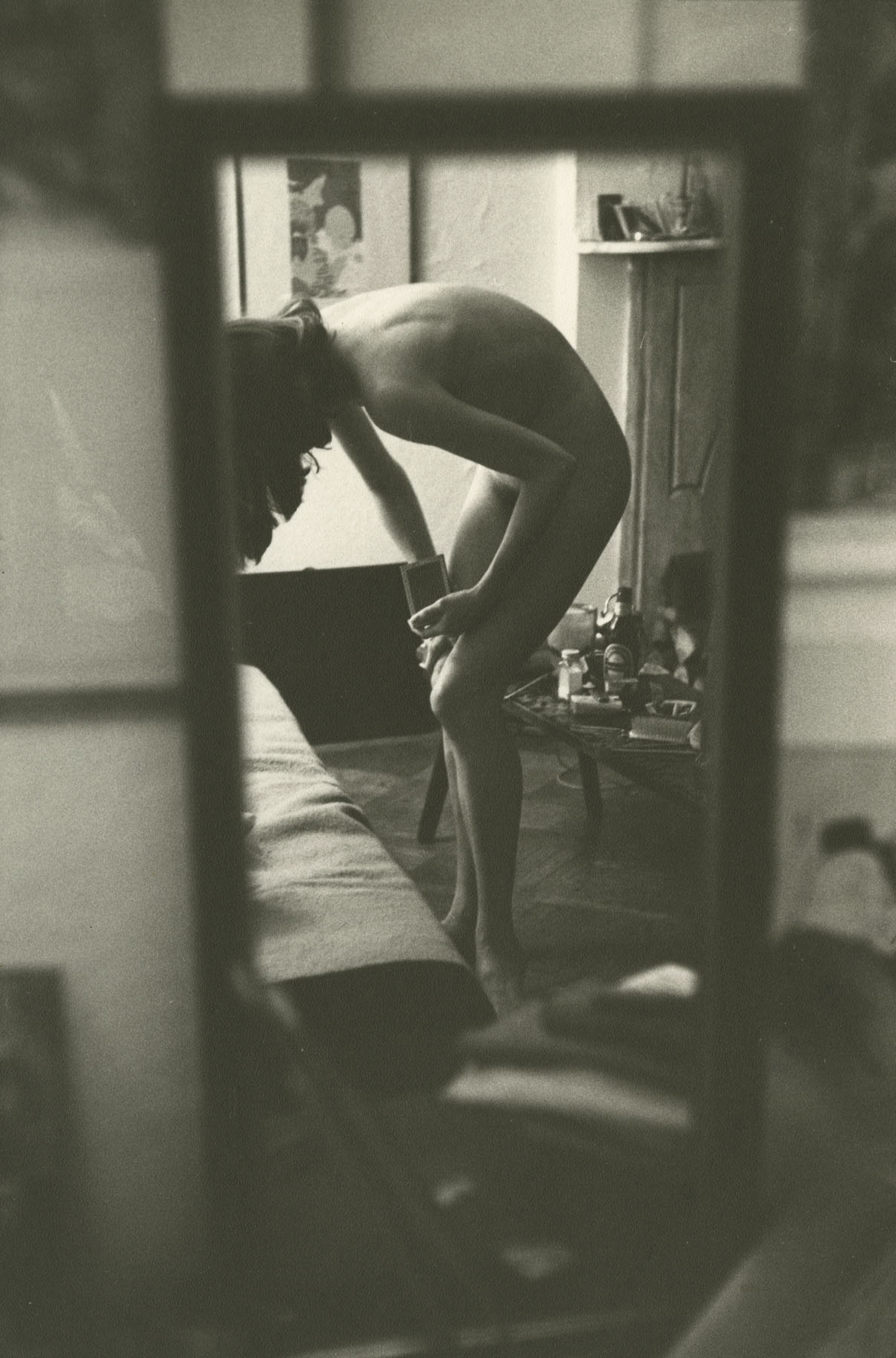
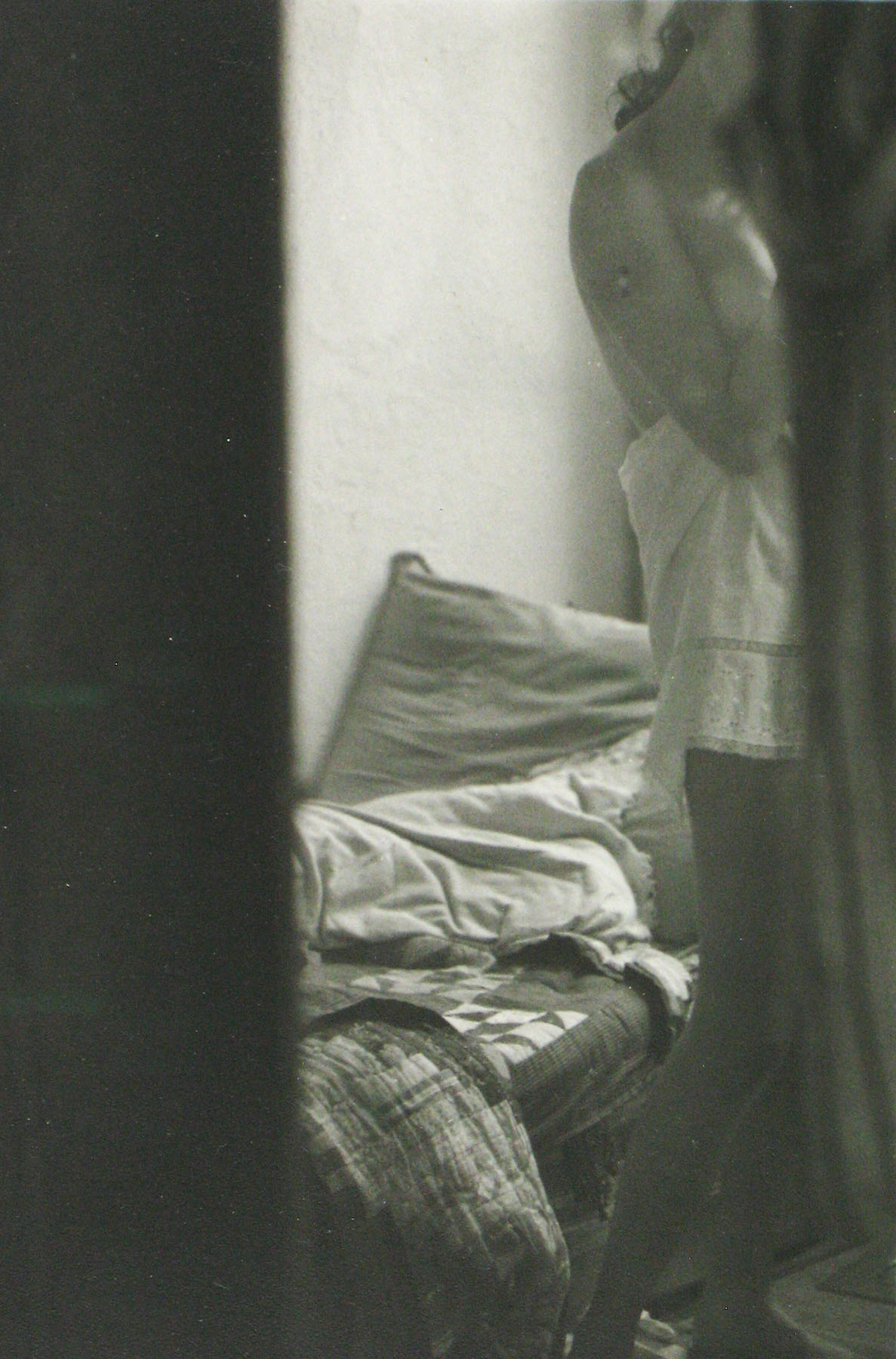
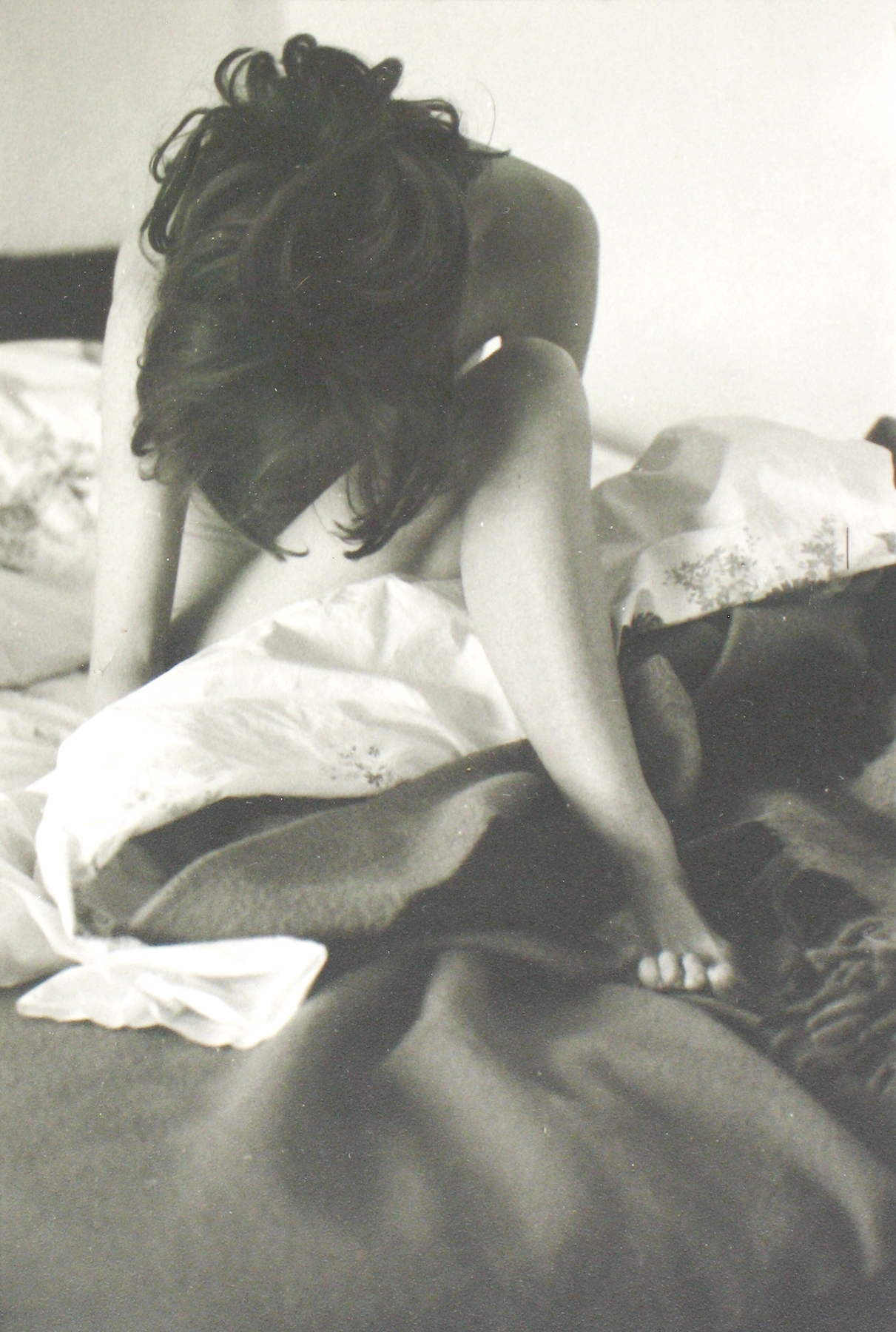
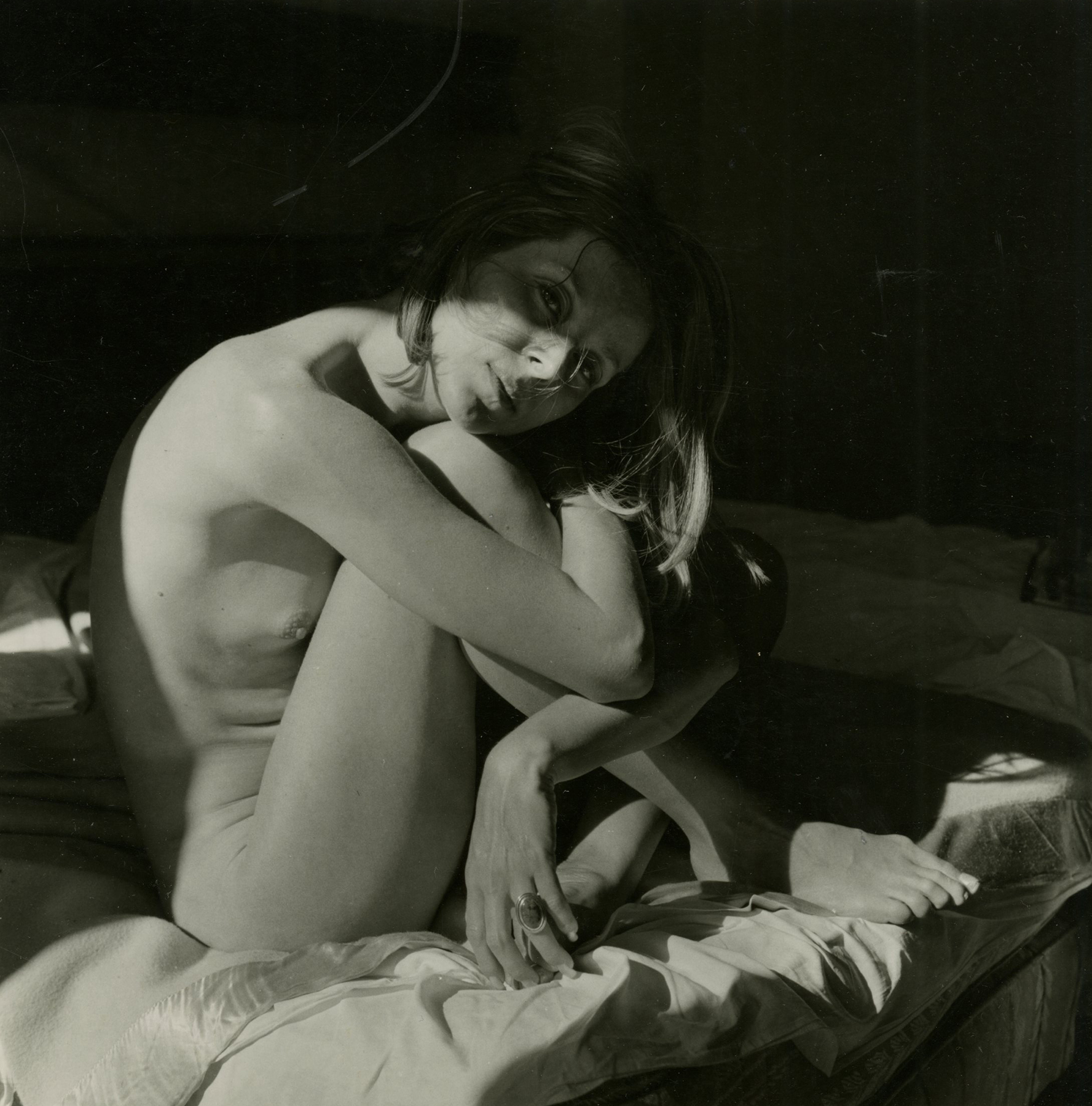
Saul Leiter · Soames (nudes)

Saul Leiter ~ Soames (Nude), ca. 1965. Gelatin silver print | From the exhibition ‘In My Room’ at Howard Greenberg Gallery
Saul Leiter ~ Soames (Nude), ca. 1965 | From the exhibition ‘In My Room’ at Howard Greenberg Gallery
Saul Leiter (1923-2013) ~ Untitled (Nude), 1950s | src In My Room @ Howard Greenberg gallery
Saul Leiter (1923-2013) ~ Soames, ca. 1960 | src In My Room @ Howard Greenberg gallery
Saul Leiter (1923-2013) ~ Soames, 1950s | src In My Room @ Howard Greenberg gallery

Adam et Eve; tableau vivant

Man Ray :: Ciné-Sketch; Adam and Eve (Marcel Duchamp and Bronia Perlmutter), 1924. Gelatin silver print, on carte postale, printed in the 1930s. | src Christie’s & Philadelphia Museum of Art (Philamuseum)

In 1924 Francis Picabia asked Bronia to participate in a production, Ciné Sketch, that he and René Clair were putting on after the Relache ballet on New Year’s Eve. Bronia agreed, and she and Marcel Duchamp appeared nude —Duchamp did have a strategically placed fig leaf— in a living tabloid of Lucas Cranach’s Adam and Eve, which Man Ray photographed.

Ciné Sketch (1924) was a theatrical diversion conceived by Francis Picabia and René Clair, in which Marcel Duchamp and the Jewish-Polish model Bronia Perlmutter mime the figures of Adam and Eve in a tableau vivant of the Temptation after a painting by Cranach. Ciné-Sketch was performed only once, at the conclusion of Relache (by Ballets Suédois) at the Théâtre des Champs-Elysées on New Year’s Eve 1924.

Standing Female Nudes, ca. 1850

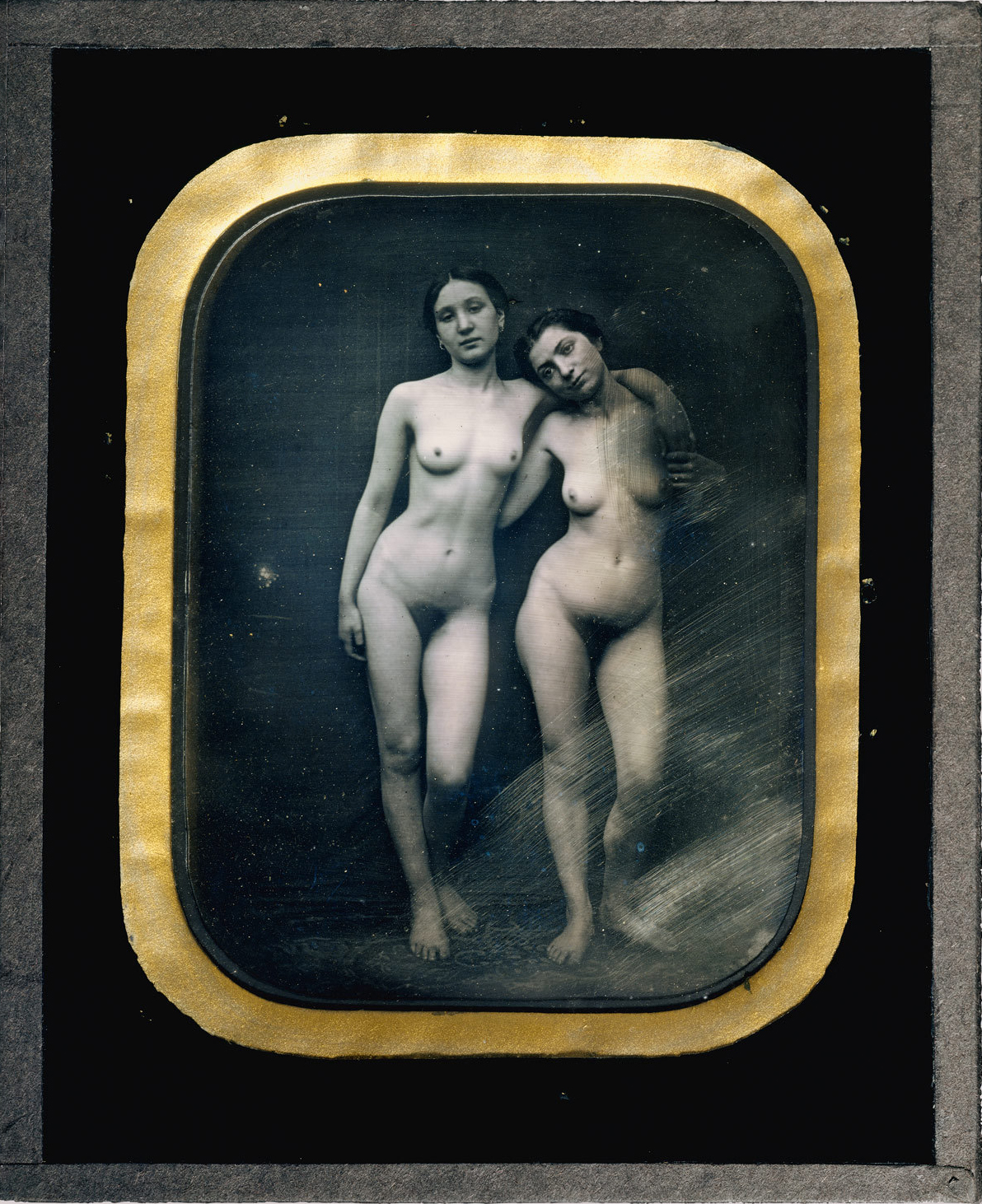
Félix-Jacques-Antoine Moulin :: Two Standing Female Nudes, ca. 1850. Daguerreotype. | src The Rubel Collection (at The Met)
Félix-Jacques-Antoine Moulin ~ Two Standing Female Nudes, ca. 1850. Daguerreotype. | src The Rubel Collection (at The Met)

Although Moulin was sentenced in 1851 to a month in jail for producing images that, according to court papers, were “so obscene that even to pronounce the titles . . . would be to commit an indecency,” this daguerreotype seems more allied to art than to erotica. Instead of the boudoir props and provocative poses typical of hand-colored pornographic daguerreotypes, Moulin depicted these two young women utterly at ease, as unselfconscious in their nudity as Botticelli’s Venus. [quoted from The Met]

Félix-Jacques Moulin ~ Two Standing Female Nudes, ca. 1850. Daguerreotype

Showgirl, Folies Bergère, 1920s

Lucien Waléry :: Showgirl from the Folies Bergère. From ‘Portfolio de 100 Photogravures’ published in 1923 by the Librairie des Arts Décoratifs.

Danse en plein air, ca. 1920

Philiberte de Flaugergues :: Danse en plein air # 2 | Dance in open air nº 2, France, ca. 1920. | src anamorfose
Philiberte de Flaugergues :: Danse en plein air # 4 | Dance in open air nº 4, France, ca. 1920. | src anamorfose