Woke up laughing by Bruno Roels

Bruno V. Roels ~ Desertwave. From: Woke up Laughing. Gallery 51 | src ODLP

‘Woke up Laughing’ presents a vibrant universe of palm trees reminiscent of vacation, luxury, paradise and adventure. Roels celebrates their beauty but also sheds light on their darker sides, as, much like photography, they are not entirely trustworthy. A palm tree in Monaco tells a different story than a tree in Fallujah, Iraq, or in Palmyra, Syria, occupied by ISIS. These seemingly pristine and peaceful universal icons ruthlessly resonate with memories of our colonial history. Each image serves as a silent testimony, compelling the viewer to reflect, illustrating that paradise lurks around the corner but remains elusive and unattainable. The bright colours that Roels added to the black and white images make the confrontation lighter and more playful. Due to his background in literature and linguistics, his titles also play a crucial role in his work. Often embodying historical and contemporary references, they create confusion through their ambiguity.

The title ‘Woke up Laughing’ refers to the eponymous song by British pop musician Robert Palmer and encapsulates the concept of Roels’ exhibition.

Woke up laughing
You make yourself a fortune out in Hong Kong
You sit at home and wonder whether you were wrong
You take a small vacation just to keep sane
You find on your return your home is blown away

With ‘Woke Up Laughing’, the artist presents a series of perspectives, techniques, and approaches. There is much to observe, not only about photography but also about what lies behind it. His images serve as both an escape from and a reflection on the reality in which we live. While he does not seek to impose criticism, he cleverly elucidates the challenges we face today.

Bruno V. Roels ~ Desertwave # 2. From: Woke up Laughing. Gallery 51 | src ODLP

For his fifth solo exhibition at Gallery 51, Belgian artist Bruno V. Roels (b. 1976) presents new work and delves further into the possibilities of the analog photographic process. In ‘Woke up Laughing’, his images navigate between aesthetics and experimentation, escapism and a historical consciousness.

Inspired by artists like John Baldessari (1931-2020) and Ed Ruscha (b. 1937), who approached photography in a conceptual manner, Roels also questions the properties of the image: how it operates, influences, and deceives. What defines photography as photography? And how do viewers interpret it, in an era marked by image manipulation and production, where visual communication sets the tone? These are significant questions embedded in his body of work.

While Roels’ artistic practice is primarily rooted in analog photography, he combines analog techniques with other art forms, non-photographic processes, or Artificial Intelligence and generative imaging. This allows the artist’s imagination to reach its peak, as nothing is deemed impossible. Additionally, the artist plays with the reproducible nature of the medium, creating unique works often consisting of multiple variations of the same negative, compiling them as equivalent images within the same frame, rendering no image perfect or superior to another. He also produces overprints, where the same negative is printed several times, causing the images to blend. The yellowed, coffee- coloured prints give his work a recognizable vintage look. Artistic imperfections and incidental elements, such as creases and stains that occur during printing, remain visible and characterize his visual language. By imprinting text on the prints or by drawing and painting on them, Roels adds surreal elements and layers of meaning.

Bruno V. Roels ~ An Ornament For A Summer’s Day # 2. From: Woke up Laughing. Gallery 51 | src ODLP
Bruno V. Roels ~ Figura Serpentinata (Demeter V). From: Woke up Laughing. Gallery 51 | src ODLP

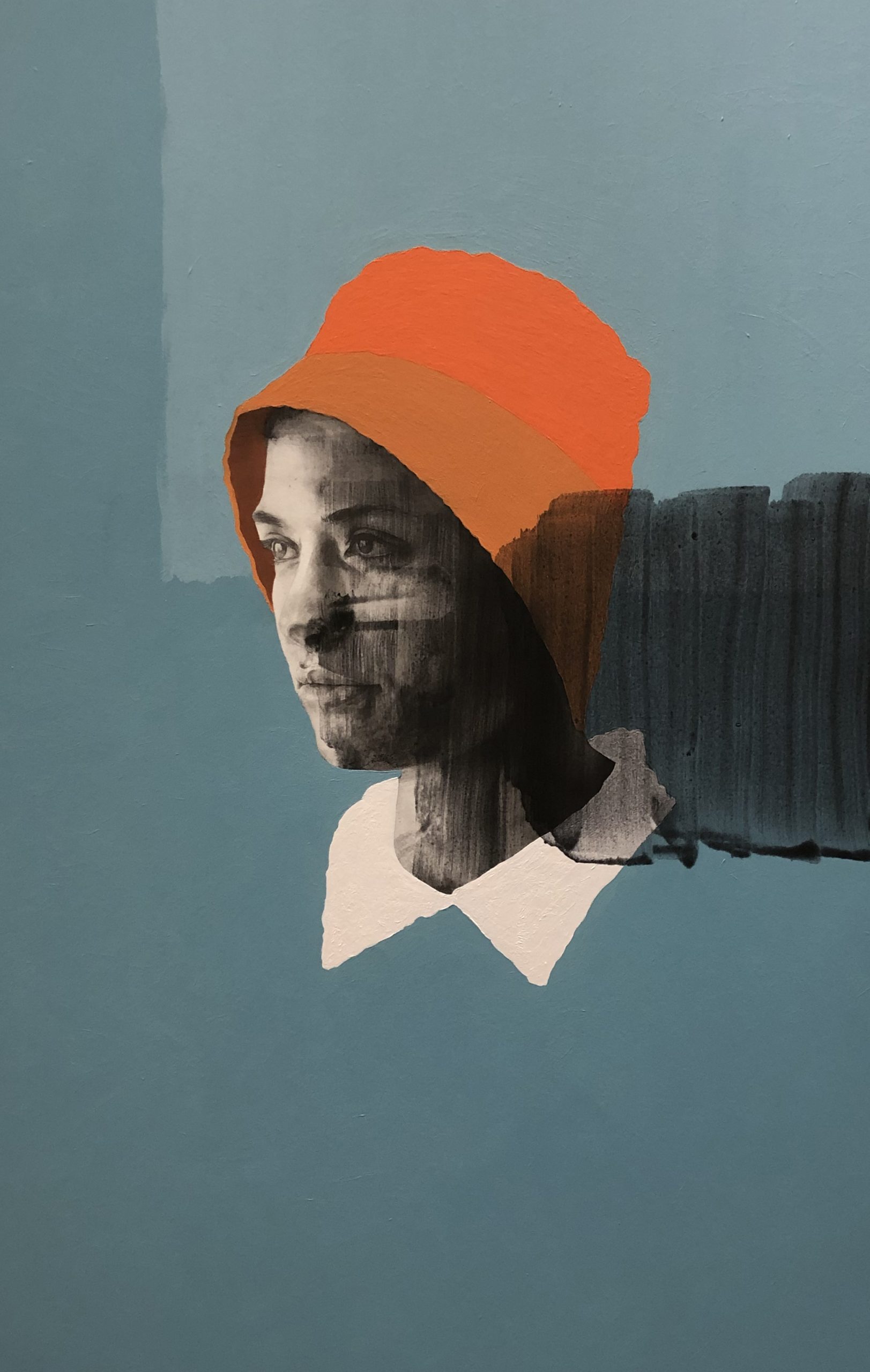
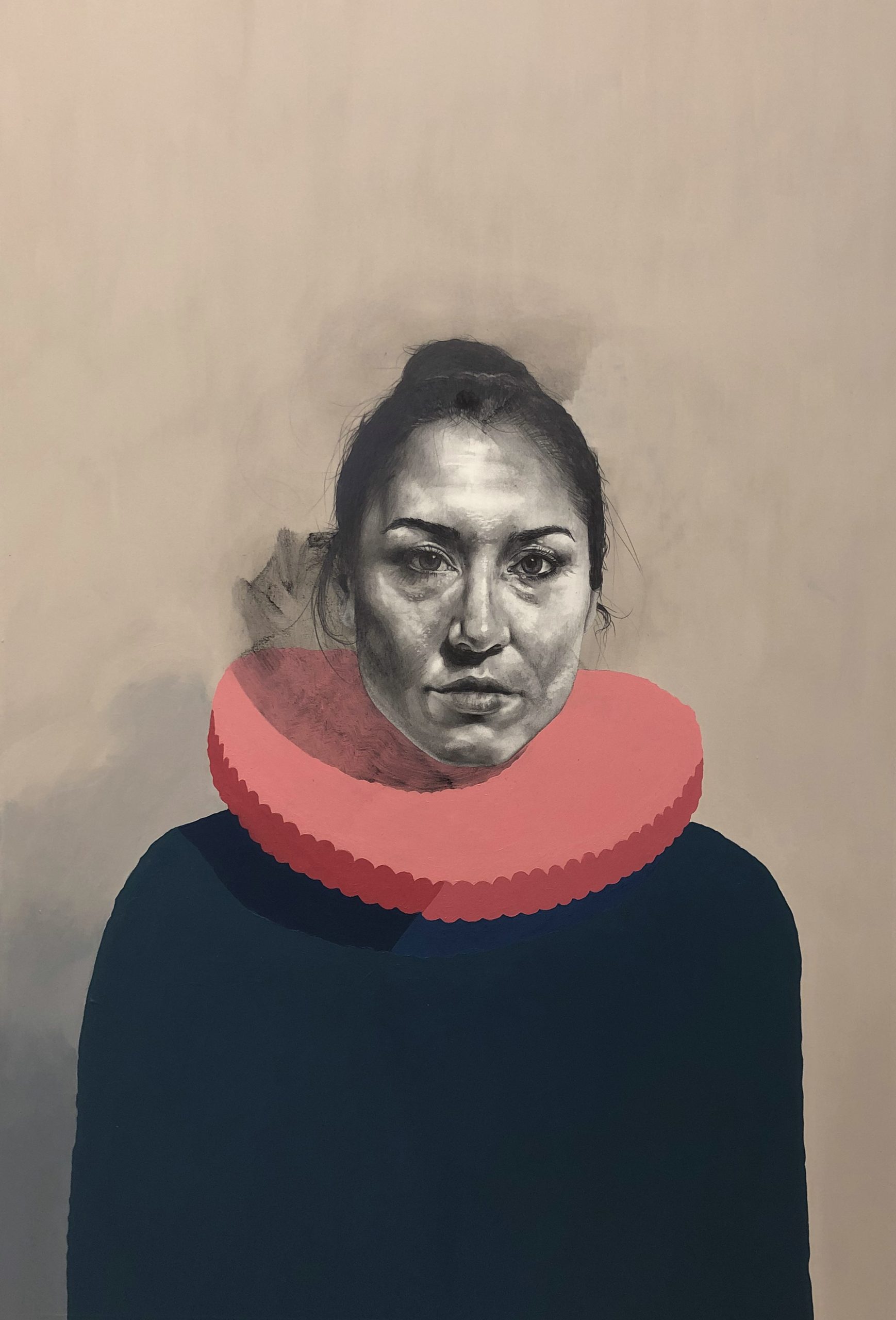
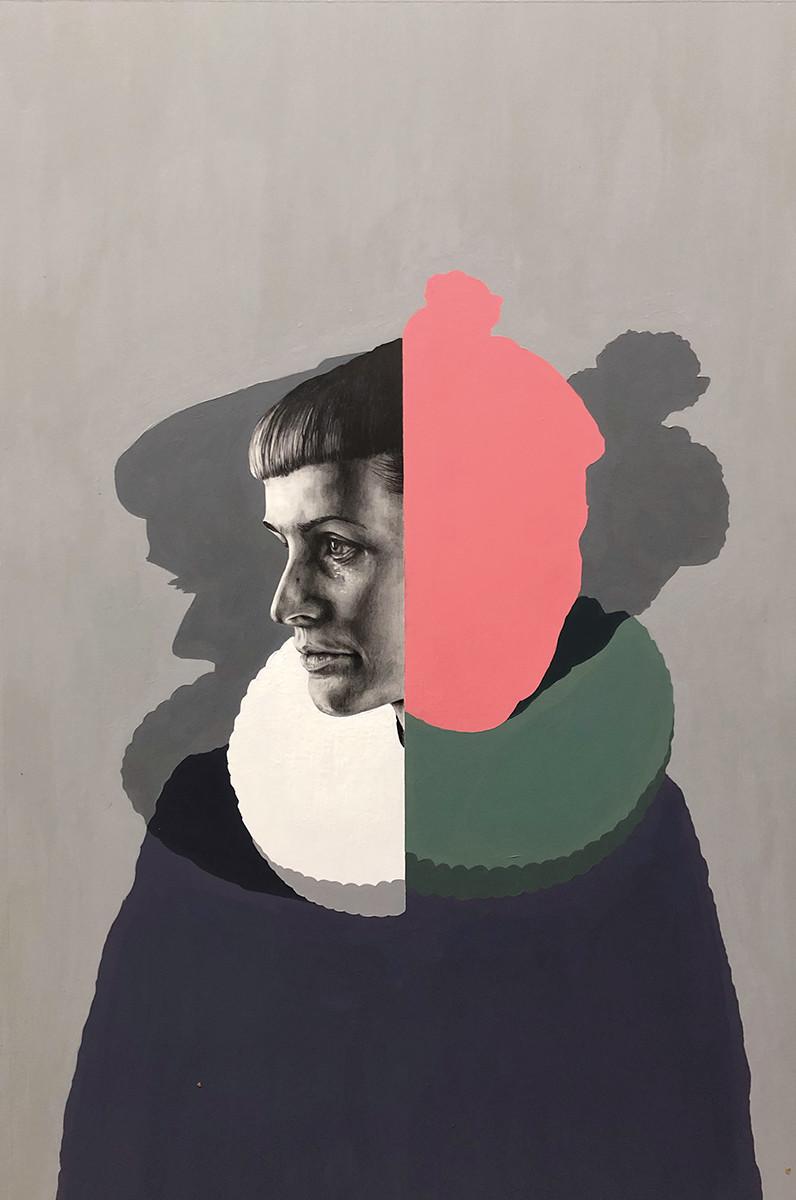
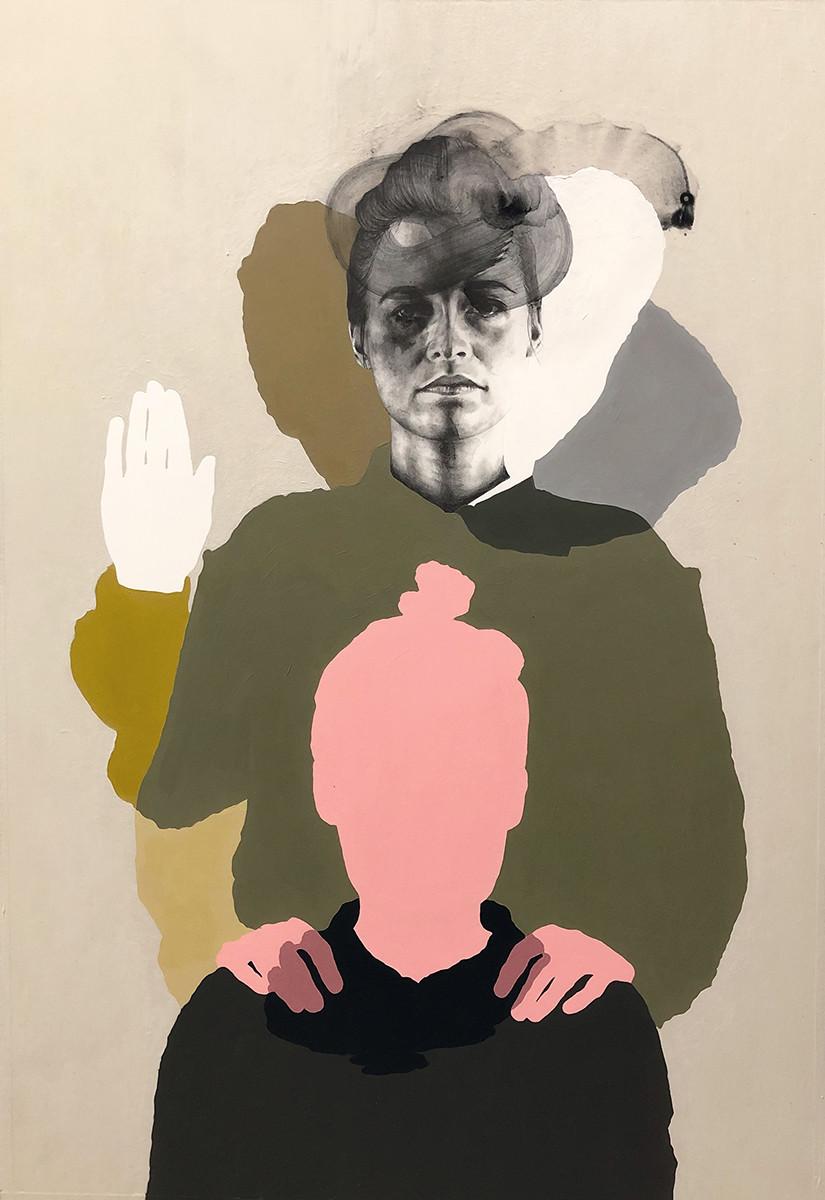
Patrick Morales-Lee’s portraits

Patrick Morales-Lee :: Veneration nº 3. Orange, from the exhibition «Folllowing» at Galerie Heimat
portrait
photocomposite
mixed media
Patrick Morales-Lee :: Veneration nº 3. Orange, from the exhibition «Folllowing» at Galerie Heimat
Patrick Morales-Lee :: Blanquet, from the exhibition «Folllowing» at Galerie Heimat
Patrick Morales-Lee :: unknown title, from the exhibition «Folllowing» at Galerie Heimat | src l'œil de la photographie
Patrick Morales-Lee :: unknown title, from the exhibition «Folllowing» at Galerie Heimat | src l’œil de la photographie
Patrick Morales-Lee :: Crowning, from the exhibition «Folllowing» at Galerie Heimat | src l'œil de la photographie
Patrick Morales-Lee :: Crowning, from the exhibition «Folllowing» at Galerie Heimat | src l’œil de la photographie
Patrick Morales-Lee :: Cloak, from the exhibition «Folllowing» at Galerie Heimat
Patrick Morales-Lee :: Covenant, from the exhibition «Folllowing» at Galerie Heimat | src l'œil de la photographie
Patrick Morales-Lee :: Covenant, from the exhibition «Folllowing» at Galerie Heimat | src l’œil de la photographie

Hommage à Jeanne Mammen

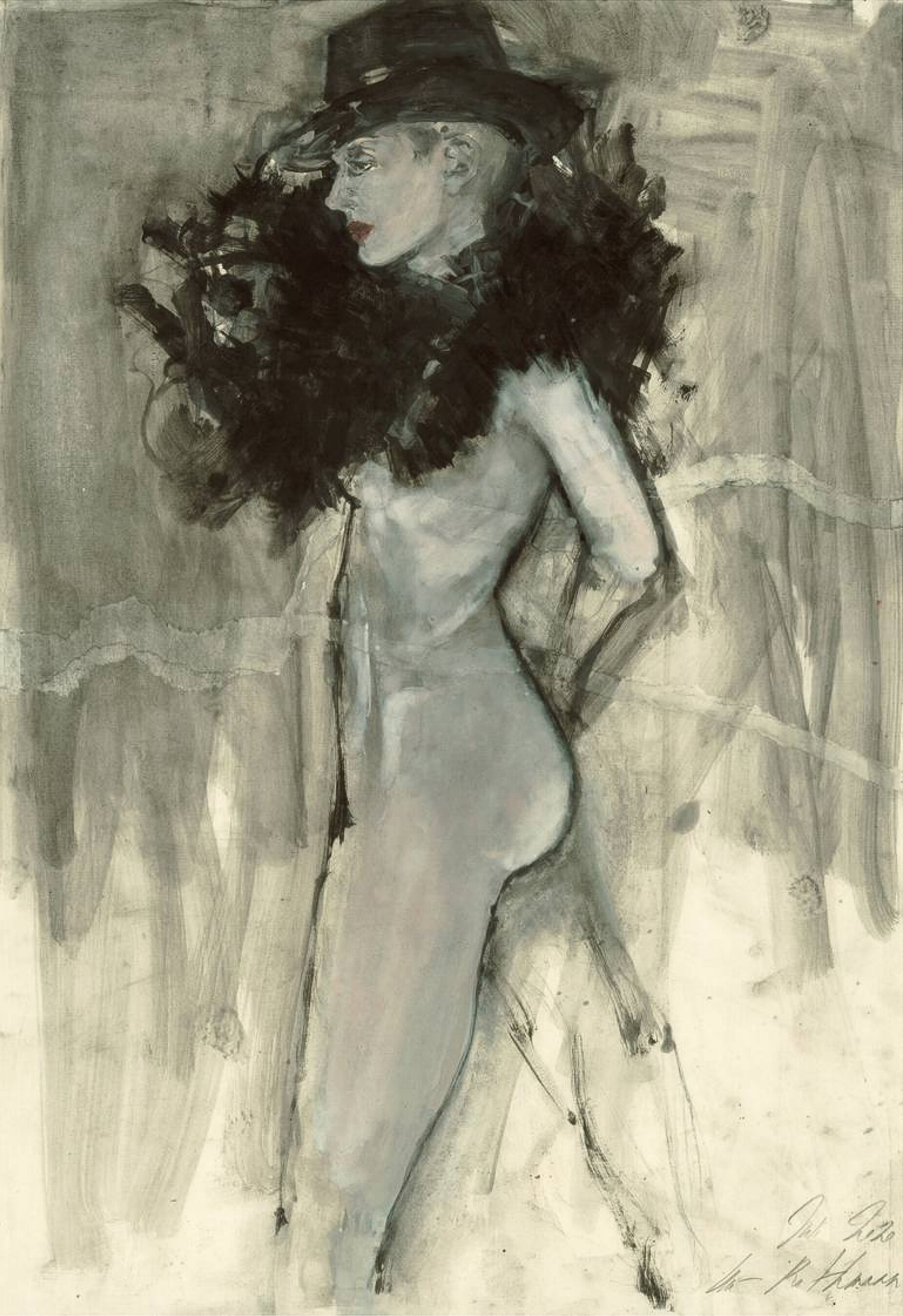
Ute Rathmann :: Hommage à Jeanne Mammen; graphite pencil, charcoal, watercolors, pastels and gouache on paper with collage, July 2020. | src Saatchi Gallery

The Theater of Insects

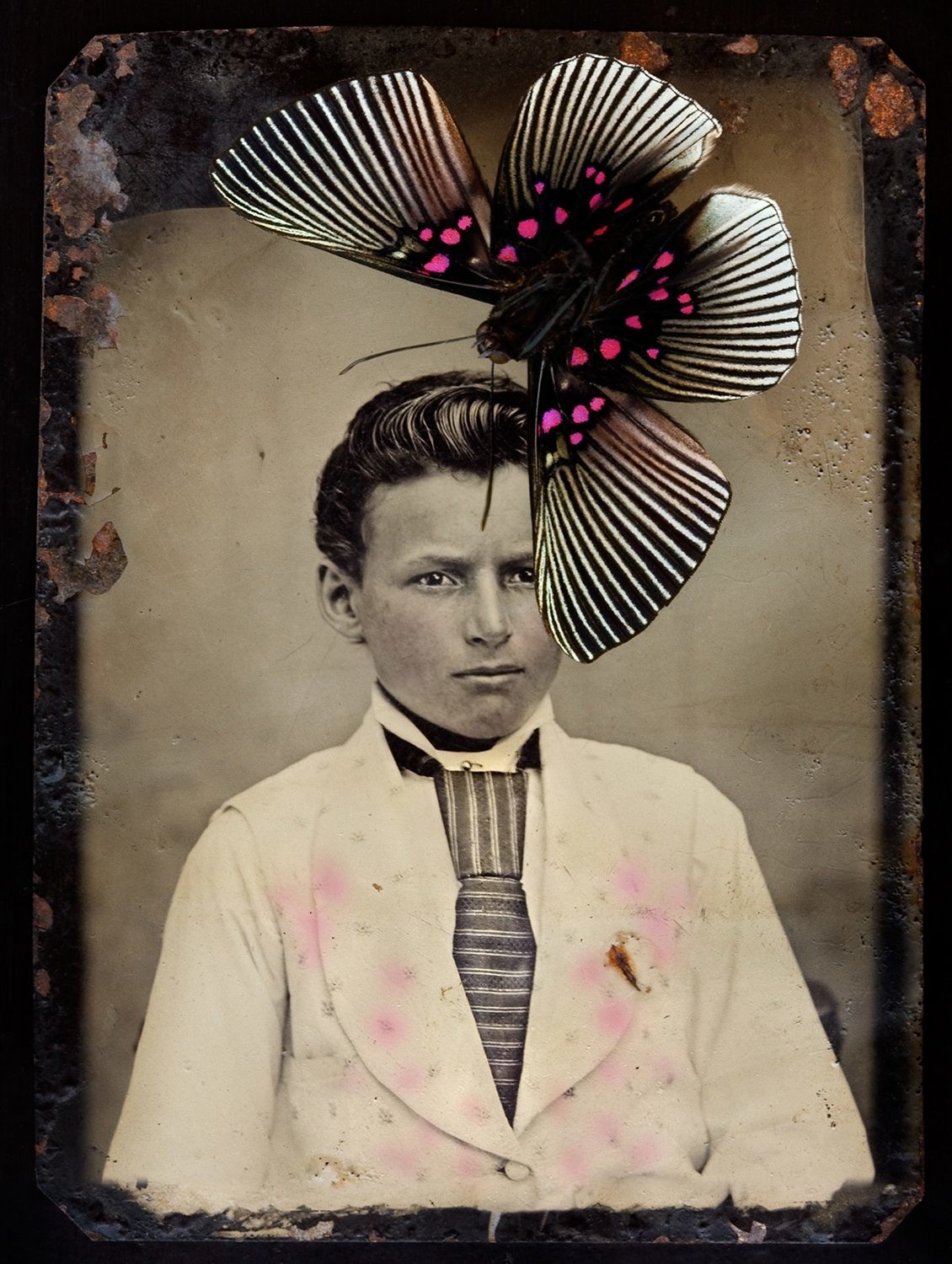
Jo Whaley :: Lyropteryx Apollonia, 2008. From: “The Theater of Insects”, published by Chronicle Books. | src l’œil de la photographie and Flickr
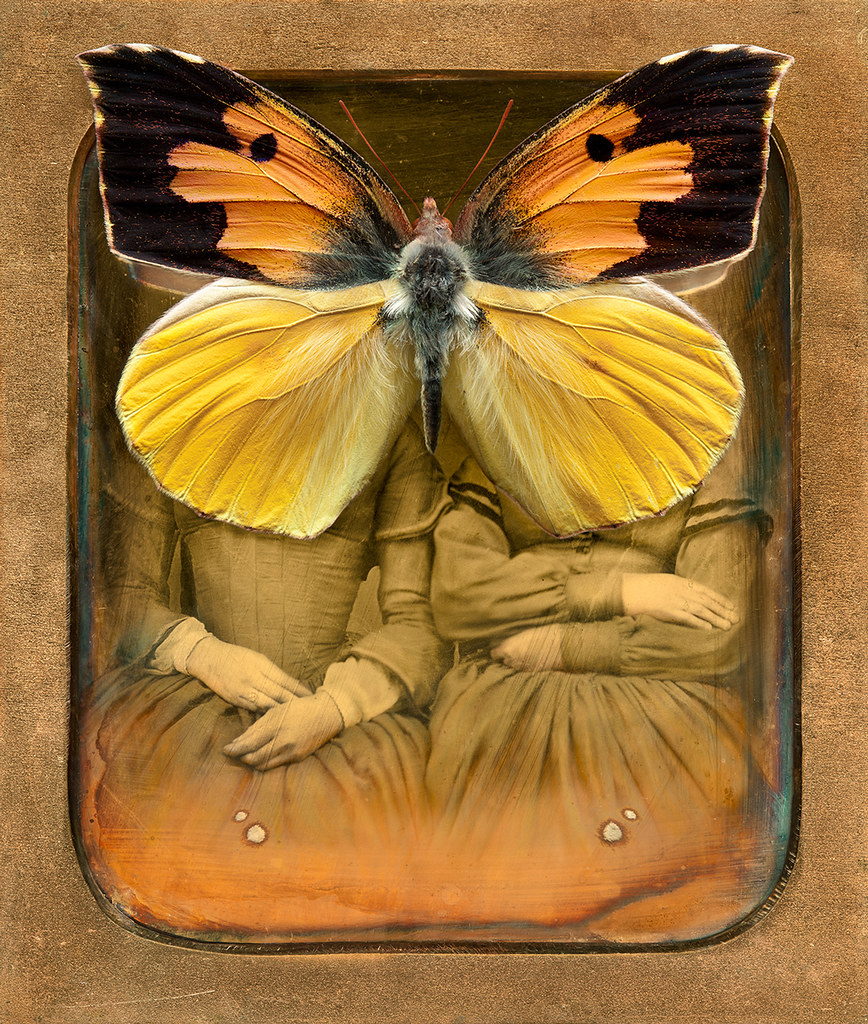
Jo Whaley :: Colias Eurydice, 2008. From: “The Theater of Insects”, published by Chronicle Books. | src l’œil de la photographie and Flickr

Hannah Höch collages

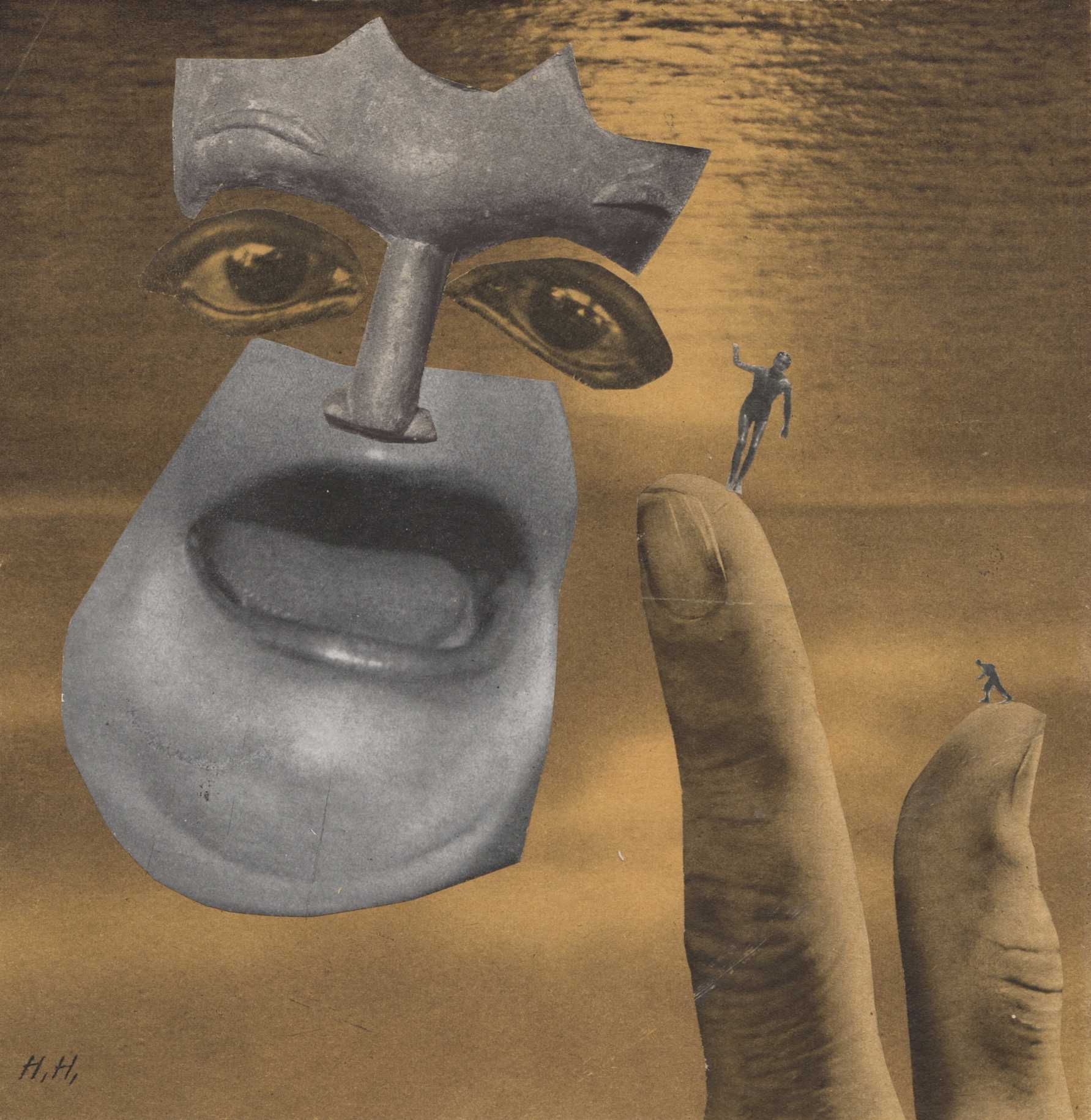
Hannah Höch :: Fremde Schönheit [Strange beauty], Berlin, ca. 1929, original photographic collage on coloured paper signed H.H. (The Geneviève & Jean-Paul Kahn Library). | src la gazette drouot
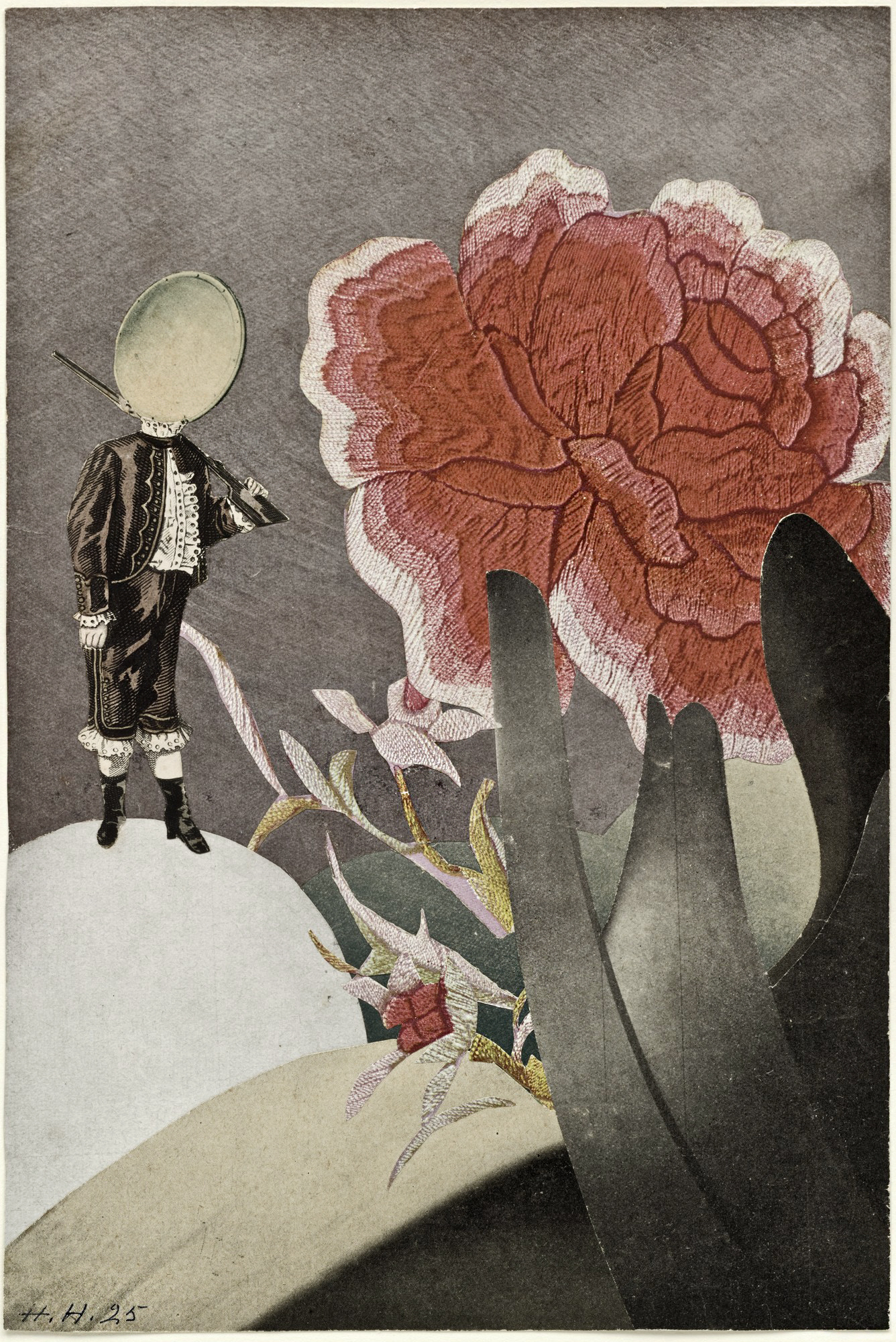
Hannah Höch :: Über dem Wasser | Over the Water, 1943-1946. Collage of paper and offset prints on cardboard. From: Sheroes of Photography exhibition. © VG Bild-Kunst, Bonn. | src Galerie Kicken Berlin
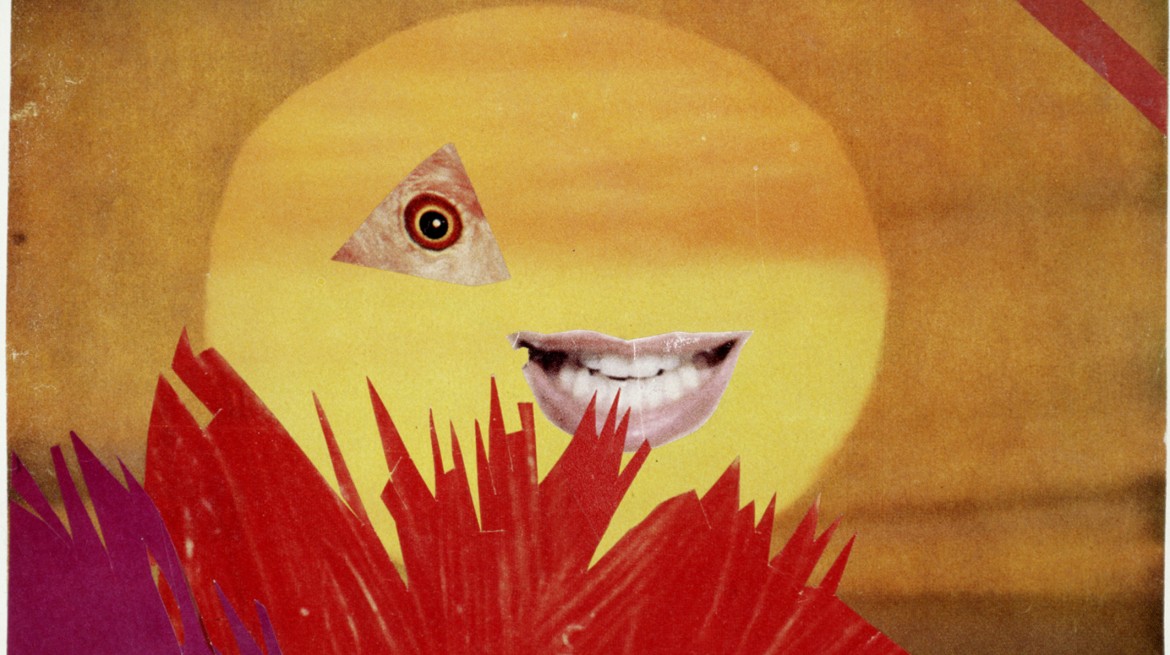
Hannah Höch :: Kleine Sonne (Little Sun), 1969, Collage, 16.3 × 24.2 cm, Landesbank Berlin AG. | src Whitechapel Gallery

Hannah Höch was an artistic and cultural pioneer. A member of Berlin’s Dada movement in the 1920s, she was a driving force in the development of 20th century collage. Splicing together images taken from fashion magazines and illustrated journals, she created a humorous and moving commentary on society during a time of tremendous social change. Höch was admired by contemporaries such as George Grosz, Theo van Doesburg and Kurt Schwitters, yet was often overlooked by traditional art history. As the first major exhibition of her work in Britain, the show puts this inspiring figure in the spotlight.

The exhibition examines Höch’s extraordinary career from the 1910s to the 1970s. Starting with early works influenced by her time working in the fashion industry, it includes key photomontages such as High Finance (1923) which critiques the relationship between bankers and the army at the height of the economic crisis in Europe.

A determined believer in artistic freedom, Höch questioned conventional concepts of relationships, beauty and the making of art. Höch’s collages explore the concept of the ‘New Woman’ in Germany following World War I and capture the style of the 1920s avant-garde theatre. The important series ‘From an Ethnographic Museum’ combines images of female bodies with traditional masks and objects, questioning traditional gender and racial stereotypes.

Astute and funny, the exhibition reveals how Höch established collage as a key medium for satire whilst being a master of its poetic beauty. | quoted from Whitechapel Gallery