
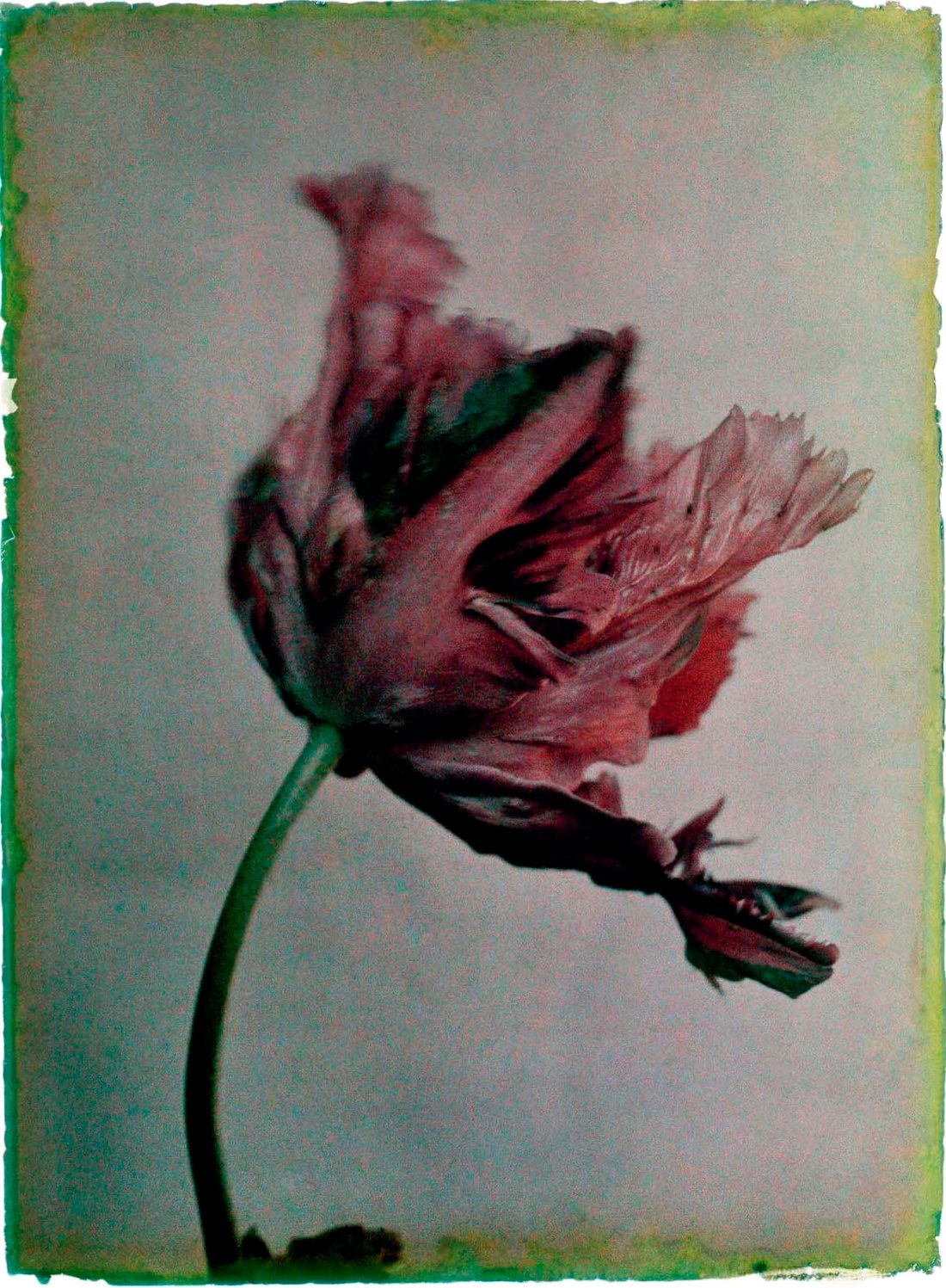
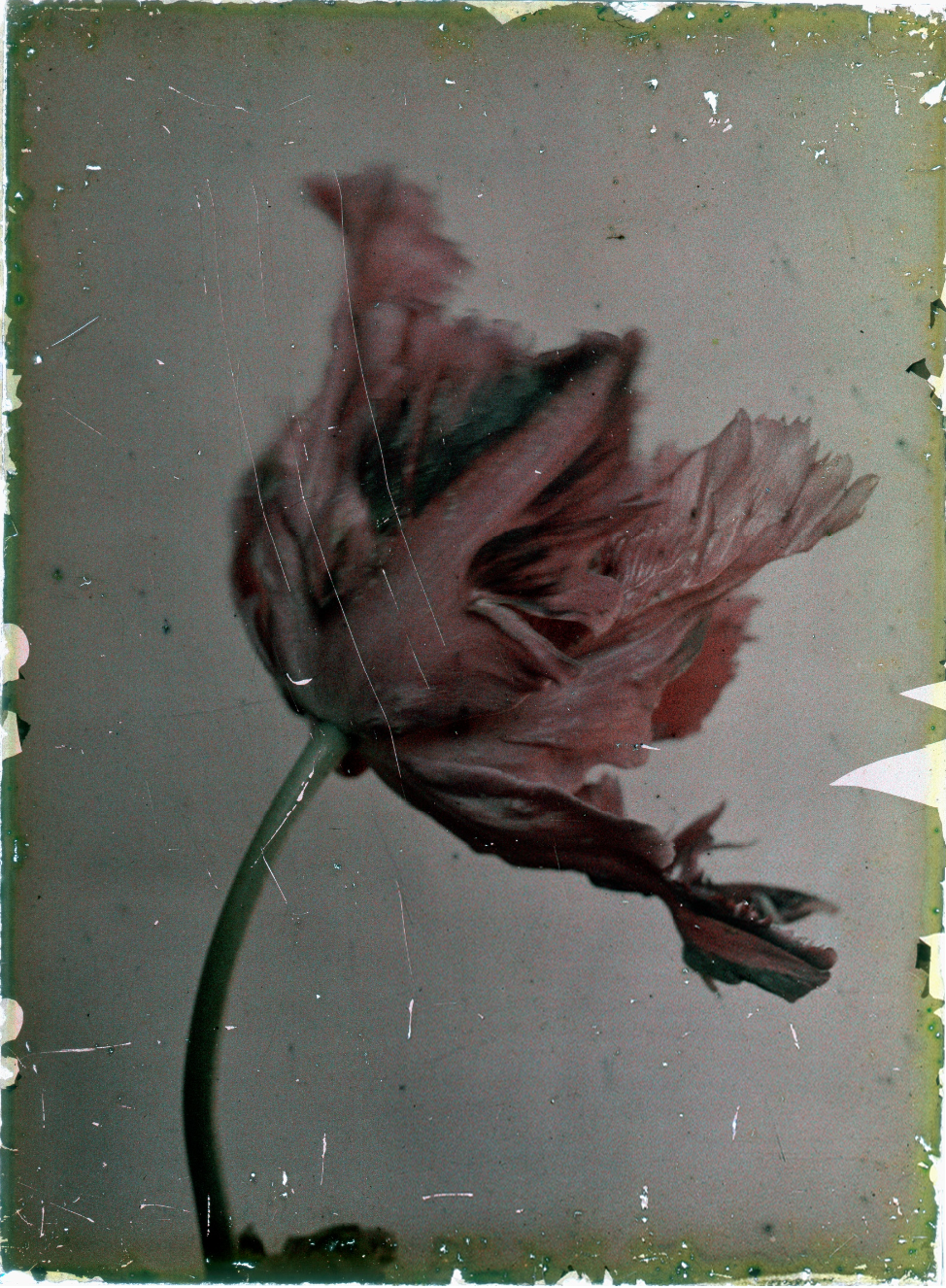
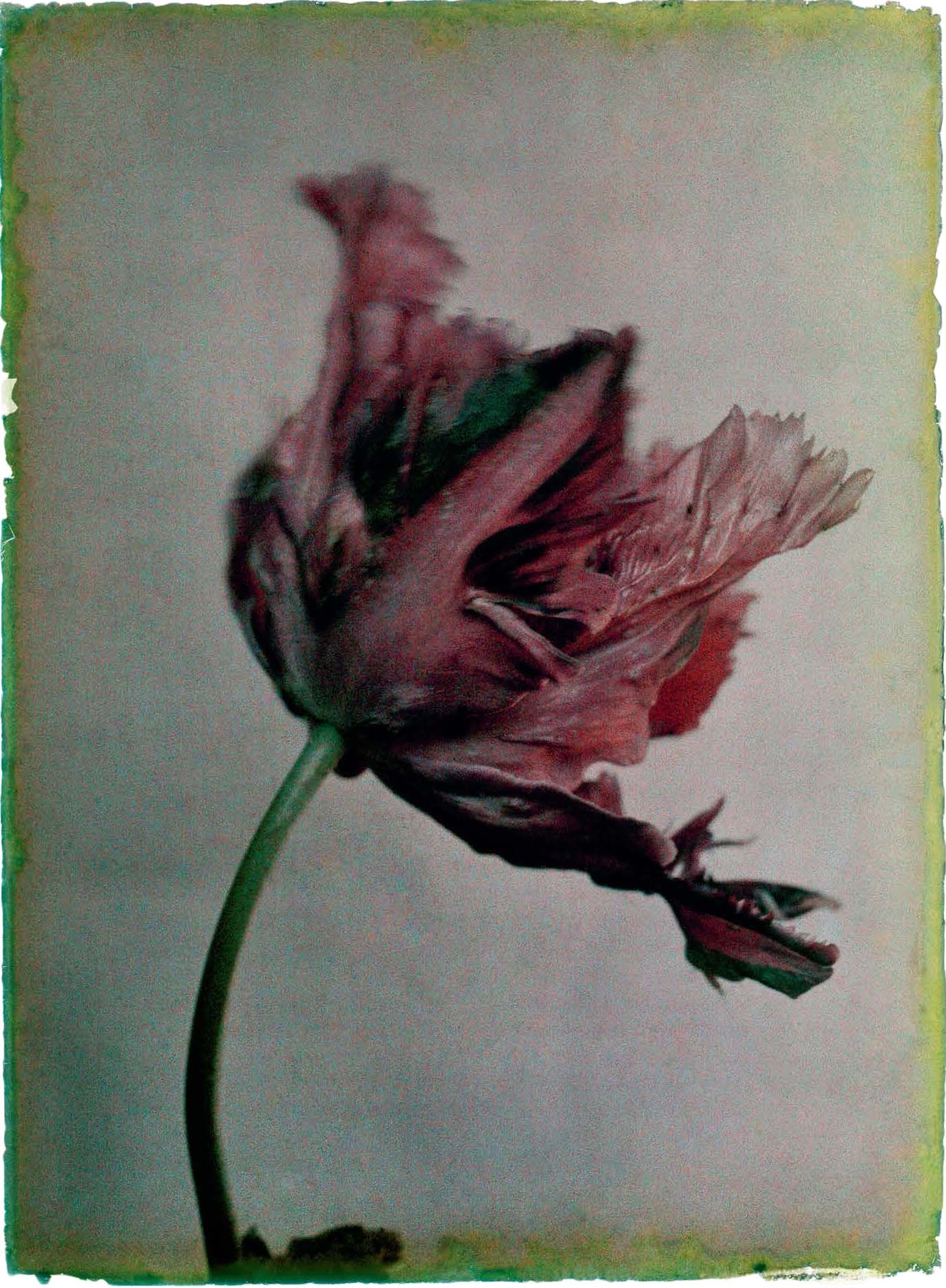
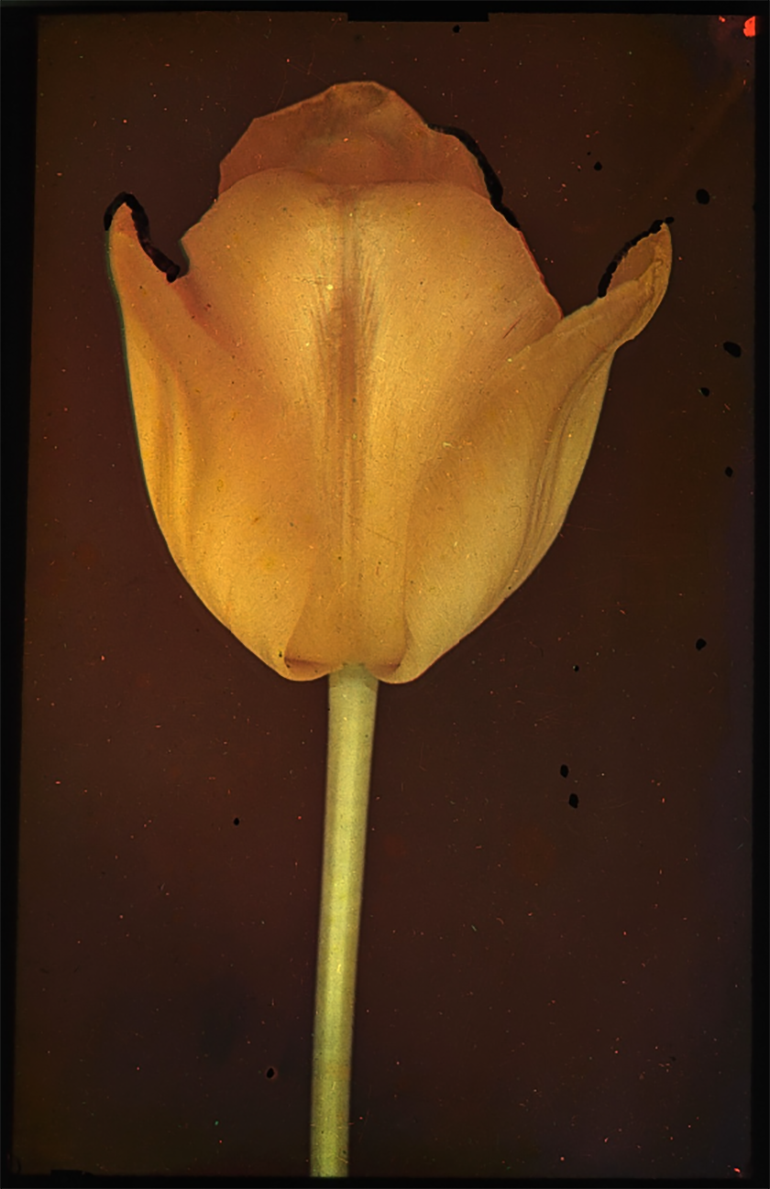
Tulip, Absalon, ca. 1927
images that haunt us
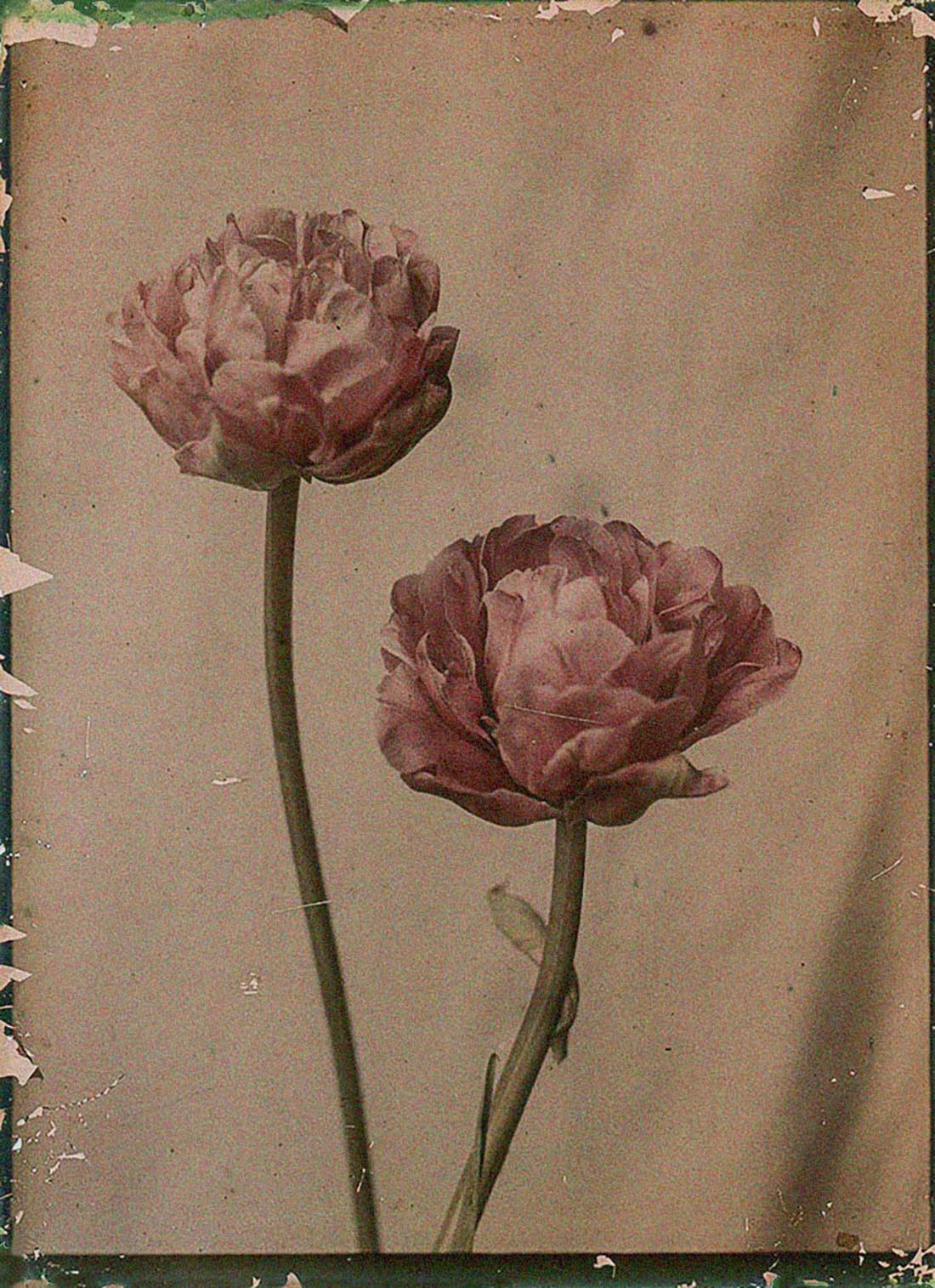

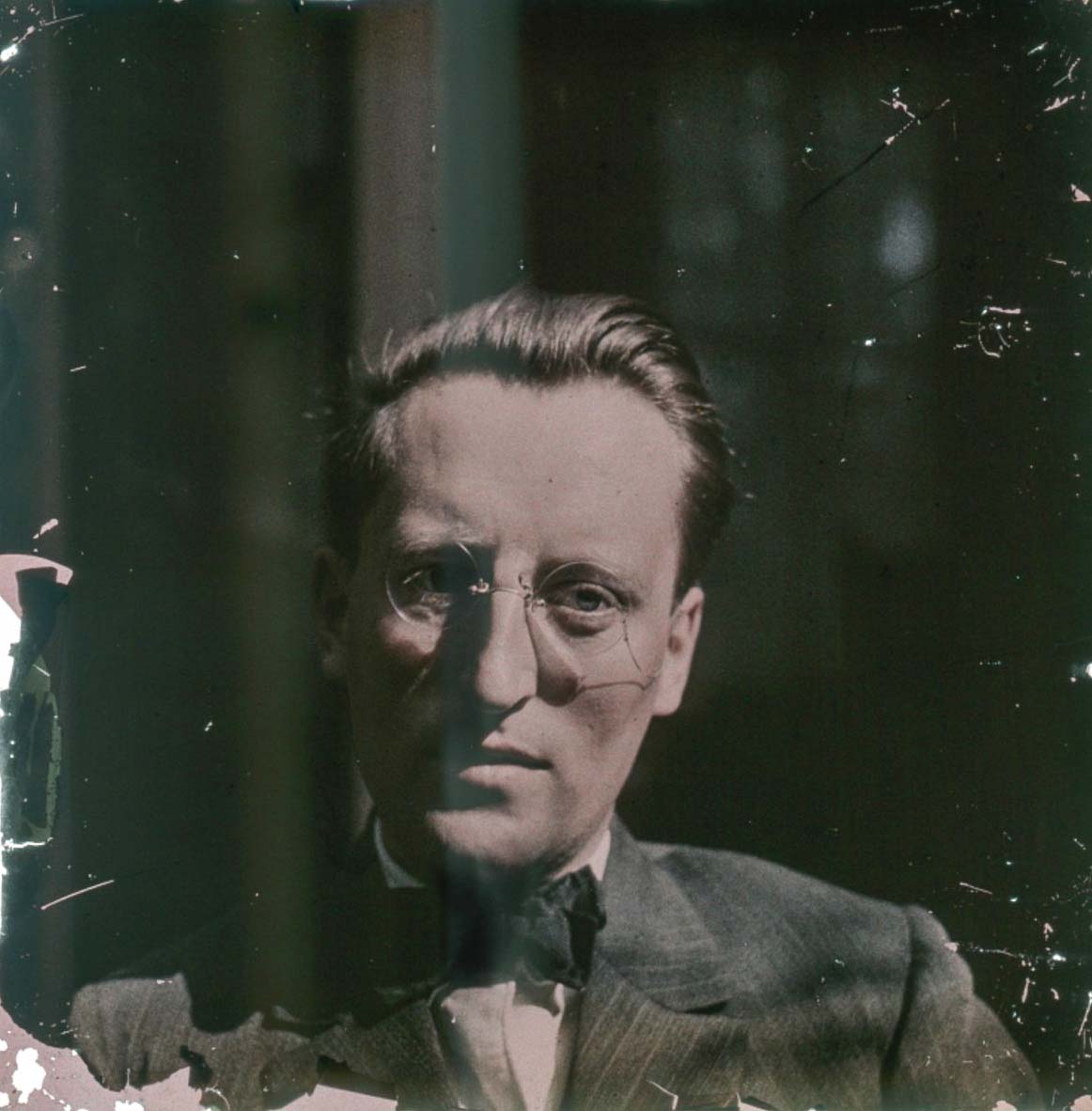

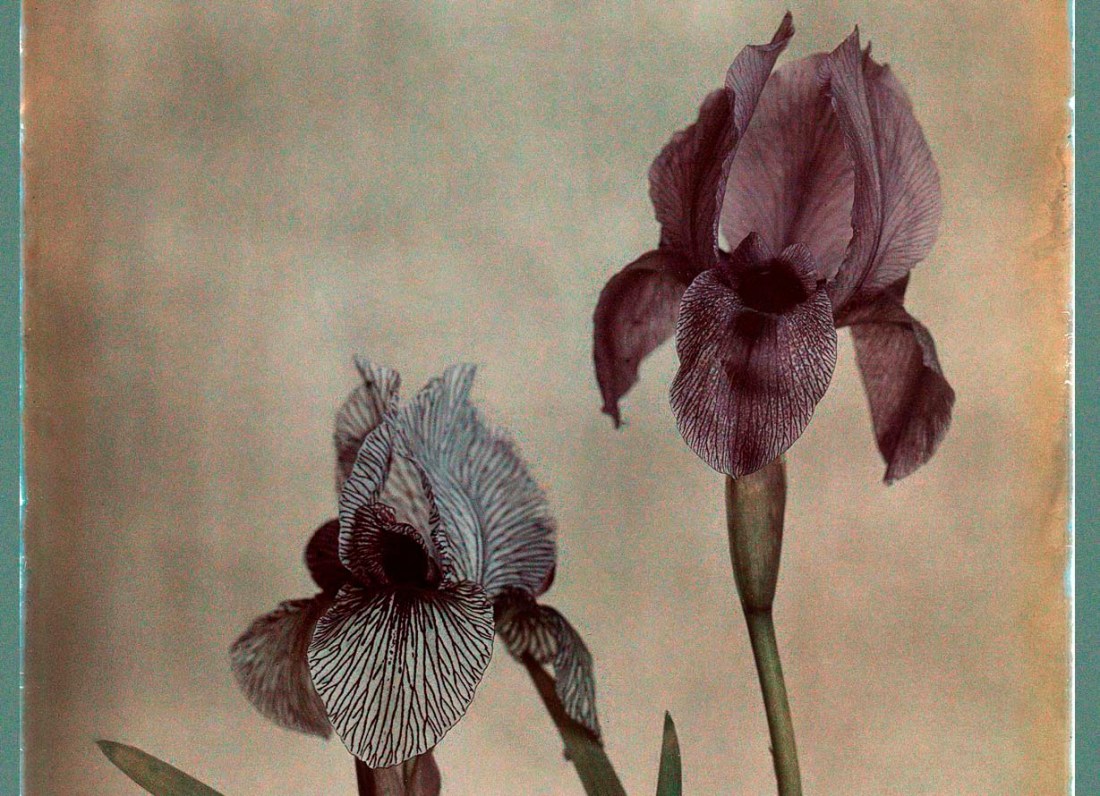

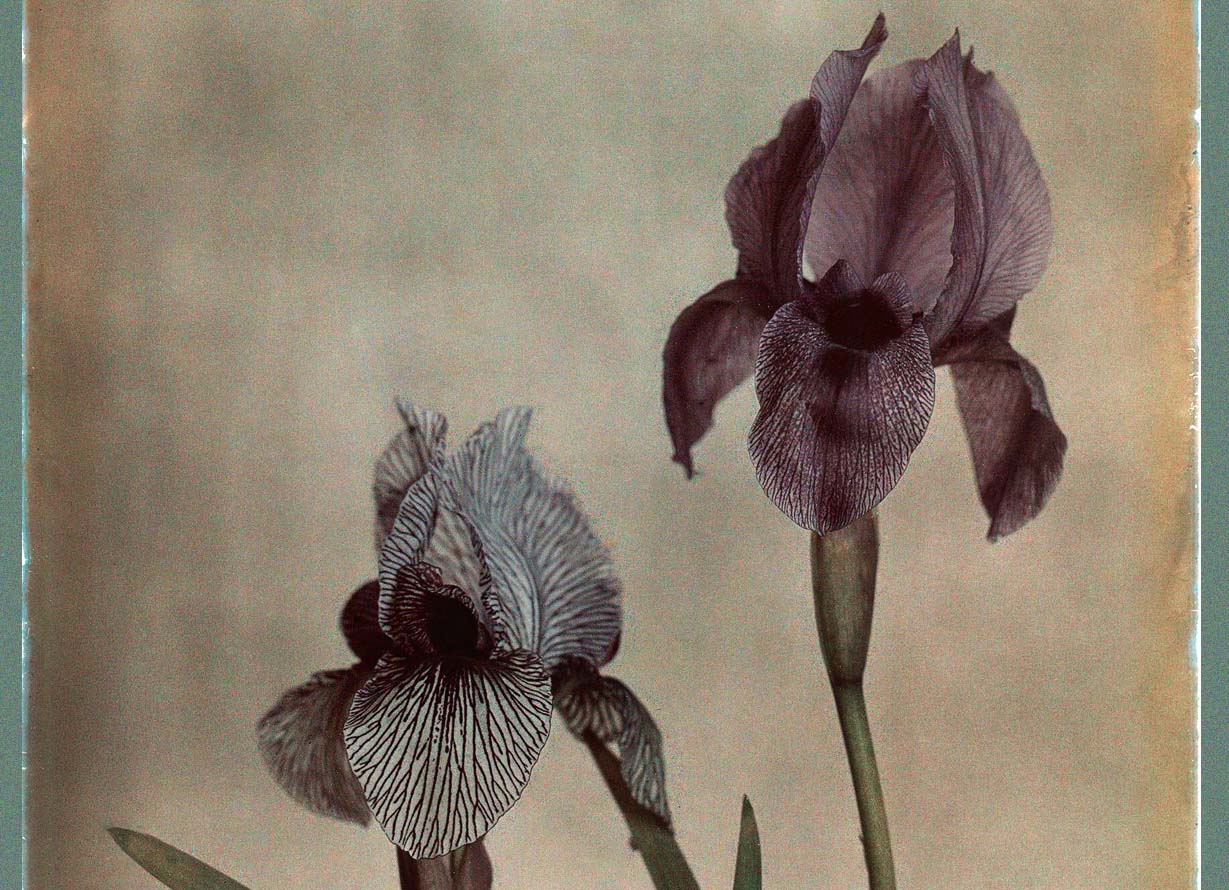
Leendert Blok experimented with color process and with close-up shots that filled the screen. A pioneer of color photography, Blok worked closely in the 1920s with flower producers in The Netherlands, who were developing many new floral varieties and made high-quality color prints for their product catalogs.
Silent Beauties. Fotografien aus den 1920er-Jahren, Hatje Cantz, 2015.
Les extravagantes, portraits of flowers shot in autochrome by Lendeert Blok. Xavier Barral, 2015.
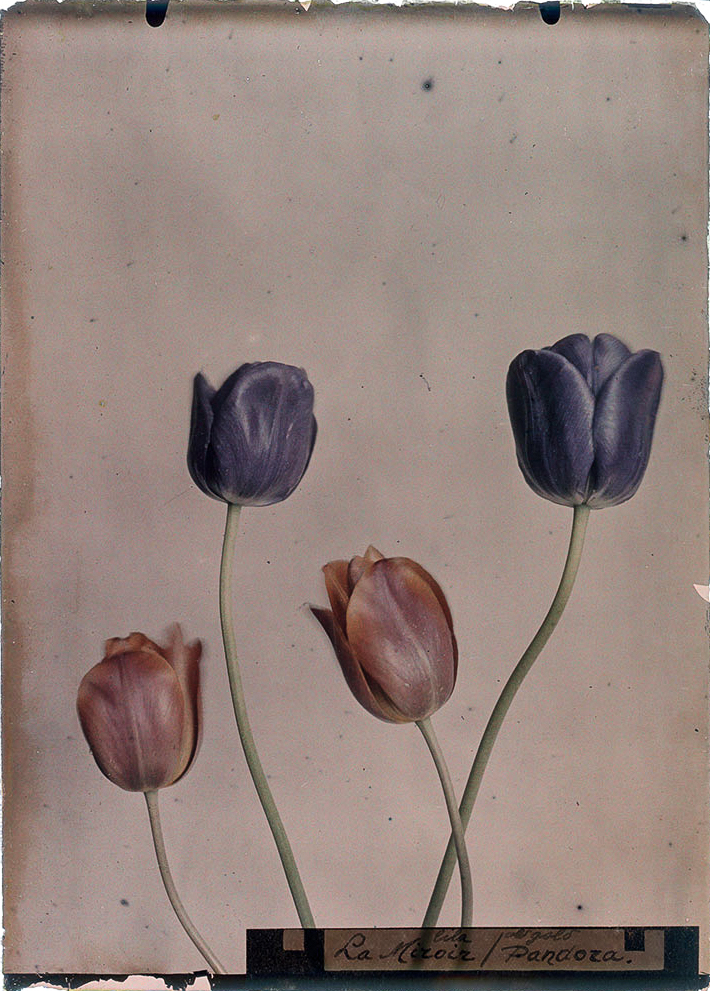
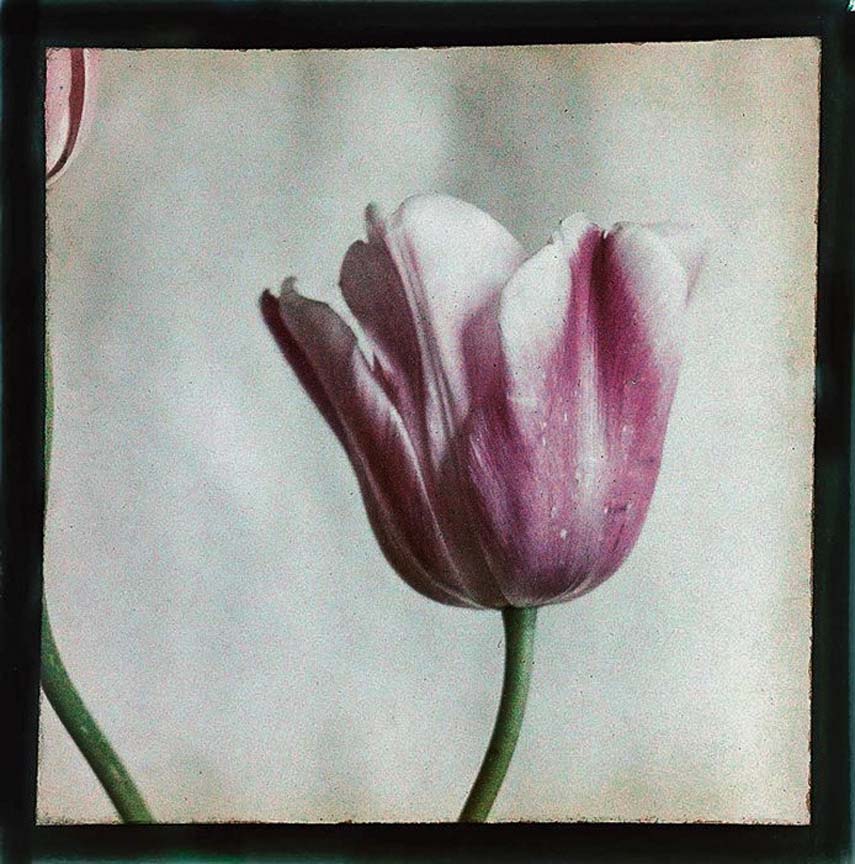
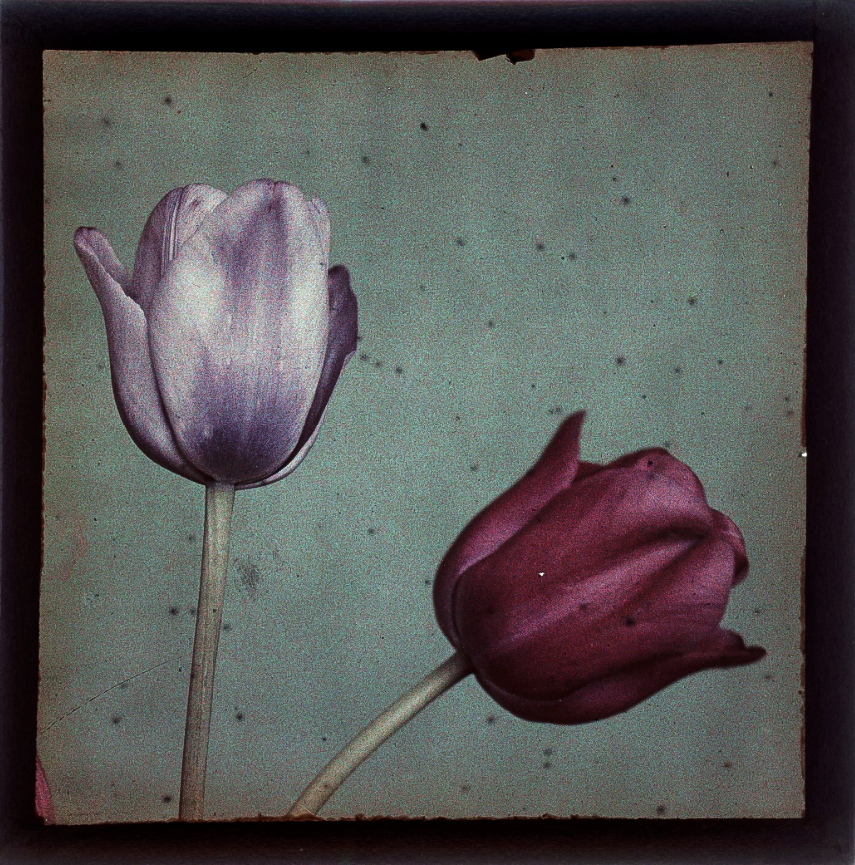
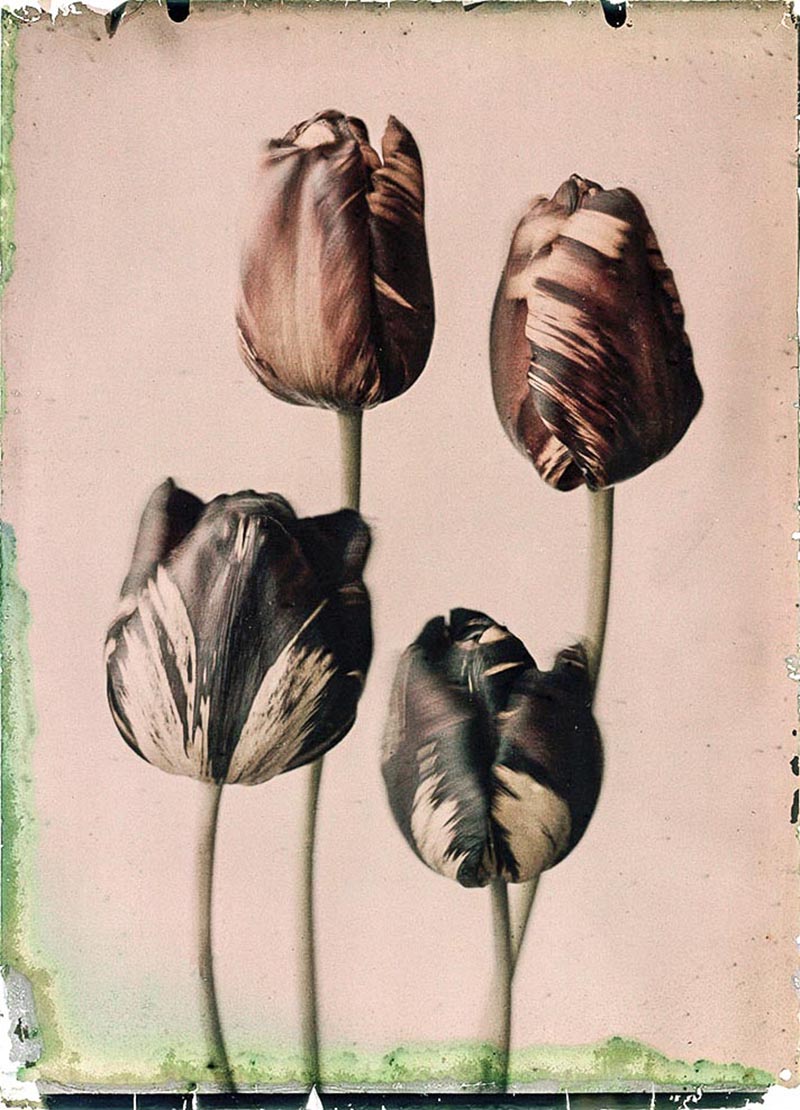
![Leendert Blok :: Floriculture, tulips, flowers, bulbs. Four variegated tulips. Example of early color photography using the Autochrome process. [The Netherlands, about 1930]. | src Nationaal Archief ~ Collectie Spaarnestad and Flow Magazine](https://live.staticflickr.com/65535/52533044827_f3c7e1894c_o.jpg)
Blok applied this first practical color process to photograph flowers for Dutch growers in the Bollenstreek. Using orange, violet and green colored very fine potato starch granules which act as a filter and which are applied to a black and white positive on glass, an image is created that can be viewed as a color slide. | src Nationaal Archief ~ Collectie Spaarnestad and Flow Magazine
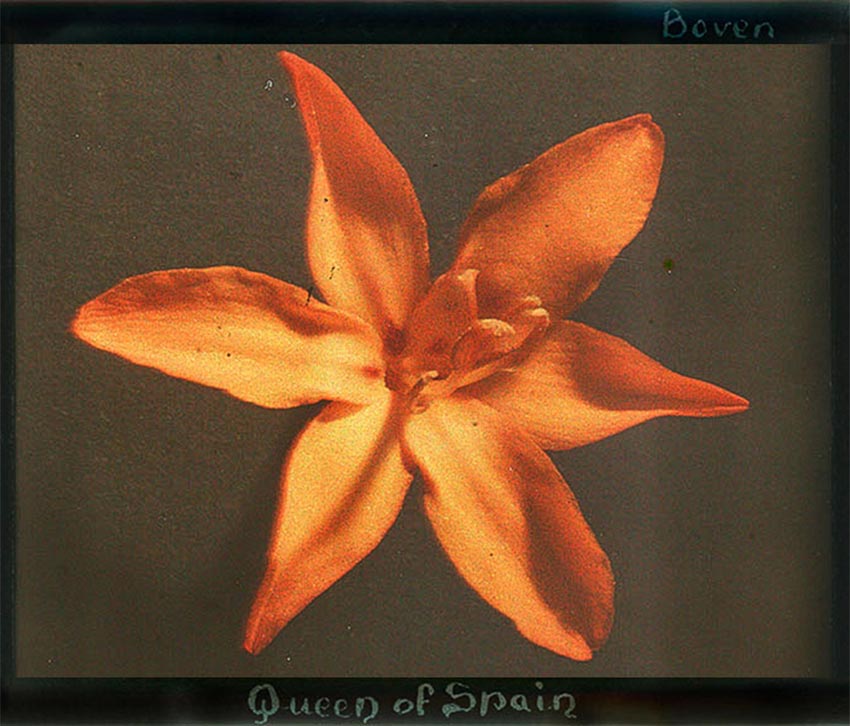
![Leendert Blok :: Orange daffodil, Narcissus Queen of Spain. Example of early photography made according to the Autochrome process. [The Netherlands, ca. 1927.] | src Collectie Spaarnestad](https://unregardoblique.com/wp-content/uploads/2022/11/leendert-blok-1895-1986-narcissus-queen-of-spain-ca.-1927-src-box-galerie-crp.jpg)
![Leendert Blok :: Orange daffodil, Narcissus Queen of Spain. Example of early photography made according to the Autochrome process. [The Netherlands, ca. 1927.] | src Collectie Spaarnestad](https://live.staticflickr.com/65535/52534067861_d57667b04f_o.jpg)
 un regard oblique