images that haunt us

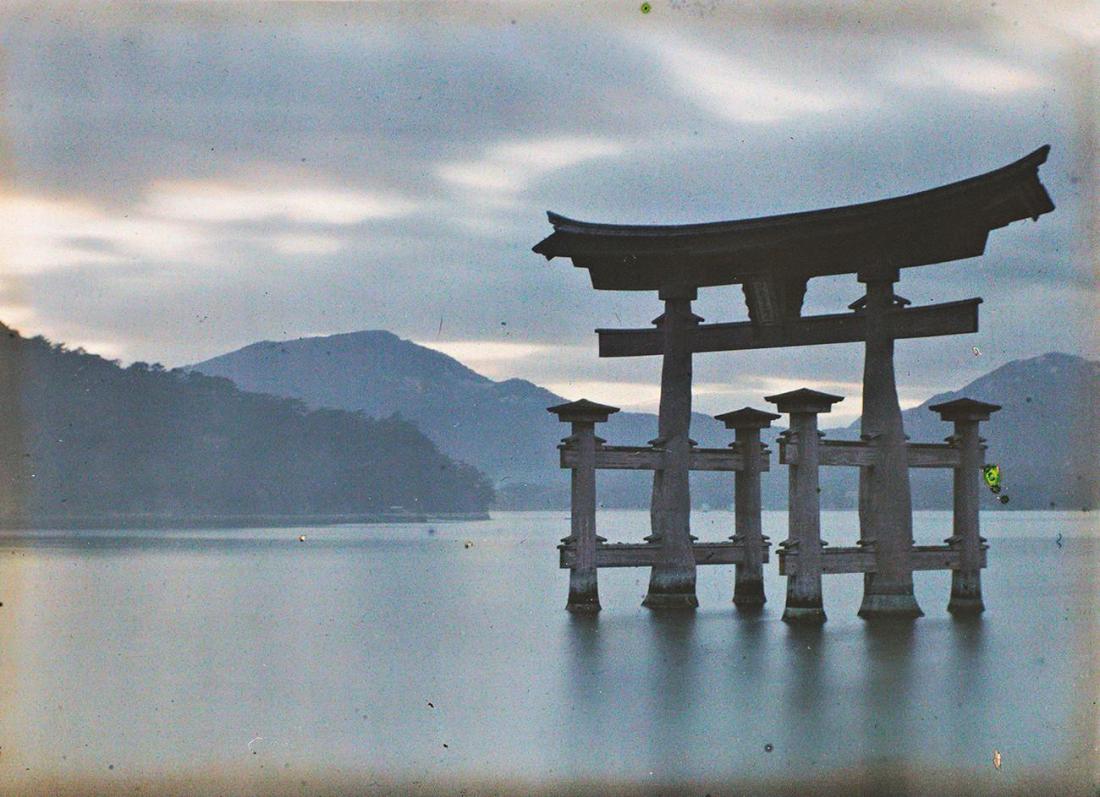
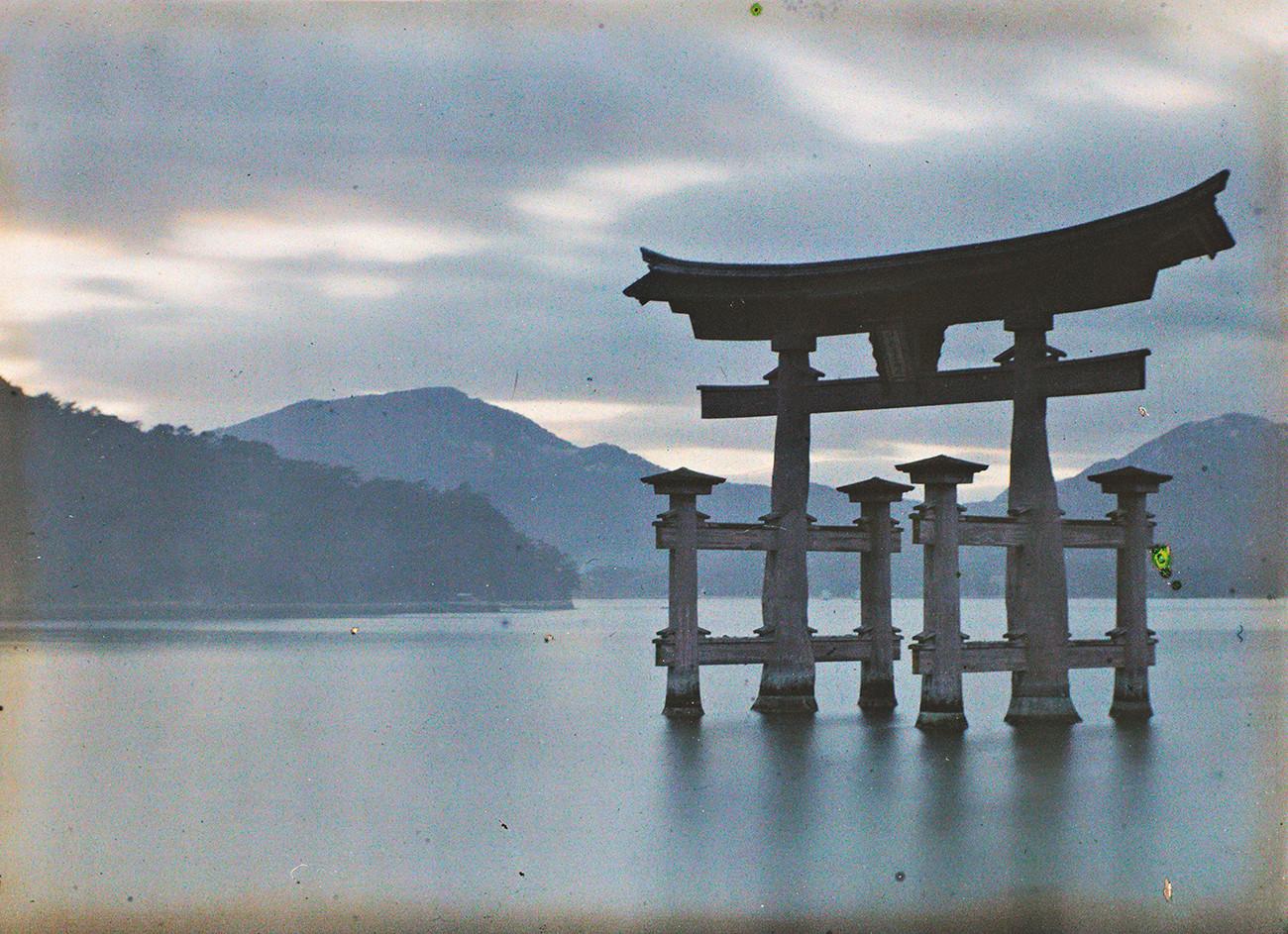
![Roger Dumas :: Le Torii marin de l' Isukushima-jinja au crépuscule, Itsukushima [Sanctuaire], Japon, 1926-1927. Plaque de verre Autochrome. Archives de la Planète. | src Musée Albert Kahn](https://live.staticflickr.com/65535/52532517983_cb05d6f1b3_o.jpg)


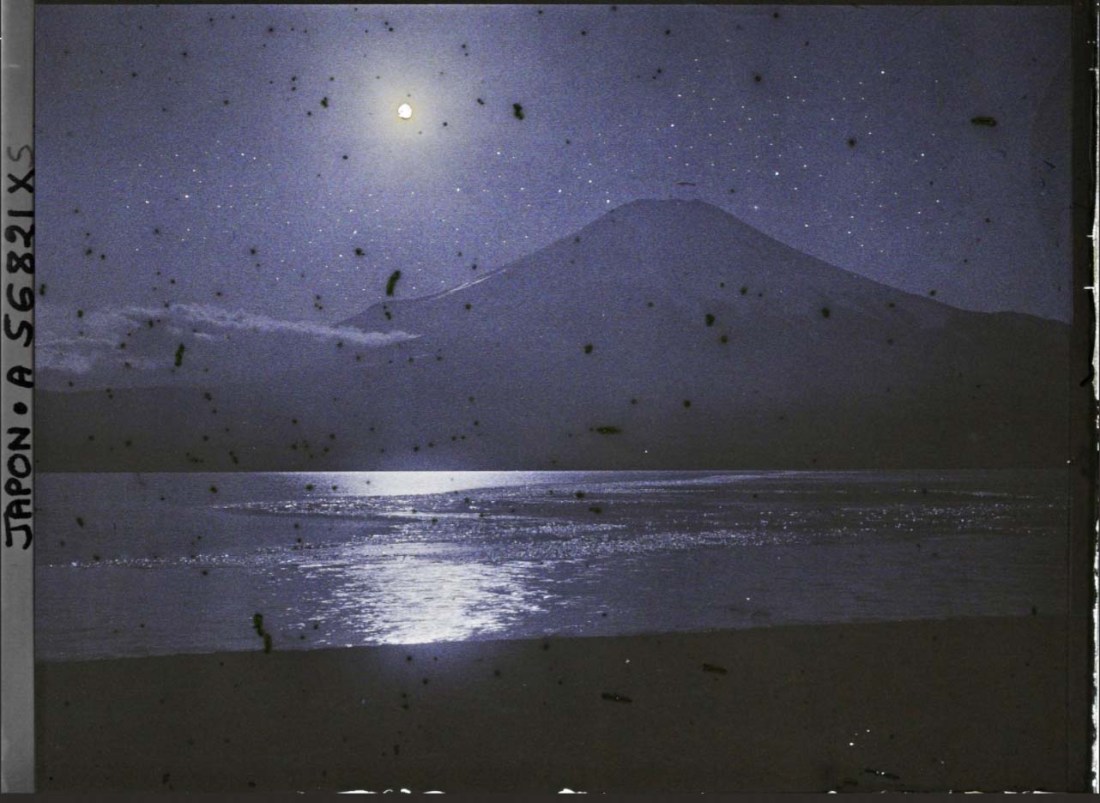
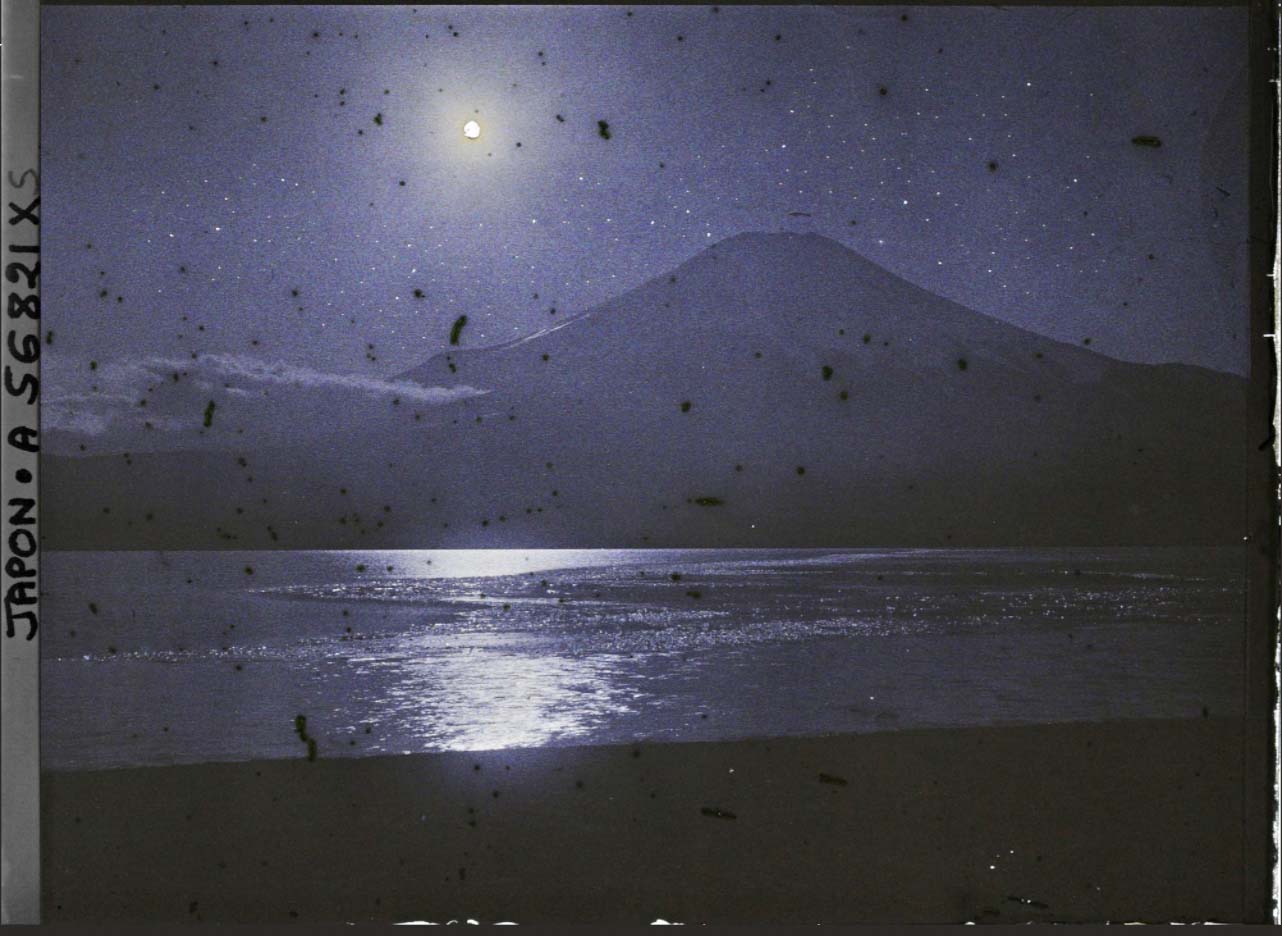
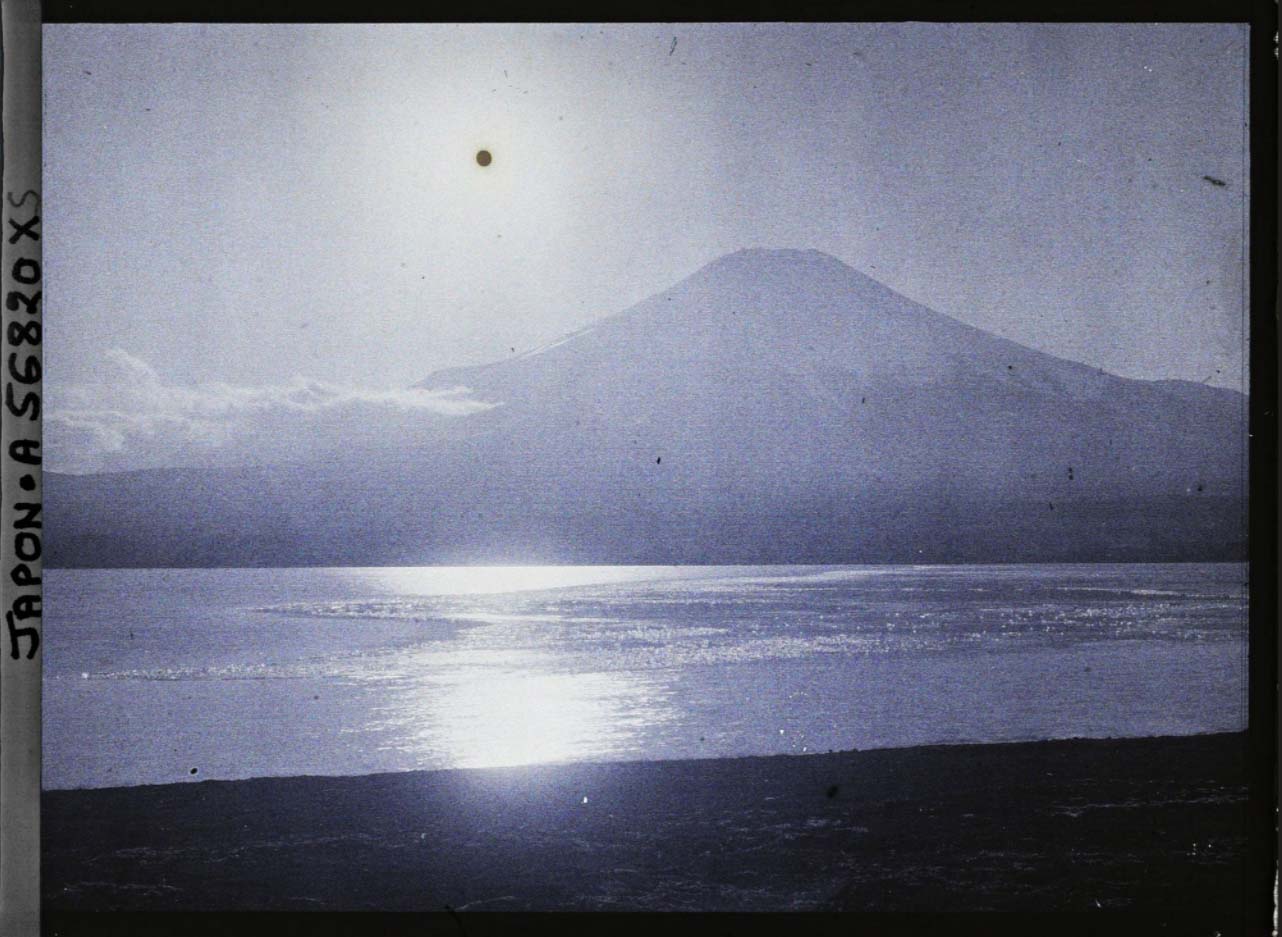
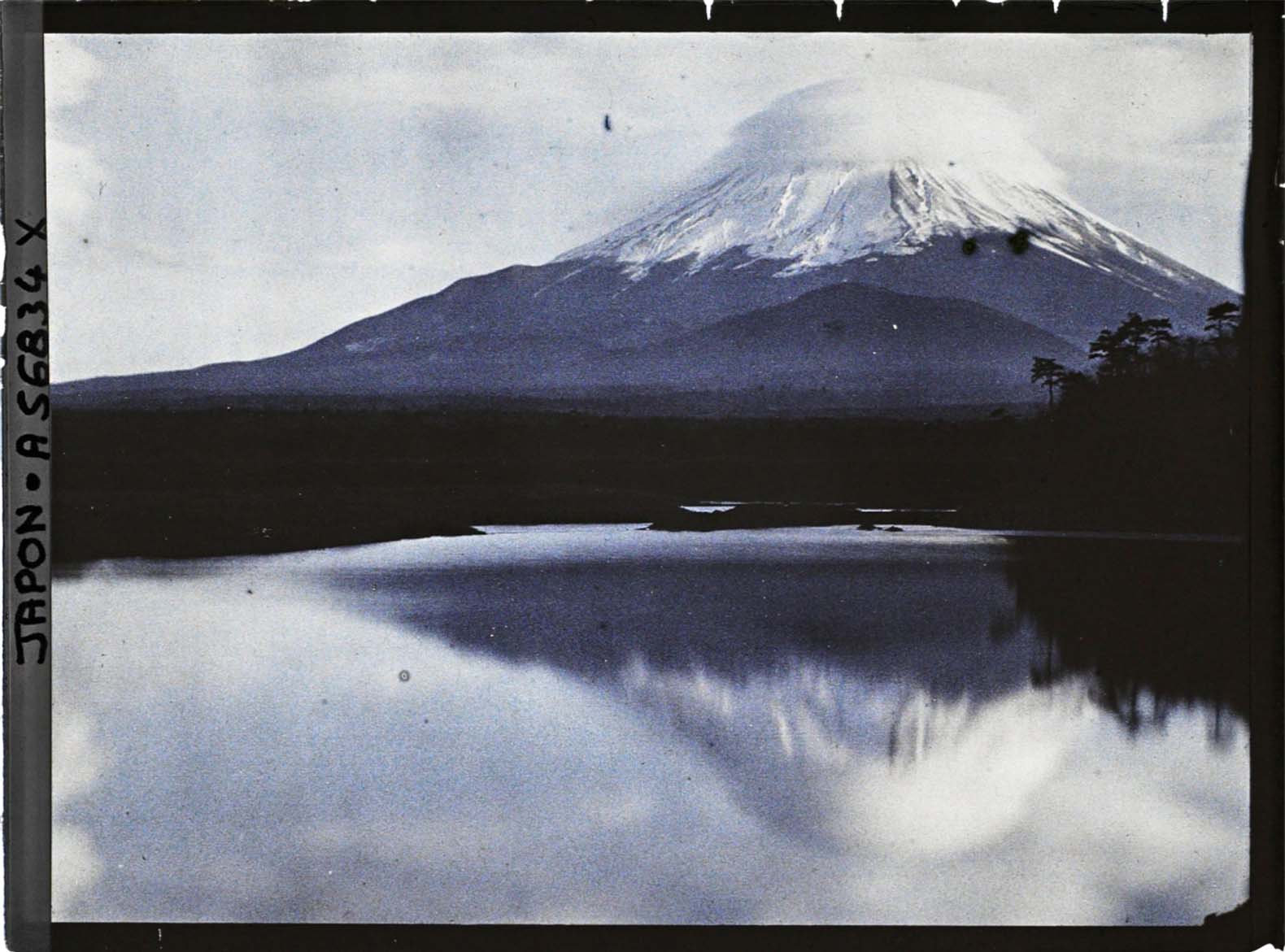
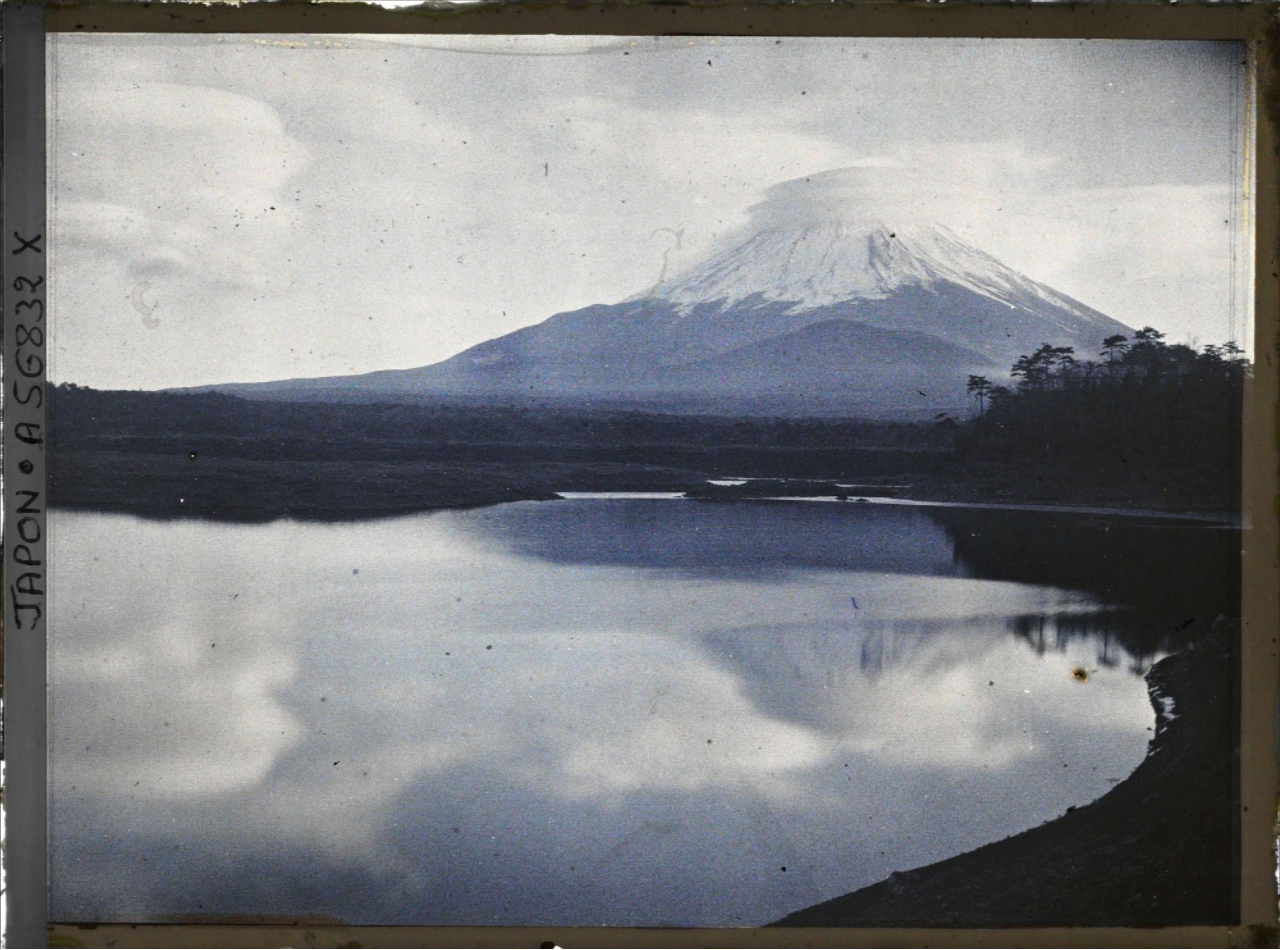
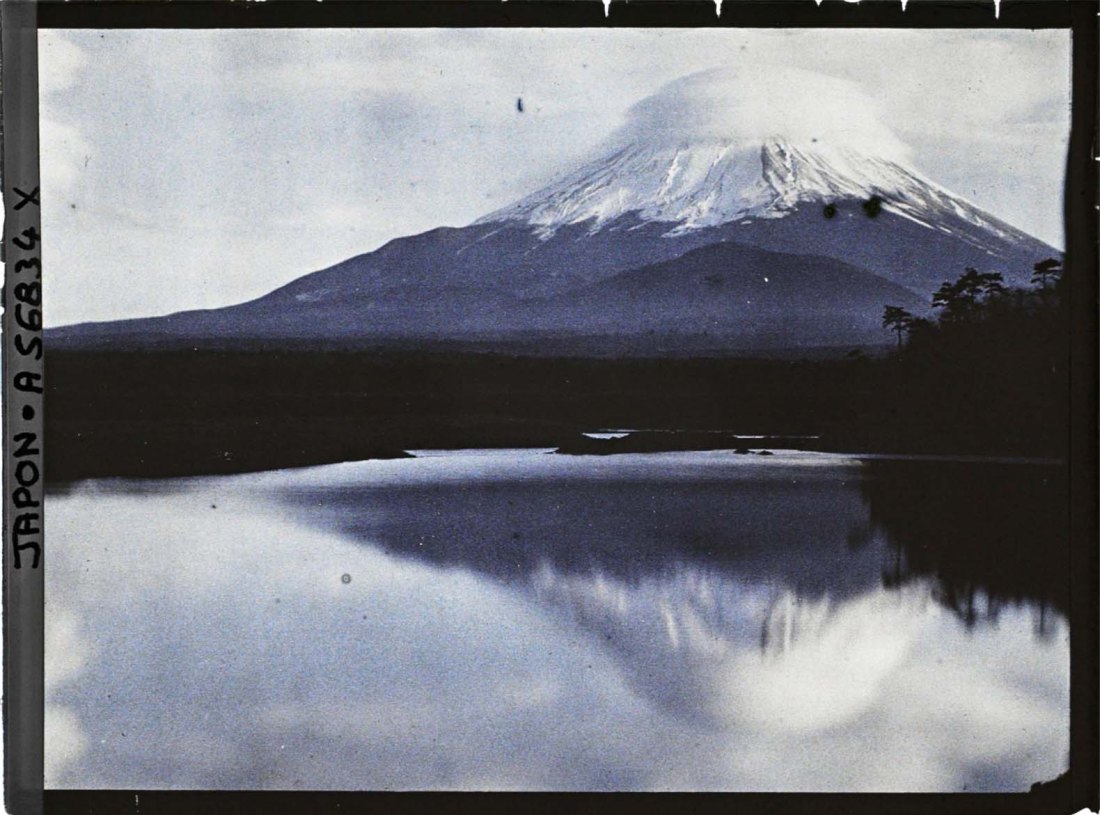
French banker Albert Kahn commissioned thirteen photographers and filmmakers (between 1909 and 1931) to fifty countries in an effort to understand and register practices and ways of life doomed to vanish. The resulting collection is known as Archives de la Planète and held at Musée Albert Kahn in Paris.
“Au coeur de la révolution industrielle de la fin du XIXe siècle et en plein essor du capitalisme, Albert Kahn, fils de marchands de bestiaux alsaciens crée sa propre banque et devient immensément riche. Profondément humaniste, il consacre sa vie à une oeuvre pacifiste protéiforme, ponctuée par la création de fondations, d’un jardin botanique, et d’une entreprise de couverture photographique et filmique d’un monde en pleine transformation: les Archives de la Planète.” | quotation src l’œil de la photographie





Viajeros de la Ruta de Guerra n° 1 en recorrido por Cantabria y Asturias [Material gráfico]. Sólo algunas de las fotografías tienen, al verso, mecanografiado el nombre del fotógrafo (Marqués de Santa María del Villar), se deduce por la apariencia que el resto pueden ser del mismo fotógrafo. (ca. 1938). Las rutas de guerra eran itinerarios turísticos oficiales (creados en el verano de 1938 en plena Guerra Civil) dirigidos al público extranjero por la España denominada ‘liberada’. El bando nacional creó rutas turísticas de guerra para traer a visitantes extranjeros a las regiones que habían caído bajo su control con un doble propósito: propagandístico y económico (conseguir divisas).
Travelers of the War Route No. 1 on a tour in Cantabria and Asturias [Graphic material]. Only some of the photographs have, on the verso, the photographer’s name typed (Marqués de Santa María del Villar), it can be deduced from their appearance that the rest may be by the same photographer (ca. 1938). The war routes were official tourist itineraries (created in the summer of 1938 in the midst of the Civil War) aimed at the foreign public to visit the so-called ‘liberated’ Spain. The national side created tourist war routes to bring foreign visitors to the regions that had fallen under their control with a dual purpose: propagandist and economic (earning foreign exchange). [quoted from source]
 un regard oblique