
images that haunt us

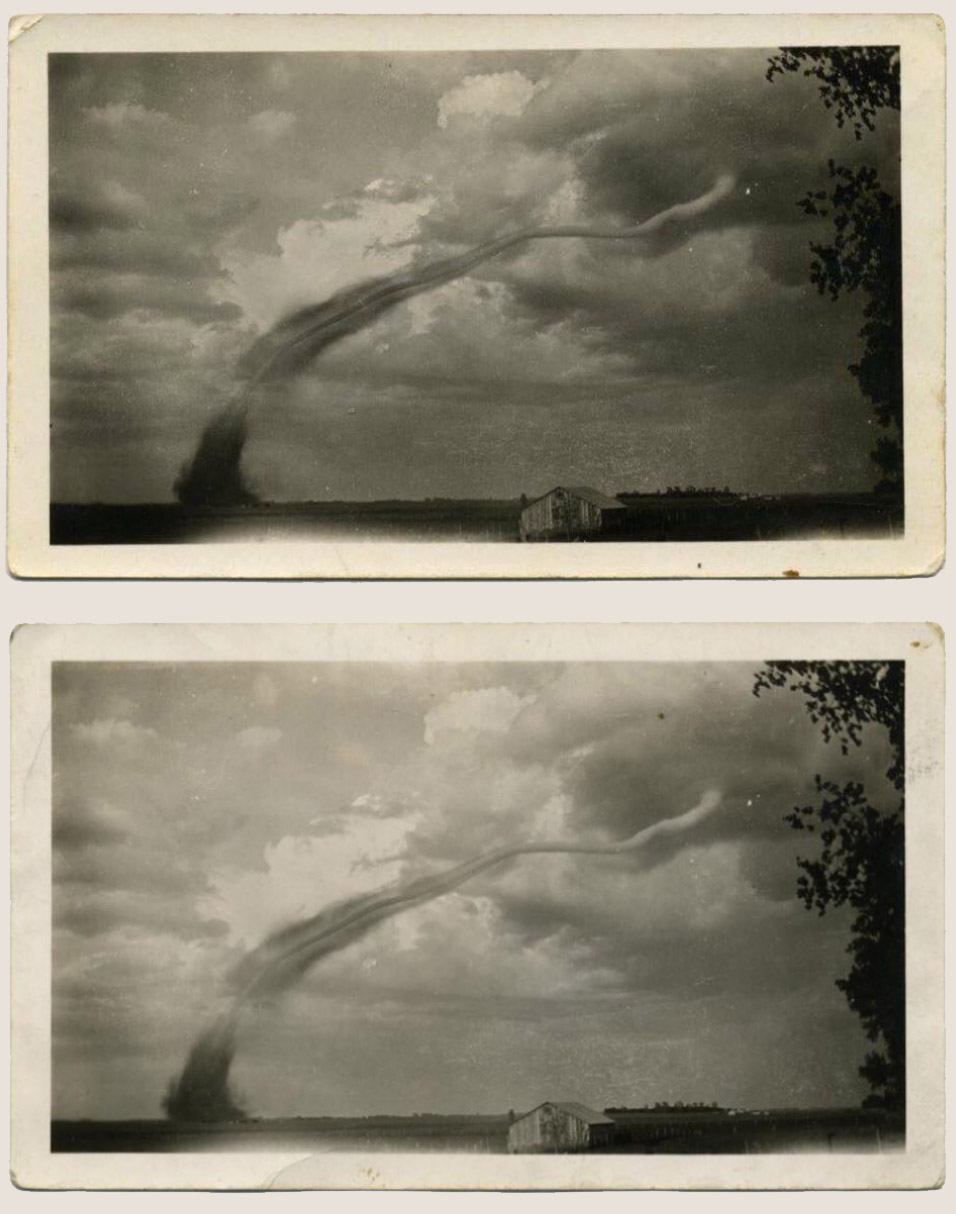
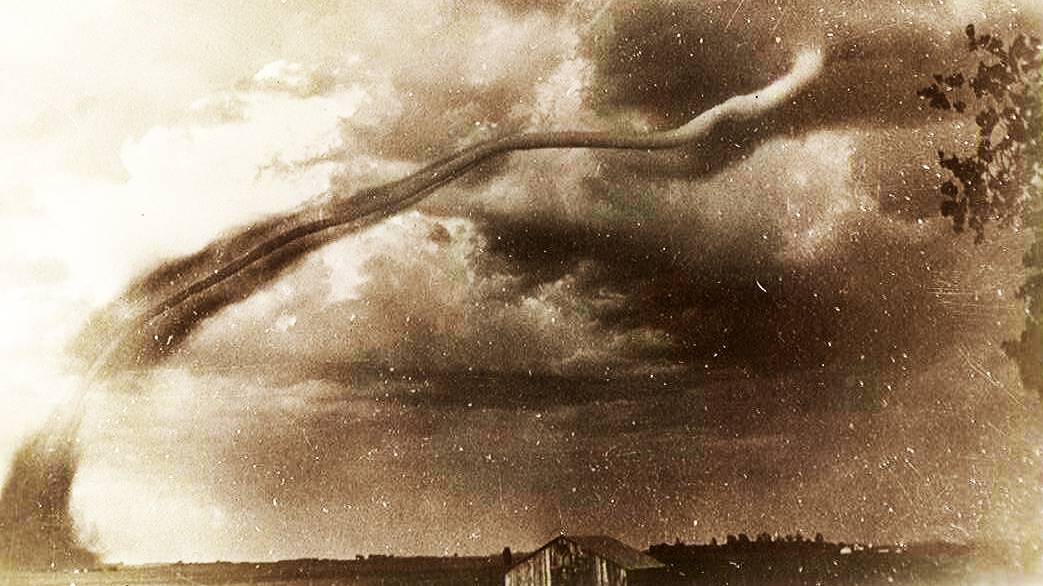
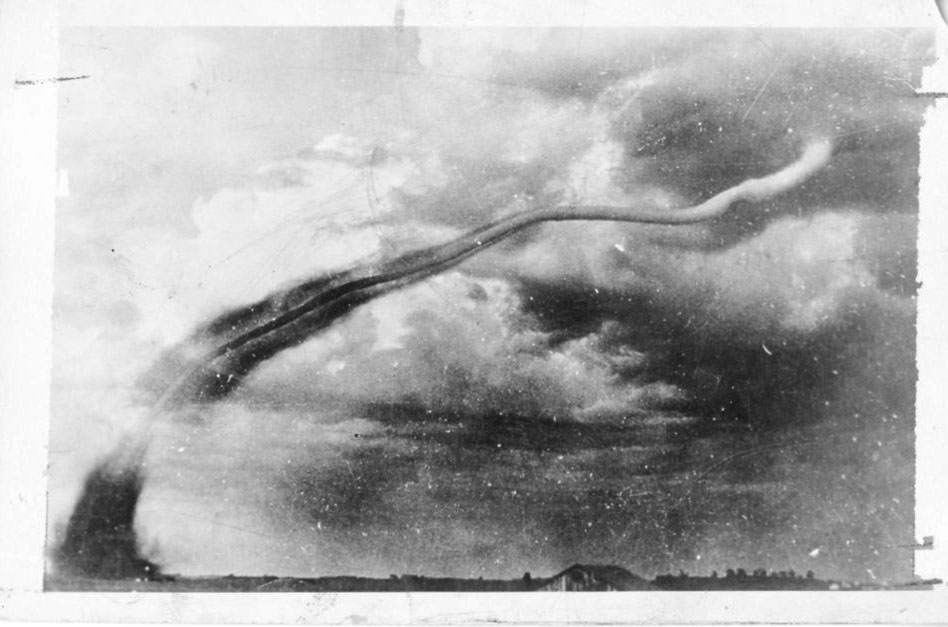
Two theories: the second tornado snapshot (on the bottom) had a Canedy’s Camera Shop 1927 date stamp on the verso. Canedy’s was in South Dakota and sold local souvenir snapshots (Bad Lands, Black Hills, etc…) between the 1920s – 1940s. It is also probable that when 15-year old Lucille Handberg took this photo her neighbor, who was an engineer, recognized its importance and sent copies to scientists around the country and these could be two of those. text adapted from source : Billy Parrot
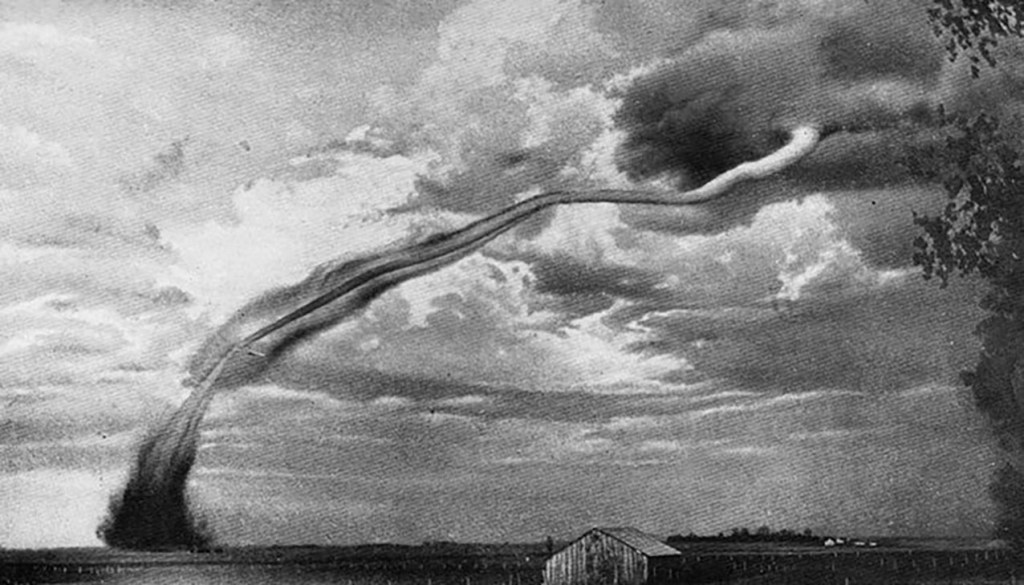
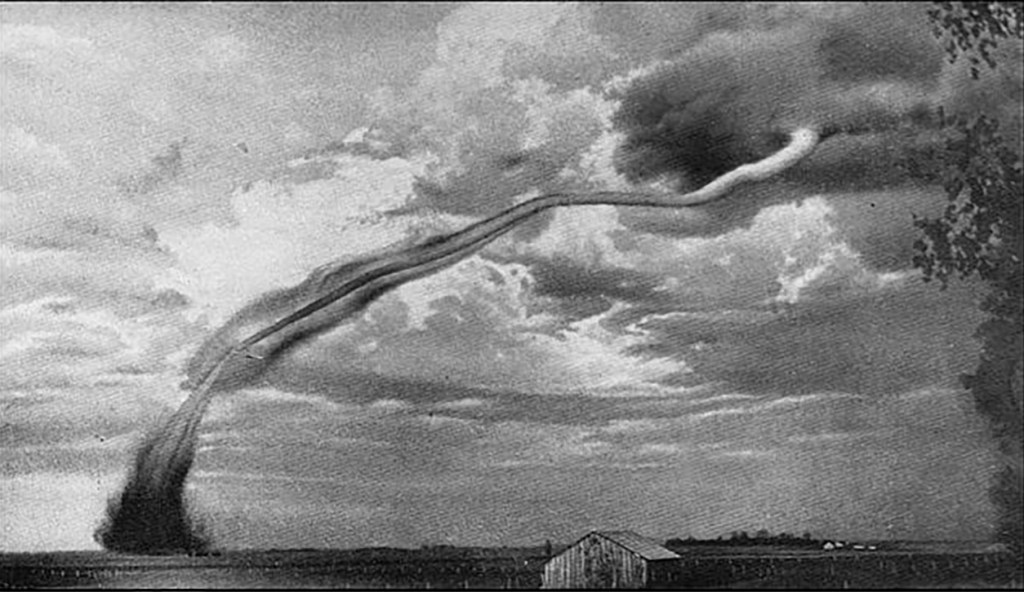
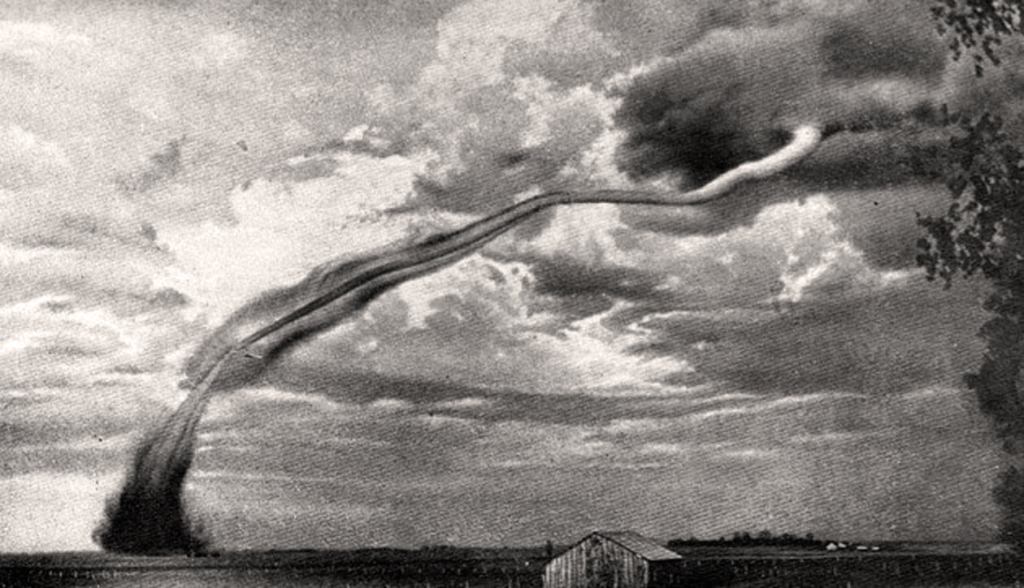
The images above this line are most probably scanned from newspapers of the time, we were not able to find the original source. The second image is from The Gallery of Natural Phenomena, where you can read more about the circumstances in which the photo was shot. [x]
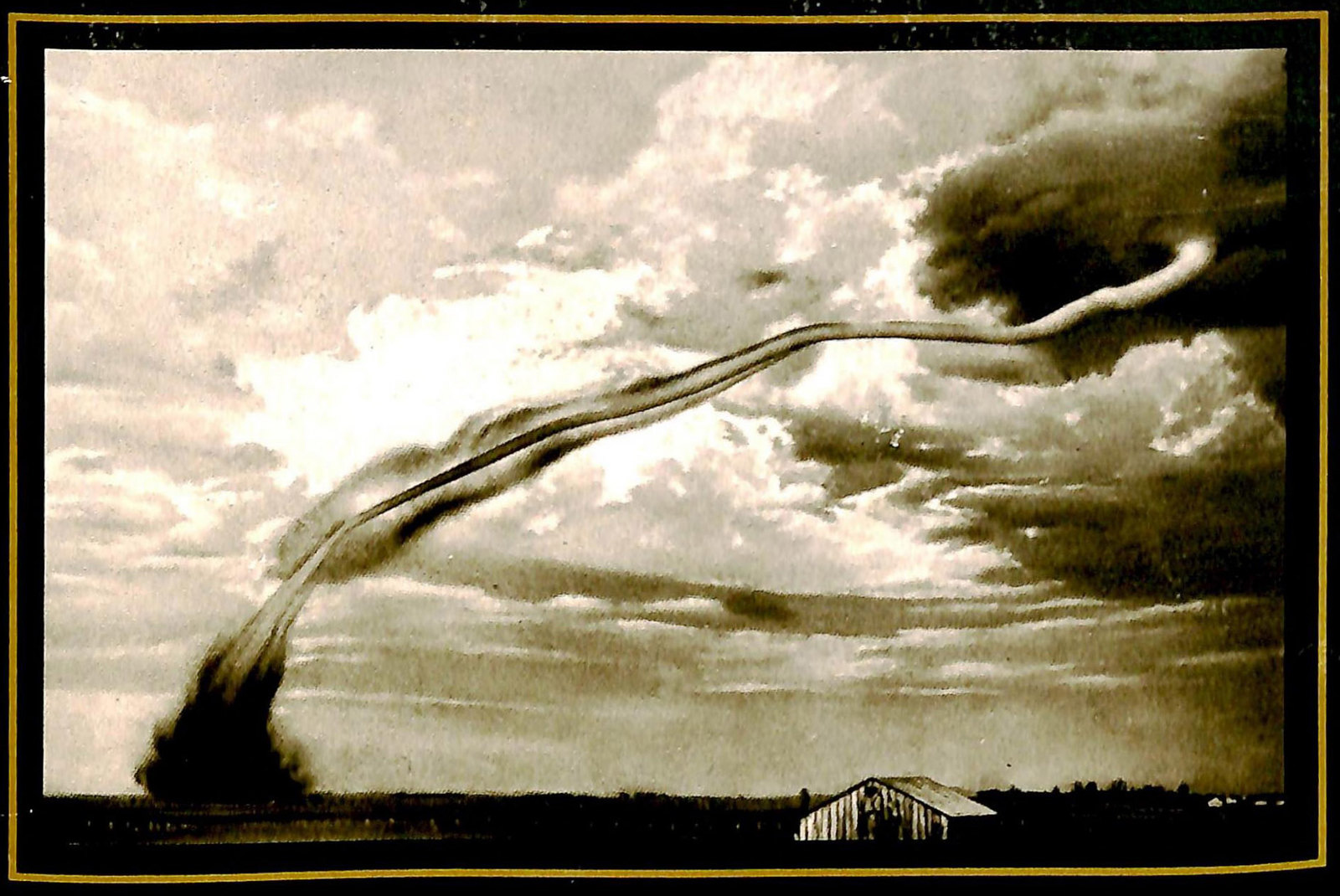
Only the image below can be reached on the Library of Congress.
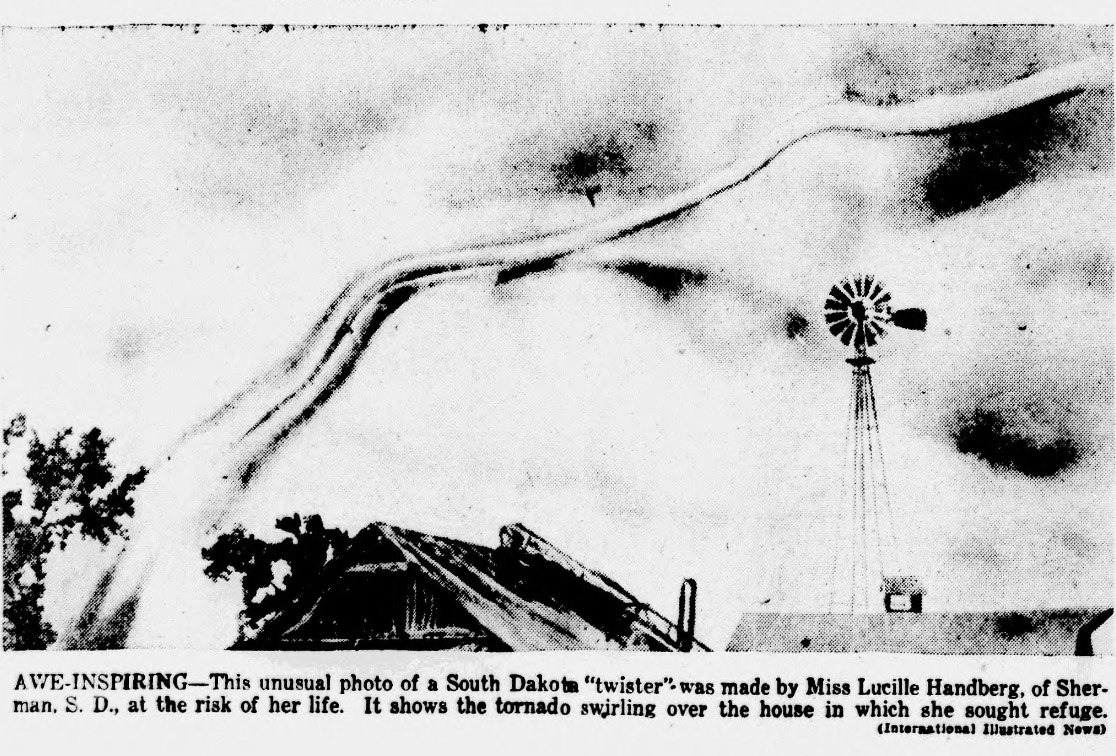
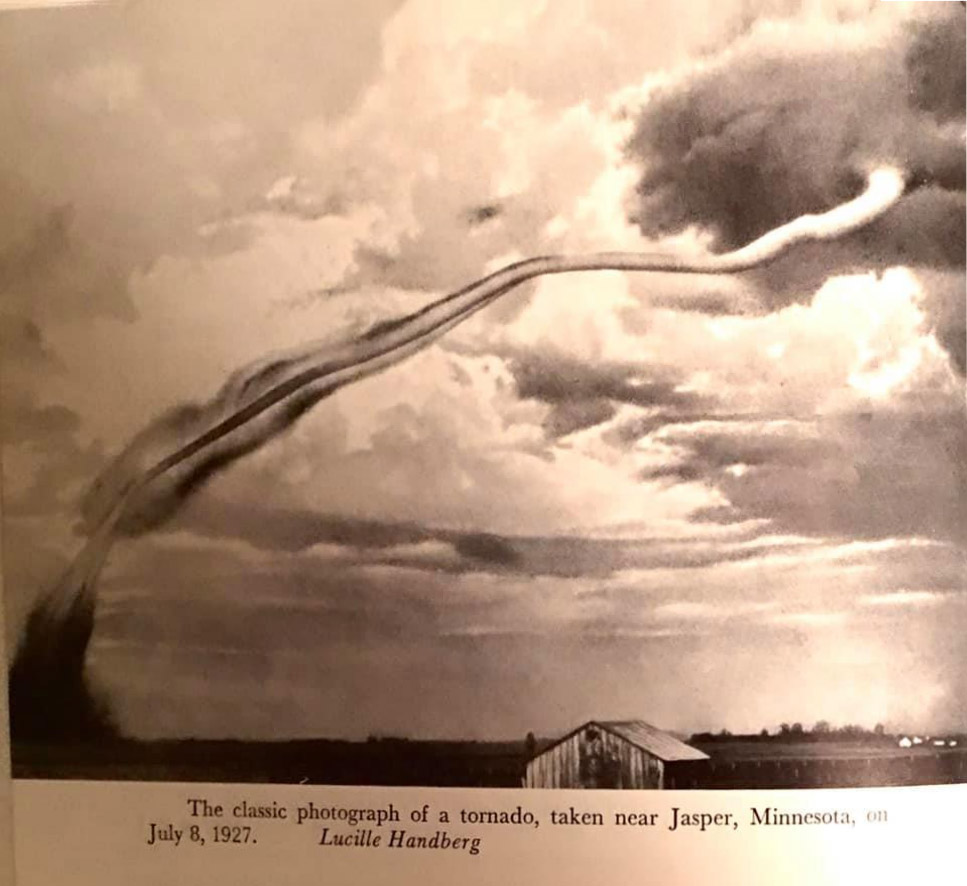
Controversy arises : Jasper tornado of 1927 is, according to South Dakota Public Broadcasting (based on information from Siouxland Heritage Museums), the Sioux Falls tornado of 1932…
… view two images below.





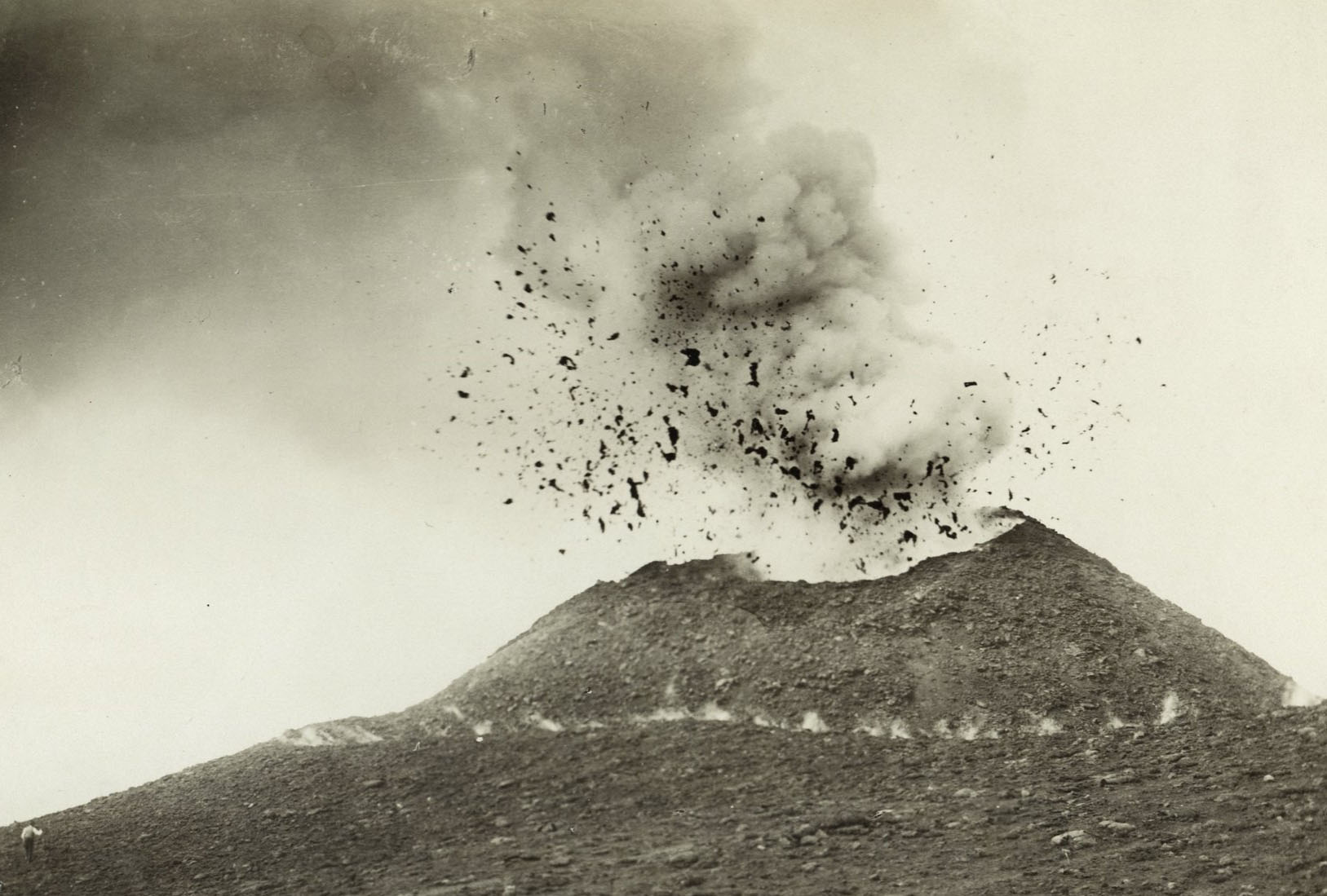
Notes; titled in the negative at bottom: “61. Il Vesuvio Cratere in eruzione 1895 / (Edizione Esposito).”
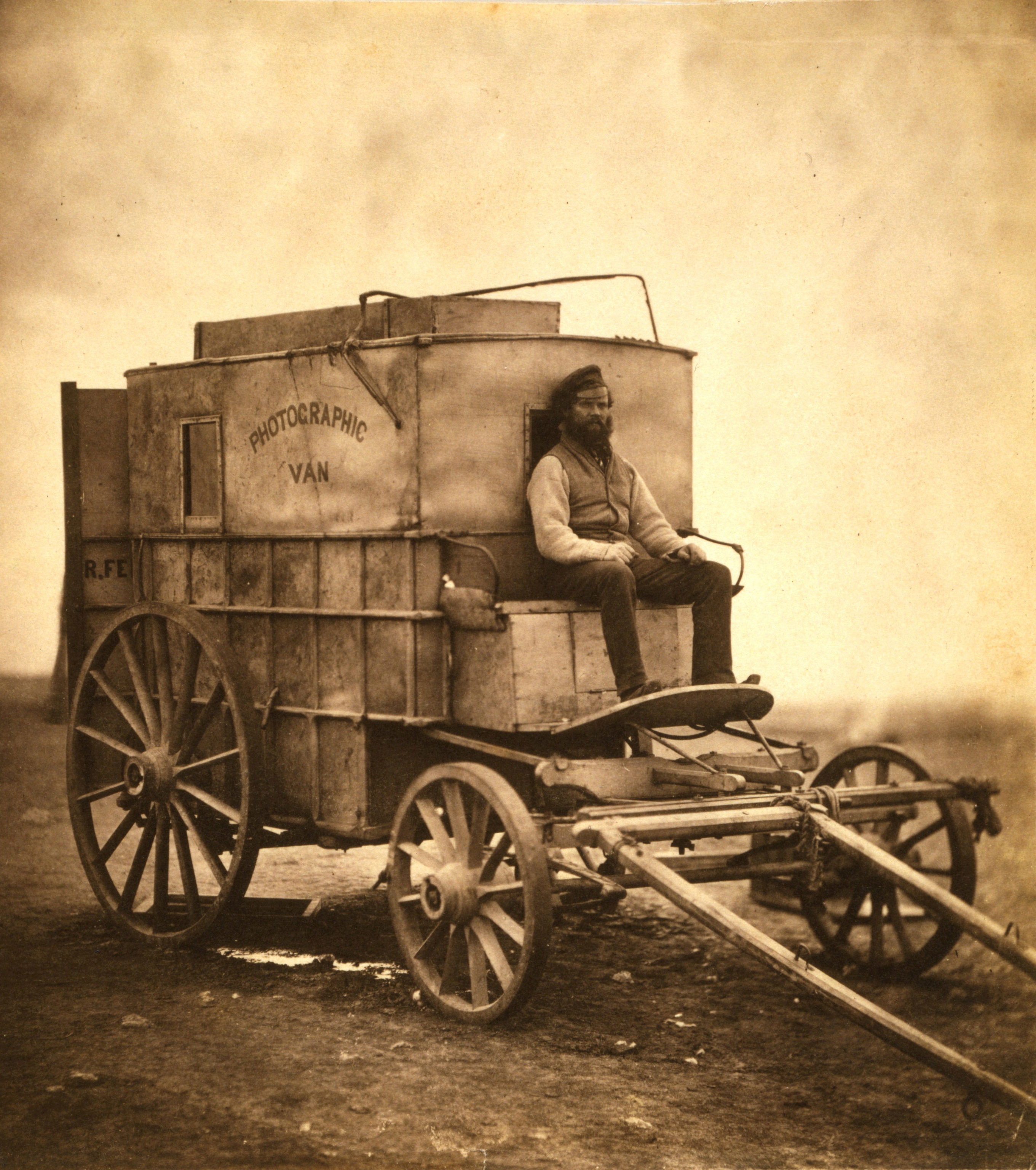
Roger Fenton’s Crimean War photographs represent one of the earliest systematic attempts to document a war through the medium of photography. Fenton, who spent fewer than four months in the Crimea (March 8 to June 26, 1855), produced 360 photographs under extremely trying conditions. While these photographs present a substantial documentary record of the participants and the landscape of the war, there are no actual combat scenes, nor are there any scenes of the devastating effects of war. | Quoted from Fenton’s Crimean War photographs [x] at the Library of Congress

William Agnew, of the publishing firm Thomas Agnew & Sons, must have proposed Fenton as the photographer for a commercial publishing venture to the Crimea sometime before a hurricane claimed the life of the official government photographer in the Crimea in November 1854, for during the fall of that year Fenton purchased a former wine merchant’s van and converted it to a mobile darkroom. He hired an assistant, and traveled the English countryside testing the suitability of the van. In February 1855 Fenton set sail for the Crimea aboard the Hecla, traveling under royal patronage and with the assistance of the British government.
While Fenton was in the Crimea he had ample opportunity to photograph the horrors of war. He had several friends and acquaintances, including his brother-in-law, Edmund Maynard, who were casualties of combat. But Fenton shied away from views that would have portrayed the war in a negative (or realistic) light for several reasons, among them, the limitations of photographic techniques available at the time (Fenton was actually using state-of-the-art processes, but lengthy exposure time prohibited scenes of action); inhospitable environmental conditions (extreme heat during the spring and summer months Fenton was in the Crimea); and political and commercial concerns (he had the support of the Royal family and the British government, and the financial backing of a publisher who hoped to issue sets of photos for sale).
Whether there was an explicit directive from the British government to refrain from photographing views that could be deemed detrimental to the government’s management of the war effort, perhaps in exchange for permission to travel and photograph in the war zone, or whether there was merely an implicit understanding between the government, the publisher, and the photographer is not known. Fenton photographed the leading figures of the allied armies, documented the care and quality of camp life of the British soldiers, as well as scenes in and around Balaklava, and on the plateau before Sevastopol, but refrained from images of combat or its aftermath. This tactic may have given him access to information and views that were otherwise off-limits to artists and war correspondents, like William Howard Russell, who were critical of the British government’s leadership and military officers’ handling of the war. In any case, while personally witnessing the horror of war, Fenton chose not to portray it.
Fenton made plans to photograph Sevastopol following the June 18th assault on the Malakoff and the Redan, the Russian’s primary defense works before the city. When the assault failed, he decided it was time to return to England. He sold the van, packed up his equipment, and by June 26th, ill with cholera, sailed out of the harbor at Balaklava. Fenton was, therefore, not present for the fall of Sevastopol (Sept. 9th) nor its subsequent destruction, which was recorded photographically by James Robertson. While Russia retained control of the Crimea, the Allied armies achieved their primary objective, the destruction of Russian naval power in the Black Sea.
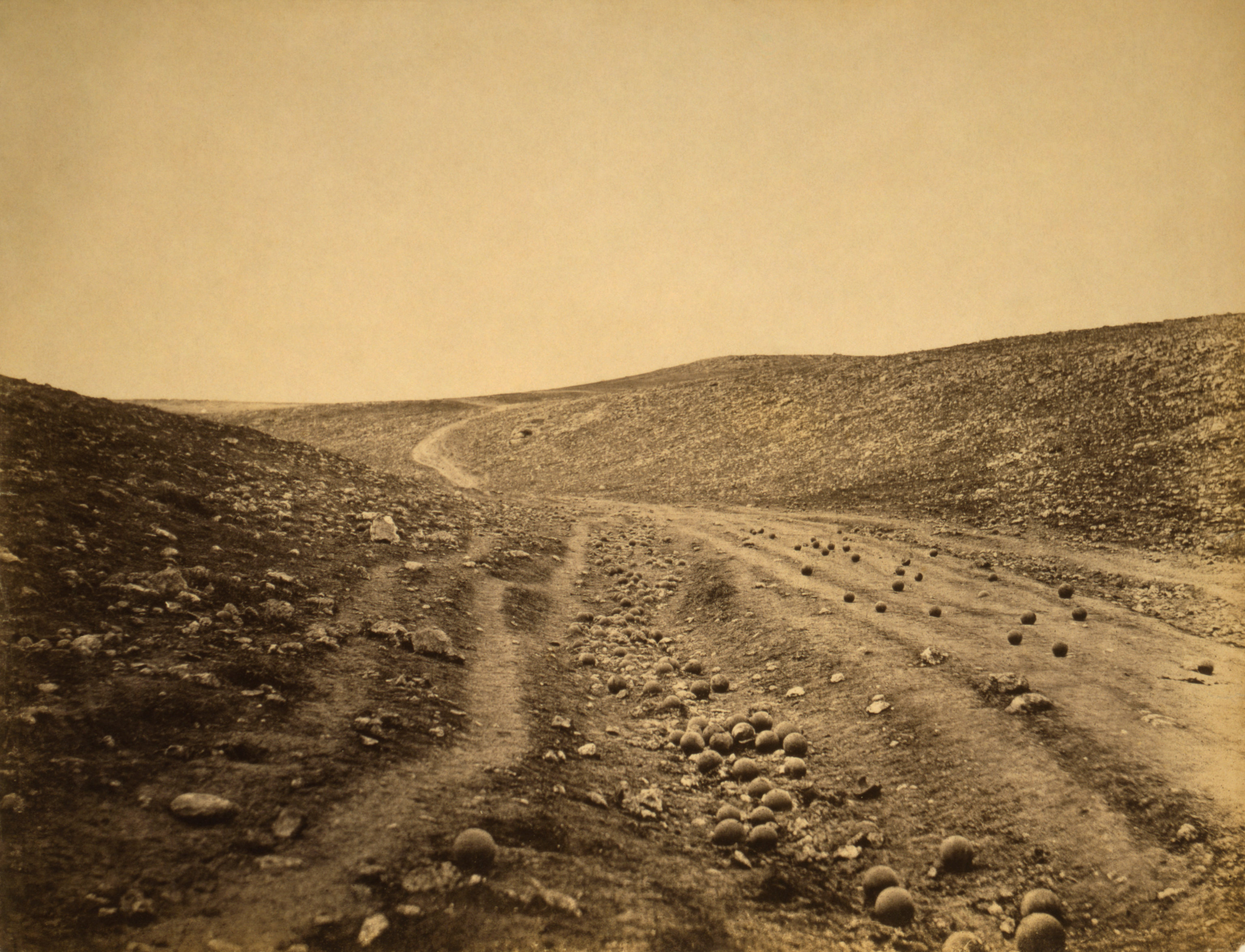
Fenton’s Crimean War photographs offer a wonderful record of a moment in time. They are documentary in the sense that they constitute a reality in a way only intimated by painting or wood engraving. They might also be considered the first instance of the use of photography for the purposes of propaganda, although they do not seem to have been exploited to this end. Clearly they were intended to present a particular view of the British government’s conduct of the war. However, by the time they were exhibited Sevastopol had fallen and the tide of war had turned.
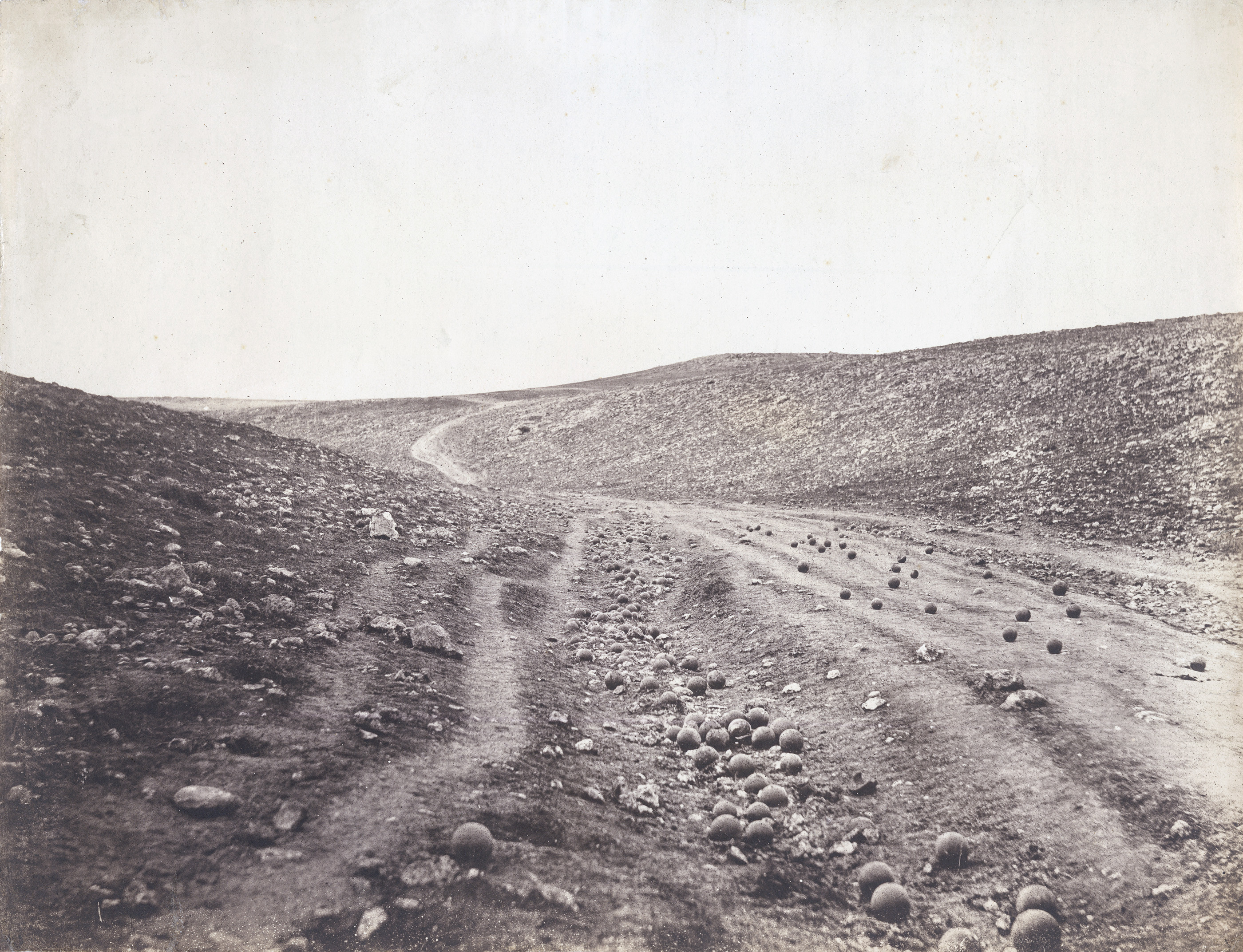
The Library of Congress purchased 263 of Fenton’s salted paper and albumen prints (…) including his most well-known photograph, “Valley of the Shadow of Death”. | Quoted from Fenton’s Crimean War photographs [x] at the Library of Congress

…in coming to a ravine called the valley of death, the sight passed all imagination: round shot and shell lay like a stream at the bottom of the hollow all the way down, you could not walk without treading upon them…
─ Roger Fenton
Fenton’s most famous photograph is also one of the most well-known images of war. Across a desolate and featureless landscape, not a single figure can be found. The landscape is inhabited only by cannonballs ─so plentiful that they first appear to be rocks─ that stand in for the human casualties on the battlefield. The sense of emptiness and unease is heightened by the visual uncertainty created by the changing scale of the road and the sloping sides of the ravine.
Borrowing from the Twenty-third Psalm of the Bible, the Valley of Death was named by British soldiers who came under constant shelling there. Fenton traveled to the dangerous ravine twice, and on his second visit he made two exposures. Fenton wrote that he had intended to move in closer at the site. But danger forced him to retreat back up the road, where he created this image.


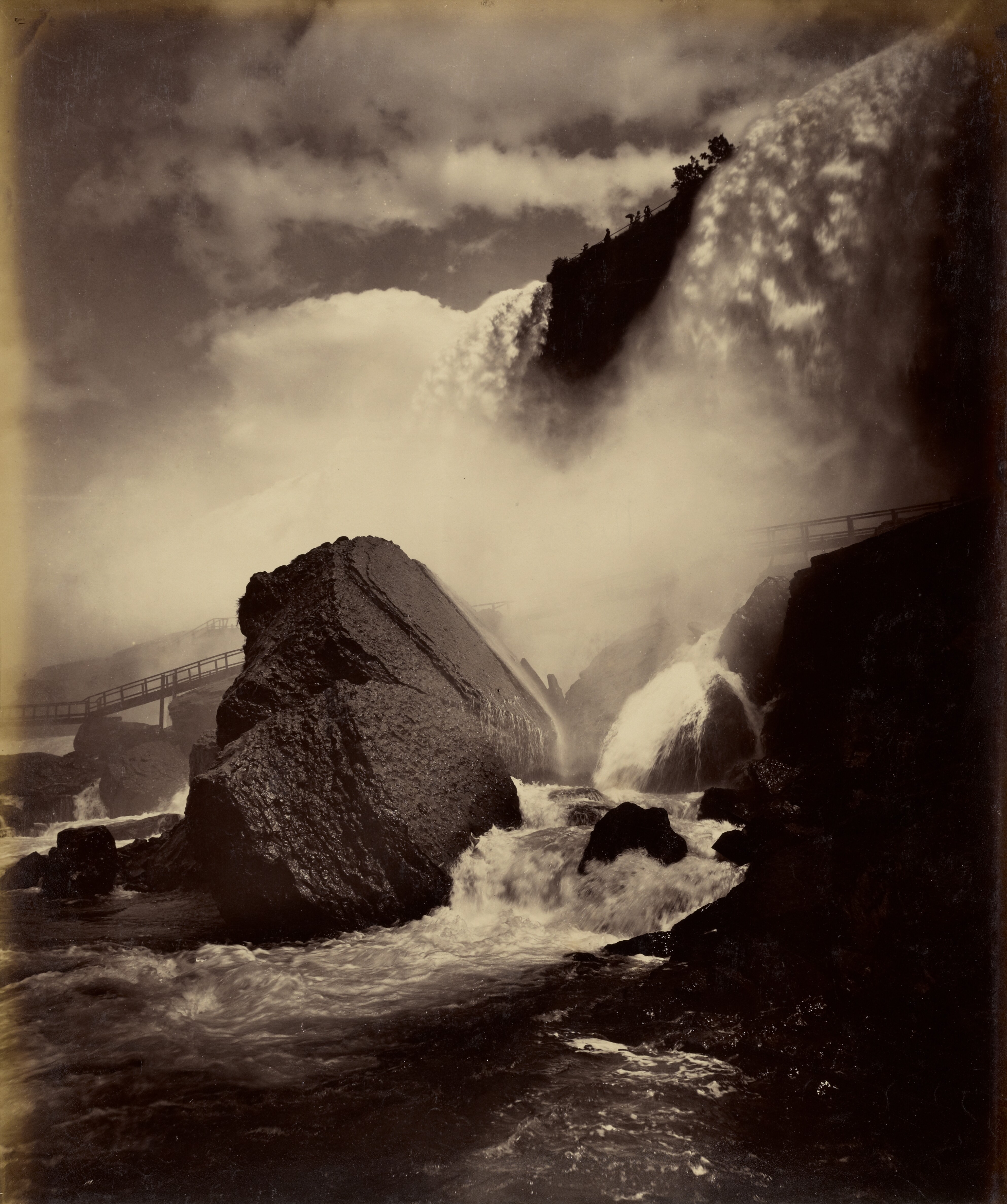
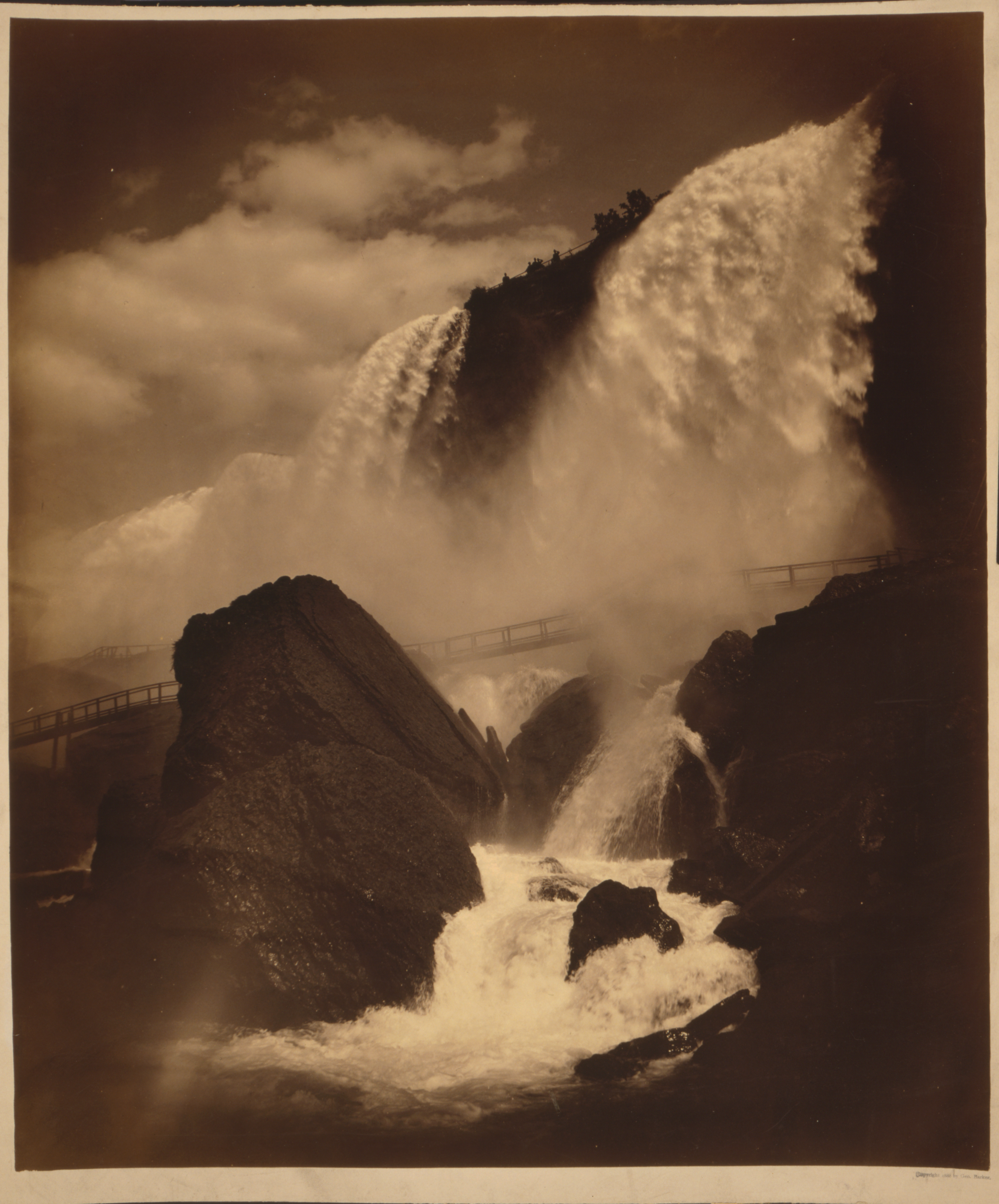
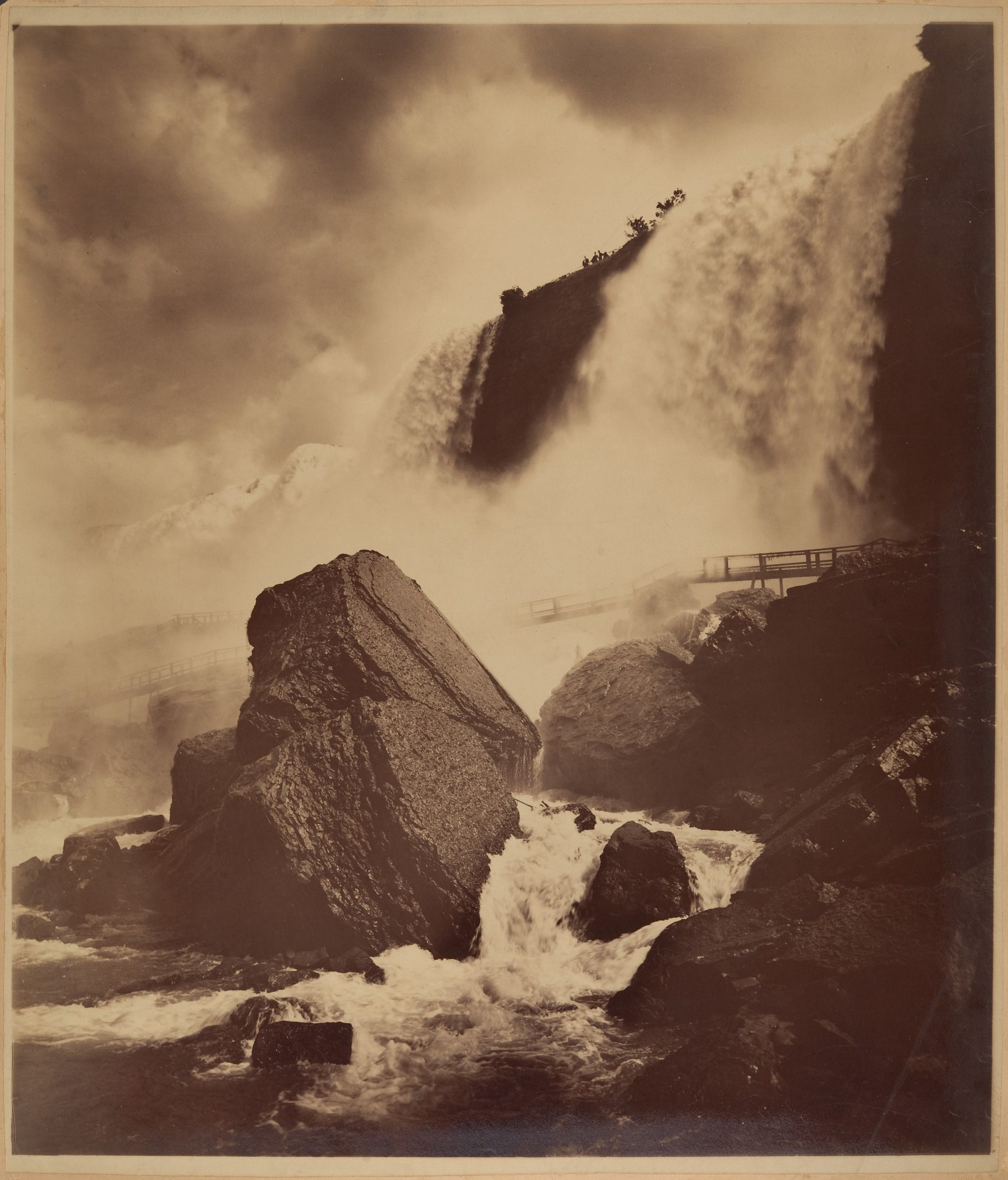
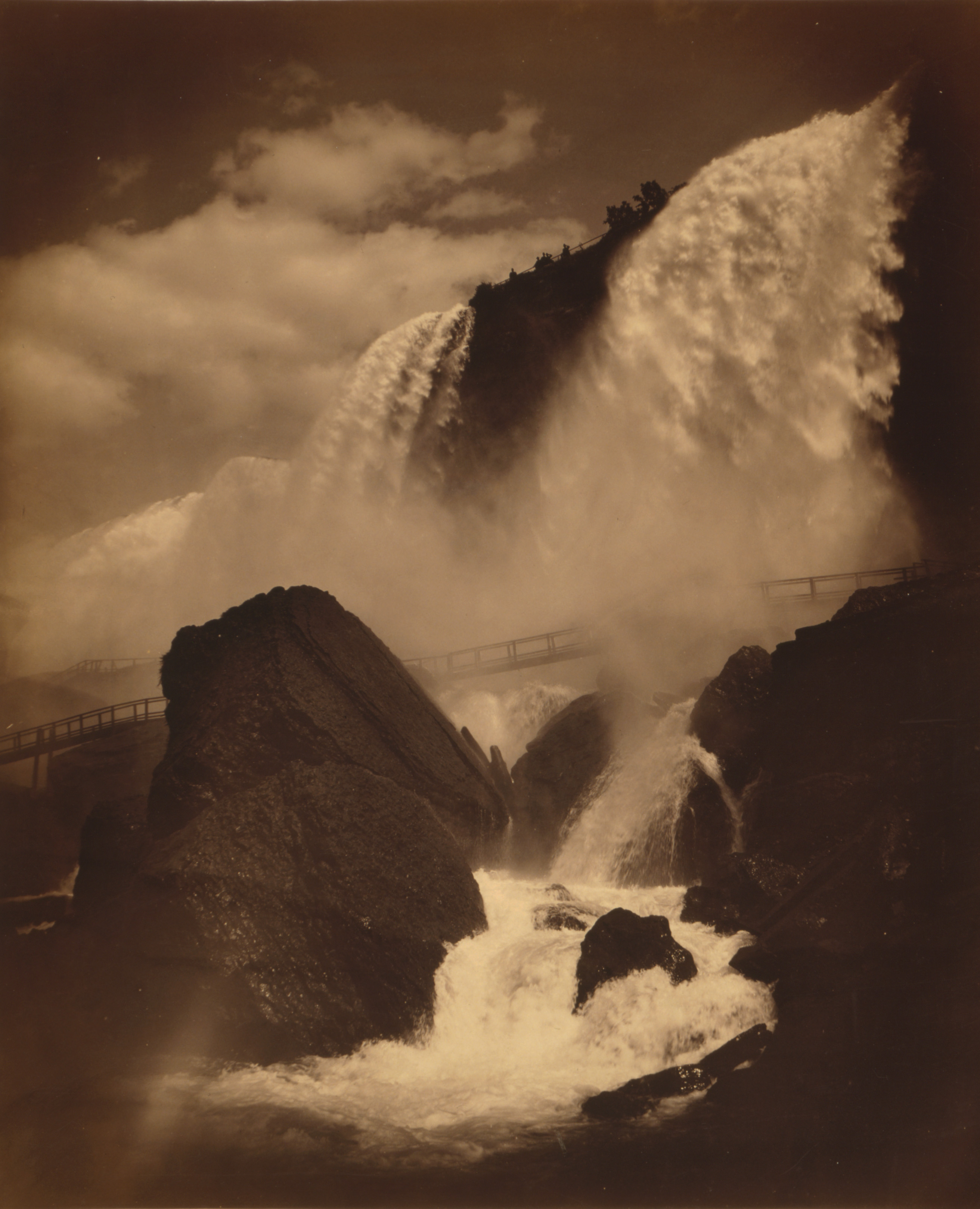
This Image is hosted in four American museums; three of them (Library of Congress, Getty Museum and The Metropolitan Museum of Art) acknowledge the authorship to George Barker. According to The Nelson-Atkins Museum of Art [x] this photograph is Nielson’s. In their website there is a mention to the photographer’s logo on back: “H.F. Nielson, Manuf. of all kinds of / Paper & Glass Views / Niagara Falls.”
Though the commercial market for large-scale landscape views was limited in the late 19th century, a small group of talented and savvy photographers found a lucrative niche in this genre. Herman F. Nielson, who lived most of his life in Niagara, New York, specialized in majestic tourist views of Niagara Falls. Here, Nielson depicts the American Falls (Luna Falls and Bridal Veil Falls) and the Rock of Ages. This view, or a slight variant, was reproduced in a popular guidebook at the time.
“New View Manufactory,” Niagara Falls Gazette 30:16 (October 10, 1883): n.p.
quoted from The Nelson-Atkins Museum of Art [x]
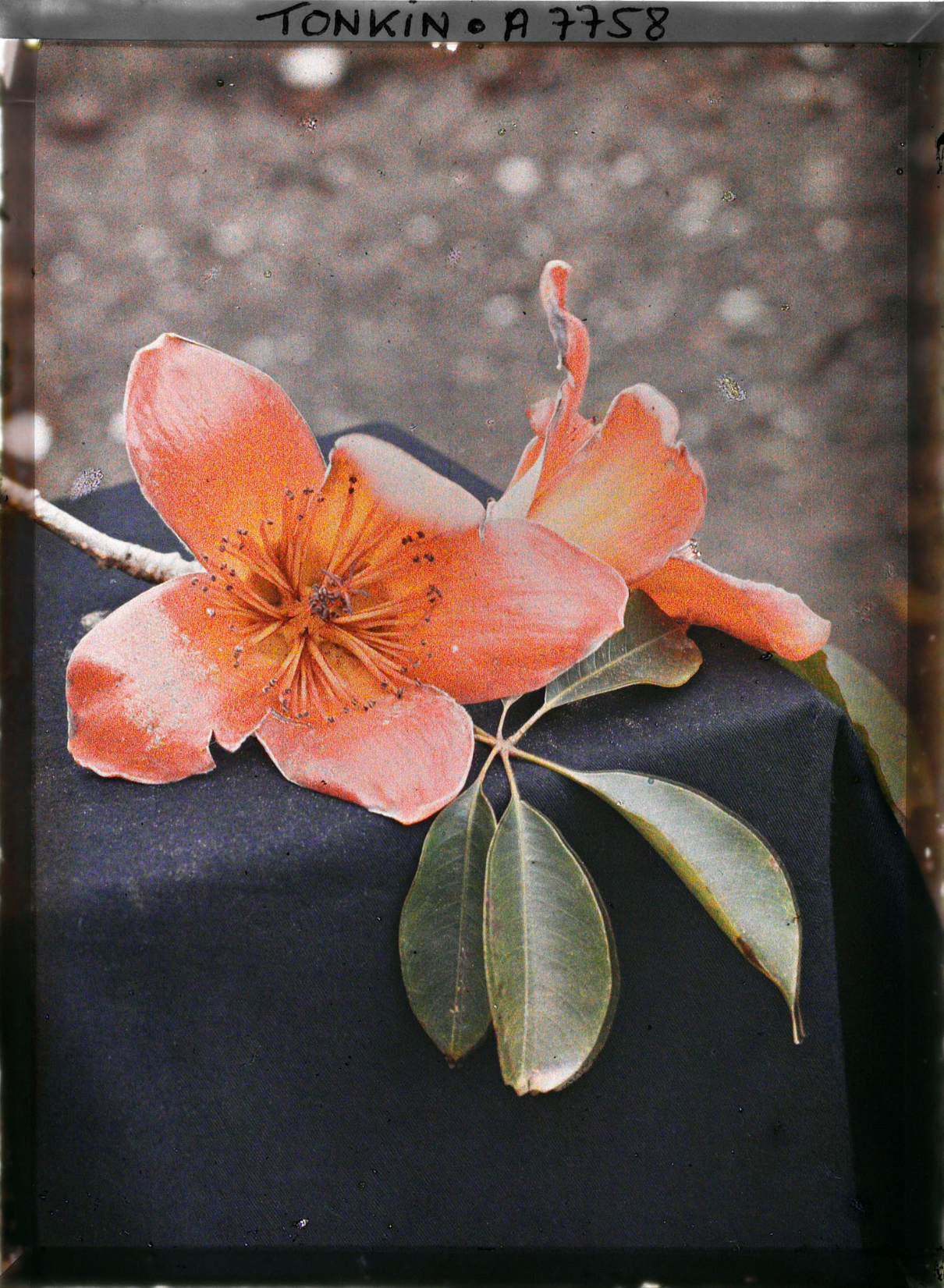
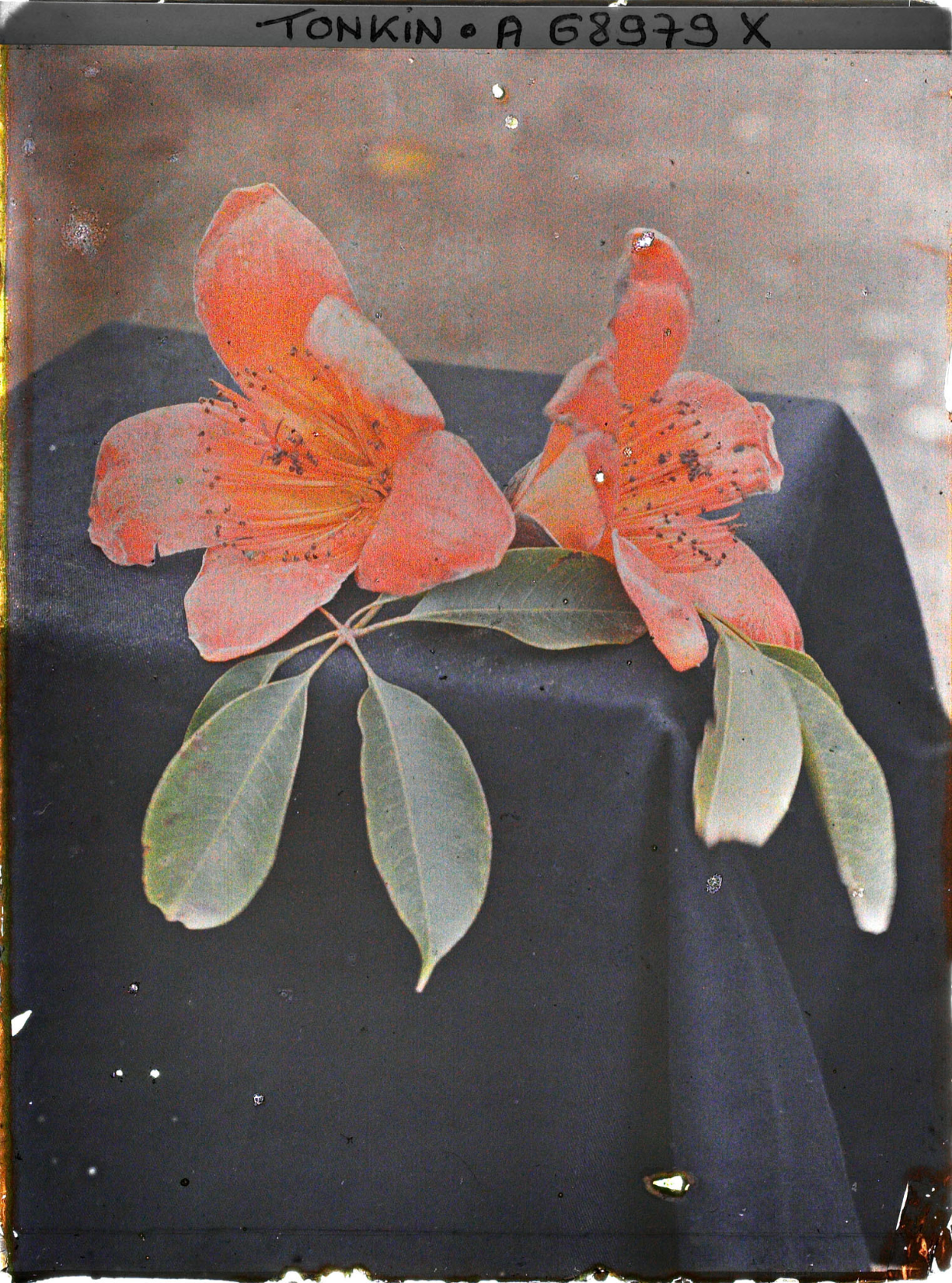
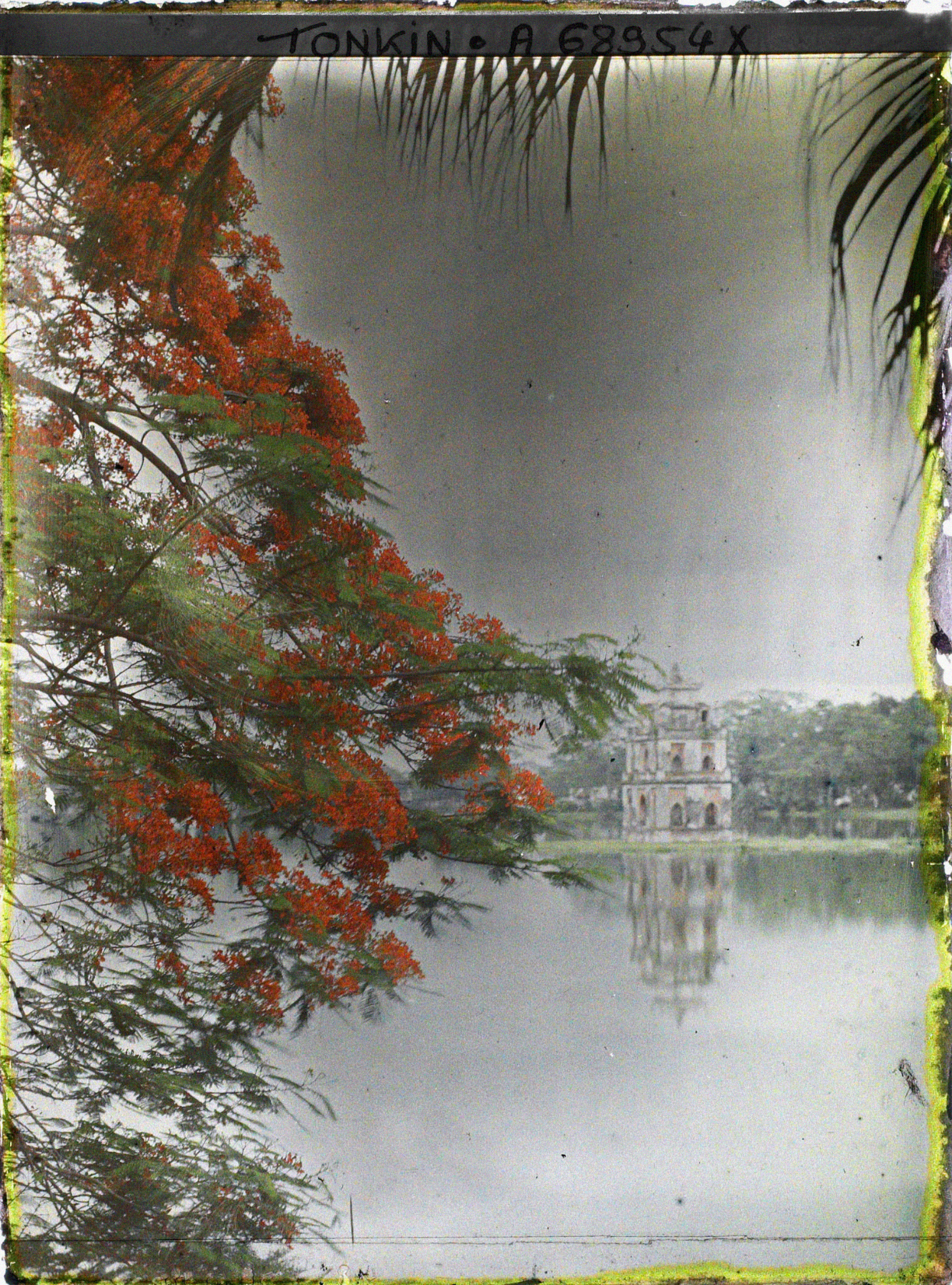
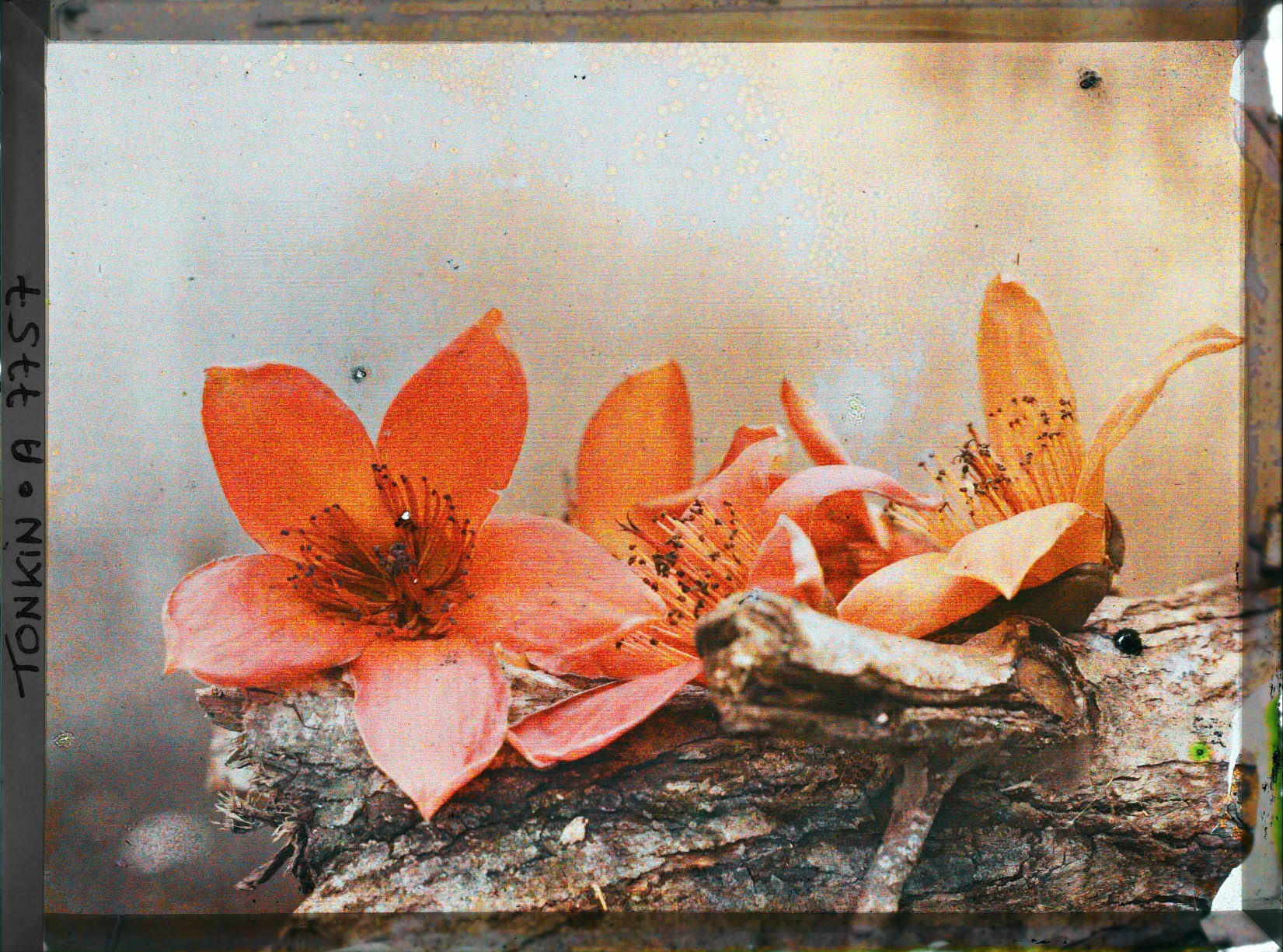
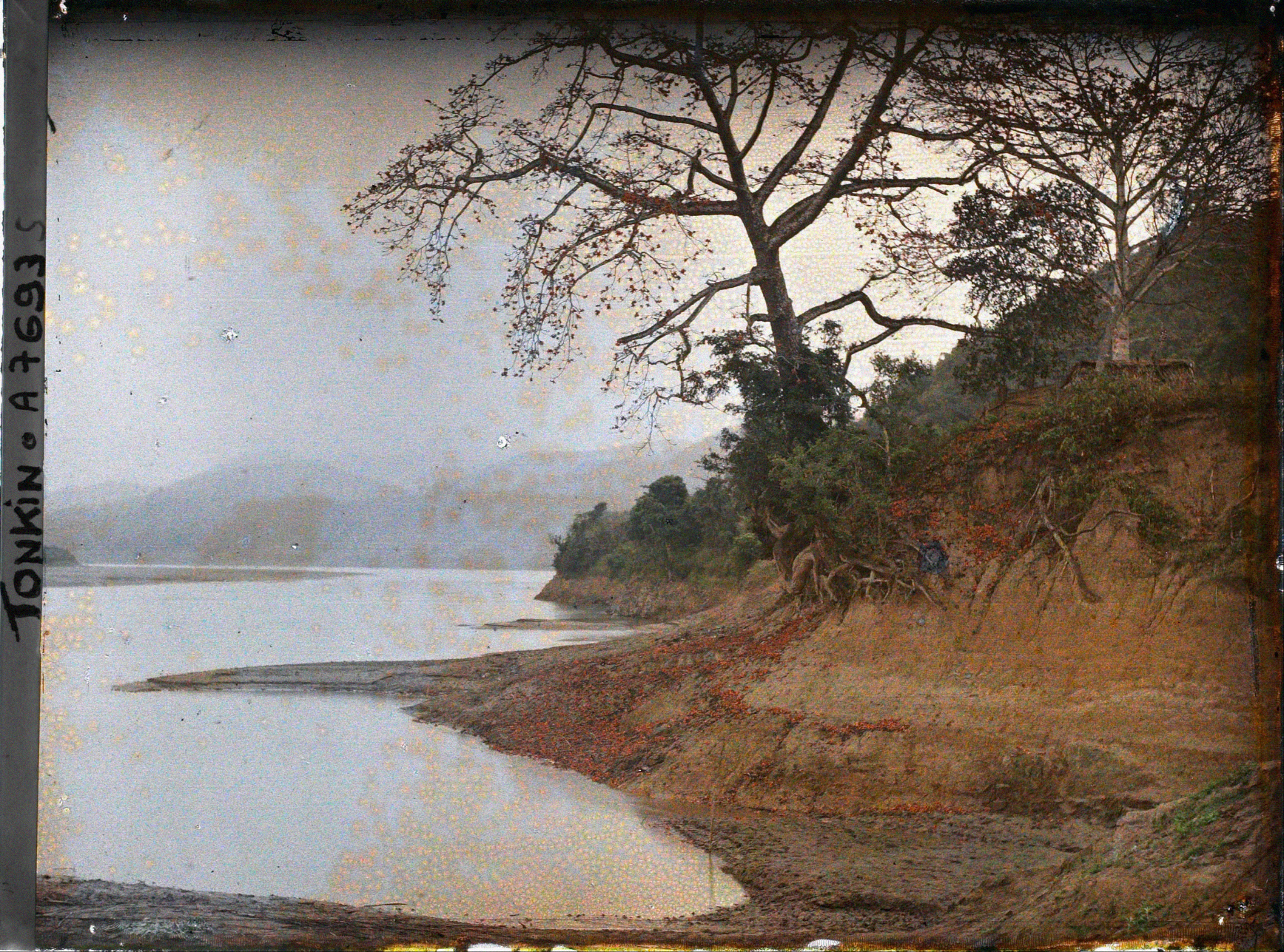
Mission : Léon Busy en Indochine; all images from Musée départamental Albert Kahn

 un regard oblique