Woke up laughing by Bruno Roels

Bruno V. Roels ~ Desertwave. From: Woke up Laughing. Gallery 51 | src ODLP

‘Woke up Laughing’ presents a vibrant universe of palm trees reminiscent of vacation, luxury, paradise and adventure. Roels celebrates their beauty but also sheds light on their darker sides, as, much like photography, they are not entirely trustworthy. A palm tree in Monaco tells a different story than a tree in Fallujah, Iraq, or in Palmyra, Syria, occupied by ISIS. These seemingly pristine and peaceful universal icons ruthlessly resonate with memories of our colonial history. Each image serves as a silent testimony, compelling the viewer to reflect, illustrating that paradise lurks around the corner but remains elusive and unattainable. The bright colours that Roels added to the black and white images make the confrontation lighter and more playful. Due to his background in literature and linguistics, his titles also play a crucial role in his work. Often embodying historical and contemporary references, they create confusion through their ambiguity.

The title ‘Woke up Laughing’ refers to the eponymous song by British pop musician Robert Palmer and encapsulates the concept of Roels’ exhibition.

Woke up laughing
You make yourself a fortune out in Hong Kong
You sit at home and wonder whether you were wrong
You take a small vacation just to keep sane
You find on your return your home is blown away

With ‘Woke Up Laughing’, the artist presents a series of perspectives, techniques, and approaches. There is much to observe, not only about photography but also about what lies behind it. His images serve as both an escape from and a reflection on the reality in which we live. While he does not seek to impose criticism, he cleverly elucidates the challenges we face today.

Bruno V. Roels ~ Desertwave # 2. From: Woke up Laughing. Gallery 51 | src ODLP

For his fifth solo exhibition at Gallery 51, Belgian artist Bruno V. Roels (b. 1976) presents new work and delves further into the possibilities of the analog photographic process. In ‘Woke up Laughing’, his images navigate between aesthetics and experimentation, escapism and a historical consciousness.

Inspired by artists like John Baldessari (1931-2020) and Ed Ruscha (b. 1937), who approached photography in a conceptual manner, Roels also questions the properties of the image: how it operates, influences, and deceives. What defines photography as photography? And how do viewers interpret it, in an era marked by image manipulation and production, where visual communication sets the tone? These are significant questions embedded in his body of work.

While Roels’ artistic practice is primarily rooted in analog photography, he combines analog techniques with other art forms, non-photographic processes, or Artificial Intelligence and generative imaging. This allows the artist’s imagination to reach its peak, as nothing is deemed impossible. Additionally, the artist plays with the reproducible nature of the medium, creating unique works often consisting of multiple variations of the same negative, compiling them as equivalent images within the same frame, rendering no image perfect or superior to another. He also produces overprints, where the same negative is printed several times, causing the images to blend. The yellowed, coffee- coloured prints give his work a recognizable vintage look. Artistic imperfections and incidental elements, such as creases and stains that occur during printing, remain visible and characterize his visual language. By imprinting text on the prints or by drawing and painting on them, Roels adds surreal elements and layers of meaning.

Bruno V. Roels ~ An Ornament For A Summer’s Day # 2. From: Woke up Laughing. Gallery 51 | src ODLP
Bruno V. Roels ~ Figura Serpentinata (Demeter V). From: Woke up Laughing. Gallery 51 | src ODLP
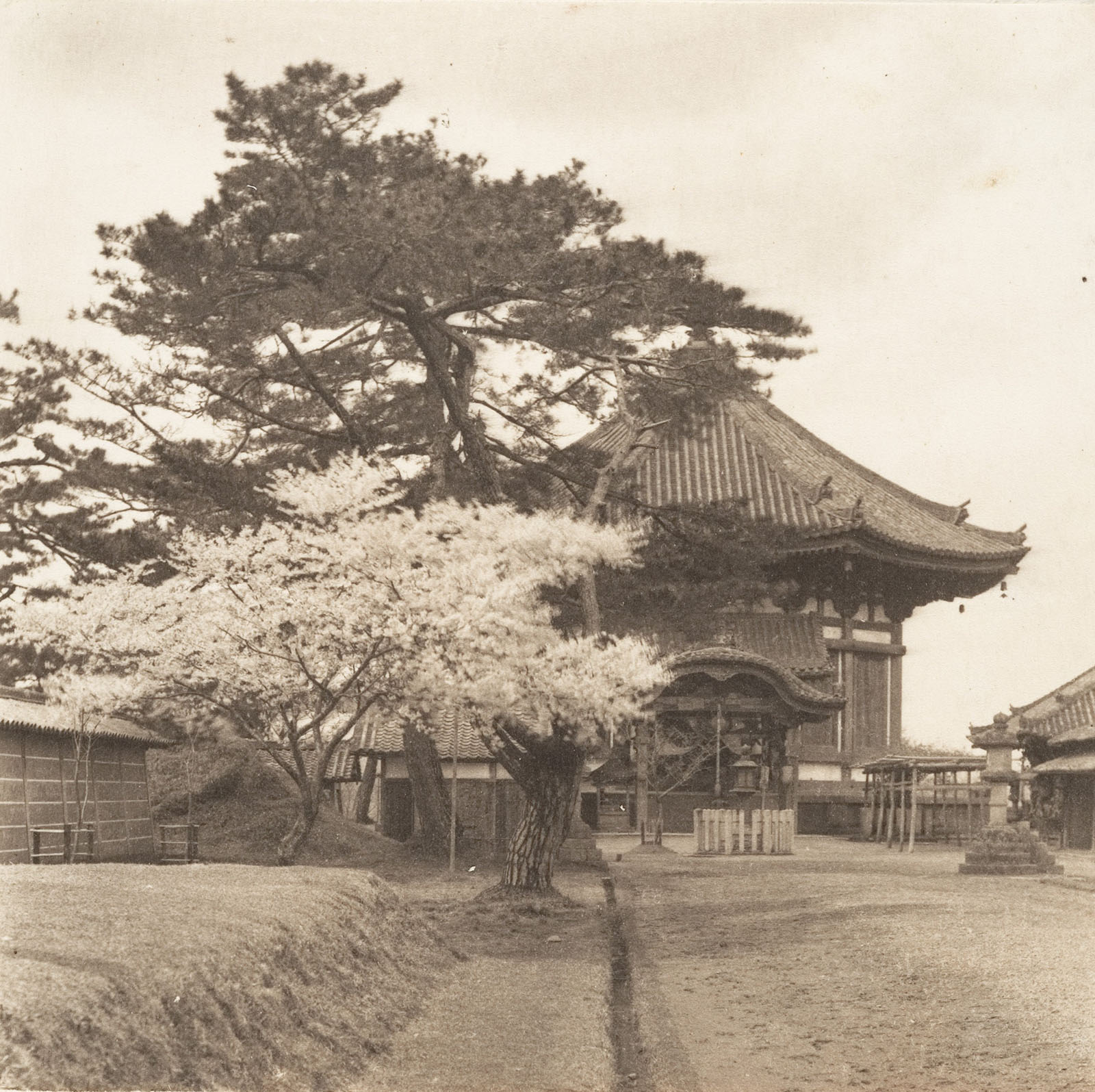
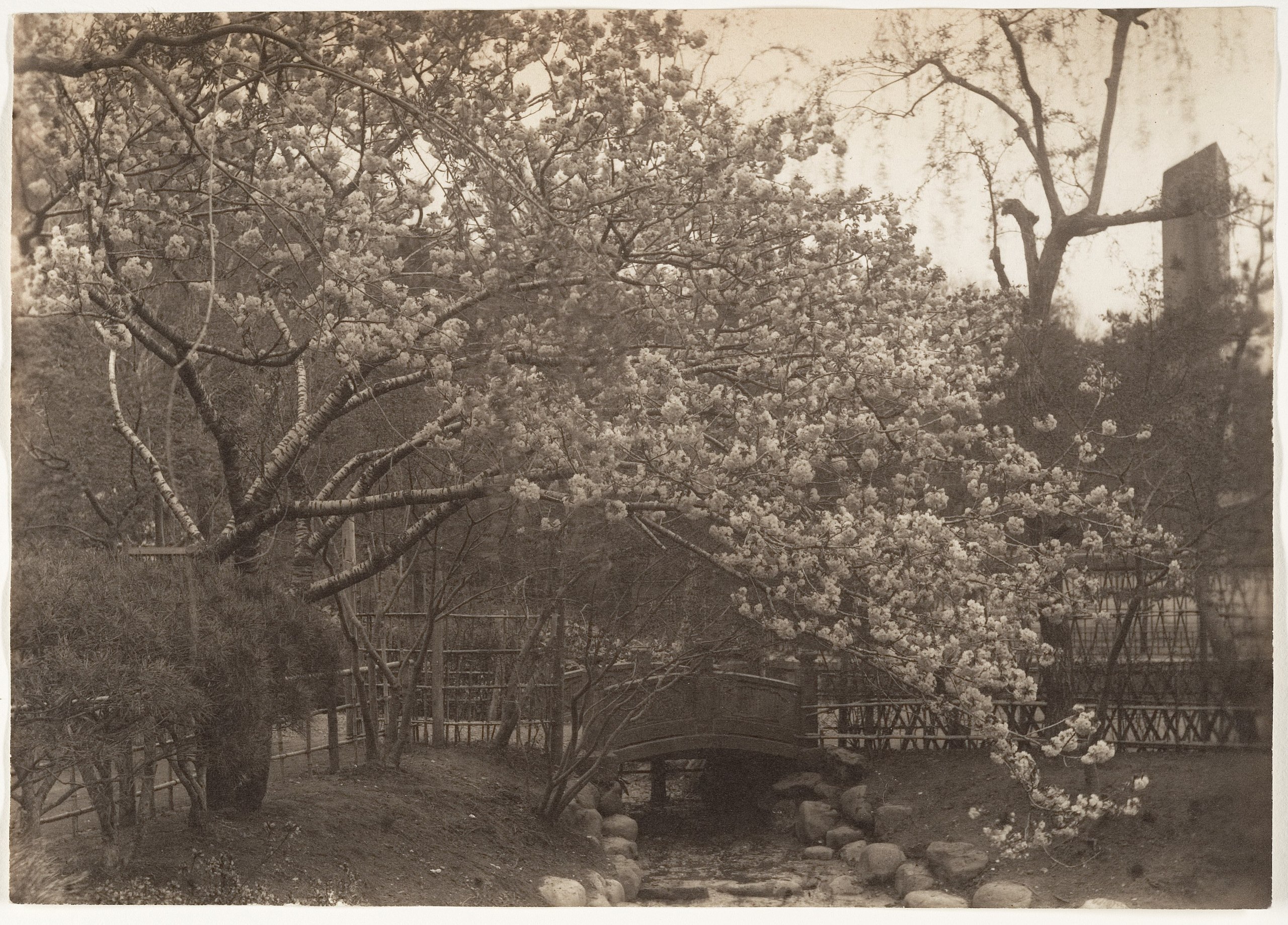
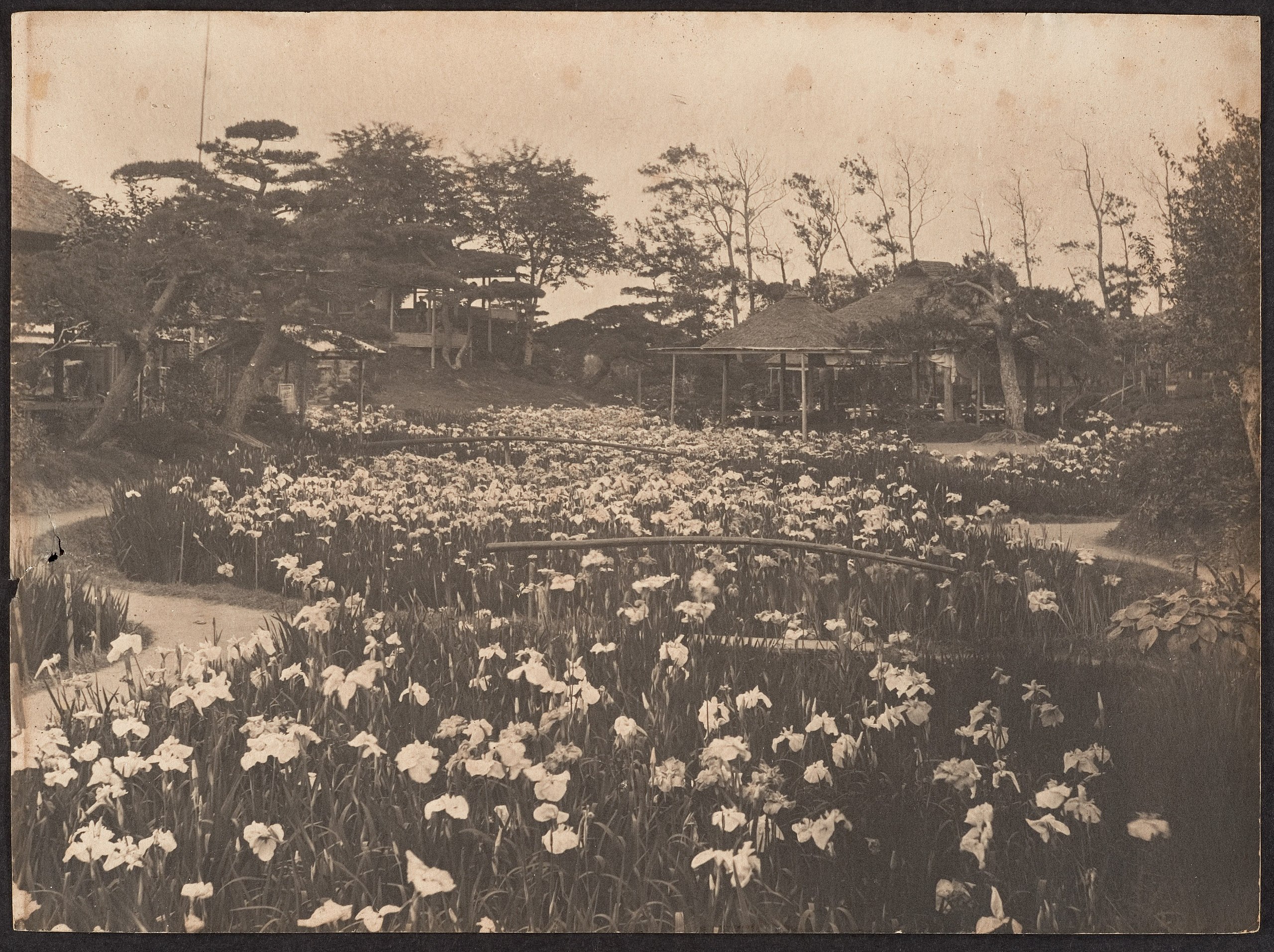
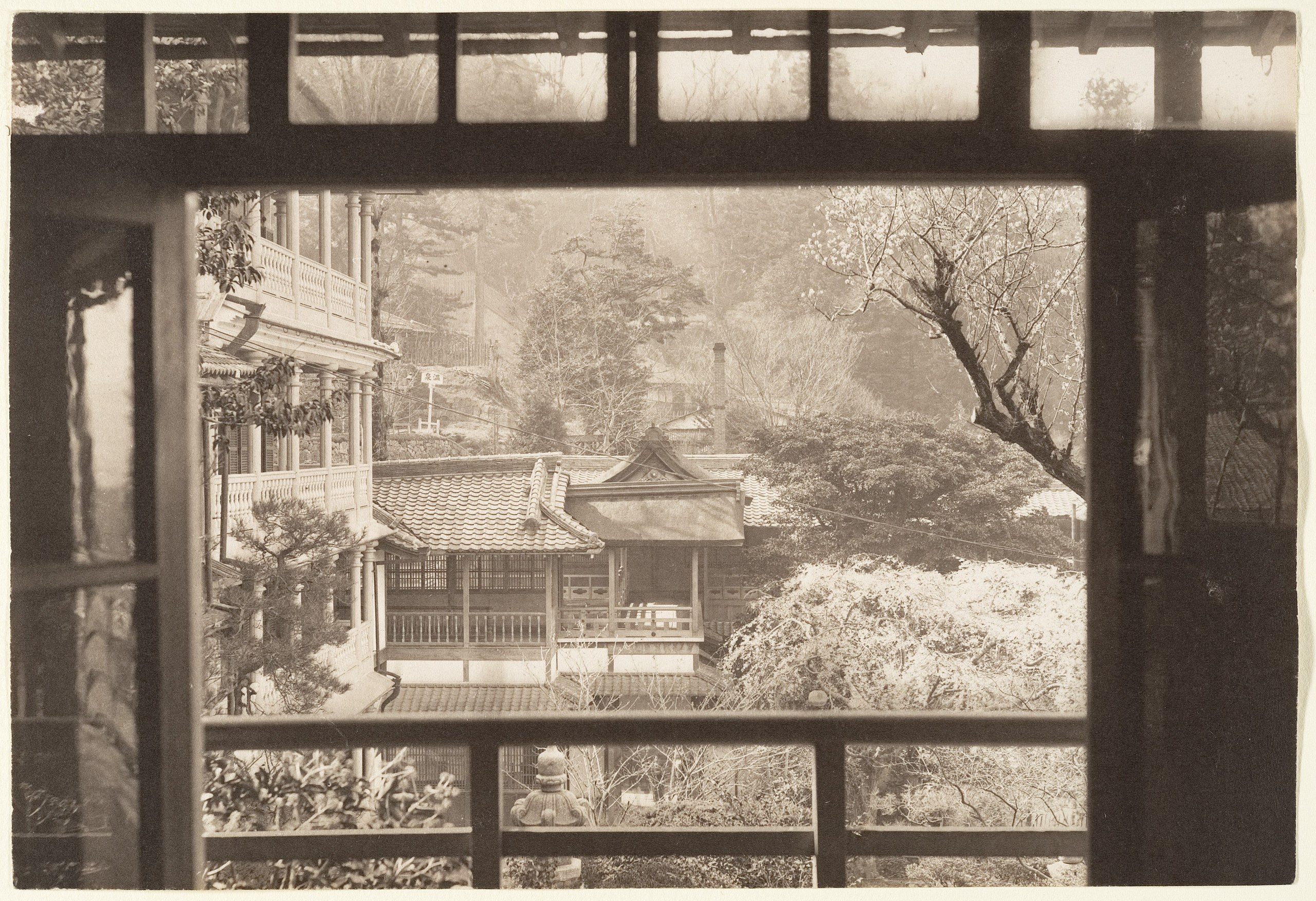
Adolf de Meyer · Japan 1900

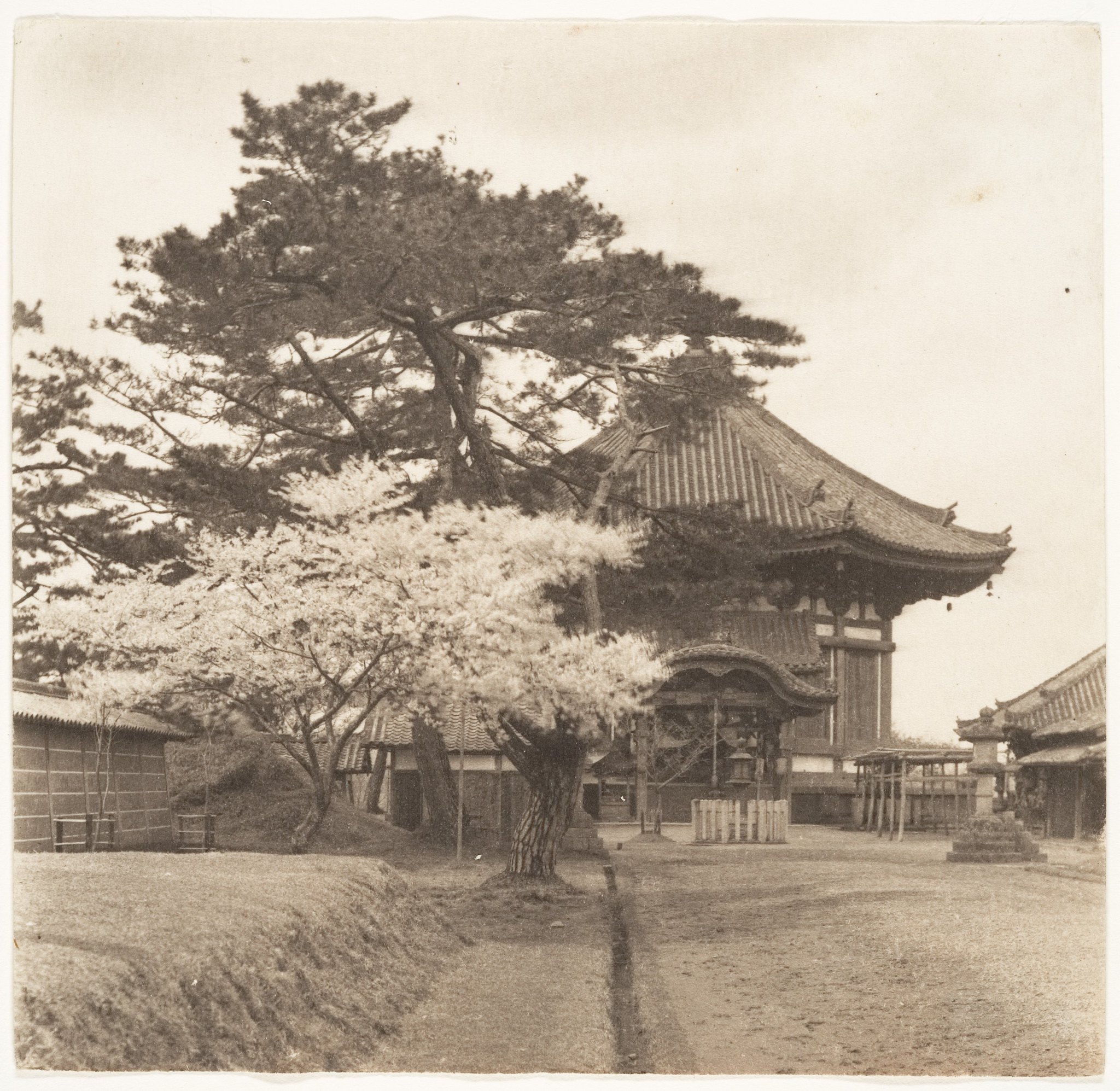
Adolf de Meyer (1868–1946) ~ [Kofukuji Temple, Nara, Japan], 1900. Gelatin silver print | src The Met
Adolf de Meyer (1868–1946) ~ Cherry Blossoms, Small Bridge over Creek, Japan, 1900. Gelatin silver print | src The Met
Adolf de Meyer (1868–1946) ~ [Cherry Trees Along a Canal], 1900. Carbon print | src The Met
Adolf de Meyer (1868–1946) ~ [Horikiri Iris Garden, Tokyo, Japan], 1900. Gelatin silver print | src The Met
Adolf de Meyer (1868–1946) ~ [View Through the Window of a Garden, Japan], 1900. Platinum print | src The Met
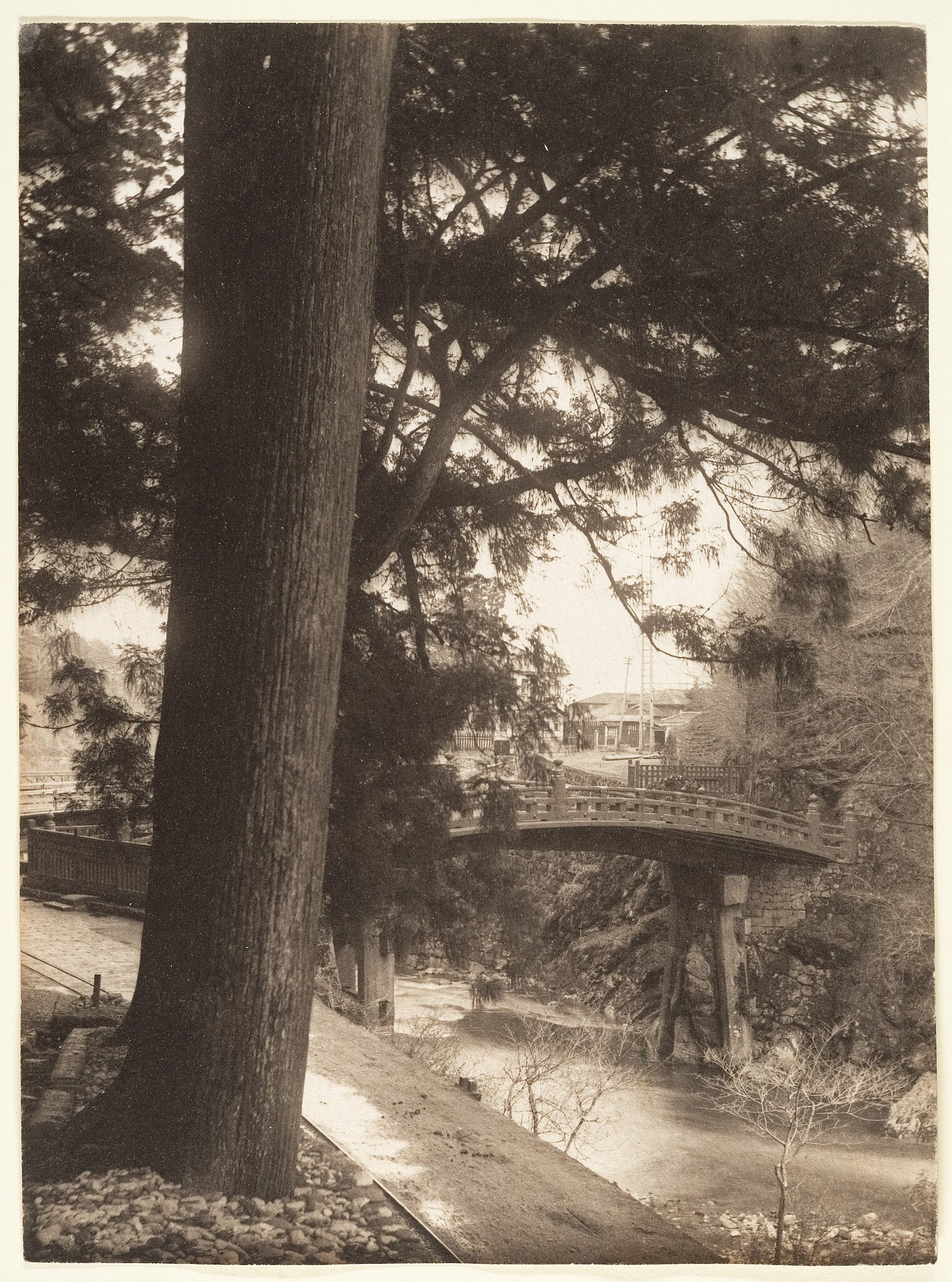
Adolf de Meyer (1868–1946) ~ [Shinkyo Bridge, Nikkō, Japan], 1900. Gelatin silver print | src The Met
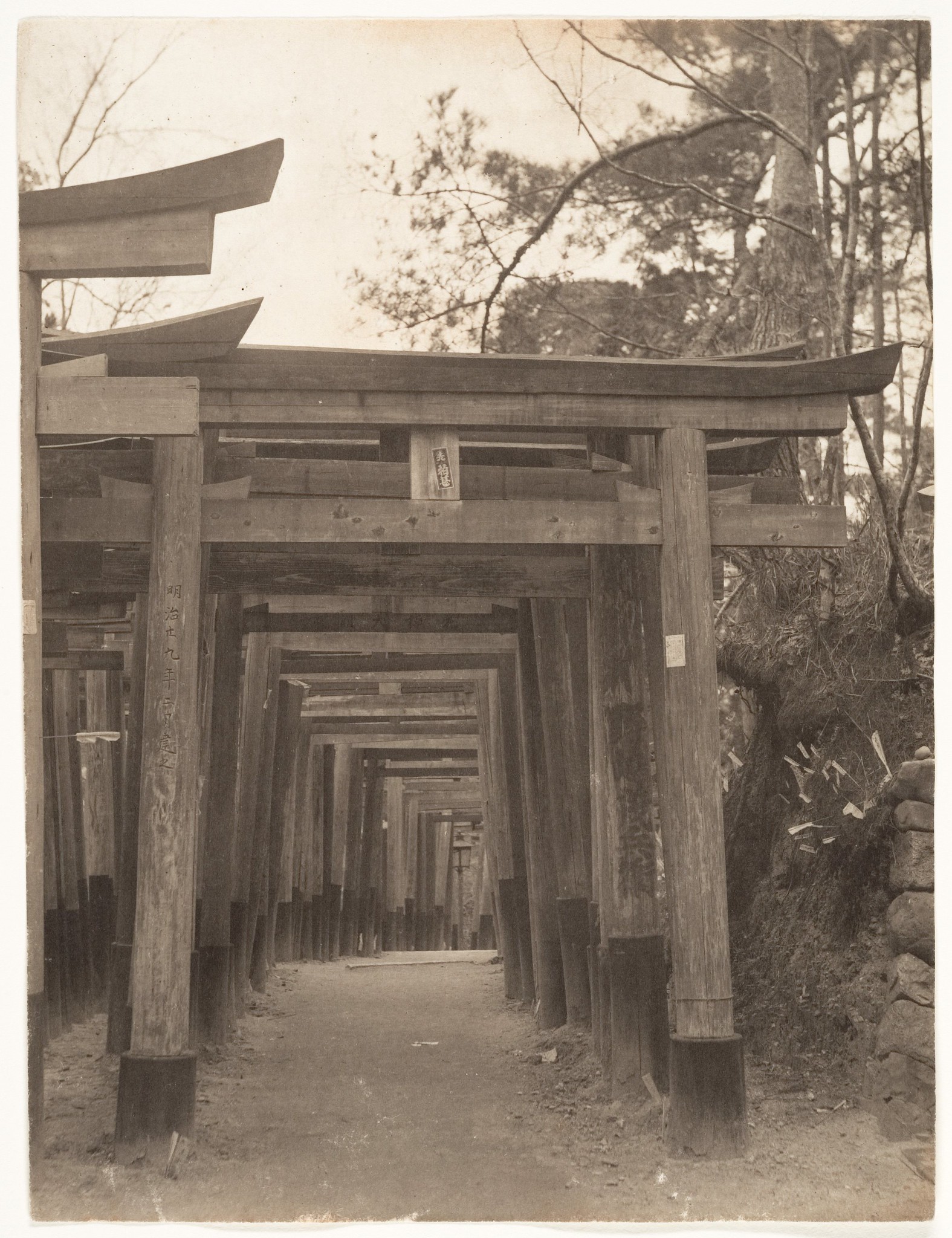
Adolf de Meyer (1868–1946) ~ [Fushimi Inari Taisha, Kyoto, Japan], 1900. Platinum print | src The Met
Adolf de Meyer (1868–1946) ~ Torii Gate at Lakeside, Japan, 1900. Gelatin silver print | src The Met
Adolf de Meyer (1868–1946) ~ [Golden Pavilion, Kyoto, Japan], 1900. Gelatin silver print | src The Met
Adolf de Meyer (1868–1946) ~ Kofukuji Temple, Nara, Japan, 1900. Gelatin silver print | src The Met

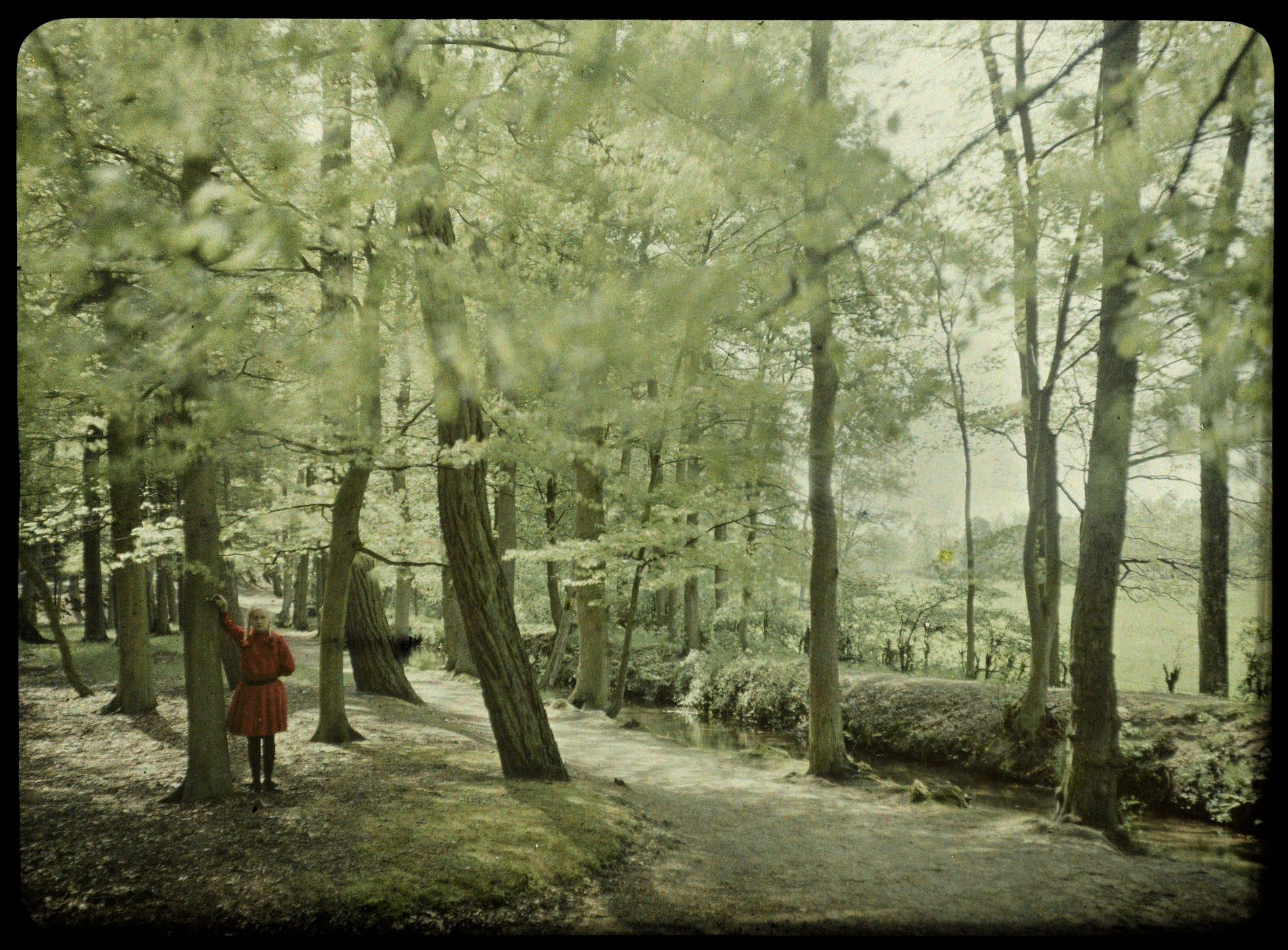
Fifi in the woods by Jacob Olie

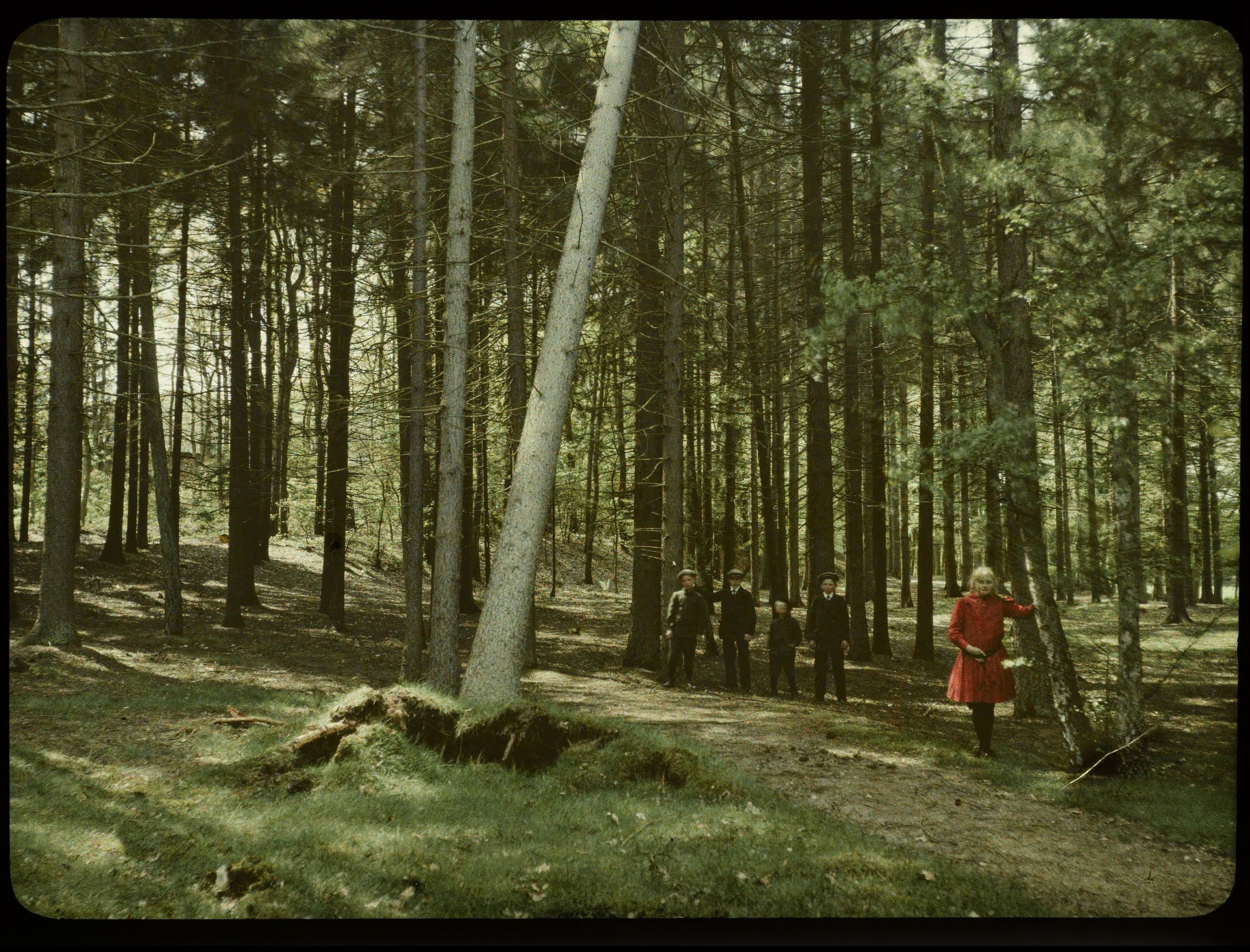
Jacob Olie jr. ~ Fifi in een bos | Fifi in the Woods (possibly Oud-Amelisweerd estate); ca. 1910 – 1914. Autochrome | src Rijksmuseum
Jacob Olie jr. ~ Fifi in een bos | Fifi in the Woods; ca. 1910 – 1914. Autochrome | src Rijksmuseum
Detail from: Fifi in the Woods (possibly Oud-Amelisweerd estate); 1910 – 1914. Autochrome by Jacob Olie jr.

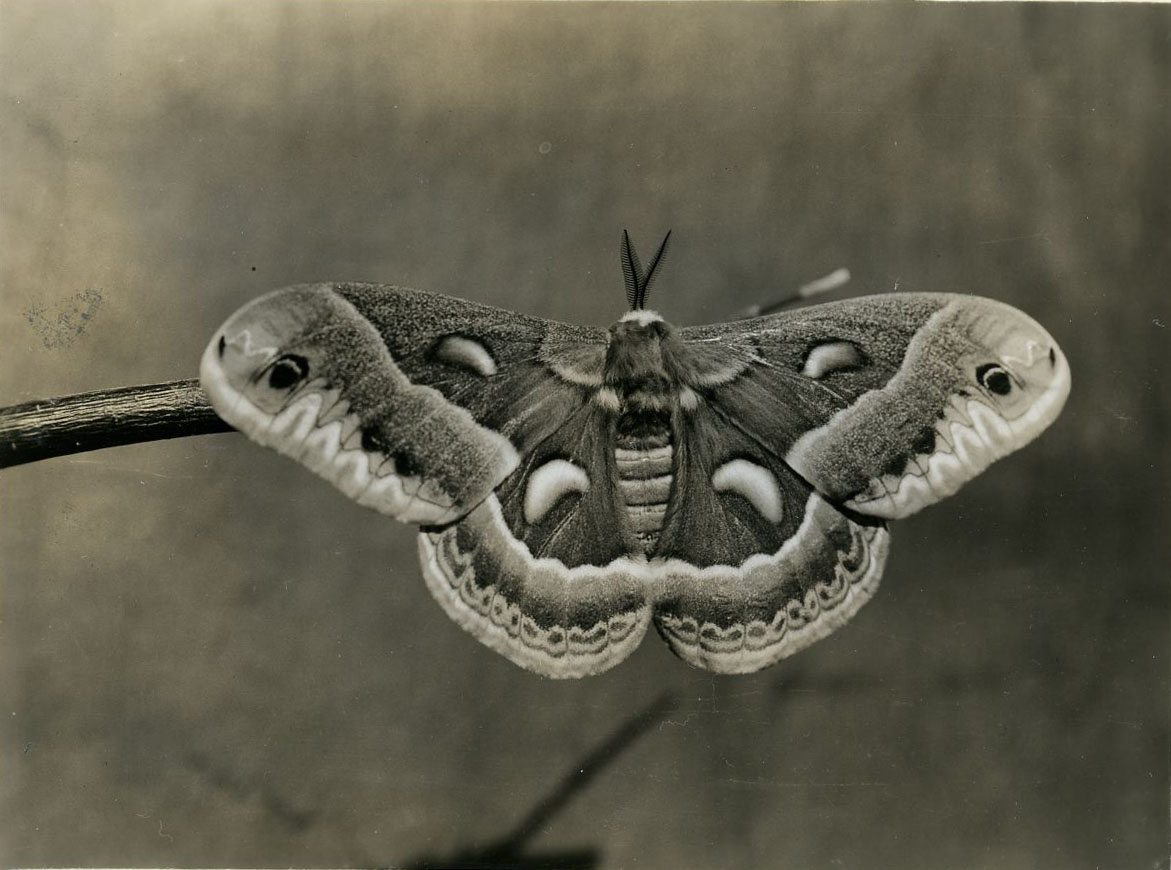
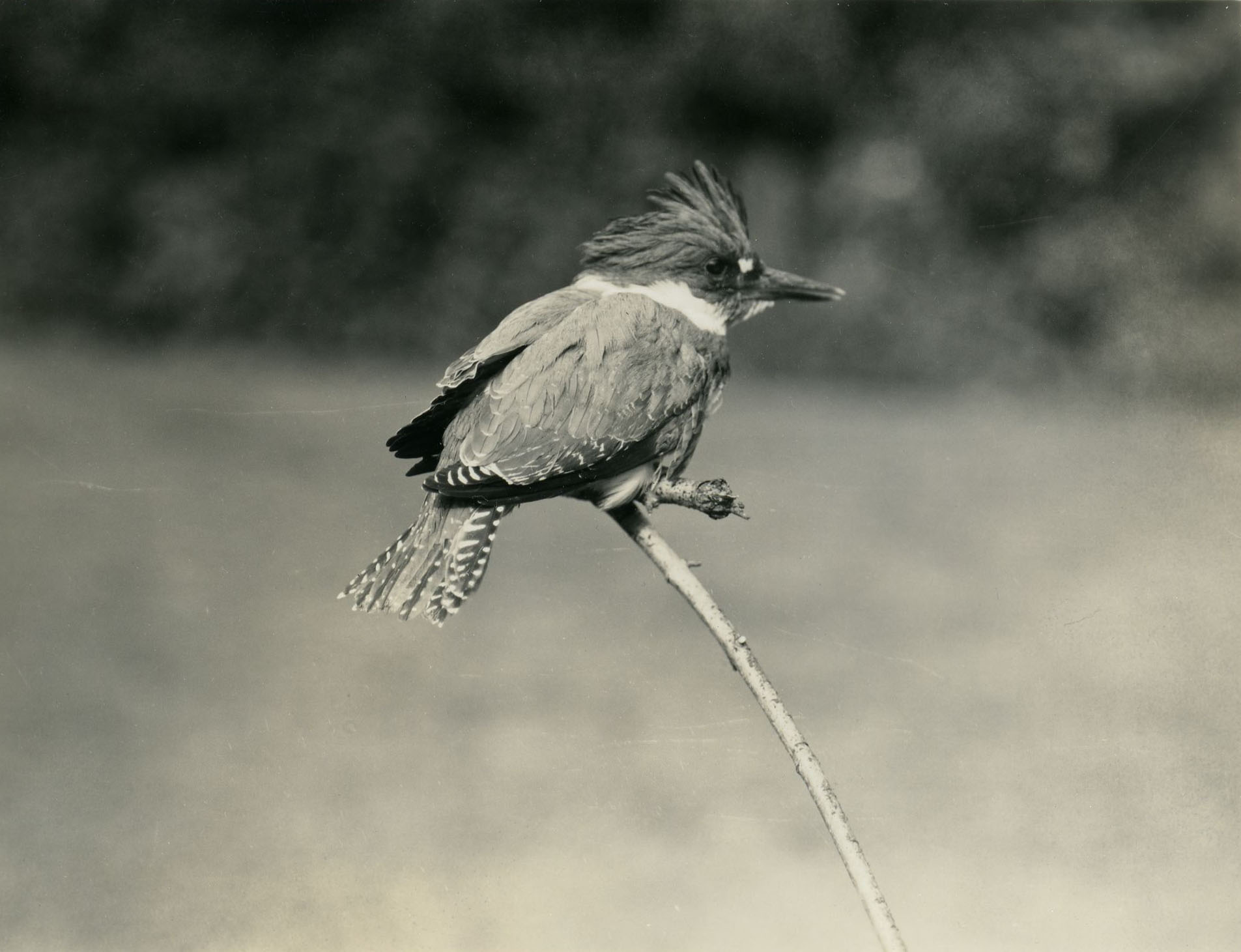
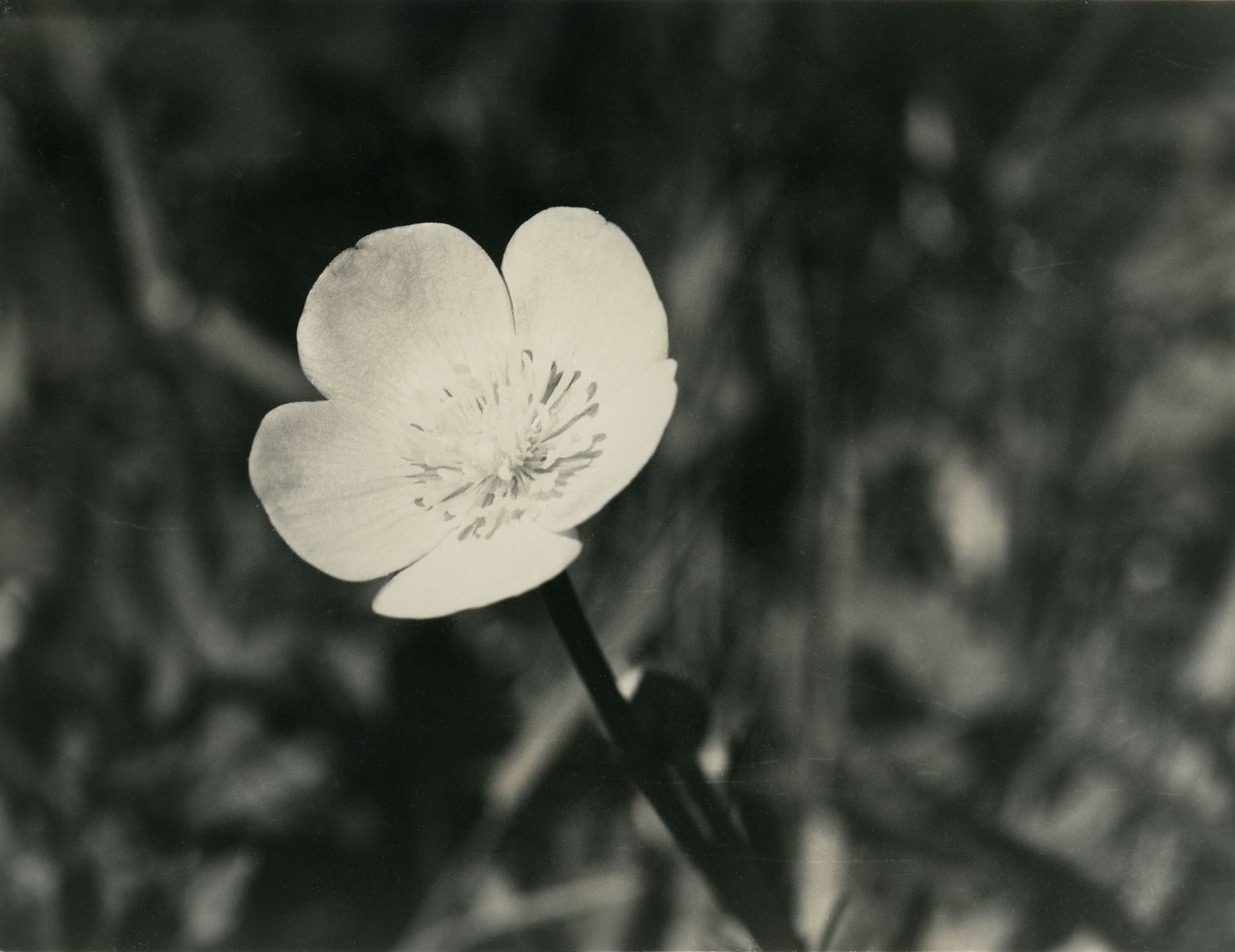
Nature photography (1939)

Cecropia (male and female) · Cecropia moths on end of stick. Acadia National Park, Maine, 22 March, 1939 | src NPG
Cecropia moth on end of stick. Acadia National Park, Maine, 22 March, 1939 | src National Park gallery
Reflection of Pemetic Mt. in Eagle lake. Acadia National Park, Maine, 5 June, 1939 | src National Park gallery
Kingfisher · Bird on stick. Acadia National Park, Maine, 18 July, 1939 | src National Parks gallery
Buttercup, close-up (five pedaled flower). Acadia National Park, Maine, 13 June, 1939 | src National Parks gallery

Autochromes de Acillona

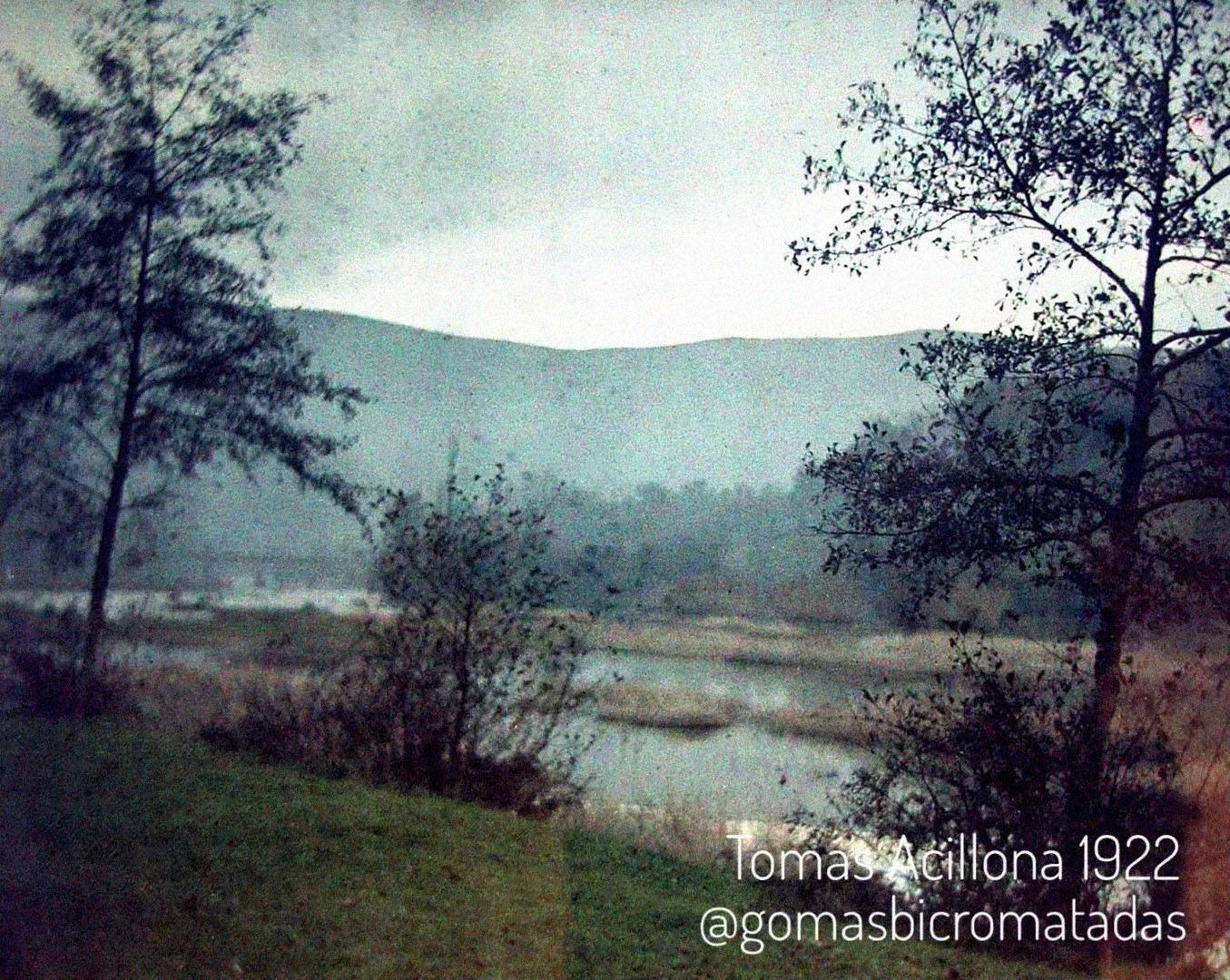
Tomás Acillona (1893 – 1957) ~ Sin título, 1922. Autochrome | src gomas-bicromatadas on IG
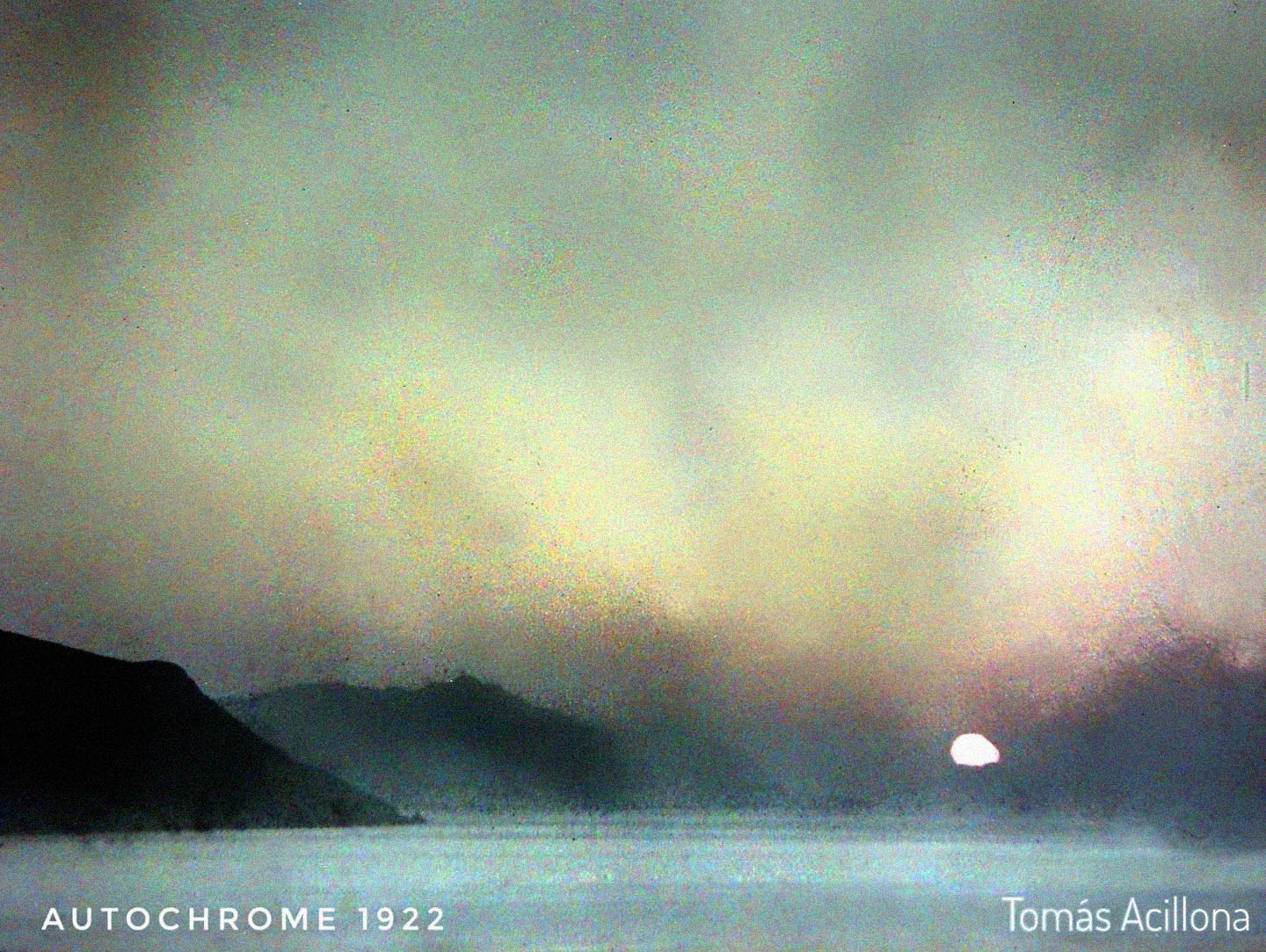
Tomás Acillona (1893 – 1957) ~ Puesta de sol en la Playa de Arrigunaga, 1922. Autochrome | src gomas-bicromatadas IG
Tomás Acillona (1893 – 1957) ~ Sin título, 1922. Autochrome | src gomas-bicromatadas on IG

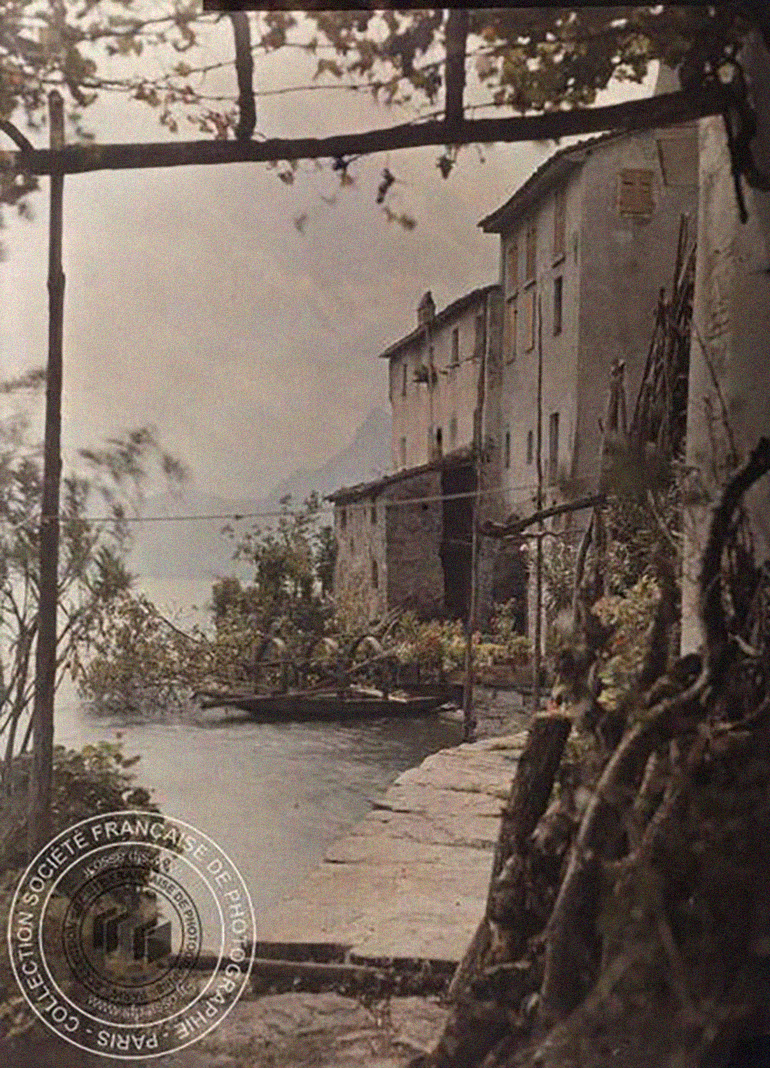
Au bord du lac de Lugano 1912

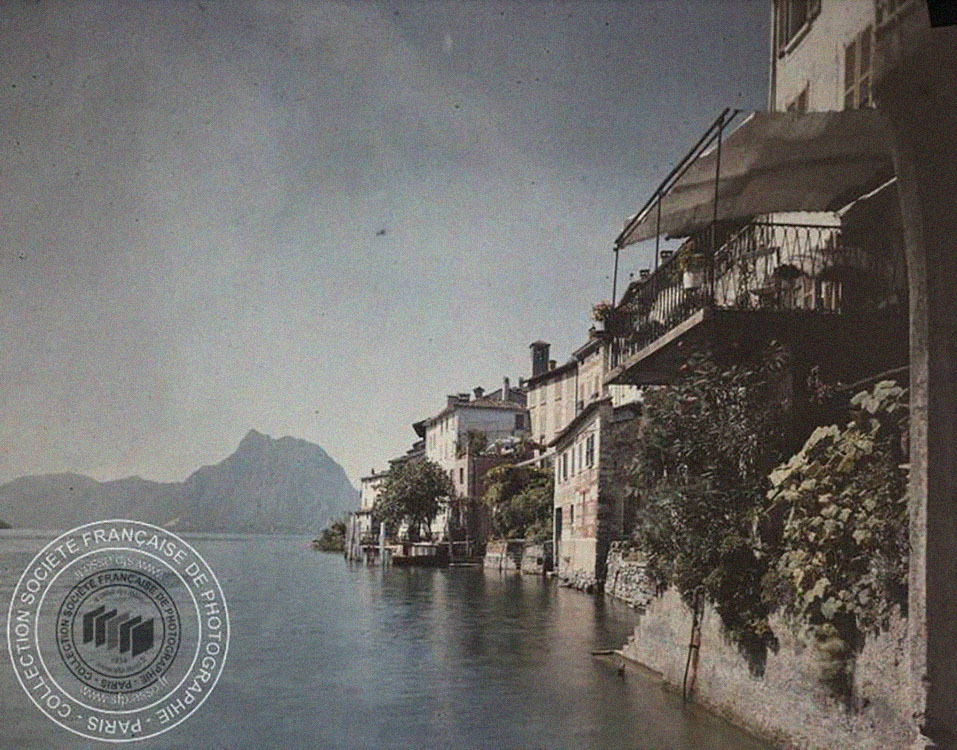
Louise Deglane (1868-1936) ~ Gandria [Maisons au bord du lac de Lugano, montagnes, Tessin, Suisse], 1912. Autochrome | src SFP
Louise Deglane ~ Gandria [Maisons au bord du lac de Lugano, Suisse], 1912. Plaque de verre Autochrome | src SFP
Louise Deglane ~ Gandria [Maisons au bord du lac de Lugano, montagnes, Suisse], 1912. Plaque de verre Autochrome | src SFP
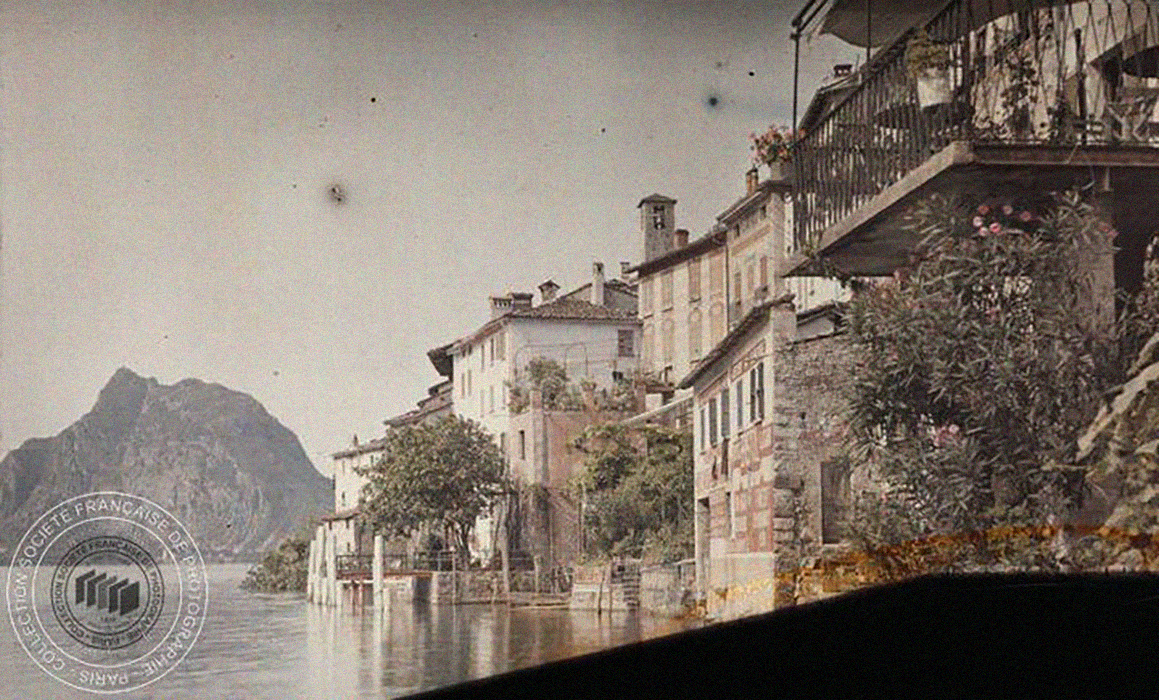
Louise Deglane ~ Gandria [Maisons au bord du lac de Lugano, barque, montagnes, pergola, Tessin, Suisse], 1912. Plaque de verre Autochrome | src SFP
Louise Deglane ~ Gandria [Maisons au bord du lac de Lugano, barque, montagnes, pergola, Tessin, Suisse], 1912. Plaque de verre Autochrome | src SFP & ODLP

Northern landscapes ca 1880s

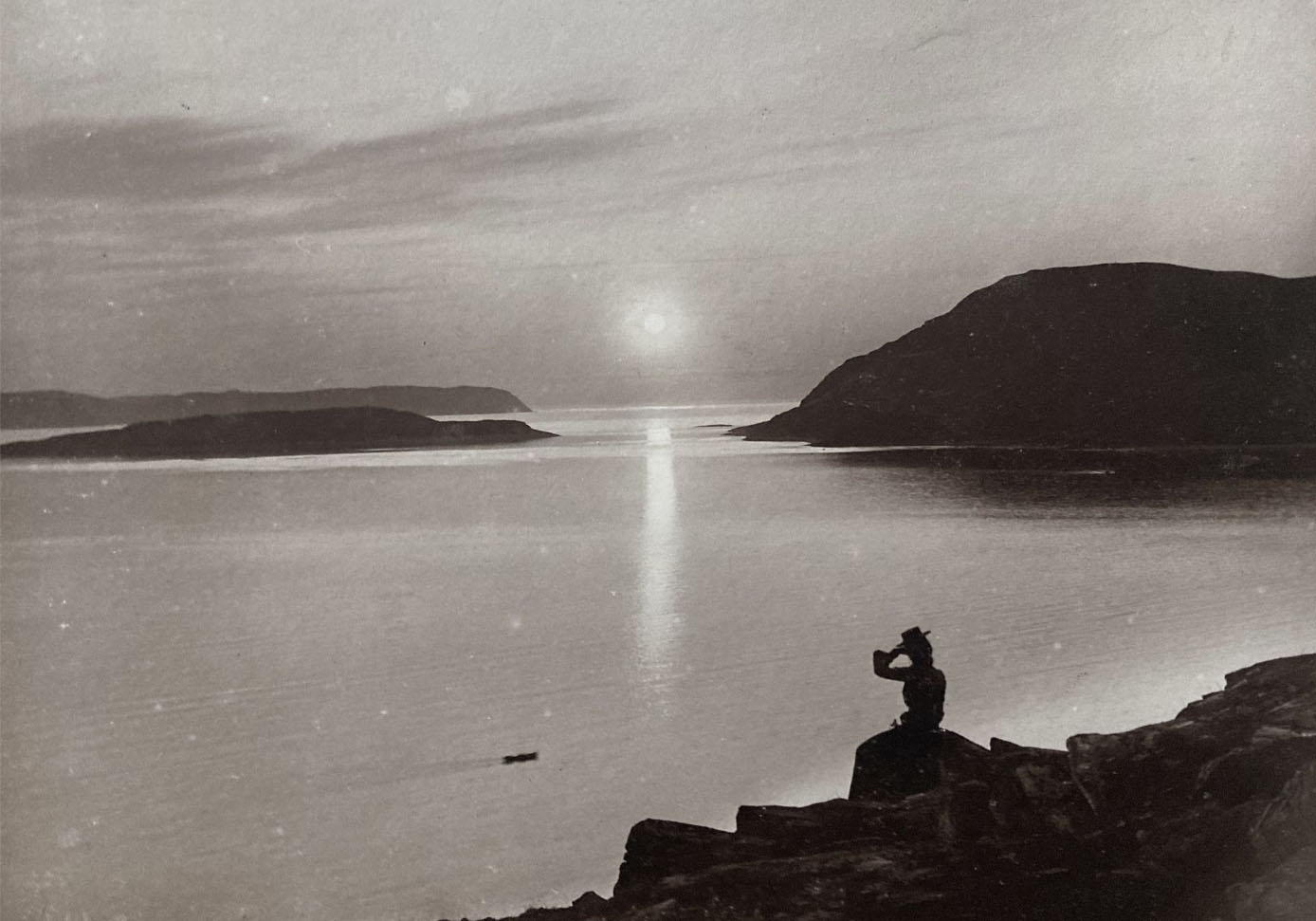
Axel Lindahl (1841-1906); Olaf Martin Peder Vaering (1837-1906) et divers ~ Suède. Norvège. Danemark, ca. 1870-1880 | src Ader
Axel Lindahl (1841-1906) ~ Nordfjord Brixdalsbrae Olden Isformer / Rich. Andvord, Eneret 1892 | src Ader
Axel Lindahl (1841-1906) ~ Romsdalen, Troldtinderne fra Vest – Rich. Andvord, Eneret 1892 | src Ader
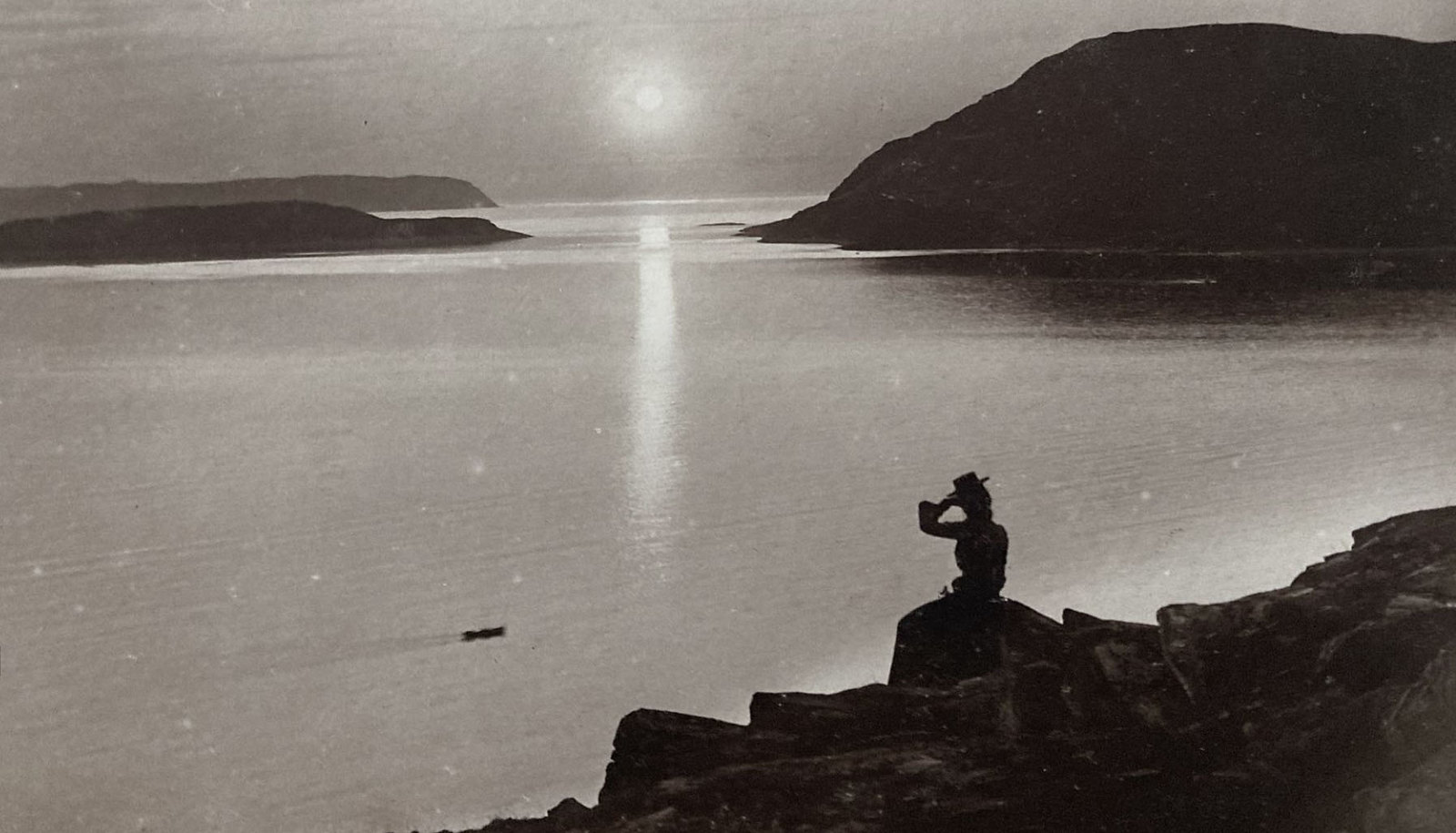
Closer view from image on top; likely by Axel Lindahl

Johnston lantern slides of gardens

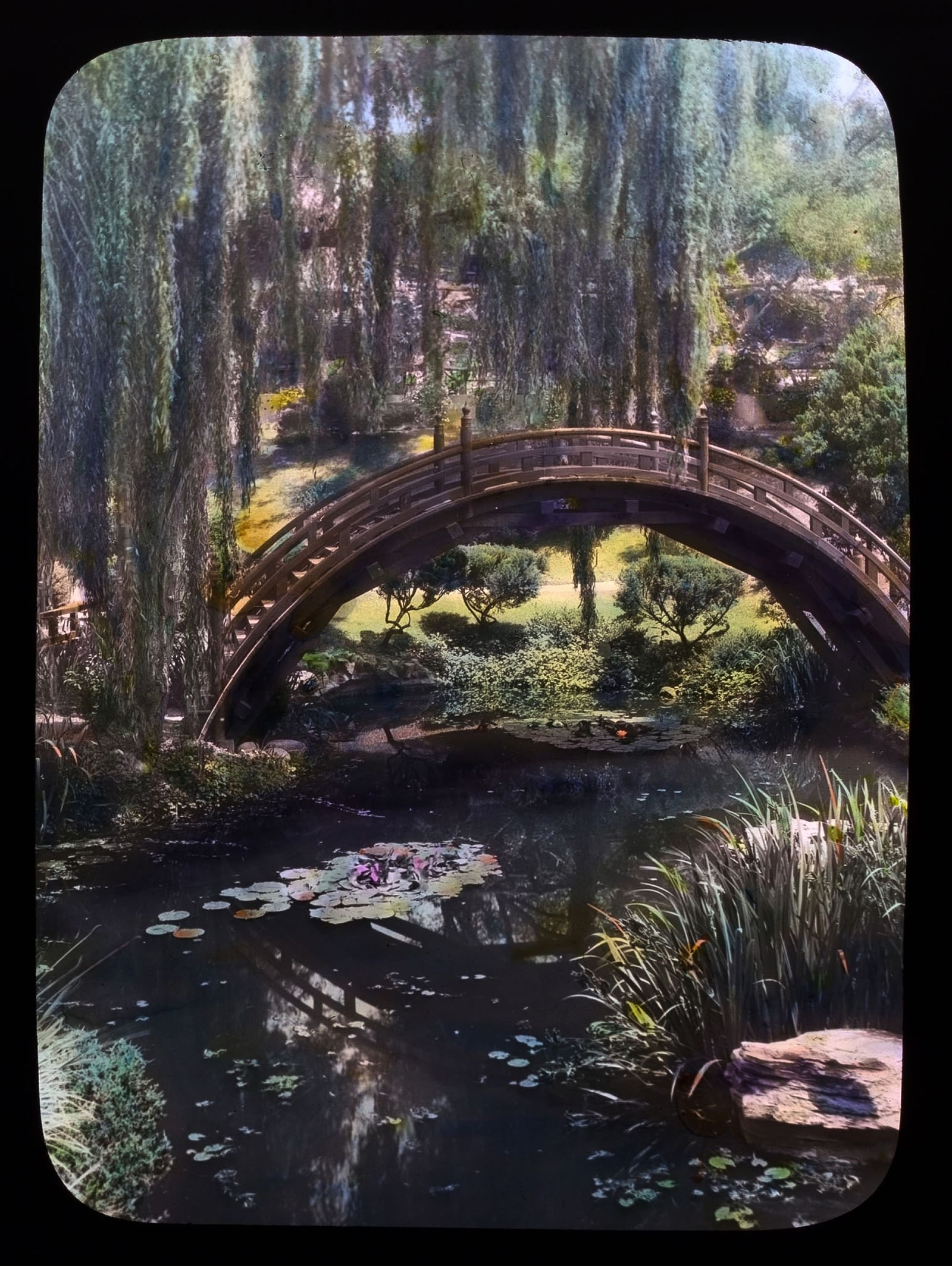
Frances Benjamin Johnston (1864-1952) ~ the Drum bridge in the Japanese garden at Henry Edwards Huntington house, San Marino, California, 1923. Glass lantern slide (hand coloured) | src getty images
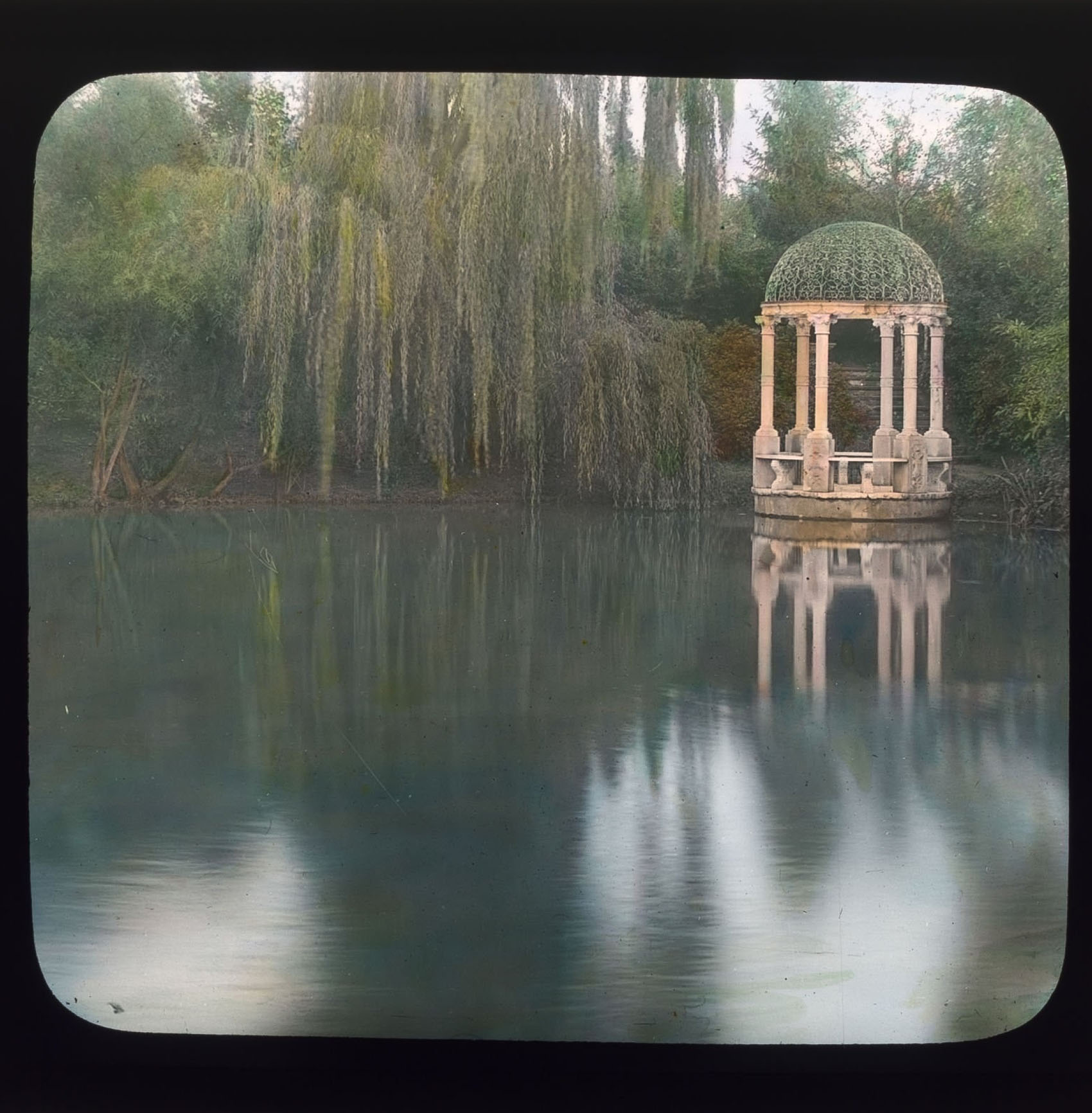
Frances Benjamin Johnston (1864-1952) ~ Drumthwacket, Moses Taylor Pyne House, Princeton, New Jersey, 1911 [official residence of the governor of New Jersey]. Glass lantern slide | src getty images

Toni Schneiders · on sealife

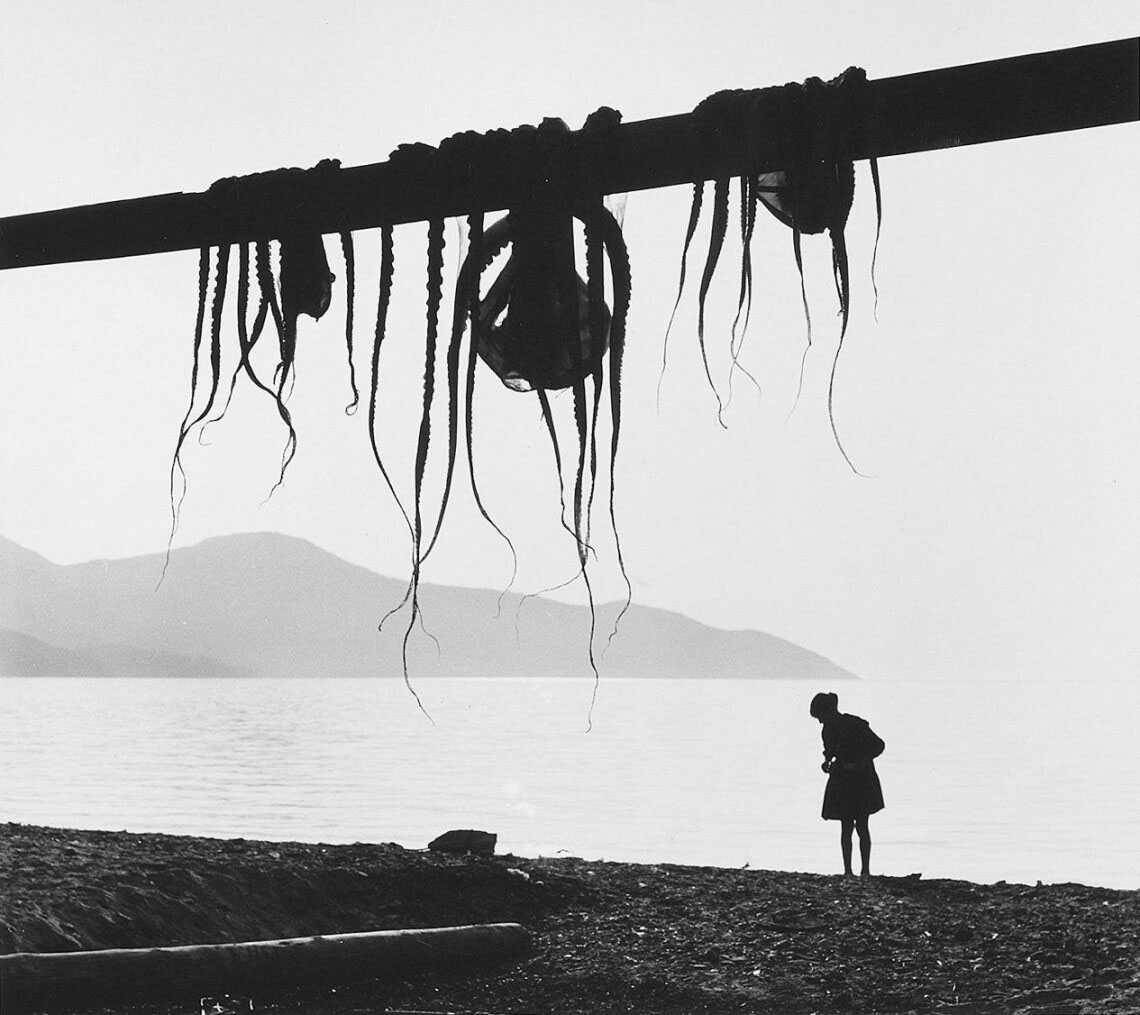
Toni Schneiders ~ Am Strand von Limena (On Limenas beach), Thassos, Mai 1961 | src Stiftung F.C. Gundlach ~ Schneiders archive

Toni Schneiders (1920-2006) is one of the great German photographers of the 20th century. With his formal, pictorial ambitions and his exciting motifs, he made a significant contribution to the renewal of photography after 1945. In 1949, he was a founding member of the fotoform group, which freed itself from the propaganda photography of the Nazi era through its artistic rigour and also set itself apart from the pleasing post-war photography, thus gaining international recognition.

Toni Schneiders’ photographs are characterized by formal rigour, virtuoso lighting and concentration on the essential pictorial elements [accentuating image details and emphasizing surface and line, including contour and structure]. But they are also permeated by the artist’s great interest in his subject, whom he depicts sometimes melancholically, sometimes poetically and sometimes cheerfully, but always with great empathy. In this way, Toni Schneiders succeeded in combining the rigour of fotoform, which was based on the New Objectivity of the 1920s, with his very personal, sometimes even humorous point of view. His photographs were published in more than 200 illustrated books.

The interplay of humanity, depth of content and formal rigour reflected in his work makes his works unique and a pleasure for the inclined viewer.

Text adapted from Stiftung F.C. Gundlach / Toni Schneiders bio

Toni Schneiders ~ Klippfisch (Rockfish). Bohuslän, Schweden, Aug. 1958 | src Stiftung F.C. Gundlach ~ Toni Schneiders archive
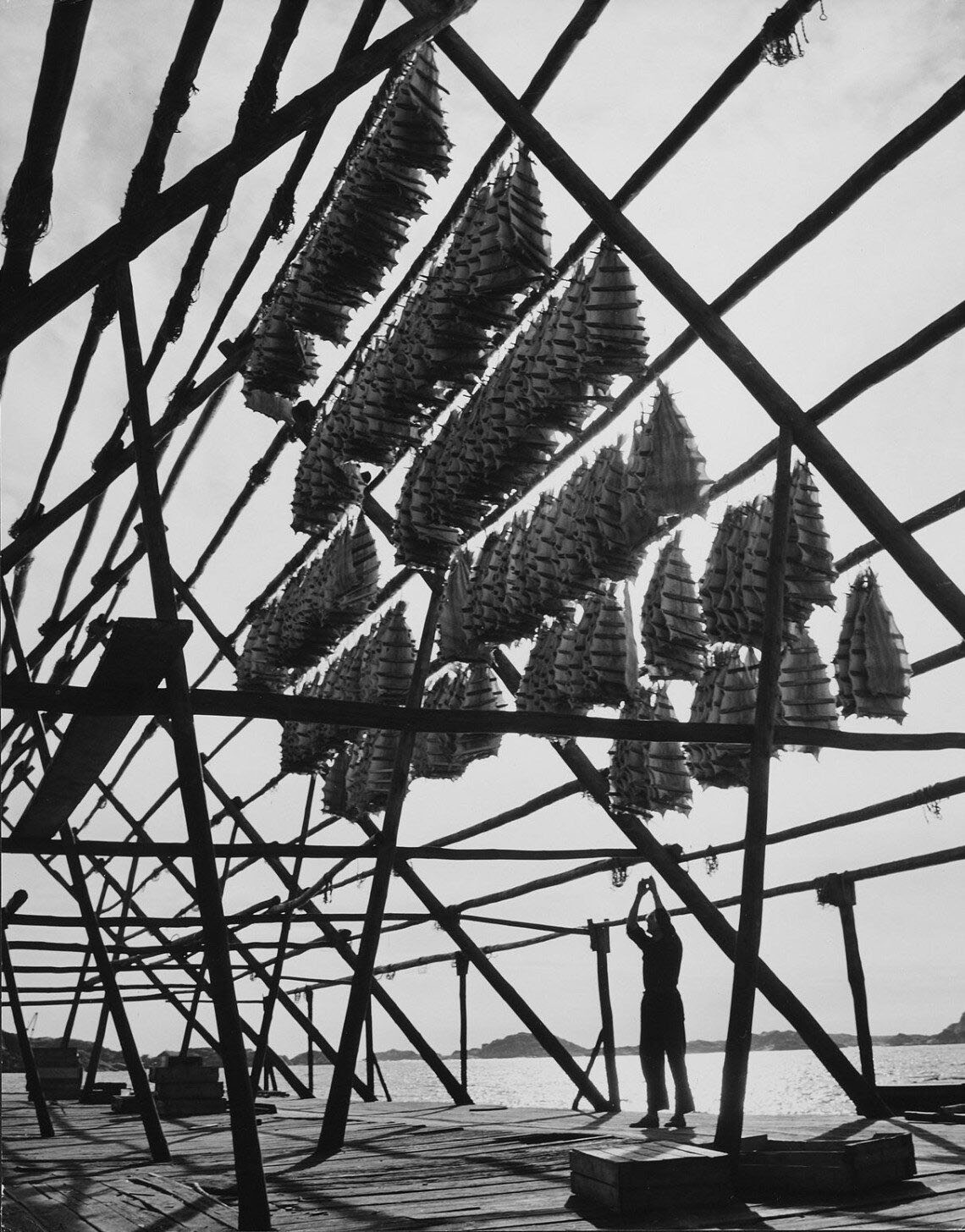
Toni Schneiders ~ Fischmarkt in Sesimbra, Portugal, 04-1968 | src Stiftung F.C. Gundlach ~ Toni Schneiders archiv
Toni Schneiders ~ Fishmarket in Sesimbra, Portugal, 04-1968 | src Stiftung F.C. Gundlach ~ Toni Schneiders archiv