Zinaida Reich Meyerhold · 1920s

James E. Abbe ~ Zinaida Nikolayevna Raikh (or Reich) (1894-1939) second wife of Vsevolod Meyerhold; portrait in gown with fan, 1928. Published by ‘Die Dame’ 26/1928 | src getty images
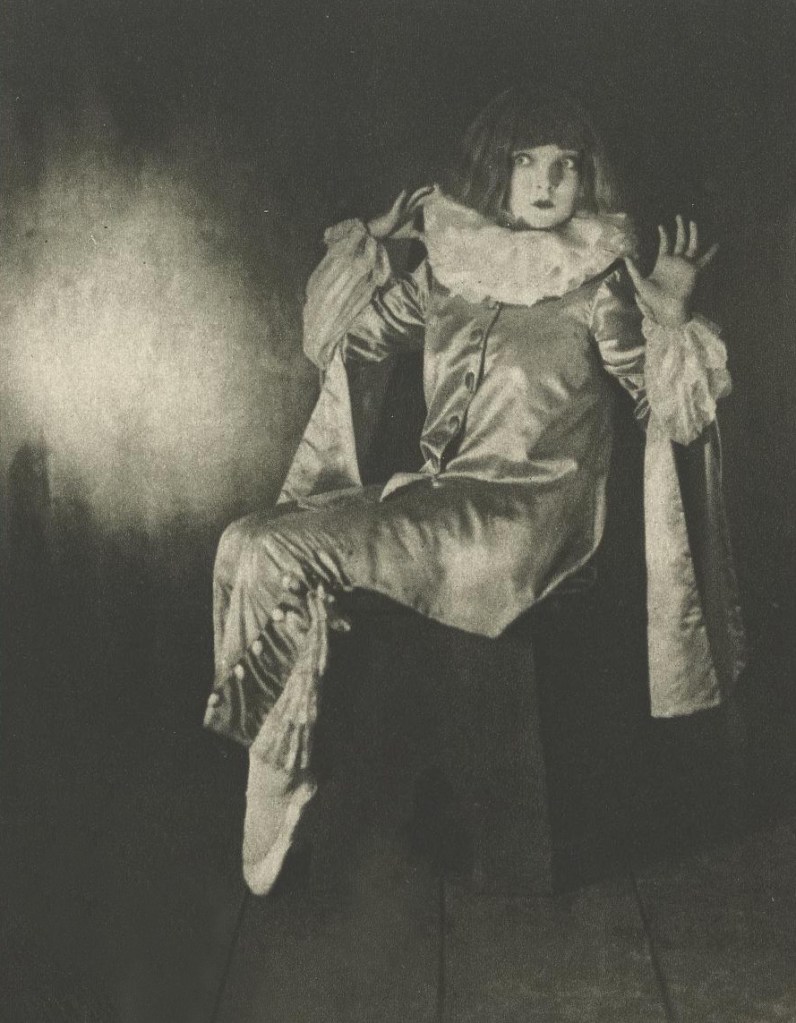
Zinaida Reich as Phosphoric Woman in ‘The Bathhouse’. Photo by Alexey Temerin, USSR, 1930 | src soviet visuals on twitter & Fb

Approximately by the time this photo was taken Joseph Stalin was launching his campaign to compel all Soviet artists to observe the rules of ‘socialist realism’. The hunting took a step further and the Meyerhold weren’t the exception. In this new scenario of persecution there was no room for avant-gardists; it did not matter at all that he was one of the first prominent Russian artists to welcome the Bolshevik Revolution.

Reich and Meyerhold married in 1922 after Meyerhold return to Moscow and the foundation of his own theater in 1920, which was known from 1923 to 1938 as the Meyerhold Theatre. In the 1930s the Stimmung became more and more toxic and after Shostakovich had been singled out as being guilty of ‘formalism’, in January 1936, Meyerhold evidently surmised that he would soon be a target, and in March 1936 delivered a talk entitled “Meyer against Meyerholdism”.

A year later, in April 1937, his wife, Zinaida Reich, wrote Stalin a long letter alleging that her husband was the victim of a conspiracy by Trotskyists and former members of the disbanded Russian Association of Proletarian Writers.

In June 1939, Meyerhold was arrested in Leningrad (the 20th). Three weeks later two assailants stabbed Reich to death at the couple’s apartment in Moscow (July 14-15th). The murder is generally regarded as having been organized by the NKVD (People’s Commissariat for Internal Affairs). According to Arkadiy Vaksberg: “Beria needed this sadistic farce” because the actress was extraordinarily popular, independent, outspoken and known for saying: “if Stalin can make no sense of art, let him ask Meyerhold, and he will explain” (Toxic Politics; 2011)

Following his arrest, Meyerhold was taken to NKVD headquarters in Moscow and tortured repeatedly. But it was not until the 1st February 1940 after his “confession” of being a British or Japanese spy that he was sentenced to death by firing squad and executed the next day.

The images of this post are from an earlier, brighter era for the Meyerhold and in the USSR.

Soviet actress Zinaida Reich as Phosphoric Woman in ‘The Bathhouse’. Play by Vladimir Mayakovsky, production by Vsevolod Meyerhold. Photo by Alexey Temerin, USSR, 1930 | src soviet visuals on twitter & Fb

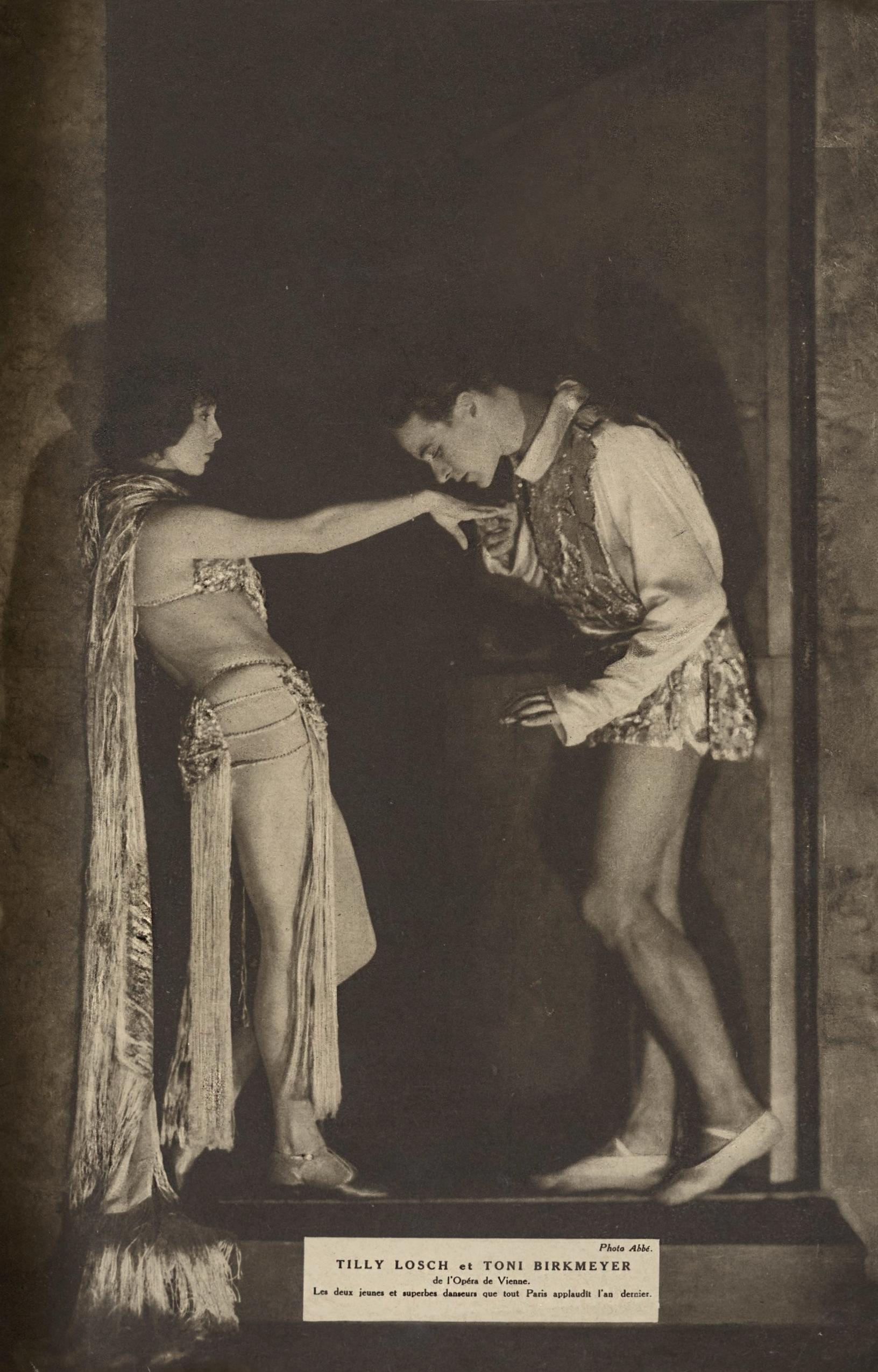
Tilly Losch et Toni Birkmeyer

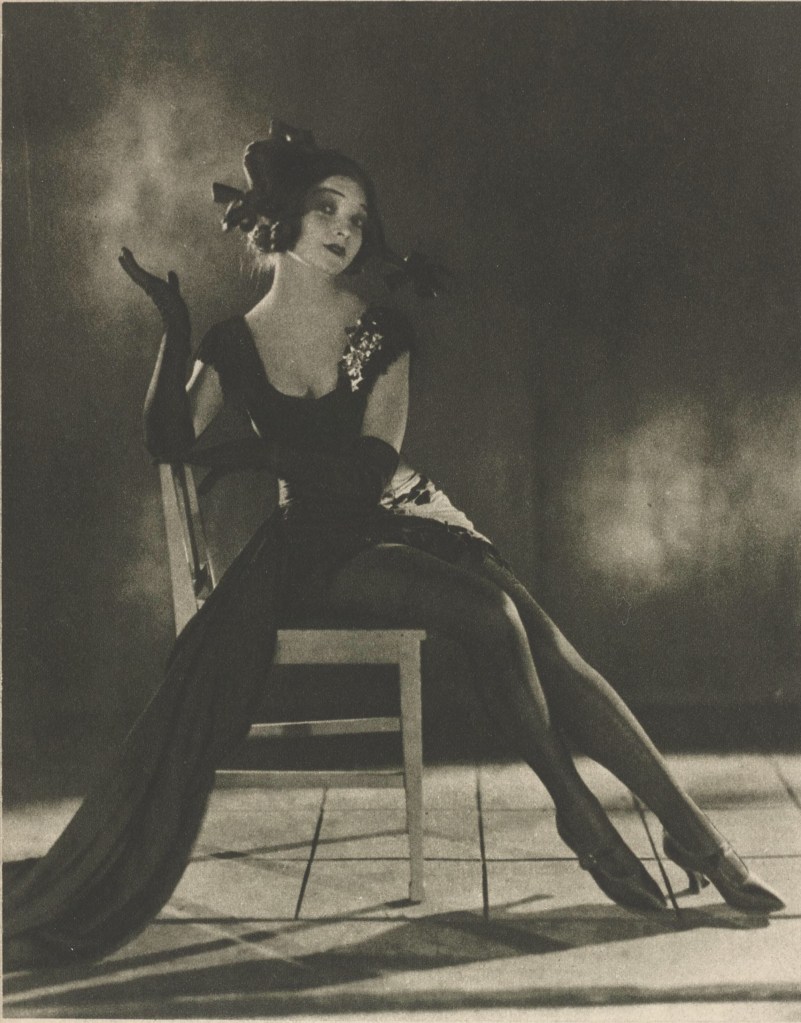
Photo Abbé. Tilly Losch et Toni Birkmeyer de l’Opéra de Vienne. The two young and magnificent dancers that all Paris acclaimed last year. Original: Les deux jeunes et superbes danseurs que tout Paris applaudit l’an dernier. Le Théâtre et Comœdia illustré, Juin-Septembre 1924. | src BnF ~ Gallica
Photo Abbé. Tilly Losch et Toni Birkmeyer de l’Opéra de Vienne. The two young and magnificent dancers that all Paris acclaimed last year. Original: Les deux jeunes et superbes danseurs que tout Paris applaudit l’an dernier. Le Théâtre et Comœdia illustré, nº 36, Juin-Septembre 1924. | src BnF ~ Gallica

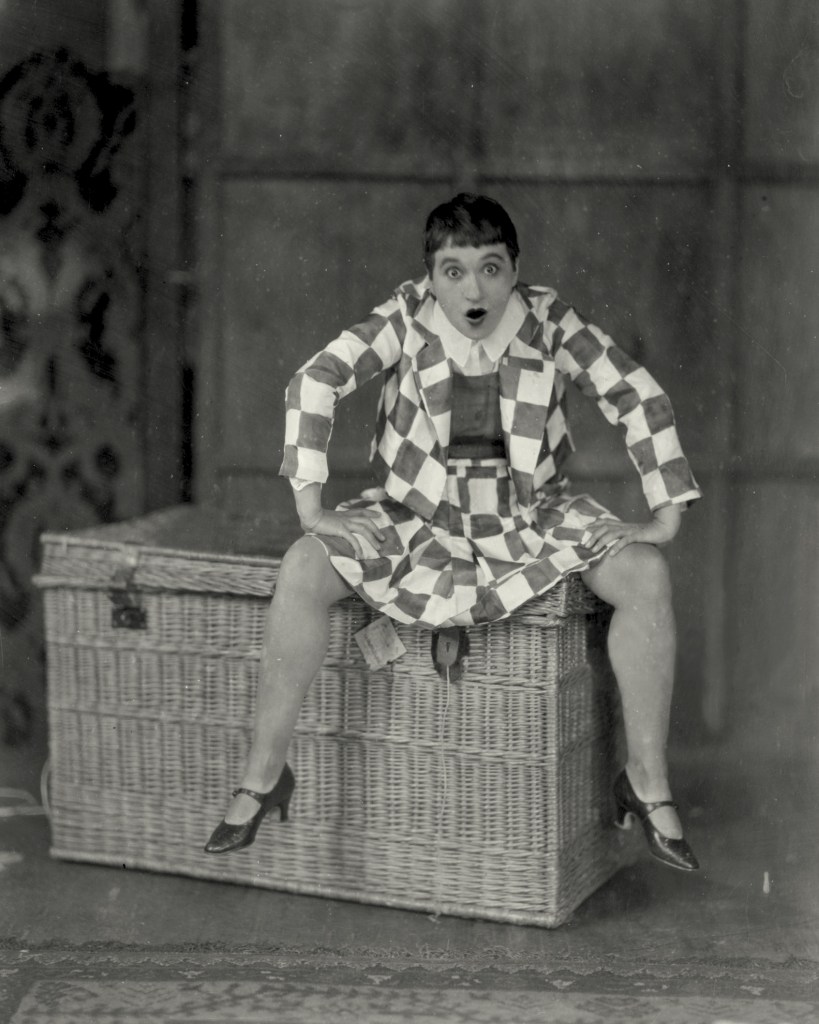
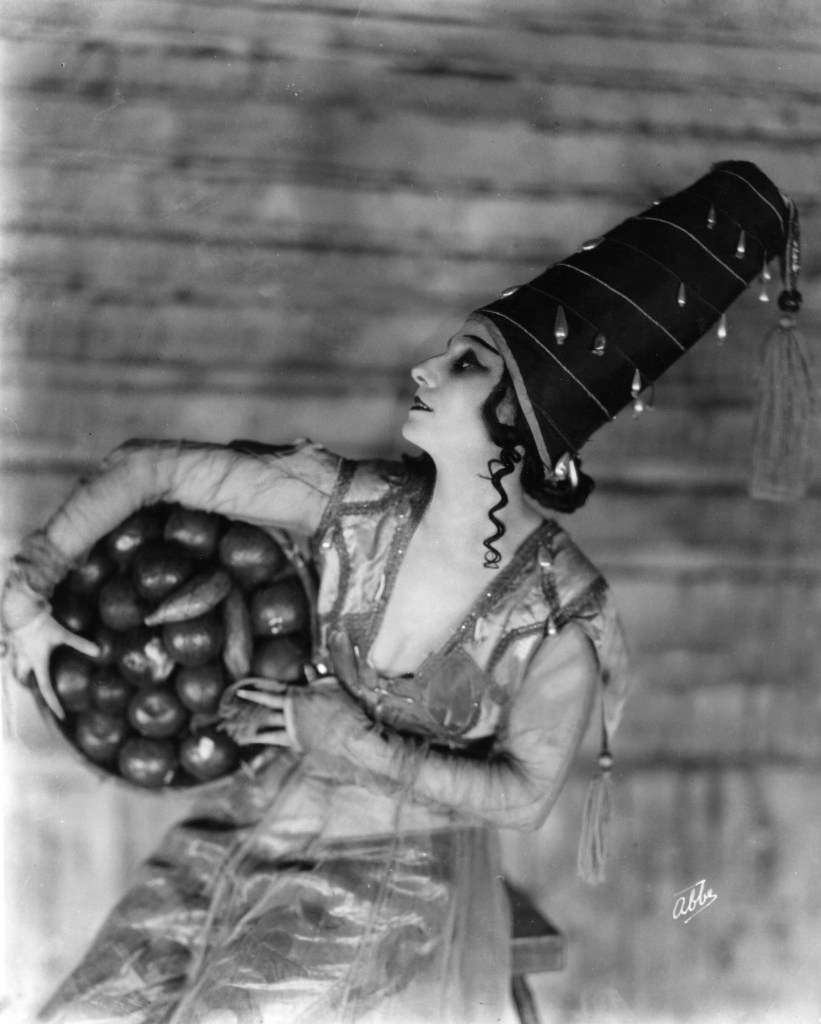
Valeska Gert posing comically

James Abbe :: German dancer Valeska Gert posing comically on top of a hamper, ca 1926. She shocked the audience at the Champs Elysees by following the dancing tradition of Isadora Duncan. (Photo by James Abbe for General Photographic Agency). | src and hi-res Getty Images

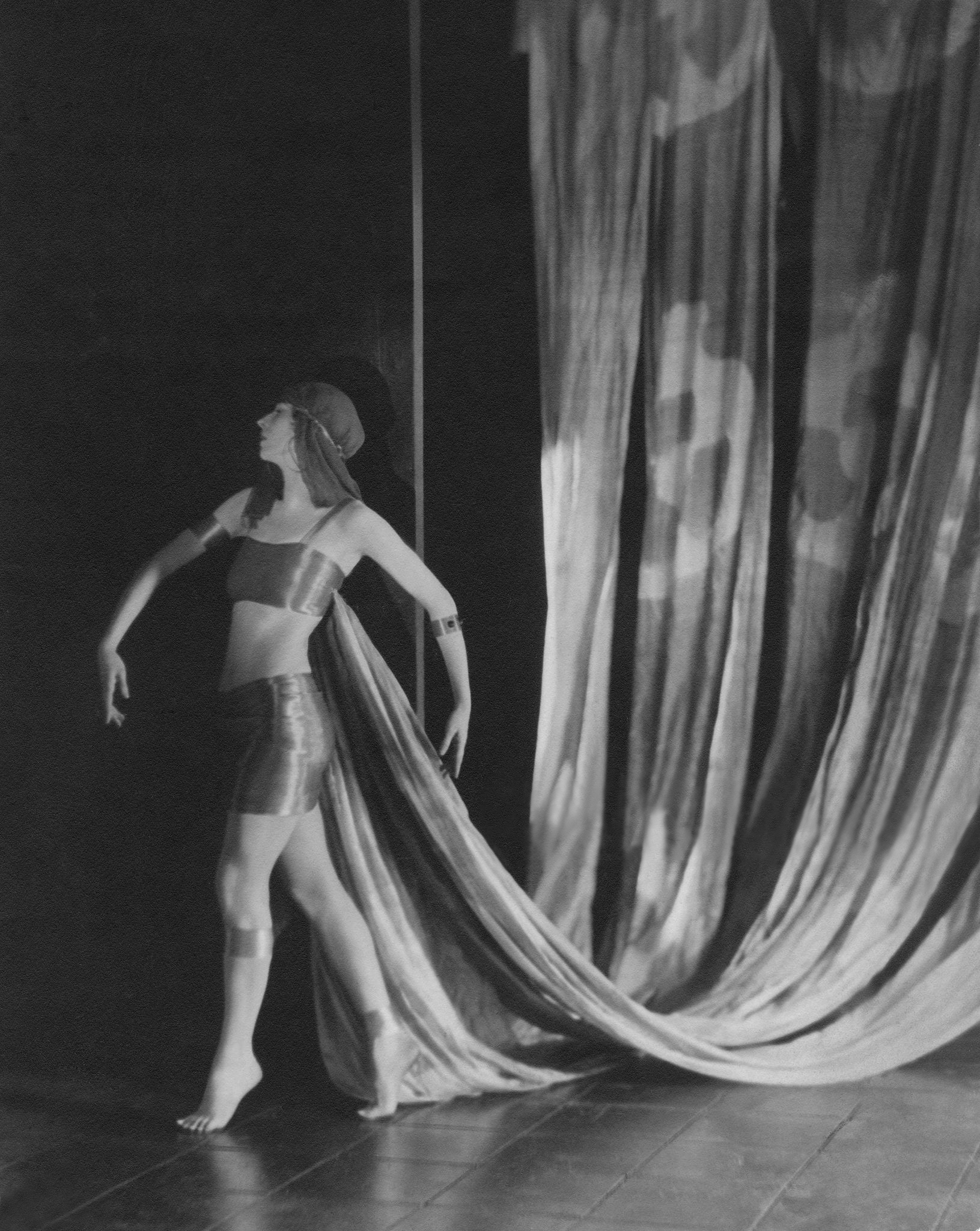
Kyra at the Winter Garden, 1921

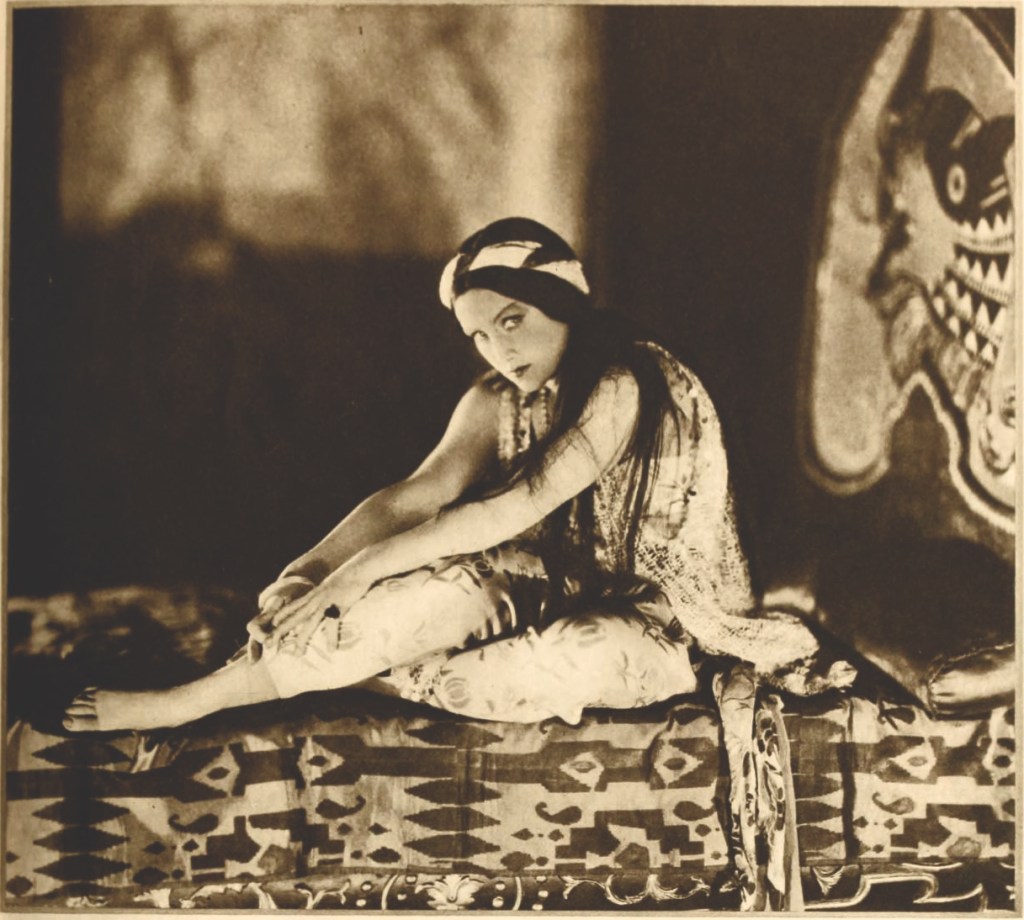
James Abbe ~ Kyra (Alanova). Shadowland magazine, October 1921 | src internet archive

Caption reads : Kyra / The exotic dancer in this season lending a touch of Oriental color to the Winter Garden revue

James Abbe ~ Kyra (Alanova). Shadowland magazine, October 1921 | src internet archive

Alanova, also known as Kyra Alanova and Alice Allan (Seattle, 26 July 1902 – Venice, 21 December 1965 ), was an American dancer, choreographer and actress. Born in the USA to a Russian father who emigrated at the beginning of 1900, she was then the stepdaughter of the choreographer and dancer Adolf Bolm, an important collaborator of Sergei Diaghilev Ballets Russes. She followed her stepfather’s footsteps, from 1918 to 1924 she danced with Diaghilev’s company on the stages of London, Paris and Rome, from 1922 she was engaged as an actress in various Broadway and London productions, under the name of Kyra Alanova.

Active on the Paris theater scene in the 1930s, she was portrayed by Kees van Dongen in several paintings (“Portrait of Miss Alanova”, “Jeune fille aux pieds nus”), in a period when the two were probably lovers.

At the end of the 1930s she arrived in Italy for a tour of the most important theaters and met Count Andrea Di Robilant, screenwriter and director, the two married shortly after and Alanova remained for a few years working in Italy, dividing her time between family and work (mainly in Italian films).

At the end of the war, Alanova resumed her activity as a choreographer, founding her own dance company: the Ballet Russe Alanova or Ballets Alanova (of which Enrico Prampolini would be artistic director and with whom Leonor Fini would collaborate as set and costume designer) with which she toured America and Europe until 1946.

text adapted from the Italian Wikipedia entry for Alanova

James Abbe :: Kyra Alanova at the Winter Garden, wearing a costume with a satin crop top and matching fitted shorts, with the top attached to long, flowing curtains, walking barefoot across a tiled floor, Vanity Fair, 1921. | src Getty Images