Arthur Rackham ยท Fairy tales

The Arthur Rackham Fairy Book, George G. Harrap, published 1933 | src Bonhams UK
Irish Fairy Tales by James Stephens, with colour plates by Arthur Rackham, Macmillan, published 1920 | src Bonhams UK

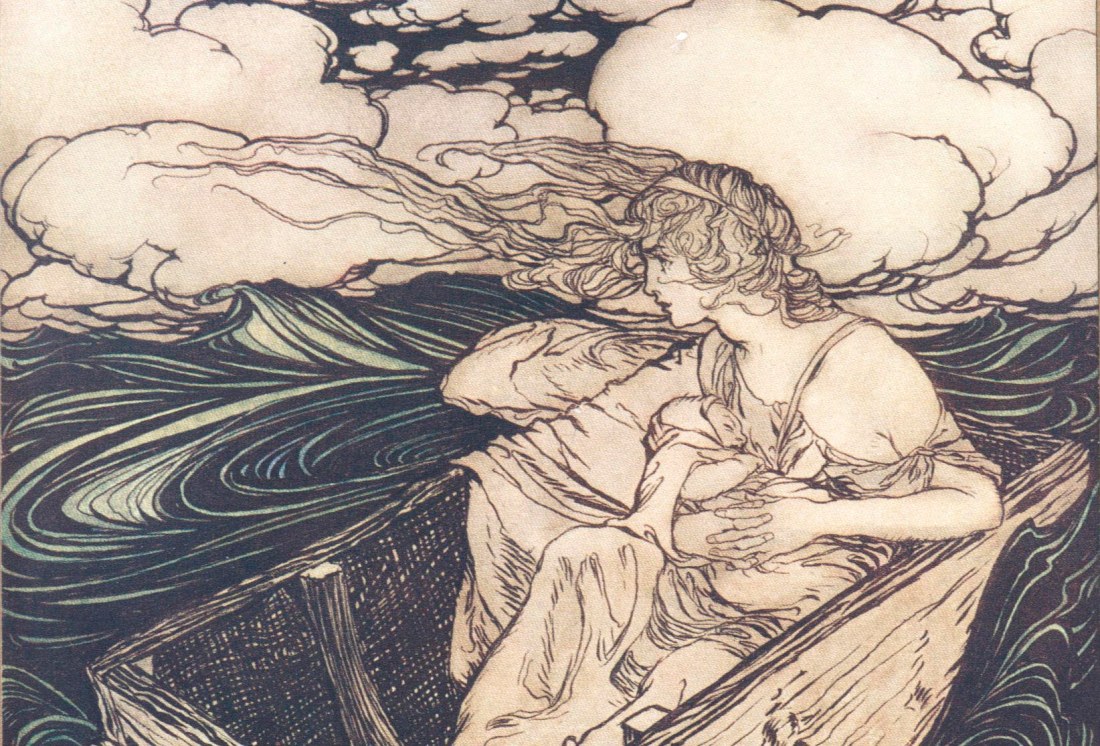
You could spend hours marveling at Arthur Rackhamโ€™s work. The legendary illustrator, born on September 19, 1867, was incredibly prolific, and his interpretations of Peter Pan, The Wind in the Willows, Grimmโ€™s Fairy Tales, A Midsummer Nightโ€™s Dream, and Rip Van Winkle (to name but a few) have helped create our collective idea of those stories.
Rackham is perhaps the most famous of the group of artists who defined the Golden Age of Illustration, the early twentieth-century period in which technical innovations allowed for better printing and people still had the money to spend on fancy editions. Although Rackham had to spend the early years of his career doing what he called โ€œmuch distasteful hack work,โ€ he was famousโ€”and even collectedโ€”in his own time. He married the artist Edith Starkie in 1900, and she apparently helped him develop his signature watercolor technique. From the publication of his Rip Van Winkle in 1905, his talents were always in high demand.
He had the advantage of a canny publisher, too, in William Heinemann. Before the release of each book, Rackham would exhibit the original illustrations at Londonโ€™s Leicester Galleries, and sell many of the paintings. Meanwhile, Heinnemann had the notion to corner multiple markets by releasing both clothbound trade books and small numbers of signed, expensively bound, gilt-edged collectorsโ€™ editions. When the British economy flagged, Rackham turned his attention to Americans, producing illustrations for Washington Irvingโ€™s The Legend of Sleepy Hollow and later Poeโ€™s Tales of Mystery and Imagination.

Pragmatic he may have been, but Rackhamโ€™s detailed work is pure fantasy, alternately beautiful, romantic, haunting, and sinister. Nothing he did was ever truly ugly, although he could certainly communicate the grotesque. And his illustrations are never cute, although his animalsโ€”as in The Wind in the Willowsโ€”have a naturalistโ€™s vividness, and he could do whimsy (think Alice in Wonderland, or his many goblins) with the best of them. Several generations of children grew up with this nuanced beauty; itโ€™s probably wielded even more of an aesthetic influence than we attribute to it.

Rackham once said, โ€œLike the sundial, my paint box counts no hours but sunny ones.โ€ This is peculiar when one considers the moodiness of much of his palate, and the unflinching darkness of many of his illustrations. I think, rather, of a quote from his edition of Brothers Grimm: โ€œEvil is also not anything small or close to home, and not the worst; otherwise one could grow accustomed to it.โ€ He made that evil beautiful, too, and it was this as much as anything that enchanted. By Sadie Stein for The Paris Review Blog

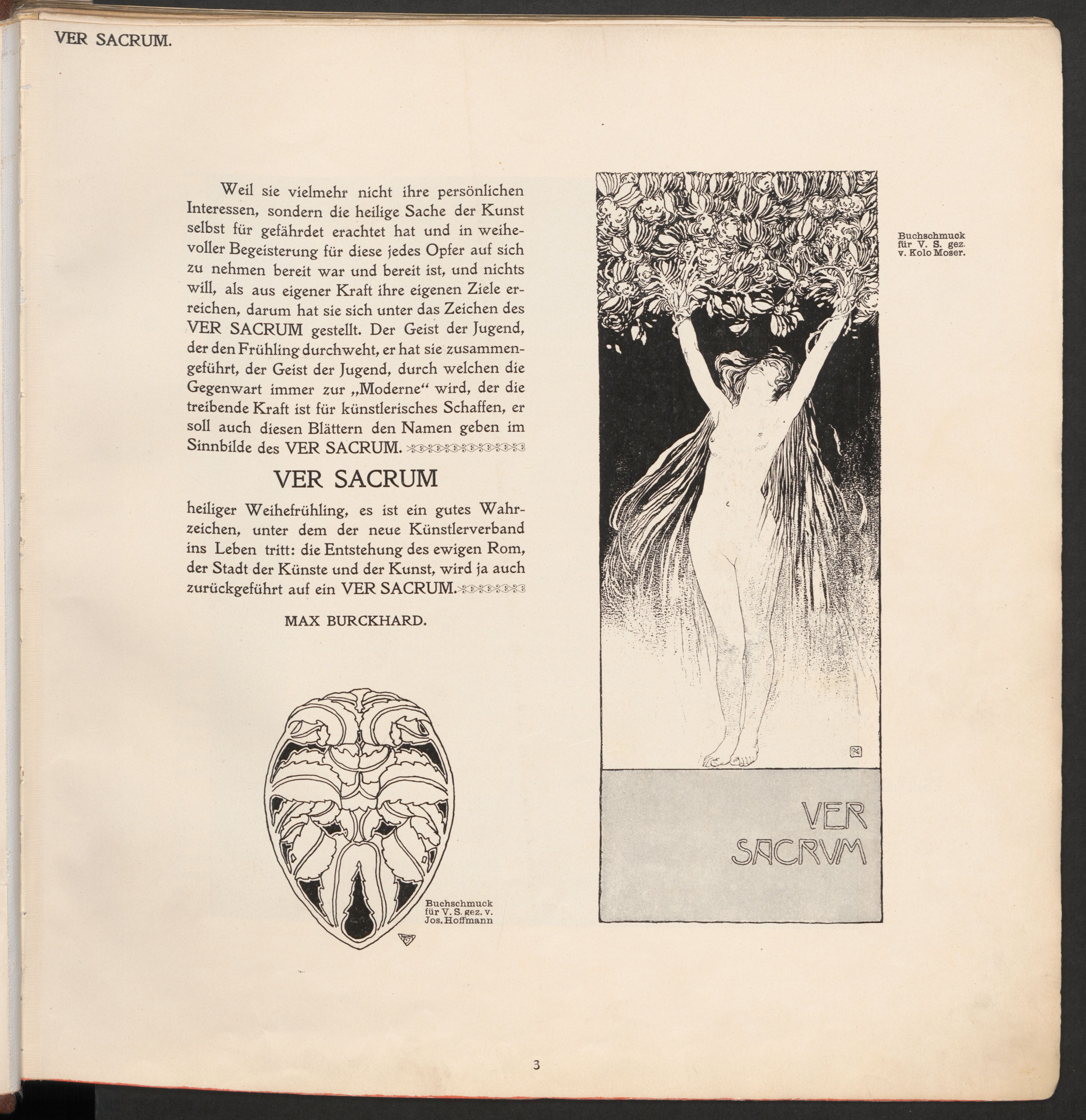
Allegorie von Kolo Moser

 โ€žVer Sacrumโ€œ H. 1/1, 1898. Tinte, Tusche und Aquarell und weiรŸe Deckfarbe auf Papier. | src Wikimedia, scanned from unspecified artbook
Koloman Moser :: Allegorie (1897) โ€žVer Sacrumโ€œ H. 1/1, 1898. Tinte, Tusche und Aquarell und weiรŸe Deckfarbe auf Papier. | src Wikimedia, scanned from unspecified artbook
Koloman Moser :: Ver Sacrum, 1898, Heft1. | src ร–NB

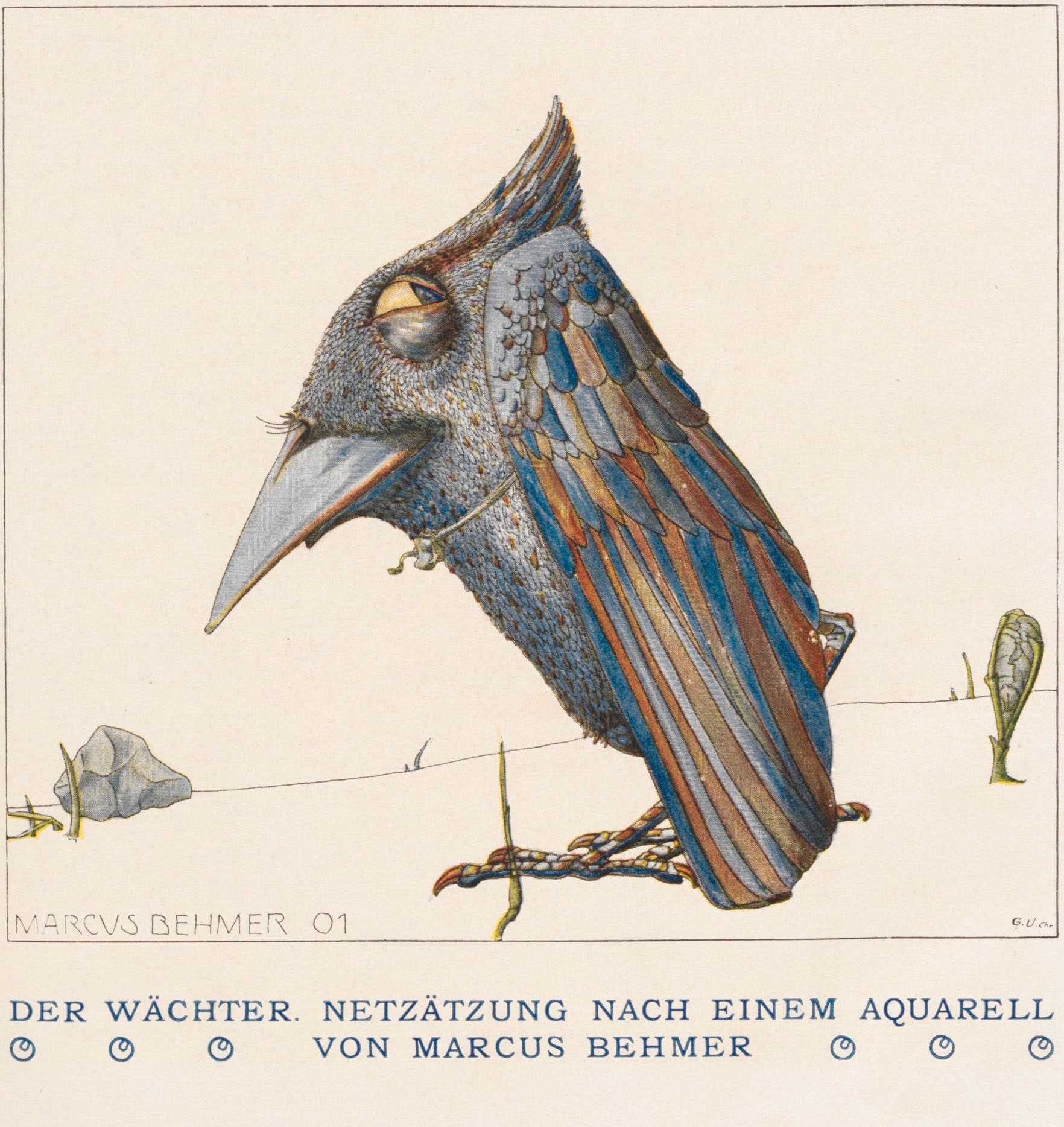
Der Wรคchter von Marcus Behner

Marcus Behner ~ Der Wรคchter. Netzรคtzung nach einem aquarell von Marcus Behmer. Ver Sacrum, 1903. | src ร–NB
Marcus Behner ~ The Guardian, 1901. Etching after a watercolor by Marcus Behmer. Ver Sacrum, 1903. | src ร–NB
Marcus Behner ~ Der Wรคchter. Netzรคtzung nach einem aquarell von Marcus Behmer. Ver Sacrum, 1903. | src ร–NB
Marcus Behner ~ Der Wรคchter, 1901. Netzรคtzung nach einem aquarell von Marcus Behmer. Ver Sacrum, 1903. | src ร–NB

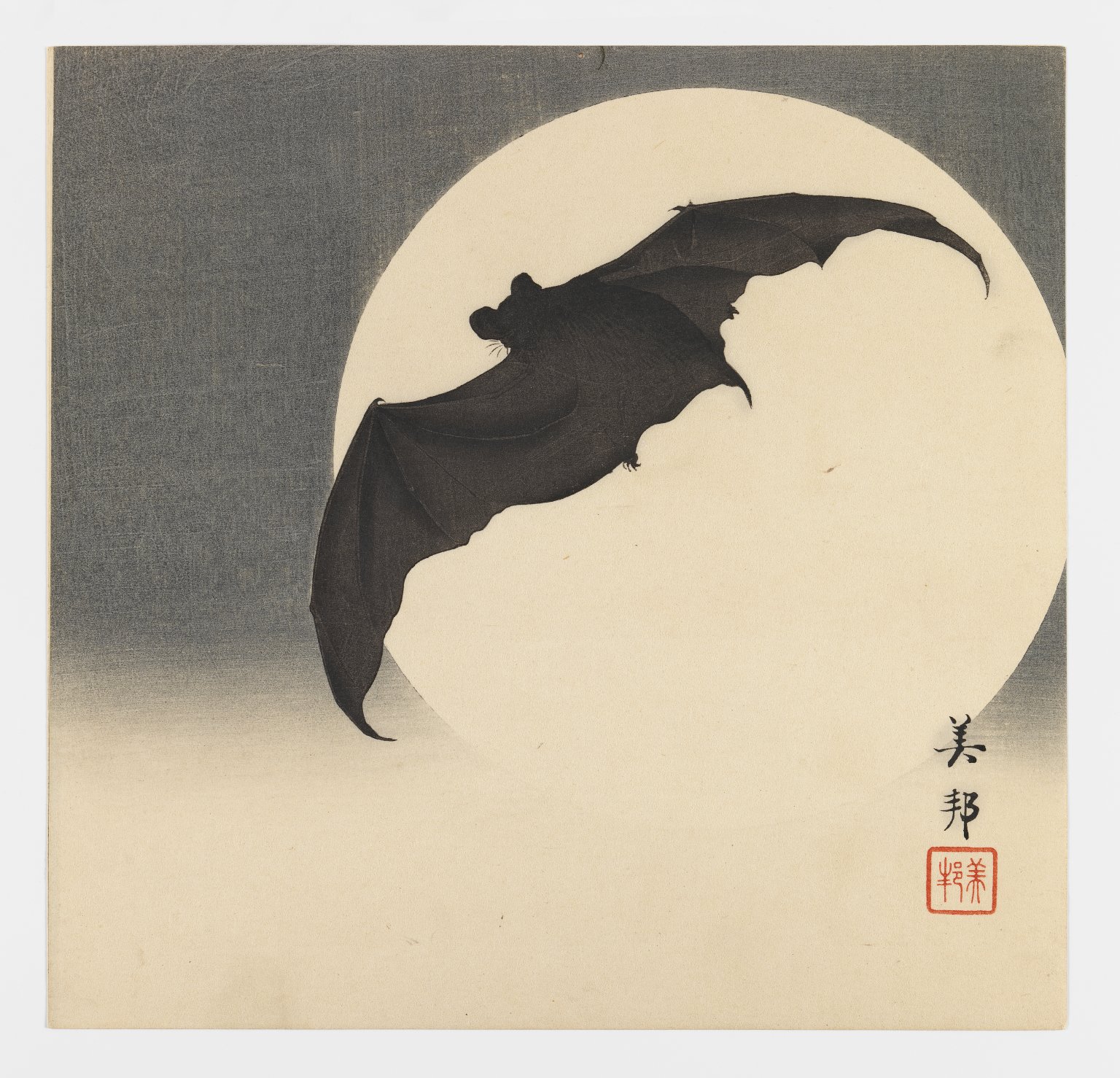
Bihล Takahashi ยท Bat in Moon

Biho Takashi (active ca. 1890-1930) :: Bat in Moon, ca. 1905. Color woodblock print on paper | src Brooklyn Museum
Biho Takashi (active ca. 1890-1930) :: Bat in Moon / Bat against full Moon, woodblock print in colours and ink, ca. 1905. | Bukowskis

Bihล Takahashi / Nomura Yoshikuni ้‡Žๆ‘็พŽ้‚ฆ / Hirose Yoshikuni
Sealed: Yoshikuni (็พŽ้‚ฆ). Signed: Yoshikuni (็พŽ้‚ฆ). / Meiji Period

Bihล Takahashi :: Bat in Moon / Bat against full Moon, woodblock print in colours and ink, ca. 1905. [DETAIL] | src Bukowskis

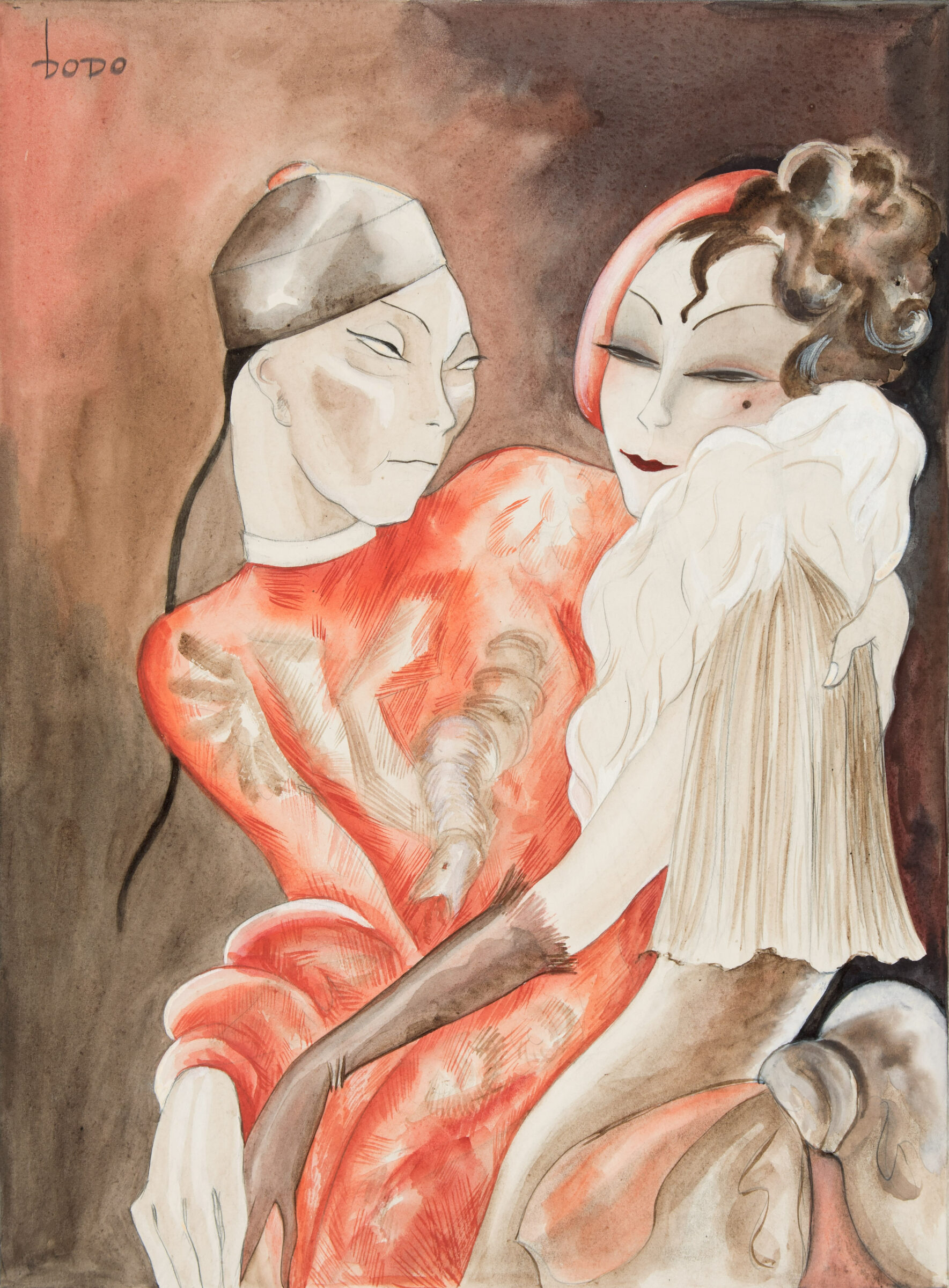
Drei Aquarelle von Dodo

Dodo (Dรถrte Clara Wolff) (Berlin 1907 - 1998 London)
Keine Chance. Aquarell u. DeckweiรŸ รผber Bleistift auf chamoisfarbenem Karton. 1929. | src Lehr Kunstauktionen
Dodo (Dรถrte Clara Wolff) (Berlin 1907 – 1998 London)
Keine Chance. Aquarell u. DeckweiรŸ รผber Bleistift auf chamoisfarbenem Karton. 1929. | src Lehr Kunstauktionen
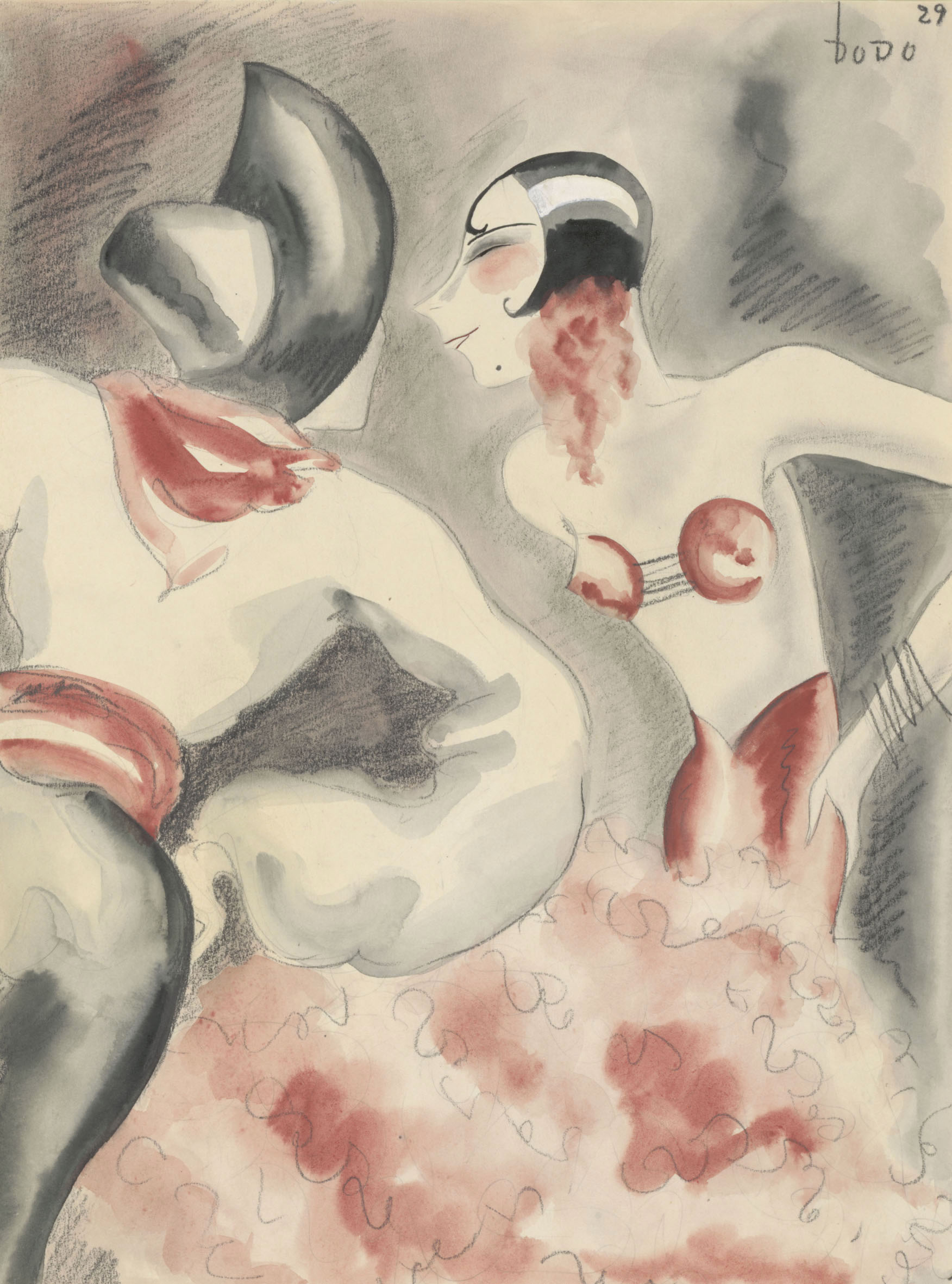
Dodo (Dรถrte Clara Wolff; 1907 - 1998) :: Revue-Tanzpaar, 1929. Zeichnung. | src Staatlichen Museen zu Berlin
Dodo (Dรถrte Clara Wolff; 1907 – 1998) :: Revue-Tanzpaar, 1929. Zeichnung. | src Staatlichen Museen zu Berlin
Dodo (Dรถrte Clara Wolff) :: Puppy Love, 1929. Gouache รผber Bleistift auf Karton. | src Kunkel Fine Art
Dodo (Dรถrte Clara Wolff) (Berlin 1907 - 1998 London)
Keine Chance. Aquarell u. DeckweiรŸ รผber Bleistift auf chamoisfarbenem Karton. 1929. | src Lehr Kunstauktionen
Dodo (Dรถrte Clara Wolff) (Berlin 1907 – 1998 London)
Keine Chance. Aquarell u. DeckweiรŸ รผber Bleistift auf chamoisfarbenem Karton. 1929. | src Lehr Kunstauktionen

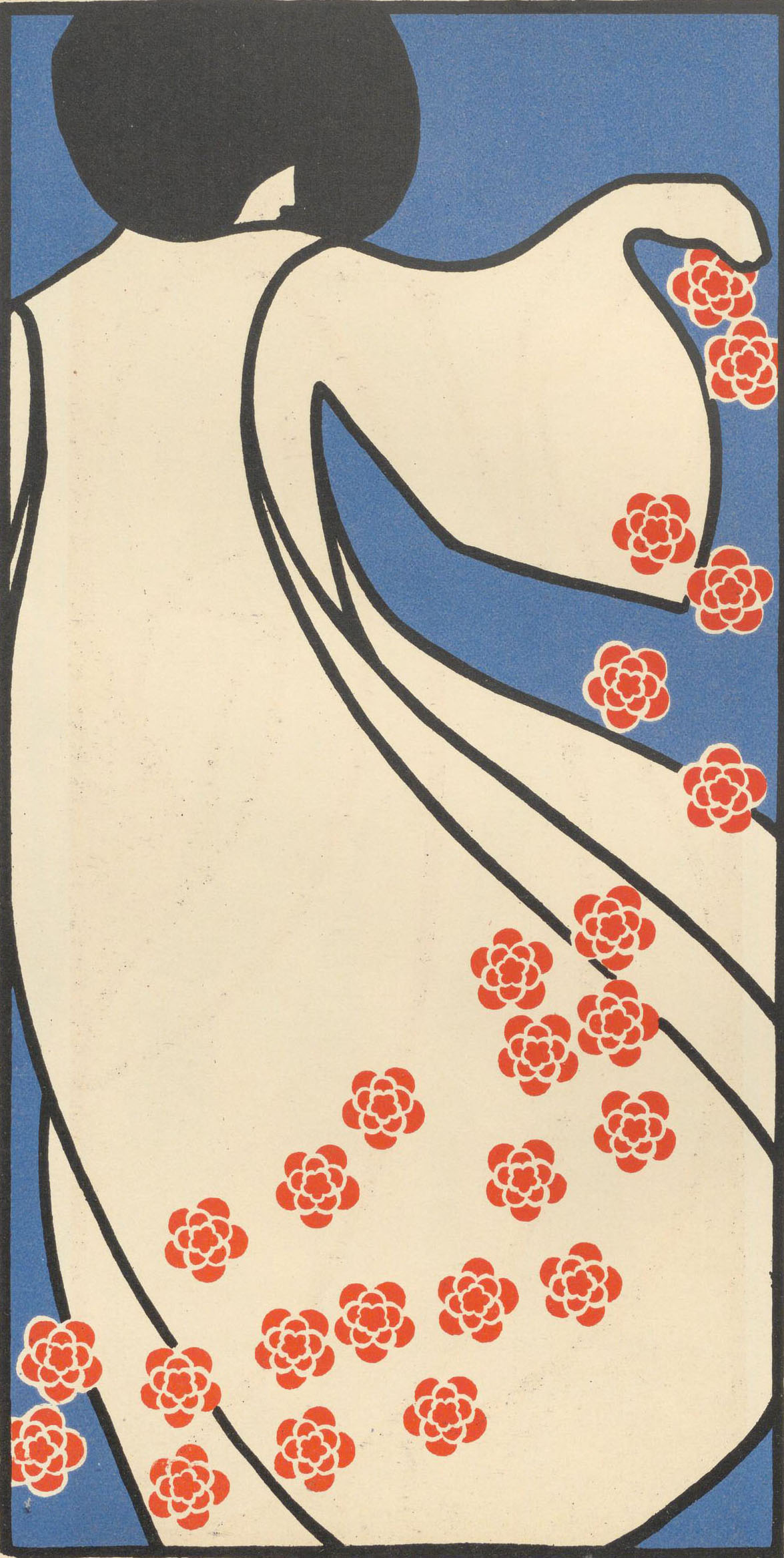
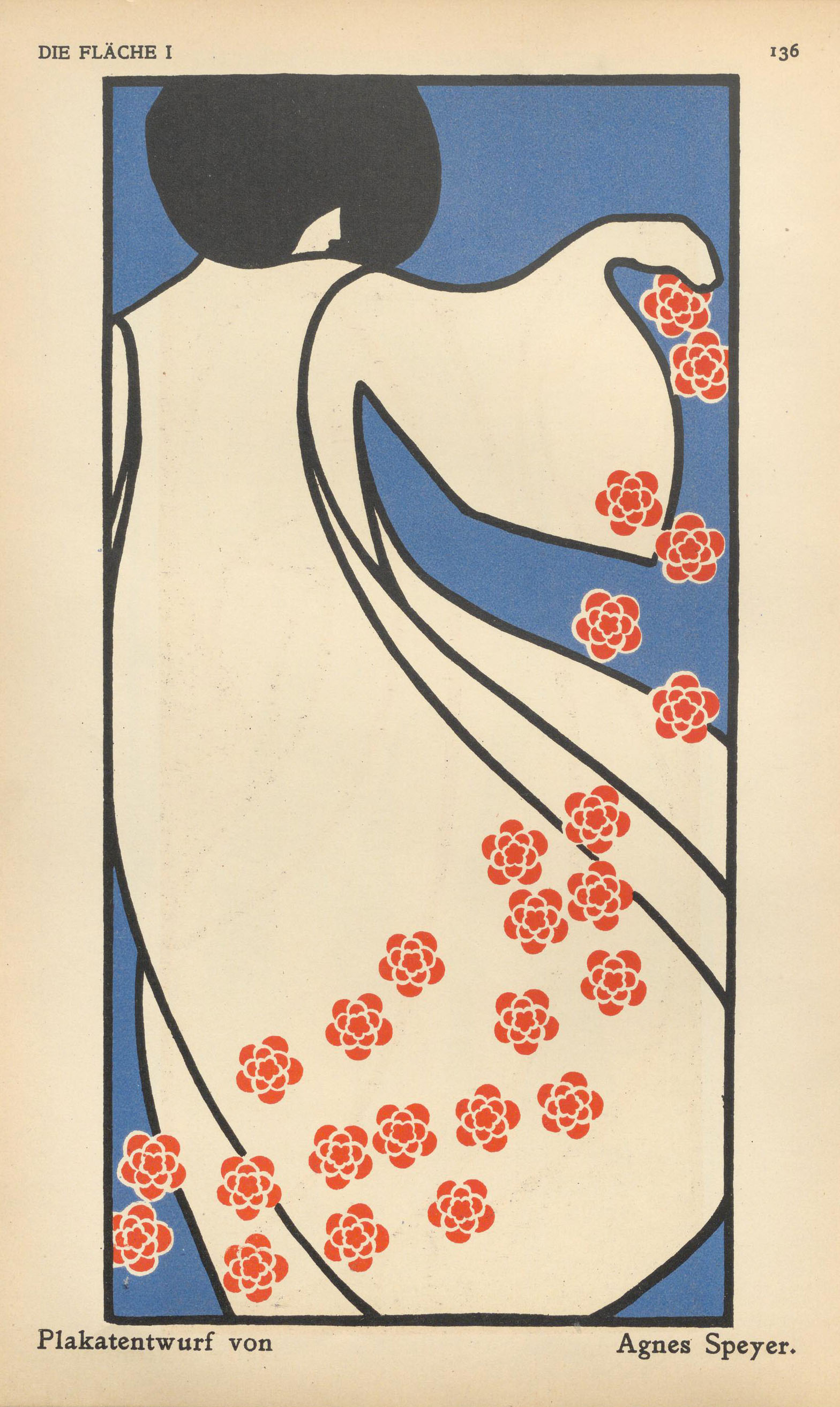
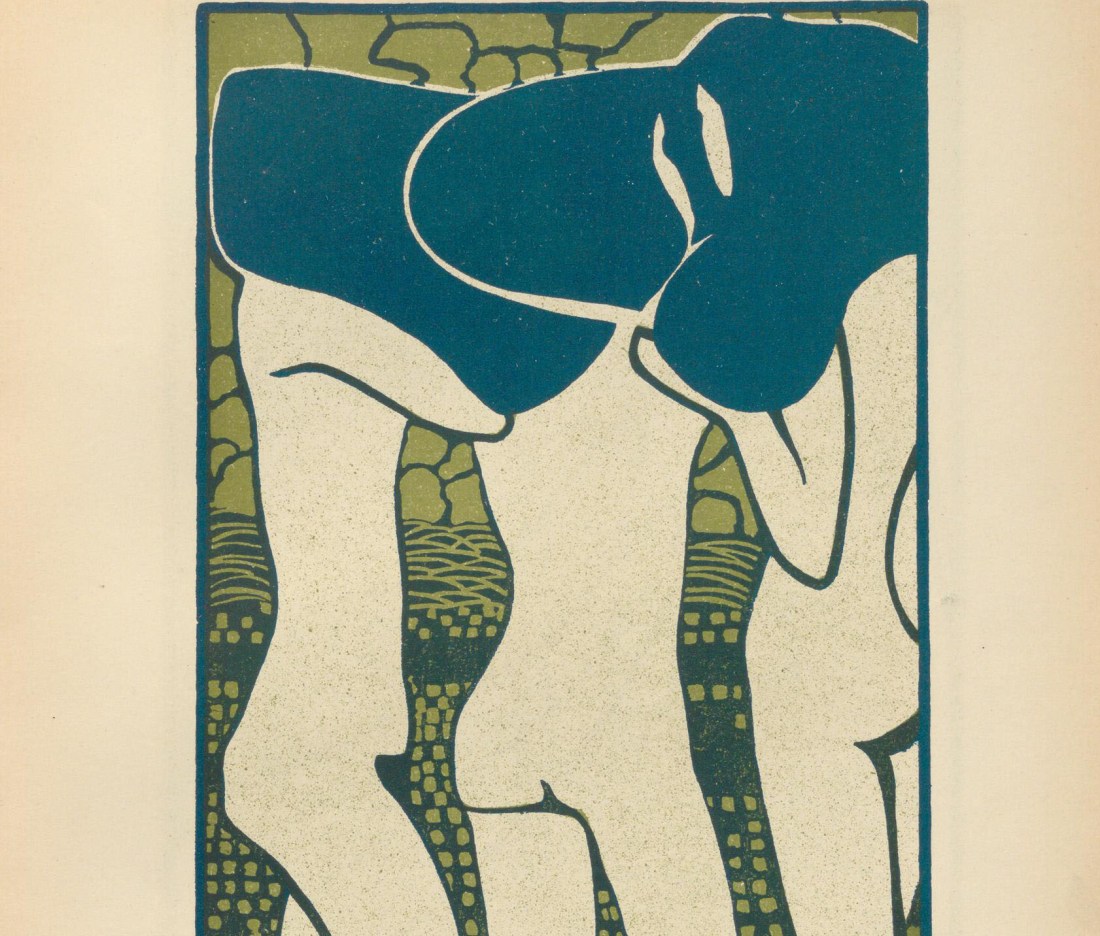
Plakatentwurf von Agnes Speyer

Plakatentwurf von Agnes Speyer
Die Flรคche Entwรผrfe fรผr decorative Malerei, Placate, Buch- und Druckausstattung | src ร–NB
Plakatentwurf von Agnes Speyer
Die Flรคche Entwรผrfe fรผr decorative Malerei, Placate, Buch- und Druckausstattung | src ร–NB

Lament for Icarus by Draper

Herbert James Draper (1864-1920) :: Study of Florrie Bird forย Naiad in The Lament for Icarus. Black and white chalks on grey paper.
Signed ‘Herbert Draper’ (lower left), inscribed with title (centre right). | src Bonhams
Herbert Draper (1863โ€“1920) :: The Lament for Icarus, exhibited 1898. Oil on canvas. | DETAIL
Herbert Draper (1863โ€“1920) :: The Lament for Icarus, exhibited 1898. Oil on canvas. | Tate Britain

Die Flรคche ยท Nelly Marmorek

Plakatentwourf von Nelly Marmorek (1877 - 1944) Cornelia Nelly Marmorek (nรฉe Schwarz)
Die Flรคche : Entwรผrfe fรผr decorative Malerei, Placate, Buch- und Druckausstattung
Plakatentwurf von Nelly Marmorek (1877 – 1944) Cornelia Nelly Marmorek (nรฉe Schwarz)
Die Flรคche : Entwรผrfe fรผr decorative Malerei, Placate, Buch- und Druckausstattung(1903) | ร–NB
Plakatentwourf von Nelly Marmorek (1877 - 1944) Cornelia Nelly Marmorek (nรฉe Schwarz)
Die Flรคche : Entwรผrfe fรผr decorative Malerei, Placate, Buch- und Druckausstattung
Plakatentwurf von Nelly Marmorek (1877 – 1944) Cornelia Nelly Marmorek (nรฉe Schwarz)
Die Flรคche : Entwรผrfe fรผr decorative Malerei, Placate, Buch- und Druckausstattung (1903) | ร–NB

For a long time it was Nelly Marmorek’s fate that she was only known as the wife of the successful architect and committed Zionist Oskar Marmorek and as the daughter of the well-known banker Julius Schwarz. But even the few works of her that have survived show that she should be honored as an independent creative personality.

Nelly Marmorek was born Cornelia Schwarz on May 13, 1877 in Vienna and came from a very wealthy family of bankers on her father’s side. Apparently her mother, who was a sister of the well-known and successful composer Ignaz Brรผll, brought in her musical talent. Nelly, as she was called, soon showed a talent for drawing and โ€“ supported by her art-loving family home, in which composers such as Gustav Mahler and Johannes Brahms and writers such as Arthur Schnitzler and Hugo von Hofmannsthal frequented โ€“ sought an artistic education.

In 1901 she began studying at the Vienna School of Applied Arts, where she was a student of Alfred Roller and Carl Otto Czeschka, among others. Her fellow students included Hilde Exner, Emma Schlangenhausen, Moriz Jung and Rudolf Kalvach. The fact that there is an original woodcut of hers in โ€œVer sacrumโ€ and that she was able to publish four works in the portfolio โ€œDie Flรคcheโ€ shows that Marmorek was counted among the best of her year by her teachers.

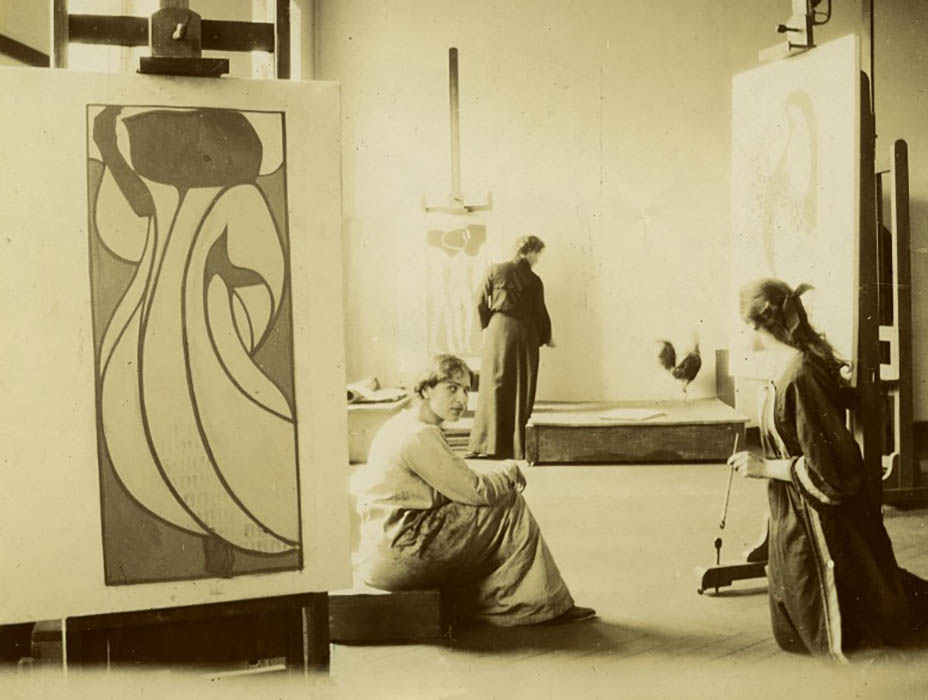
A photograph from the Roller class has been preserved in the archive of the University of Applied Arts in Vienna, in which both of the poster designs by Nelly Marmorek depicted in โ€œDie Flรคcheโ€ can be seen. The picture, which most likely shows the artist herself at work, also documents that the poster designs were not just small sketches, but were worked out in the original size.

Alfred Rollers Atelier mit den zwei Plakatentwรผrfen von Nelly Marmorek, um 1903. (Universitรคt fรผr angewandte Kunst Wien, Kunstsammlung und Archiv, Inv.Nr. 18.474/F), Ausschnitt

After Oskar Marmorek, to whom she had been married since 1897, committed suicide in 1909, Nelly Marmorek moved back to her parents’ apartment at Berggasse 13, where she was officially registered until 1928. However, she spent most of her time in France, where she studied painting with Henri Matisse and also took part in exhibitions.

Nelly Marmorek lived in Cannes during World War II. In 1942, southern France was occupied by German troops and now the Jews living here or who had fled here, like Nelly Marmorek, were exposed to the terror of the National Socialist rulers. Marmorek was no longer able to travel to the USA, and she died in Cannes on March 11, 1944.

After basic research, Ingrid Erb wrote in her study of Nelly Marmorek: โ€œNellyโ€™s death certificate states the address Villa Baron, Avenue Isola Bella, Cannes. A cause of death is not noted. The Villa Baron was confiscated by the German troops during World War II and used by the Nazi occupying power as a headquarters. On March 14, 1944, Nelly Marmorek was buried in the Cimetiรจre Le Grand Jas as a native on common ground with a five-year concession.โ€

quoted from: Austrian Posters / Nelly Marmorek

Tanz und Werbung in 1922

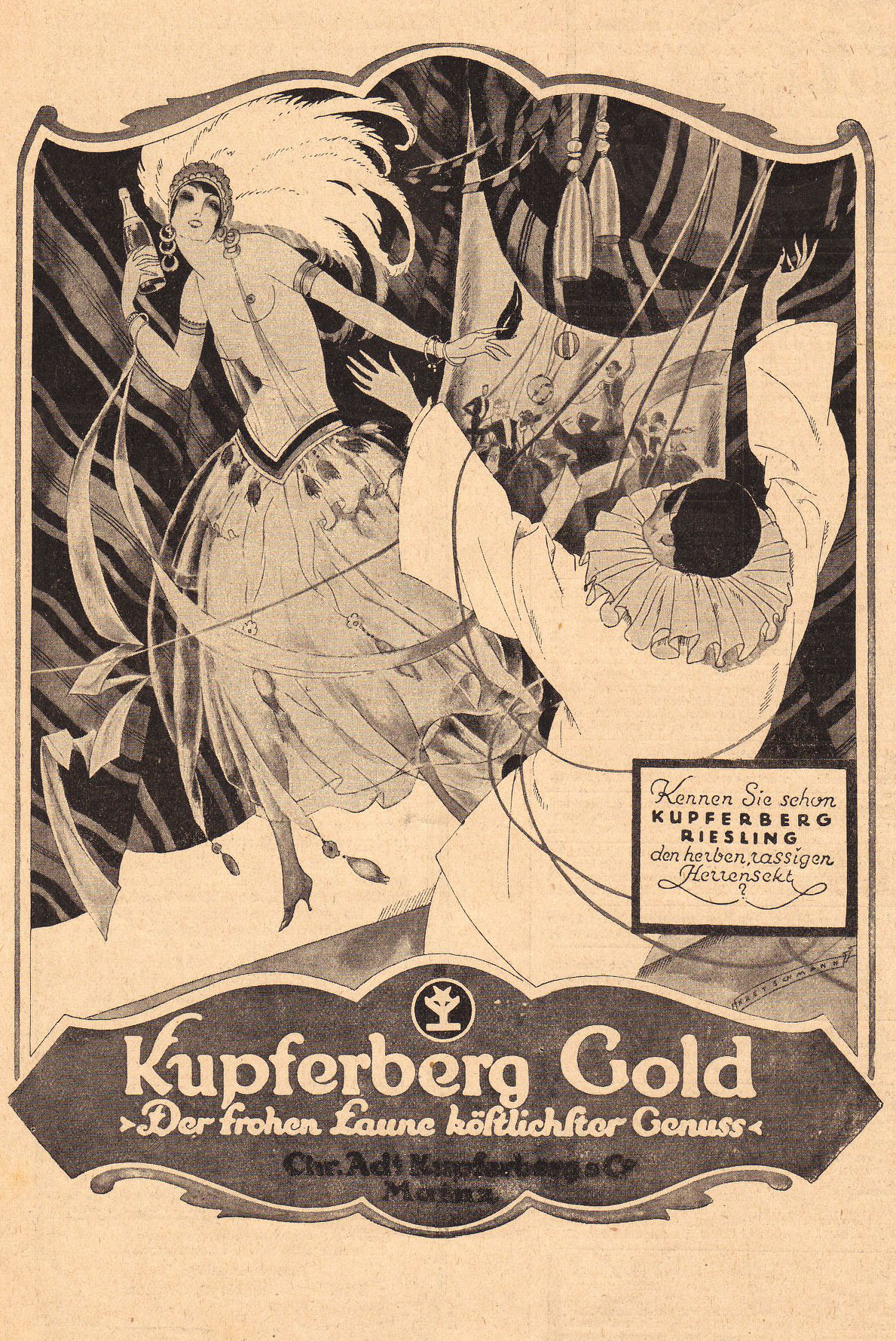
Erotik und Tanz als Kaufanreiz fรผr einen "Herrensekt" im Jahr 1922: Werbeannonce in "Die Woche", 21.10.1922 โ€“ Deutsches Tanzarchiv Kรถln
Erotik und Tanz als Kaufanreiz fรผr einen “Herrensekt” im Jahr 1922: Werbeannonce in “Die Woche”, 21.10.1922. Ausstellung: Reizend! Tanz in der Werbung | Deutsches Tanzarchiv Kรถln
Erotik und Tanz als Kaufanreiz fรผr einen "Herrensekt" im Jahr 1922: Werbeannonce in "Die Woche", 21.10.1922 โ€“ Deutsches Tanzarchiv Kรถln
Eroticism and dance as an incentive to buy a “men’s champagne” in 1922: advertisement in “Die Woche”, 21.10.1922. From the exhibition: Lovely! Dance in advertising | Deutsches Tanzarchiv Kรถln