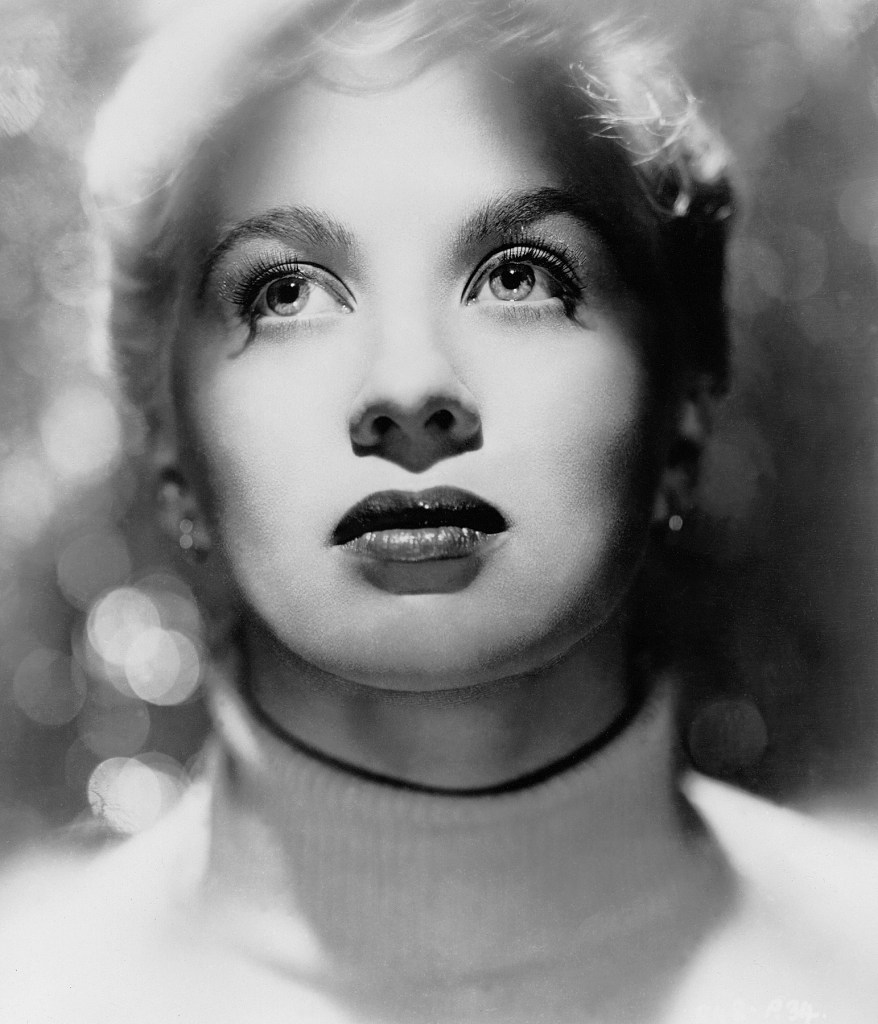
Mai Zetterling in Desperate Moment, 1953
images that haunt us


Si j’avais quatres dromedaires was originally produced for German television and was not seen in France until the mid-1970s. It remains unknown to the general public and was for a long time quite fugitive even for specialists; some published discussions seem to have less to do with the film than with the commentary. Yet there are substantial differences between that text and the film itself. The film contains more than seven hundred and fifty still photos, of which the text reproduces one hundred and thirty; the text contains another forty photos that do not appear in the film. The text is eighty-one pages long but some sixteen of these (just about one-fifth) contain words that are not heard in the film. Conversely, the film contains a few short speeches that are not found in the printed commentary.
The film’s title is taken from a short poem of Apollinaire called “The Dromedary,” included in Le bestiare (The bestiary, 1911) and recited at a rapid clip at the very beginning of the film. The singsong rhythms and nursery rhymes defy translation, but the first three lines tell us of one “Don Pedro Alfaroubeira” who, with his four camels, traveled the world and liked what he saw. The last two lines are in the first person: “Il fit ce que je voudrais faire / Si j’avais quatres dromadaires” (He did what I would like to do / If I had four dromedaries). However, only the first four lines are spoken by the voice-over, which means that the viewer effectively completes the rhyme by reading the main title as it flashes up in sudden silence.
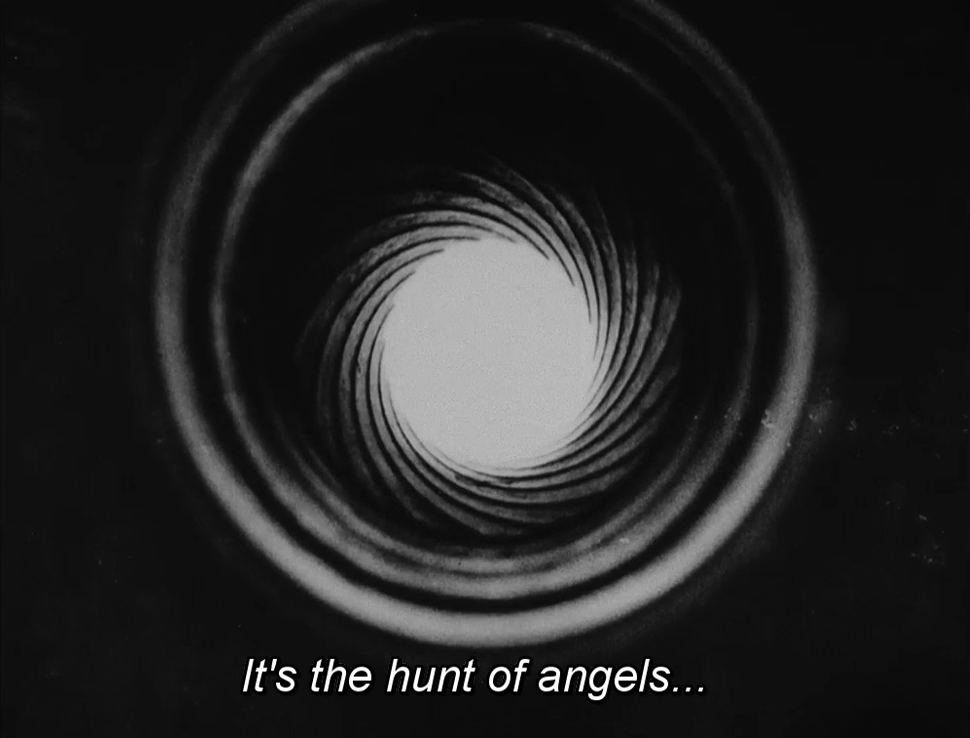
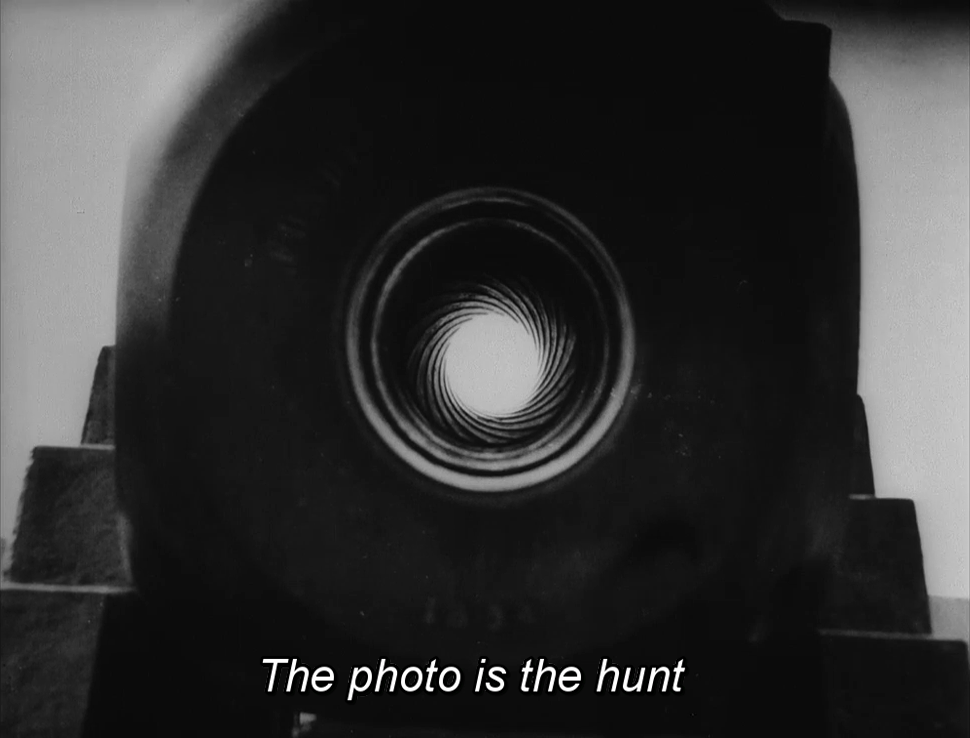
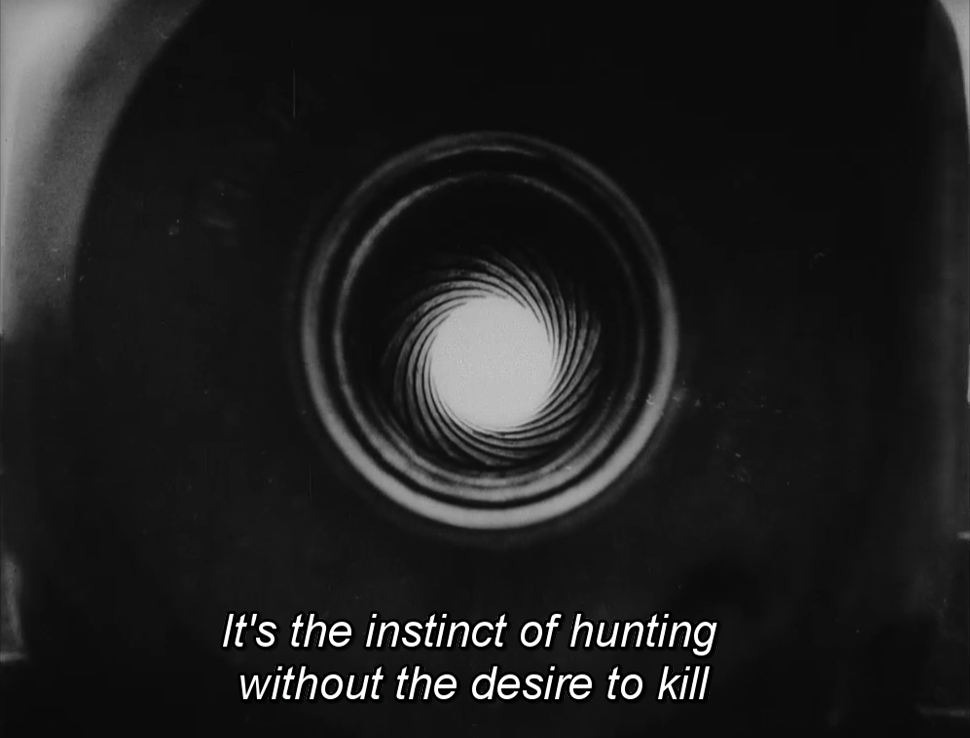
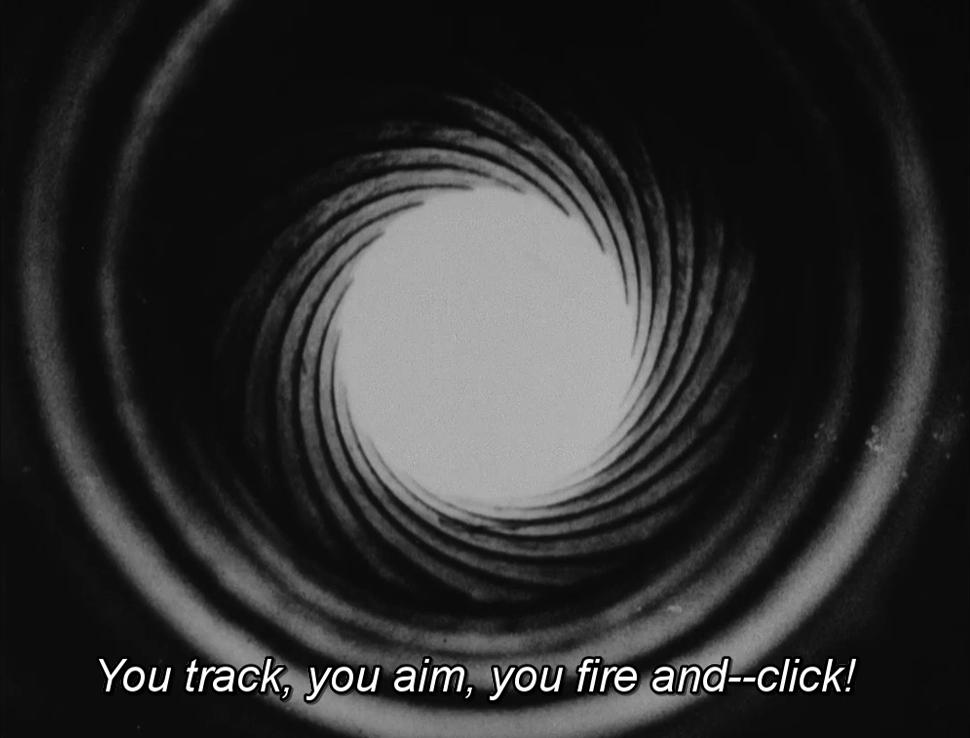
In the first six minutes, Si j’avais begins with a quick fade-up from black to a bright circle of sunlight ringed by a much larger circle of darkness. The elementary nature of the forms combined with the high level of contrast makes for an image verging on abstraction, yet still the denotation is plain; viewers are looking straight down the barrel of a cannon. There is the impression that this is a large cannon mounted on blocks for public display, but the head-on perspective and the closeness of the shot make it difficult to be sure. As a thematically appropriate voice-over begins (“Photography is hunting; it is the hunting instinct without the wish to kill… . You track, you aim, you shoot and click!, instead of a death, you have something eternal”), the camera tracks in closer, emphasizing the rifling inside the gun’s barrel. When the camera movement stops, the metal spirals closing around a central point of light are distinctly reminiscent of a diaphragm-type camera shutter. Of course, the idea that the photographic apparatus shares something with weapons systems is commonplace; many an introductory class on photography or cinematography makes the point that one talks about “shooting” in both cases. However, what matters here is not so much the originality of the concept as the effectiveness of its rendering.
Text extracted from : Walsh, M., (2021) “From Nations to Worlds: Chris Marker’s “Si j’avais quatre dromadaires””, Global Storytelling: Journal of Digital and Moving Images 1(1). doi: https://doi.org/10.3998/gs.856

Si j’avais quatre dromadaires / If I Had Four Dromedaries (Chris Marker, 1966) : source of images aozoramusume

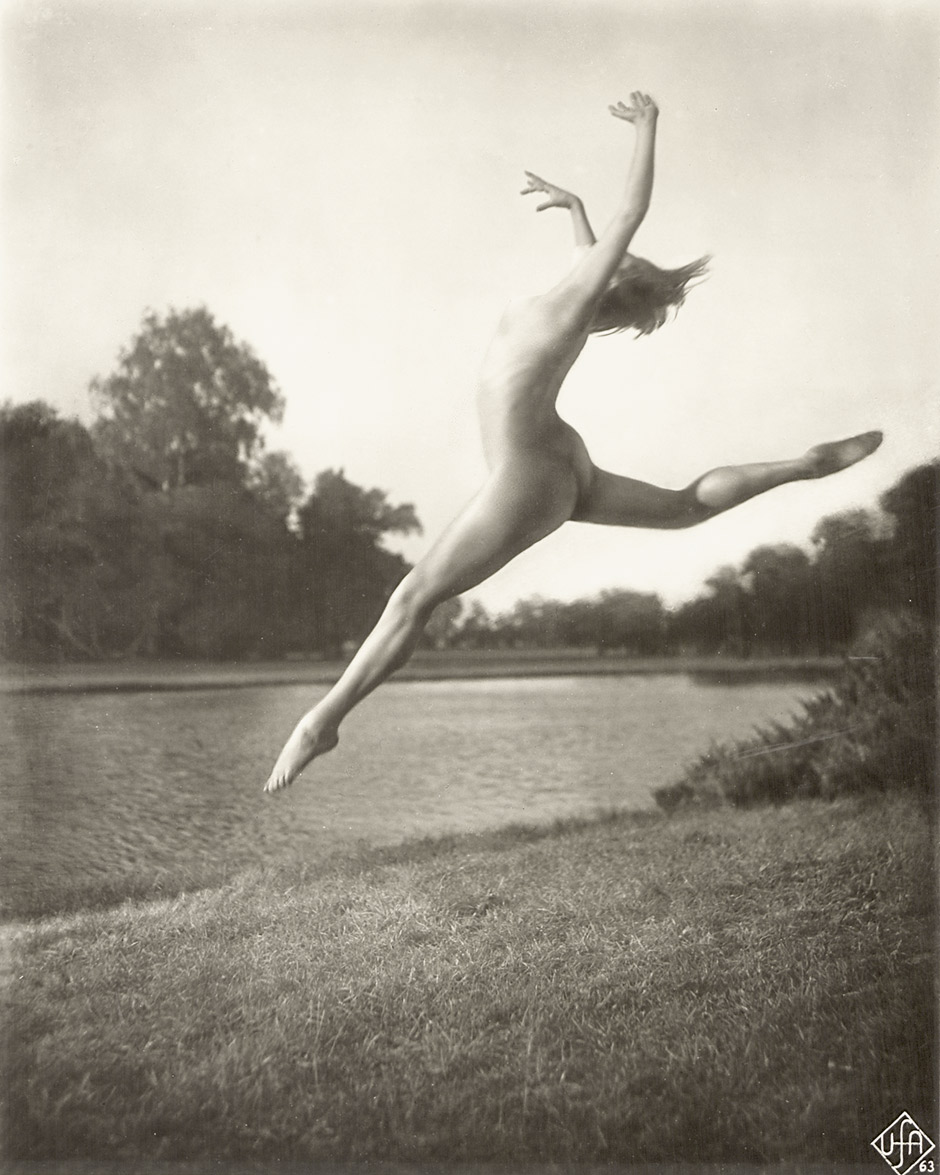
Photographer Helmy Hurt (active 1920s) had a photography studio in Berlin and together with Gerhard Riebicke she was the set photographer for the UFA film «Wege zu Kraft und Schönheit. Ein Film über moderne Körperkultur» (1925), directed by Wilhelm Prager and Dr. Nicolaus Kaufmann.

Along with Helmy Hurt, Gerhard Riebicke was the set photographer for the UFA film «Wege zu Kraft und Schönheit. Ein Film über moderne Körperkultur» (1925), directed by Wilhelm Prager and Nicolaus Kaufmann (casting, among others, Jack Dempsey and Leni Riefenstahl). This image still captures the general mood of the earlier FKK nudist movement which stressed the importance of movement and exercise outdoors. (quoted from src)
 un regard oblique