Sitzender Akt, 1912

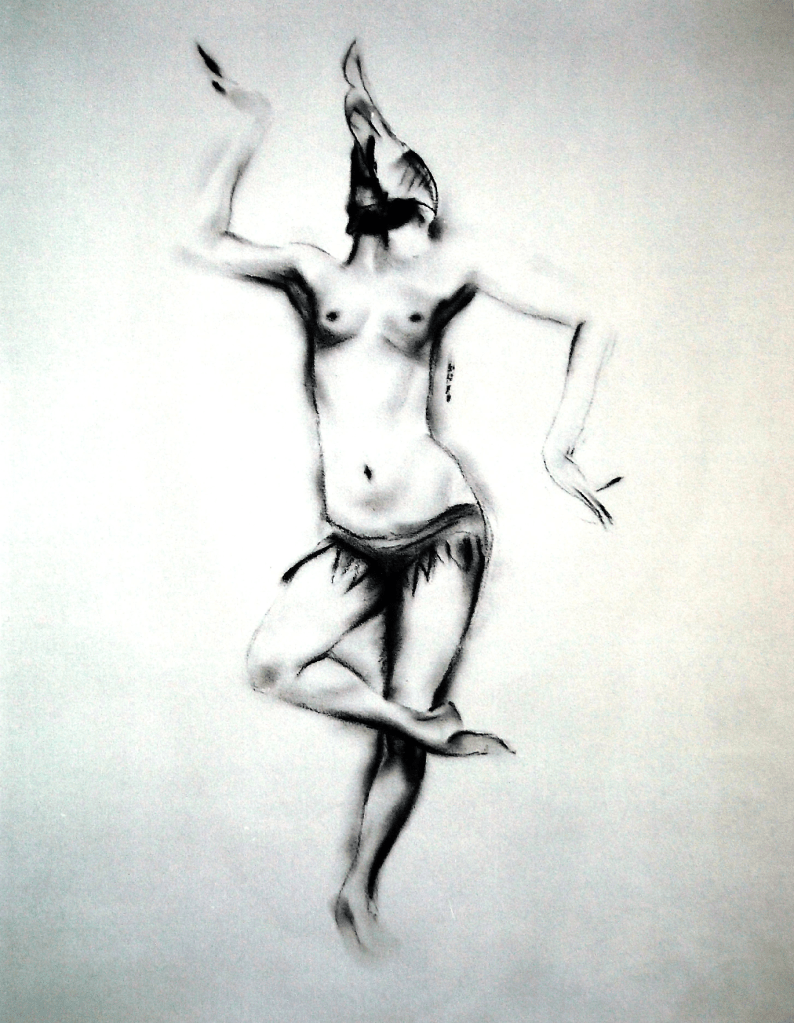
Sitzender Akt mit erhobenen Armen. Lav. Tuschz. Sign. ‘H. Gehri’ u. dat. 1912. | Sitting nude with arms raised. Ink drawing. Signed “H. Gehri” and dated 1912. | src Kiefer Buch und Kunstauktionen

The Rubaiyat of Omar Khayyam

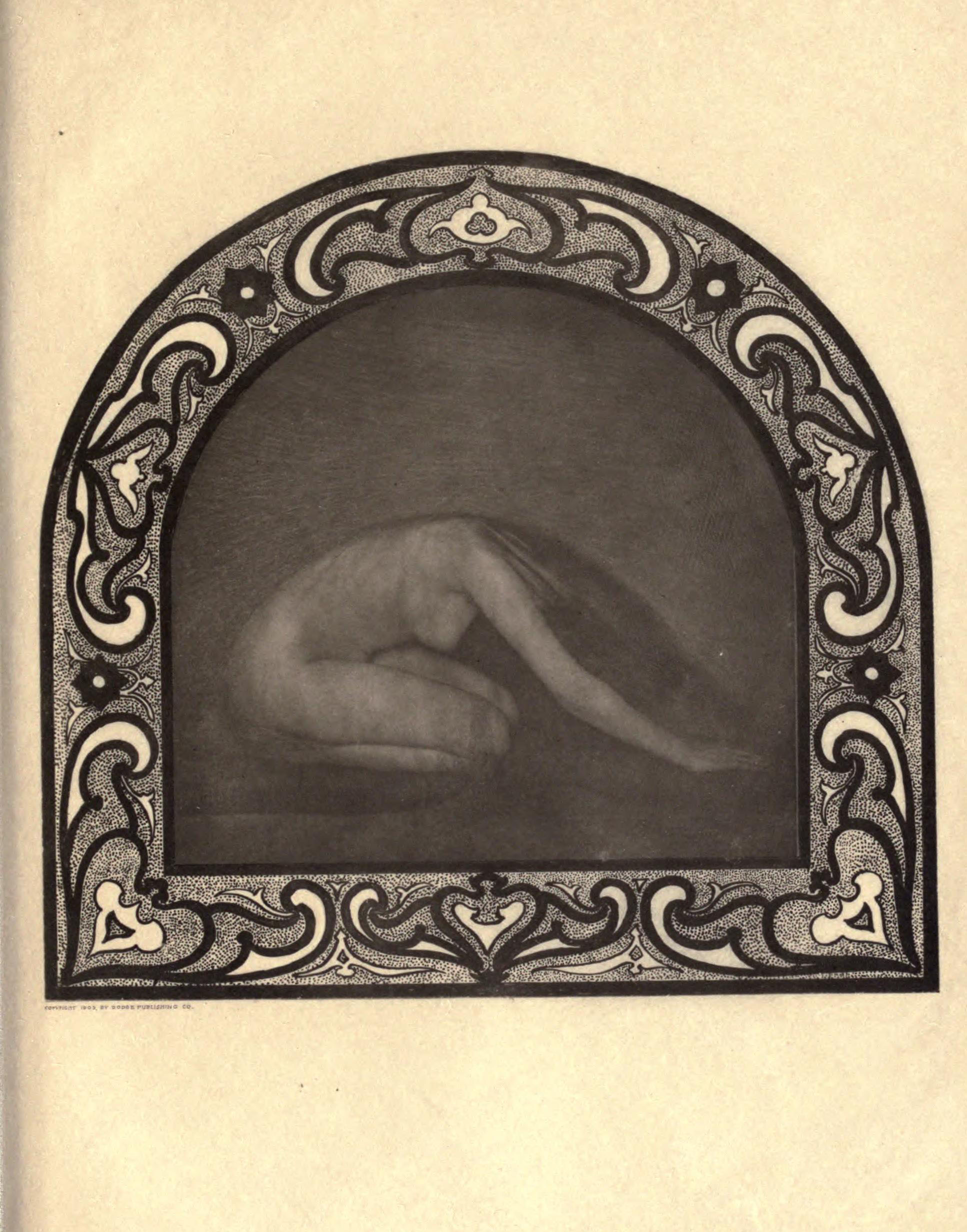
Adelaide Hanscom Leeson :: Plate VIII. The Rubaiyat of Omar Khayyam, 1905. Photogravure. | src photogravure.com
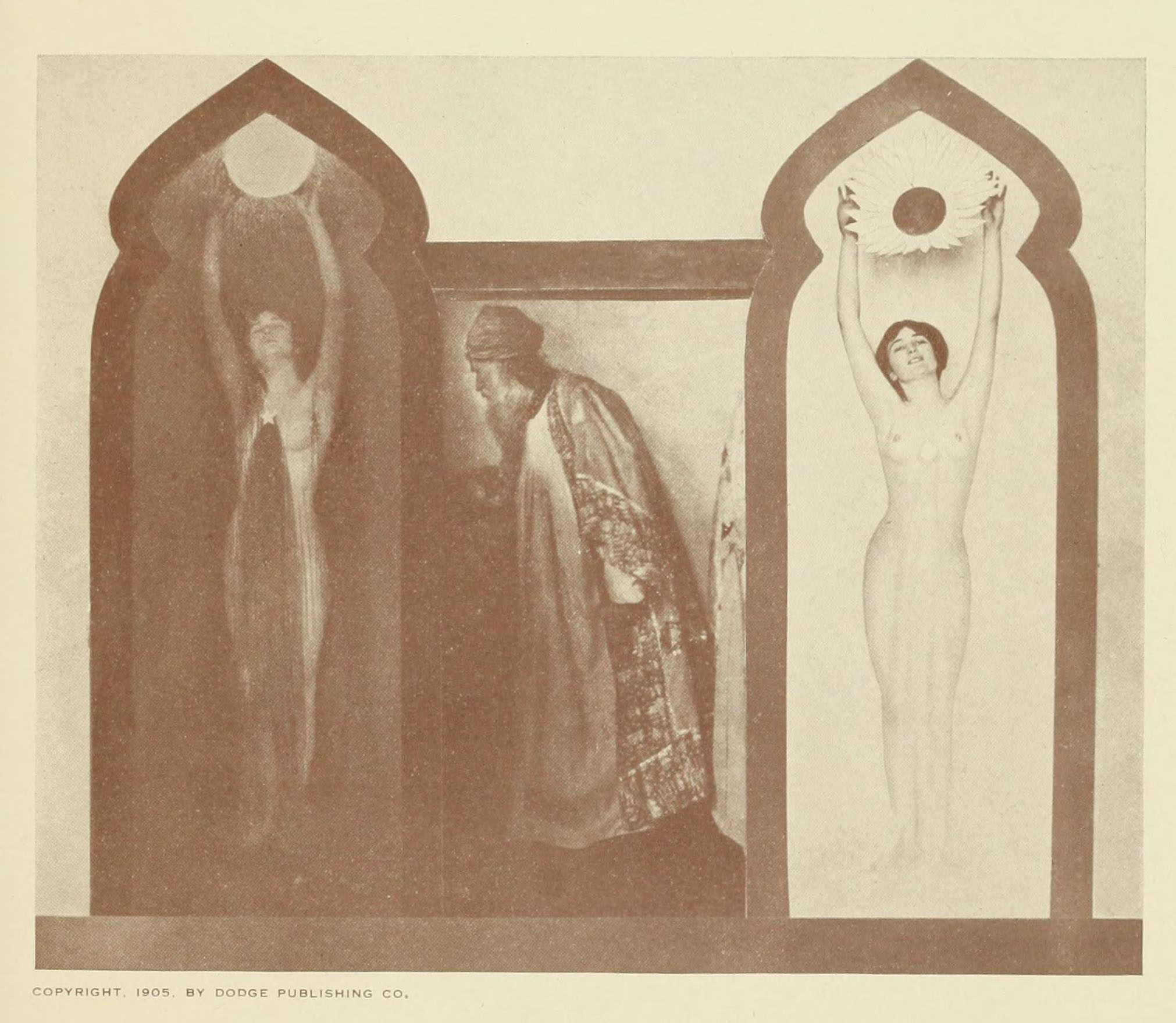
Adelaide Hanscom Leeson :: Plate X. The Rubaiyát of Omar Kháyyám, 1905. Published by Dodge Publishing Co. 
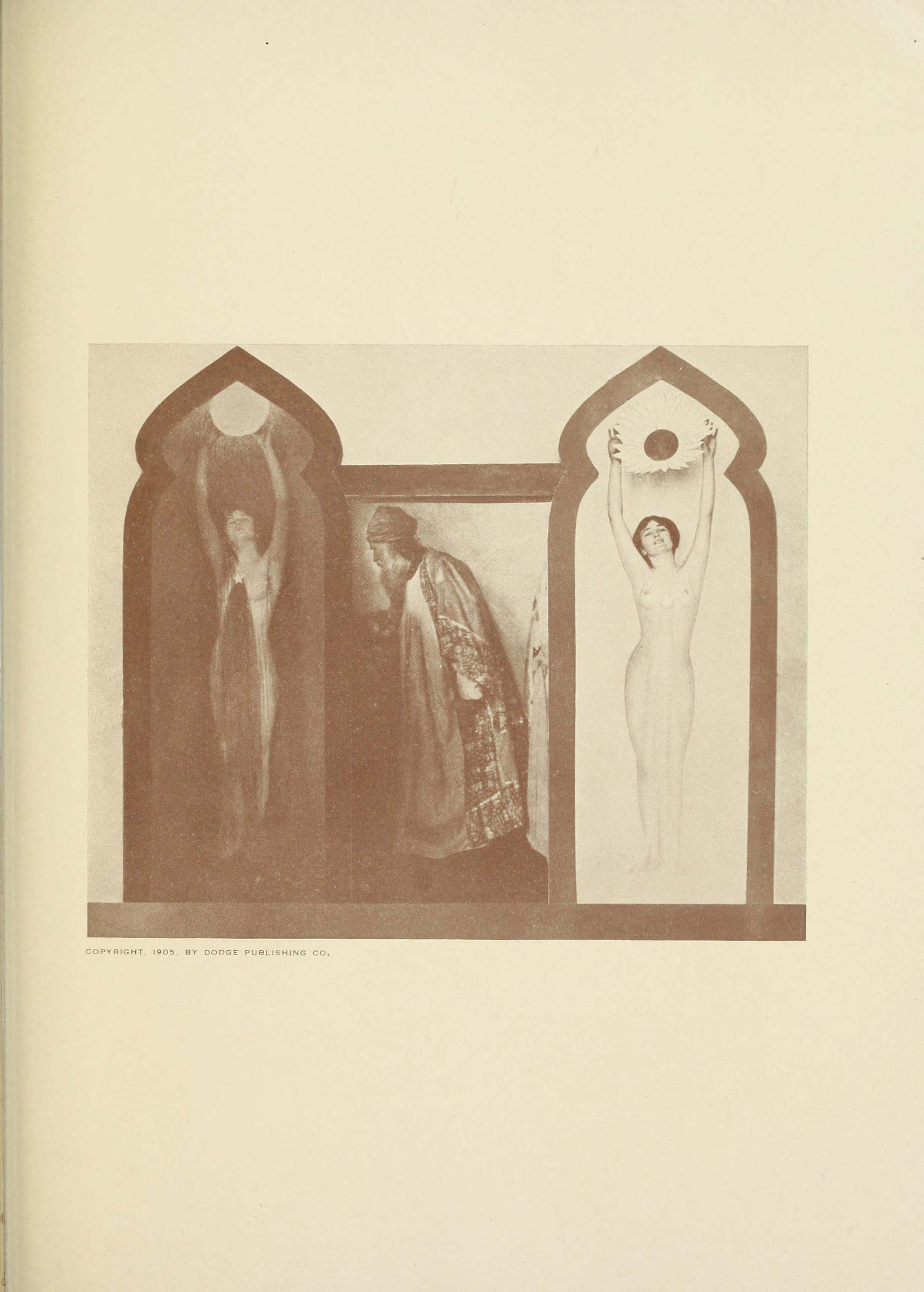
Full page scanned by Getty Research Institute. | src internet archive
Adelaide Hanscom Leeson :: Plate X. The Rubaiyát of Omar Kháyyám, 1905. Published by Dodge Publishing Co.
Full page scanned by Getty Research Institute. | src internet archive
Adelaide Hanscom Leeson :: Plate X. The Rubaiyát of Omar Kháyyám, 1905. Published by Dodge Publishing Co. 
Full page scanned by Getty Research Institute. | src internet archive
Adelaide Hanscom Leeson :: Plate X. The Rubaiyát of Omar Kháyyám, 1905. Published by Dodge Publishing Co.
Full page scanned by Getty Research Institute. | src internet archive
Adelaide Hanscom Leeson :: Plate X. The Rubaiyát of Omar Kháyyám, 1905. Published by Dodge Publishing Co. Scanned by University of California Libraries | src internet archive

The Rubaiyat of Omar Khayyam, 1905

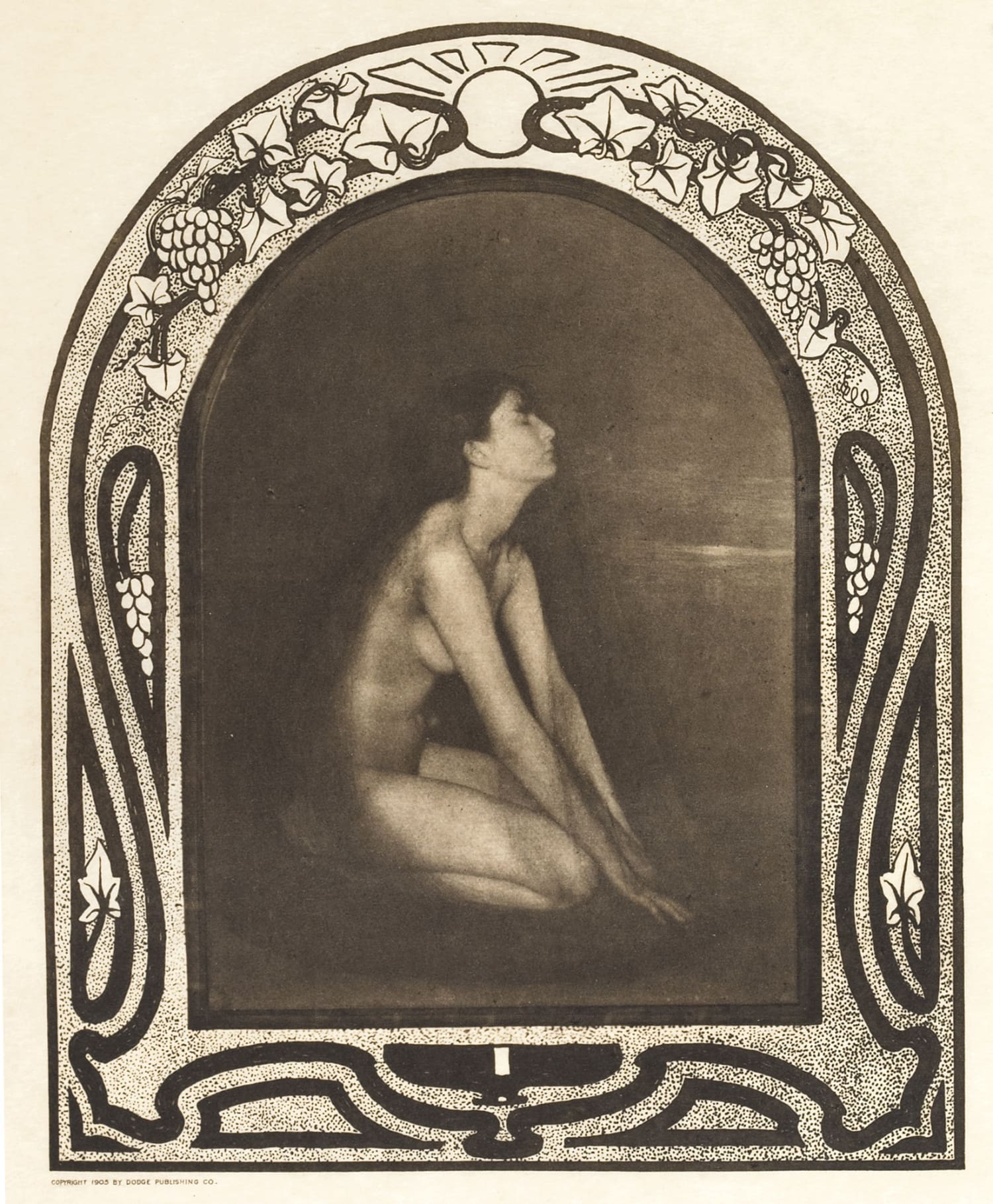
Adelaide Hanscom Leeson :: Frontis. The Rubaiyat of Omar Khayyam, 1905. Photogravure. | src photogravure.com
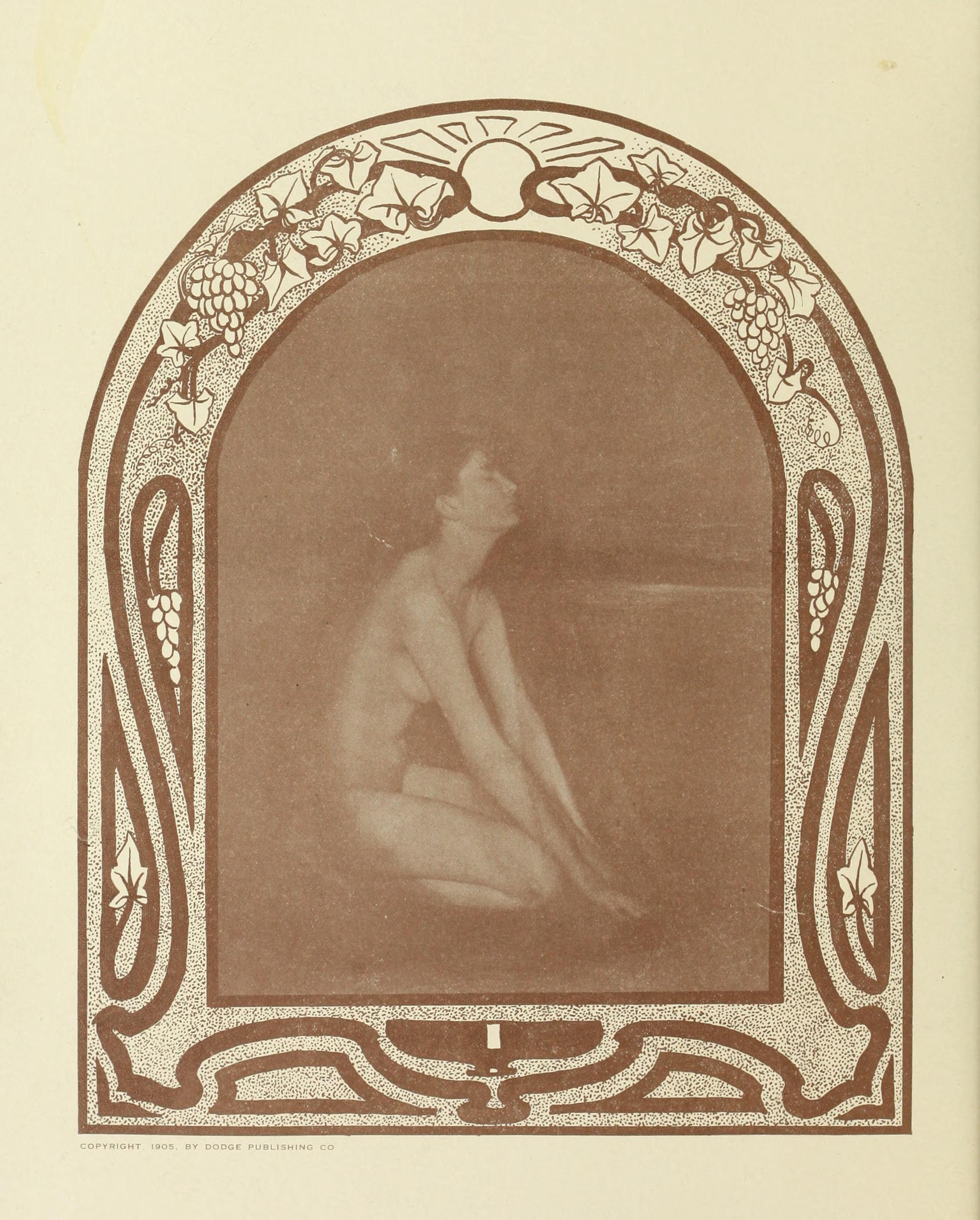
Adelaide Hanscom Leeson :: Plate I. The Rubaiyát of Omar Kháyyám, 1905. Published by Dodge Publishing Co. Scanned by University of California Libraries | src internet archive
Adelaide Hanscom Leeson :: Plate I. The Rubaiyát of Omar Kháyyám, 1905. Published by Dodge Publishing Co. Scanned by Getty Research Institute. | src internet archive
Adelaide Hanscom Leeson :: Plate XXV. The Rubaiyat of Omar Khayyam, 1905. Photogravure. | src photogravure.com
Adelaide Hanscom Leeson :: Last plate. The Rubaiyát of Omar Kháyyám, 1905. Published by Dodge Publishing Co. Scanned by University of California Libraries | src internet archive
Adelaide Hanscom Leeson :: Last plate. The Rubaiyát of Omar Kháyyám, 1905. Published by Dodge Publishing Co. Scanned by Getty Research Institute. | src internet archive

Hanscom achieved her luminous and daring visionary allegorical tableaux style through sophisticated manipulation of her photographs including combination printing and painting directly on the glass plate negatives. The delicate gravures are printed on tissue and tipped into the book which is notable for its Arts-and-Crafts design, the subjects (both nudes and artists of the time like Joachim Miller, George Sterling and George W. James).

The first edition was printed on at least two different types of tissue, one limp and thin, and the other stiff and parchment-like. Dodge published many subsequent editions with Hanscom’s photographic illustrations, in at least three smaller sizes, all with halftones, sometimes in color. In a 1912 edition, Blanch Cumming, another San Francisco photographer, was inexplicably also credited, although no additional illustrations appeared. In 1906, the San Francisco earthquake and fire destroyed Hanscom’s entire studio, including her Rubaiyat negatives. A decade later she provided similarly dreamy illustrations for an edition of Elizabeth Barrett Browning’s Sonnets from the Portuguese, but her Rubaiyat images represent most of Hanscom’s print legacy, as her silver prints are rare. [quoted from the Art of the Photogravure]

Publications of The Rubāīyāt of Omar Khayyām available online:

The Rubaiyát of Omar Kháyyám, 1905. Published by Dodge Publishing Co. Scanned by Getty Research Institute

The Rubaiyát of Omar Kháyyám, 1905. Published by Dodge Publishing Co. Scanned by University of California Libraries

The Rubaiyát of Omar Kháyyám, 1914. Published by Dodge Publishing Co. “Popular Edition“. Scanned by Getty Research Institute

The Rubaiyát of Omar Kháyyám, 1905. Published by Dodge Publishing Co. Plates on Art of Photogravure

The Rubāīyāt of Omar Khayyām, 1912. New York : Dodge Publishing Co. Scanned by Cornell University Library, on Hathitrust

Nude by Fleckenstein

Louis Fleckenstein :: Louis Fleckenstein [Female Nude Seated on Bed] 1895-1943. | src The J. Paul Getty Museum
Louis Fleckenstein :: [Half Nude Reclining on Bed]; 1895–1943. Toned gelatin silver print. | src The J. Paul Getty Museum

The Century magazine, 1897

Maxfield Parrish :: The Century magazine. Poster for Midsummer Holiday Number, August 1897. From: Posters; a critical study of the development of poster design in continental Europe, England and America by Charles Matlack Price (1913) New York: G.W. Bricka. | src Smithsonian Libraries @ internet archive

Lea Niako’s drawing, 1928

António Soares :: Dancer Lea Niako, 1928. Drawing. | src Museu Nacional do Teatro e da Dança on Google Arts

Dancer Lea Niako, 1928

Dancer Lea Niako (born Lea Maria Kruse) photographed in 1928. | src Museu Nacional do Teatro e da Dança on Google Arts

Movement study by Koppitz

Rudolf Koppitz (1884-1936) ~ Movement Study (Variation), 1925. Bromoil print | src Photoinstitut Bonartes via LL/51132
Rudolf Koppitz (1884-1936) ~ Motion study, 1925. Bromoil print. Photoinstitut Bonartes | src getty images