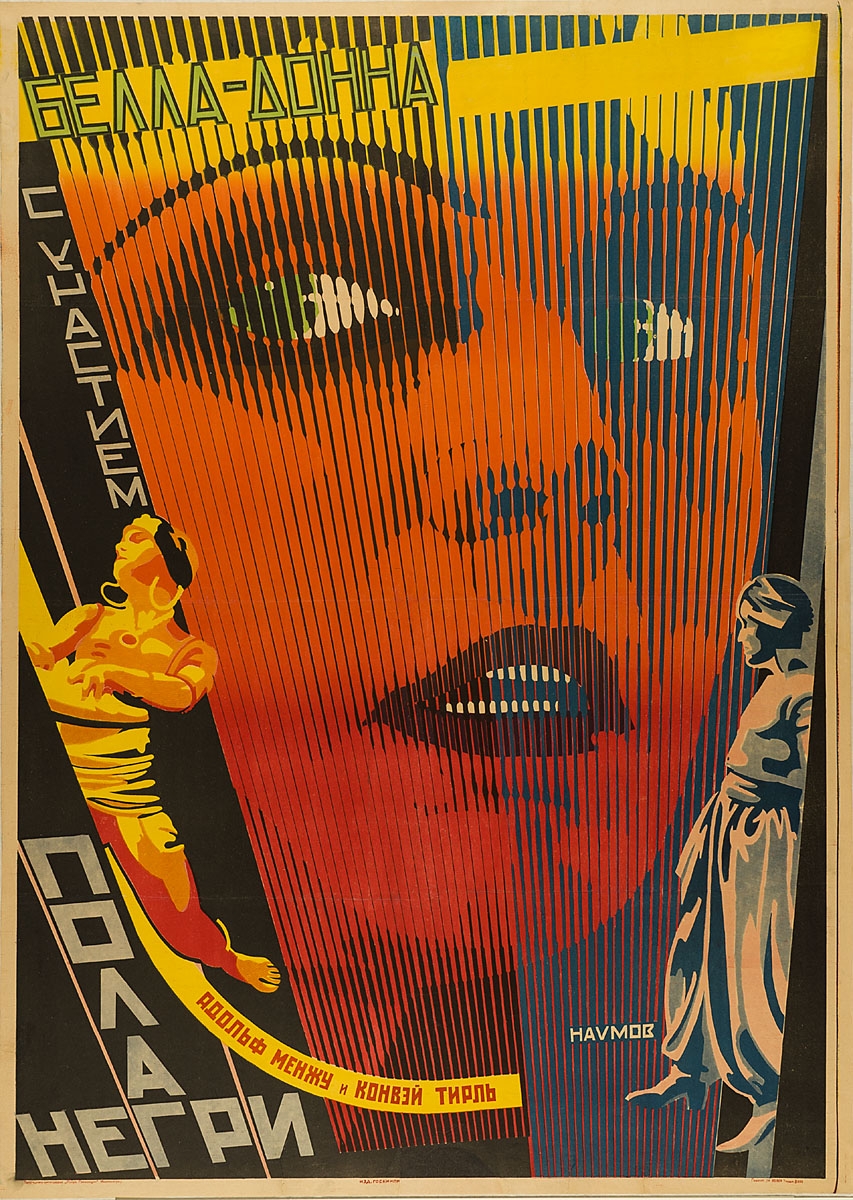
Opium (1919)

Opium, Robert Reinert, Germany, 1919. (Theo Matyko ’19) “This 1919 silent film was released during a lull in censorship restrictions after the first world war. Crowds lined up around the block for weeks to see its celebration of decadence and sexual liberty. The rare original poster is six feet tall.” | src The Guardian

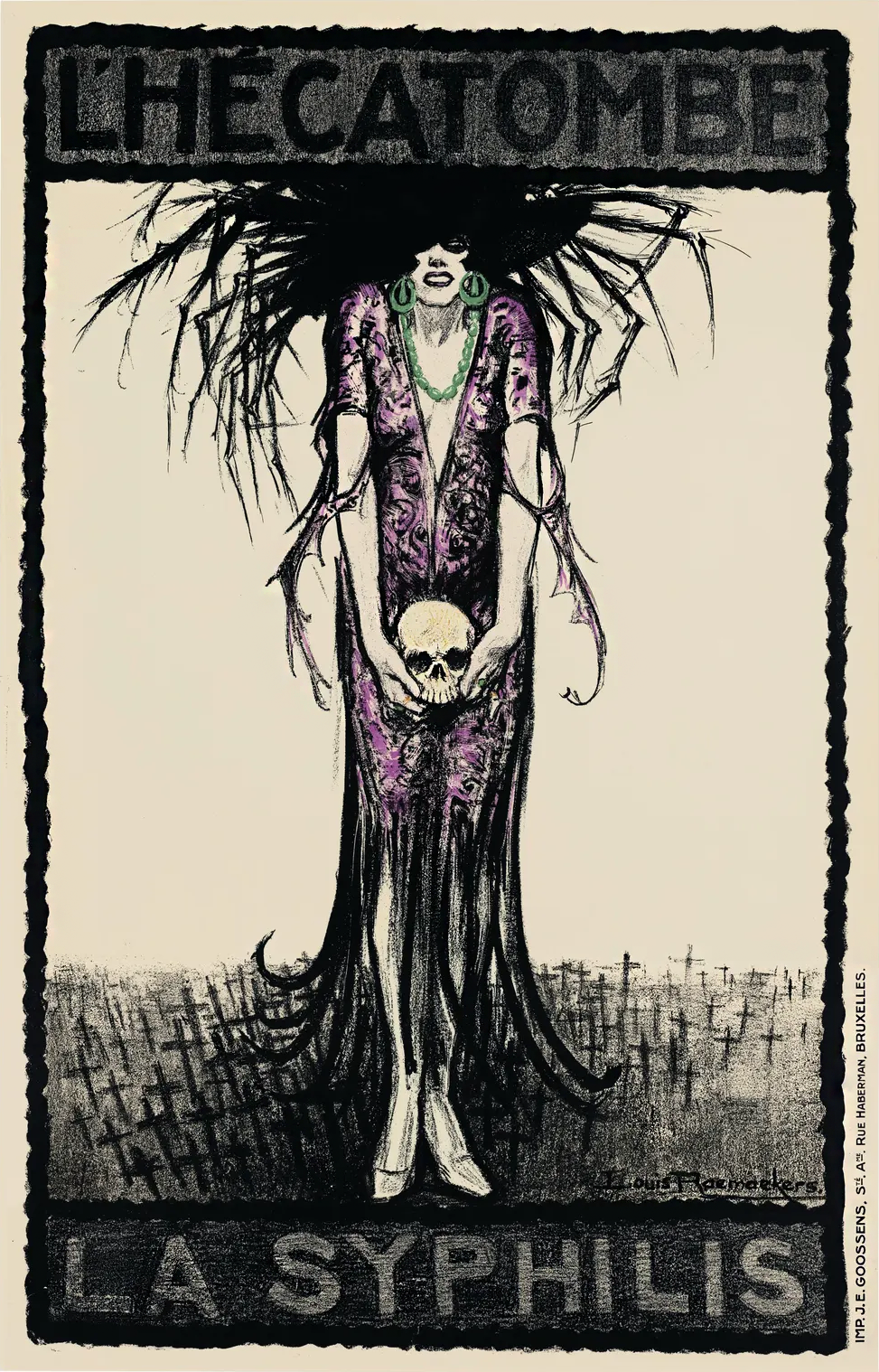
La Syphilis (1910s)

Louis Raemaekers :: L’Hecatombe. La Syphilis. “An image meant to warn Belgian soldiers returning from the front of the dangers of ‘The French Pox’. It depicts a dangerous woman standing both seductively and menacingly in front of a field of graves.” | src The Guardian

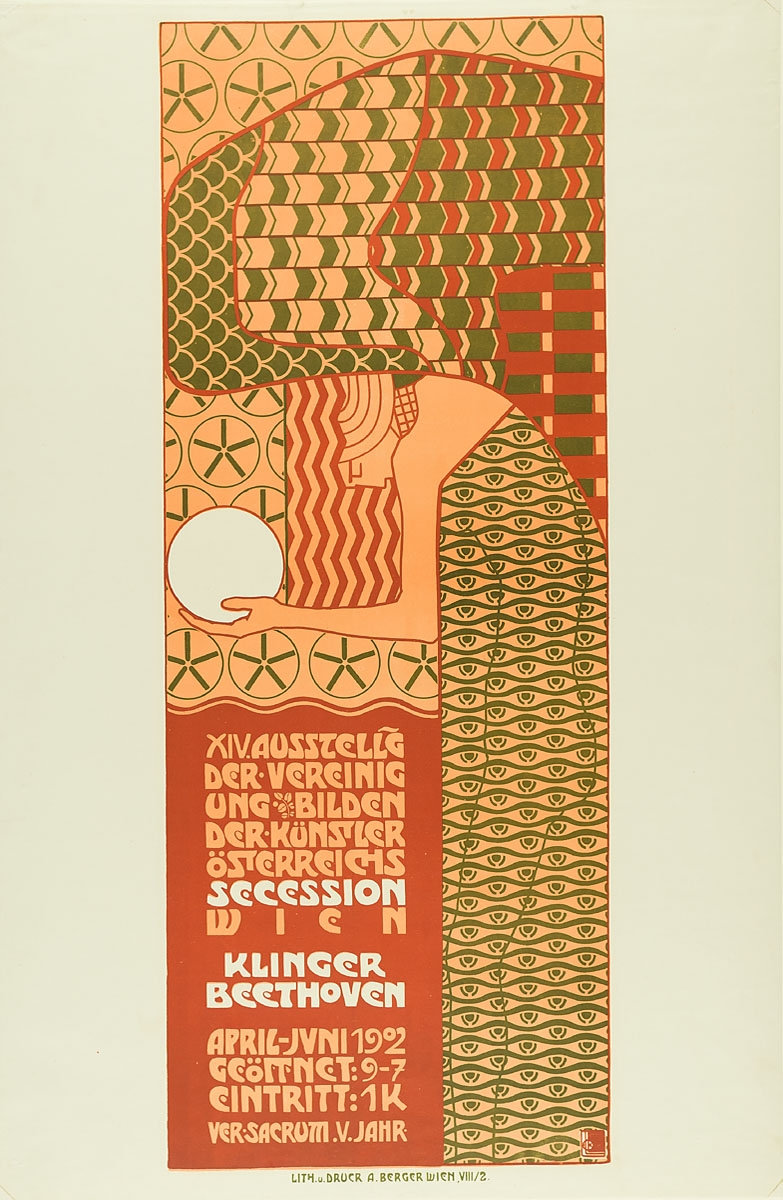
Exhibition of Austrian Visual Artists, 1902


Alfred Roller (1864–1935) :: XIV. Ausstellung der Vereinigung bildender Künstler Österreichs – Secession Wien. Klinger – Beethoven. (1902) | src MK&G ~ Museum für Kunst und Gewerbe (Hamburg)

Das getupfte Ei, 1907

Oskar Kokoschka :: Shepherd, Stag and Fox (Hirt, Hirsch und Fuchs). Illustration for the shadow play The Speckled Egg (Das getupfte Ei) (plate 1) from the First Theater Program of Kabarett Fledermaus (Cabaret Fledermaus), 1907. Designed by Carl Otto Czeschka, this program exemplifies the then-current idea of the Gesamtkunstwerk, or total work of art. | src MoMA

Die 11 Scharfrichter

Thomas Theodor Heine :: Marya Delvard. Die 11 Scharfrichter. The Eleven Executioners was the first popular cabaret in Germany, and its subject matter was political humour. Marya Delvard used to sing underneath a single spotlight, creating a performance that was both chilling and enticing. This poster is from a 1902 performance. | src The Guardian

The Dancer Gertrude Barrison

Fritz Zeymer :: The Dancer Gertrude Barrison (plate 3) from the First Theater Program of Kabarett Fledermaus (Cabaret Fledermaus) 1907. In October 1907, the Wiener Werkstätte opened the nightspot and performing arts space. Designed by Carl Otto Czeschka, this program exemplifies the then-current idea of the Gesamtkunstwerk, or total work of art. | src MoMA

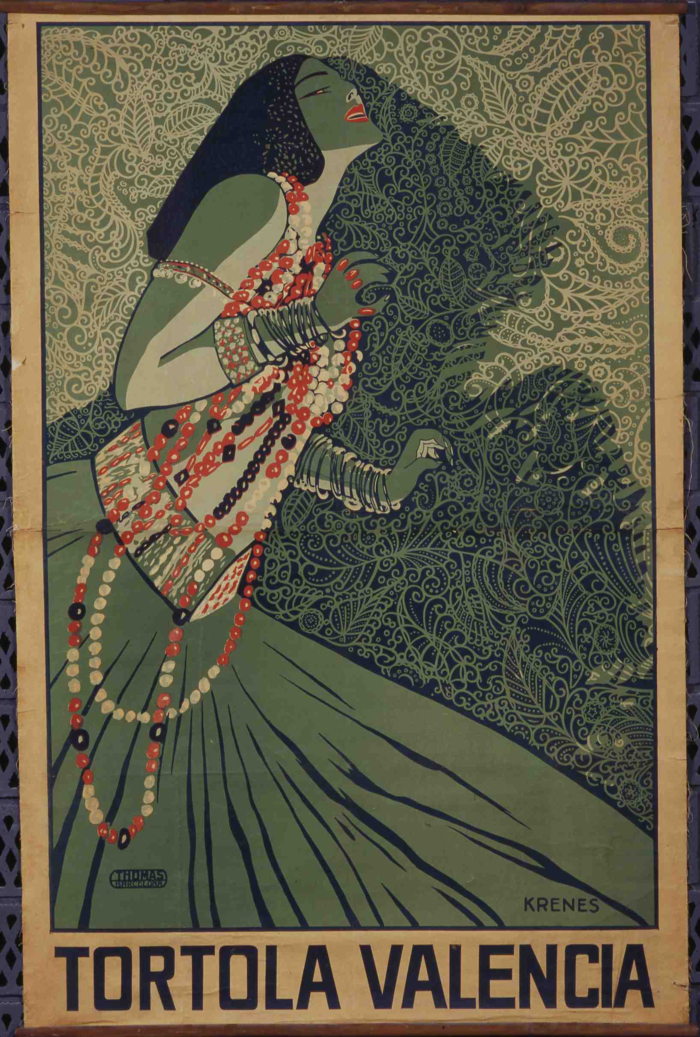
Tortola Valencia, dansa oriental

Imatge de Tórtola Valencia en una dansa oriental [La baiadera. La bayadera. La Bayadère]. Cartell de Krenes (autor), ca. 1919. Thomas and Wylie (Impressor). | src Centre de Documentació · MAE · Institut del Teatre

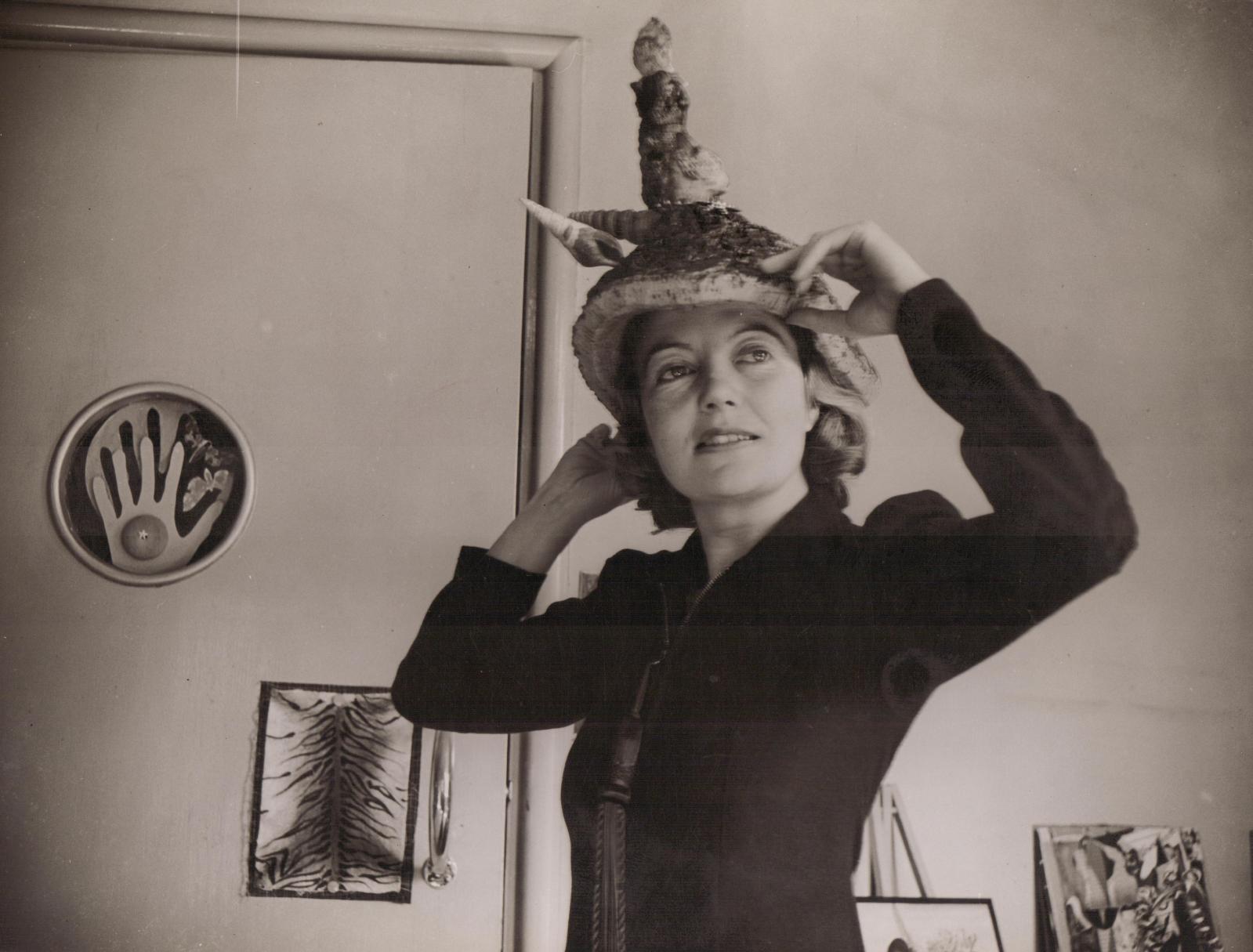
Hat for Eating Bouillabaisse

Photograph of Eileen Agar wearing Ceremonial Hat for Eating Bouillabaisse, 1936, Photograph Private Collection, © Estate of Eileen Agar / Bridgeman Images. From: “Eileen Agar: Angel of Anarchy” exhibition, 2021. | src La Gazette Drouot

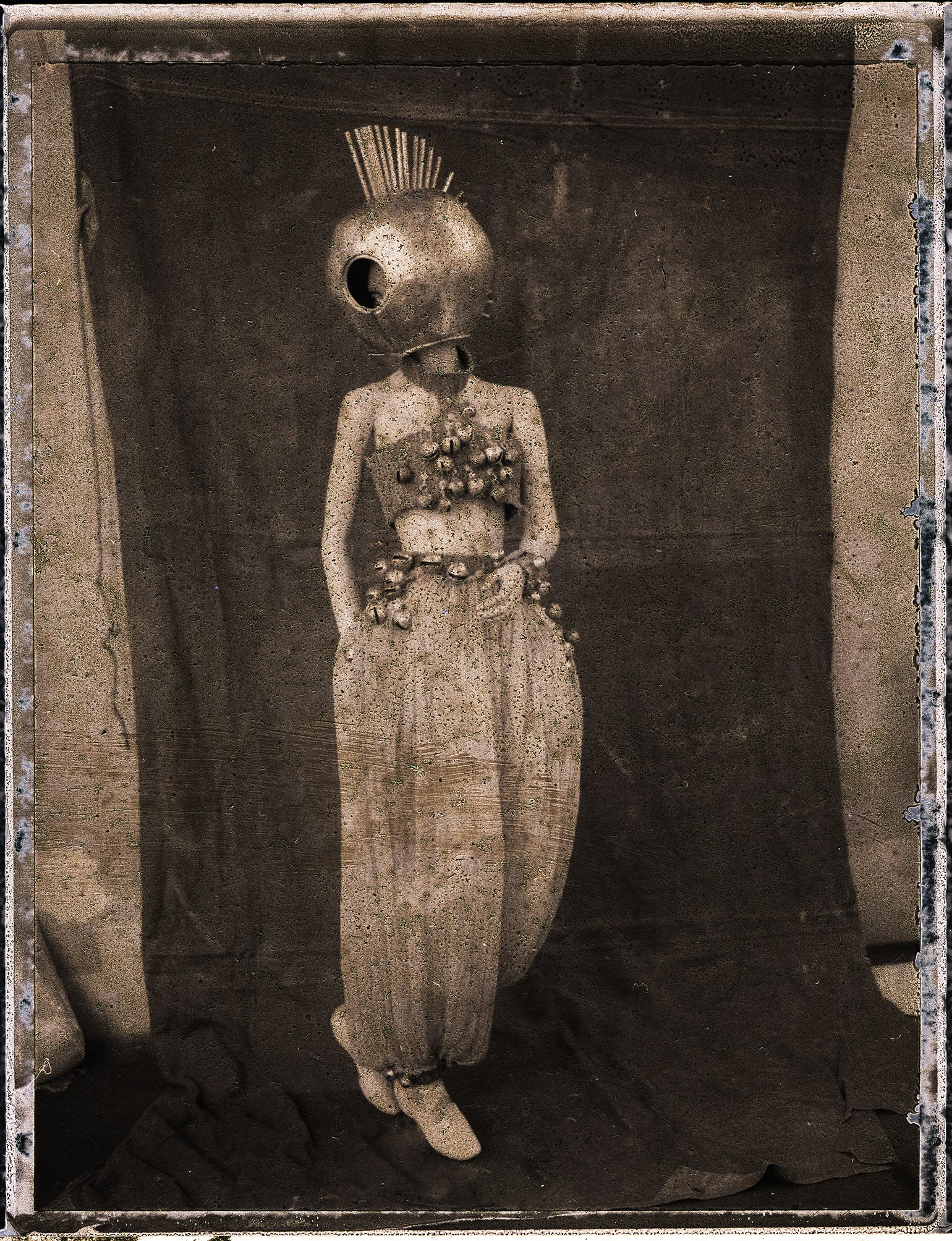
L’homme et son désir, 1921

A costume interpretation for one of the bjällrorna in L’homme et son désir, the Svenska Baletten in 1921. Photo: Cato Lein. | src Dansmuseet on FB

Between 1920 and 1925, the Swedish Ballet (Les Ballets Suédois) had its own theater in Paris where experimental ballets were performed. Rolf de Maré, the founder and leader of the Swedish Ballet, hired some of the most innovative artists of the time. [src Dansmuseet]