Ruth Page in ballet Scaffolding

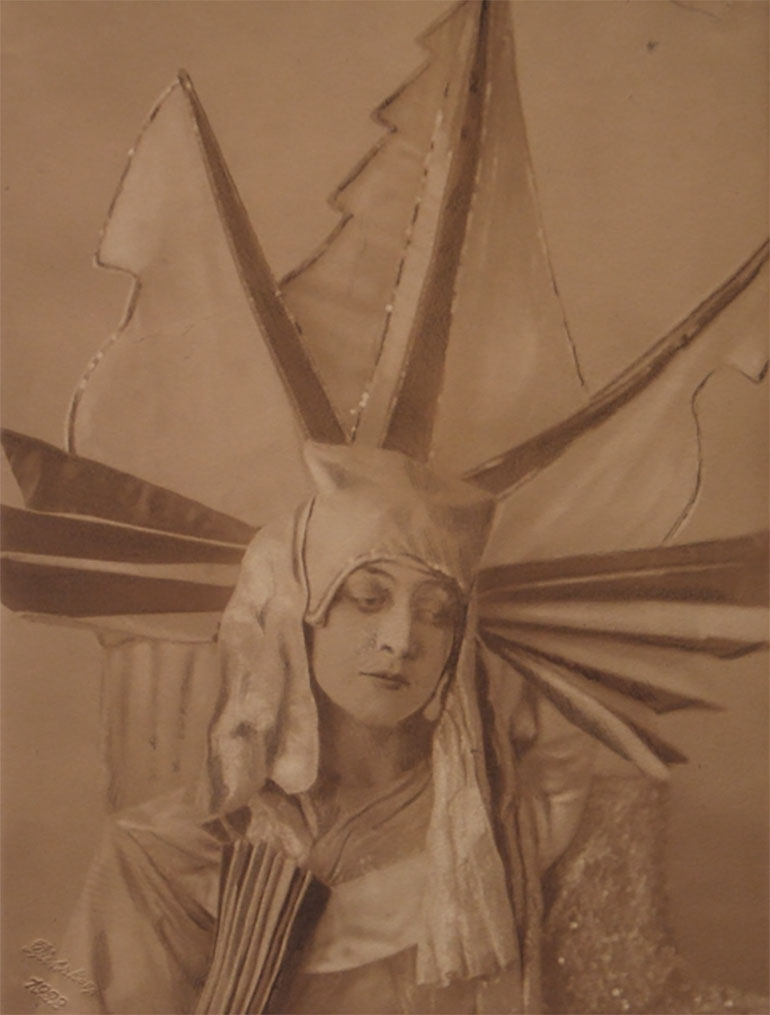
Maurice Goldberg ~ Ruth Page in a photo from her 1929 performance in “Ballet Scaffolding” (Prokofiev) | src Newberry library
Maurice Goldberg (1881-1949) ~ Dancer Ruth Page in Ballet Scaffolding, 1928. Bromide print | src Ahlers & Ogletree
Ruth Page was known for pushing artistic boundaries, which is coming through loud & clear in this photo from her 1929 performance in “Ballet Scaffolding” (Prokofieff) | src Newberry library
Maurice Goldberg (1881-1949) ~ Studio shot of dancer in costume, from solo by Ruth Page entitled Ballet Scaffolding, 1928. Bromide print | src Ahlers & Ogletree

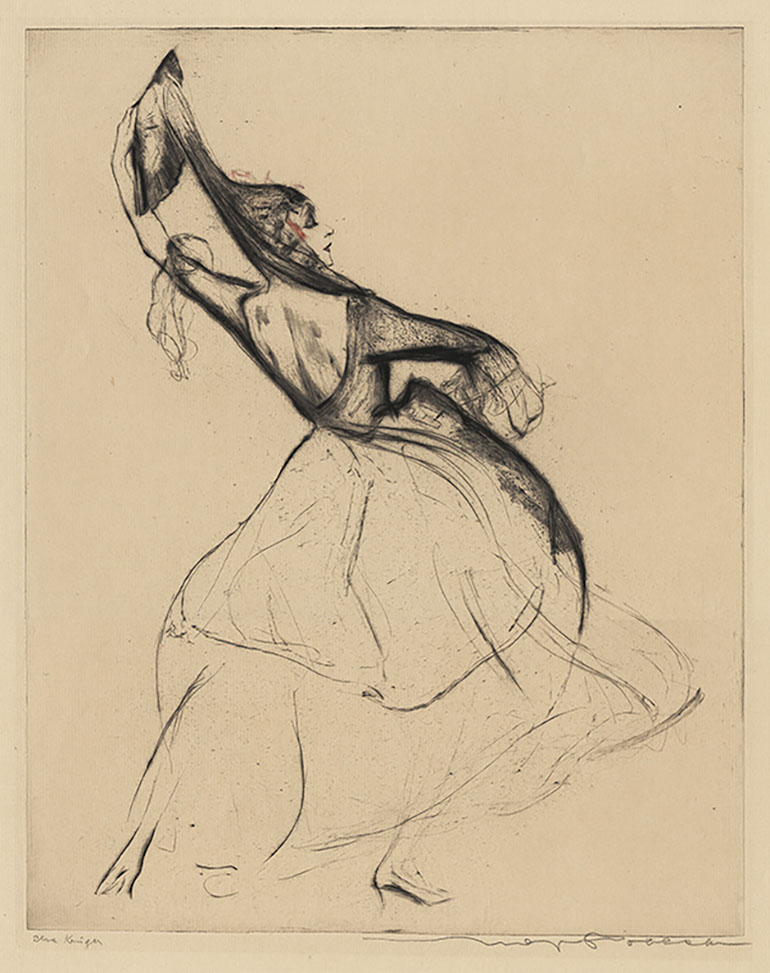
Elsa Krüger by Max Pollak

Max Pollak (1886 – 1970) ~ Elsa Krüger, 1919; drypoint with aquatint printed in color | src Annex galleries

Elsa Krüger by Dührkoop · 1922

Rudolf Dührkoop ~ Elsa Krüger, 1922 | src Stedelijk Museum Amsterdam
Rudolf Dührkoop ~ Elsa Krüger, 1922 | src Deutsches Tanzarchiv

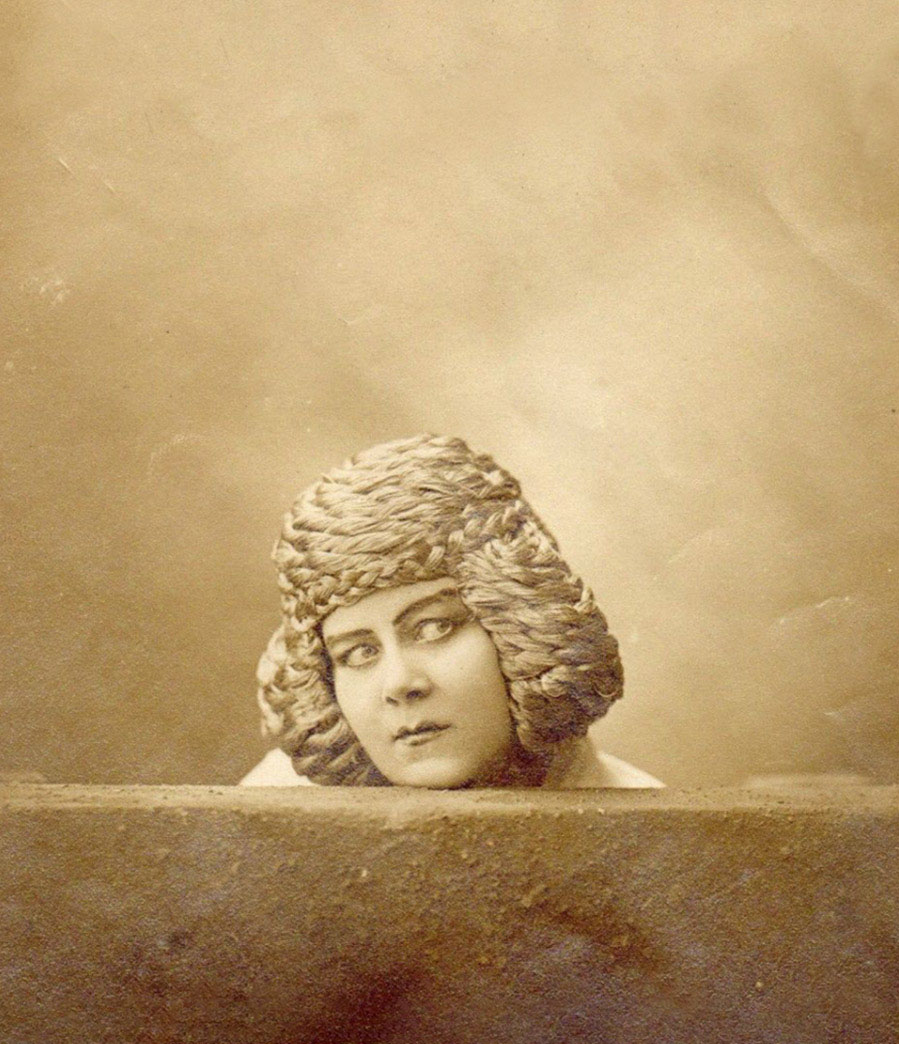
Terpsichore by Max Thorek

Max Thorek (1880 – 1960) ~ Terpsichore. Photograms of the Year 1920s | src flickr
Terpsichore, by Dr. Max Thorek (Chicago). Photograms of the Year 1920s

Loïe Fuller in Tragedy of Salome

Loïe Fuller (1862 – 1928) in the Dance of Fear from Salomé (Lyric Pantomime), 1895 or 1896 (*)

(*) Retrieved from: Fifteen years of a dancer’s life, with some account of her distinguished friends / with an introduction by Anatole France (Boston: Small, Maynard & Co.,1913) | src NYPL Research Catalog
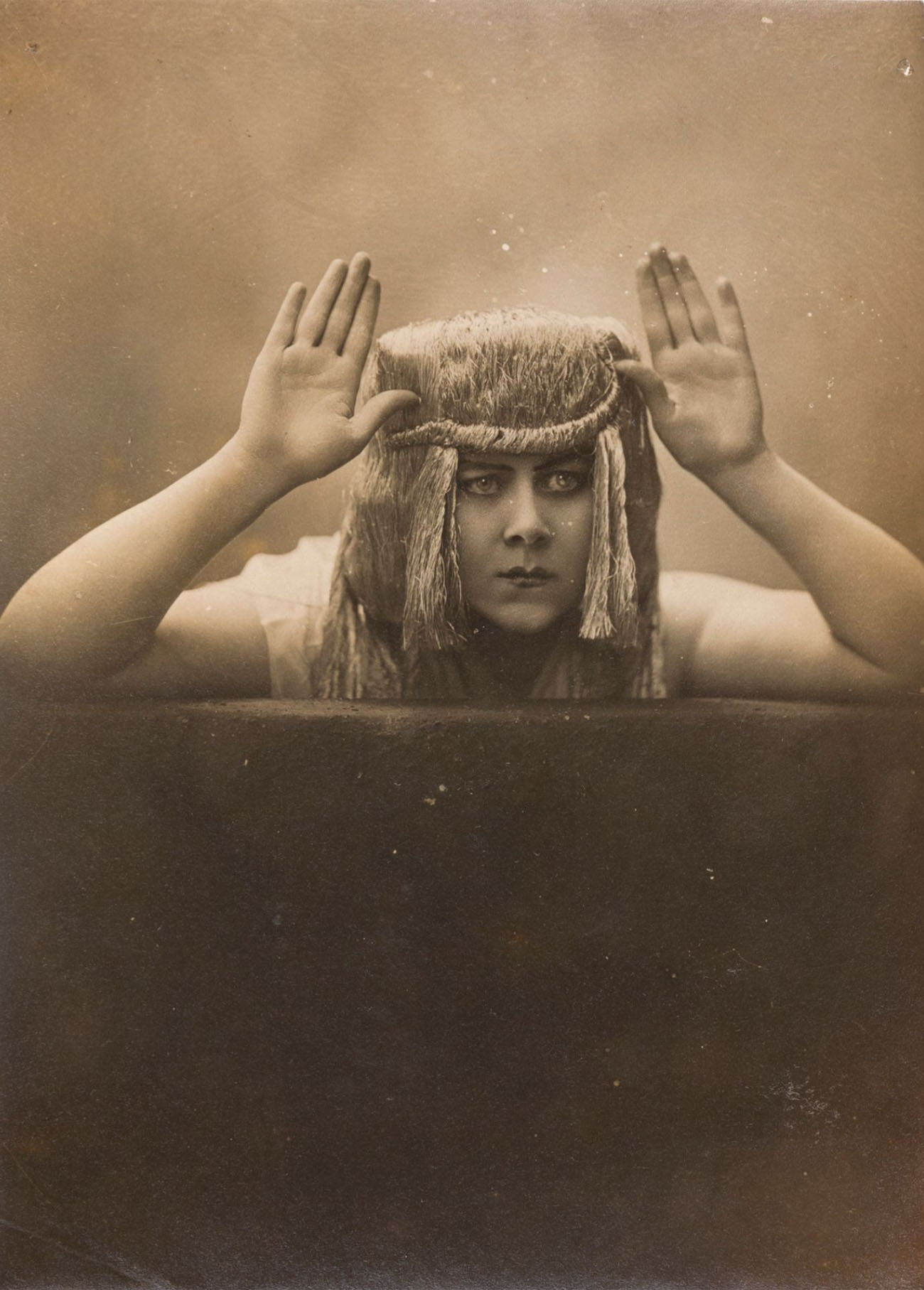
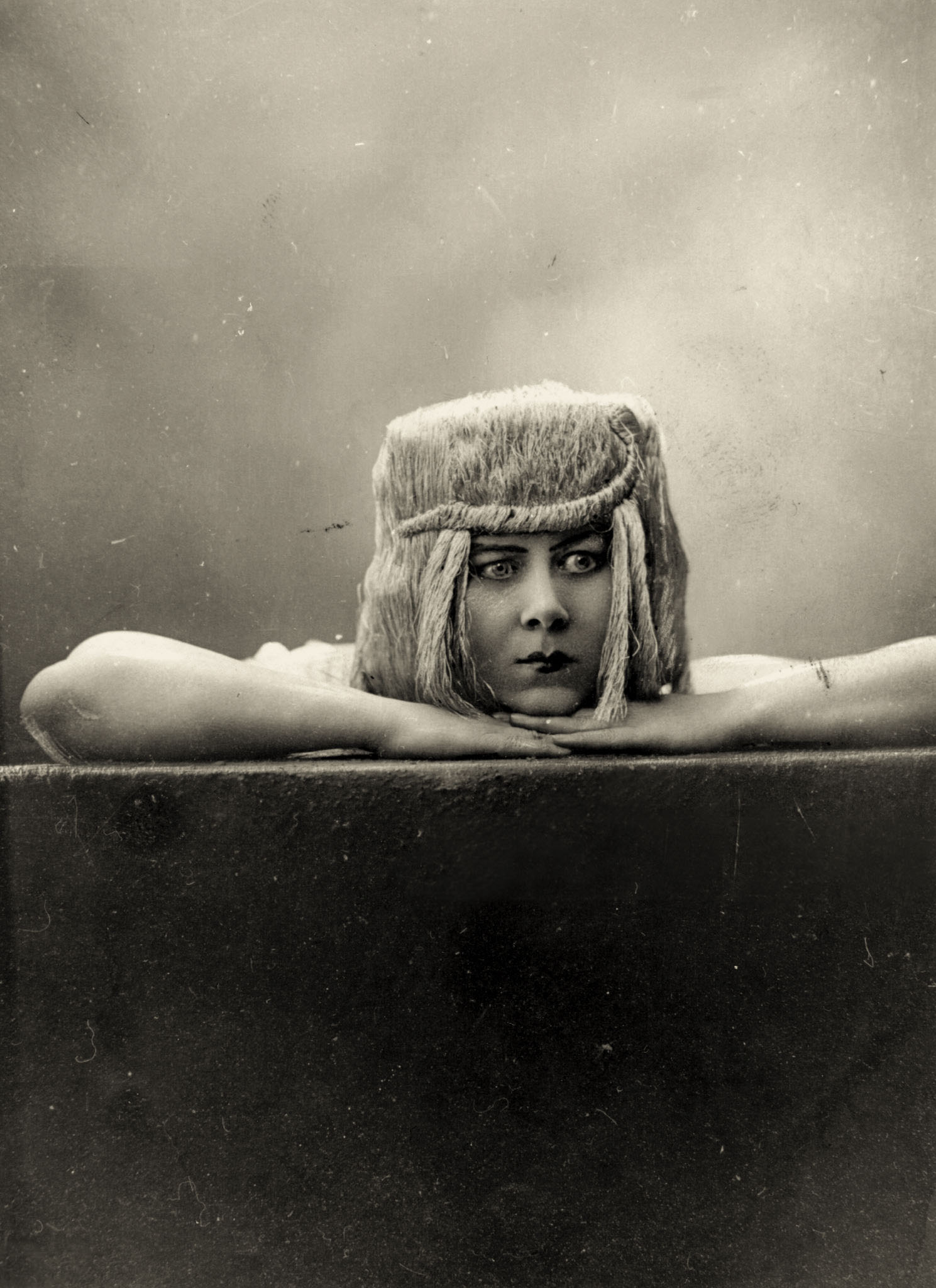
Henri Manuel (1874-1947) ~ Loïe Fuller in Robert d’Humières’ Tragédie de Salomé at the Théâtre des Arts, Paris, 1907 | src Ader
Henri Manuel (1874-1947) ~ Loïe Fuller (1862 – 1928) in attrezzo for the Tragedy of Salome, 1896 | src getty images

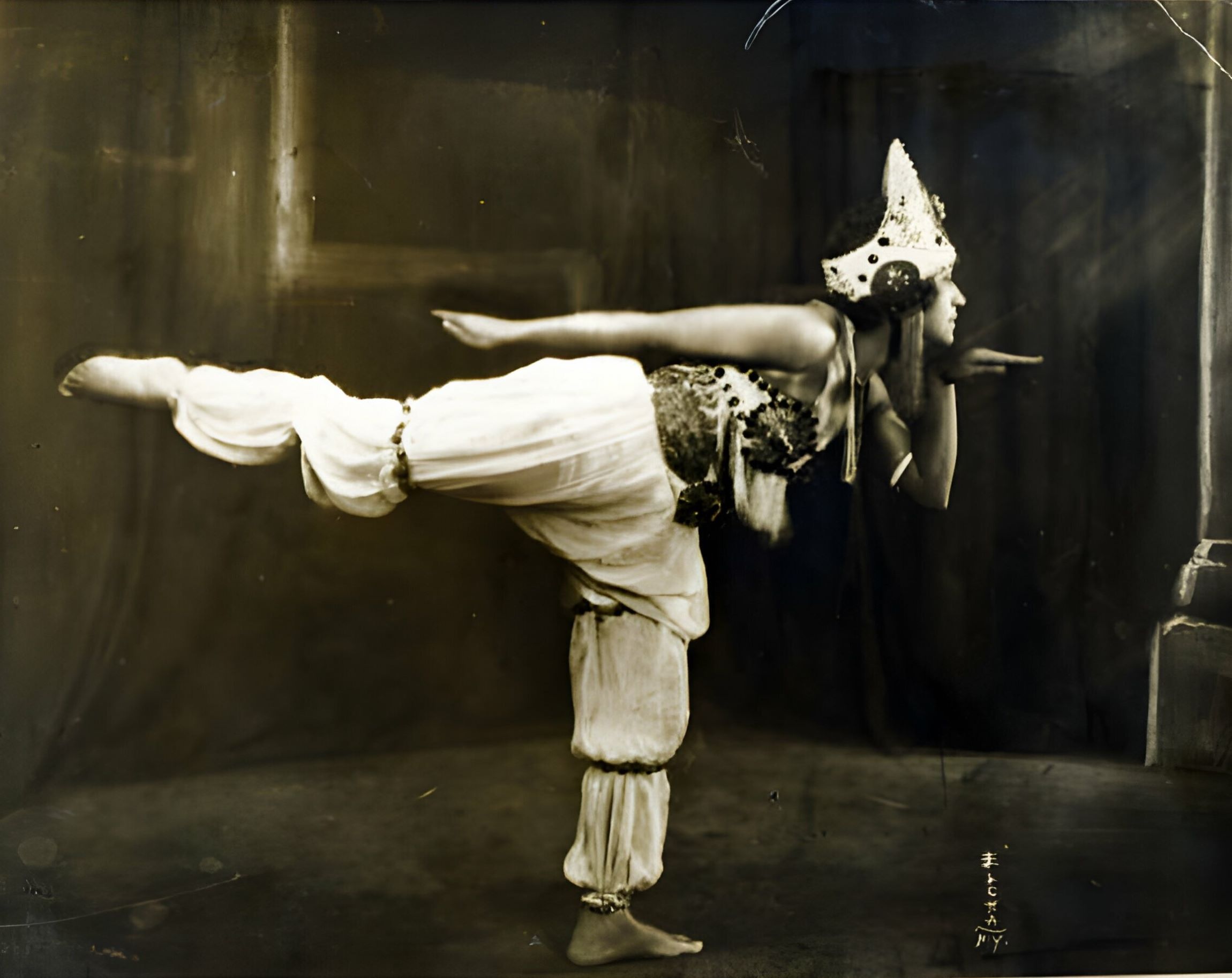
Edna Morton for Elcha studio

Anthony Barboza ~ Portrait of actress Edna Morton, in costume, early 20th century (studio Elcha, NY) | src getty images

Edna Morton (April 2, 1894 – July 31, 1980) was an American actress who was in films in the 1920s. She starred in mainly race films most of them produced by Reol Productions. Her most notable films being Spitfire (1922), Easy Money (1922), and The Call of His People (1921). She was also in a film by Oscar Micheaux called A Son of Satan (1924). She is known to have been in ten films in total. She was referred to as “the colored Mary Pickford”. (text retrieved from wikipedia entry)

Anthony Barboza ~ Portrait of actress Edna Morton, in costume, early 20th century (studio Elcha, NY stamp on bottom right)

Two dancers in a sand dune

From Stella Ruess dance scrapbook, page 31 (detail) | src University of Utah
From Stella Ruess dance scrapbook, page 31 (image on bottom of page) | src University of Utah

For Colored Girls · 1976-77

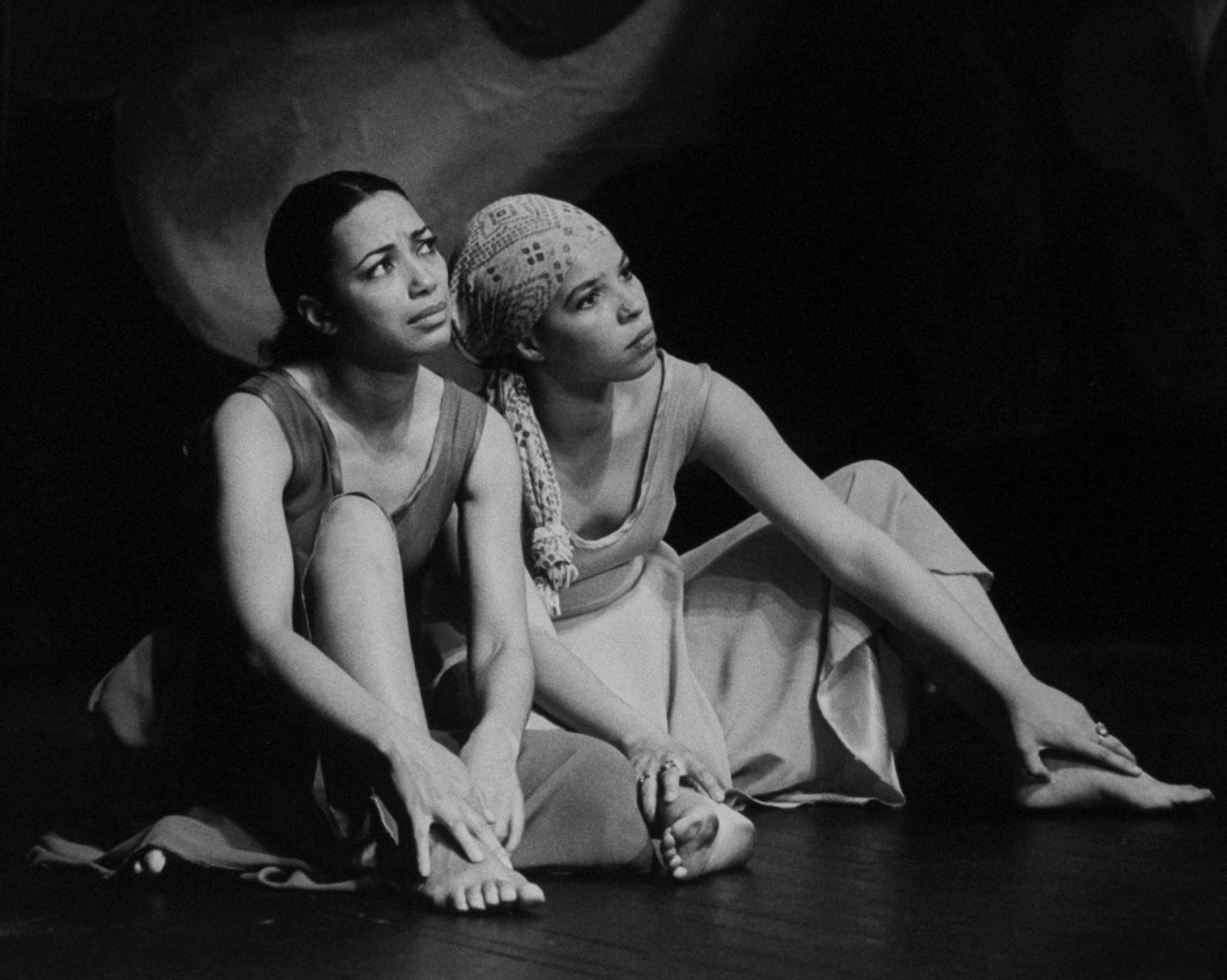
Martha Swope ~ Ntozake Shange (right) in a scene from the Broadway production of her choreopoem: ‘For Colored Girls Who Have Considered Suicide When the Rainbow is Enuf’, 1977 | src NYPL

‘For Colored Girls Who Have Considered Suicide When the Rainbow is Enuf’ is a 1976 work by Ntozake Shange. It consists of a series of poetic monologues to be accompanied by dance movements and music, a form which Shange coined the word choreopoem to describe. It tells the stories of seven women who have suffered oppression in a racist and sexist society.
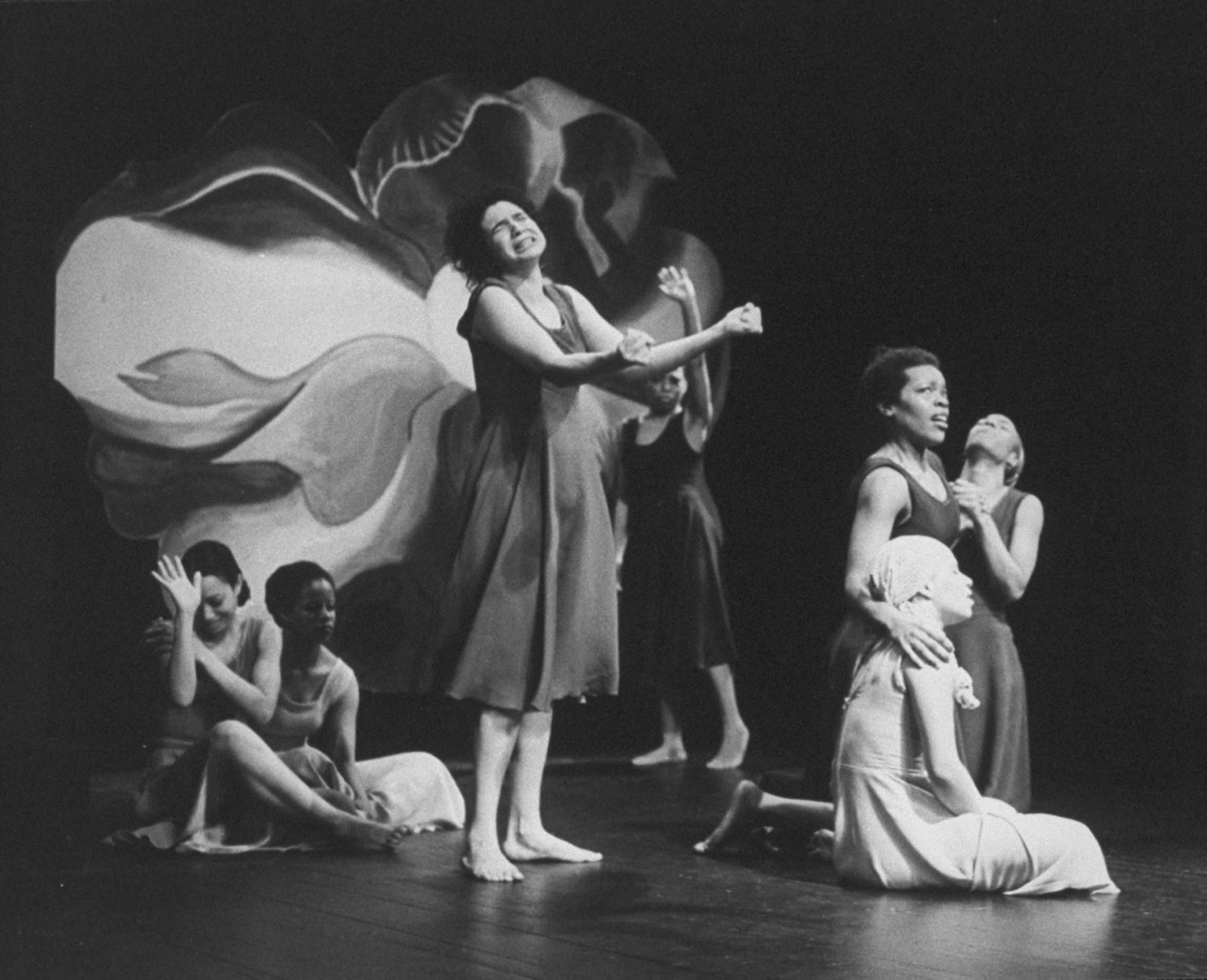
Martha Swope ~ A scene from the Broadway production of the choreopoem by Ntozake Shange: ‘For Colored Girls Who Have Considered Suicide When the Rainbow is Enuf’, 1977 | src NYPL

As a choreopoem, the piece is a series of 20 separate poems choreographed to music that weaves interconnected stories of love, empowerment, struggle and loss into a complex representation of sisterhood. The cast consists of seven nameless African-American women only identified by the colors they are assigned. They are the lady in red, lady in orange, lady in yellow, lady in green, lady in blue, lady in brown, and lady in purple. Subjects from rape, abandonment, abortion and domestic violence are tackled.
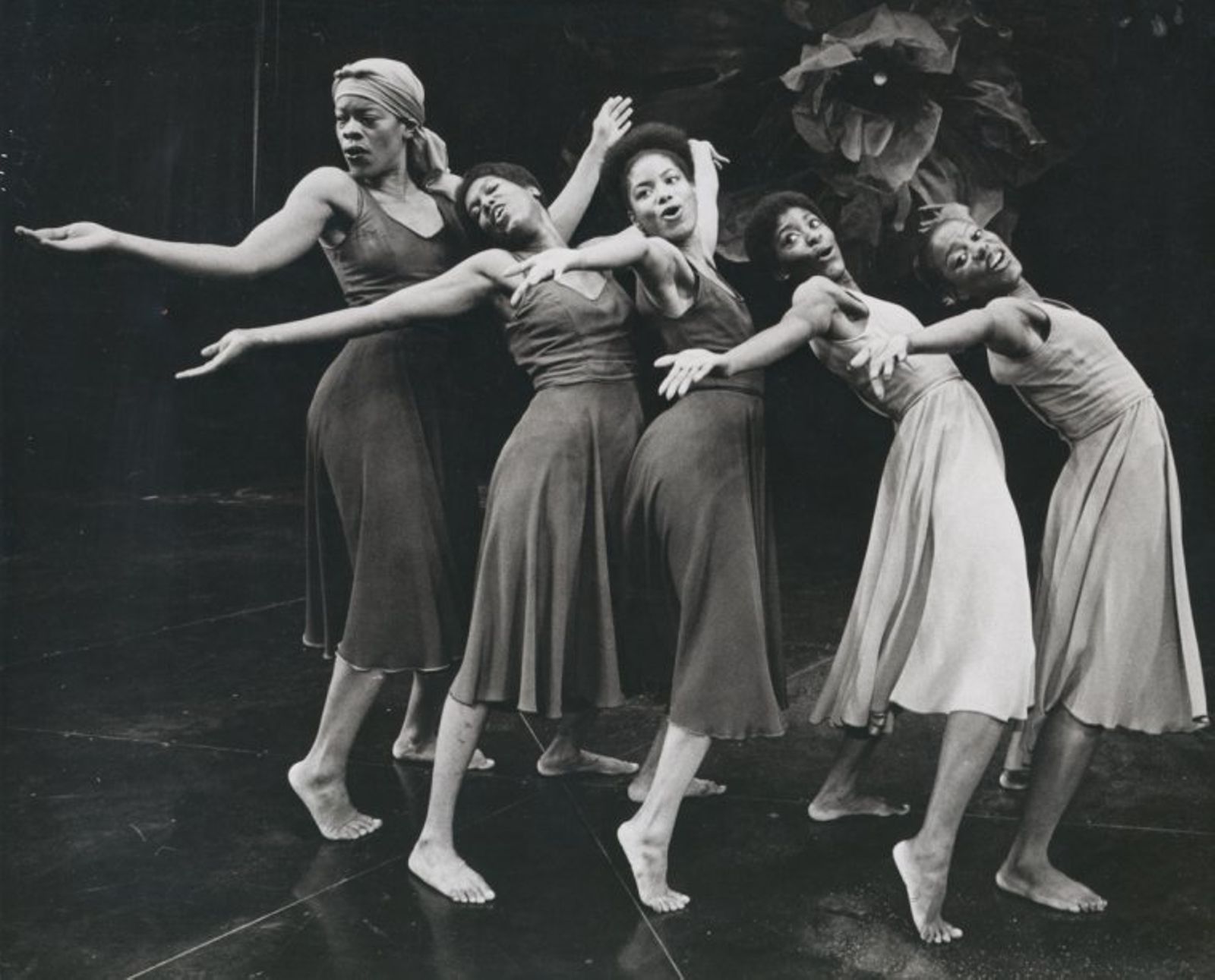
Martha Swope ~ A scene from the Broadway production of the choreopoem by Ntozake Shange: ‘For Colored Girls Who Have Considered Suicide When the Rainbow is Enuf’, 1976 | src NYPL

Shange originally wrote the monologues as separate poems in 1974. Her writing style is idiosyncratic and she often uses vernacular language, unique structure, and unorthodox punctuation to emphasize syncopation. Shange wanted to write ‘For colored girls…‘ in a way that mimicked how real women speak so she could draw her readers’ focus to the experience of reading and listening.

Martha Swope ~ A scene from the Broadway production of the choreopoem by Ntozake Shange: ‘For Colored Girls Who Have Considered Suicide When the Rainbow is Enuf’, 1976 | src NYPL
Martha Swope ~ Actresses (Front L-R) Laurie Carlos, Paula Moss, Aku Kadogo, Trazana Beverly; (Top L-R) Rise Collins, Janet League, Seret Scott in scene from the play ‘For Colored Girls Who Have Condsidered Suicide When the Rainbow is Enuf’ by Ntozake Shange (1976) | src NYPL
The cast of the Broadway show ‘For Colored Girls Who Have Considered Suicide When the Rainbow Is Enuf’ by Ntozake Shange, in the Meatpacking District of New York City, 1977 (Photo by Jill Freedman) | src getty images
A scene from the Broadway production of the choreopoem ‘For Colored Girls Who Have Considered Suicide When the Rainbow is Enuf’, 1976 | src NY Times: Ntozake Shange’s Tales of Black Womanhood

In December 1974, Shange performed the first incarnation of her choreopoem with four other artists at a women’s bar outside Berkeley, California. After moving to New York City, she continued work on for colored girls…, which went on to open at the Booth Theatre in 1976, becoming the second play by a black woman to reach Broadway. quoted from wikipedia entry

Martha Swope ~ A scene from the Broadway production of the choreopoem by Ntozake Shange: ‘For Colored Girls Who Have Considered Suicide When the Rainbow is Enuf’, 1976-77 | src NYPL

For Colored Girls chronicles the experiences of seven black women through monologue and dance, confronting topics of sexism, rape, and domestic violence. The play has long been considered a benchmark for black female writers and inspired a book, film, and Tony Award-nominated Broadway play.

Martha Swope ~ A scene from the Broadway production of the choreopoem by Ntozake Shange: ‘For Colored Girls Who Have Considered Suicide When the Rainbow is Enuf’, 1976-77 | src NYPL

Written for seven characters, For Colored Girls is a group of 20 poems on the power of Black women to survive in the face of despair and pain. The show ran for seven months Off-Broadway in New York City before beginning a two-year run on Broadway. It was subsequently produced throughout the United States, broadcast on television, and in 2010 adapted into a feature film titled For Colored Girls. [text: Britannica]

A scene from the Broadway production of the choreopoem ‘For Colored Girls Who Have Considered Suicide When the Rainbow is Enuf’, 1976 | src NY Times: Ntozake Shange’s Tales of Black Womanhood