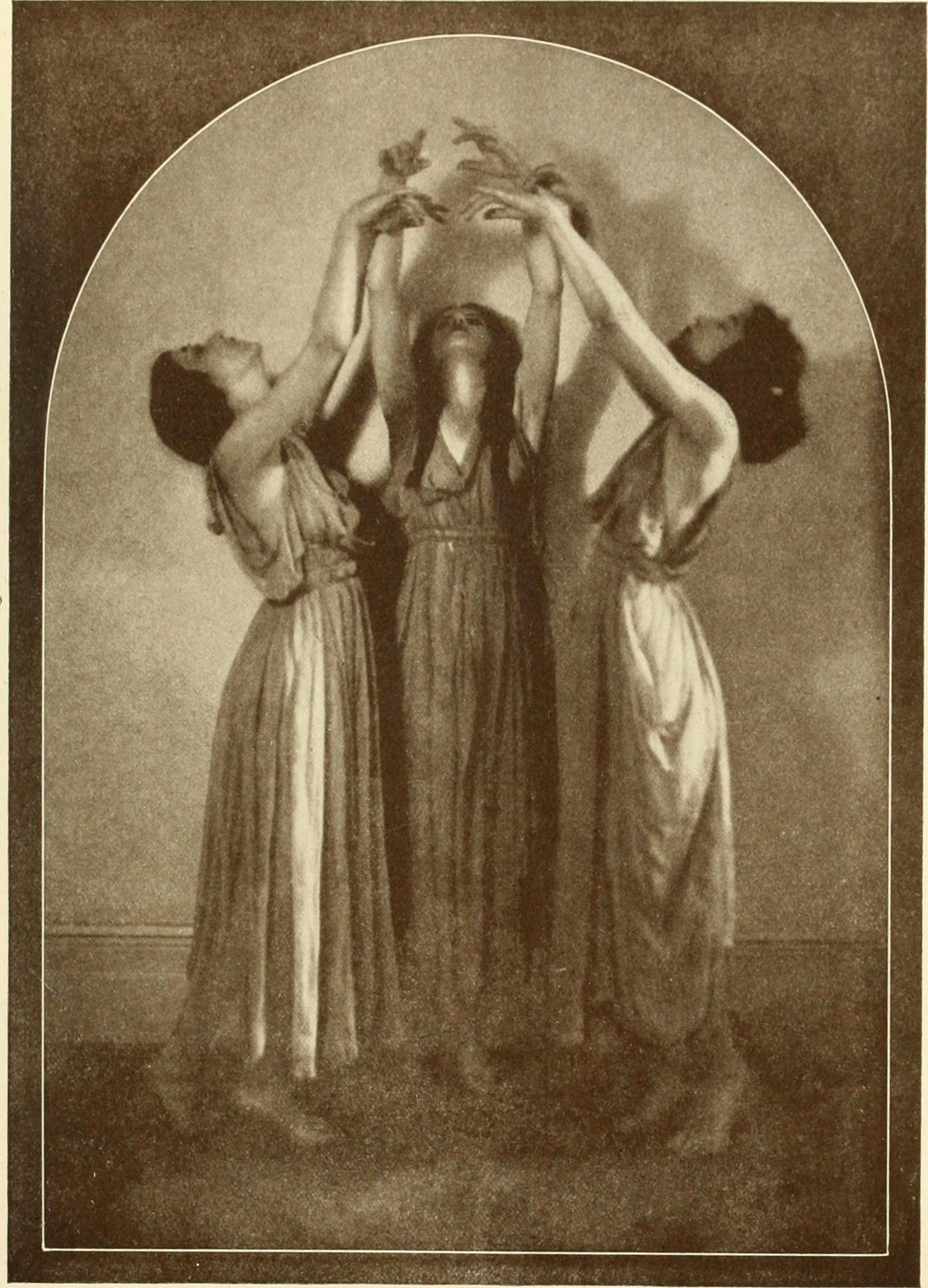
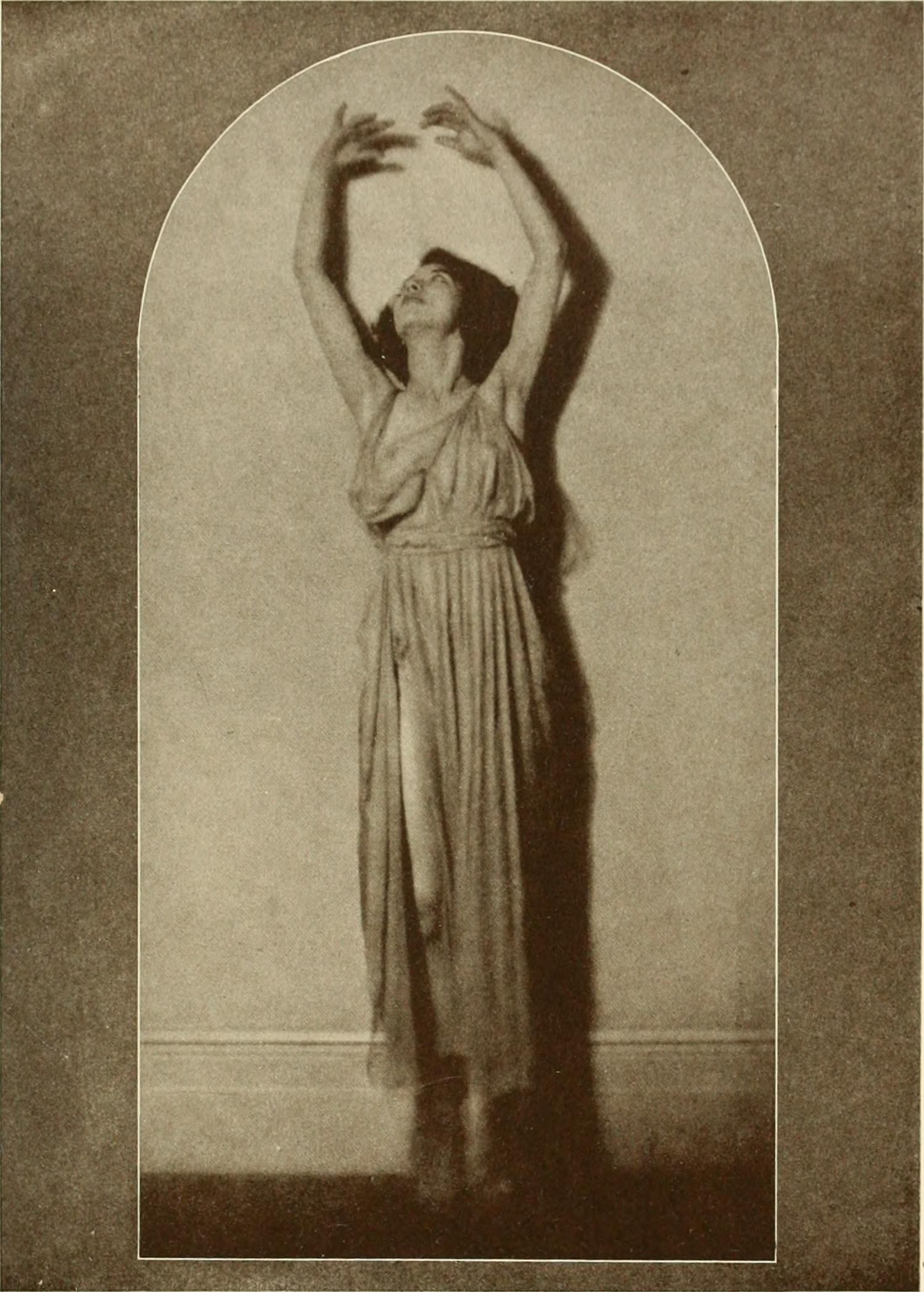
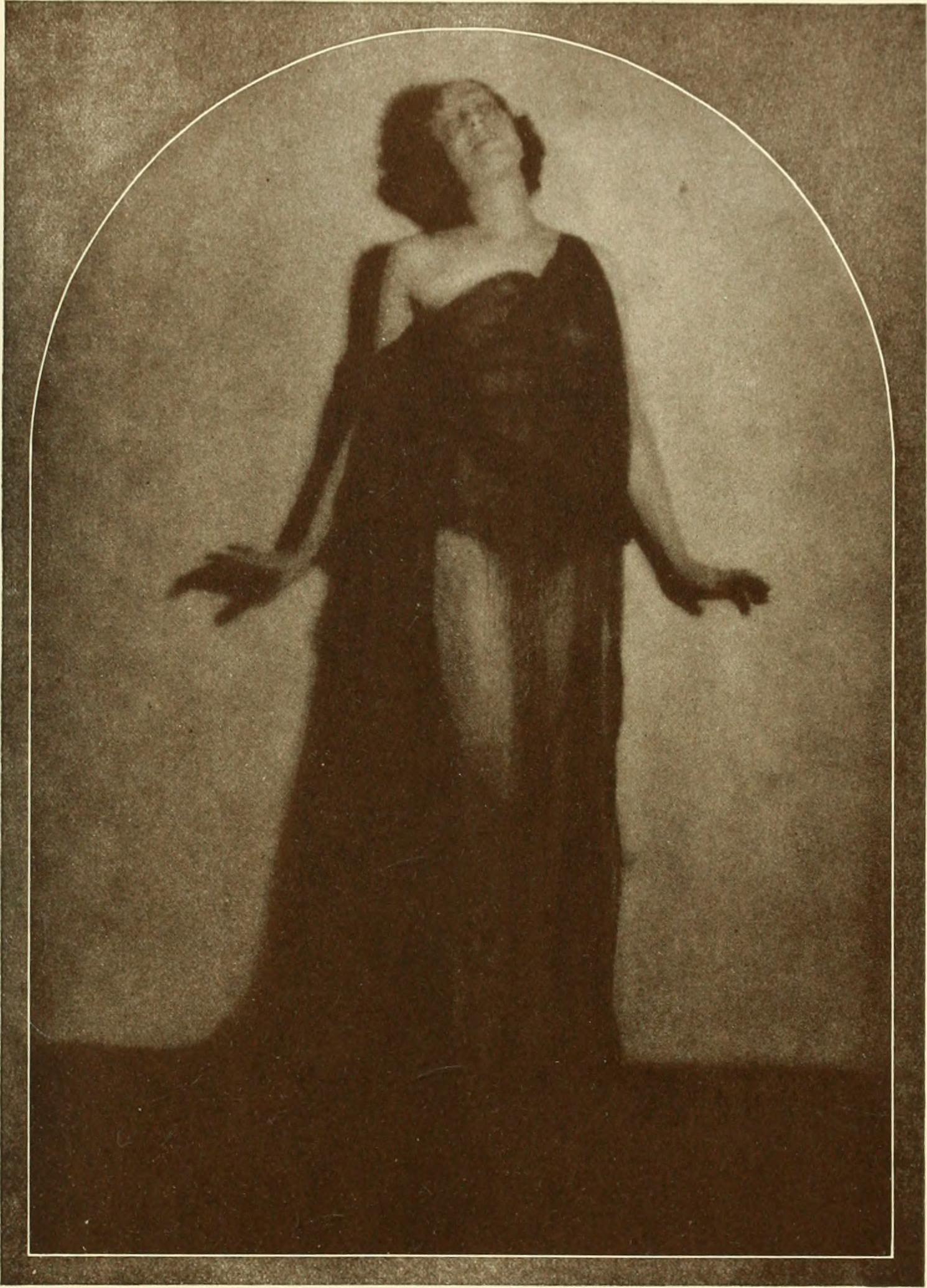
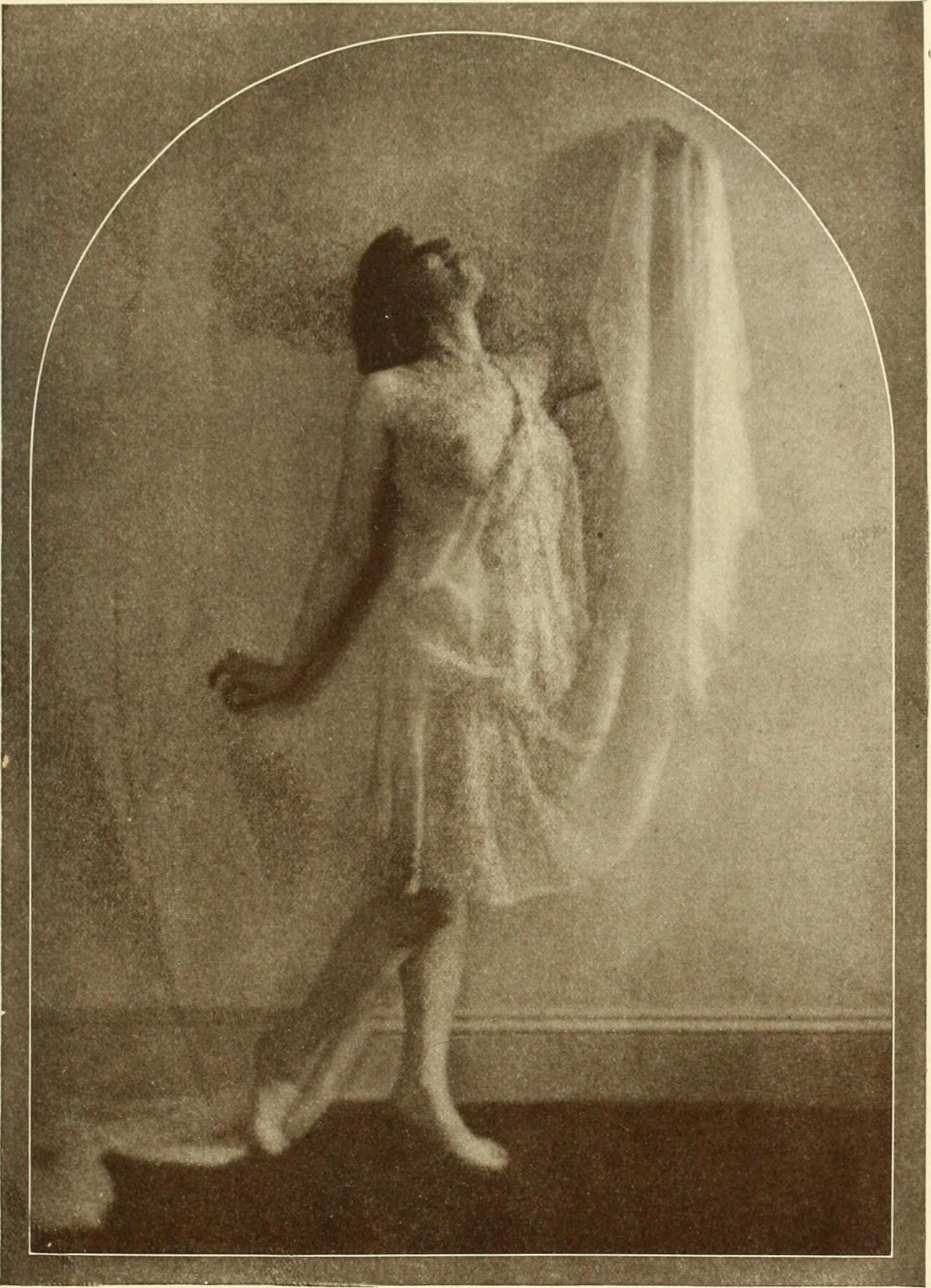
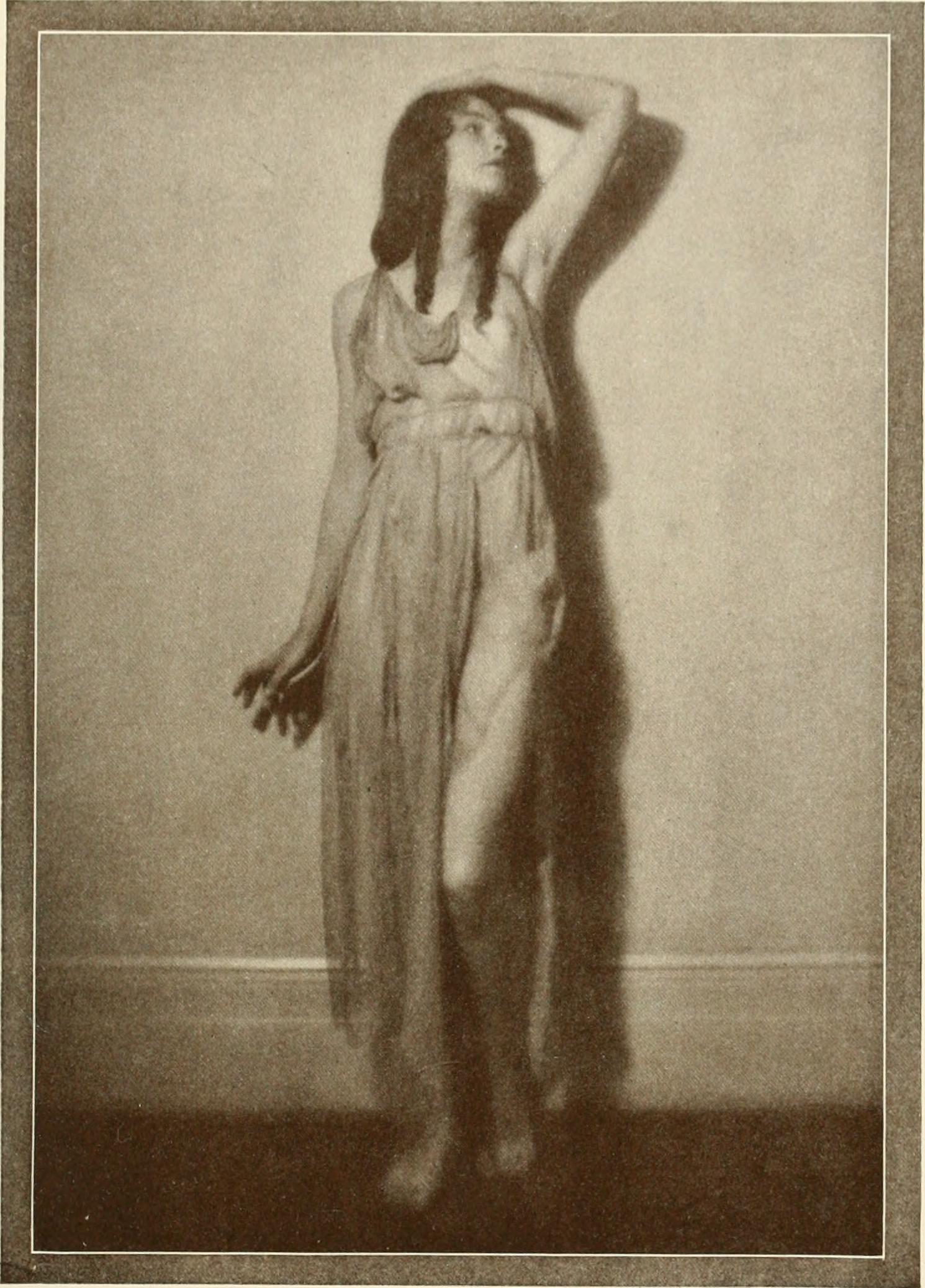
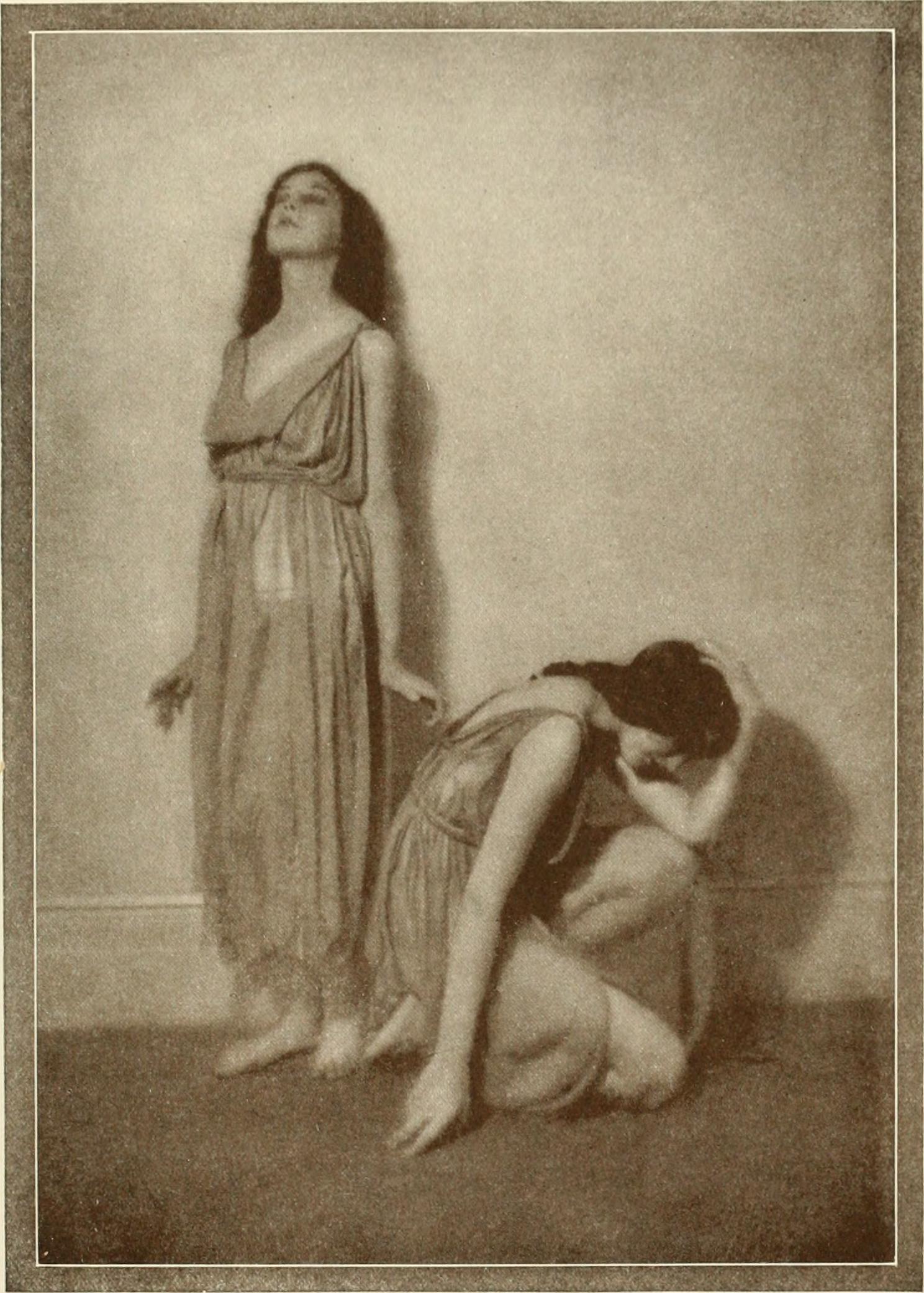
“Unfolding, as though giving or about to receive — an idea of petals opening to exchange the flower’s perfume for the warmth of the sun’s rays.” From ‘Dancing with Helen Moller’, 1918. Page 26. University of California Libraries. | src internet archive“A gentle and pleasantly expectant expression of aspiration — the lines of the entire body, arms, neck and head, having an upward tendency.” From ‘Dancing with Helen Moller’, 1918. Page 94. University of California Libraries. | src internet archive“An expression of pleasurable relaxation pervading the entire body— a complete reaction to influences that are pervasive in their sweetness and charm.” From ‘Dancing with Helen Moller’, 1918. Page 94. University of California Libraries. | src internet archive“The graceful management of draperies is an important requisite in Greek dancing. When the robe is voluminous, as in this instance, its manipulation demands considerable skill.” From ‘Dancing with Helen Moller’, 1918. Page 44. University of California Libraries. | src internet archive“Classic perfection of repose, with one limb bearing the body’s weight while the other, with the knee flexed, preserves balance, is one of the Greek dancer’s earliest achievements.” From ‘Dancing with Helen Moller’, 1918. Page 44. University of California Libraries. | src internet archive“Different individual reactions to the same sense of calamity -one erect as though petrified, the other crushed by despair; neither imitative, but each creative.” Helen Moller and Curtis Dunham :: From ‘Dancing with Helen Moller; her own statement of her philosophy and practice and teaching formed upon the classic Greek model, and adapted to meet the aesthetic and hygienic needs of to-day’, 1918. Page 40. University of California Libraries. | src internet archive
ACKNOWLEDGMENT: Many of the photographs reproduced in this book were taken by the author herself. For the privilege of reproducing other fine examples of the photographer’s art, she desires to express her grateful acknowledgments to Moody, to Maurice Goldberg, to Charles Albin and to Underwood and Underwood; also to Arnold Genthe for the plate on Page 36; and to Jeremiah Crowley for his admirable arrangement of the entire series of illustrative art plates. [quoted from source]
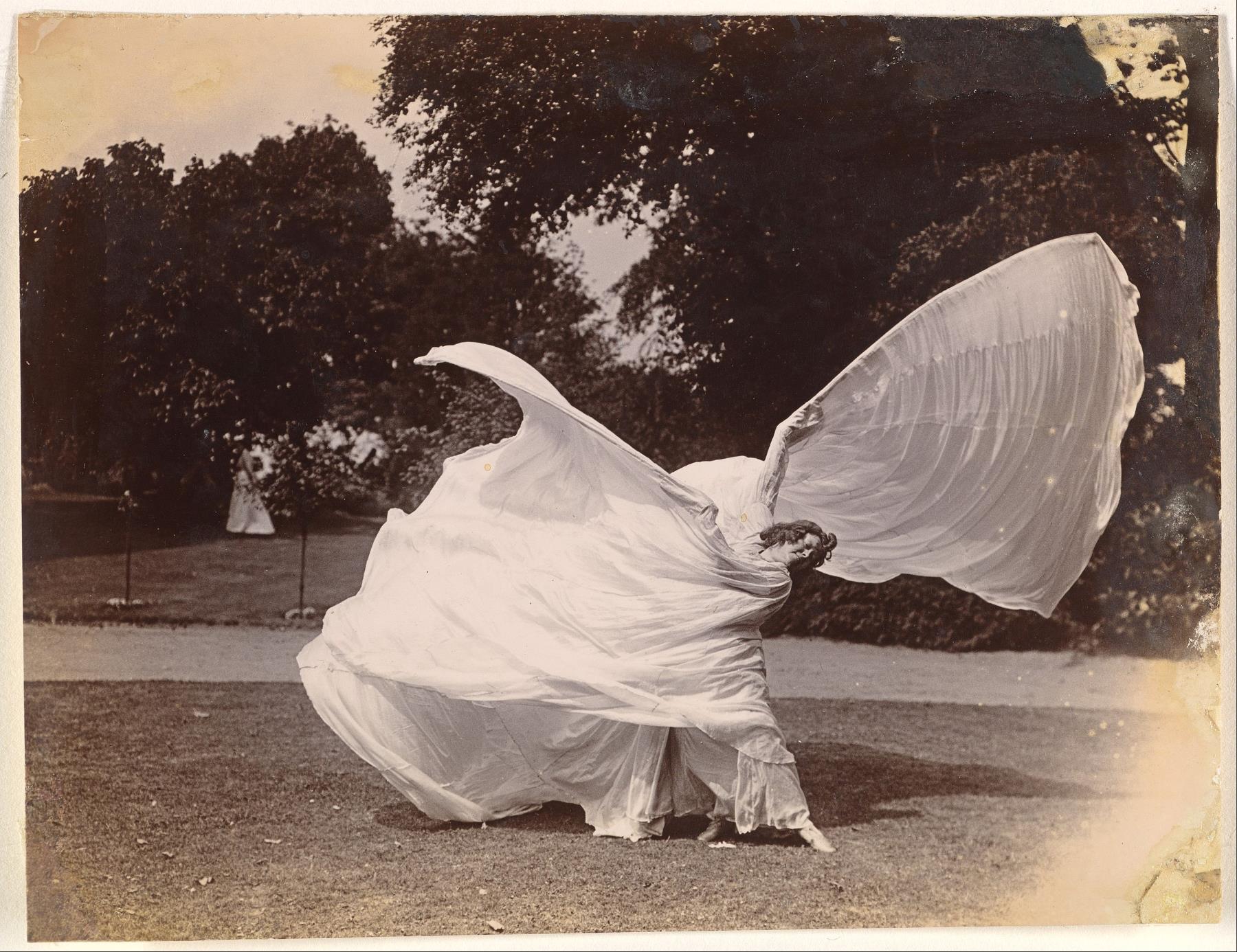
Samuel Joshua Beckett (1870–1940) ~ Loïe Fuller (1862 – 1928) dancing, ca. 1900. Gelatin silver print | src the MetSamuel Joshua Beckett (1870–1940) ~ Loïe Fuller (1862 – 1928) dancing, ca. 1900. Gelatin silver print | src the MetSamuel Joshua Beckett (1870–1940) ~ Loïe Fuller (1862 – 1928) dancing, ca. 1900. Gelatin silver print | src the Met
The American dancer Loie Fuller (1862-1928) conquered Paris on her opening night at the Folies-Bergère on November 5, 1892. Manipulating with bamboo sticks an immense skirt made of over a hundred yards of translucent, iridescent silk, the dancer evoked organic forms –butterflies, flowers, and flames–in perpetual metamorphosis through a play of colored lights. Loie Fuller’s innovative lighting effects, some of which she patented, transformed her dances into enthralling syntheses of movement, color, and music, in which the dancer herself all but vanished. Artists and writers of the 1890s praised her art as an aesthetic breakthrough, and the Symbolist poet Stéphane Mallarmé, who saw her perform in 1893, wrote in his essay on her that her dance was “the theatrical form of poetry par excellence.” Immensely popular, she had her own theater at the 1900 Exposition Universelle in Paris, promoted other women dancers including Isadora Duncan, directed experimental movies, and stopped performing only in 1925. Loie Fuller’s whirling, undulating silhouette, which embodied the fluid lines of Art Nouveau, inspired many images, from the portraits of Toulouse-Lautrec and the posters of Jules Chéret and Alphonse Mucha to the sculptures of Pierre Roche and Théodore Rivière, as well as the photographs of Harry C. Ellis and Eugène Druet.
The pictures shown here depict movements from such dances as “Dance of the Lily” and “Dance of Flame.” These images do not pretend to evoke the otherworldly effect of the performance, which took place on a darkened stage in front of a complex set of mirrors and whose magic was entirely dependent on lighting. Here, the strange shapes, reminiscent of chalices and butterflies, take form, incongruously, in the middle of an urban park, through the efforts of a short, stout figure. Arrested in crude natural light, they still retain, however, their spellbinding energy. Part of a group of thirteen photographs complemented by six others in the Musée d’Orsay, Paris, these images belonged to the sculptor Théodore Rivière (1857-1912), and were previously thought to have been made by him. They have now been reattributed to Samuel Joshua Beckett, a photographer working in London. / quoted from the Met
Samuel Joshua Beckett (1870–1940) ~ Loïe Fuller (1862 – 1928) dancing, ca. 1900. Gelatin silver print | src the Met
Samuel Joshua Beckett (1870–1940) ~ Loïe Fuller (1862 – 1928) dancing, ca. 1900. Gelatin silver print | src the Met
The American dancer Loie Fuller (1862-1928) conquered Paris on her opening night at the Folies-Bergère on November 5, 1892. Manipulating with bamboo sticks an immense skirt made of over a hundred yards of translucent, iridescent silk, the dancer evoked organic forms –butterflies, flowers, and flames–in perpetual metamorphosis through a play of colored lights. Loie Fuller’s innovative lighting effects, some of which she patented, transformed her dances into enthralling syntheses of movement, color, and music, in which the dancer herself all but vanished. Artists and writers of the 1890s praised her art as an aesthetic breakthrough, and the Symbolist poet Stéphane Mallarmé, who saw her perform in 1893, wrote in his essay on her that her dance was “the theatrical form of poetry par excellence.” Immensely popular, she had her own theater at the 1900 Exposition Universelle in Paris, promoted other women dancers including Isadora Duncan, directed experimental movies, and stopped performing only in 1925. Loie Fuller’s whirling, undulating silhouette, which embodied the fluid lines of Art Nouveau, inspired many images, from the portraits of Toulouse-Lautrec and the posters of Jules Chéret and Alphonse Mucha to the sculptures of Pierre Roche and Théodore Rivière, as well as the photographs of Harry C. Ellis and Eugène Druet.
The pictures shown here depict movements from such dances as “Dance of the Lily” and “Dance of Flame.” These images do not pretend to evoke the otherworldly effect of the performance, which took place on a darkened stage in front of a complex set of mirrors and whose magic was entirely dependent on lighting. Here, the strange shapes, reminiscent of chalices and butterflies, take form, incongruously, in the middle of an urban park, through the efforts of a short, stout figure. Arrested in crude natural light, they still retain, however, their spellbinding energy. Part of a group of thirteen photographs complemented by six others in the Musée d’Orsay, Paris, these images belonged to the sculptor Théodore Rivière (1857-1912), and were previously thought to have been made by him. They have now been reattributed to Samuel Joshua Beckett, a photographer working in London. / quoted from the Met
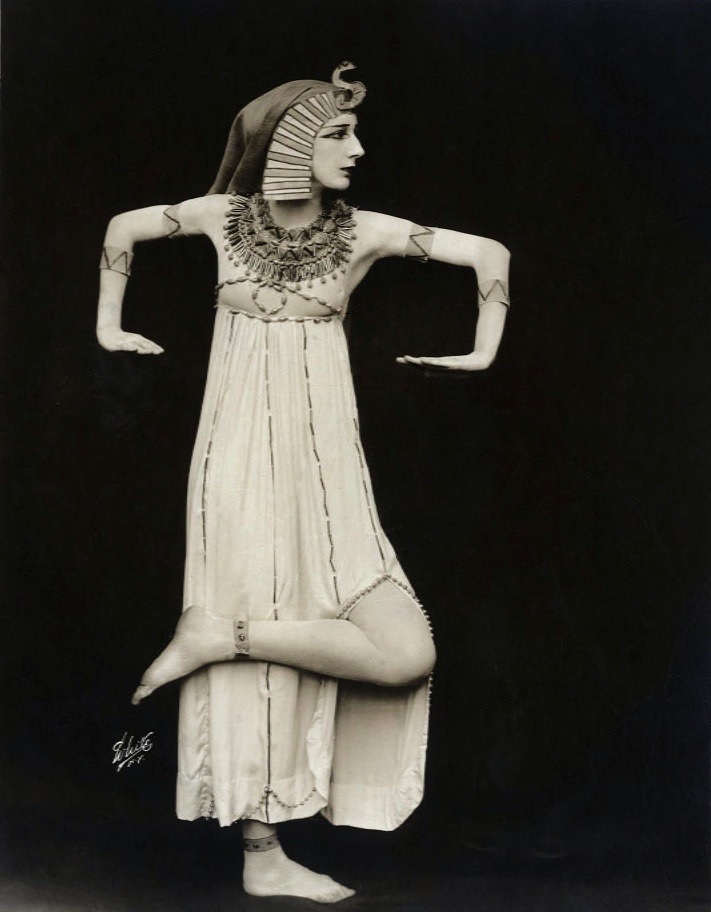
White Studio (NY) :: Portrait of ‘Russian’ dancer Désirée Lubowska [aka Mme Lubowska or Lubovska], full-length portrait, standing, right profile, in Cleopatra costume, 1915. (Désirée Lubovska was not actually Russian. It was the stage name of American born dancer Winniefred Foote). | src Les sources d’une île
Hixon-Connelly Studio :: Sisters Miriam and Irene Marmein. Sisters of Terpsichore. Published in Shadowland, January 1920 issue. | src Internet Archive (LofC)
George Grantham Bain :: Lubovska*, 1920-1925. * Lubowska or Lubovska or Désirée Lubovska, aka Mme Lubowska was the stage name of American dancer Winniefred Foote. Blind-stamp: Binger STUDIO. Bain News Services Collection | src Library of Congress
Hixon-Connelly Studio :: The Marmein sisters. Caption reads: Vaudeville has offered a great deal to Terpsichore but nothing more colorful than the offering of the Marmein sisters Published in Shadowland, January 1920 issue. | src Internet Archive (LofC)
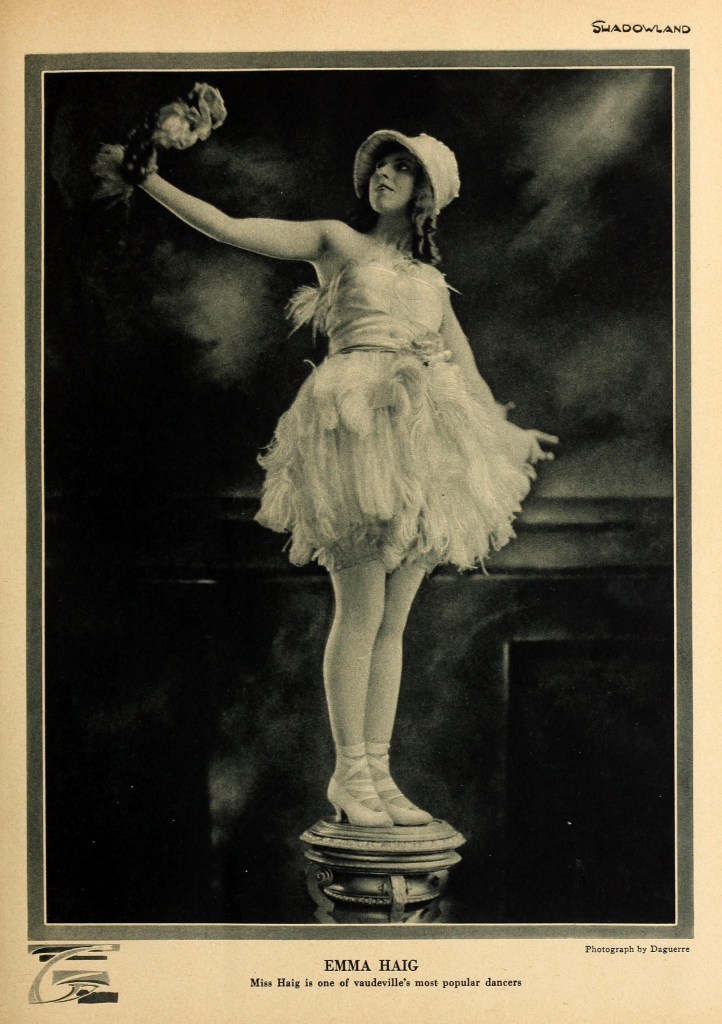
Daguerre Studio :: Emma Haig. Miss Haig is one of the vaudeville’s most popular dancers. Published in Shadowland, January 1920 issue. | src Internet Archive (LOC)
Lubovska**, international première danseuse, formerly with the Daghilieff (sic) Ballet. | src NY Tribune, 09/15/1918 page 8Everything At the Hippodrome ** Lubowska or Lubovska or Désirée Lubovska, aka Mme Lubowska was the stage name of American dancer Winniefred Foote.
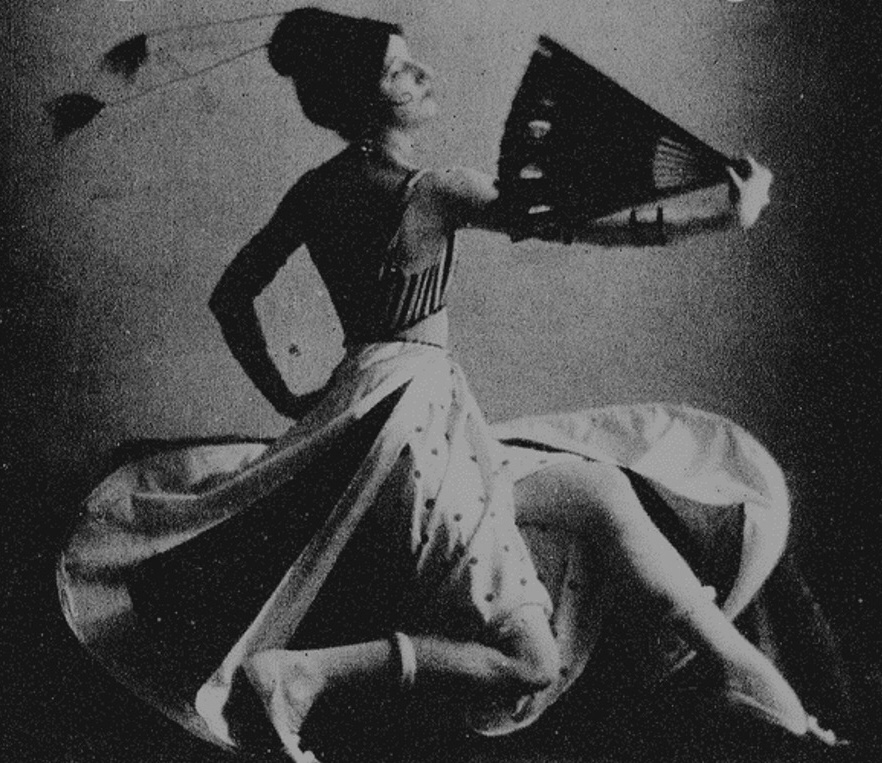
<<Lubowska>>** The Unusual Dancer is now in the Varieties. Unknown (uncredited) photographer. ** Lubowska or Lubovska or Désirée Lubovska, aka Mme Lubowska was the stage name of American dancer Winniefred Foote. Published in Shadowland, January 1920 issue. | src Internet Archive (LOC)







 un regard oblique