‘Swimmers’ toned cyanotypes

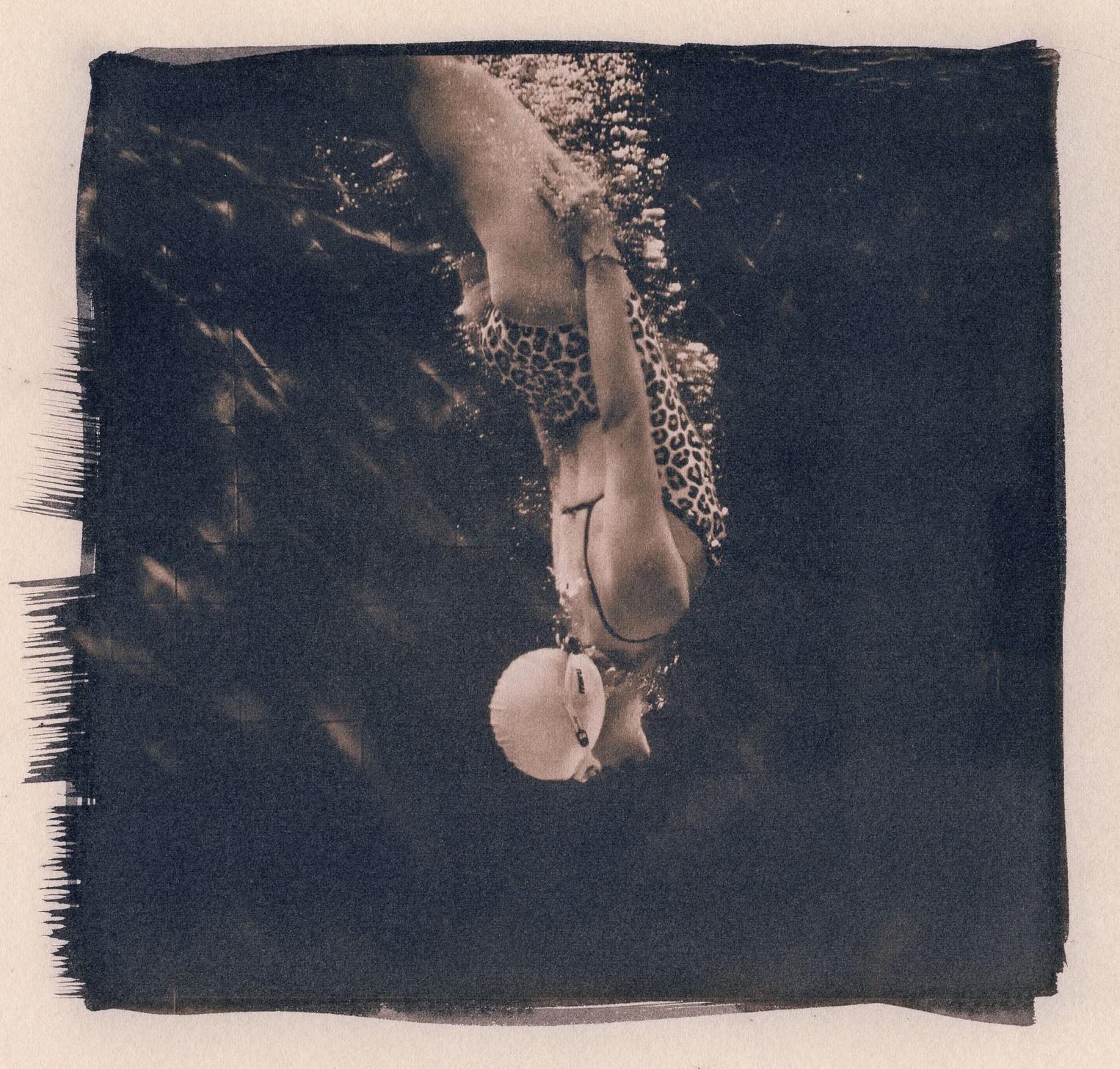
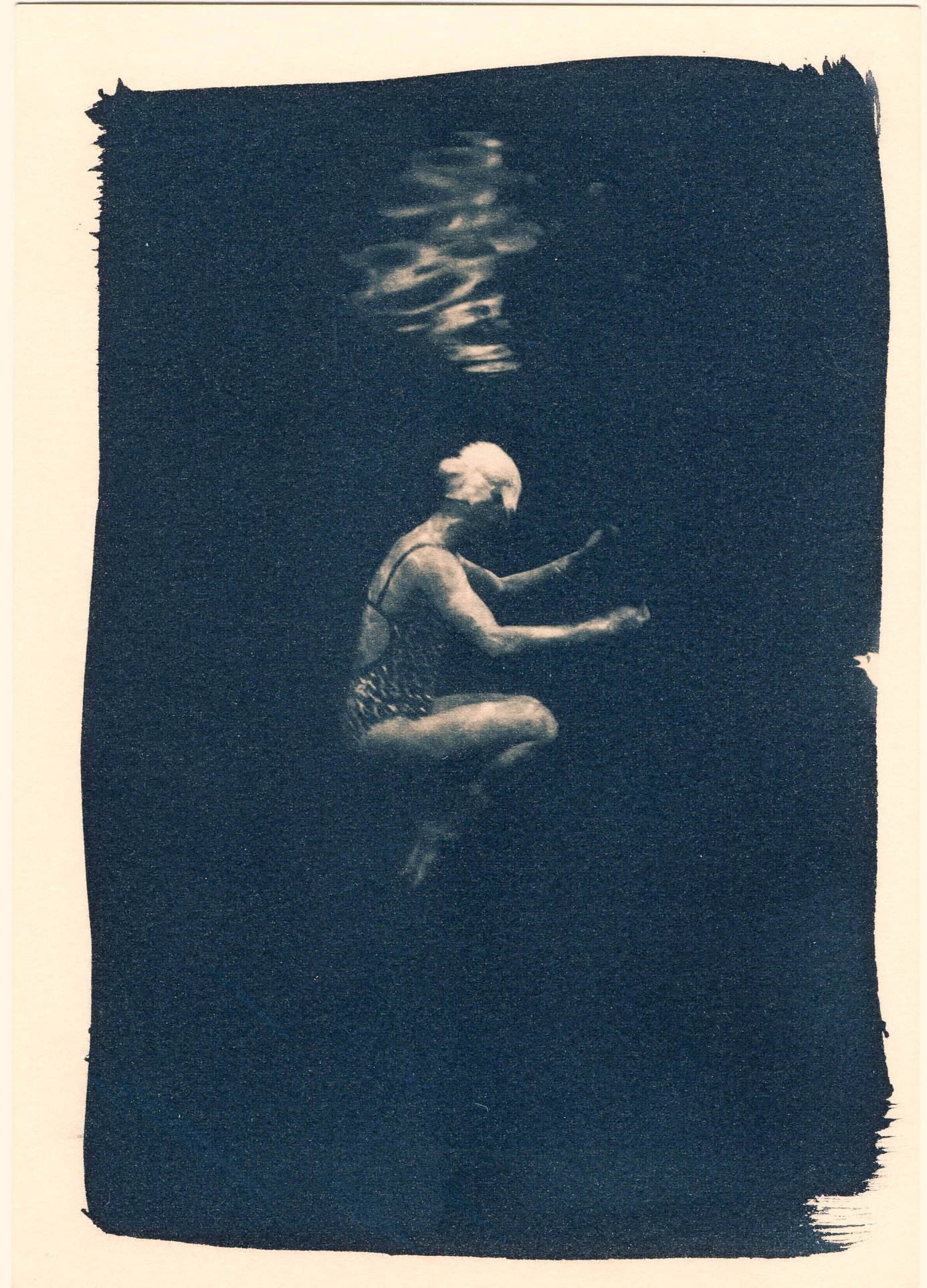
Rosalind Hobley :: Swimmer. Cyanotype print toned in tea and coffee. | Rosalind Hobley Facebook page
Rosalind Hobley :: Swimmer portrait. From Swimmers series, 2019-2020. Cyanotype toned with tea and coffee. | Rosalind Hobley Facebook page
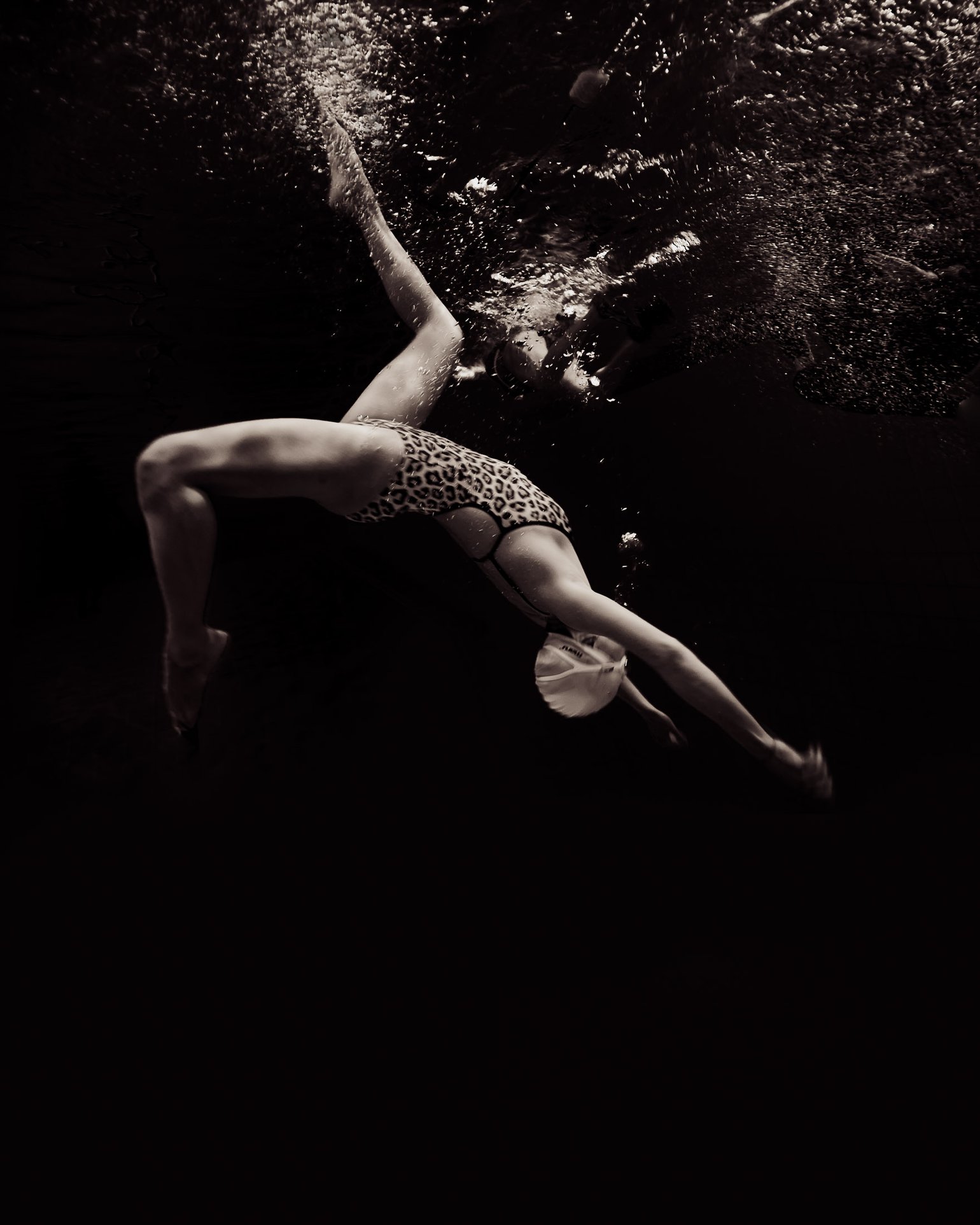
Rosalind Hobley :: Swimmer VIII. From Swimmers series, 2019-2020. Cyanotype. | Rosalind Hobley official website

Some Dugdale still-lifes

John Dugdale :: Figs and Pomegranates, 1997, cyanotype. | src Holden Luntz Gallery
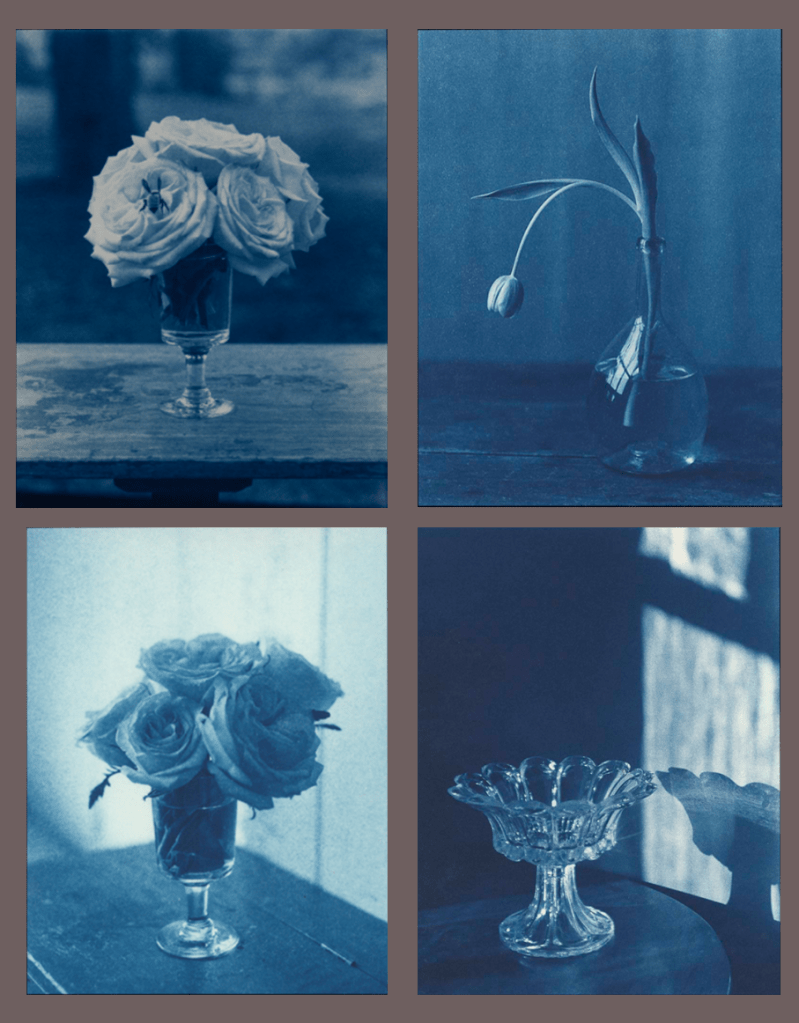
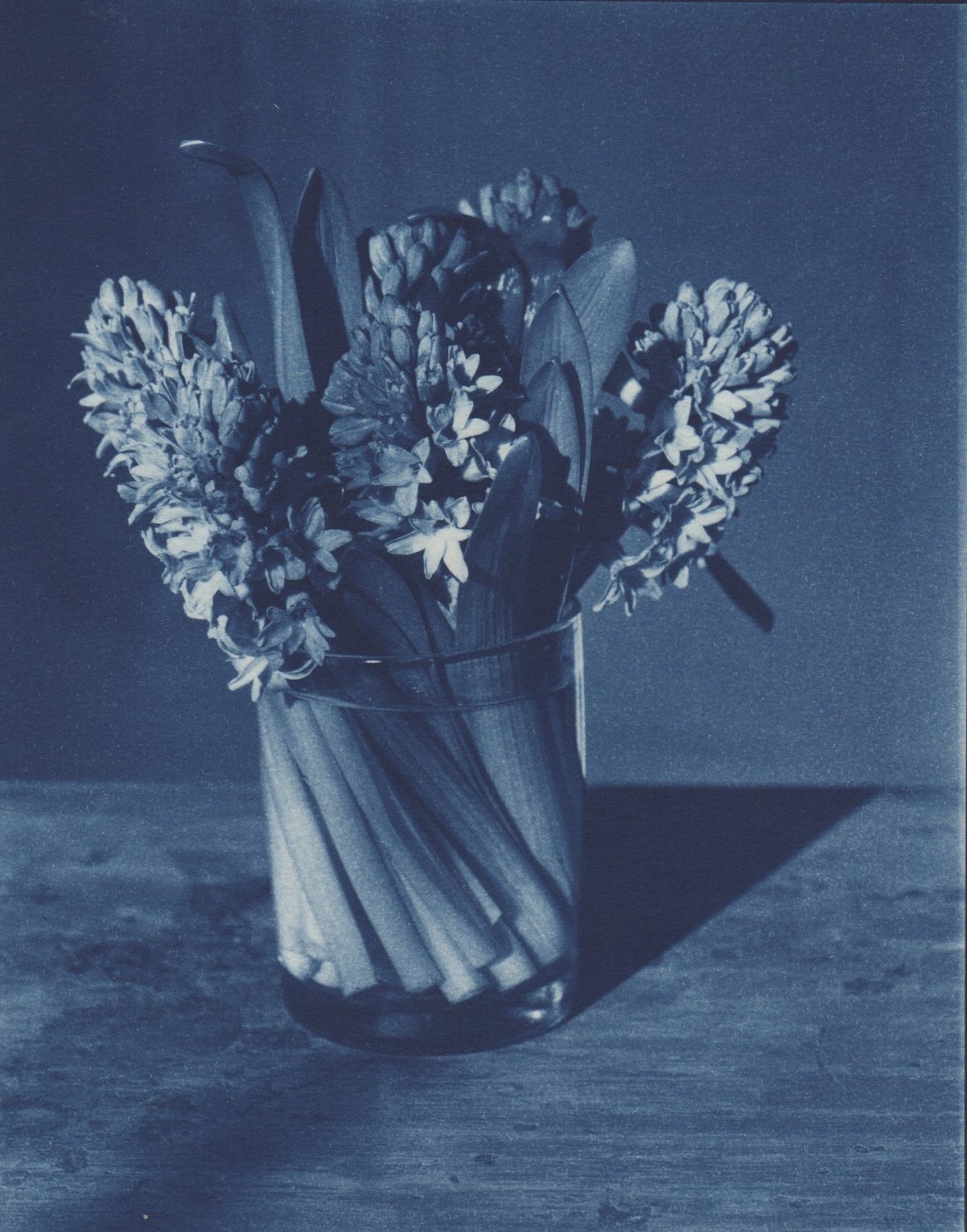
John Dugdale :: Still Lifes (clockwise): Wonder Stings Me More than the Bee, ca. 1999 / Lone Tulip, ca. 2000 / A Certain Slant of Light, ca. 1999 / Offering, ca. 1999. Cyanotypes. | src John Dugdale Studio

Dugdale · nudes cyanotypes

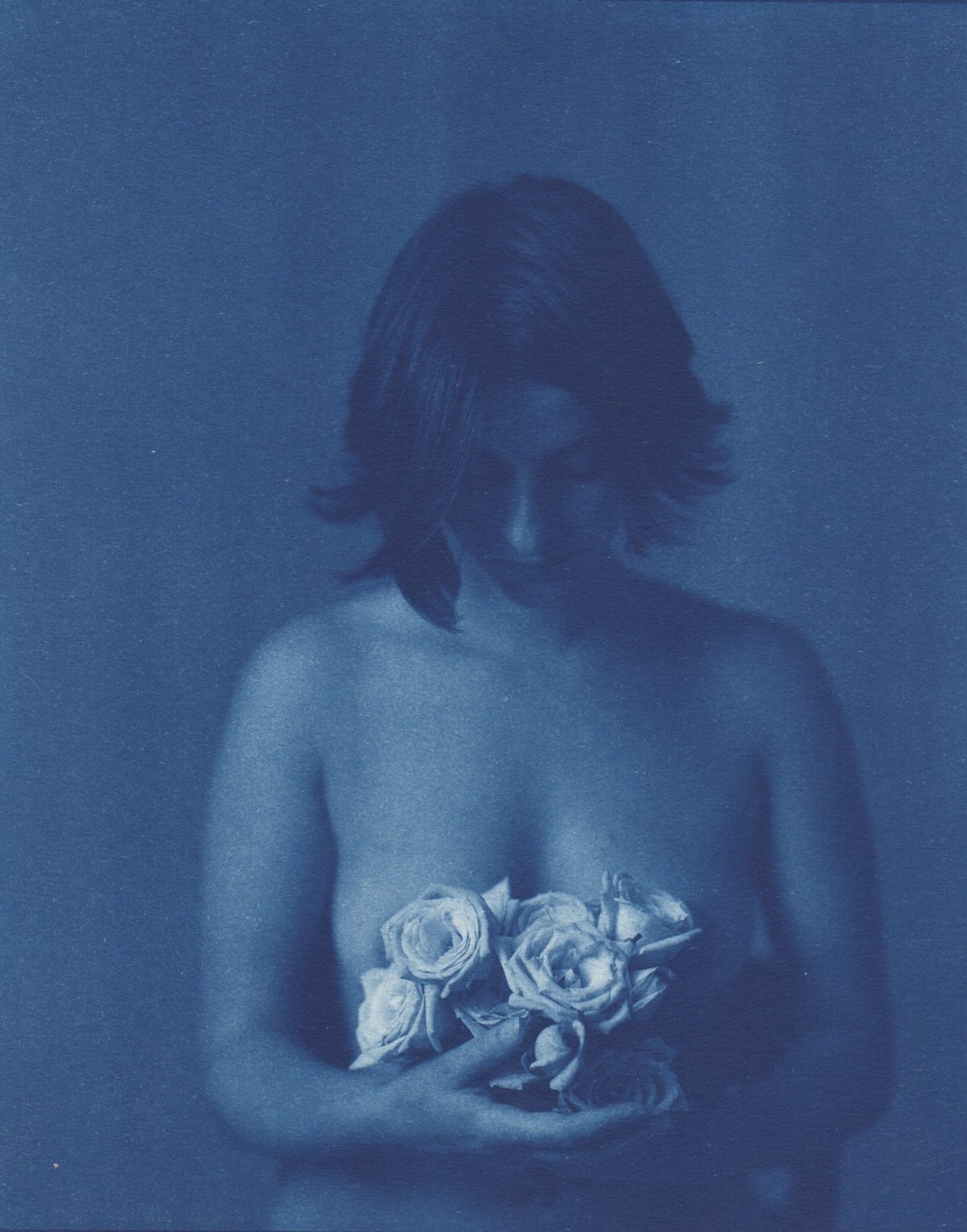
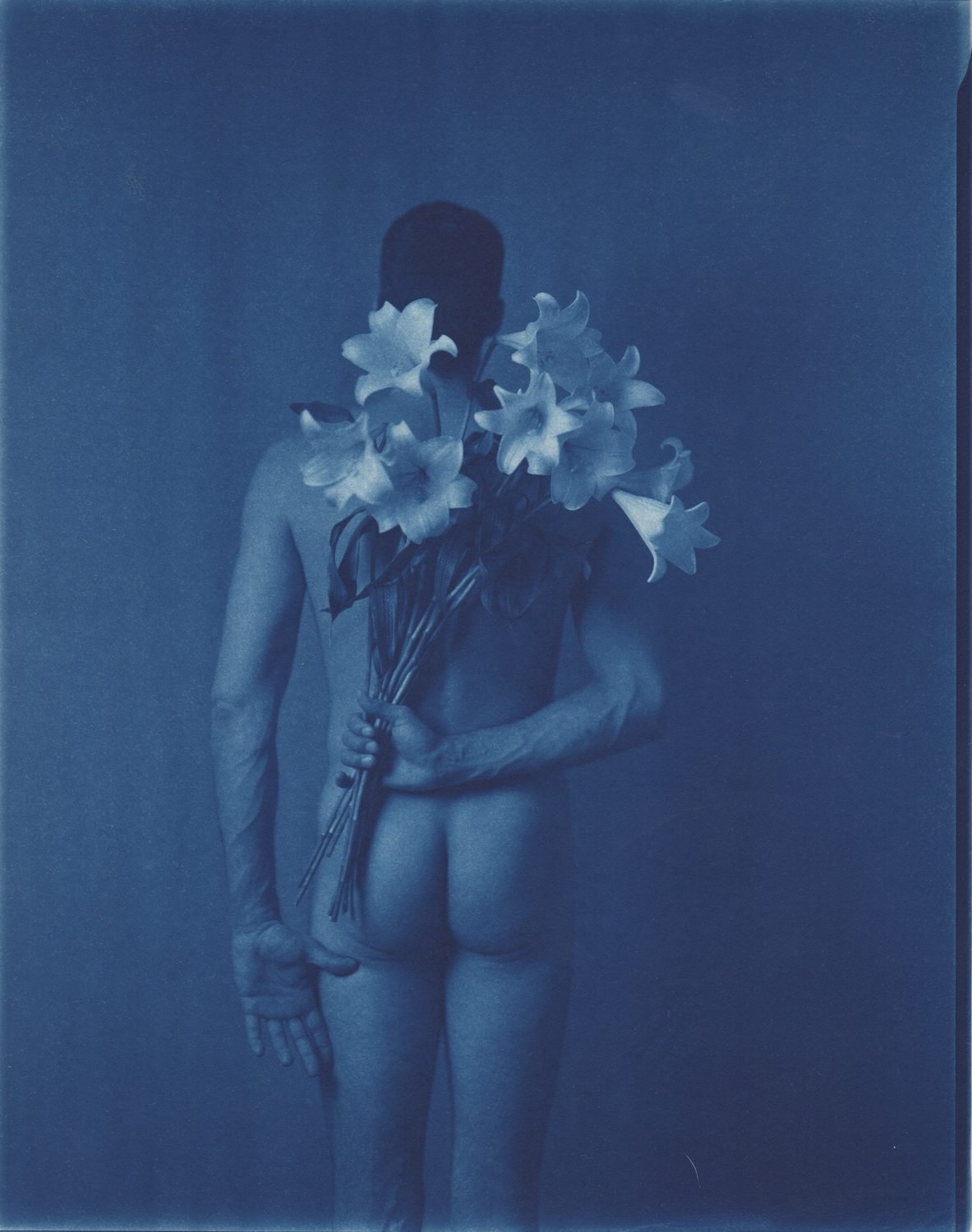
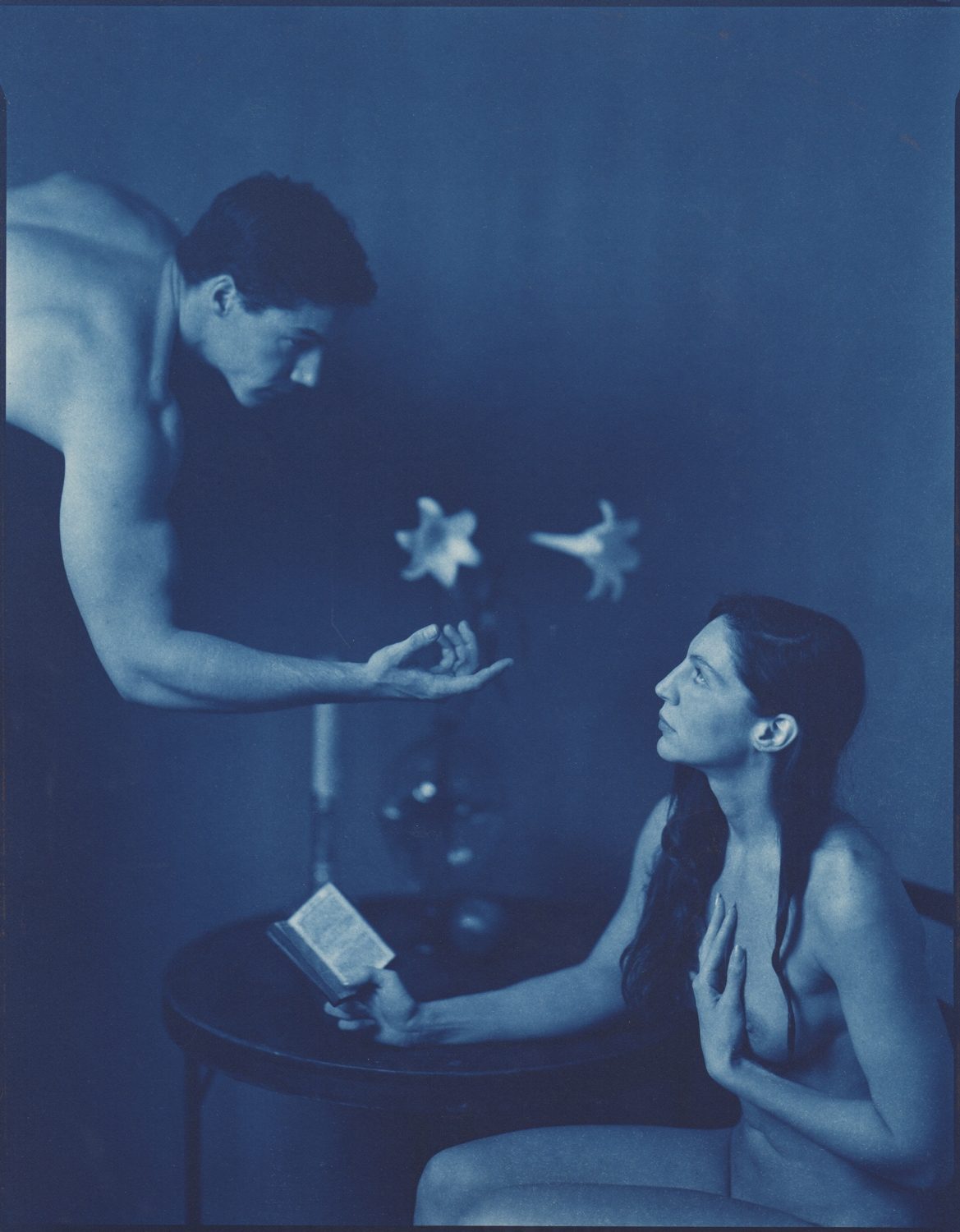
John Dugdale :: A Moment I Linger, 2001. Cyanotype photograph. Signed, titled and dated on verso. | src Holden Luntz Gallery
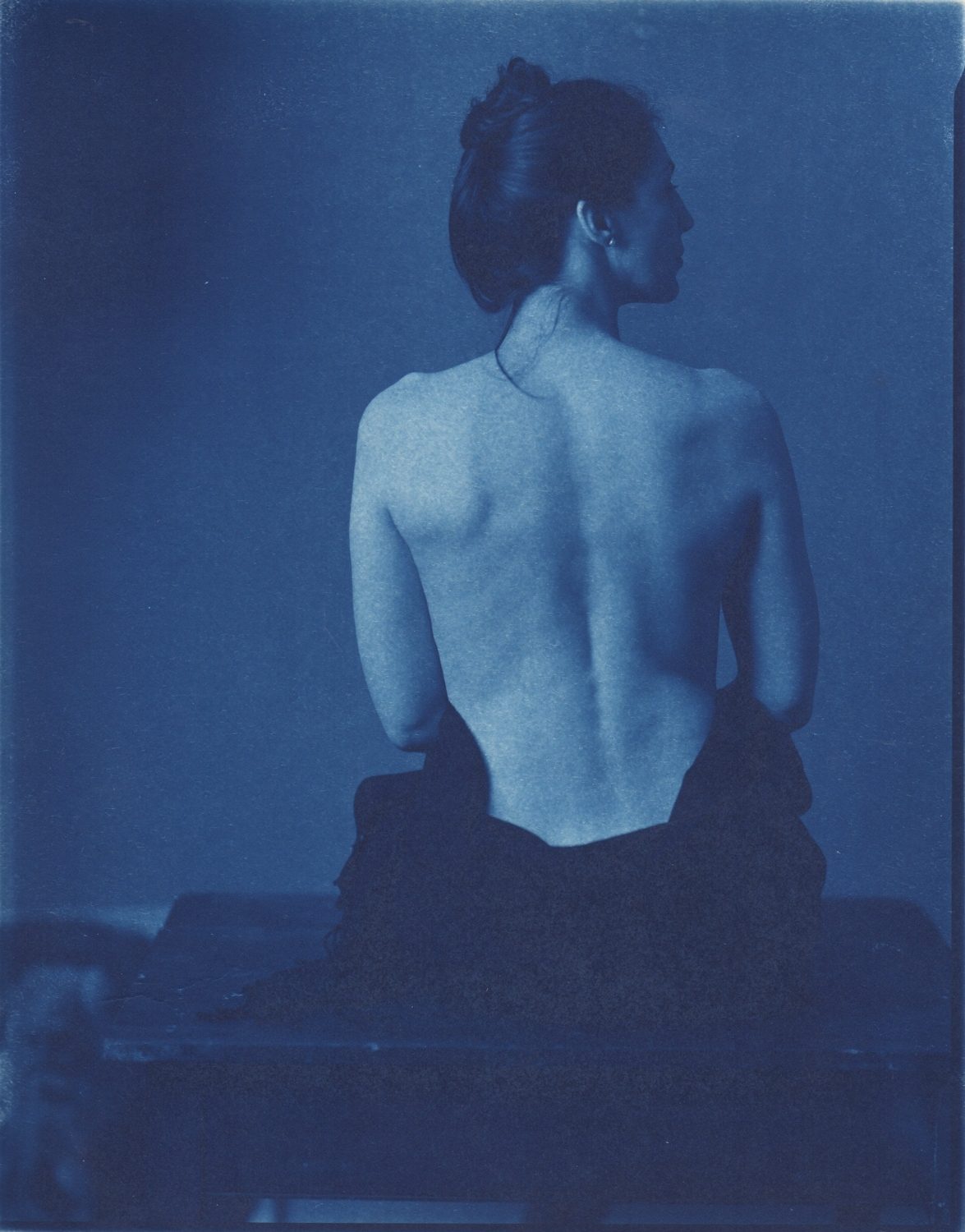
John Dugdale :: I Linger to See a Beauty that Comes before Me, 2001. Cyanotype. | src Holden Luntz Gallery
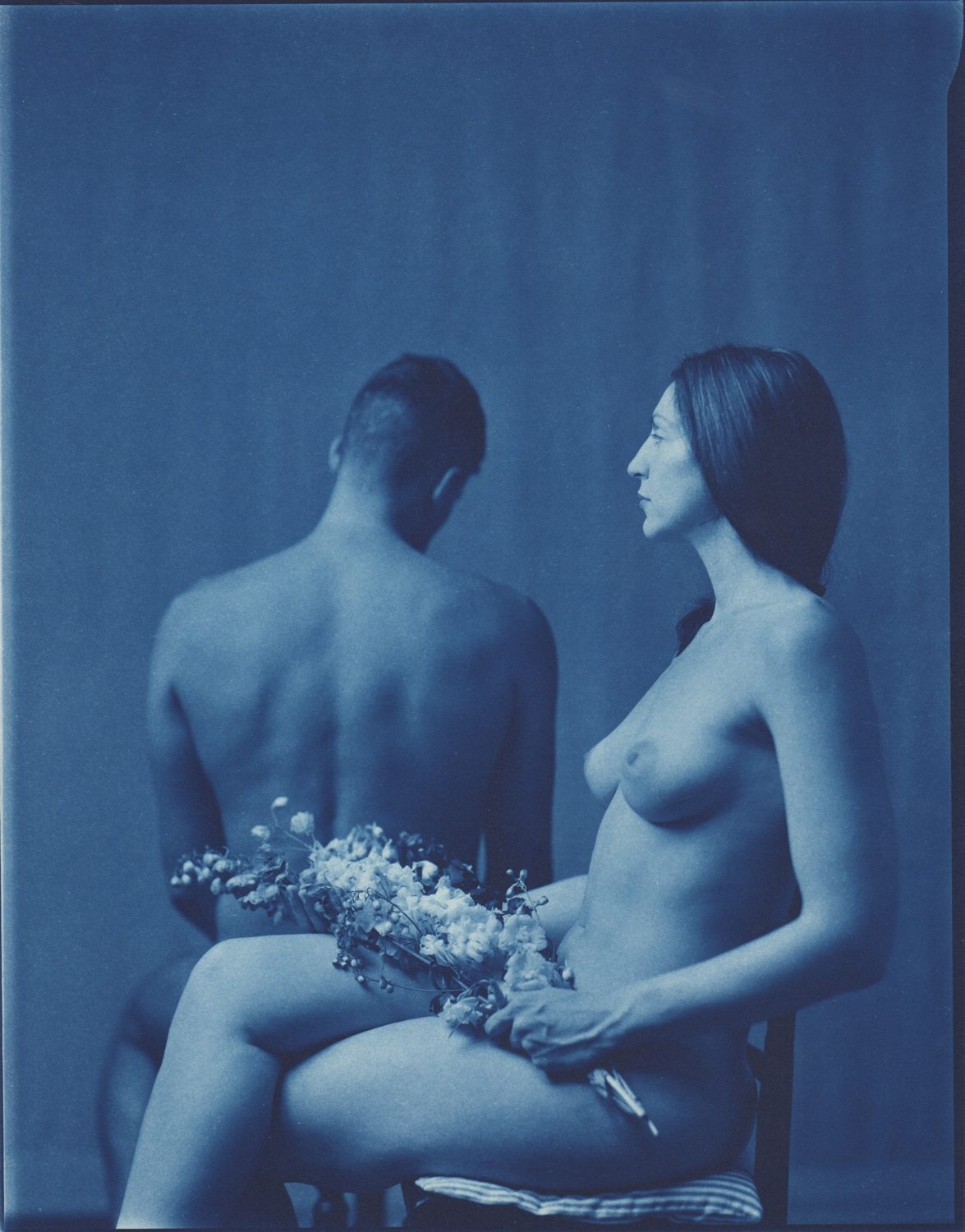
John Dugdale :: Kathleen and John with Delphinium, 2000. Cyanotype. | src Holden Luntz Gallery
John Dugdale :: Spring Calls Me, 1997. Cyanotype. | src Holden Luntz Gallery
John Dugdale :: The Annunciation, 1997. Cyanotype photograph. | src Holden Luntz Gallery

Cyanotype snapshots circa 1910

Cyanotype portrait of girl in the hay, around 1910. | src Graphic Atlas
Paper fibers are obvious under 30x magnification. The layer structure of a cyanotype consists of raw paper and image. Additional surface coatings (e.g., baryta) are not present.
Cyanotype portrait of two girls bathing in a river or stream of water, around 1910. | src Graphic Atlas

The cyan tone of these snapshot images is a product of the cyanotype process, which uses ferric ferrocyanide (Prussian Blue) to form an image. These prints are mounted back-to-back on a green piece of construction paper, suggesting the prints were likely in an album at one point.

Sir John Herschel invented the cyanotype process in 1842. The process was briefly used in the 1840s to make camera-less prints, or photograms, most notably for scientific purposes. The process experienced a resurgence in the late nineteenth and early twentieth centuries corresponding with the introduction of roll film. Both the cyanotype and roll film appealed to a new class of amateur photographers. The images shown here were made around 1910 with a roll film camera that shoots a 2 1/4 x 2 3/4 image. Cyanotype paper was commercially available and did not require any processing chemicals, only a thorough wash in water after exposure. | src Graphic Atlas
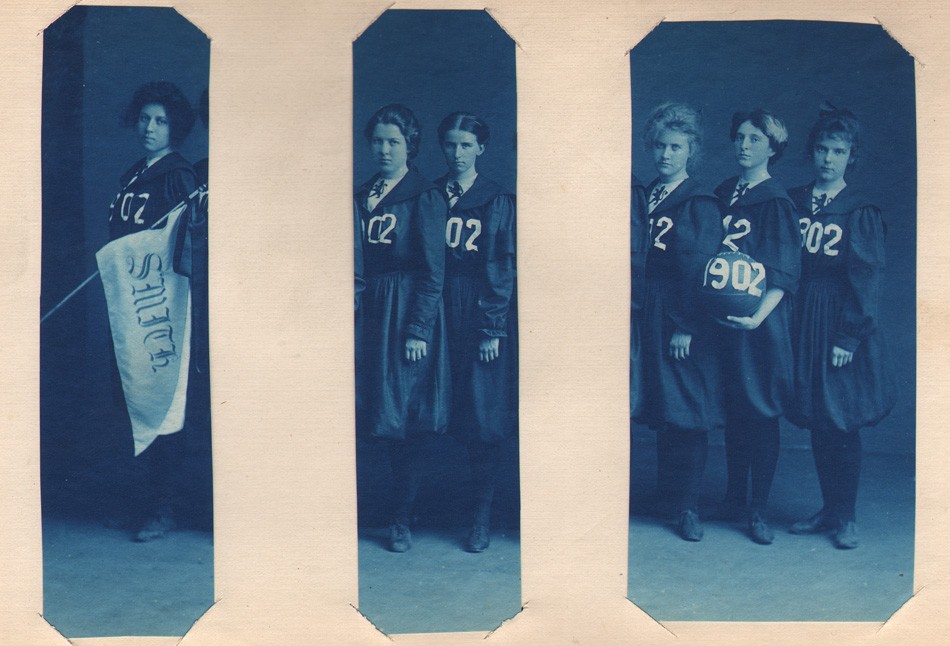
1902 Freshman Basket-Ball Team

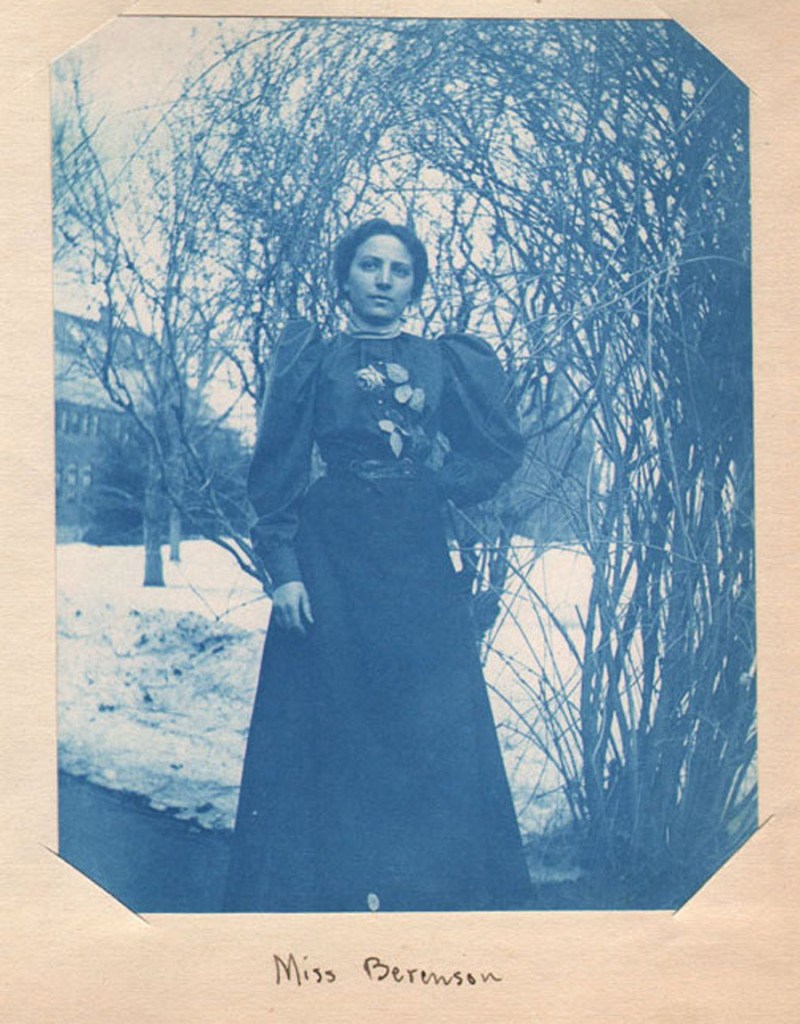
Senda Berenson Abbot, ca. 1898