Callas and Lilies by Clara Sipprell

Clara Sipprell (1885-1975) :: Auratum Lilies, 1950. Gelatin silver print. | src Amon Carter Museum of American Art
Clara Sipprell (1885-1975) :: Calla Lilies, ca. 1925. Gelatin silver print on tissue. | src Amon Carter Museum of American Art
Clara Sipprell (1885-1975) :: Calla Lilies, ca. 1925, printed ca. 1926. | src Amon Carter Museum of American Art

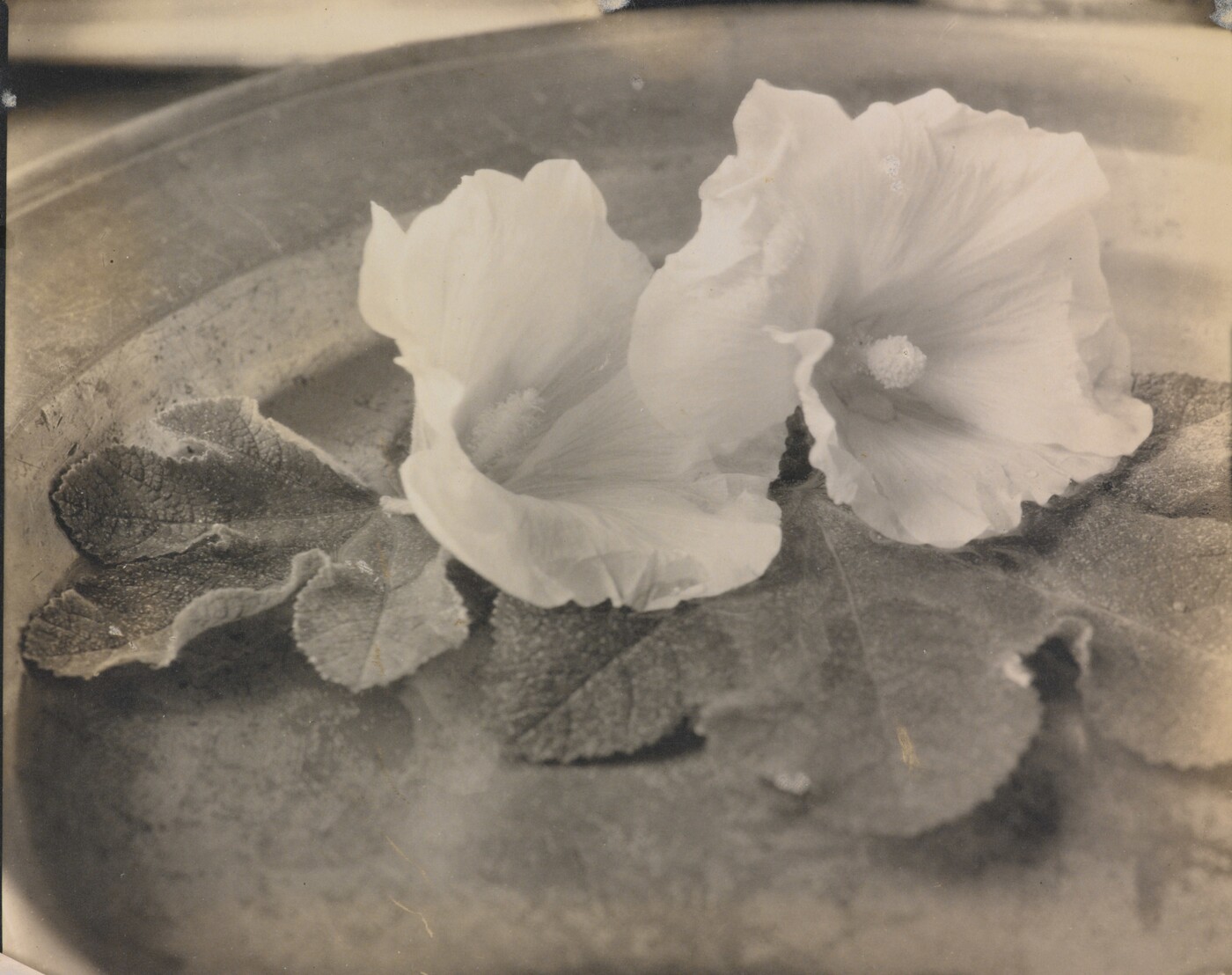
Two Petunias or Hollyhocks

Clara Sipprell (1885-1975); [Two petunias]; ca. 1930’s; Gelatin silver print on tissue; Amon Carter Museum of American Art, Fort Worth, Texas, Purchase through gift of The Dorothea Leonhardt Fund of the Communities Foundation of Texas, Inc.; P1984.1.660
Clara Sipprell (1885-1975) :: Two Petunias, 1930s. Gelatin silver print on tissue. | src Amon Carter Museum
Clara E. Sipprell (1885-1975) :: Untitled [two hollyhock blossoms resting on a platter], undated. | src Burchfield Penney Art Center

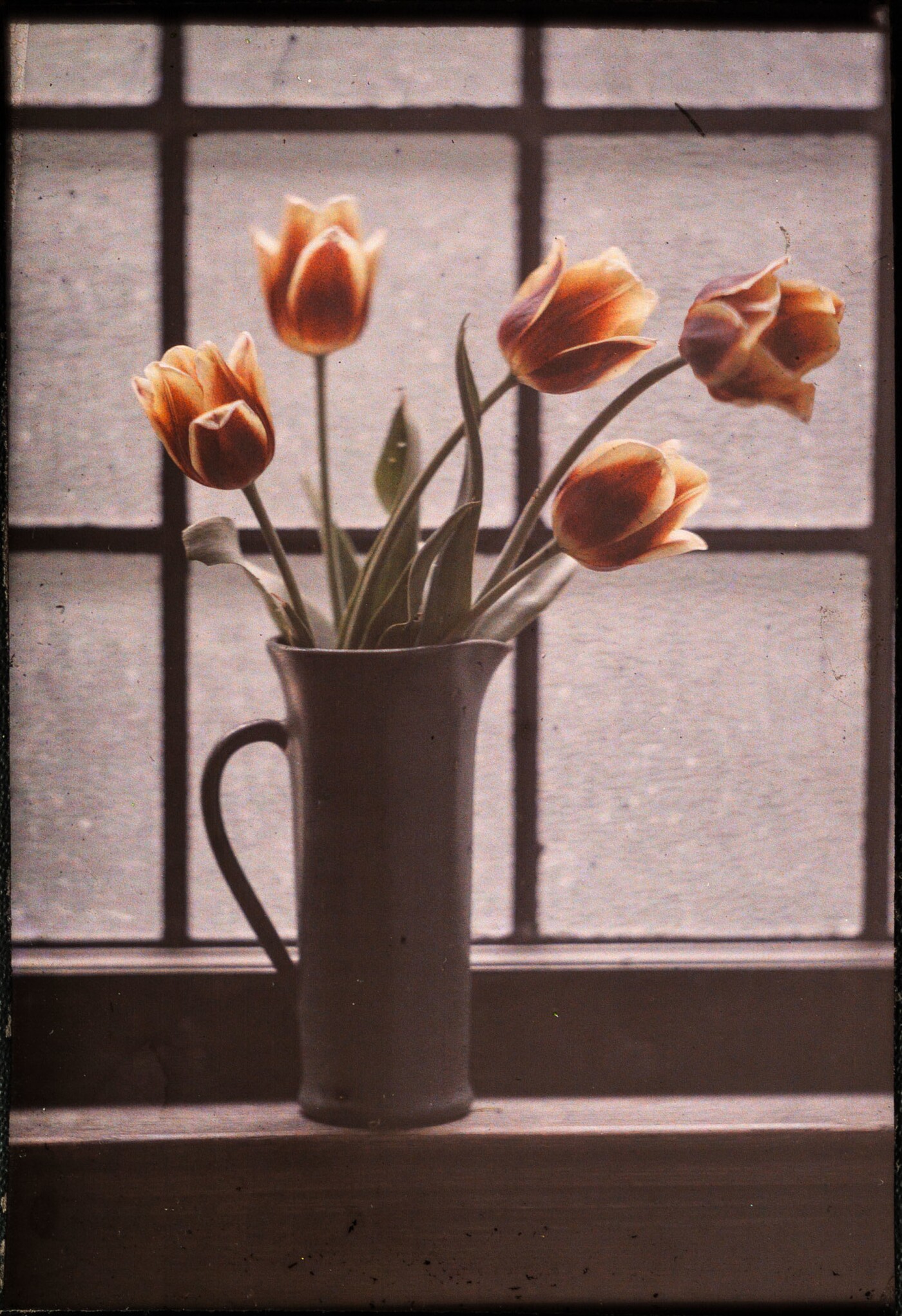
Tulips, ca. 1911 (Clara Sipprell)

Clara Sipprell (1885-1975) :: Tulips, ca. 1911. Glass transparency. Additive color screen plate(*). | src Amon Carter Museum
Clara E. Sipprell :: Tulips, ca. 1911. Glass transparency. Additive color screen plate(*). | src Amon Carter Museum of American Art

(*) Additive Color Screen Plate or Screen Plate were known commonly by the product name: Autochrome, Filmcolor, Lumicolor, Alticolor. Used mainly between 1907 and 1935. Initially it has a glass support; later products on film supports. This process was the first fully practical single-plate color process. The Autochrome plate or Screen plate could record both saturated and subtle colors with fidelity, and since the screen and the image were combined, there were no registration problems. Nonetheless, it had its drawbacks: the exposure times were long, and the processed plates were very dense, transmitting only less than the 10% of the light reaching them.

The result is a soft, subdued, dreamy colored image. And grainy. Although the starch grain filters were microscopically small their random distribution meant that inevitably there would be clumping of grains of the same color.
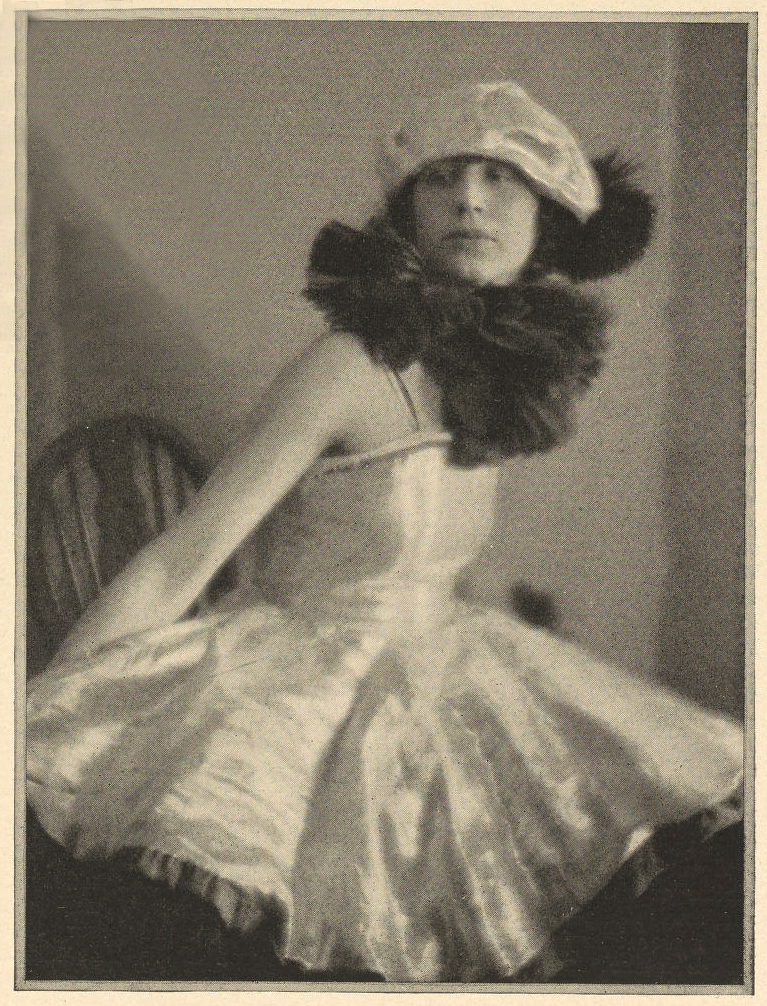
Vaudeville dancer Ann Linn, 1922

Clara E. Sipprell :: Ann Linn dancing now in vaudeville with Lou Lockett. Shadowland, April 1922 issue. | src archive.org