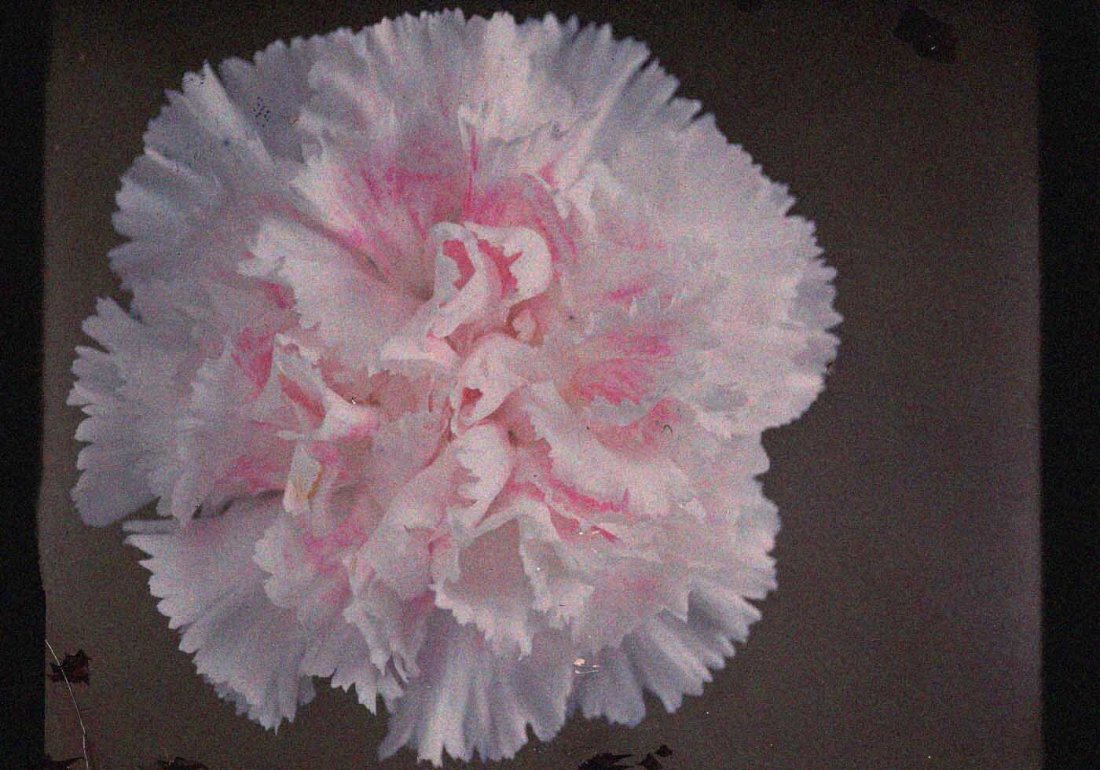
Pink carnation (1910s)

autochrome 1910s
Karl Struss (1886-1981) :: [Pink carnation - single bloom], ca. 1910-1917. Additive color screen plate. | src Amon Carter Museum P1983.24.19
Karl Struss (1886-1981) :: [Pink carnation – single bloom], ca. 1910-1917. Additive color screen plate. | src Amon Carter Museum P1983.24.19

Blossoms of Dock by Jaques

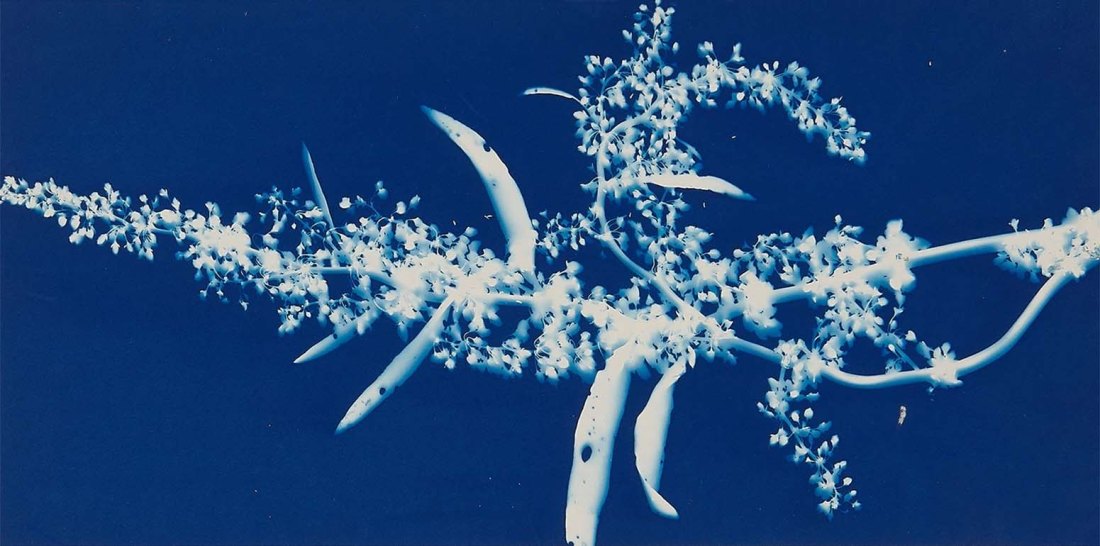
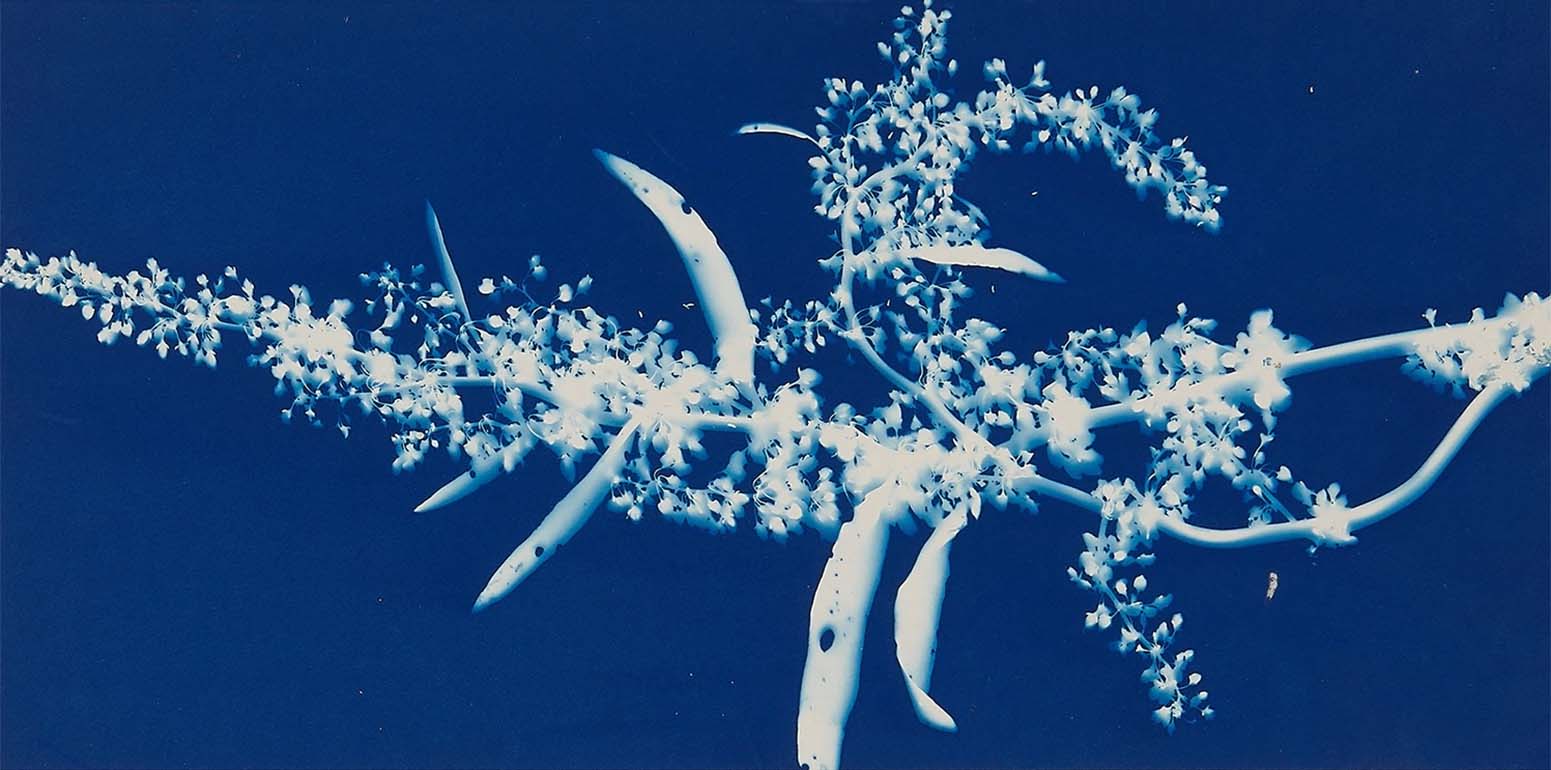
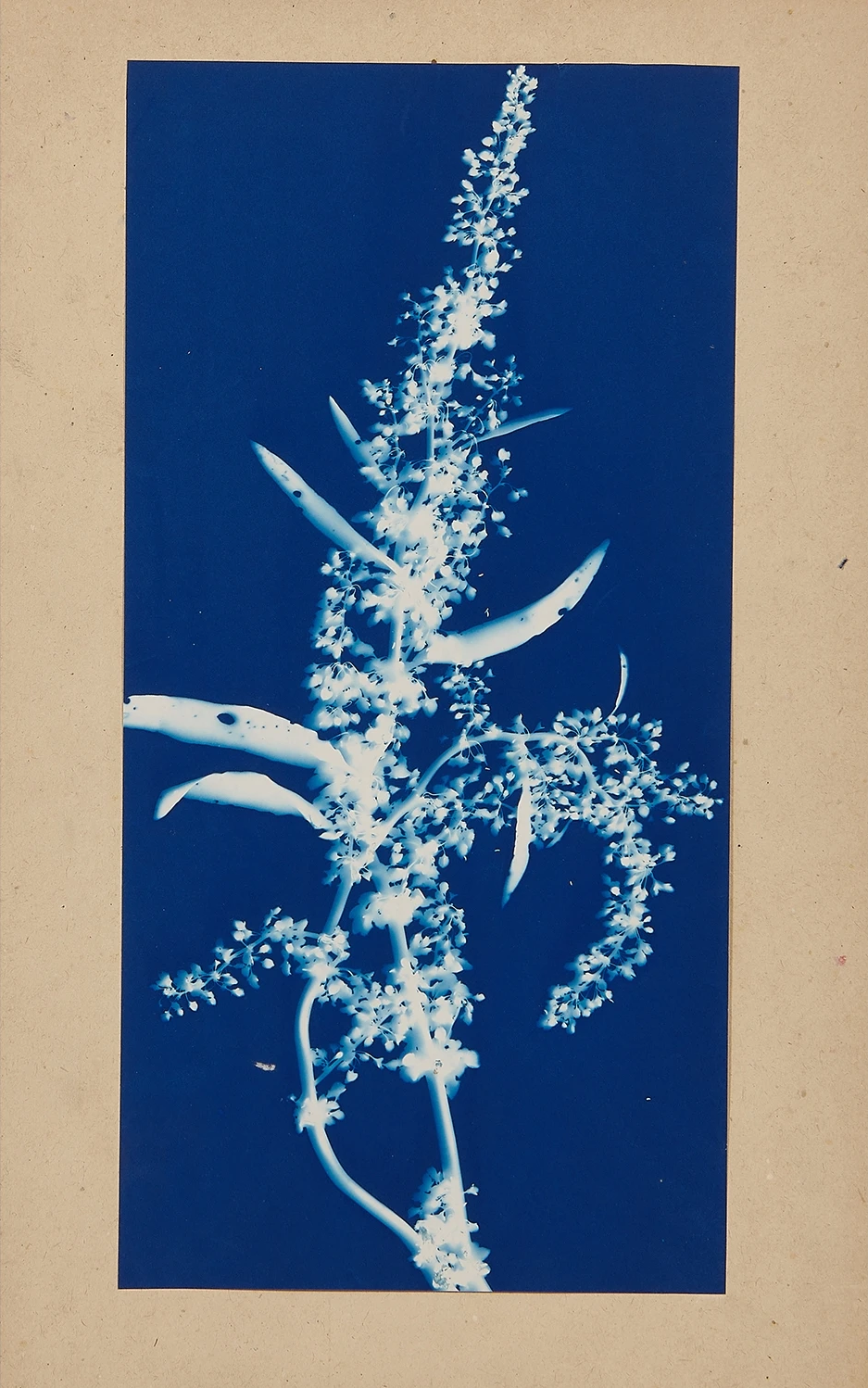
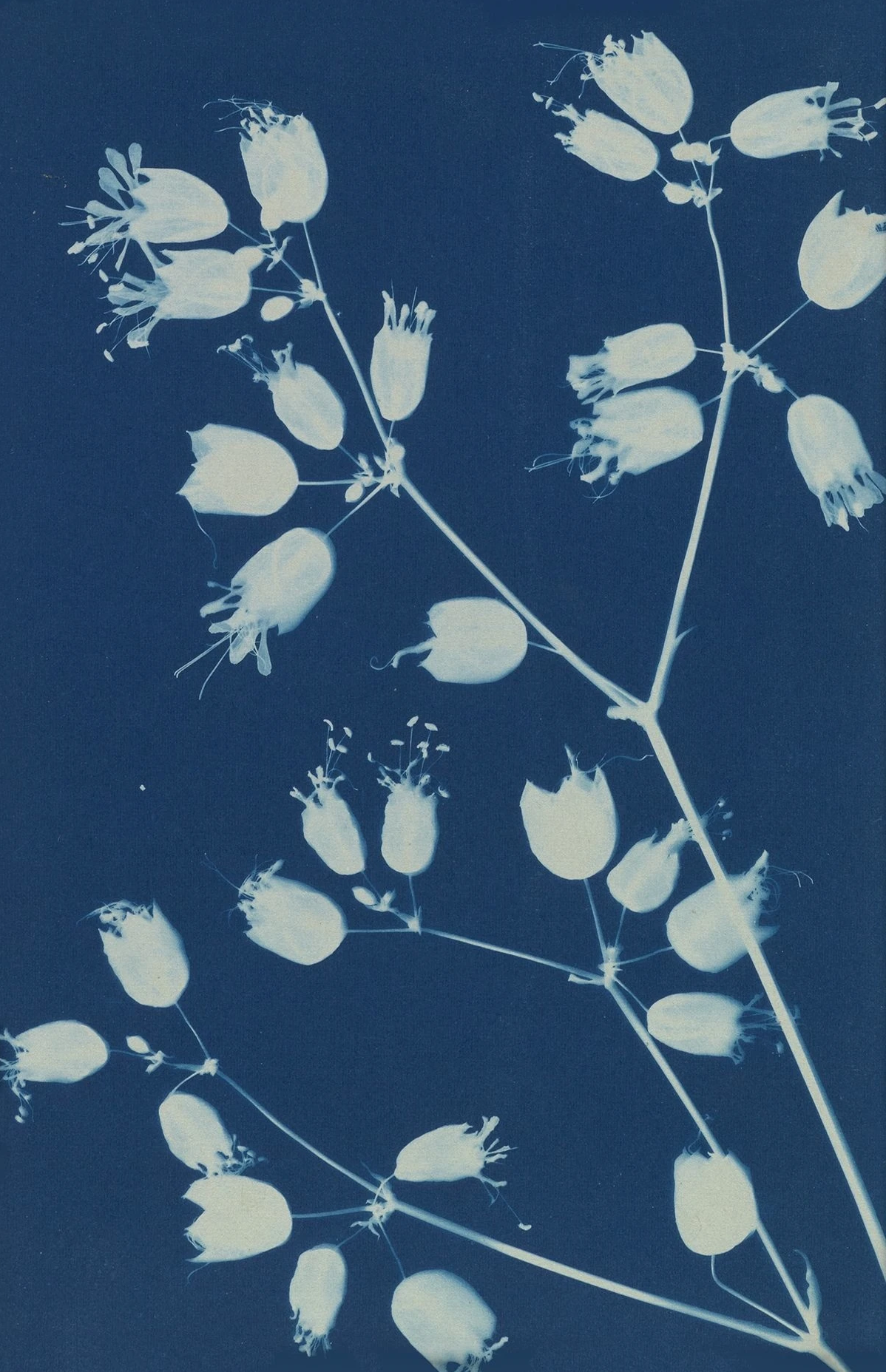
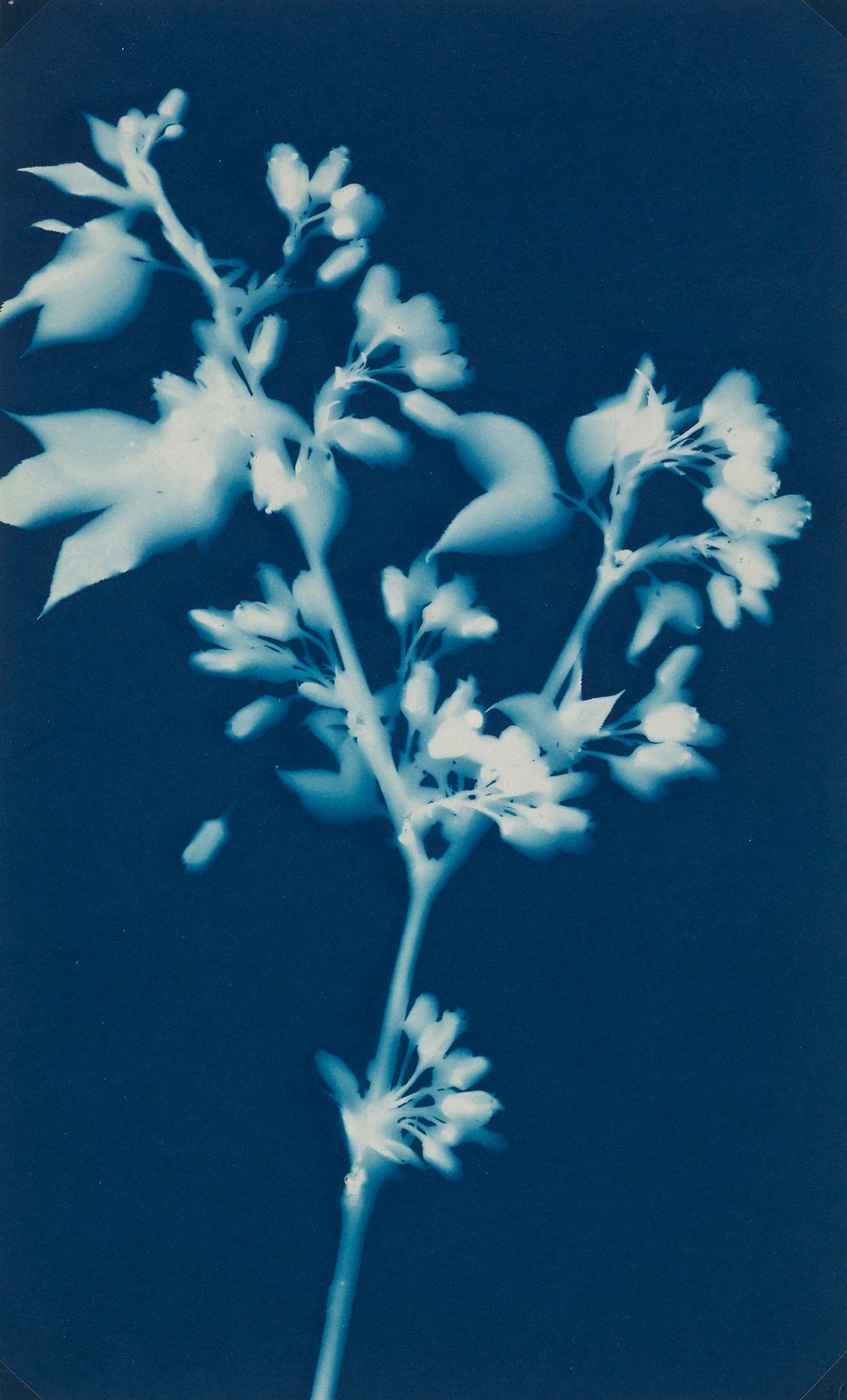
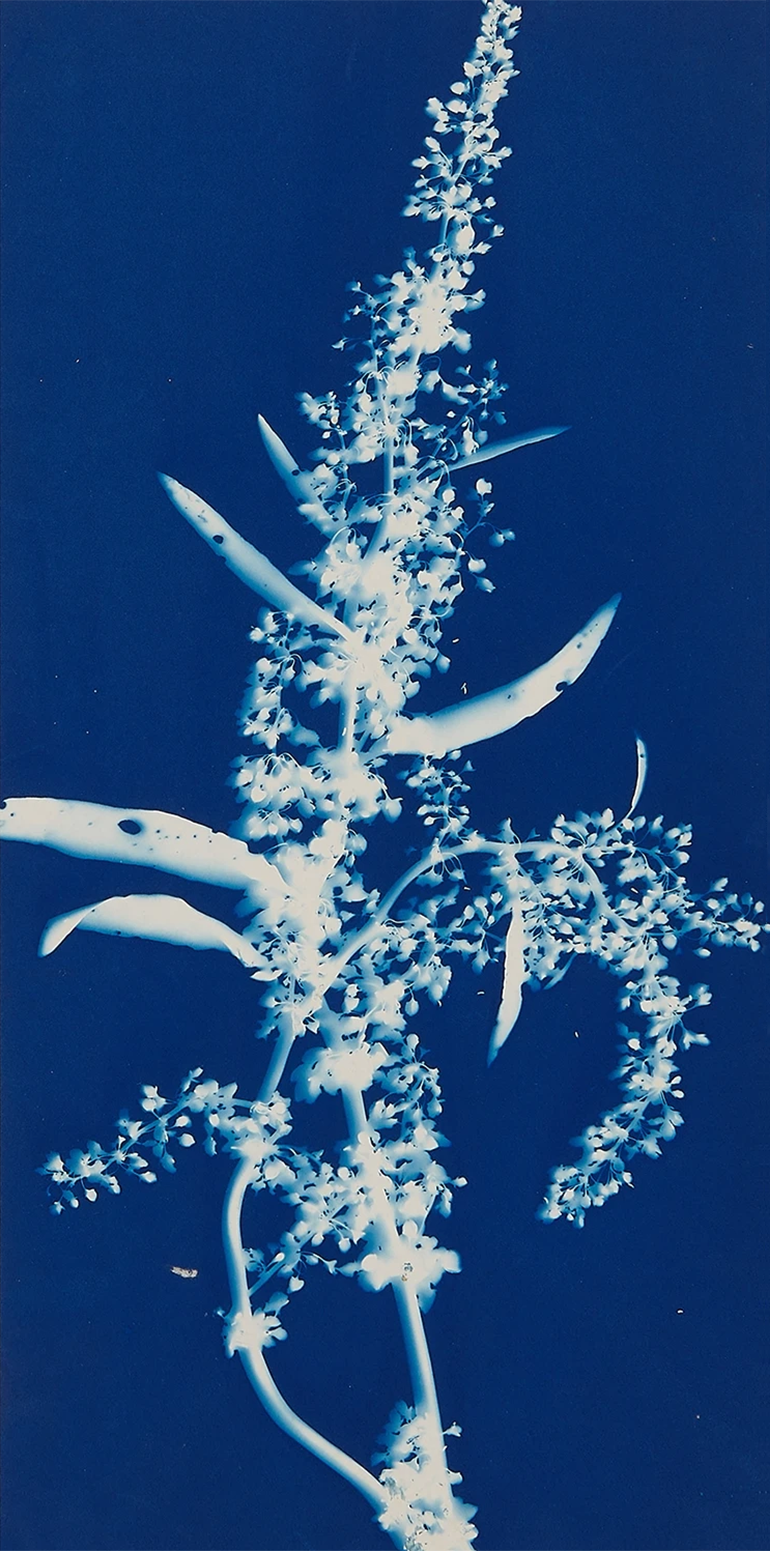
Bertha Evelyn Jaques :: Blossoms of Wild Dock, 1910. Cyanotype. | src MutualArt
Bertha Evelyn Jaques :: Blossoms of Dock, 1910. Cyanotype. | src MutualArt
Bertha Evelyn Jaques :: Blossoms of Wild Dock, 1910. Cyanotype. | src MutualArt
Bertha Evelyn Jaques :: Blossoms of Dock, 1910. Cyanotype. | src MutualArt
Bertha Evelyn Jaques :: Blossoms of Wild Dock, 1910. Cyanotype. | src MutualArt

Jaques was already a respected printmaker when she began making cyanotype photograms of wildflowers. An active member of the Wild Flower Preservation Society, she created over a thousand of these botanical images. Made without a camera by placing objects directly on sensitized paper and exposing it to light, the photogram is the least industrialized type of photography. Because prints were easy to produce by this method, it achieved wide popularity. Graphic artists often chose this form of print because of its rich Prussian blue color. Aligned with the antimodernist views of the late Victorian Arts and Crafts movement, Jaques’s work reflects a reverence for commonplace elements of nature and the beautifully crafted object.

Merry A. Foresta American Photographs: The First Century (Washington, D.C.: National Museum of American Art with the Smithsonian Institution Press, 1996). From Smithsonian American Art Museum (SAAM)
Bertha Evelyn Jaques :: Blossoms of Wild Dock, 1910. Cyanotype. | src MutualArt

Dandelion Seeds by Jaques

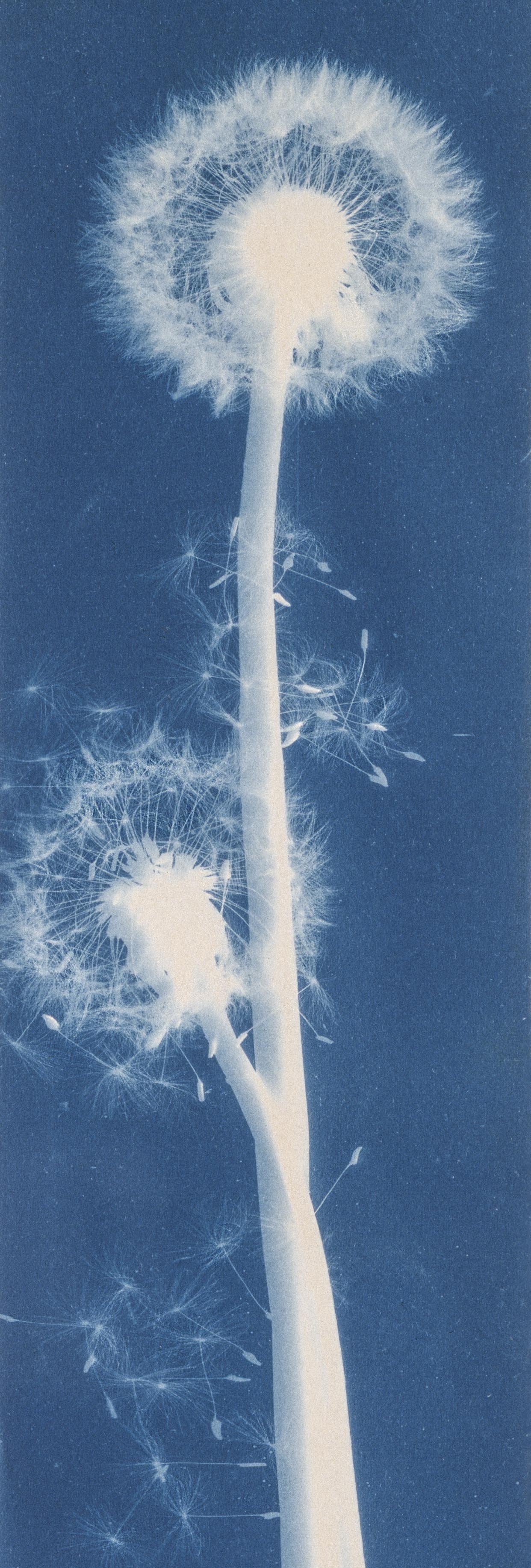
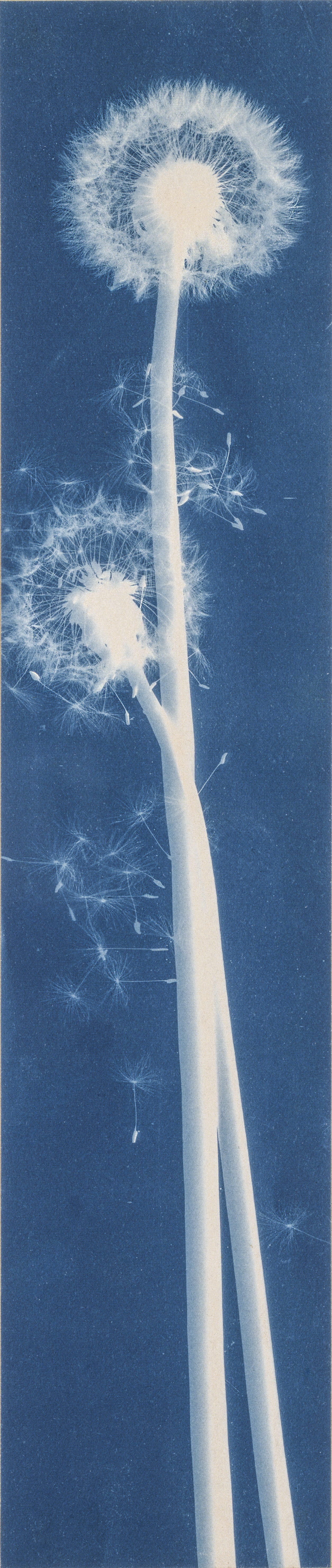
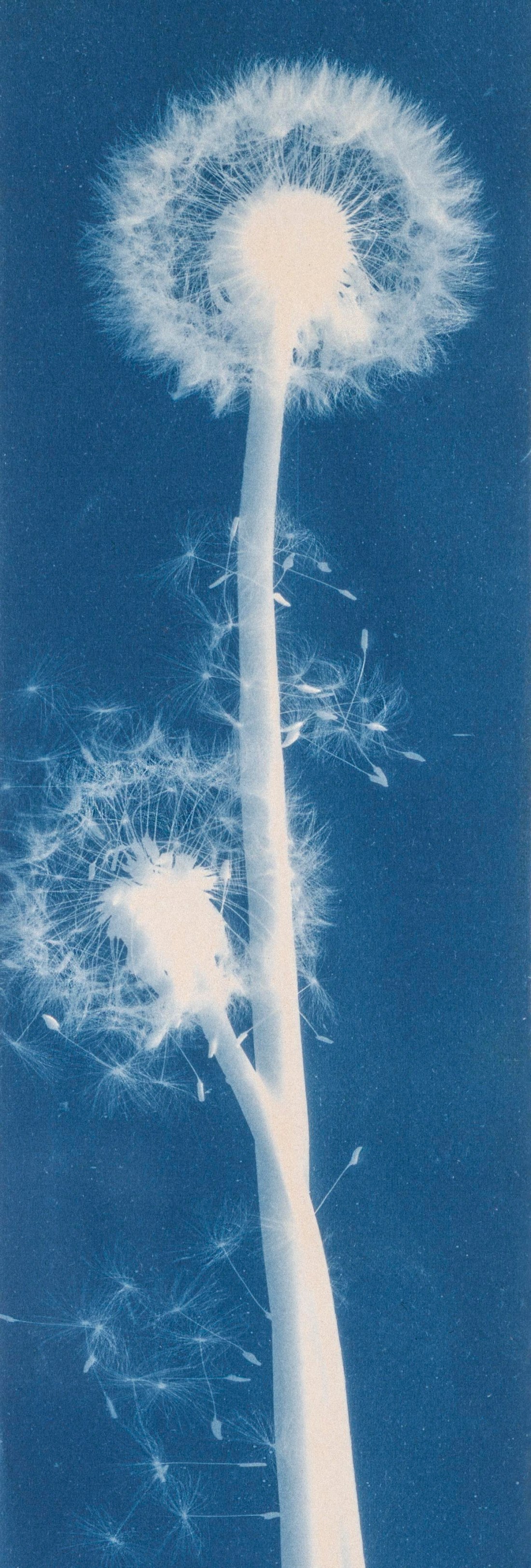
Bertha E. Jaques :: Dandelion Seeds, Taraxacium Officinale, ca. 1910, cyanotype photogram. | src Smithsonian American Art Museum
Bertha E. Jaques :: Dandelion Seeds, Taraxacium Officinale, ca. 1910, cyanotype photogram. (detail) | src Smithsonian American Art Museum
Bertha E. Jaques :: Dandelion Seeds, Taraxacium Officinale, ca. 1910, cyanotype photogram. | src Smithsonian American Art Museum
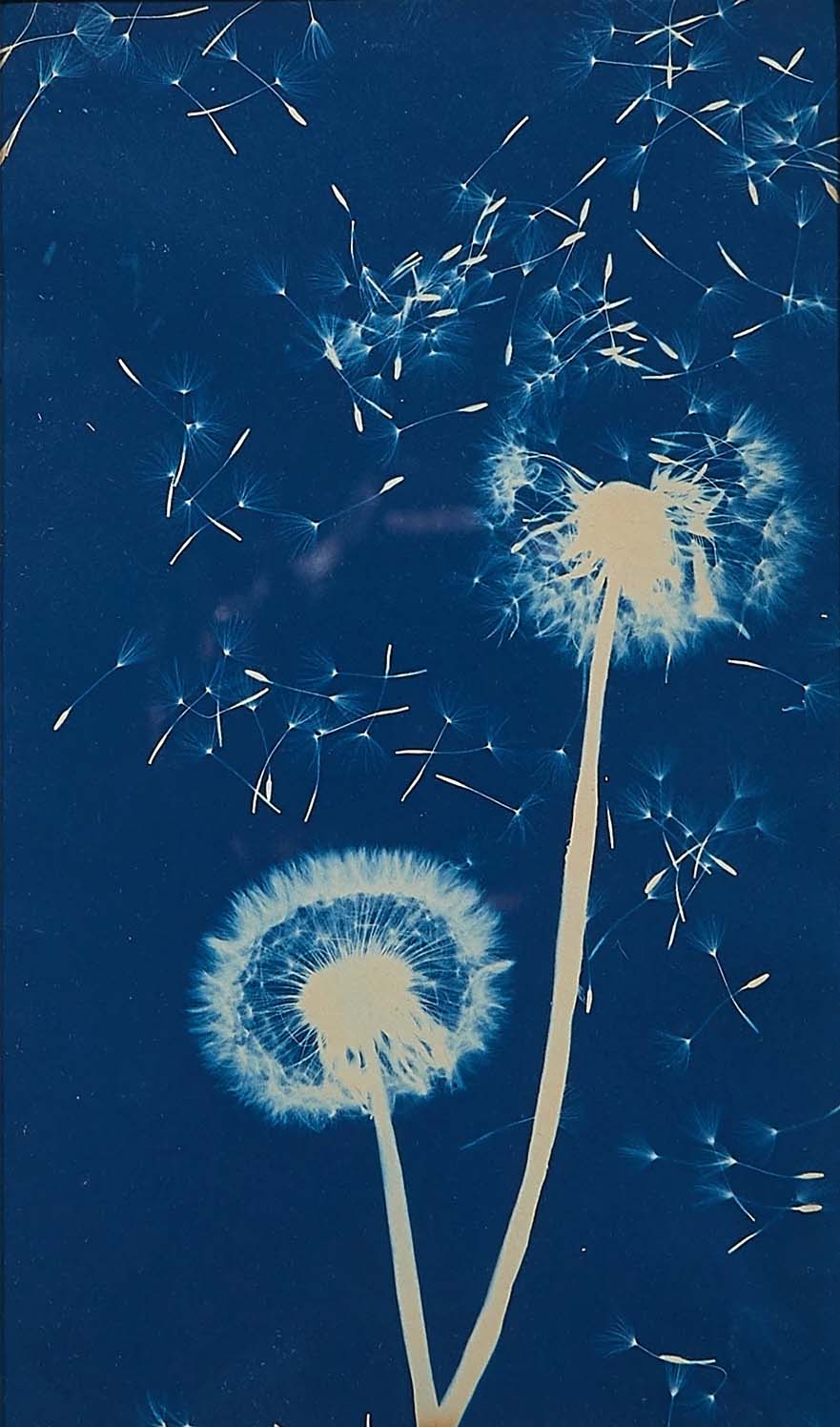
Bertha Evelyn Jaques :: Dandelion Seeds. A starry firmament, 1904. Cyanotype. | src MutualArt
Bertha E. Jaques :: Dandelion Seeds, Taraxacium Officinale, ca. 1910, cyanotype photogram (full size). Scan from color transparency. | src Smithsonian American Art Museum

Jaques was already a respected printmaker when she began making cyanotype photograms of wildflowers. An active member of the Wild Flower Preservation Society, she created over a thousand of these botanical images. [See Dandelion Seeds, Taraxacium Officinale, SAAM, 1994.91.89] Made without a camera by placing objects directly on sensitized paper and exposing it to light, the photogram is the least industrialized type of photography. Because prints were easy to produce by this method, it achieved wide popularity. Graphic artists often chose this form of print because of its rich Prussian blue color. Aligned with the antimodernist views of the late Victorian Arts and Crafts movement, Jaques’s work reflects a reverence for commonplace elements of nature and the beautifully crafted object.

Merry A. Foresta American Photographs: The First Century (Washington, D.C.: National Museum of American Art with the Smithsonian Institution Press, 1996). From Smithsonian American Art Museum (SAAM)
Bertha Jaques’ photograms

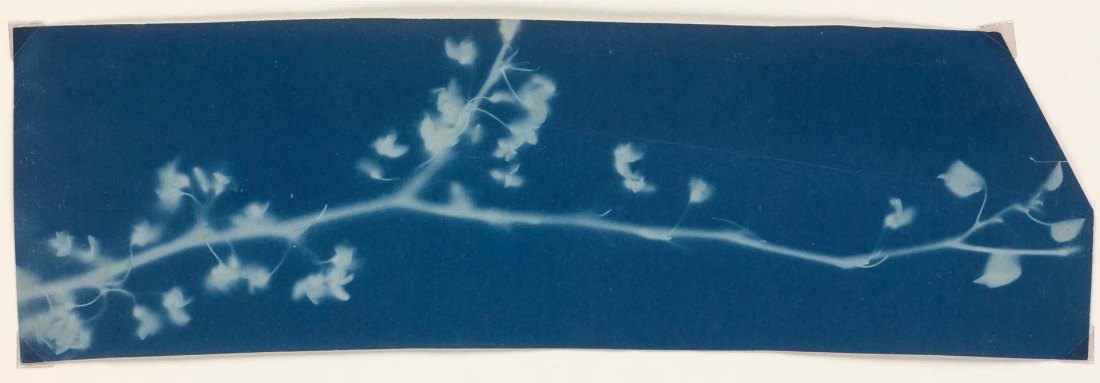
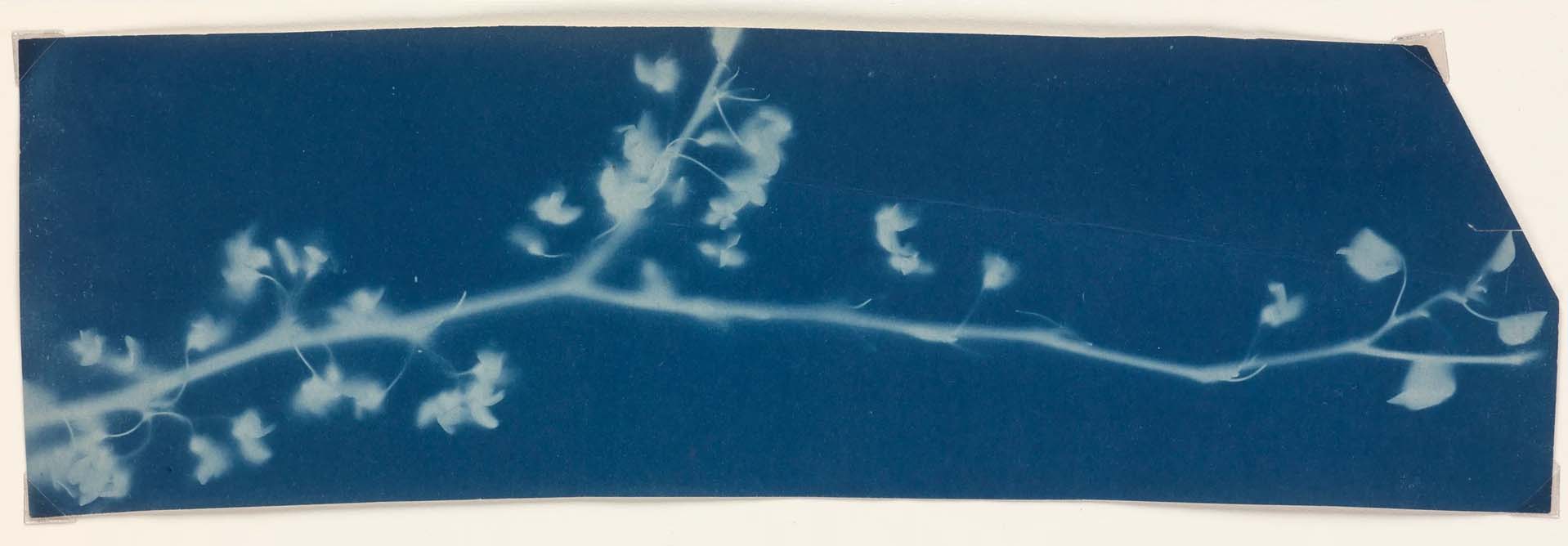
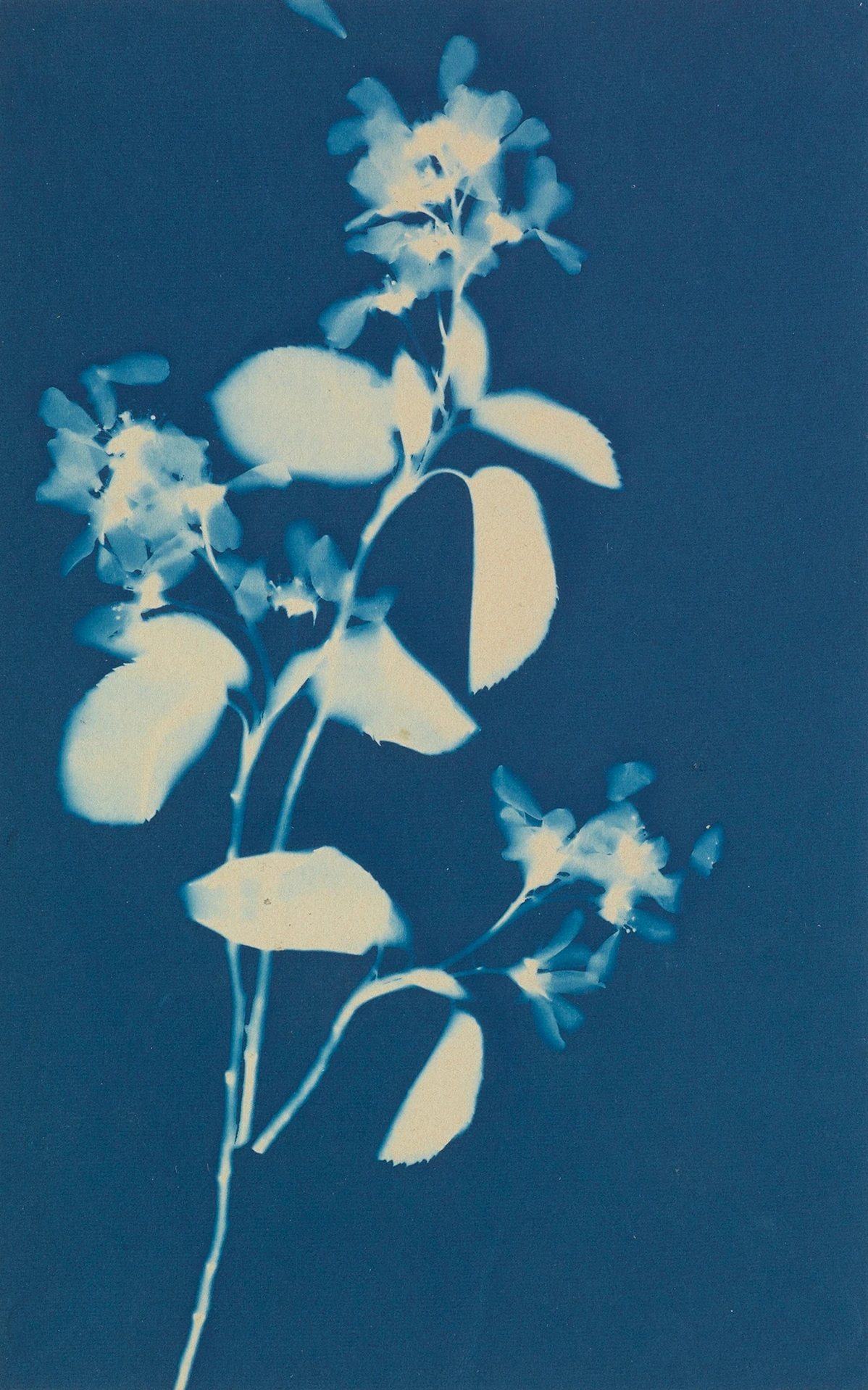
Bertha Jaques :: Photogram of a botanical specimen, 1900-1906. Cyanotype. | src MutualArt
Bertha Evelyn Jaques :: Photogram of a botanical specimen, 1900-1906. Cyanotype. | src MutualArt
Bertha Jaques :: Photogram of a botanical specimen, 1900-1906. Cyanotype. | src MutualArt and Elizabeth Houston Gallery
Bertha Jaques :: Photogram of a botanical specimen, 1900-1906. Cyanotype. | src MutualArt
Bertha Evelyn Jaques :: Photogram of a botanical specimen, 1900-1906. Cyanotype. | src MutualArt
Bertha Jaques :: Photogram of a botanical specimen, 1900-1906. Cyanotype. | src MutualArt and Elizabeth Houston Gallery

Yellow roses by Jan Z. Wlodek

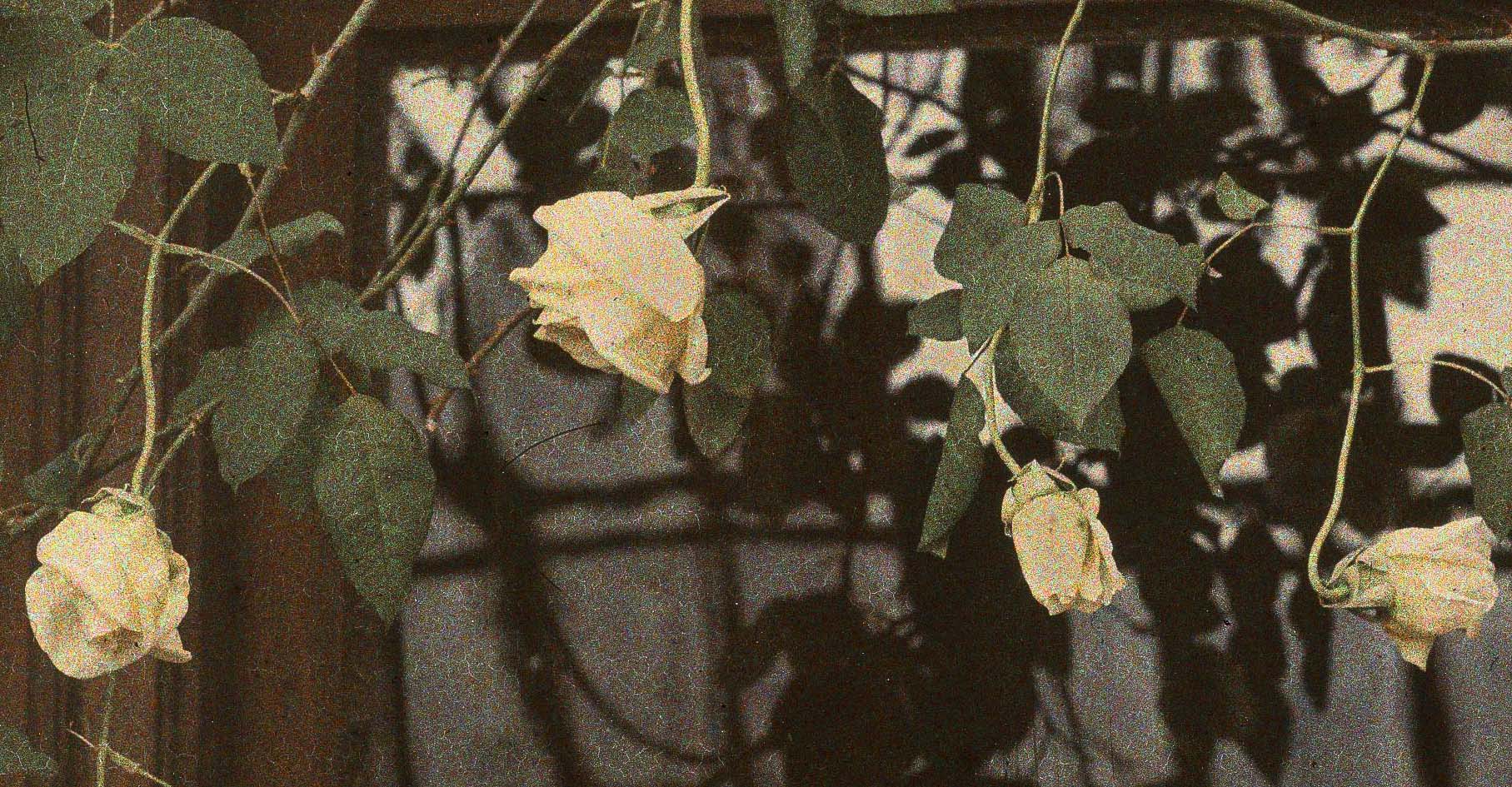
Jan Zdzisław Włodek :: Marechal Niel roses in the greenhouse at ul. Pędzichów, Boczna 5, 1925-1926. Autochrome. [full size] | src Fundacja im. Zofii i Jana Włodków
Jan Zdzisław Włodek :: Róże Marechal Niel w cieplarni przy ul. Pędzichów Boczna 5, 1925-1926. Autochrome. | src Fundacja im. Zofii i Jana Włodkó
Jan Zdzisław Włodek :: Marechal Niel roses in the greenhouse at ul. Pędzichów, Boczna 5, 1925-1926. Autochrome. [closer detail] | src Fundacja im. Zofii i Jana Włodków
Jan Zdzisław Włodek :: Róże Marechal Niel w cieplarni przy ul. Pędzichów Boczna 5, 1925-1926. Autochrome. | src Fundacja im. Zofii i Jana Włodków
Jan Zdzisław Włodek :: Róże Marechal Niel w cieplarni przy ul. Pędzichów Boczna 5, 1925-1926. Autochrome. [detail] | src Fundacja im. Zofii i Jana Włodków
Jan Zdzisław Włodek :: Róże Marechal Niel w cieplarni przy ul. Pędzichów Boczna 5, 1925-1926. Autochrome. | src Fundacja im. Zofii i Jana Włodków [detail]
Jan Zdzisław Włodek :: Marechal Niel roses in the greenhouse at ul. Pędzichów, Boczna 5, 1925-1926. Autochrome. [full size] | src Fundacja im. Zofii i Jana Włodków

Blueish flowers by Greenwood

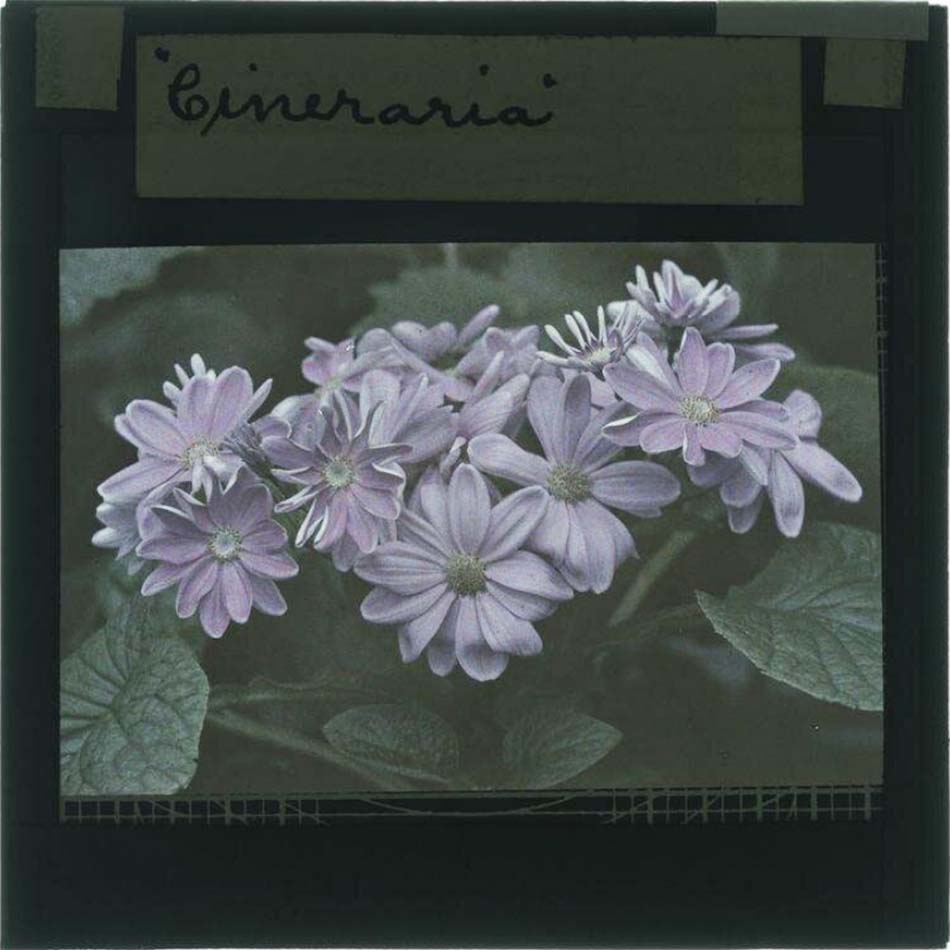
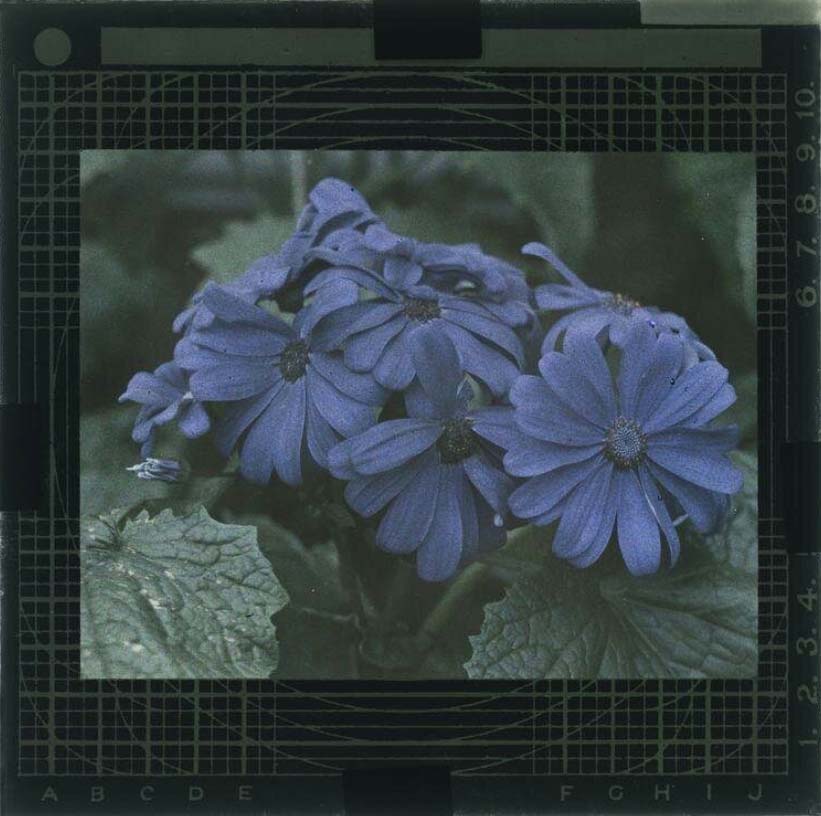
Sam Greenwood :: Cineraria, ca. 1910, autochrome. | src V&A museum
Sam Greenwood :: [Pink] Cineraria, ca. 1910, autochrome. | src V&A museum
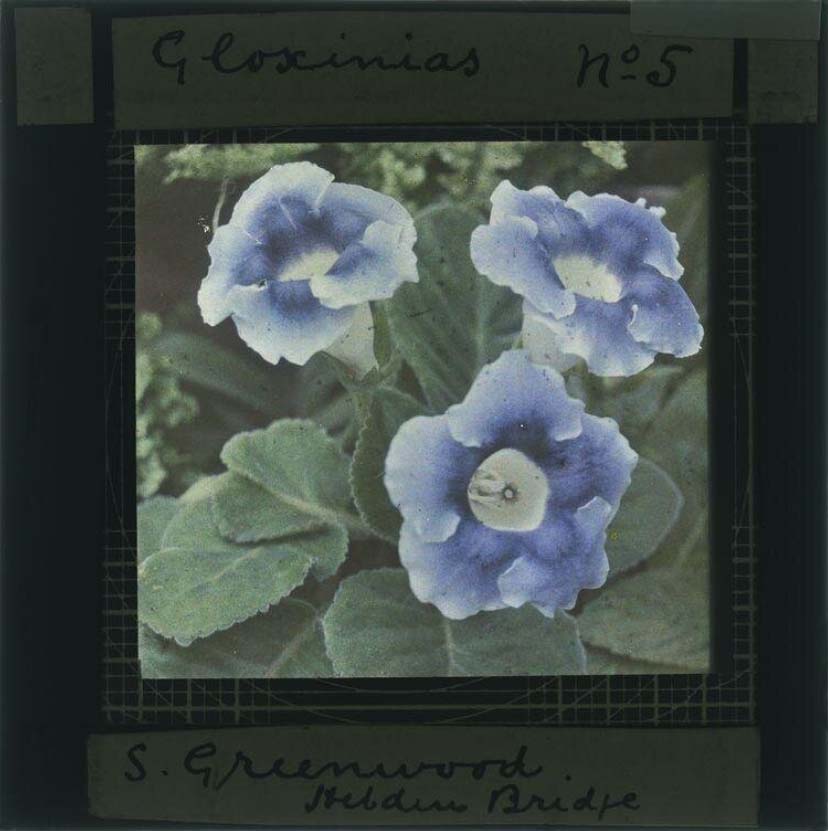
Sam Greenwood :: Gloxininias no. 5, ca. 1910, autochrome. | src V&A museum
Sam Greenwood :: Blue flowers, ca. 1910, autochrome. | src V&A museum

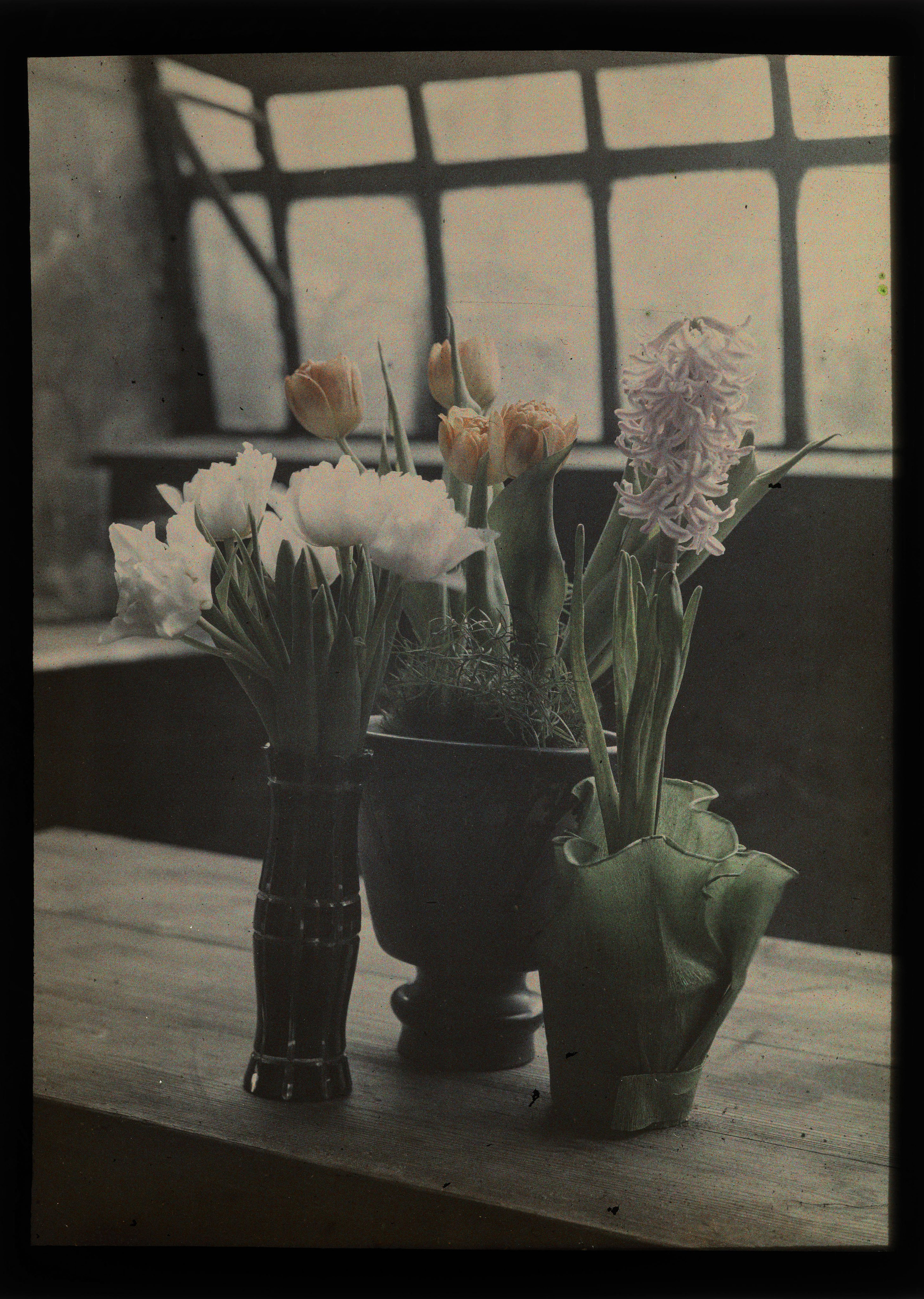
Tulips and hyacinths, 1928

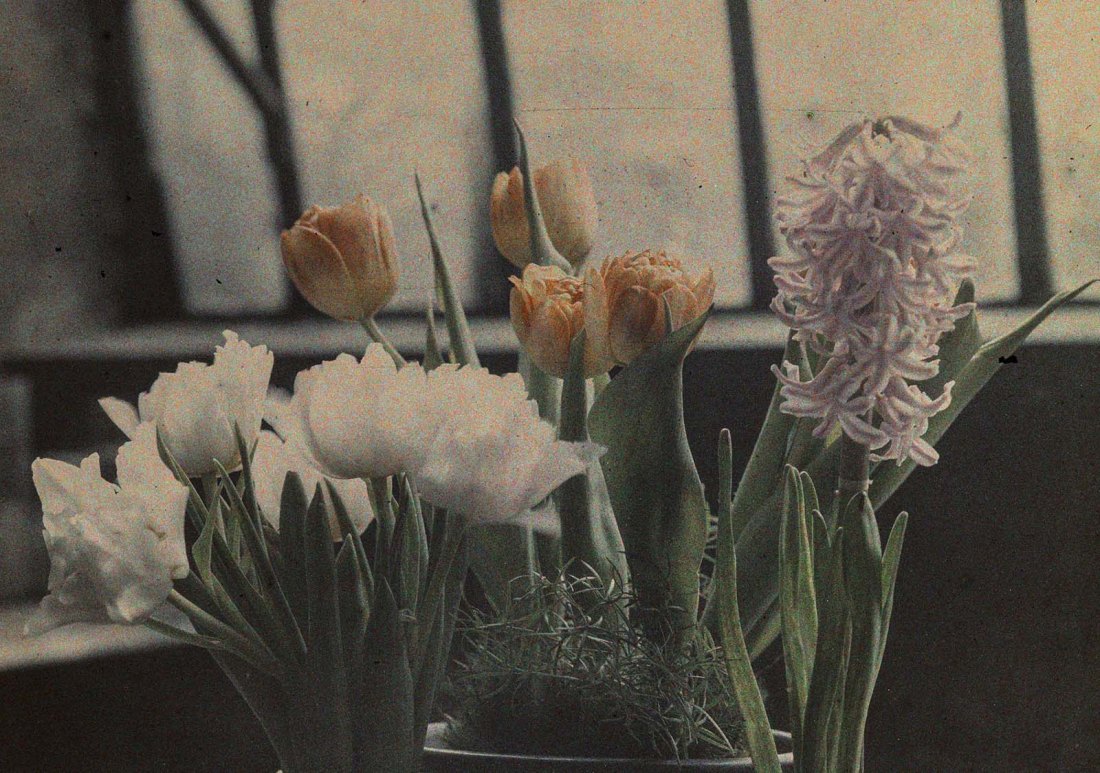
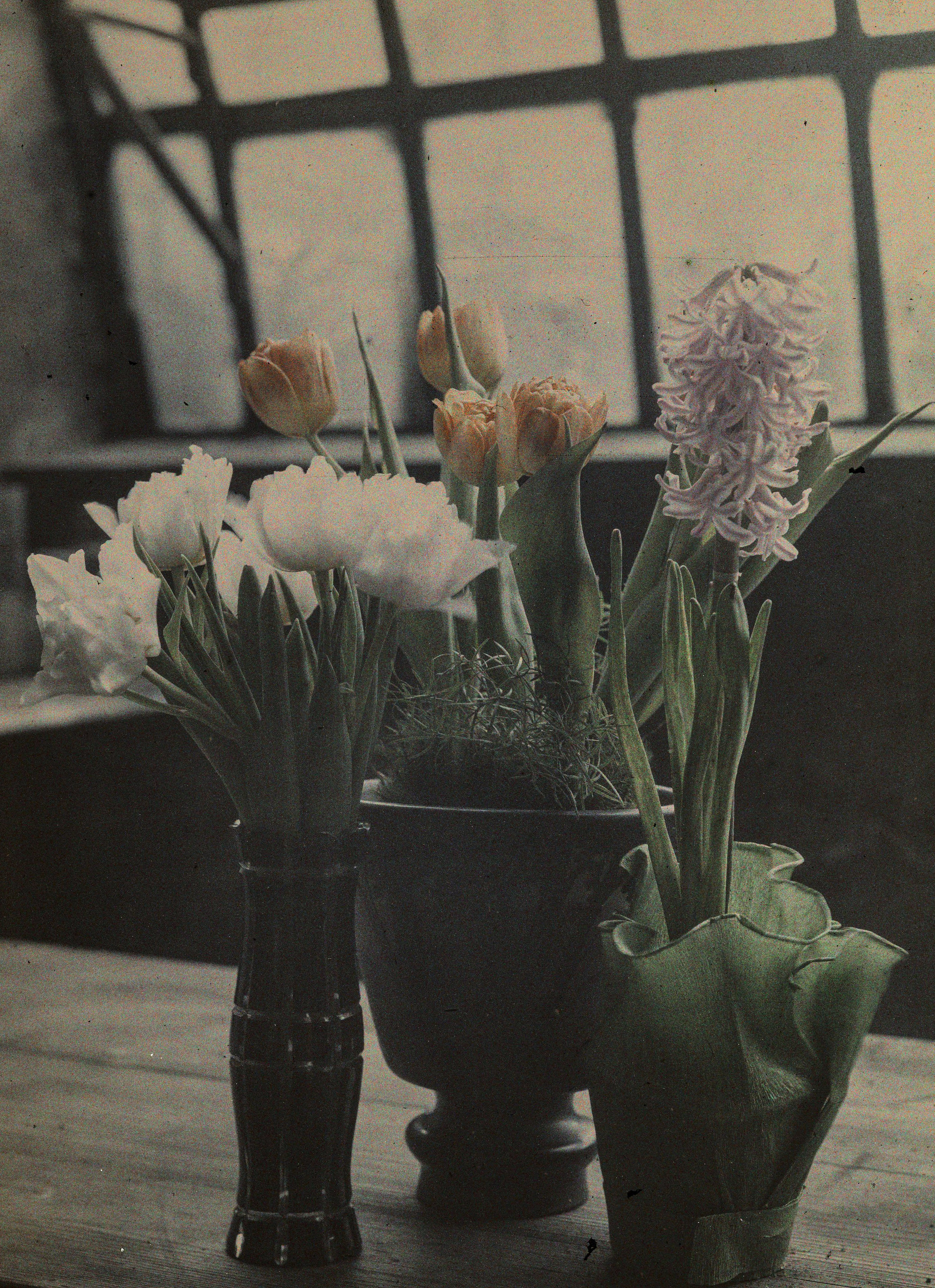
Jan Zdzisław Włodek :: Tulips and hyacinths. Greenhouse in Pędzichów, 1928. Autochrome of blooming tulips and hyacinths in the greenhouse of the Włodków villa in Kraków. | src Archiwum Rodziny Włodków z Dąbrowicy
Jan Zdzisław Włodek :: Tulipany i hiacynty. Cieplarnia na Pędzichowie, 1928. Autochrome of blooming tulips and hyacinths in the greenhouse of the Włodków villa in Kraków. | src Archiwum Rodziny Włodków z Dąbrowicy
Jan Zdzisław Włodek :: Tulips and hyacinths. Greenhouse in Pędzichów, 1928. Autochrome of blooming tulips and hyacinths in the greenhouse of the Włodków villa in Kraków. | src Archiwum Rodziny Włodków z Dąbrowicy
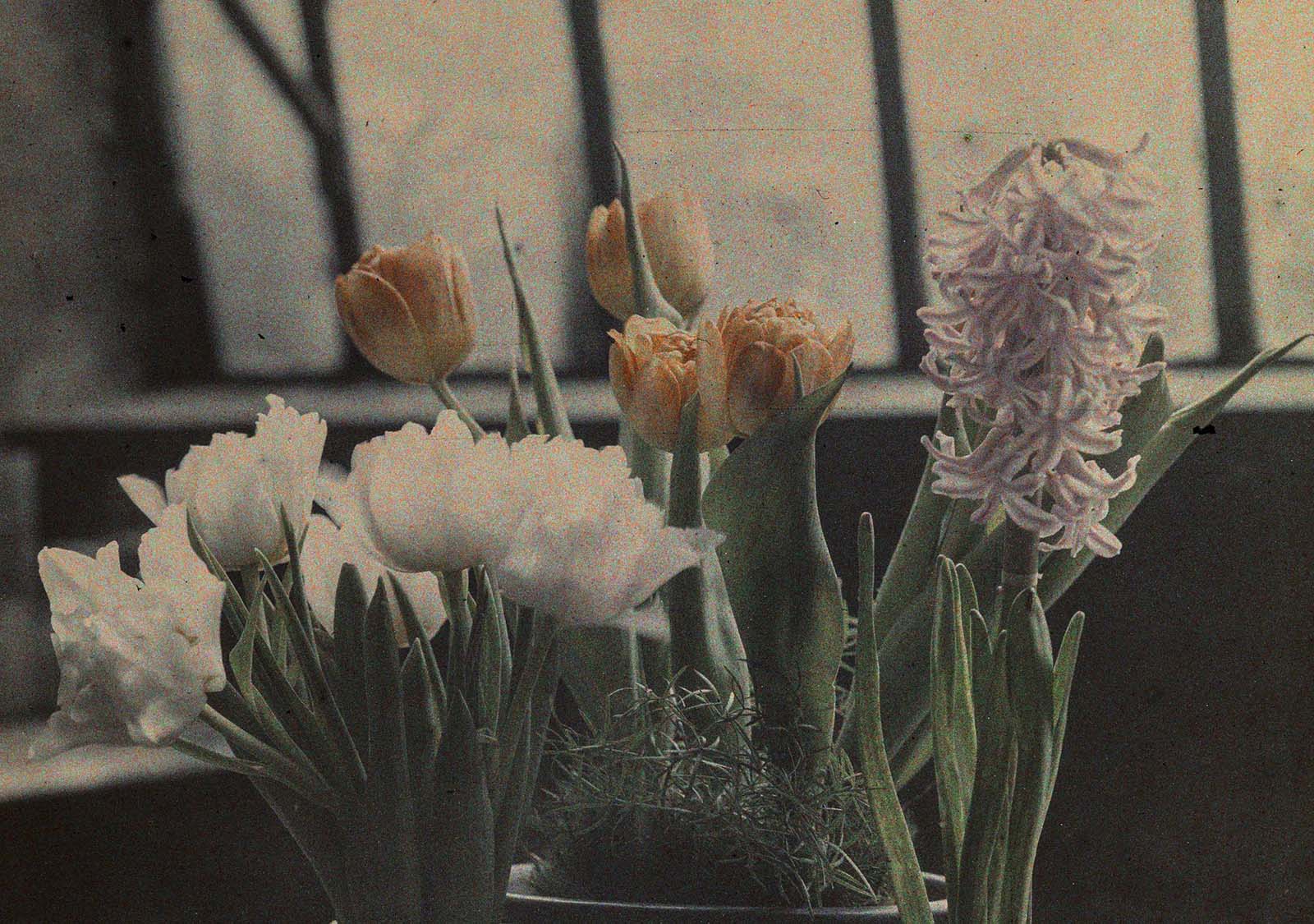
Detail from an Autochrome of blooming tulips and hyacinths (1928) by Jan Zdzisław Włodek
Jan Zdzisław Włodek :: Tulips and hyacinths. Greenhouse in Pędzichów, 1928. Autochrome of blooming tulips and hyacinths in the greenhouse of the Włodków villa in Kraków. | src Archiwum Rodziny Włodków z Dąbrowicy