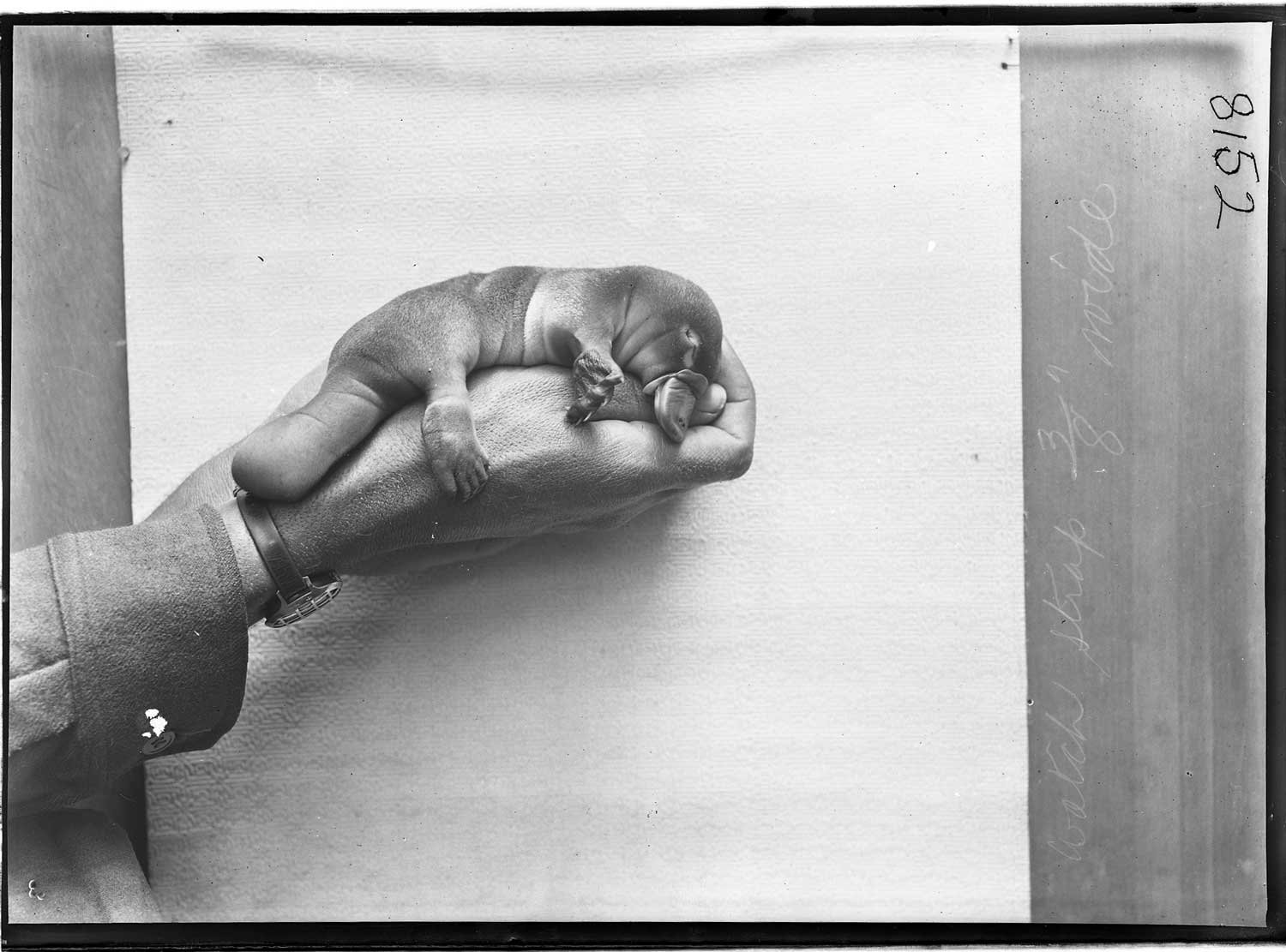
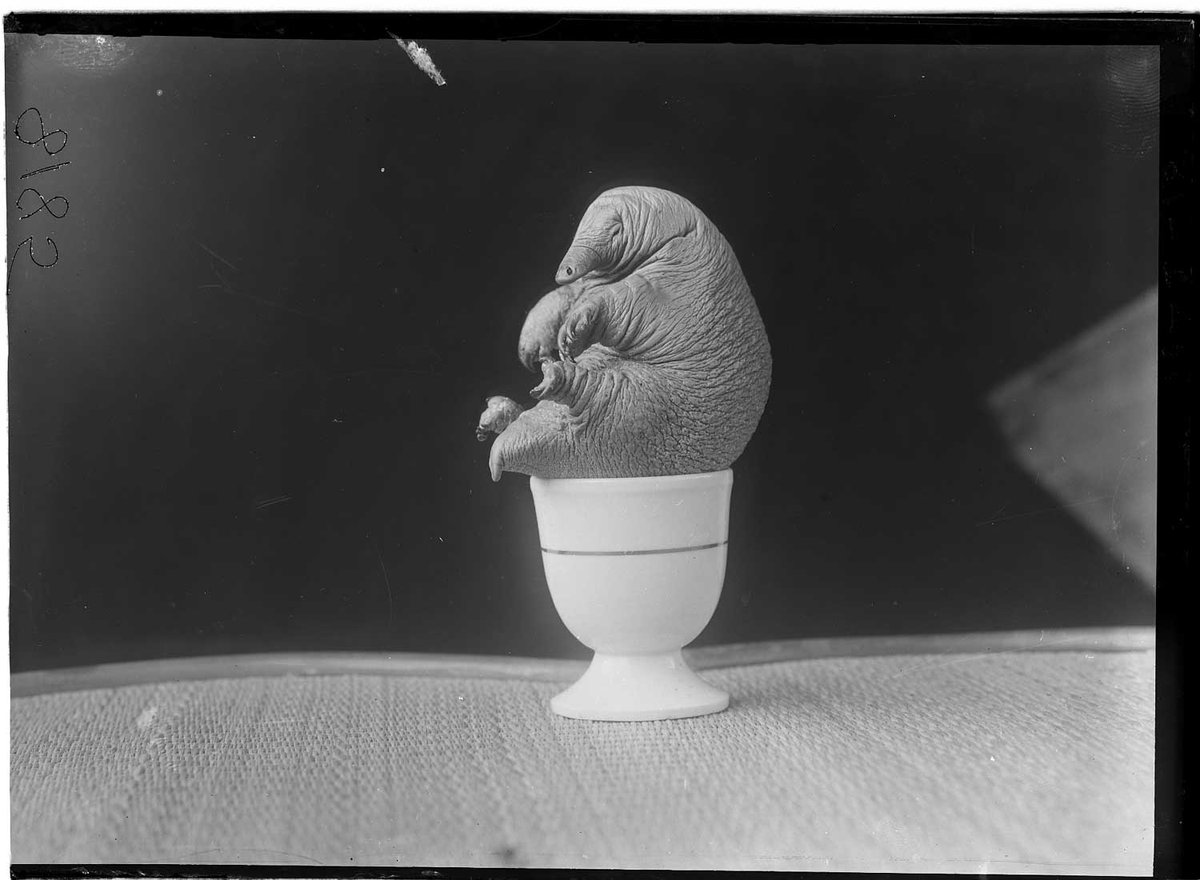
Henry James Burrell (1873-1945) ~ Young Platypus, ca. 1914. Glass negative | src Australian museumHenry James Burrell (1873-1945) ~ Young Platypus, ca. 1914. Glass negative | src Australian museum blogHenry James Burrell (1873-1945) ~ Young Platypus, ca. 1914. Glass negative | src Australian museum
Harry J. Burrell developed an interest in natural history after he settled in Manilla, northern NSW with his wife Susan Emily Naegueli in 1901. As a naturalist, Burrell is most famous for being the first person to successfully keep platypuses in captivity. To do this he invented the ‘platypusary’, a storage tank which enabled him to both study and exhibit live platypuses. The platypusary was used for the first time in 1910 to show live platypuses at the Moore Park Zoo in Sydney. In 1922 he assisted Ellis Stanley Joseph with successfully transporting the first ever live platypus beyond Australian shores. The sole surviving platypus of the original 5 platypuses’ arduous journey died within a few weeks of being exhibited at the Bronx Zoo, New York.
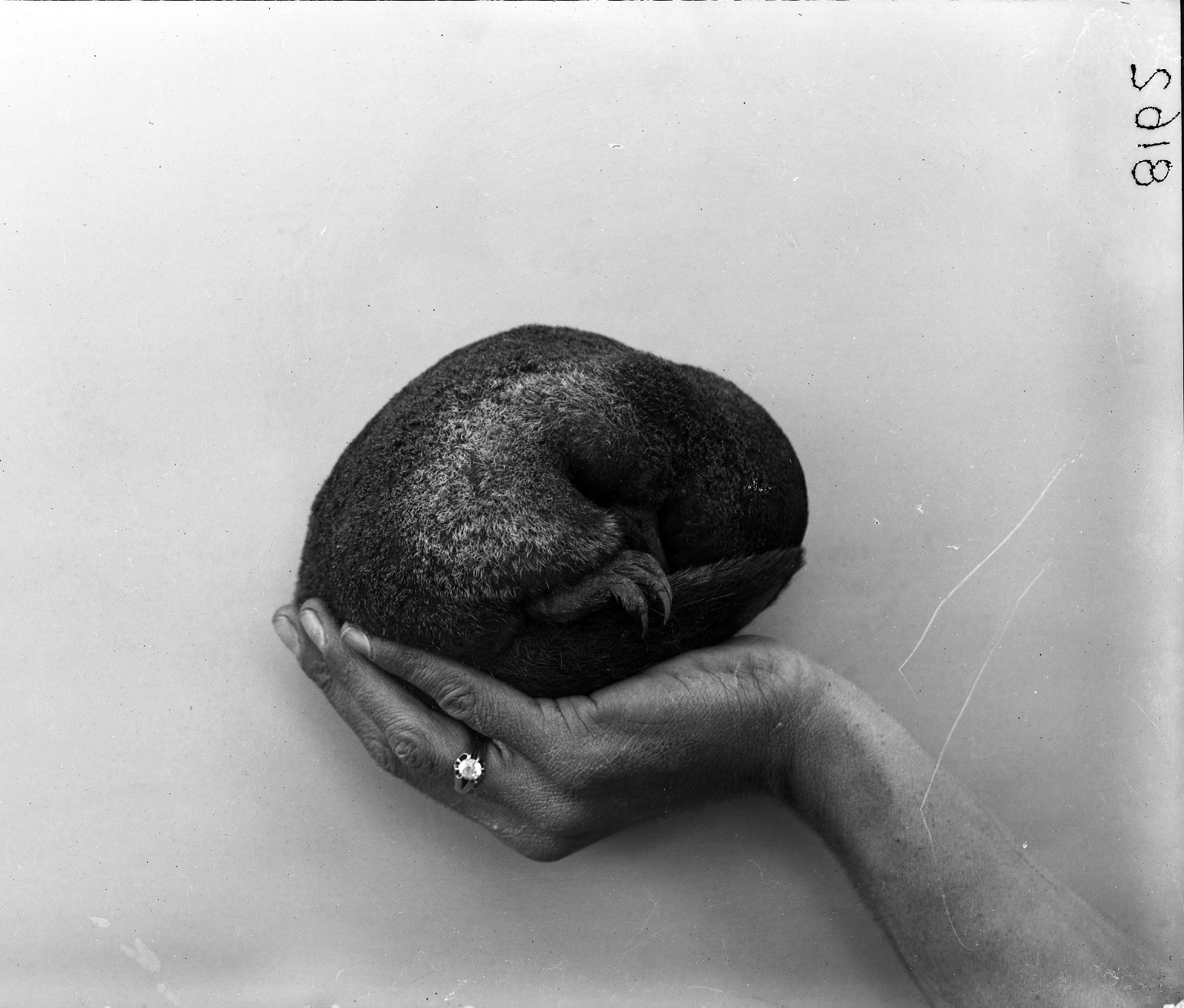
Henry James Burrell (1873-1945) ~ Echidna rolled up. Glass negative | src Australian museumHenry James Burrell (1873-1945) ~ Green snake eating a frog. Glass negative | src Australian museum
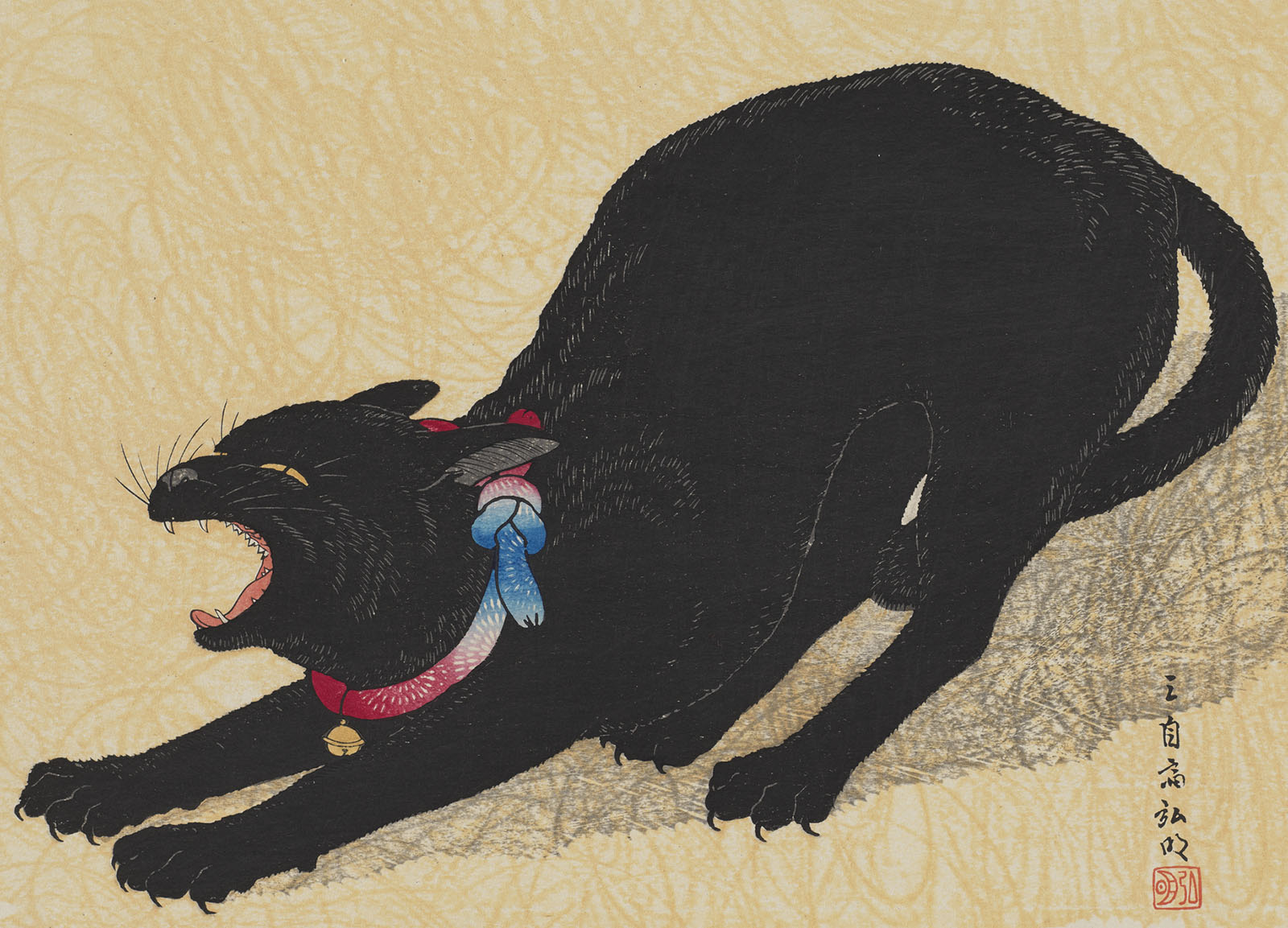
Takahashi Hiroaki (1871–1945) ~ Cat with a Bell, 1929. Color woodblock print on paper. Publisher: Kaneko Fusui (1897-1978)
Takahashi Hiroaki was the first print designer to collaborate with the publisher Watanabe Shôzaburô to revive the themes and techniques of 19th-century ukiyo-e prints. Between 1907 and 1923, when the Great Kantô Earthquake destroyed both prints and blocks, they produced over 500 designs. After the quake, Hiroaki began anew, sometimes creating modified versions of his earlier designs. This work, however, is from his output for a different publisher, Kaneko Fusui, who apparently allowed him to do more experimental designs. The swirling patterns in the background, done in soft yellow-orange, show the movement of the baren pad during the printing process. Takahashi worked with Kaneko for only four years, between 1929 and 1932, so prints from this publisher are relatively rare. (quoted from Portland Art Museum)
Takahashi Hiroaki (1871–1945) ~ Cat with a Bell, 1929. Color woodblock print on paper. | src Portland Art museum
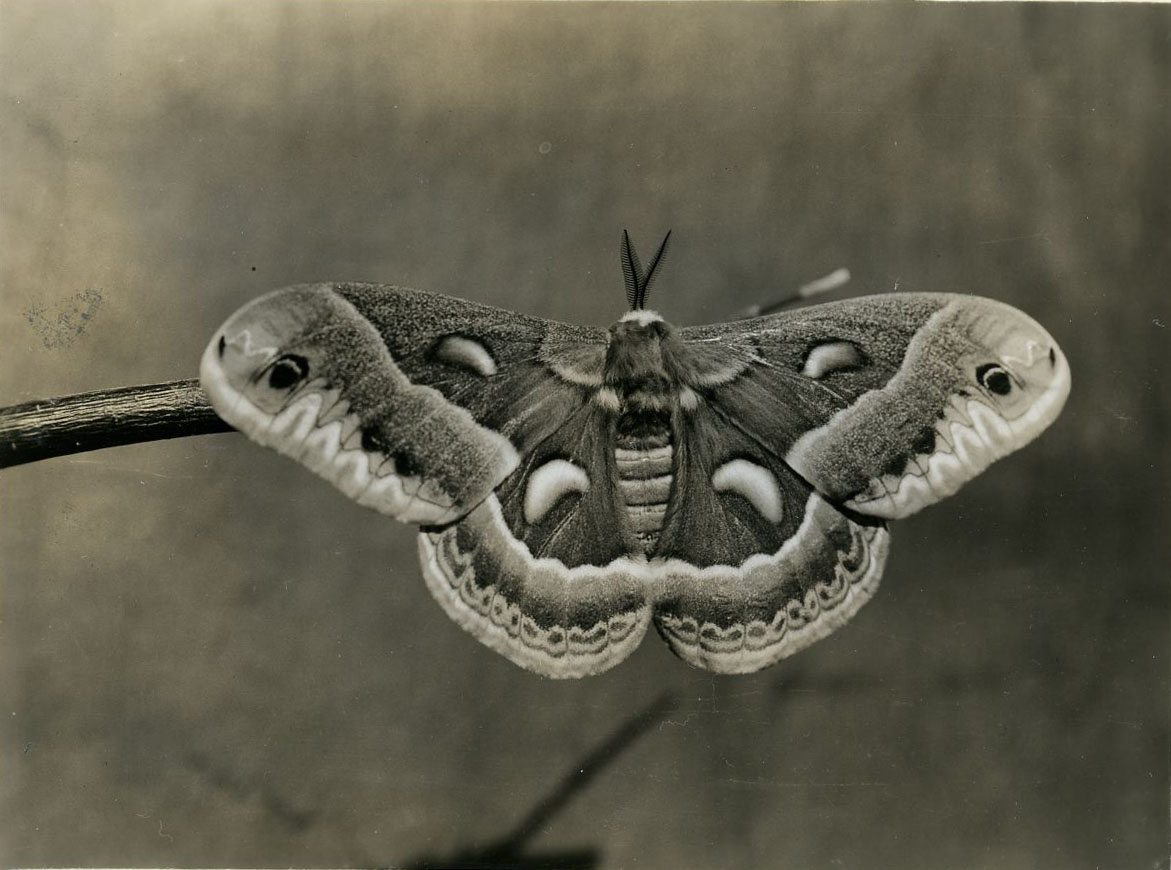
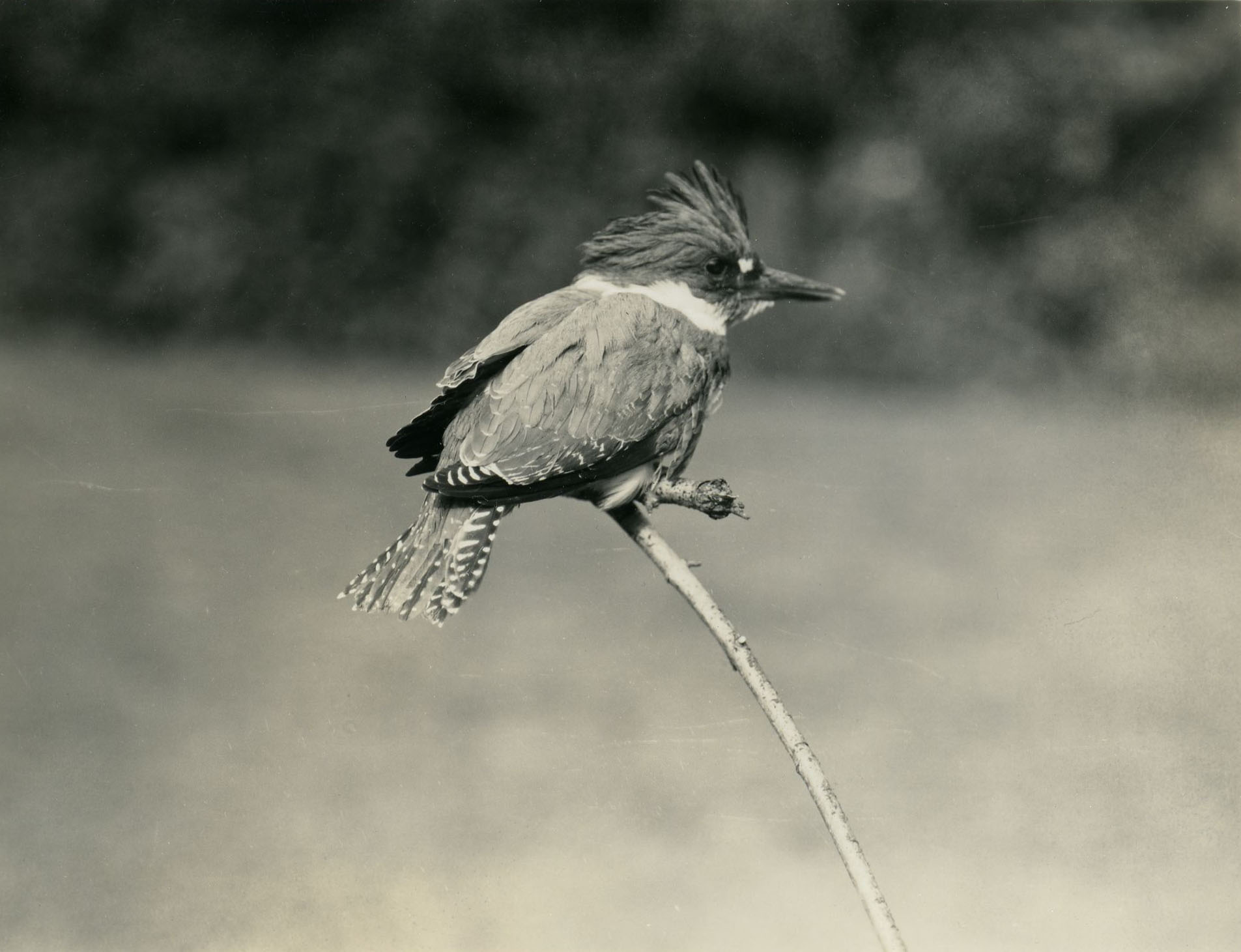
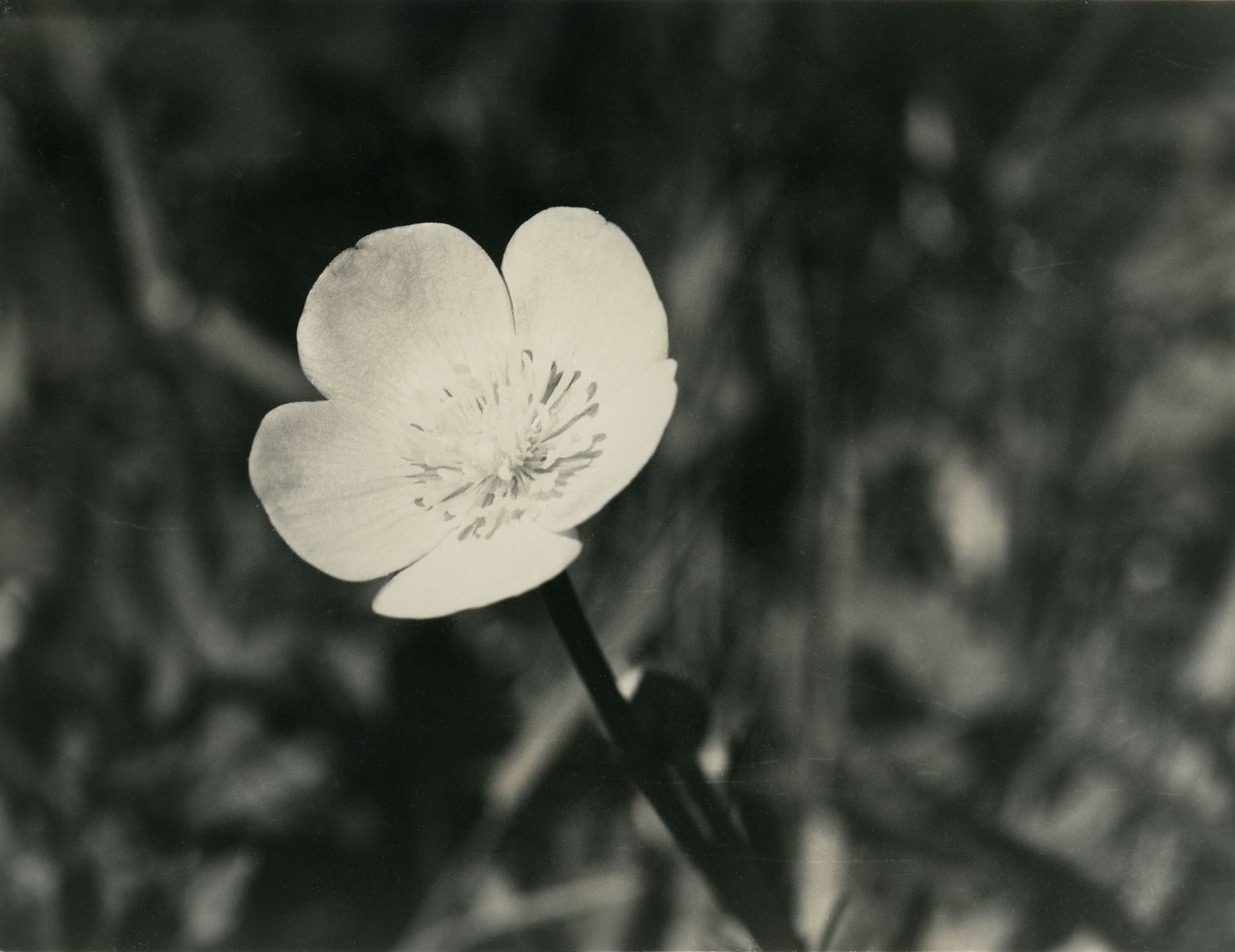
Cecropia (male and female) · Cecropia moths on end of stick. Acadia National Park, Maine, 22 March, 1939 | src NPGCecropia moth on end of stick. Acadia National Park, Maine, 22 March, 1939 | src National Park galleryReflection of Pemetic Mt. in Eagle lake. Acadia National Park, Maine, 5 June, 1939 | src National Park galleryKingfisher · Bird on stick. Acadia National Park, Maine, 18 July, 1939 | src National Parks galleryButtercup, close-up (five pedaled flower). Acadia National Park, Maine, 13 June, 1939 | src National Parks gallery
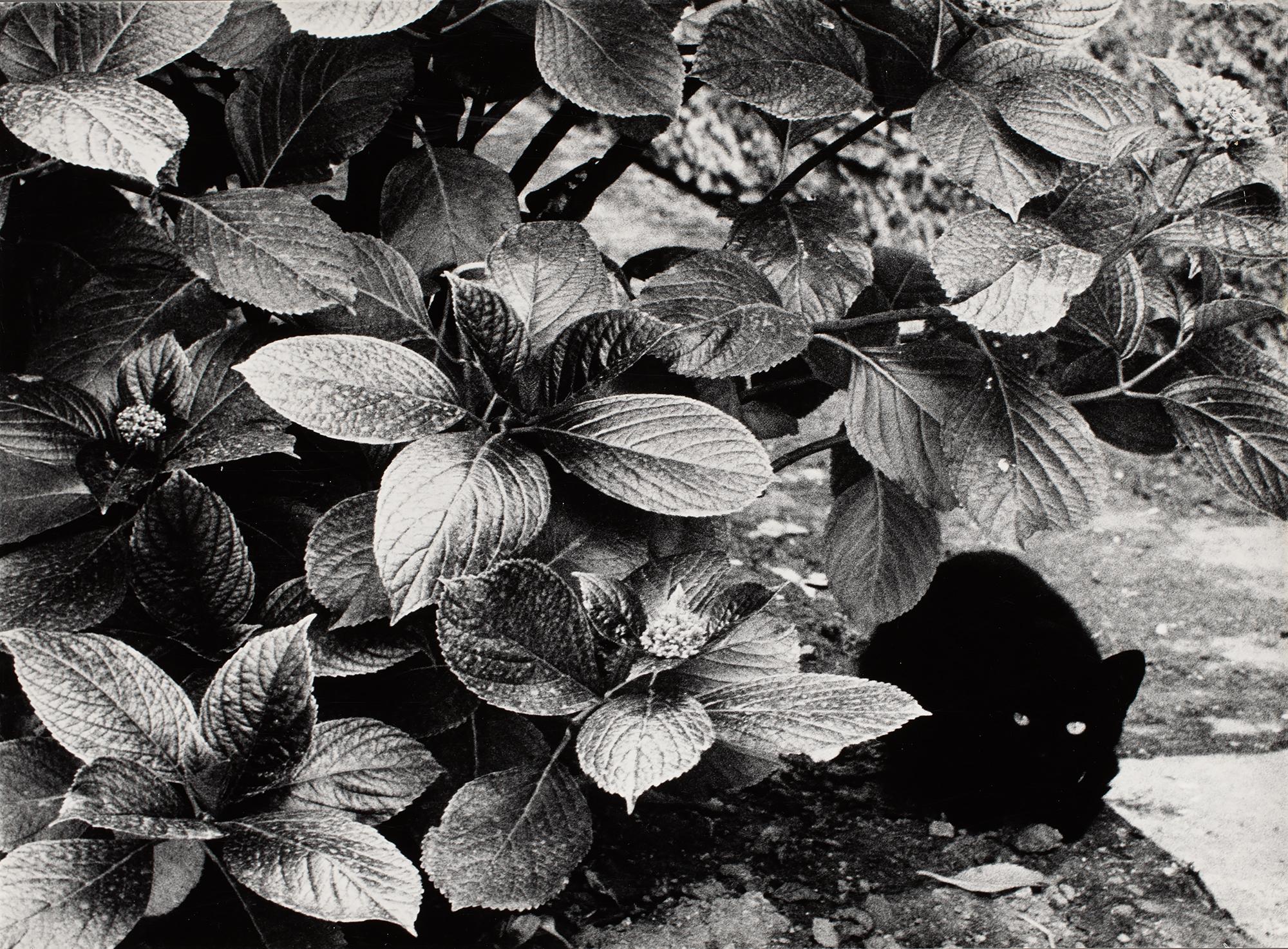
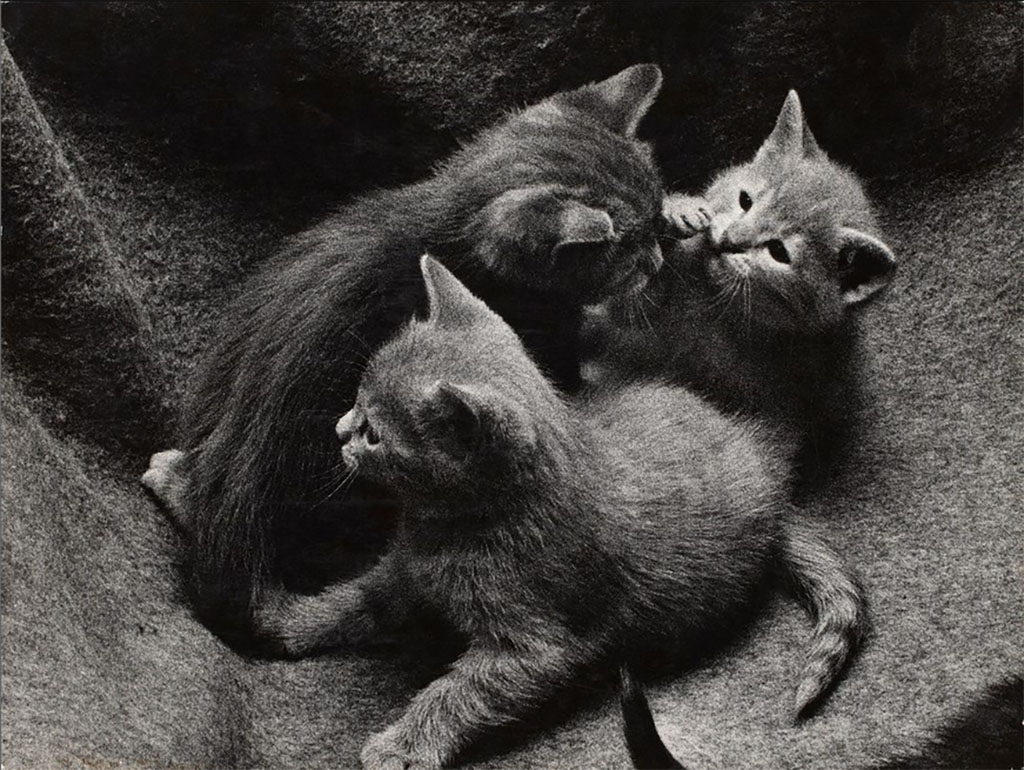
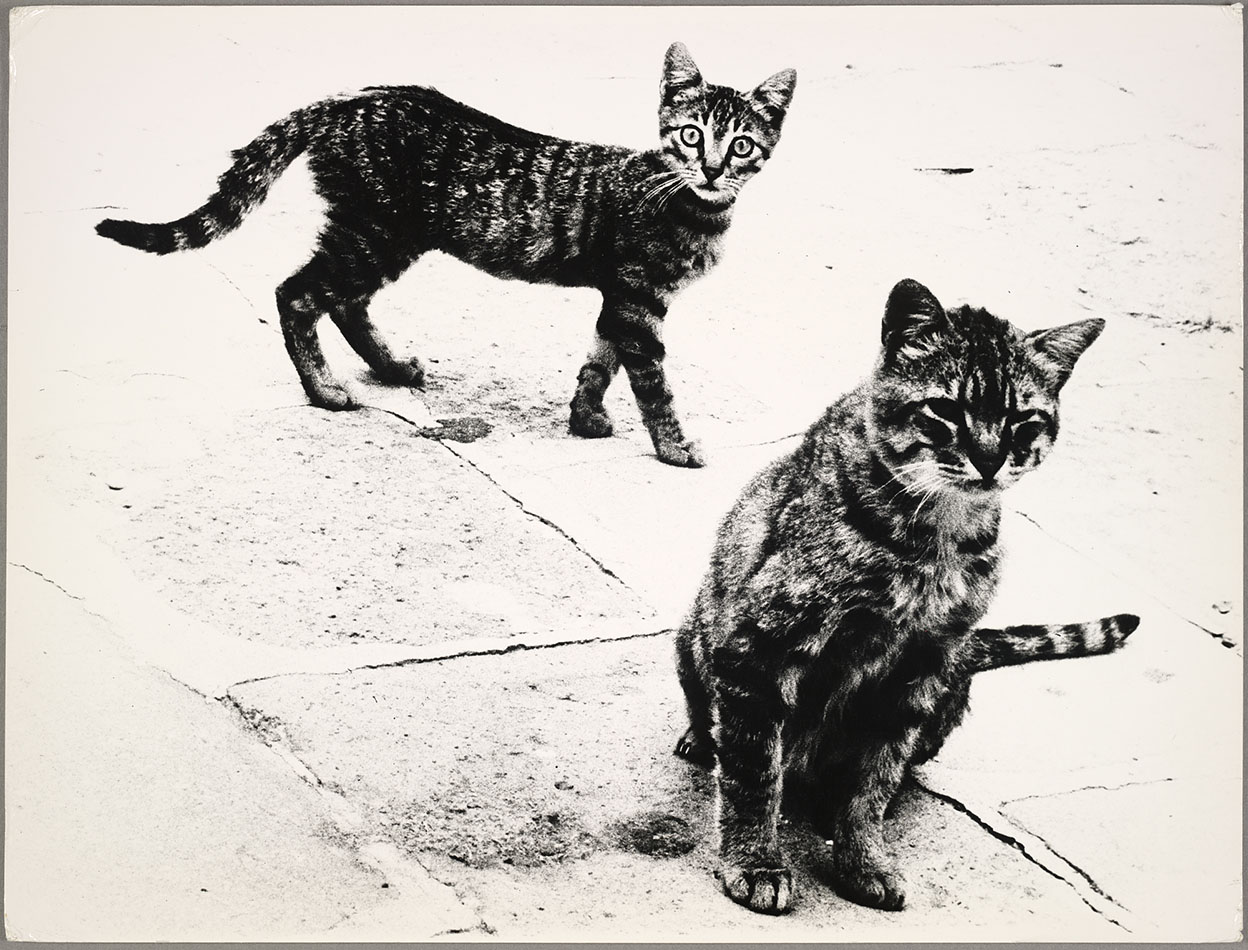
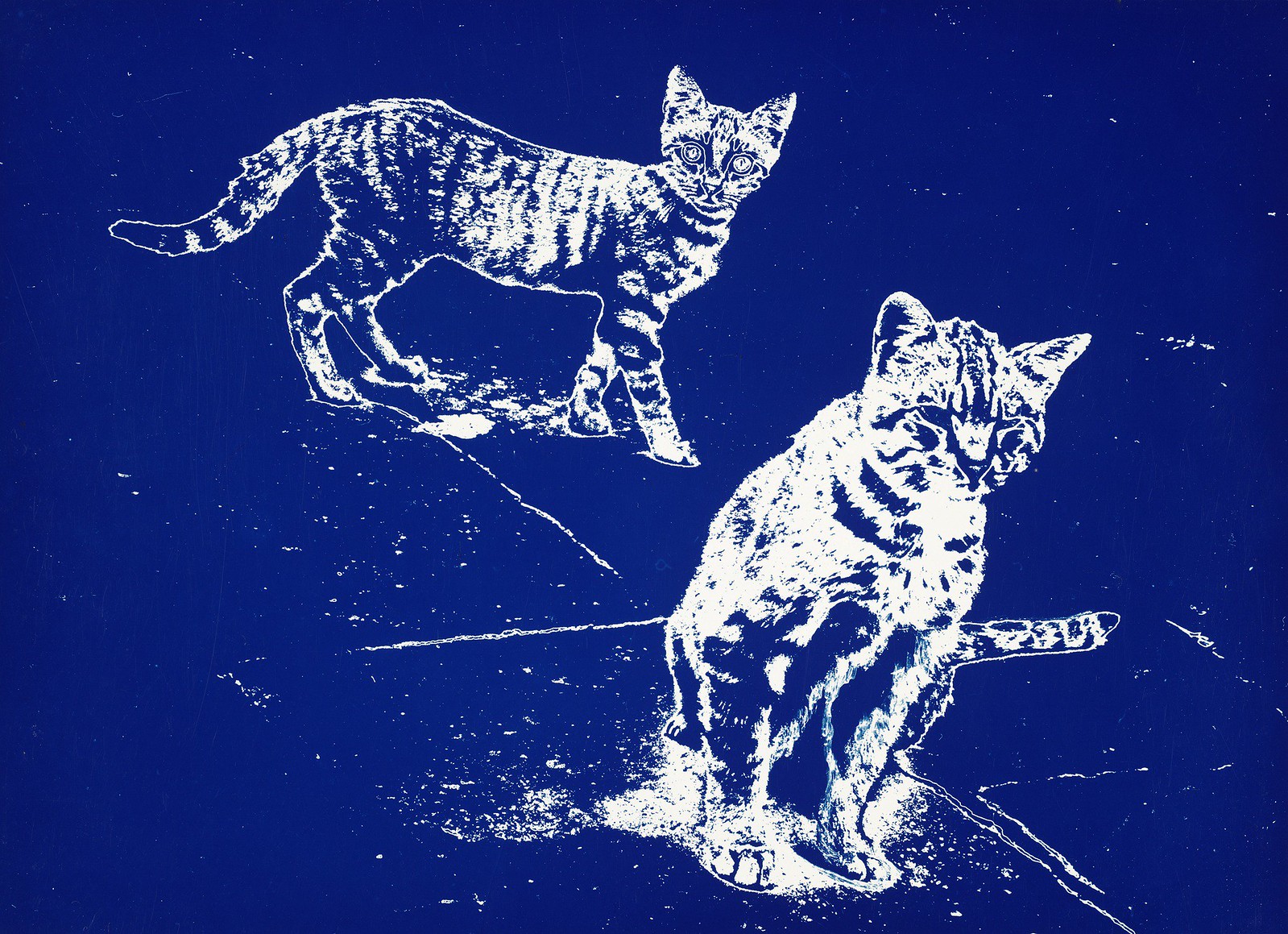
Hilja Raviniemi ~ Puzzle, 1940-luku. Suomen valokuvataiteen museon kokoelma | src valokuvamuseoHilja Raviniemi ~ Vapaa luonnostaan (Free by nature), 1960-luku. Suomen valokuvataiteen museo: Sinisen KosketusHilja Raviniemi ~ Kissapyörre (Cat swirl), 1950–1960-luku. Suomen valokuvataiteen museo | src valokuvamuseo on IGHilja Raviniemi ~ Two tramps, 1950s. Suomen valokuvataiteen museon kokoelma | src valokuvamuseoHilja Raviniemi ~ Two Tramps, 1963-1966. Collection of the Finnish Museum of Fine ArtsHilja Raviniemi ~ untitled, 1950s. Suomen valokuvataiteen museon kokoelma | src valokuvamuseo
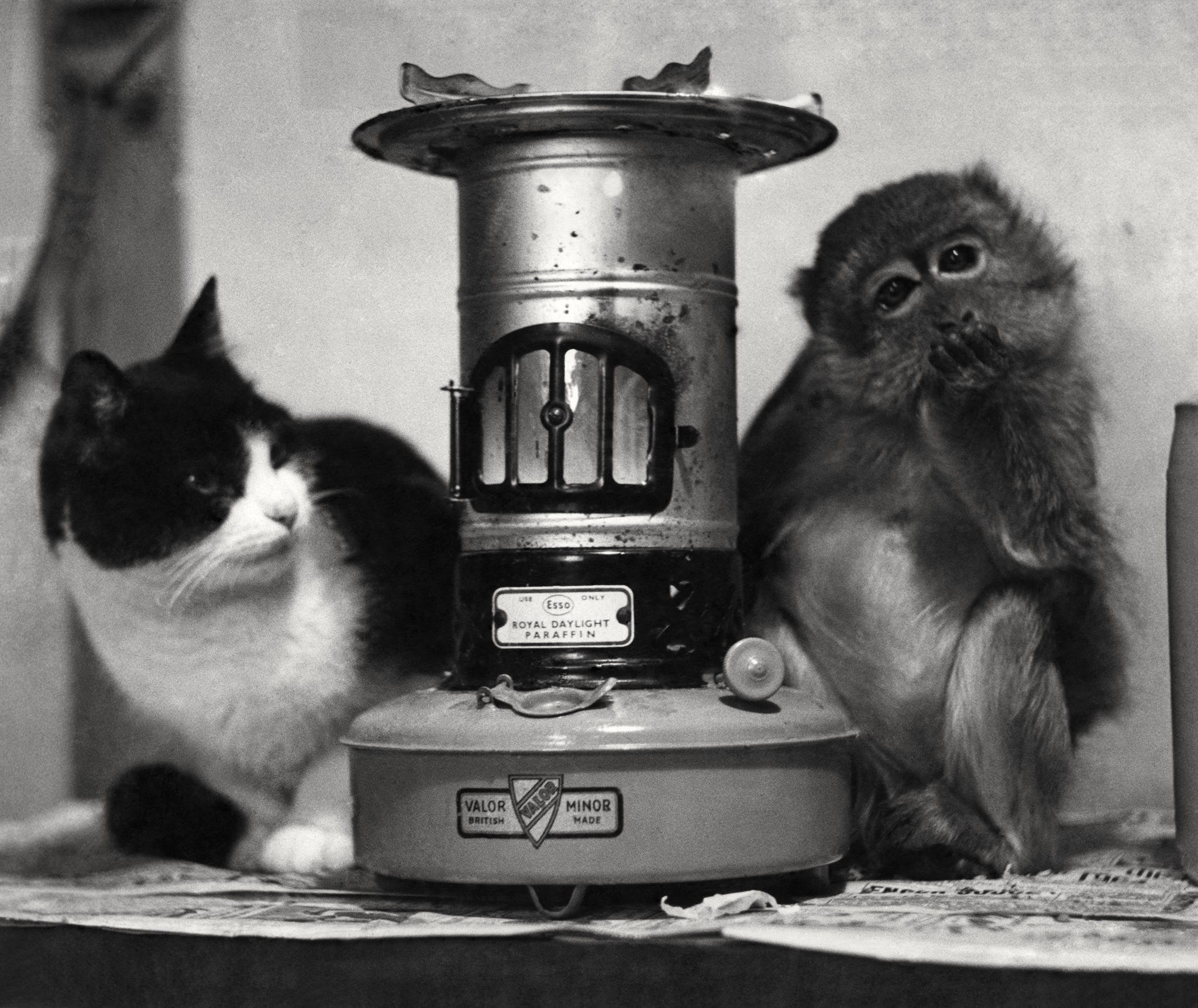
Pet Indian monkey named Josephine with its colleague Peter the cat, November 1951 | src getty images
Original caption on source: Miss Maria Chaliter, of Lowfield Heath, Crawley, Sussex, has advertised for a home for her 14 year old pet, an Indian monkey named Josephine. The owner has little time to devote to Josephine new she works on the land. During the day the monkey sits between a hot water bottle and paraffin stove to keep warm, with its colleague, Peter the cat. These pictures show the scene in the kitchen of Miss Chaliter’s home today with Josephine endeavouring to keep warm. November 1951.
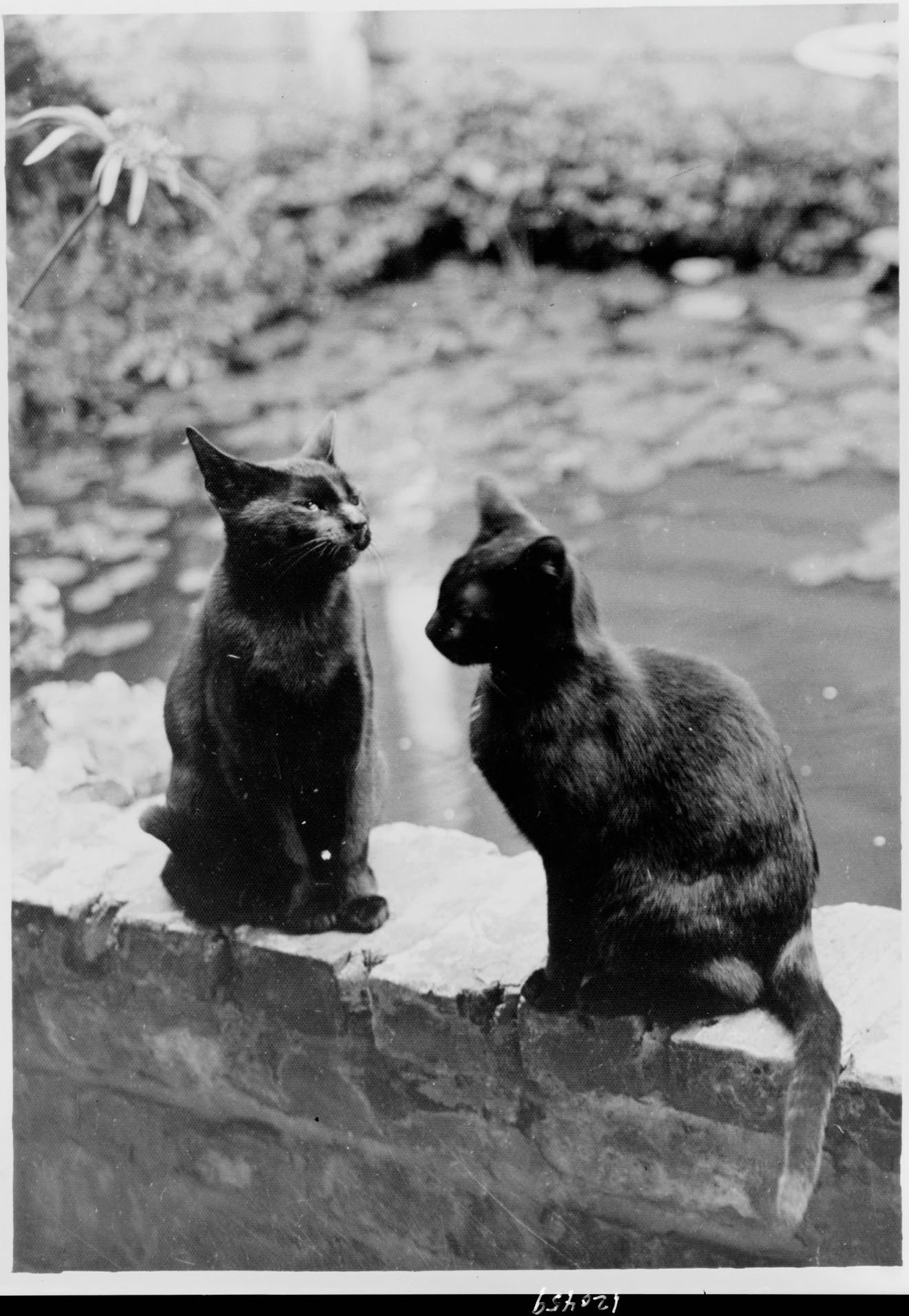
Frances Benjamin Johnston’s cats, Herman and Vermin, seated on brick railing of New Orleans house, Louisiana, between 1945 and 1950. | src getty images
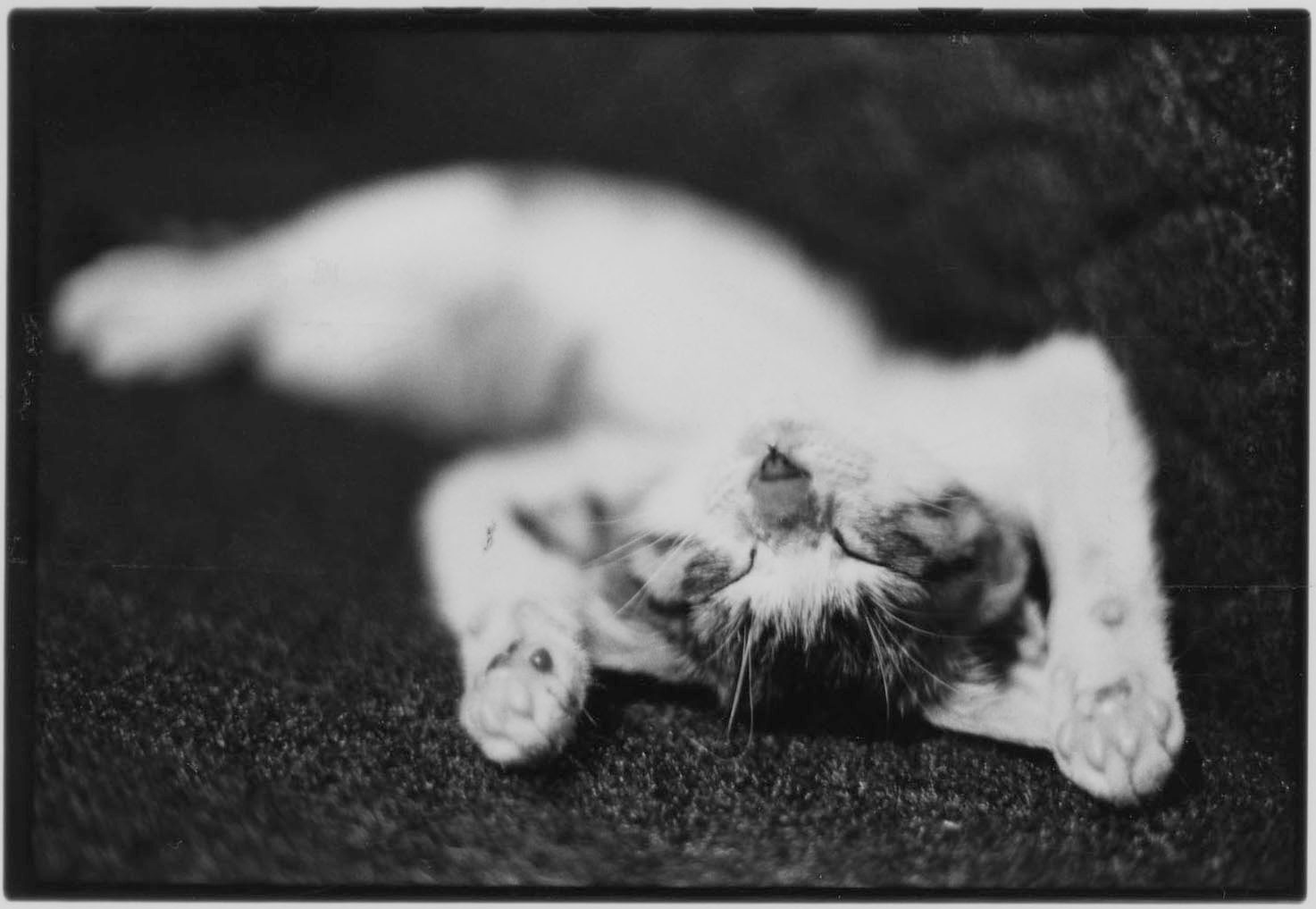
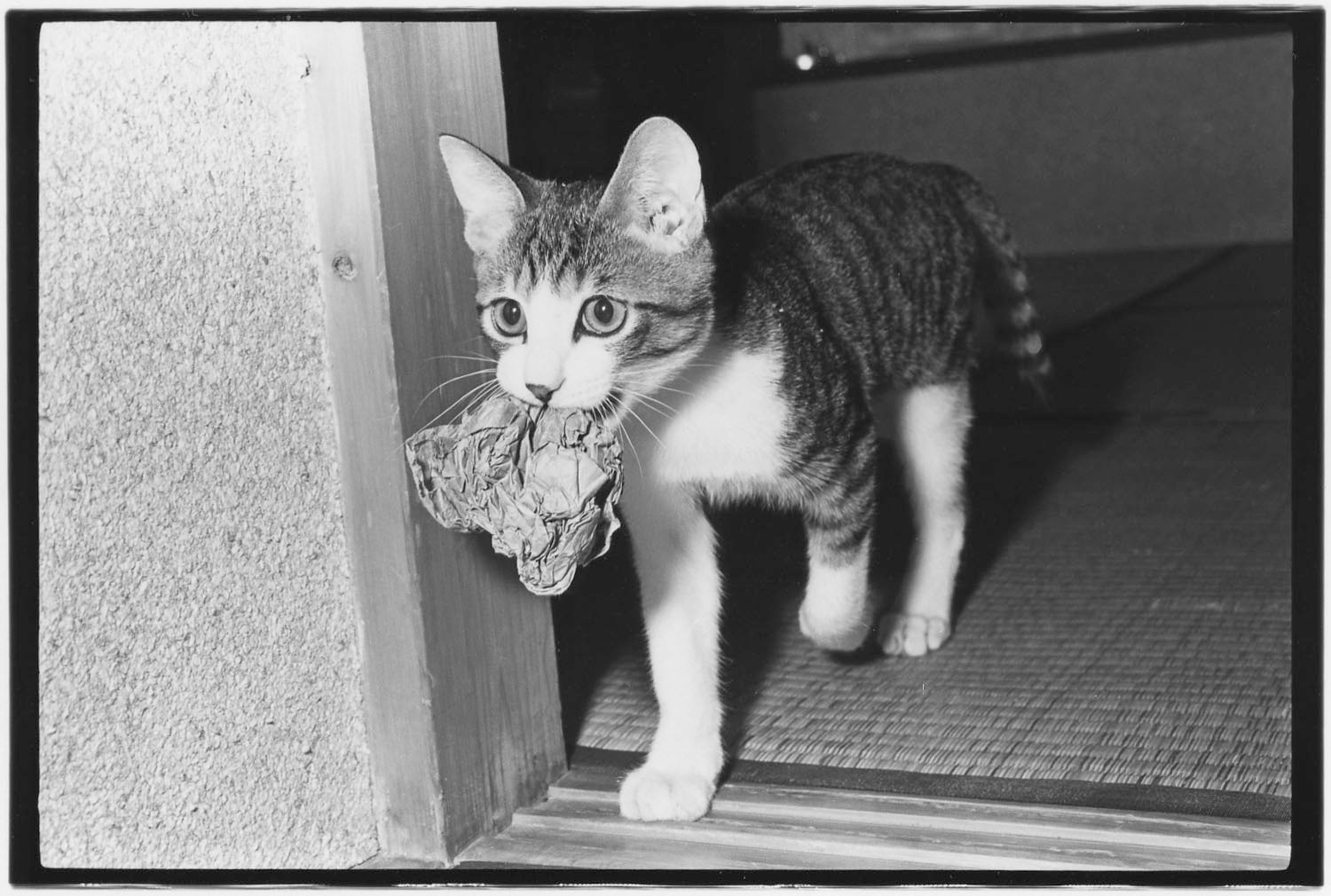
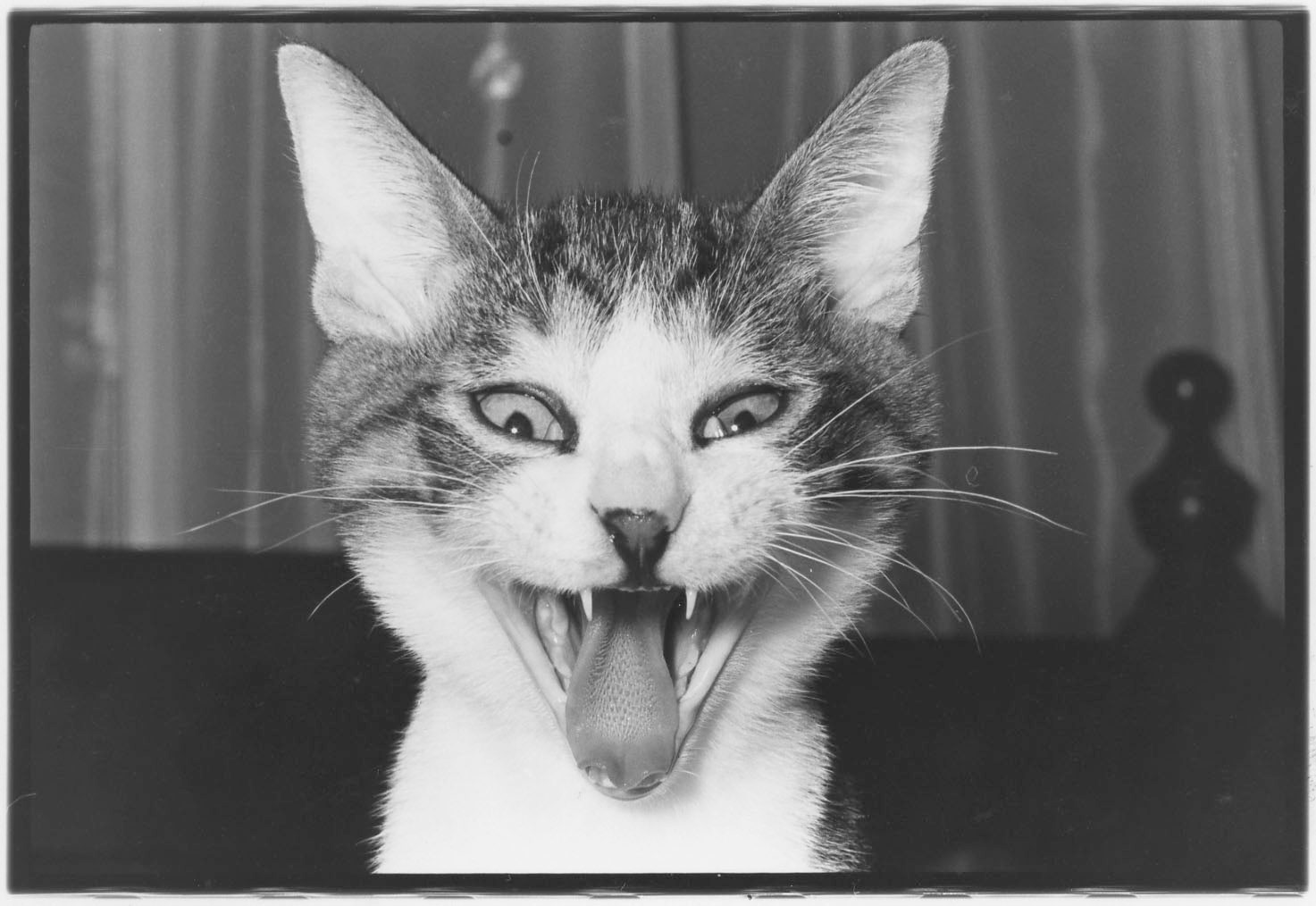
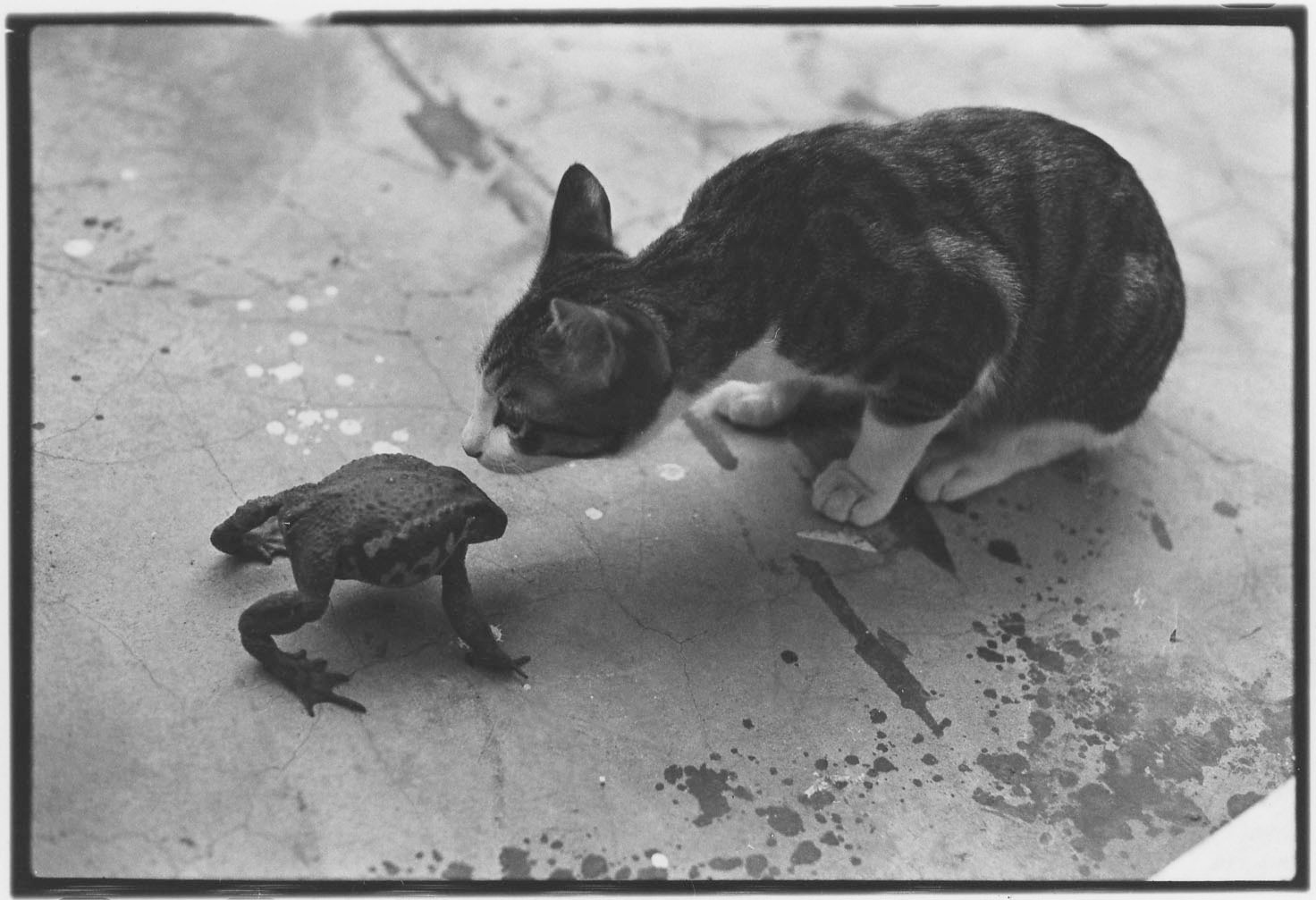
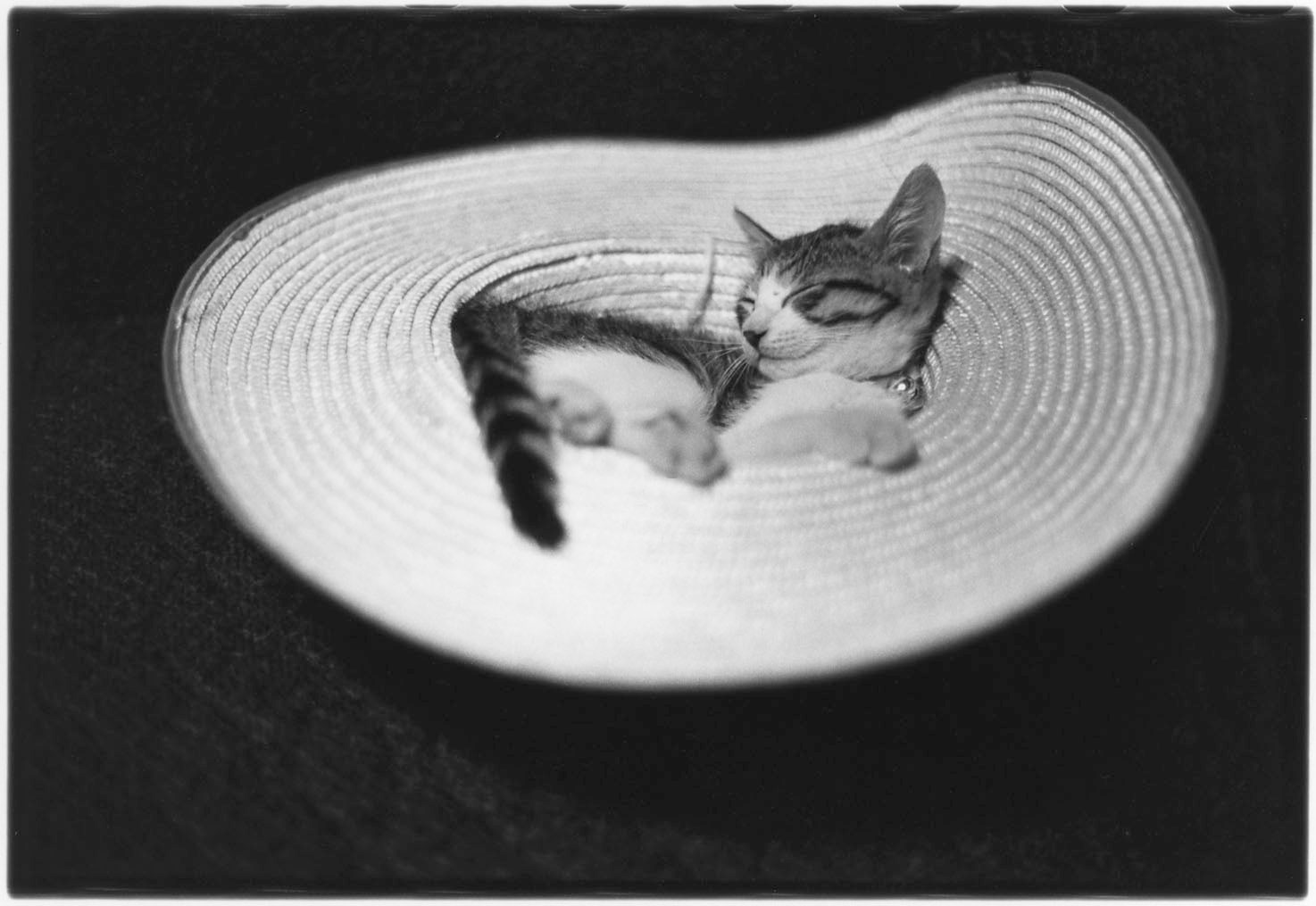
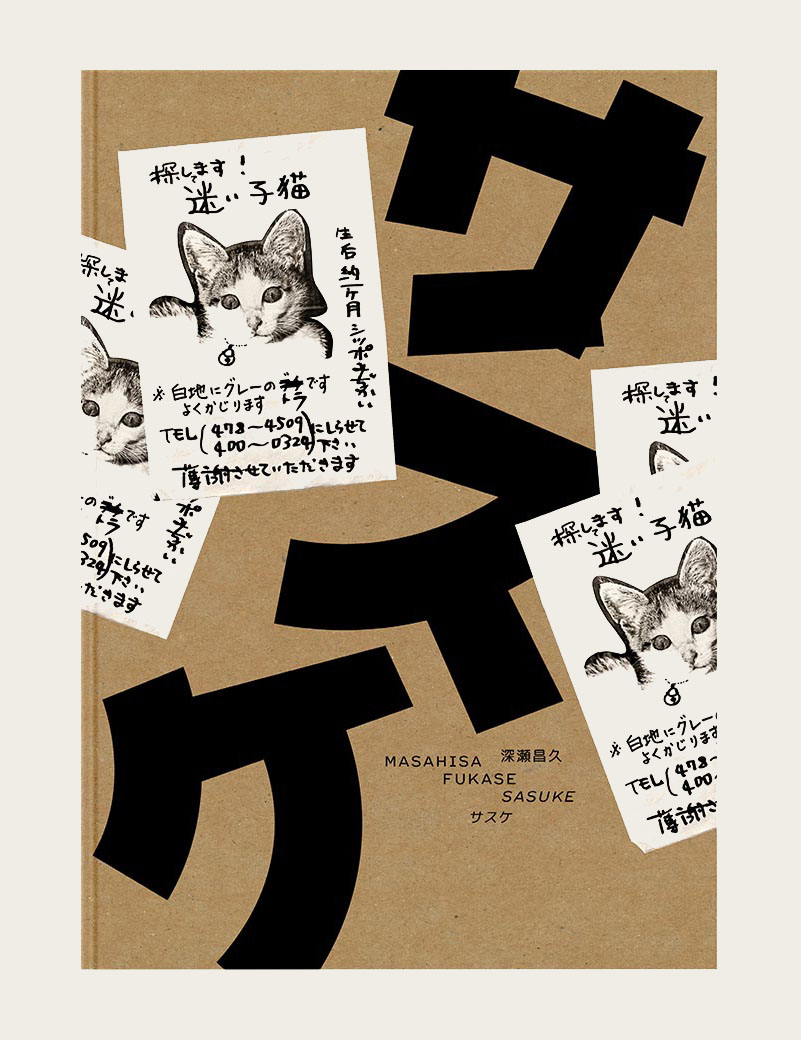
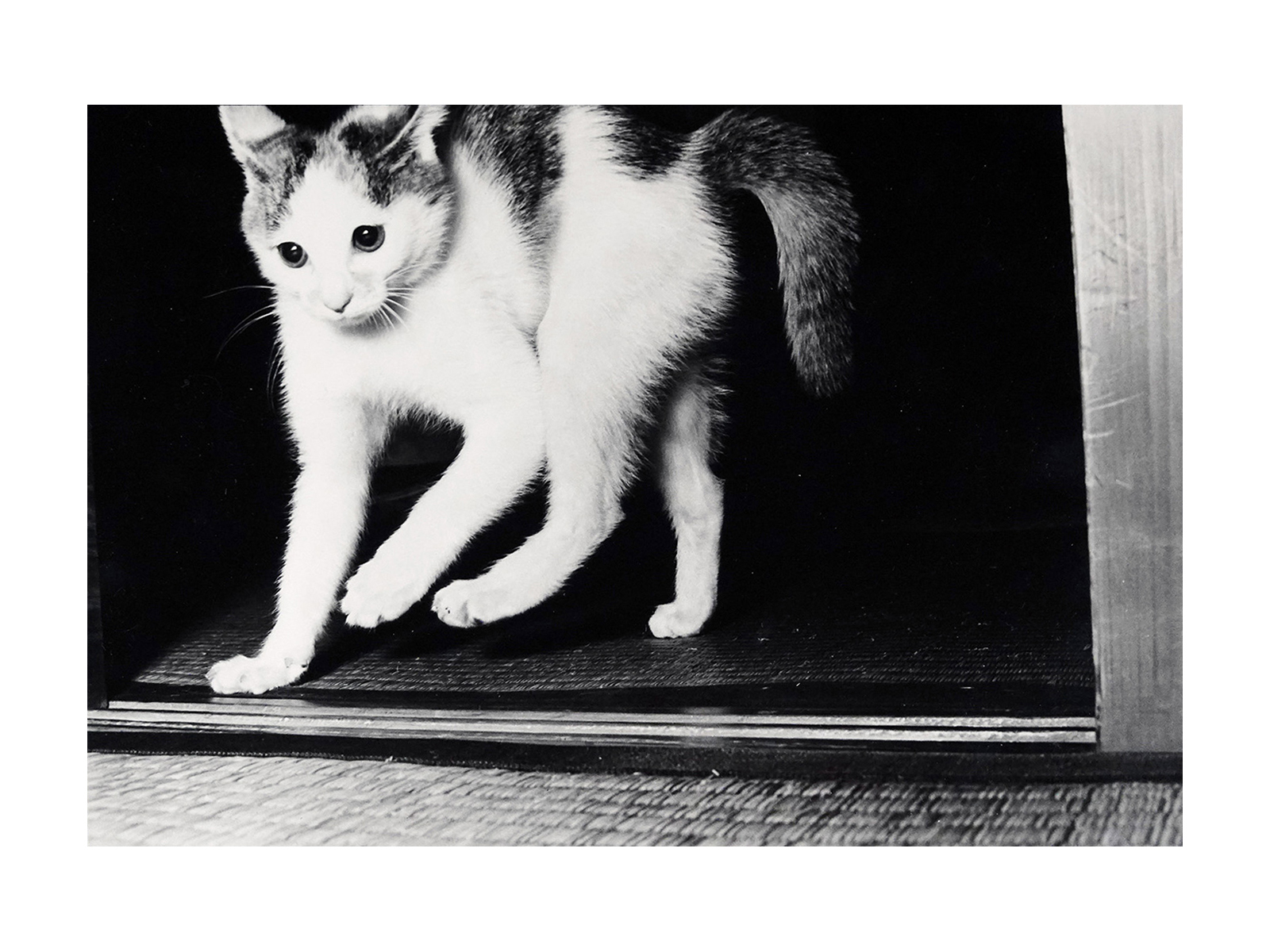
Masahisa Fukase ~ From Sasuke, ca. 1977. Atelier EXB (2021) | src Juxtapoz magazineMasahisa Fukase ~ From Sasuke, ca. 1977. Atelier EXB (2021) | src Juxtapoz magazineMasahisa Fukase ~ From Sasuke, ca. 1977. Atelier EXB (2021) | src Juxtapoz magazineMasahisa Fukase ~ From Sasuke, ca. 1977. Atelier EXB (2021) | src Juxtapoz magazineMasahisa Fukase ~ From Sasuke, ca. 1977. Atelier EXB (2021) | src Juxtapoz magazineMasahisa Fukase ~ From Sasuke, ca. 1977. Atelier EXB (2021) | src Juxtapoz magazineBook cover from Sasuke. Atelier EXB (2021) | src Juxtapoz magazine
In 1977, Fukase turned his lenses on his new companion Sasuke. Growing up with felines, he decides with the arrival of this new cat in his life that it would become a photographic subject in his own right, fascinated by this creature full of life named after a legendary ninja. Sasuke disappears after ten days and the photographer sticks hundreds of small posters in his neighborhood.
A person brings back his cat, yet it is not Sasuke but never mind he welcomes this new cat with as much affection. One year later, he takes a second cat named Momoe, entering the frame as well and he will never get tired of photographing their games. They become for the Japanese photographer a boundless experimental field leading to an extraordinary body of work in its technical and visual inventiveness.
As often in his work, this series shows a form of projection of the photographer into his subject. The cat, a faithful companion who never leaves him, takes the place of his wife, eternal heartache, later represented by the iconic fleeing crows.
A new book, Sasuke, is dedicated to Masahisa Fukase’s emblematic series on his two cats: Sasuke and Momoe, combining unpublished and iconic images. | Juxtapoz magazine








 un regard oblique