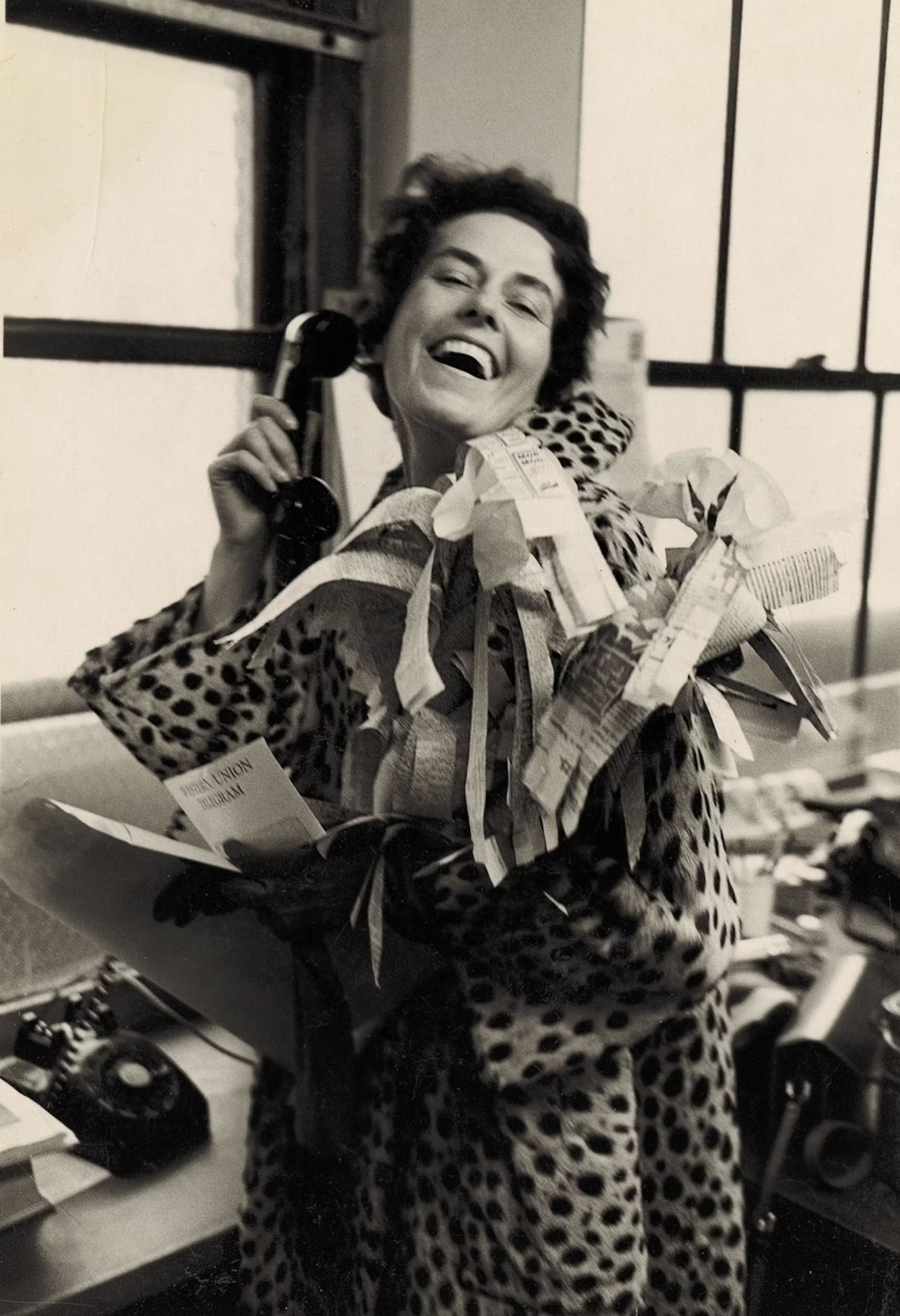
Inge Morath im Magnum Office
images that haunt us


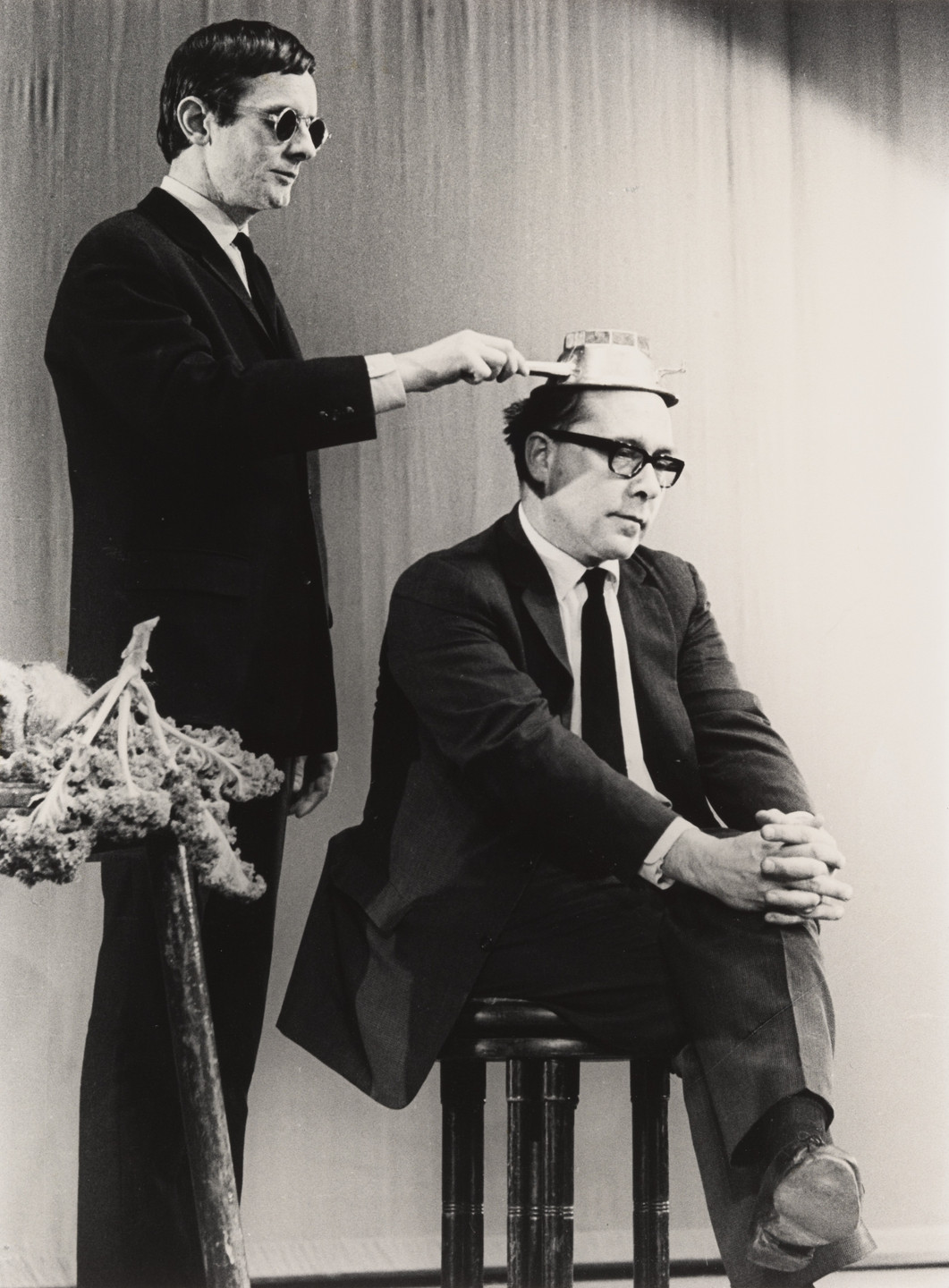

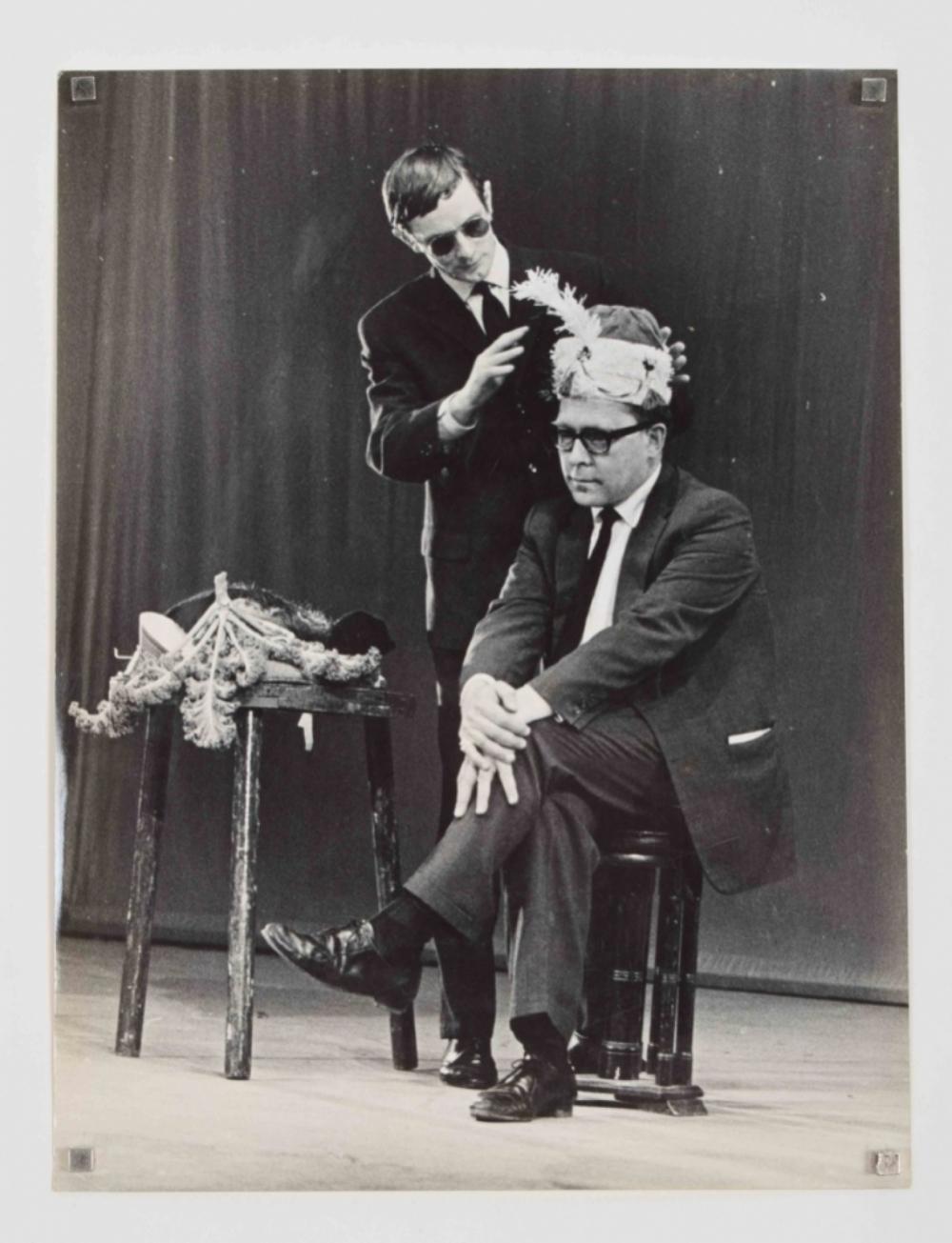


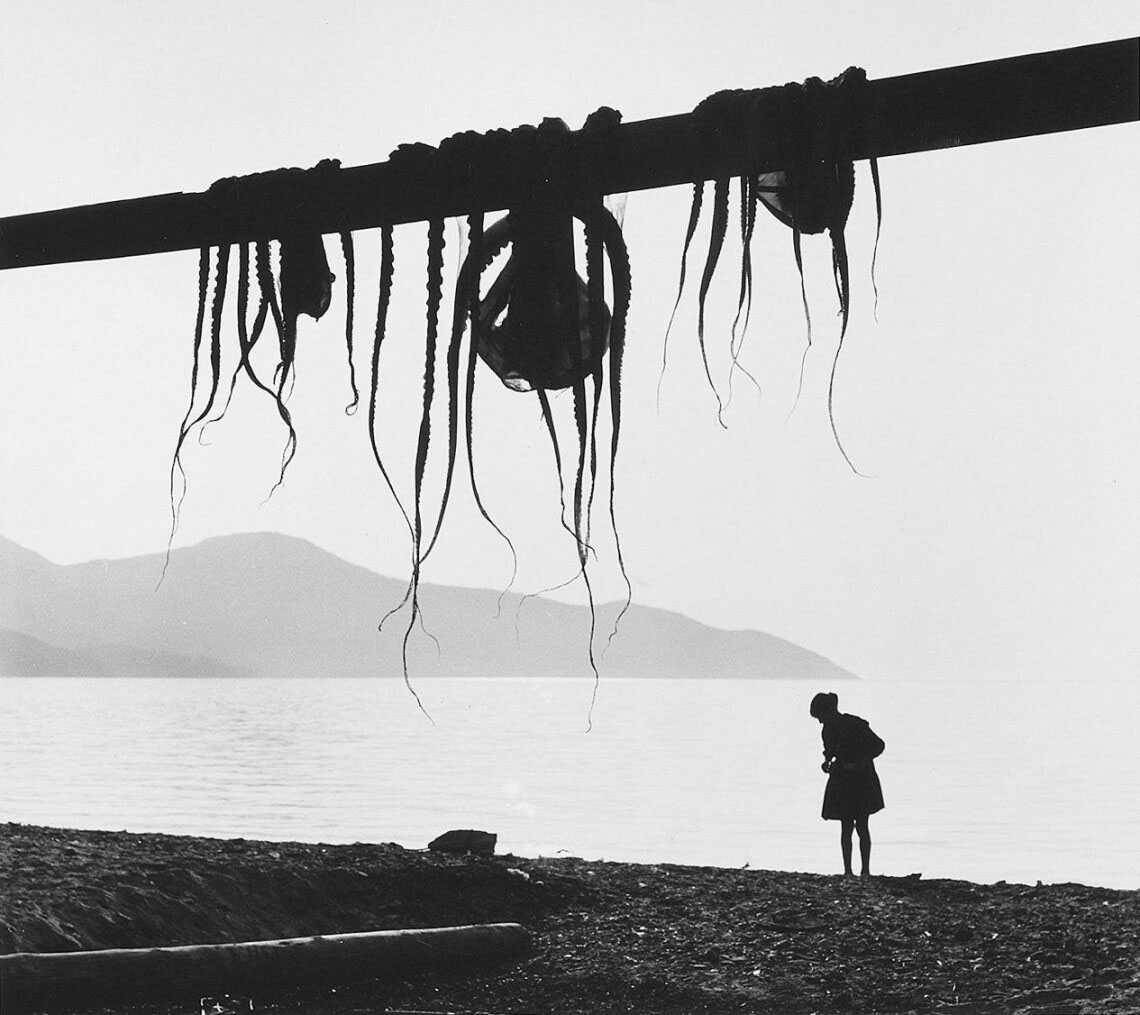
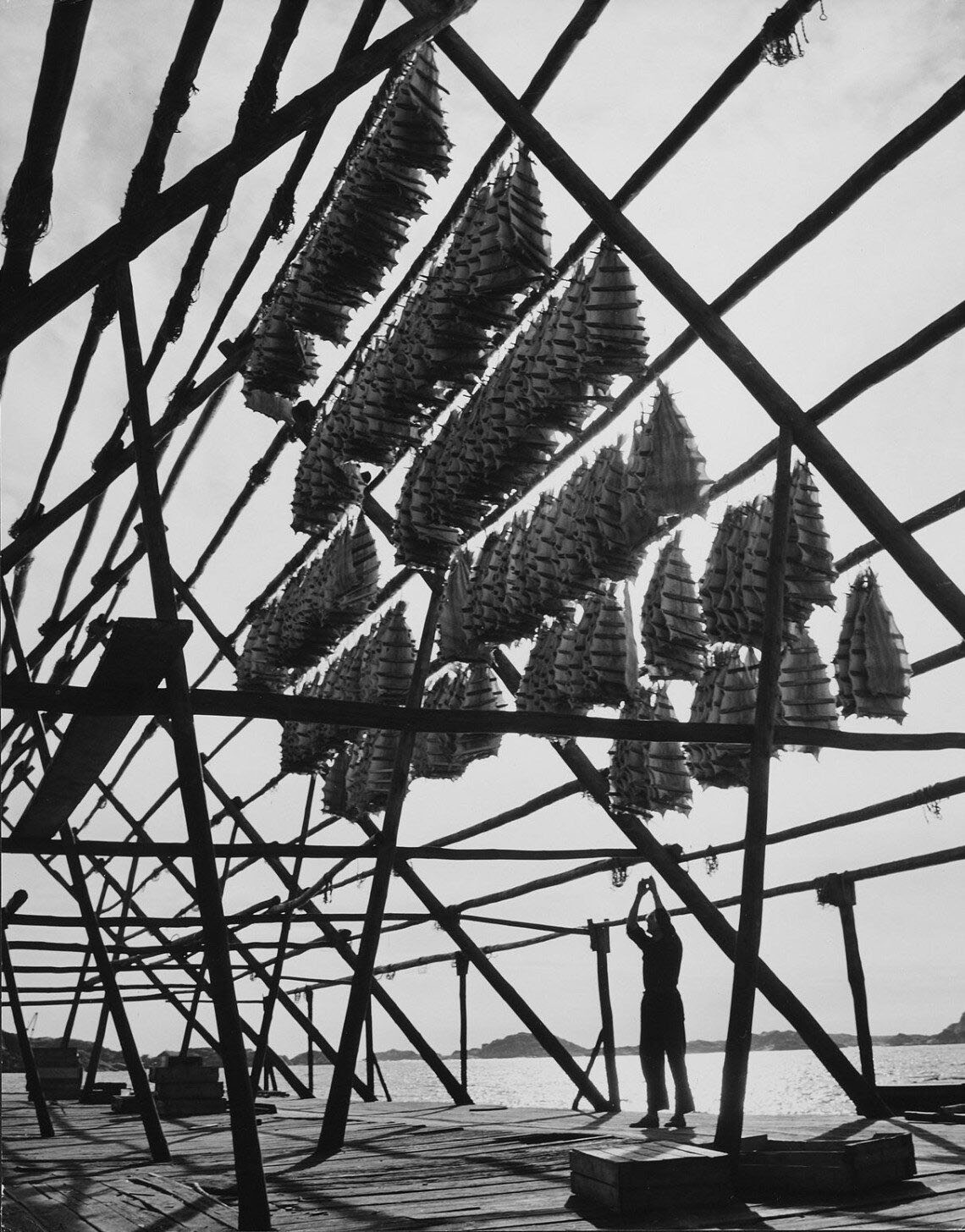
Toni Schneiders (1920-2006) is one of the great German photographers of the 20th century. With his formal, pictorial ambitions and his exciting motifs, he made a significant contribution to the renewal of photography after 1945. In 1949, he was a founding member of the fotoform group, which freed itself from the propaganda photography of the Nazi era through its artistic rigour and also set itself apart from the pleasing post-war photography, thus gaining international recognition.
Toni Schneiders’ photographs are characterized by formal rigour, virtuoso lighting and concentration on the essential pictorial elements [accentuating image details and emphasizing surface and line, including contour and structure]. But they are also permeated by the artist’s great interest in his subject, whom he depicts sometimes melancholically, sometimes poetically and sometimes cheerfully, but always with great empathy. In this way, Toni Schneiders succeeded in combining the rigour of fotoform, which was based on the New Objectivity of the 1920s, with his very personal, sometimes even humorous point of view. His photographs were published in more than 200 illustrated books.
The interplay of humanity, depth of content and formal rigour reflected in his work makes his works unique and a pleasure for the inclined viewer.
Text adapted from Stiftung F.C. Gundlach / Toni Schneiders bio


Czech Avant-Garde at Gitterman Gallery ~ Nov 14 – Dec 22, 2023
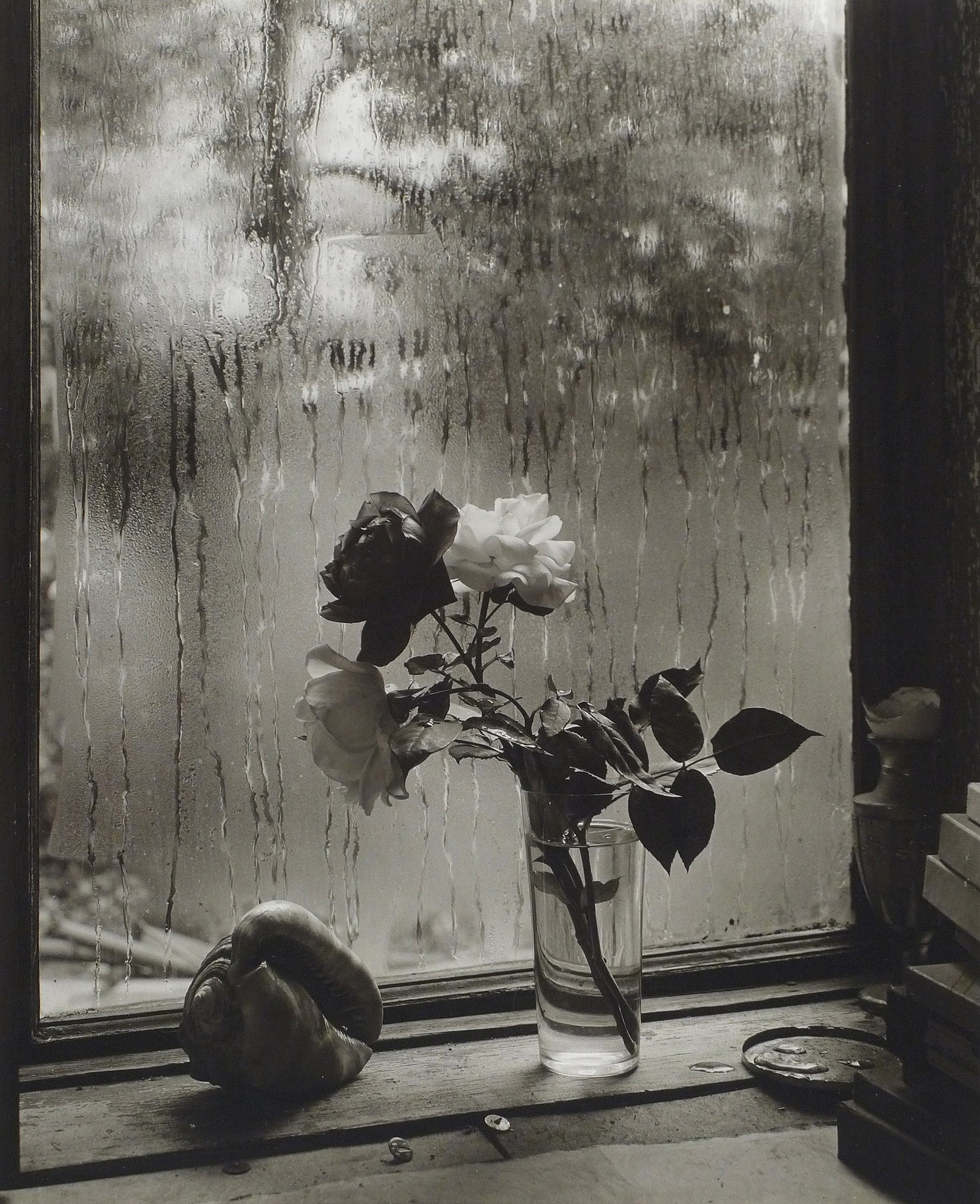
Gitterman Gallery presents a selection of avant-garde Czech photography with a focus on rare vintage works by two seminal figures, František Drtikol and Josef Sudek. Each created exquisite prints that added dimension to their innovative visions.
Josef Sudek (1896-1976), after having lost his right arm in combat during World War I, devoted his life to photography. Working with a large format camera, he stayed close to home. He primarily worked in his studio in Prague, photographing intricately constructed still lifes and atmospheric views through his studio window, as well as portraits, landscapes and his city. Though Sudek chose seemingly conventional subjects, his delicate prints convey the poetic magic of the photographic medium.






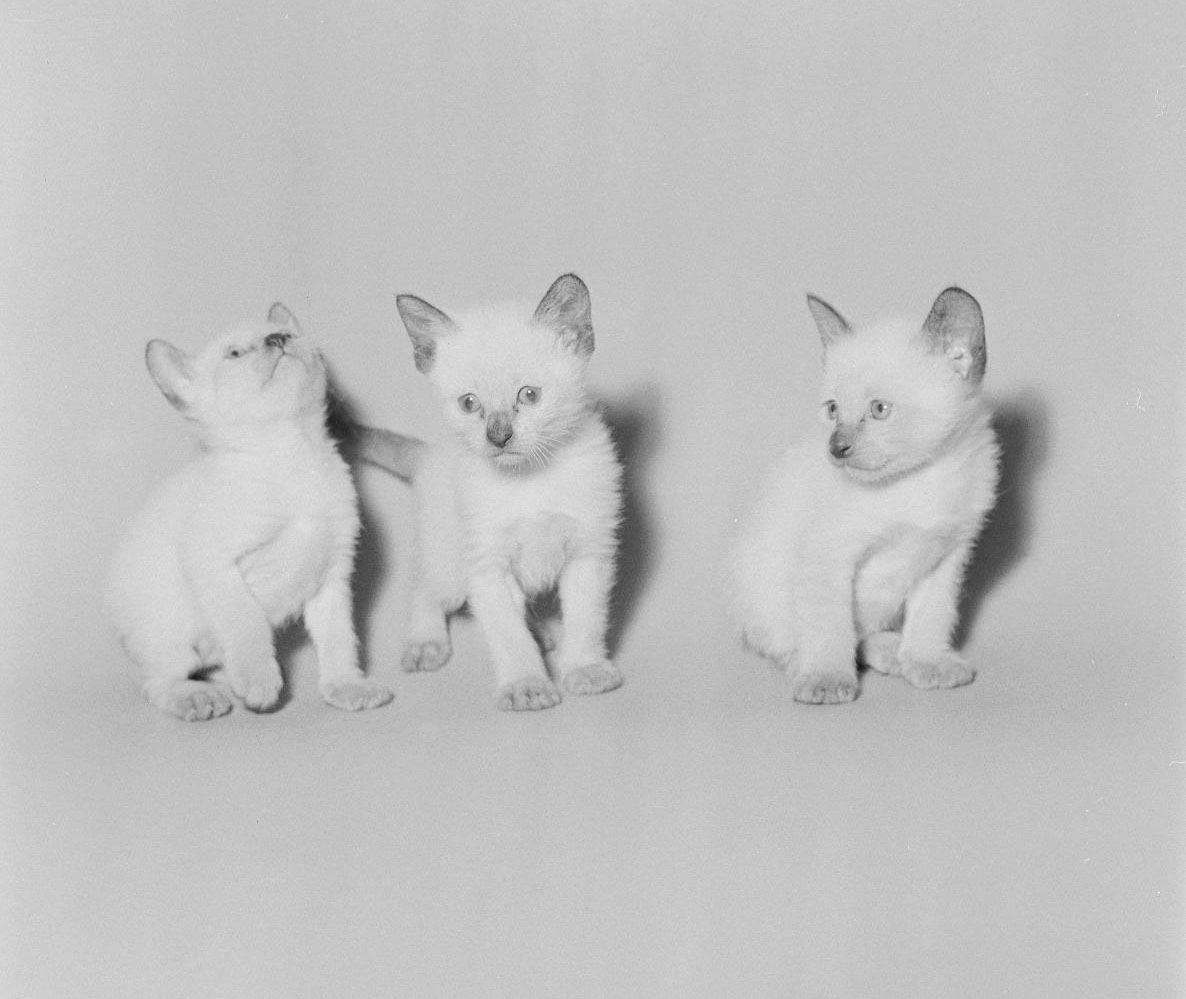
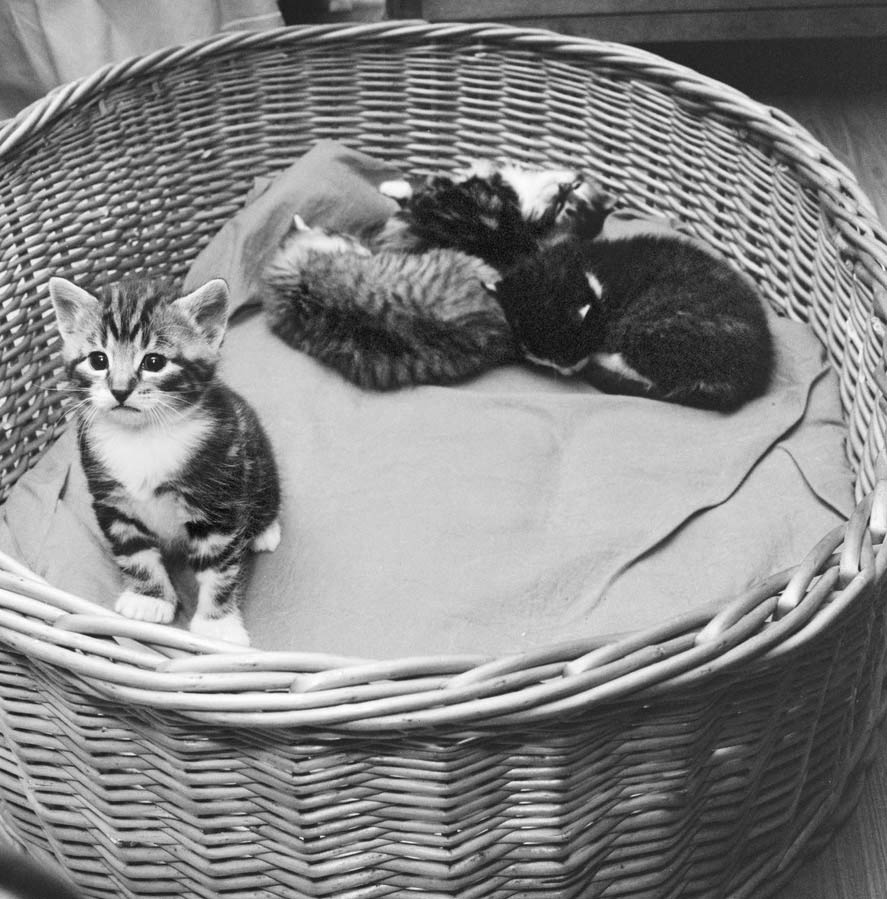
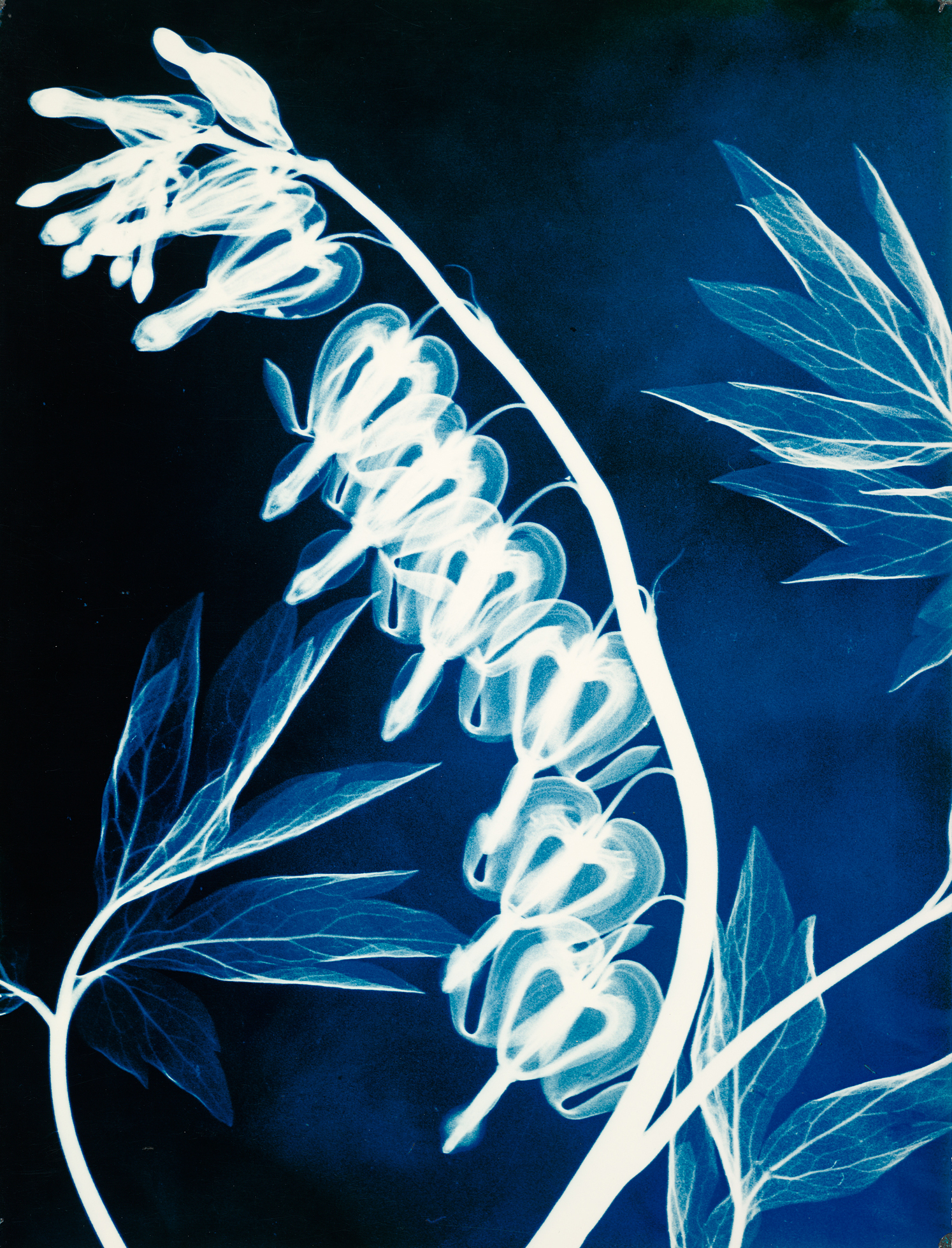

Hilja Raviniemi (née Nieminen, 1915–1973) dedicated her life to art photography at a time when it was still a niche phenomenon in Finland. The art photography scenes consisted of amateur photographers’ clubs’ regional and international exhibitions. Letters from international exhibitions addressed to “Mr. Hilja Raviniemi” show that photographers were assumed to be men. Hard work helped “Hili” rise to the top of the male-dominated world of amateur photographers’ clubs. She was the first woman to become chair of the Association of Finnish Camera Clubs, and she was awarded the international honEFIAP title, which was only allowed to be simultaneously carried by a select few photographers in the world.
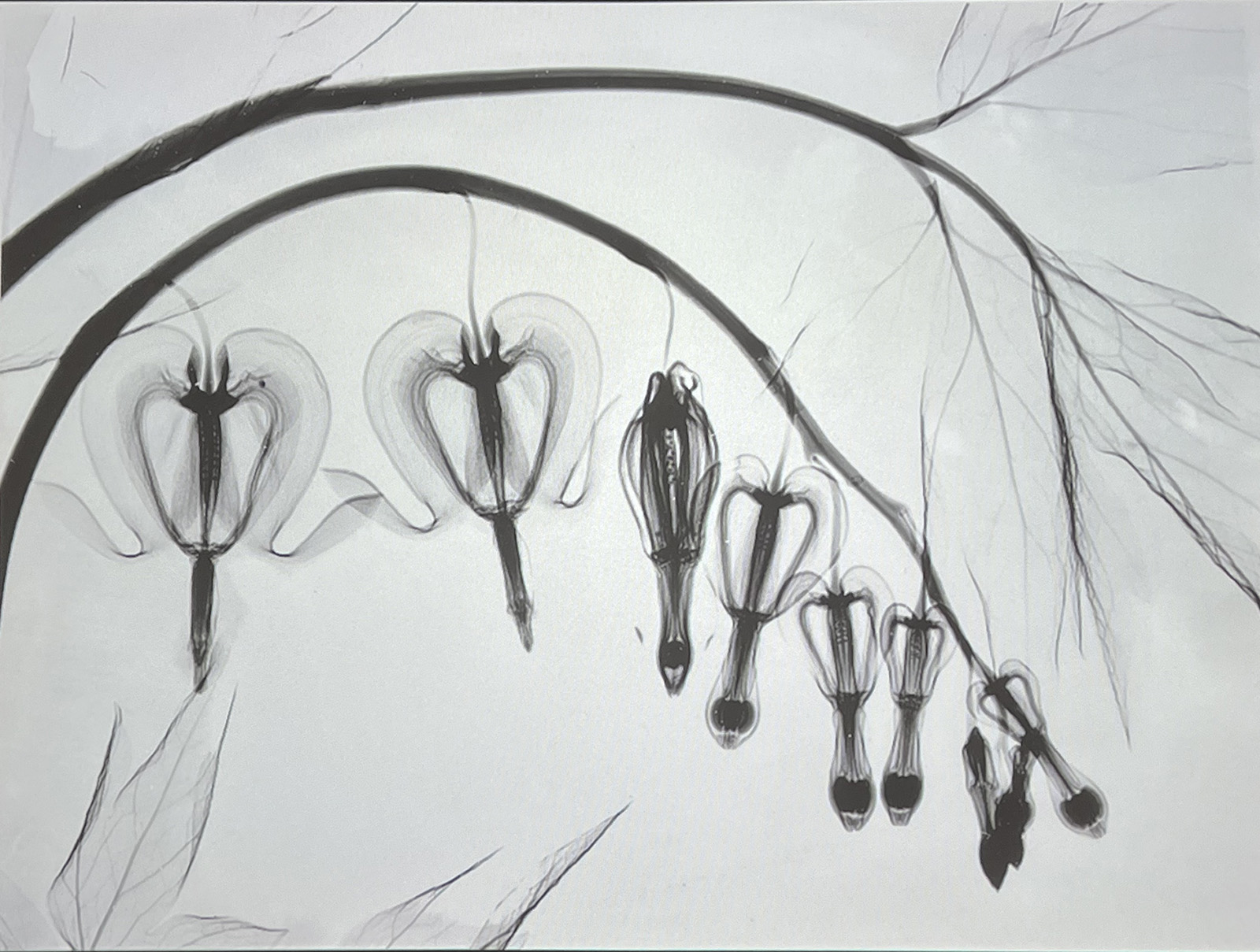
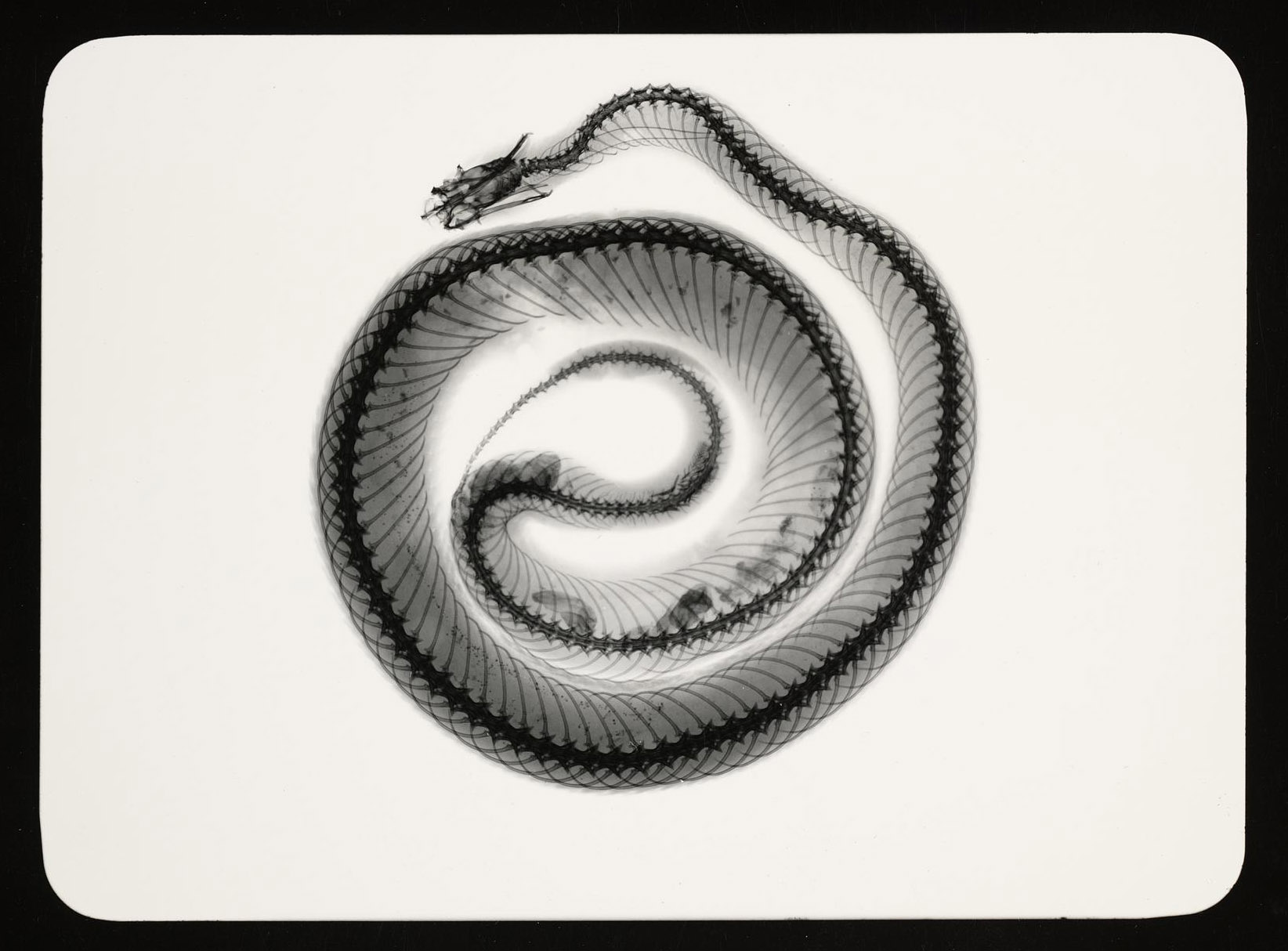
After her more traditional early work, Raviniemi explored the infinite creative possibilities offered by the darkroom, especially in the 1960s. Her recognizable blue era, which differed from the stark black-and-white art photography of the time, began in the late 1960s. Chemist by profession, Raviniemi was an ingenious artist in the darkroom. In addition to blue-tinted prints, she also created completely abstract photographic artworks using different techniques. Raviniemi’s workplace at the University of Helsinki photography department laboratory also allowed her to make the first artistic radiographic images in Finland. Hundreds of Raviniemi’s radiographic works have been preserved and make up an exceptional ensemble of works in the history of Finnish art photography. In the current exhibition, carefully constructed exhibition prints are accompanied by experimental material that grants us a glimpse of Raviniemi’s curious personality and sense of humor, along with eccentric pictures of cats.
Hilja’s husband, chemist Eero Raviniemi (1911–1996) was also an accomplished photographer and pioneer of color photography in Finland. After Eero’s death, the Raviniemi family’s photography collection was donated to the Finnish Museum of Photography.
quoted from: Hilja Raviniemi: Sinisen kosketus (A Touch of Blue). Fall 2023 exhibition at the Finnish Museum of Photography (link)
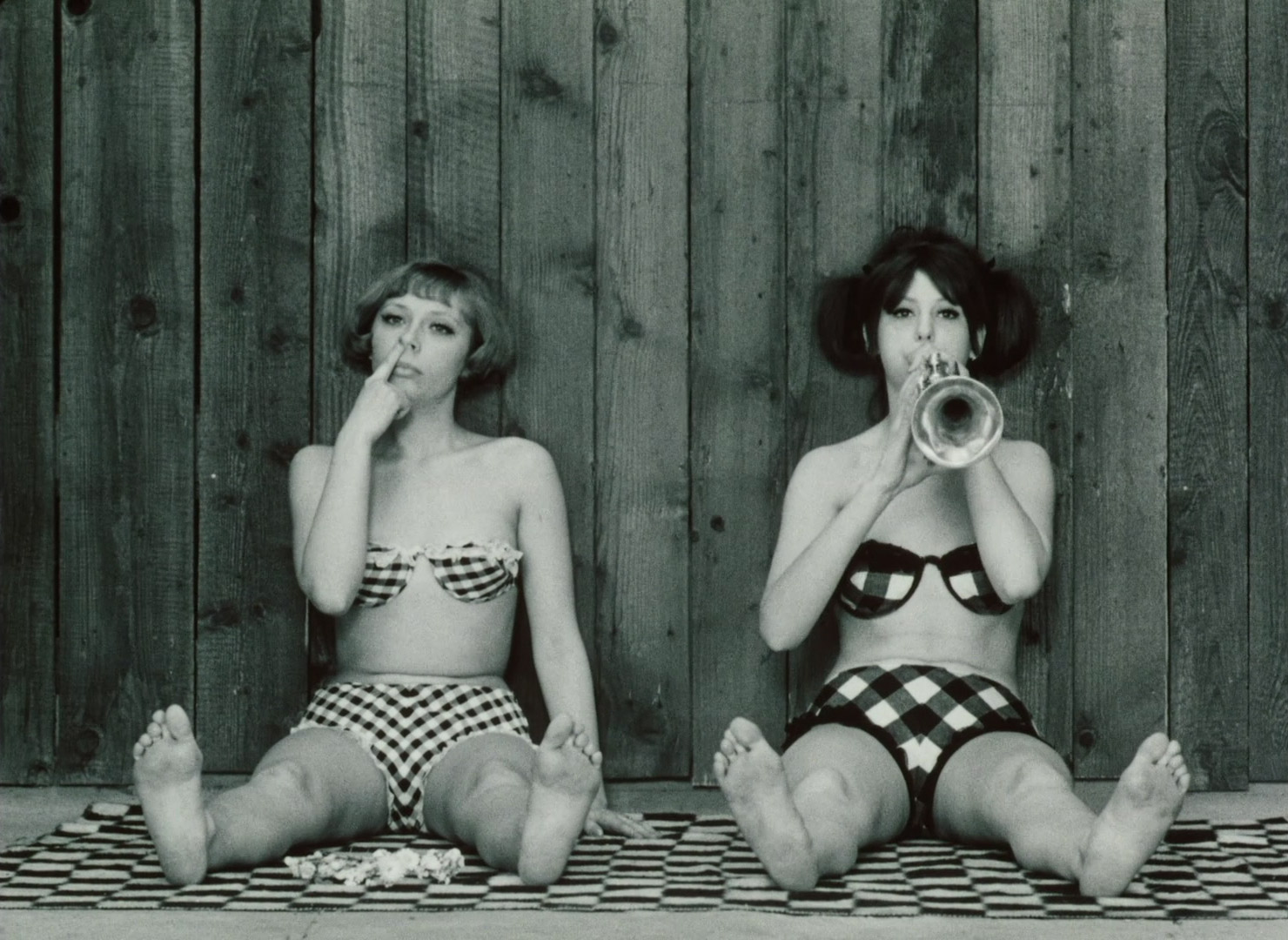
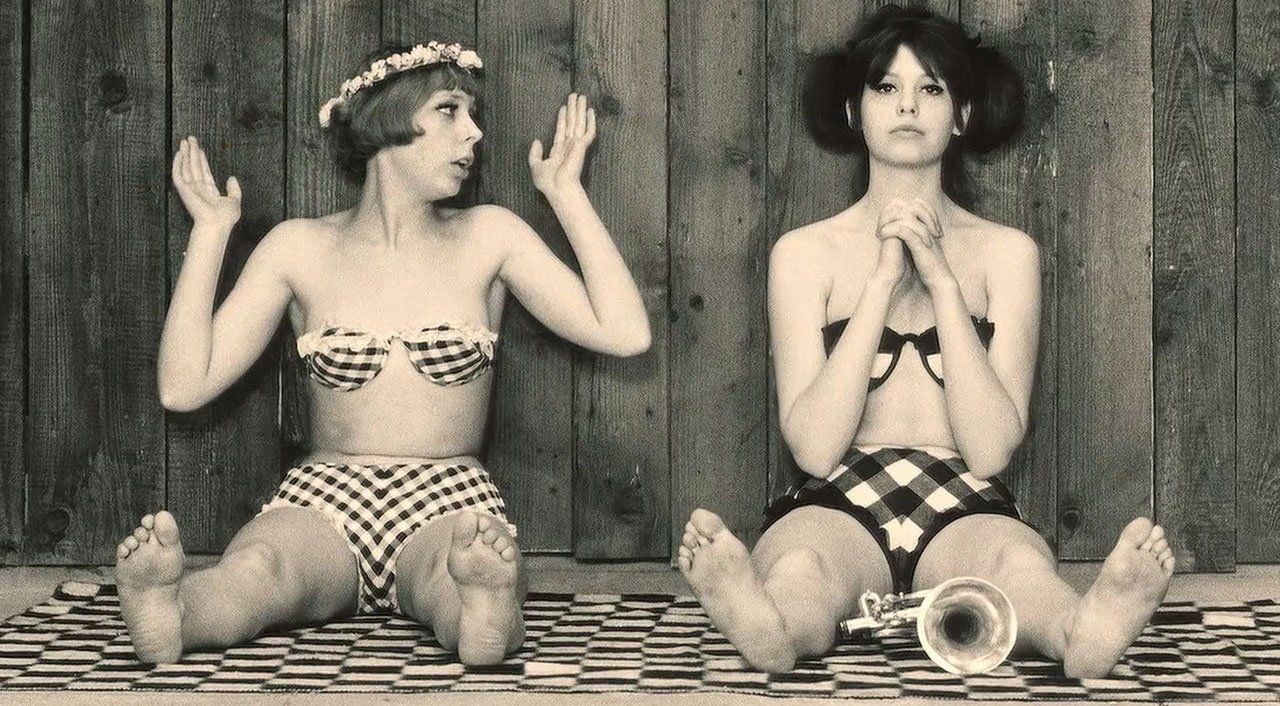
Daisies (Czech: Sedmikrásky) is a 1966 Czechoslovakian Surrealist dramatic comedy written and directed by Věra Chytilová regarded as a milestone of the Czechoslovak New Wave movement.

Originally planned as a satire of bourgeois decadence, the movie targets those attached to rules and was referred to by Chytilová as “a necrologue about a negative way of life”. Daisies also inverts the stereotypical ideas of women and redraws them to the heroines’ advantage. The film is considered critical of authoritarianism, communism and patriarchy, and it was banned from theaters or export in the Czechoslovak Socialist Republic. [quoted from Wikipedia entry]
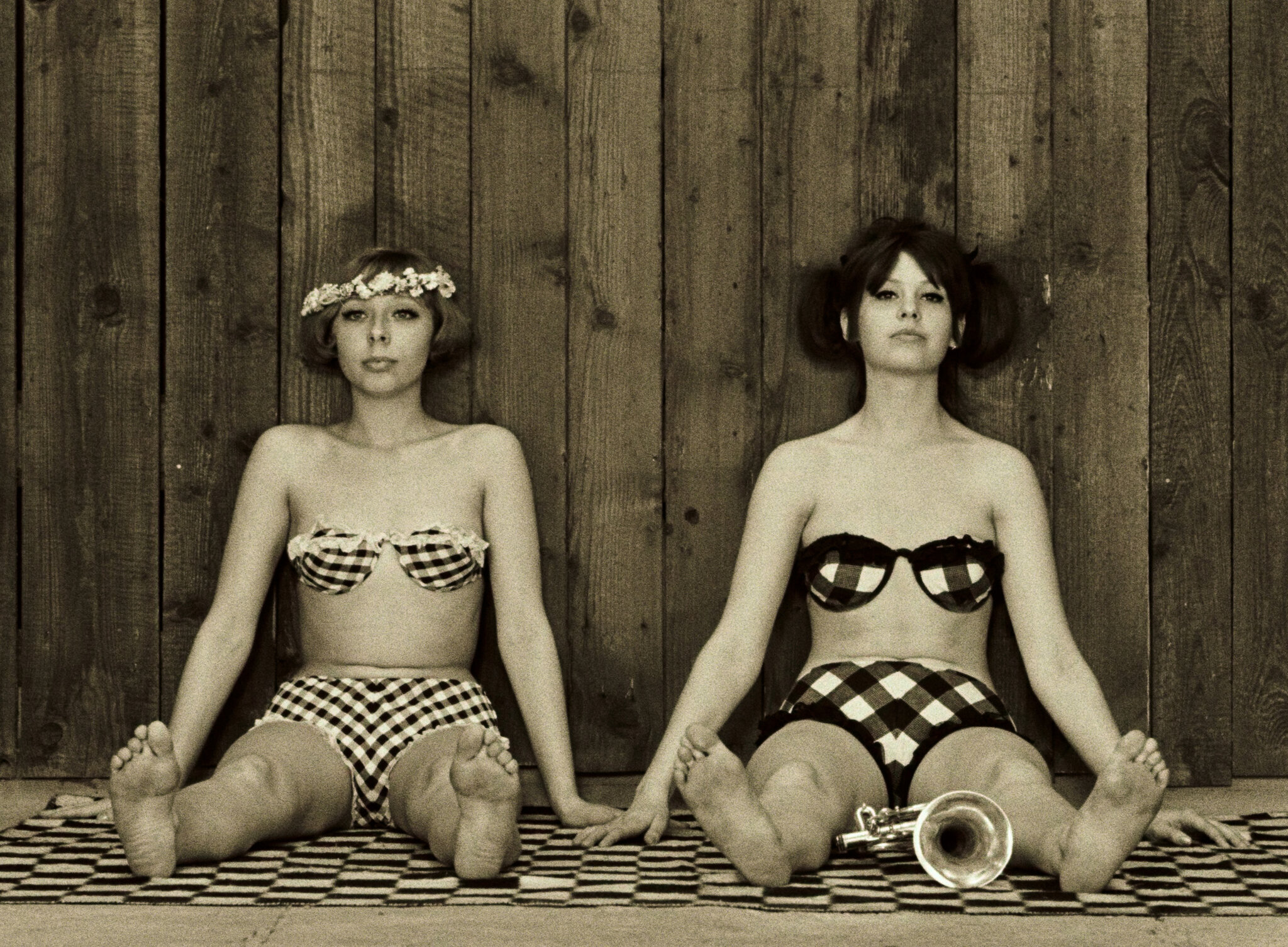
These film stills are the first scene; those show Marie I and Marie II sitting in bathing suits. Creaking sounds accompany their movements and their conversation is robotic. They decide that, since the whole world is spoiled (or bad), they will be spoiled as well. [quoted from wikipedia]

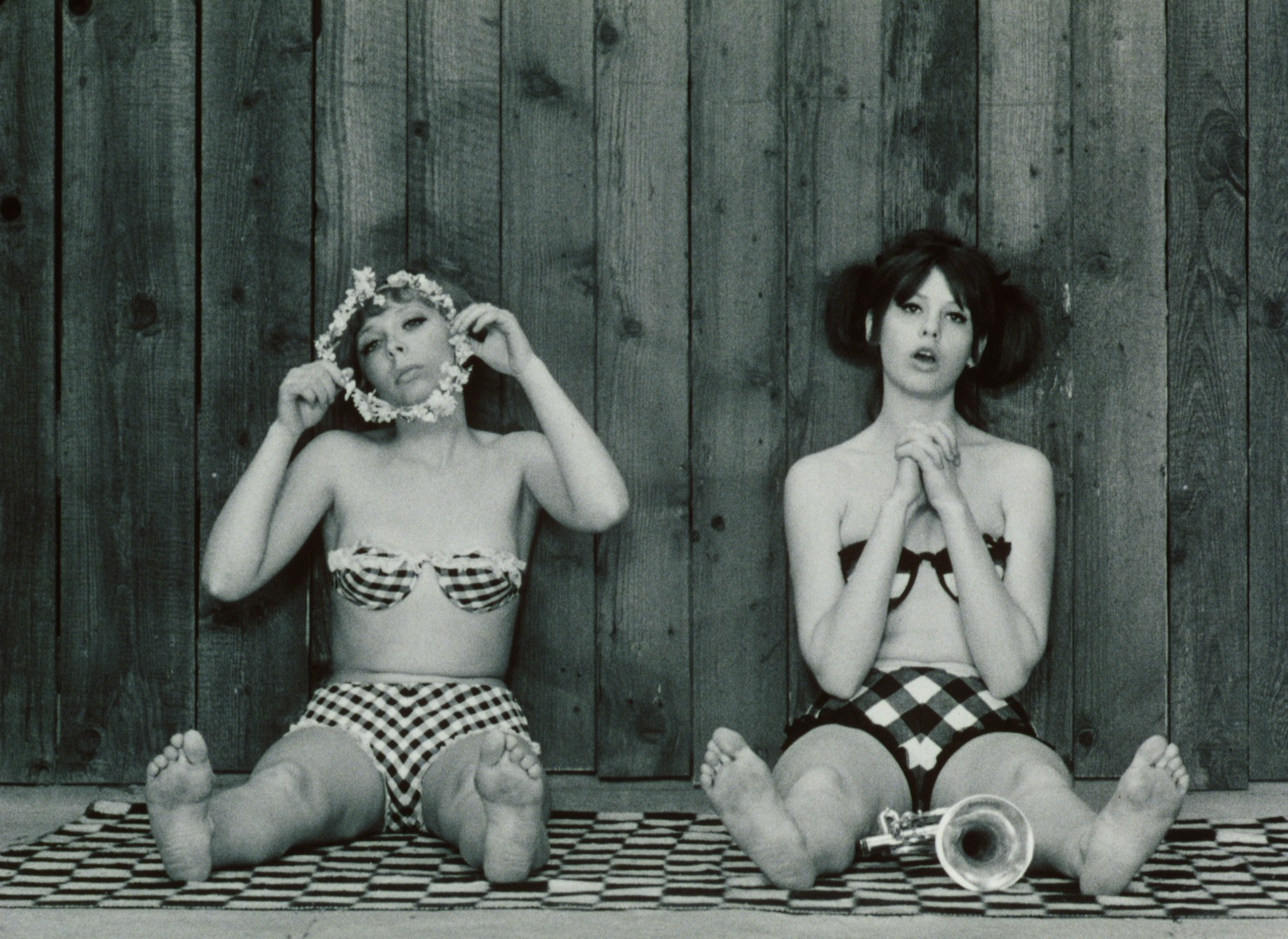
Sunbathing at an outdoor pool, Marie I (brunette) and Marie II (blonde) come to the conclusion that the world is spoiled. It’s a short leap to deciding they are spoiled too, but “so what?”. From that moment on, they run riot. | src Berlinale 2023

This first scene can be watched in Youtube with English subtitles
A trailer of the film can be watched at IMdB
Other sites with information or analysis on this film are listed below:
Deutsche Kinemathek (x)
The Criterion collection (1) and (2)
European East Film Bulletin : EEFB-1 and eefb-2
Desire and Eroticism in Dictatorial Times (link to pdf)
 un regard oblique