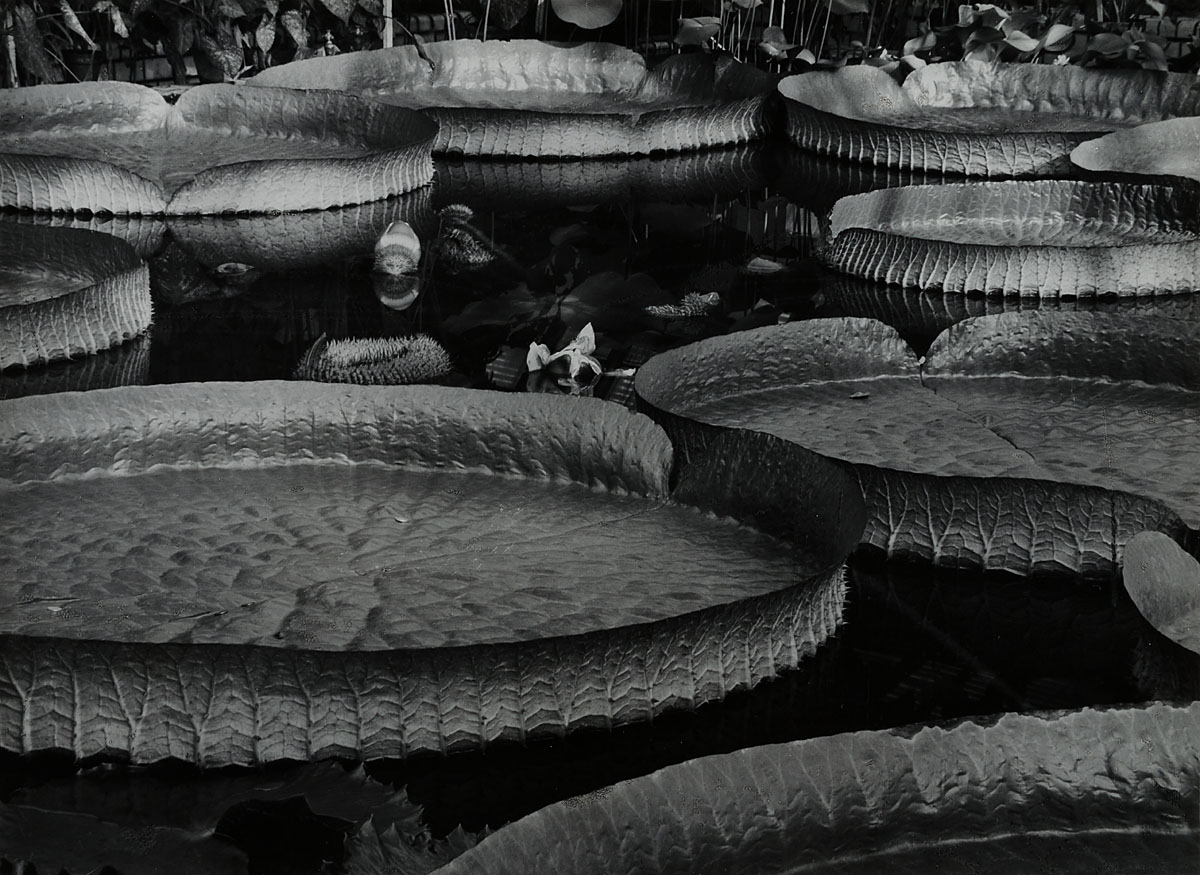
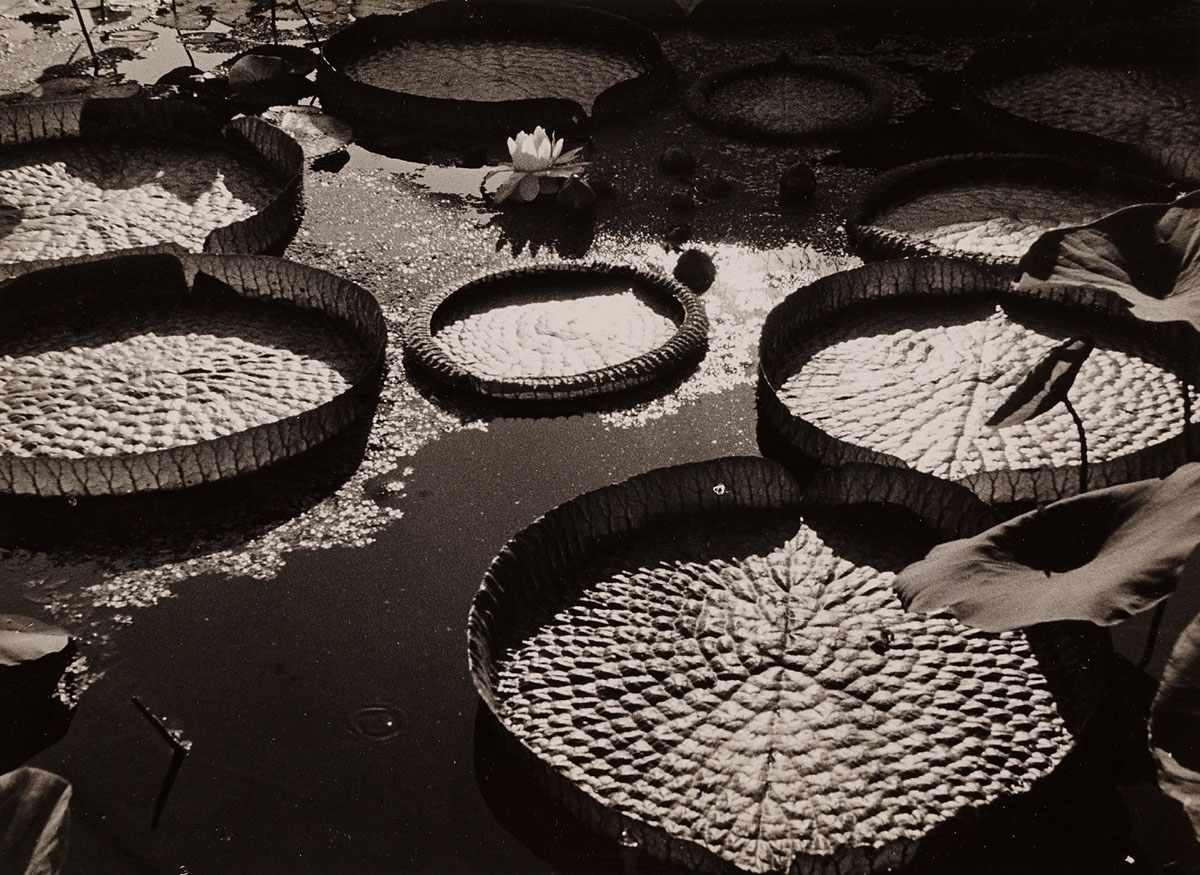
Victoria Regia, 1930s

Hildegard Heise :: Blätter der Victoria Regie [Leaves of Victoria Regia] im Botanischen Garten in Berlin, 1934-1945. | src MK&G
Hildi Schmidt Heins :: Planten und Blomen, 1937. Beschriftet und datiert: verso Mitte auf dem Papier: in Kugelschreiber: “Victoria Regie”; in Blei: “Planten + Blomen / Hamburg / 1937” | src MK&G

Siniestro turismo de guerra del ’38

Viajeros de la Ruta de Guerra n° 1 en recorrido por Cantabria y Asturias [Material gráfico] (ca. 1938) | Travelers of the War Route No. 1 on a tour in Cantabria and Asturias [Graphic material] | src europeana (original src Biblioteca Digital Hispánica)

Viajeros de la Ruta de Guerra n° 1 en recorrido por Cantabria y Asturias [Material gráfico]. Sólo algunas de las fotografías tienen, al verso, mecanografiado el nombre del fotógrafo (Marqués de Santa María del Villar), se deduce por la apariencia que el resto pueden ser del mismo fotógrafo. (ca. 1938). Las rutas de guerra eran itinerarios turísticos oficiales (creados en el verano de 1938 en plena Guerra Civil) dirigidos al público extranjero por la España denominada ‘liberada’. El bando nacional creó rutas turísticas de guerra para traer a visitantes extranjeros a las regiones que habían caído bajo su control con un doble propósito: propagandístico y económico (conseguir divisas).

Travelers of the War Route No. 1 on a tour in Cantabria and Asturias [Graphic material]. Only some of the photographs have, on the verso, the photographer’s name typed (Marqués de Santa María del Villar), it can be deduced from their appearance that the rest may be by the same photographer (ca. 1938). The war routes were official tourist itineraries (created in the summer of 1938 in the midst of the Civil War) aimed at the foreign public to visit the so-called ‘liberated’ Spain. The national side created tourist war routes to bring foreign visitors to the regions that had fallen under their control with a dual purpose: propagandist and economic (earning foreign exchange). [quoted from source]
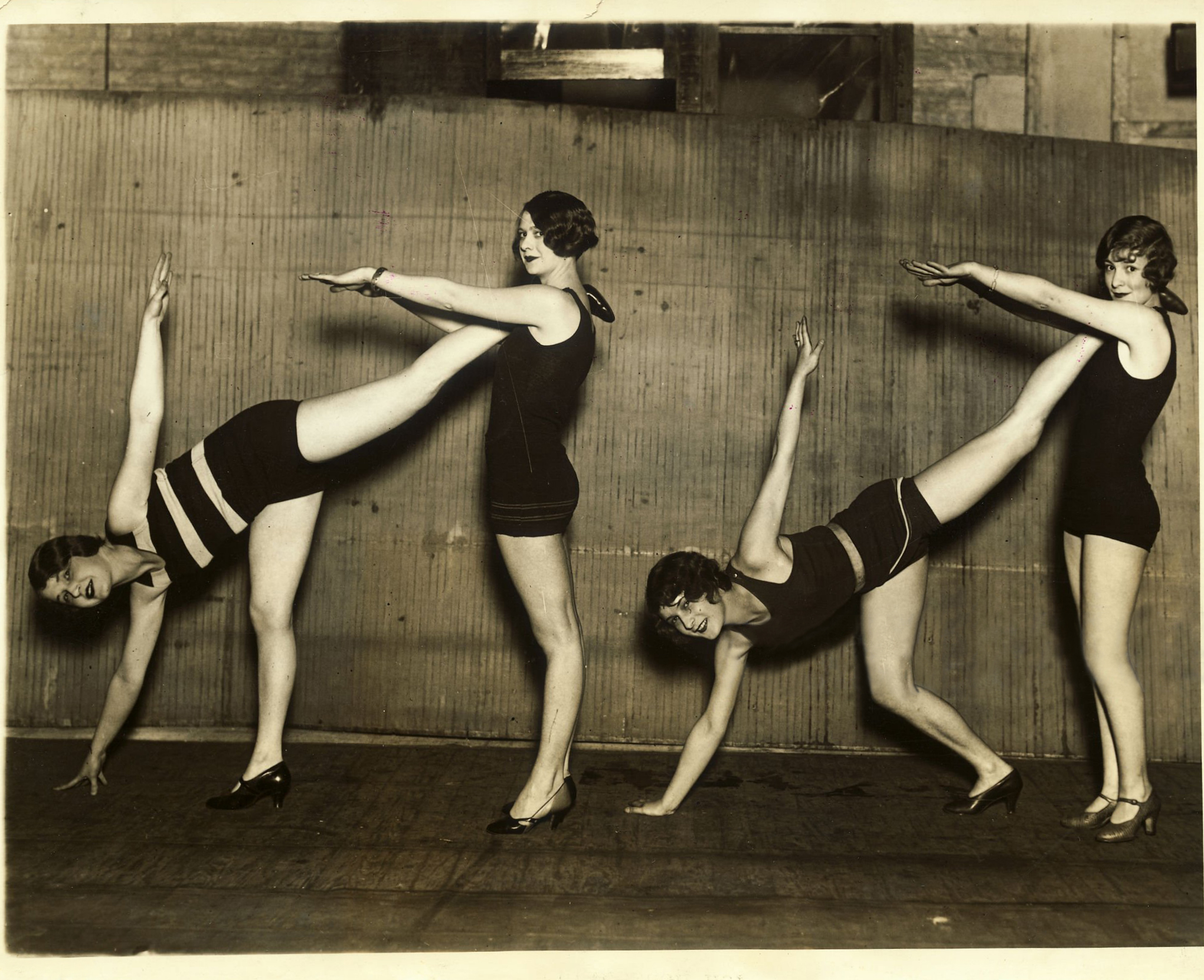
Dancing the “Lindbergh Hop”

George Rinhart :: “These pretty girls from the Honeymoon Lane Company introduce the latest dance step, called the Lindbergh Hop, in honor of Captain Charles A. Lindbergh of New York to Paris nonstop flight fame. The girls are, left to right, Marjorie Joesting, Dorothy Proudlock, Emerita Monsch, and Anita Foy.” (original caption) | src Getty Images

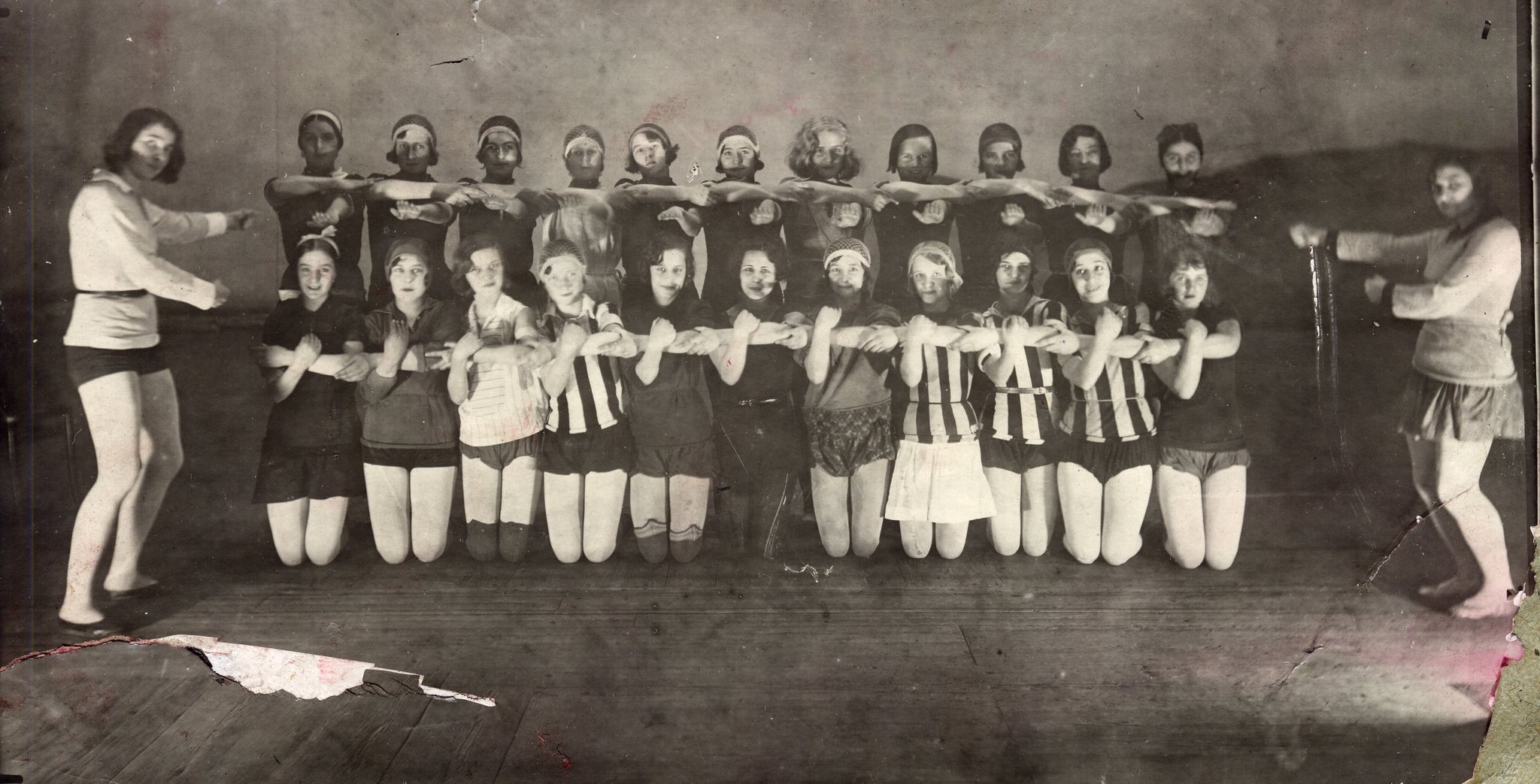
Болт ~ The Bolt (1931)

Болт ~ The Bolt (1931). Inside the prop studio of the Pushkin Theater, where the costume of the Social-Democrat was taking shape. From: Silencing the Avant-Garde: Censorship and Film in the Soviet Union. | src GRAD ~ Gallery for Russian Arts and Design (London)
Rehearsals of The Bolt, 1931, Courtesy of GRAD and St Petersburg State Museum of Theatre and Music. From: Silencing the Avant-Garde: Censorship and Film in the Soviet Union. | src The New York Times

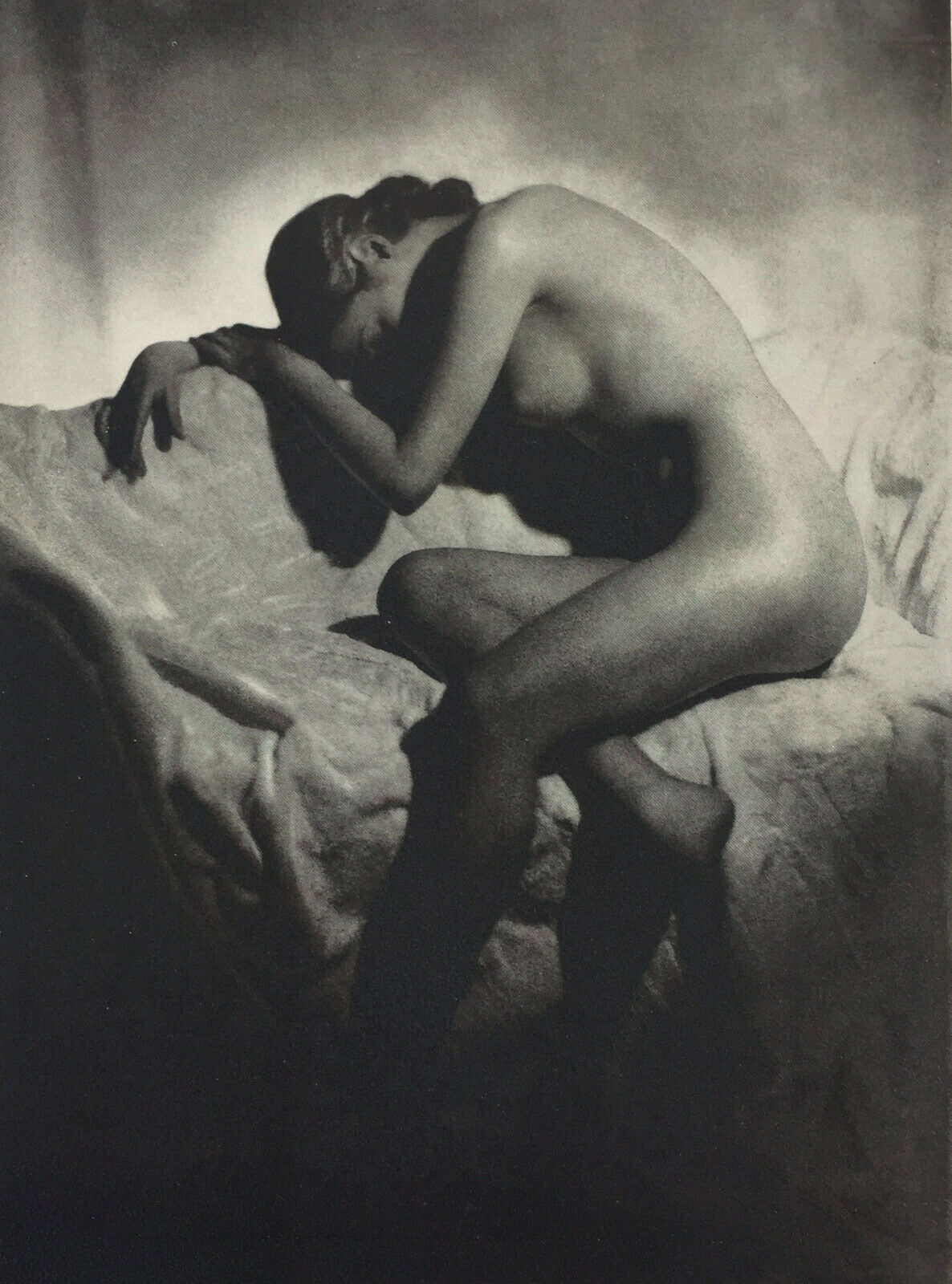
Grief (nude study), 1930s

Rosalind Maingot (1894-1957) :: Nude study titled Grief, 1930s. Photograms of the Year 1940. | src eBay
Rosalind Maingot (b. Beddome) :: Nude study titled “Grief”, 1930s. Photograms of the Year 1940, the annual publication of pictorial photography. Plate XXXII, full page. | src eBay

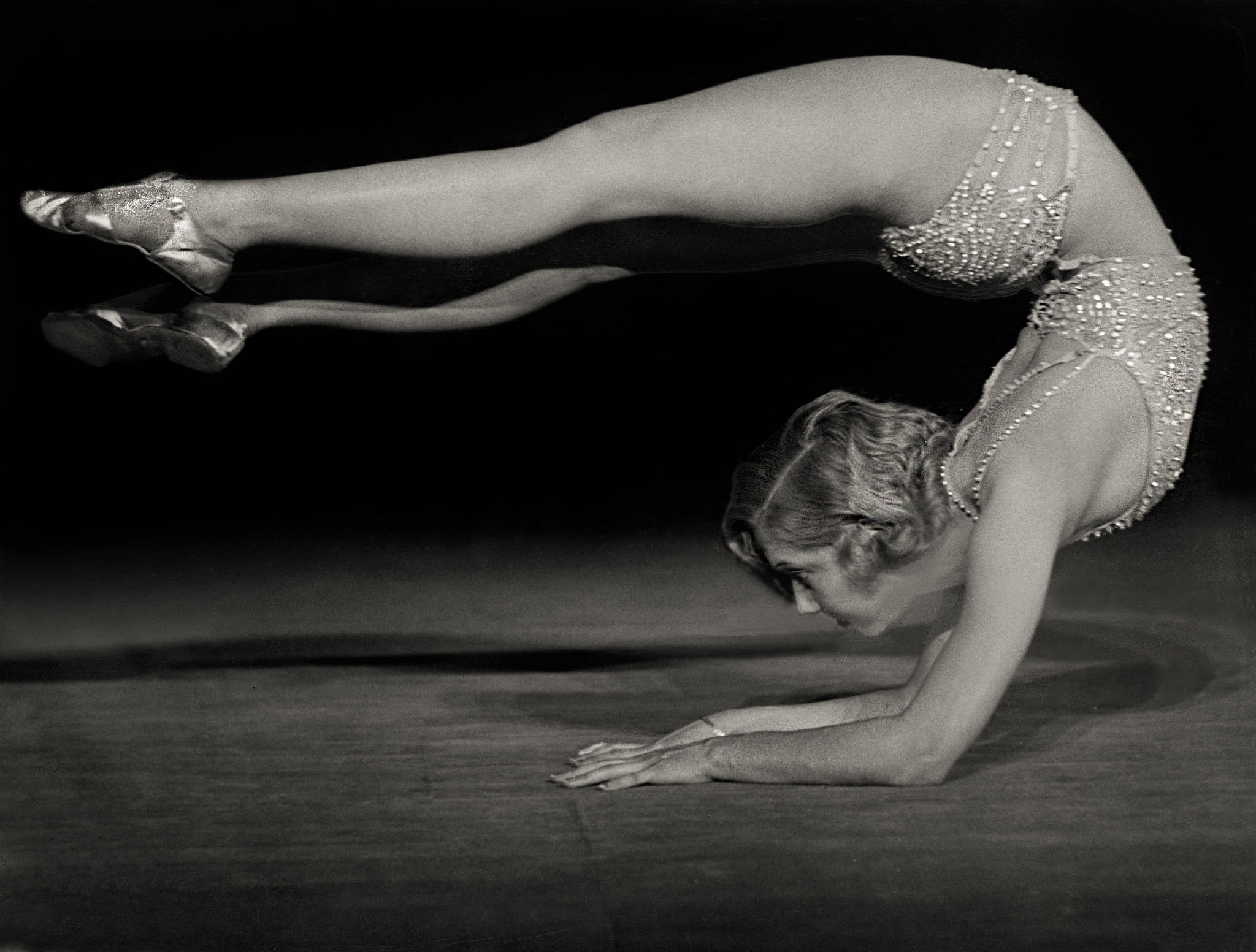
Ilse Schmidt (1933) by Munkácsi

Martin Munkácsi :: Tänzerin und Schauspielerin Dinah Grace bei einer Übung (Dinah Grace at a practice), 1933. Erschienen: Die Dame 26/1933. Fotografie: Martin Munkacsy. | src Getty Images
Martin Munkácsi :: Tänzerin und Schauspielerin Dinah Grace macht einen Handstand auf einer Bühne (performing a handstand on stage), 1933. Erschienen: Die Dame 26/1933. Fotografie: Martin Munkacsy. | src Getty Images

Dinah Grace (1933) by Munkácsi

Martin Munkacsi :: Tänzerin und Schauspielerin Dinah Grace (eigentlich Ilse Schmidt, 1918-1963). Porträt bei einer Übung [Portrait at a practice]. Erschienen: Die Dame 26/1933. Foto: Martin Munkacsy. | src Getty Images

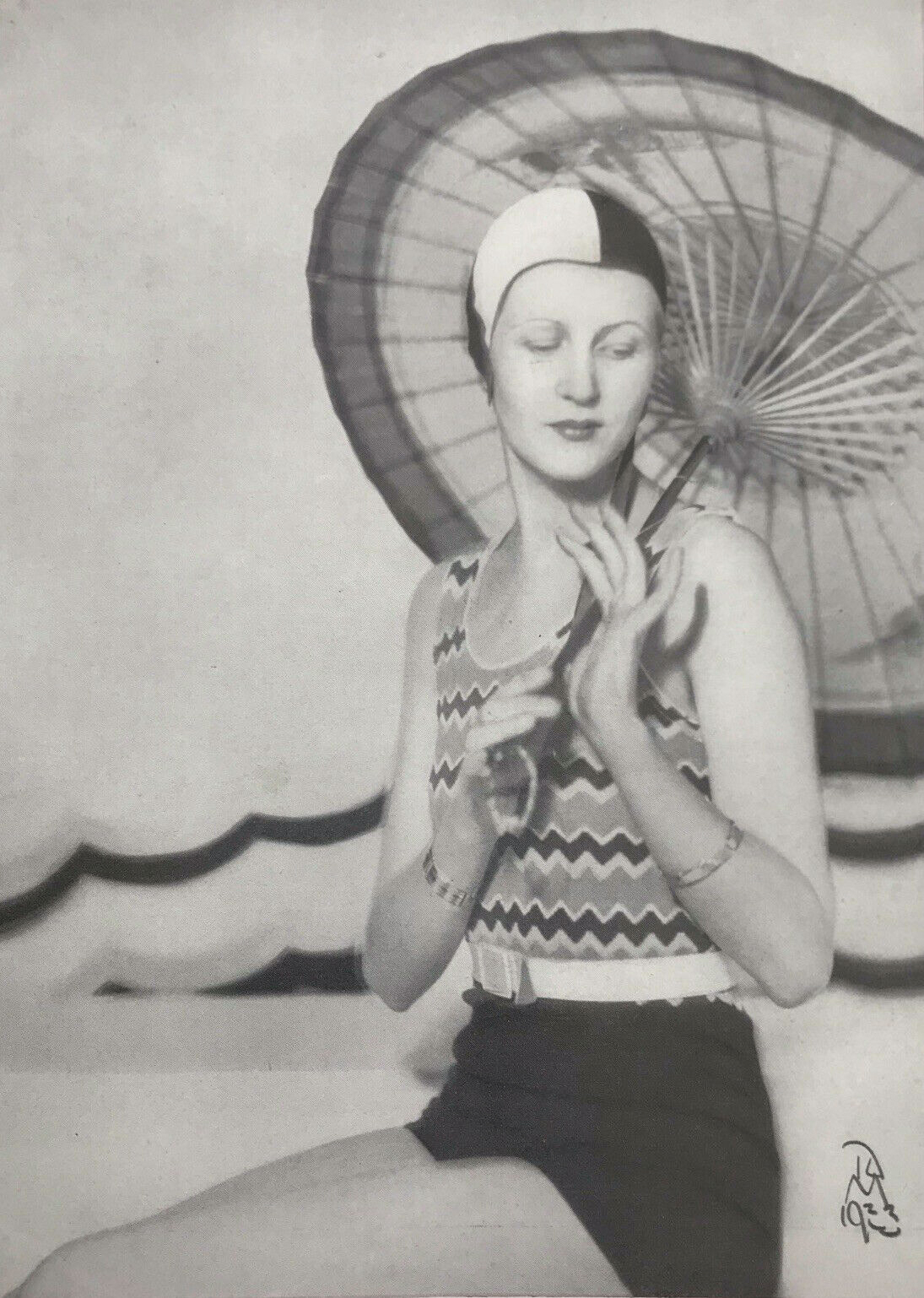
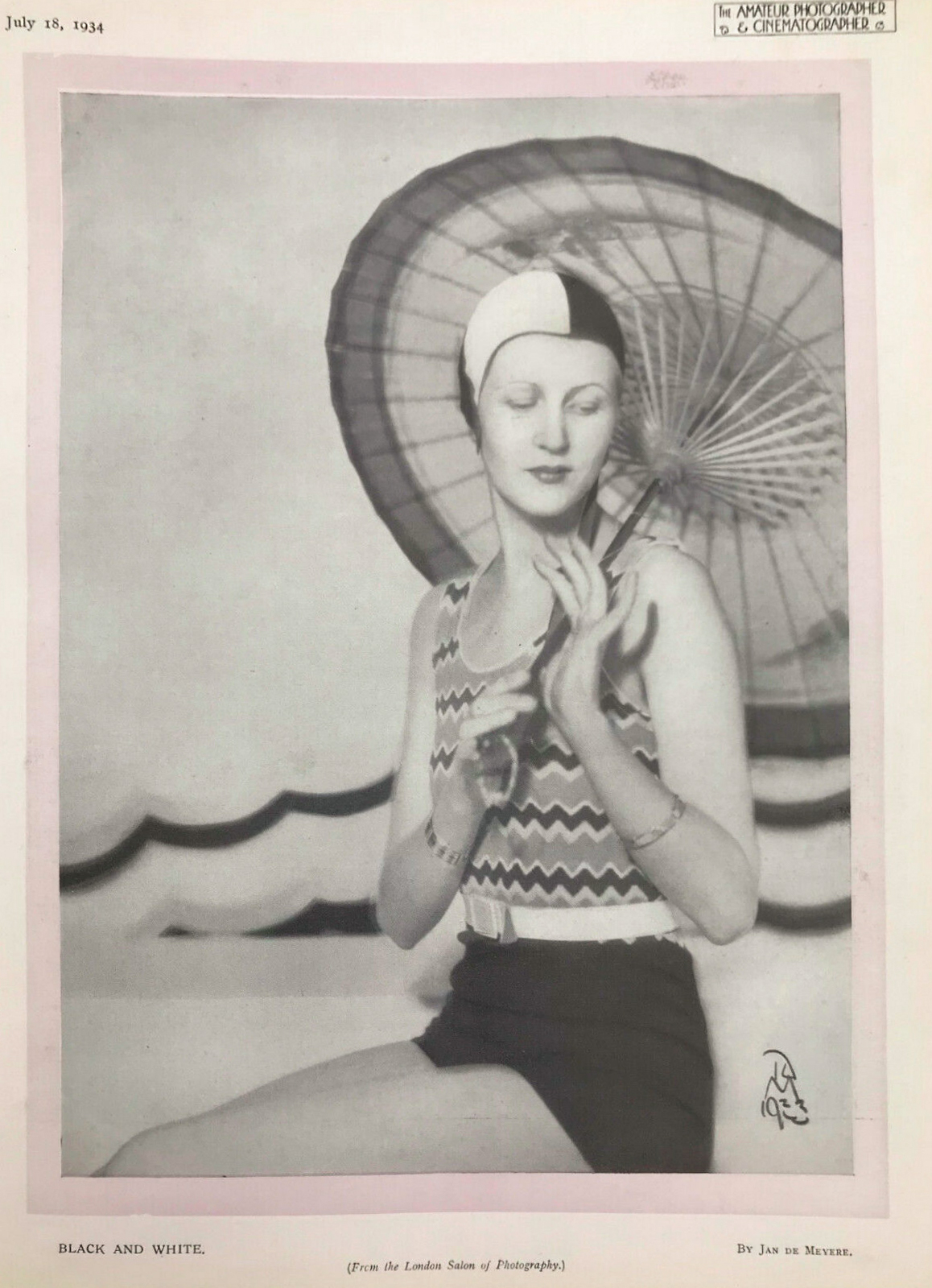
Black and White, 1934

Jan de Meyere (1879-1950) :: “Black and White”. Art Deco study, 1922 (?). Halftone print from The Amateur Photographer & Cinematographer, July 18th 1934. | src eBay
Jan de Meyere (1879-1950) :: “Black and White”. Art Deco study, 1922 (?). Halftone print from The Amateur Photographer & Cinematographer, July 18th 1934. [full page] | src eBay

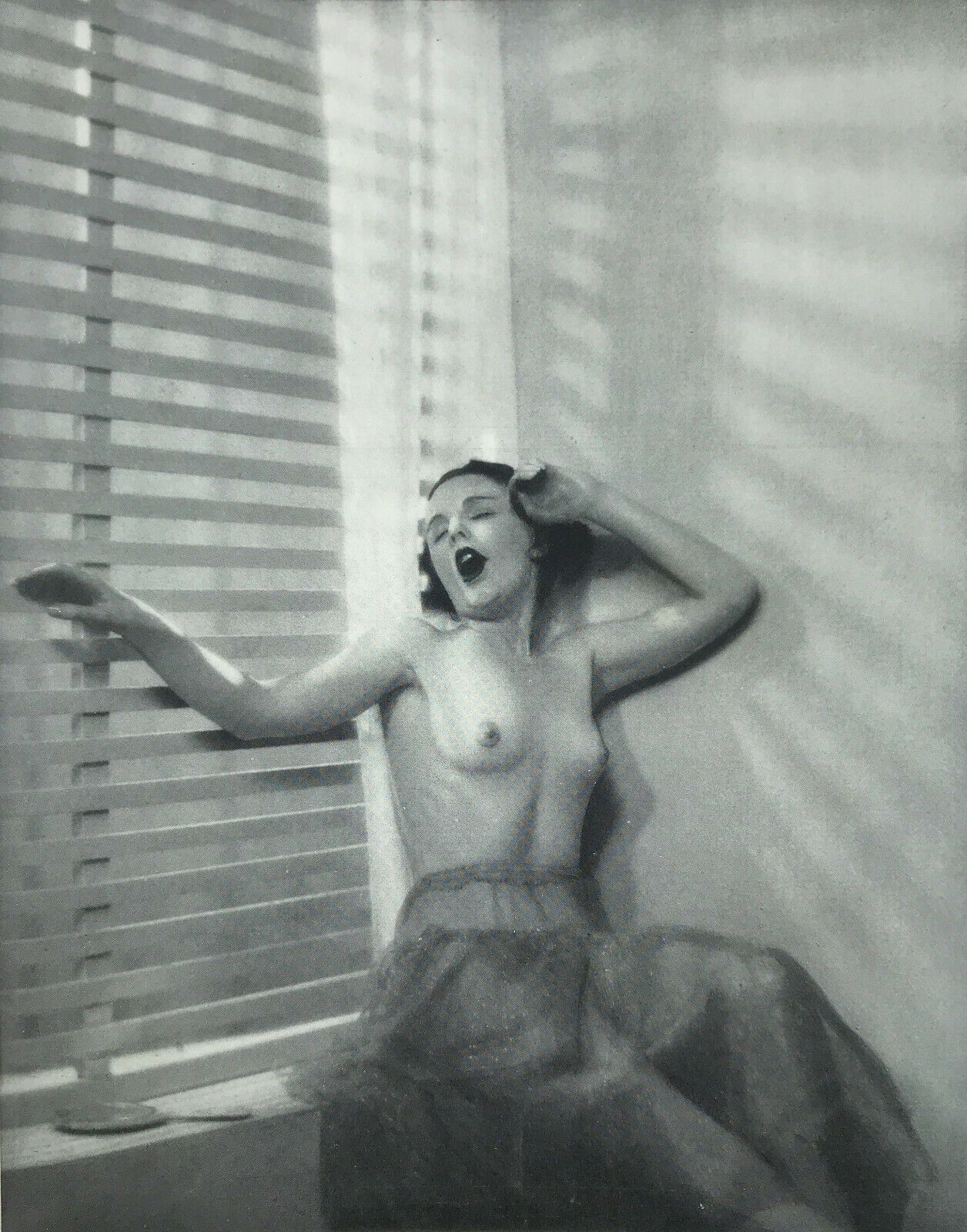
Just another Day, 1936

Ismay Taylor :: “Just Another Day”, 1936. Plate II. Halftone print from Photograms of the Year 1936. | src eBay
Ismay Taylor :: “Just Another Day”, 1936. Plate II. Halftone print from Photograms of the Year 1936. [full page] | src eBay