Kauffmann · on flowers

John Kauffmann (1864 – 1942) ~ Clematis, Melbourne, Australia, 1930s, gelatin-silver photograph. | Art Gallery of South Australia
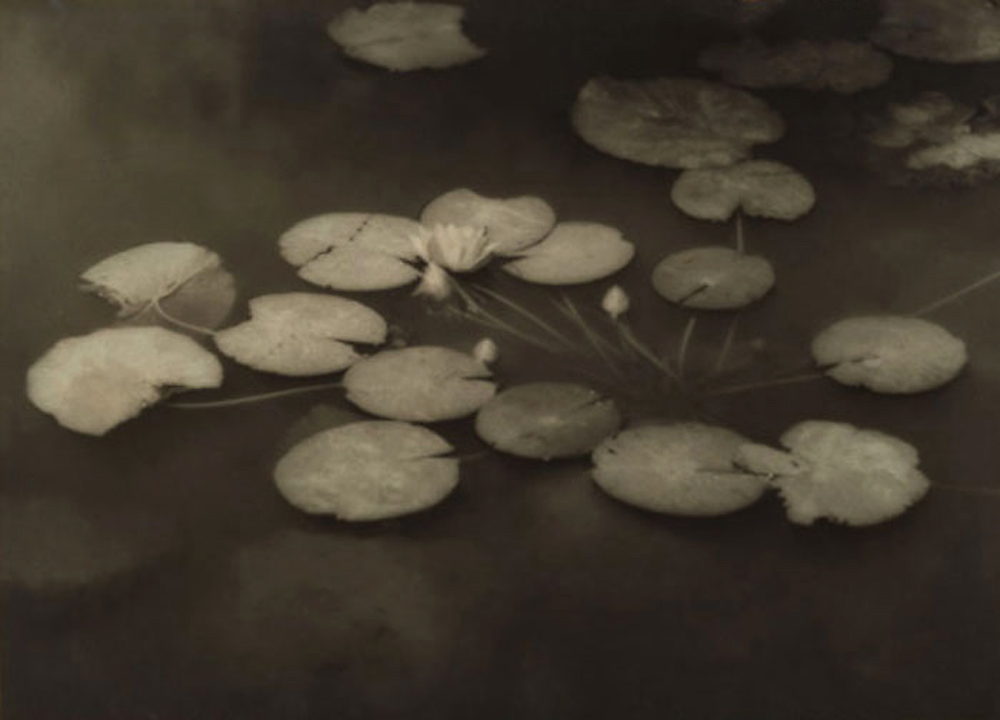
John Kauffmann (1864 – 1942) ~ Waterlily, Nymphaea Alba, ca. 1930 | src NGA (National gallery of Australia)
John Kauffmann (1864 – 1942) ~ Snowflakes, ca. 1930, gelatin-silver photograph. | AGSA ~ Art Gallery of South Australia

Les portraits anonymes de Gain

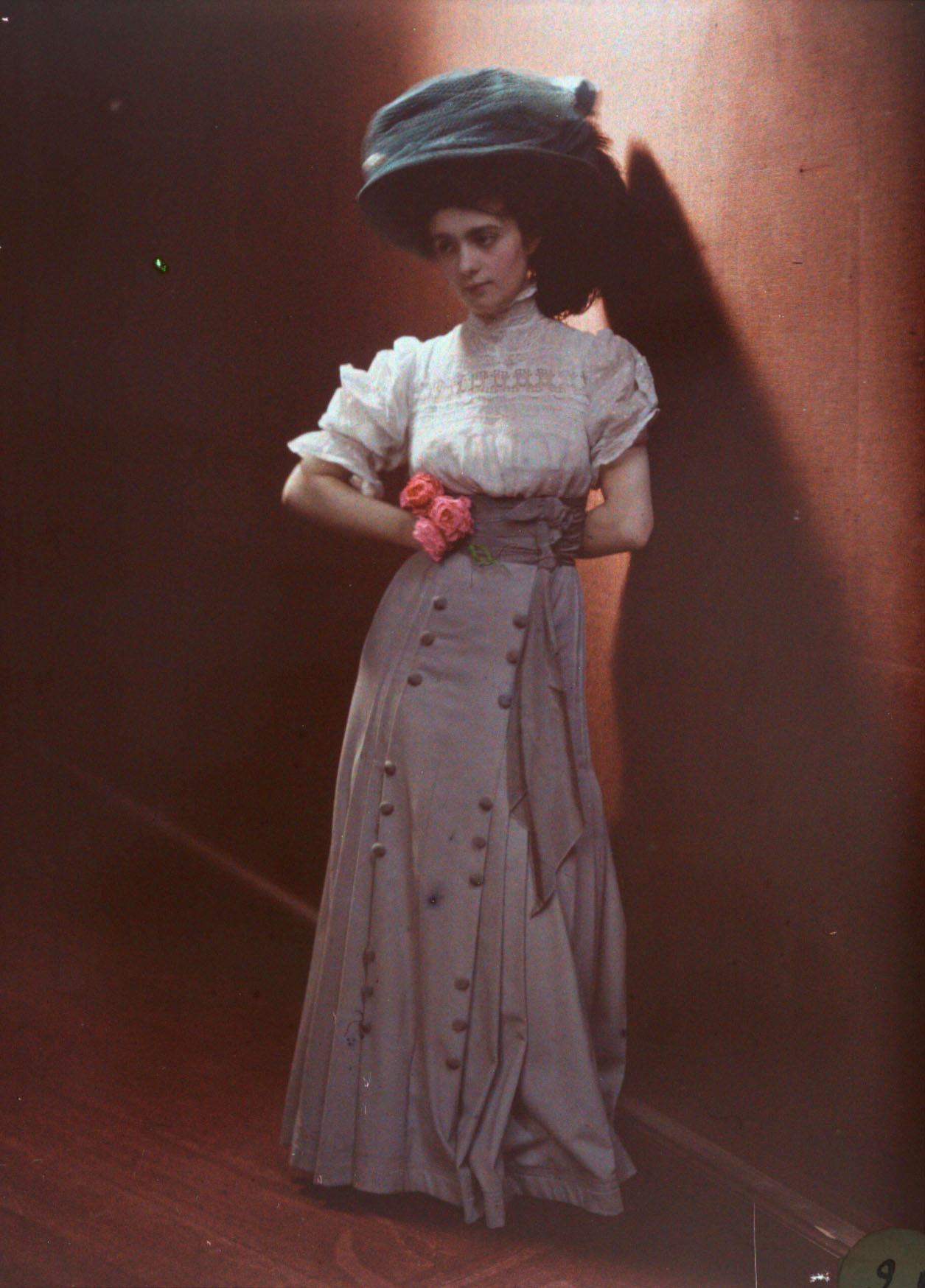
Gustave Gain :: Les portraits anonymes. Une femme, 1910. Plaque de verre Autochrome. | Fonds de la Famille Gain ~ Archives de la Manche
Gustave Gain :: Les portraits anonymes. Une femme, 1910. Plaque de verre Autochrome. | © Fonds de la Famille Gain ~ Archives de la Manche
Gustave Gain :: Les portraits anonymes. Une femme, 1910. Plaque de verre Autochrome. | Fonds de la Famille Gain ~ Archives de la Manche
Gustave Gain :: Les portraits anonymes. Une femme, 1910. Plaque de verre Autochrome. | © Fonds de la Famille Gain ~ Archives de la Manche
Gustave Gain :: Les portraits anonymes. Jeune fille à la tunique turquoise, 1931-1940. Plaque de verre Autochrome.
Gustave Gain :: Jeune fille à la tunique turquoise, 1931-1940. Plaque de verre Autochrome. | © Fonds de la famille Gain · Archives de la Manche

4 women asleep and a giantess

Roland Penrose :: Four Women Asleep (Lee Miller, Adrienne Fidelin, Nusch Eluard, and Leonora Carrington), Lambe Creek, Cornwall, 1937. Print from color reversal film. © Roland Penrose Estate | src Lee Miller

Surrealist artist Mary Leonora Carrington was born at Westwood House (in Clayton Green, England) on the 6th of April in 1917; today she would have turned 106.

Leonora Carrington :: The Giantess (also, The Guardian of the Egg), 1947. Tempera on wood. Private collection of Miguel Escobedo

Fritta Brod by Hess sisters

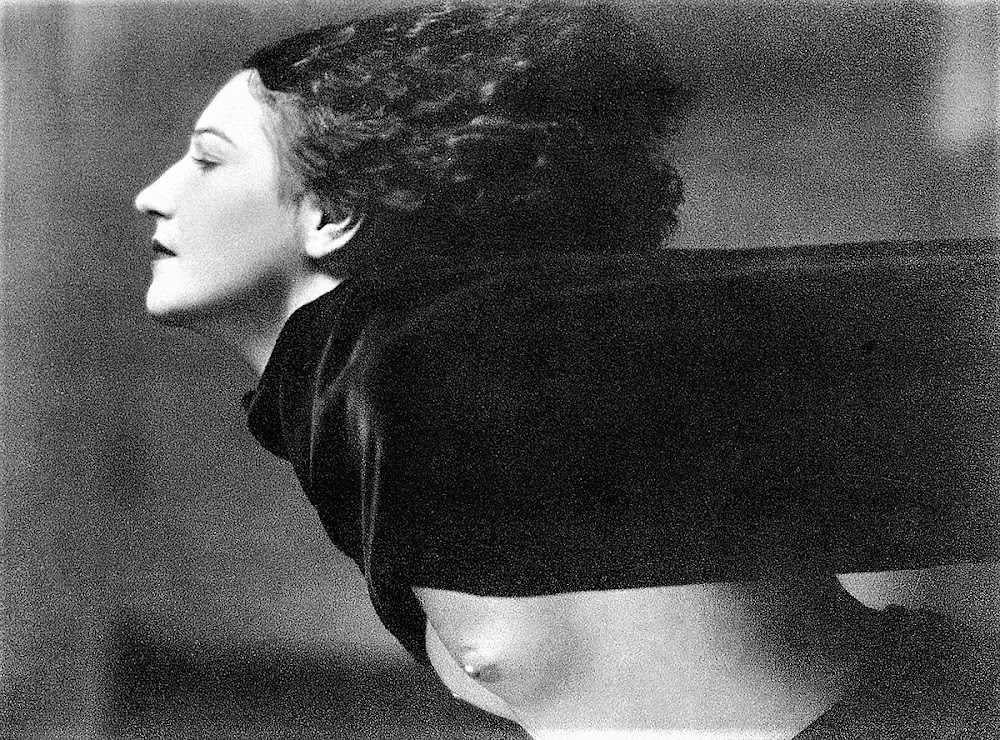
Nini & Carry Hess :: German actress Fritta Brod (1896-1988) in the play ‘The Chalk Circle’ by Klabund (pseudonym of Alfred Henschke), Staatstheater, 1930. (Photo by Nini & Carry Hess) | src Getty Images
Nini & Carry Hess :: Fritta Brod, Schauspielerin, role-picture with a hat, 1919. Published by: ‘Die Dame’ 21/1919. | src Getty Images

Cassandre poster design

A.M. Cassandre :: Poster for the Paris newspaper L'Intransigeant, designed by Cassandre, 1925. Collection of Philip B. Meggs Printer: Hachard & Cie., Paris | src MoMA
A.M. Cassandre :: Poster for the Paris newspaper L’Intransigeant, designed by Cassandre, 1925. Printer: Hachard & Cie., Paris | src MoMA

Cassandre (1901-1968) or A.M. Cassandre (the pseudonym of Adolphe-Jean-Marie Mouron) was a graphic artist, stage designer, and painter whose poster designs greatly influenced advertising art in the first half of the 20th century.

Cassandre used figurative geometry and modulated planes of colour, derived from Cubism, to revitalize postwar French poster design. From 1923 until 1936, Cassandre designed posters in which he reduced his subject matter to bold shapes and flat, modulated icons. He emphasized two-dimensional pattern, and he integrated lettering with his imagery to make a unified overall composition. Cassandre also utilized airbrushed blends and grading to soften rigid geometry. 

A.M. Cassandre (Adolphe Mouron, 1901-1968)
A.M. Cassandre (Adolphe Mouron, 1901-1968) :: 1932 version of the “Dubonnet” poster. Alliance Graphique, Paris. | src Rennert Gallery

Cassandre gained a reputation with such posters as “Étoile du Nord” (1927) and “Dubo Dubon Dubonnet” (1932). The Dubonnet posters were among the earliest designed specifically to be seen from fast-moving vehicles, and they introduced the idea of the serial poster, a group of posters to be seen in rapid succession to convey a complete idea.

In 1926 Cassandre cofounded the advertising agency Alliance Graphique and soon turned his attention to experimental typography. He designed three typefaces: Bifur (1929), Acier Noir (1935) and Piegnot (1937). In 1939 he abandoned poster art and henceforth devoted himself to designing stage sets and to painting.

quoted from Encyclopædia Britannica
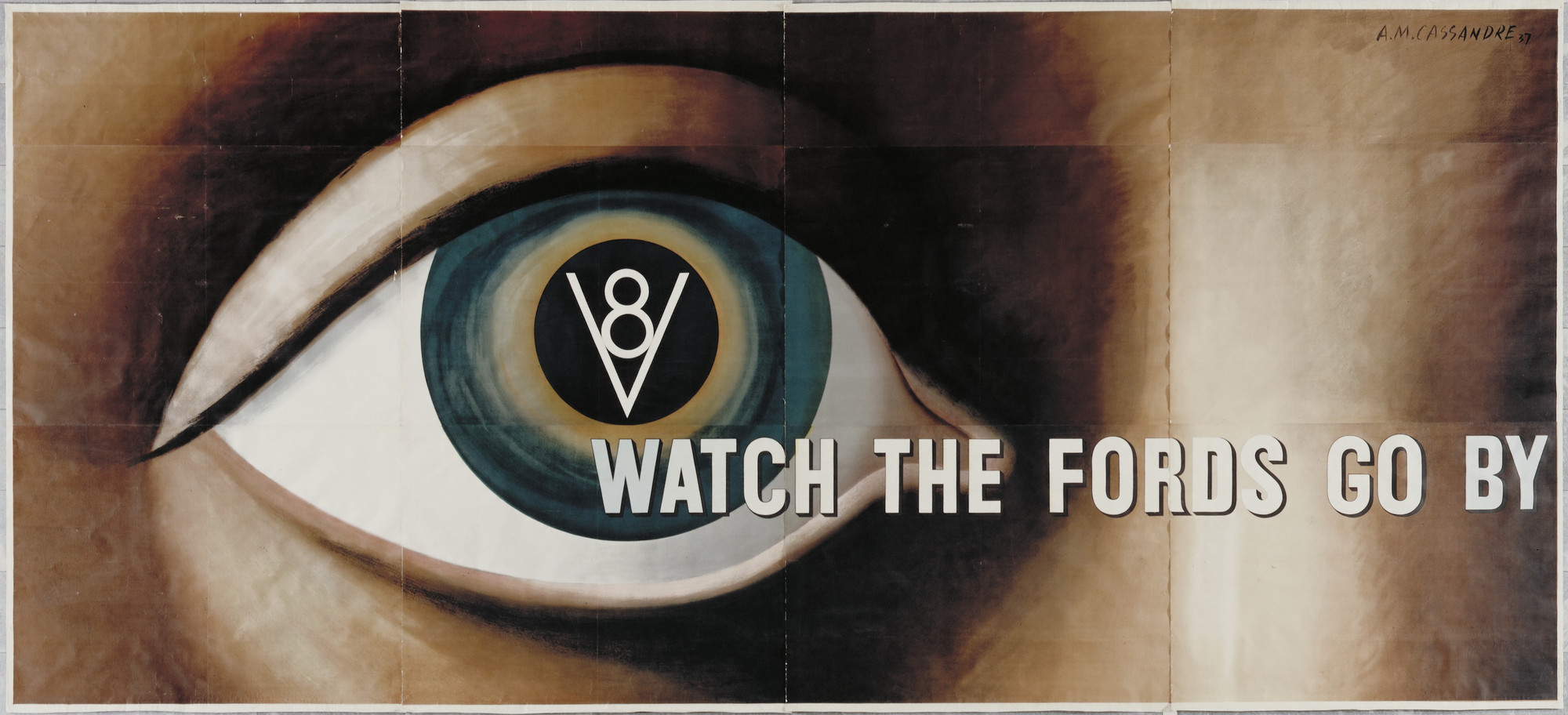
A.M. Cassandre :: Watch the Fords Go By (Poster for Ford Motor Company), 1935 | src MoMA

Ford was the first manufacturer to develop a V8 engine—previously associated with luxury and specialist cars—for a mass market. In employing Cassandre, Ford infused its corporate reputation for industrial innovation with the artistic cachet of European modernism. Cassandre was already established as a preeminent French poster designer and in 1936 he had become the first graphic artist to have a solo exhibition at MoMA. This compelling image of a disembodied, all-seeing eye is rooted in a classical tradition that emphasizes the primacy of vision in Western culture; the eye is also prevalent in Surrealist art of the 1920s. Trailing from the iris, the slogan “Watch the Fords Go By” gives a sense of modern vision, always in motion, while the V8 icon imprinted on the pupil suggests a fusion of mind, body, and technology—a synthesis that revolutionized individual perception in the modern world.

Gallery label from Shaping Modernity: Design 1880-1980, December 23, 2009–July 25, 2010 (MoMA)
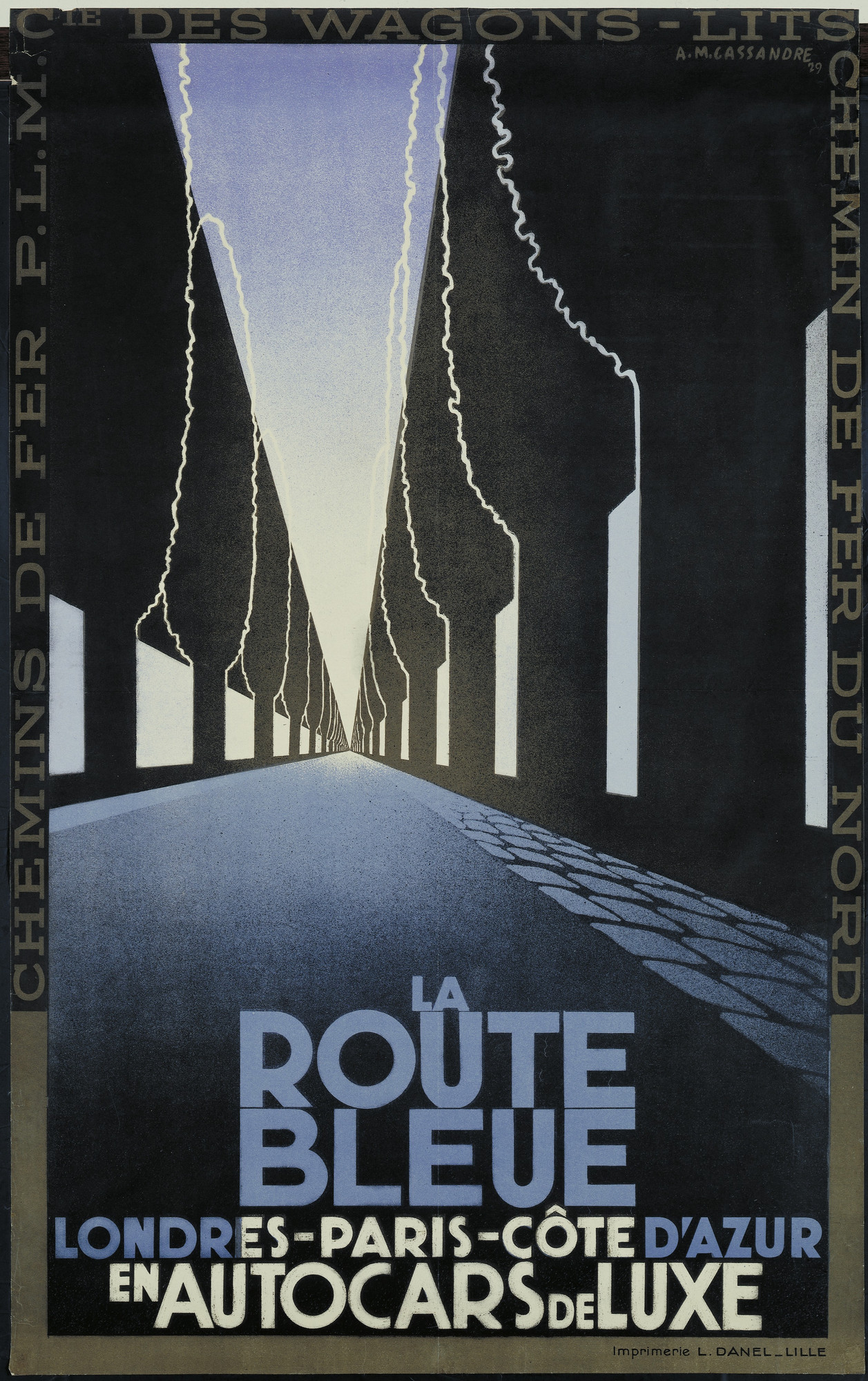
A.M. Cassandre :: La Route Bleu, Londres-Paris-Côte d’Azur en Autocars de Luxe, 1929 | MoMA
A.M. Cassandre :: Fêtes de Paris, 1935. | MoMA
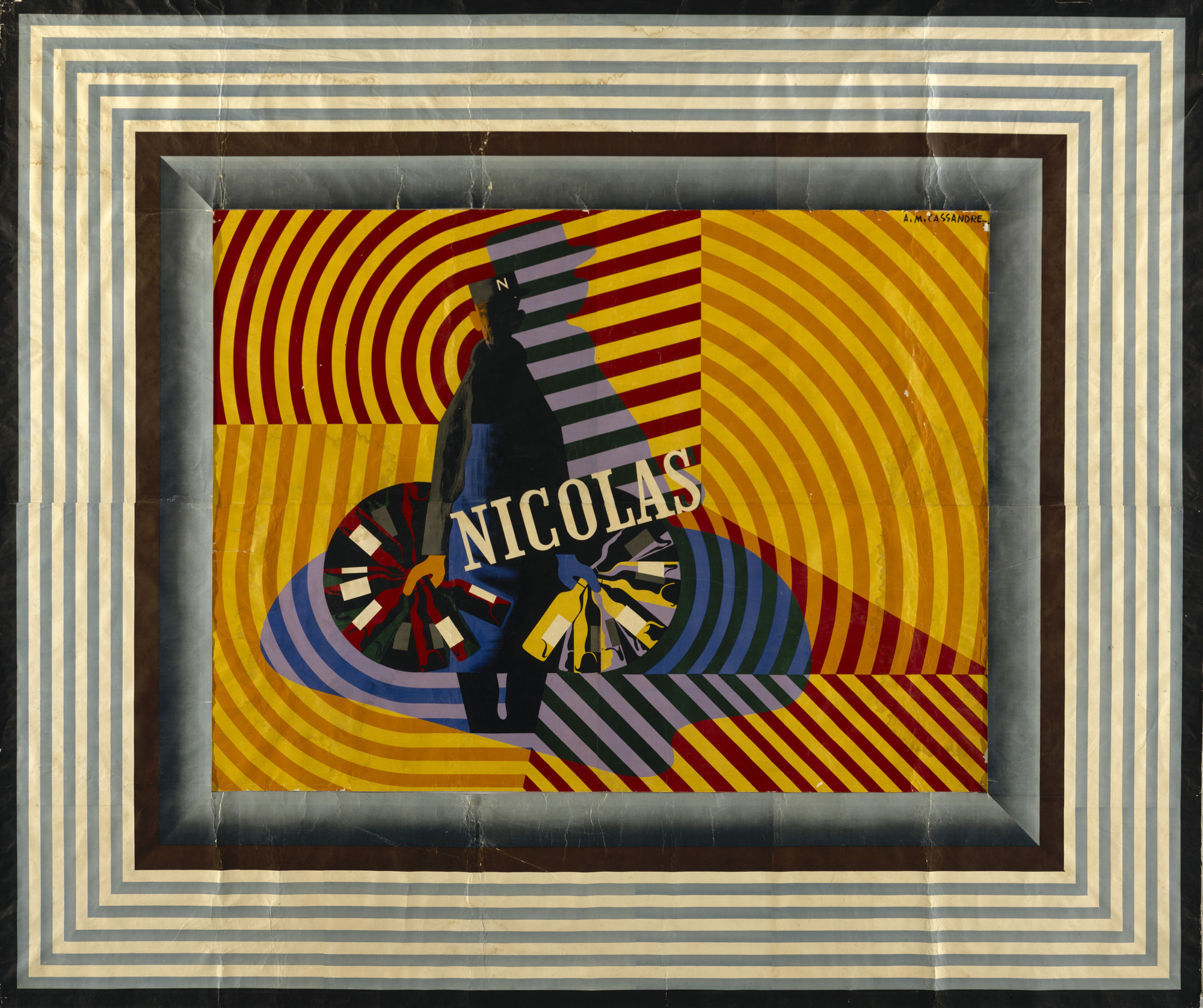
A.M. Cassandre :: Nicolas, 1935 | src MoMA

Loda Halama in dance costume

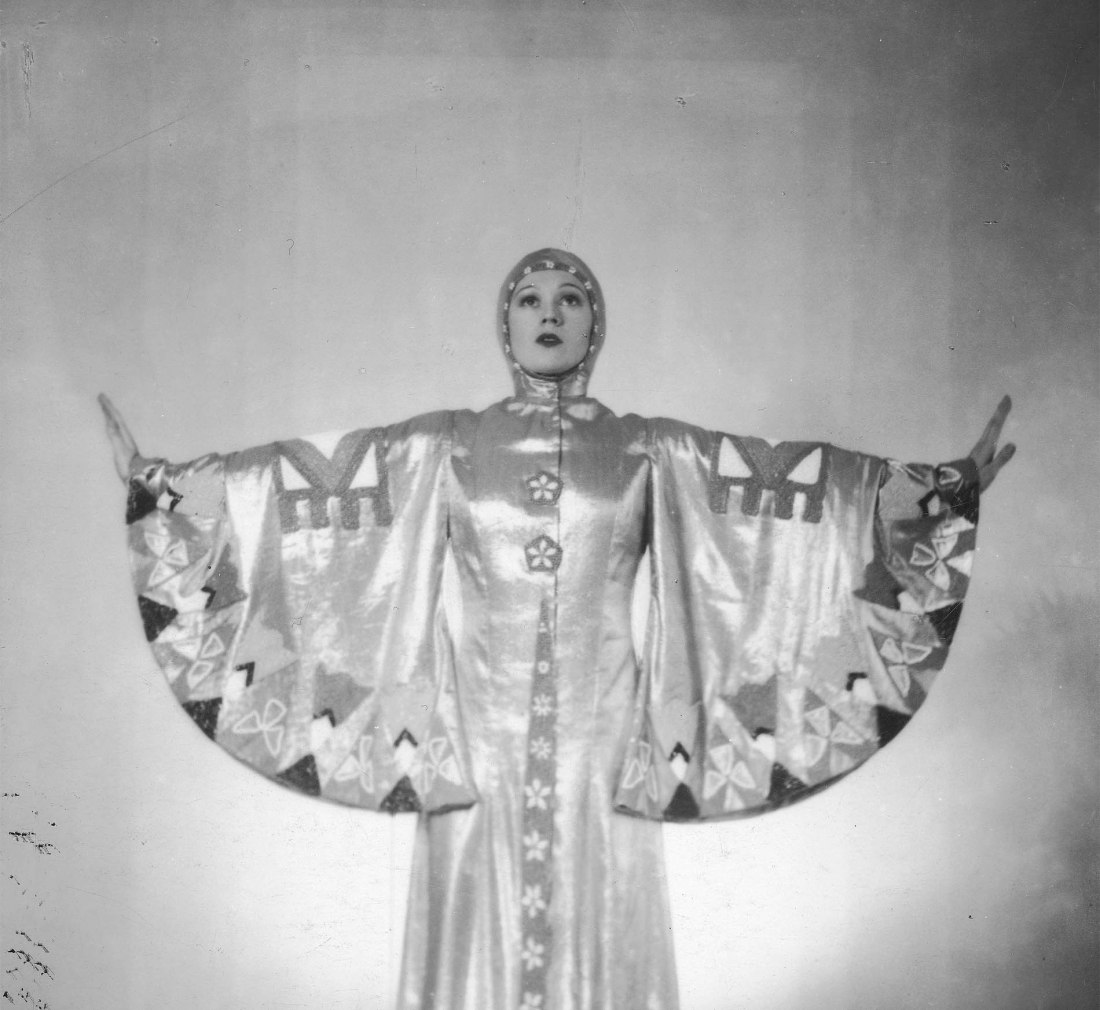
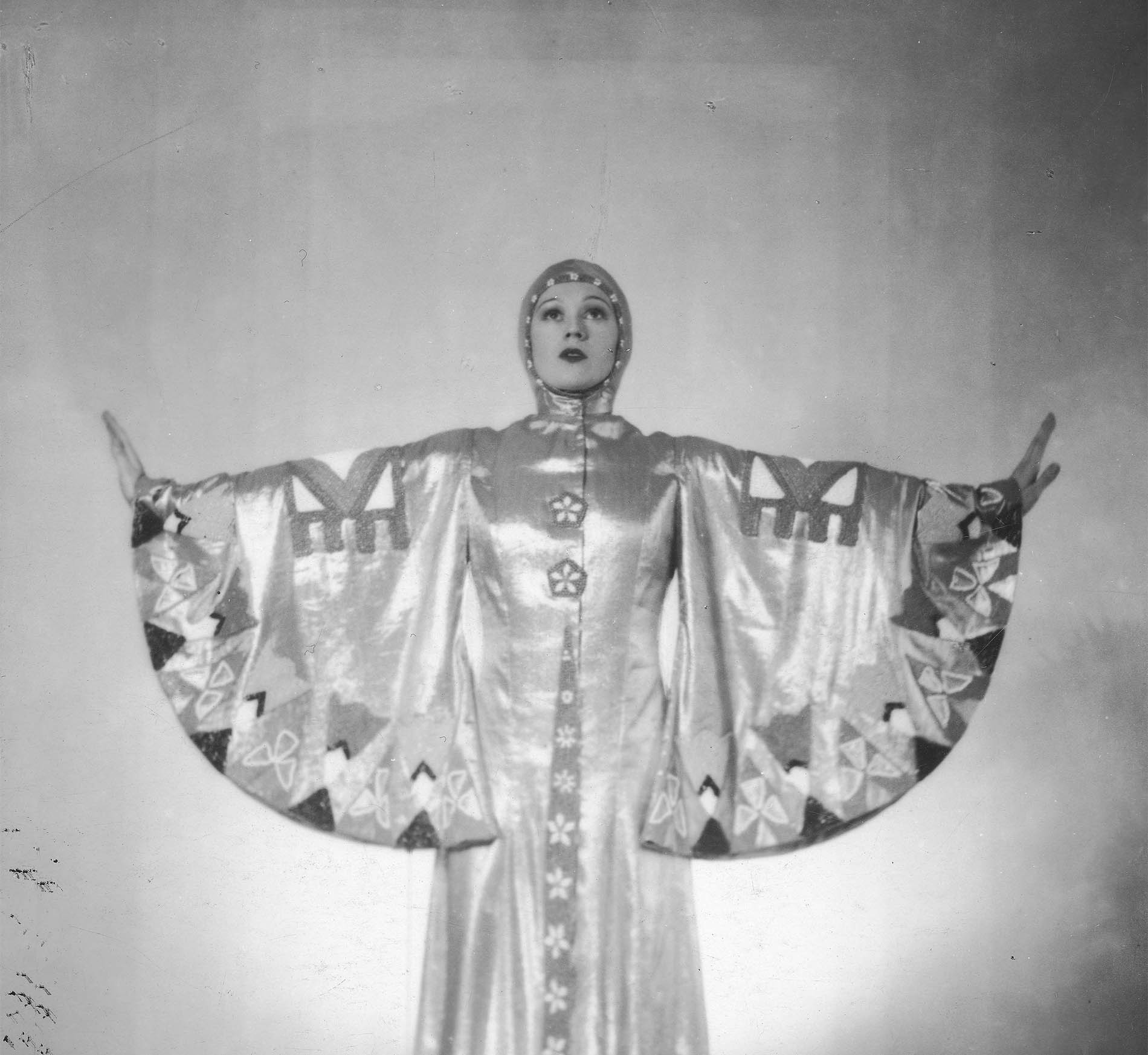
Dorys (Warszawa) :: Loda Halama, aktorka-tancerka w stroju scenicznym – fotografia sytuacyjna wykonana w atelier, 1918-1933
Dorys (Warsaw) :: Loda Halama, actress-dancer in stage costume – situational photograph taken in the atelier, 1918-1933
Bil M. – Loda Halama, actress-dancer performing a dance – Role portrait photography taken in the atelier, 1918-1935
Bil M. – Loda Halama, aktorka-tancerka podczas wykonywania tańca – fotografia sytuacyjna wykonana w atelier, 1918-1935
Dorys (Warsaw) :: Loda Halama, actress-dancer in stage costume – situational photograph taken in the atelier, 1918-1933 (DETAIL)
Artystka Loda Halama w jednej ze scen przedstawienia “Tańcu z kulą”, 1938. Brak danych. “As” nr 27, 03.07.1938
The artist Loda Halama in one of the scenes of the performance “Dancing with a Ball”, 1938. Unknown ph. “Ace” No. 27, July 3rd, 1938

source of all images: Narodowe Archiwum Cyfrowe (Domena publiczna) (Polish National Digital Archive)