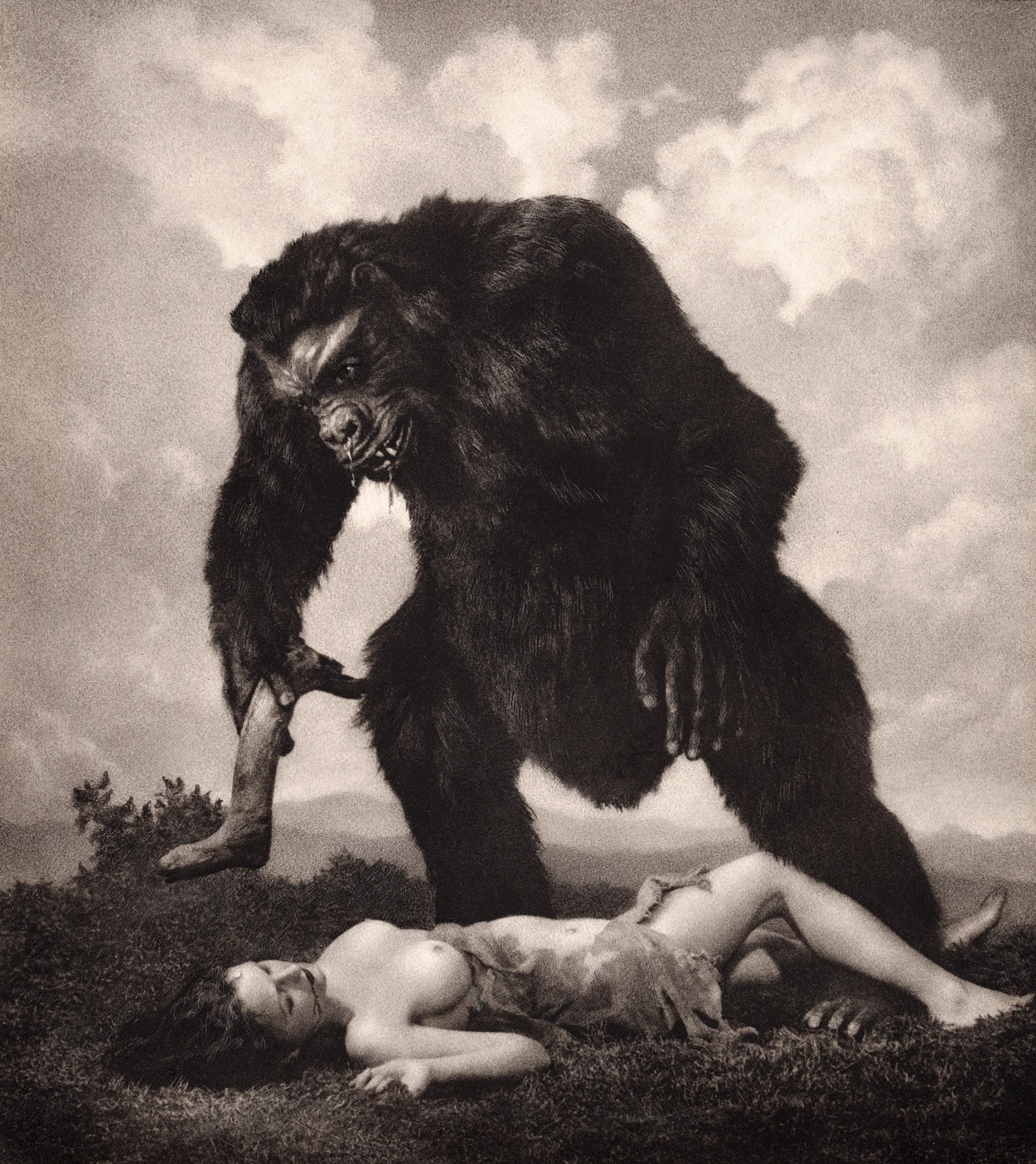
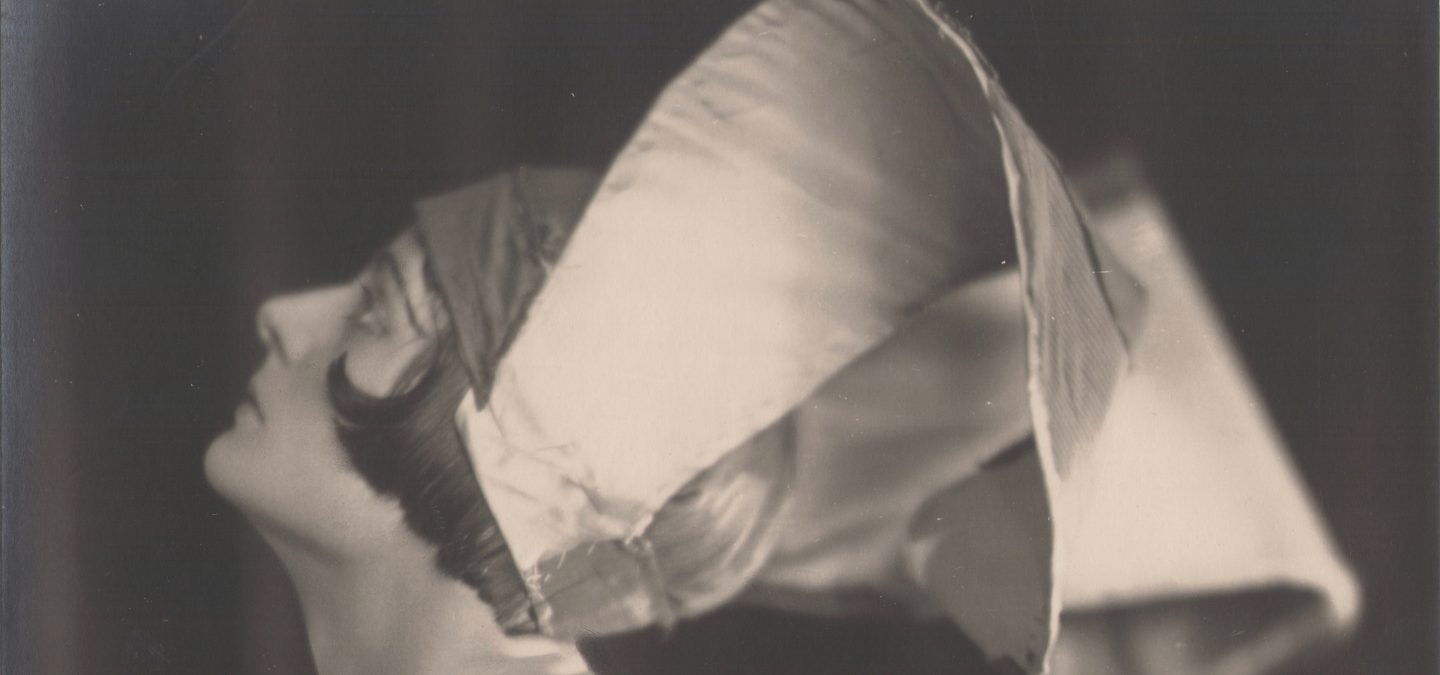
L’Amour ~ Love, 1935

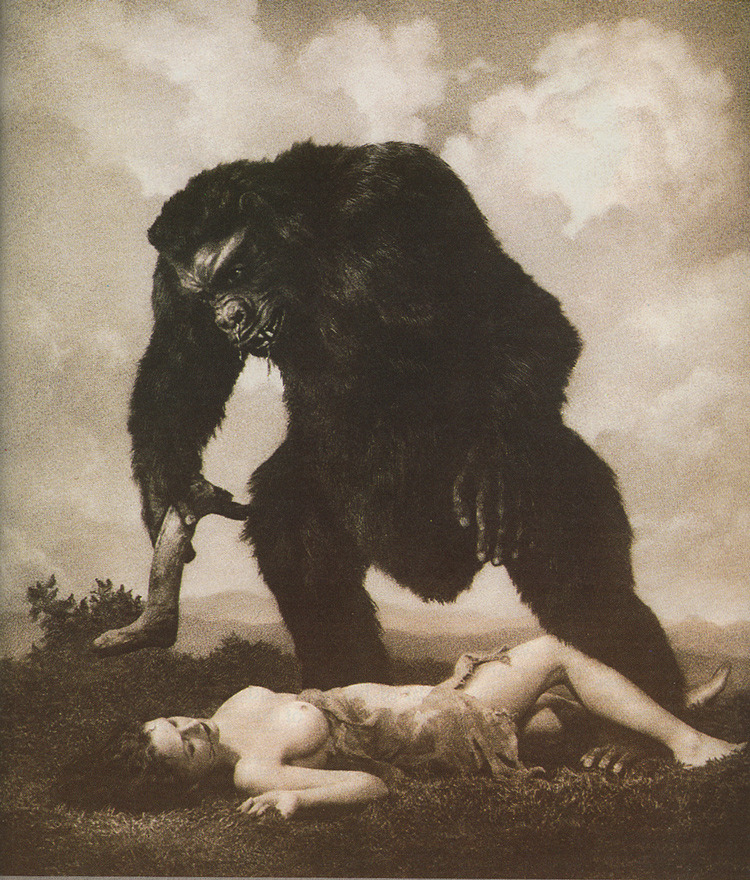
William H. Mortensen :: L’Amour | Love, 1935. Manipulated photograph. An image from American Grotesque: the Life and Art of William Mortensen, published by Feral House. “Mortensen’s methods often made it hard to distinguish whether the results were photographs or not. He used traditional printmaking techniques, such as bromoiling, and developed many of his own. He would create composite images, scratch, scrape and draw on his prints, then apply a texture that made them look like etchings, thereby disguising his manipulations. Consequently, every print was unique.” quoted from source The Guardian
William H. Mortensen :: L’Amour | Love, 1935. Manipulated photograph. | src cargo collective | more [+] by this photographer

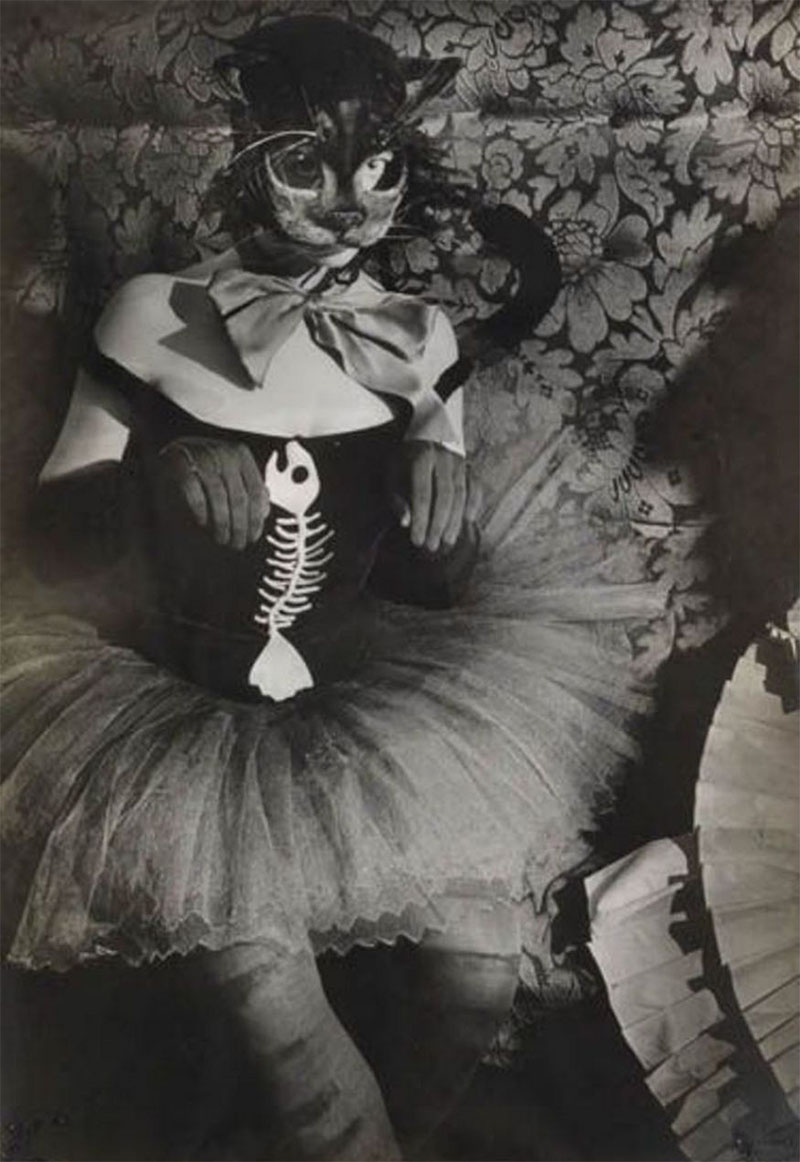
Cat masks by Leonor Fini

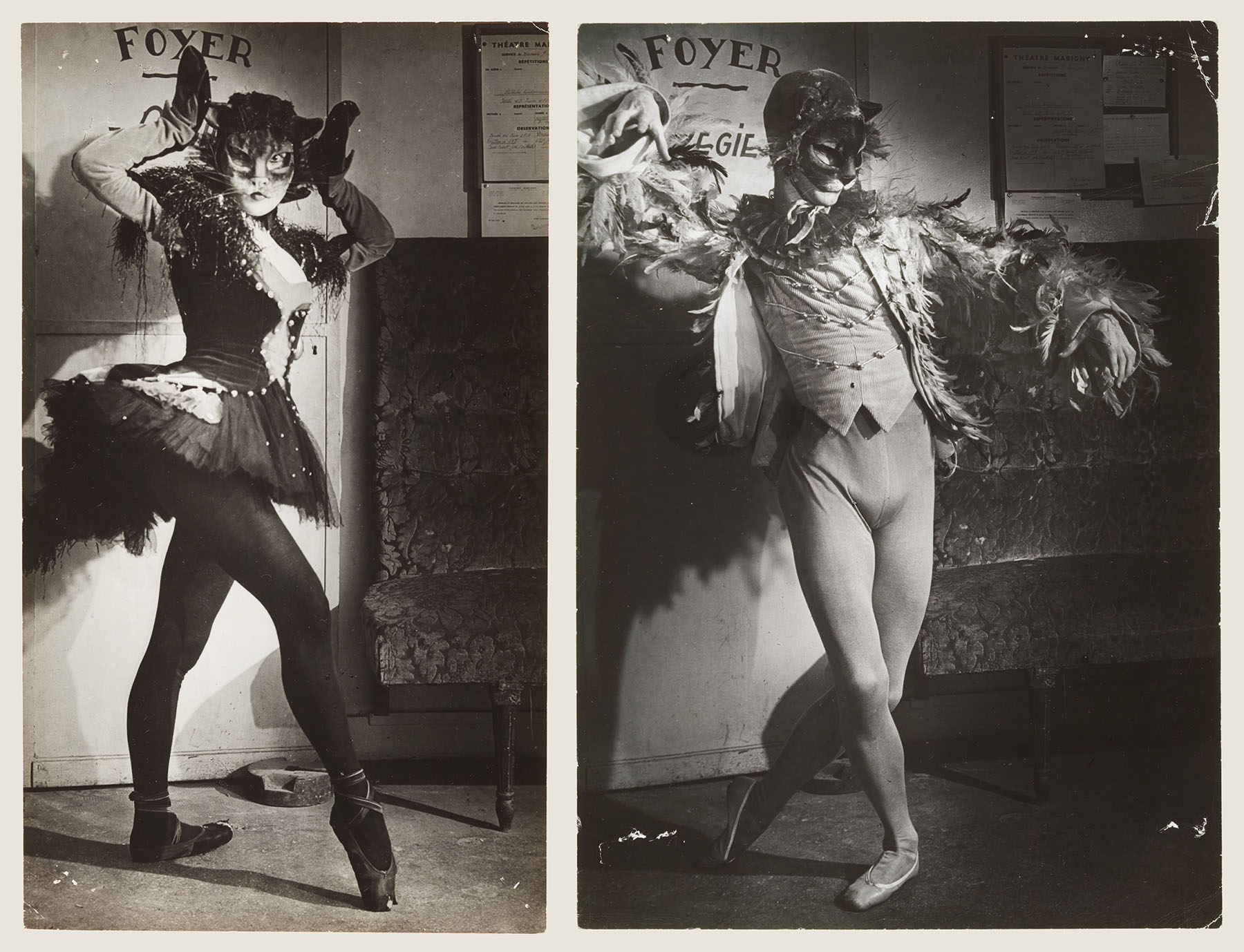
Brassaï (1899-1984) ~ Ballet de Paris, 1949. Ferrotyped gelatin silver print | src Christie’s
Brassaï (Gyula Halász) (1899-1984) ~ Untitled [woman with cat mask by Leonor Fini], Paris, 1930s | src stephen ellcock
Brassaï (1899-1984) ~ Ballet de Paris, 1949. Brassaï (1899-1984) ~ Ballet de Paris, 1949. Ferrotyped gelatin silver prints | src Christie’s

Les Demoiselles de la Nuit

Ballet in one act with choreography by Roland Petit, libretto by Jean Anouilh, music by Jean Françaix, and scenery & costume design (including the ballet’s fantastic cat masks) by Leonor Fini. It premiered on 22 May 1948 by Ballets de Paris at the Théâtre Marigny (Paris), with Fonteyn, Petit, and Hamilton. It tells the story of a musician who falls in love with his beautiful cat Agathe, who has assumed semi-human form. Agathe tries to be faithful to her human lover but is lured away by the sound of tomcats and the call of freedom. She leaps off the rooftops and the musician falls to his death as he tries to grab hold of her. She falls after him and they are united in death. | src The Oxford Dictionary of Dance
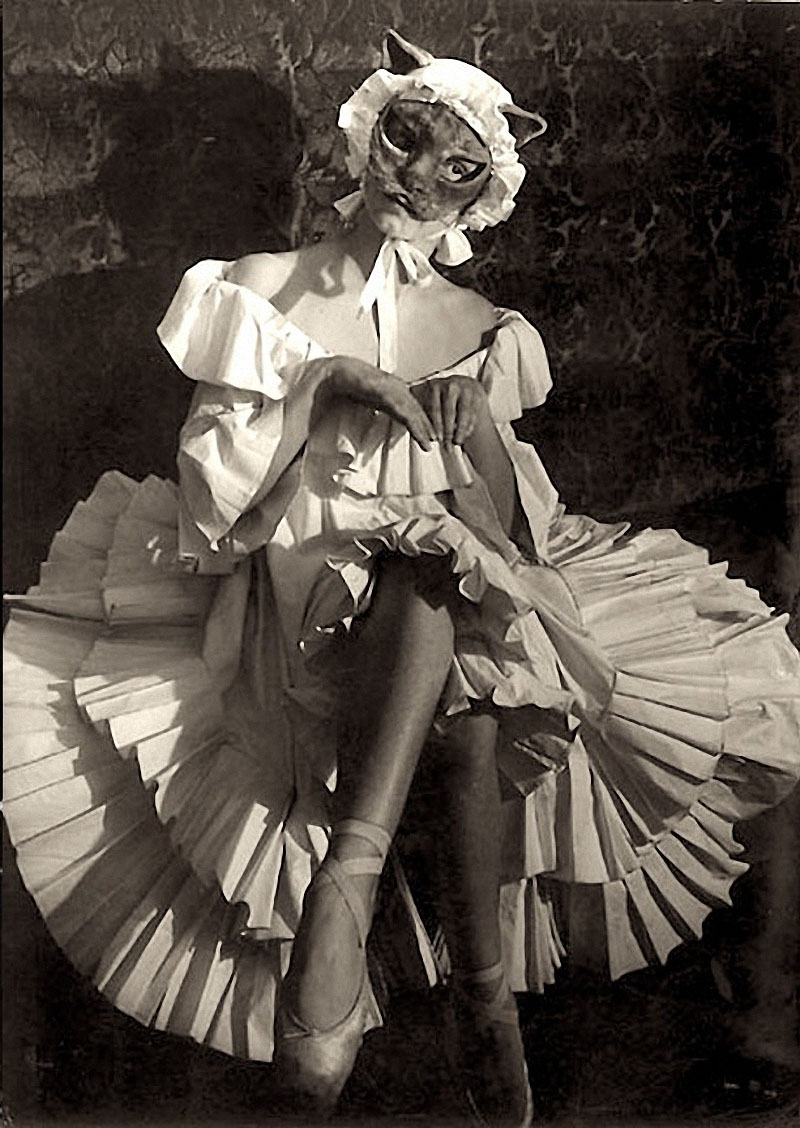
Brassaï (1899-1984) ~ Dancer wearing a cat costume designed by Leonor Fini for Les Demoiselles de la Nuit, 1948 | src ODLP ~ l’œil de la photographie

Yayoi Kusama at 10 (1939)

Yayoi Kusama aged 10, 1939 | source stephen ellcock
Yayoi Kusama at the age of ten, 1939. [Kusama, ca 10 år gammal år 1939] Bild: © Courtesy of Ota Fine Arts, Tokyo/ Singapore; Victoria Miro Gallery, London; David Zwirner, New York, © Yayoi Kusama | src Svenska Yle

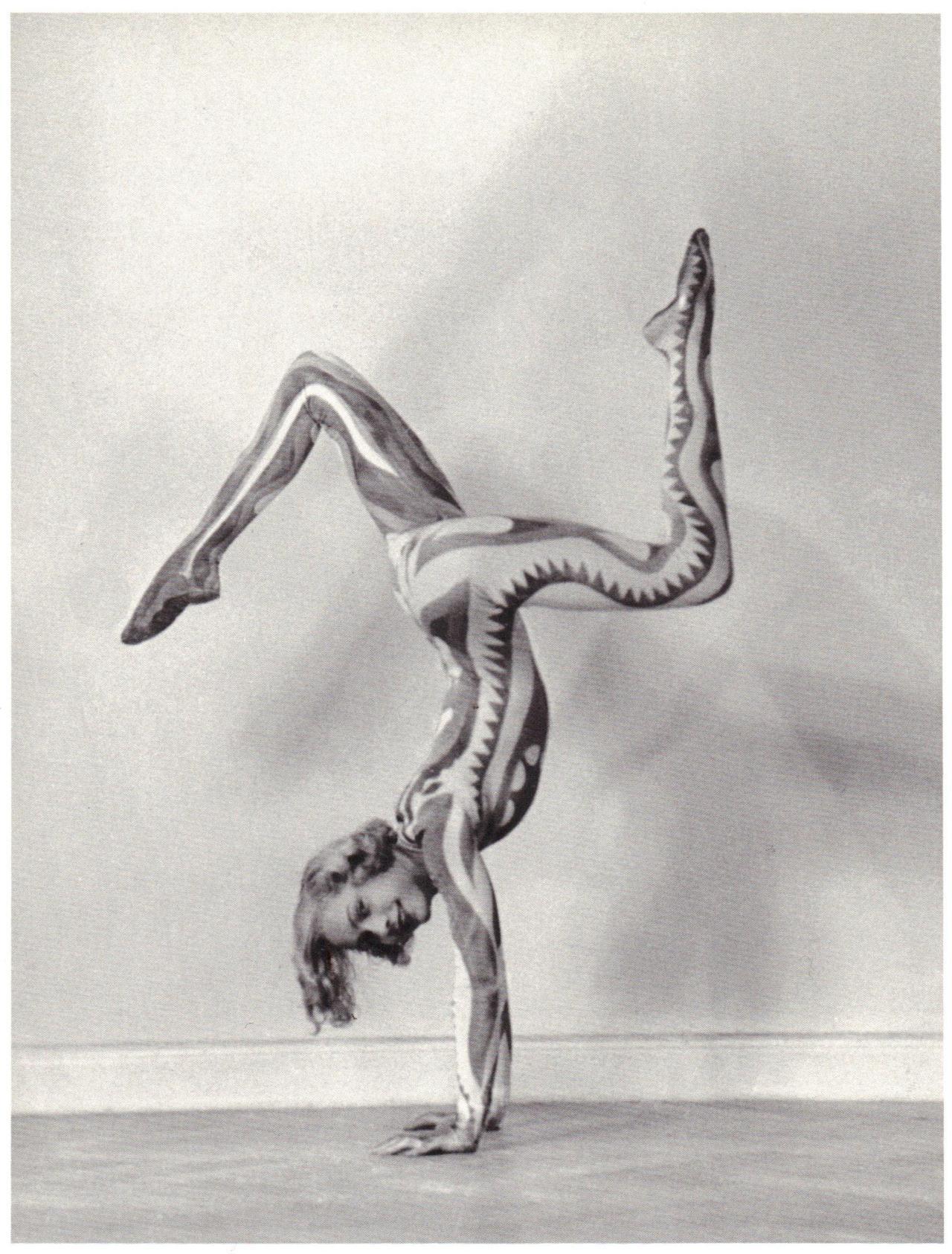
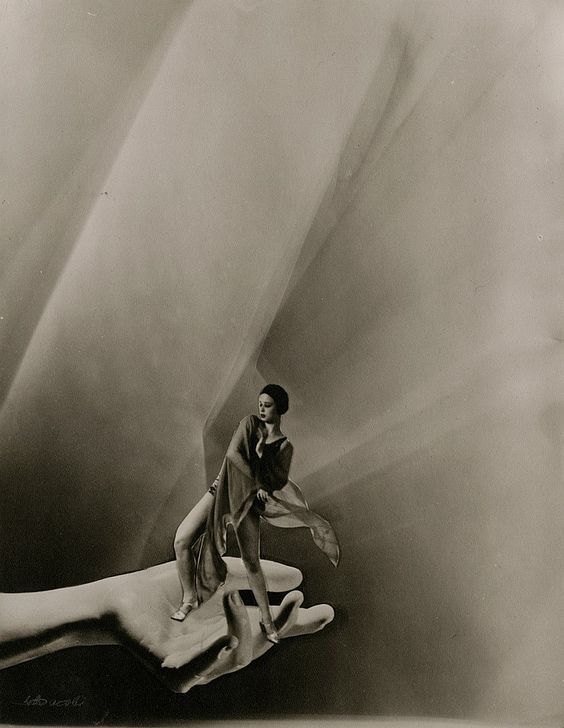
Dancer Dinah Grace, 1930s

Lotte Jacobi :: Dancer Dinah Grace, Berlin, 1930s. | src realityayslum [‘Grace was very young when this picture was taken, but Lotte thought she was the best dancer she ever photographed. She was amazed at how easily Grace could move and do anything asked of her.’ quoted and scanned from ‘Lotte Jacobi: Theater & Dance Photographs’, Countryman Press, 1982.]

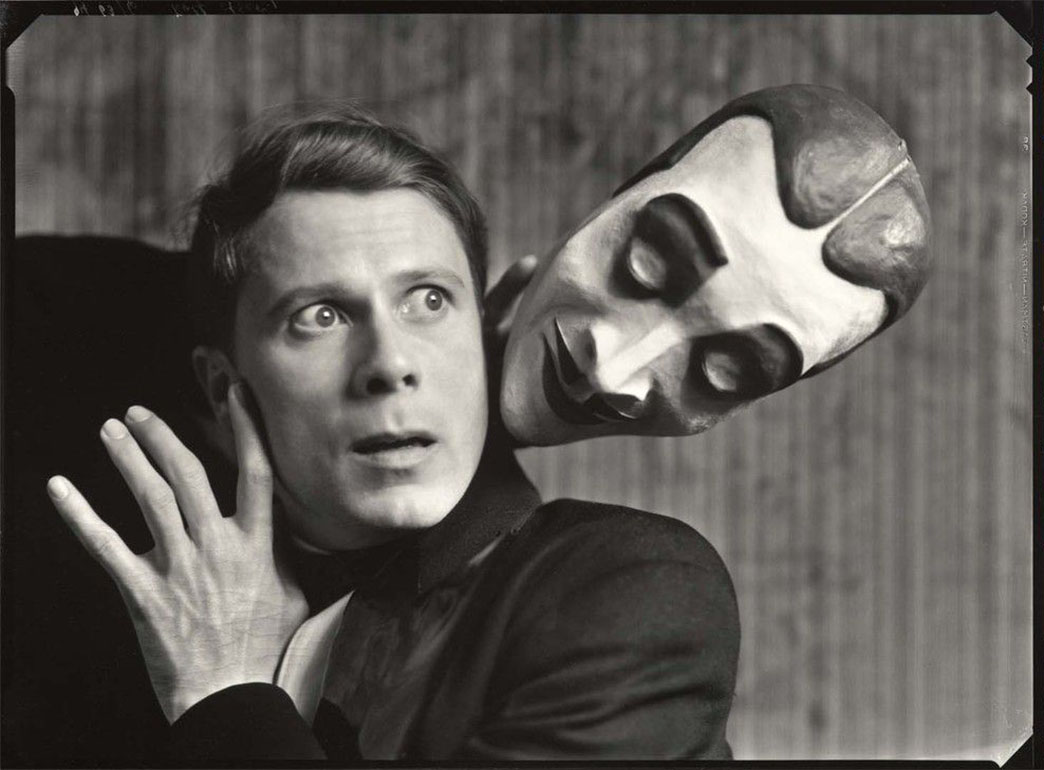
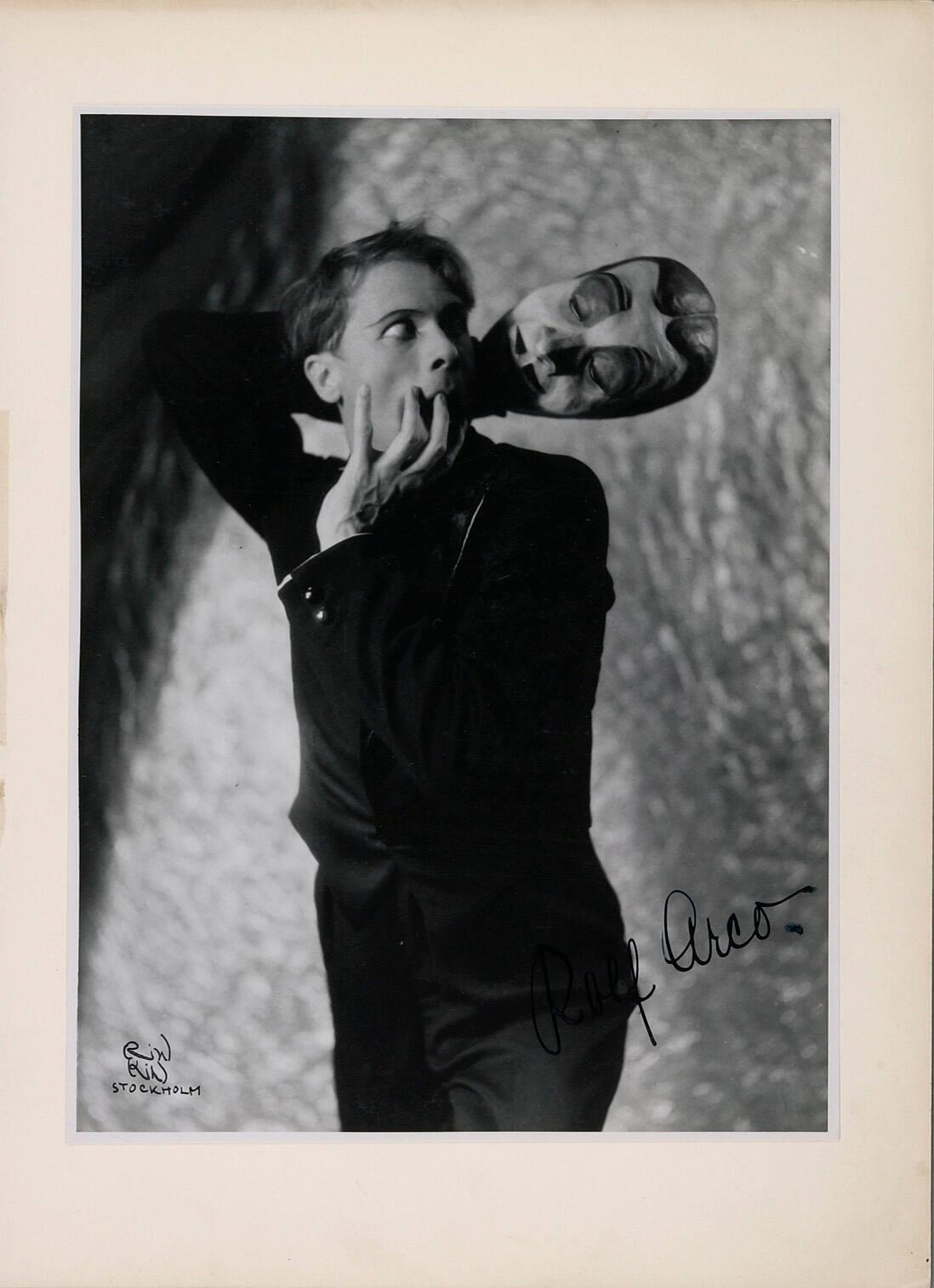
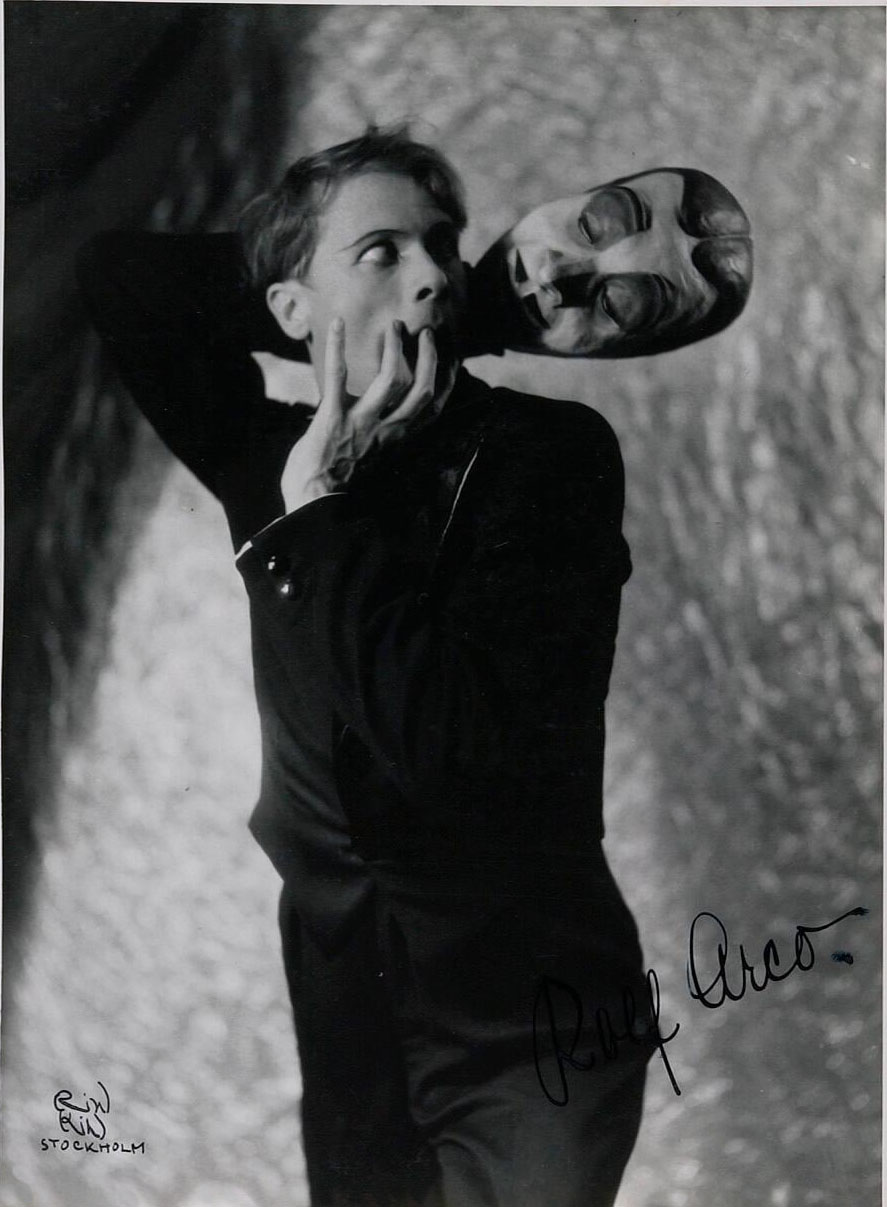
Rolf Arco by Jacobi & Riwkin

Lotte Jacobi (1896-1990) ~ Der Tänzer Rolf Arco mit Maske, Berlin, 1931 © Lotte Jacobi Archives. | src die Zeit & art in berlin
Anna Riwkin (1908-1970) ~ Dansaren Rolf Arco, 1933. Gelatinsilverfotografi | src Moderna Museet

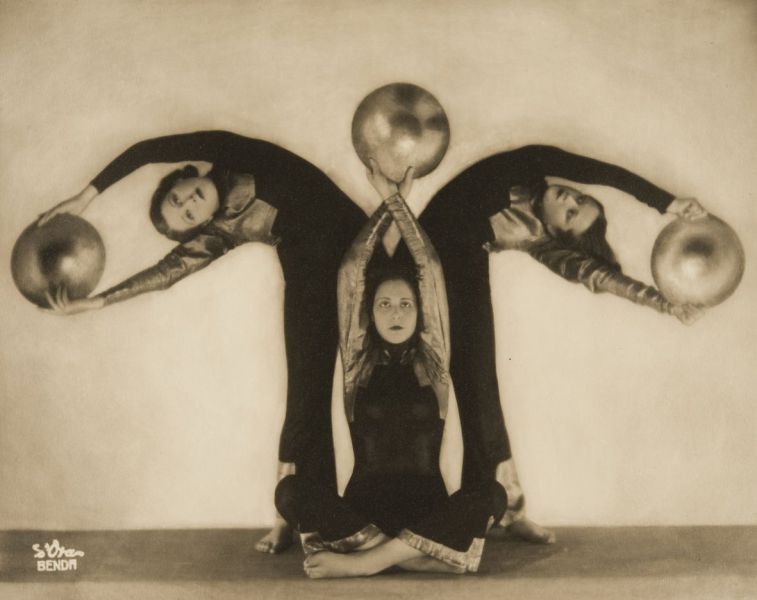
Dance with the Golden Disks

Atelier d’Ora – Benda :: Der Tanz mit den goldenen Scheiben, (The Dance with the Golden Discs, choreographed by Gertrud Bodenwieser), 1931. | src mambo-bologna

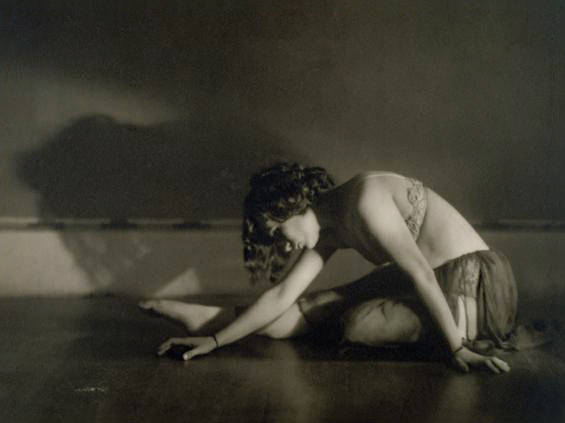
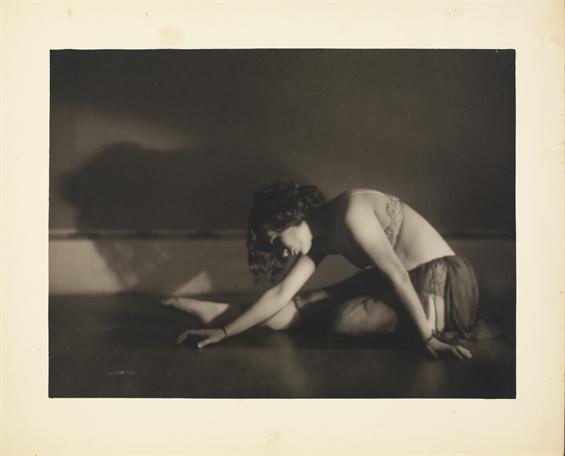
unknown dancer, 1930

Manuel Alves de San Payo :: Retrato de bailarina não identificada, 1930. | src Arquivo de Documentação Fotográfica / DGPC
Manuel Alves de San Payo :: Unknown dancer, 1930. | src livejournal

Terrain Brûlé ~ Terrain Vague

Eugène Cuvelier :: Près de la Caverne, Terrain Brûlé, early 1860s. Salted paper print from paper negative. | The Metropolitan Museum of Art
Eugène Cuvelier ~ Près de la Caverne, Terrain Brûlé, early 1860s. Salted paper print from paper negative. | The Metropolitan Museum

“An atypical work for the naturalistically inclined Cuvelier, this highly Romantic image of two people sitting below the skeletons of burned pine trees and looking into the featureless distance like the contemplative figures in the paintings of Caspar David Friedrich, was no doubt a response to the startling sight of the charred landscape.” [quoted from The Met]
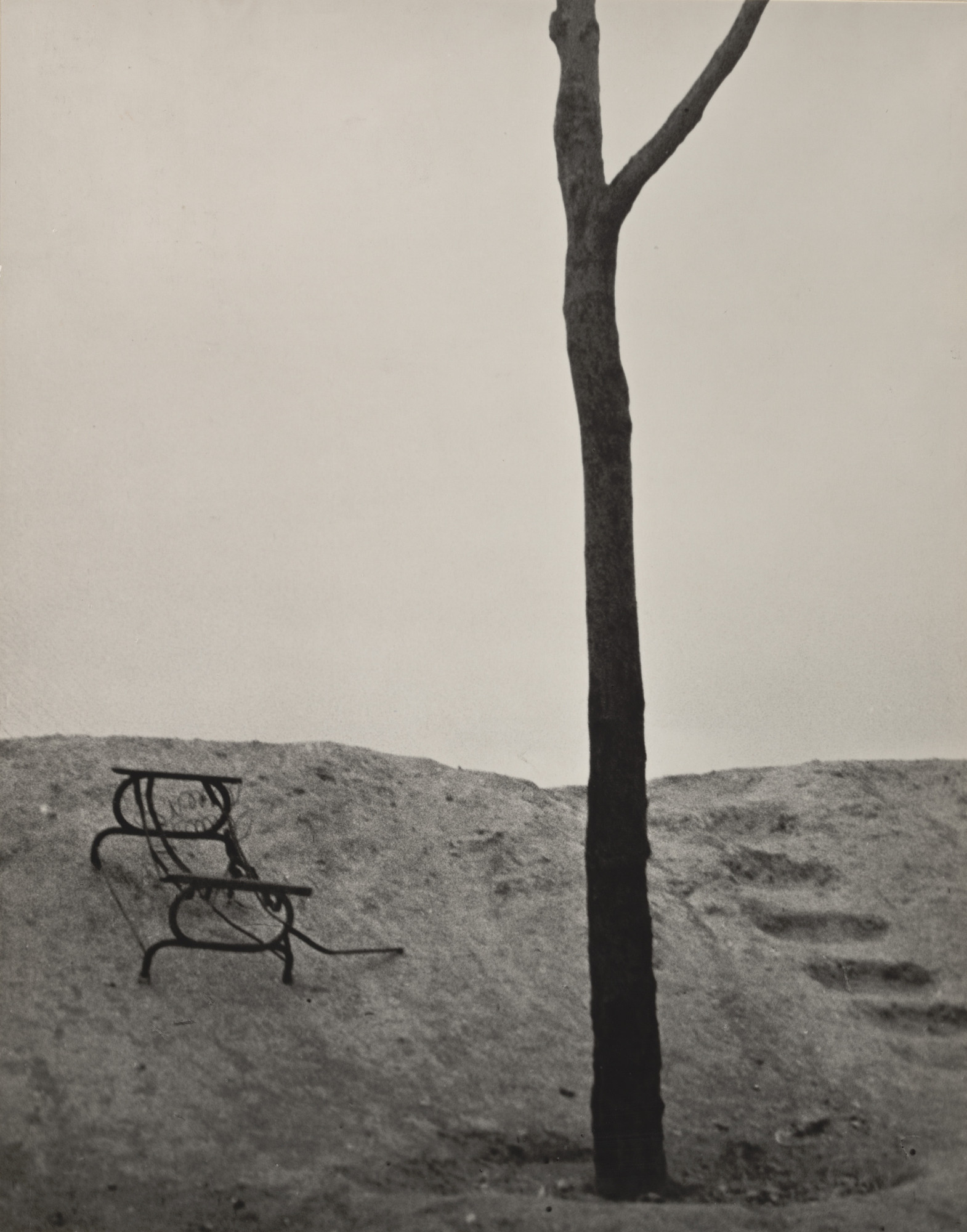
Man Ray (Emmanuel Radnitzky) ~ Le Terrain Vague, 1932. Gelatin silver print | src MoMA

“Life is merely a fracas on an unmapped terrain, and the universe a geometry stricken with epilepsy”

― Emil Cioran; A Short History of Decay (1949)