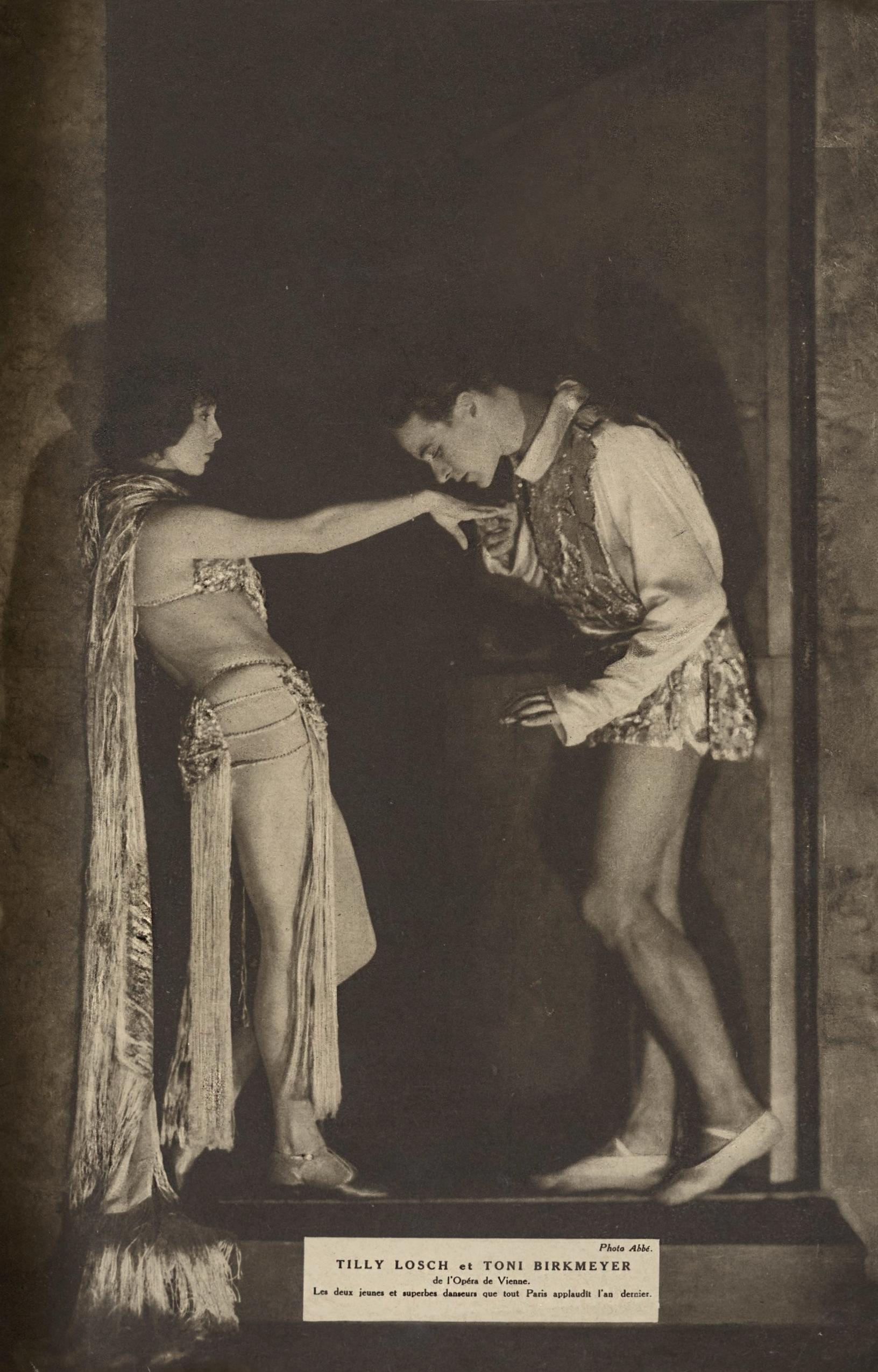
Tilly Losch et Toni Birkmeyer

Photo Abbé. Tilly Losch et Toni Birkmeyer de l’Opéra de Vienne. The two young and magnificent dancers that all Paris acclaimed last year. Original: Les deux jeunes et superbes danseurs que tout Paris applaudit l’an dernier. Le Théâtre et Comœdia illustré, Juin-Septembre 1924. | src BnF ~ Gallica
Photo Abbé. Tilly Losch et Toni Birkmeyer de l’Opéra de Vienne. The two young and magnificent dancers that all Paris acclaimed last year. Original: Les deux jeunes et superbes danseurs que tout Paris applaudit l’an dernier. Le Théâtre et Comœdia illustré, nº 36, Juin-Septembre 1924. | src BnF ~ Gallica

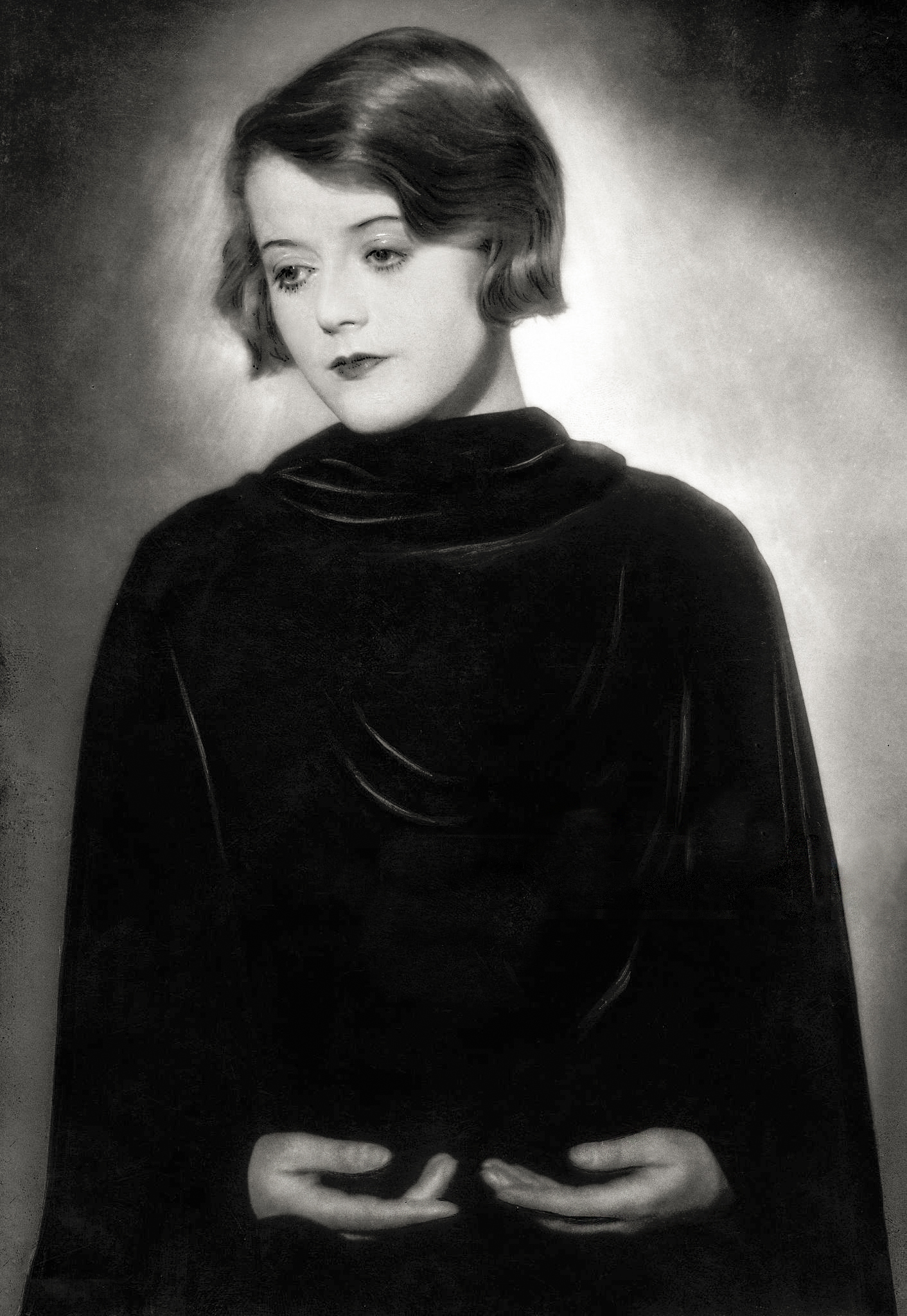
Maria Solveg-Matray, um 1929

portrait maria solveg by freiherr wolff von gudenberg 1920s
Freiherr Wolff von Gudenberg :: Actress and dancer Maria Solveg b. Maria Charlotte Stern. Half-length portrait, undated, probably 1929, published: Berliner Morgenpost Feb. 4, 1929. | original: Schauspielerin und Tänzerin Maria Solveg (1907-1993) eigentlich: Maria Stern. Halbfigur Porträt, undatiert, vermutlich 1929, veröffentlicht: Berliner Morgenpost 04.02.1929. | src Getty Images

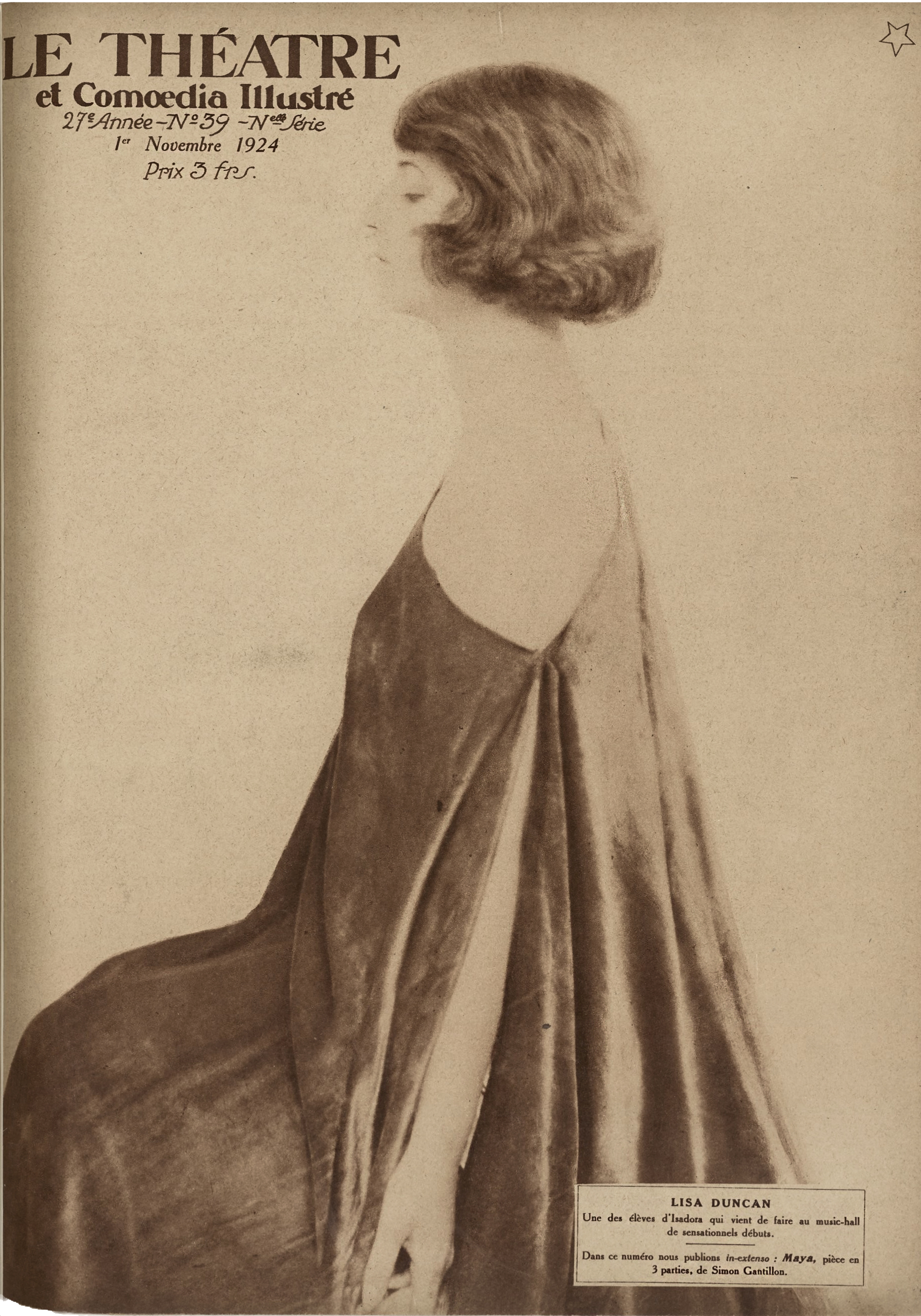
Lisa Duncan, 1924

Lisa Duncan. One of Isadora’s students who has just made a sensational debut at the music hall. Original: Une des élèves d Isadora qui vient de faire au music-hall de sensationnels débuts. Le Théâtre et Comœdia illustré, Novembre 1924. | src BnF ~ Gallica

Eleonora Duse (1858-1924)


Photo A. Champagne. Eleonora Duse. The great Italian tragédienne whose death has mourned the soul of all those who love the Theater in the world. Original: La grande tragédienne italienne de qui la mort a endeuillé l’âme de tous ceu qui dans le monde aiment le Théâtre. Le Théâtre et Comœdia illustré, Mai 1924. | src BnF ~ Gallica
Eleonora Duse als Kameliendame (Phot. Bengue, Paris). UHU Magazin, Sept. 1925. | src Flickr
ELEONORA DUSE, (d’après une sanguine [red chalk drawing] de Roumoff 1892). Le Théâtre et Comœdia illustré, Mai 1924. | src BnF ~ Gallica

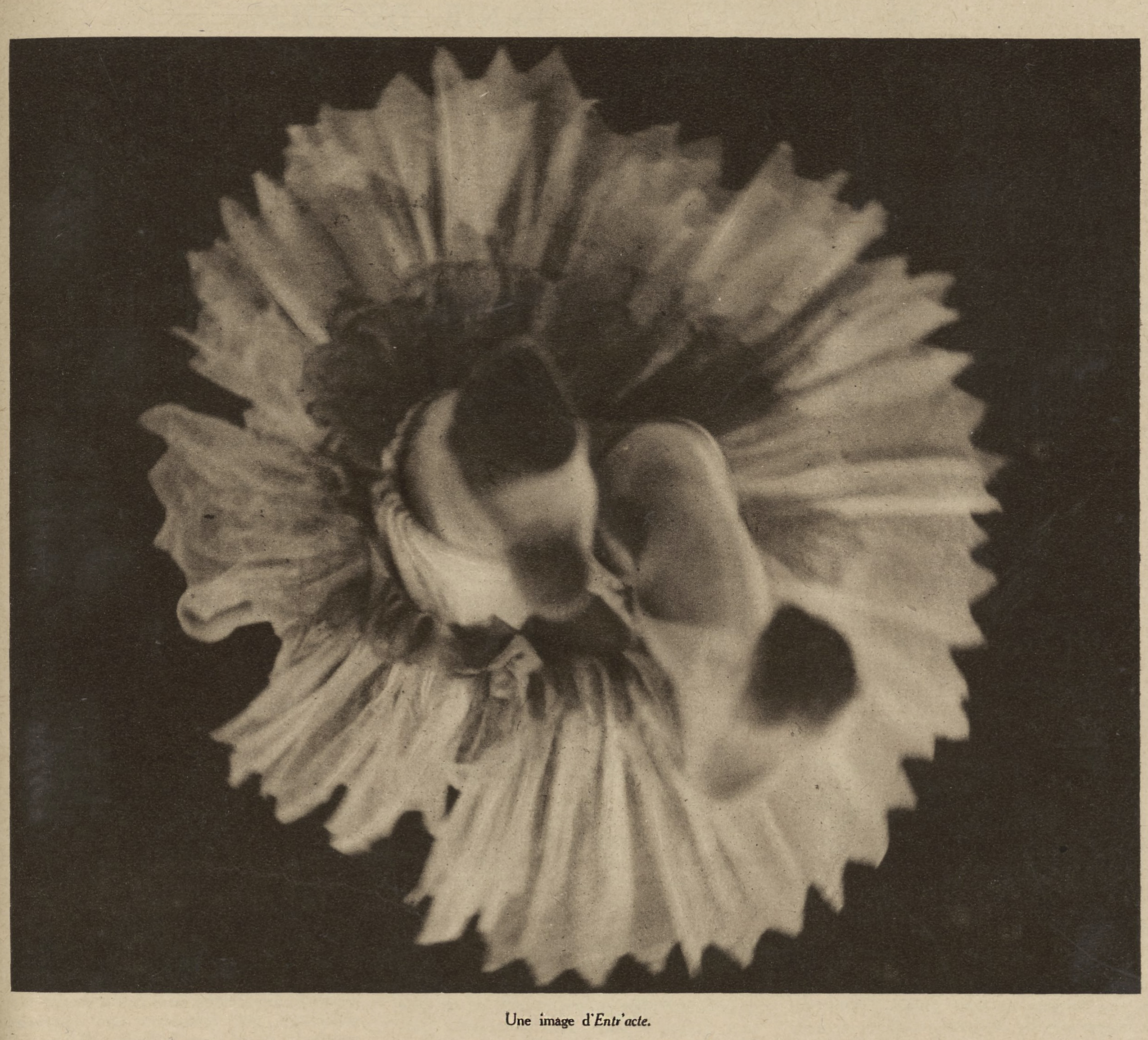
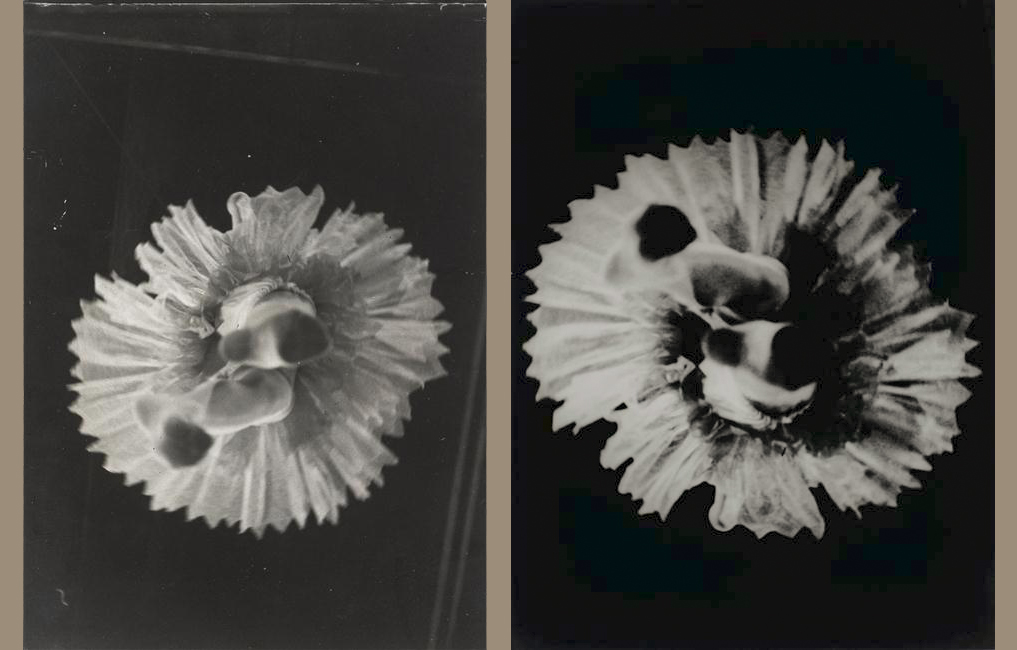
La danseuse (Entr’acte, 1924)

Entr’acte. An “instantaneous” film. Rolf de Maré’s Ballets Suédois have just produced the film Entr’acte which will be screened during the ballet Relâche by Francis Picabia, music by Erik Satie and choreography by Jean Börlin, at the Théâtre des Champs-Elysées. The script of the film is by Francis Picabia, the technical production of René Clair. The performance brings together the names of Jean Börlin and Inge Frïss from the Swedish Ballets, Marcel Duchamp and Man-Ray. Le Théâtre et Comœdia illustré, November 1924.
Entr’acte. Un film “instantanéiste”. Les Ballets Suédois de Rolf de Maré viennent de produire un film Entr’acte qui sera projeté au cours du ballet Relâche de Francis Picabia, musique d’Erik Satie et chorégraphie de Jean Börlin, au Théâtre des Champs-Elysées. Le scénario du film est de Francis Picabia, la réalisation technique de René Clair. L’interprétation réunit les noms de Jean Börlin et de Inge Frïss des Ballets Suédois, de Marcel Duchamp, Man-Ray. Le Théâtre et Comœdia illustré, Nov. 1924. | src BnF ~ Gallica
La danseuse (Entr’acte), René Clair, 1924. | src Centre Pompidou – Musée national d’art moderne – RMN

Porträt einer Frau als Maria

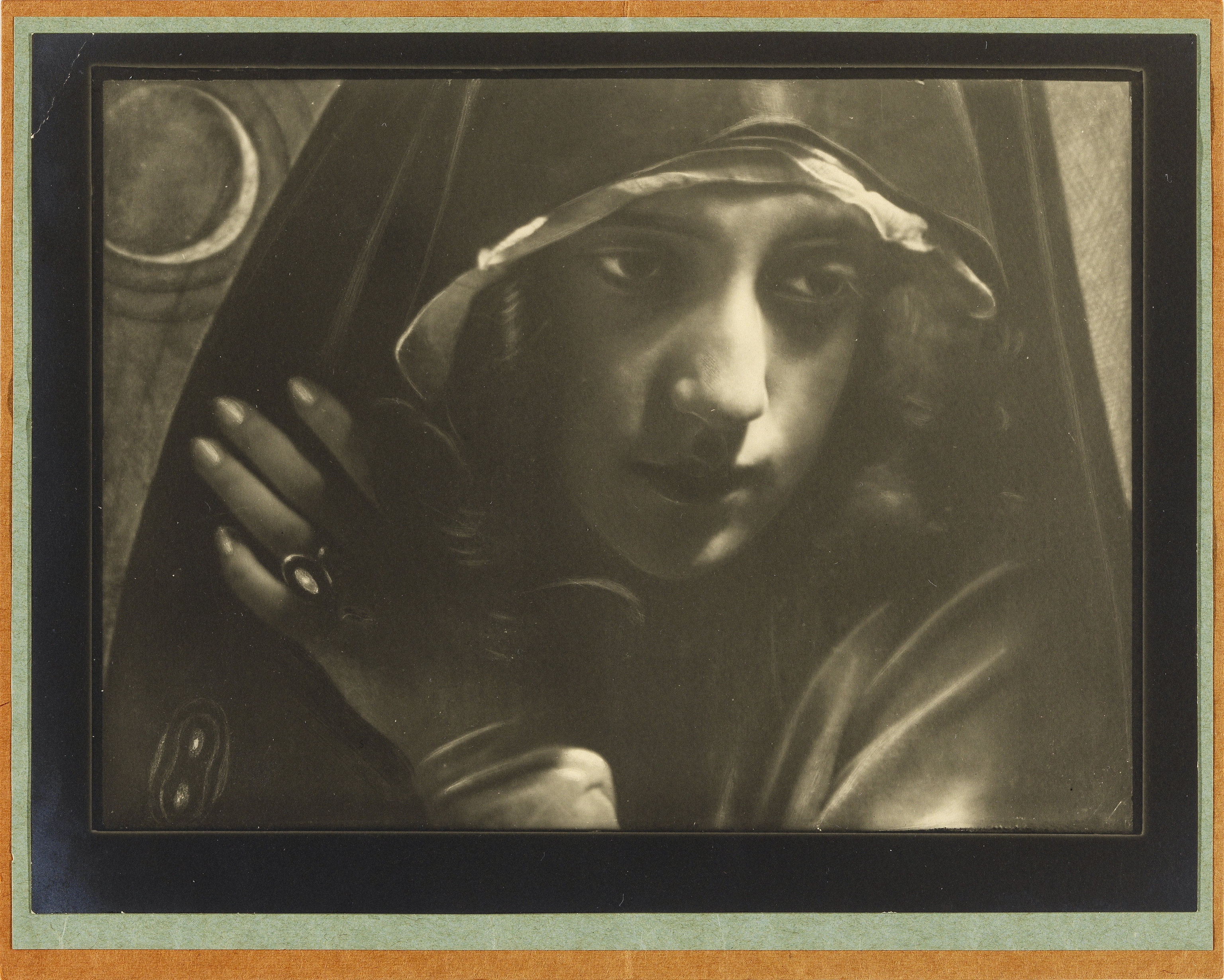
Anton Josef Trčka (Antios) :: Porträt einer unbekannten Frau als Maria, 1920-30 | src Wien Museum (Inventarnummer HMW 306158)

ANTIOS – this clearly legible and decorative signet is as much an effective design element of these famous portraits as EGON SCHIELE’s signature. For a long time, it seemed no one was interested in the fact that this legendary Viennese painter and self-portraitist could not have produced such accomplished photographs without the cooperation of a partner who was a master of photographic technique. The way expressive movement blends with the demands of ”classic” portraiture, or the way graphic outline contrasts with the two-dimensional rendering of figures and garments – this cannot have been the work of an amateur.
An amateur he certainly was not, this Anton Josef Trčka, who contracted his own name to form the artistic trademark ANT(on) IOS(ef) during his third year of studies at the “Graphischen Lehr- und Versuchsanstalt” (Institute of Graphic Instruction and Experimentation) in Vienna. This specialized learning institute for photography and reproduction technology, the first of its kind worldwide, was founded in 1888 in the tradition of the commercial arts schools, and combined the demand for technical perfection with solid instruction of an artistic nature. The young Trčka found in Karel Novak (later the co-founder of a similar school in Prague that produced the likes of Sudek or Rössler) a teacher, who not only taught his students how to turn the idea of Pictorialism into professional practice, but also conveyed an understanding of classical portraiture and a love of contemporary painting. The level of Novak’s influence can be seen in the way artists such as Rudolf Koppitz or Trude Fleischmann, along with ANTIOS, remained true their life long to decorative design devices particular to their teacher.
Well before his Schiele and Klimt portraits, ANTIOS had experimented with compositions that were indebted to Jugendstil. The dynamic contours of his figures appear to be inspired by the work of those young dancers who, in the first decades of the 20th century, consciously distanced themselves from classical ballet. By 1924, Trčka had developed close friendships with several dancers, including Hilde Holger and Gertrud Bodenwieser, and these found expression in photographic dance studies, nudes and portraits, and even drawings and poems. During this period, he developed a portrait style that clearly sets him apart from what is generally considered to be the international avant-garde of the 1920’s, yet at the same time is far removed from the great amateur art photographers at the turn of the century. ANTIOS’s imagery – with its wonderfully circular compositions, the painterly reworking by the artist himself, and the integration of the image title and his signature – radiates a deeper melancholy stemming from a determination for perfection that stands diametrically opposed to the photographic goals of the ”Neues Sehen” movement.
As early as his student years, the young Trčka considered himself not only a photographer but also – or mainly! –a painter and poet. And he put these inclinations to use in the service of his intense interest in religion, theosophy and anthroposophy. His admiration for Rudolf Steiner was second only to his admiration for Otokar Brezina, a Czech Poet who at the turn of the last century, created a language based on religion and nature that turned against traditional poetry as well as the hated Austrian domination. Due to this conflict between his Czech roots and the Austrian identity forced (due to economic reasons) on him, and driven with missionary zeal for Anthroposophy, Anton Josef Trcka would be damned to a lifelong existence on the margins. He saw his photographs and paintings exhibited only once in his lifetime, his poetry was made public only through private readings. However, his few friends and admirers, such as Hilde Holger, found in his work something extraordinary that accompanied them in times of escape or emigration. (Text by Monika Faber) ~ quoted from Galerie Kicken Berlin
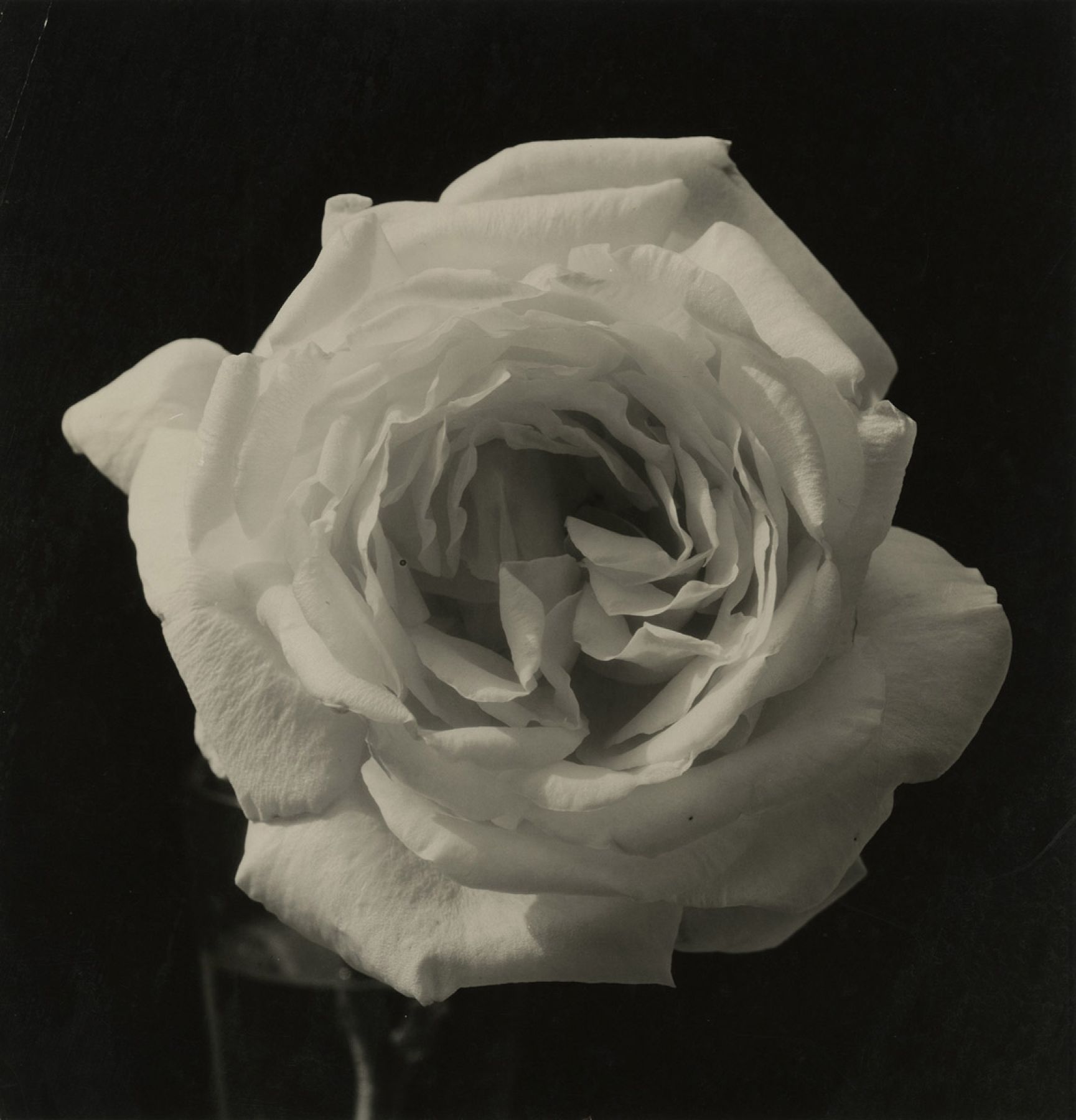
Roses portraits, 1920s-1990s

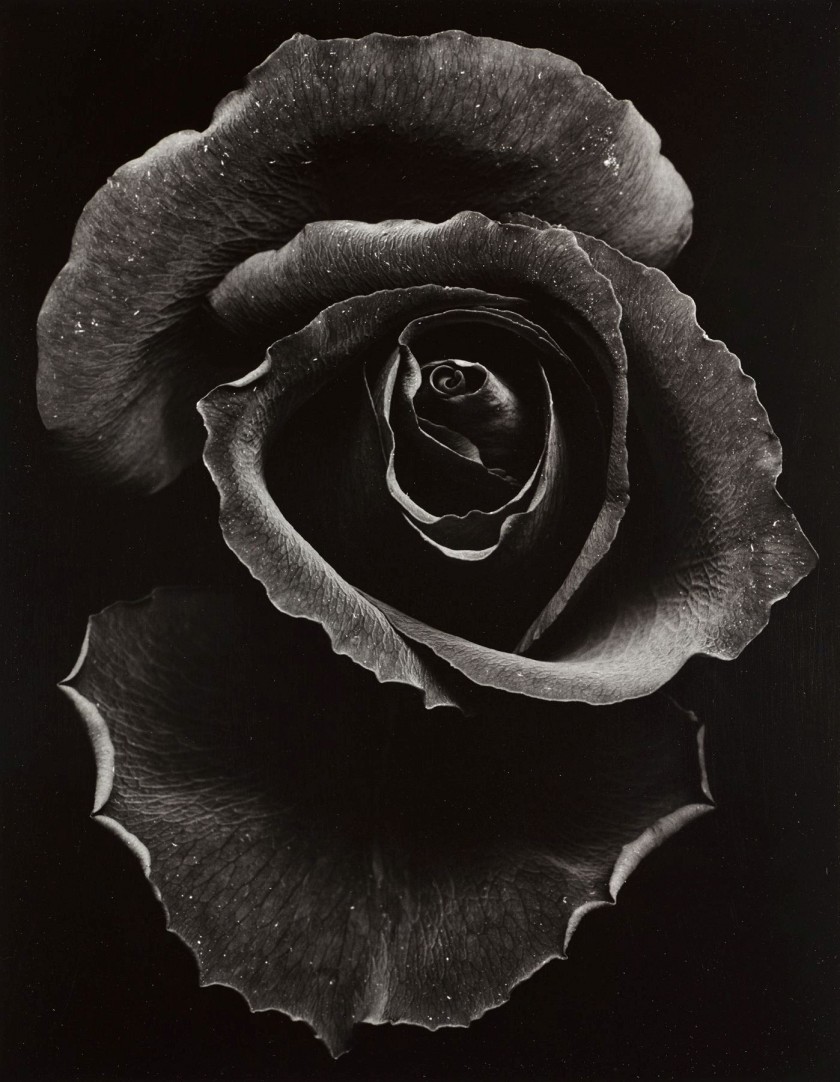
Edward J. Steichen :: Untitled (rose), 1920. Vintage gelatin silver print. Provenance Joanna Taub Steichen. | src Collezione Molinario
Federico Cimatti :: Rose, 1995. Tirage argentique viré à l'urane. Photographies pour tous online | src Millon via interencheres
Federico Cimatti :: Rose, 1995. Tirage argentique viré à l’urane. Photographies pour tous online | src Millon via interencheres
Junichi Ono :: Rose, 1971. Épreuve argentique d’époque sur papier Agfa | src Artcurial

Dancers in Persian costumes

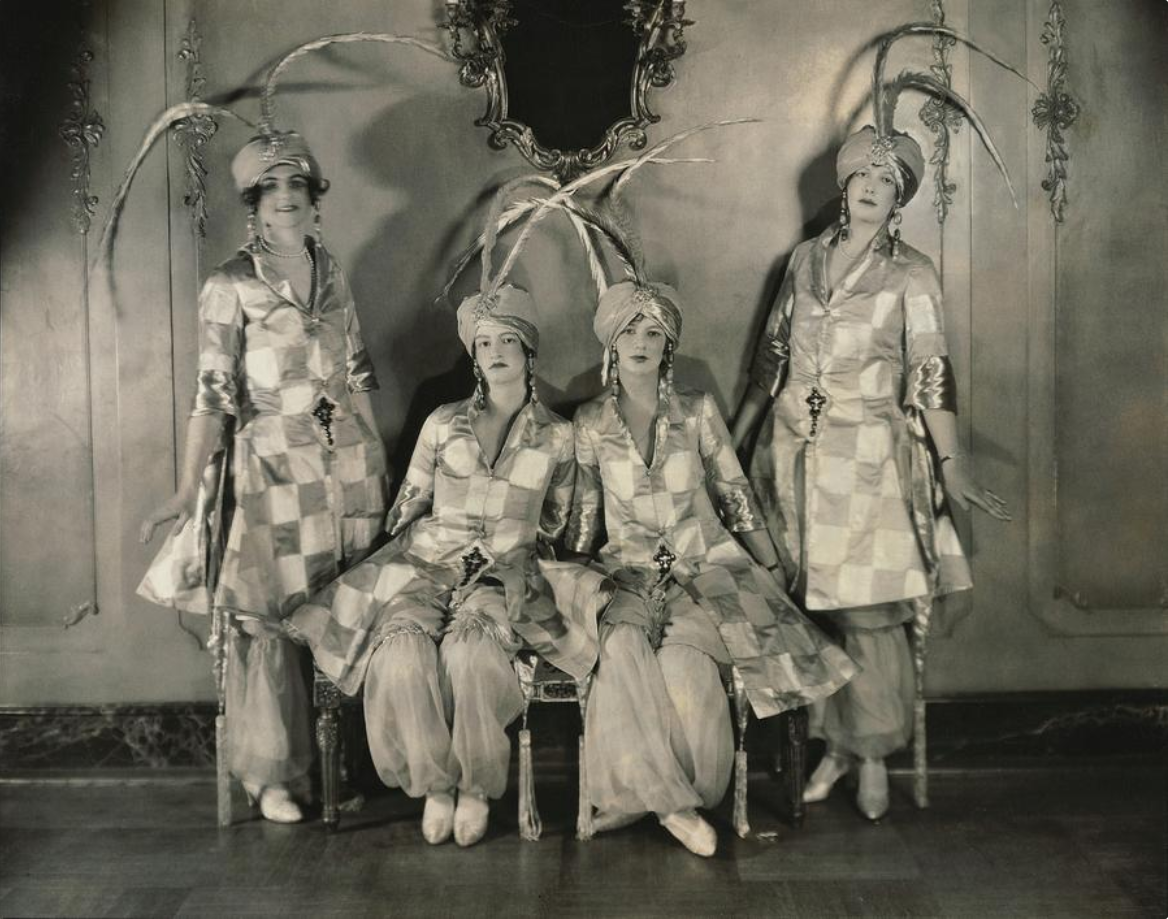
Edward J. Steichen :: Dancers in costume for the Persian Fete benefit for the Big Sisters charity. Published in Vogue, February 15th, 1925. | src Condé Nast

Chanticleer costume, 1924

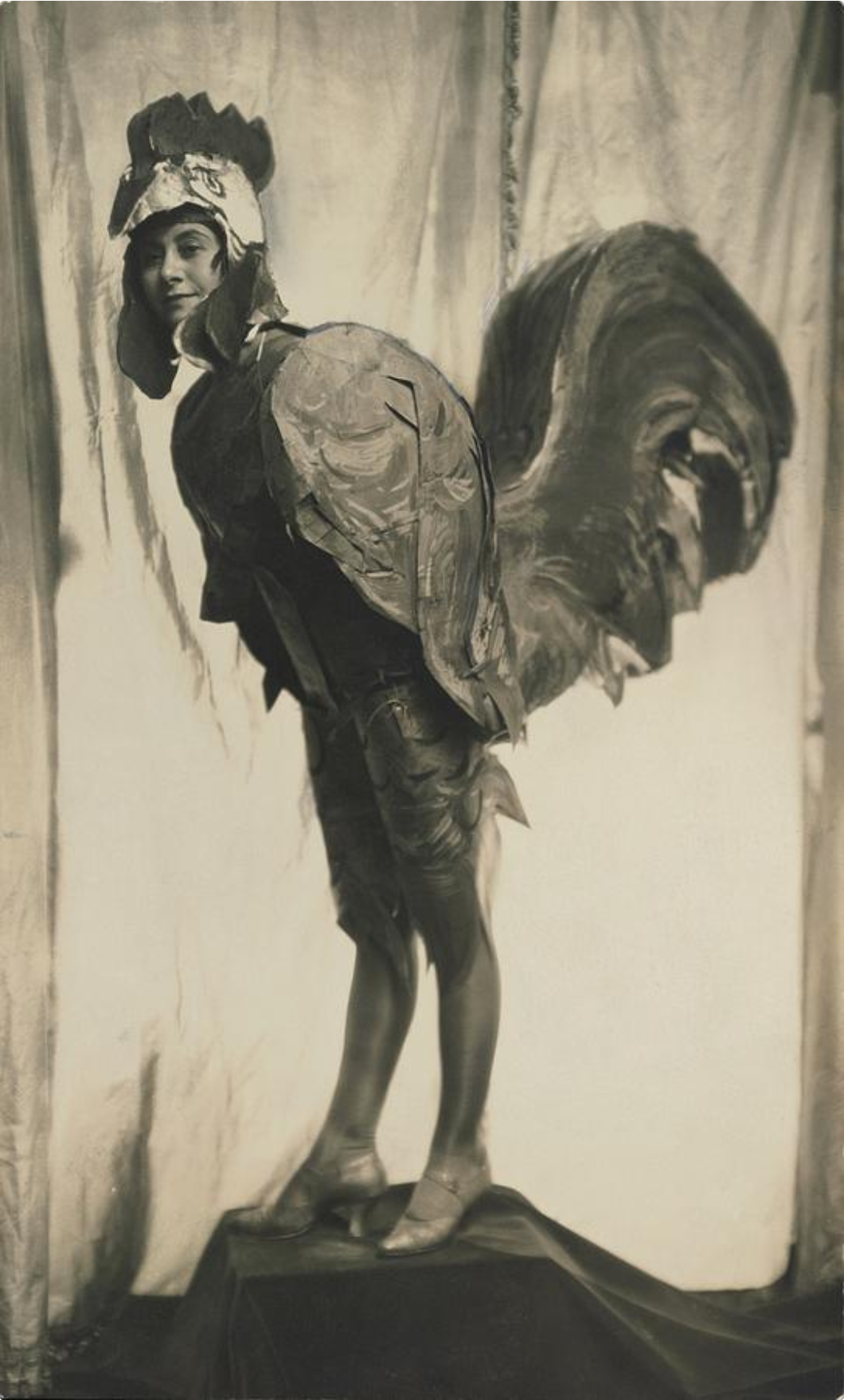
Edward J. Steichen :: Mrs. Leo Lentelli wearing a Chanticleer costume designed by Italian-American sculptor Leo Lentelli. Published in Vogue, April 1st, 1924. | src Condé Nast