Men at Glacier point

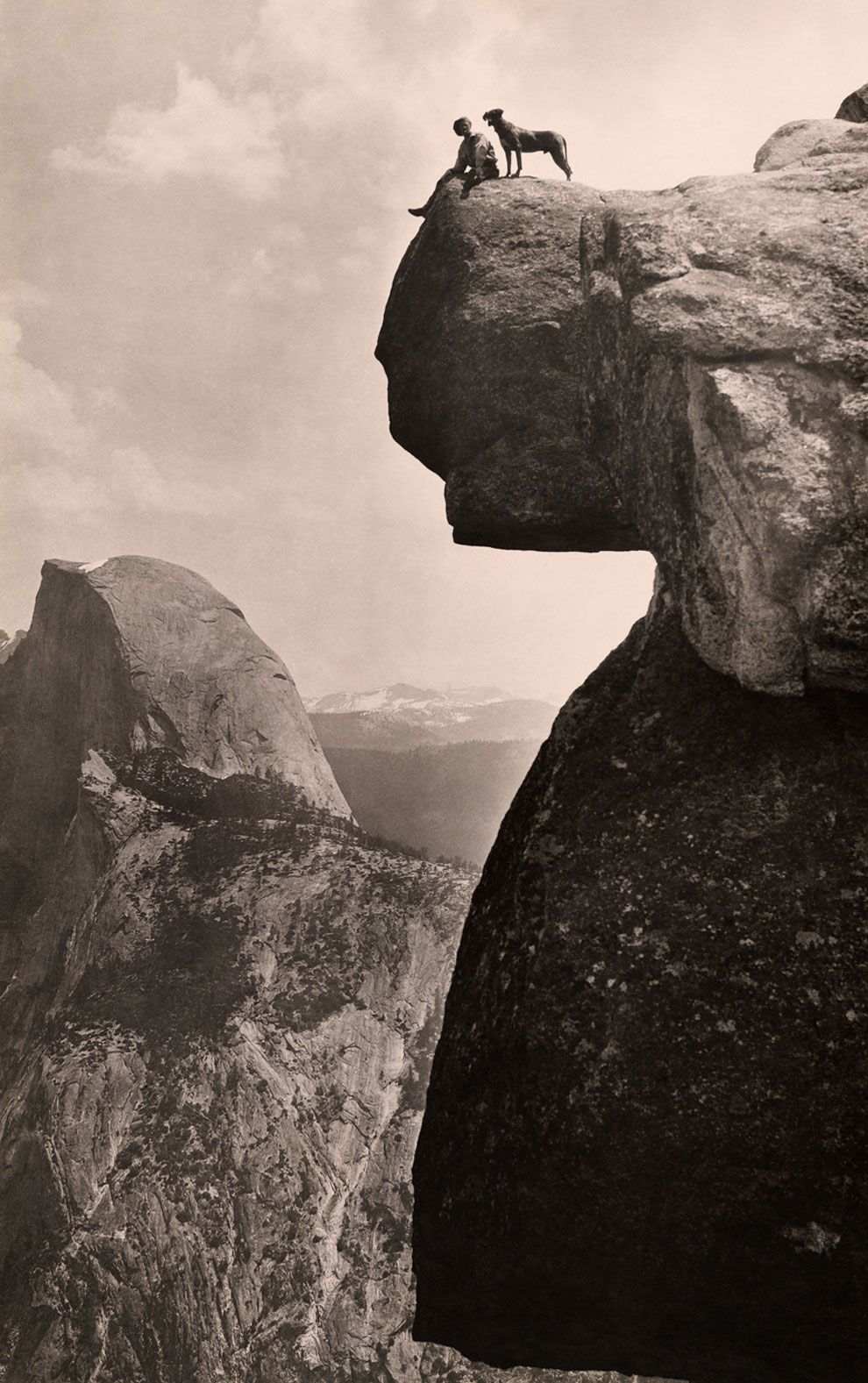
A man and his dog on the Overhanging Rock in Yosemite National Park, May 1924 | src National Geographic
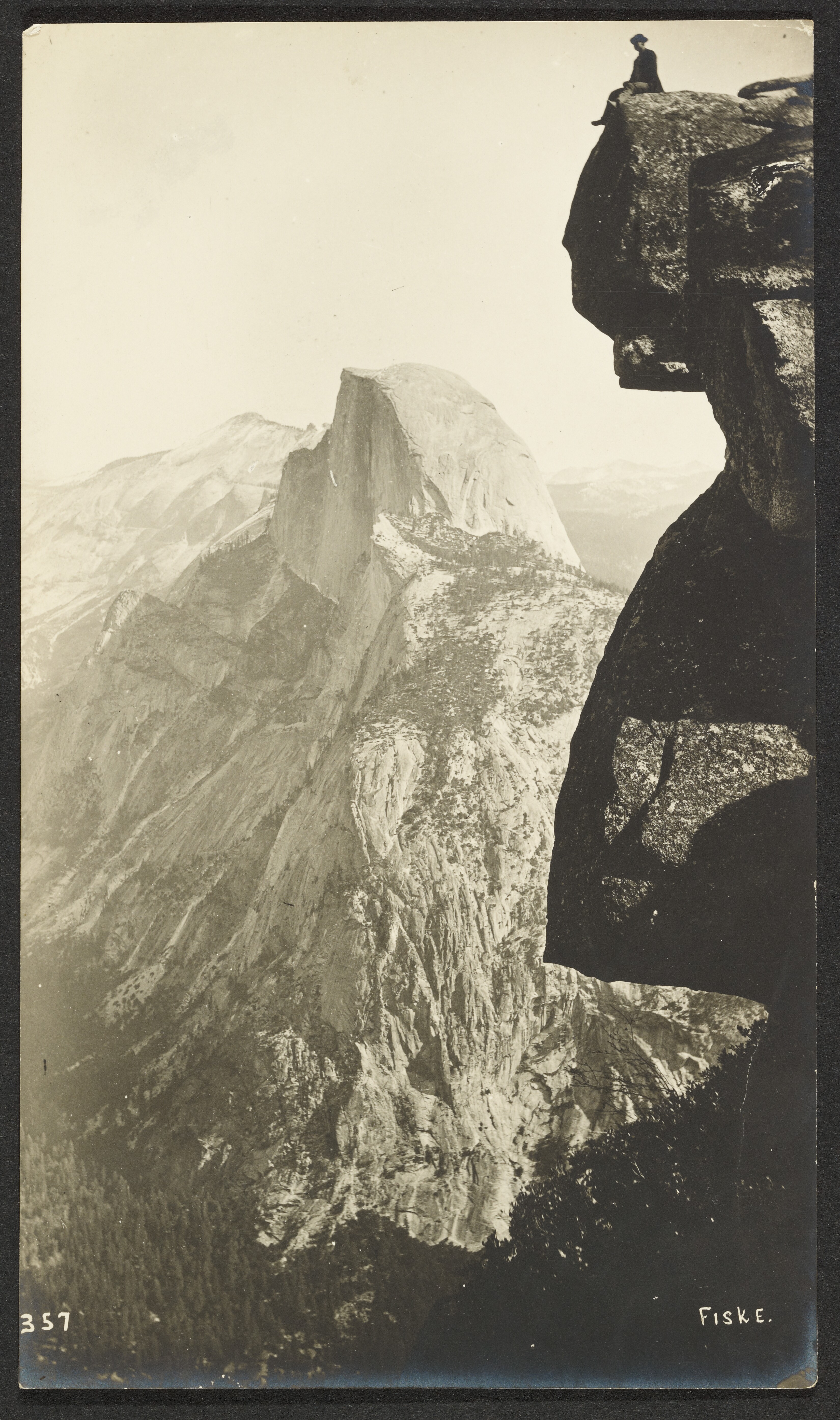
George Fiske (1835-1918) ~ Glacier Point (3200 feet) and Half Dome (5000 feet), negative before 1882, printed later. | src Getty museum
Overhanging Rock. At Glacier Point [Yosemite Valley]. 287. [Photograph by George Fiske.] 1890s | src OAC · Calisphere

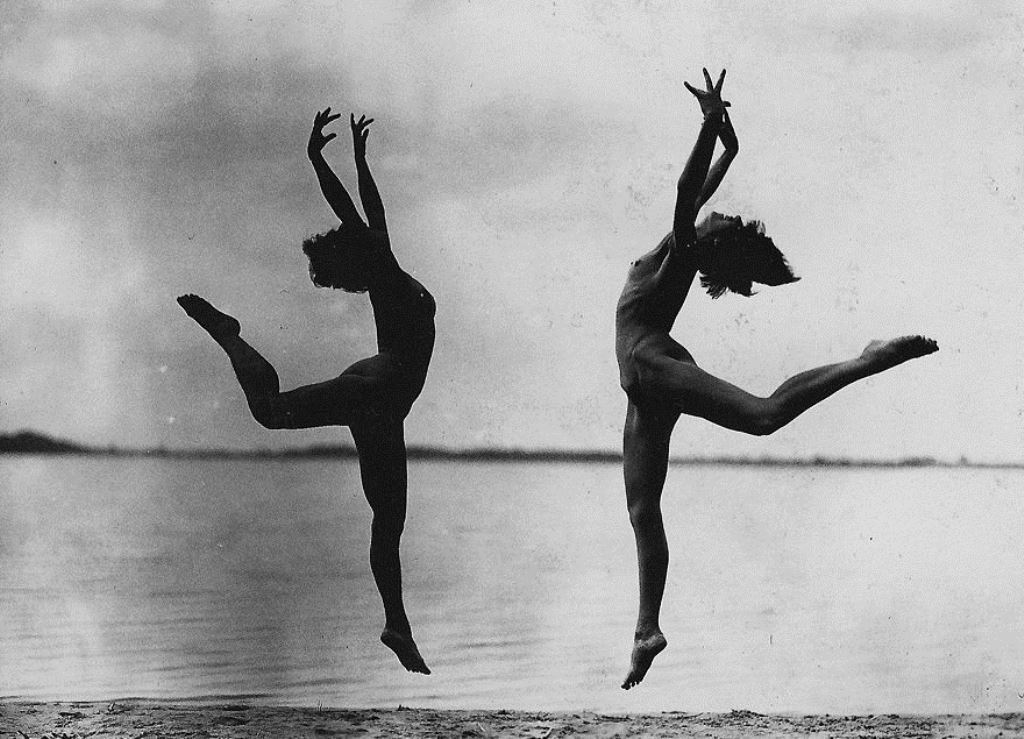
Nackte Tänzerinnen, 1920s

Gerhard Riebicke :: Nackte Tänzerinnen | Nude Dancers, 1920s

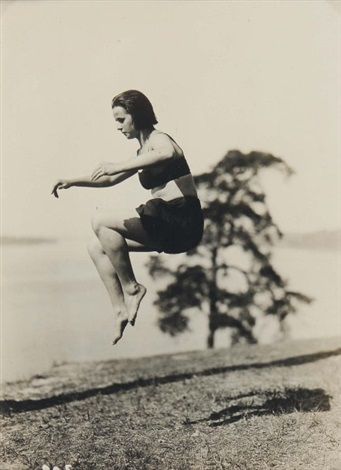
Nude in the Morning Sun, ca. 1920

Heinrich Kühn :: Nude in the Morning Sun, ca. 1920. | originally posted on and censored by tumblr
more [+] by this photographer

Dorothy Lee (1920) by Goldberg

Maurice Goldberg :: Theater actress and dancer Dorothy Lee, 1920
Maurice Goldberg :: Theater actress and dancer Dorothy Lee, 1920. This photograph was published in the 19 December 1920 edition of the New York Tribune to promote her appearance as part of the ensemble of F. Ray Comstock and Morris Gest’s musical “Mecca” | src GMGallery on eBay

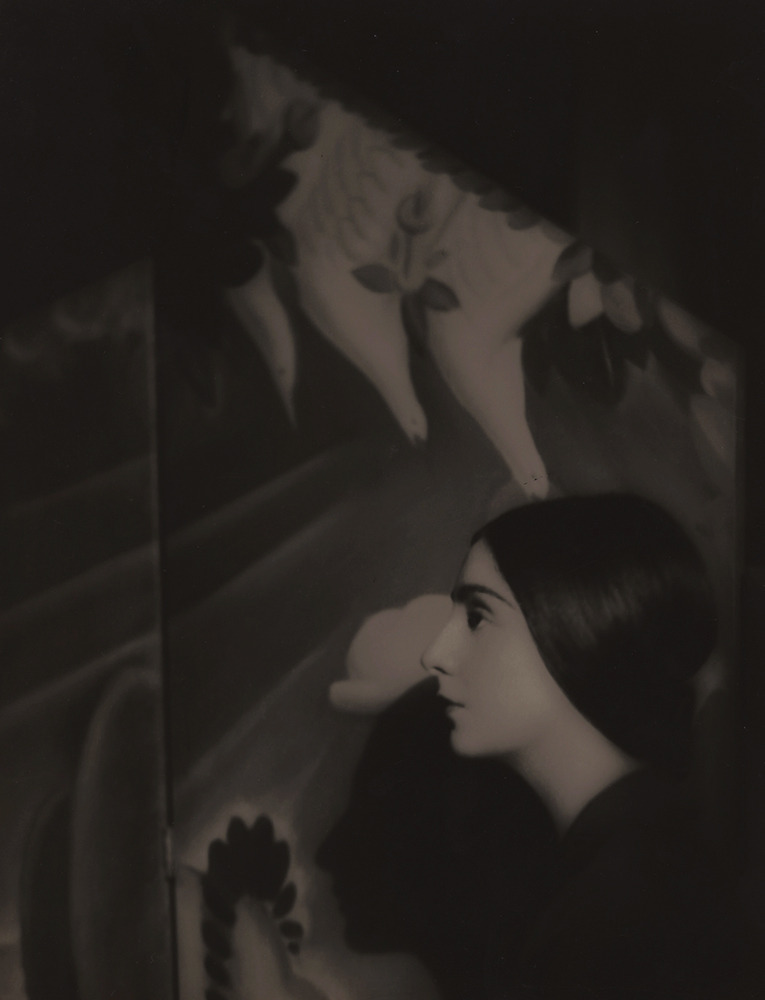
Ruth Page by Maurice Seymour

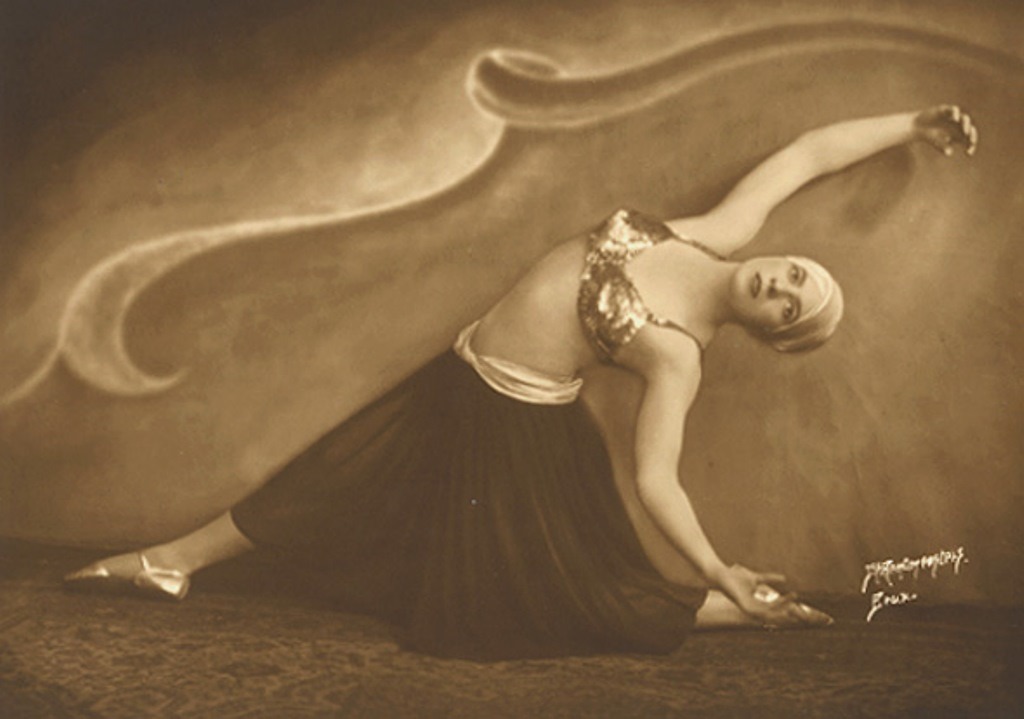
Maurice Seymour studio (1930-1970) ~ Ruth Page with Painted Background, 1920s | src vintageWorks & iphotocentral

Maurice (1900-1993) and Seymour Zeldman (1902-1995), Russian expatriate photographers, formed the “Maurice Seymour” studio in 1929. Inspired by the example of Maurice Goldberg, the foremost photographer of classical dancers and concert musicians of the 1920s and regular contributor to the New York Times, the brothers chose to make a particular forte of ballet dancers. From 1929 to 1950 they plied their trade in a studio at the St. Clair Hotel in Chicago. In 1950 Seymour Zeldman moved to New York City; both men at this juncture legally changed their names to Maurice Seymour.

The New York brother expanded his clientele from dancers and actors to singers, jazz musicians, and burlesque stars in the 1950s. He for a period partnered with James Kriegsmann, successor to Herbert Mitchell, and a practitioner of in situ photography of singers and musicians in their performance venues. The Chicago Maurice Seymour continued specializing in dance and theatrical photography, although he had, for a period of time in the 1930s, a healthy business from radio personalities as well. Both shuttered their studios in the 1970s.

When in Chicago, they collaborated completely when creating images, sharing the posing and developing work. The images tended to be brightly illuminated, posed against neutral featureless backgrounds, and developed on glossy paper. The studio’s skill at retouching was particularly well known. All of the Chicago portraits were taken with a large accordion portrait camera using 8×10 negatives. From 1935 onward, the brothers were the prefered portraitists of the Ballet Russe de Monte Carlo. In 1947 the studio published Seymour on Ballet, a set of photographic studies, with a foreward by Leonid Massine (Chicago: Pelligrini & Cudahy), and in 1952, an expanded portfolio, Ballet Portraits, featuring Margot Fonteyn (Chicago: Pelligrini & Cudahy). / src broadway library
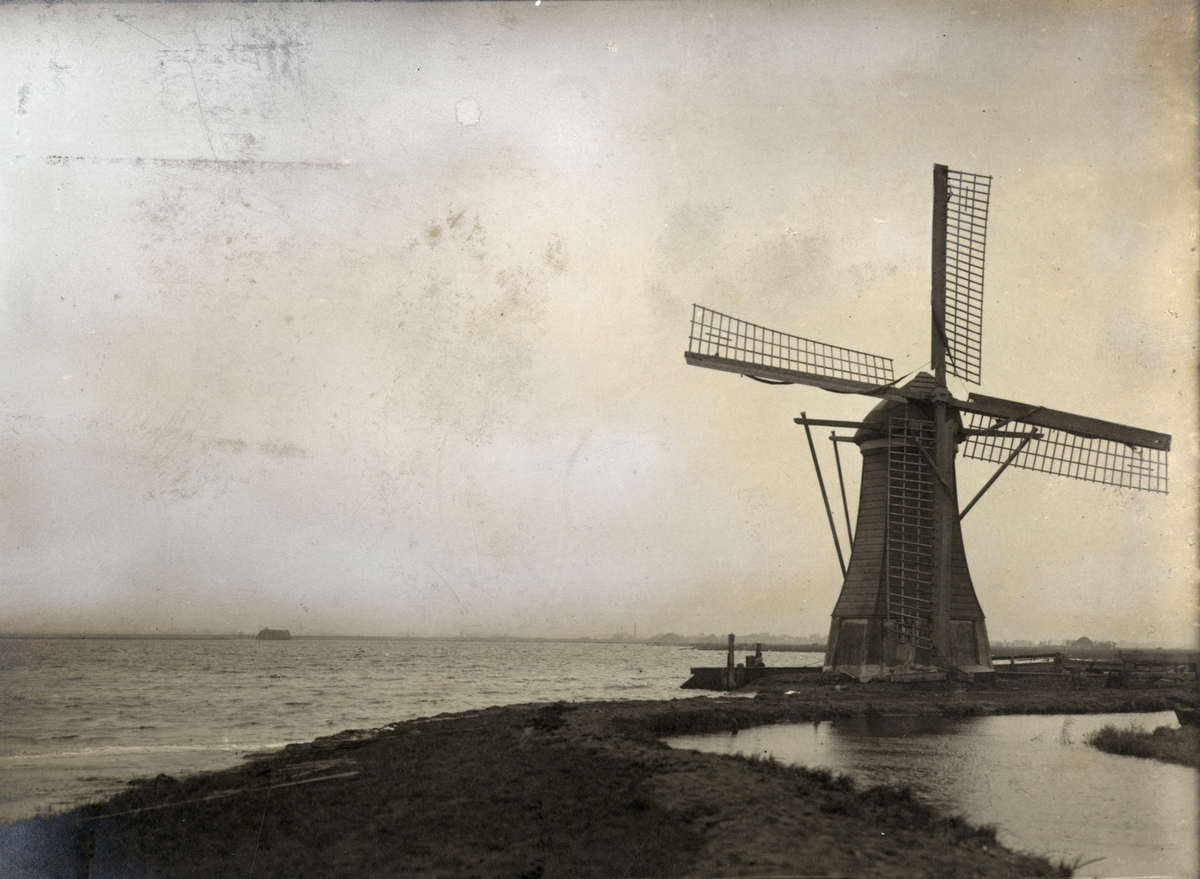
 

Dutch mills amidst the flood

Een molen in het overstroomde land bij Durgerdam, Nederland, 1911 | A mill amidst flood near Durgerdam, Netherlands, 1911. Spaarnestad Photo | src Het Geheugen (Nationaal Archief)
Dutch mill facing the flood, Grouw, the Netherlands, 1926. Spaarnestad Photo | src Nationaal Archief


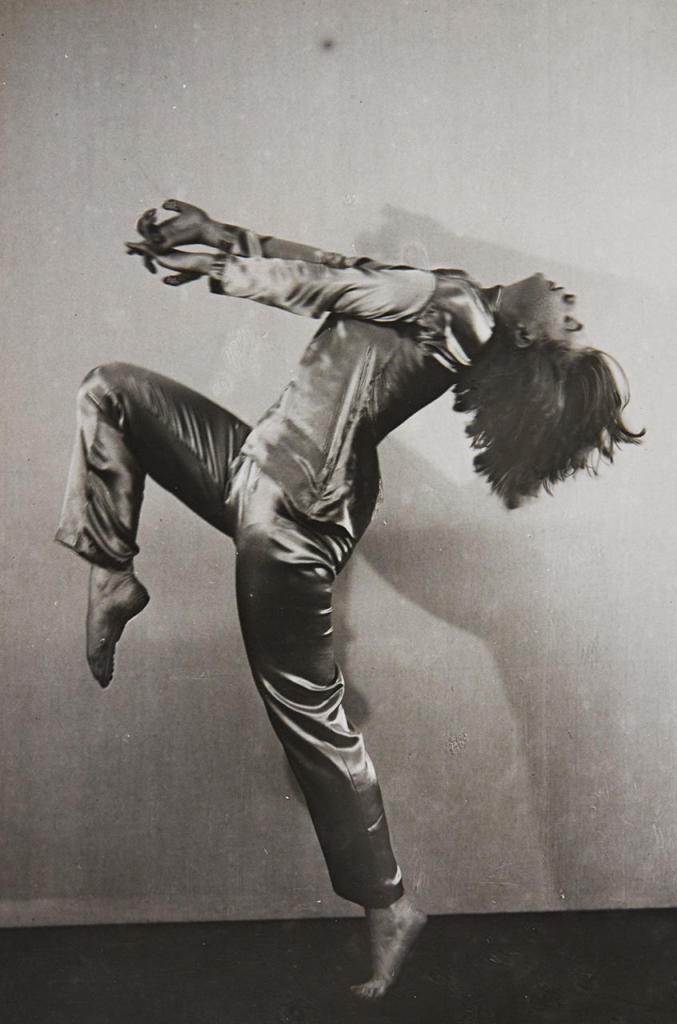
Niddy Impekoven, ca. 1928

Atelier Robertson (1927–1933) :: Dancer Niddy Impekoven. From a group of four dance studies (Niddy Impekoven, Ellinor Bahrdt, Trude Engelhart, Ira Langenteels), ca. 1928. Each with the photographer’s studio stamp and handwritten annotations in pencil on the reverse. | src Ostlicht (Westlich) Photo Auction nº 14 (June, 2016)

Nyota Inyoka, 1920s

The dancer Nyota Inyoka, 1920s. Probably from George White’s Scandals, a long-running string of Broadway revues produced by George White that ran from 1919 to 1939, modeled after the Ziegfeld Follies. | src grapefruitMoon on eBay