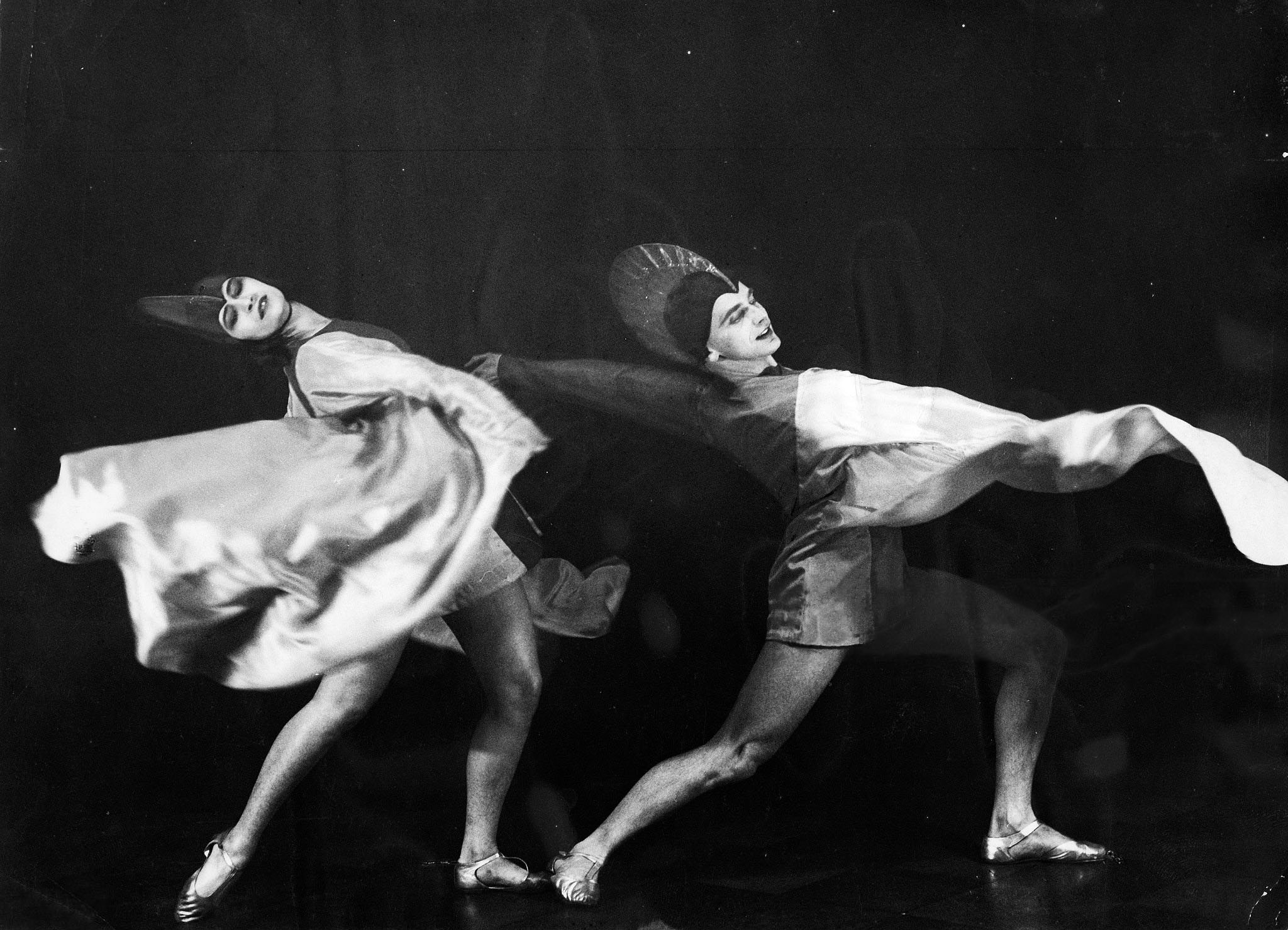
Kreutzberg and Georgi ca 1928

Yvonne Georgi and Harald Kreutzberg in a dance of flags - ca. 1929- Photographer: Hans Robertson / Atelier Robertson - Published: 'Berliner Illustrirte Zeitung' 43/1929 via Getty Images
Yvonne Georgi and Harald Kreutzberg in a Dance of Flags, ca. 1929. Photographer: Hans Robertson / Atelier Robertson.
Published: ‘Berliner Illustrirte Zeitung’ 43/1929 | src Getty Images
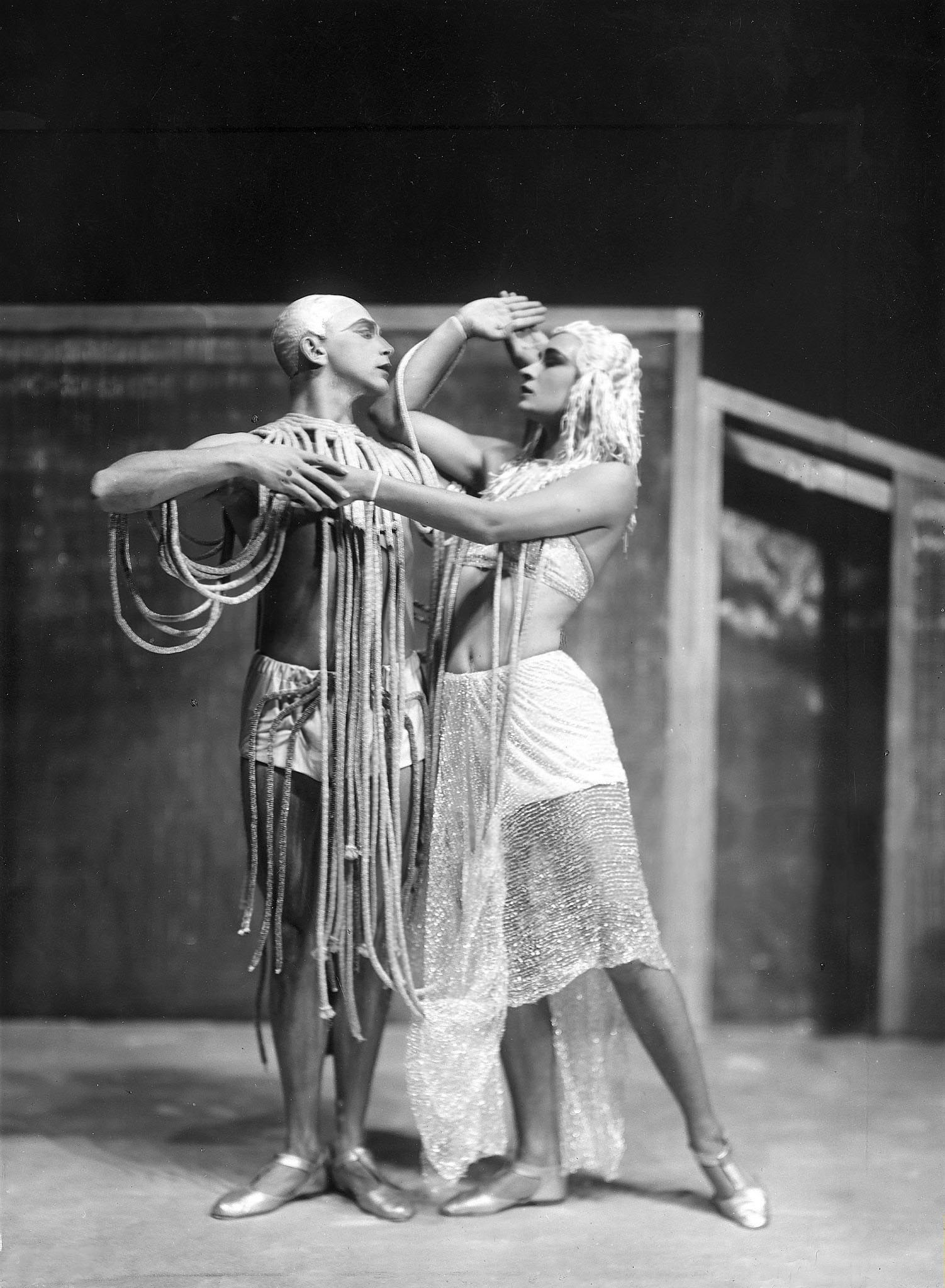
Harald Kreutzberg dancing with Yvonne Georgi in a scene of the ballet 'The creation of the World' by Blaise Cendrars; Neues Theater, Leipzig, 1929. Music by: Darius Milhaud Photographer: Hans Robertson / Atelier Robertson
Published in: 'Zeitbilder'; 38/1929 | src Getty Images
Harald Kreutzberg dancing with Yvonne Georgi in a scene of the ballet ‘The creation of the World’ by Blaise Cendrars; Neues Theater, Leipzig, 1929. Music by: Darius Milhaud Photographer: Hans Robertson / Atelier Robertson. Published in: ‘Zeitbilder’; 38/1929 | src Getty Images
Atelier Robertson :: Harald Kreutzberg with Yvonne Georgi in the play 'Stravinsky Suite', ca. 1928. Photographer: Hans Robertson / Atelier Robertson. Published in 'Berliner Illustrirte Zeitung' 48/1928. | src Getty Images
Atelier Robertson :: Harald Kreutzberg with Yvonne Georgi in the play ‘Stravinsky Suite’, ca. 1928. Photographer: Hans Robertson / Atelier Robertson. Published in ‘Berliner Illustrirte Zeitung’ 48/1928. | src Getty Images

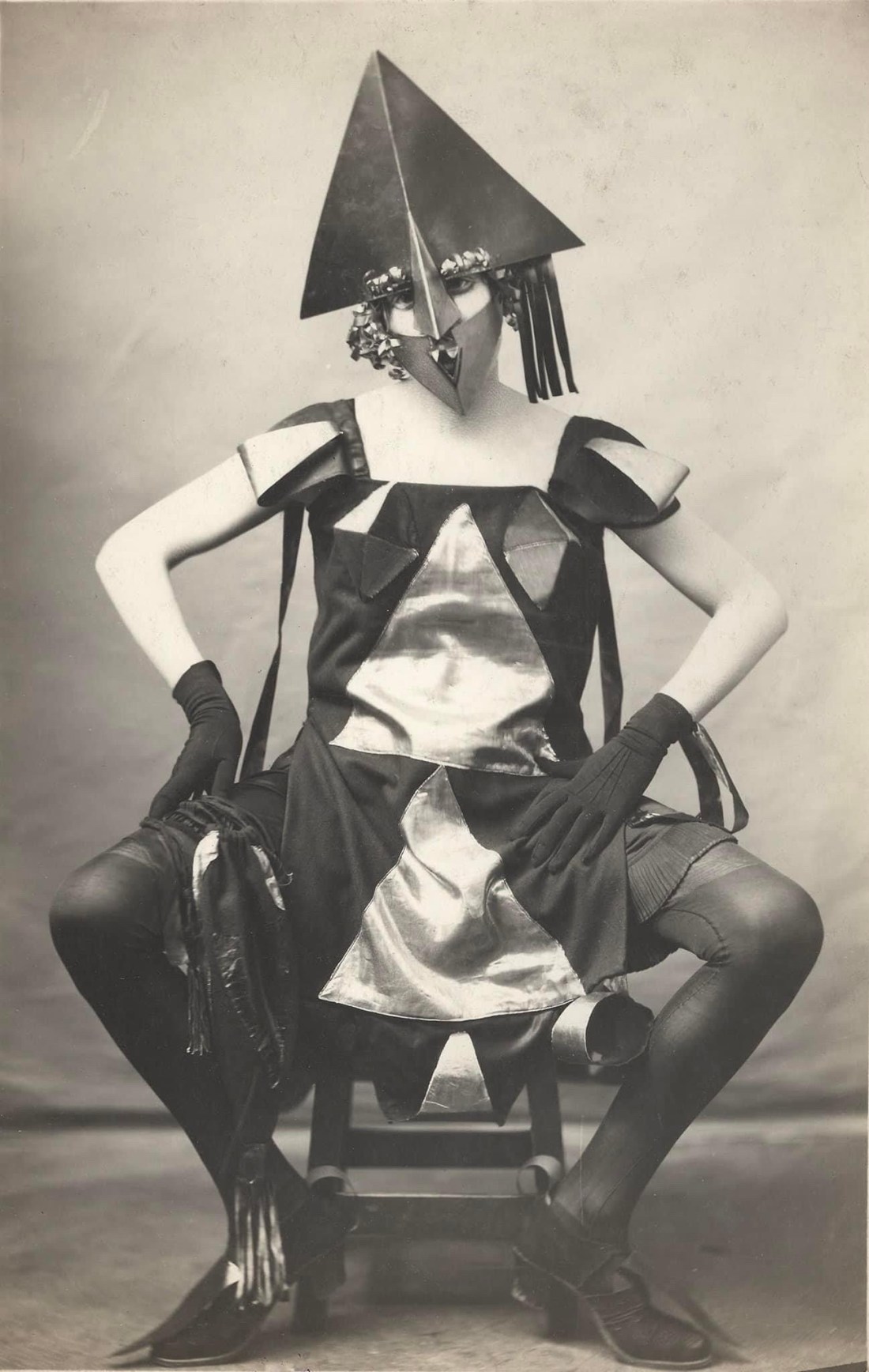
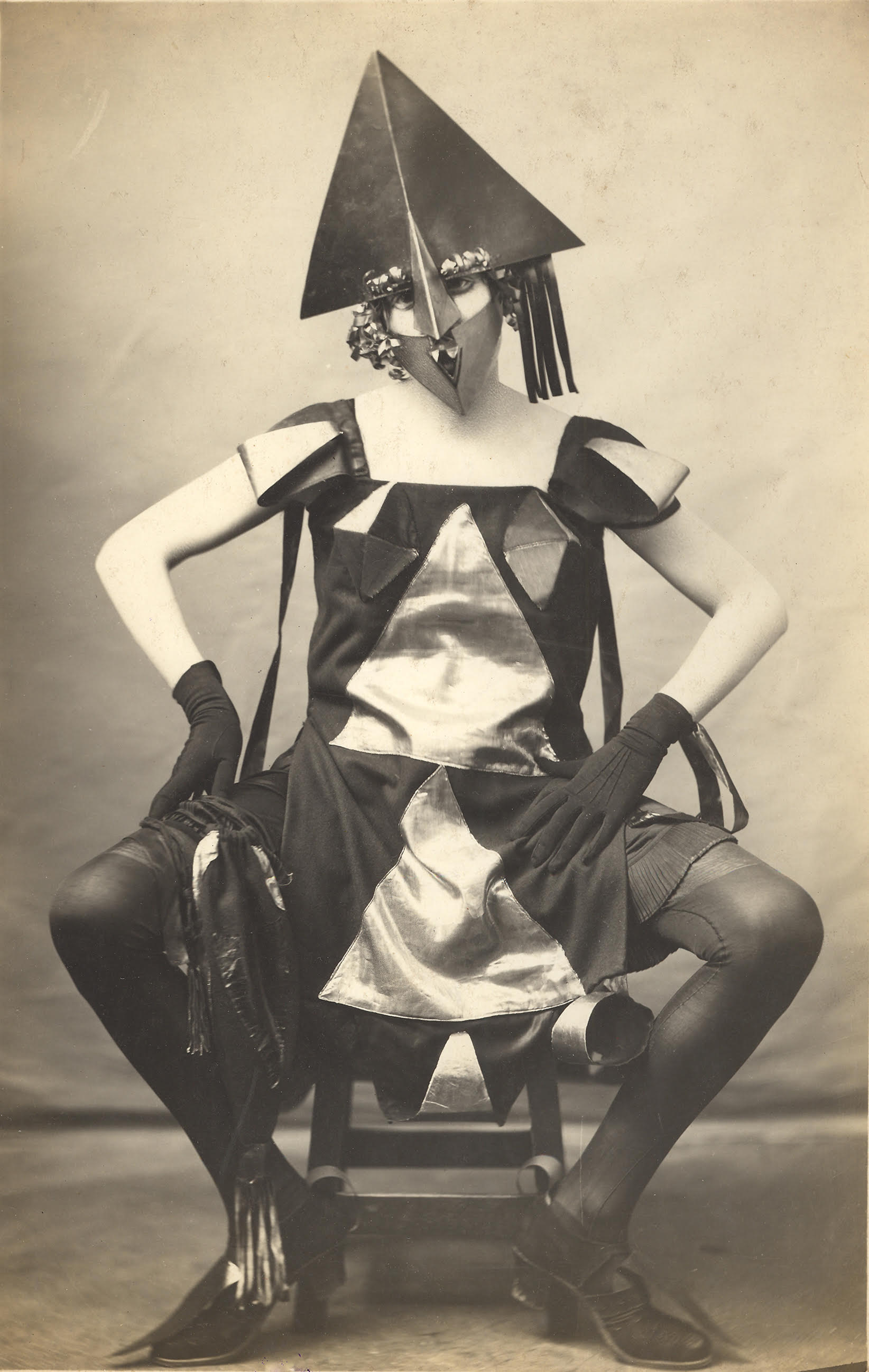
Marie Vassilieff Harlequin costume

cubism, dance costume, ballets suedois, svenska baletten
Marie Vassilieff costume Arlequine pour le Bal banal, 1924, photographie Pierre Delbo. Collection de Claude Bernès. | « Une journée avec Marie Vassilieff » Hommage à Marie Vassilieff, artiste oubliée du modernisme
Marie Vassilieff costume Arlequine pour le Bal banal, 1924, photographie Pierre Delbo. Collection de Claude Bernès. | src MABA

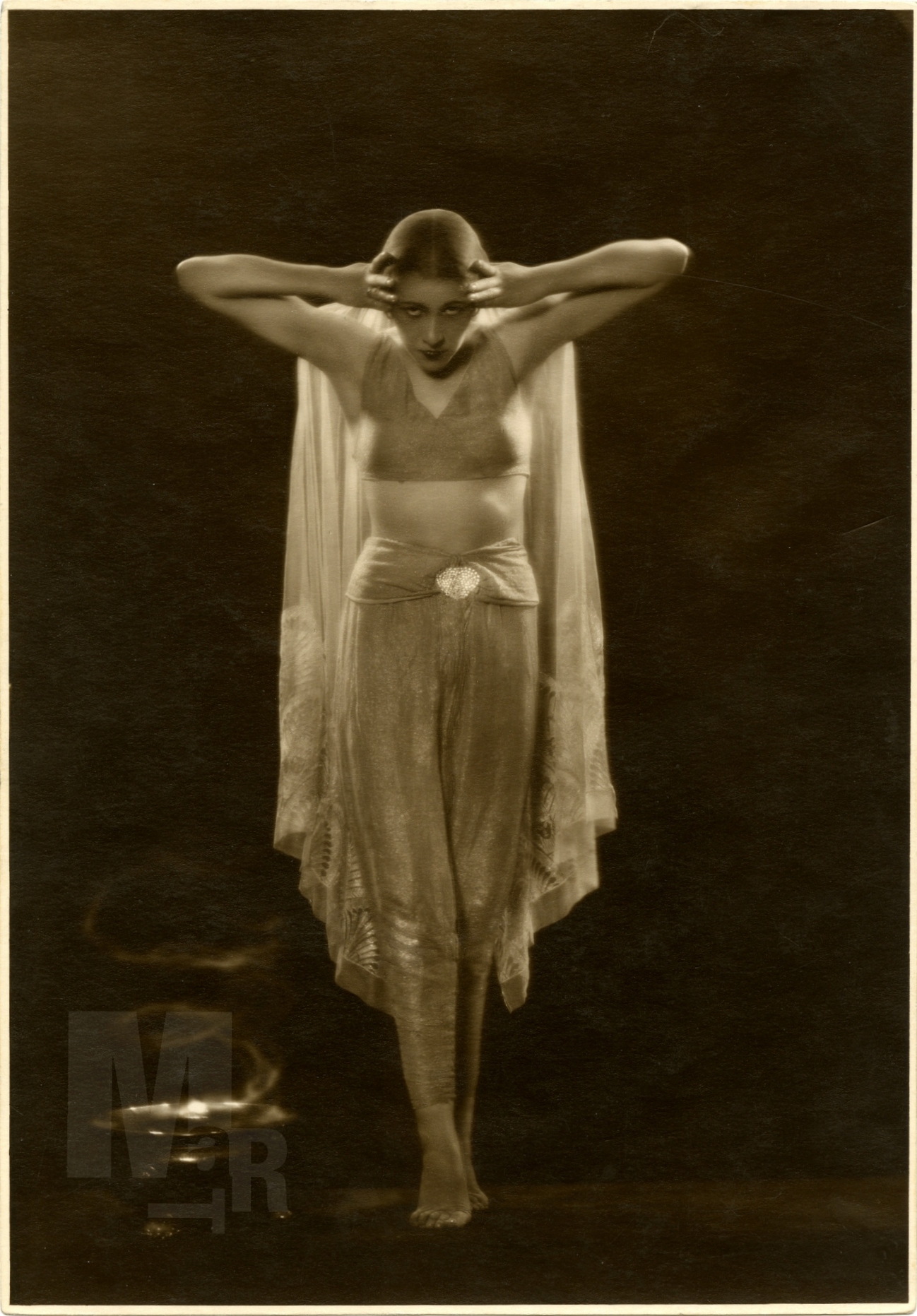
Giannina Censi : portraits

Giannina Censi. Ritratto giovanile, «settembre 1928» di Camuzzi. Lomazzi. Milano, settembre 1928
Giannina Censi. Ritratto giovanile, «settembre 1928» di Camuzzi. Lomazzi. Milano, settembre 1928 | src MART · Fondo Giannina Censi
Ritratto giovanile di Camuzzi. Lomazzi. Milano, [settembre 1928] | src MART · Fondo Giannina Censi
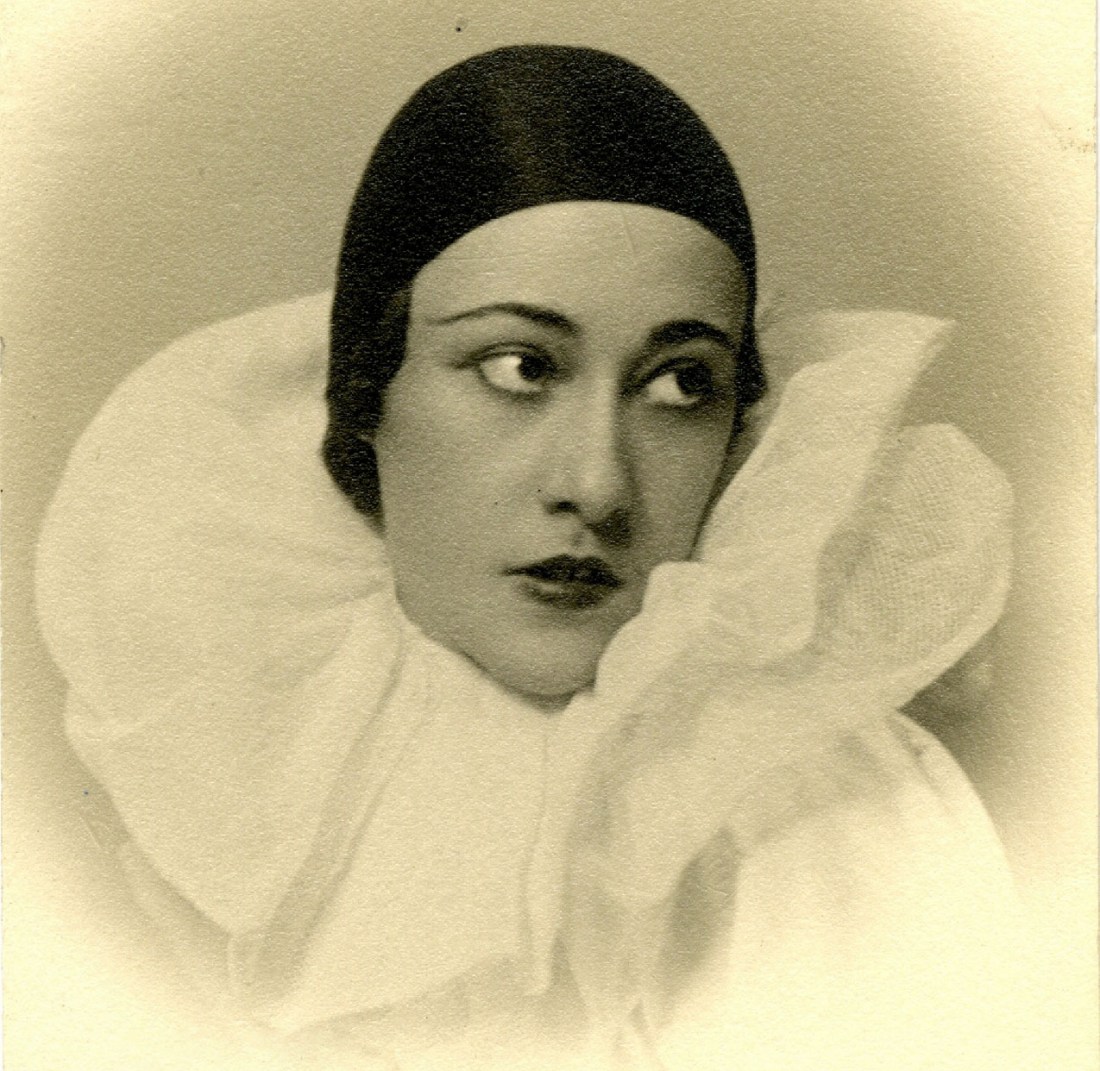
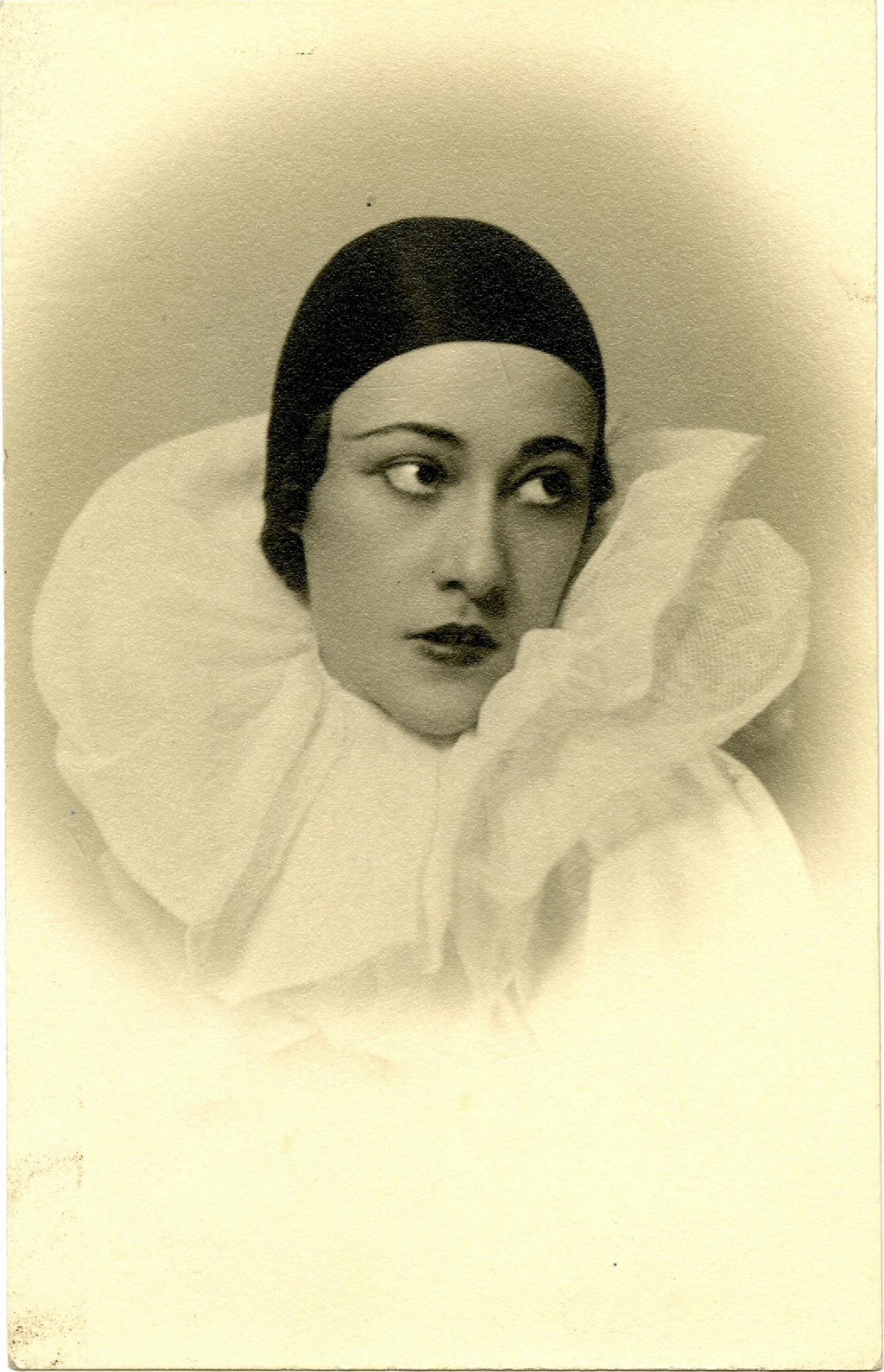
Giannina Censi in costume da Pierrot in Il Carillon Magico di Pick Mangiagalli al teatro San Carlo di Napoli, febbraio 1933
Giannina Censi in costume da Pierrot in Il Carillon Magico di Pick Mangiagalli al teatro San Carlo di Napoli, febbraio 1933 | src MART · Fondo Giannina Censi

Pubblicata in Vaccarino E., (a cura di) Giannina Censi: danzare il futurismo. Milano: Electa; Museo di arte moderna e contemporanea di Trento e Rovereto, 1998, p.40. In verso nota ms. “Milano genn. 933”

Giannina Censi. Ritratto giovanile, «settembre 1928» di Camuzzi. Lomazzi. Milano, settembre 1928 | src MART · Fondo Giannina Censi

In verso nota ms. “Settembre 1928”, “Giannina Censi. Milano. Via P. Umberto 10”. Pubblicata in Vaccarino E., (a cura di) Giannina Censi: danzare il futurismo. Milano: Electa; Museo di arte moderna e contemporanea di Trento e Rovereto, 1998, p. 73

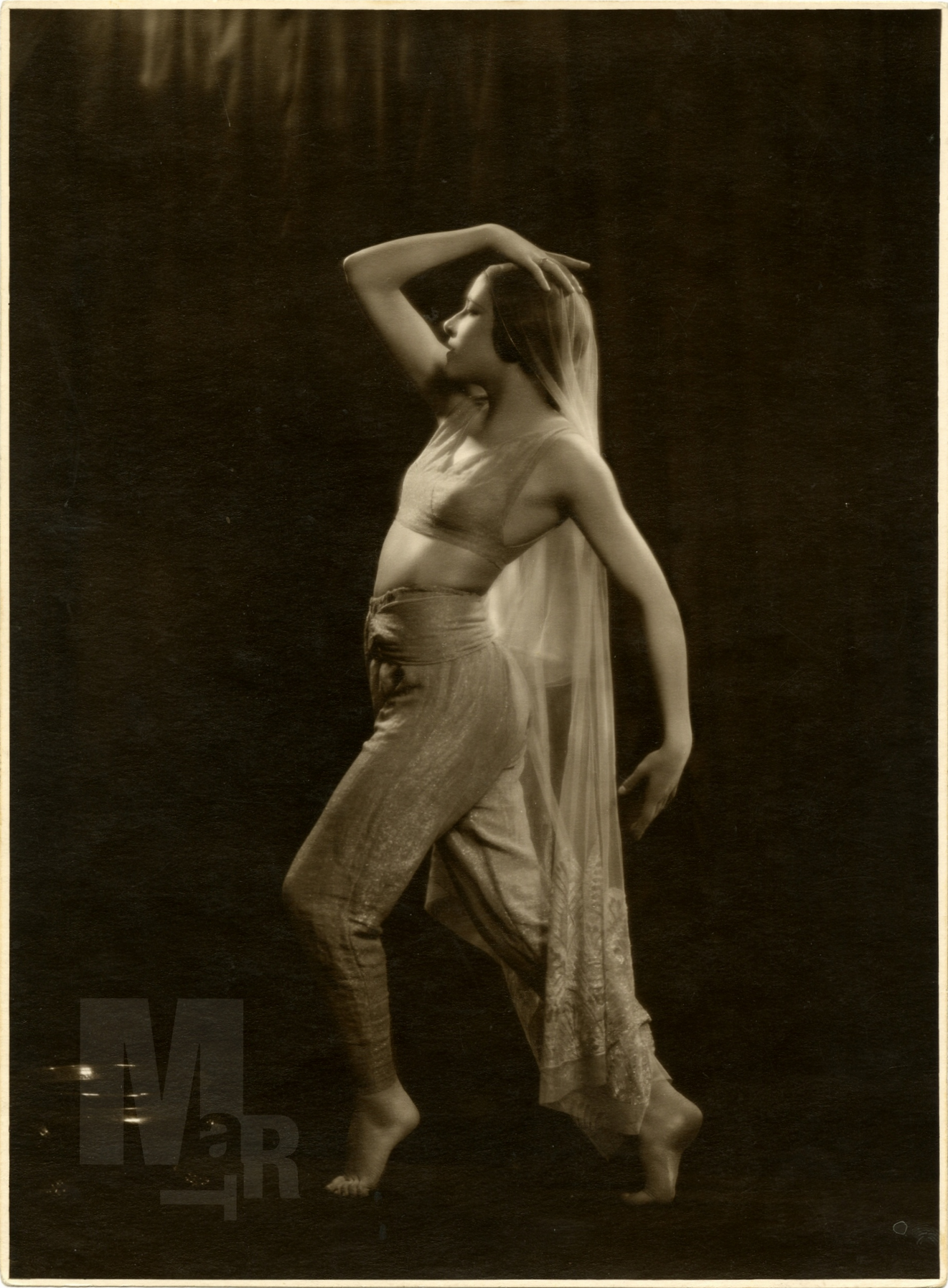
Ritratto giovanile di Camuzzi. Lomazzi. Milano, [settembre 1928]. In verso nota ms. “Giannina Censi. Milano. Via P. Umberto 10” | src MART · Fondo Giannina Censi

G. Censi · Le danze della jungla

Giannina Censi in costume in "Le danze della jungla" di Mauro Camuzzi. Fotografie, 1930.
Giannina Censi in costume in “Le danze della jungla” di Mauro Camuzzi. Fotografie, 1930.
Giannina Censi in costume in "Le danze della jungla" di Mauro Camuzzi. Fotografie, 1930.
Giannina Censi in costume in “Le danze della jungla” di Mauro Camuzzi. Fotografie, 1930.

Pubblicata in Vaccarino E., (a cura di) Giannina Censi: danzare il futurismo. Museo di arte moderna e contemporanea di Trento e Rovereto, 1998 | src & © MART · Fondo Giannina Censi

Giannina Censi in costume in "Le danze della jungla" di Mauro Camuzzi. Fotografie, 1930. | detail
Giannina Censi in costume in “Le danze della jungla” di Mauro Camuzzi. Fotografie, 1930. (detail)

Winter landscape by Köberl

Franz Köberl :: Weiherburg near Innsbruck. After a colored lithograph. Published in Moderne Welt, volume 7, issue 15, 1926
Franz Köberl :: Weiherburg bei Innsbruck. Nach ainer farbingen Lithographie. Moderne Welt, Jahrgang 7, Heft 15, 1926
Franz Köberl :: Weiherburg near Innsbruck. After a colored lithograph. Published in Moderne Welt, volume 7, issue 15, 1926

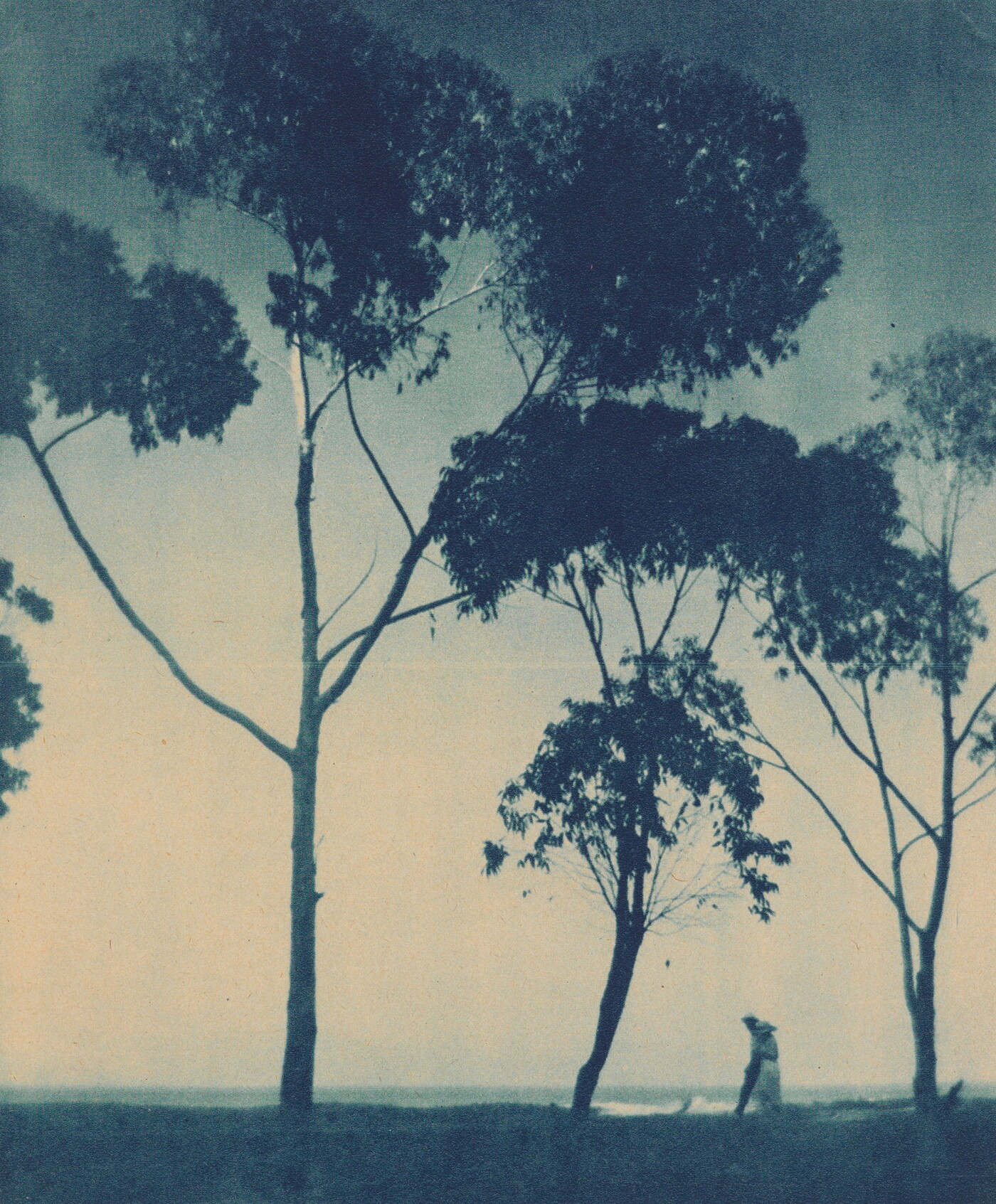
Catalina Island by Karl Struss

Karl Struss (1886-1981) :: Catalina Island, Touring Topics Cover; 1920s. Rotogravure. | src Amon Carter Museum P1983.23.225
Karl Struss (1886-1981) :: Catalina Island, Touring Topics Cover; 1920s. Platinum print. | Amon Carter Museum of American Art P1983.23.225

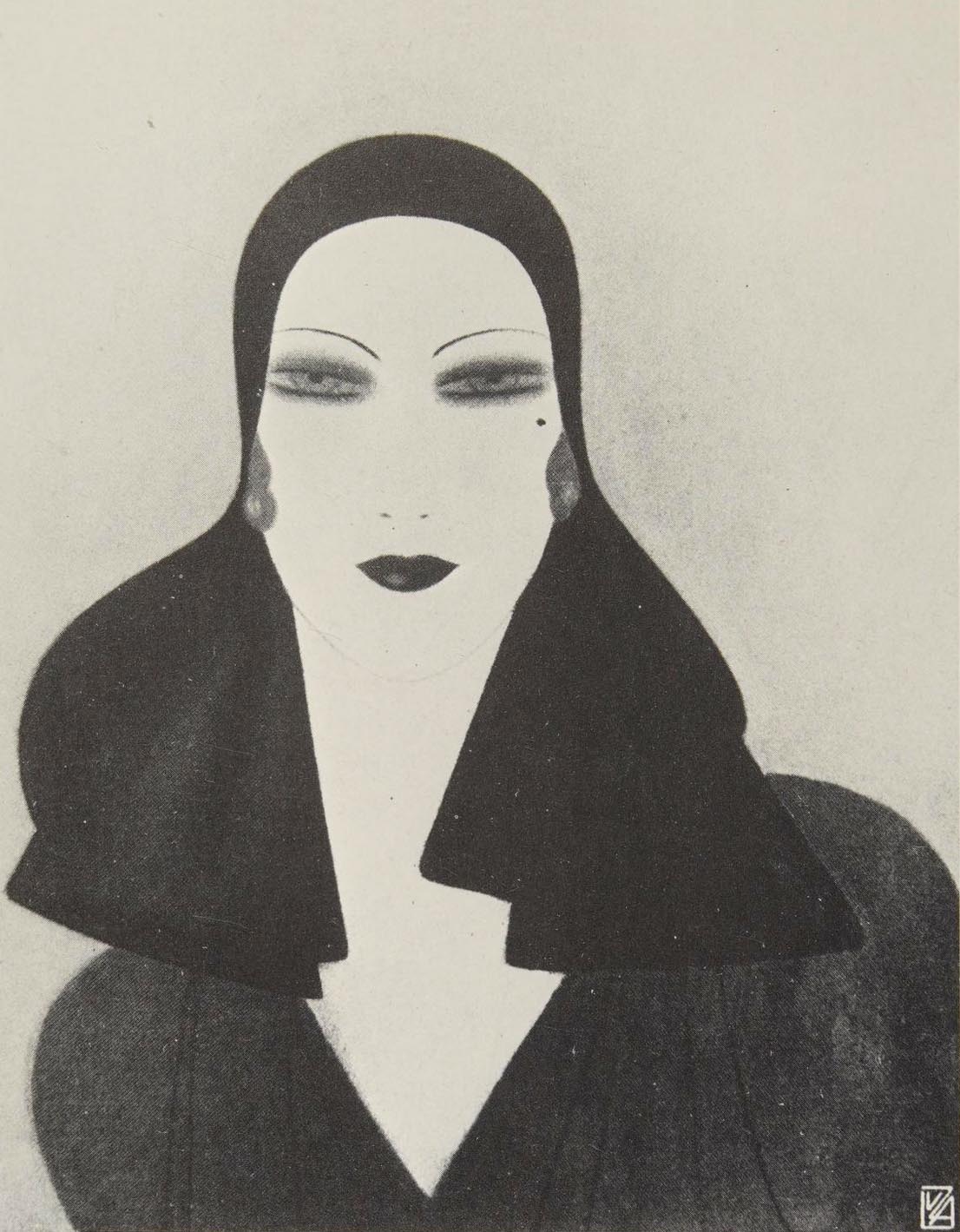
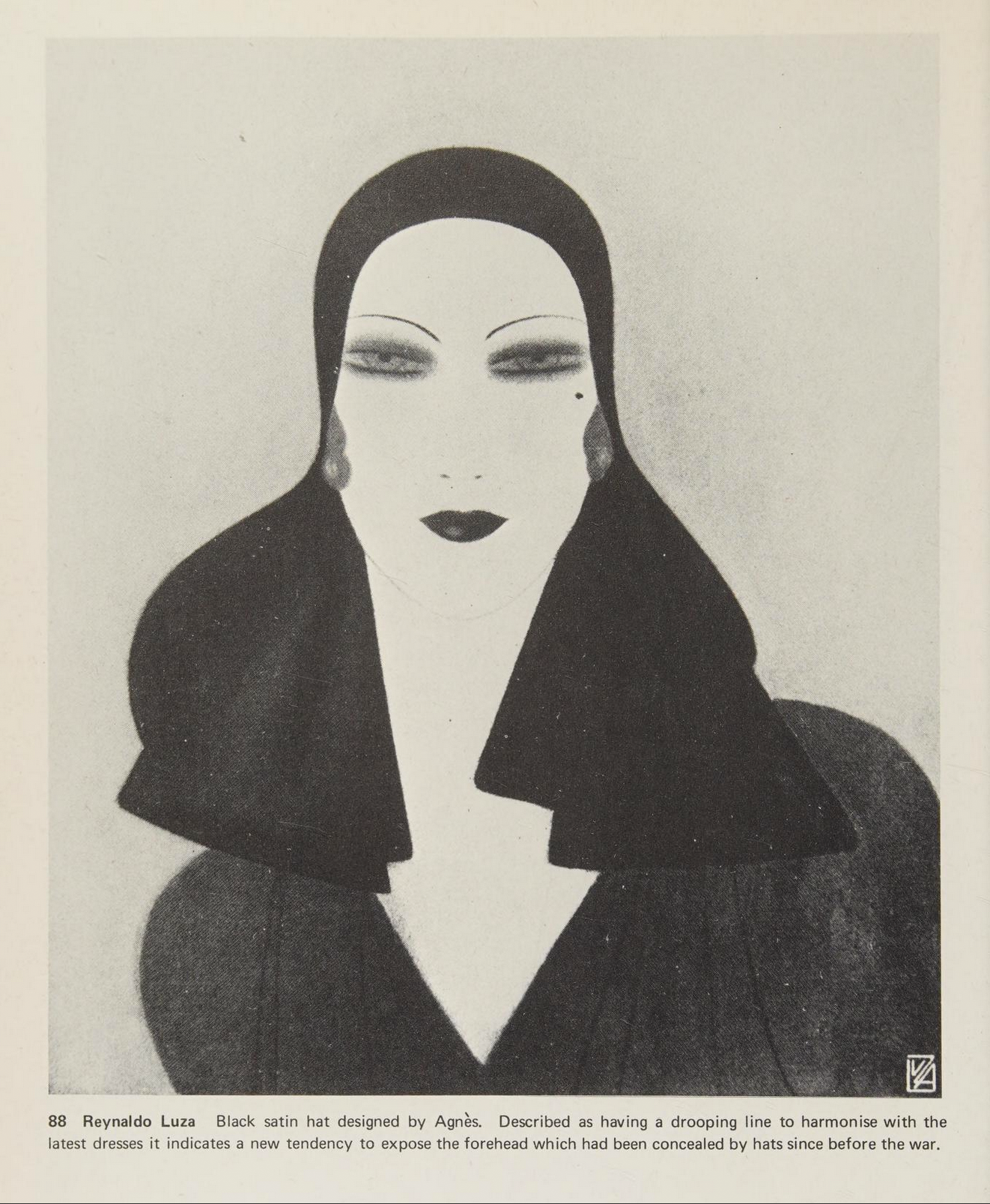
Art deco hat by Agnès

Reynaldo Luza. Black satin hat designed by Agnès. From : Art deco fashion : French designers 1908-1925. | src internet archive
Reynaldo Luza. Black satin hat designed by Agnès. From : Art deco fashion : French designers 1908-1925. Martin Battersby. London : Academy Editions ; New York : St. Martin's Press. 1974 | src internet archive
From : Art deco fashion : French designers 1908-1925. Martin Battersby. London : Academy Editions ; New York : St. Martin’s Press. 1974 | src internet archive

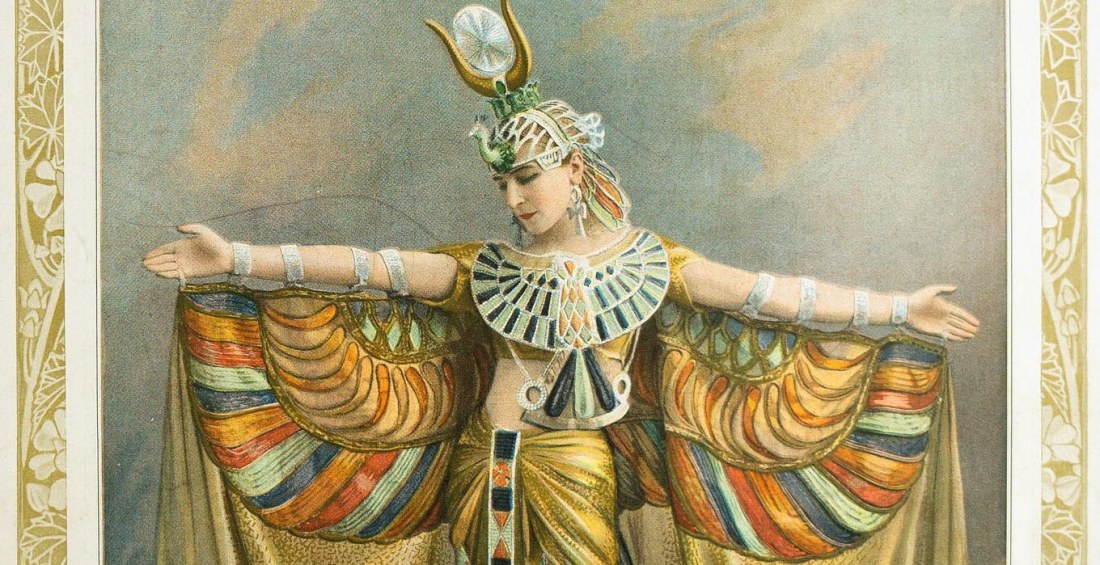
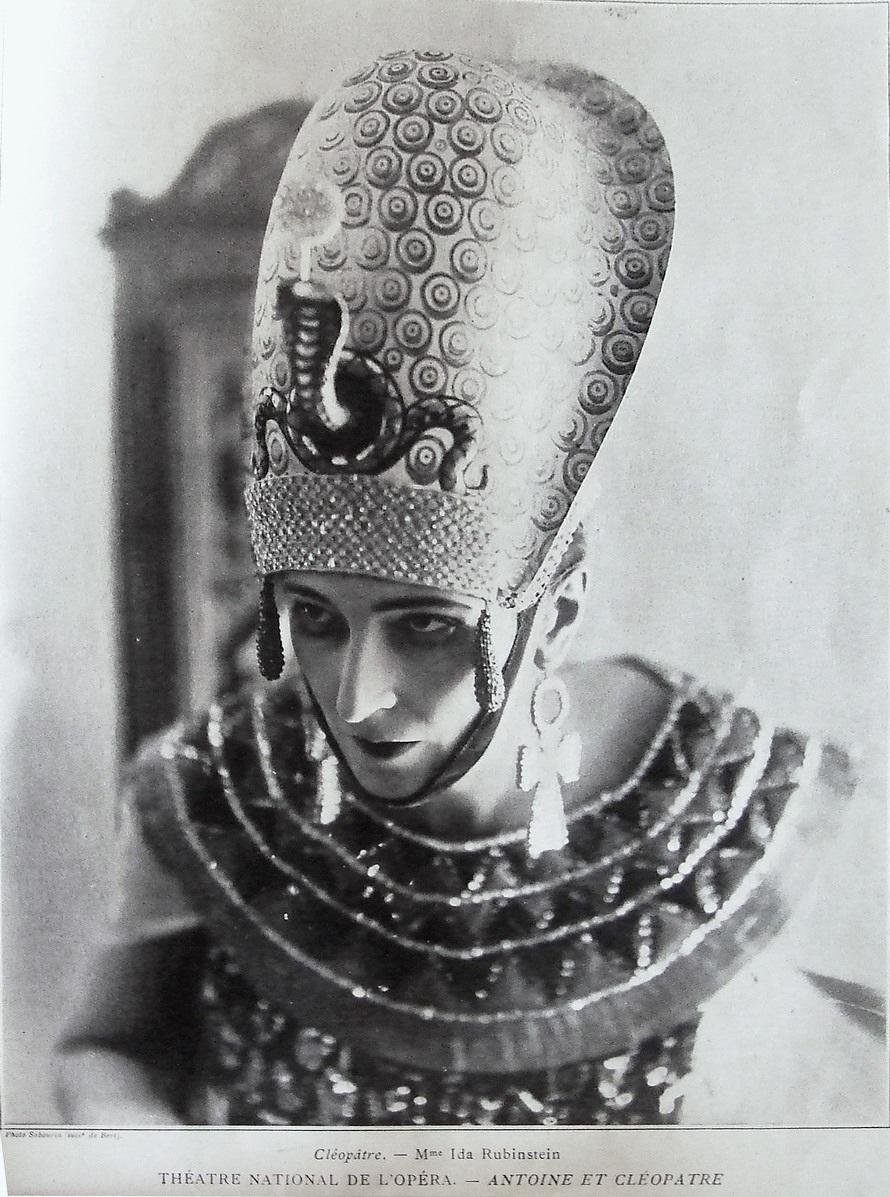
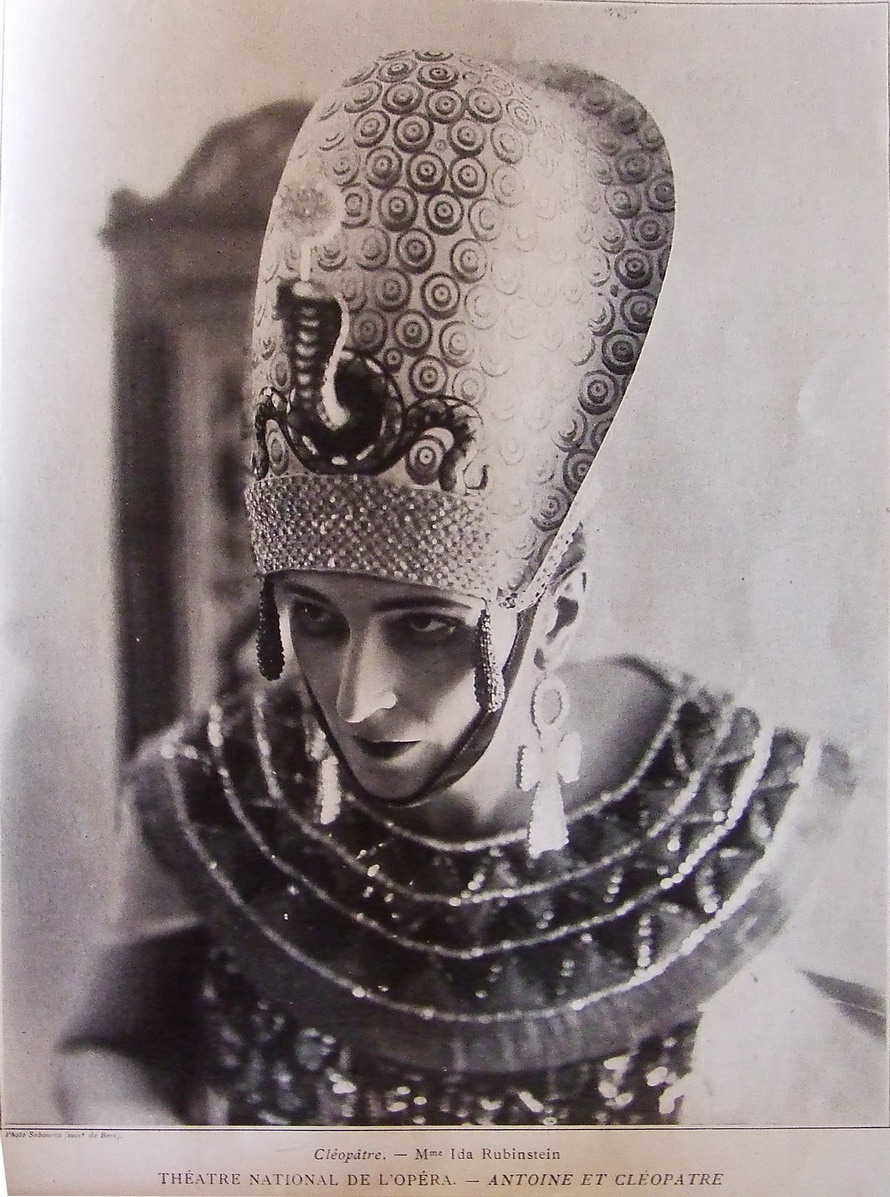
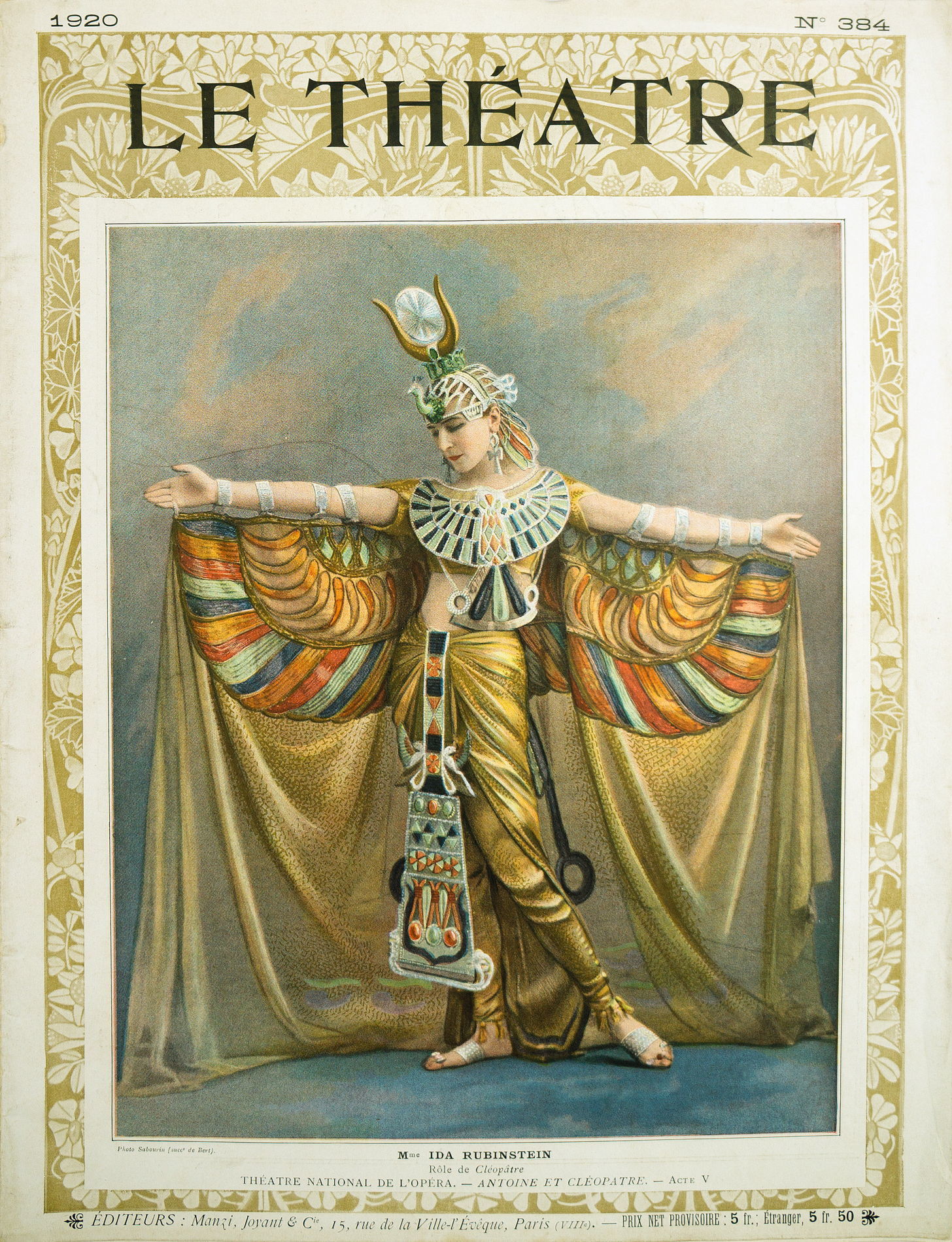
Antoine et Cléopâtre (1920)

cleopatre, ballets russes
Cléopâtre. ─ Mme Ida Rubinstein. Théatre National de l’Opéra. Antoine et Cléopâtre [Photo Sabourin (succ. de Bert)] | src Getty Images
Ida Rubinstein (1880-1960) in the role of Cleopatra from Antony and Cleopatra by William Shakespeare,from magazine Le Theatre, 1920
1920 ─ LE THÉATRE ─ Nº 384 | Kabinett Auktionen
Cléopâtre. ─ Mme Ida Rubinstein. Théatre National de l'Opéra. Antoine et Cléopâtre [Photo Sabourin (succ. de Bert)]
1920 ─ LE THÉATRE ─ Nº 384 | Kabinett Auktionen
Cléopâtre. ─ Mme Ida Rubinstein. Théatre National de l’Opéra. Antoine et Cléopâtre [Photo Sabourin (succ. de Bert)]
Alternative scan of the magazine found on The Red List (broken link, the site had been taken down a few years ago)
1920 ─ LE THÉATRE ─ Nº 384 | Kabinett Auktionen
Mme Ida Rubinstein. Rôle de Cléopâtre. Théatre National de l’Opéra. Antoine et Cléopâtre ─ Acte V [Photo Sabourin (succ. de Bert)]

Mila Cirul in Tschinellen Tanz

Cynbals dance 1920s
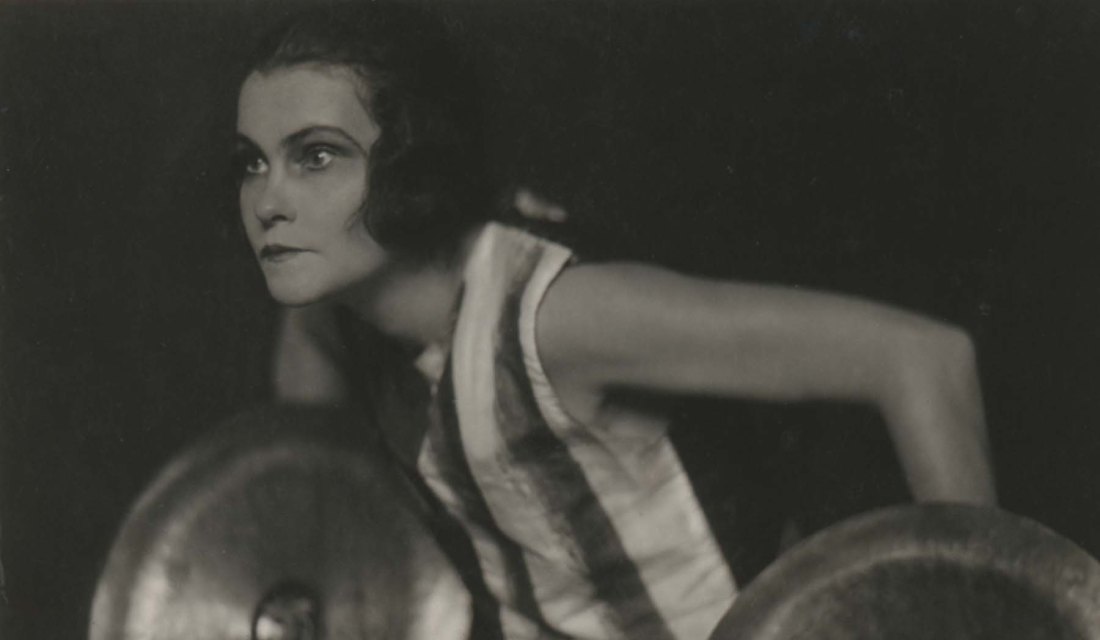
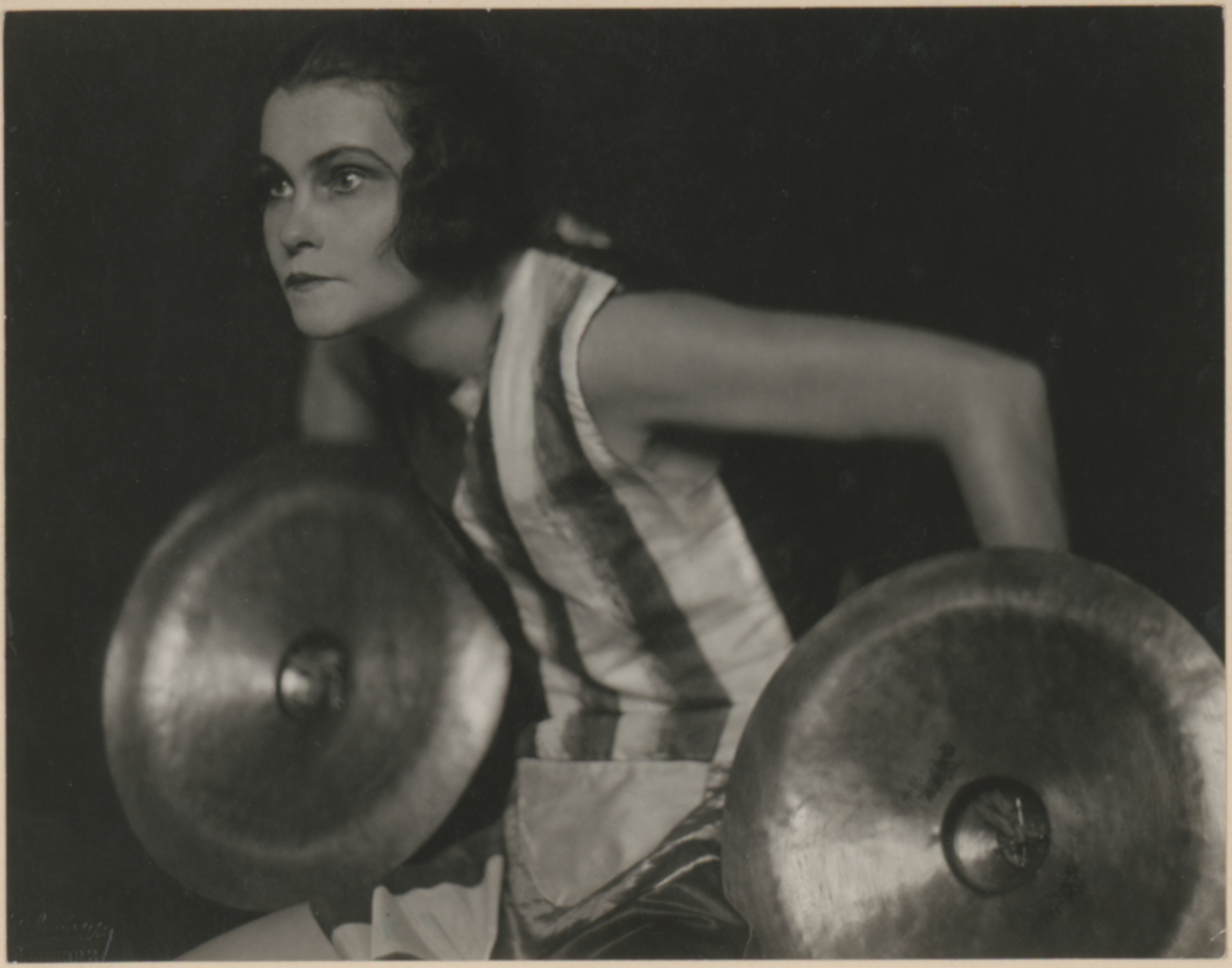
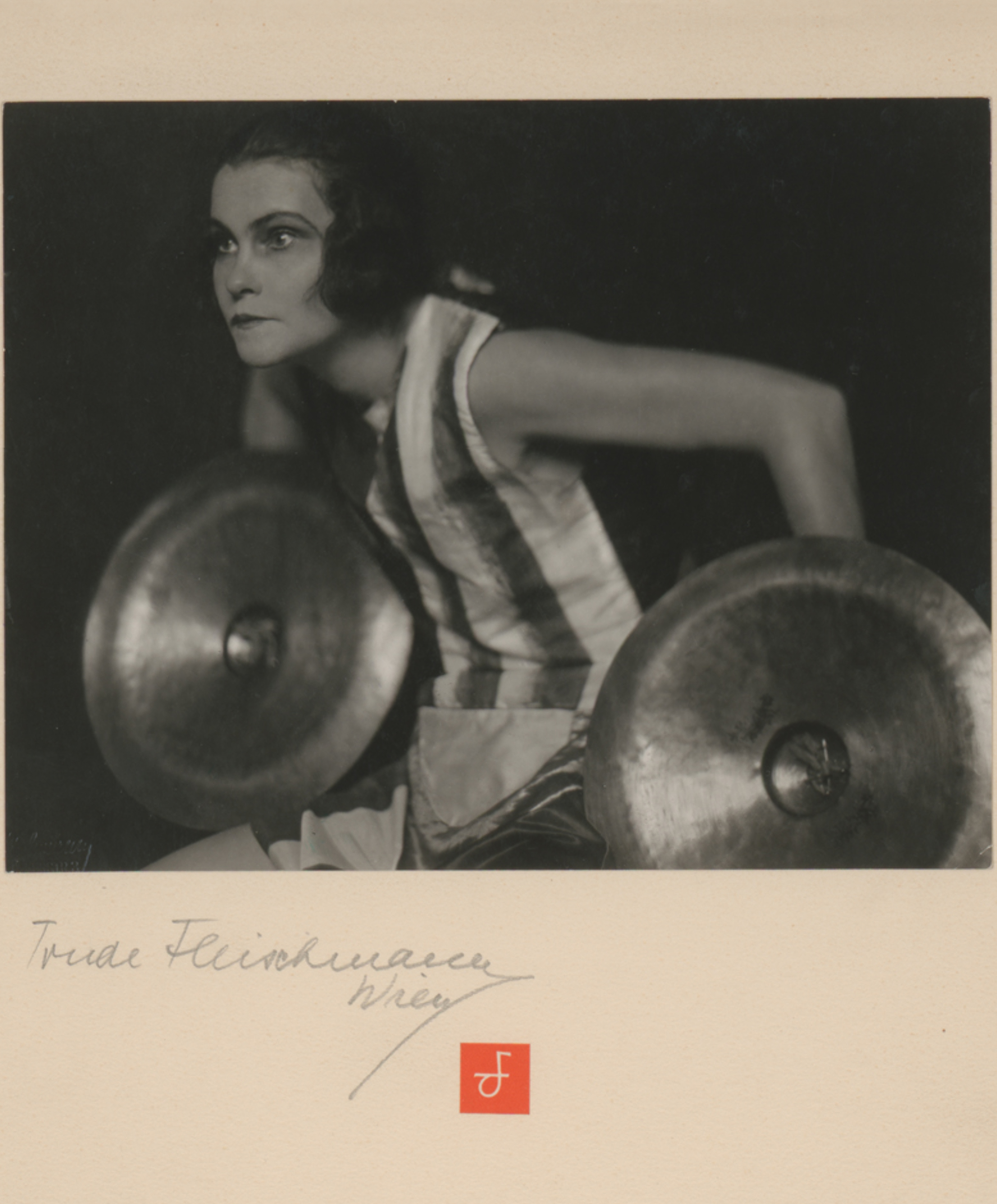
Trude Fleischmann :: Mila Cirul in „Tschinellen Tanz“, Wien, um 1926. Silbergelatinepapier. | src Wien Museum
Trude Fleischmann :: Mila Cirul in „Tschinellen Tanz“, Wien, um 1926. Silbergelatinepapier Untersatzkarton | src Wien Museum [full image]

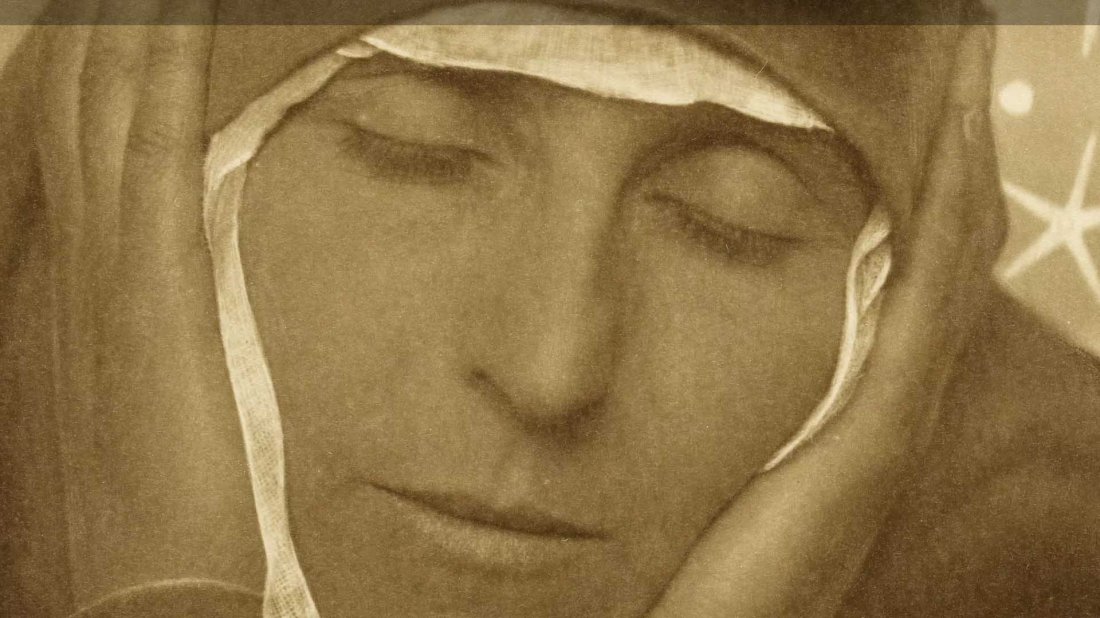
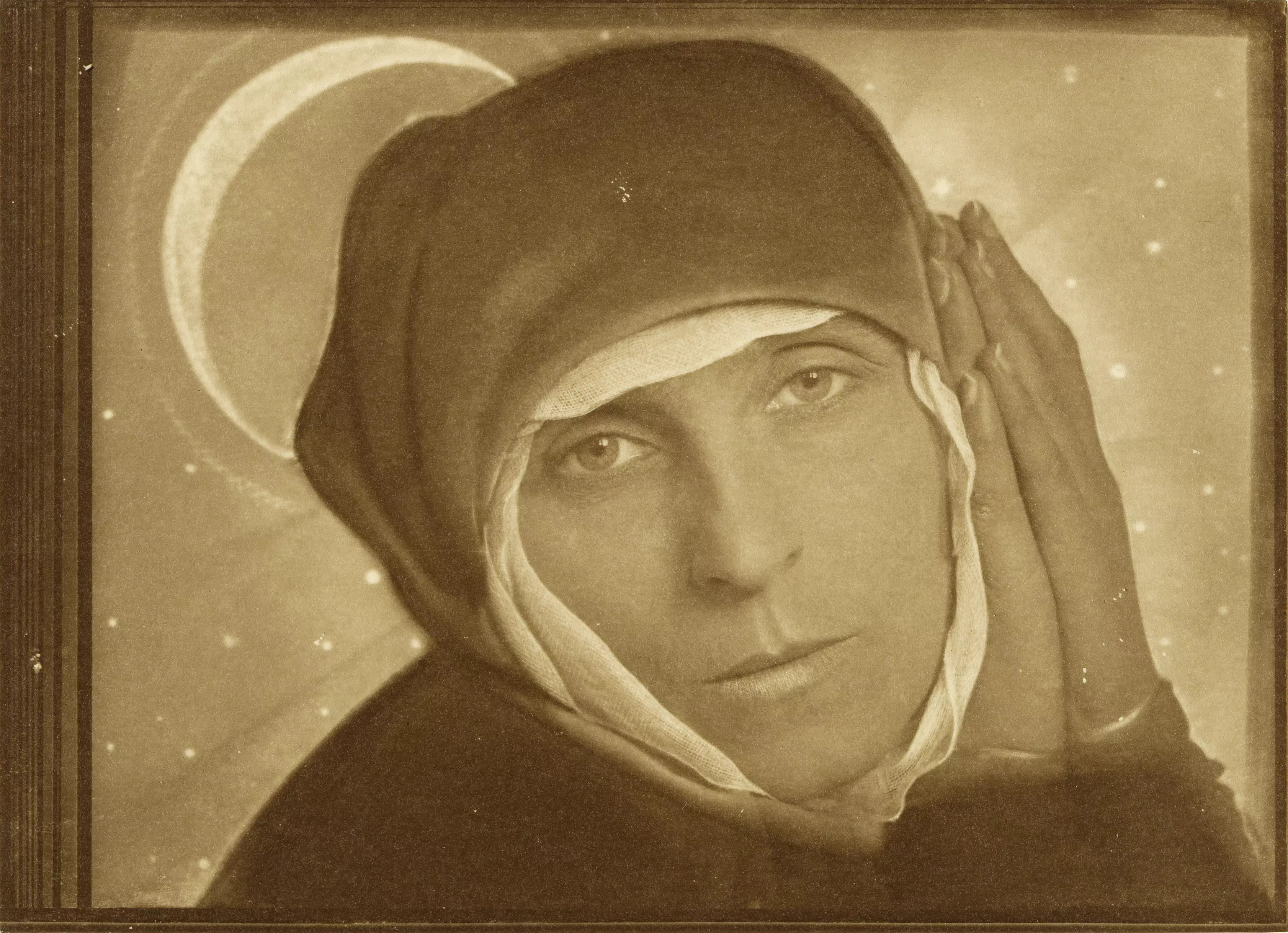
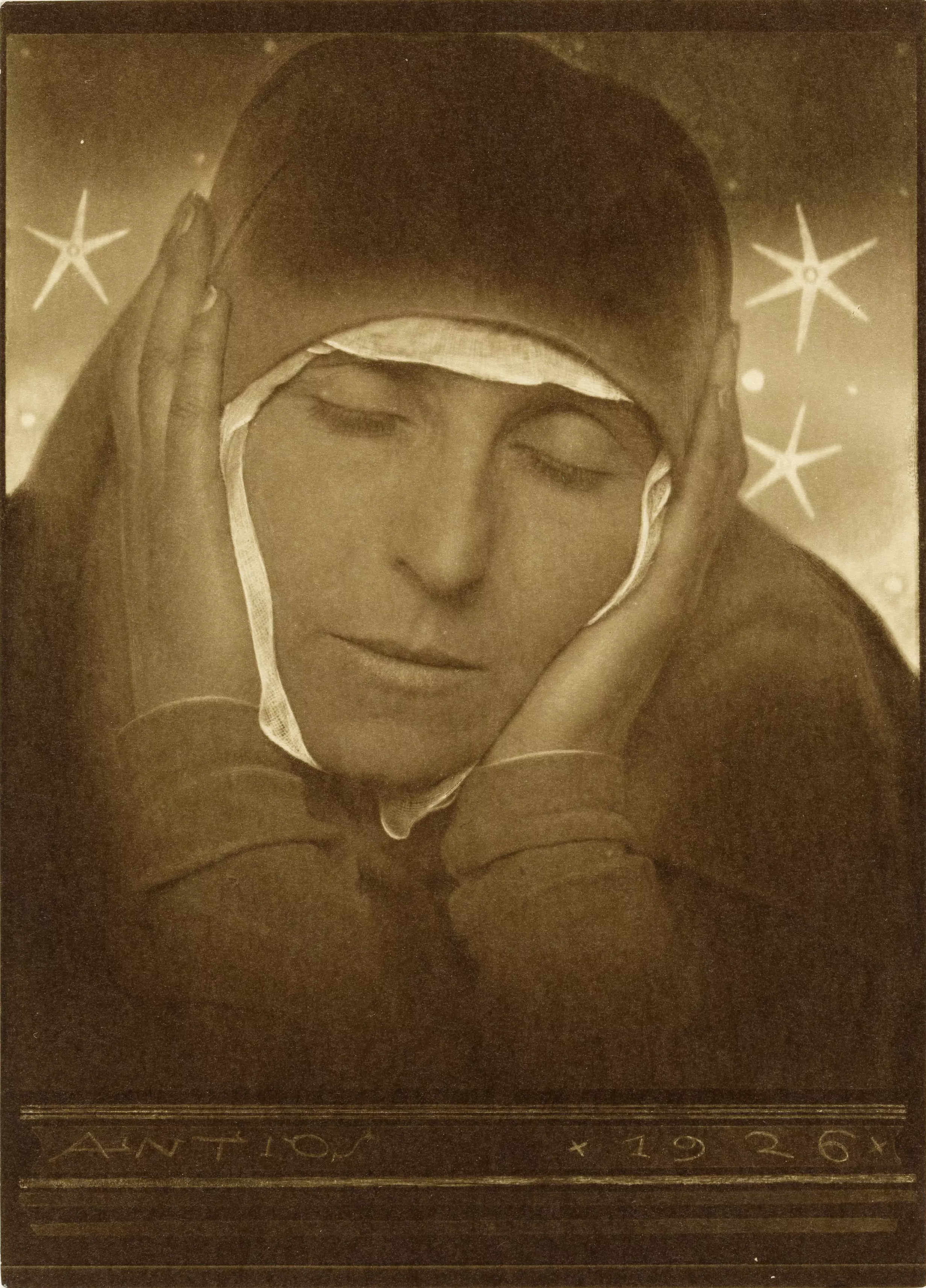
Tordis als Maria · Antios, 1926

Anton Josef Trčka (Antios) :: Die Tänzerin Ellinor Tordis als "Maria", 1926. Silbergelatinepapier, braungetont. | src Wien Museum
Anton Josef Trčka (Antios) :: Die Tänzerin Ellinor Tordis als “Maria”, 1926. Silbergelatinepapier, braungetont. | src Wien Museum
Anton Josef Trčka (Antios) :: Die Tänzerin Ellinor Tordis als "Maria", 1926. Silbergelatinepapier, braungetont. | src Wien Museum
Anton Josef Trčka (Antios) :: Die Tänzerin Ellinor Tordis als “Maria”, 1926. Silbergelatinepapier, braungetont. | src Wien Museum

ANTIOS – this clearly legible and decorative signet is as much an effective design element of these famous portraits as EGON SCHIELE’s signature. For a long time, it seemed no one was interested in the fact that this legendary Viennese painter and self-portraitist could not have produced such accomplished photographs without the cooperation of a partner who was a master of photographic technique. The way expressive movement blends with the demands of ”classic” portraiture, or the way graphic outline contrasts with the two-dimensional rendering of figures and garments – this cannot have been the work of an amateur.
An amateur he certainly was not, this Anton Josef Trčka, who contracted his own name to form the artistic trademark ANT(on) IOS(ef) during his third year of studies at the “Graphischen Lehr- und Versuchsanstalt” (Institute of Graphic Instruction and Experimentation) in Vienna. This specialized learning institute for photography and reproduction technology, the first of its kind worldwide, was founded in 1888 in the tradition of the commercial arts schools, and combined the demand for technical perfection with solid instruction of an artistic nature. The young Trčka found in Karel Novak (later the co-founder of a similar school in Prague that produced the likes of Sudek or Rössler) a teacher, who not only taught his students how to turn the idea of Pictorialism into professional practice, but also conveyed an understanding of classical portraiture and a love of contemporary painting. The level of Novak’s influence can be seen in the way artists such as Rudolf Koppitz or Trude Fleischmann, along with ANTIOS, remained true their life long to decorative design devices particular to their teacher.
Well before his Schiele and Klimt portraits, ANTIOS had experimented with compositions that were indebted to Jugendstil. The dynamic contours of his figures appear to be inspired by the work of those young dancers who, in the first decades of the 20th century, consciously distanced themselves from classical ballet. By 1924, Trčka had developed close friendships with several dancers, including Hilde Holger and Gertrud Bodenwieser, and these found expression in photographic dance studies, nudes and portraits, and even drawings and poems. During this period, he developed a portrait style that clearly sets him apart from what is generally considered to be the international avant-garde of the 1920’s, yet at the same time is far removed from the great amateur art photographers at the turn of the century. ANTIOS’s imagery – with its wonderfully circular compositions, the painterly reworking by the artist himself, and the integration of the image title and his signature – radiates a deeper melancholy stemming from a determination for perfection that stands diametrically opposed to the photographic goals of the ”Neues Sehen” movement.
As early as his student years, the young Trčka considered himself not only a photographer but also – or mainly! –a painter and poet. And he put these inclinations to use in the service of his intense interest in religion, theosophy and anthroposophy. His admiration for Rudolf Steiner was second only to his admiration for Otokar Brezina, a Czech Poet who at the turn of the last century, created a language based on religion and nature that turned against traditional poetry as well as the hated Austrian domination. Due to this conflict between his Czech roots and the Austrian identity forced (due to economic reasons) on him, and driven with missionary zeal for Anthroposophy, Anton Josef Trcka would be damned to a lifelong existence on the margins. He saw his photographs and paintings exhibited only once in his lifetime, his poetry was made public only through private readings. However, his few friends and admirers, such as Hilde Holger, found in his work something extraordinary that accompanied them in times of escape or emigration. (Text by Monika Faber) ~ quoted from Galerie Kicken Berlin