Cassandre poster design

A.M. Cassandre :: Poster for the Paris newspaper L'Intransigeant, designed by Cassandre, 1925. Collection of Philip B. Meggs Printer: Hachard & Cie., Paris | src MoMA
A.M. Cassandre :: Poster for the Paris newspaper L’Intransigeant, designed by Cassandre, 1925. Printer: Hachard & Cie., Paris | src MoMA

Cassandre (1901-1968) or A.M. Cassandre (the pseudonym of Adolphe-Jean-Marie Mouron) was a graphic artist, stage designer, and painter whose poster designs greatly influenced advertising art in the first half of the 20th century.

Cassandre used figurative geometry and modulated planes of colour, derived from Cubism, to revitalize postwar French poster design. From 1923 until 1936, Cassandre designed posters in which he reduced his subject matter to bold shapes and flat, modulated icons. He emphasized two-dimensional pattern, and he integrated lettering with his imagery to make a unified overall composition. Cassandre also utilized airbrushed blends and grading to soften rigid geometry. 

A.M. Cassandre (Adolphe Mouron, 1901-1968)
A.M. Cassandre (Adolphe Mouron, 1901-1968) :: 1932 version of the “Dubonnet” poster. Alliance Graphique, Paris. | src Rennert Gallery

Cassandre gained a reputation with such posters as “Étoile du Nord” (1927) and “Dubo Dubon Dubonnet” (1932). The Dubonnet posters were among the earliest designed specifically to be seen from fast-moving vehicles, and they introduced the idea of the serial poster, a group of posters to be seen in rapid succession to convey a complete idea.

In 1926 Cassandre cofounded the advertising agency Alliance Graphique and soon turned his attention to experimental typography. He designed three typefaces: Bifur (1929), Acier Noir (1935) and Piegnot (1937). In 1939 he abandoned poster art and henceforth devoted himself to designing stage sets and to painting.

quoted from Encyclopædia Britannica
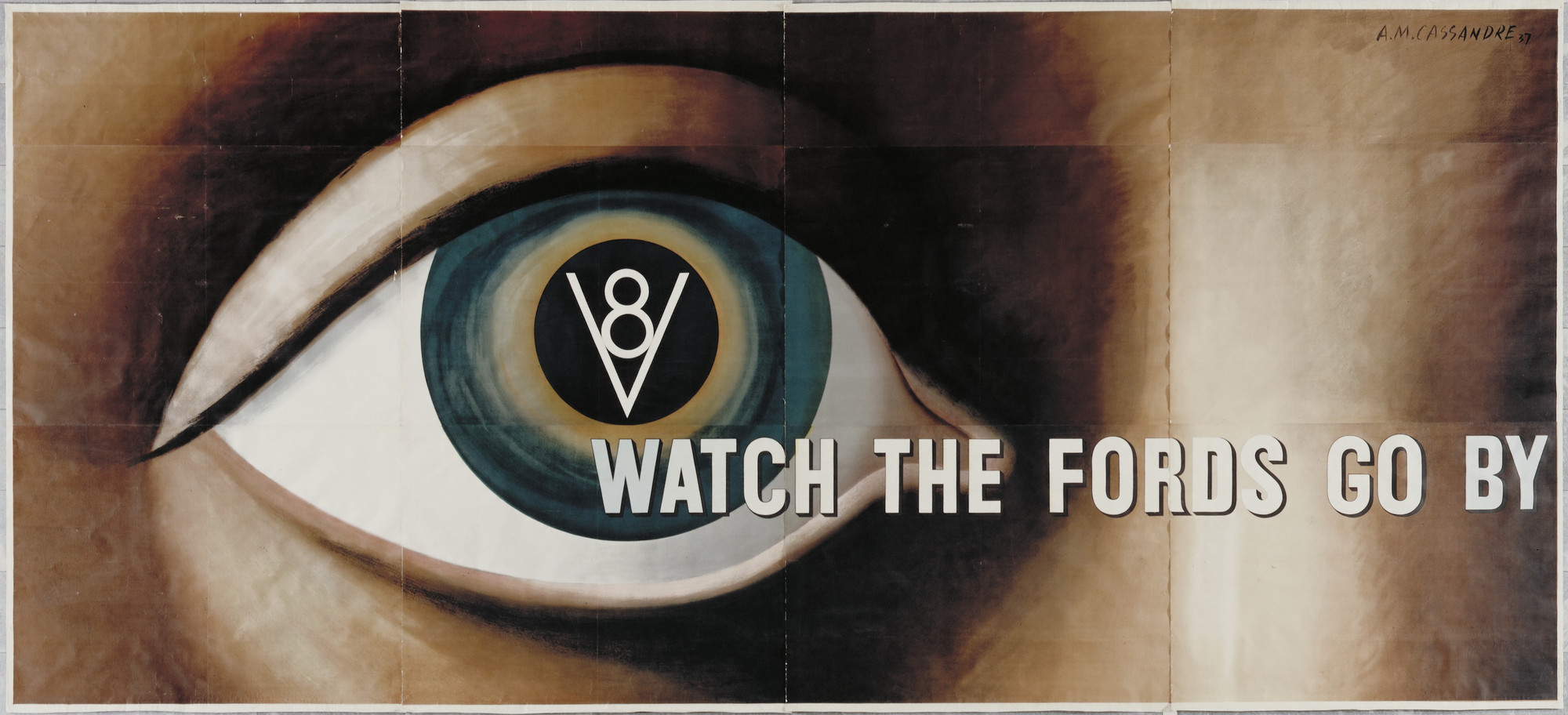
A.M. Cassandre :: Watch the Fords Go By (Poster for Ford Motor Company), 1935 | src MoMA

Ford was the first manufacturer to develop a V8 engine—previously associated with luxury and specialist cars—for a mass market. In employing Cassandre, Ford infused its corporate reputation for industrial innovation with the artistic cachet of European modernism. Cassandre was already established as a preeminent French poster designer and in 1936 he had become the first graphic artist to have a solo exhibition at MoMA. This compelling image of a disembodied, all-seeing eye is rooted in a classical tradition that emphasizes the primacy of vision in Western culture; the eye is also prevalent in Surrealist art of the 1920s. Trailing from the iris, the slogan “Watch the Fords Go By” gives a sense of modern vision, always in motion, while the V8 icon imprinted on the pupil suggests a fusion of mind, body, and technology—a synthesis that revolutionized individual perception in the modern world.

Gallery label from Shaping Modernity: Design 1880-1980, December 23, 2009–July 25, 2010 (MoMA)
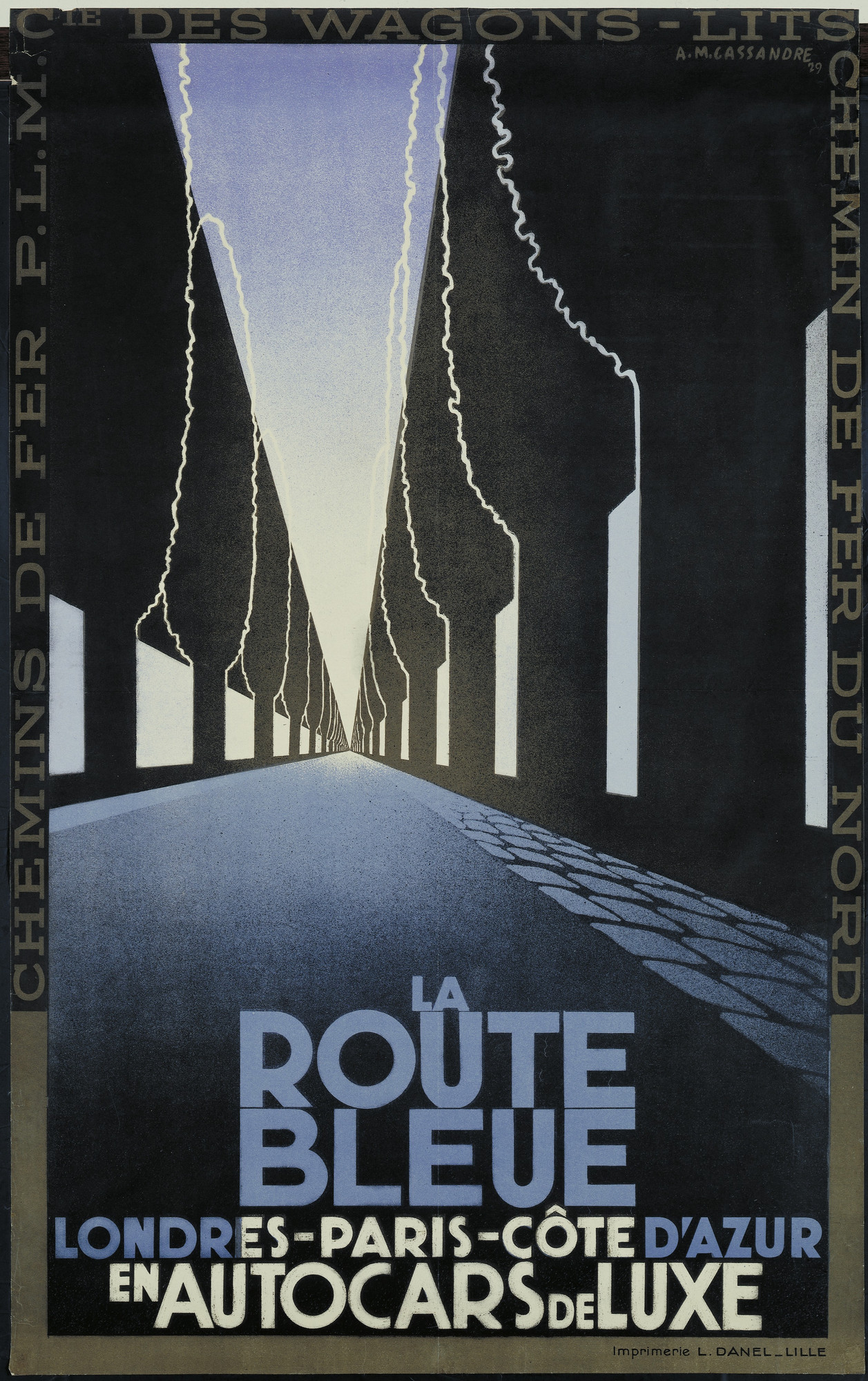
A.M. Cassandre :: La Route Bleu, Londres-Paris-Côte d’Azur en Autocars de Luxe, 1929 | MoMA
A.M. Cassandre :: Fêtes de Paris, 1935. | MoMA
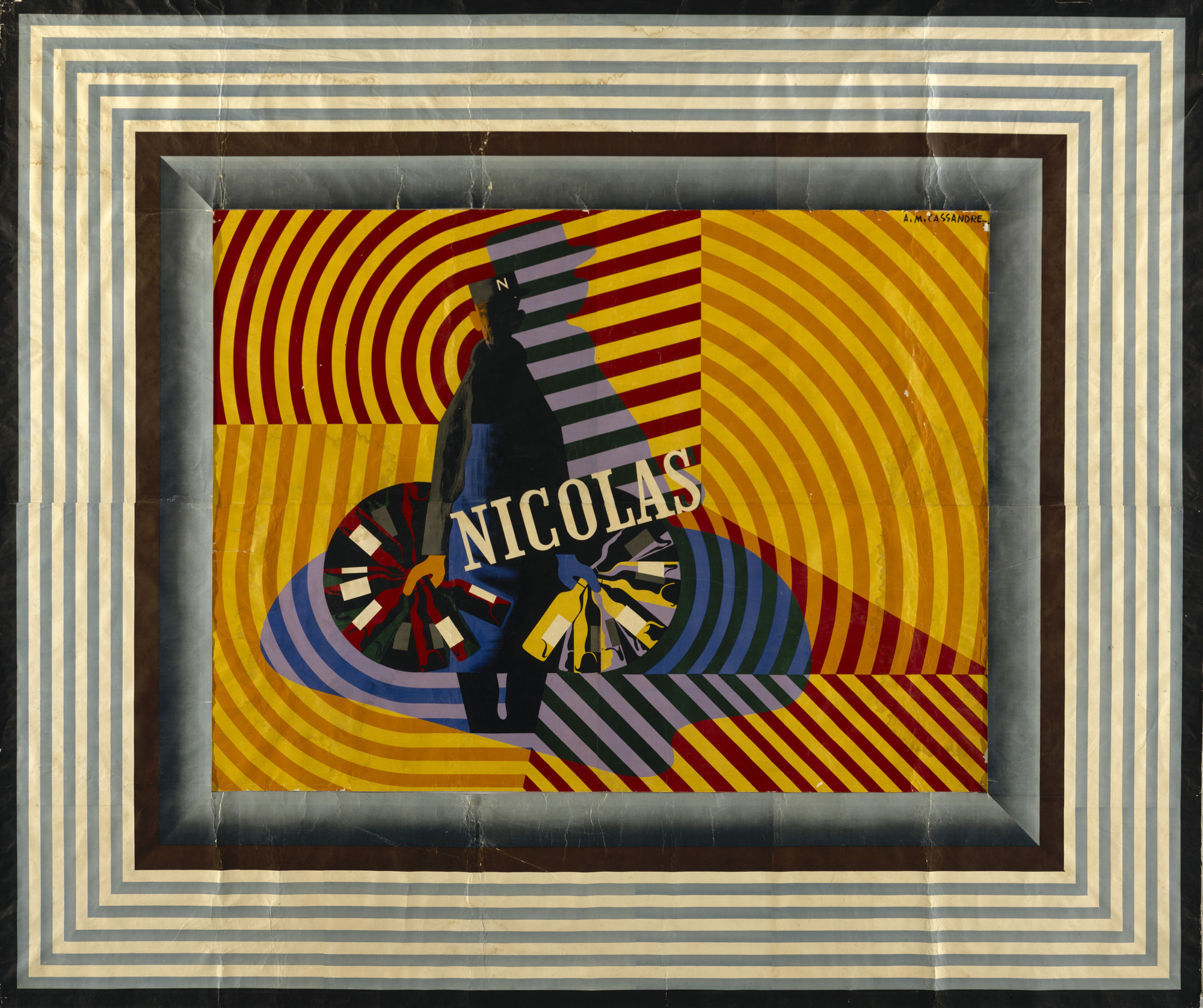
A.M. Cassandre :: Nicolas, 1935 | src MoMA

dans le jardin d’Ernest Cormier

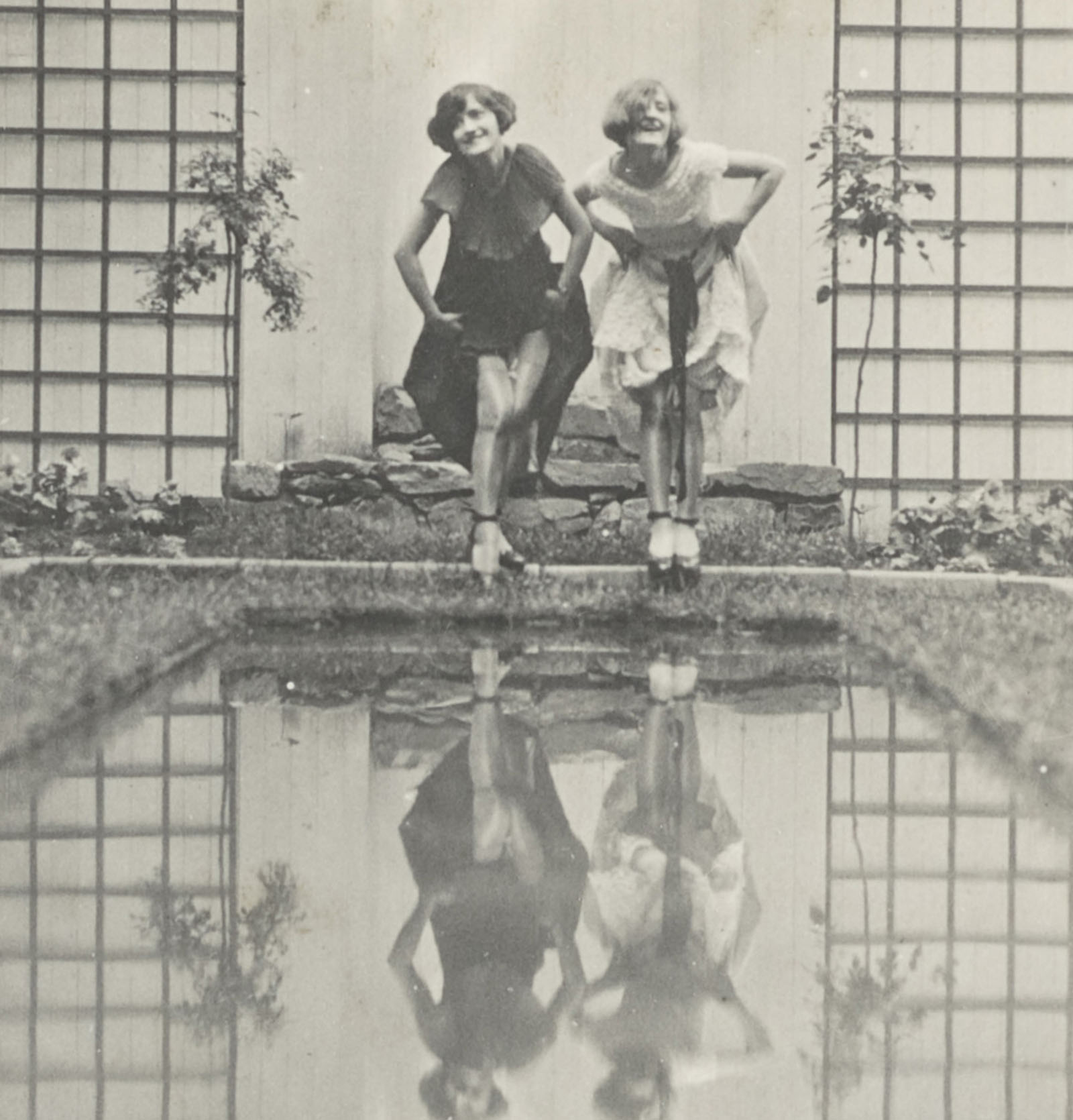
Fernand Préfontaine :: Clorinthe et Cécile Perron posant dans le jardin de l'atelier d'Ernest Cormier, Montréal, 1924. Épreuve à la gélatine argentique. | src Collection du Musée national des beaux-arts du Québec
Fernand Préfontaine :: Clorinthe et Cécile Perron posant dans le jardin de l’atelier d’Ernest Cormier, Montréal, 1924. Épreuve à la gélatine argentique. | src Collection du Musée national des beaux-arts du Québec
Fernand Préfontaine :: Clorinthe et Cécile Perron posant dans le jardin de l'atelier d'Ernest Cormier, Montréal, 1924. Épreuve à la gélatine argentique. | src Collection du Musée national des beaux-arts du Québec
Fernand Préfontaine :: Clorinthe et Cécile Perron posant dans le jardin de l’atelier d’Ernest Cormier, Montréal, 1924. Épreuve à la gélatine argentique. Fonds Fernand Préfontaine. | src Collection du Musée national des beaux-arts du Québec
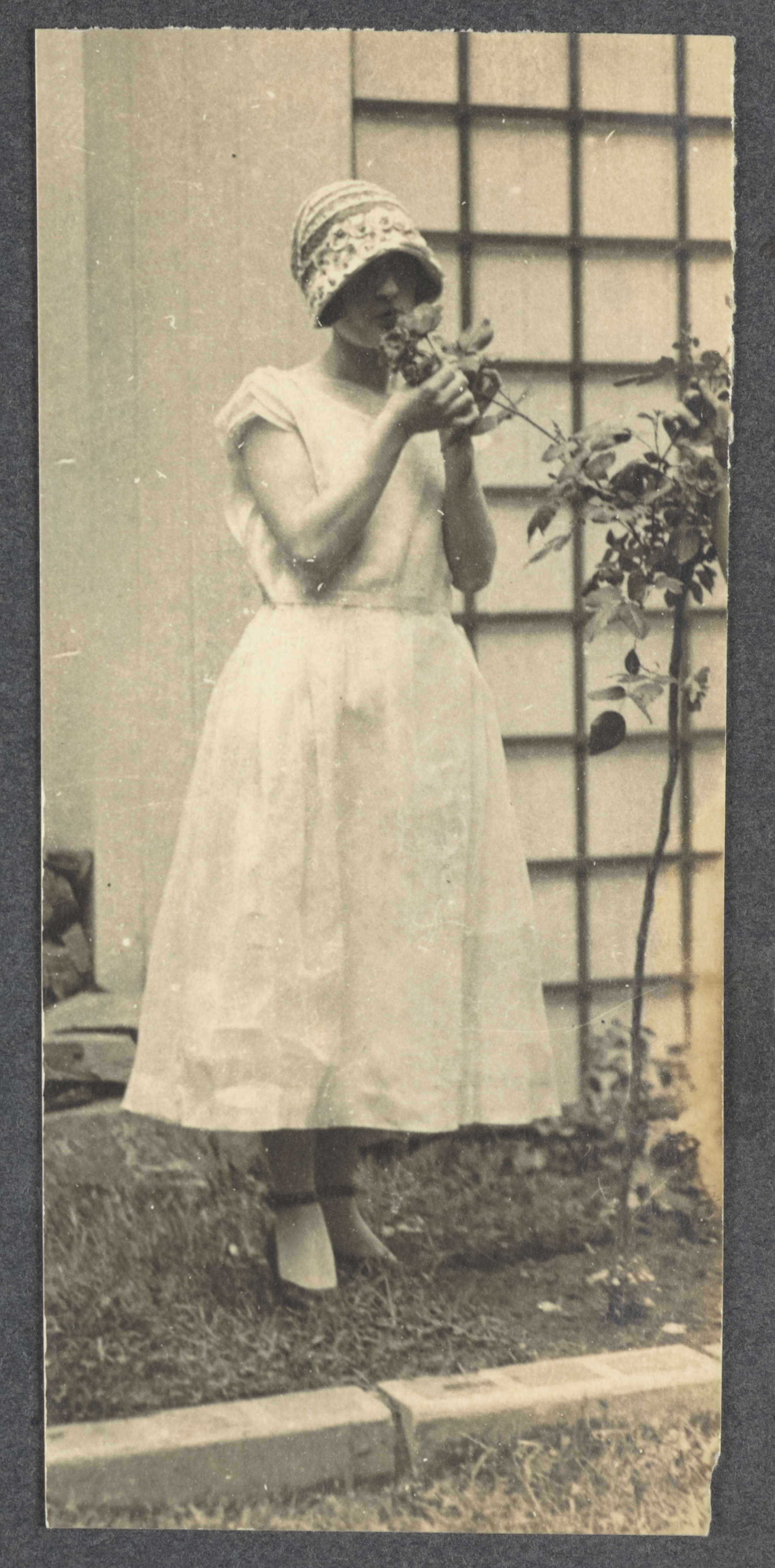
Fernand Préfontaine :: Cécile Perron dans le jardin de l'atelier d'Ernest Cormier, Montréal, 1924. Épreuve à la gélatine argentique 
Collection du Musée national des beaux-arts du Québec
Fernand Préfontaine :: Cécile Perron dans le jardin de l’atelier d’Ernest Cormier, Montréal, 1924. Épreuve à la gélatine argentique
Collection du Musée national des beaux-arts du Québec
Fernand Préfontaine :: Cécile Perron et Adrien Hébert dans le jardin de l'atelier d'Ernest Cormier, Montréal, 1924. 
Collection du Musée national des beaux-arts du Québec
Fernand Préfontaine ::Adrien Hébert et Cécile Perron dans le jardin de l’atelier d’Ernest Cormier, Montréal, 1924.
Collection du Musée national des beaux-arts du Québec
Fernand Préfontaine :: Cécile Perron et Adrien Hébert dans le jardin de l'atelier d'Ernest Cormier, Montréal, 1924. 
Collection du Musée national des beaux-arts du Québec
Fernand Préfontaine :: Cécile Perron et Adrien Hébert dans le jardin de l’atelier d’Ernest Cormier, Montréal, 1924.
Collection du Musée national des beaux-arts du Québec
Fernand Préfontaine :: Cécile Perron dans le jardin de l’atelier d’Ernest Cormier, Montréal, 1924. Épreuve à la gélatine argentique
Collection du Musée national des beaux-arts du Québec

Laban Tanzschule von Schneider

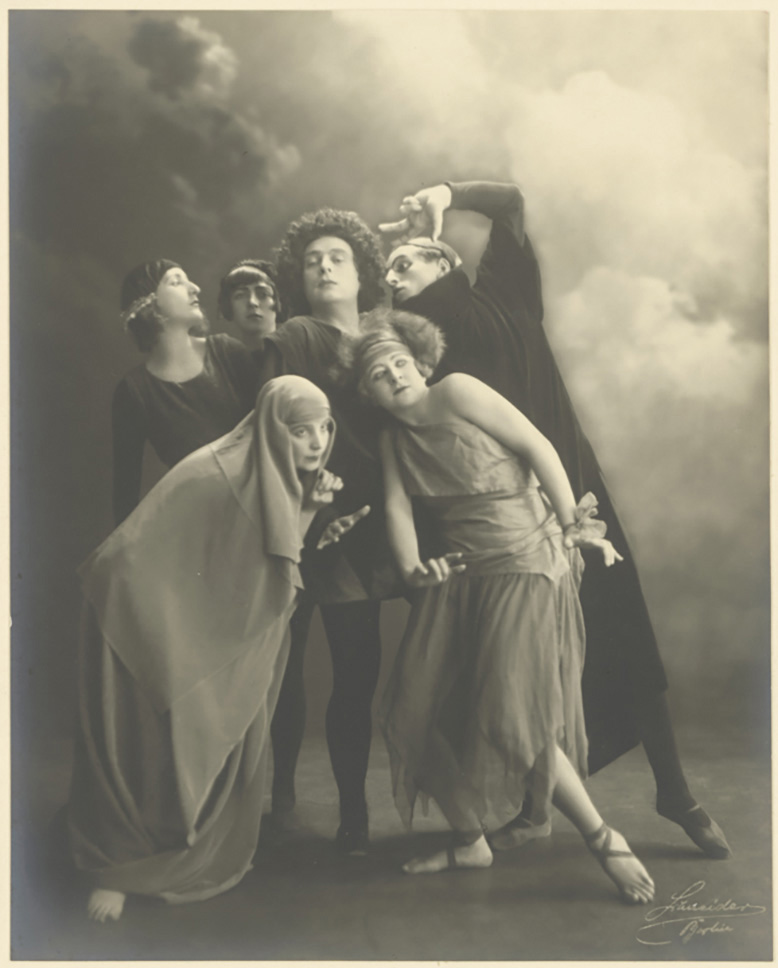
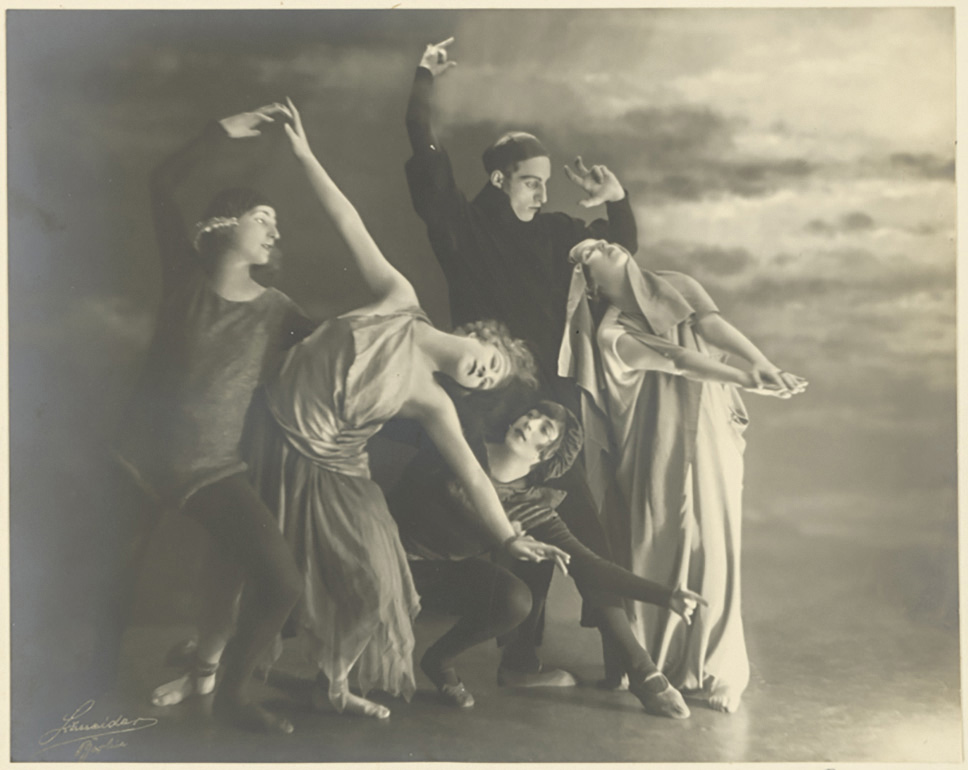
Ernst Schneider :: Tanzbühne Rudolf von Laban: Narrenspiegel, 1926. | src Staatliche Museen zu Berlin, Kunstbibliothek
Ernst Schneider :: Dance scene von Rudolf von Laban: Fool’s Mirror, 1926. | src Staatliche Museen zu Berlin, Kunstbibliothek
Ernst Schneider :: Tanzbühne Rudolf von Laban: Narrenspiegel, 1926. | src Staatliche Museen zu Berlin, Kunstbibliothek

Olga Brink von Schneider

Ernst Schneider :: Olga Brink mit Hut von M. Gerstel, 1922. | src Staatliche Museen zu Berlin, Kunstbibliothek, Sammlung Modebild
Ernst Schneider :: Olga Brink in Mantel mit Stirnband von M. Gerstel, 1922. | src Staatliche Museen zu Berlin
Ernst Schneider :: Olga Brink mit Stirnband von M. Gerstel, 1922. | src Staatliche Museen zu Berlin, Kunstbibliothek, Sammlung Modebild

Dancers in Egyptian costumes

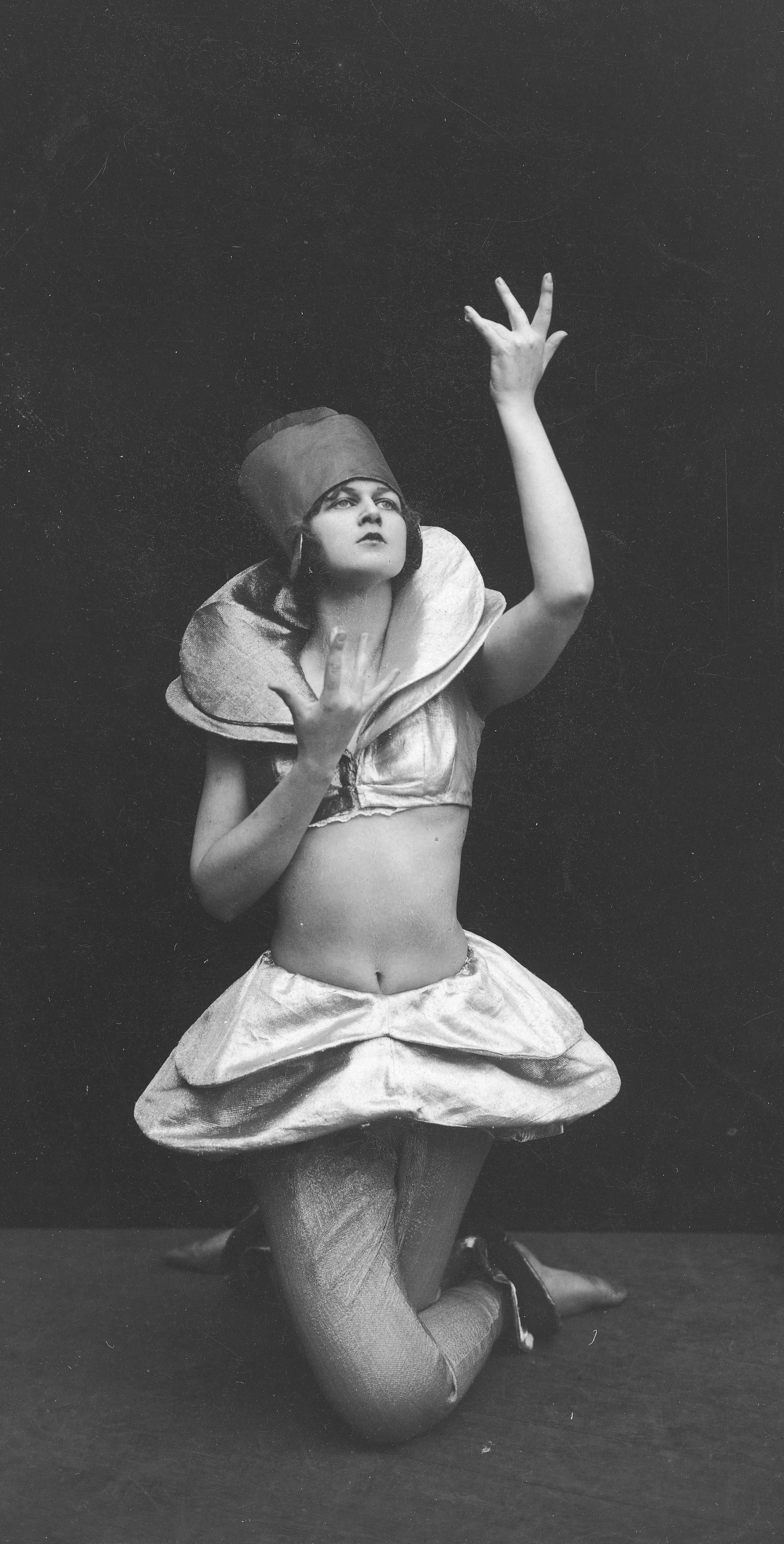
Stanisław Londyński :: Dancers performing an Eastern dance at an unidentified theater in Paris, 1928. One of the dancers: Sophia Gruzewska. Illustrated Daily Courier (*) | src National Digital Archives of Poland

(*) original: Stanisław Londyński · Tancerki podczas wykonywania tańca wschodniego w nieustalonym teatrze w Paryżu, 1928. Dwie tancerki podczas tańca. Widoczna m.in. Zofia Grużewska. Ilustrowany Kurier Codzienny | src Narodowe Archiwum Cyfrowe

Konopka and Welska c. 1928

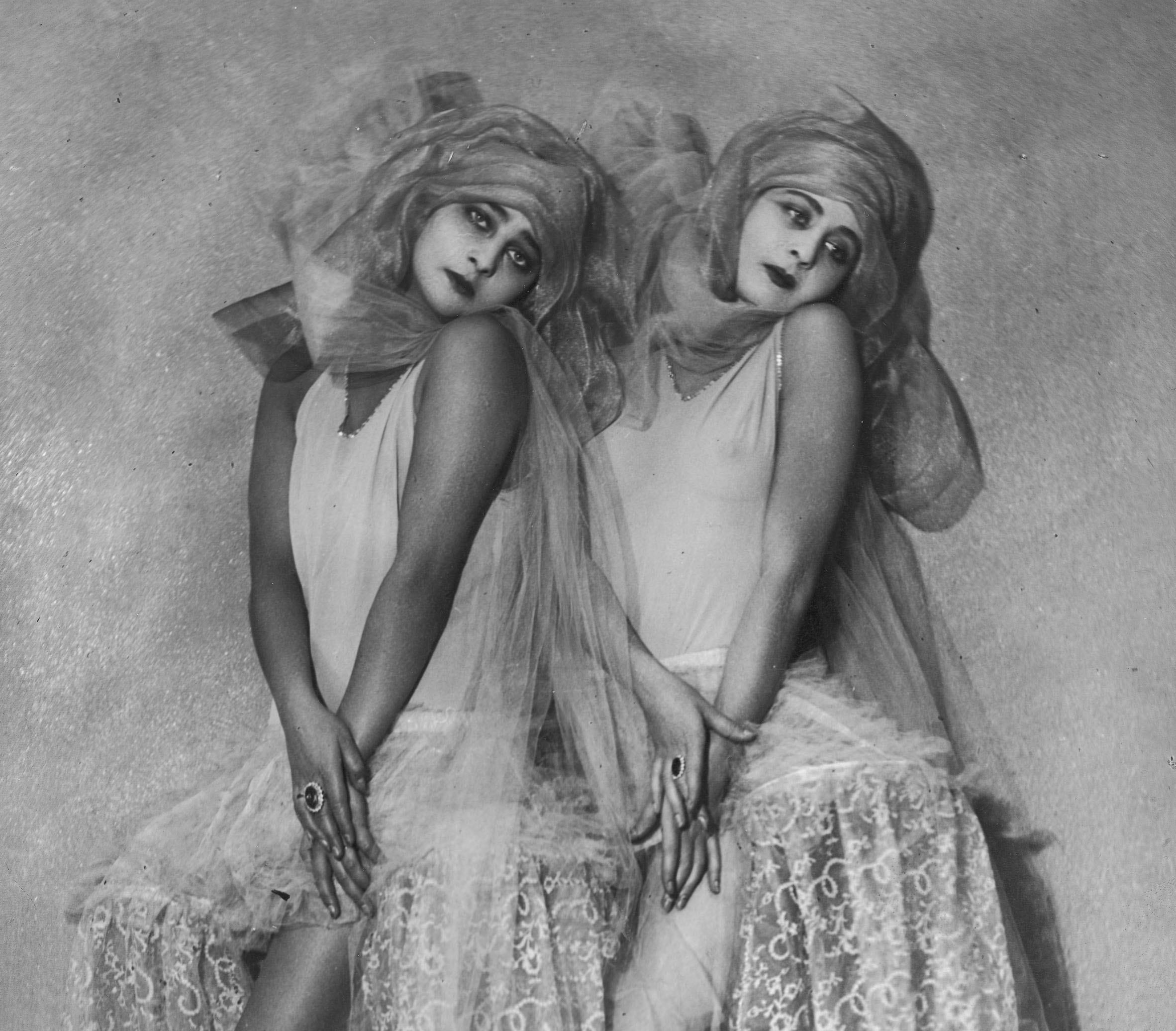
Stanisław Brzozowski :: Dancers Alina Konopka and Stanisława Welska - situational photography; 1920-28. Daily Courier Illustration Archive. Światowid Nº 50/227 of December 8, 1928
Stanisław Brzozowski :: Dancers Alina Konopka and Stanisława Welska – situational photography; 1920-28. Daily Courier Illustration Archive. Światowid Nº 50/227 of December 8, 1928
Stanisław Brzozowski :: Dancers Alina Konopka and Stanisława Welska - situational photography; 1920-28. Daily Courier Illustration Archive. Światowid Nº 50/227 of December 8, 1928
Stanisław Brzozowski :: Tancerki Alina Konopka i Stanisława Welska – fotografia sytuacyjna, 1920-1928. Kurier Codzienny. Światowid nr 50/227 z 08.12.1928 r. | src Narodowe Archiwum Cyfrowe
Stanisław Brzozowski :: Dancers Alina Konopka and Stanisława Welska - situational photography; 1920-28. Daily Courier Illustration Archive. Światowid Nº 50/227 of December 8, 1928
Stanisław Brzozowski :: Tancerki Alina Konopka i Stanisława Welska, Warszawa, 1920-1928. | src Narodowe Archiwum Cyfrowe

Ludmiła Bojarska 1926-1927

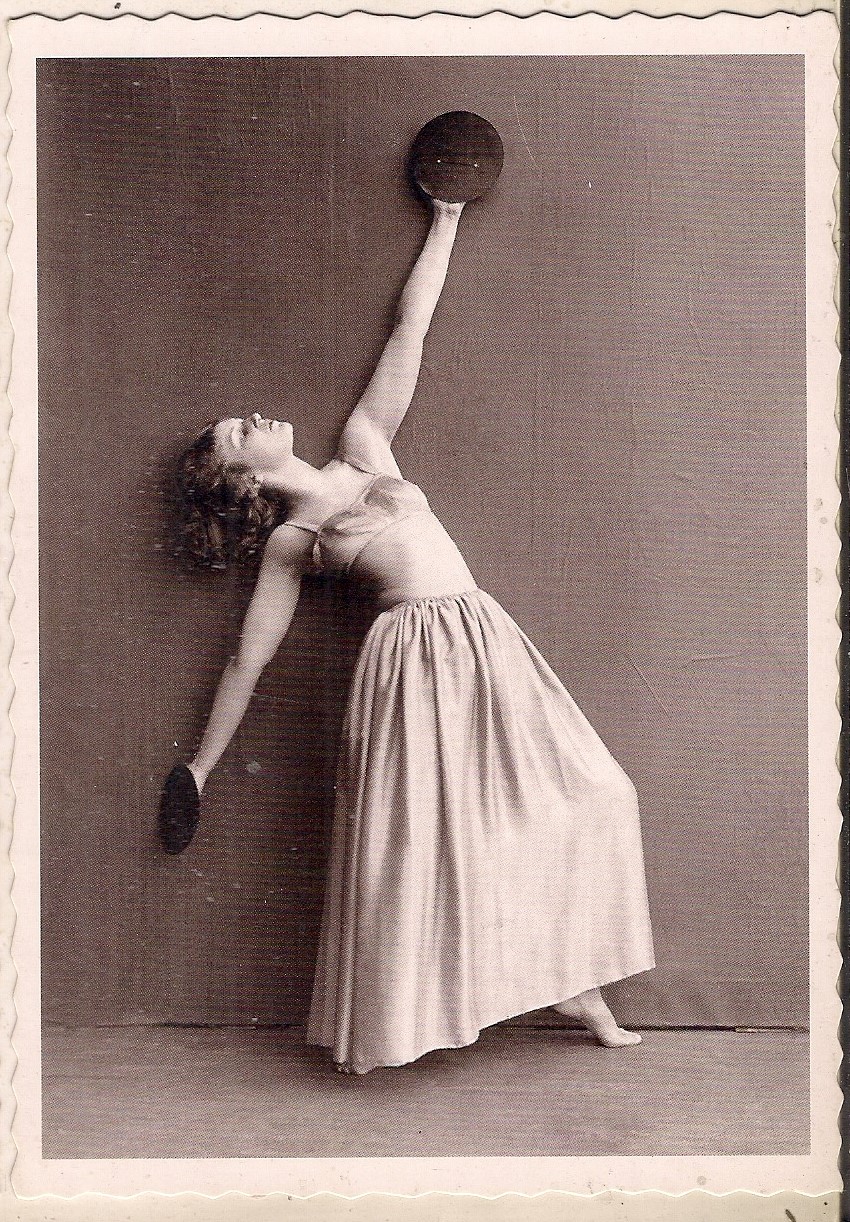
Ludmiła Bojarska, tancerka. Fotografia sytuacyjna wykonana w atelier, 1926
Lyudmila Bojarska, dancer. Role portrait taken in an atelier, 1926
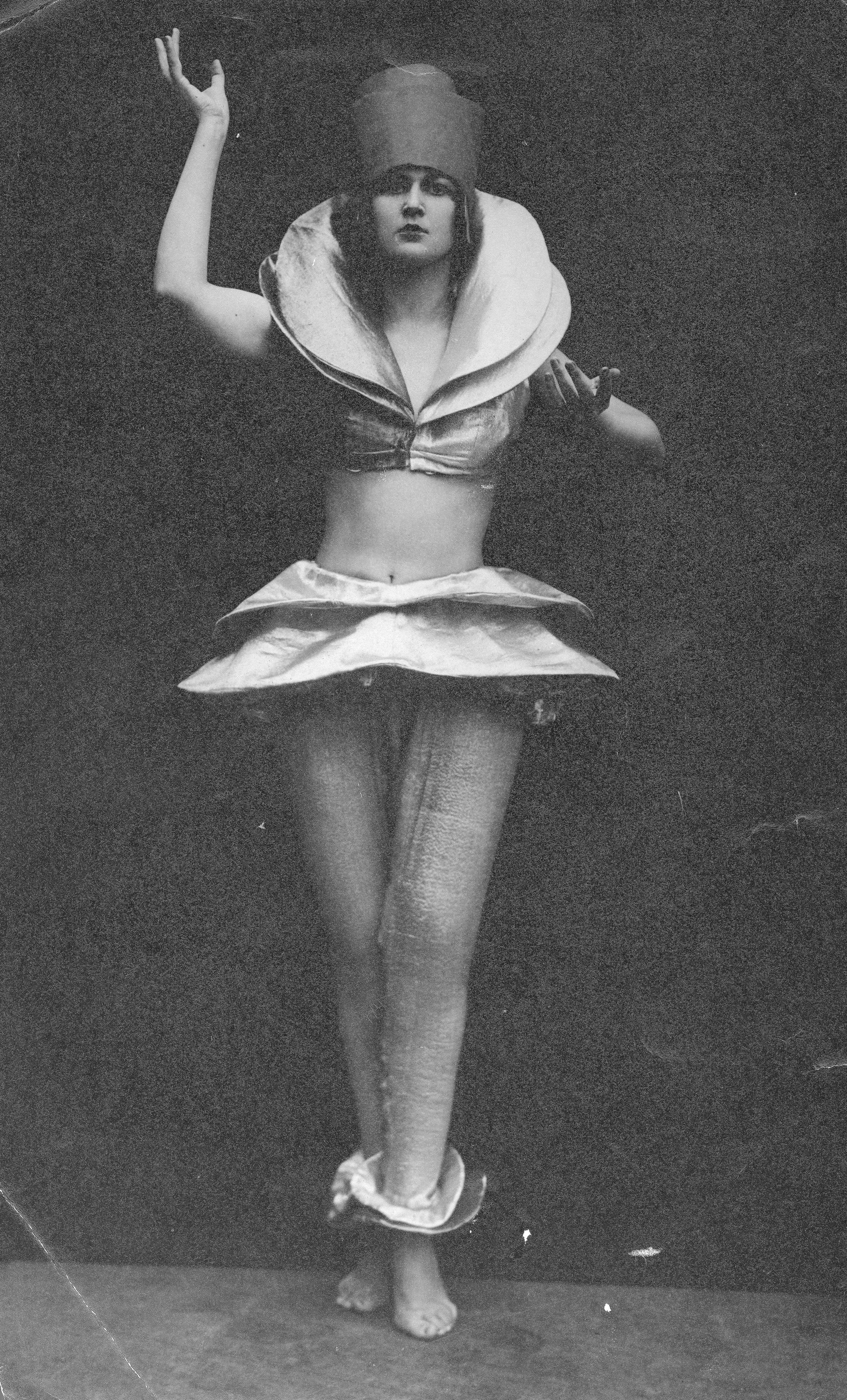
Ludmiła Bojarska, tancerka. Fotografia sytuacyjna wykonana w atelier (w tańcu ‘Kwiat’), 1927
Lyudmila Bojarska, dancer. Role portrait taken in an atelier (in the ‘Flower’ dance), 1927

All images above this line are, according to source, in Public domain: Narodowe Archiwum Cyfrowe

LUDMIŁA BOJARSKA Tancerka. Warszawa, 1926. pocztówka | postcard

Das Achtgroschenmädel 1921

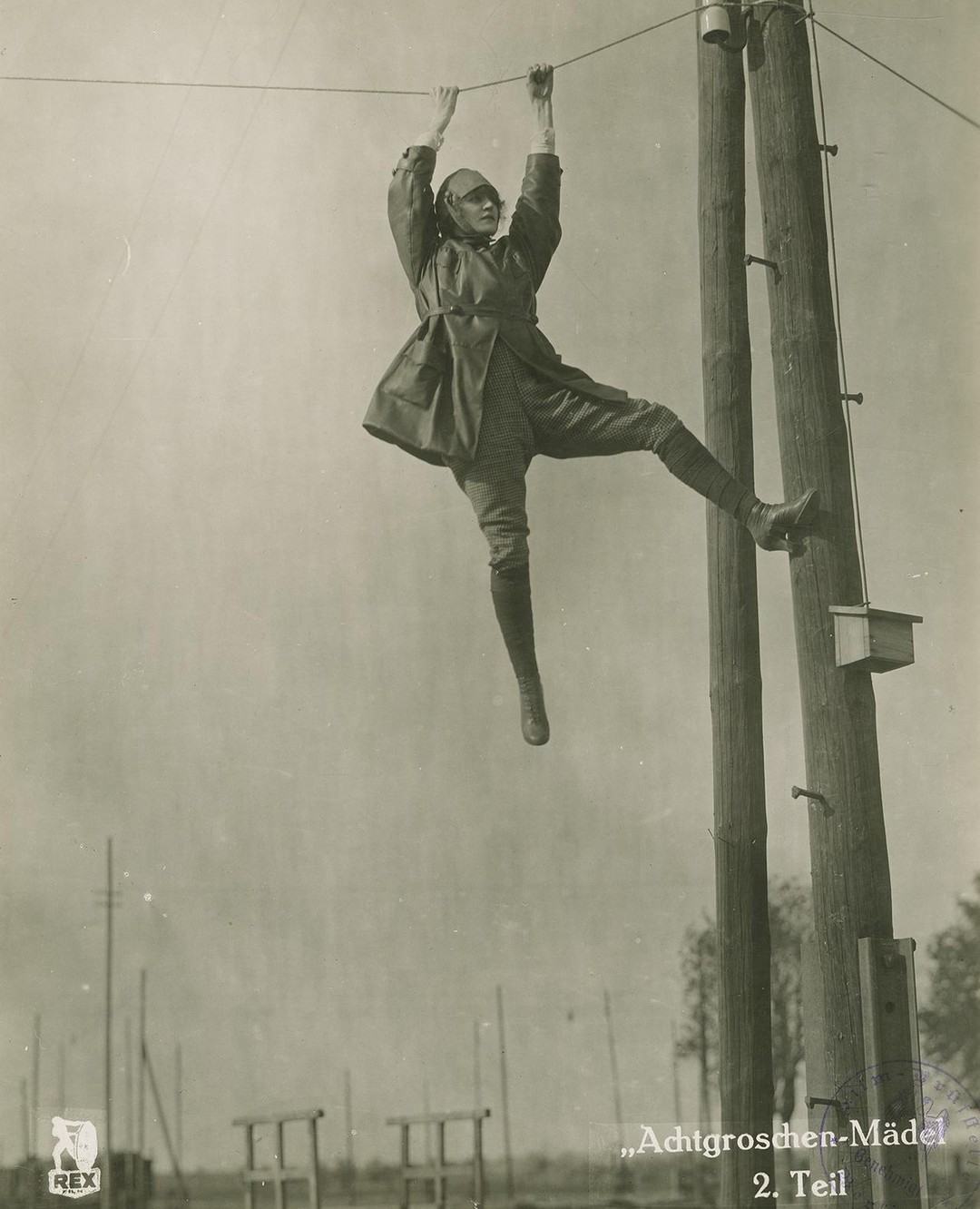
Edith Posca als Detektivin Miss Madge Henway
Drehbuch: Jane Bess
Das Achtgroschenmädel. Jagd auf Schurken. 2. Teil (D 1921, Regie: Wolfgang Neff)⠀
Quelle: Deutsche Kinemathek – Fotoarchiv
Edith Posca als Detektivin Miss Madge Henway – Drehbuch: Jane Bess
Das Achtgroschenmädel. Jagd auf Schurken. 2. Teil (D 1921, Regie: Wolfgang Neff)⠀
Quelle : Deutsche Kinemathek – Fotoarchiv

Edith Posca as detective Miss Madge Henway – Screenplay: Jane Bess
The Eight Penny Girl. Hunting Villains. 2nd part (D 1921, director: Wolfgang Neff)
Source : Deutsche Kinemathek – photo archive

Kino der Moderne — Film in der Weimarer Republik (20.6.2019 – 13.10.2019)⠀
Wie keine andere Kunstform spiegelte das Kino den Zeitgeist der Moderne. Mode und Sport, Mobilität und urbanes Leben, Genderfragen und Psychoanalyse prägen die Filme einer Stilepoche, die auf die Filmästhetik der ganzen Welt Einfluss nahm.⠀

Modern Cinema — Film in the Weimar Republic (6/20/2019 – 10/13/2019)⠀⠀
Like no other art form, cinema reflected the spirit of the modern era: fashion and sports, mobility and urban life, gender issues and the emergence of psychoanalysis characterize the films of the period, which would have a profound influence on international film aesthetics.⠀