Black cat by Hiroaki (1929)

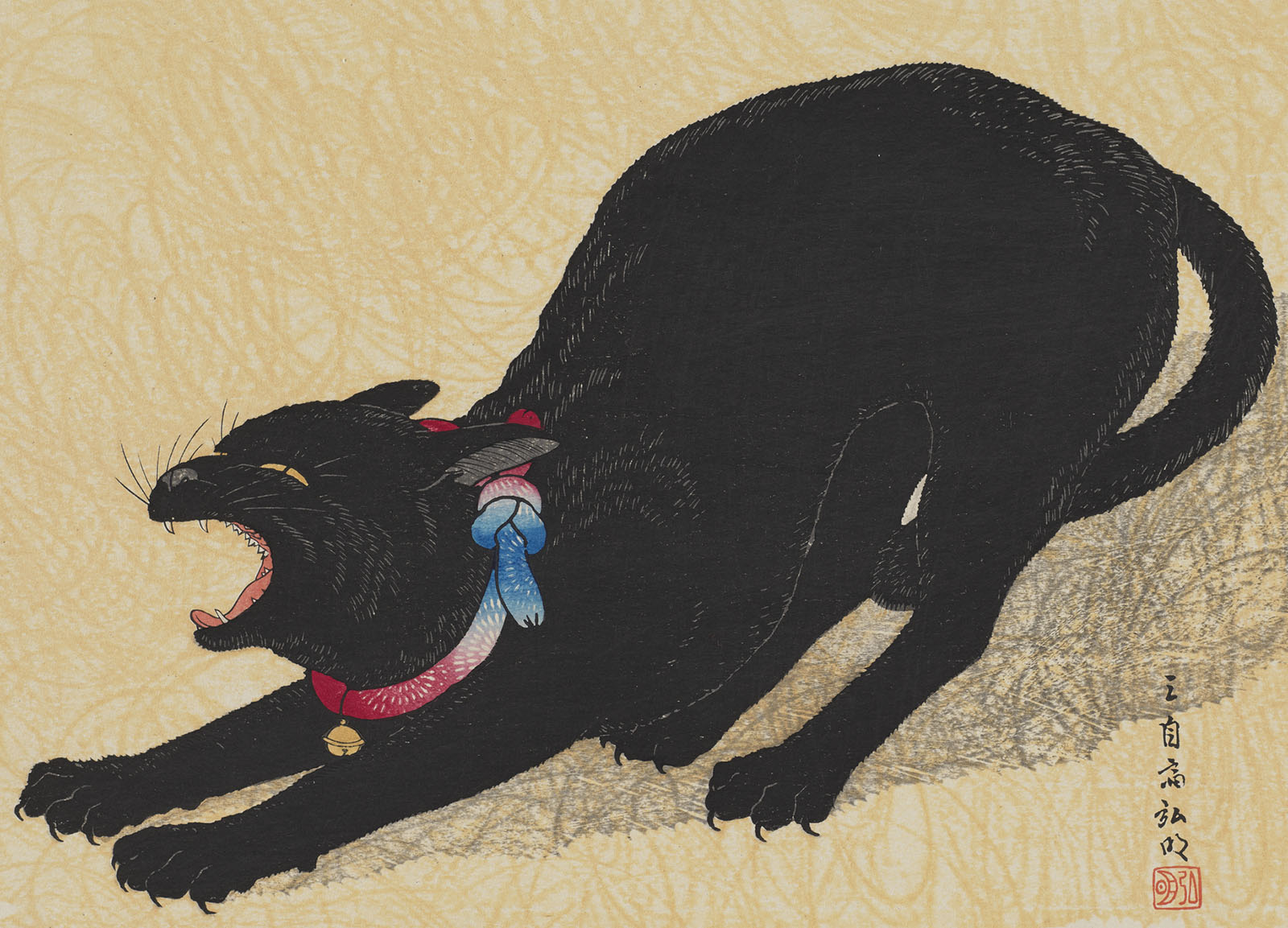
Takahashi Hiroaki (1871–1945) ~ Cat with a Bell, 1929. Color woodblock print on paper. Publisher: Kaneko Fusui (1897-1978)

Takahashi Hiroaki was the first print designer to collaborate with the publisher Watanabe Shôzaburô to revive the themes and techniques of 19th-century ukiyo-e prints. Between 1907 and 1923, when the Great Kantô Earthquake destroyed both prints and blocks, they produced over 500 designs. After the quake, Hiroaki began anew, sometimes creating modified versions of his earlier designs. This work, however, is from his output for a different publisher, Kaneko Fusui, who apparently allowed him to do more experimental designs. The swirling patterns in the background, done in soft yellow-orange, show the movement of the baren pad during the printing process. Takahashi worked with Kaneko for only four years, between 1929 and 1932, so prints from this publisher are relatively rare. (quoted from Portland Art Museum)

Takahashi Hiroaki (1871–1945) ~ Cat with a Bell, 1929. Color woodblock print on paper. | src Portland Art museum

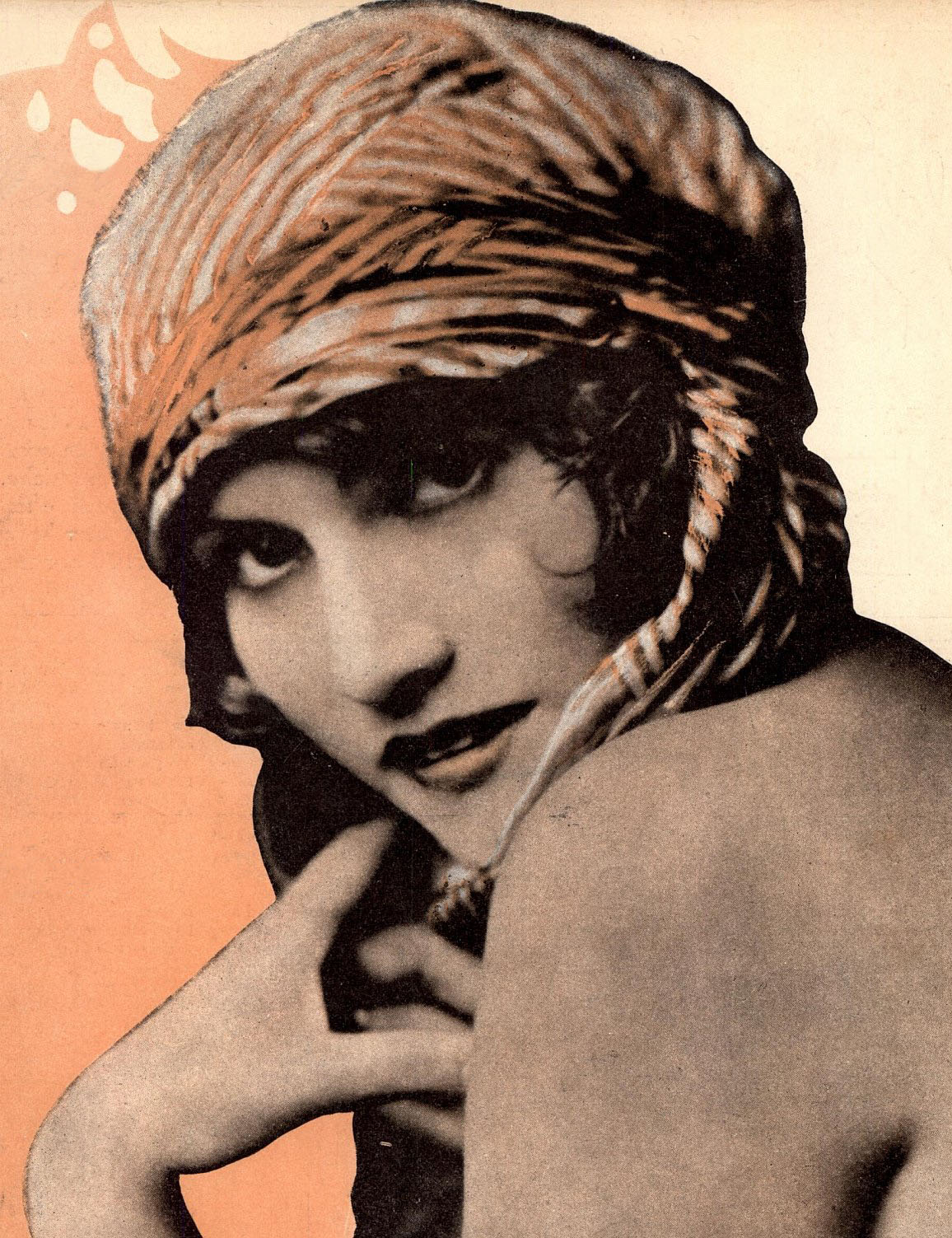
Thought by Ruth Hollick

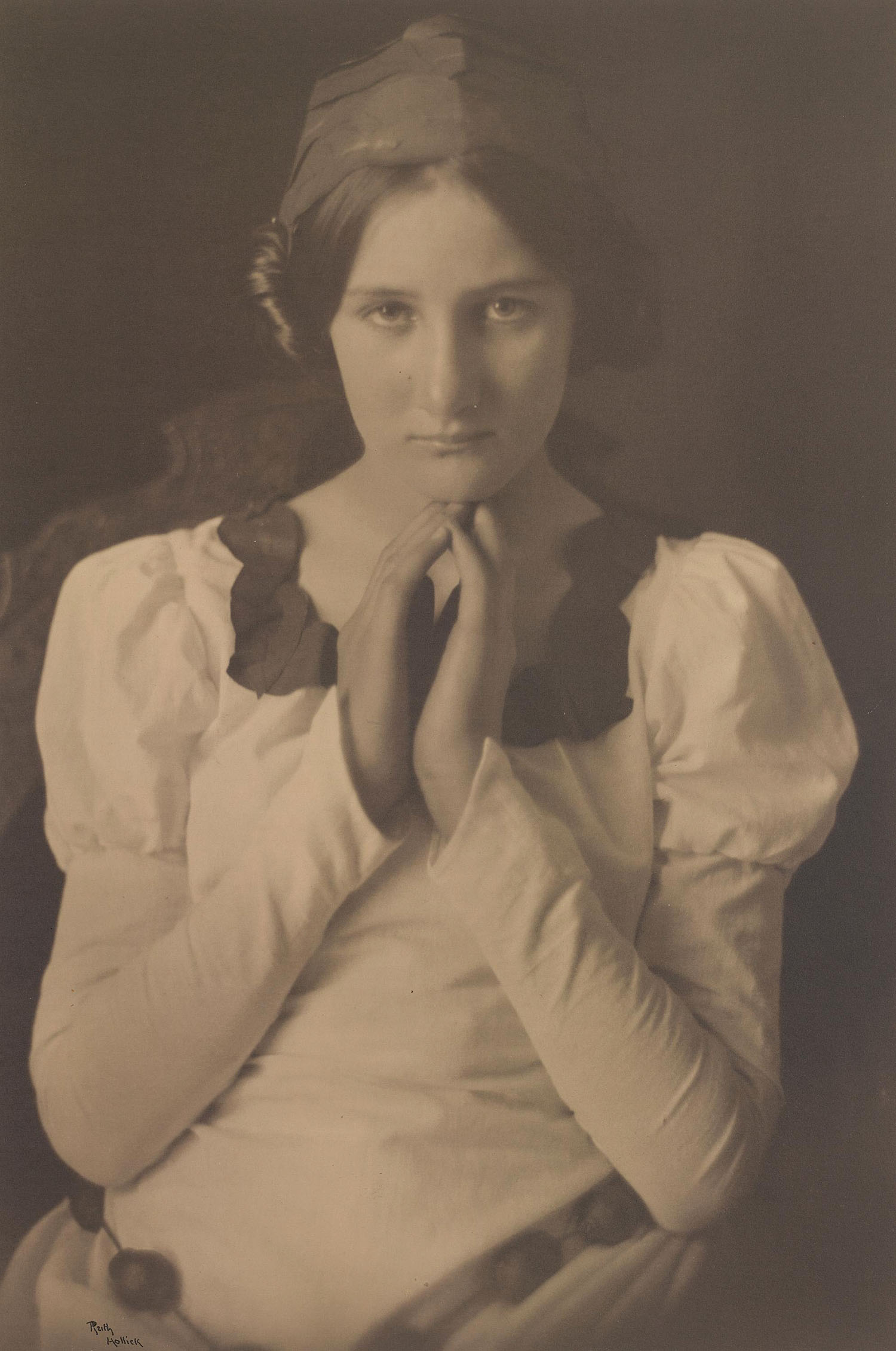
Ruth Hollick (1883-1977) ~ Thought, 1921 | src National Gallery of Victoria, Melbourne. Image ID: De102079

Thought is a portrait of the artist’s niece in a distinctly Australian costume adorned with appliqued gum leaves and a gum nut belt. The sitter is pictured in a meditative pose and the evocative title of the photograph encourages an allegorical interpretation of the work. The photograph is an exhibition-size print in its original frame. Hollick entered ‘Thought’ in the Colonial Exhibition in London in 1921 and was awarded a bronze medal. src NGV

Ruth Hollick (1883-1977) ~ Thought, 1921 | src NGV (detail)

The exhibition Photography: Real and Imagined (2023-2024) examines two perspectives on photography; photography grounded in the real world, as a record, a document, a reflection of the world around us; and photography as the product of imagination, storytelling and illusion. On occasion, photography operates in both realms of the real and the imagined.

Highlighting major photographic works from the NGV Collection, including recent acquisitions on display for the very first time, Photography: Real and Imagined examines the complex, engaging and sometimes contradictory nature, of all things photographic. The NGV’s largest survey of the photography collection, the exhibition includes more than 300 works by Australian and international photographers and artists working with photo-media from the nineteenth, twentieth and twenty-first centuries. / The Ian Potter Centre: NGV Australia

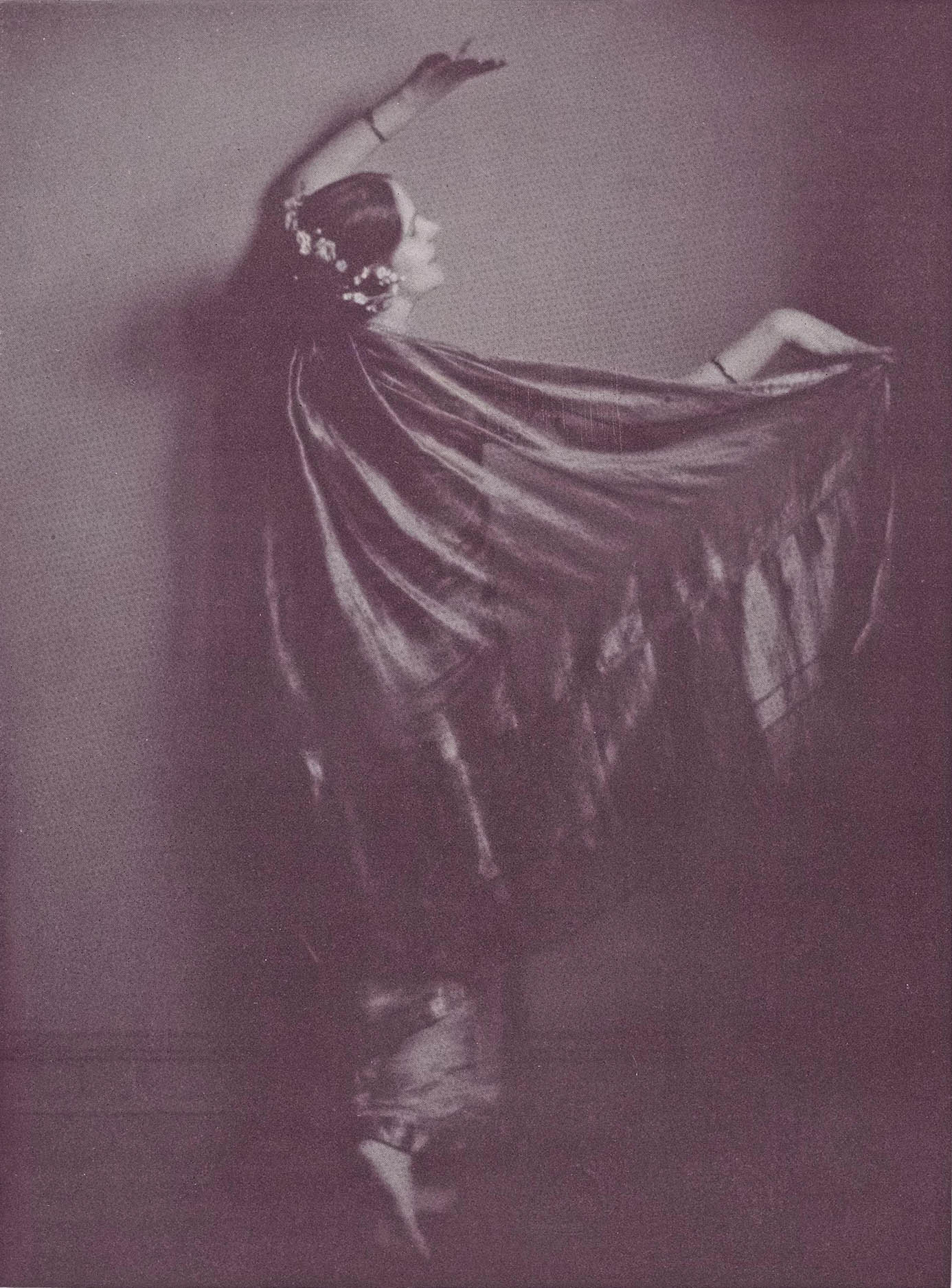
Roshanara by Hori · 1921-1922

Ichiro E. Hori ~ Roshanara. Shadowland magazine, October 1921 | src internet archive

Caption reads : Roshanara / The gifted British dancer whose work vibrates with the mysticism and color of India and Burma

Ichiro E. Hori ~ Roshanara. Shadowland magazine, October 1921 | Full Page
Ichiro E. Hori ~ Roshanara. A new camera study. Shadowland magazine, January 1922 | src internet archive

Caption reads : Roshanara / A new camera study of the brilliant young interpreter of native Burmese and Indian dances

Ichiro E. Hori ~ Roshanara. Shadowland magazine, January 1922. Full page | src internet archive

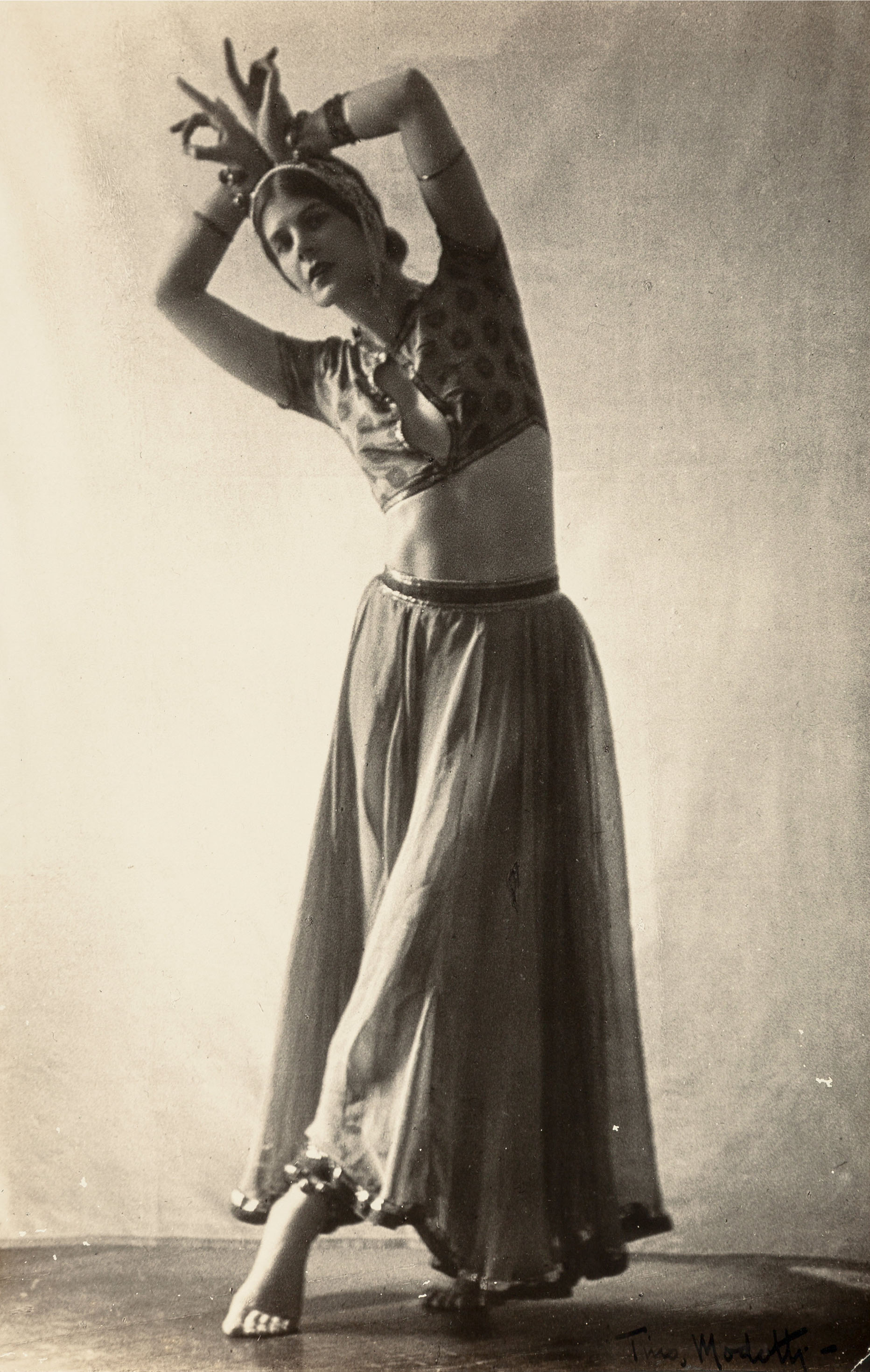
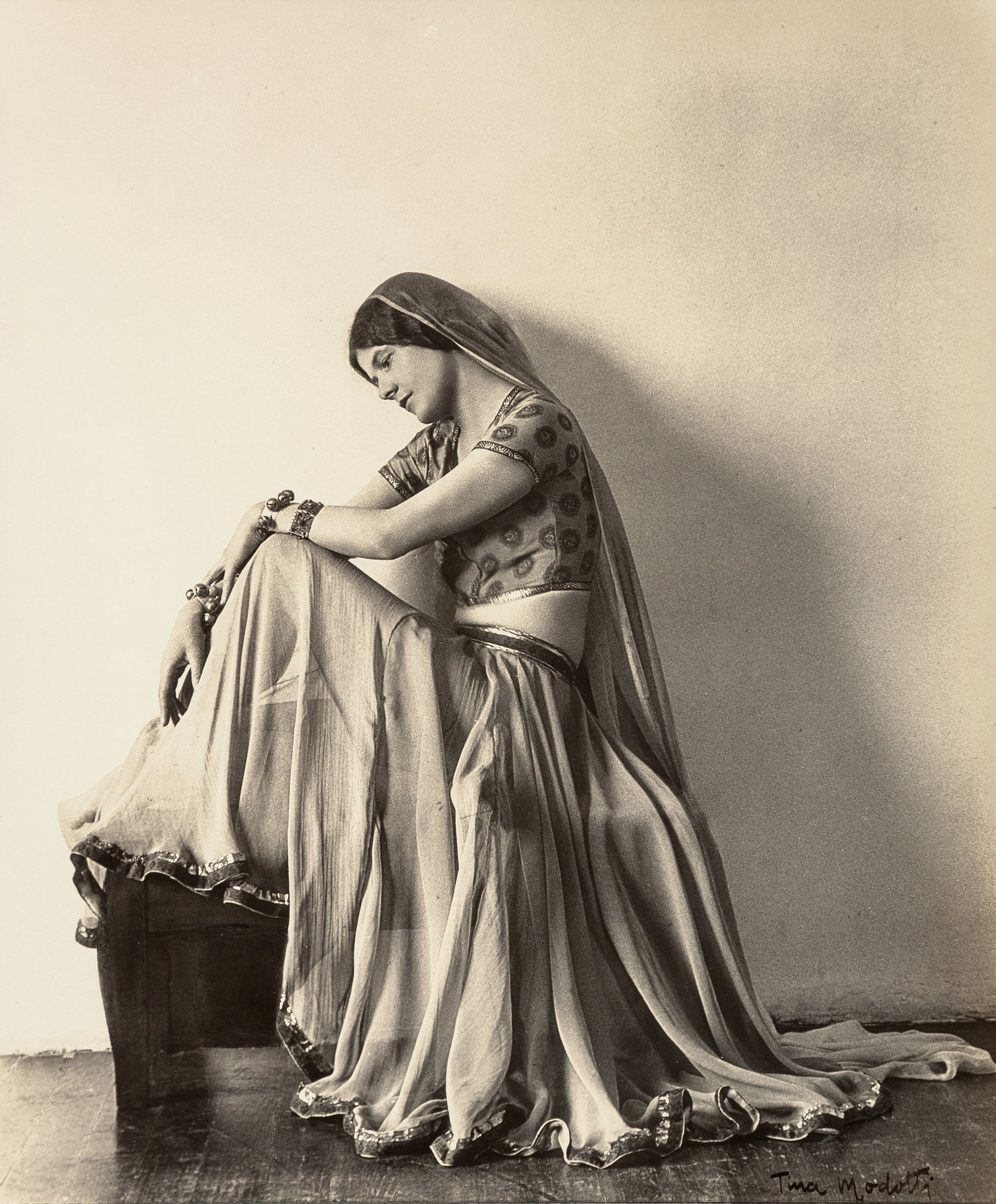
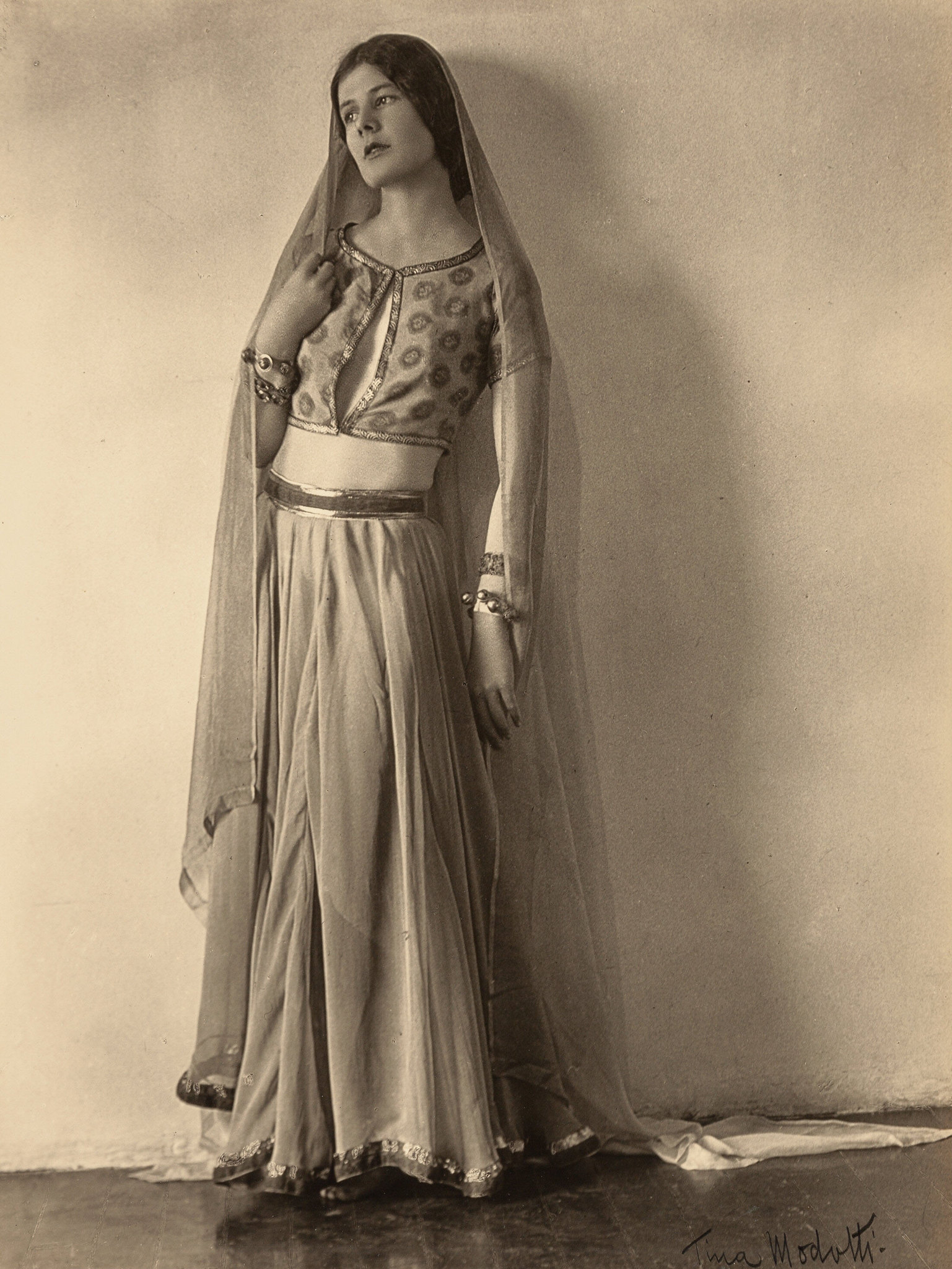
Keith Coppage by Tina Modotti

Tina Modotti (1896-1942) ~ Portrait of Keith Coppage, 1928 | src Heritage Auctions # 5272
Tina Modotti (1896-1942) ~ Portrait of Keith Coppage, 1928 | src Swann Galleries

Coppage’s friend, Ione Robinson, was roommate with Tina Modotti in Mexico City, which is presumably how the two met.

Tina Modotti (1896-1942) ~ Portrait of Keith Coppage, 1928 | src Heritage Auctions # 5272 (DETAIL)

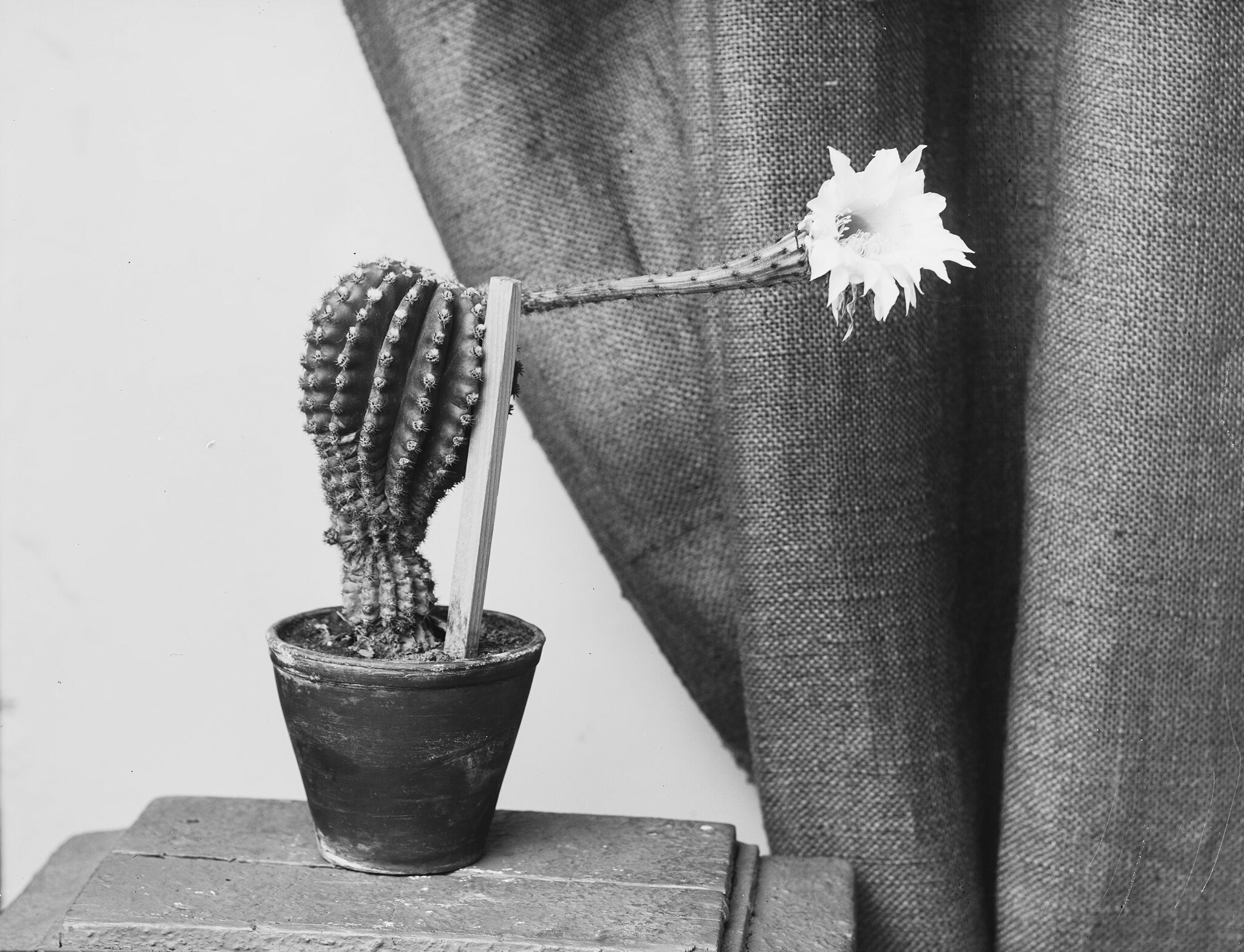
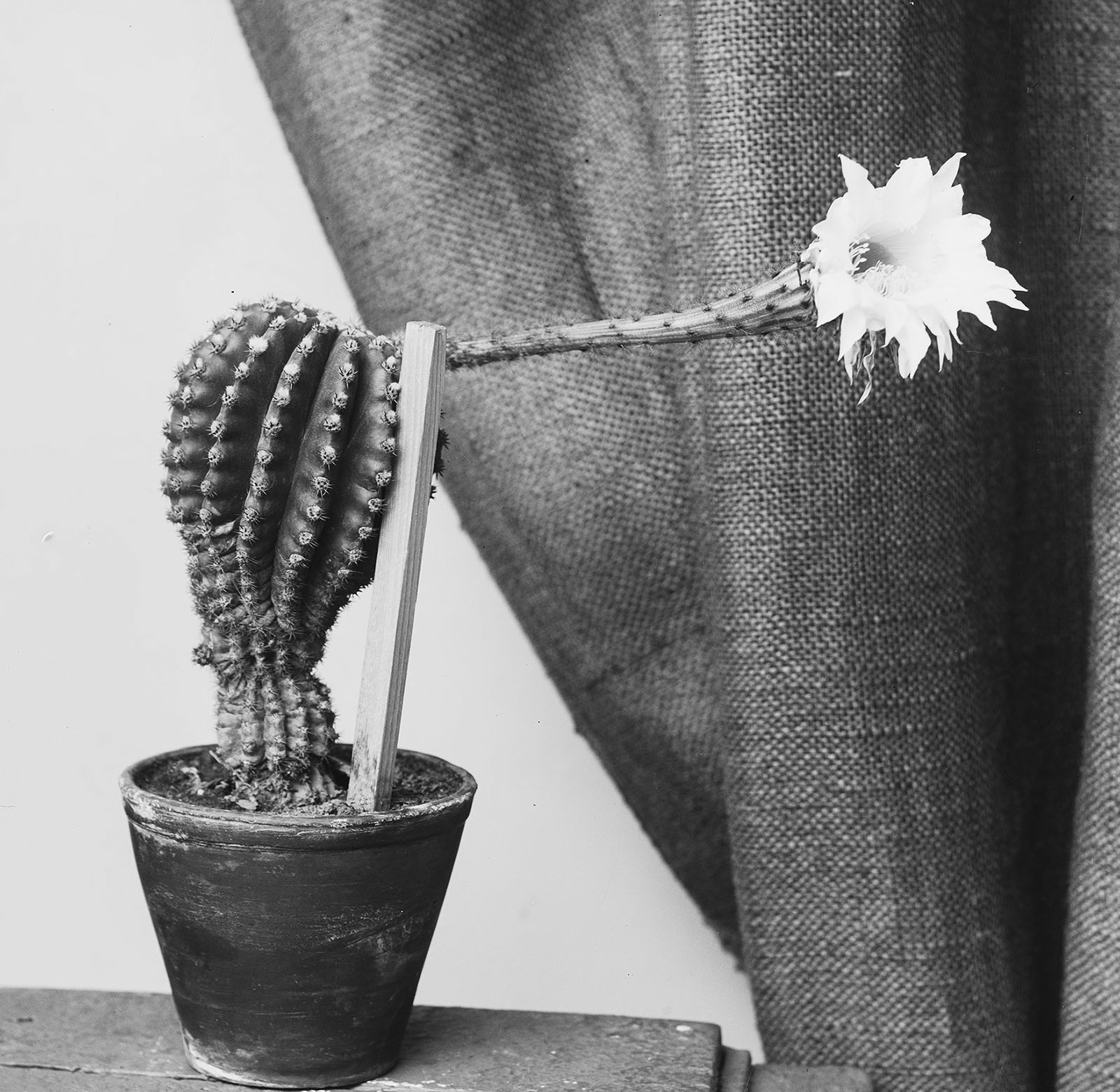
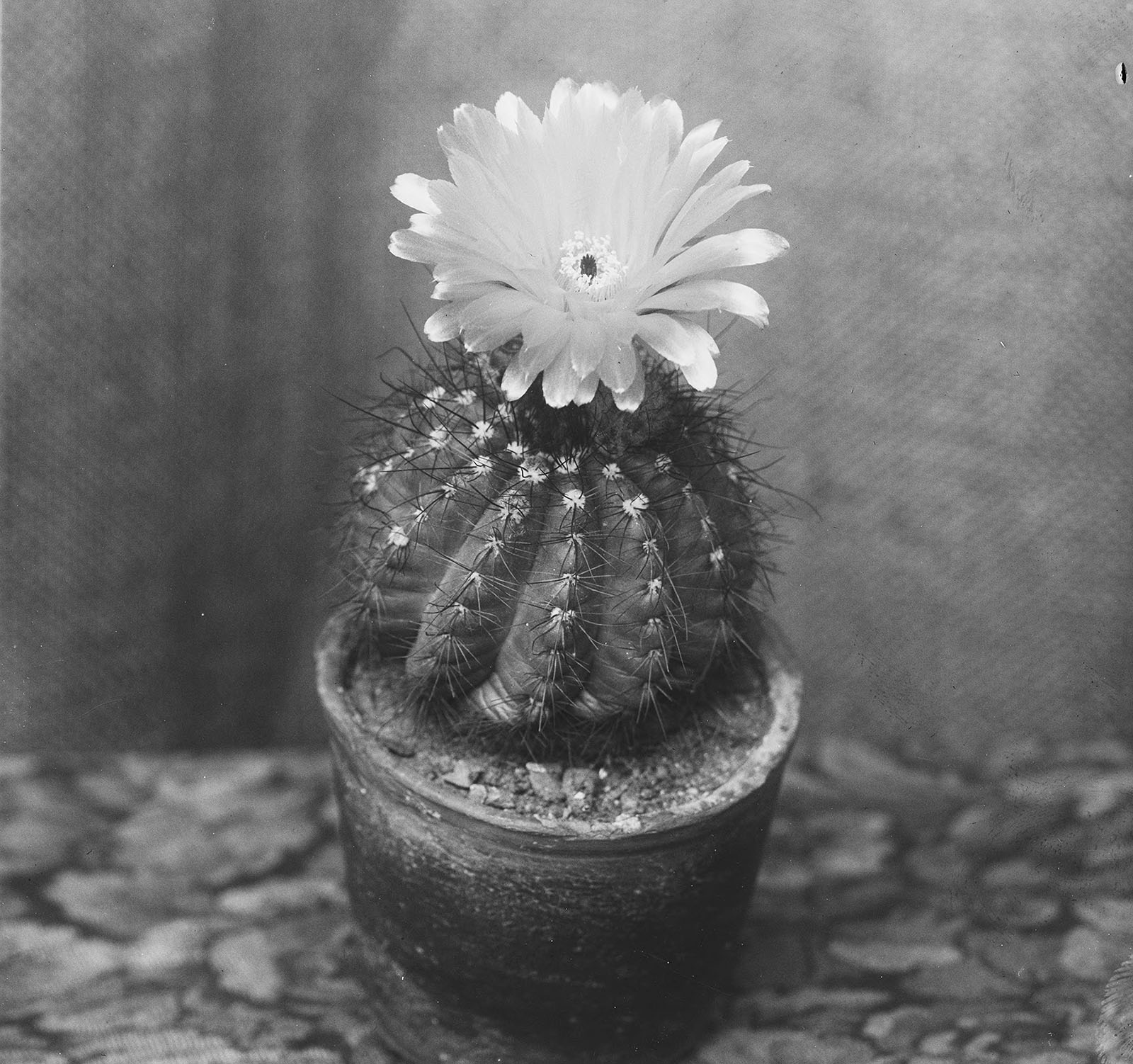
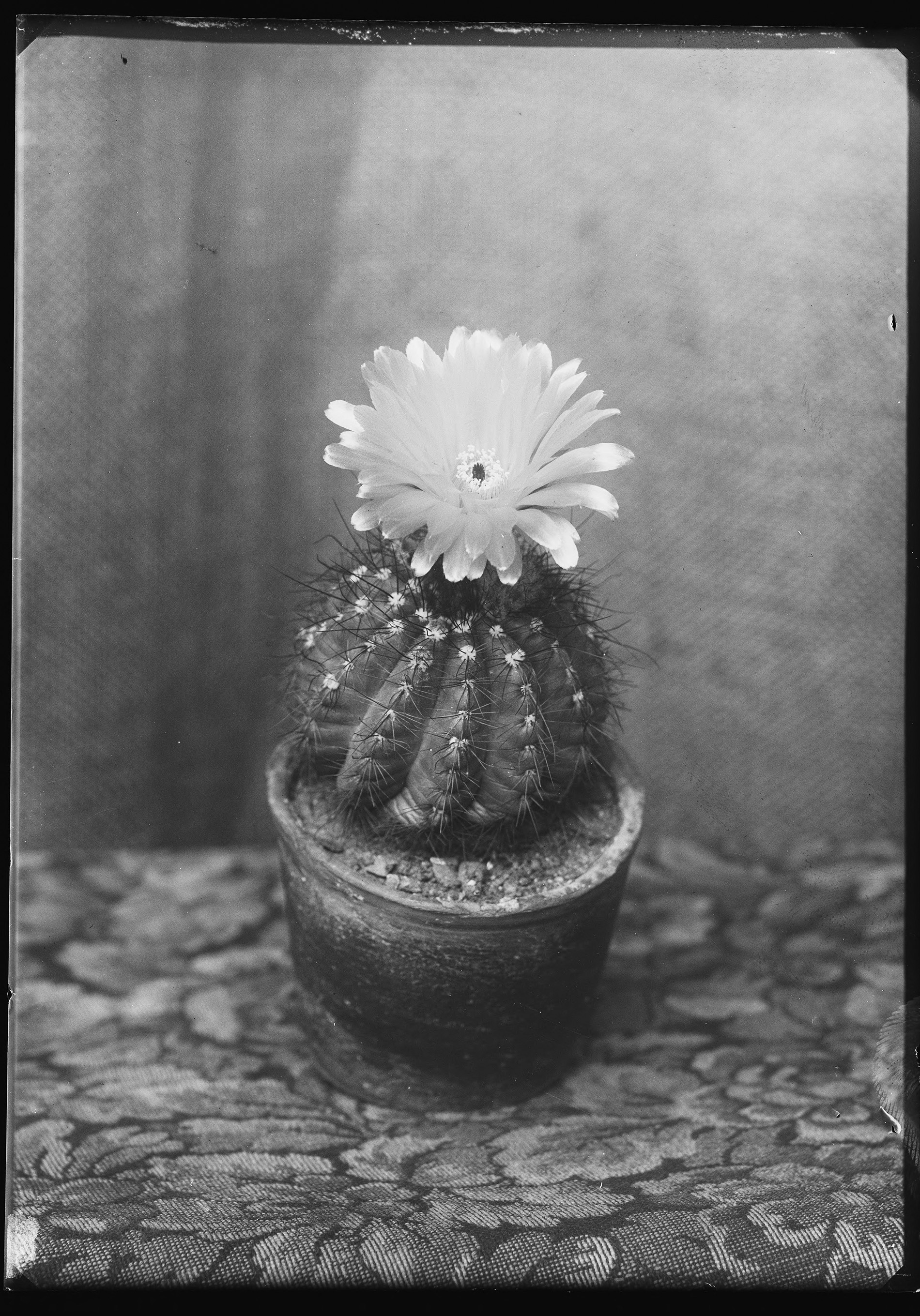
Cactus in blossom, 1925-1935

Atelier Skarpmoen / Conrad M. Bringe ~ Bjølgerud, Kaktus; 1925-1935 | src Nasjonalbiblioteket
Atelier Skarpmoen / Conrad M. Bringe ~ Bjølgerud, Kaktus; 1925-1935 (detail)
Atelier Skarpmoen / Conrad M. Bringe ~ Bjølgerud, Kaktus; 1925-1935 (Detail)
Atelier Skarpmoen / Conrad M. Bringe ~ Bjølgerud, Kaktus; 1925-1935 | src Nasjonalbiblioteket

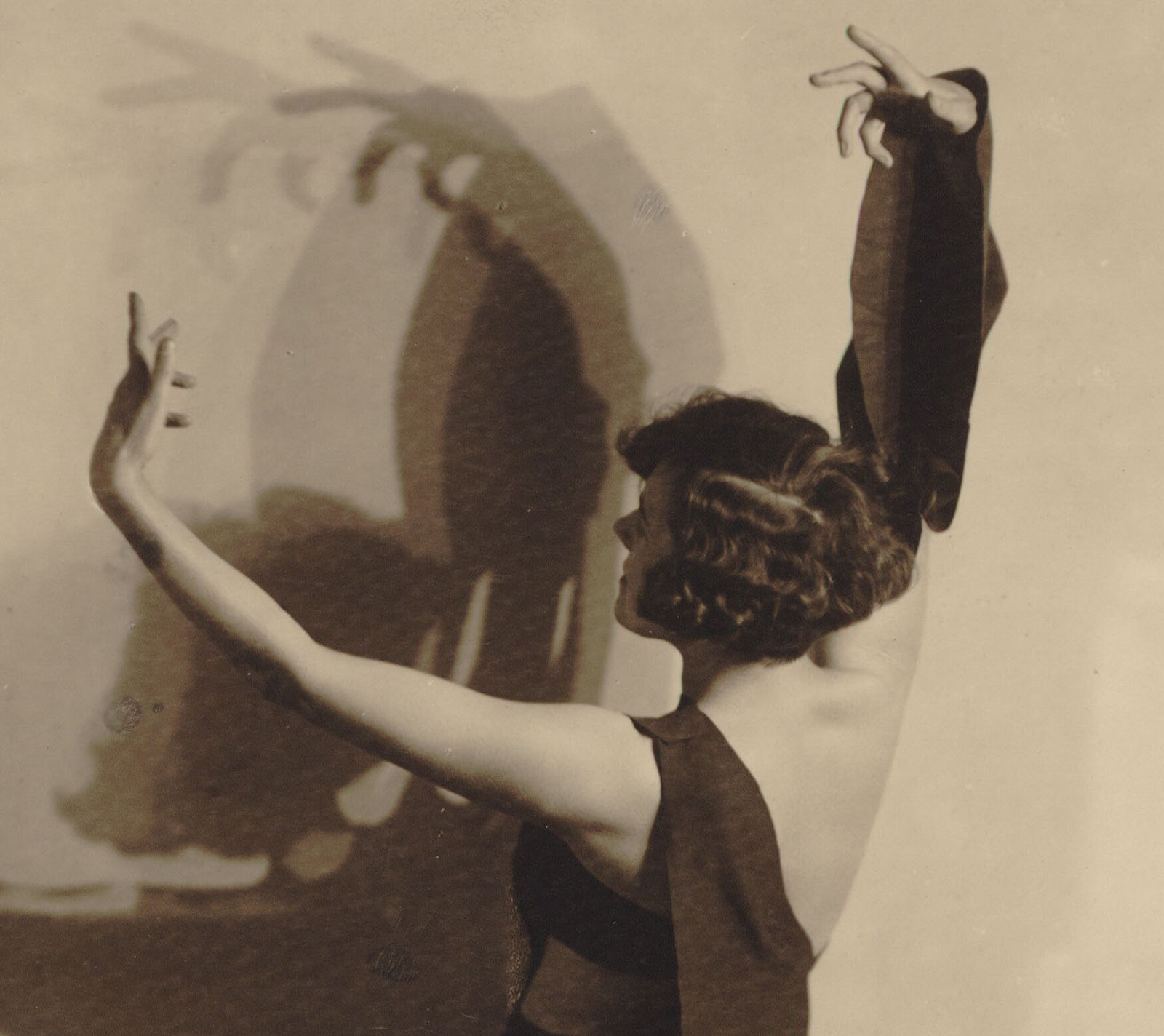
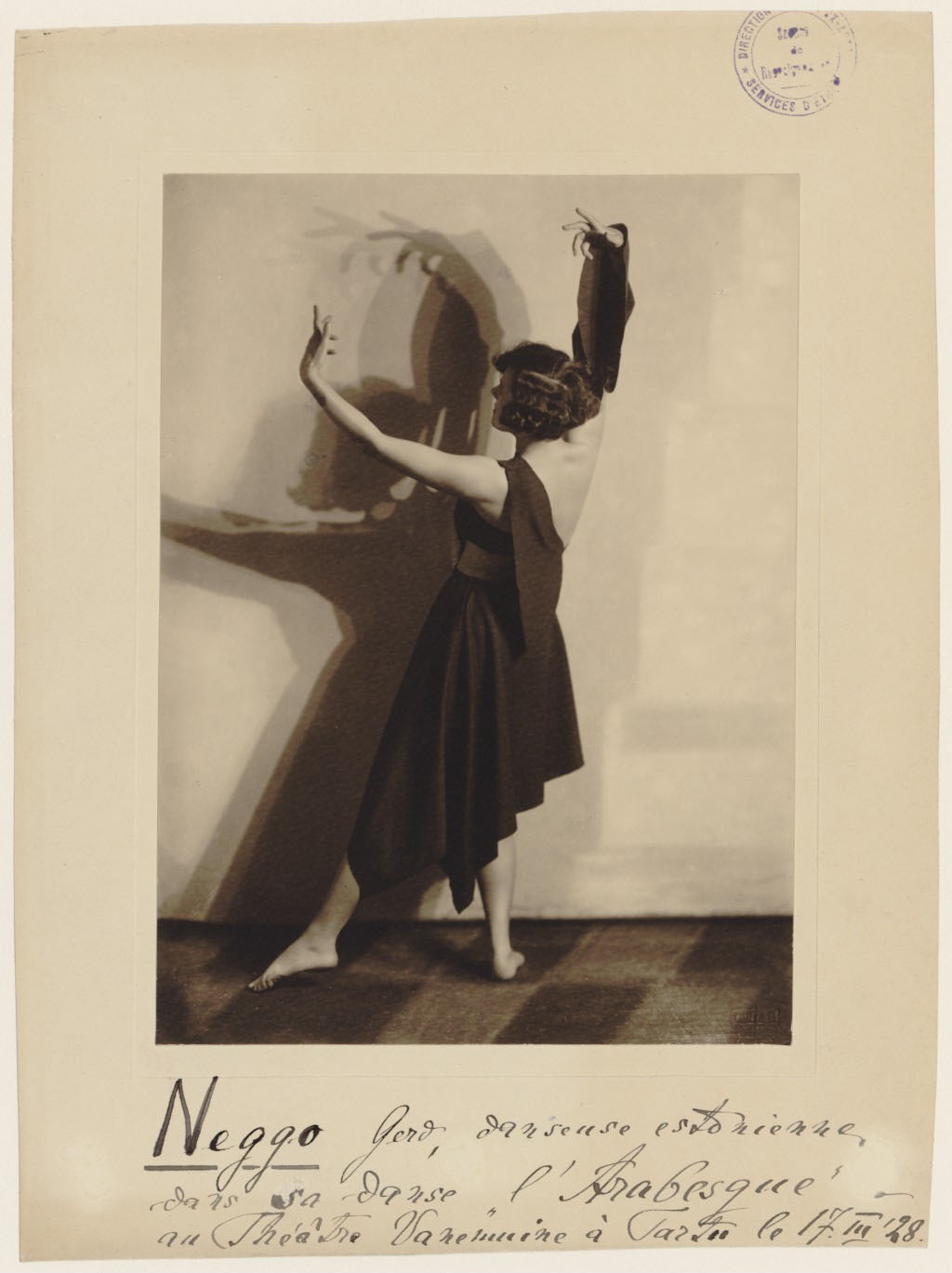
Gerd Neggo in Arabesque

Estonian dancer Gerd Neggo in Arabesque, March 1928 | src BnF~Gallica
Gerd Neggo (1891-1974) in Arabesque, 17.III.1928 | src BnF~Gallica
Gerd Neggo, danseuse estonienne dans sa danse ‘L’Arabesque’ au Théâtre Vanemuine à Tartu le 17-III-1928; ph. K. Akel & Ko.

Gerd Neggo was born in Kuressaare, Estonia, in 1891. She studied the Émile Jaques Dalcroze methodology in Stockholm, then studied modern dance and mime under Rudolf von Laban in his dance studio in Hamburg.

After specializing in the art of modern dance, Neggo returned to Tallinn and established her own dance school in 1924. She started teaching students adopting Laban’s modern dance technique. She organized many solo and group dances, including pantomimes. She and her group held performances at the Estonian Drama Theatre.

In 1944, during the Soviet occupation of Estonia, she and her husband Paul Olak migrated to Sweden. Neggo died in Stockholm in 1974.

Estonian dancer Gerd Neggo in Arabesque at Vanemuine theater in Tartu, 17-III-1928; photo: K. Akel & Ko | src BnF~Gallica

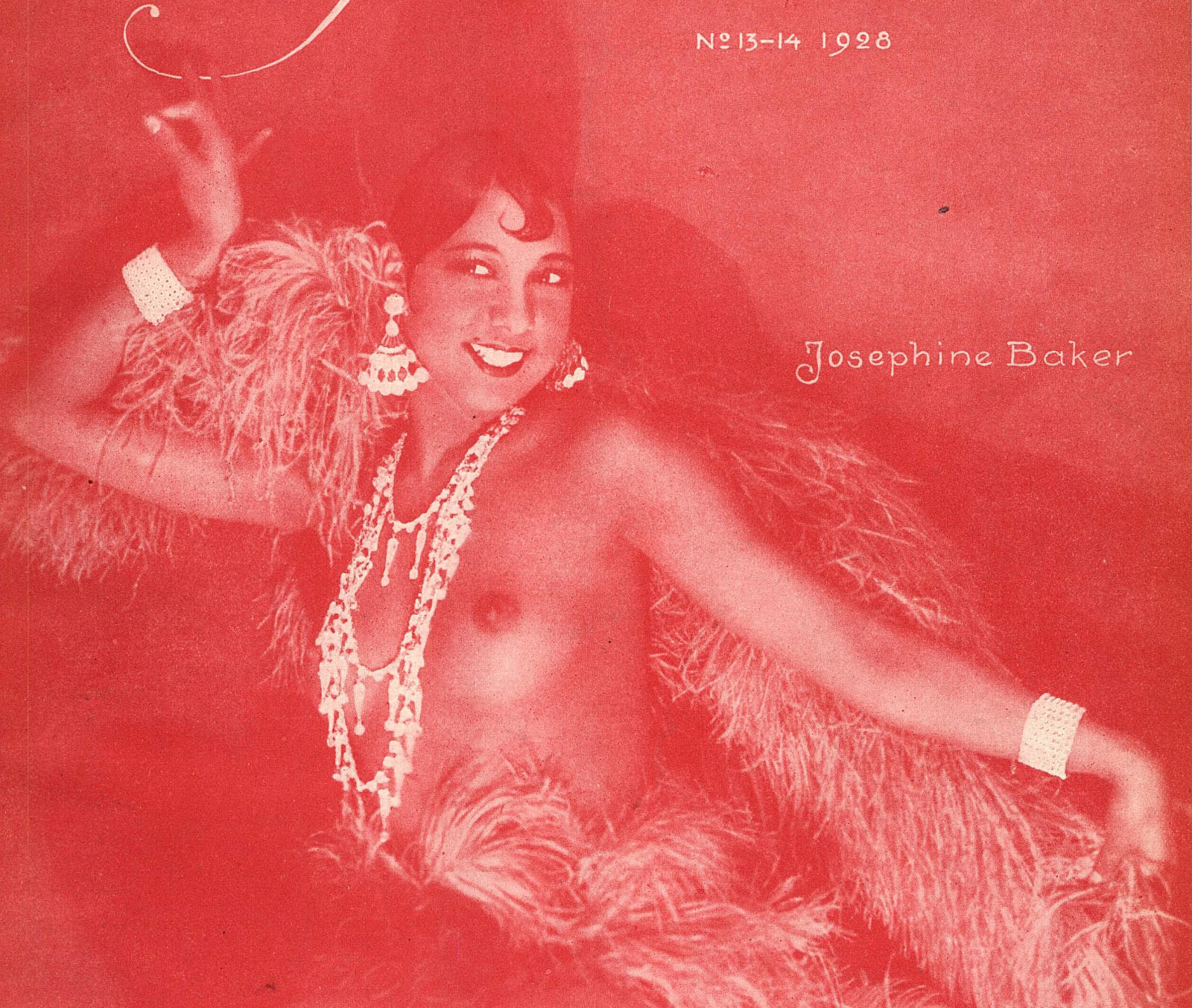
Scenen magazine covers 1928

Scenen Nr. 7, 1928 : Elly Holmberg, foto: Jan de Meyere (1927) | src Projekt Runeberg
Scenen Nr. 19, 1928 : Jenny Hasselquist (foto: Ekstrand) | src Projekt Runeberg
Scenen Nr. 13-14, 1928 : Josephine Baker | src Projekt Runeberg
Scenen Nr. 22, 1928 : Tora Teje (foto: Jaeger) | src Projekt Runeberg
Scenen Nr. 23-24, 1928. Julen 1928. Foto: Jaeger | src Projekt Runeberg
Detail of cover from : Scenen Nr. 13-14, 1928 : Josephine Baker

Edle Nacktheit in China · 1928

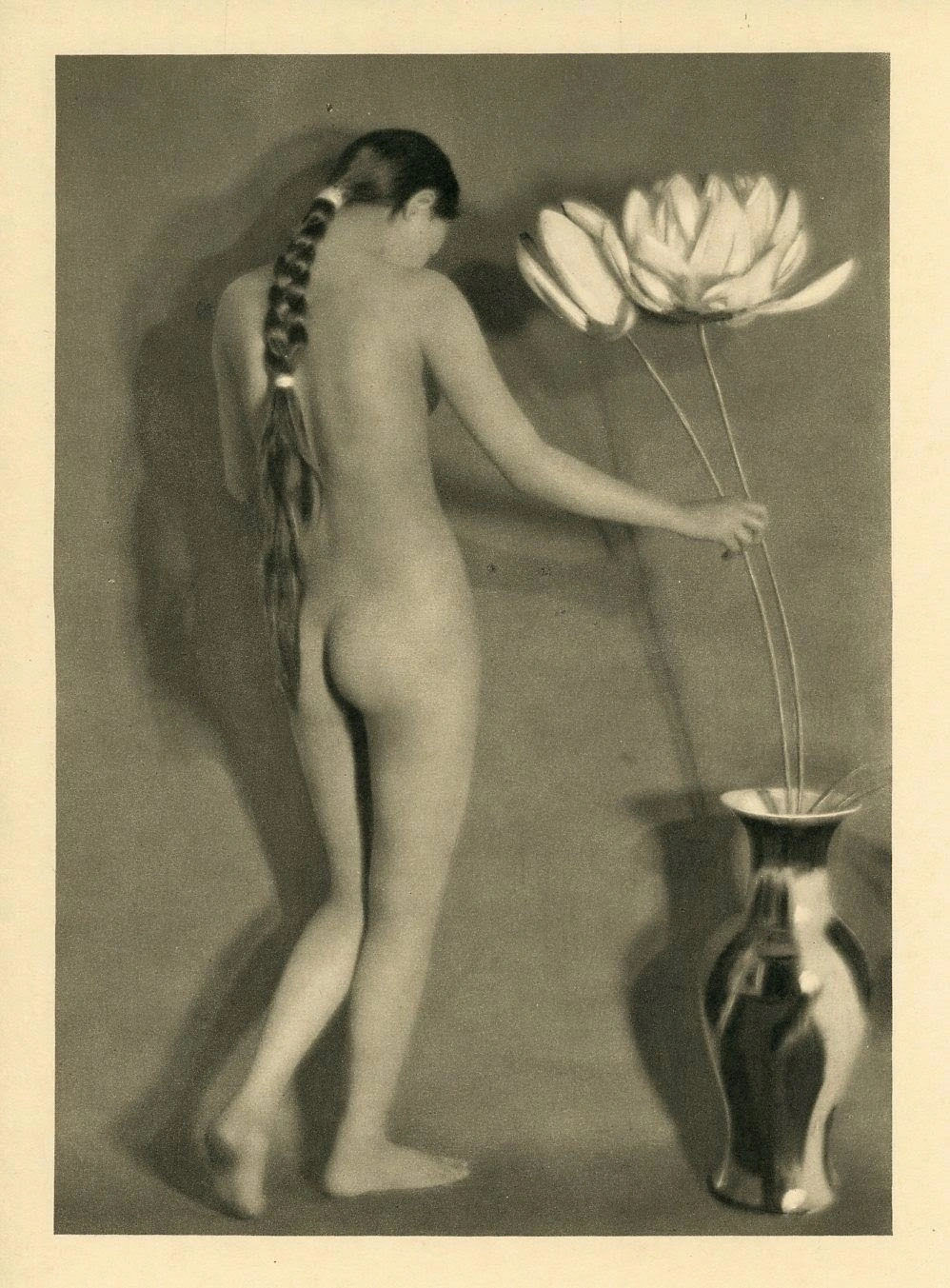
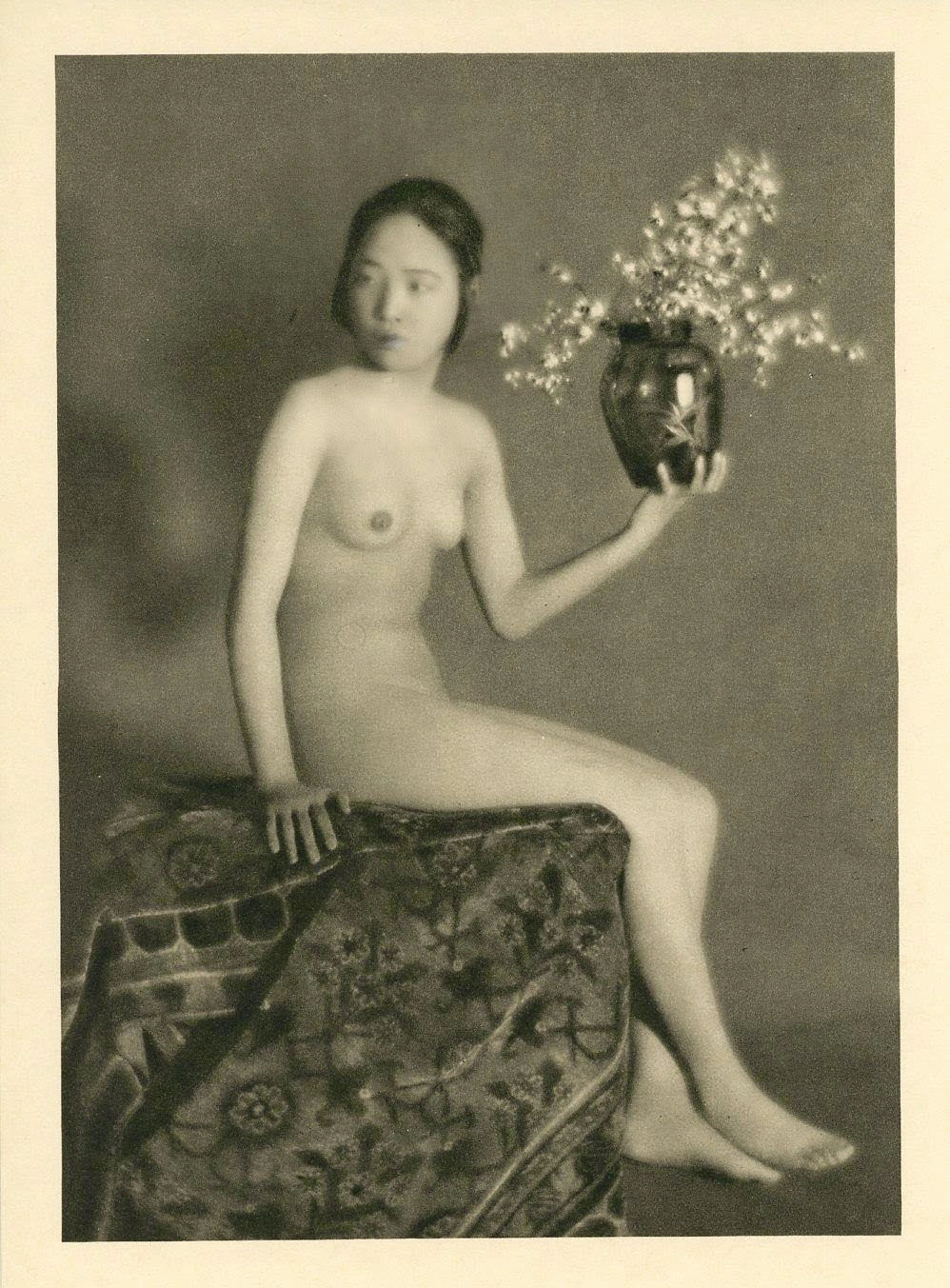
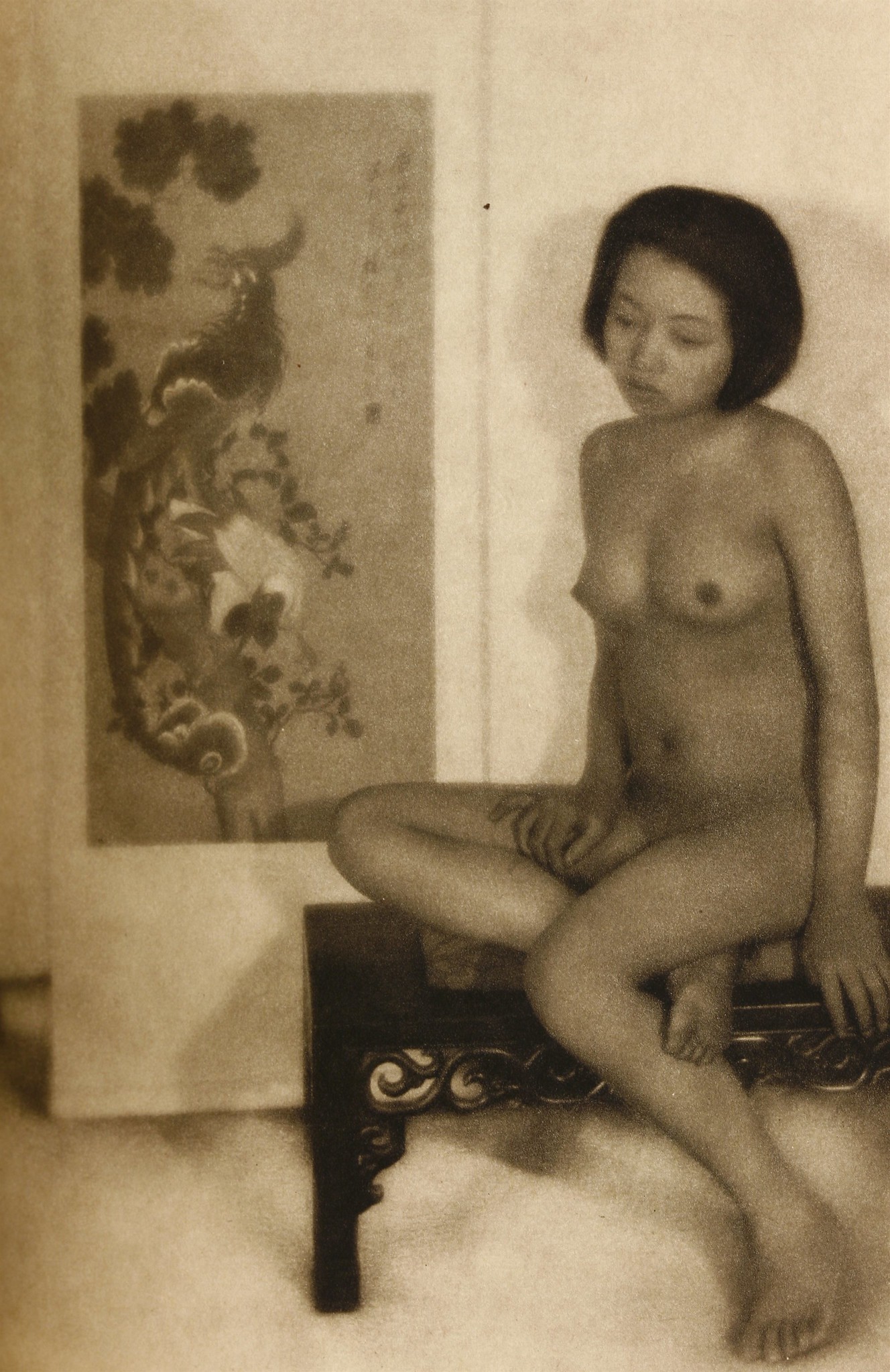
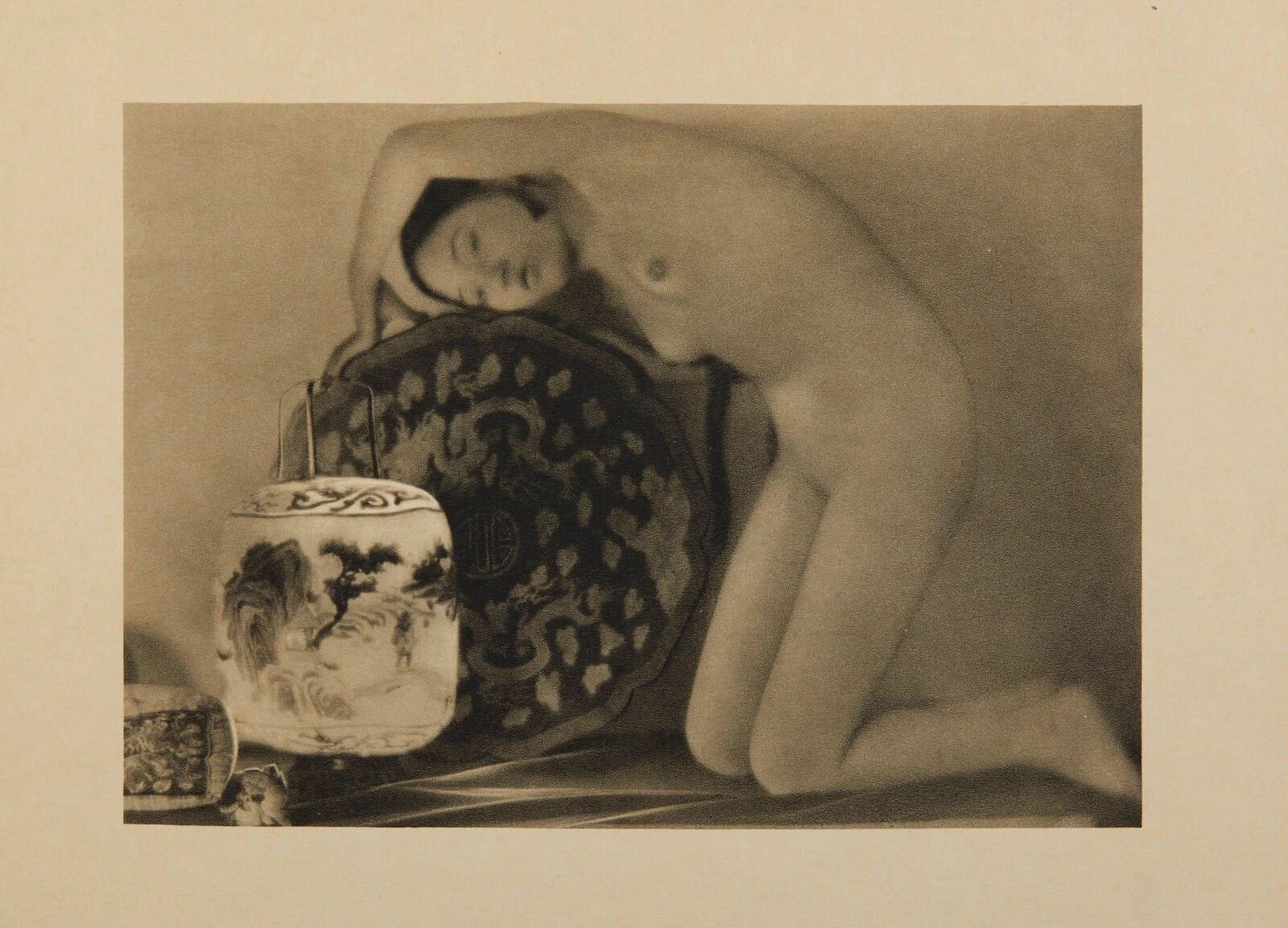
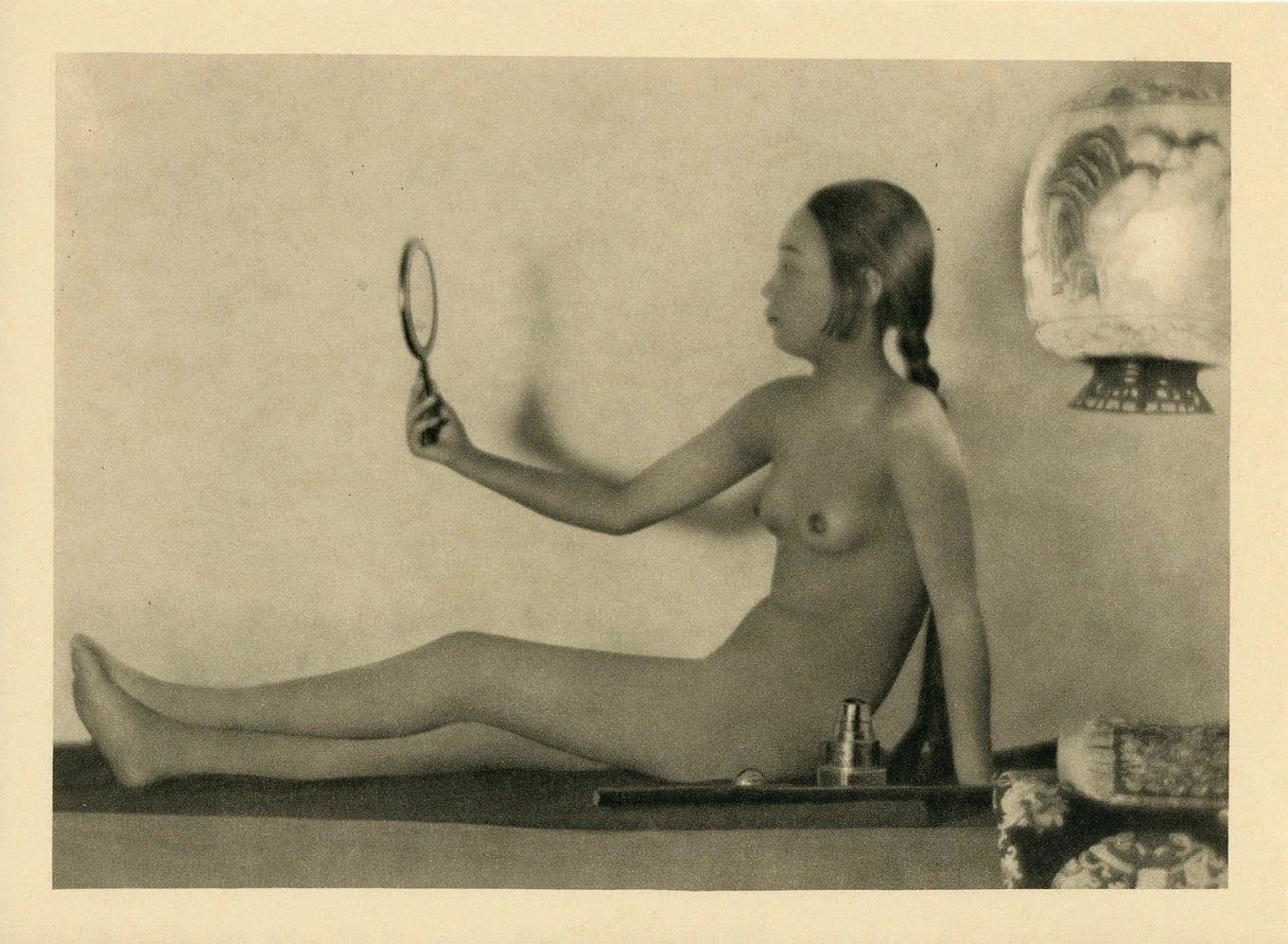
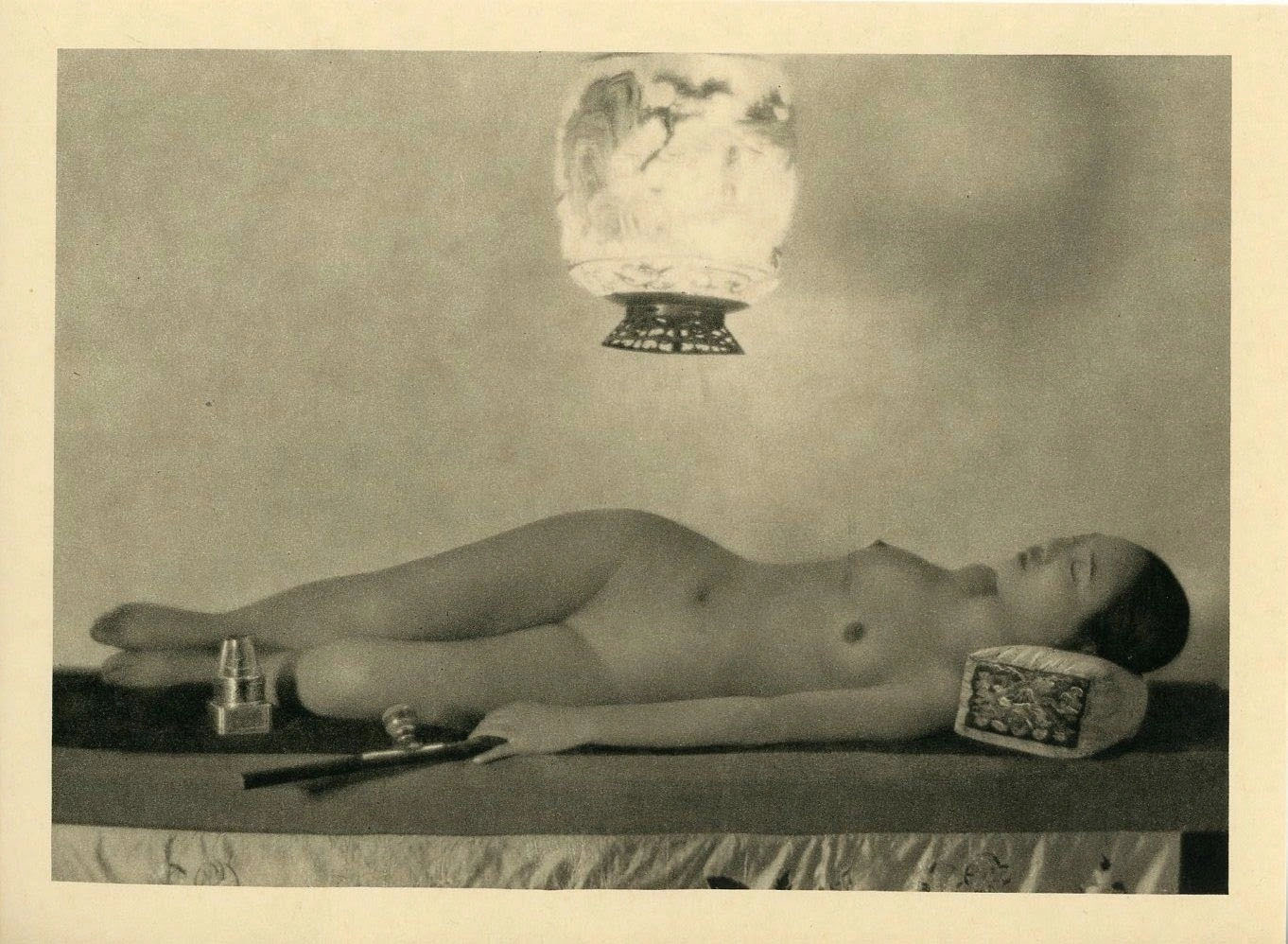
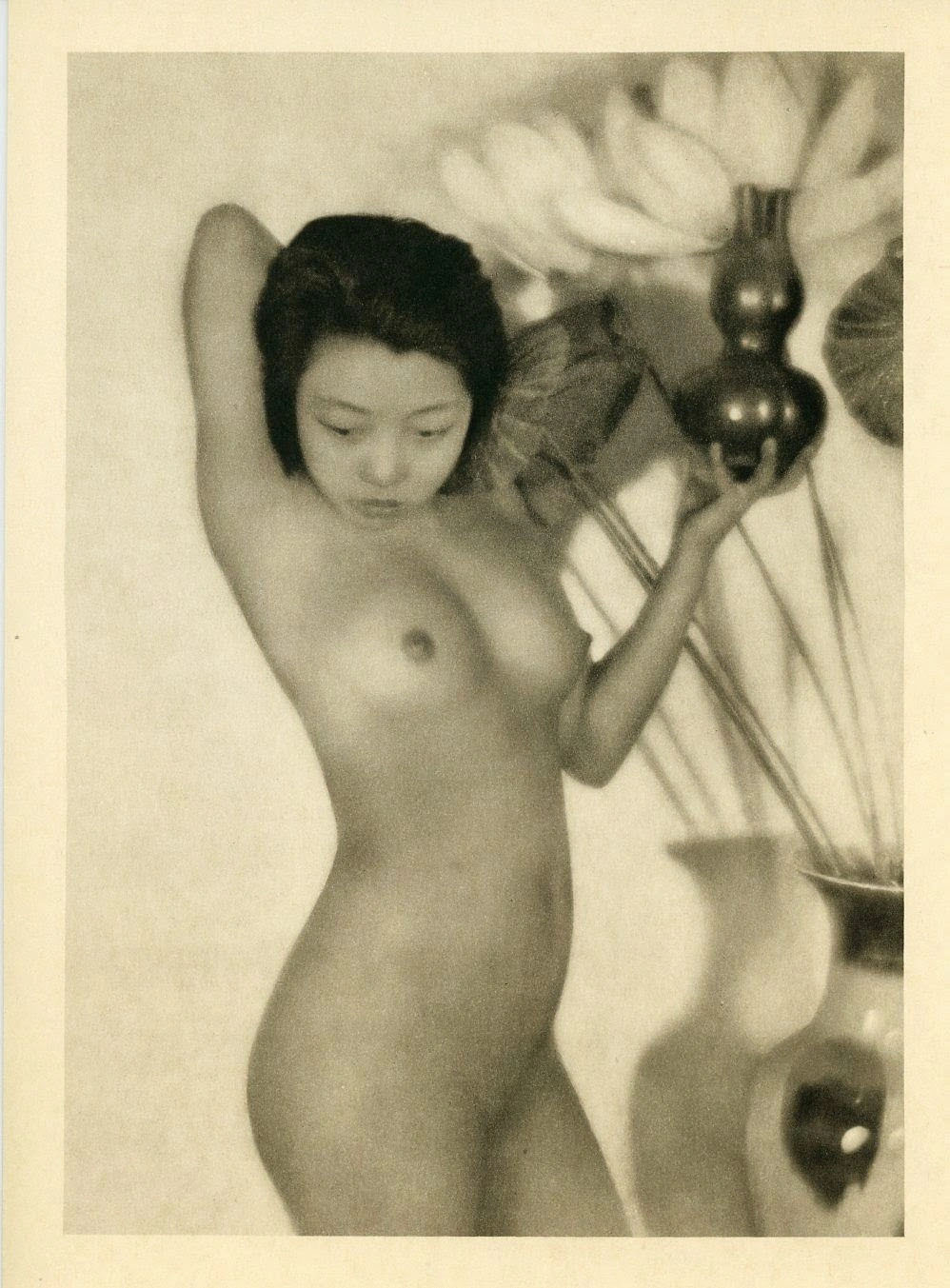
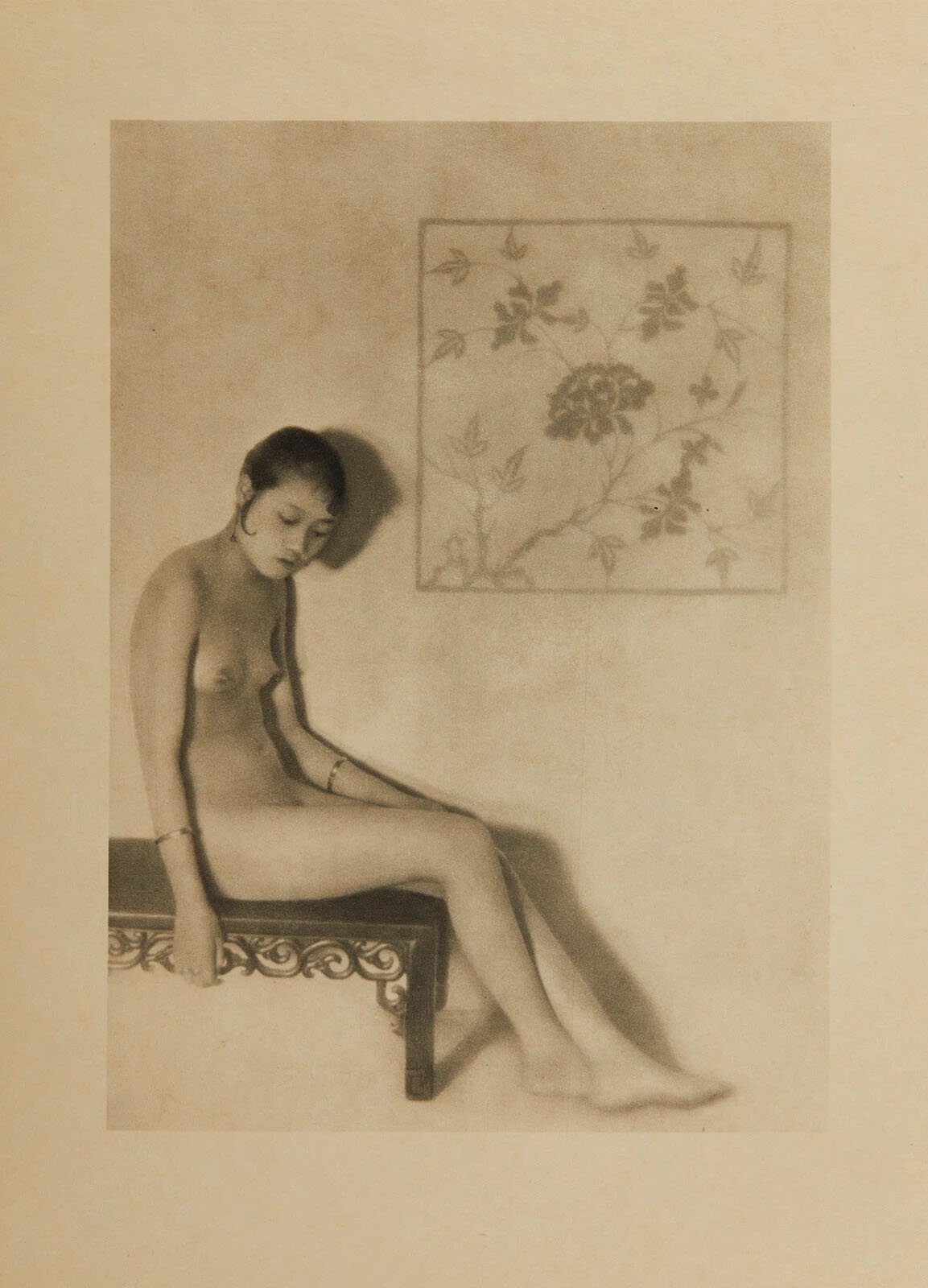
Heinz von Perckhammer ~ From “Edle Nacktheit in China /The culture of the Nude in China”. Eigenbrödler Verlag [Berlin, 1928]
Heinz von Perckhammer ~ From “The culture of the Nude in China”. Eigenbrödler Verlag [Berlin, 1928]
Heinz von Perckhammer ~ From “Edle Nacktheit in China”. Eigenbrödler Verlag [Berlin, 1928] 1st edition | src sworders
Heinz von Perckhammer ~ Heliogravür. Edle Nacktheit in China. Berlin. Eigenbrödler Verlag [1928] | src mutualArt
Heinz von Perckhammer ~ From “Edle Nacktheit in China /The culture of the Nude in China”. Eigenbrodler Verlag [Berlin, 1928]
Heinz von Perckhammer ~ From “Edle Nacktheit in China”. Berlin, Eigenbrödler-Verlag, (1928)
Heinz von Perckhammer ~ From “The culture of the Nude in China”. Eigenbrödler Verlag [Berlin, 1928]
Heinz von Perckhammer ~ Heliogravure from “Edle Nacktheit in China”. Eigenbrödler Verlag [Berlin, 1928] | src mutualArt
Heinz von Perckhammer ~ From “The culture of the Nude in China”. Berlin, Eigenbrödler-Verlag, (1928)
Heinz von Perckhammer ~ From “Edle Nacktheit in China”. Berlin, Eigenbrödler-Verlag, (1928) | src Abebooks
Heinz von Perckhammer ~ Akt. Edle Nacktheit in China. Berlin. Eigenbrödler Verlag [1928] | src Abebooks

Heinz von Perckhammer was born in Merano, Austria-Hungary (now Italy) in 1895. During the First World War he served aboard the SMS Kaiserin Elisabeth during the Siege of Tsingtao and between 1917 and 1919 was held as a prisoner of war. It was during this time when he was held captive that his interest in photography began. He apparently remained in China for much of the 1920s, and took these soft-focused and stylized photographs of women from Macao brothels.

In the introduction to Edle Nacktheit in China he writes: ‘Pictures of nude women, setting aside the ugly caricatures of the “Spring pictures” of erotic scenes, simply do not exist in China. Therefore I believe, I have created something entirely new and of value.’ Edle Nacktheit in China was later banned by the Nazis as Degenerate art (Entartete Kunst) and appeared on the Liste des schädlichen und unerwünschten Schrifttums [List of harmful and undesirable writing].

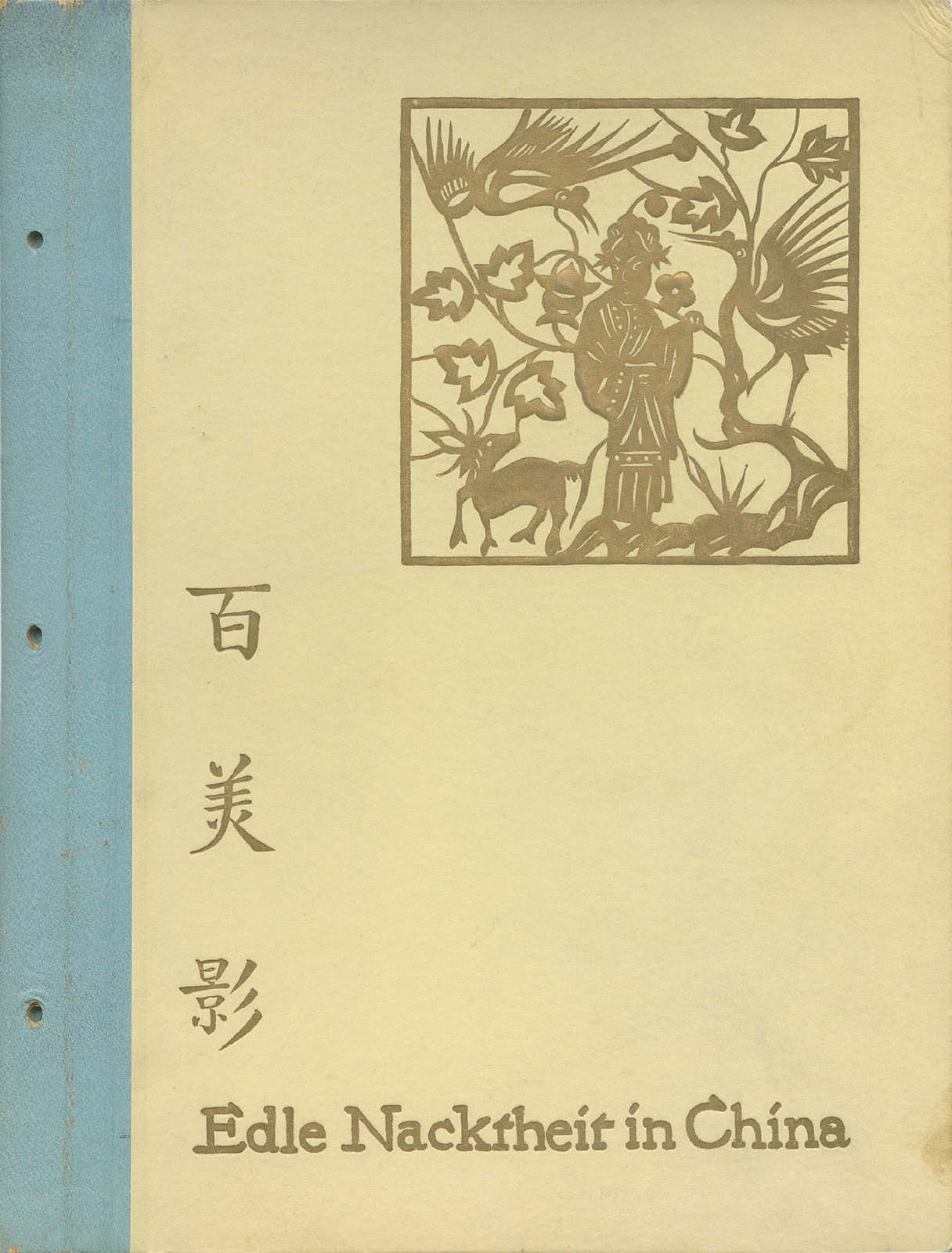
Heinz von Perckhammer ~ front cover from Edle Nacktheit in China. Berlin. Eigenbrödler Verlag [1928] | src Abebooks