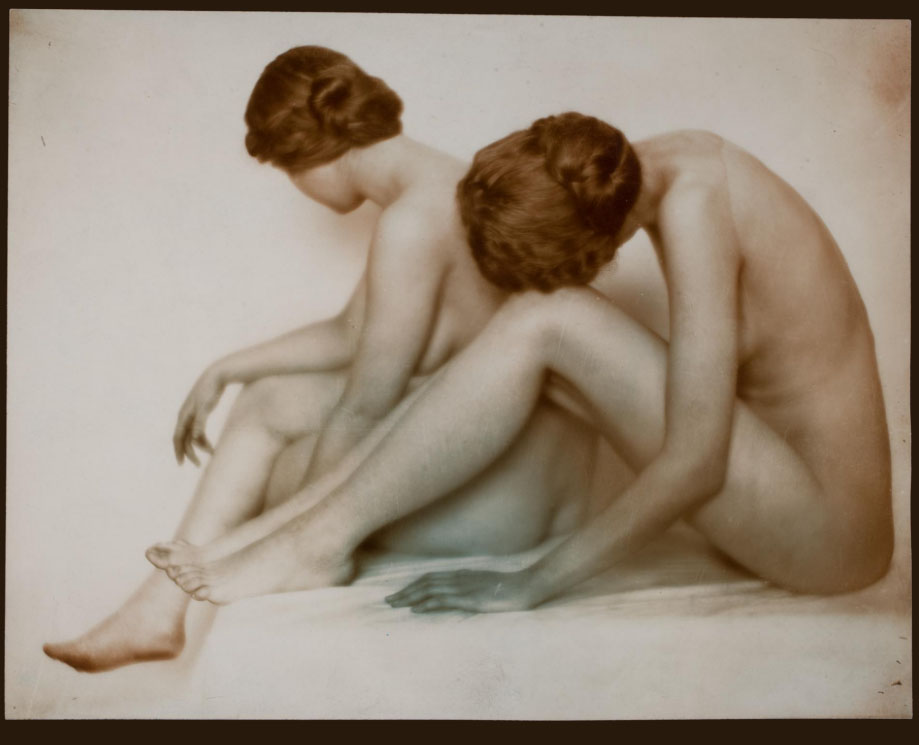
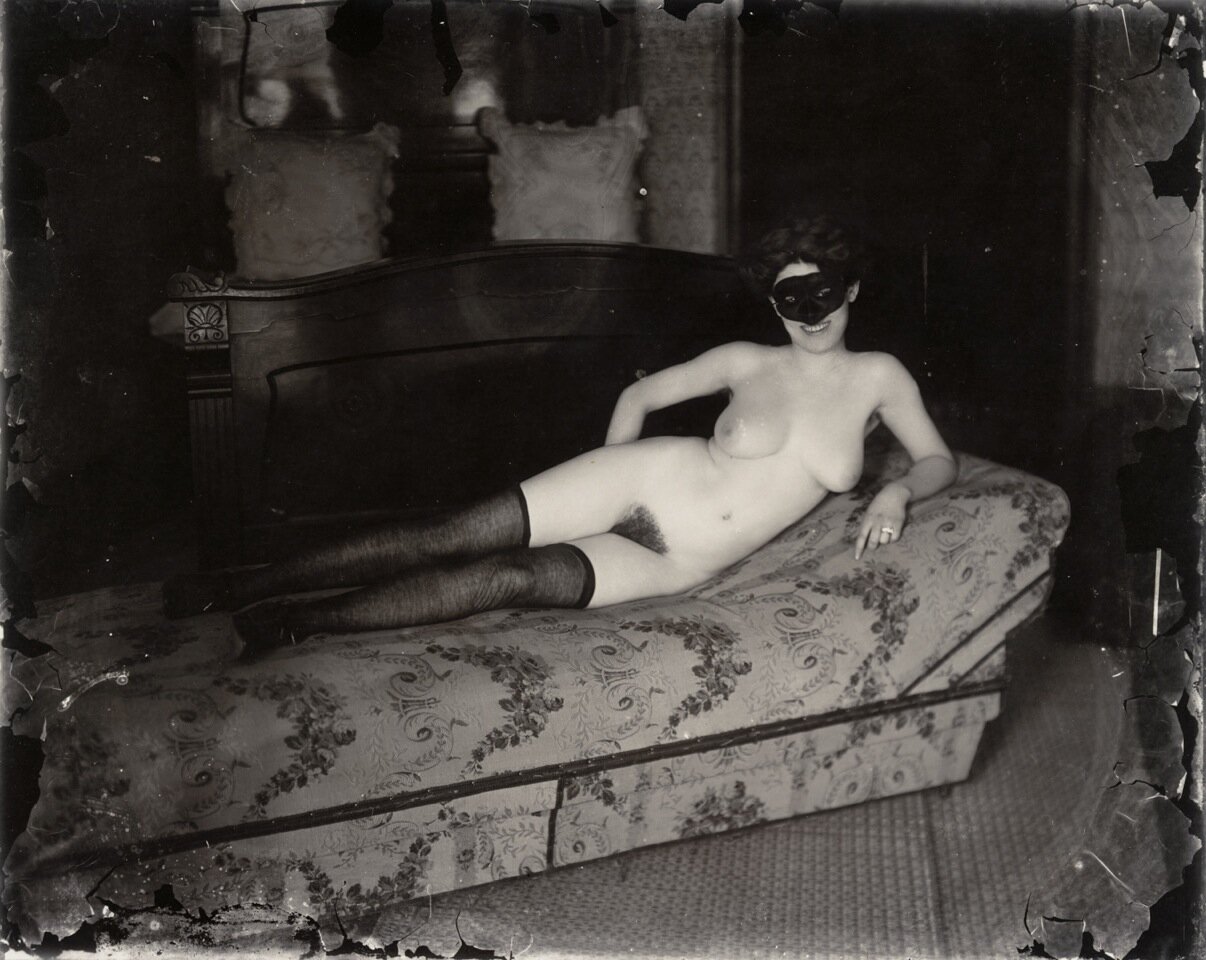
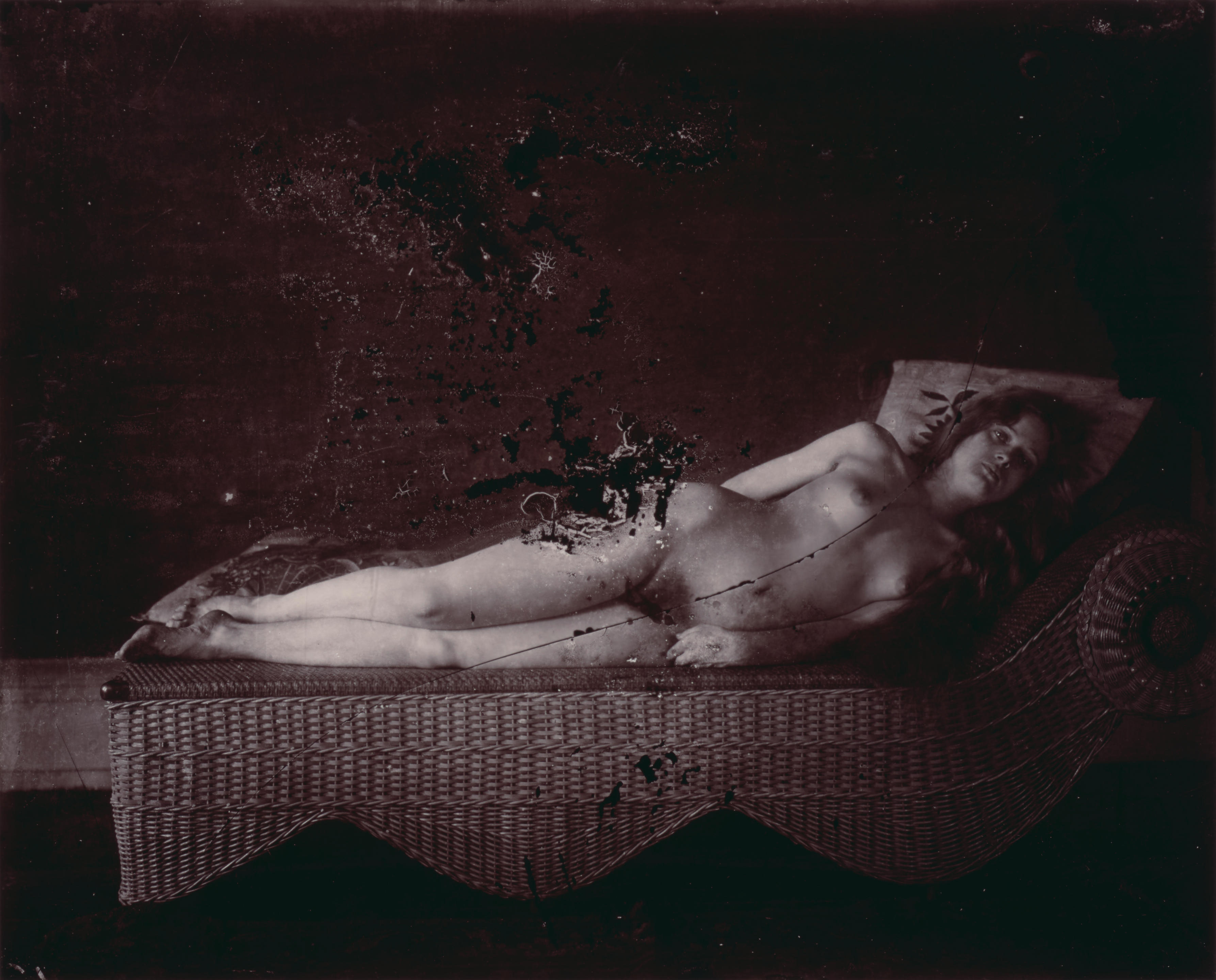
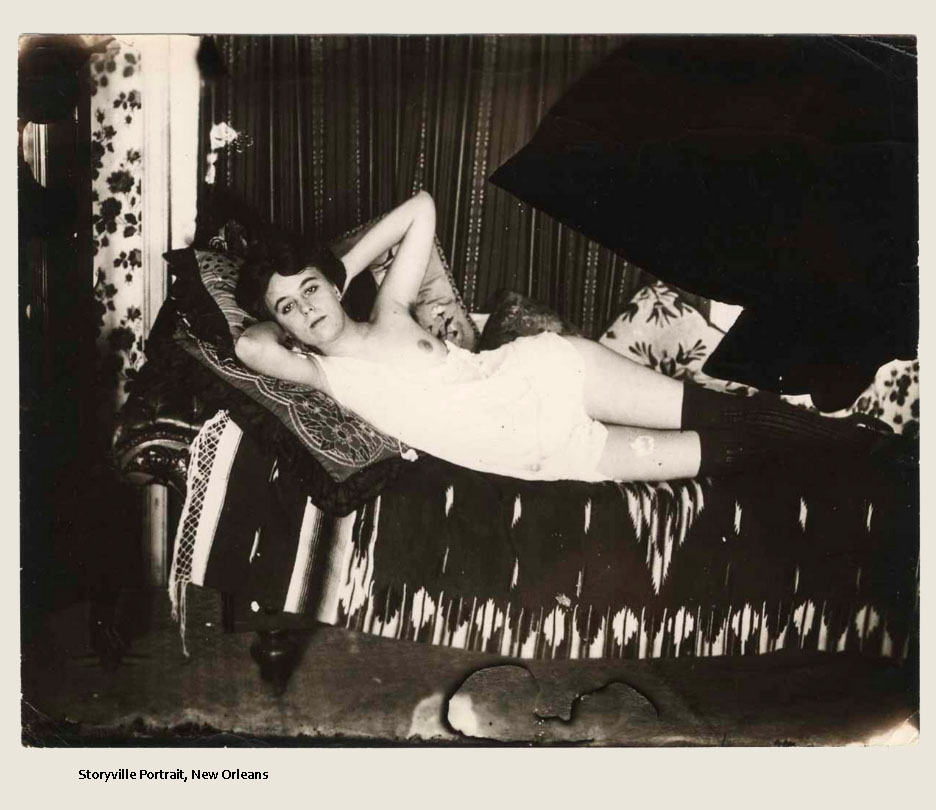
Bellocq ยท Storyville reclining nudes

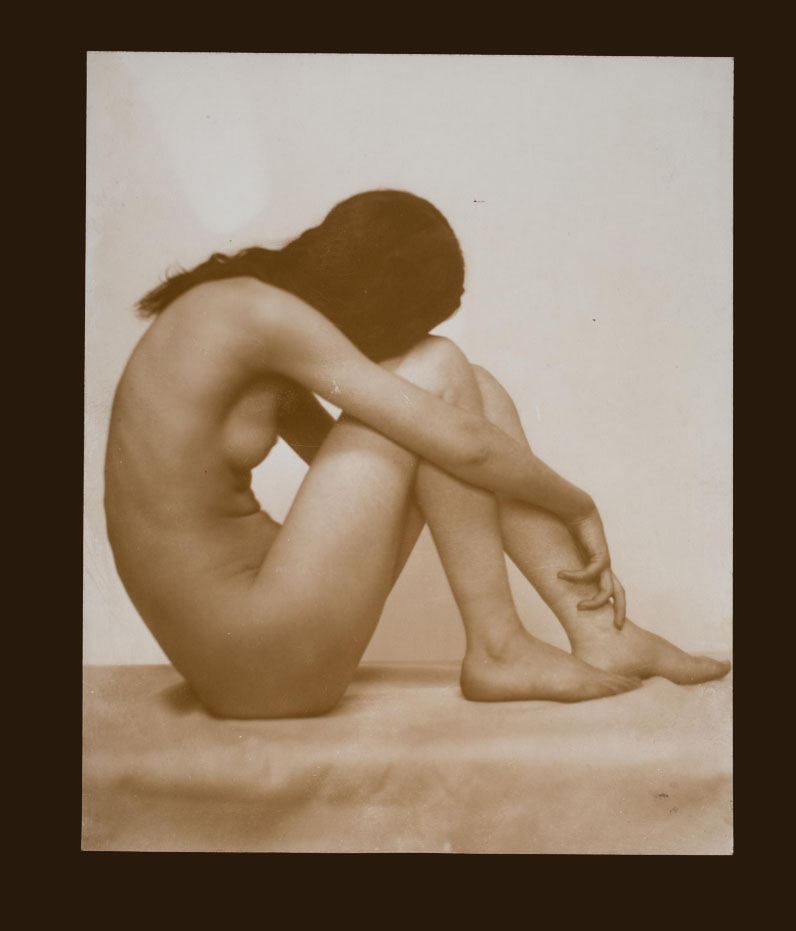
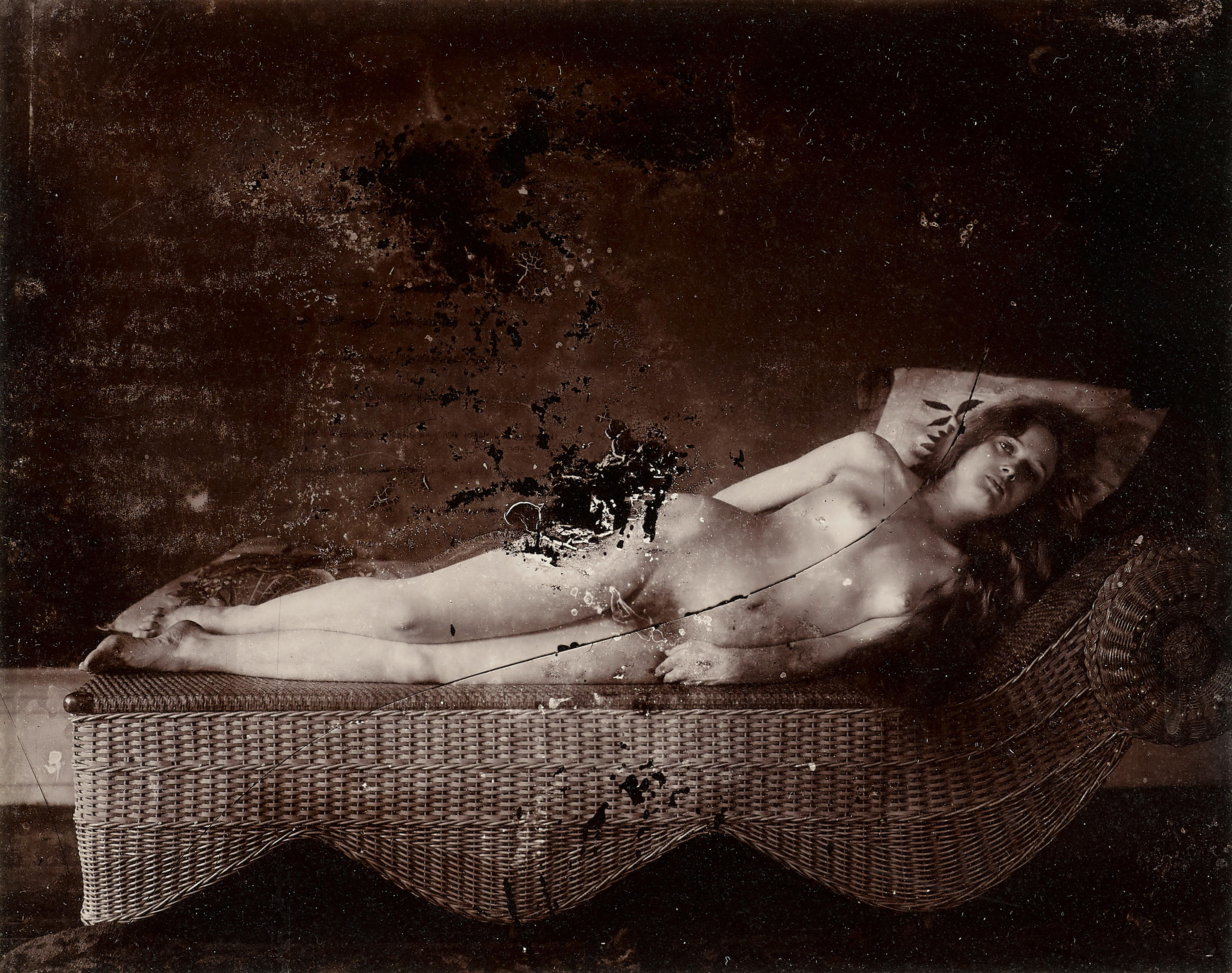
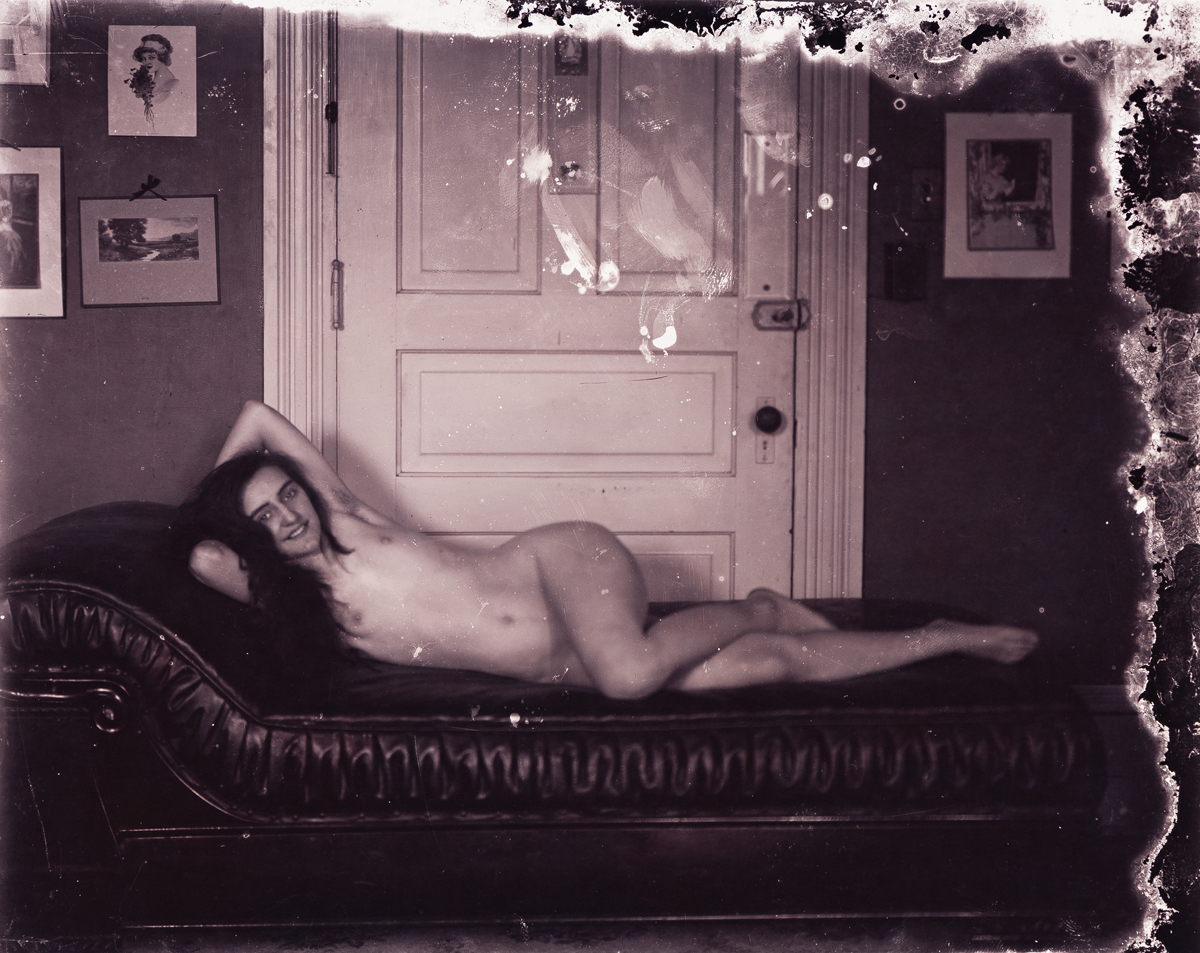
E.J. Bellocq (1873-1949) ~ [Storyville Portraits], New Orleans, 1911-1913. Printing out paper, printed later by Lee Friedlander; Bellocq-Friedlander stamp on verso | src Bonhams
E.J. Bellocq (1873-1949) ~ Storyville portrait. Gold-toned printing-out paper print | src Swann galleries
E.J. Bellocq (1873-1949) ~ Storyville Portrait, ca. 1912, printing-out paper print, gold-toned, printed later by Lee Friedlander | src Deborah Bell photographs via ODLP
E.J. Bellocq (1873-1949) ~ [Storyville Portraits], New Orleans, 1911-1913. Printing out paper, printed later by Lee Friedlander; Bellocq-Friedlander stamp on verso | src Bonhams
Ernest Joseph Bellocq (1873-1949) ~ [Storyville Portraits], New Orleans, ca. 1912 | src ICP

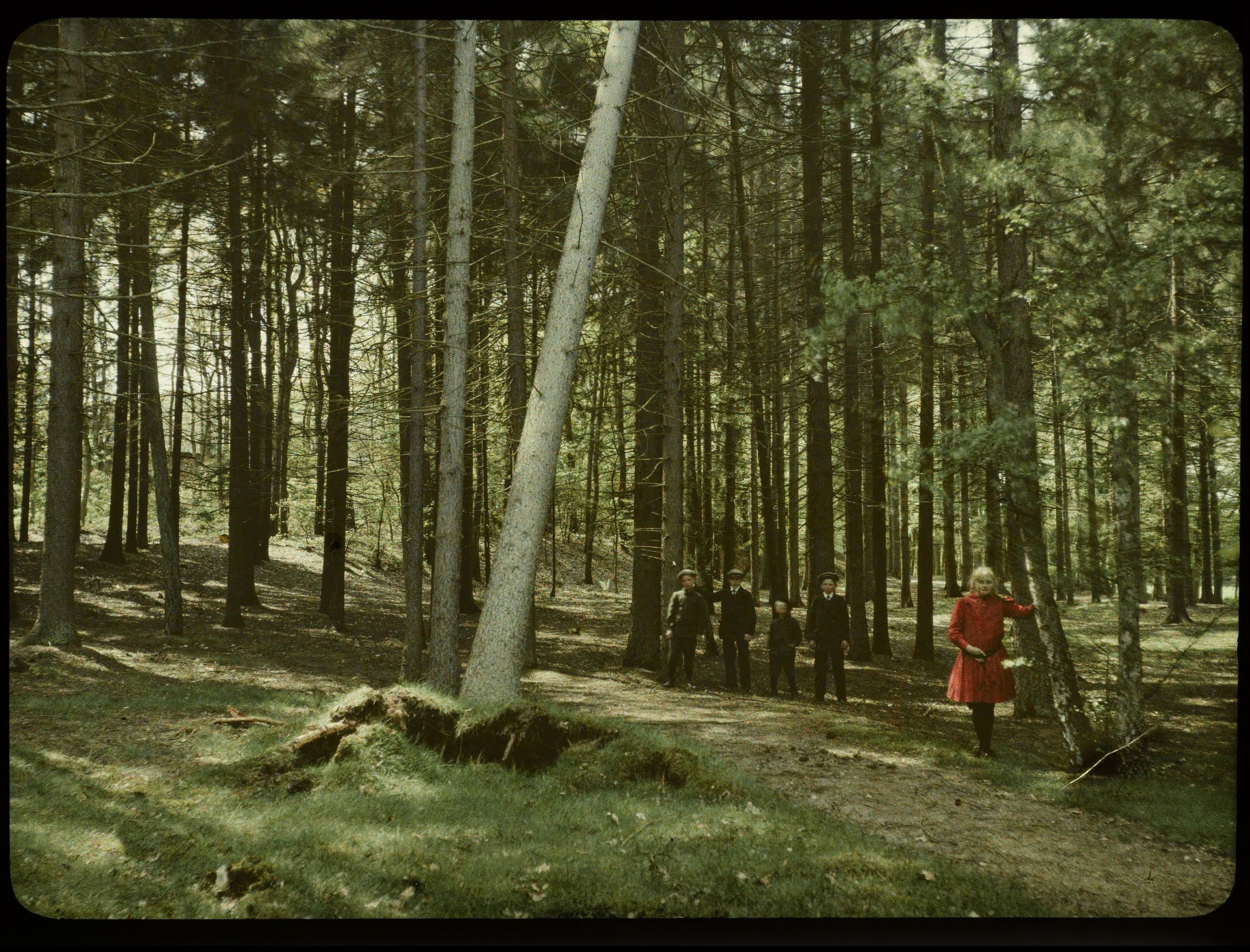
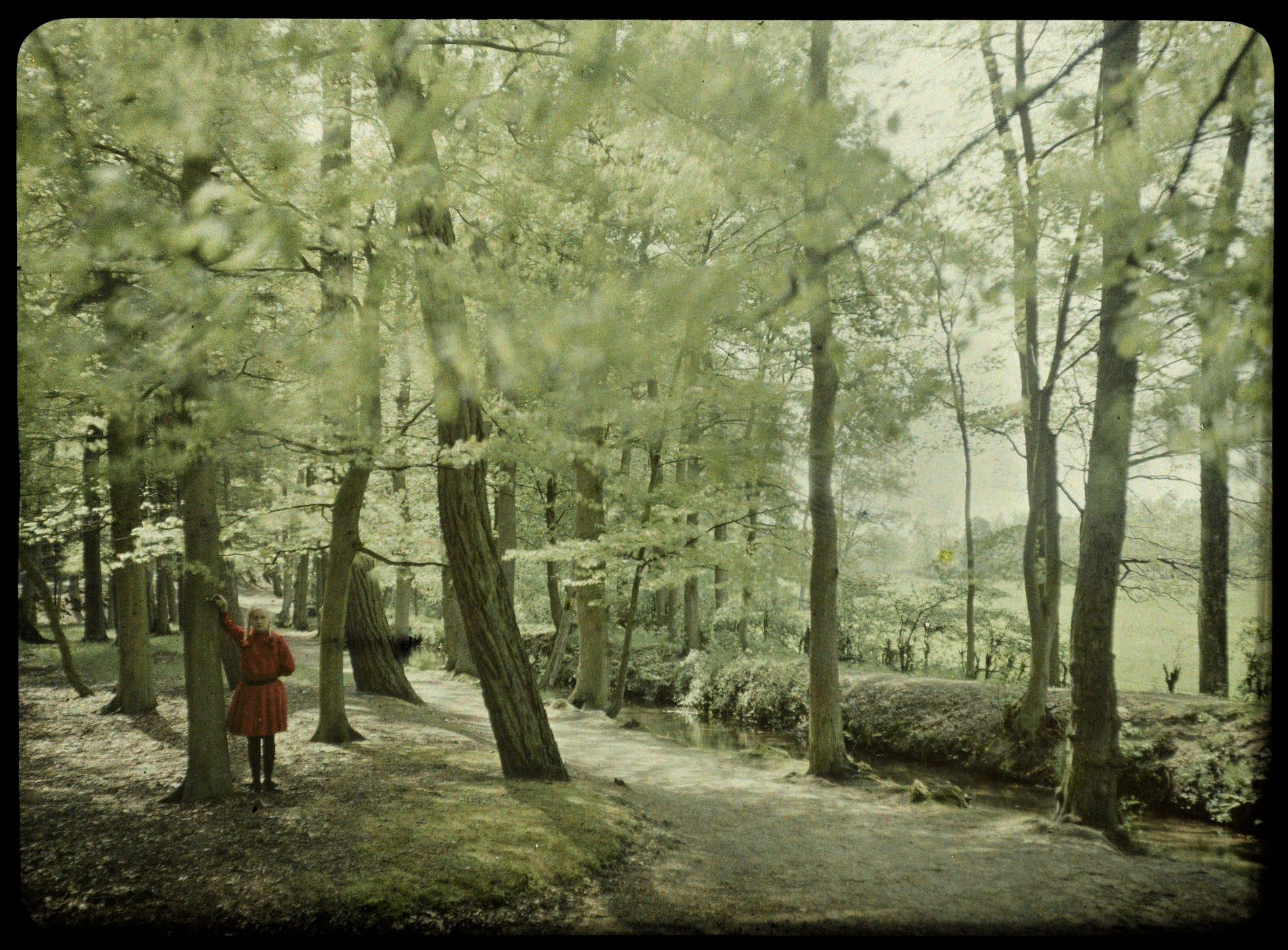
Fifi in the woods by Jacob Olie

Jacob Olie jr. ~ Fifi in een bos | Fifi in the Woods (possibly Oud-Amelisweerd estate); ca. 1910 – 1914. Autochrome | src Rijksmuseum
Jacob Olie jr. ~ Fifi in een bos | Fifi in the Woods; ca. 1910 – 1914. Autochrome | src Rijksmuseum
Detail from: Fifi in the Woods (possibly Oud-Amelisweerd estate); 1910 – 1914. Autochrome by Jacob Olie jr.

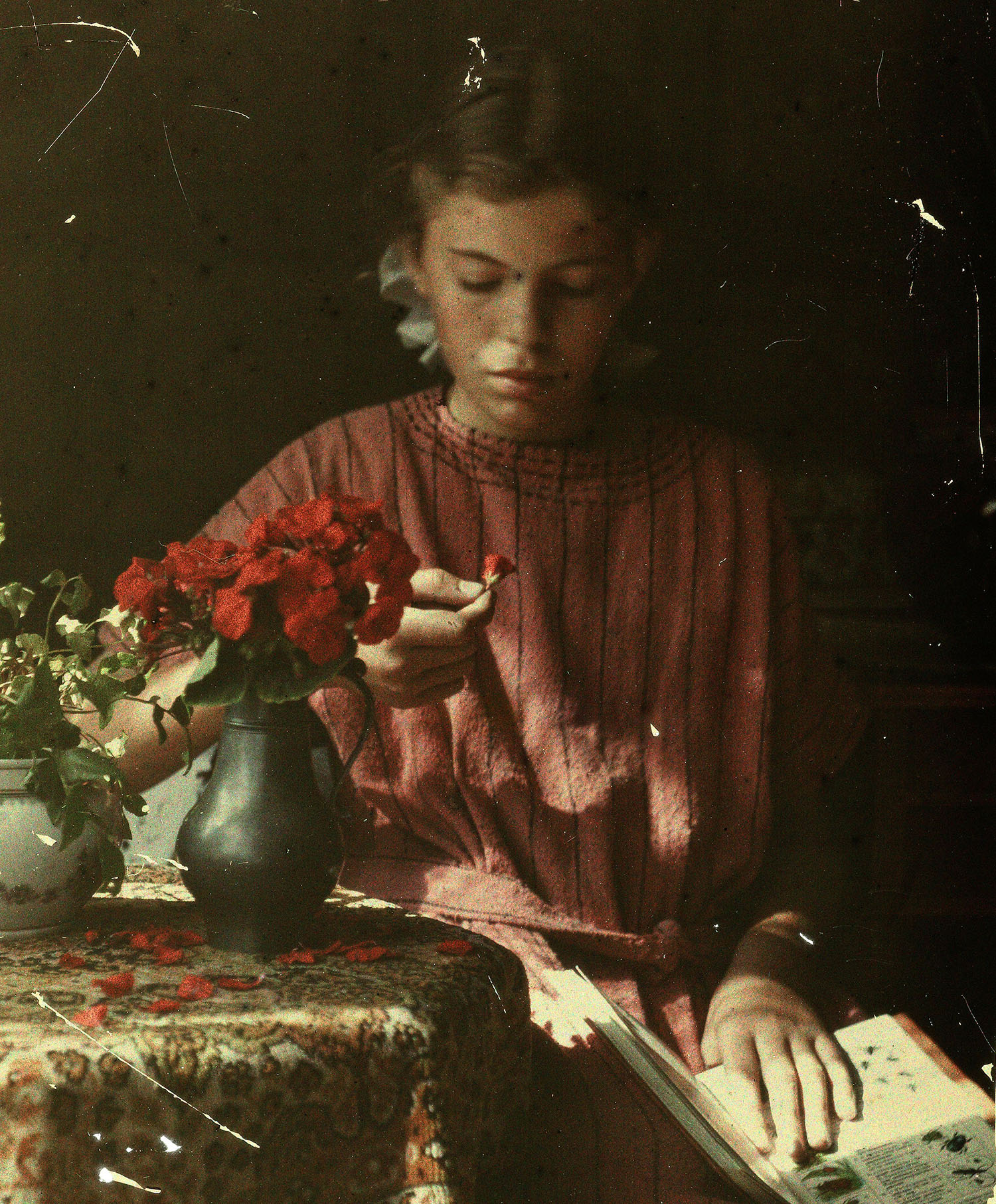
Girl identifying flowers

Meisje dat bloemblaadjes determineert | Girl identifying petals; 1907-1930. [Anonymous] Autochrome | src Rijksmuseum
Detail from: Meisje dat bloemblaadjes determineert | Girl identifying petals; 1907-1930. [Anonymous] Autochrome

Potlatch Rabbits Parade ยท 1912

Frank A. Jacobs (1881-1979) ~ Golden Potlatch. Children’s parade. University playfield float. July 20, 1912 | src Seattle public library

The Golden Potlatch was a city-wide festival held in July organized by civic boosters hoping to capitalize on the success of the Alaska-Yukon-Pacific Exposition of 1909. The event continued for each of the next three summers before being suspended during wartime, and then was started up again as the Potlatch Festival from 1934 to 1941.

The name โ€œGolden Potlatchโ€ appropriates a Chinook Jargon word describing a Native ceremony of celebration and gift giving. It also reflects the importance of the Klondike gold rush to Seattleโ€™s growth. Many organizers and participants in the Golden Potlatch dressed in stereotyped imitations of traditional Native attire, as part of a created Potlatch myth. The appropriation of Native culture in order to market products or events was one common example of discrimination and marginalization faced by Native peoples in the United States. Text quoted from University of Washington

Seattle Potlatch Parade showing people dressed as rabbits, 1912. Caption on image: Jacobs Photo 69. Potlatch, 1912
src Seattle public library; also on University of Washington

Description of the Golden Potlatch festival: “The success of the Alaska-Yukon-Pacific Exposition encouraged local boosters to plan another ambitious event to showcase the city. The Seattle Chamber of Commerce, the Advertising Club and the Press Club decided to create a civic celebration loosely modeled on the Northwest coastal Indian tribes’ potlatch, a ceremony of friendship and sharing. Seattle held its first Potlatch in 1911, but the Golden Potlatch of 1912 was a far greater festival, meant to attract visitors from far and near… The summer carnival was both a cynical exploitation and a madcap spectacle. The Potlatch shamelessly looted the heritage of Pacific Northwest Indian people. The Golden Potlatch began with the arrival of the ‘Hyas Tyee’ — or Big Chief — in his great war canoe, visiting the city from his home in the far north. The Tillikums of Elttaes (Seattle spelled backward) paraded the streets in white suits, their hats draped in battery-powered lights, glad handing any visitors who came their way. Bright-eyed members of the Press and Ad clubs, as well as the Chamber, slathered themselves in greasepaint, donned Chilkat blankets and pretended to be ‘tyees’ and ‘shamans.’ But the Golden Potlatch volunteers also offered a week of entertainment free to anyone in the city. Every day there was a different parade downtown — of the fraternal orders, the labor unions, the soldiers and sailors, or Seattle’s children. Daredevils flew ‘hydroplanes’ over Elliott Bay, and warships from the U.S. Pacific fleet anchored in the harbor.”(“‘Seattle Spirit’ soars on hype.” Sharon Boswell and Lorraine McConaghy, Seattle Times, March 10, 1996) quoted from Seattle public library

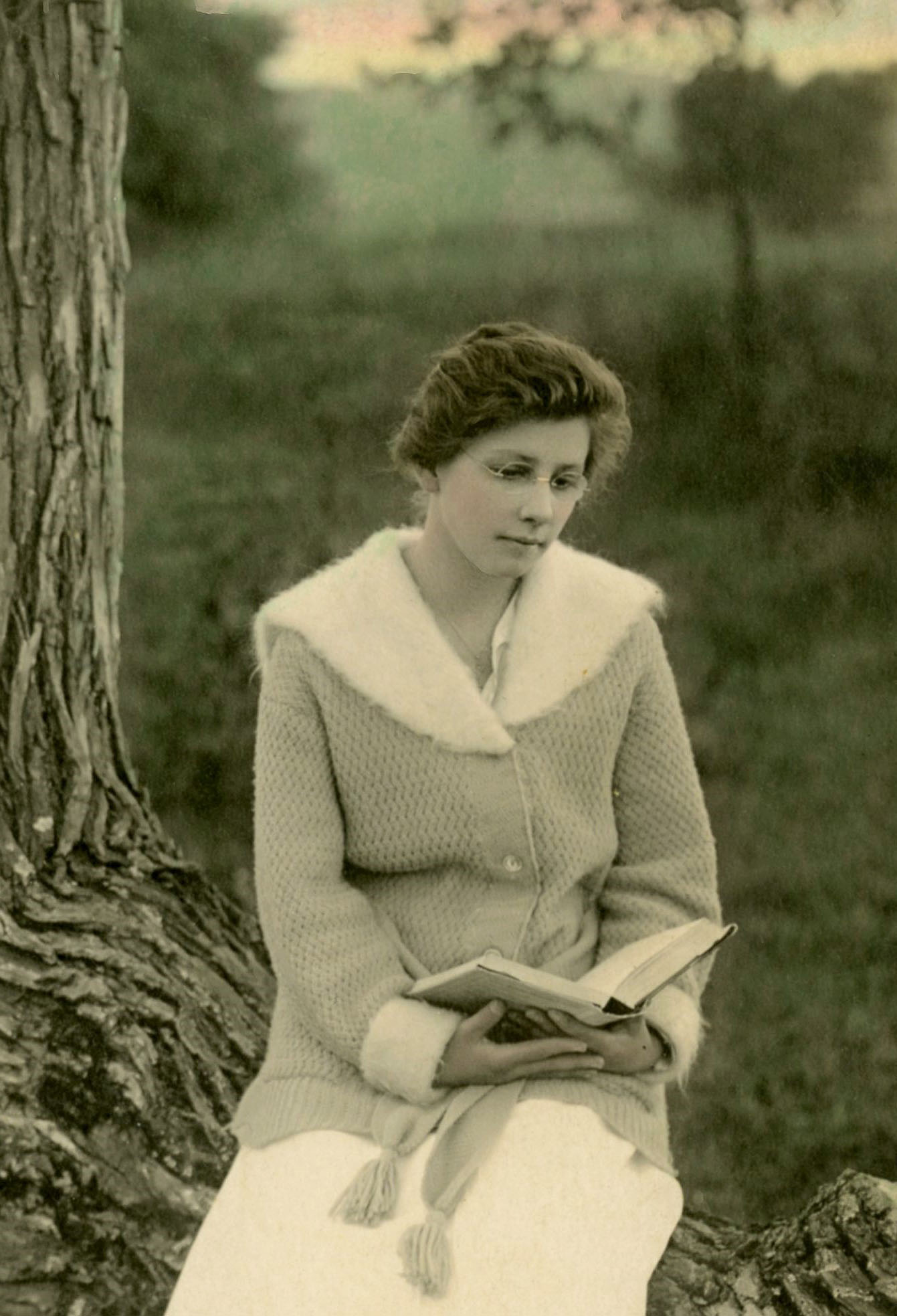
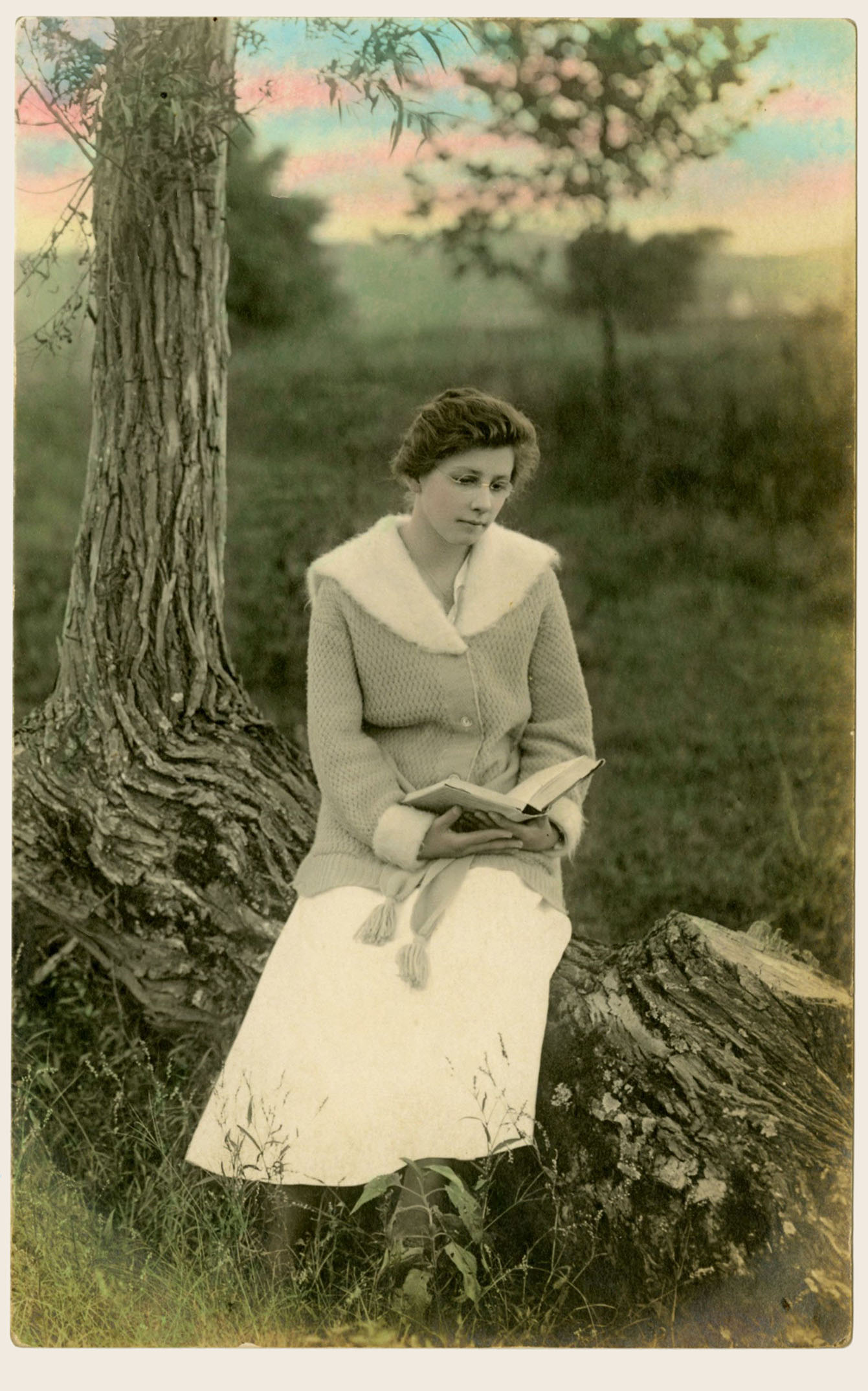
postcard of a woman reading 1915

Woman reading, Rome, Georgia, circa 1915 (tinted real photo postcard) (detail) | src flickr
Woman reading, Rome, Georgia, circa 1915 (tinted real photo postcard) | src flickr

Anaรฏs Nin through the years

Anaรฏs Nin (1903-1977) in the snow wearing wool cap, 1911 | src The Anais Nin Trust
Anaรฏs Nin (1903-1977) in white dress (studio photograph with studio stamp), Barcelona 1910 | src The Anais Nin Trust
Anaรฏs Nin (1903-1977) wearing a jacket and a beret, 1915 | src The Anais Nin Trust
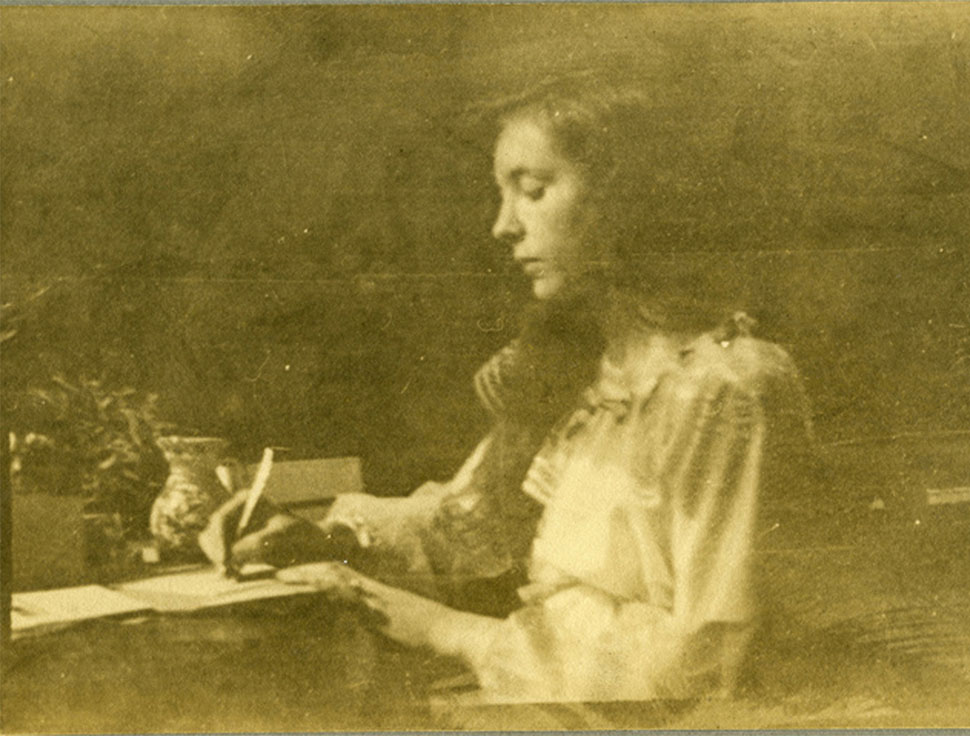
Anaรฏs Nin (1903-1977) sitting at a desk, writing, 1914 | src The Anais Nin Trust
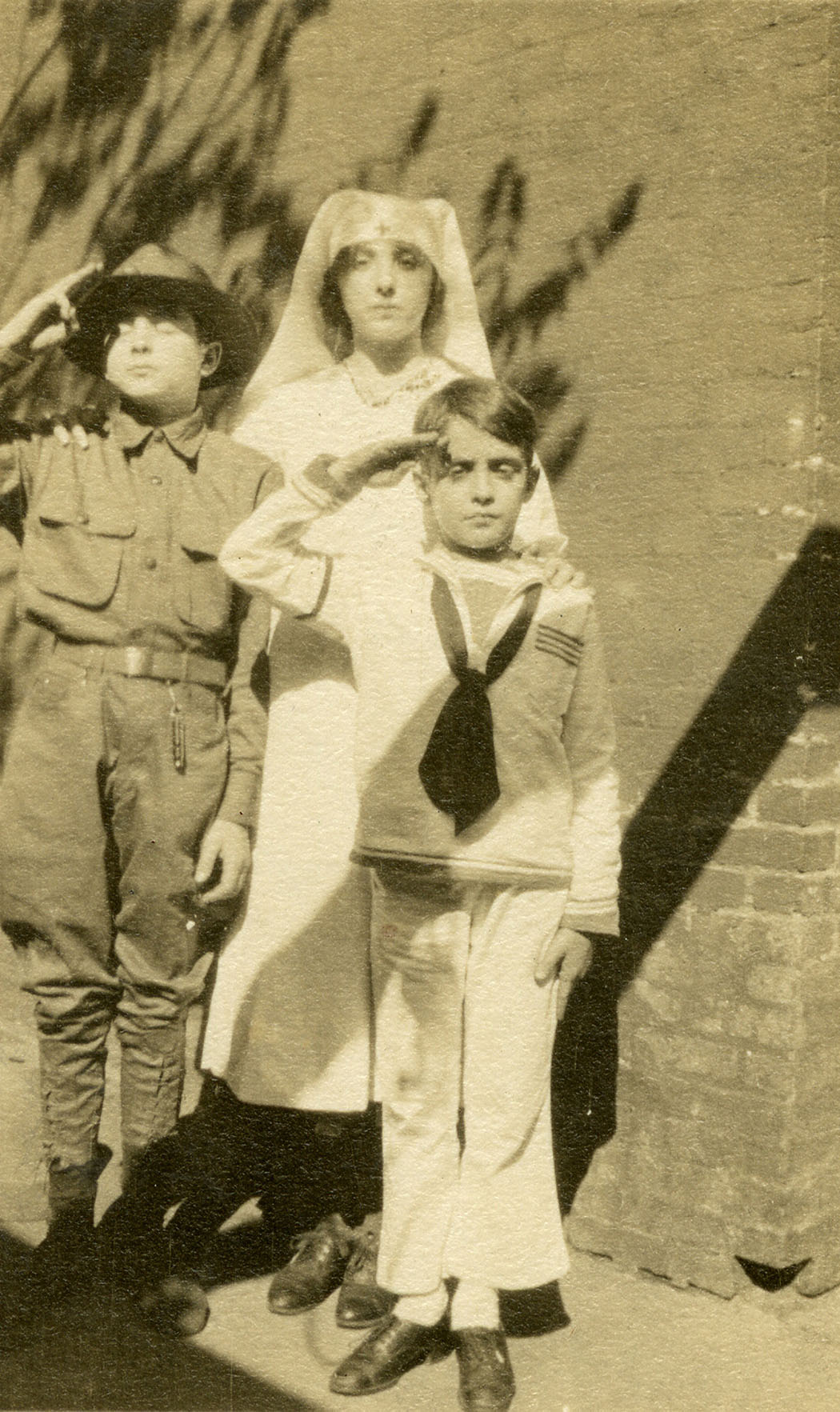
Anaรฏs and her two brothers, Thorvald and Joaquรญn Nin, 1913 | src The Anais Nin Trust
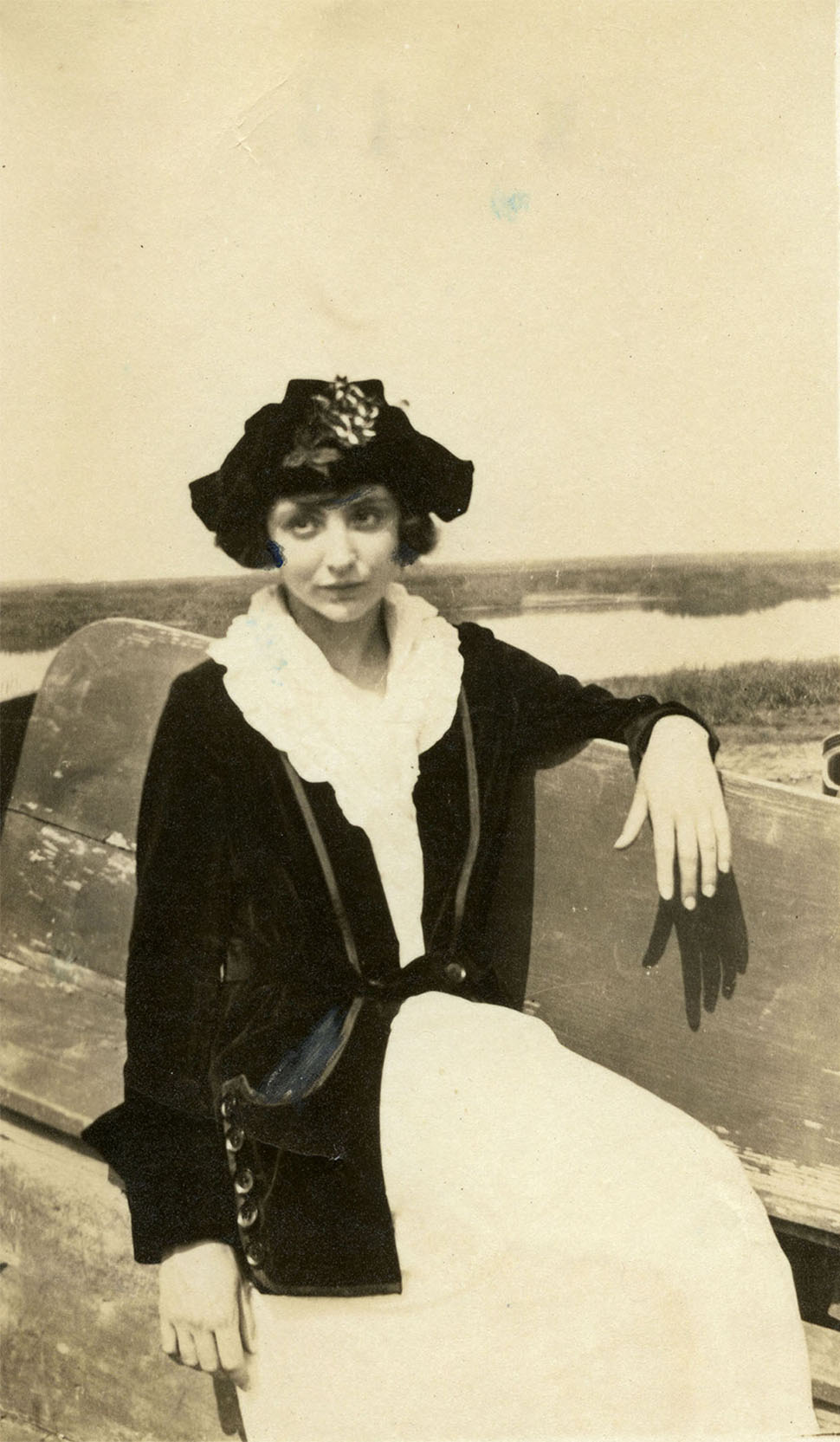
Anaรฏs Nin (1903-1977) sitting on bench wearing hat, 1919 | src The Anais Nin Trust
Anaรฏs Nin (1903-1977) wearing hat adorned with flowers, studio portrait, ca. 1920 | src The Anais Nin Trust

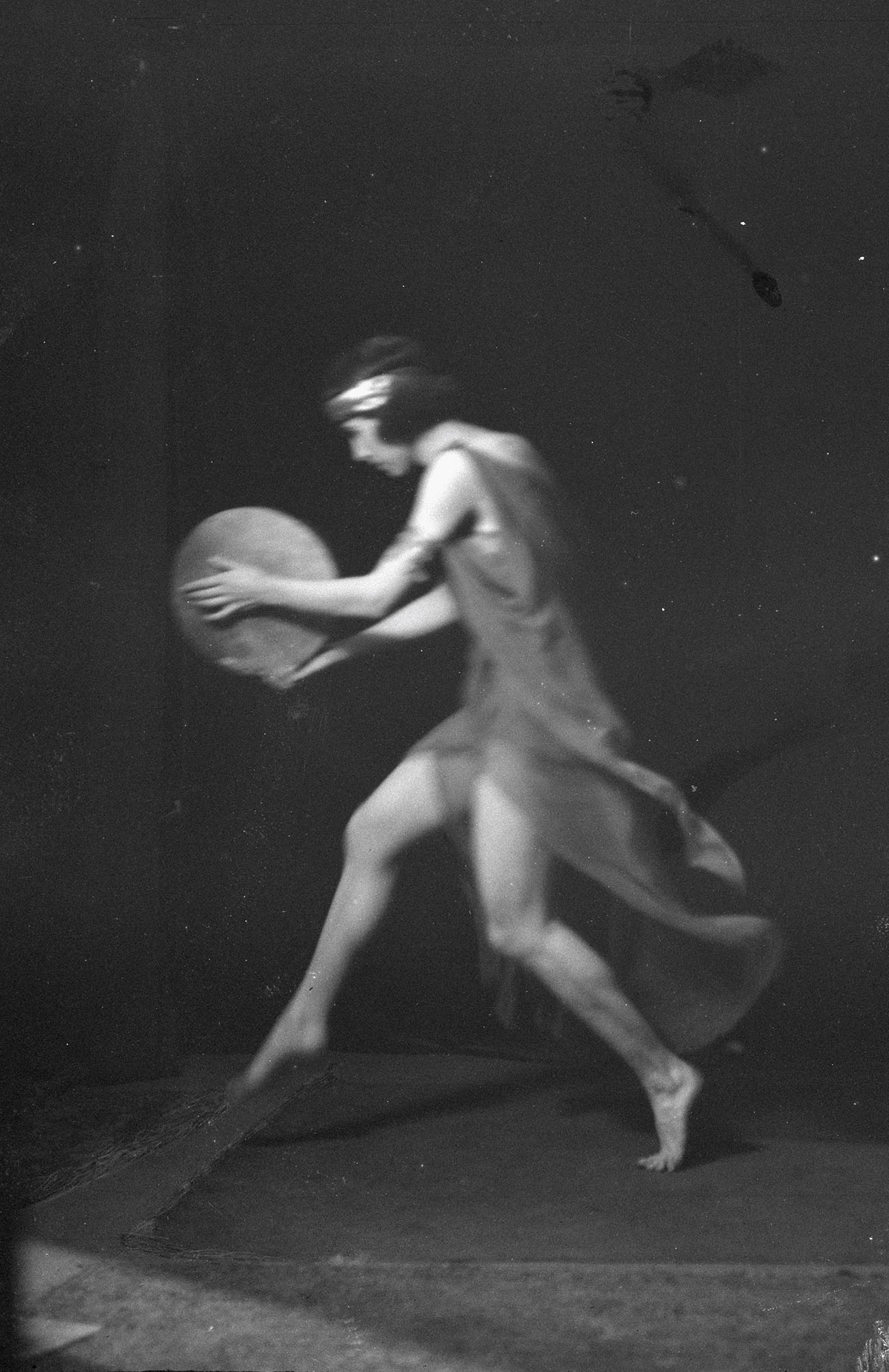
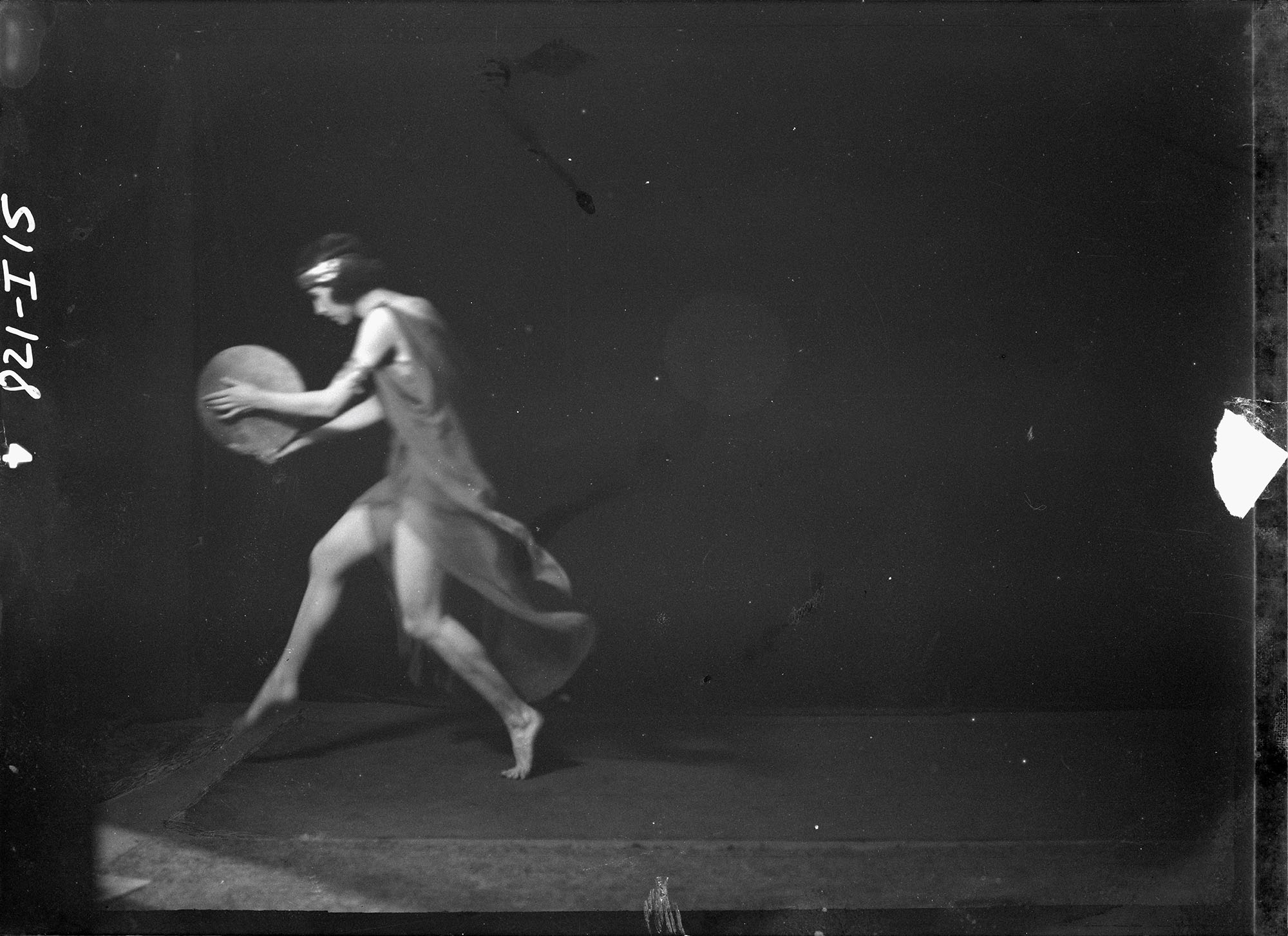
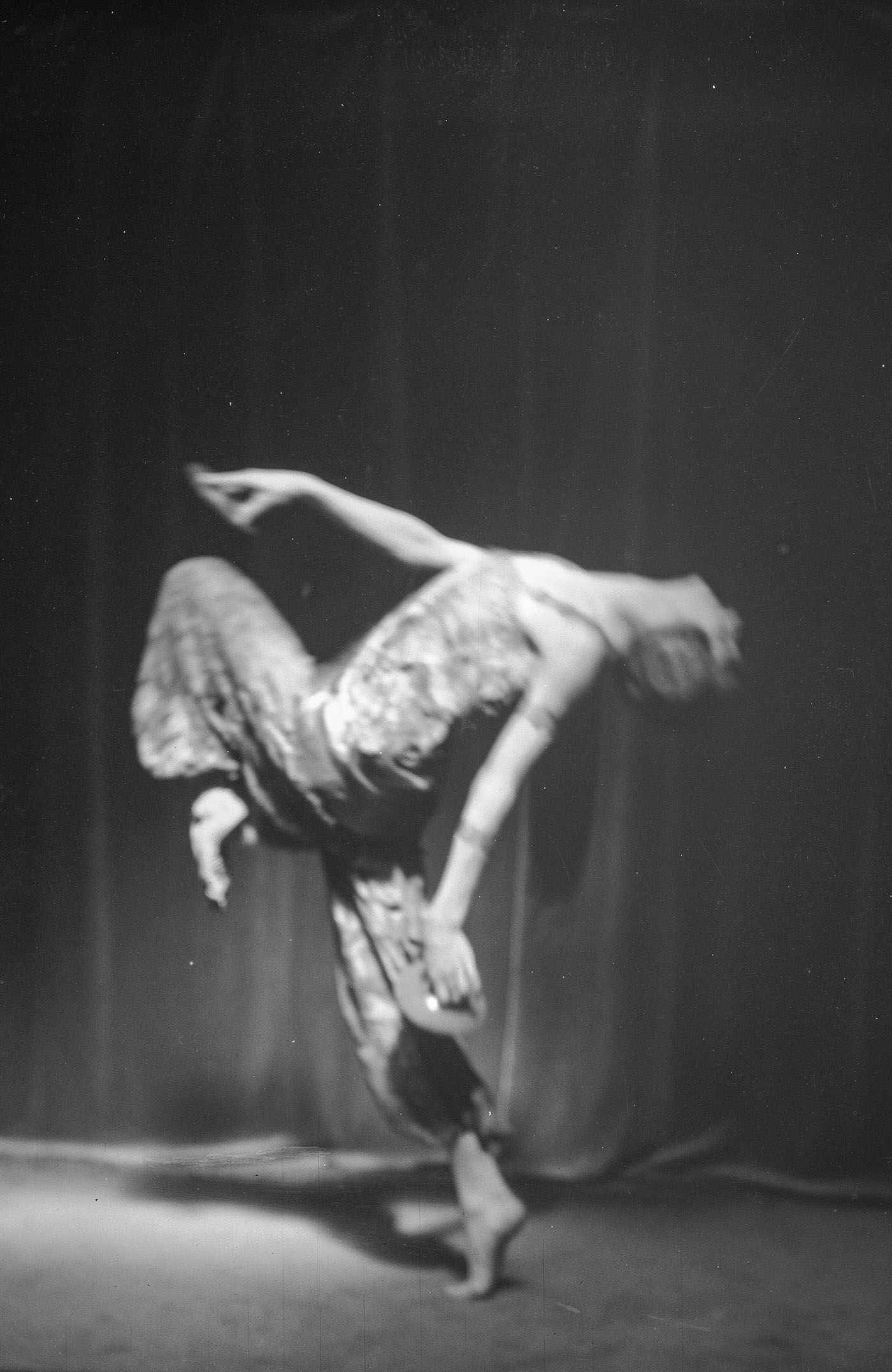
Morgan dancer with tambourine

Arnold Genthe (1869-1942) ~ Marion Morgan dancer, 1914-1927 (detail)
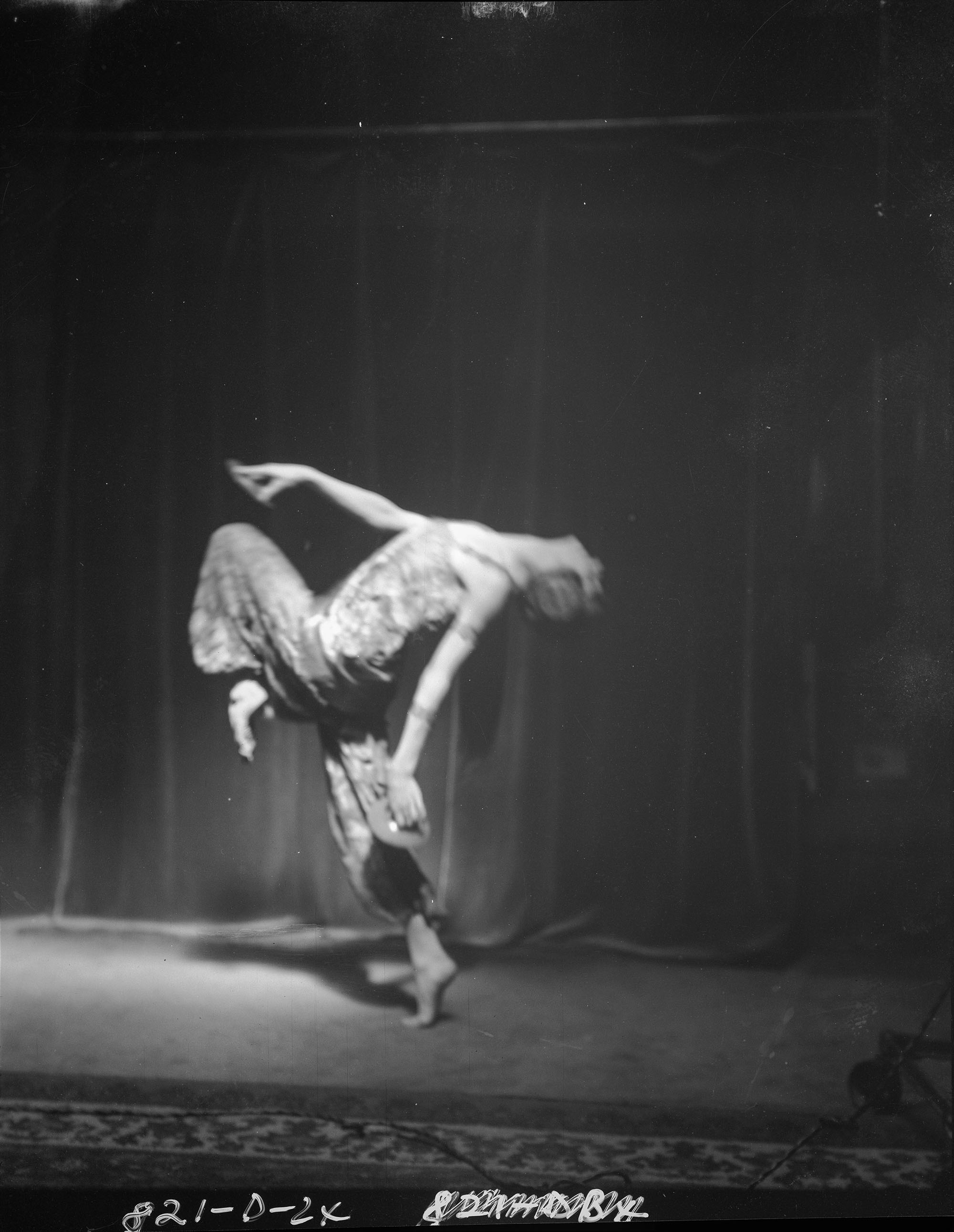
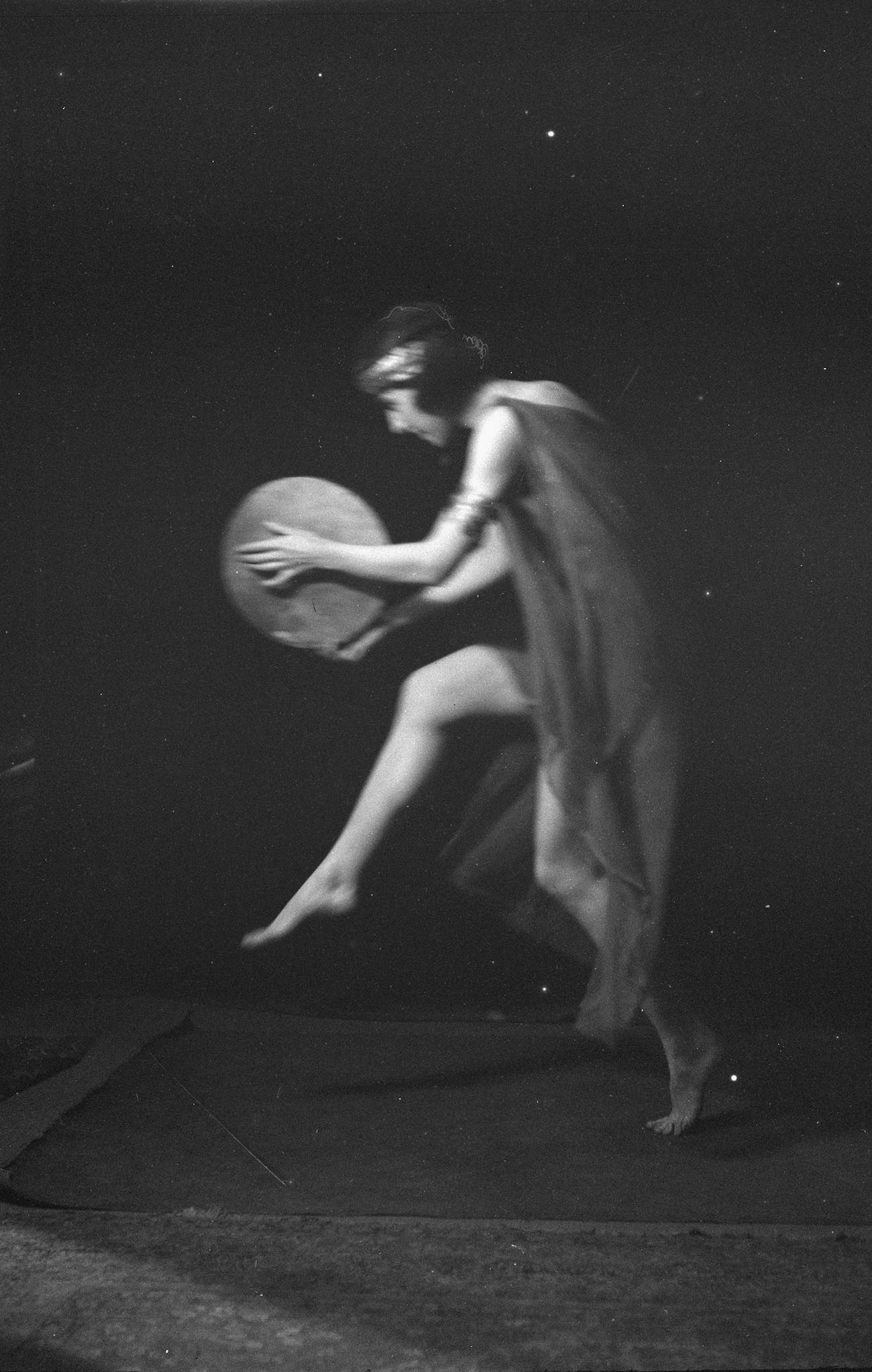
Arnold Genthe (1869-1942) ~ Marion Morgan dancer, 1914-1927. Nitrate negative | src Library of Congress
Arnold Genthe (1869-1942) ~ Marion Morgan dancer, 1914-1927 (detail)
Arnold Genthe (1869-1942) ~ Marion Morgan dancer, 1914-1927. Nitrate negative | src Library of Congress
Arnold Genthe (1869-1942) ~ Marion Morgan dancer, 1914-1927 (detail)
Arnold Genthe (1869-1942) ~ Marion Morgan dancer, 1914-1927. Nitrate negative | src Library of Congress

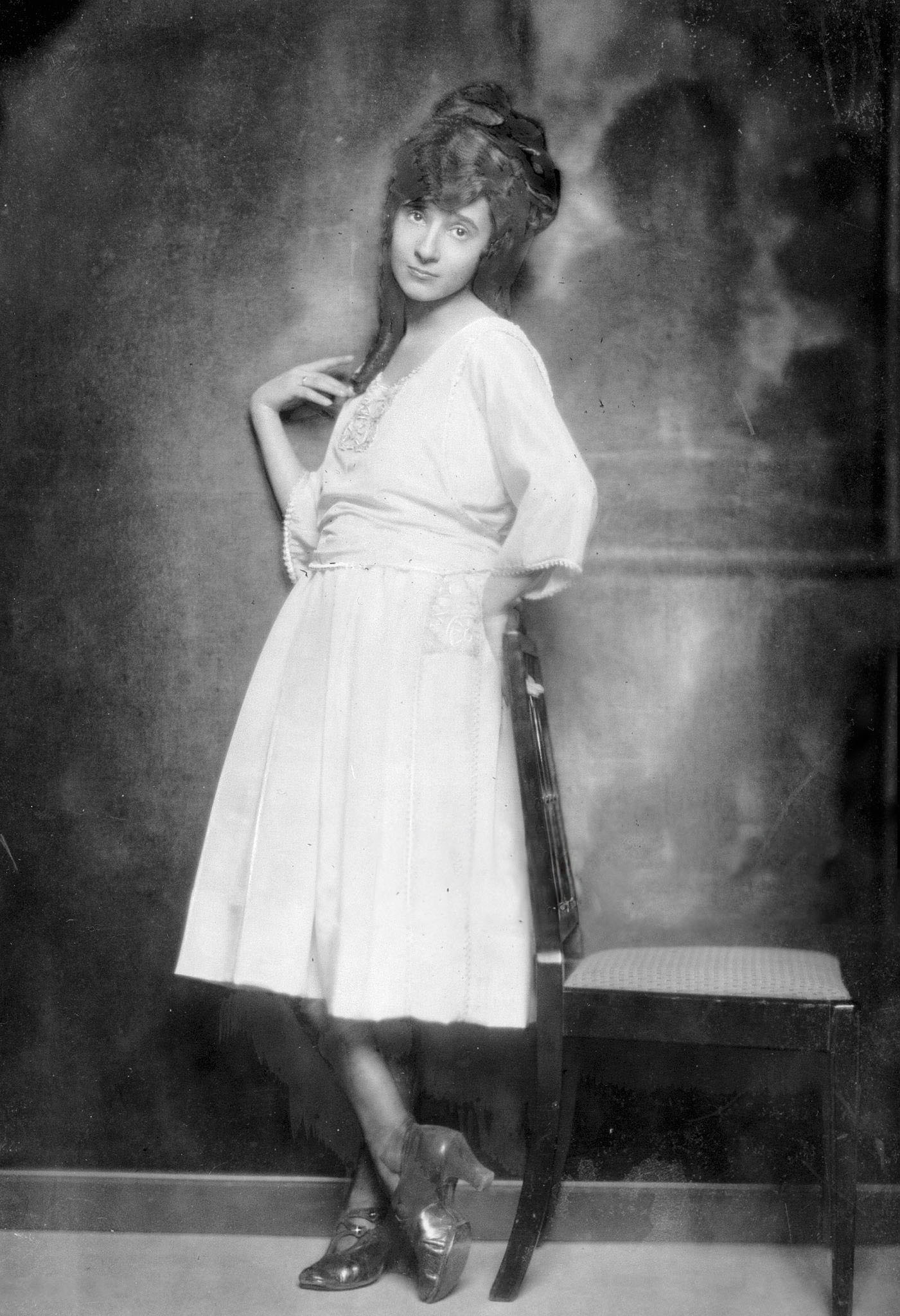
Pictorialist portrait by Weston

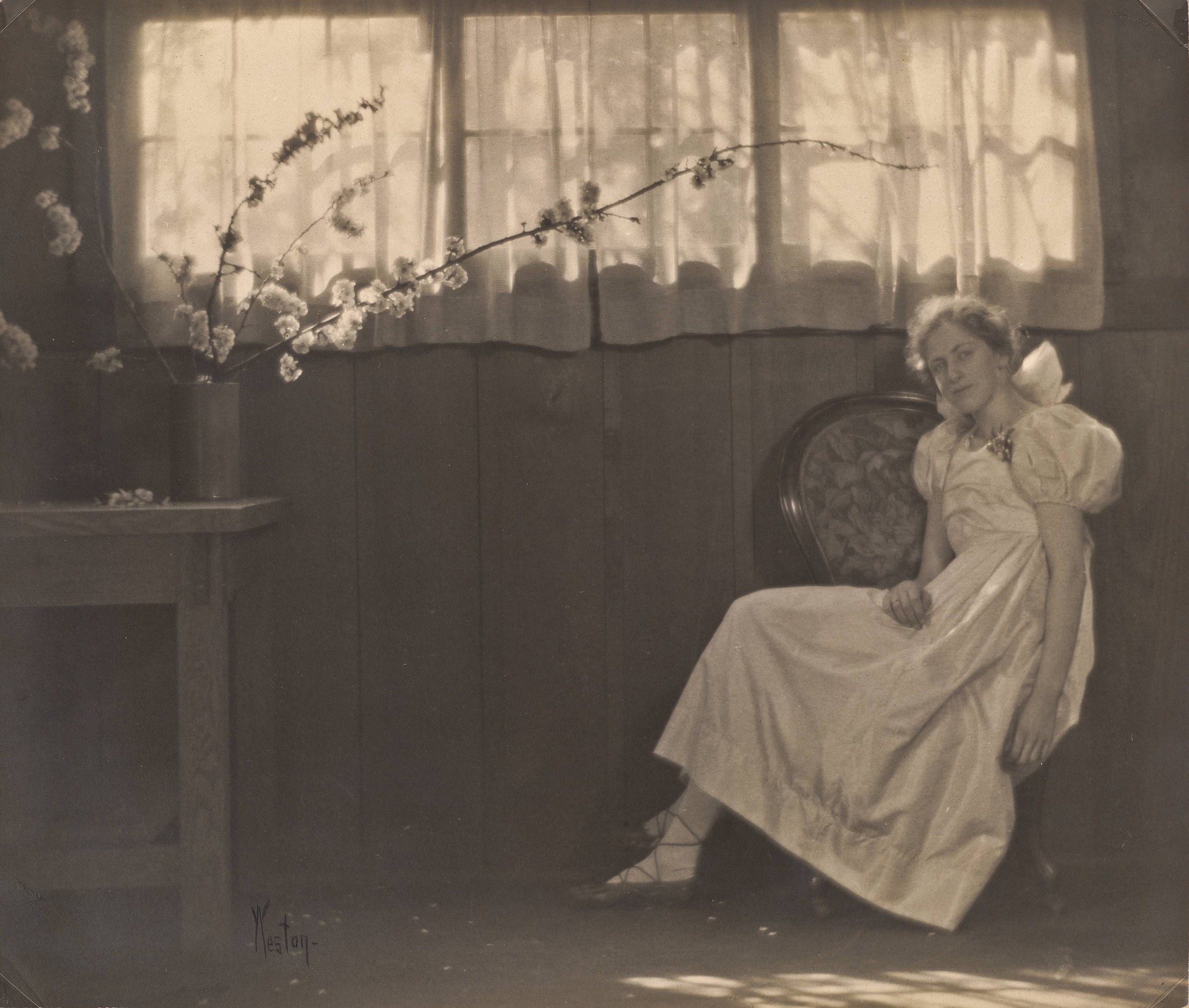
Edward H. Weston (1886 – 1958) ~ Untitled ca. 1917. Gelatin silver print | src SF MoMA
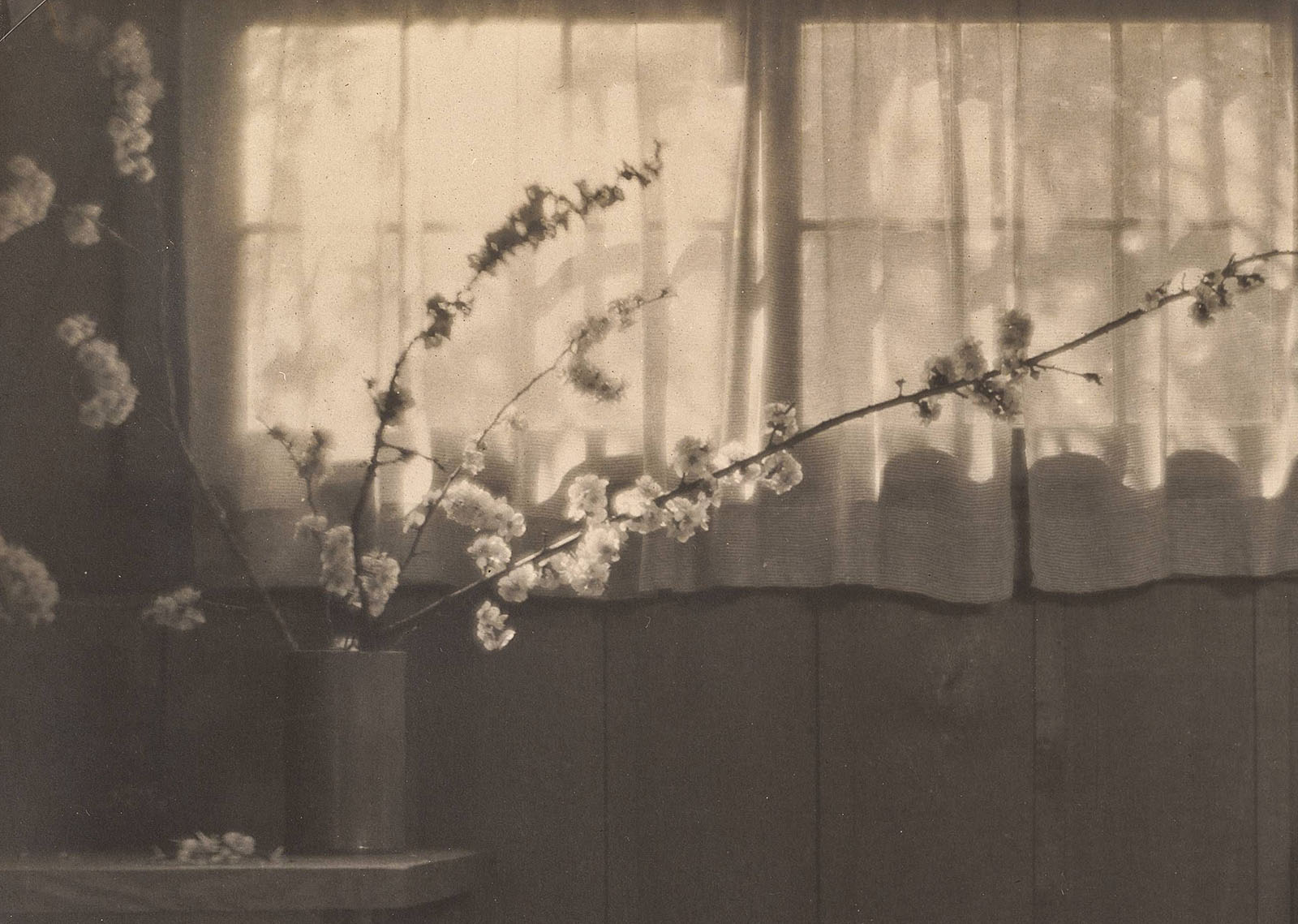
Edward H. Weston (1886 – 1958) ~ Untitled ca. 1917 (detail)