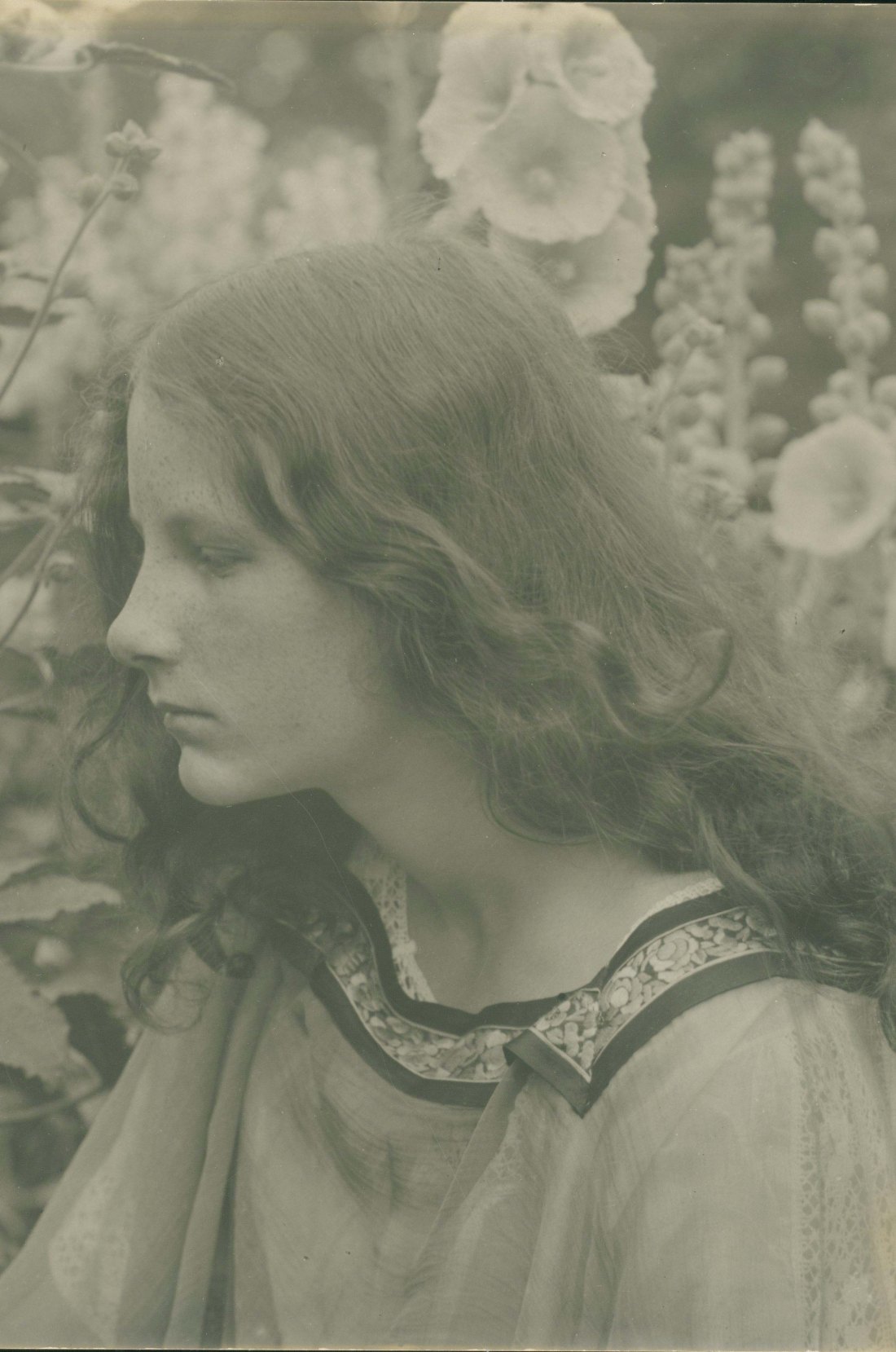
Girl among hollyhocks, ca. 1910

Eva Watson-Schütze :: [Portrait of an unknown woman among hollyhocks], ca. 1910. [detail] | src Rijksmuseum
Eva Watson-Schütze :: Portret van een onbekend meisje tussen bloemen [Unknown woman among hollyhocks], ca. 1910. Gelatin silver print on baryta paper. [Public domain] | src Rijksmuseum
Eva Watson-Schütze :: Portret van een onbekend meisje tussen bloemen [Portrait of an unknown woman among hollyhocks], ca. 1910. Gelatin silver print on baryta paper. [Public domain] | src Rijksmuseum

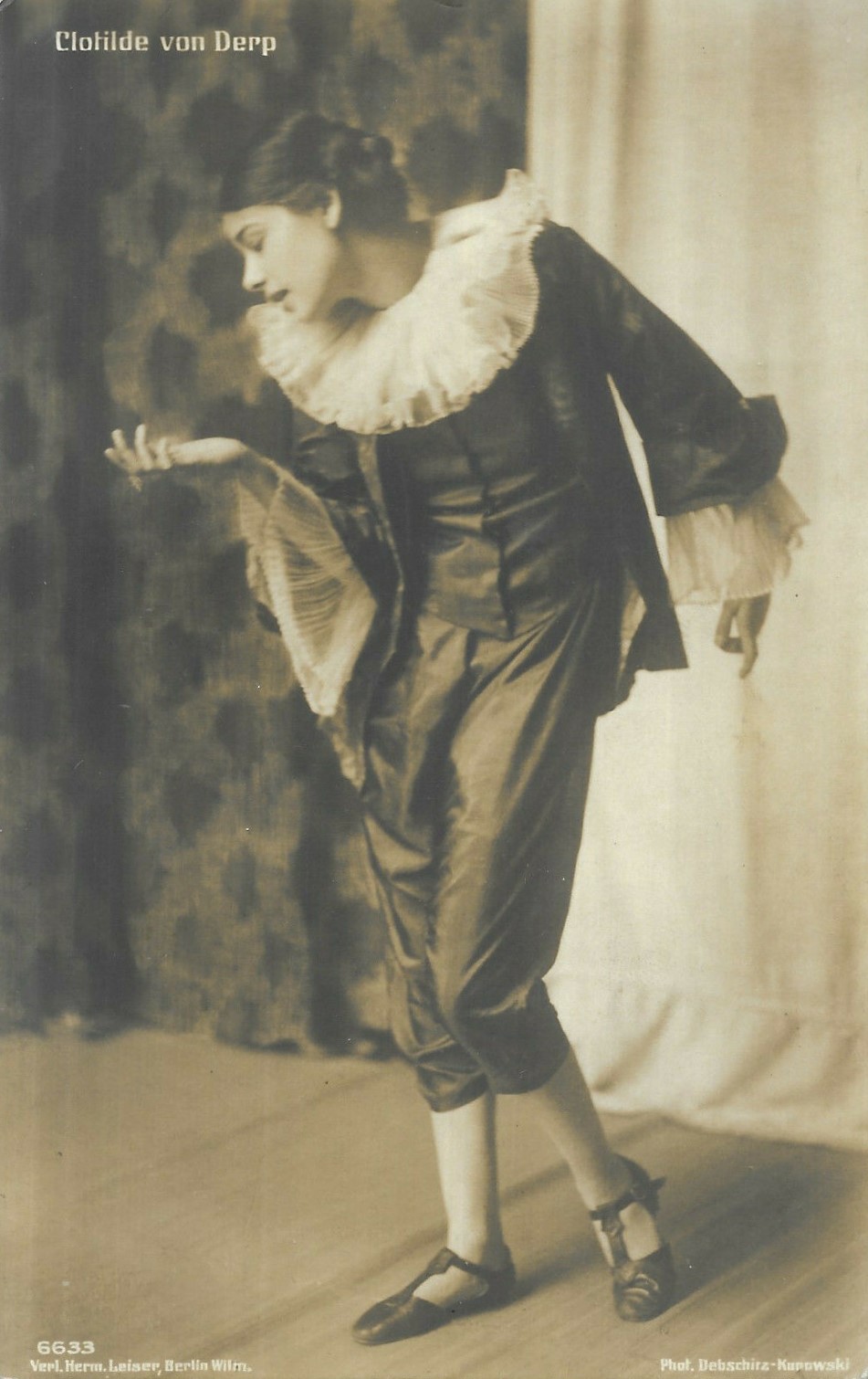
Clotilde von Derp, two cards

Clotilde von Derp in dance pose. Phot. Debschitz-Kurowski; Verlag Hermann Leiser, formerly Louis Blumenthal | src internet archive
Clotilde von Derp. Photo by Hanns Holdt. Vintage card; Orami Serie E. | src Virtual History

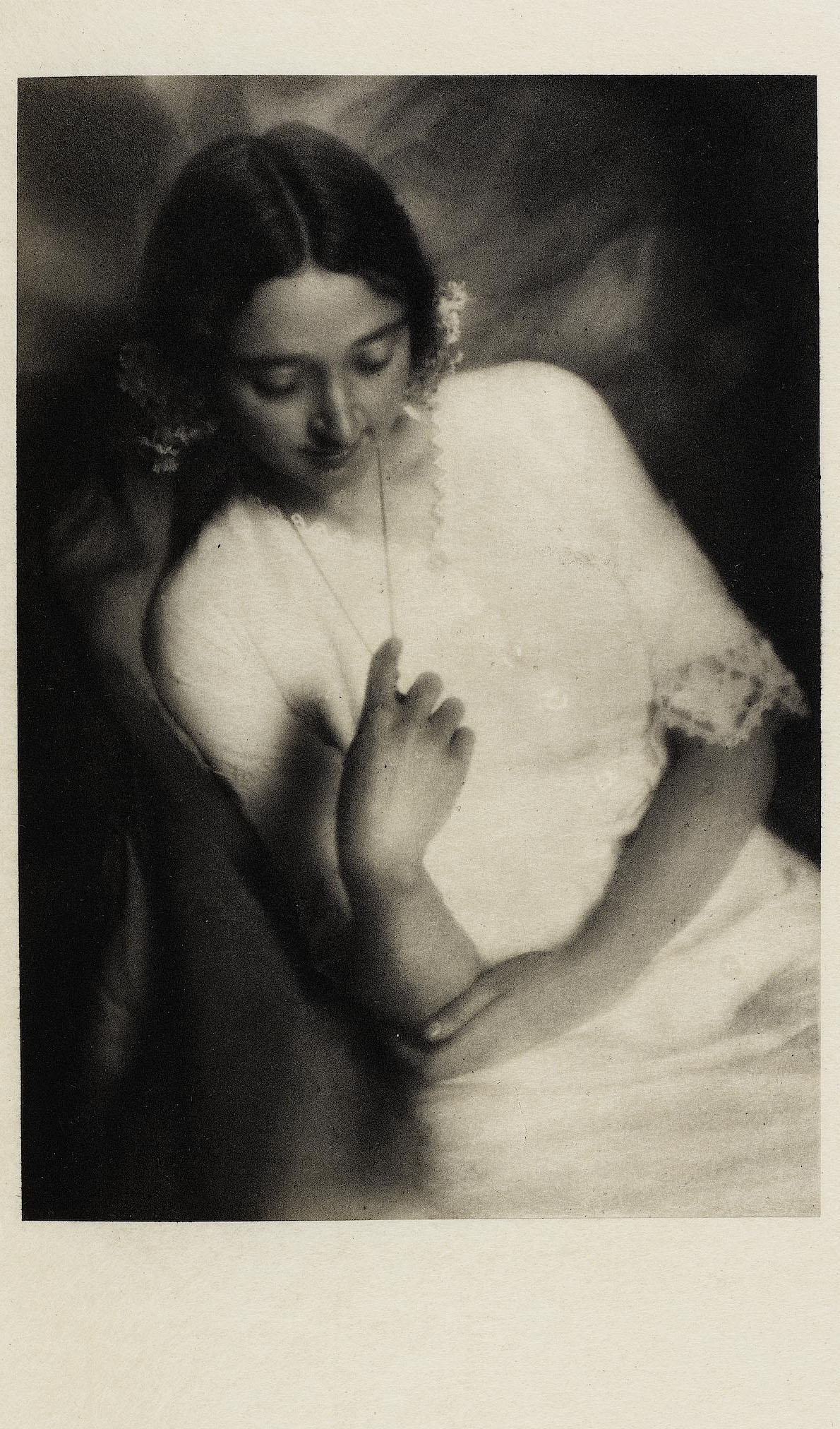
Bruguière: a Portrait, ca. 1916

Francis Bruguière (1879–1945) :: A Portrait. Camera Work: A Photographic Quarterly — 1916 (Heft 48)

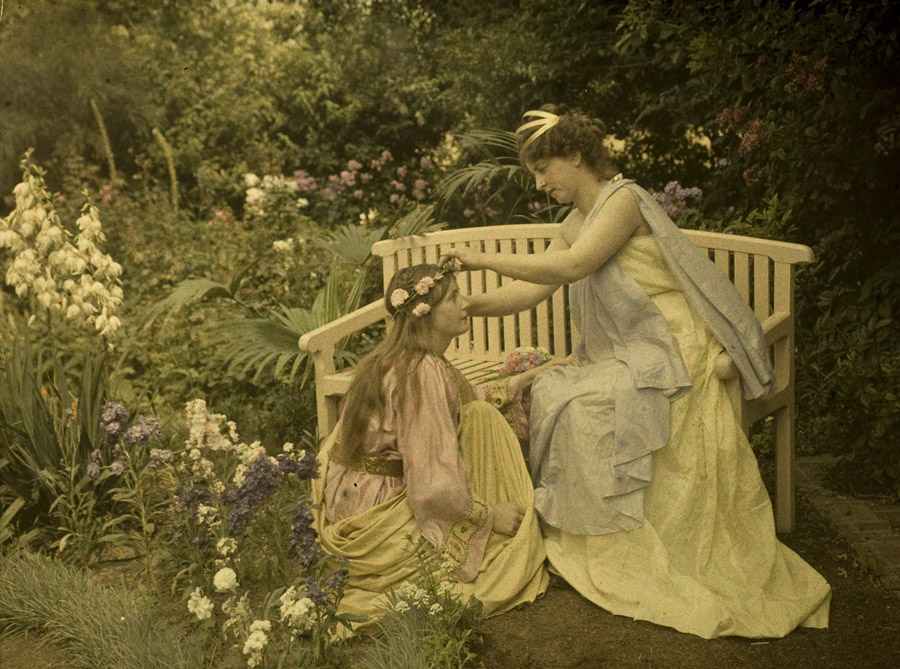
In the garden with van Besten

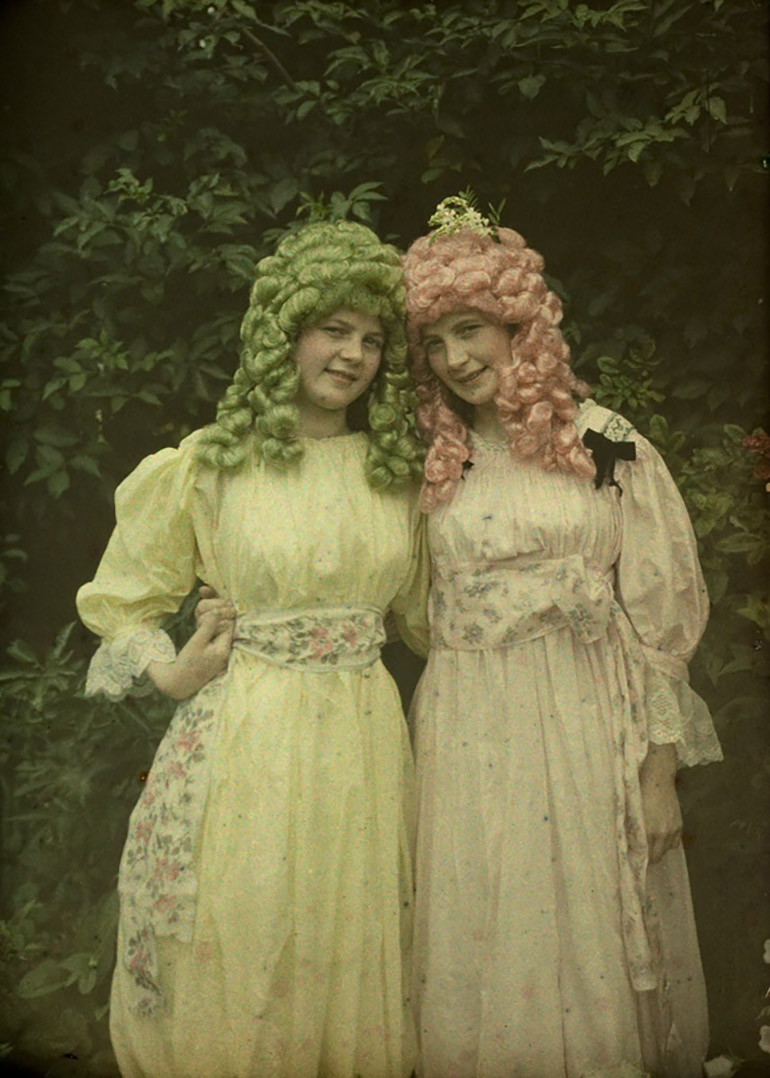
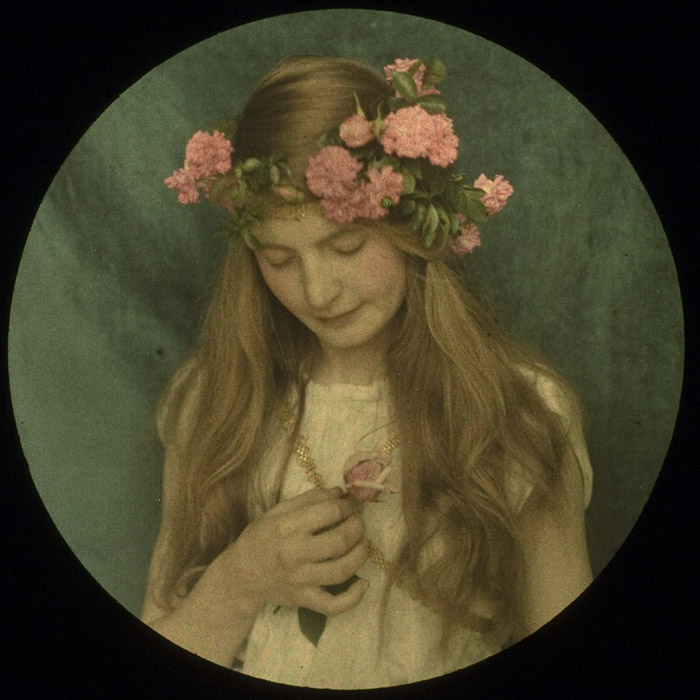
Sebastiaan Alfonse Van Besten :: Innocence, ca. 1912. Autochrome. | src Belgian Autochromists
Sebastiaan Alfonse van Besten :: Innocence, ca. 1912. Autochrome. | src Belgian Autochromists
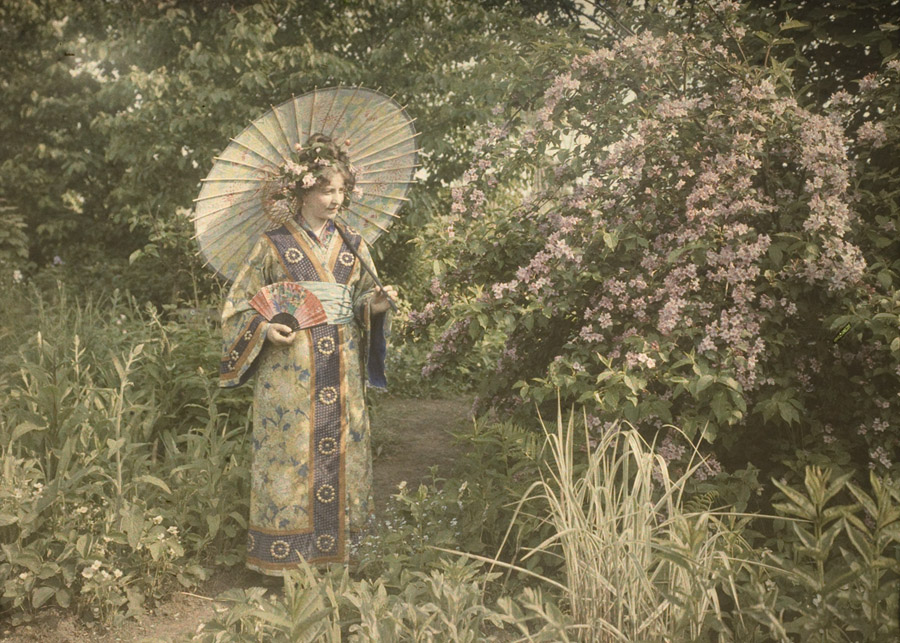
Sebastiaan Alfonse Van Besten :: Japanesque, ca. 1913. Autochrome. | src Belgian Autochromists
Sebastiaan Alfonse van Besten :: Japanesque, ca. 1913. Autochrome. | src Belgian Autochromists

Picking cornflowers, ca. 1912

Sebastiaan Alfonse Van Besten :: Two girls picking cornflowers, ca. 1912. Autochrome. | src Belgian Autochromists

Oppenheimer und Kokoschka

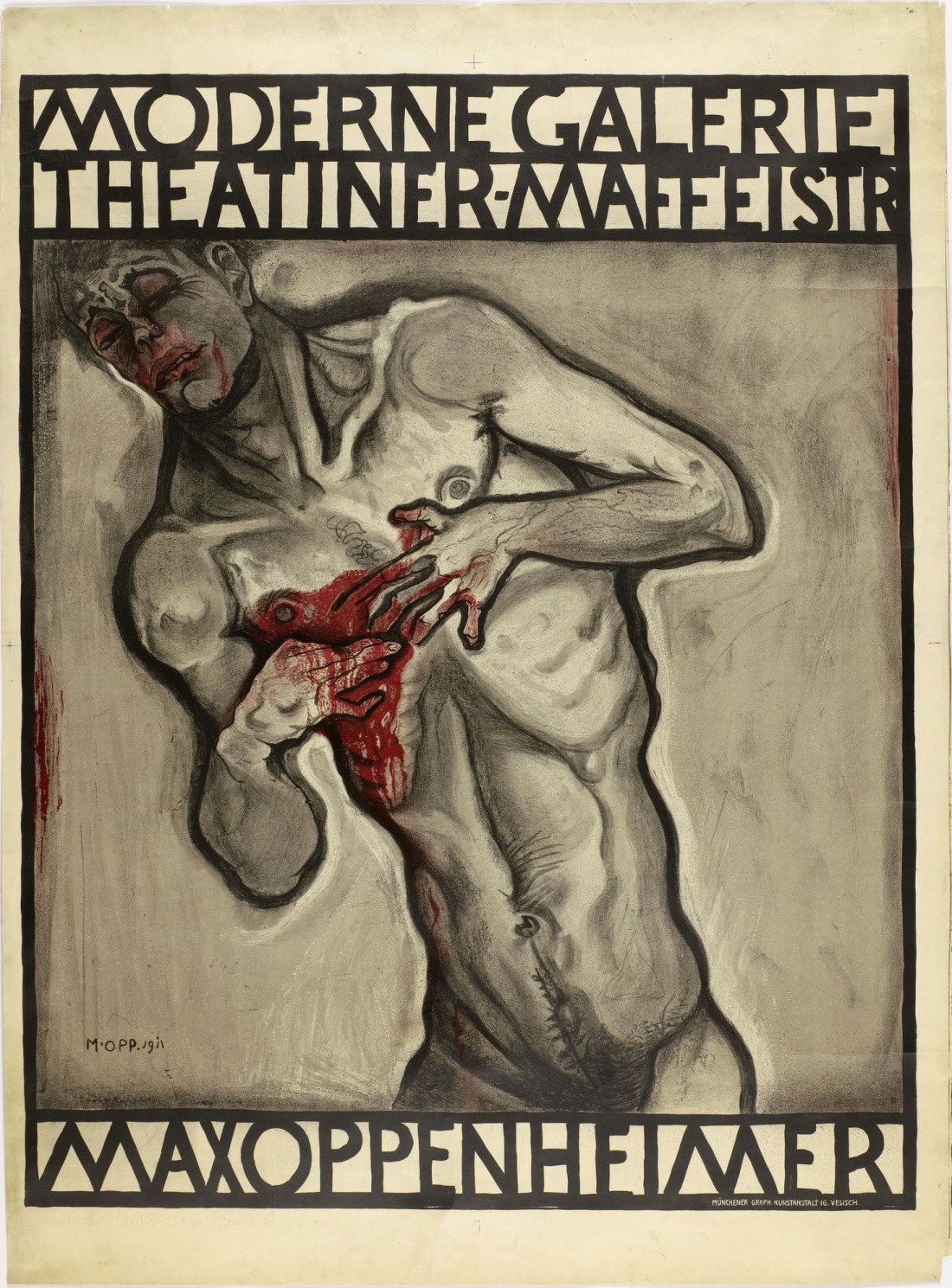
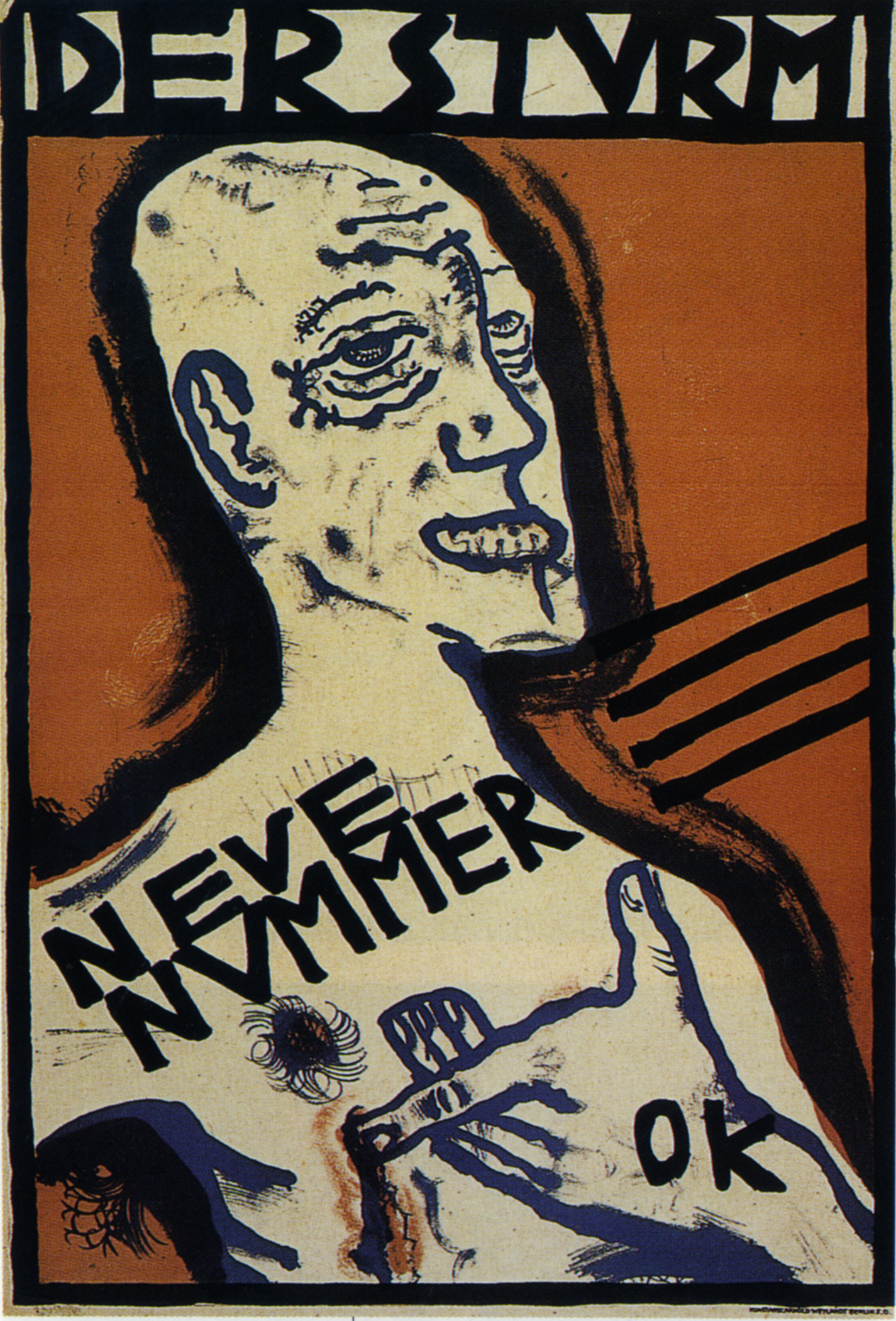
Max Oppenheimer (MOPP) (1885–1954) :: Moderne Galerie Theatiner-Maffeistr. Max Oppenheimer (Exhibition Poster), 1911
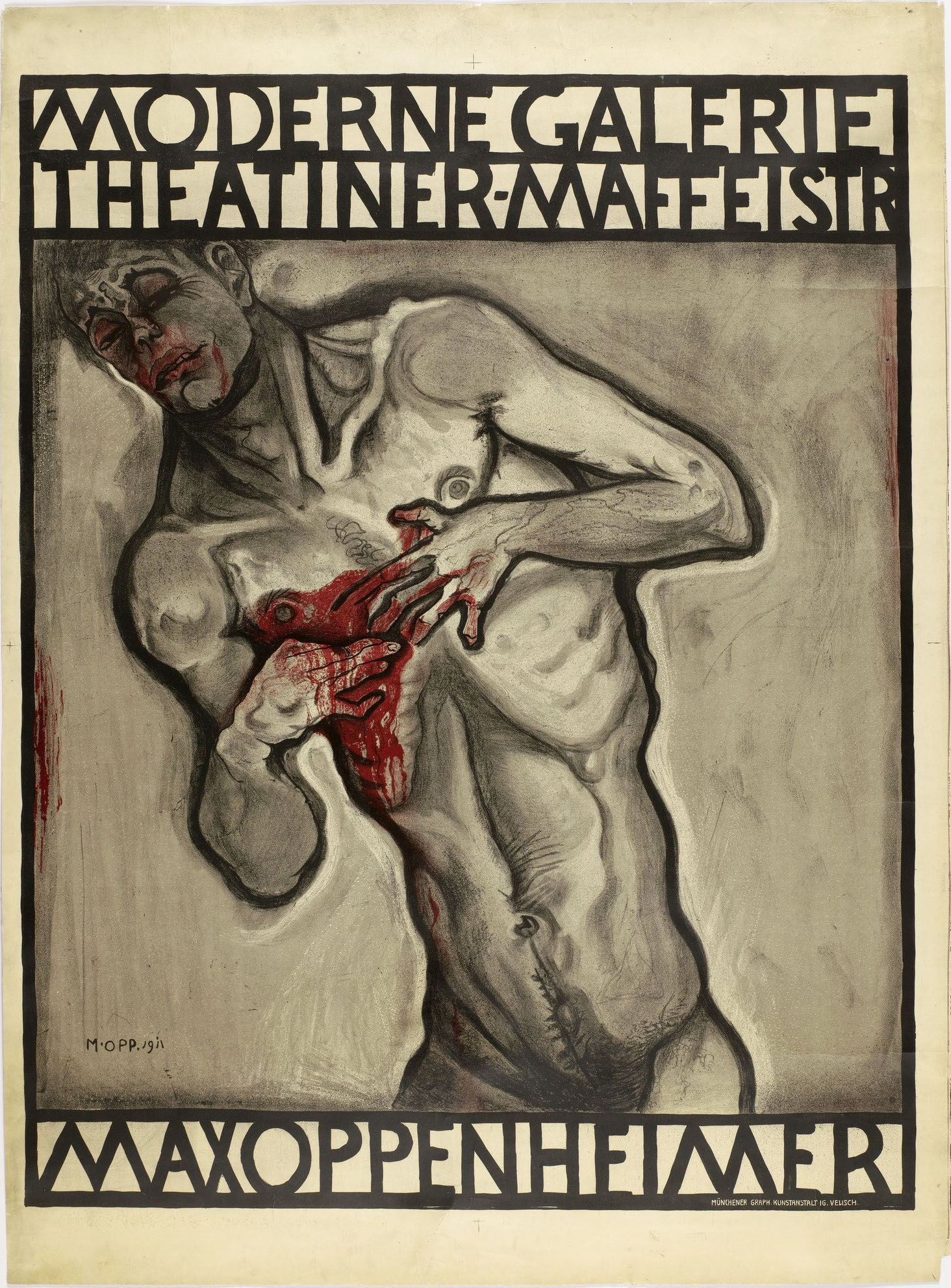
Max Oppenheimer (MOPP) (1885–1954) :: Moderne Galerie Theatiner-Maffeistr. Max Oppenheimer (Exhibition Poster), 1911 MoMA

Oppenheimer, who had begun signing works MOPP by 1911, was initially friendly with both (Oskar) Kokoschka and (Egon) Schiele. But this poster, which he designed for his first Munich exhibition, brought accusations of plagiarism from Kokoschka, who found its subject—a gaunt, naked self-portrait figure bleeding from a chest wound—too close to his own agonized poster of a year earlier (images below). | quoted from MoMA
Oskar Kokoschka :: Self-Portrait, Hand on Chest (Selbstbildnis, Hand auf der Brust), 1910. Das druckgrafische Werk im Kontext seiner Zeit @ Museum der Moderne Salzburg © Fondation Oskar Kokoschka and Museum of Fine Arts Budapest; also Art Institute Chicago
Oskar Kokoschka :: Self-Portrait, Hand on Chest (Selbstbildnis, Hand auf der Brust), 1911. Poster for a conference at the Akademischer Verband für Literatur und Musik, Jänner 1911. Leopold Museum and MoMA: German Expressionism Project

Icelandic landscape, 1915

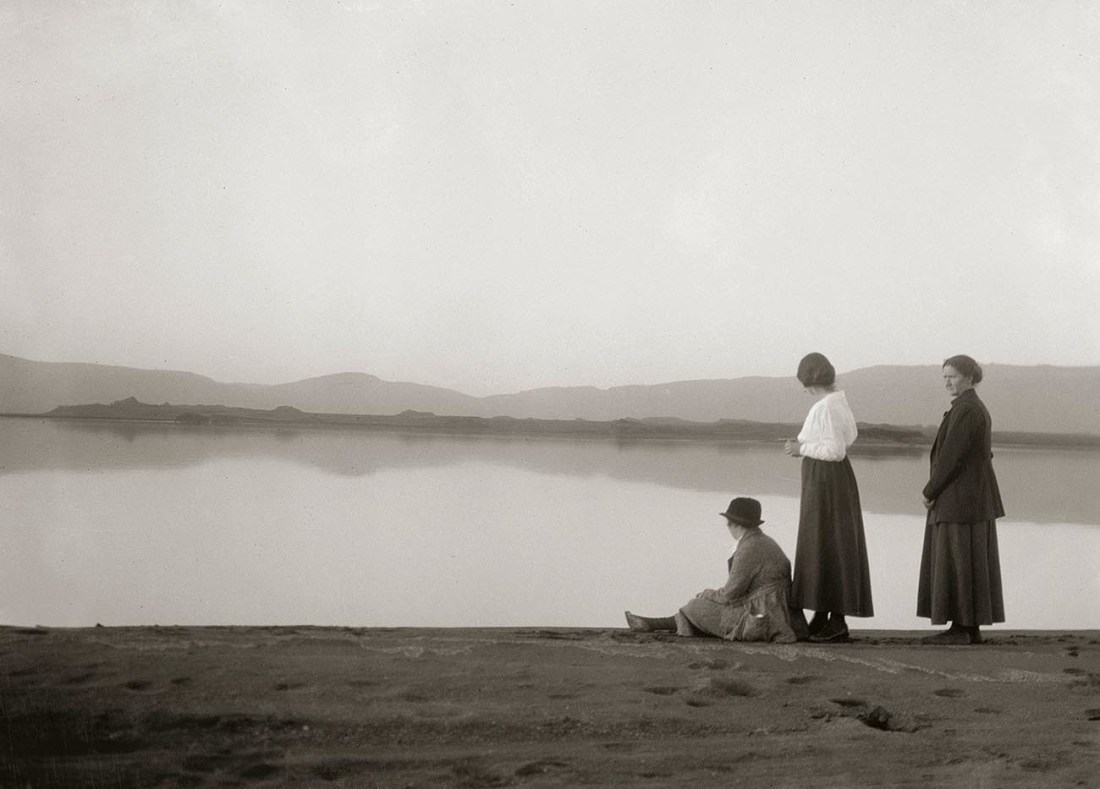
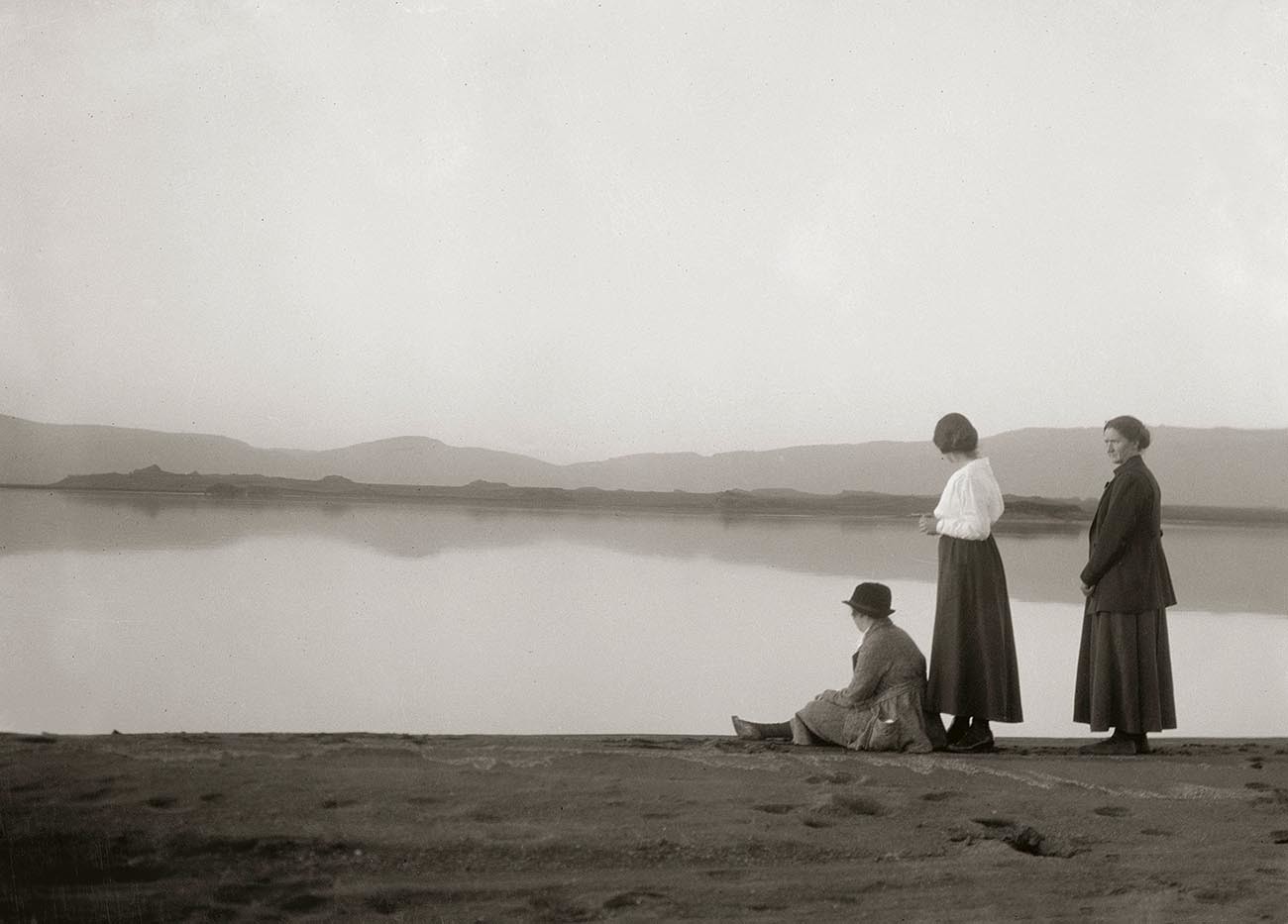
Sigriður Zoëga :: Women on the Banks of the Lake, 1915 © The National Museum of Iceland, Reykjavik. From: A World History of Women Photographers. Thames&Hudson. | src l'œil de la photographie
Sigriður Zoëga :: Þrjár konur við Ölfusá [Three women at Ölfusá] Three women on the Banks of the Lake, 1915 © The National Museum of Iceland, Reykjavik. From: A World History of Women Photographers. Thames&Hudson. | src l’œil de la photographie

Modesty by van Besten

Sebastiaan Alfonse Van Besten :: Modesty, ca. 1912. Autochrome. | src Belgian Autochromists
Sebastiaan Alfonse van Besten :: Modesty, ca. 1912. Autochrome. | src Belgian Autochromists

Alfonse van Besten (1865-1926) was a painter, and took full advantage of the possibilities of the new colour process: the Autochrome. One can see that many of his Autochromes were taken with a “painterly eye” e.g. Musing (Mrs.van Besten) or Symphony in white.

During the first World War (1914-1918) he was a refugee in The Netherlands. Together with his friend A. van Son, another Belgian autochromist and refugee, they gave countless lectures at several Dutch photography societies. They were praised for their excellent Autochrome work, e.g. on the 16th of April 1915 the photographic society “Meer Licht” from Nymegen (NL) paid an homage to Van Besten for his outstanding autochrome plates. See Homage to Van Besten at Nymegen.

He was member of The photographic association IRIS-Antwerp and the Association Belge de Photographie. [quoted from source]