

images that haunt us
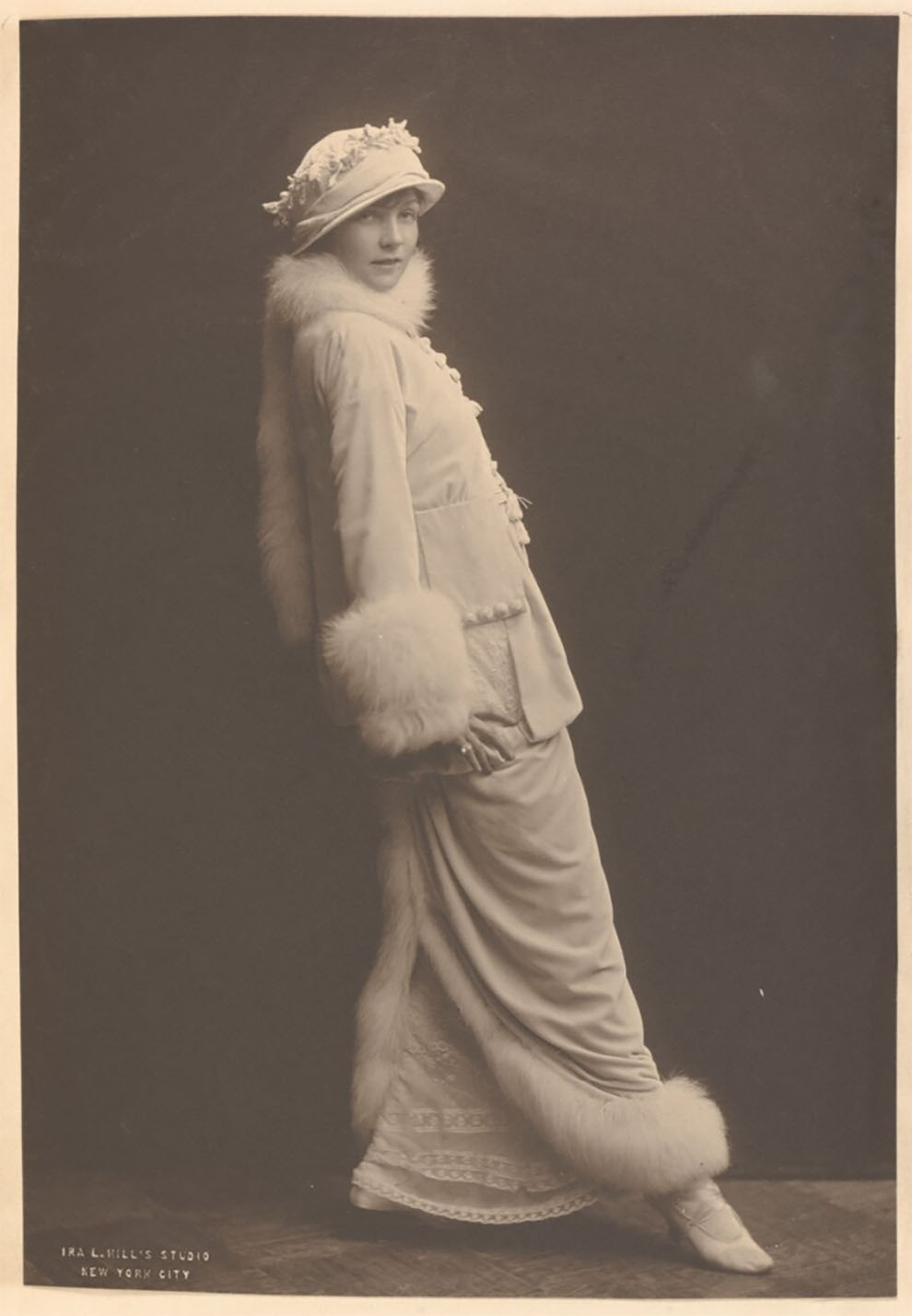
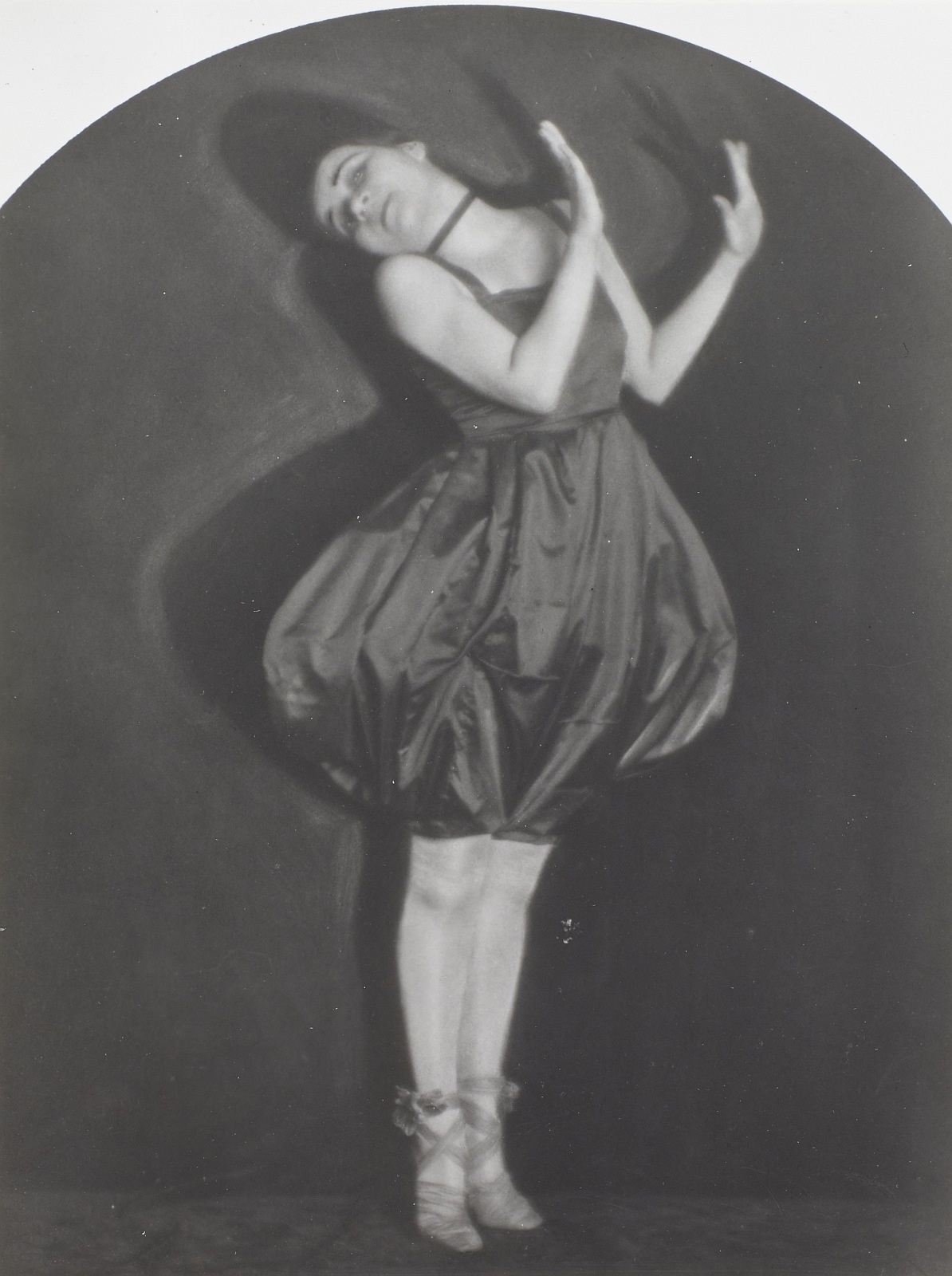
Irene Castle Corticelli Fashions
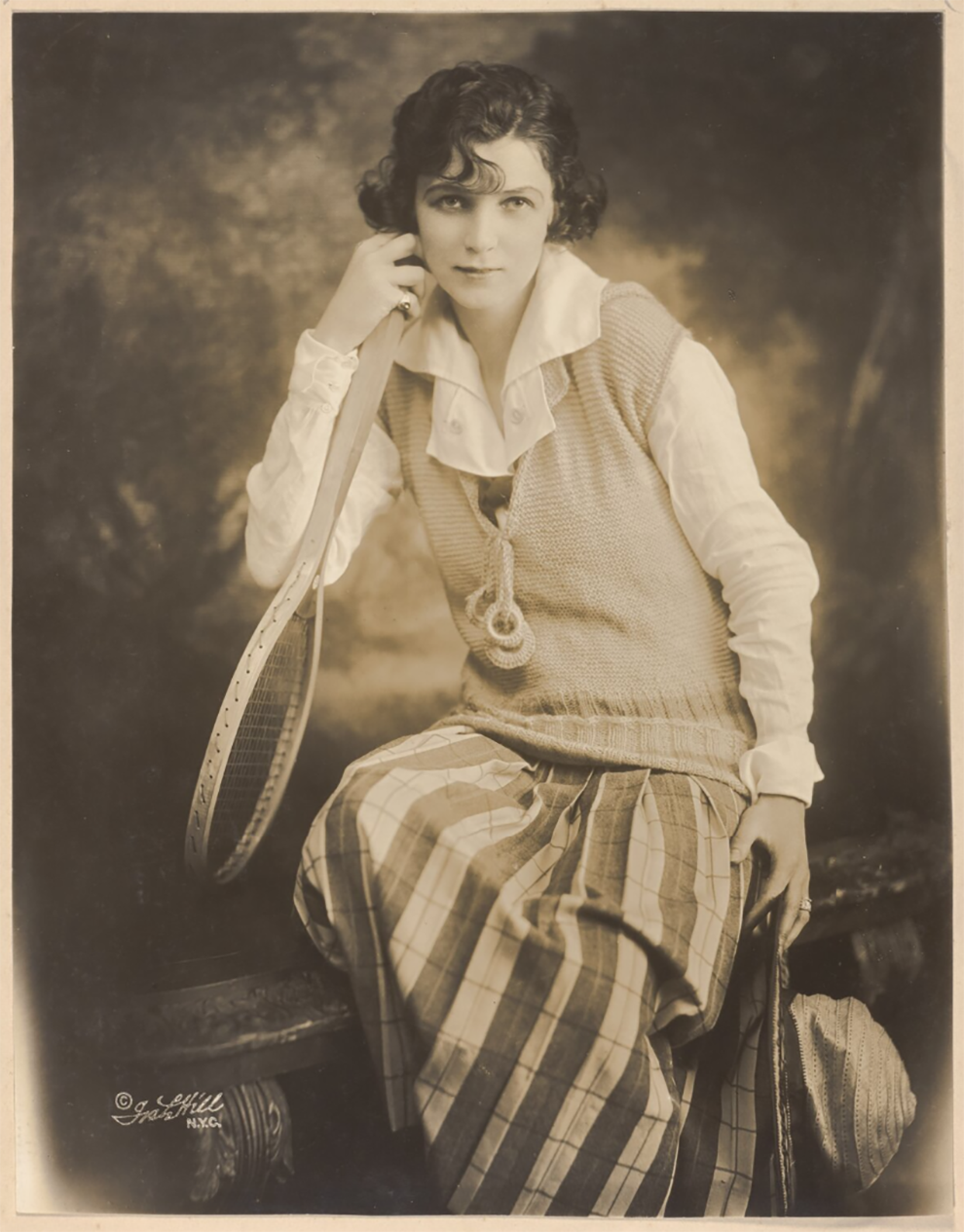
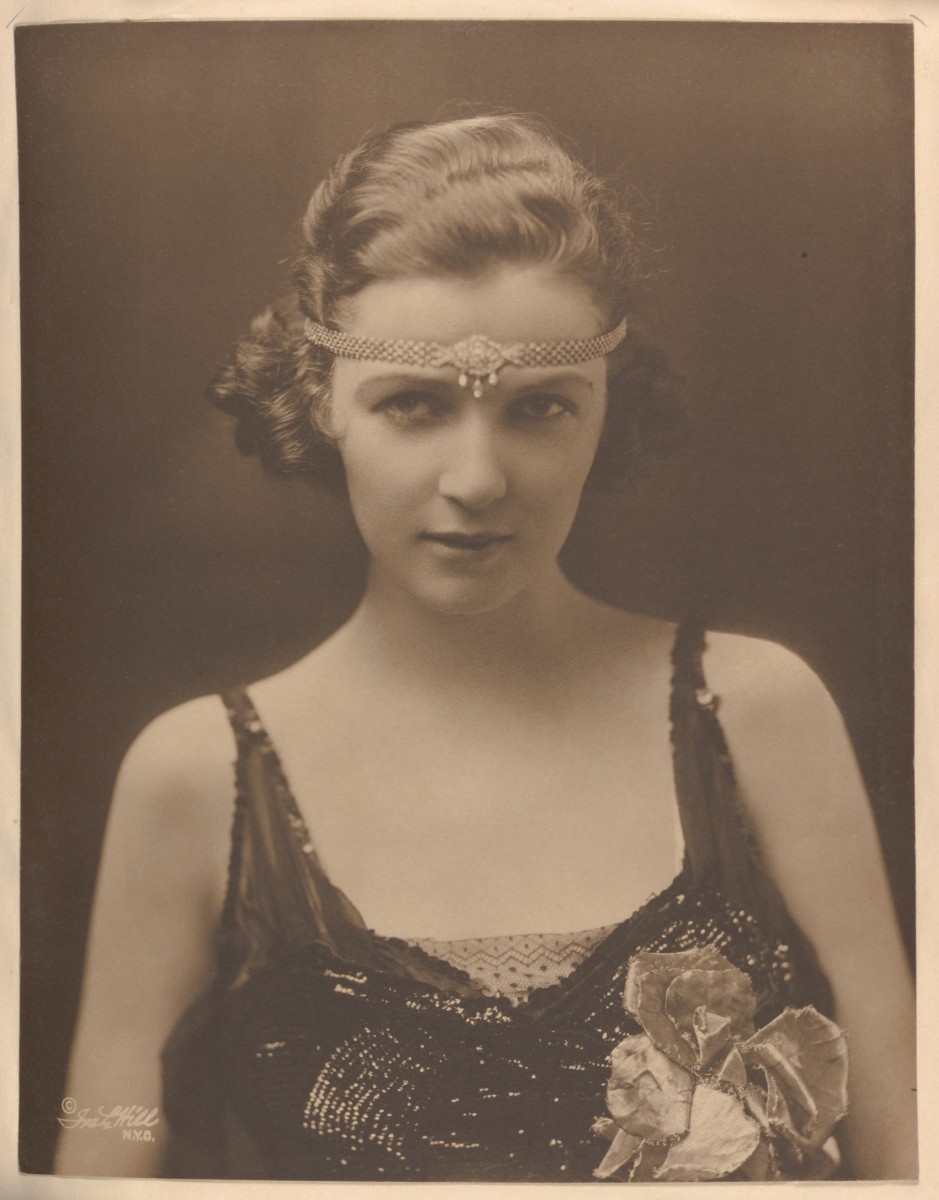
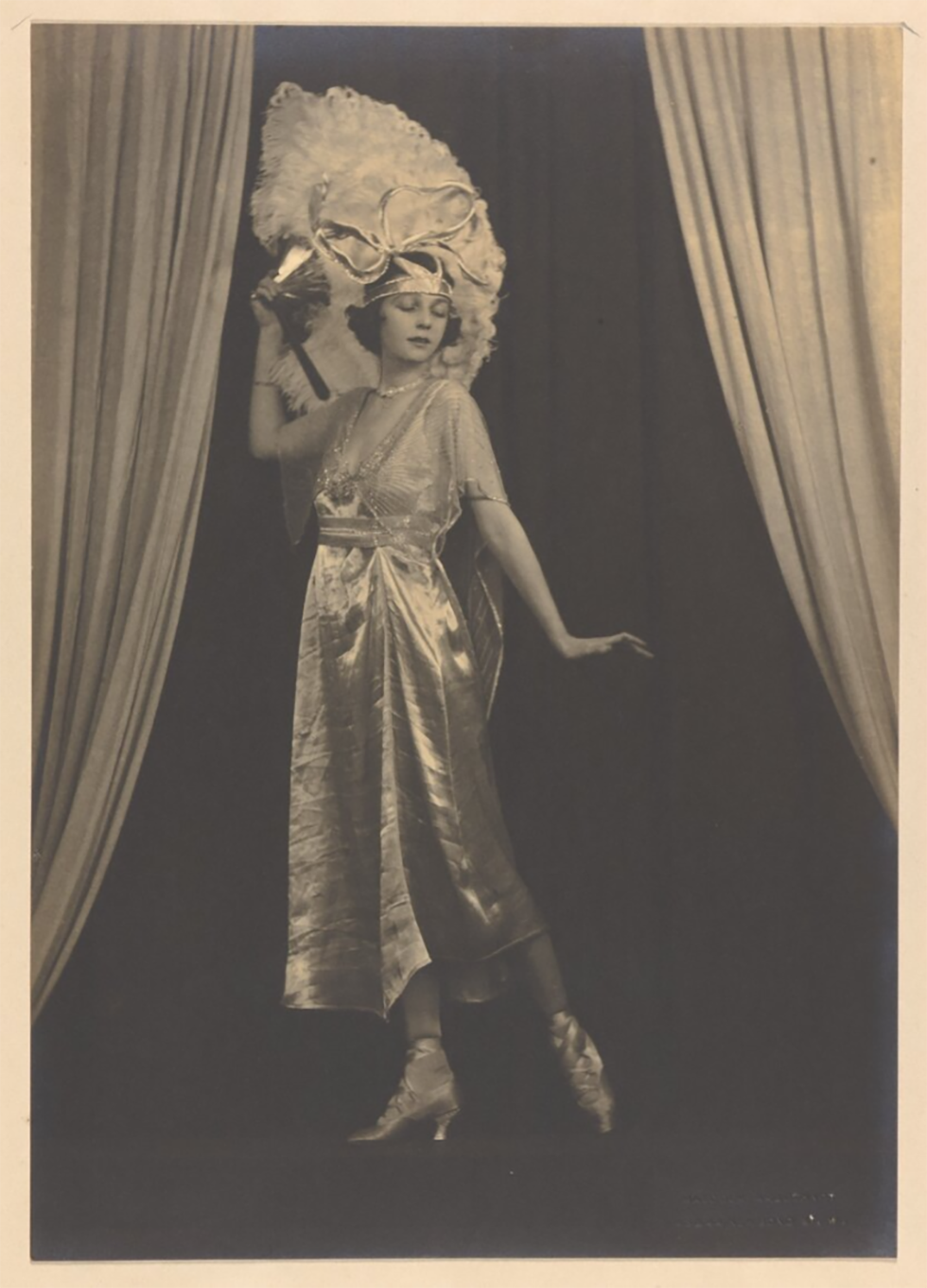
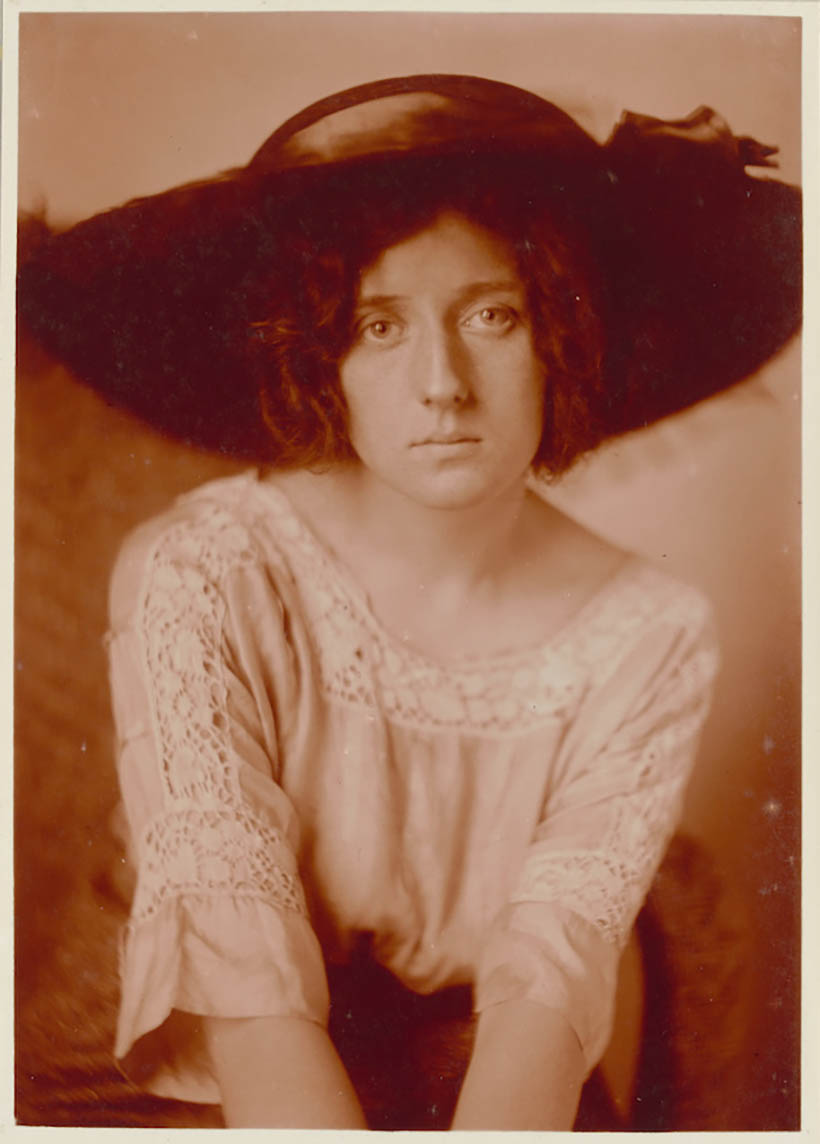
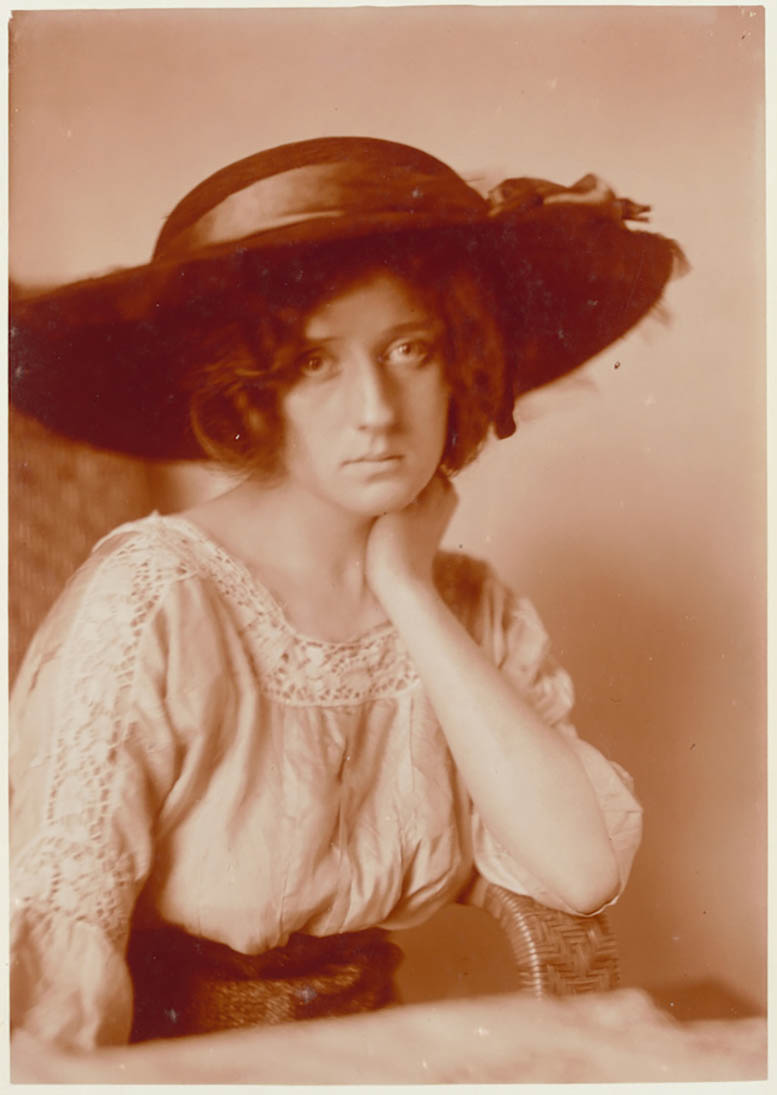
When Irene Castle formalized her relationship with Corticelli Silk Mills in 1917, she was at the height of her fame: she had recently filmed the serial Patria (1917) and celebrated the success of The Whirl of Life (1915); her co-authored best selling book, Modern Dancing (1914); and the Broadway hit Watch Your Step (1914). Irene was an arbiter of fashion, outfitted almost exclusively by Lady Duff Gordon and was voted the first “Best Dressed Woman in America.”
As early as 1914, silk companies like Mallison and Corticelli began using film actresses to promote their products; however, Castle was the first film star to create a line of clothing. The line launched in tandem with the serial, Patria, and Satin Patria was the fabric promoted in the early dress designs. Initially Lady Duff Gordon was the ghost designer, but as the fashion line developed Irene took over the creative side and Corticelli advertisements emphasized her role as designer. In reality, Irene remembered in her memoirs, “I had an endorsement contract with the Corticelli Silk Company which required very little of me. I helped them design the clothes.” In the later advertisements, Corticelli claimed that the dresses were duplicates from Irene’s wardrobe. “The same delightful effect of quality which distinguishes the wraps and frocks of ‘America’s Best Dressed Woman’ is found in every ‘Irene Castle Exclusive Model,’ read a 1923 advertisement. Fall/Winter 1927 was the last season of Irene Castle Corticelli Fashions and the Corticelli Silk Mill would close soon after the start of the Great Depression. [quoted from Cornell University Library]



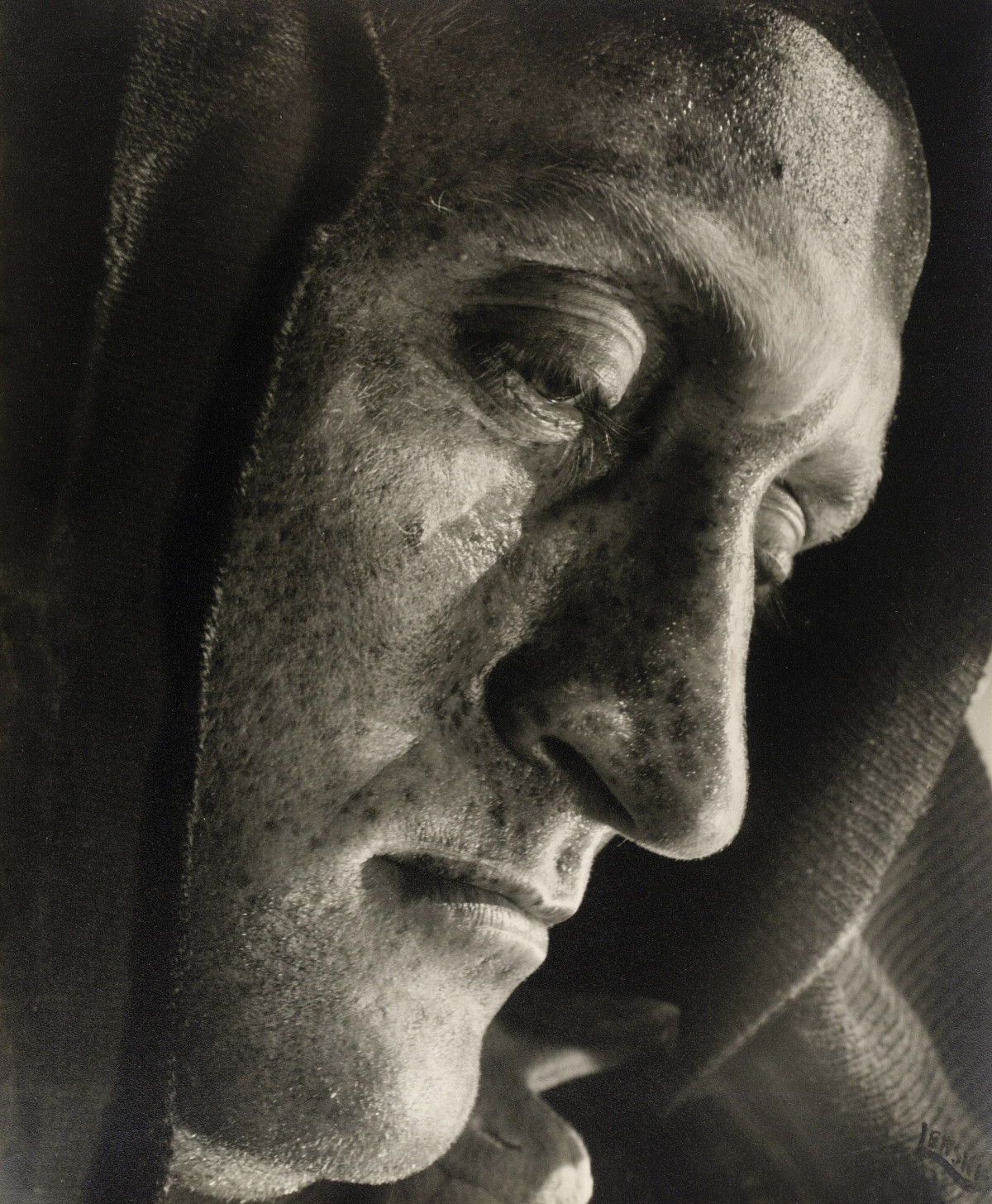
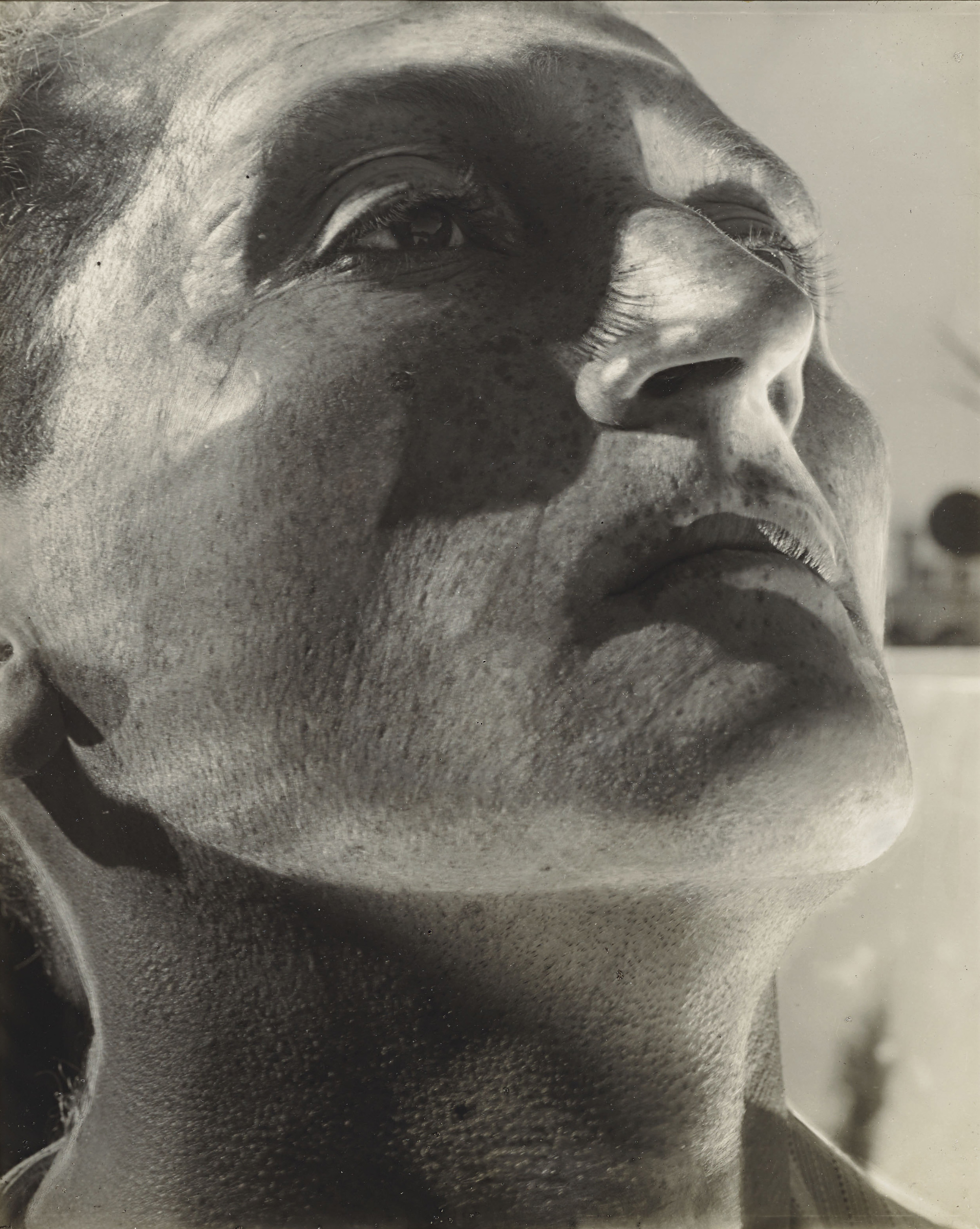
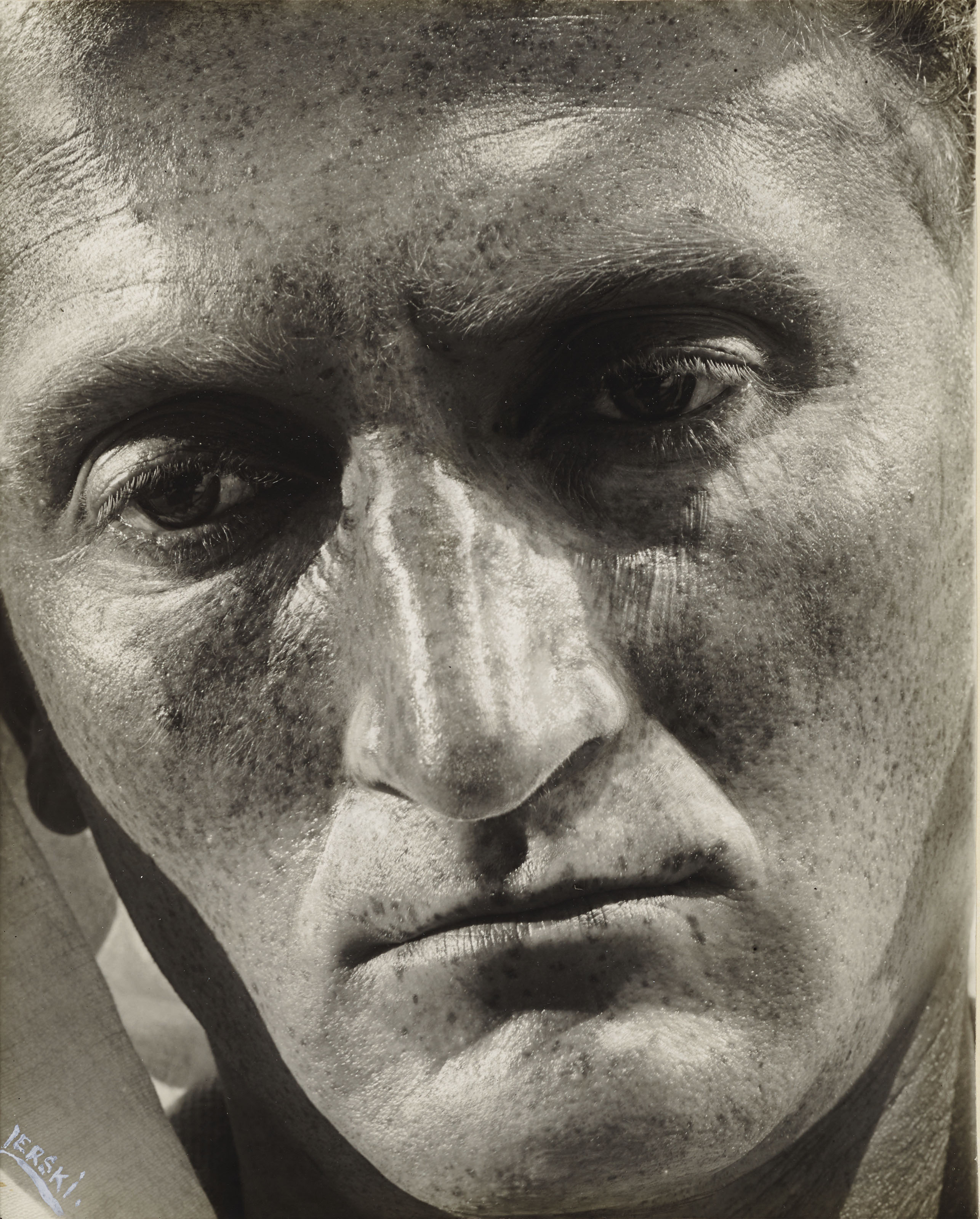
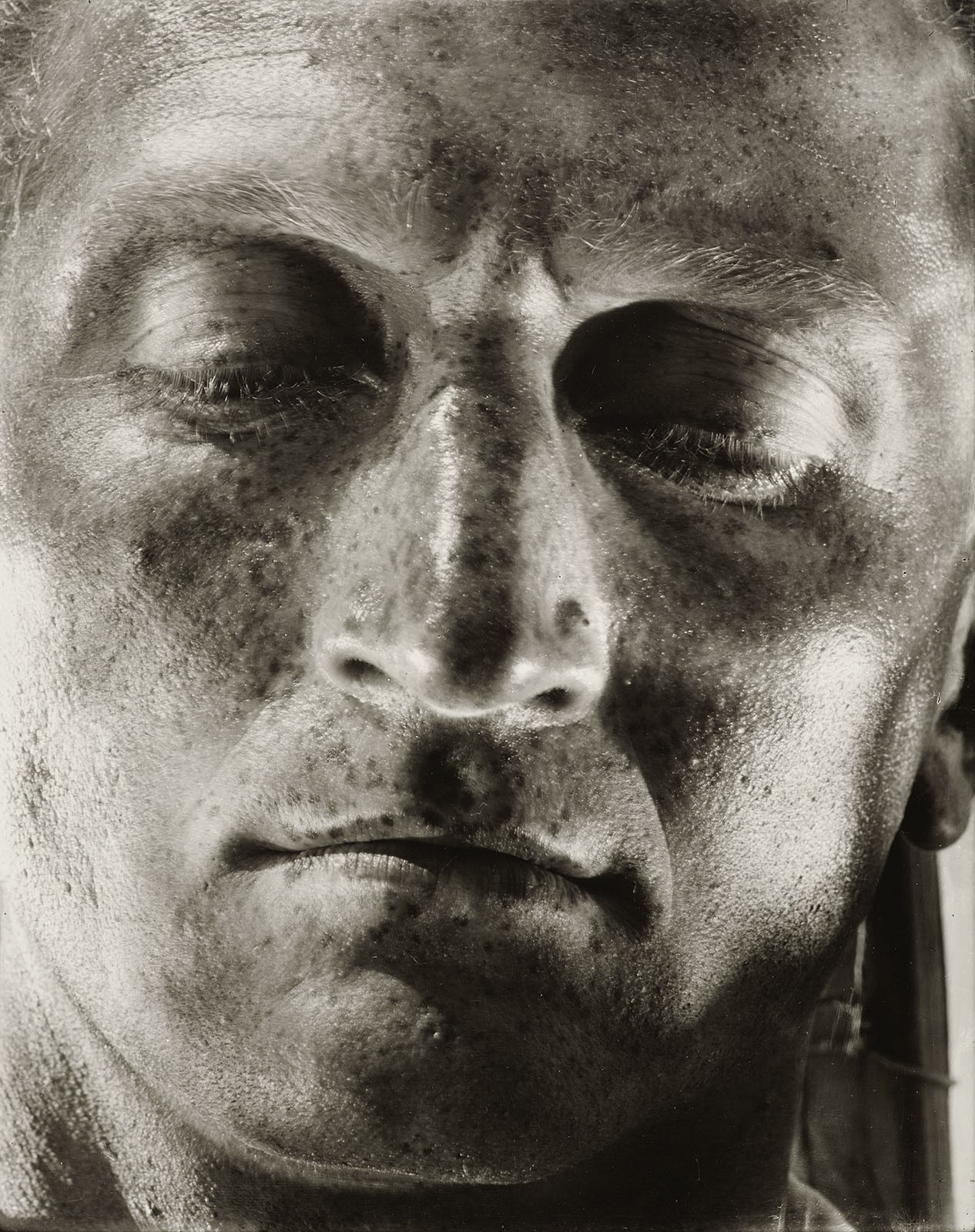


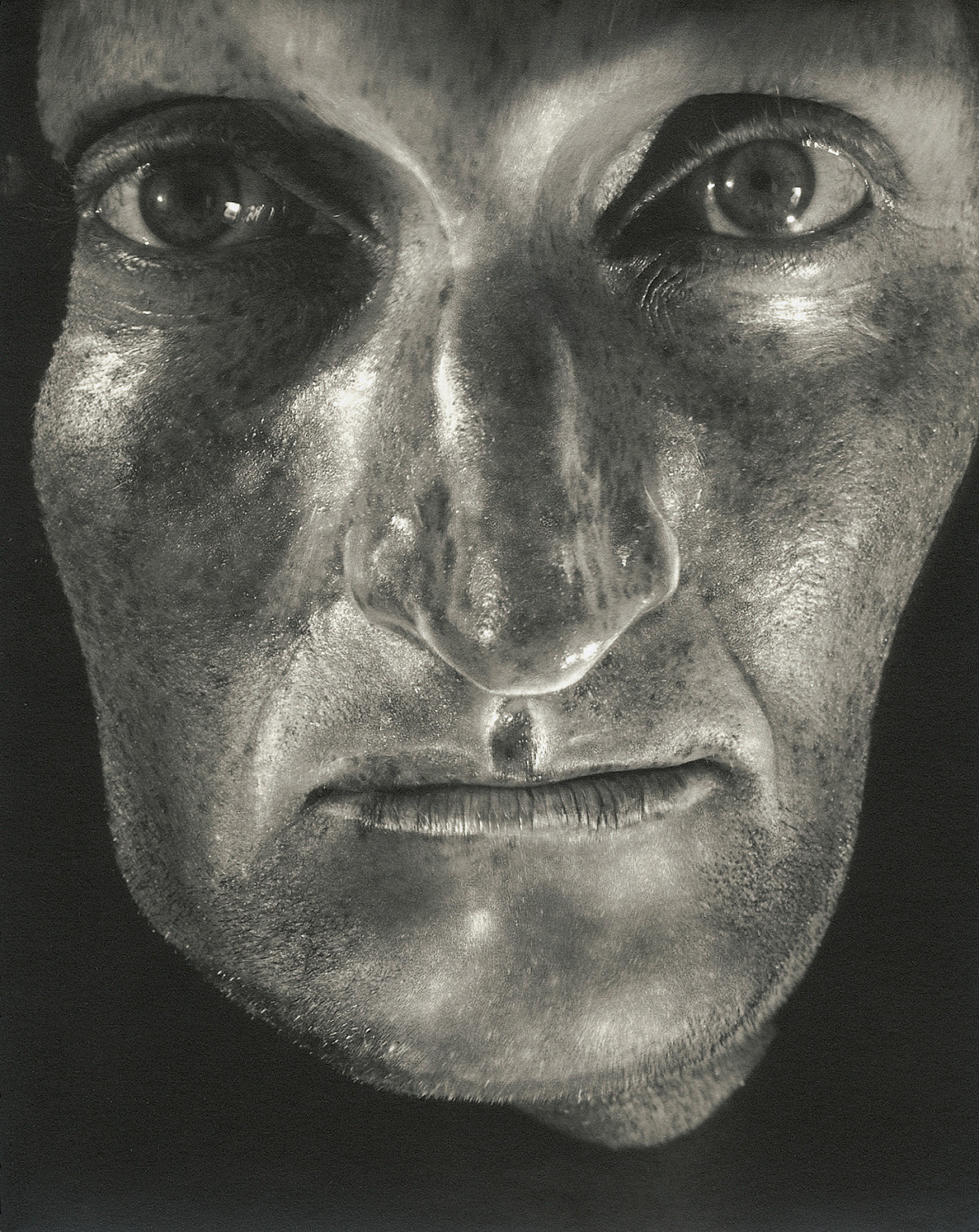
Faces. The power of the human visage (2021)
Starting from Helmar Lerski’s outstanding photo series Metamorphosis through Light (1935/36), the exhibition Faces presents portraits from the period of the Weimar Republic.
The 1920s and ’30s saw photographers radically renew the conventional understanding of the classic portrait: their aim was no longer to represent an individual’s personality; instead, they conceived of the face as material to be staged according to their own ideas. In this, the photographed face became a locus for dealing with avant-garde aesthetic ideas as well as interwar-period social developments. And it was thus that modernist experiments, the relationship between individual and general type, feminist roll-playing, and political ideologies collided in—and thereby expanded—the general understanding of portrait photography.
Faces. Die Macht des Gesichts (2021)
Die Ausstellung Faces in der ALBERTINA präsentiert Porträts der deutschen Zwischenkriegszeit. Ausgangspunkt dafür ist Helmar Lerskis herausragende Fotoserie Verwandlungen durch Licht (1935/36).
In den 1920er- und 30er-Jahren erneuern Fotografinnen und Fotografen das Verständnis des klassischen Porträts radikal: Ihre Aufnahmen dienen nicht mehr der Darstellung der Persönlichkeit eines Menschen, sondern fassen das Gesicht als nach ihren Vorstellungen inszenierbares Material auf.
Über das fotografierte Gesicht werden sowohl ästhetische Überlegungen der Avantgarde als auch gesellschaftliche Entwicklungen der Zwischenkriegszeit dargestellt. Experimente mit neuer Formensprache, das Verhältnis zwischen Individuum und Typ, feministische Rollenspiele und politische Ideologien treffen aufeinander und erweitern damit das Verständnis der Porträtfotografie.
Quelle : Albertina Museum



![Le Dieu bleu : [Tamara Karsavina dans le rôle de la jeune fille], 1912. [Photographe présumé : Waléry] | src Gallica ~ BnF
Le Dieu bleu : Légende hindoue en 1 acte / chorégraphie de Michel Fokine. - Paris : Théâtre du Châtelet, 13-05-1912](https://live.staticflickr.com/65535/52701235623_2116670e94_o.jpg)
![Title : Le Dieu bleu : [photographie] : [Tamara Karsavina dans le rôle de la jeune fille] : [photographie de Waléry, Paris ?]
Author : Waléry (1866-1935 ; photographe). Photographe présumé
Publication date : 1912
Relation : Le Dieu bleu : Légende hindoue en 1 acte / chorégraphie de Michel Fokine. - Paris : Théâtre du Châtelet, 13-05-1912](https://unregardoblique.com/wp-content/uploads/2023/02/le_dieu_bleu___photographie_.walery_1866-1935_btv1b52504383h_1_det.jpg)
 un regard oblique