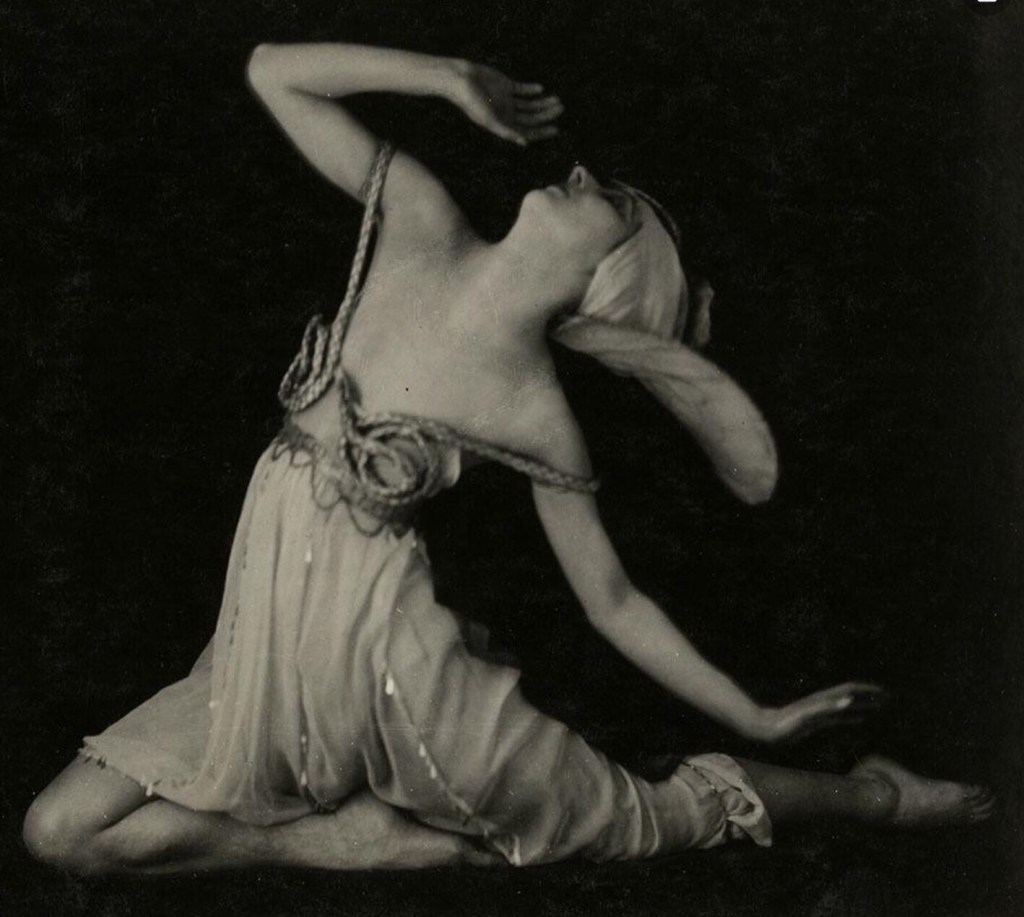
Désirée Lubovska, 1918
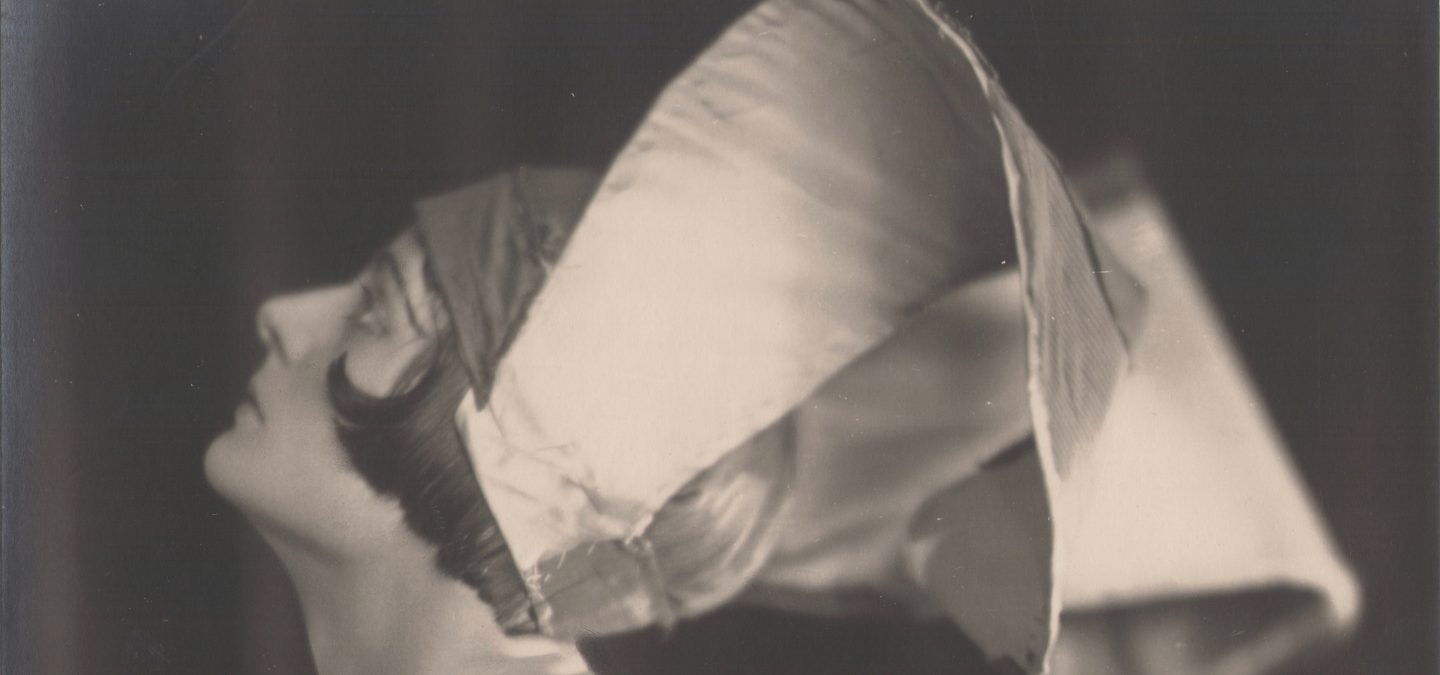
images that haunt us
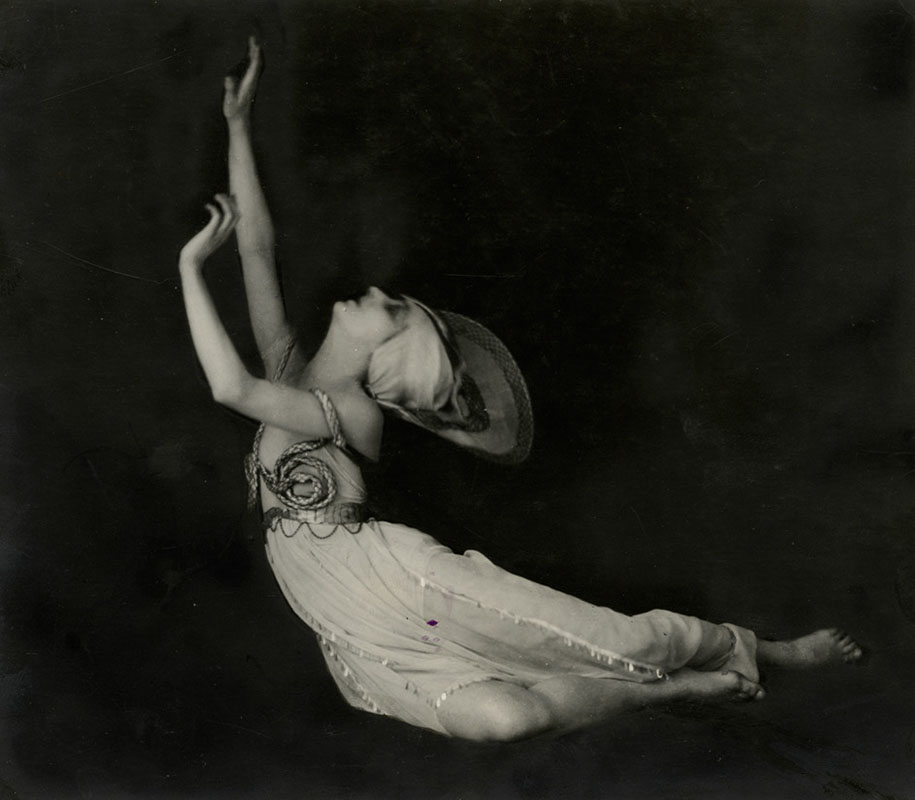
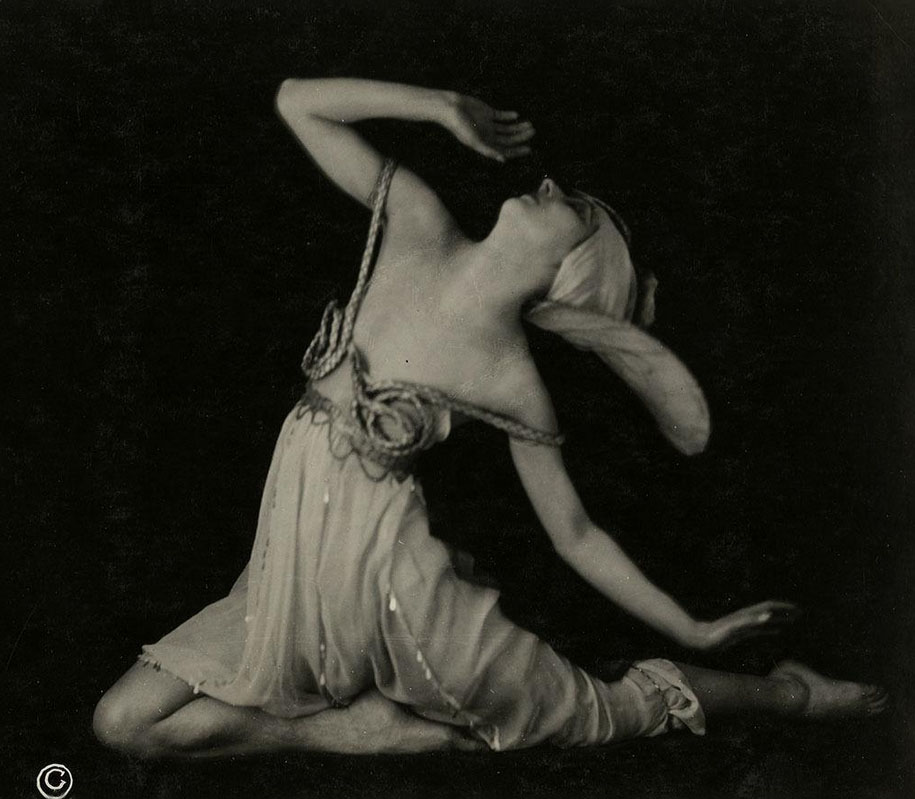
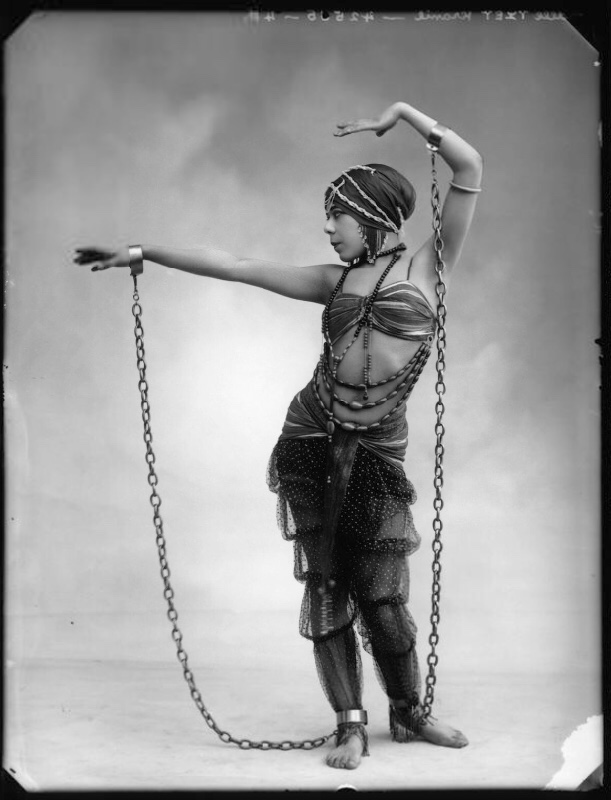
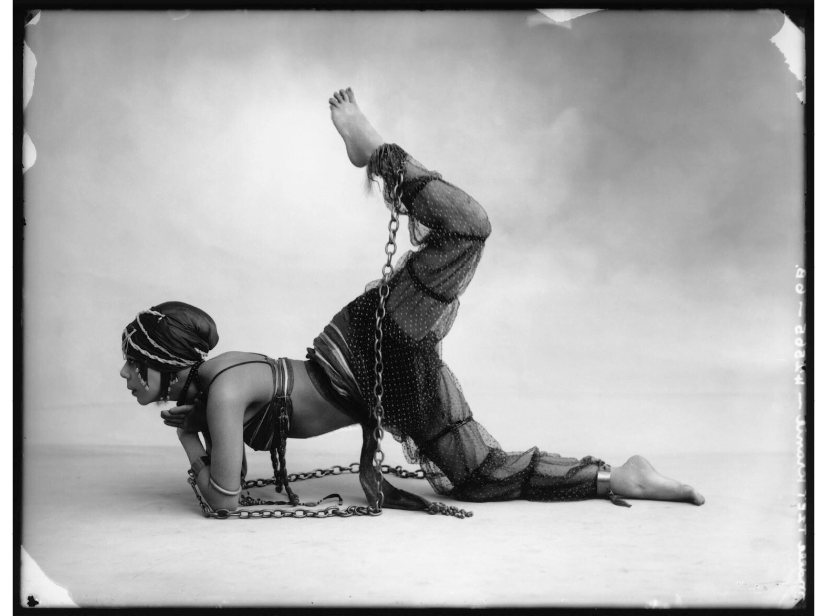
A whimsical avant-garde portrait of Lubovska, the erotic Orientalist ballerina, as she strikes a dramatic pose in a risqué costume. This image was used to help promote Lubovska’s turn in Charles Dillingham’s musical spectacle “Everything” that played at New York City’s Hippodrome Theater and was accompanied by music by John Phillip Sousa. Mlle. Lubovska or Lubowska, as she was known, was born in Minnesota; she invented a mysterious Russian past as a way of capitalizing on the glamour of Pavlova, who was at the time, the reigning queen of ballet. Her romantic origin story also lent an air of mystery to her “Egyptian dances” as they were billed.
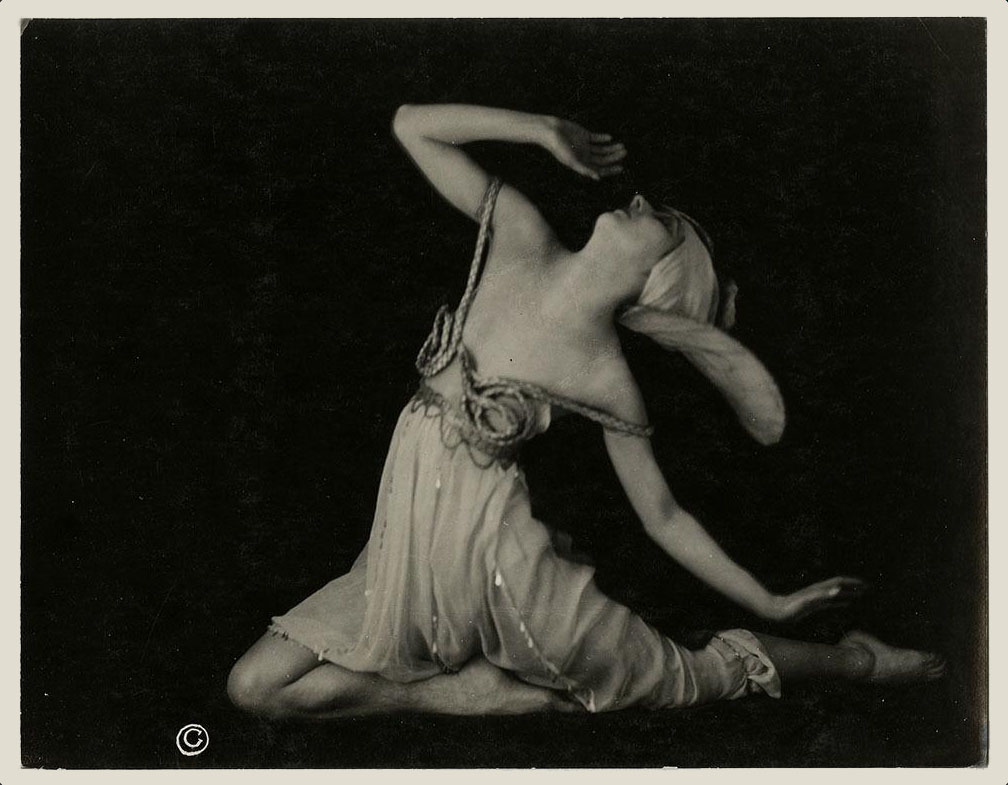


Desiree Lubovska, also Desiree Lubowska, was the professional name of American dancer Winniefred Foote (1893 – 1974). Foote was born in Minnesota. She changed her name, adopted an accent in her speech, and created a backstory of dancing in Russia; she also said that she studied Egyptian art at the British Museum. She went on a diet and fitness regimen in pursuit of a more angular physique, and her dances reflect this focus. ‘I finally felt I was one of them, a reincarnated spirit of the Nile’; she said in a 1921 interview.
Text adapted from the Wikipedia entry (in English)

The text “Egyptian dance of mourning taken from tombs of Egypt” can be read on the verso of the photograph, written in pencil amongst the stamps of press agencies.
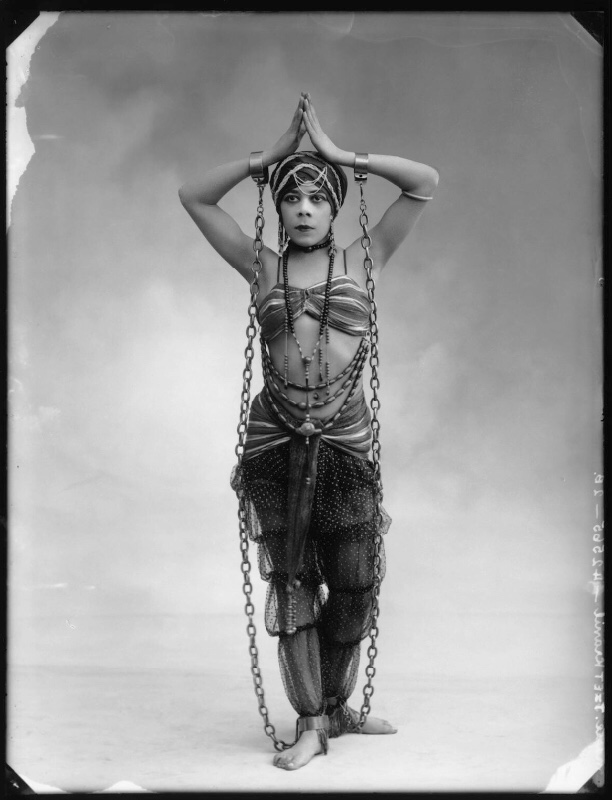
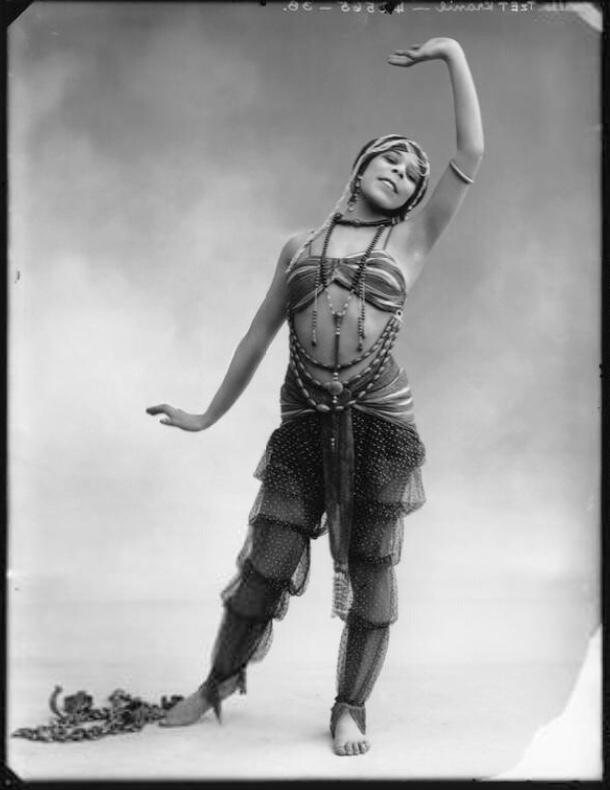


Immediately after the First World War and the founding of the Weimar Republic, Joe May set up a gigantic project in his “Filmstadt” in Woltersdorf. Following the example of American and Italian monumental films and serials à la The Count of Monte Cristo, he brought out a series of eight consecutive, largely self-contained feature films at the end of 1919. His wife, the former operetta diva Mia May, played the leading role of the world traveler Maud Gregaard, who wants to take revenge on her father’s murderer and experiences all sorts of love and other adventures about it. The 5th part, in which Maud and her companion find the mysterious city of Ophir in the heart of Africa, is an adventure film that was staged with great effort – and May’s colleague Fritz Lang may have had to thank her for a few suggestions for Metropolis. [Deutsches Historisches Museum]

The large-scale film series about the adventuress Maud Gregaard, who becomes a modern »Countess of Monte Cristo« in eight parts, was produced in May 1919 and screened at weekly intervals at the end of the year. In Part 5, Maud, having just escaped from the natives of the Makombe tribe with her companion Madsen, ends up in the mysterious city of Ophir in Central Africa. There they mistake the high priests for the goddess Astarte, while Madsen is thrown to the slaves. With the help of the engineer Stanley, who is also enslaved, the trio finally finds the legendary treasure of the Queen of Sheba – and prepare their breakneck escape … A few kilometers outside of Berlin, in a gigantic studio recordings: Joe May’s “Filmstadt”, almost 30,000 people participated. [Film Archiv Austria]


