


images that haunt us


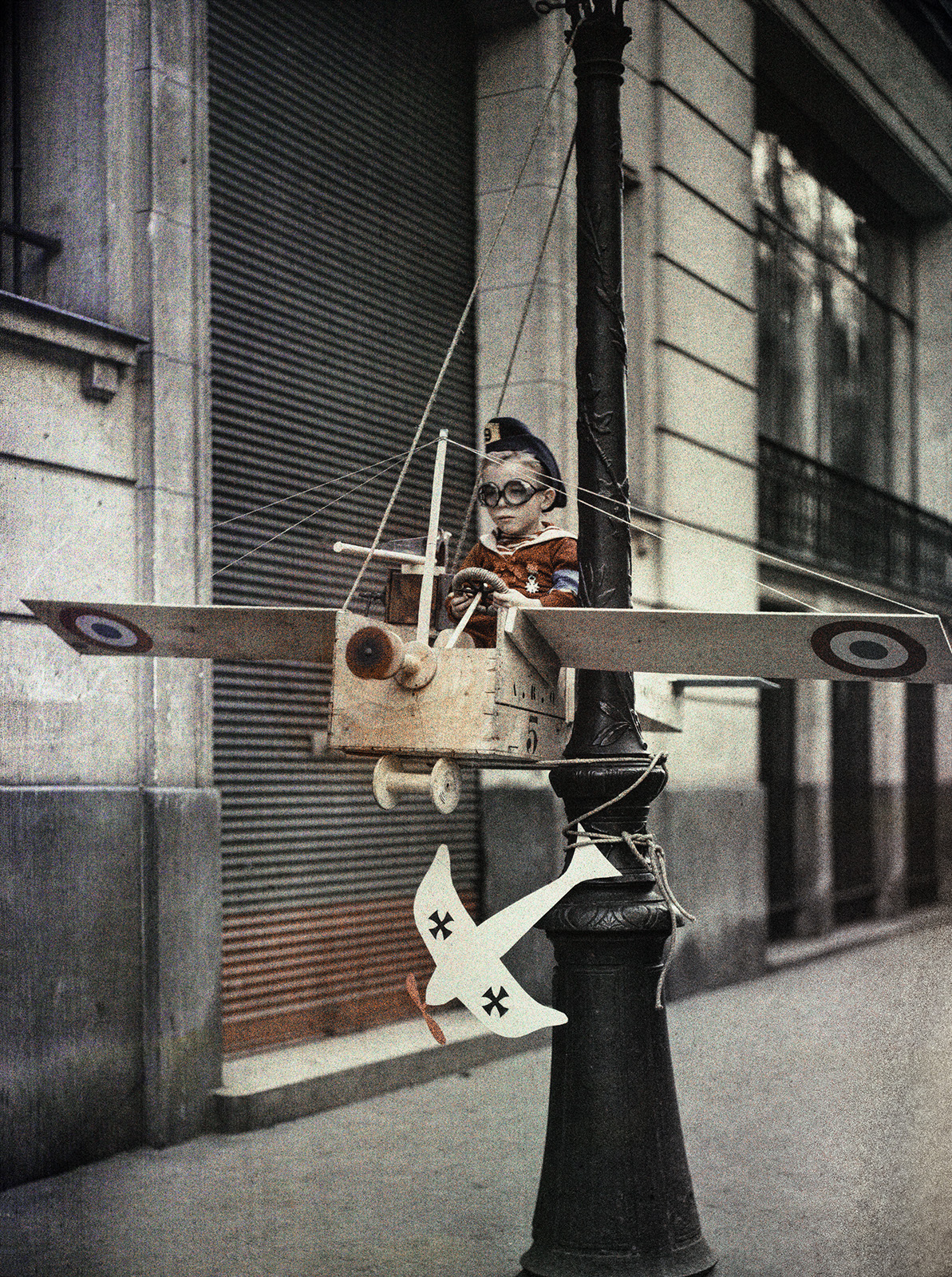
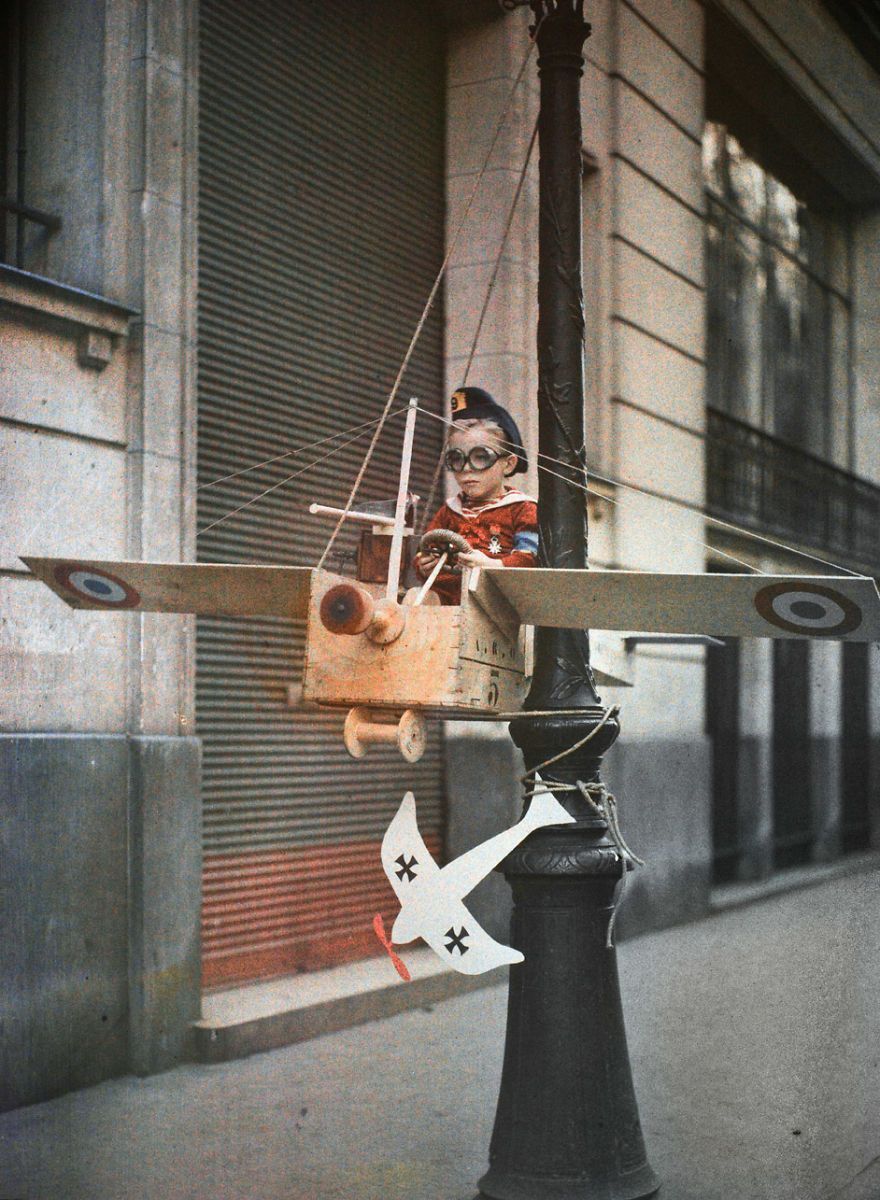
In 1915 Gimpel befriended a group of children from the Grenata Street neighborhood in Paris who had established their own “army”. He began to visit them regularly on Sundays, helping them to build their arsenal from whatever was to hand, providing direction in “casting”, and recording with his camera the army’s triumphs over the evil enemy, the Boche.
Gimpel was charmed by these children and came to know each of them well: the “chief”, the eldest in the garrison; his friend, who was conscripted to play the unenviable role of the Boche; and Pépète, who was “small, slightly misshaped, rather scrofulous, looking somewhat like a gnome” but who nonetheless played the part of an ace aviator. At the end of each session, Gimpel would reward the troops with barley sugar, causing all to shout with one voice, “Long live the photograph!”
quoted from Luminous-Lint online exhibition : Autochromes and Autochromists of WWI

From : La guerre de gosses, Léon GIMPEL, Paris, 1915
More images at Images en ligne de la Société française de photographie (SFP)
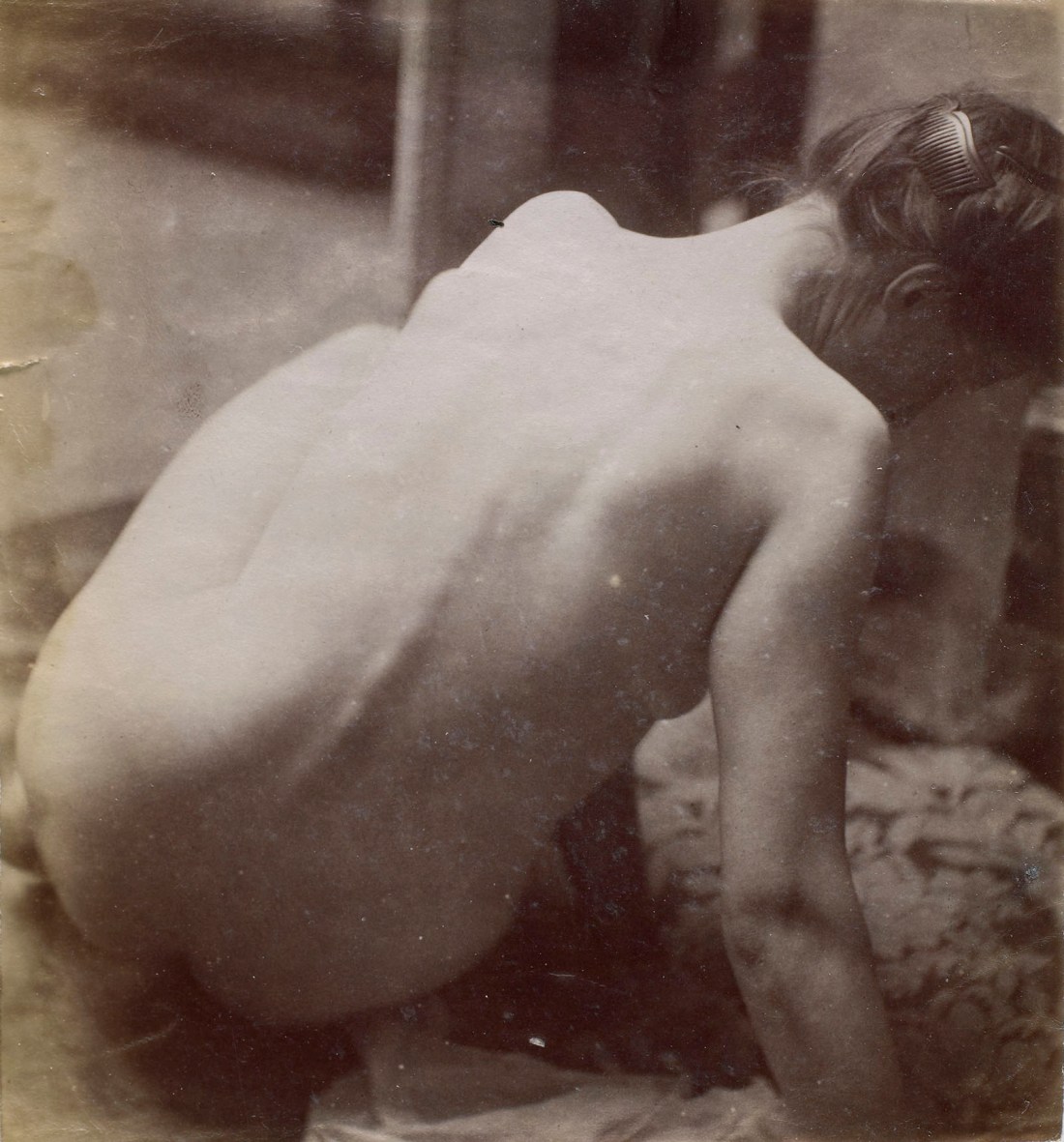

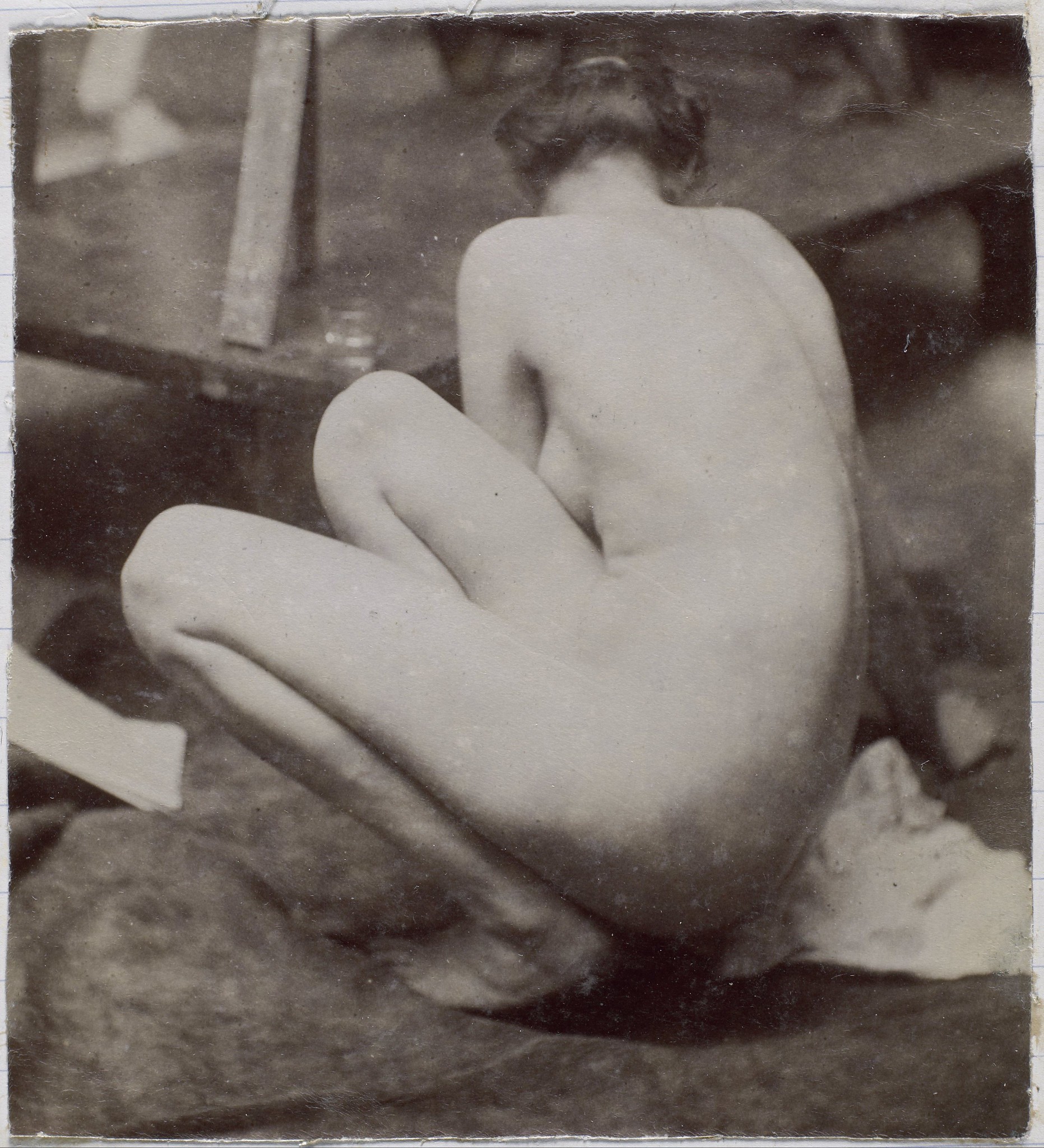
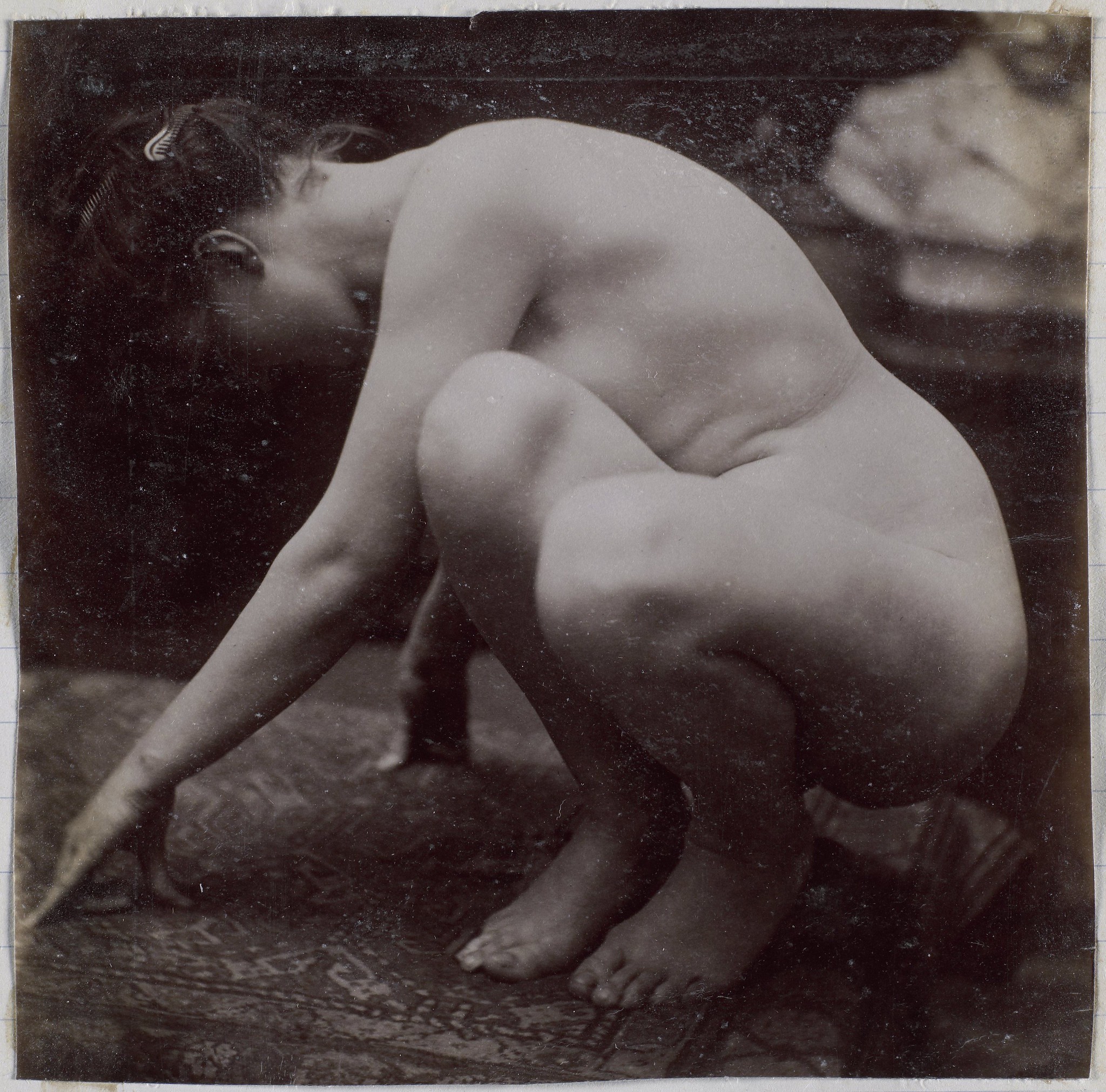


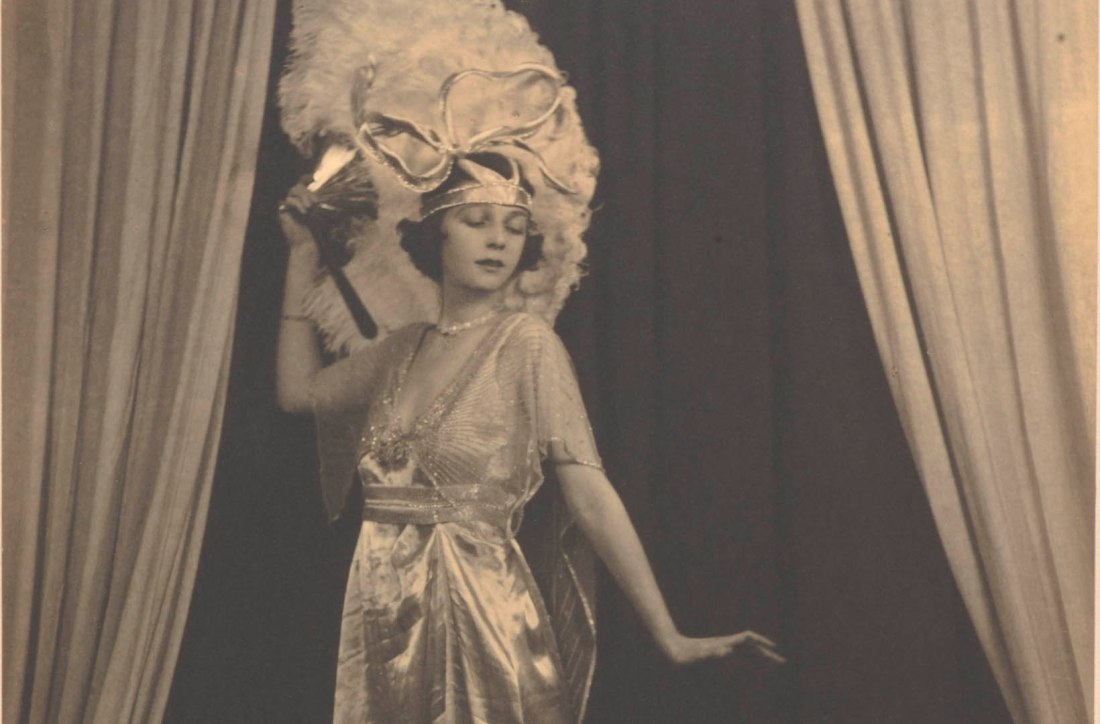
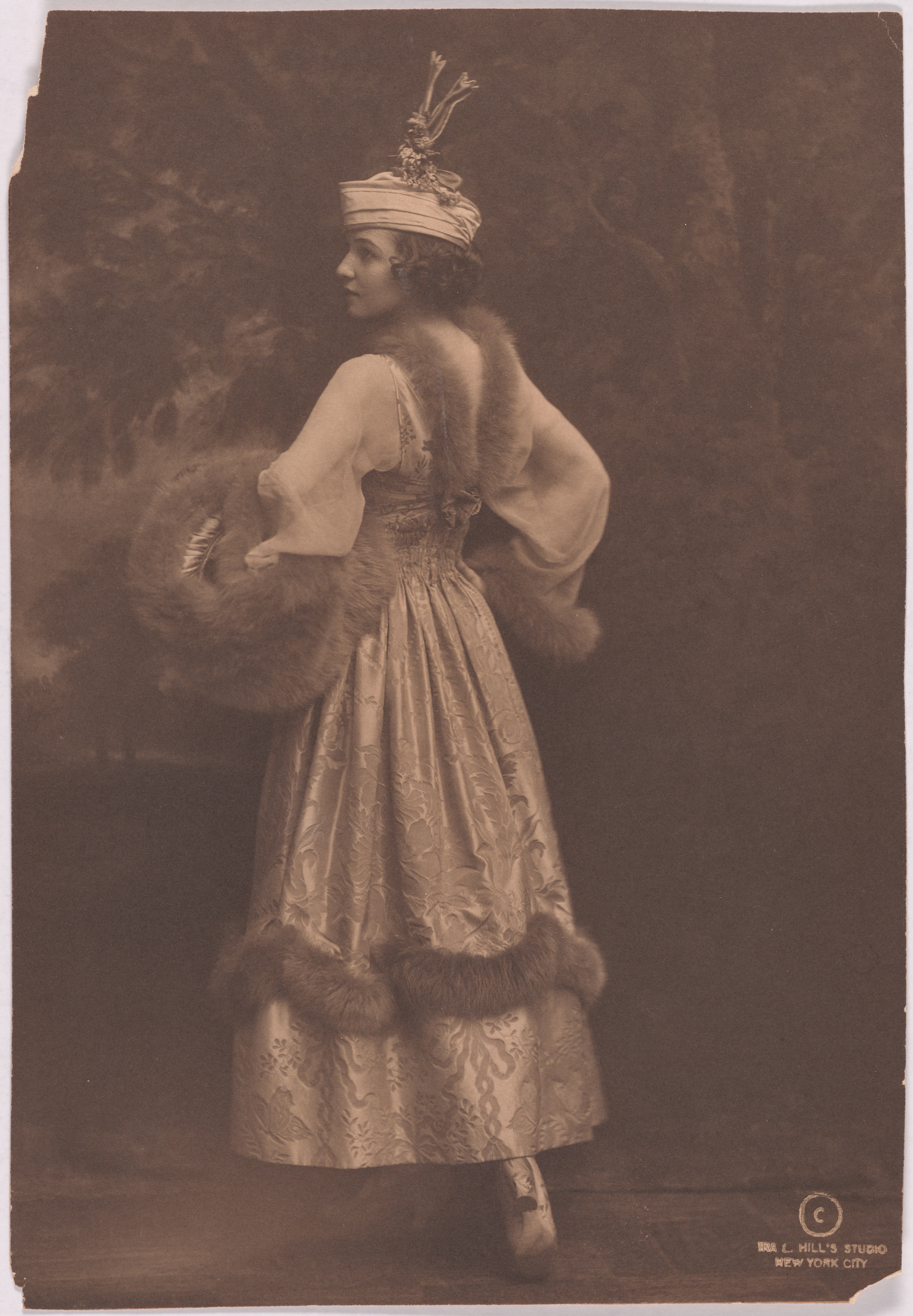
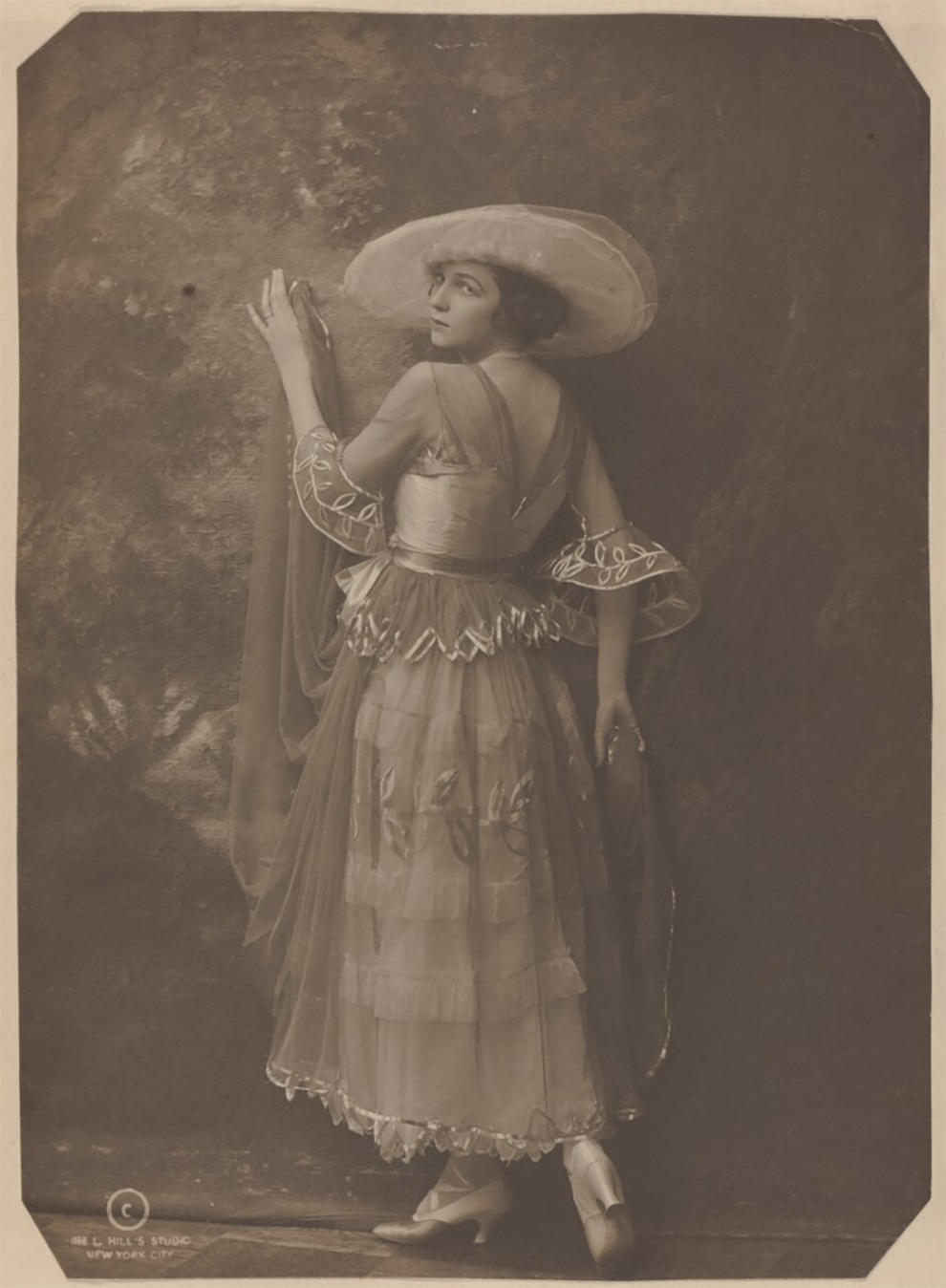
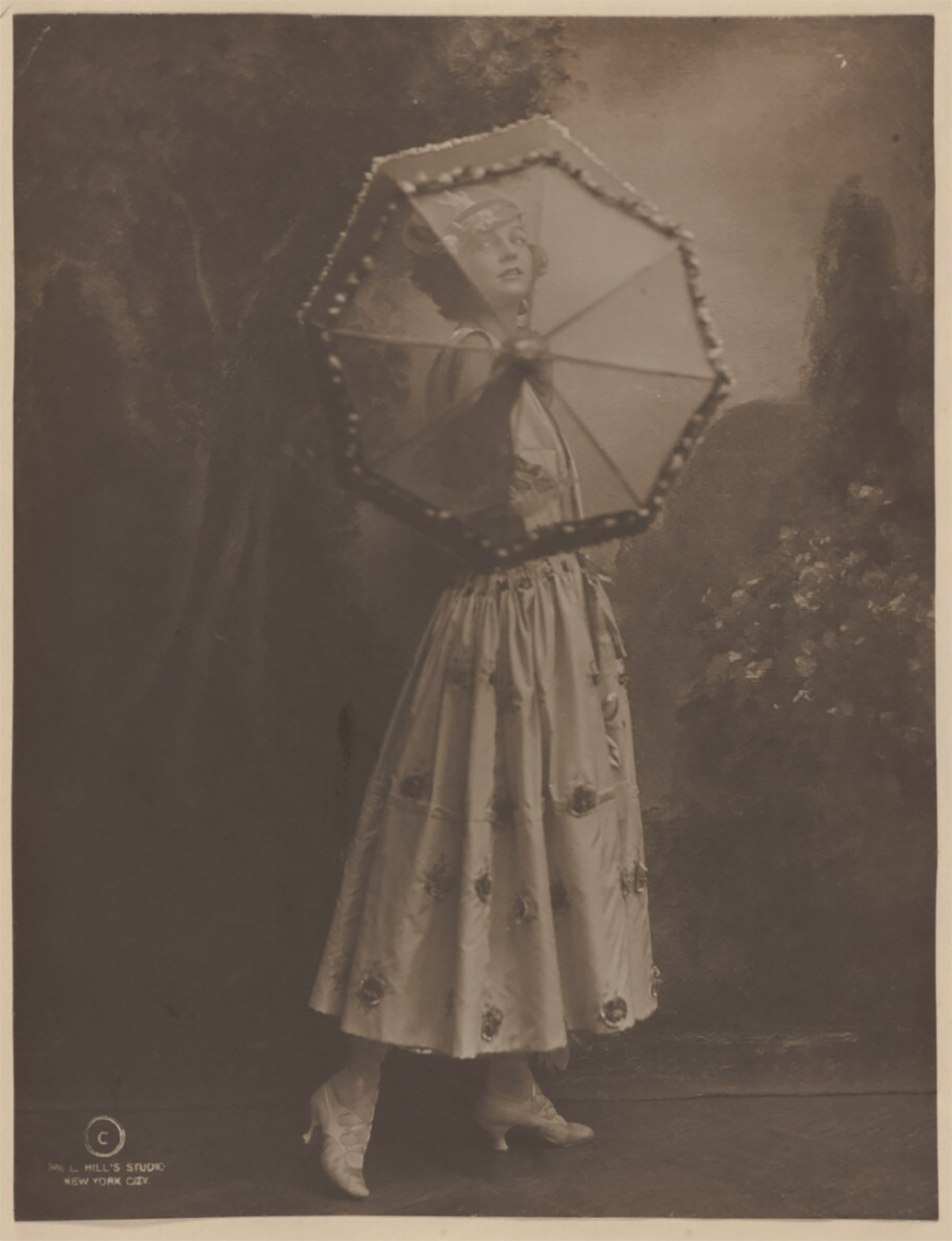
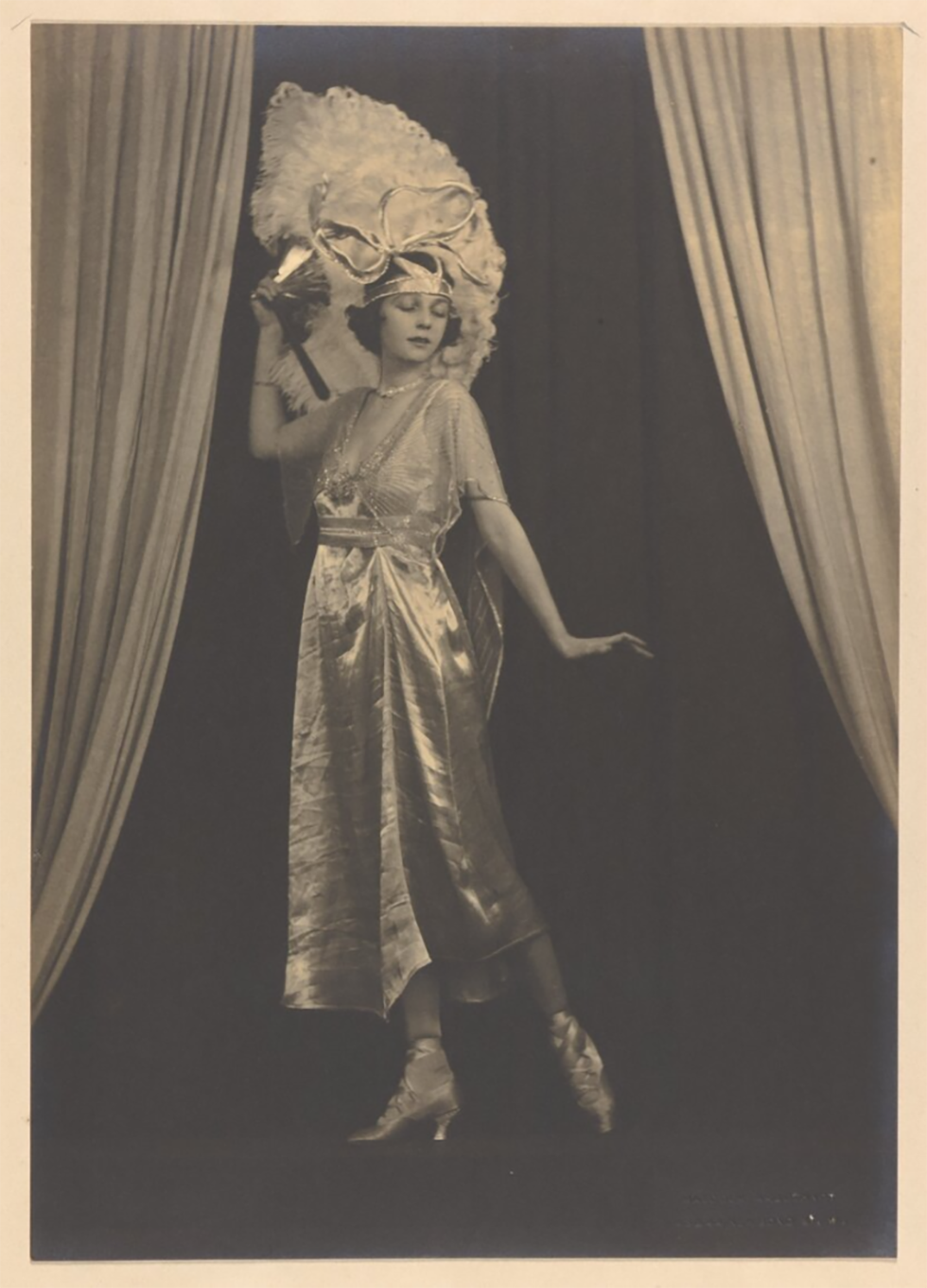
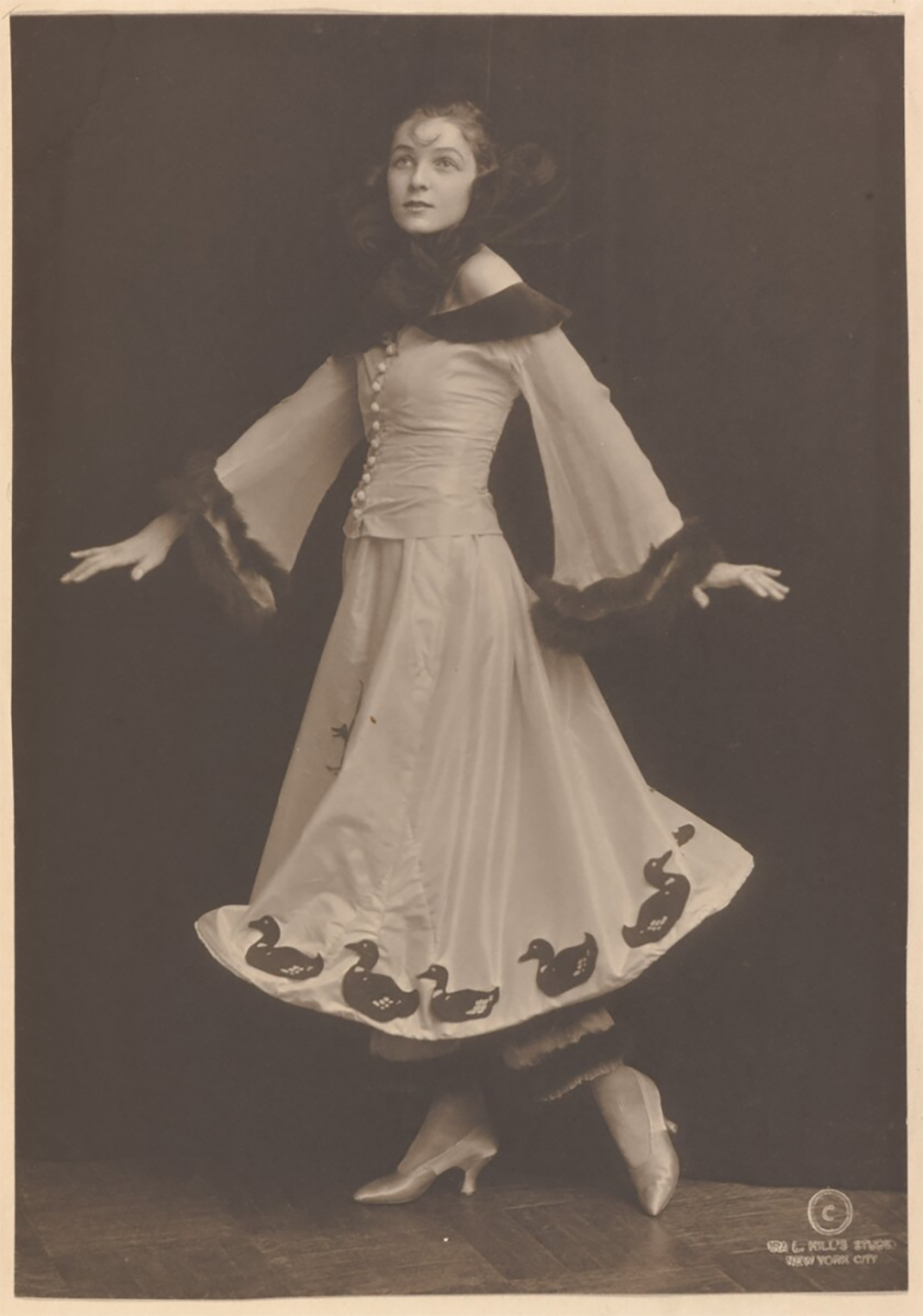
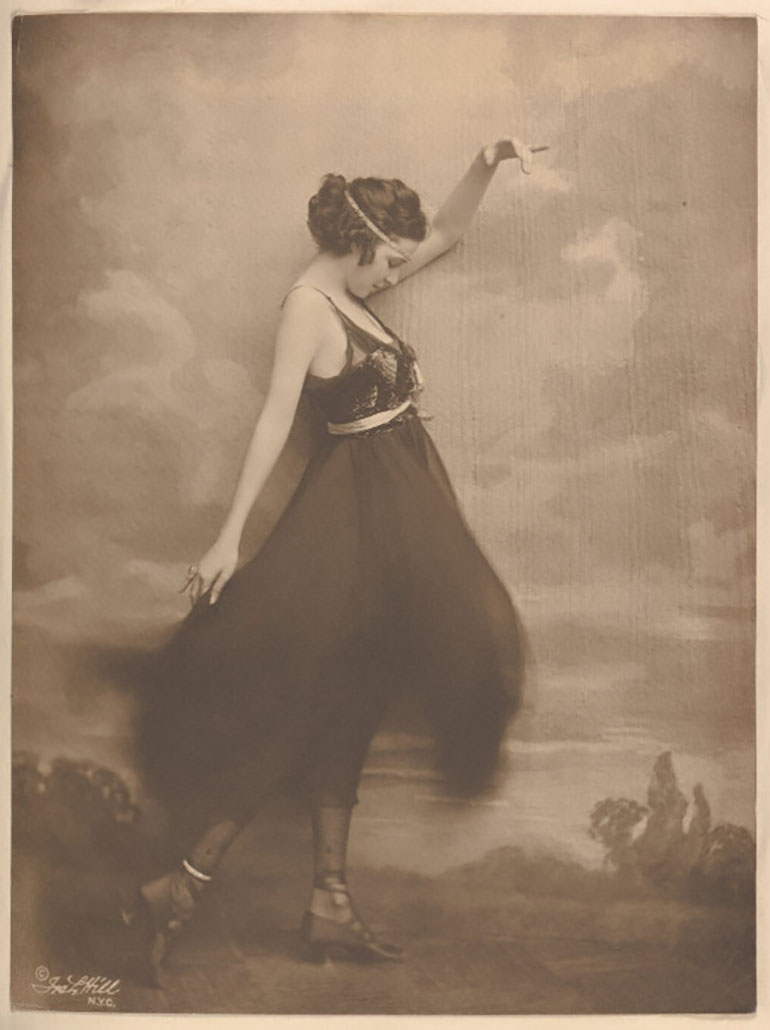
All five images are part of a notebook with 108 Photographs of Models Owned by Jacques de Lalaing (1858-1917). Access to the whole notebook held at Rijksmusem, here: follow link >>> (RP-F-2001-4)
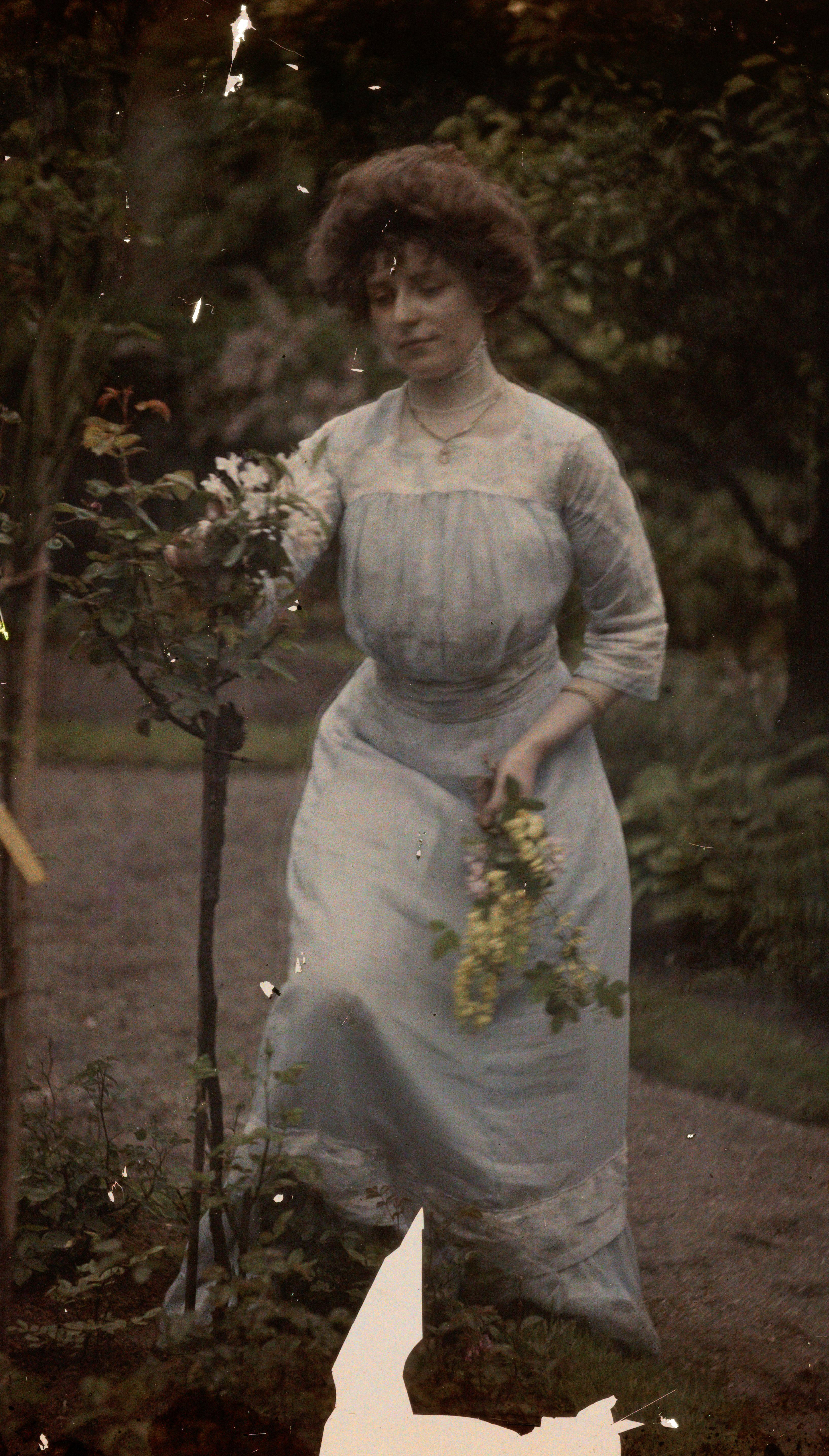


![Antonin Personnaz :: [Usines, rivière, péniches], entre 1907 et 1914. Plaque de verre Autochrome.](https://live.staticflickr.com/65535/52784179301_9d51134c76_o.jpg)
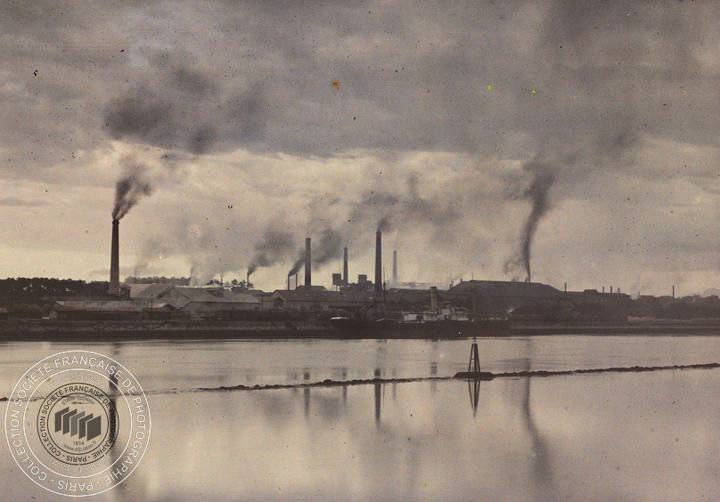
![[Train de péniches sur l'Oise vu depuis le pont d'Auvers (En direction de l'aval) avec bateau-lavoir et une meule sur la berge, Méry-sur-Oise - Auvers-sur-Oise, Val-d'Oise, Île-de-France, France], Antonin PERSONNAZ, entre 1907 et 1914. Autochrome](https://live.staticflickr.com/65535/52784427352_b326b56d0b_o.jpg)
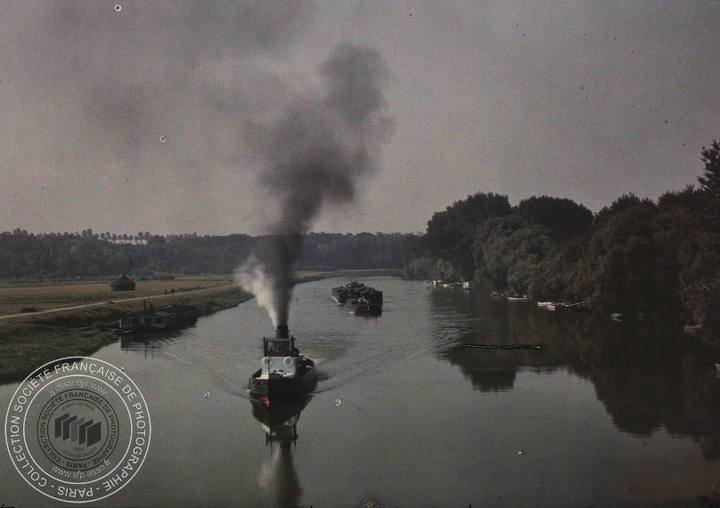
![[Rivière, péniches amarrée], Antonin PERSONNAZ, entre 1907 et 1914. Plaque de verre Autochrome](https://live.staticflickr.com/65535/52785215244_a7879153e4_o.jpg)
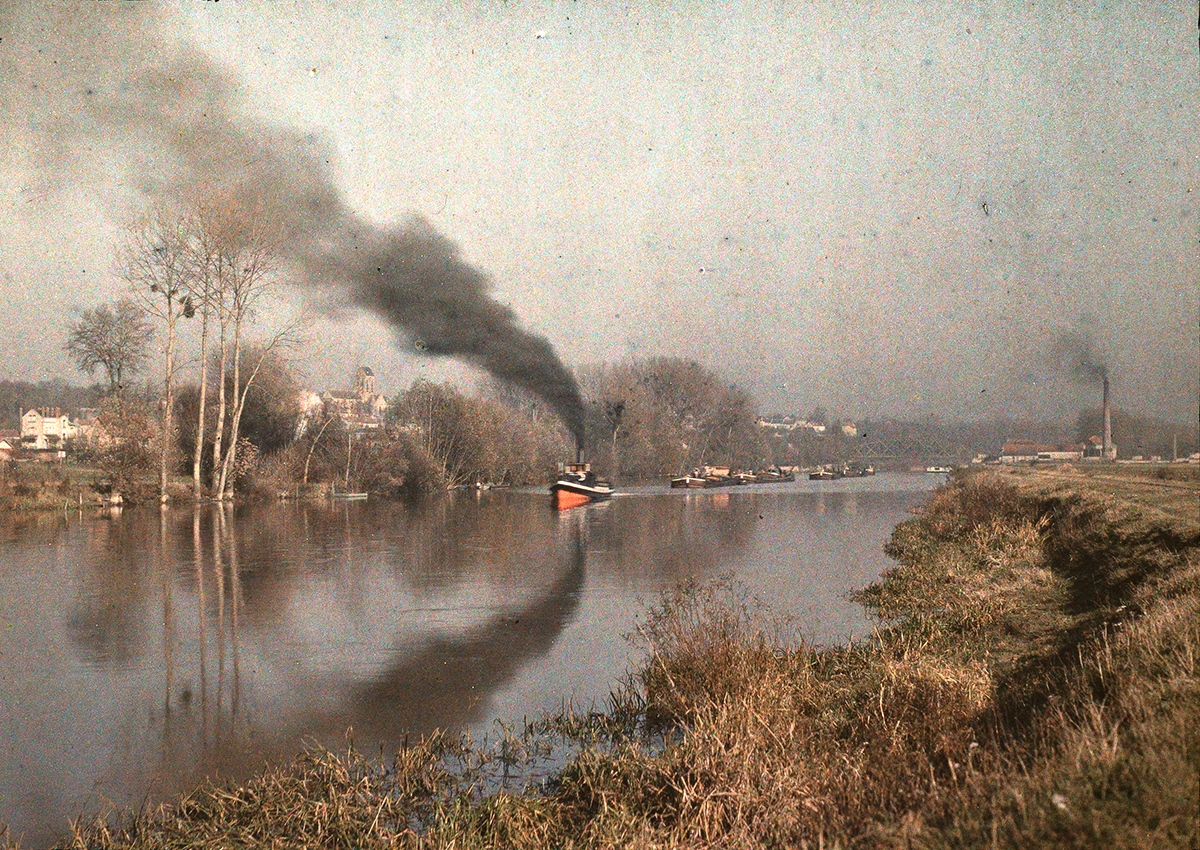
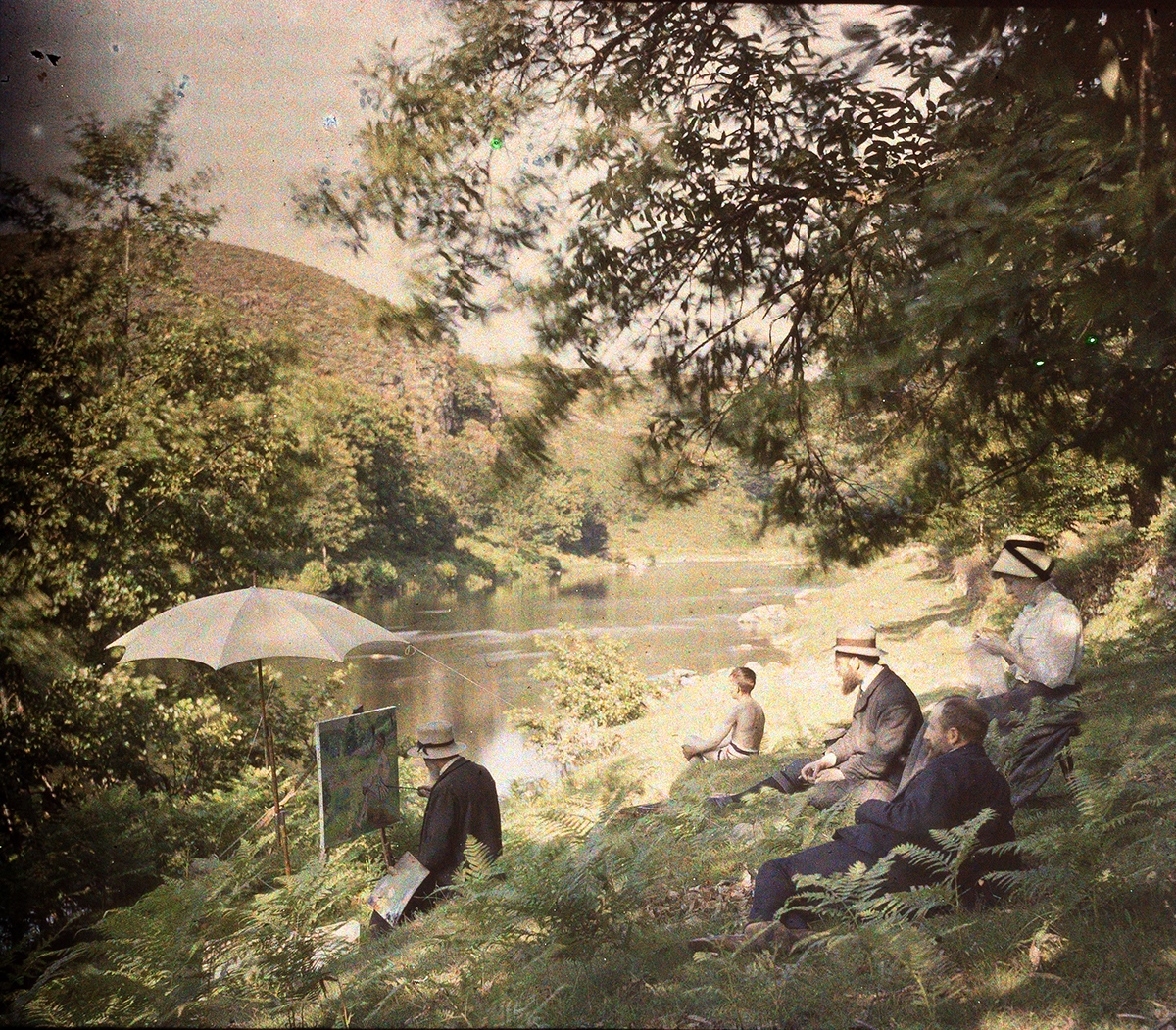


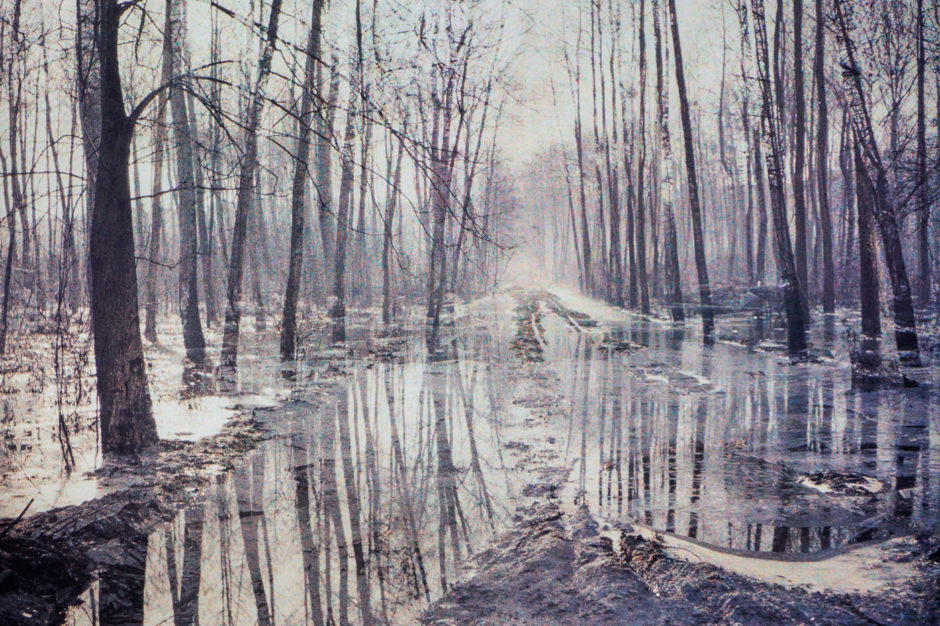
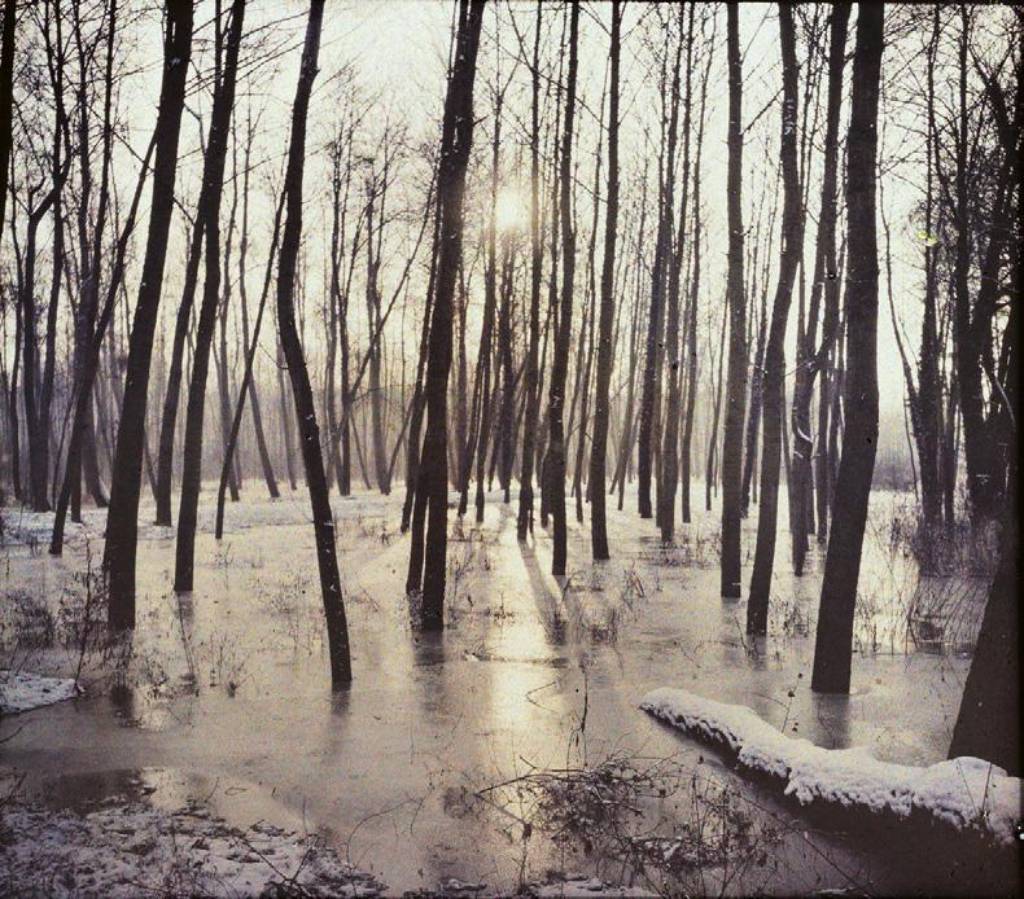
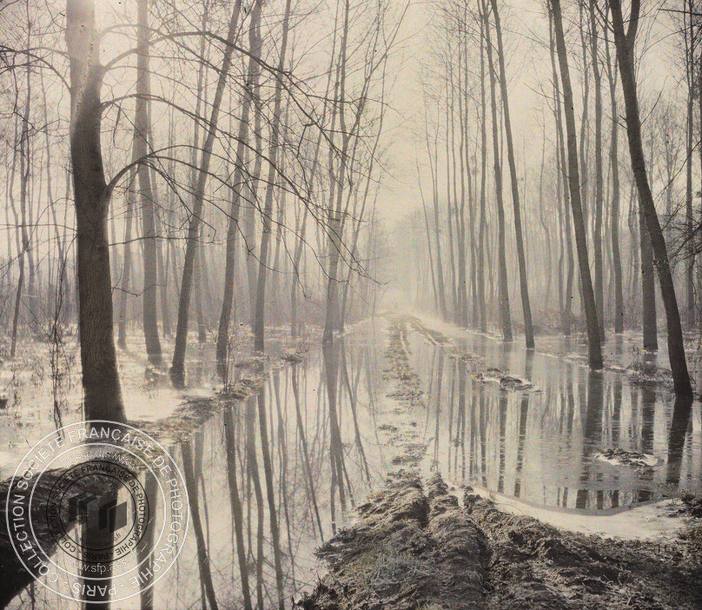

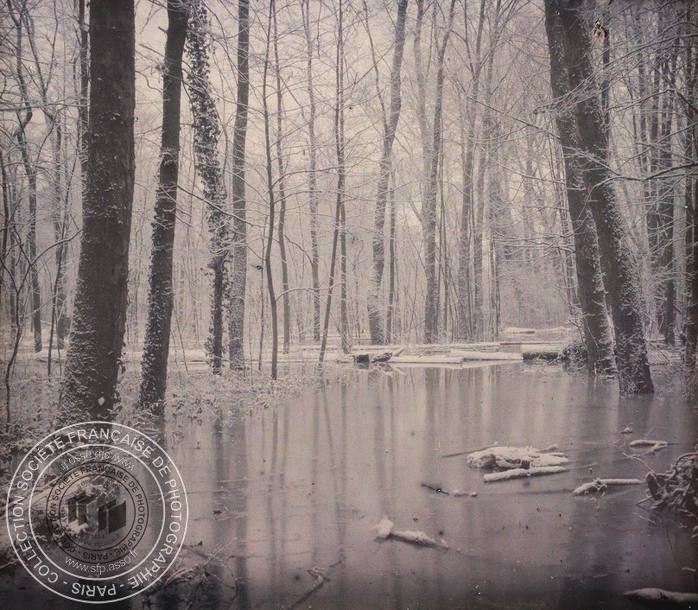
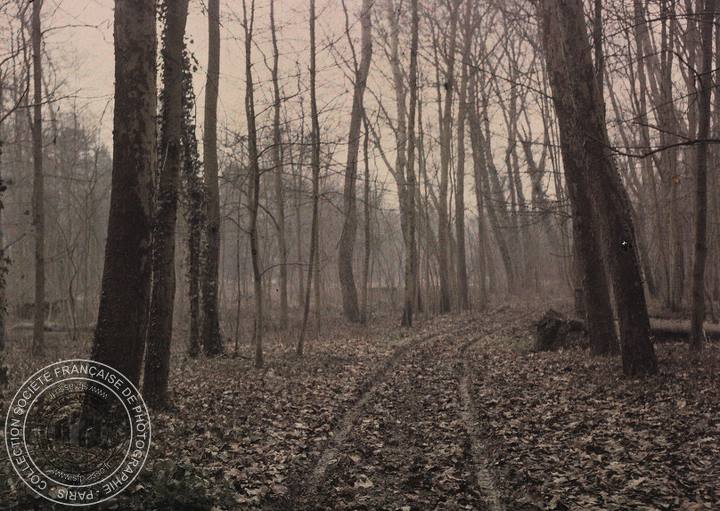
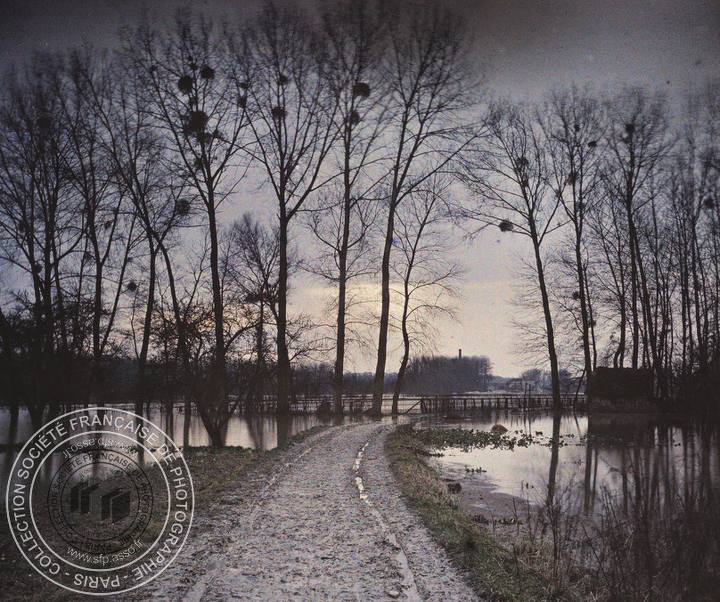

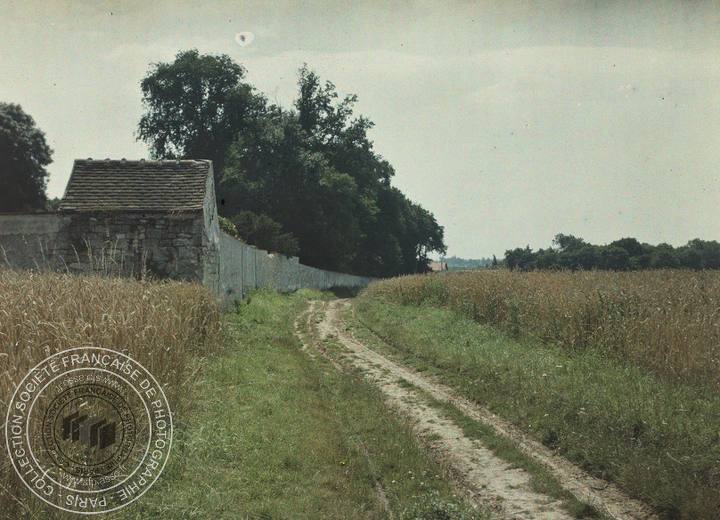
Invented by the Lumière Brothers, Autochrome was the first color photographic process to be marketed. As soon as it was put on the market in 1907, it was an immediate success with amateur and professional photographers. This is the photographic medium used by Albert Kahn for his Archives de la planète, the world’s first global report in color. Among the early adopters stands out a singular personality. Antonin Personnaz (1854-1936) is indeed one of the most important collectors of Impressionism, and is one of the great benefactors of national museums. His 1937 bequest includes 142 first-rate works (Pissarro, Guillaumin, Sisley, Degas, Renoir, Toulouse-Lautrec, etc.), including Monet’s famous Pont d’Argenteuil, which are today among the masterpieces presented at the Musée d’Orsay and at the Musée Bonnat-Helleu. Less well known is his status as an active member of the French Photography Society (from 1896) and of the Society of Excursions for Photography Amateurs (from 1900). As such, he is at the origin of a distinction awarded to the Lumière Brothers for the invention of the autochrome plate, whose grainy and pointillist rendering seems to him to join the research of Impressionist painters, and whose aesthetic qualities he ardently defends. From 1907, Antonin Personnaz assiduously practiced autochromy himself and produced more than a thousand plates, which his widow donated to the Société française de photographie. Despite its interest in the history of Impressionism, this collection has been little studied and shown. However, because of its proximity to artists, Personnaz’s photographic work is of exceptional interest.
In fact, there are not only direct testimonies from painters working on the motif, but also many views whose kinship with the most famous impressionist landscapes is obvious. Views of rivers, countryside, snowy landscapes, peasant scenes, women with umbrellas, flowering apple trees, poppies, all the Impressionist vocabulary can be found there. It seems that Personnaz looks at sites chosen by painters and, by photographing them, mirrored a sort of collection of personal Impressionist images. This unique exhibition, produced in partnership with the Société française de photographie, will be the very first study and publication devoted to Antonin Personnaz. It will present a corpus of images that recreate the pictorialist imagination of the author, with a striking realism for today’s visitor.
A unique exhibition produced in partnership with the Société française de photographie | src ODLP




 un regard oblique