

images that haunt us
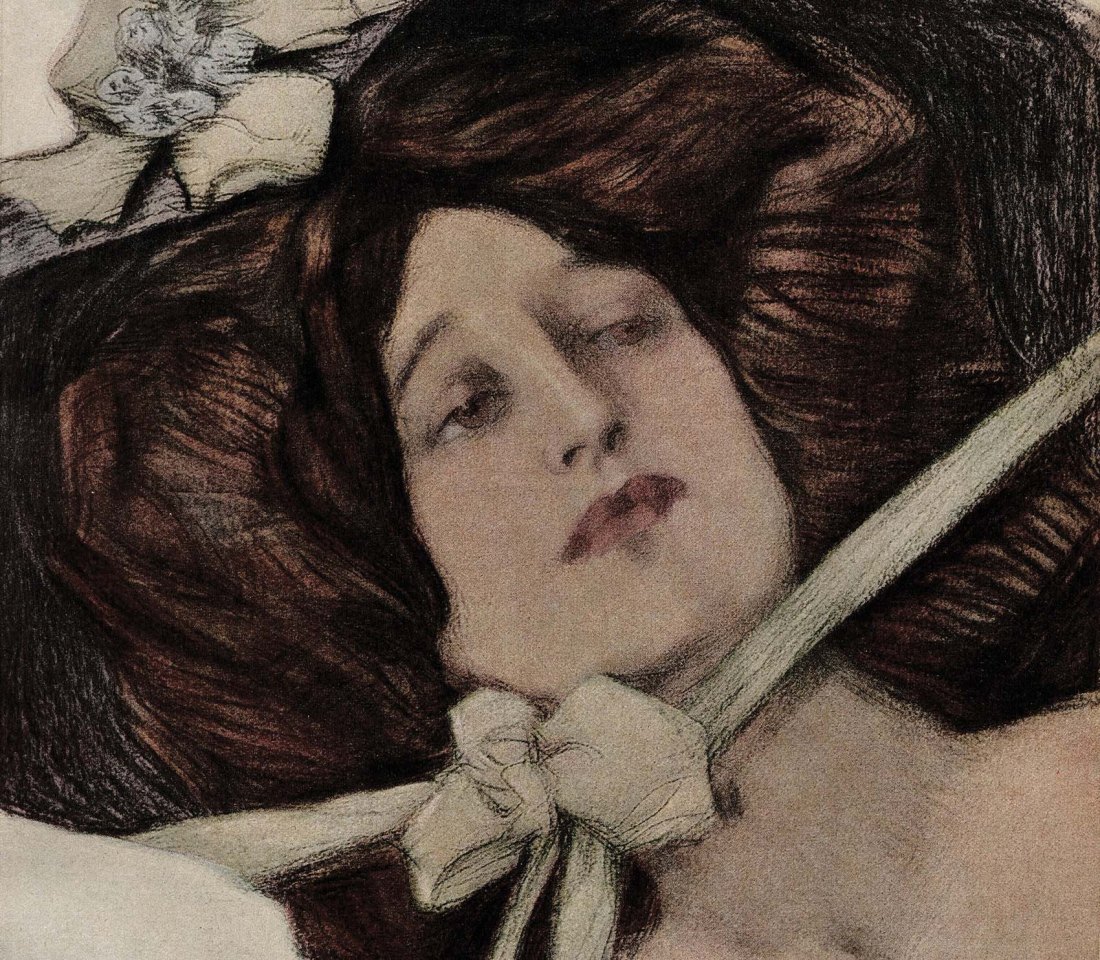
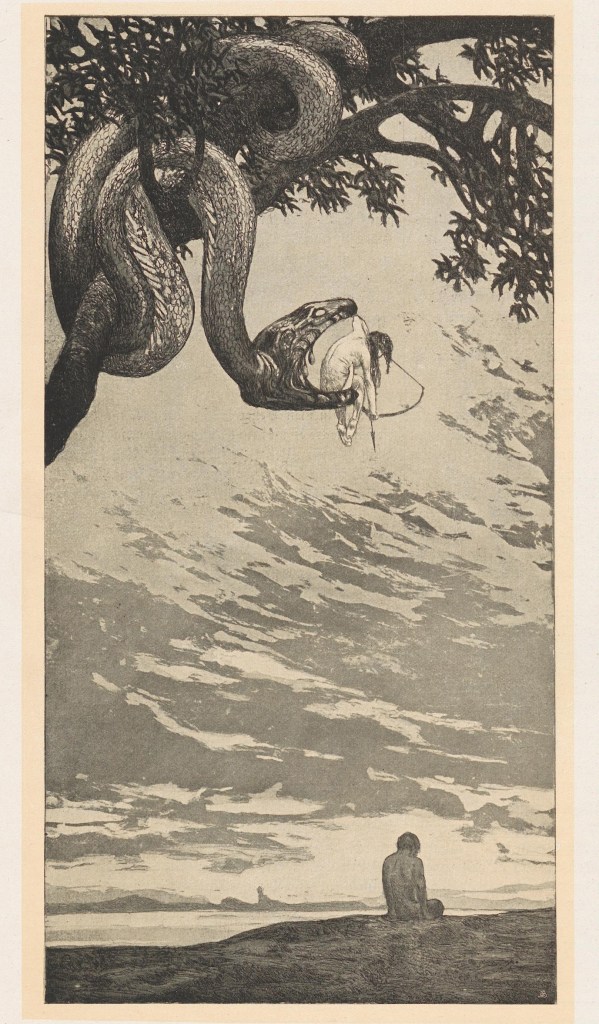
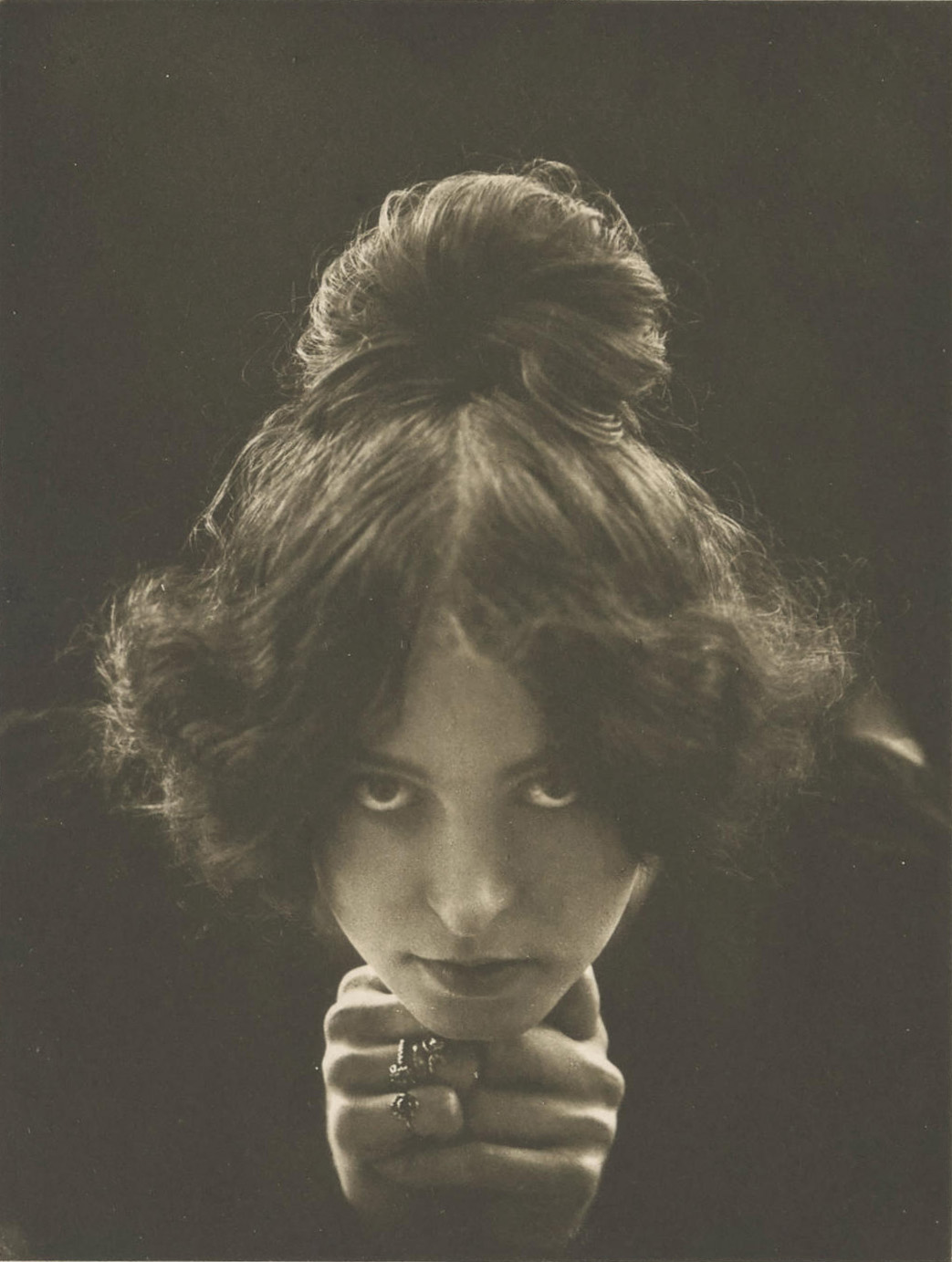
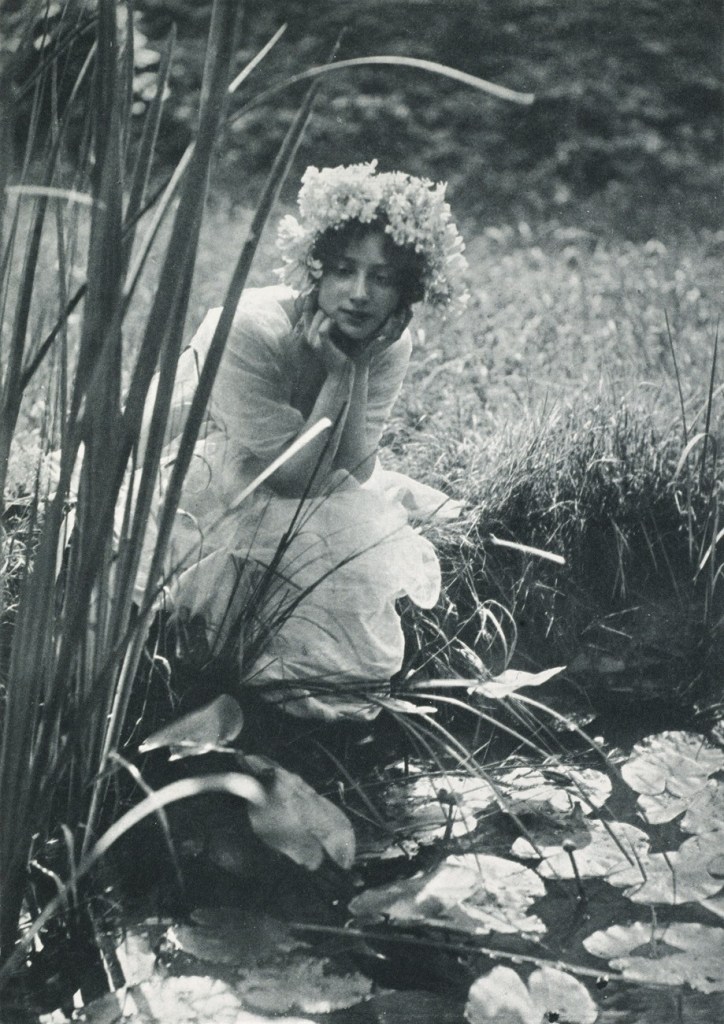
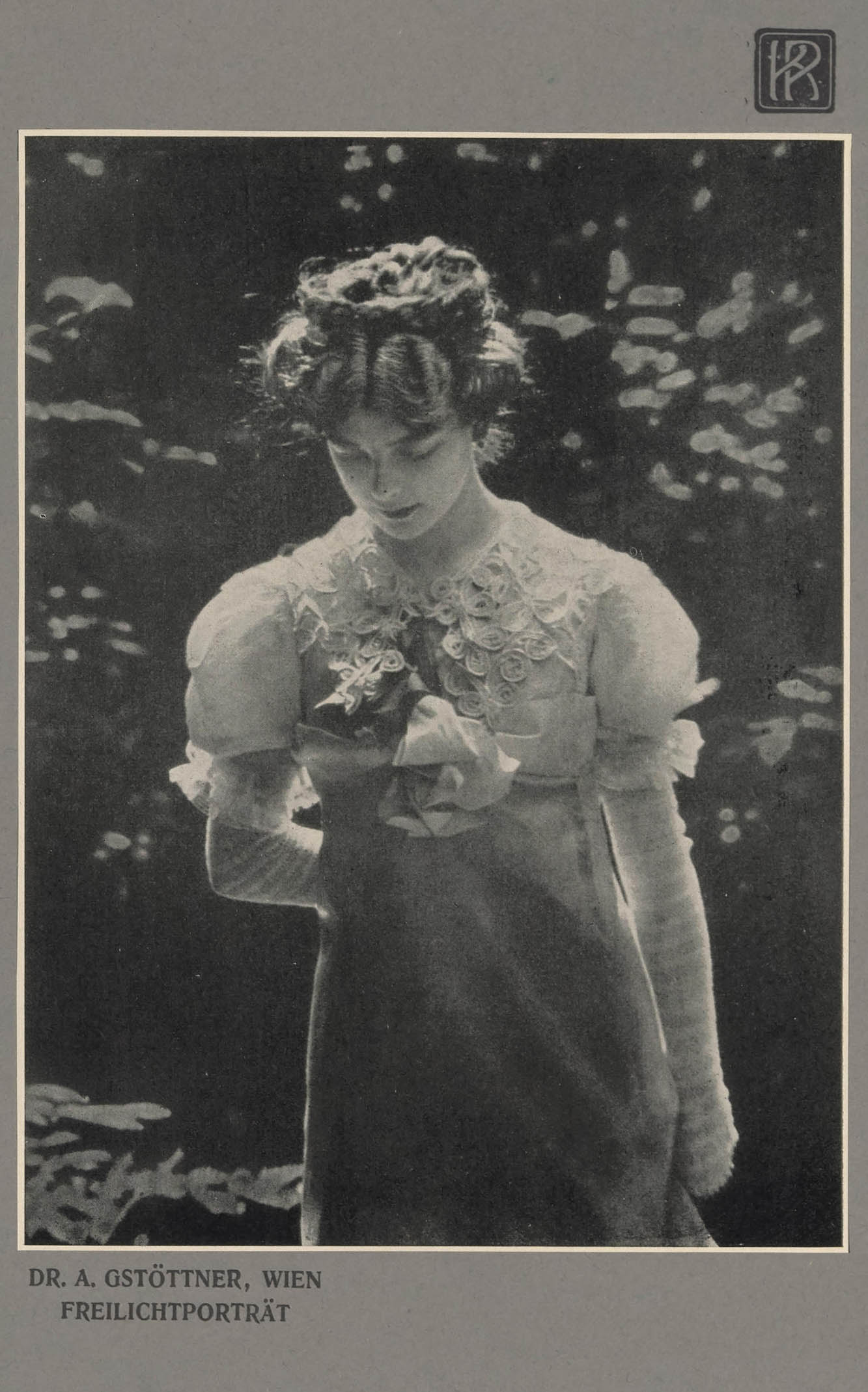
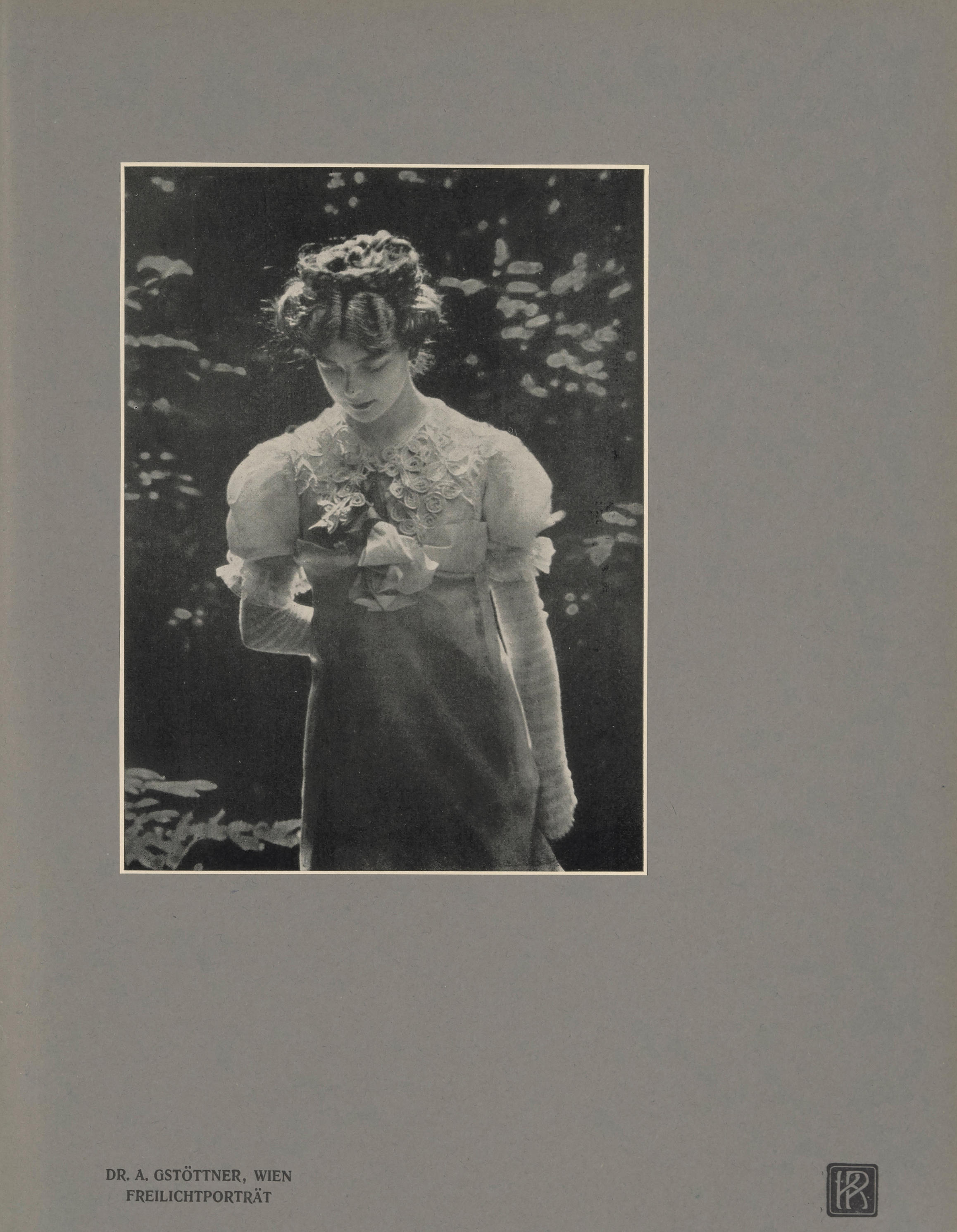
![Stephanie Ludwig ~ Atelier Veritas :: Kätzchen [Kitten], 1901. Photogravure. Published in Die Kunst in der Photographie V-1901; printer: Atelier Meisenbach, Riffarth & Co.](https://unregardoblique.com/wp-content/uploads/2022/07/stephanie-ludwig-veritas-katzchen-1901-kunst_photographie-1901_0041-crp.jpg)
![Stephanie Ludwig ~ Atelier Veritas :: Kätzchen [Kitten], 1901. Photogravure. Published in Die Kunst in der Photographie V-1901; printer: Atelier Meisenbach, Riffarth & Co.](https://live.staticflickr.com/65535/52251137886_bca4709ef7_o.jpg)
![Stephanie Ludwig ~ Atelier Veritas :: Kätzchen [Kitten], 1901. Photogravure. Published in Die Kunst in der Photographie V-1901; printer: Atelier Meisenbach, Riffarth & Co.](https://live.staticflickr.com/65535/52250165137_3e79deaef8_o.jpg)



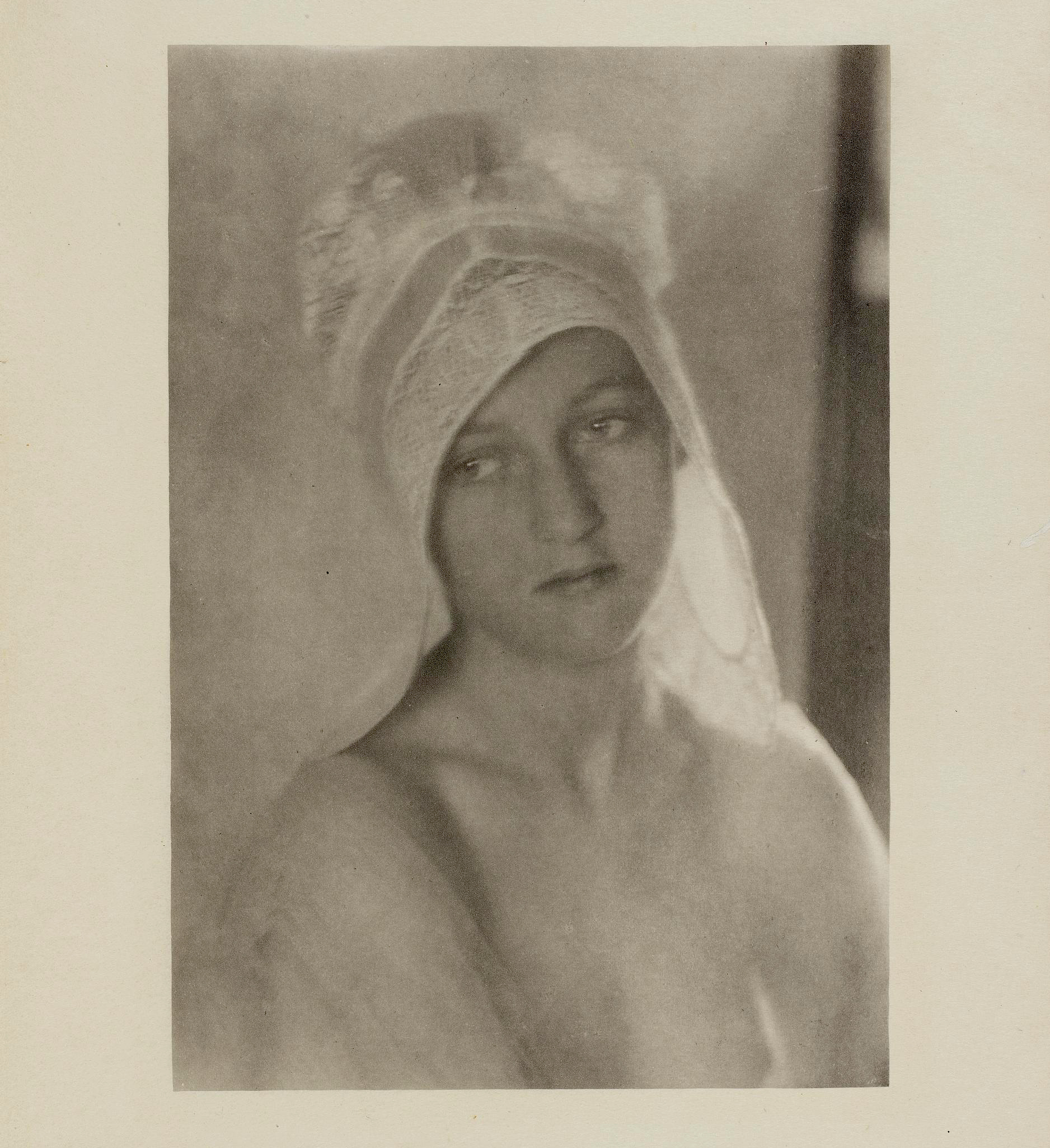
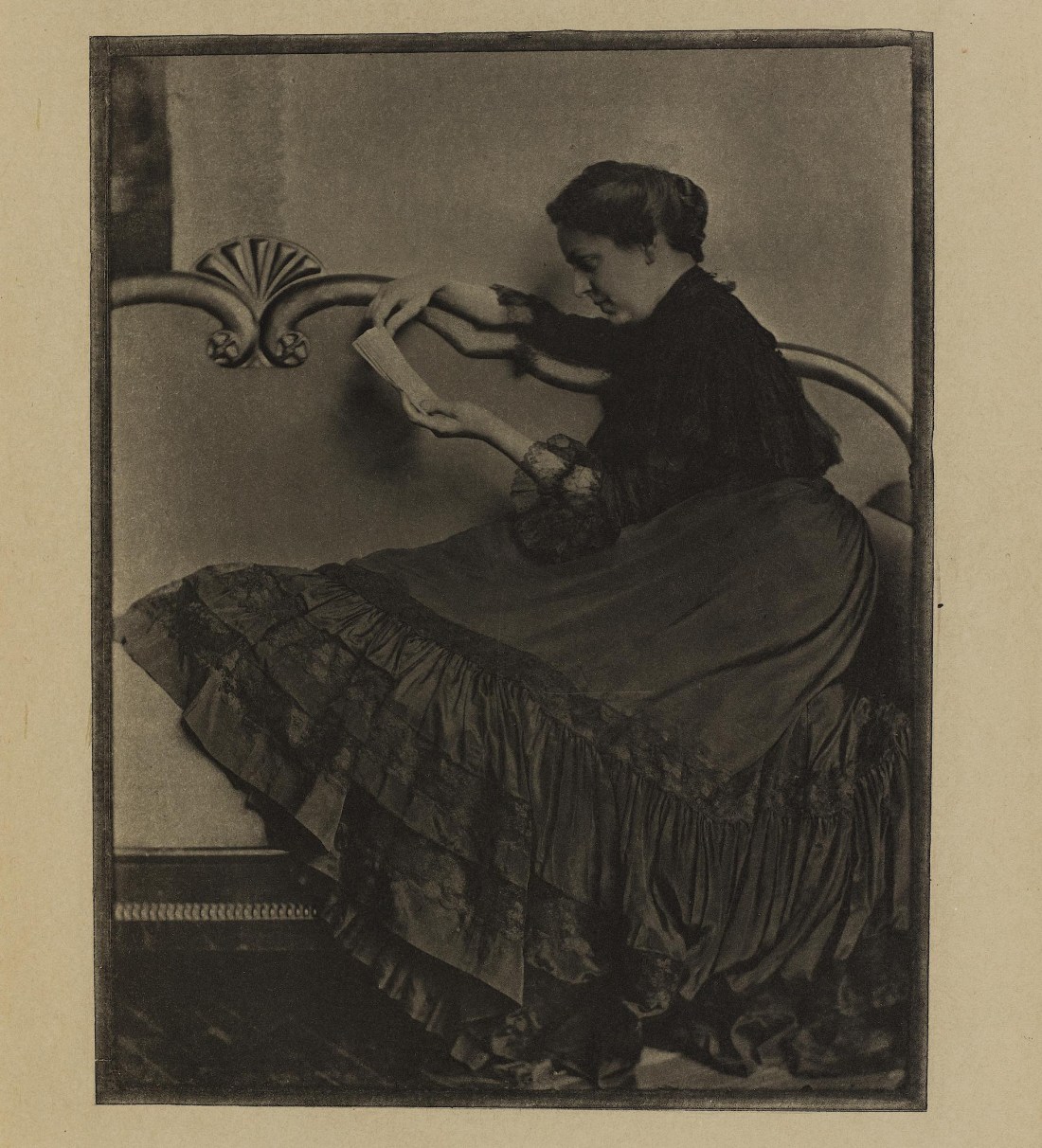
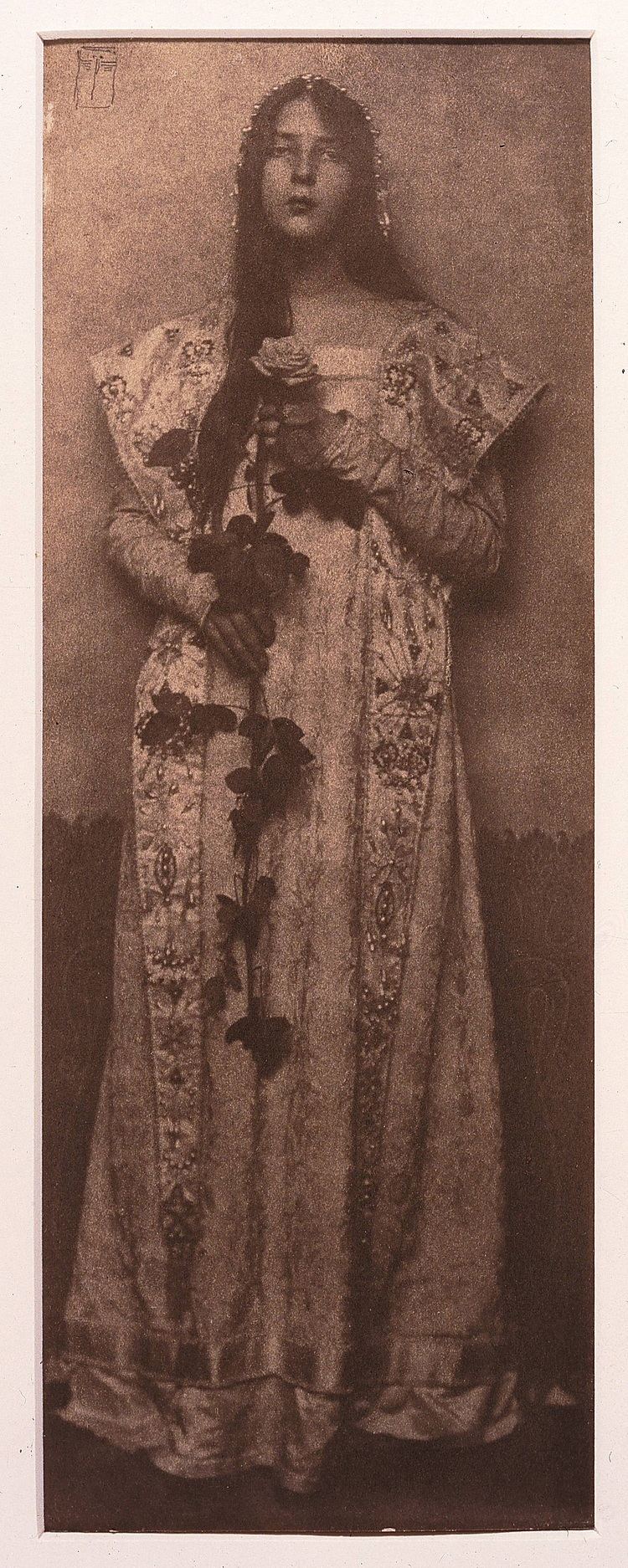
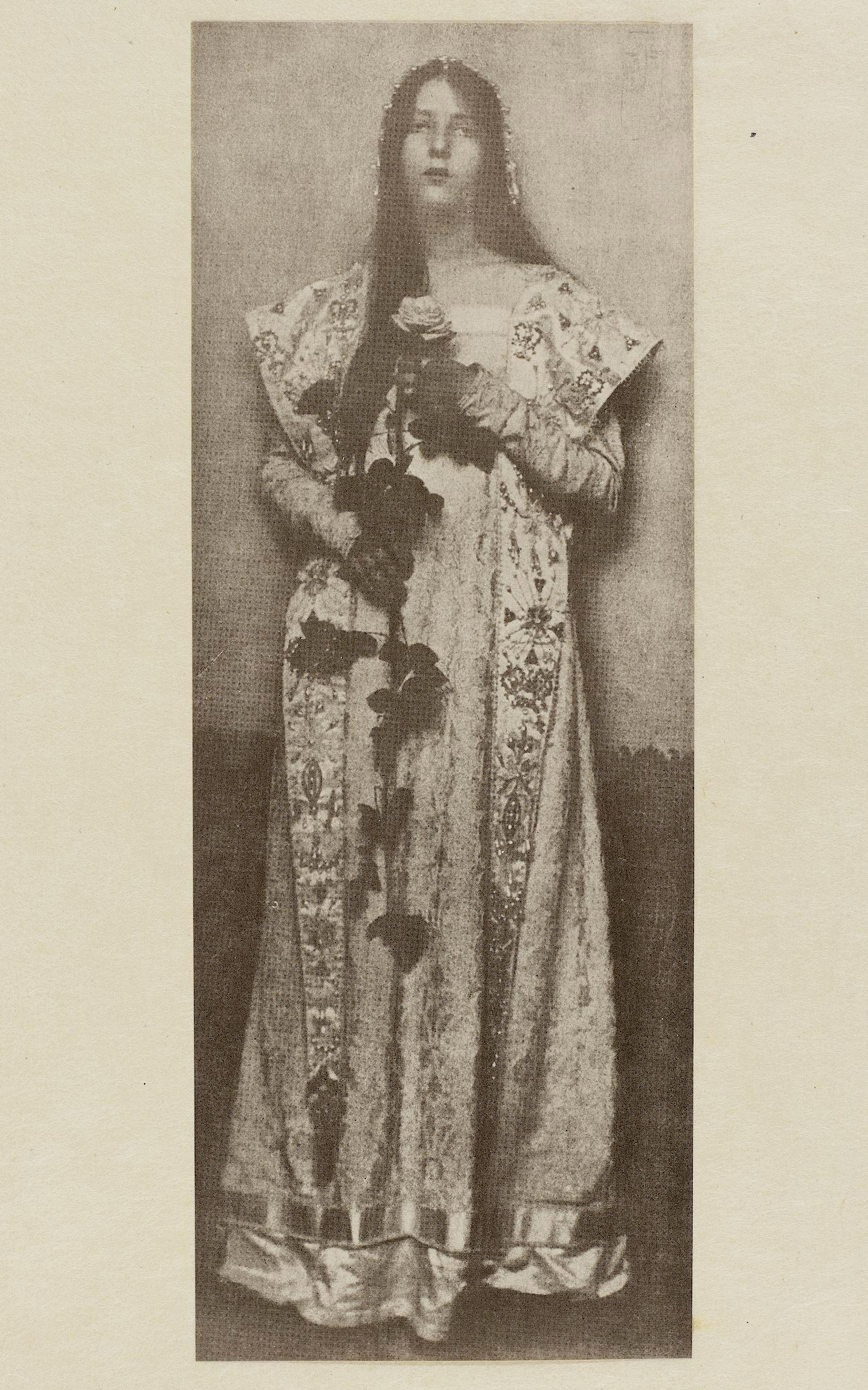
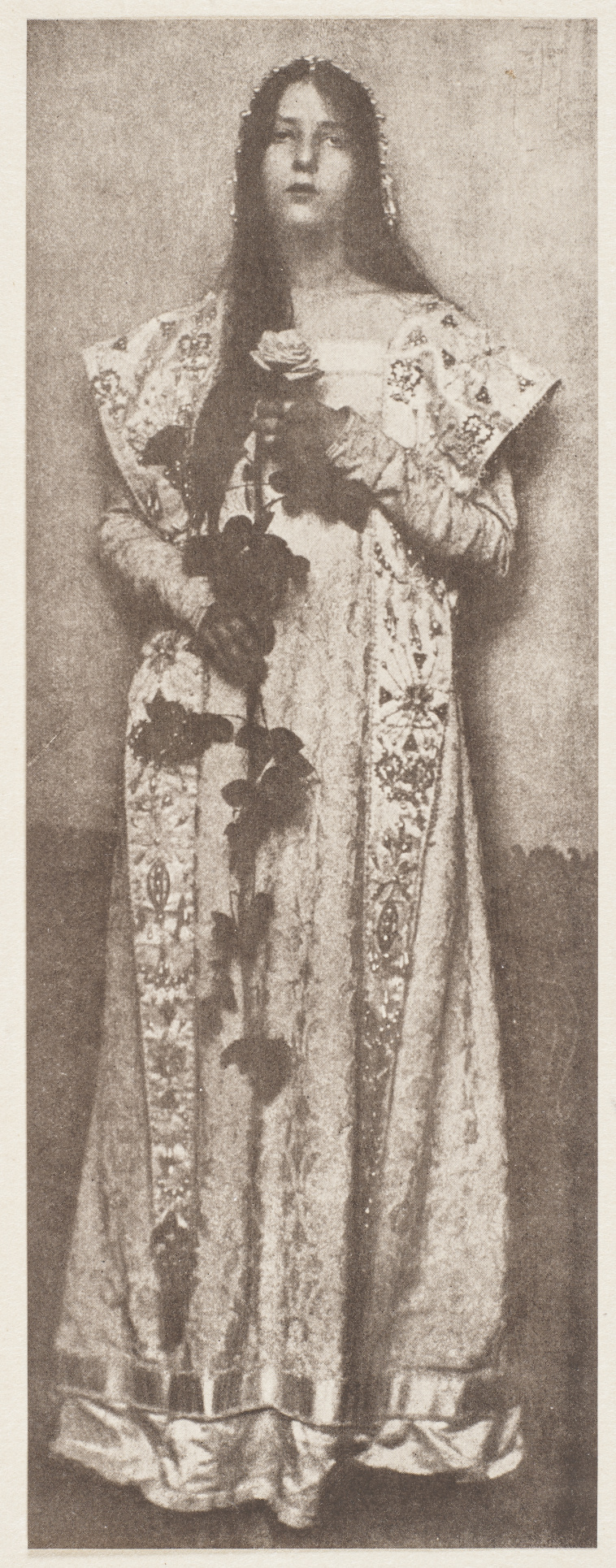
The Rose demonstrates Eva Watson-Schütze’s talent for creating dramatic photographs with pictorial qualities.
Here she posed the young woman against a plain studio backdrop, emphasizing the irregular outline of her dress. Positioned in the center of the composition, the sitter faces the camera directly. Watson-Schütz heightened the feeling of flatness by emphasizing the outline of the model’s body against the background.
Watson-Schütze chose an unusual format for this photograph: a narrow rectangle, which the figure nearly fills. Virtually every element in this composition emphasizes its verticality. For instance, the embroidered panels on the woman’s dress narrow to a point as they descend toward the hem.
The woman holds a fully opened rose, the stem of which is so long it reaches from her throat to her knees. The stem forms a narrow dark line that echoes model’s slender proportions and the center part of her hair. Watson-Schütze placed her monogram in the upper left corner, a device favored by many photographers of the time. [quoted from National Museum of Women in the Arts]
 un regard oblique