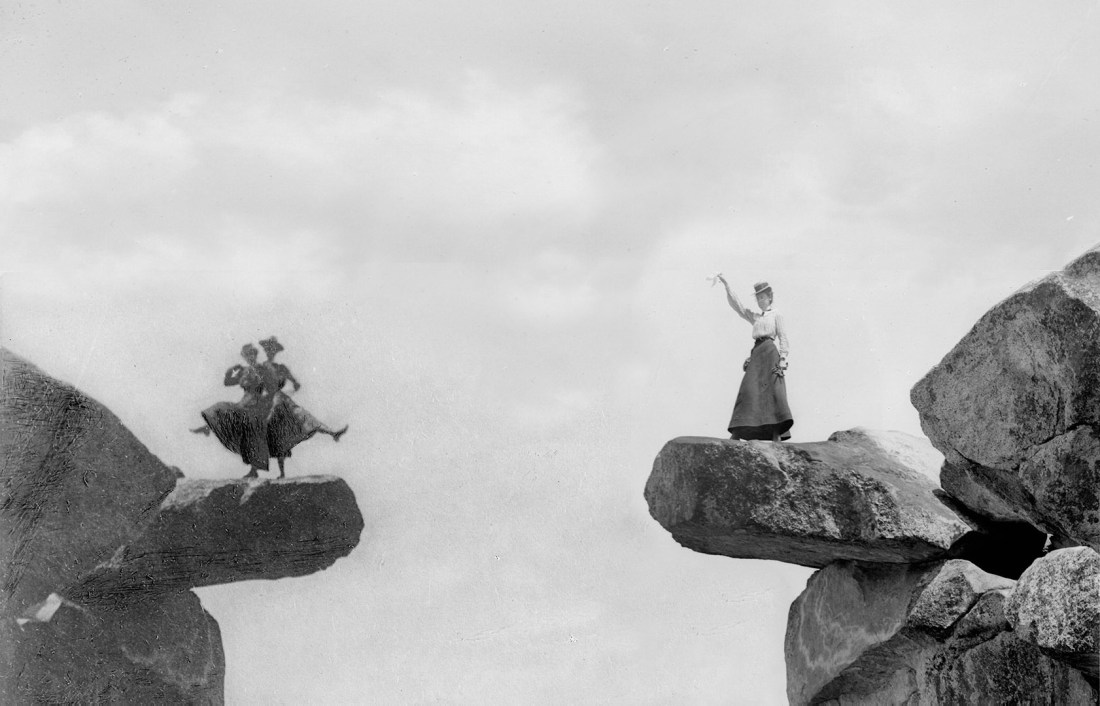
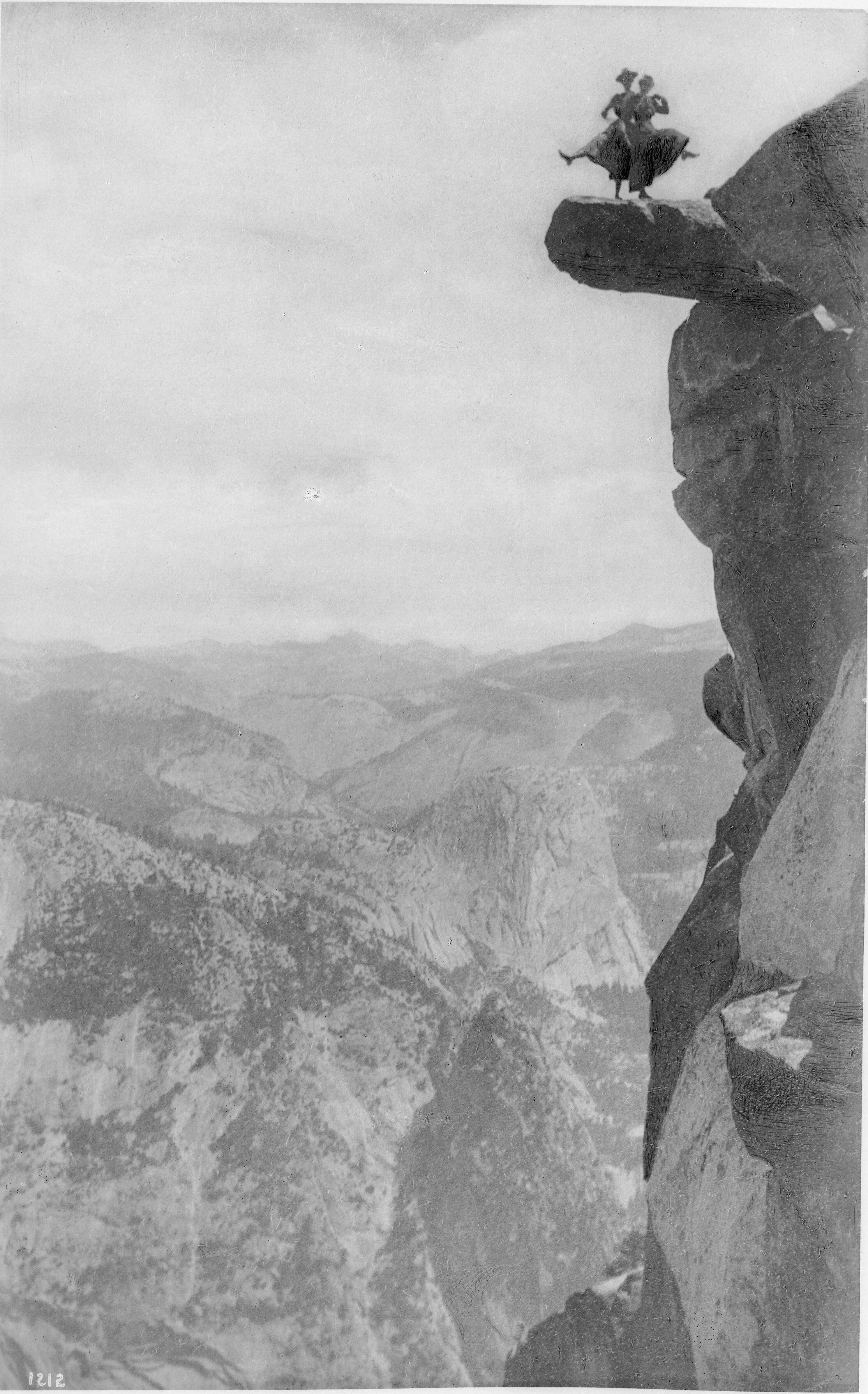
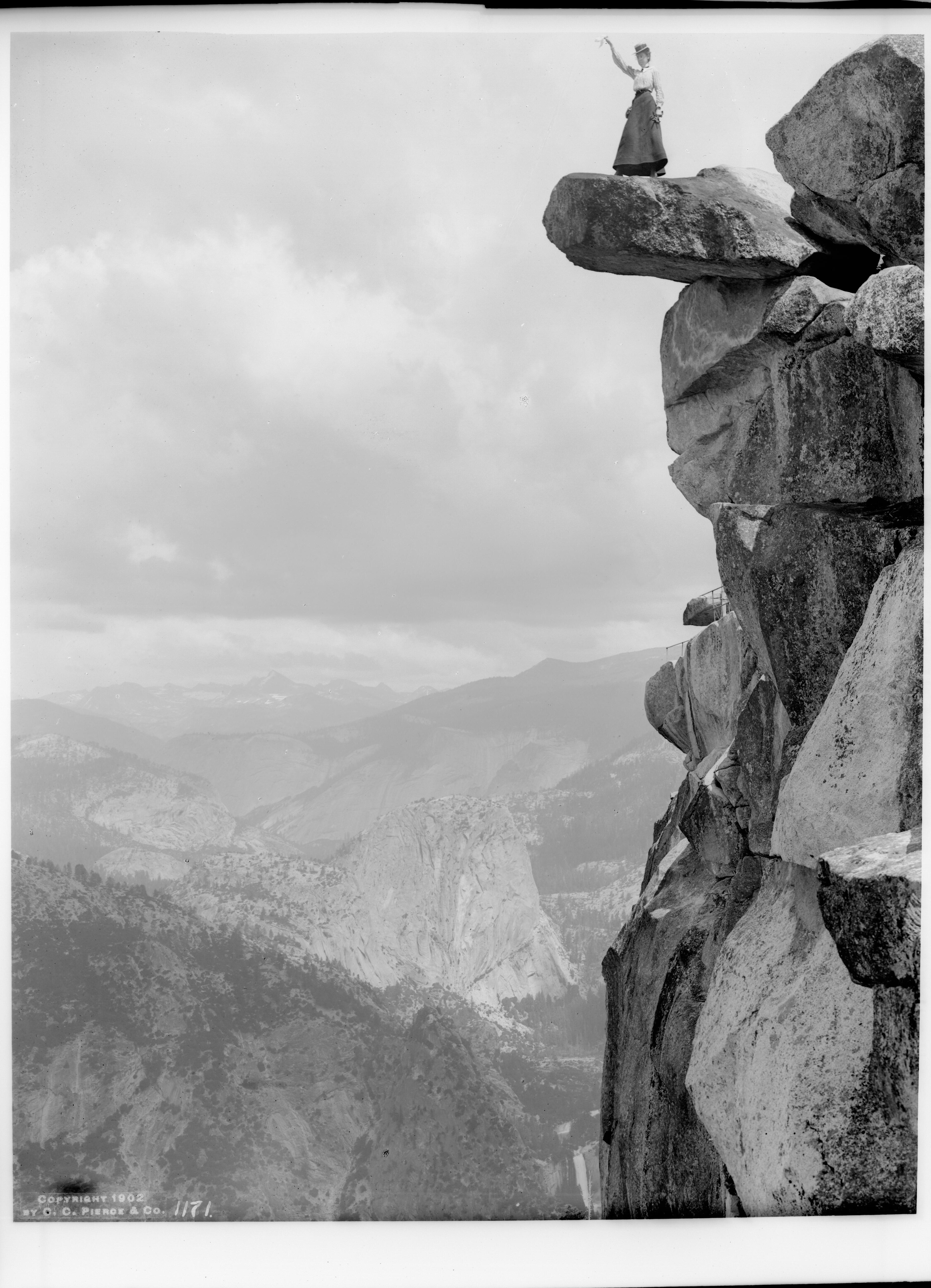
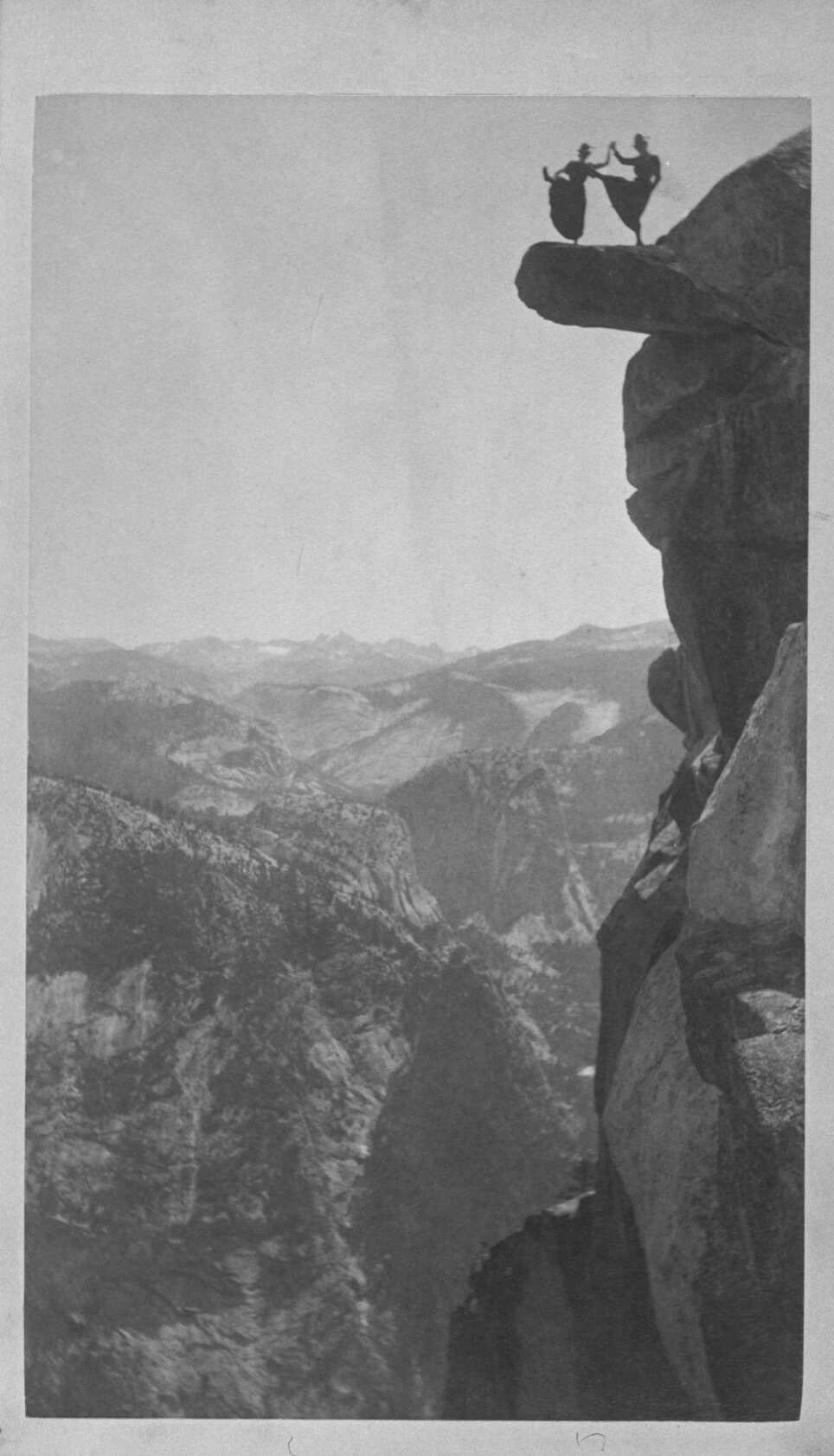
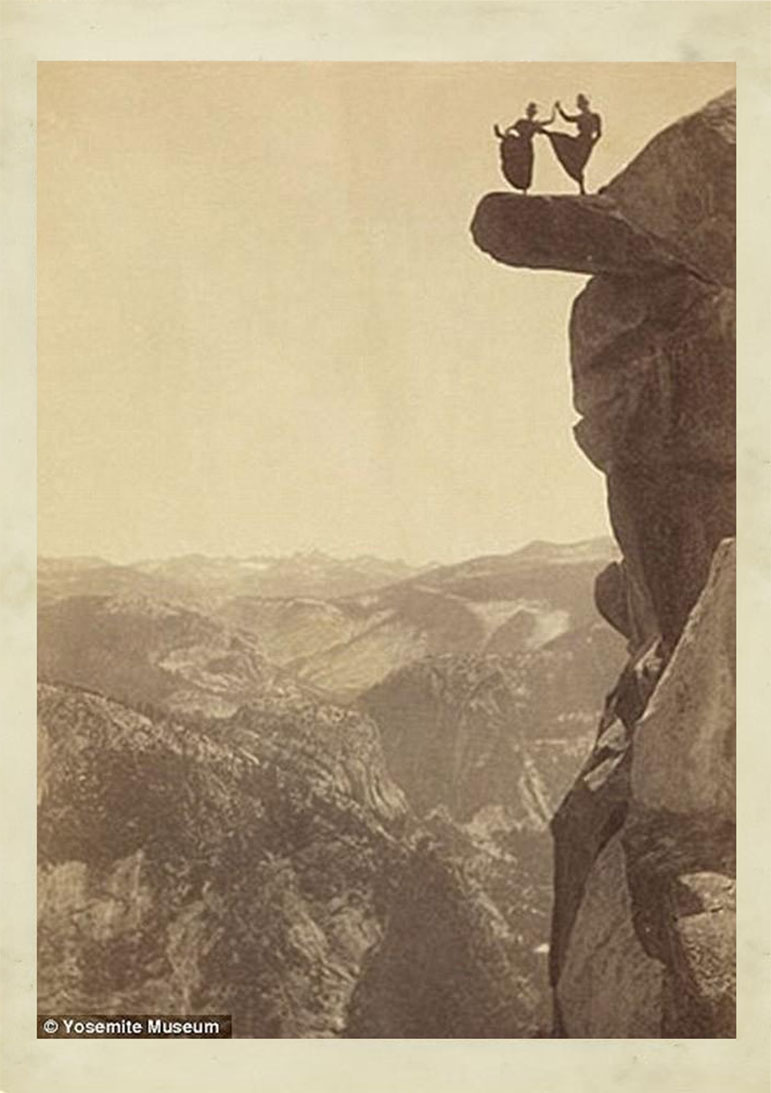
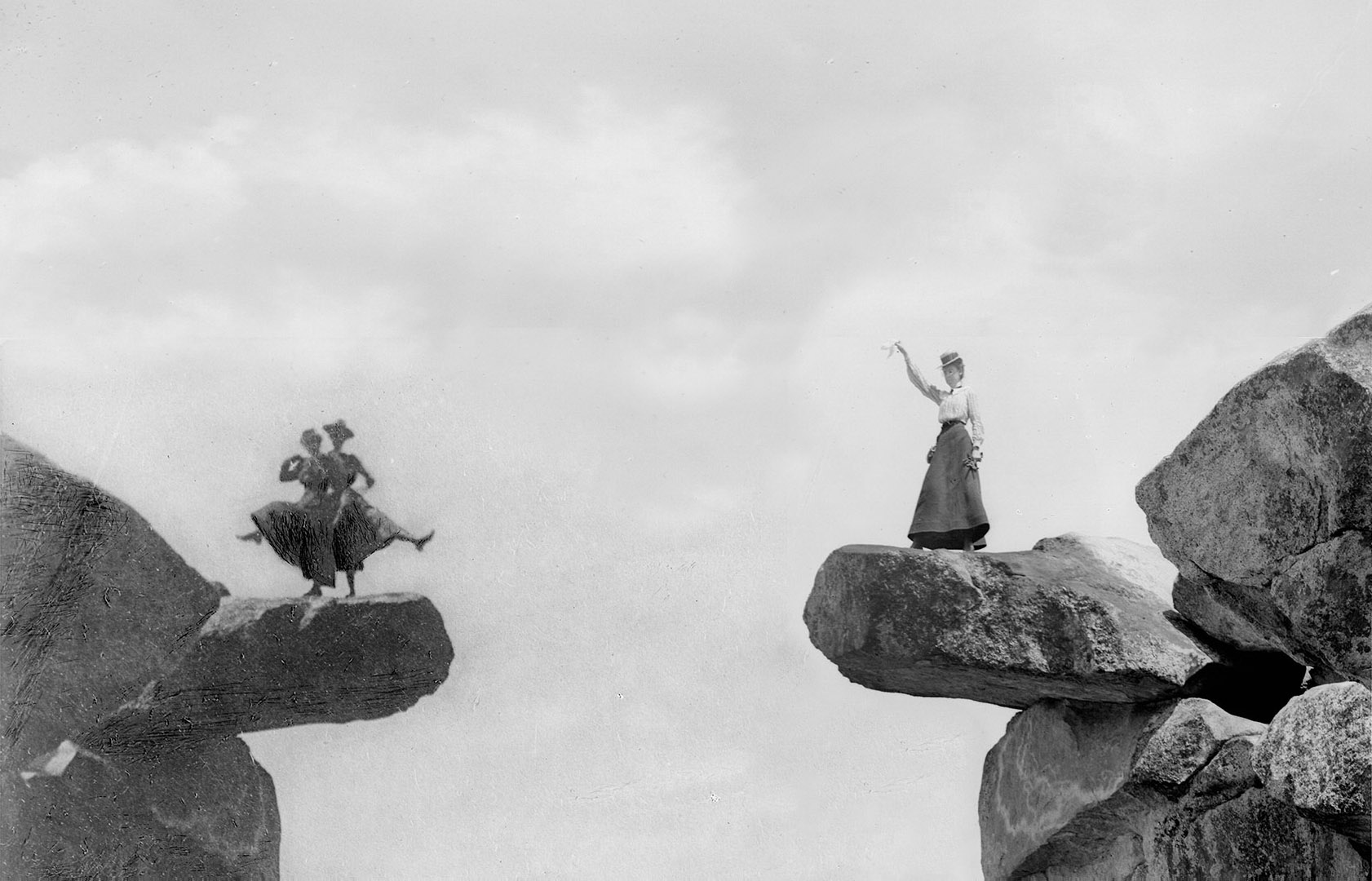
George Fiske (1835-1918) :: Two women doing a “skirt dance” on the precarious Glacier Point in Yosemite National Park, 1900-1902. Glass negative. | src USC LibrariesGeorge Fiske (1835-1918) :: Kitty Tatch and Katherine Hazelston [waitresses in a nearby hotel, the Yosemite’s Sentinel] in their famous cliff-edge dance. Late 1890s. | src NPSCharles C. Pierce (1861-1946) :: Two people on Glacier Point, three thousand two hundred feet above the Merced River in Yosemite Valley (Nr. 905), 1900-1910. | USC LibrariesCharles C. Pierce (1861-1946) :: Woman (Miss Loomis?) standing on the precarious Glacier Point in Yosemite National Park, 1900-1902 | USC LibrariesKitty Tatch and Katherine Hazelstine or Hazelston, also nicknamed “Kitty,” nearly can-can themselves off Overhanging Rock in the late 1890s. The pair were waitresses in Yosemite’s Sentinel Hotel and apparently shared a cat-like indifference to stomach-churning drops. Their famous cliff-edge dance was captured by photographer George Fiske. | src San Francisco GateGeorge Fiske (1835-1918) :: Two women standing out on the rock are holding hands and doing a high kick to the left. Albumen print mounted on grey/green board. View of Overhanging Rock at Glacier Point. In ink on verso: Dancers on Overhanging Rock at Glacier Point’. Photographer’s stamp on center of back of mount “Geo. Fiske, Photo. Yosemite Valley, Cal.” | src NPS / YOSE 5252
Kitty Tatch was a maid and waitress at the Sentinel Hotel in the late 1890s and early 1900s. Dressed in long wide skirts identifying her clearly as a woman, she danced and did high kicks at Overhanging Rock, 3,000 feet above the Valley, on Glacier Point with her friend Katherine Hazelston as George Fiske photographed them. These pictures were later made into postcards, autographed by Tatch, and sold for years. / quoted from National Park Service > Women of Yosemite : The Adventurers
Photocomposite from images # 1 (Fiske) and # 3 (Pierce)
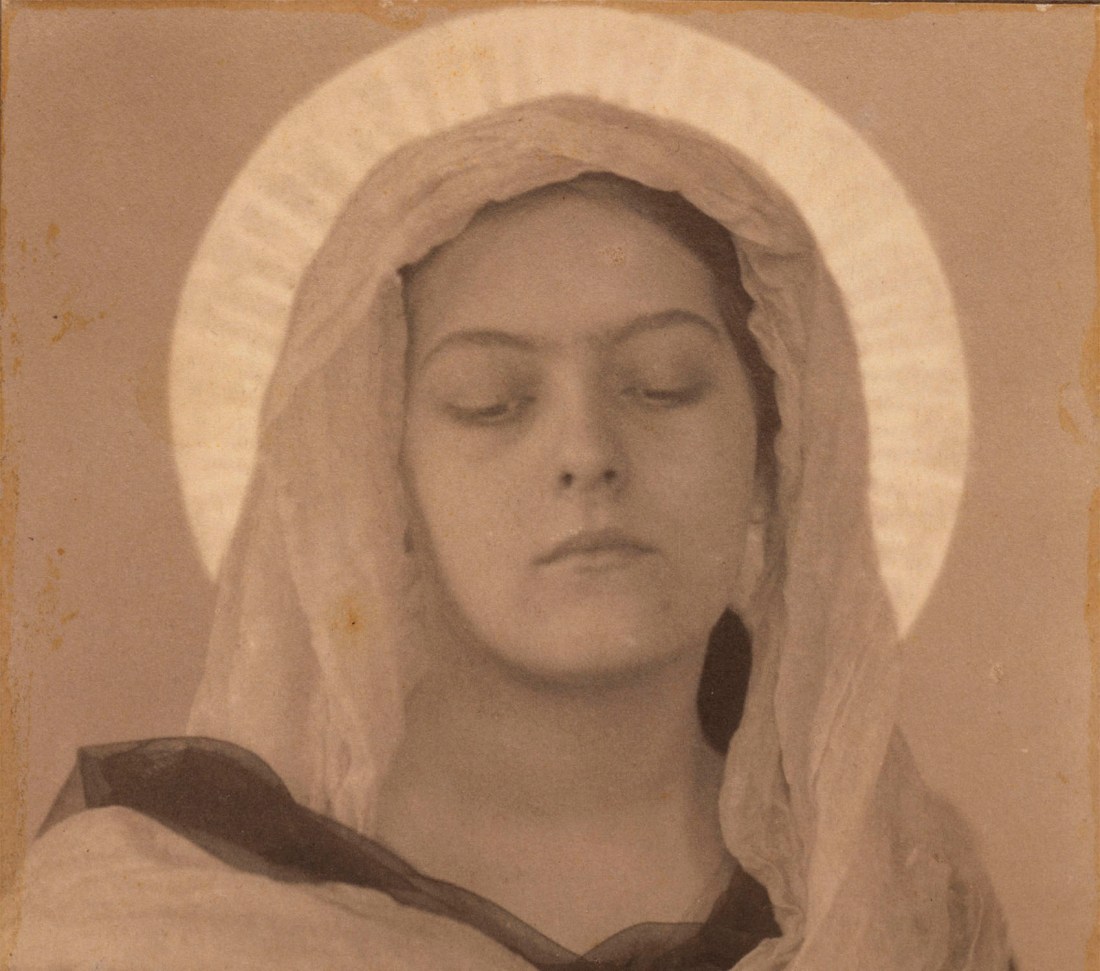
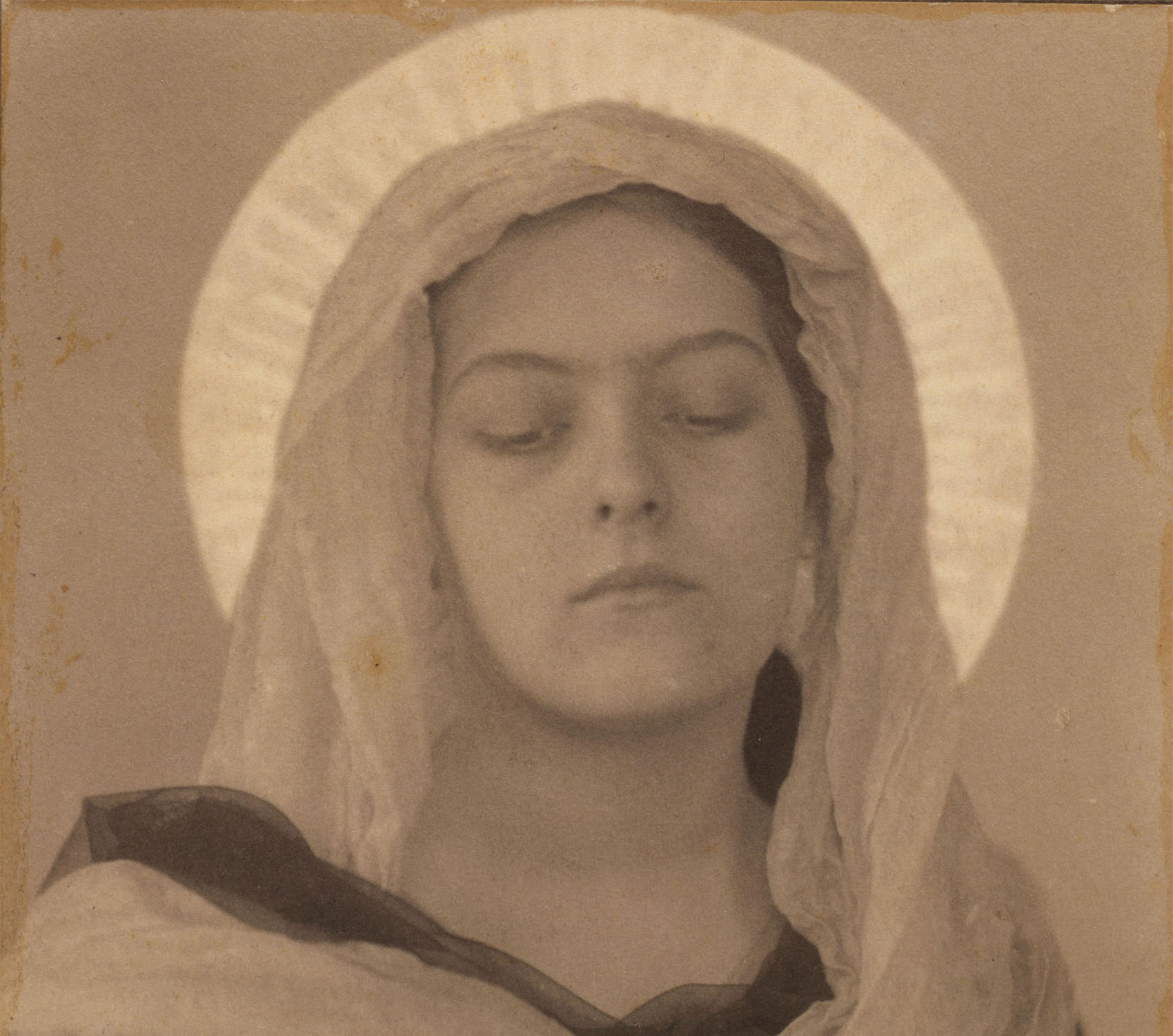
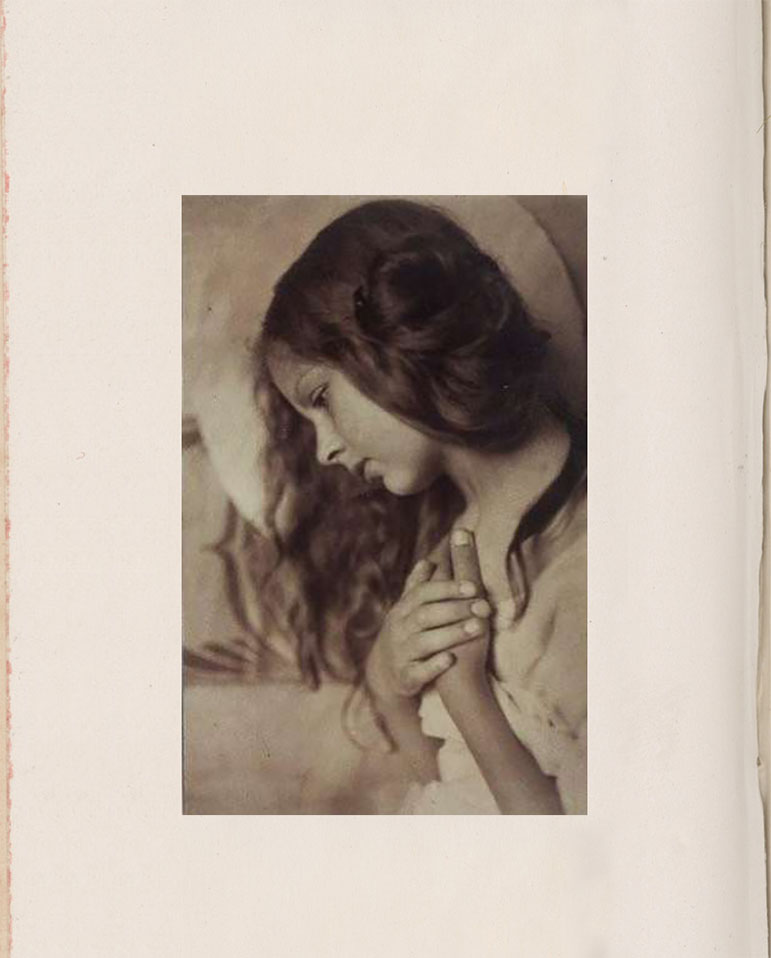
Charles I. Berg :: [Mary] Woman posed as the Virgin Mary, head-and-shoulders with halo, 1900s | src Library of CongressCharles I. Berg (1856-1926) :: [Mary] Woman posed as the Virgin Mary, head-and-shoulders with halo [between 1900 and 1910] Platinum print. Signed in pencil on back of mount: “Chas. I. Berg, N.Y.”Charles I. Berg :: [Mary] Woman posed as the Virgin Mary, head-and-shoulders with halo, 1900s [DETAIL]
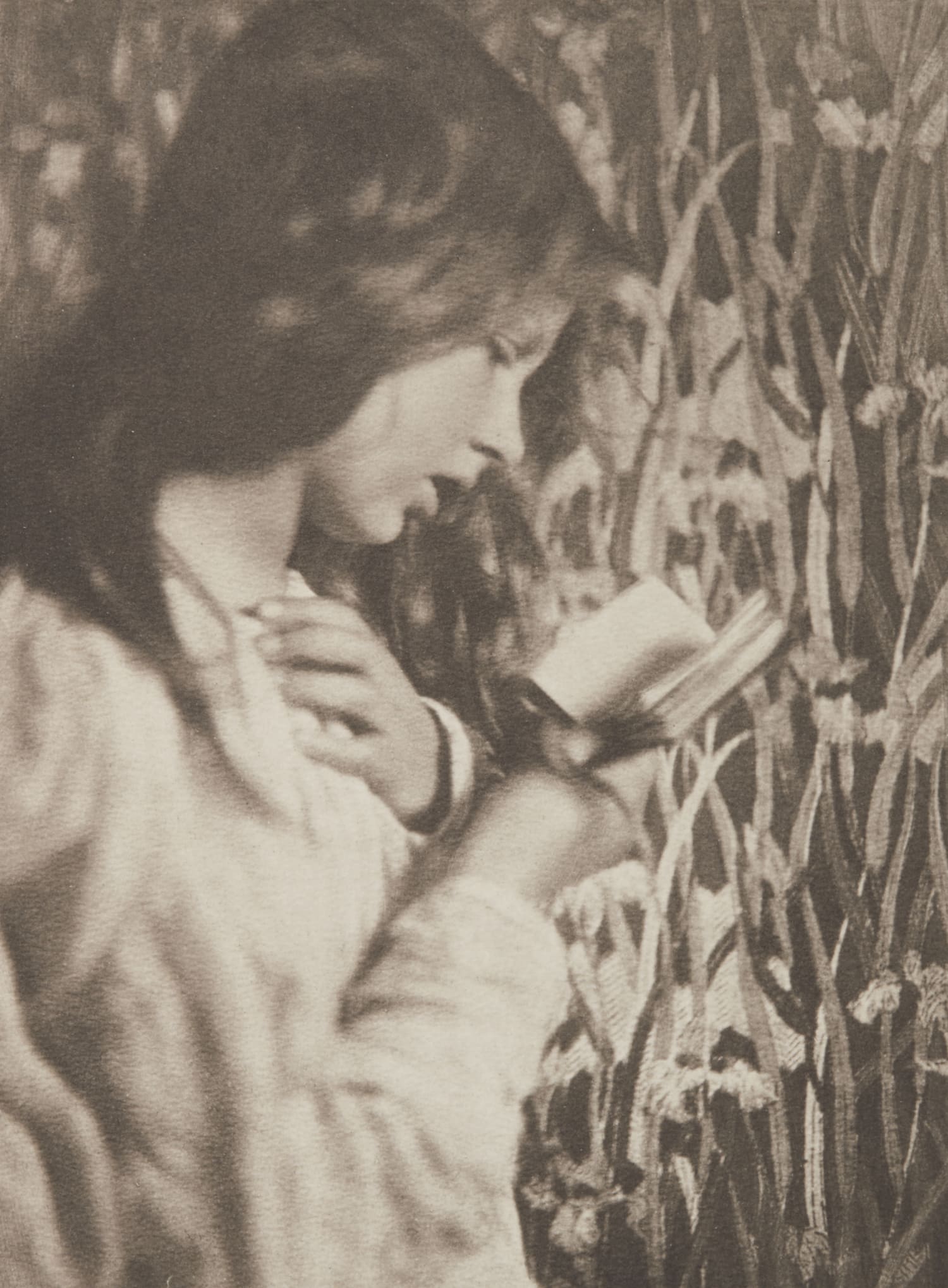
Alvin L. Coburn (1882–1966) :: ‘Toodles (Elsie Thomas)’, ca. 1908. Gelatin silver print, printed in the 1980s | Ostlicht Auktion 2023
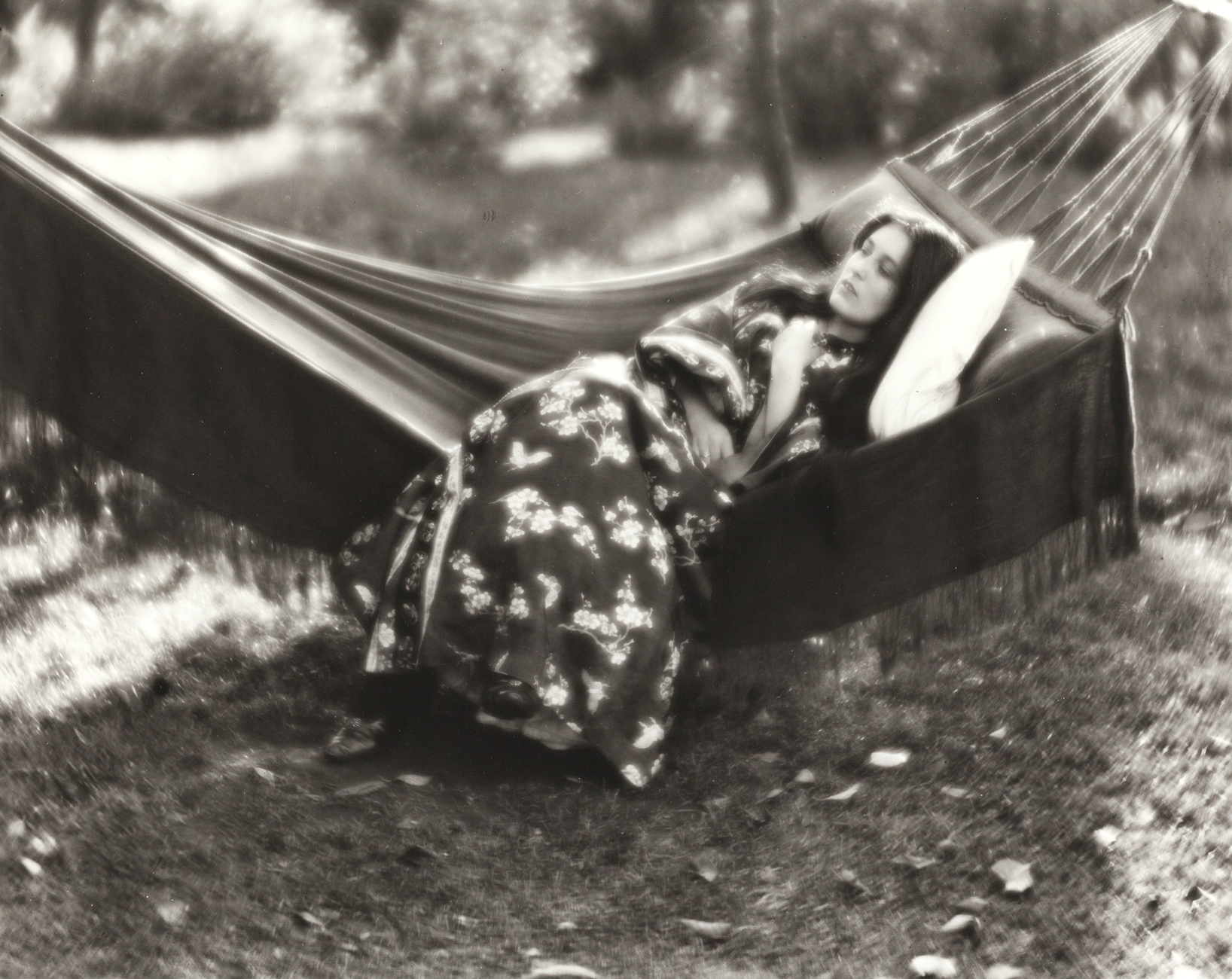
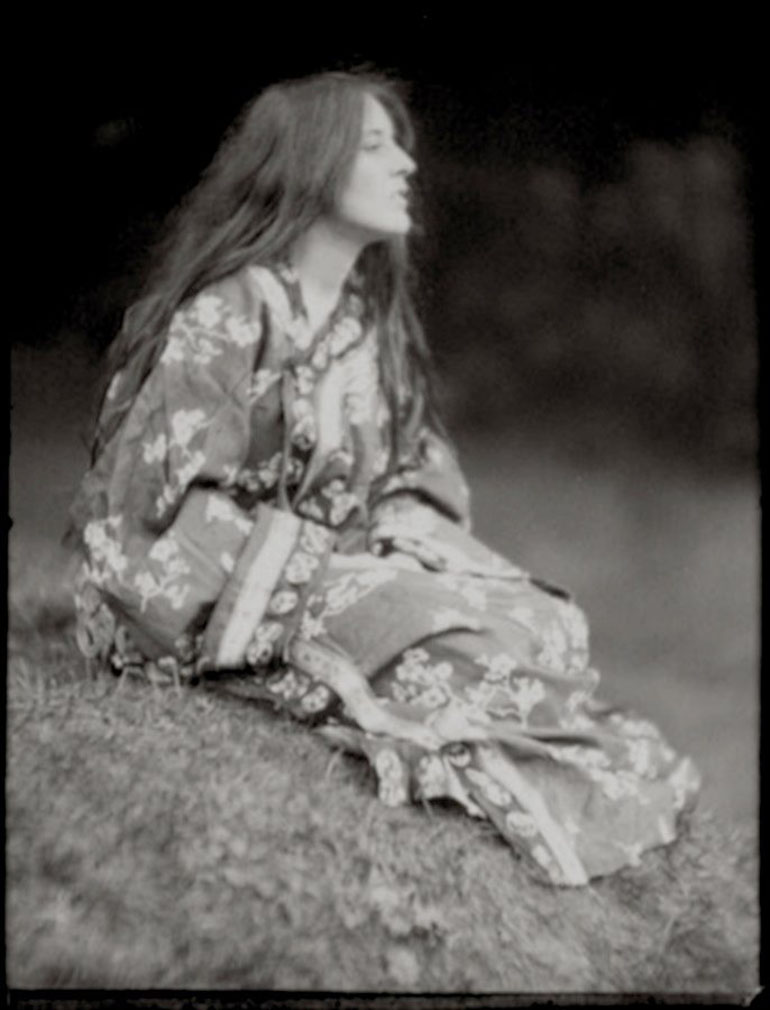
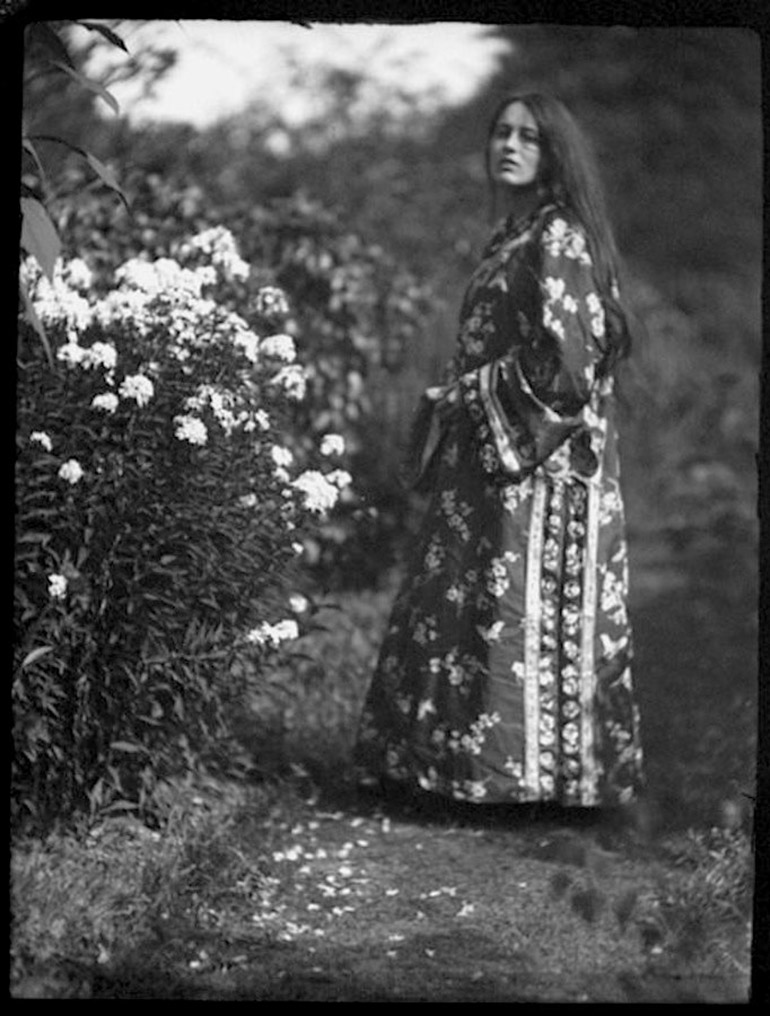
Coburn was given his first camera at the age of eight and was introduced to photography by his cousin Fred Holland Day. As early as 1902 he became a member of the New York Photo-Secession initiated by Alfred Stieglitz, and two years later his first pictures appeared in Stieglitz’s magazine “Camera Work”. A vintage print of this beautiful motif is hold at The Museum of Fine Arts, Houston (MFAH), there titled and dated. Coburn also made autochromes of the same model, showing the red colour of her kimono.
Alvin Langdon Coburn (1882–1966) :: ‘Toodles (Elsie Thomas)’, ca. 1908 | Ostlicht Auktion 2023Alvin Langdon Coburn :: Elsie Thomas in an Eastern costume sitting on a hammock, ca.1908. AutochromeAlvin Langdon Coburn :: Elsie Thomas in a red an Eastern costume with sunflower, ca.1908. Autochrome LumièreAlvin Langdon Coburn :: Elsie Thomas (‘Toodles’) in an Eastern costume, ca.1908Alvin Langdon Coburn :: Elsie Thomas wearing an Eastern costume, ca.1908
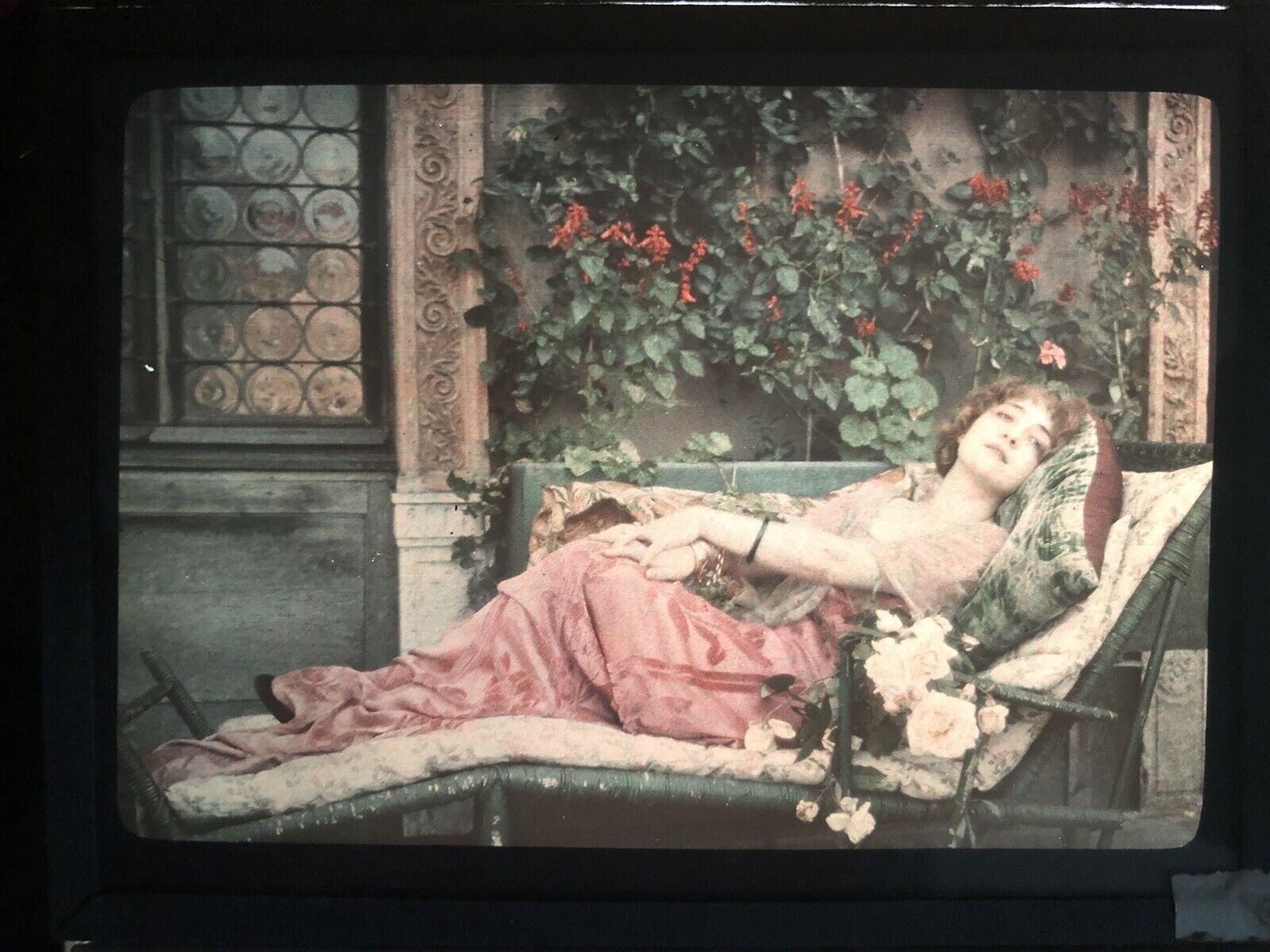
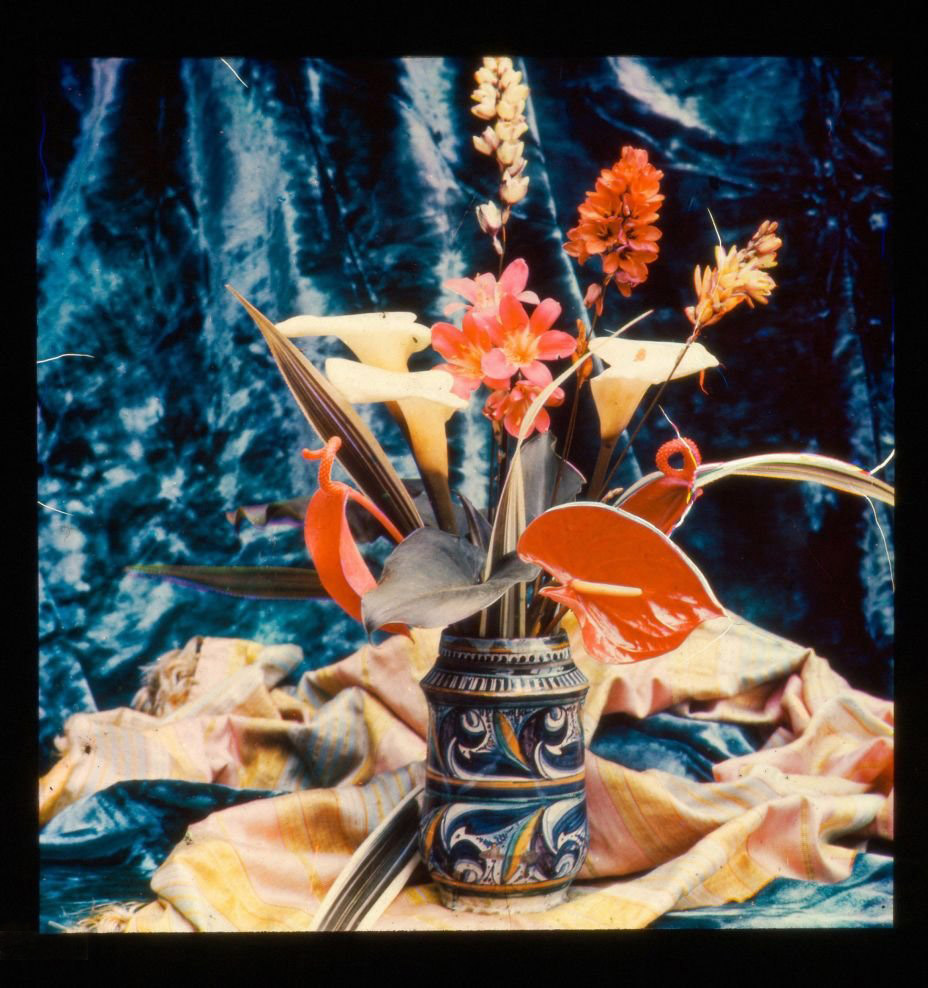
Portrait de dame. Collection Madame (Ernesta) Stern, Paris, 1907, plaque de verre Autochrome. Collection Madame Stern / Maria Star. eBayPortrait de dame. Collection Madame (Ernesta) Stern, Paris, 1907, plaque de verre Autochrome. Collection Madame Stern / Maria Star. eBayPortrait de dame. Collection Madame (Ernesta) Stern, Paris, 1907, plaque de verre Autochrome. Collection Madame Stern / Maria Star. eBayPortrait de dame. Probably Madame (Ernesta) Stern herself, Paris, 1907. Autochrome. Collection Madame Stern / Maria Star. eBayPortrait de dame. Maybe Madame (Ernesta) Stern, Paris, 1907. Autochrome. Collection Madame Stern / Maria Star. eBayPortrait de dame. Collection Madame (Ernesta) Stern, Paris, 1907, plaque de verre Autochrome. Collection Madame Stern / Maria Star. eBayPortrait de dame. Collection Madame (Ernesta) Stern, Paris, 1907, plaque de verre Autochrome. Collection Madame Stern / Maria Star. eBay
According to the seller, Gabriele Bacchiega (eBay profile photo-stereo) all these Autochromes are somehow related to the writer and socialite Ernesta Stern (born Maria Ernesta Hierschel de Minerbi, pen-name Maria Star) (1854 – 1926) or the Salon she held in Paris at 68 rue du Faubourg-Saint-Honoré. Read more about her here
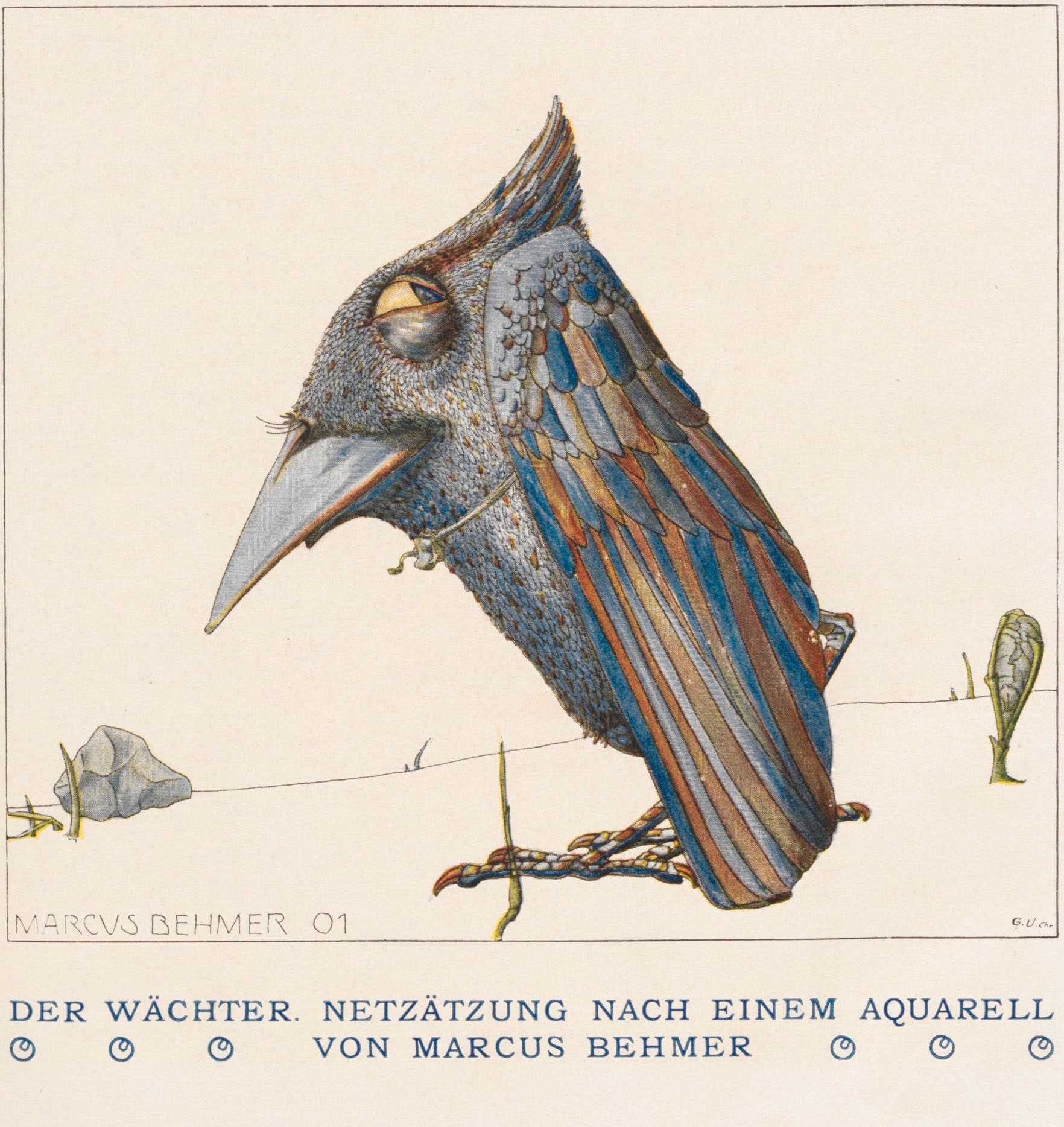
Marcus Behner ~ The Guardian, 1901. Etching after a watercolor by Marcus Behmer. Ver Sacrum, 1903. | src ÖNBMarcus Behner ~ Der Wächter, 1901. Netzätzung nach einem aquarell von Marcus Behmer. Ver Sacrum, 1903. | src ÖNB
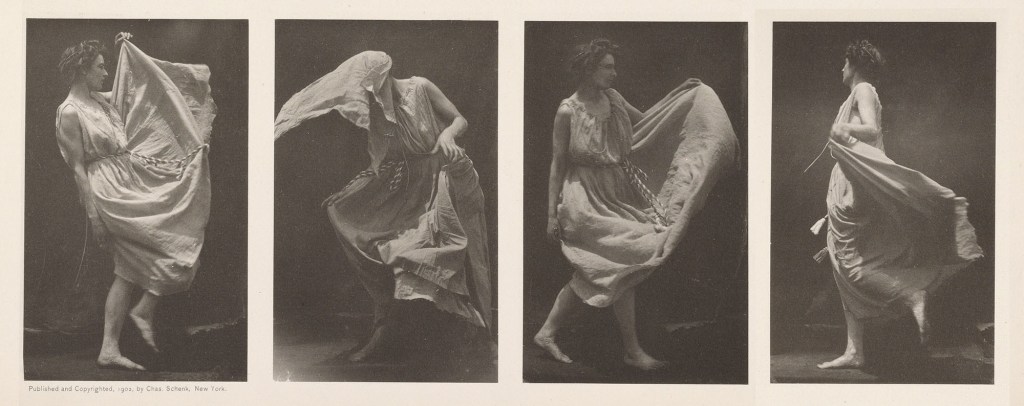
Charles Schenk (American, active New York 1898-1905) ~ Schenk-Draperies, New York, United States; 1902; Collotype. | Getty MuseumCharles Schenk :: Dance studies, plate 12, circa 1910. Gelatin silver print from collotype negative. | src Freeman’s auction
Charles Schenk was active in New York from 1898 to 1905. He produced a series of motion studies of women dancing with drapery as well as a collection of multi-plate prints detailing women’s hands at work. His works are in the collections of the Getty Museum, MoMA and the Rijksmuseum.
Charles Schenk (American, active New York 1898-1905) ~ Schenk-Draperies, New York, United States; 1902; Collotype. Eight images of a woman dancing in a simple dress with a rope belt. Full plate. | Getty MuseumCharles Schenk (American, active New York 1898-1905) ~ Schenk-Draperies, New York, United States; 1902; Collotype. Charles Schenk (American, active New York 1898-1905) ~ Schenk-Draperies, New York, United States; 1902; Collotype. | Getty Museum
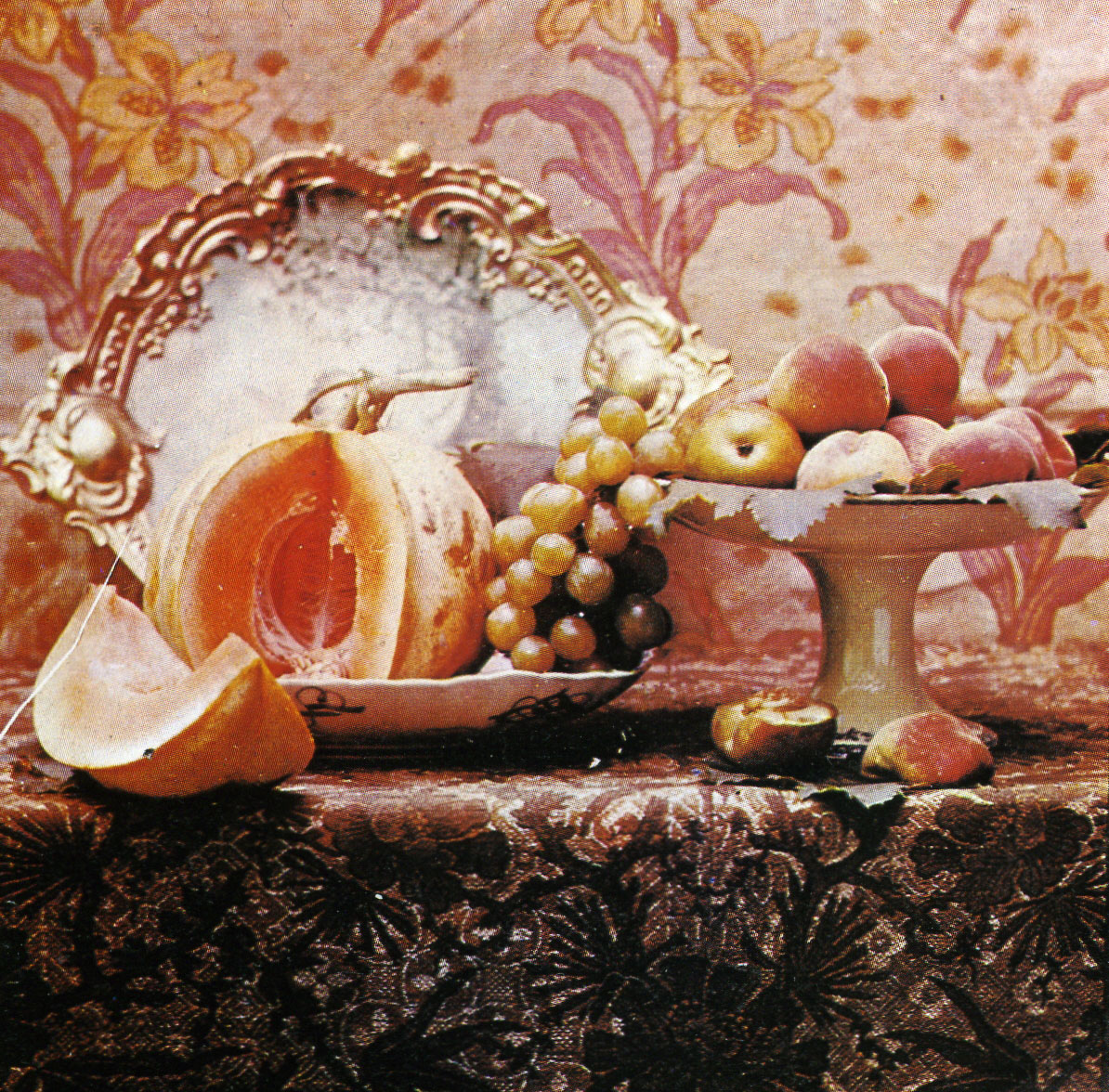
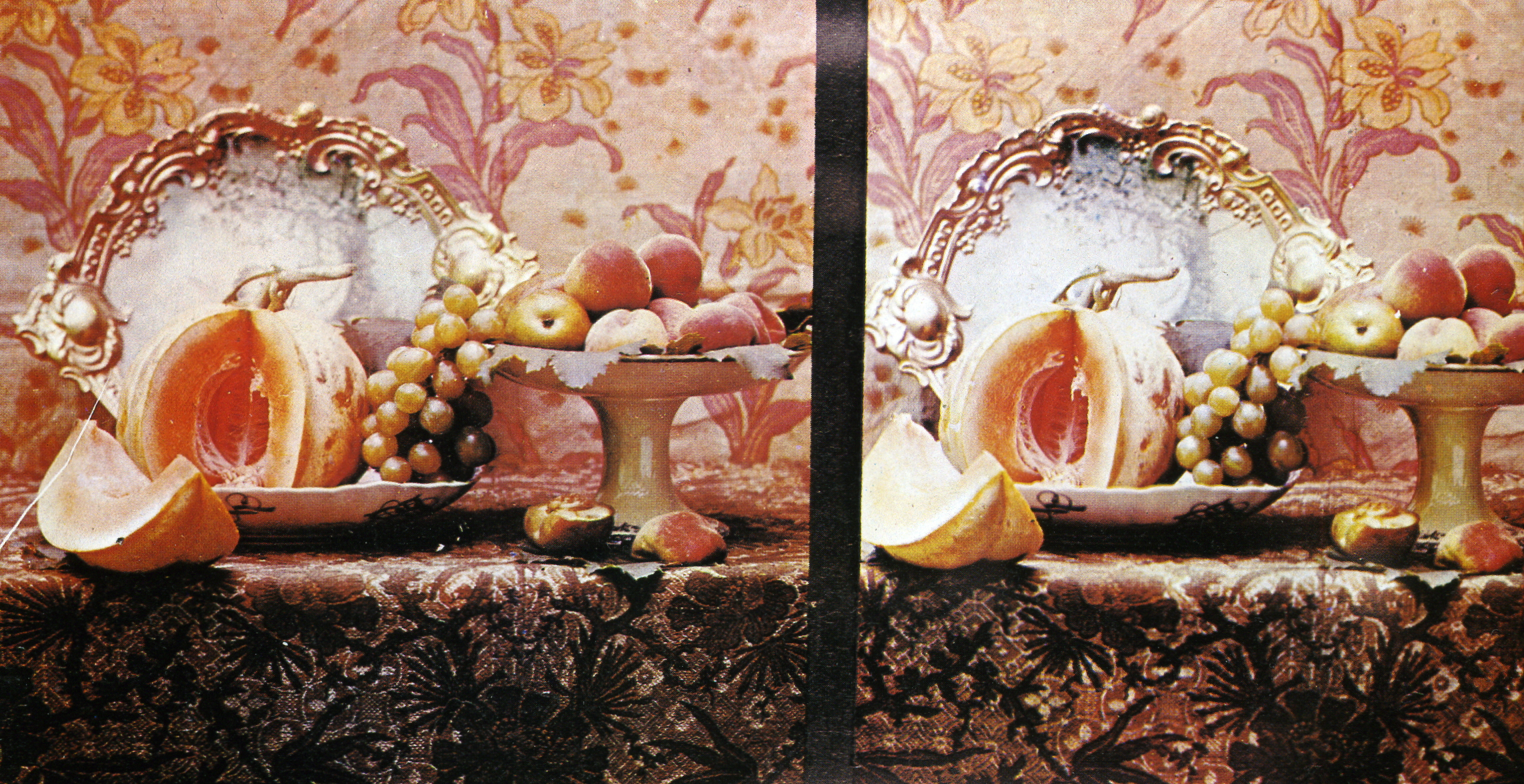
Auguste-Marie-Louis-Nicolas Lumière and Louis-Jean Lumière ~ Tulips, 1896-1903. Trichromie. Transparency. | src Getty ImagesAuguste et Louis Lumière ~ Nature morte, stéréo à la gomme bichromatée sur verre. 1899-1900Auguste et Louis Lumière ~ Nature morte, stéréo à la gomme bichromatée sur verre. 1899-1900 (Full stereo view) Auguste-Marie-Louis-Nicolas Lumière and Louis-Jean Lumière ~ Still Life of Flowers in a Stein, 1896-1903. Trichromie. Transparency. | src Getty Images
Emma Barton / Mrs G.A. Barton (née Rayson) ~ Ave Maria, ca. 1905. Photogravure. Photographische Mitteilungen 1905 | src PhotoseedEmma Barton (née Rayson) ~ Dorothy Barton, undated. Private collection of Lesley & Cheryl Bousfield. Courtesy Luminous-lint : LL/28323Emma Barton / Mrs G.A. Barton (née Rayson) ~ (untitled on source). Photographische Mitteilungen 1905 | src The Art of PhotogravureEmma Barton / Mrs G.A. Barton (née Rayson) ~ The Song of Ages. Photograms of the year 1904. | internet archive
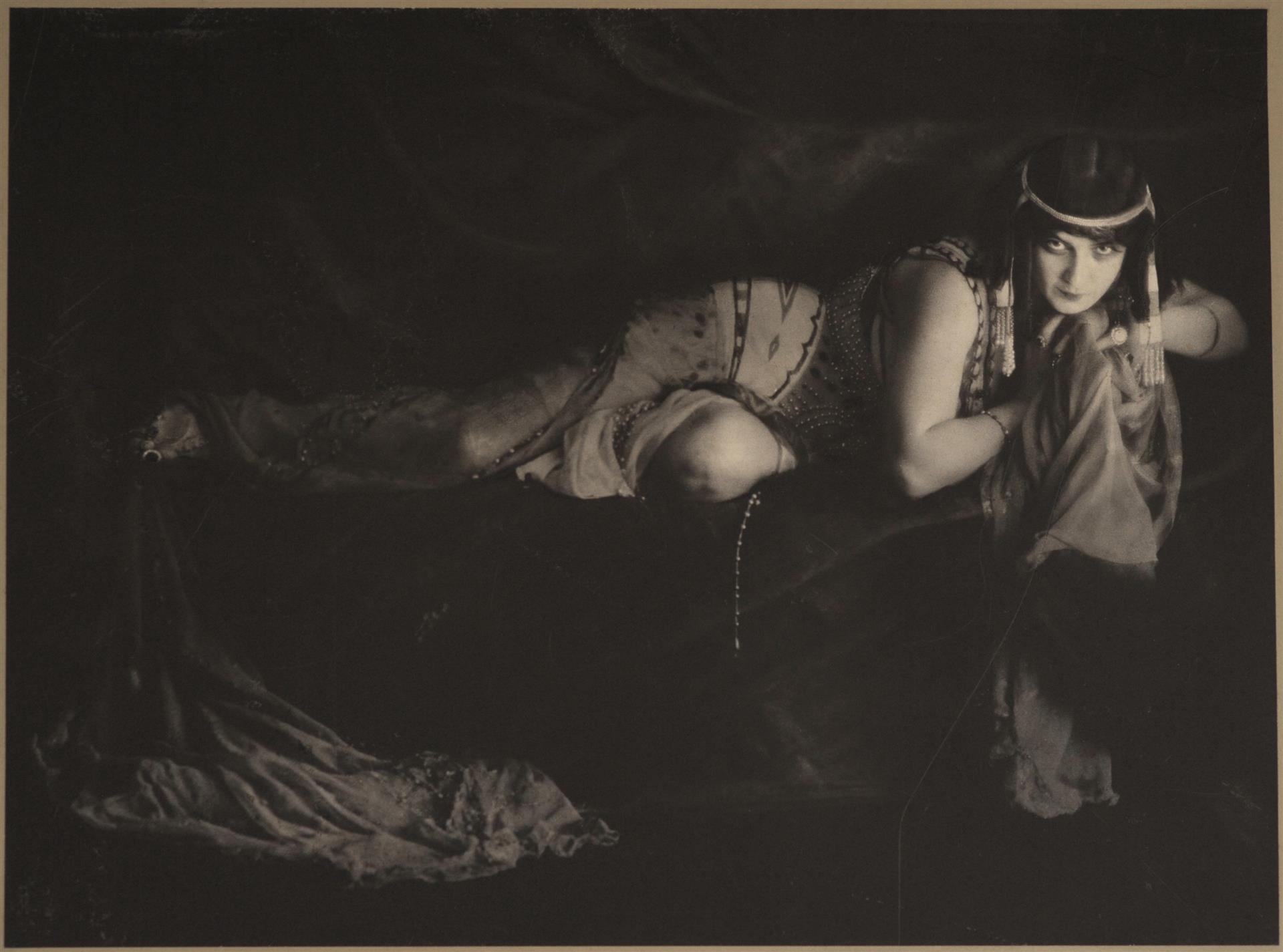
Otto Wegener ~ Ida Rubinstein en Cléopâtre. Paris, 1909 | Drouot & Daguerre Grande épreuve agentique d’exposition avec nombreuses retouches à la gouache par l’artiste au niveau du visage, des yeux et des cheveux, signature au crayon sur le carton de montage.
Paris, 1909. Serge Diaghilev engage Ida Rubinstein dans les Ballets russes pour le rôle-titre de Cléopâtre, à l’opéra Garnier. Cette interprétation est remarquée, ainsi que le nez de la diva. Les costumes sont signés Léon Bakst et le final inspire le Souvenir de la saison d’Opéra Russe 1909 du peintre Kees van Dongen. Nijinski danse sa première saison des Ballets russes, dans le rôle d’un esclave peu vêtu, éblouissant le public parisien.
Paris, 1909. Serge Diaghilev engages Ida Rubinstein in the Ballets Russes for the title role of Cleopatra, at the opera Garnier. This interpretation is noticed, as well as the nose of the diva. The costumes are by Léon Bakst and the finale inspires the Souvenir de la saison d’Opéra Russe 1909 by the painter Kees van Dongen. Nijinsky danced his first season of the Ballets Russes, in the role of a scantily dressed slave, dazzling the Parisian audiences.
Otto Wegener ~ Ida Rubinstein dans une robe de Léon Bakst. Paris, 1909. | Drouot & Daguerre Grande épreuve d’exposition à la gomme bichromatée, signée au crayon dans l’angle supérieur droit de l’épreuve.
Portrait dynamique : Ida Rubinstein dans un costume pour Cléopâtre, ballet en un acte, argument d’après Pouchkine.
Otto Wegener ~ Ida Rubinstein en Hélène de Sparte. Paris, mai 1912. Épreuve d’exposition à la gomme bichromatée, signée à la gouache blanche. | Drouot & Daguerre
Remarquables décors et costumes de Léon Bakst, pour la première au théâtre du Châtelet.
Otto Wegener ~ Ida Rubinstein, La Pisanelle ou la Mort Parfumée, 1912. | Drouot & Daguerre Grande épreuve argentique d’exposition sur papier mat montée sur carton gris, signature au crayon “Otto Paris”
“Le 13 juin 1913 est créée au théâtre du Châtelet à Paris une œuvre rutilante et hybride : la Pisanelle ou la Mort parfumée, texte français du dramaturge italien Gabriele d’Annunzio. La participation russe est prépondérante : Lev Bakst pour le décor, Ida Rubinstein dans le rôle principal, Vsevolod Meyerhold pour la mise en scène. La richissime actrice est la commanditaire du spectacle dont la chaude volupté répond à ses vœux. Dans cette œuvre, D’Annunzio a voulu faire se mesurer latinité et orientalisme. Les circonstances qui ont procédé à la création de la pièce dans l’atmosphère survoltée d’une vie artistique dominée par les Ballets russes…” Gérard Abensour, Monde Russe, 2007. From : Otto Portraits : Daguerre & Drouot
“On June 13, 1913, a gleaming and hybrid work was created at the Théâtre du Châtelet in Paris: La Pisanelle ou la Mort parfumée, a French text by the Italian playwright Gabriele d’Annunzio. The Russian participation is preponderant: Lev Bakst for the decor, Ida Rubinstein in the main role, Vsevolod Meyerhold for the staging. The wealthy actress is the sponsor of the show marked by her fervent voluptuousness. In his work, D’Annunzio wanted to present Latinism and Orientalism into balance. The circumstances that led to the creation of the piece in the charged atmosphere of an artistic life dominated by the Ballets Russes…” Gérard Abensour, Monde Russe, 2007.
All the the photographs and texts in this post had been retrieved from the catalogue of this auction :
Otto Portraits. Un fonds d’atelier photographique est retrouvé intact après cent ans d’oubli. Le studio du portraitiste Otto, place de la Madeleine, accueillait le Tout-Paris de la Belle Époque. Otto et ses fils y menaient grand train.
Vente aux enchères ‘Photographies par Otto Wegener (1849-1924)’ à Hôtel de vente Drouot le 8 novembre 2018 – Daguerre & Drouot

















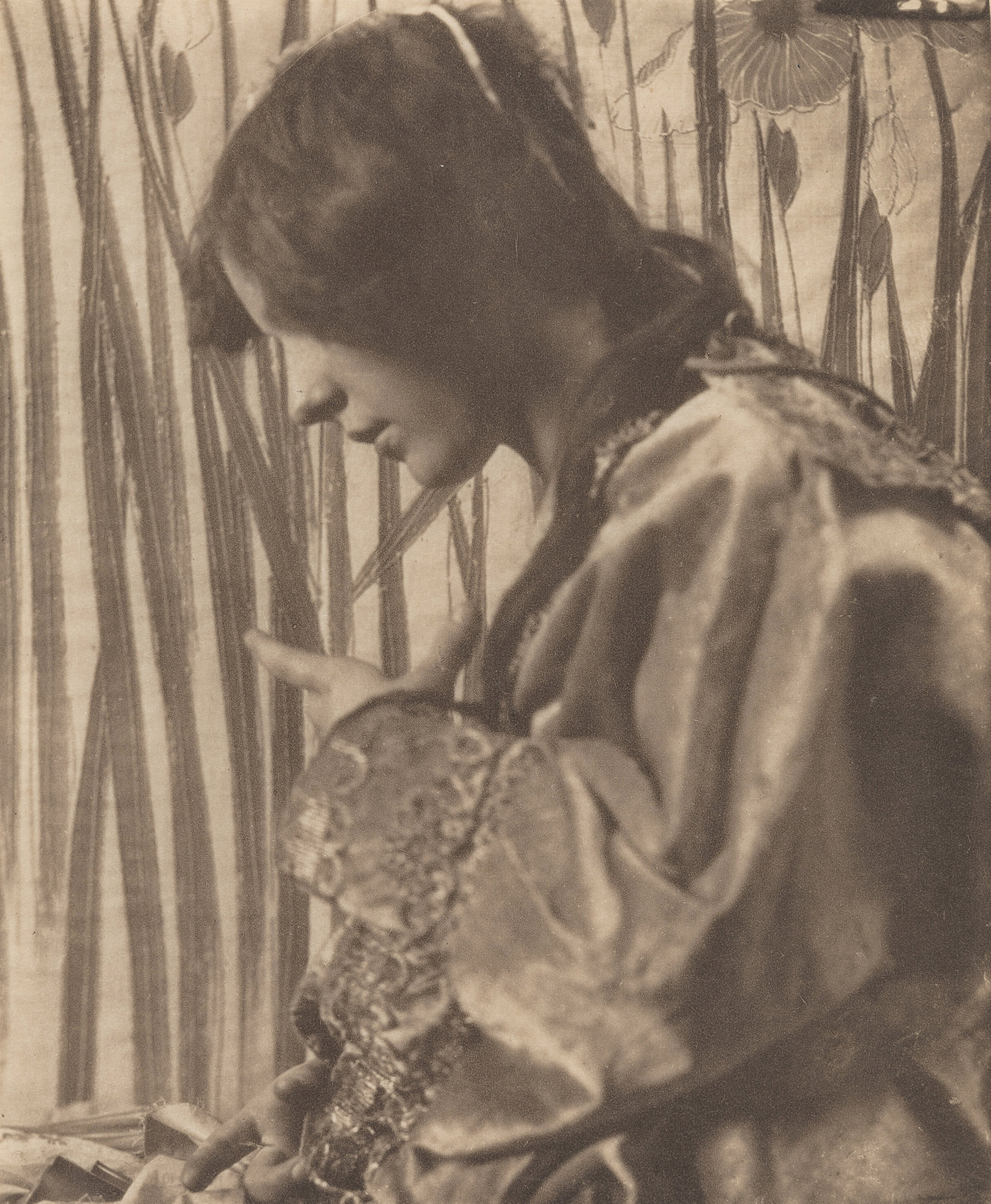
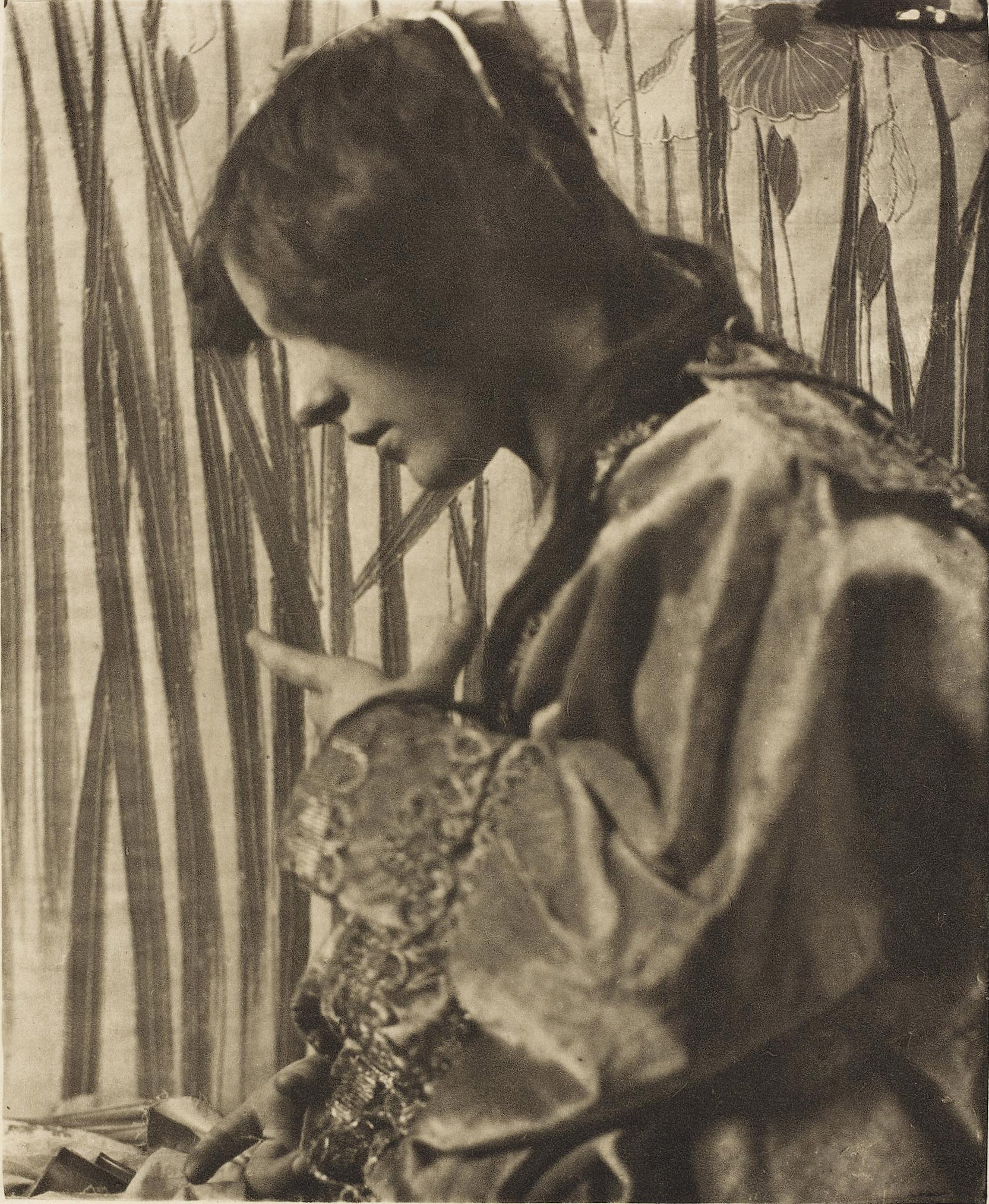
![camera_work1905_12_0087 [F. [Felix] Benedict Herzog, pl. II. Angela, photogravure](https://live.staticflickr.com/65535/52789073200_19514a3e09_o.jpg)
 un regard oblique