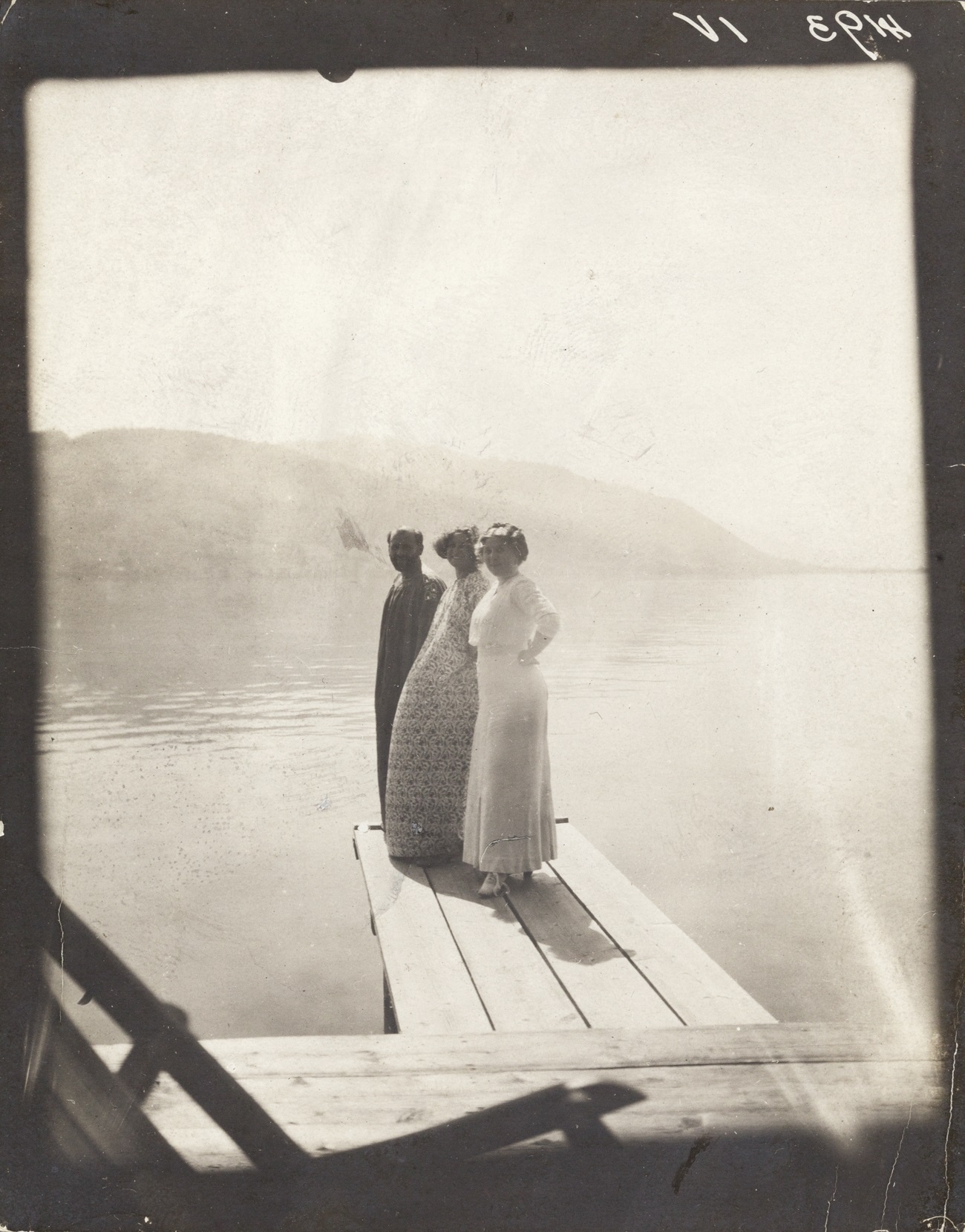
Anonymous. Gustav Klimt, Emilie und Helene Flöge, Litzlberg at Attersee, Austria, 1906 | src Ostlicht
Emilie Flöge spent many summers with Gustav Klimt at Lake Attersee from the 1890s on. Her sisters Pauline and Helene, with whom she opened the “Schwestern Flöge” fashion salon at Mariahilfer Strasse 1b in 1904, were often also part of the party. The salon, designed by Josef Hoffmann as a “Gesamtkunstwerk”, employed up to 80 seamstresses at the time of its greatest success and catered to the upper bourgeoisie. Helene Flöge was married to Ernst Klimt, the younger brother of Gustav Klimt, with whom he worked in a studio partnership.
This private photograph is captivating because of the contrast between the different silhouettes of the three figures, which reveals the emancipatory radicalism of the reform dress – in contrast to the usual dresses worn over a corset. Implicitly, as one might say, this also “quotes” the design element of repeated curved lines, as found in many of Gustav Klimt’s compositions. This is the only known print of this photograph [Negative number “4/93 IV” in the upper margin, handwritten annotated “Gustav Klimt Emilie Helene” in ink on the reverse.] | src Ostlicht
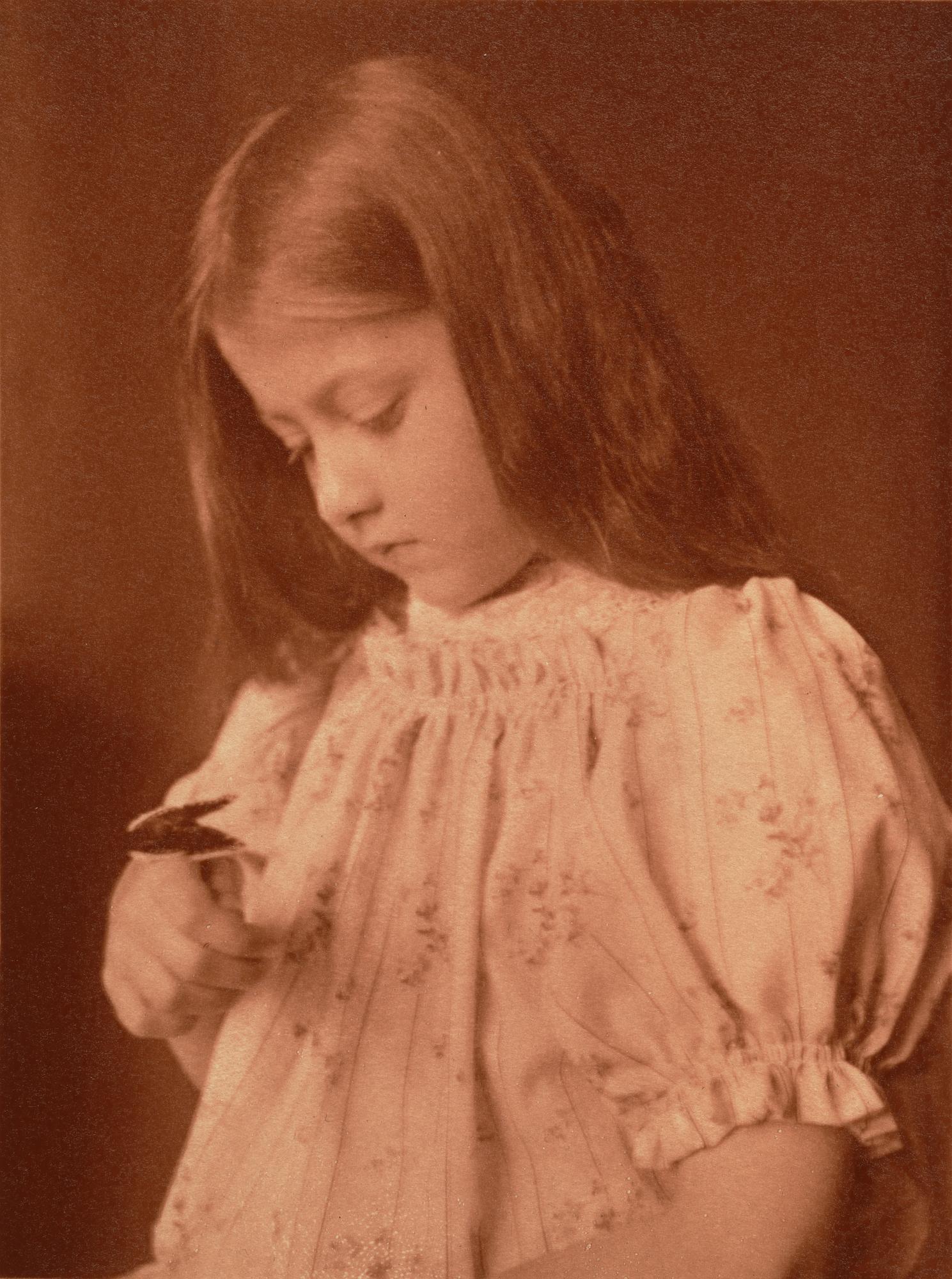
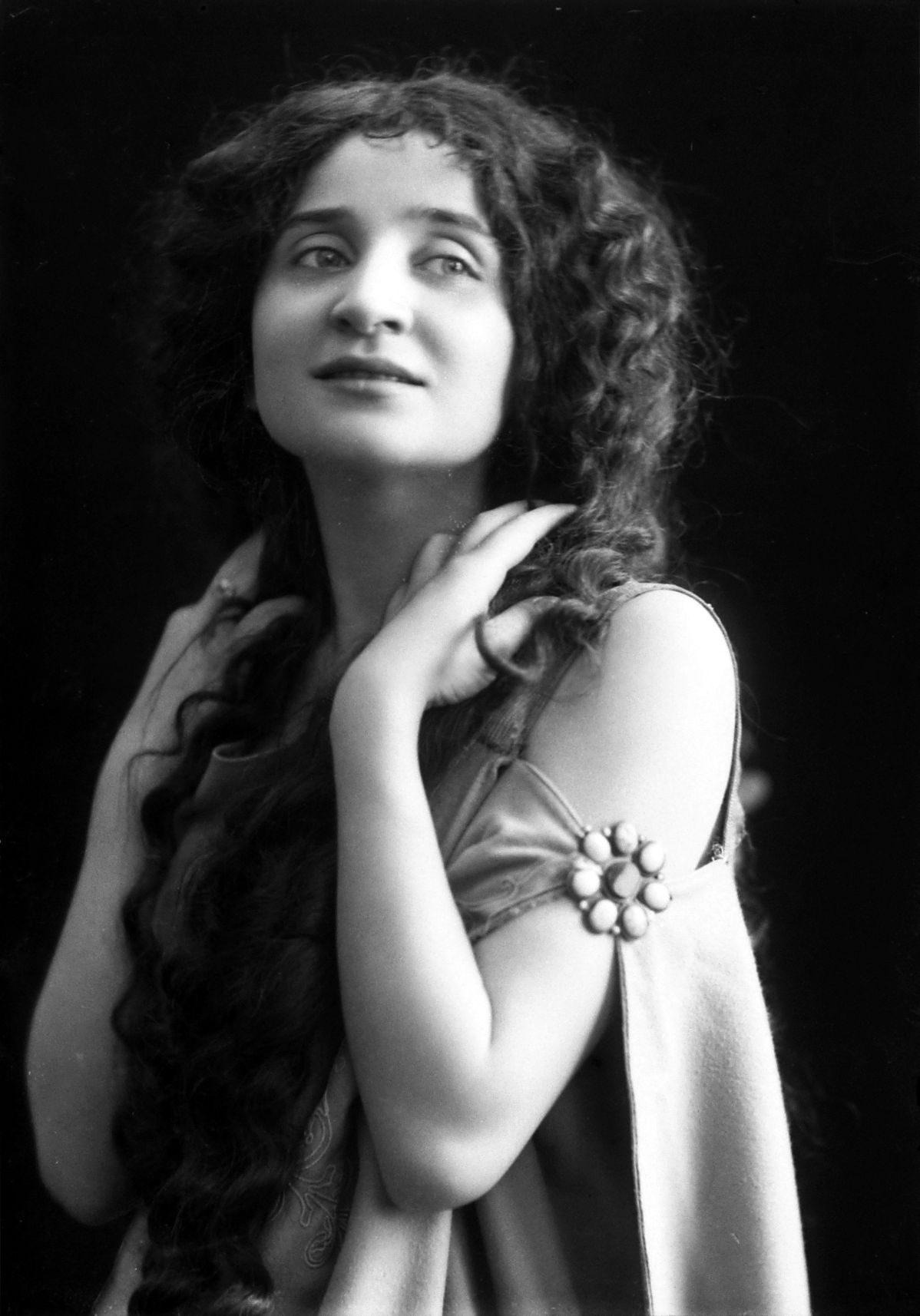
Pictorialist portrait of Fritz Englund’s daughter ─ Gunhild Englund ─ with a kitten, 1902 | src The Finnish Museum of PhotographyFritz Englund (1870–1950) ~ Gunhild, 1903. Suomen valokuvataiteen museon kokoelma. Scan from Piktorialismi, published by the Finnish Museum of Photography & Parus (Front cover & page 78)
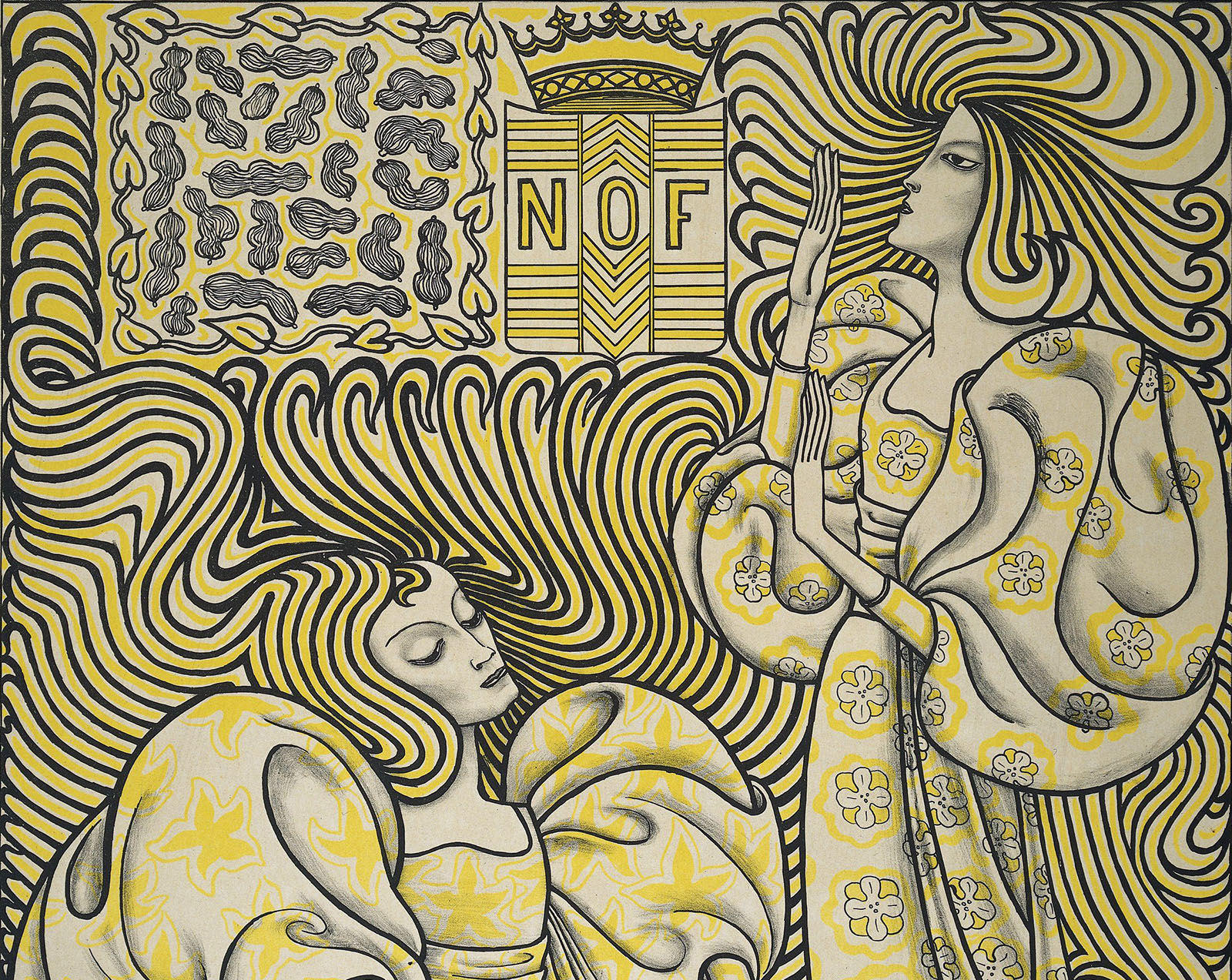
Jan Toorop ~ Poster for Delft Salad Oil, 1894 (RP-P-1912-2395) | src Rijksmuseum
Affiche Delftsche Slaolie (1894) This poster was commissioned by the Nederlandsche Oliefabriek, an oil manufacturer in Delft. Two women with wavy hair and billowing draperies occupy most of the composition. One of them is dressing a salad.
The inscription on top Delftsche Slaolie makes it clear that the advert concerns salad oil, as do the bottles of salad oil on either side of the text. Below it is the crowned coat of arms of the factory (N O F), with a decorative area with peanuts on the left. The majority of the poster is taken up by the two graceful female figures with long hair and billowing draperies. One sits and is dressing a lettuce salad in a large container; the other has her gaze and hands raised. The women with their emphatic contours draw attention away from the actual advertisement, namely for the salad oil. The wavy, rhythmic interplay of lines with which the women’s hair fills the picture surface made such an impression that it became an icon and lent Dutch Art Nouveau its nickname, slaoliestijl, the ‘salad oil style’. | text adapted from Rijksmuseum [x]
Jan Toorop ~ Image Design for a Poster. Wagenaar’s Cantata ‘The Shipwreck’, 1899. Zincograph in blue-black on yellow wove paper | src AICJan Toorop (1858-1928) ~ Two female figures with clock in hand, 1913 (?). Pencil and chalk on paper. | src RijksmuseumJan Toorop ~ Twee gestileerde vrouwelijke figuren met klok in de hand (1894)
Jan Toorop (1858–1928) was born on the island of Java in the Dutch East Indies, Toorop settled in the Netherlands at the age of eleven. After studying art at the Rijksakademie in Amsterdam, he’d spend his time between The Hague, Brussels, England (where his wife was from), and, after 1890, the Dutch seaside town of Katwijk aan Zee. It was during this time that he developed his distinctive style: highly stylized figures, embedded in complex curvilinear designs, with his dynamic line showing influence from his Javanese roots. While perhaps most famous for turning these techniques to his exquisite poster designs, Toorop also produced a substantial body of work far removed from the anodyne demands of the advertising industry, beautiful but haunting works dealing with darker subjects such as loss of faith and death (that you can find in this other post). | text adapted from Public Domain review
Erwin E. Smith (1886–1947) ~ [Women eating watermelon], ca. 1907. Nitrate negative | src Amon Carter Museum P1986.41.343Erwin Evans Smith (1886–1947) ~ [Women eating watermelon], ca. 1907. Nitrate negative Amon Carter Museum of American Art (P1986.41.344)Erwin Evans Smith (1886–1947) ~ [Two women eating watermelon], ca. 1907. Nitrate negative Amon Carter Museum of American Art (P1986.41.342)
The Sphinx (# 2); ca. 1902. Tonnelé & Co.; NY. | src Library of Congress | Glamour Photographs 1900-1910The Sphinx (# 2); ca. 1902. Tonnelé & Co.; NY. | src Library of Congress [detail]
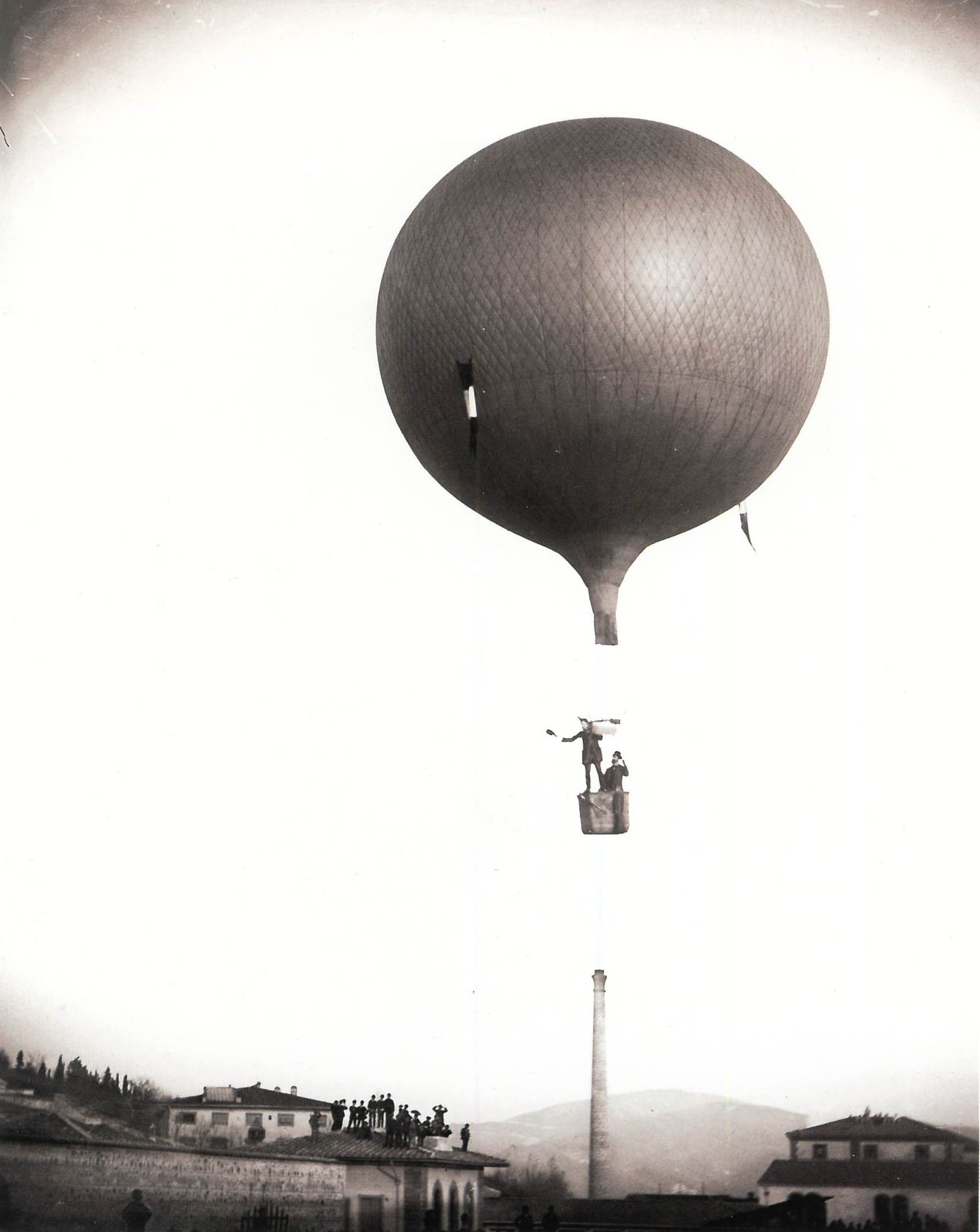
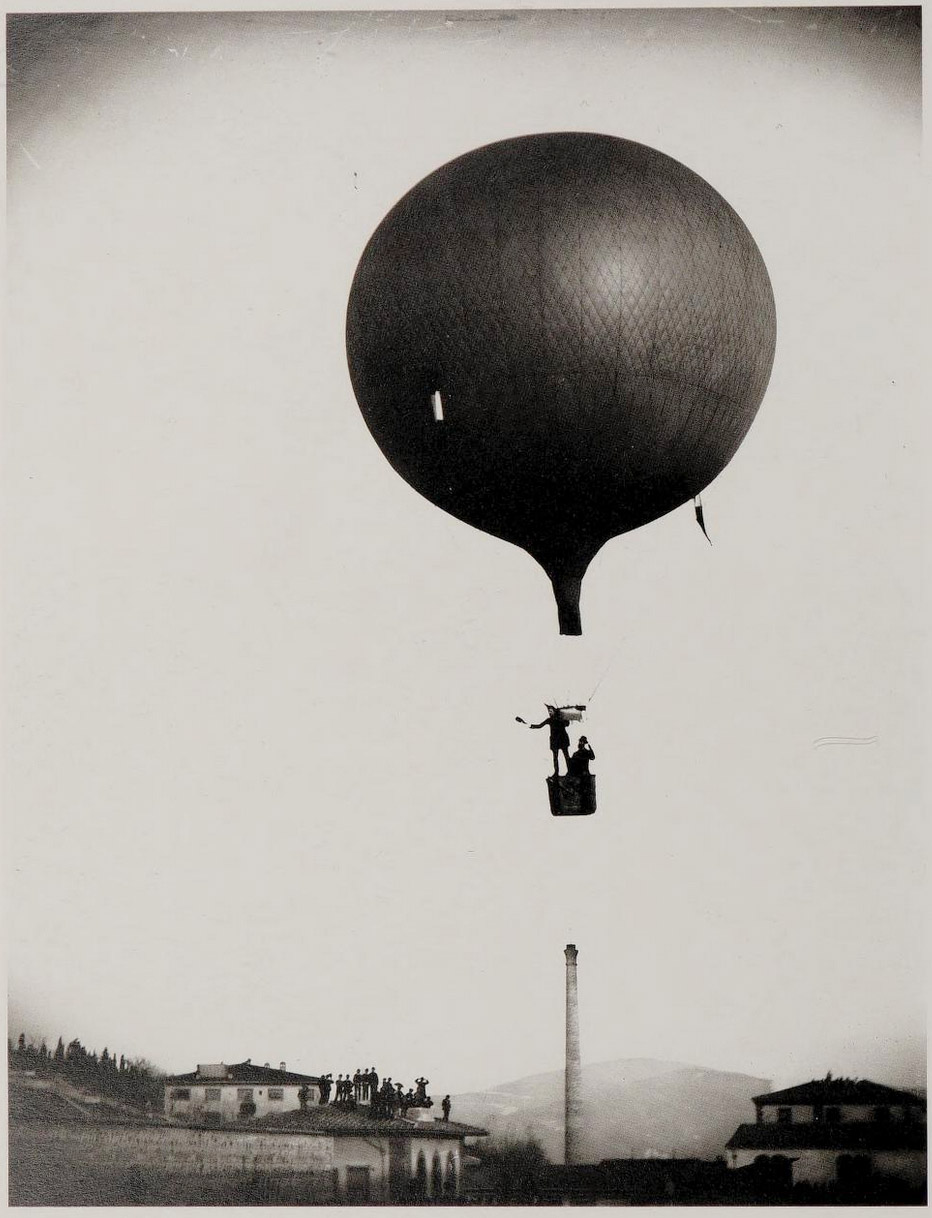
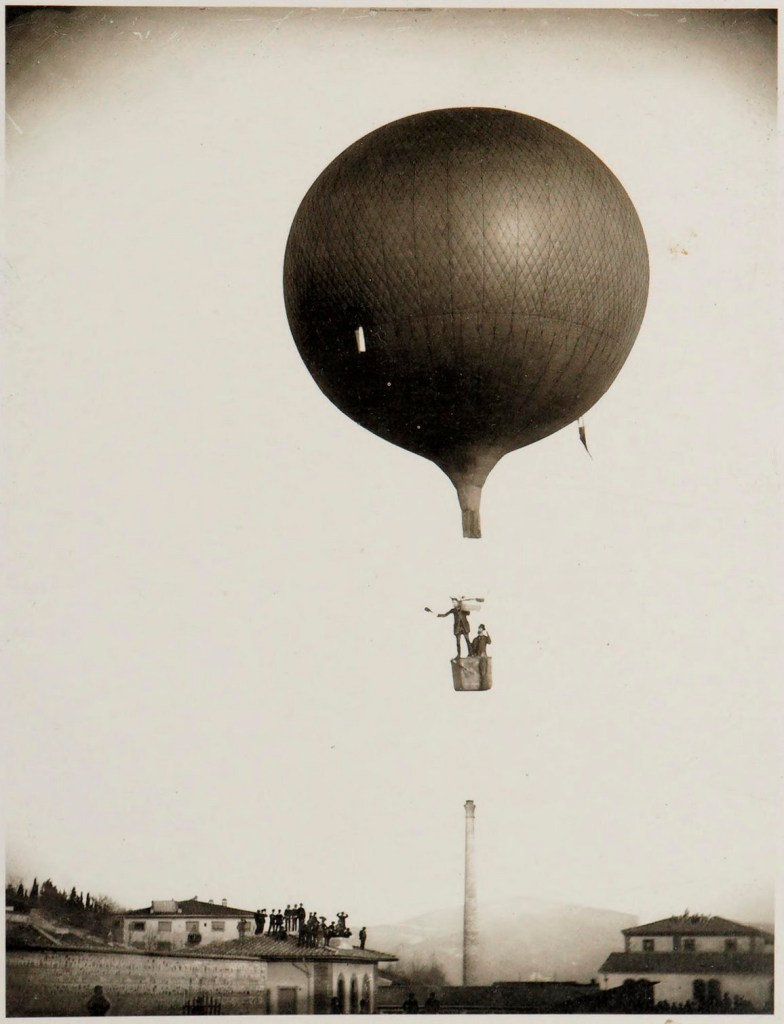
Fratelli Alinari ~ Hot-air balloon, piloted by the aeronaut Julhes, 1884. Exhibition: Fratelli Alinari: A Photographic Tradition
Fratelli Alinari: A Photographic Tradition
The exhibition celebrated 150 years of Fratelli Alinari, the renowned photographic studio that documented the changing cultural and social landscape of Italy from the mid-nineteenth century.
The firm was founded in Florence in 1854 by the brothers Leopoldo, Giuseppe and Romualdo Alinari at a time when standards of photography and techniques of reproduction were being revolutionised. It quickly established an eminent reputation through its iconic images of Tuscan towns and cities, and following unification – when Florence was briefly the capital of Italy – politicians, intellectuals and royalty all visited the studio to have their portraits taken. At the other end of the spectrum are their striking images of working class life and gritty street scenes.
These beautiful photographs featured in the exhibition vividly trace Italy’s relatively late transition from a rural economy to an industrialised nation, capturing a pivotal era in Italian history. | quoted from: Estorick Collection [x]
Fratelli Alinari ~ Mister Julhes’ ascension in a balloon, Florence, 1905. From: Italy : one hundred years of photography (Susan Sontag and Cesare Colombo), 1988 (page 60) | src internet archiveFratelli Alinari ~ Mister Julhes’ ascension in a balloon, Florence, 1905. From: Italy : one hundred years of photography (Susan Sontag and Cesare Colombo), 1988 (p. 60) | src internet archiveFratelli Alinari ~ Mister Julhes’ ascension in a balloon, Florence, 1905. From: Italy : one hundred years of photography (Susan Sontag and Cesare Colombo), 1988. Front cover | src internet archiveFratelli Alinari ~ Mister Julhes’ ascension in a balloon, Florence, 1905. From: Italy : one hundred years of photography (Susan Sontag and Cesare Colombo), 1988. Front cover. | src internet archive
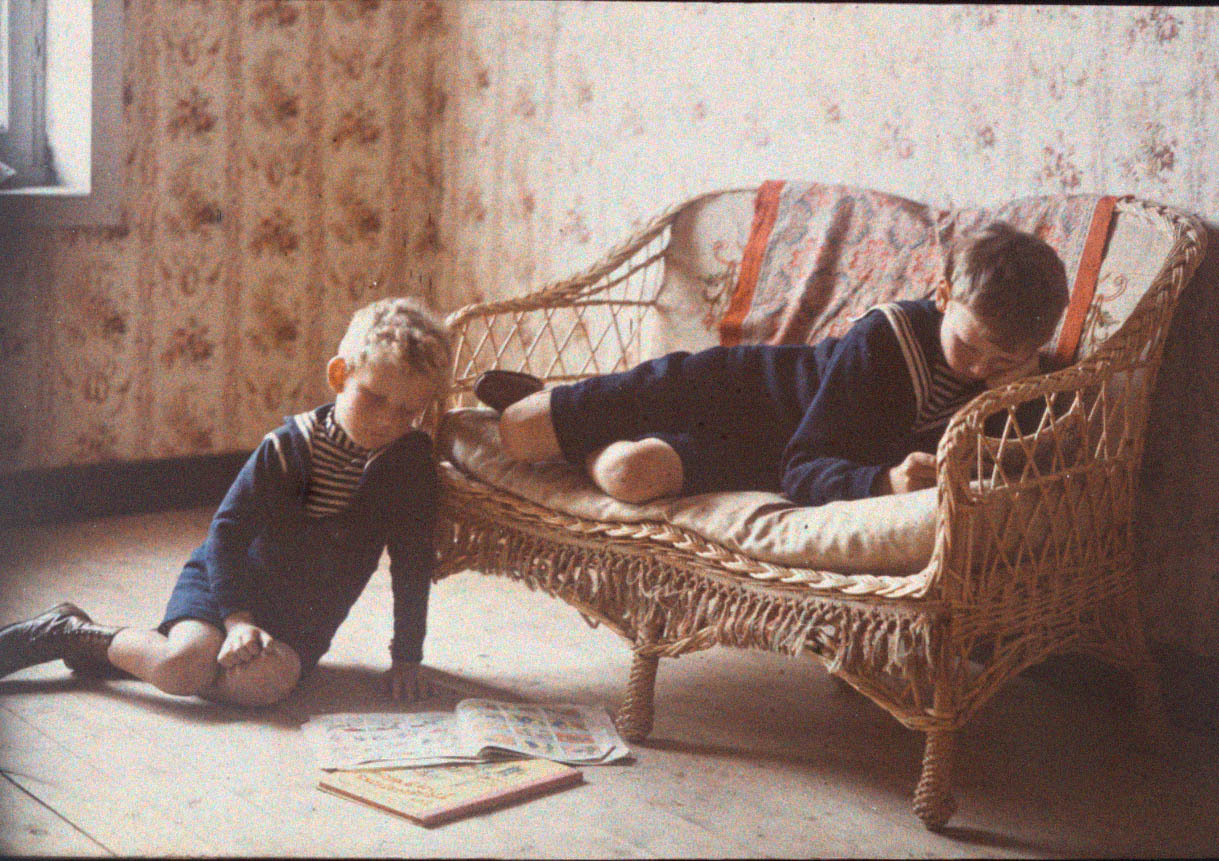
Gustave Gain ~ Pierre et André Gain enfants: la lecture, 1911-20. Plaque de verre autochrome. | Archives de la MancheGustave Gain ~ Pierre et André Gain enfants: la lecture, 1911-20. Plaque de verre autochrome. | Archives de la MancheGustave Gain ~ Pierre Gain enfant, en costume de Pierrot, devant des marionnettes, 1909. Plaque de verre autochrome.Gustave Gain ~ Pierre Gain enfant, en costume de Pierrot, devant des marionnettes, 1909. Plaque de verre autochrome.Gustave Gain ~ Pierre Gain enfant, en costume de Pierrot, devant des marionnettes, 1909. Plaque de verre autochrome.Gustave Gain ~ Pierre Gain enfant, en costume de Pierrot, devant des marionnettes, 1909. Plaque de verre autochrome.
source of all images in this post : Archives de la Manche ~ Maison de l’histoire de La Manche
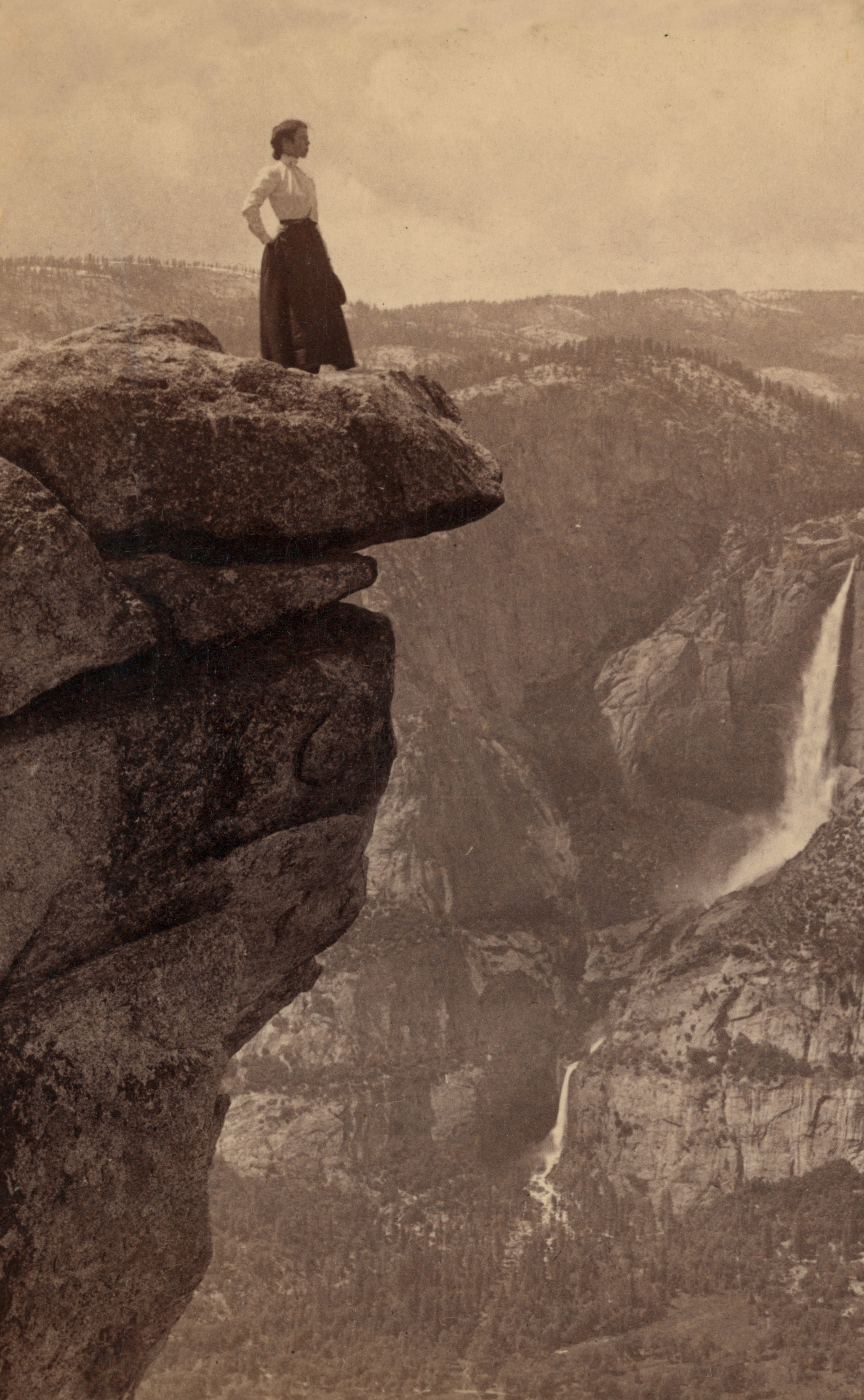
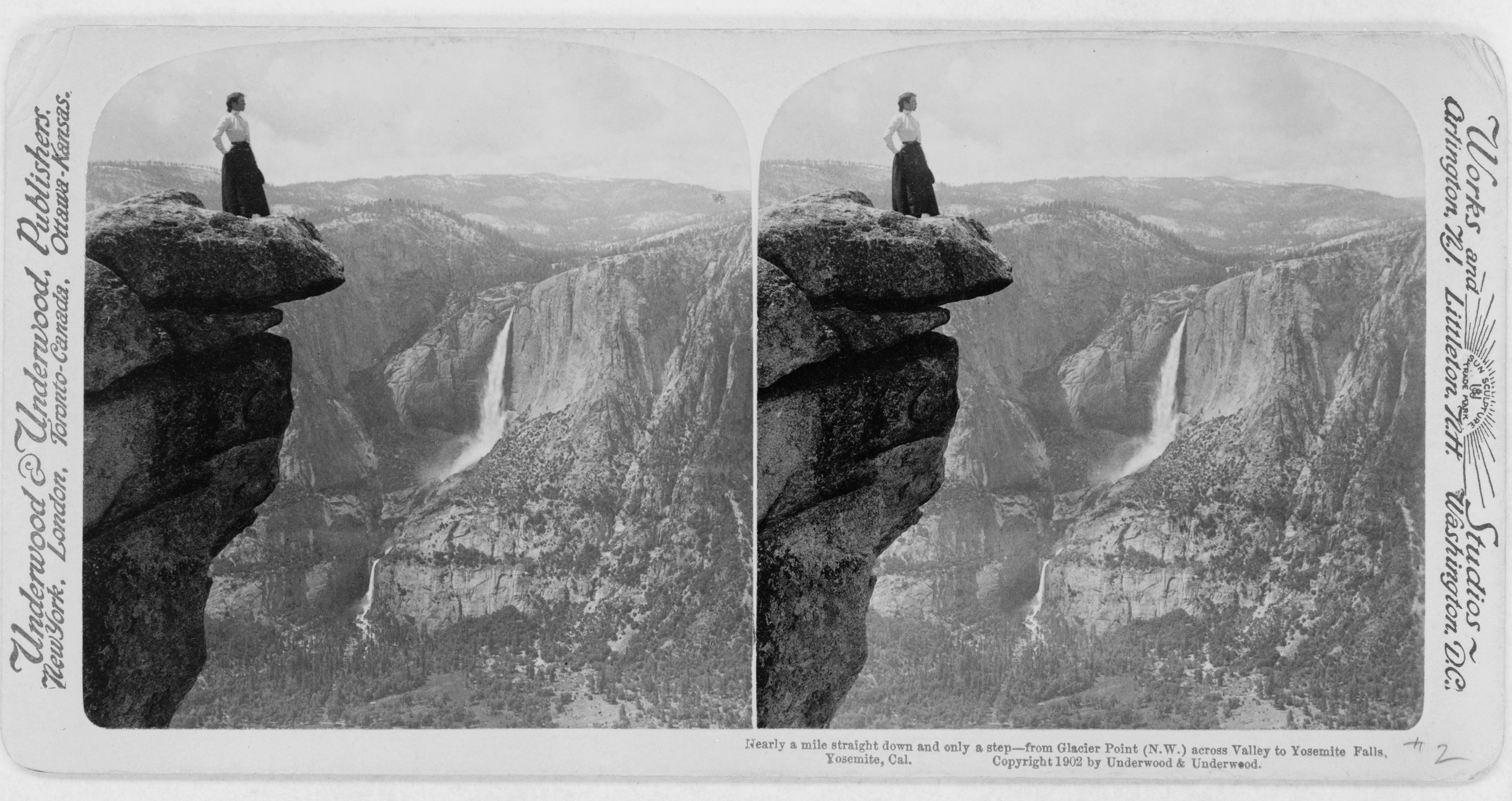
Nearly a mile straight down and only a step–from Glacier Point, Yosemite valley, ca. 1902 [detail]Nearly a mile straight down and only a step–from Glacier Point (N.W.) across valley to Yosemite Falls, Yosemite, Cal.,ca. 1902. Underwood & Underwood. Half stereo card.
Original title: Nearly a mile straight down and only a step–from Glacier Point (N.W.) across valley to Yosemite Falls, Yosemite, Cal. [Description: Woman standing on cliff overlooking deep valley.]. Underwood & Underwood, publishers, New York, ca. 1902. Digital file from original photo : photographic print on stereo card : stereograph. [scanned half stereo] | src Library of Congress
Underwood & Underwood :: Woman standing on cliff overlooking deep valley, 1900-1910B&W film copy negative from original stereo card | src Library of CongressView of woman standing on an overhanging rock at Glacier Point with Yosemite Falls seen in the distance. | src ALMA repository













 un regard oblique