Thomas Theodor Heine :: Marya Delvard. Die 11 Scharfrichter. The Eleven Executioners was the first popular cabaret in Germany, and its subject matter was political humour. Marya Delvard used to sing underneath a single spotlight, creating a performance that was both chilling and enticing. This poster is from a 1902 performance. | src The Guardian
Fritz Zeymer :: The Dancer Gertrude Barrison (plate 3) from the First Theater Program of Kabarett Fledermaus (Cabaret Fledermaus) 1907. In October 1907, the Wiener Werkstätte opened the nightspot and performing arts space. Designed by Carl Otto Czeschka, this program exemplifies the then-current idea of the Gesamtkunstwerk, or total work of art. | src MoMA
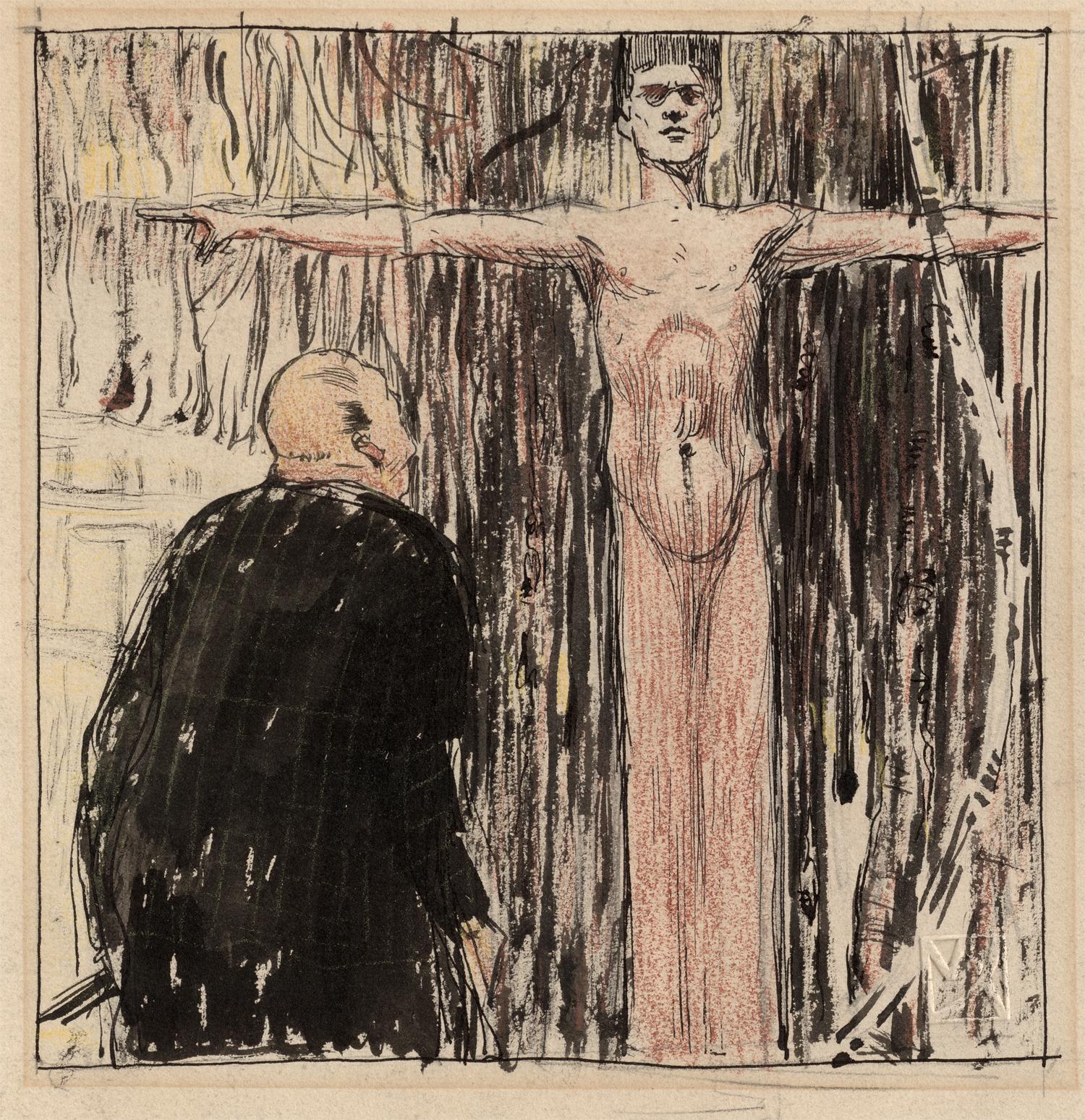
Maximilian Kurzweil :: “Kreuzigung” | “Crucifixion”, ca. 1900. Black pen and brush, colored chalks on wove paper; verso figure studies in black chalk. With monogram stamp lower right. Provenance: Felix Landau Gallery, Los Angeles. | src Bassenge and issu
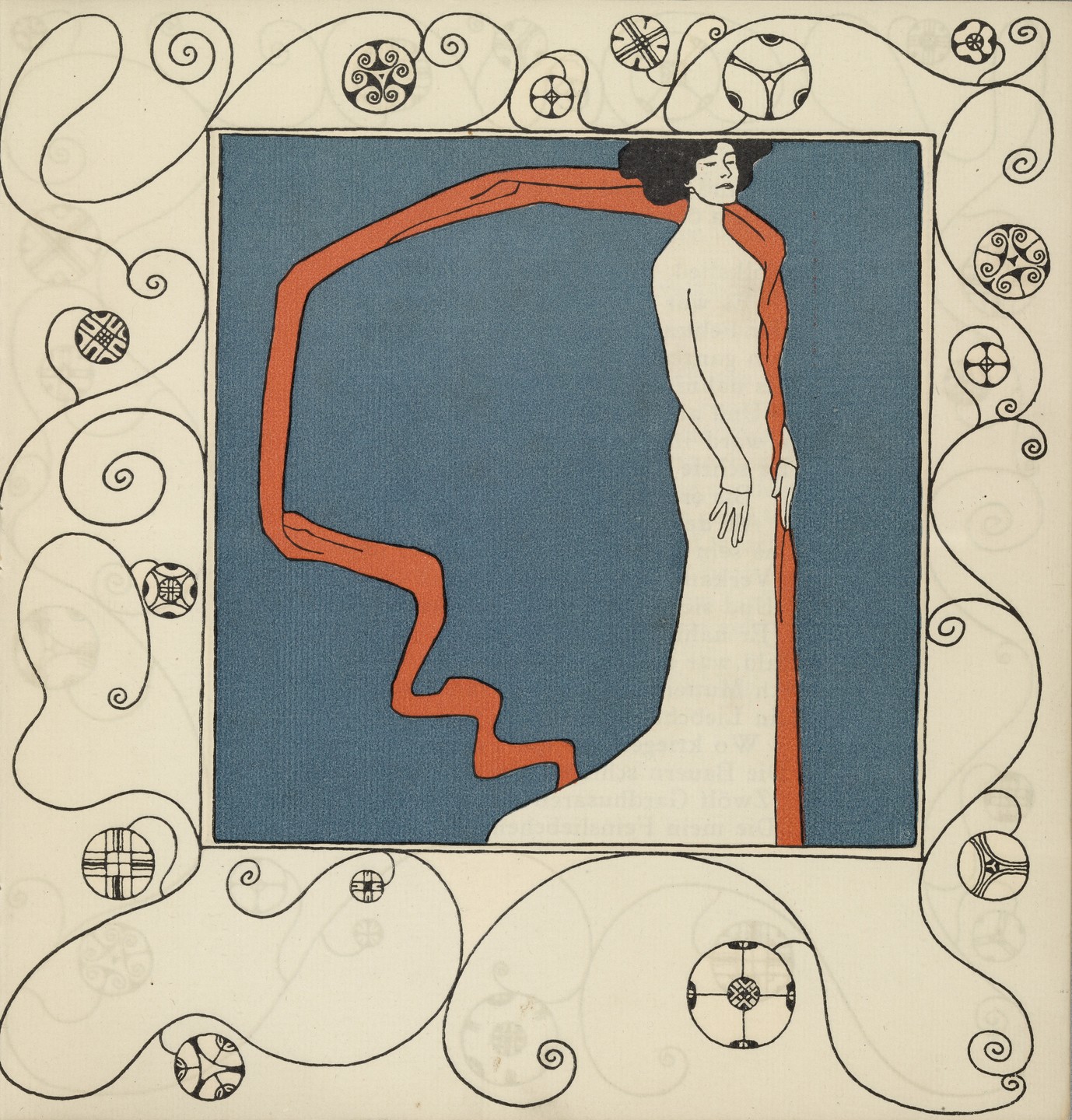
Berthold Löffler :: The Diseuse Marya Delvard (plate 2) from the First Theater Program of Kabarett Fledermaus (Cabaret Fledermaus) 1907. Designed by Carl Otto Czeschka, this program exemplifies the then-current idea of the Gesamtkunstwerk, or total work of art. | src MoMA
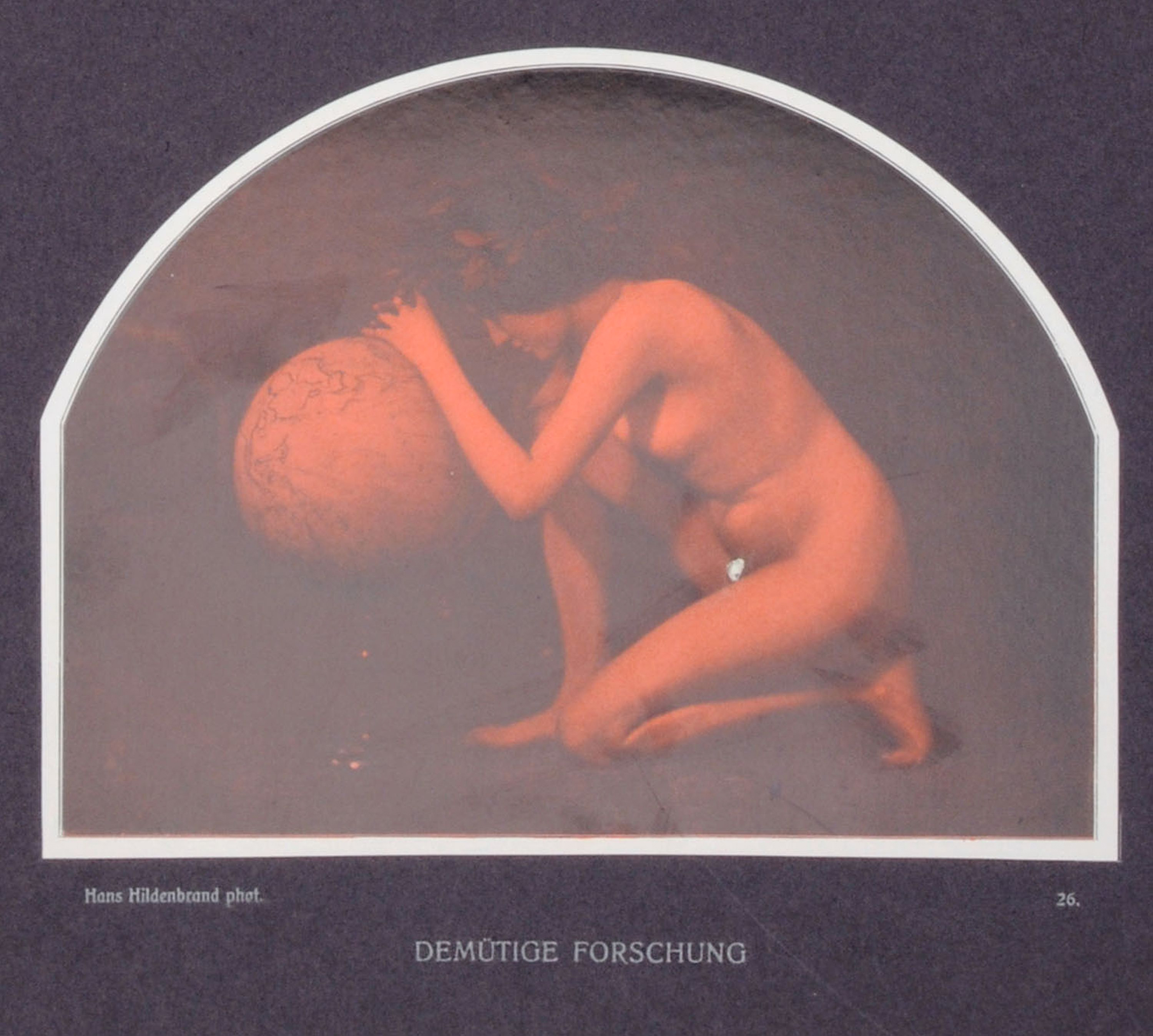
Hans Hildenbrand (phot.) :: Demütige Forschung. “Das lebende Modell – Zwanzig Malerische Actstudien. Band II” von Prof. Hermann Ludwig von Jan, 1904. | Humble Research. “The Living Model – Twenty Picturesque Act Studies. Volume II” by Prof. Hermann Ludwig von Jan, 1904. | src Schmidt Kunstauktionen Dresden
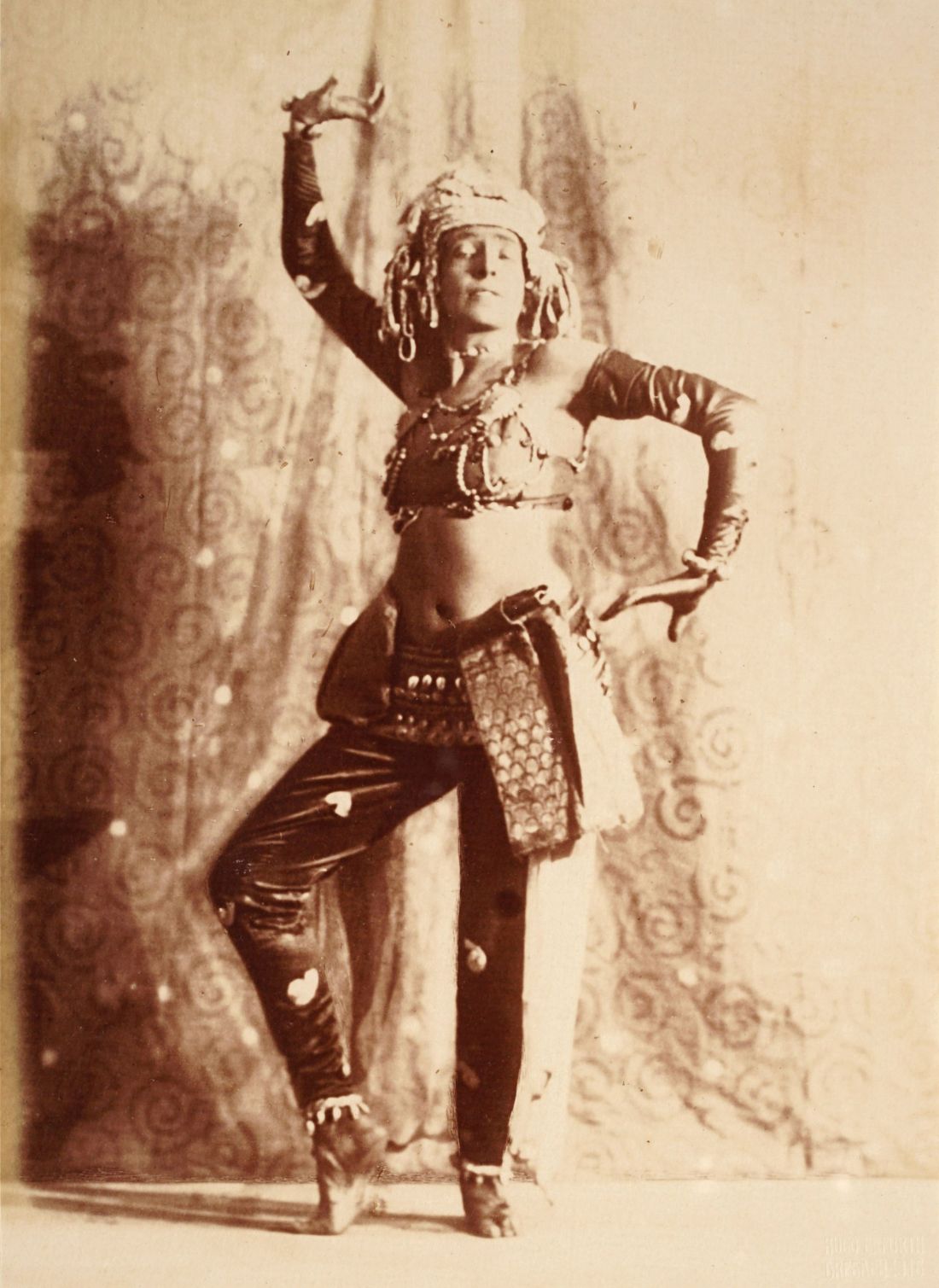
Thisbe, ca. 1900. Dry plate negative. Detroit Publishing Co. nº 09985. | src Library of CongressThisbe. Who was quite the Babylonian, ca. 1900. Dry plate negative. Detroit Publishing Co. nº 09985. | src Shorpy







 un regard oblique