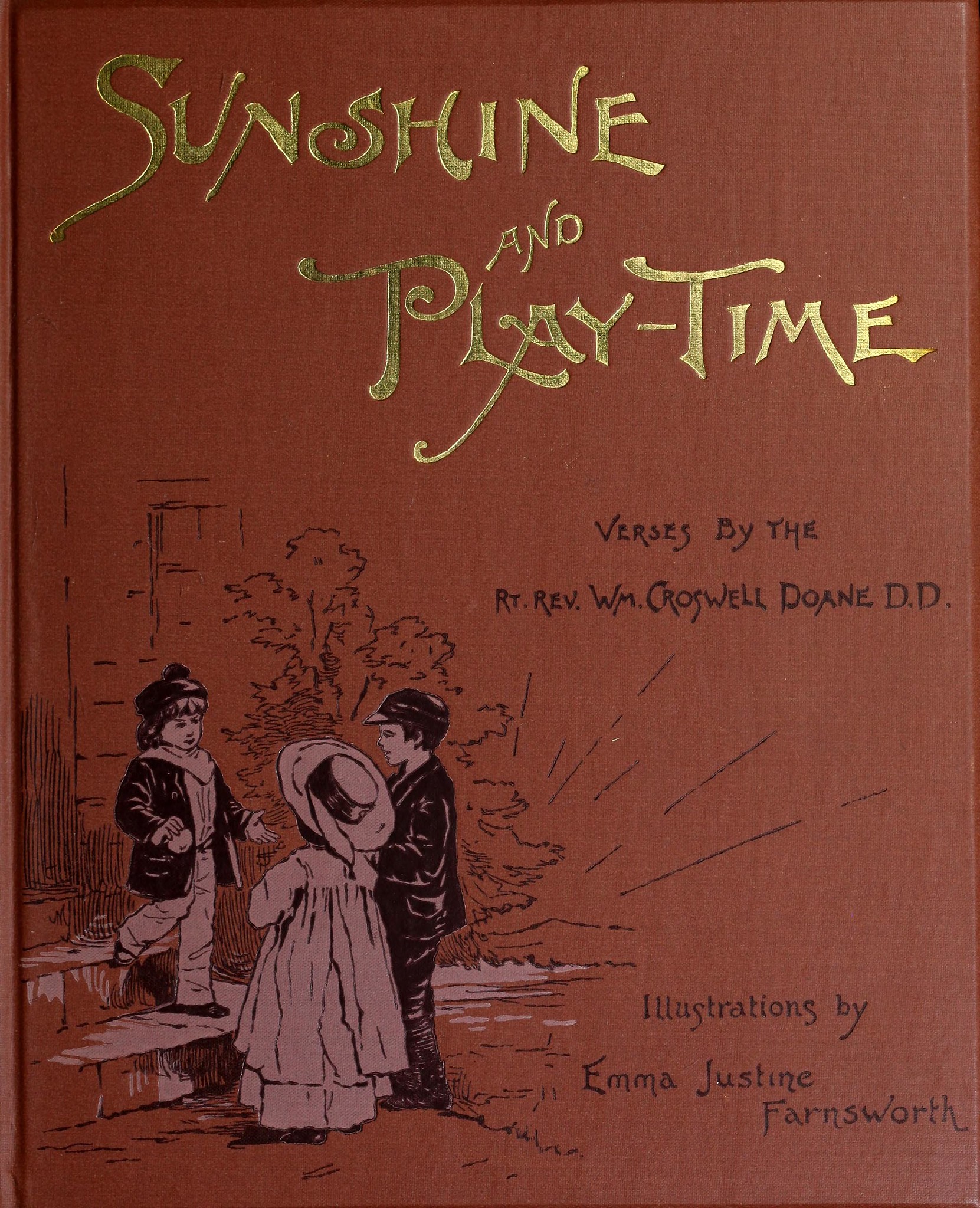
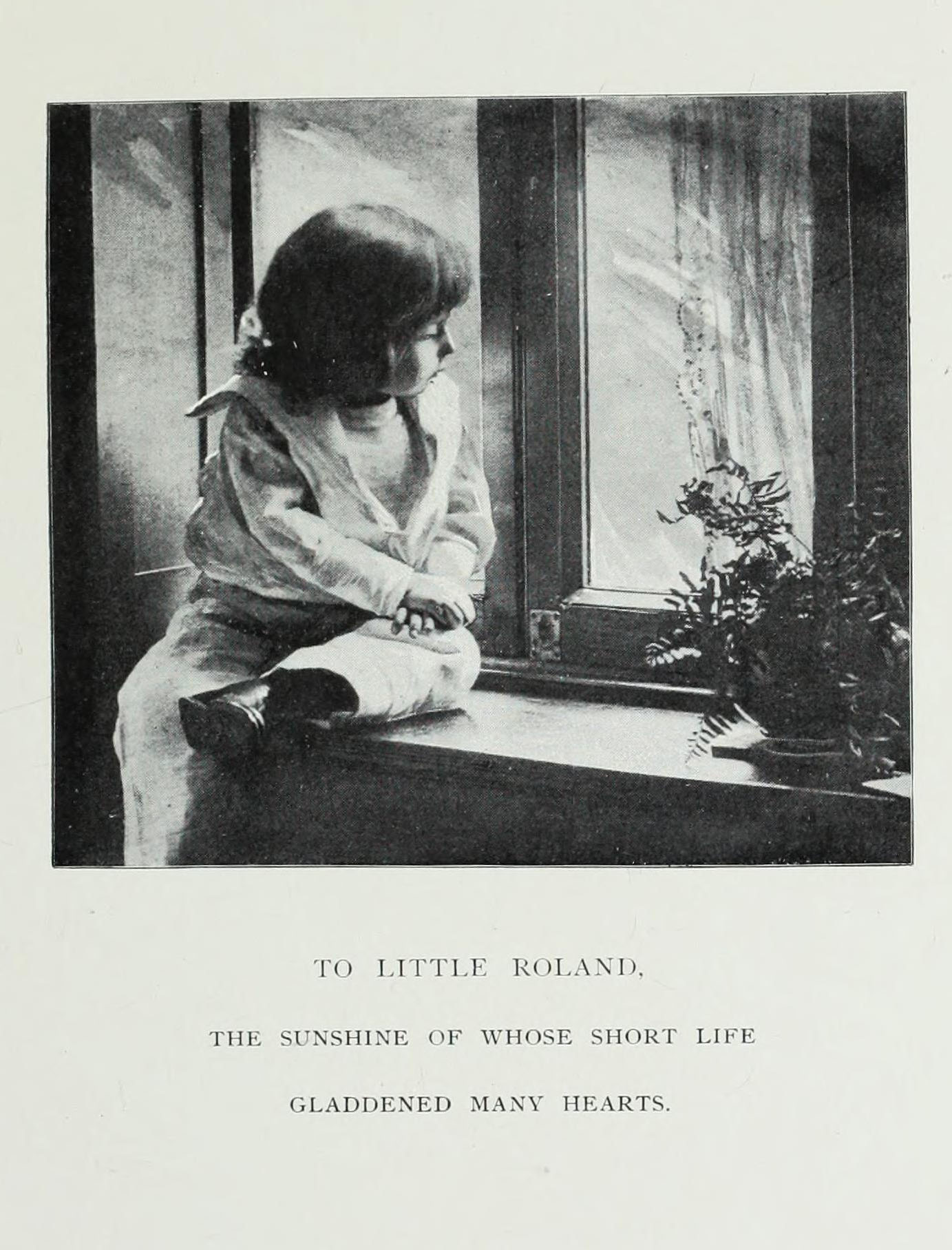
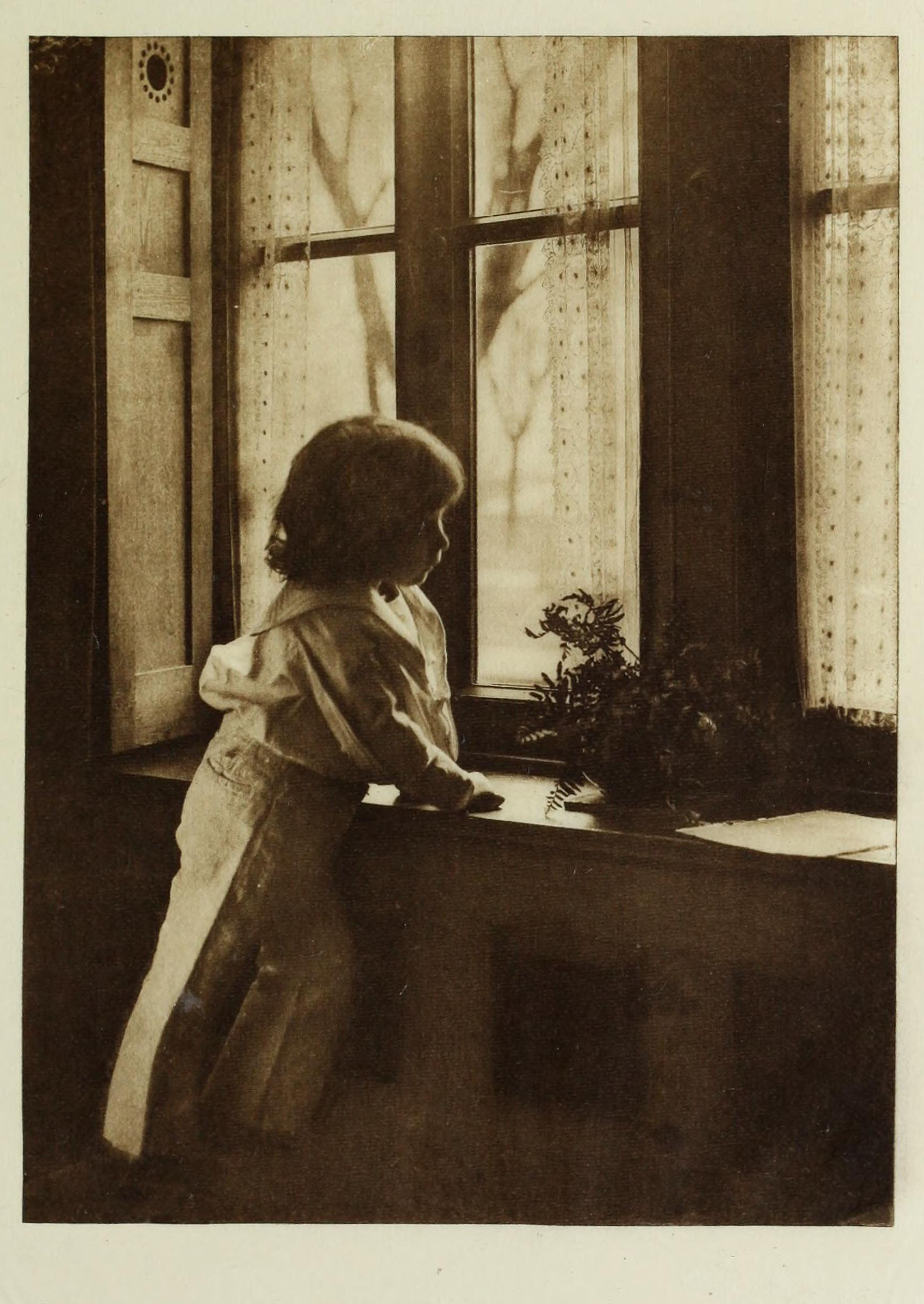
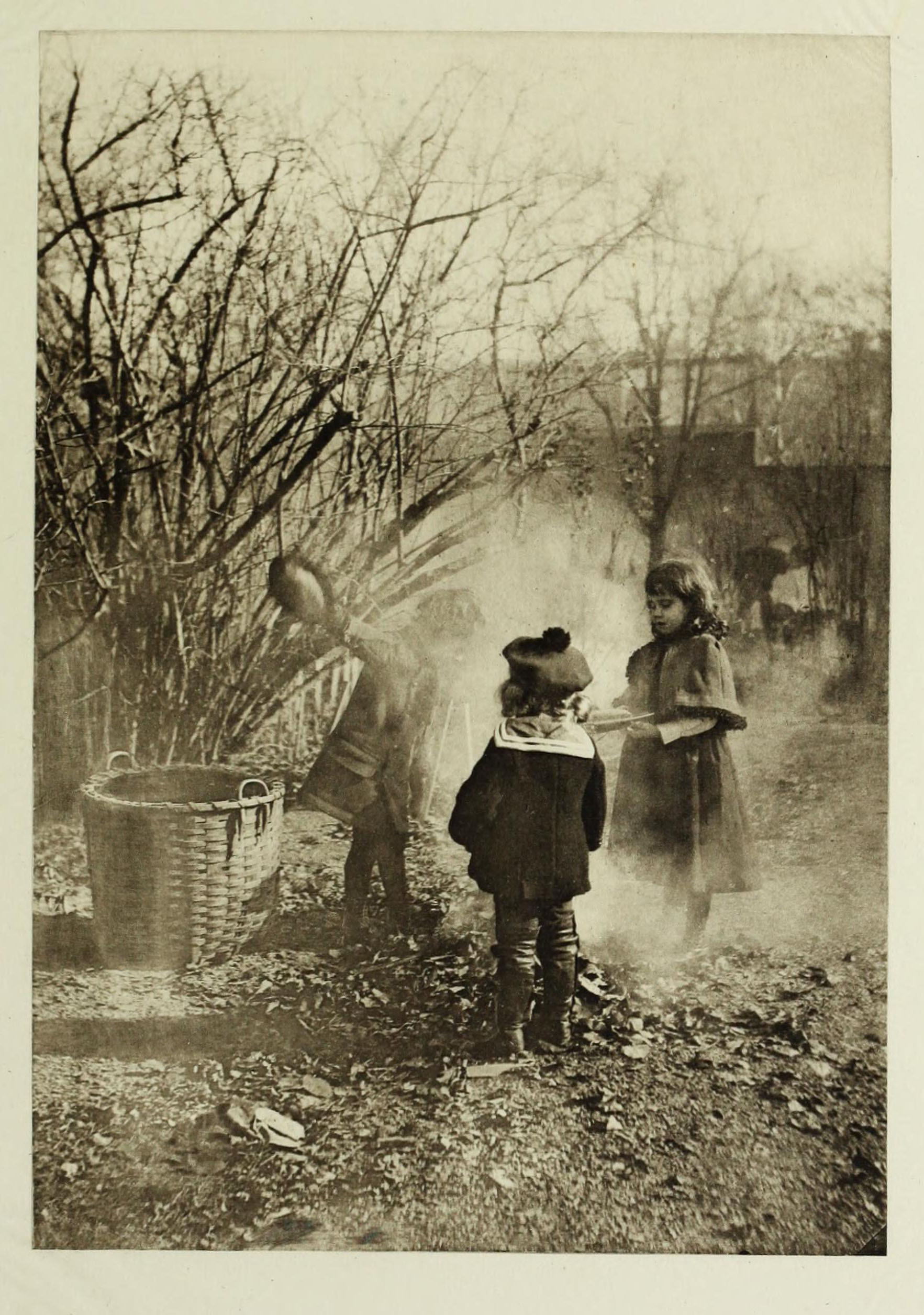
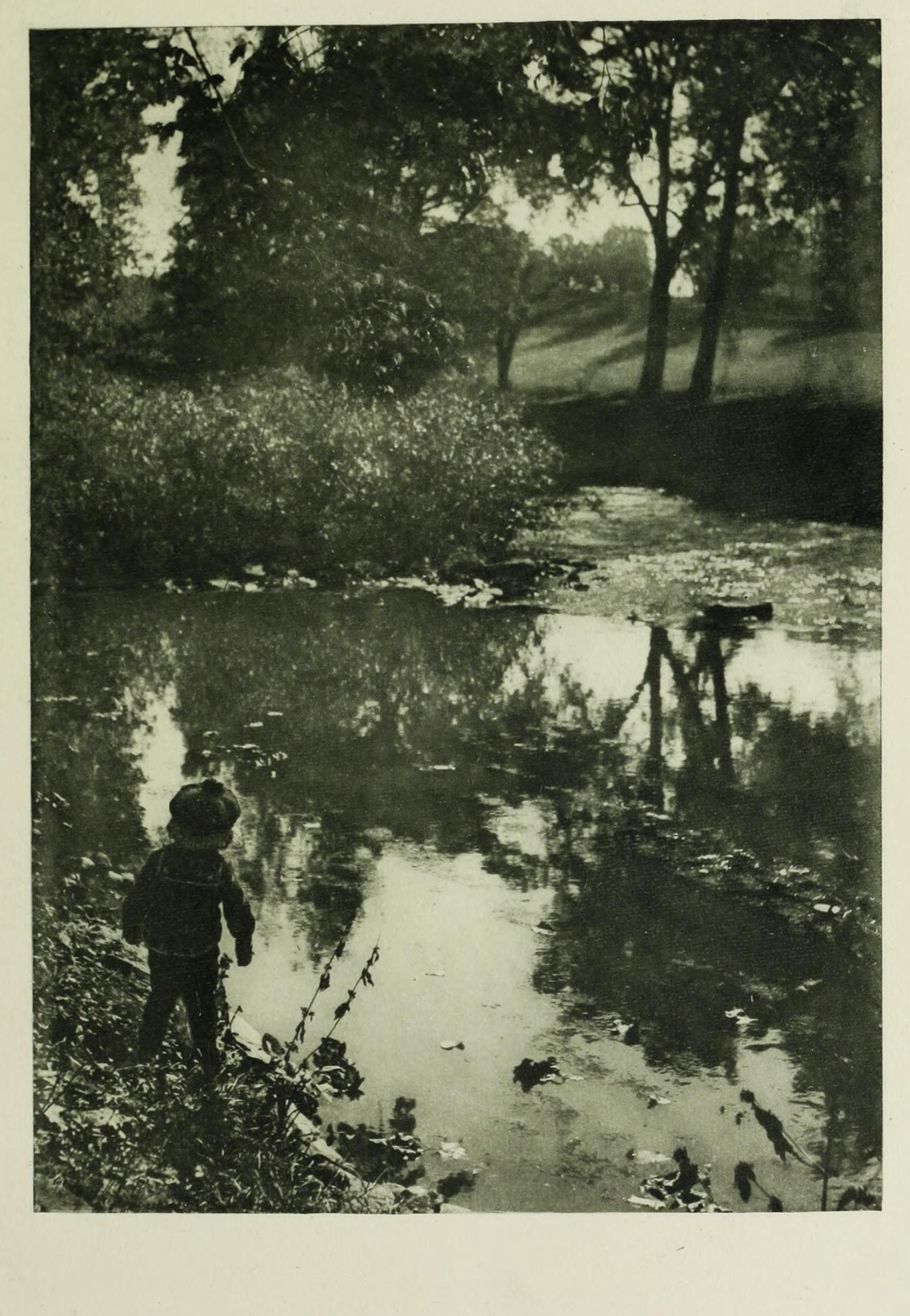
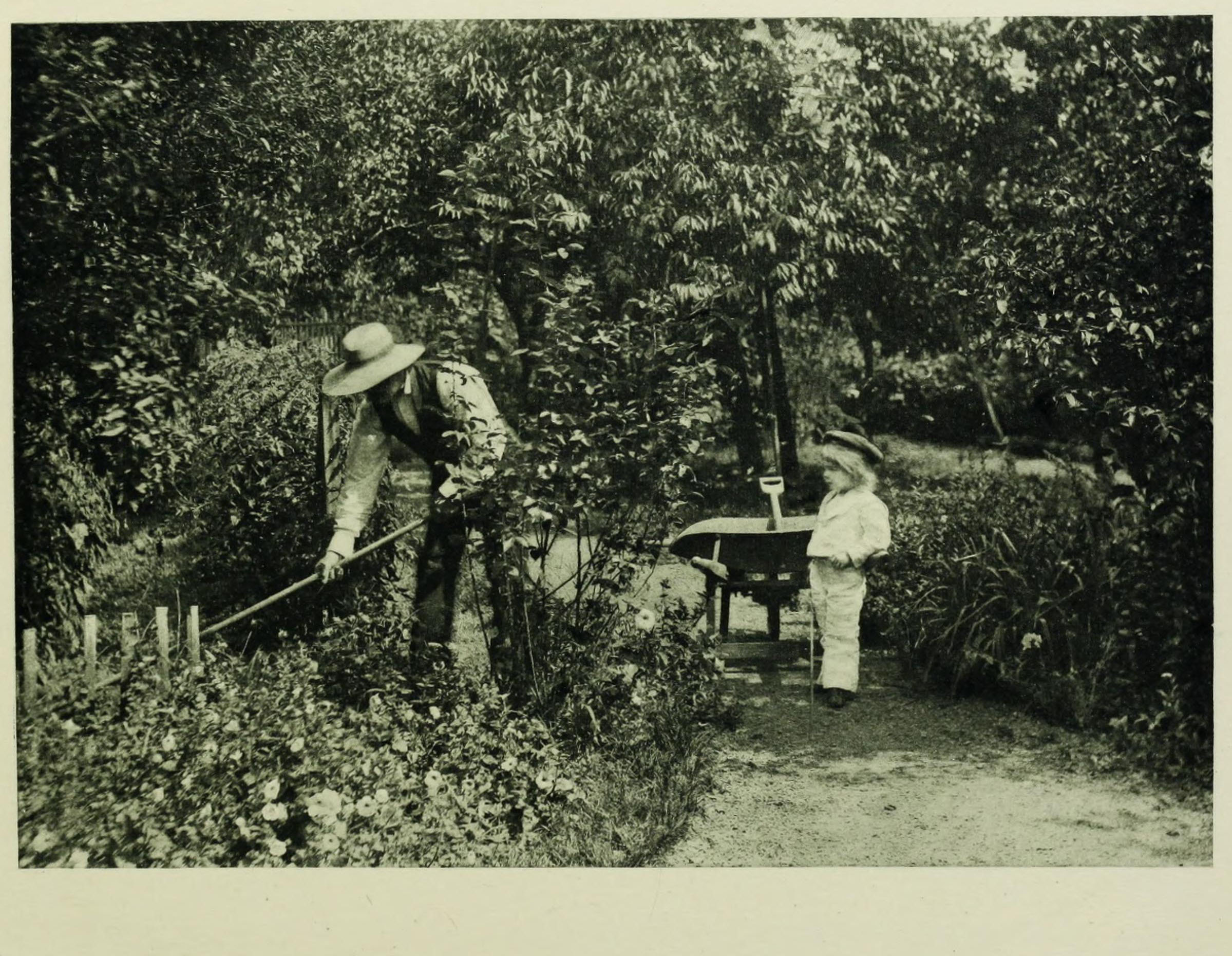
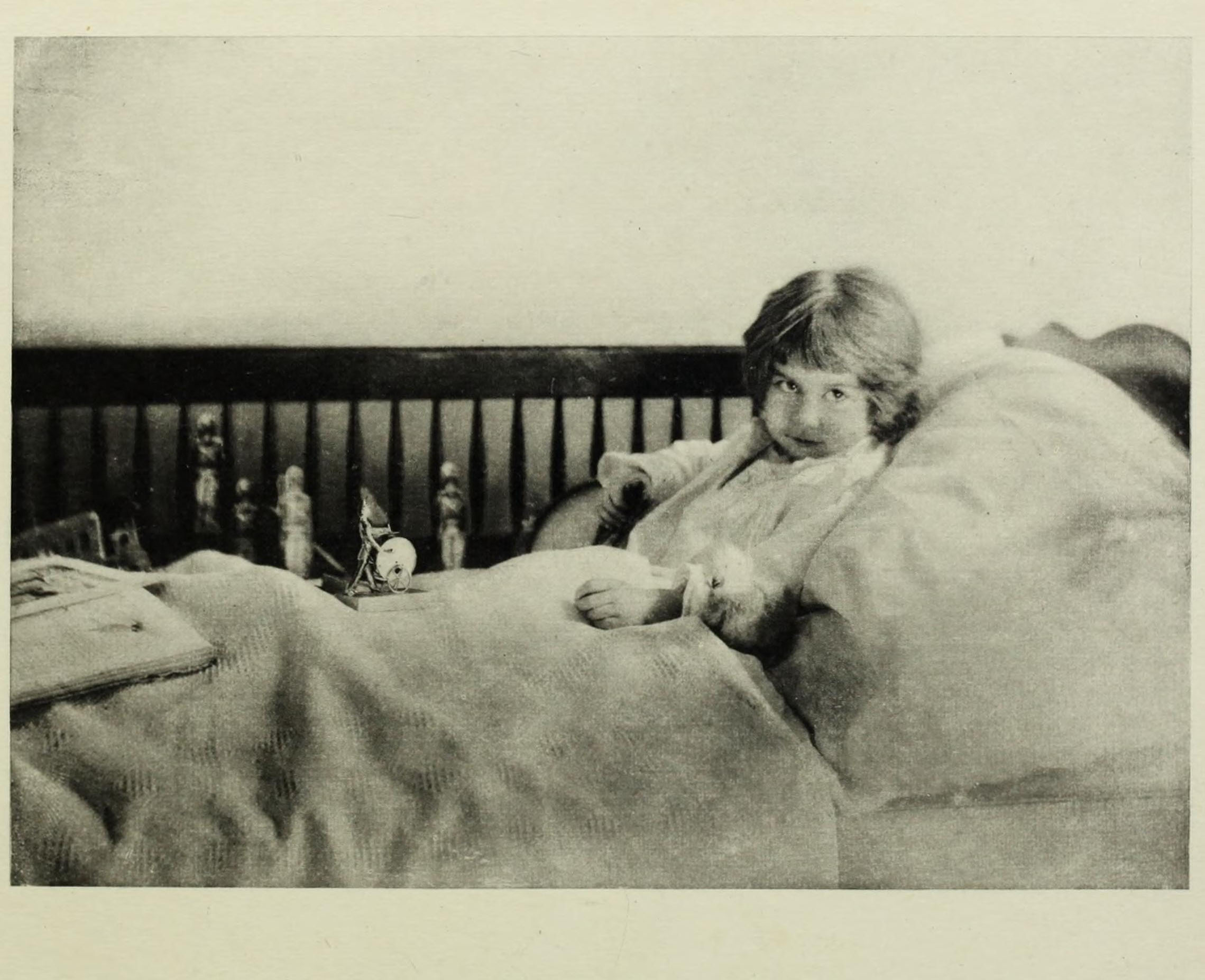
Sunshine and Playtime · 1893

Emma Justine Farnsworth ~ From Sunshine and Playtime, 1893 | src internet archive

Jan Toorop · Salad Oil style

Jan Toorop ~ Poster for Delft Salad Oil, 1894 (RP-P-1912-2395) | src Rijksmuseum

Affiche Delftsche Slaolie (1894)
This poster was commissioned by the Nederlandsche Oliefabriek, an oil manufacturer in Delft. Two women with wavy hair and billowing draperies occupy most of the composition. One of them is dressing a salad.
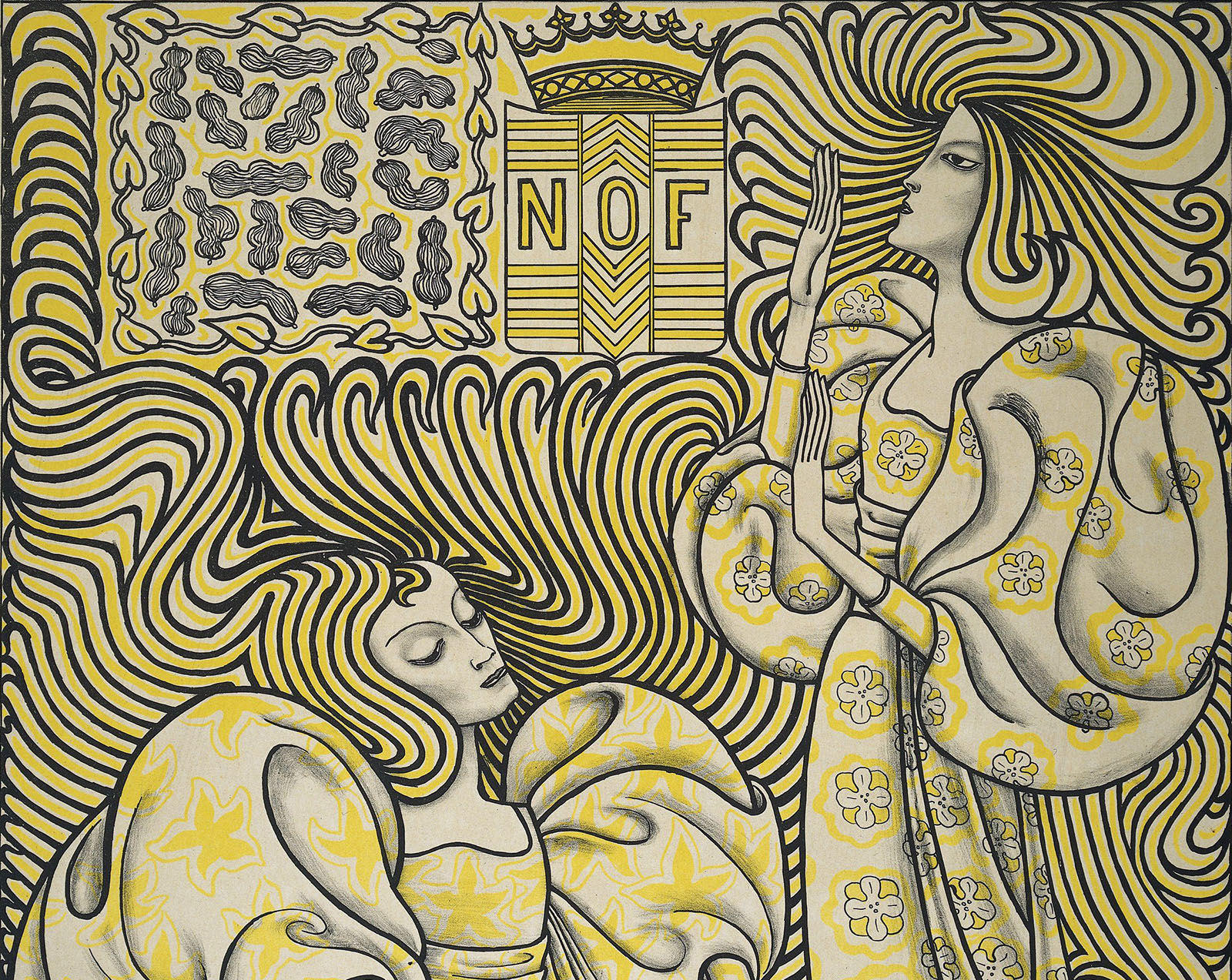
The inscription on top Delftsche Slaolie makes it clear that the advert concerns salad oil, as do the bottles of salad oil on either side of the text. Below it is the crowned coat of arms of the factory (N O F), with a decorative area with peanuts on the left. The majority of the poster is taken up by the two graceful female figures with long hair and billowing draperies. One sits and is dressing a lettuce salad in a large container; the other has her gaze and hands raised. The women with their emphatic contours draw attention away from the actual advertisement, namely for the salad oil. The wavy, rhythmic interplay of lines with which the women’s hair fills the picture surface made such an impression that it became an icon and lent Dutch Art Nouveau its nickname, slaoliestijl, the ‘salad oil style’. | text adapted from Rijksmuseum [x]

Jan Toorop ~ Image Design for a Poster. Wagenaar’s Cantata ‘The Shipwreck’, 1899. Zincograph in blue-black on yellow wove paper | src AIC
Jan Toorop (1858-1928) ~ Two female figures with clock in hand, 1913 (?). Pencil and chalk on paper. | src Rijksmuseum
Jan Toorop ~ Twee gestileerde vrouwelijke figuren met klok in de hand (1894)

Jan Toorop (1858–1928) was born on the island of Java in the Dutch East Indies, Toorop settled in the Netherlands at the age of eleven. After studying art at the Rijksakademie in Amsterdam, he’d spend his time between The Hague, Brussels, England (where his wife was from), and, after 1890, the Dutch seaside town of Katwijk aan Zee. It was during this time that he developed his distinctive style: highly stylized figures, embedded in complex curvilinear designs, with his dynamic line showing influence from his Javanese roots. While perhaps most famous for turning these techniques to his exquisite poster designs, Toorop also produced a substantial body of work far removed from the anodyne demands of the advertising industry, beautiful but haunting works dealing with darker subjects such as loss of faith and death (that you can find in this other post). | text adapted from Public Domain review
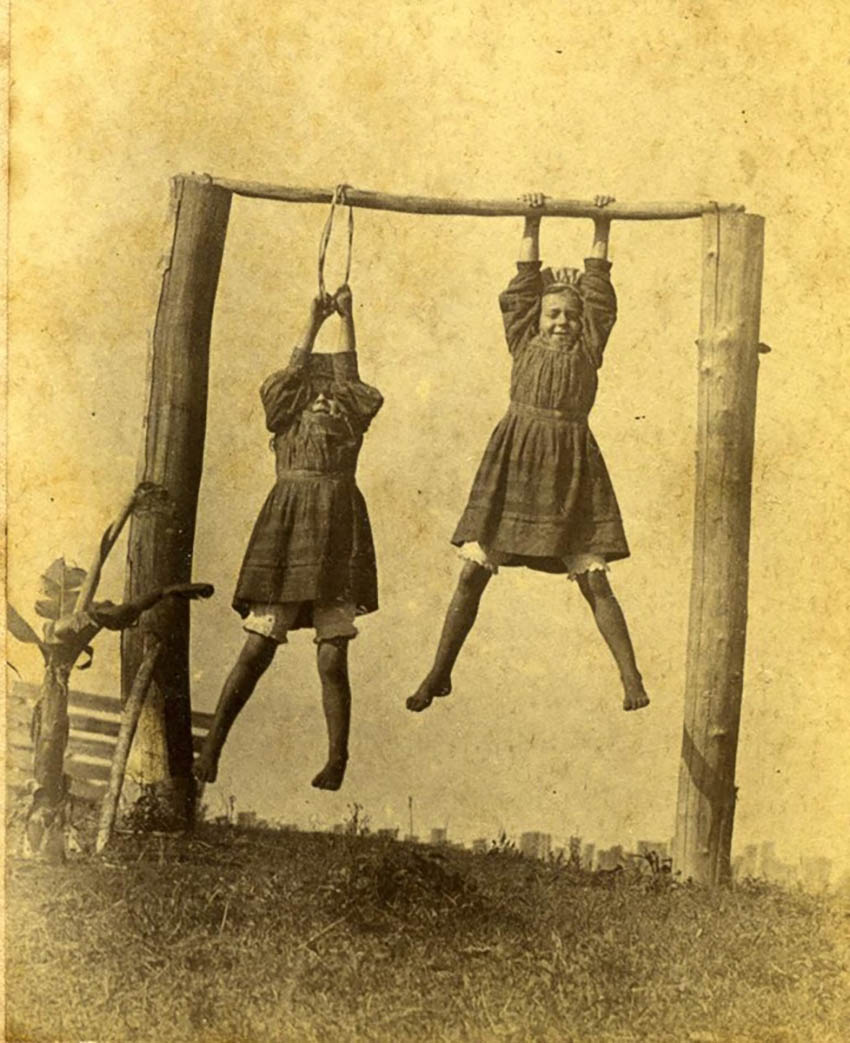
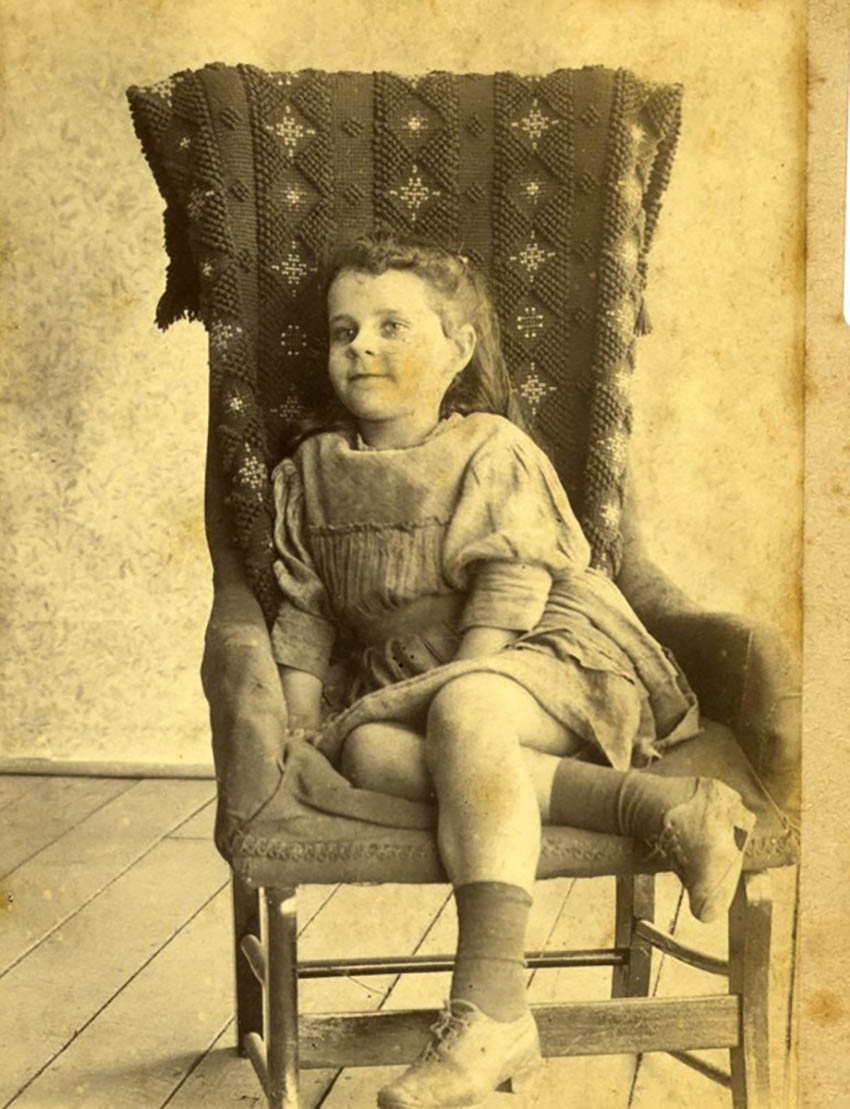
Davey family photos · 1890s

Davey girls at play on bar. ca. 1894. Photo: F. J. Davey | src Tweed museum on ehive
Nellie Davey, daughter of F. J. Davey, seated in chair, 1896 | src Tweed Regional Museum
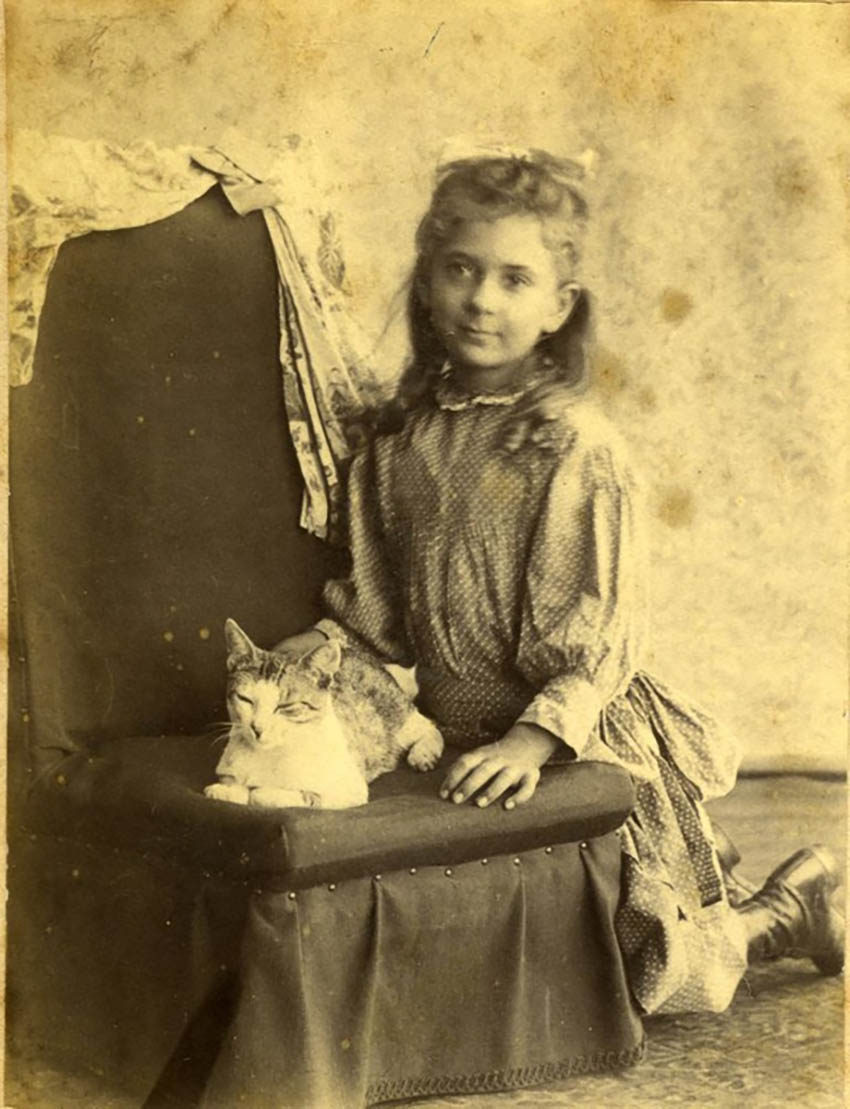
Katie Davey, daughter of F. J. Davey, kneeling with cat, 1895 | src Tweed Regional Museum

The pet koala · 1890s

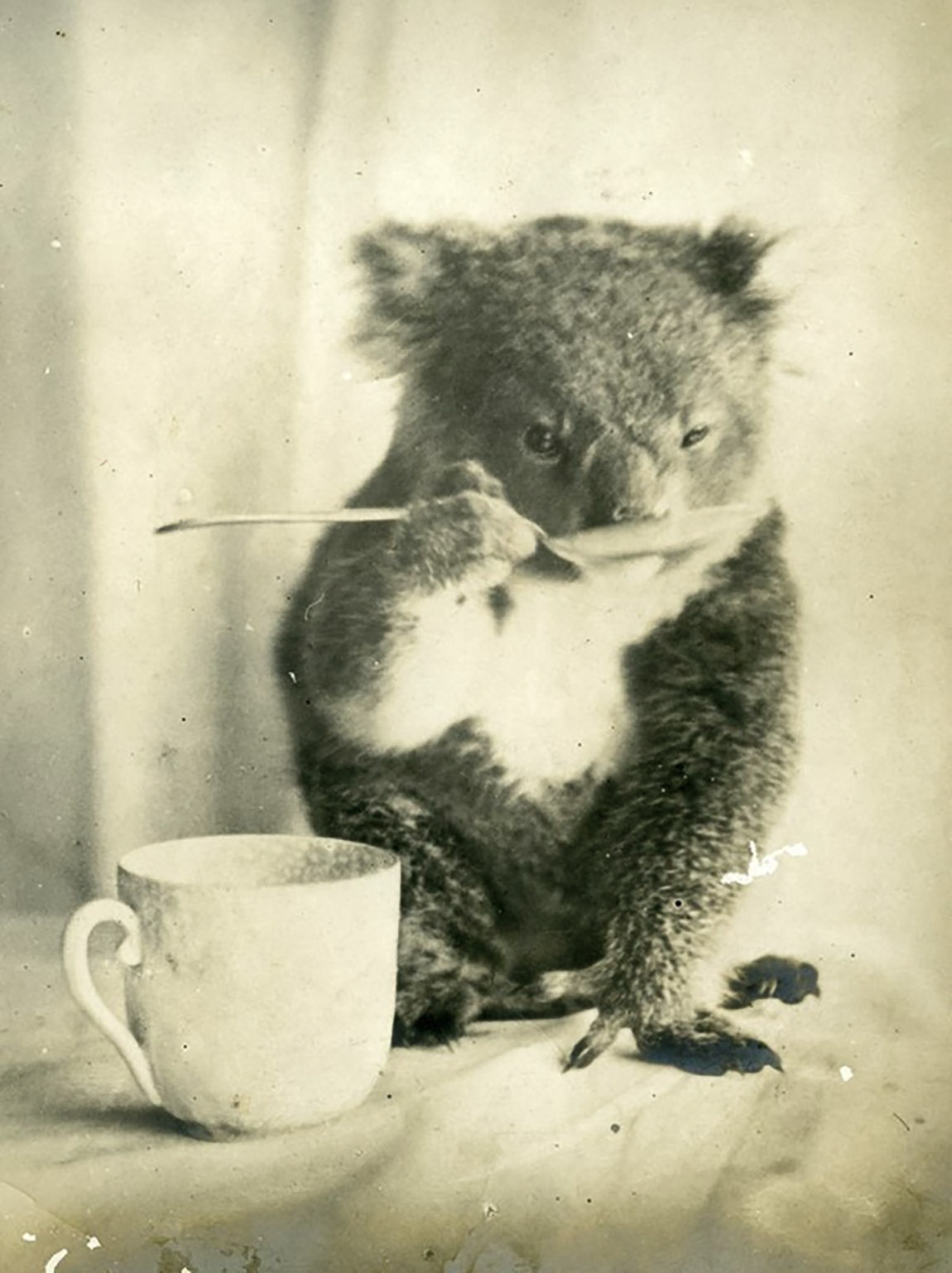
Pet koala owned by the Davey family, Terranora Lakes eating out of a spoon and cup. ca. 1890. Photo: F. J. Davey. | src Tweed Regional Museum
Pet koala (sitting on a chair) owned by the Davey family, ca. 1890. Photo F. J. Davey | src Tweed Regional Museum

Elin Saxelin · 1899

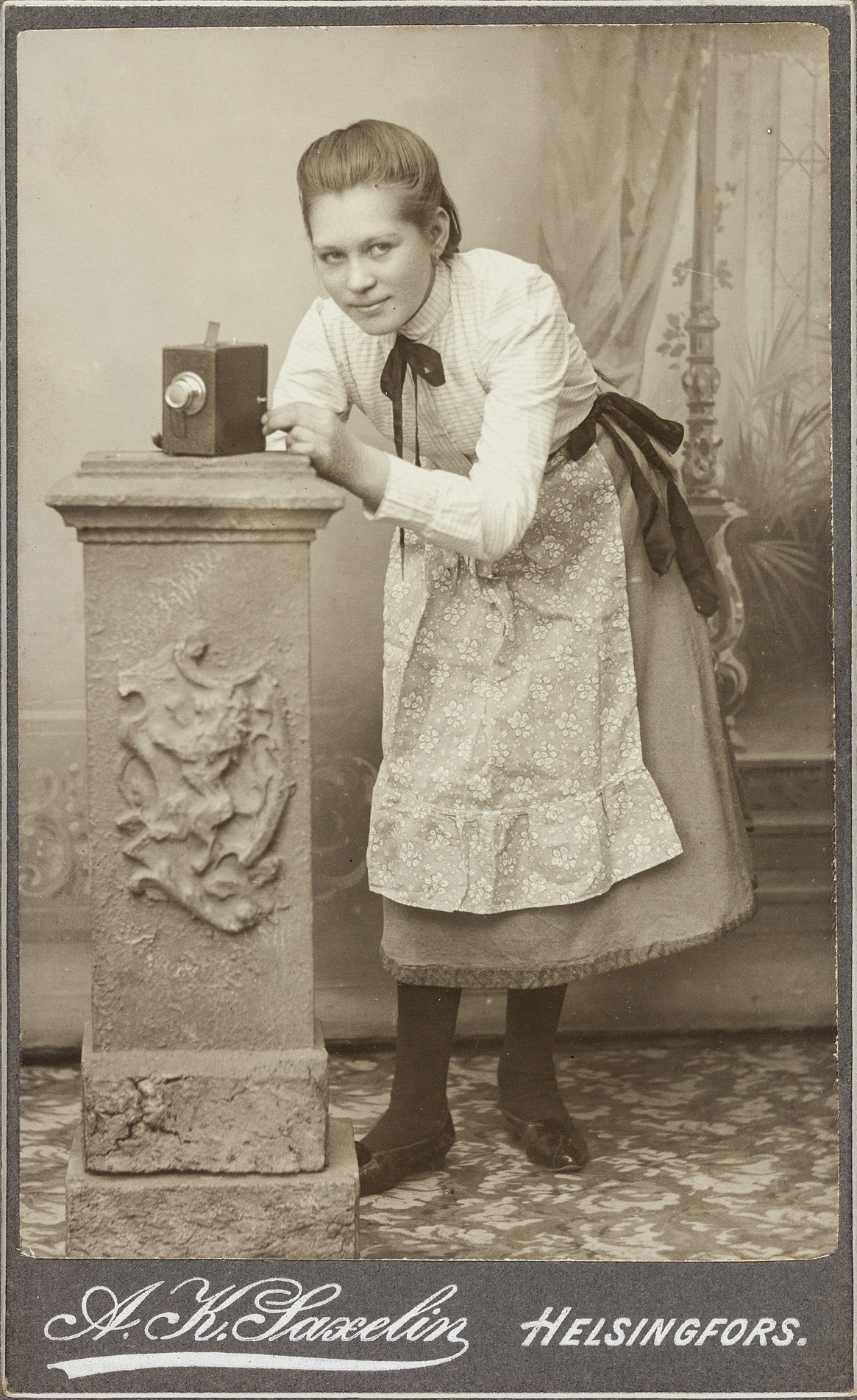
Alexander Konstantin Saxelin (A.K. Saxelin) ~ Elin Saxelin, 1899 | src Suomen valokuvataiteen museon kokoelma
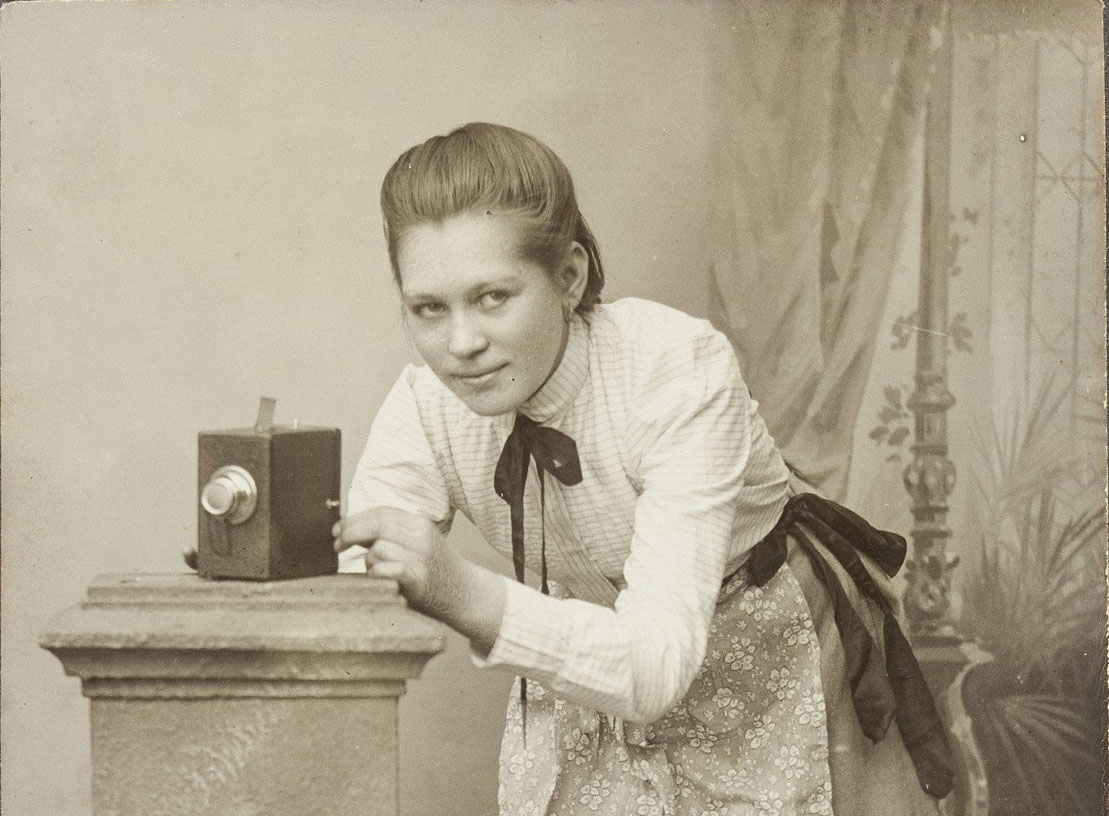
Alexander Konstantin Saxelin (A.K. Saxelin) ~ Elin Saxelin, 1899 | Collection of the Finnish Museum of Photography

Aristocratic hand · 1870s-1890s

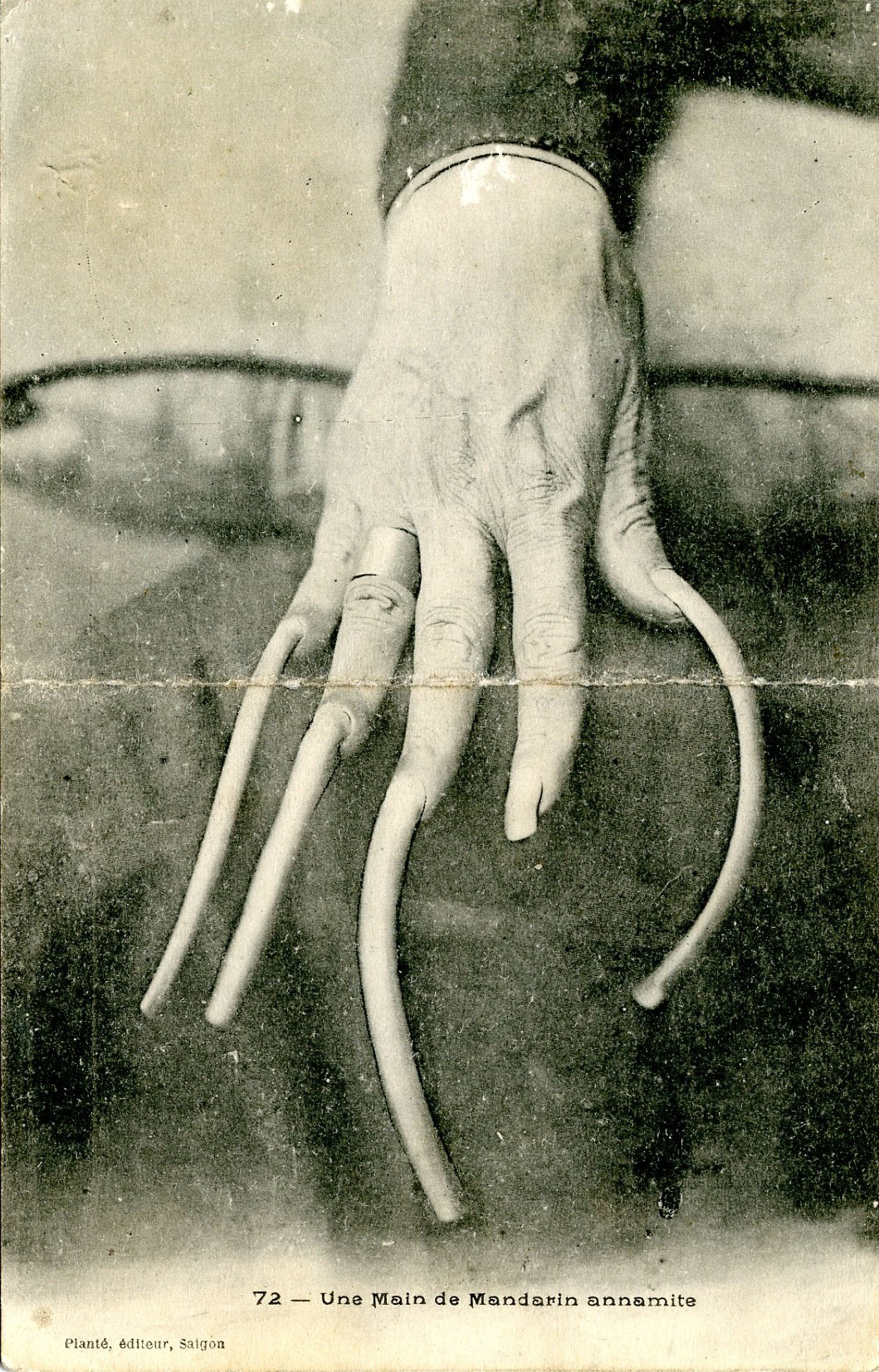
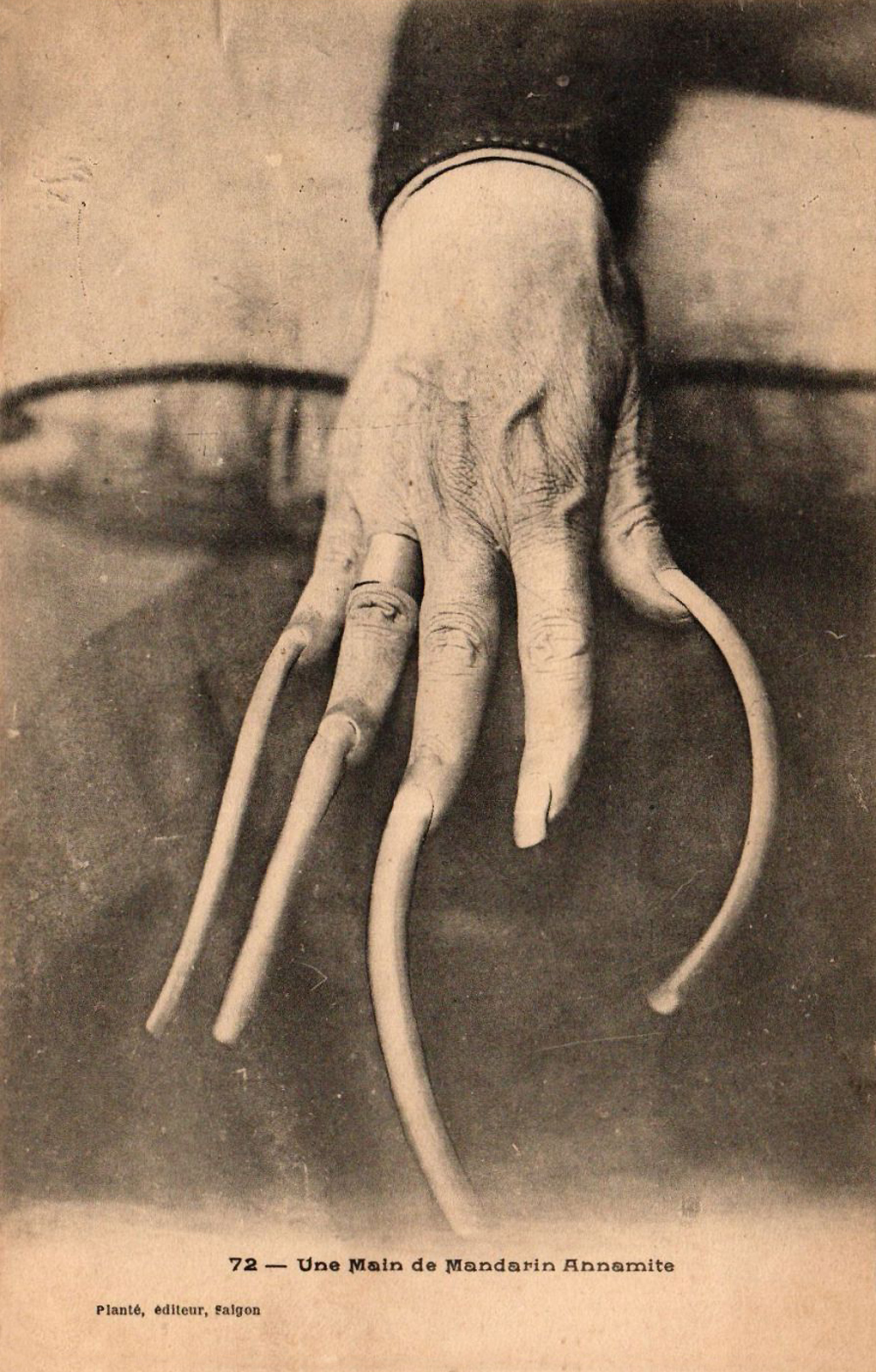
Une Main de Mandarin annamite, ca. 1890 (nr. 72). Planté éditeur (Saigon)
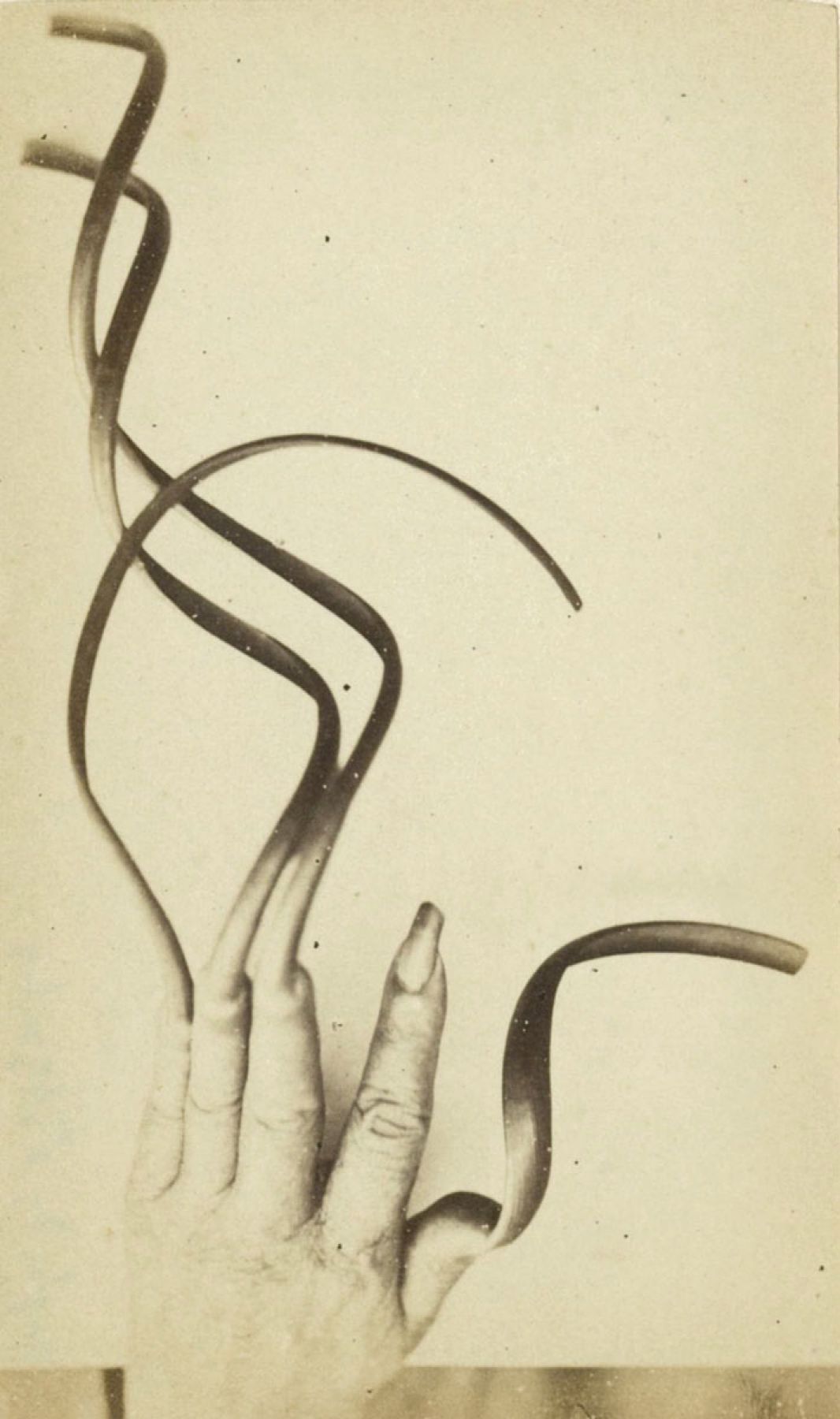
Émile Gsell ~ Main d’Annamite, Annam, Cochinchina, ca. 1870, woodburytype. (alternative caption)
Unghie aristocratiche di un mandarino annamita, Indochina, ca. 1870. | src Collezione Molinario
72 – Une main de Mandarin Annamite. Planté, éditeur, Saigon
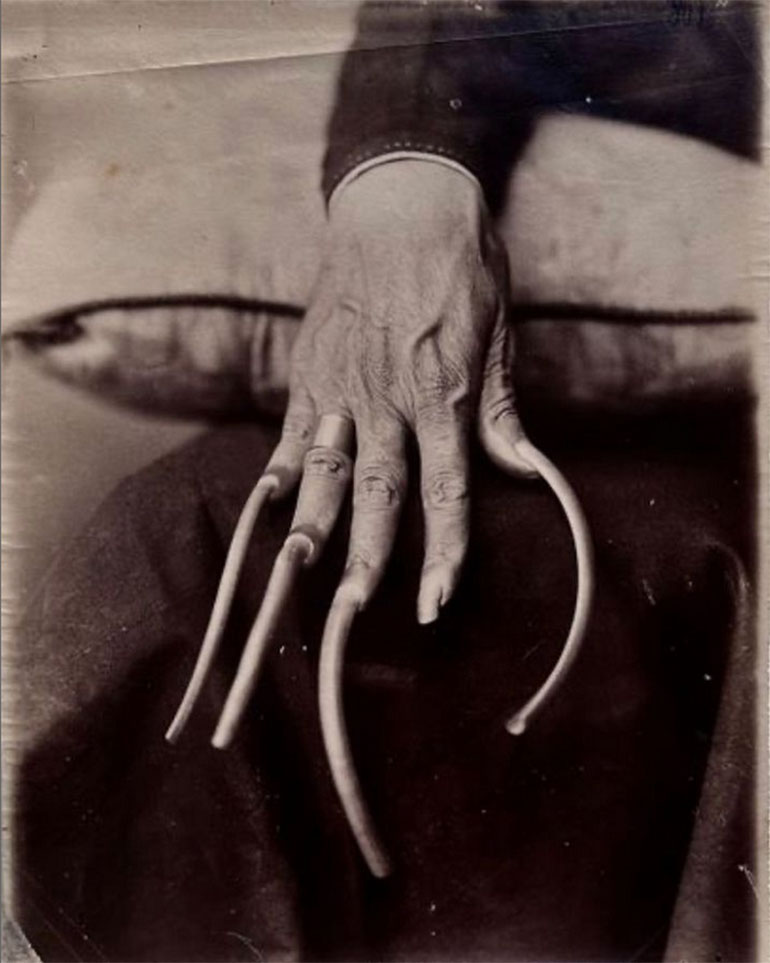
Ongles aristocratiques d’une main d’un mandarin annamite, Indochine, ca. 1890. Tirage albuminé. | src Yann Le Mouel · IG
Attributed to Emile Gsell on annona.de

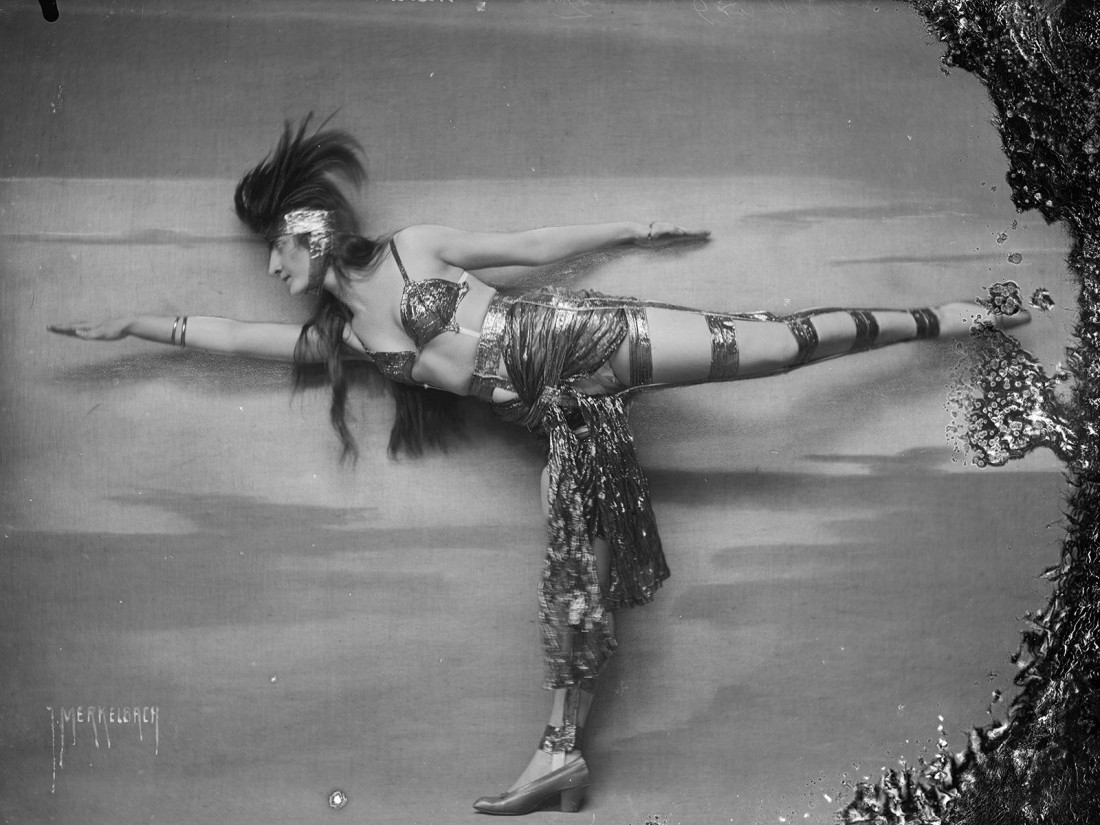
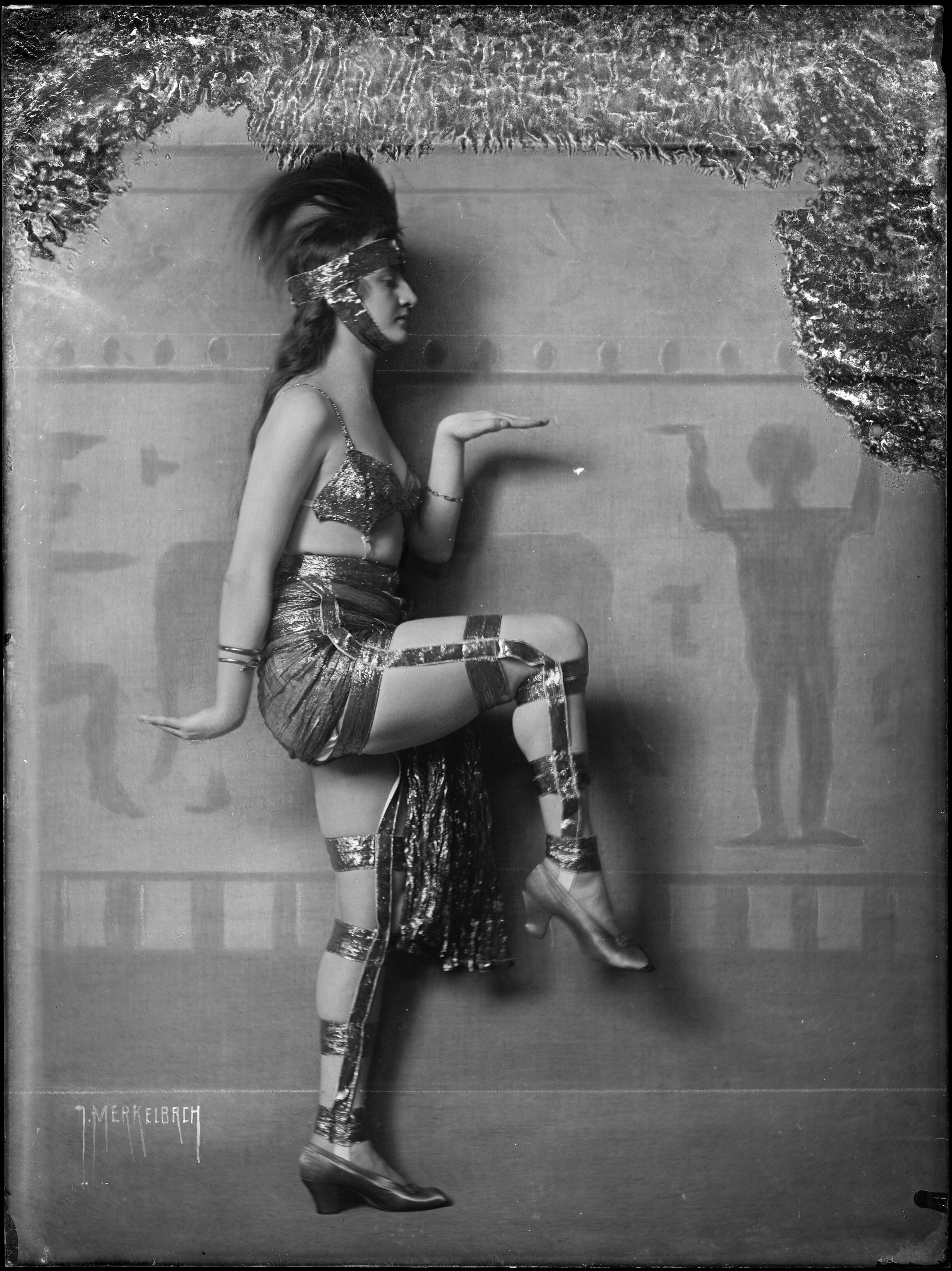
Merkelbach · Johanna Wittrock

Atelier Jacob Merkelbach ~ Danseres Johanna Wittrock, 1895 | src Stadsarchief Amsterdam Beeldbank

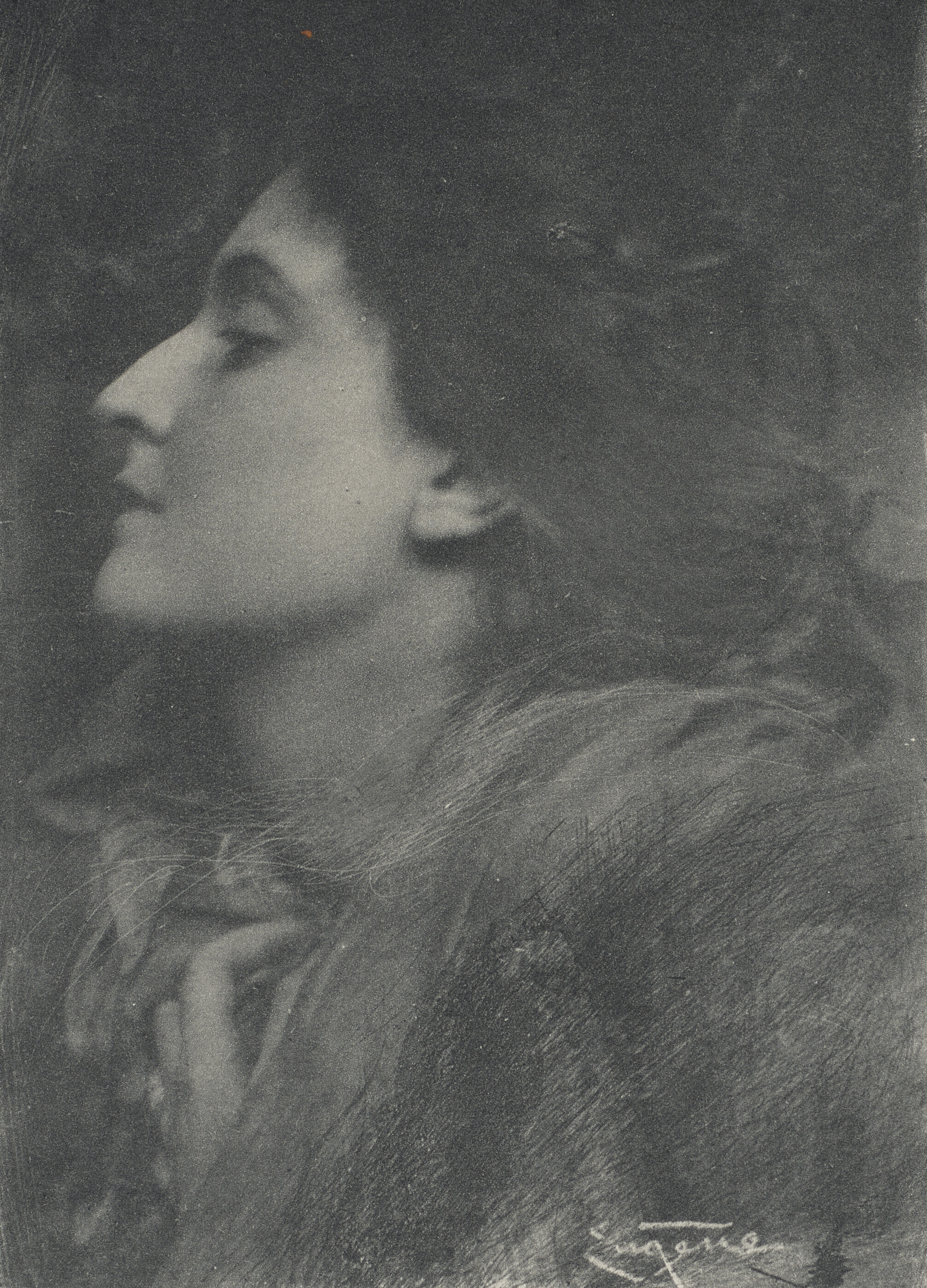
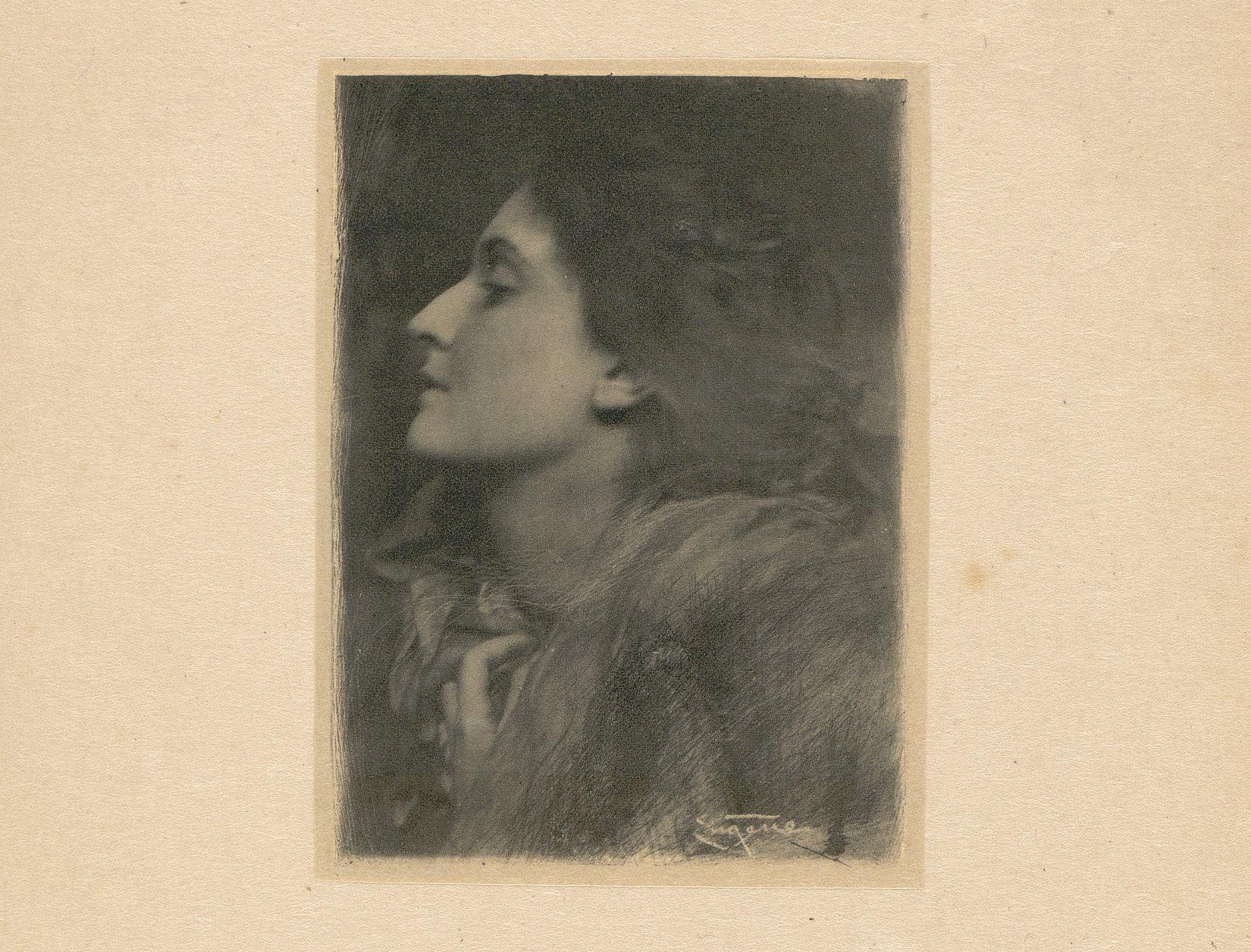
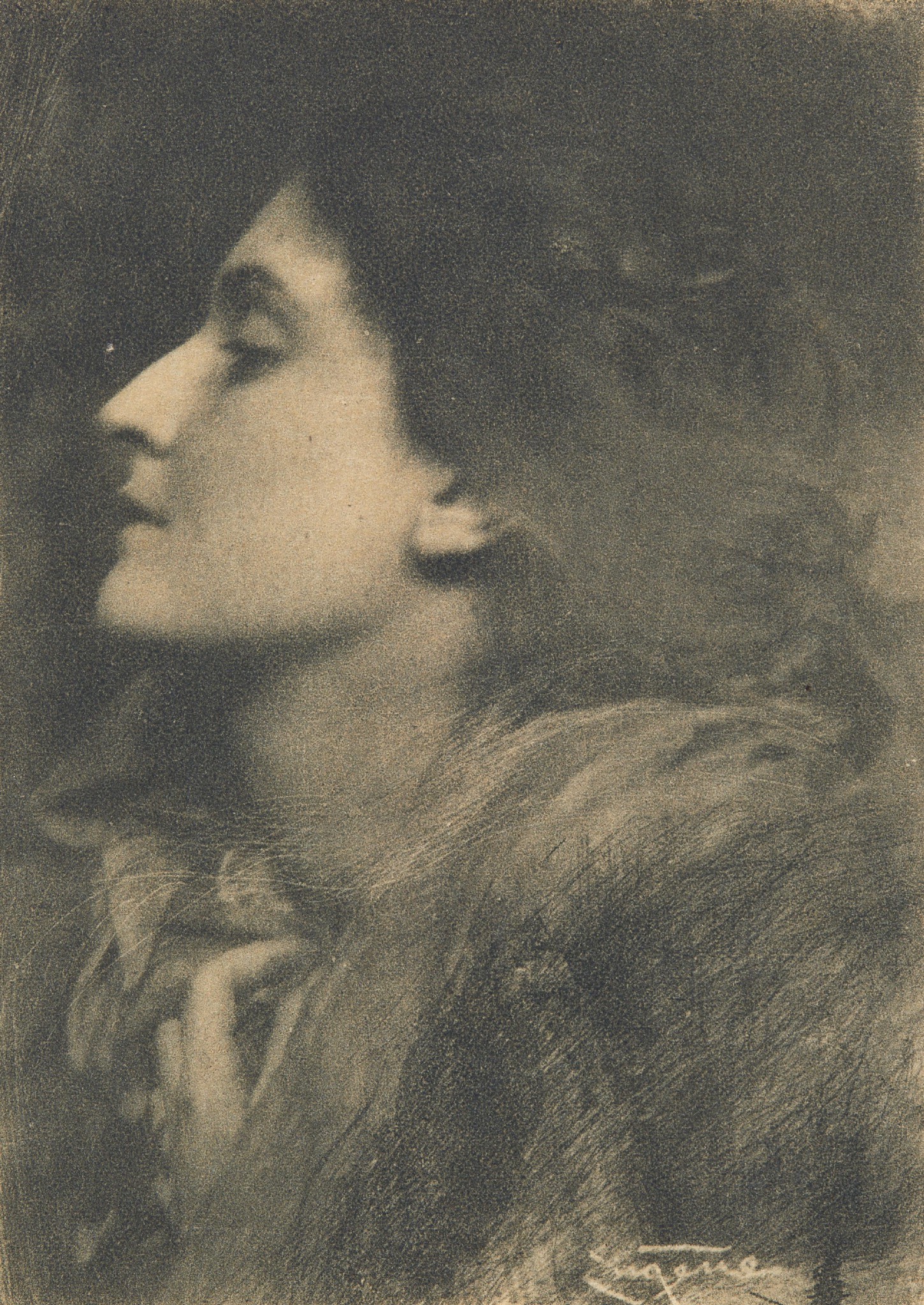
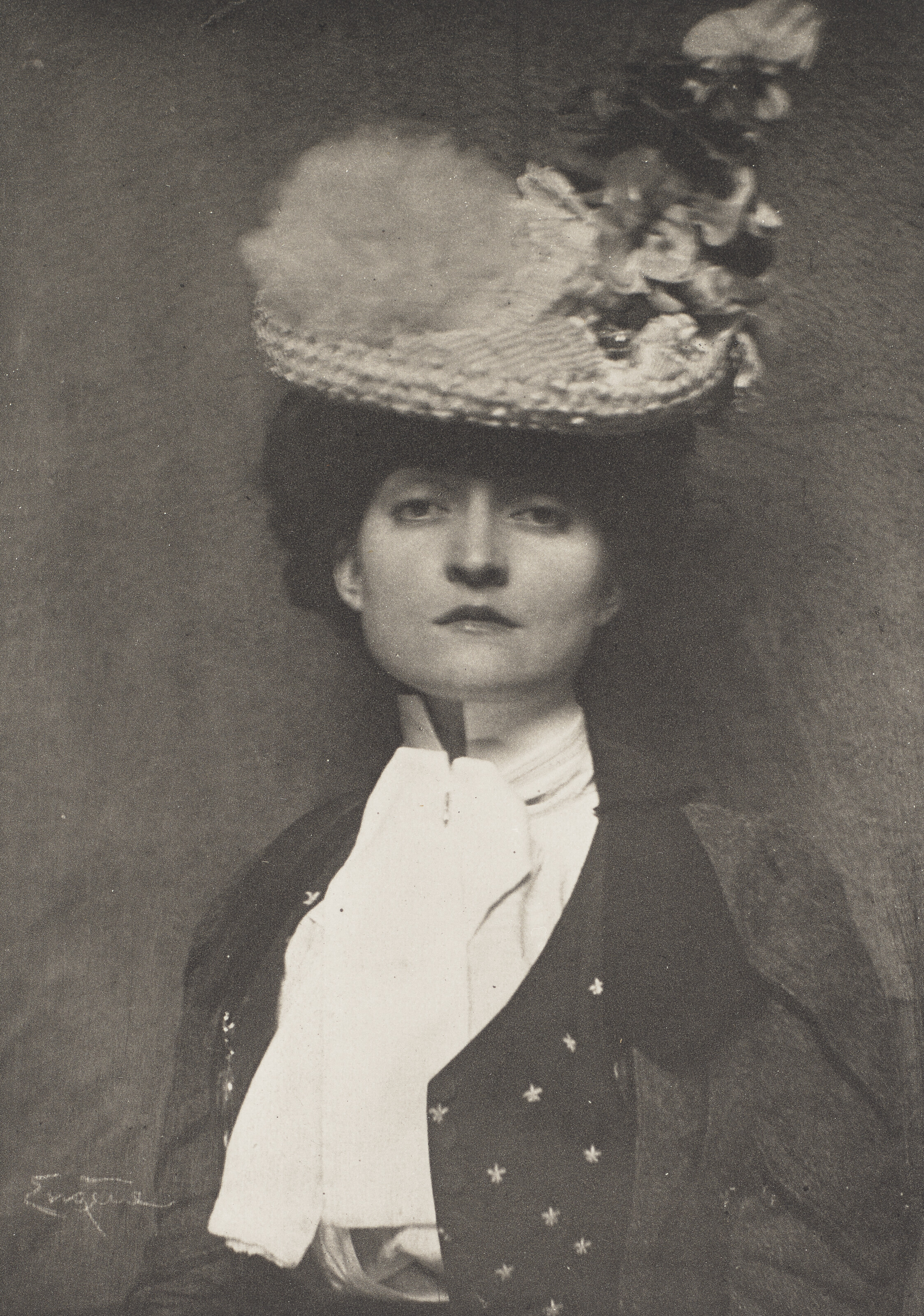
Two portraits by Frank Eugene

Frank Eugene (1865–1936) ~ Lady of Charlotte, 1899. Photogravure. R. Gere photograph collection. | src Christie’s
Eugene’s portrait as it appeared in Camera Work vol. 30, 1909
Frank Eugene (1865–1936) ~ Lady of Charlotte, 1899. Photogravure 1909. From the journal Camera Work | src Philamuseum
Frank Eugene (1865–1936) ~ Miss Convere Jones, 1899 (Photogravure ca. 1901) R. Gere photograph collection. | src Christie’s
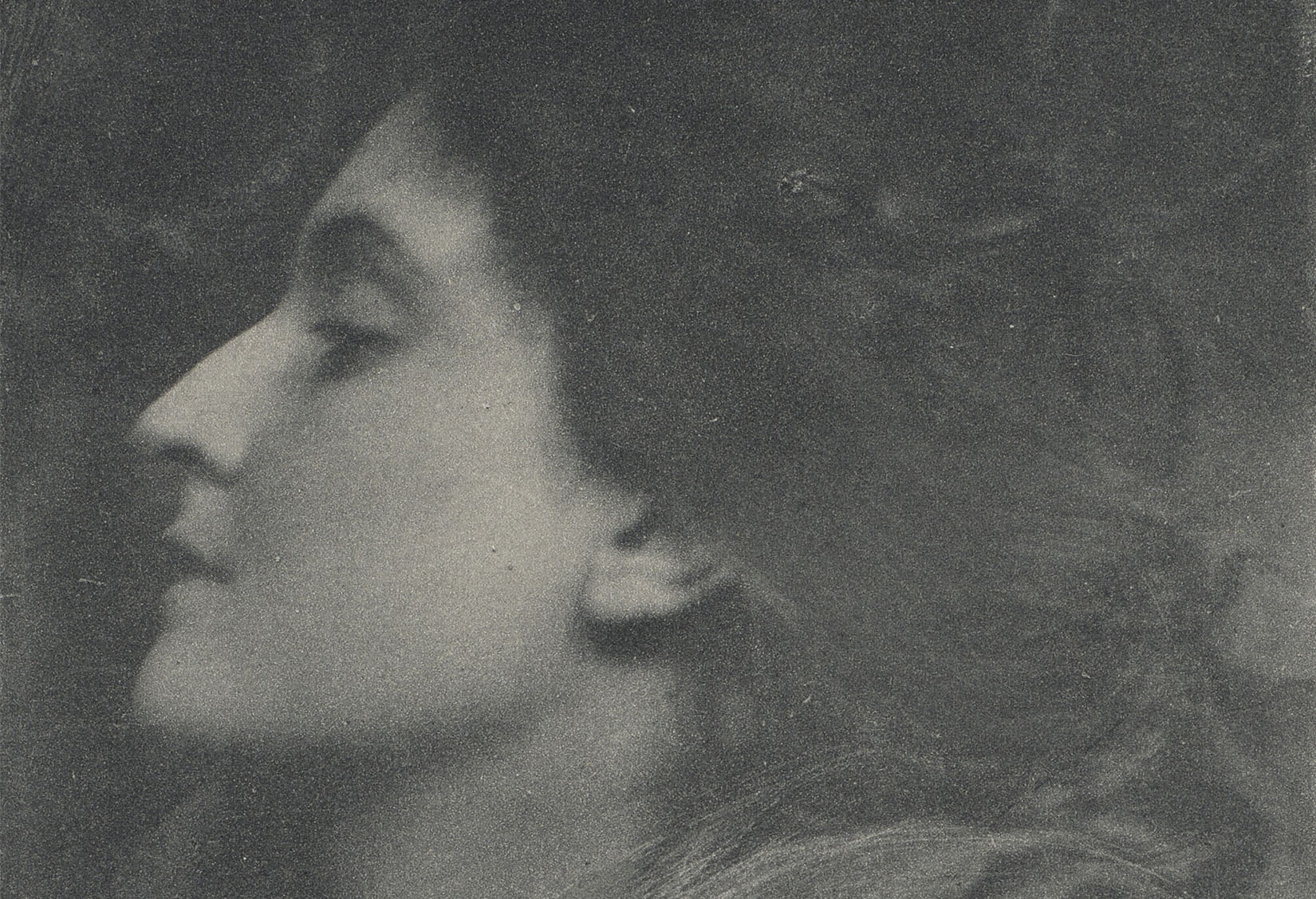
Lady of Charlotte, 1899 by Frank Eugene (detail from image # 1)

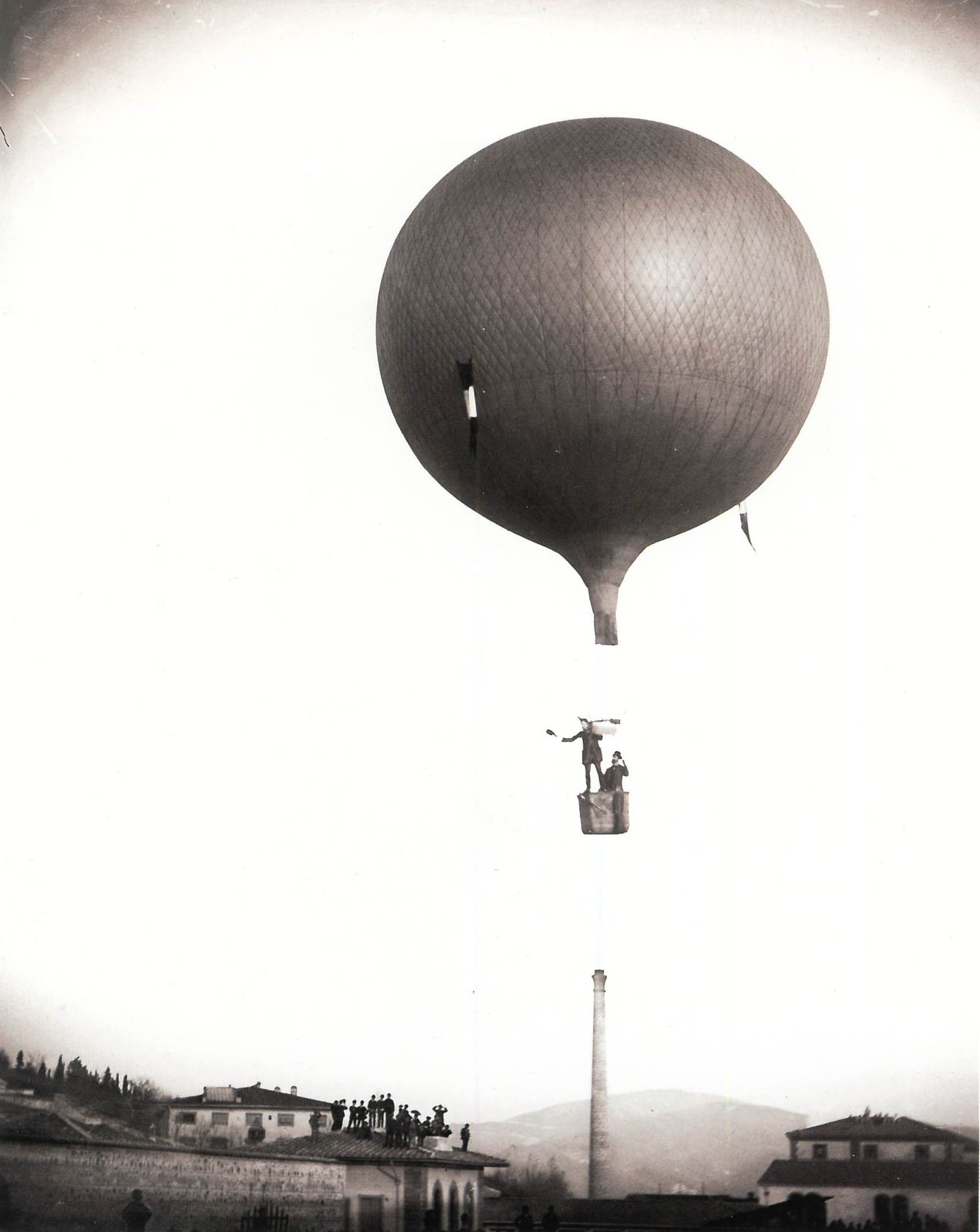
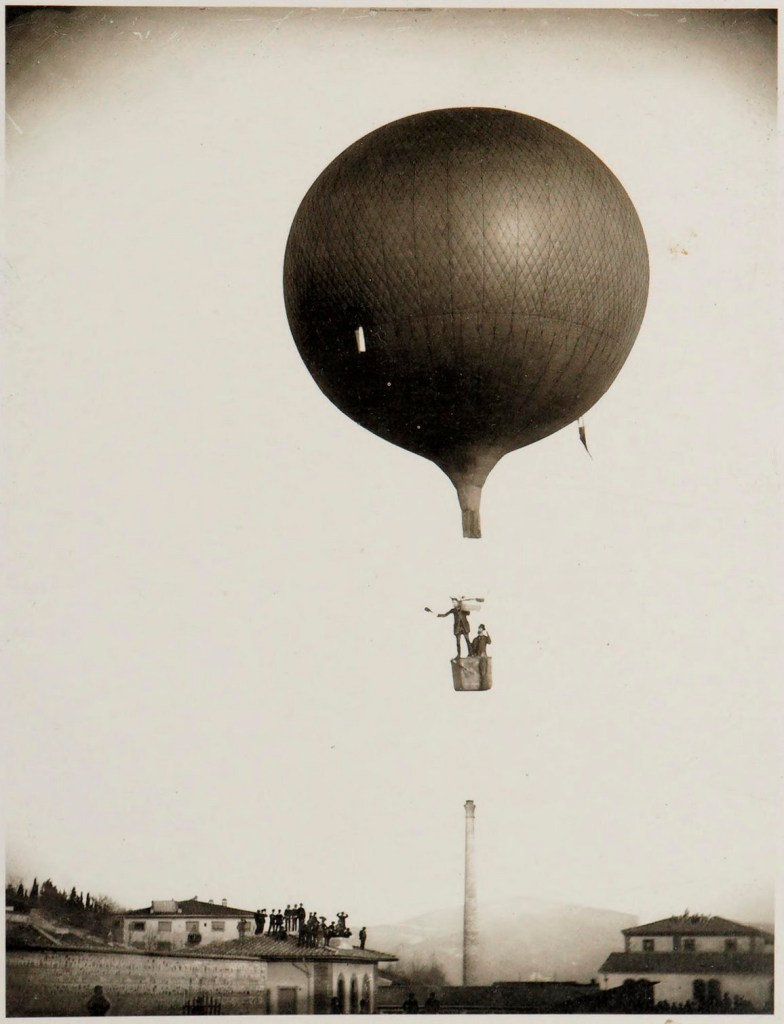
Fratelli Alinari · Julhes aerostat

Fratelli Alinari ~ Hot-air balloon, piloted by the aeronaut Julhes, 1884. Exhibition: Fratelli Alinari: A Photographic Tradition

Fratelli Alinari: A Photographic Tradition

The exhibition celebrated 150 years of Fratelli Alinari, the renowned photographic studio that documented the changing cultural and social landscape of Italy from the mid-nineteenth century.

The firm was founded in Florence in 1854 by the brothers Leopoldo, Giuseppe and Romualdo Alinari at a time when standards of photography and techniques of reproduction were being revolutionised. It quickly established an eminent reputation through its iconic images of Tuscan towns and cities, and following unification – when Florence was briefly the capital of Italy – politicians, intellectuals and royalty all visited the studio to have their portraits taken. At the other end of the spectrum are their striking images of working class life and gritty street scenes.

These beautiful photographs featured in the exhibition vividly trace Italy’s relatively late transition from a rural economy to an industrialised nation, capturing a pivotal era in Italian history. | quoted from: Estorick Collection [x]
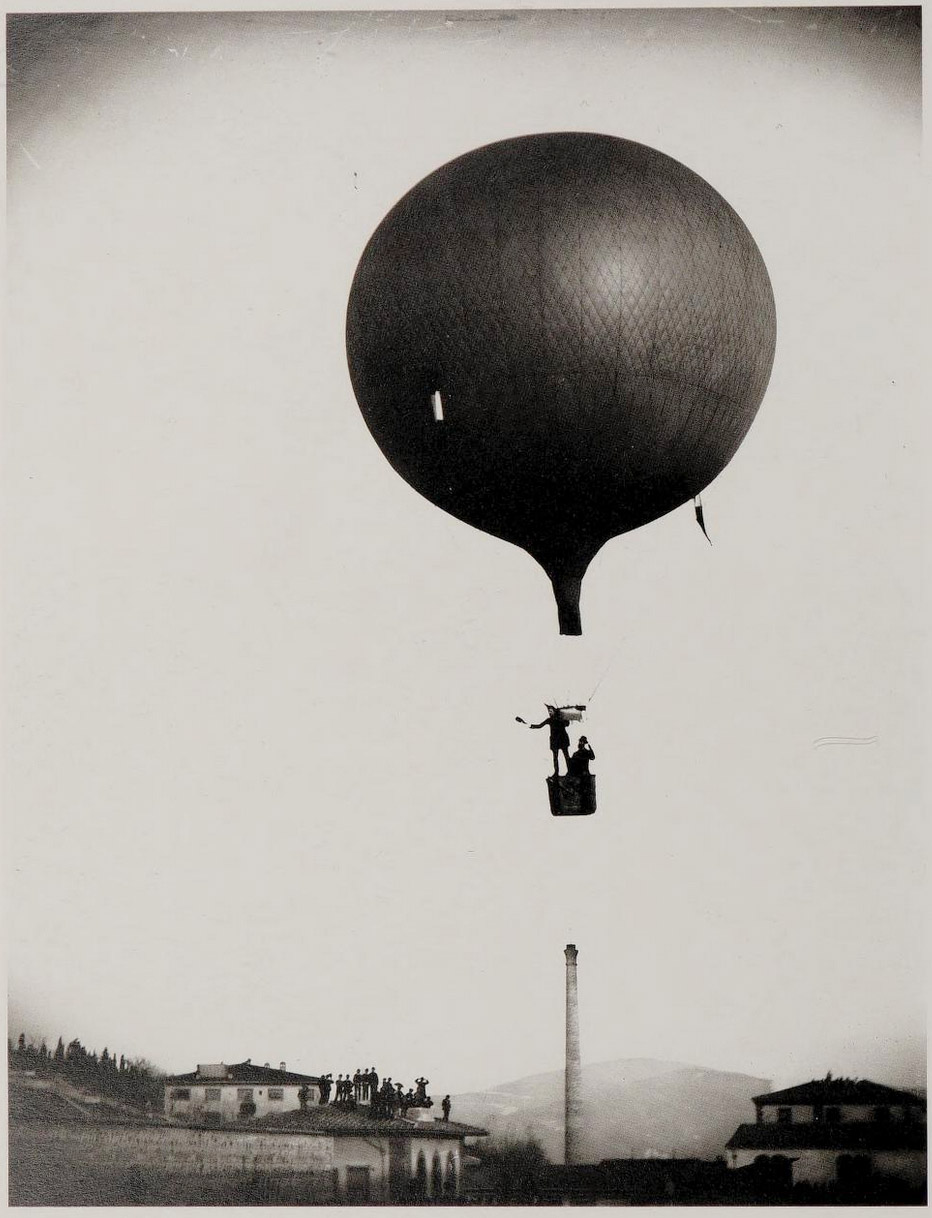
Fratelli Alinari ~ Mister Julhes’ ascension in a balloon, Florence, 1905. From: Italy : one hundred years of photography (Susan Sontag and Cesare Colombo), 1988 (page 60) | src internet archive
Fratelli Alinari ~ Mister Julhes’ ascension in a balloon, Florence, 1905. From: Italy : one hundred years of photography (Susan Sontag and Cesare Colombo), 1988 (p. 60) | src internet archive
Fratelli Alinari ~ Mister Julhes’ ascension in a balloon, Florence, 1905. From: Italy : one hundred years of photography (Susan Sontag and Cesare Colombo), 1988. Front cover | src internet archive
Fratelli Alinari ~ Mister Julhes’ ascension in a balloon, Florence, 1905. From: Italy : one hundred years of photography (Susan Sontag and Cesare Colombo), 1988. Front cover. | src internet archive

Vesuvio in eruzione · 1895

Edizione Esposito ~ Vesuvius in Eruption, 1895. Albumen print. Object No. 2011.215 | src The History of Photography

Notes; titled in the negative at bottom: “61. Il Vesuvio Cratere in eruzione 1895 / (Edizione Esposito).”
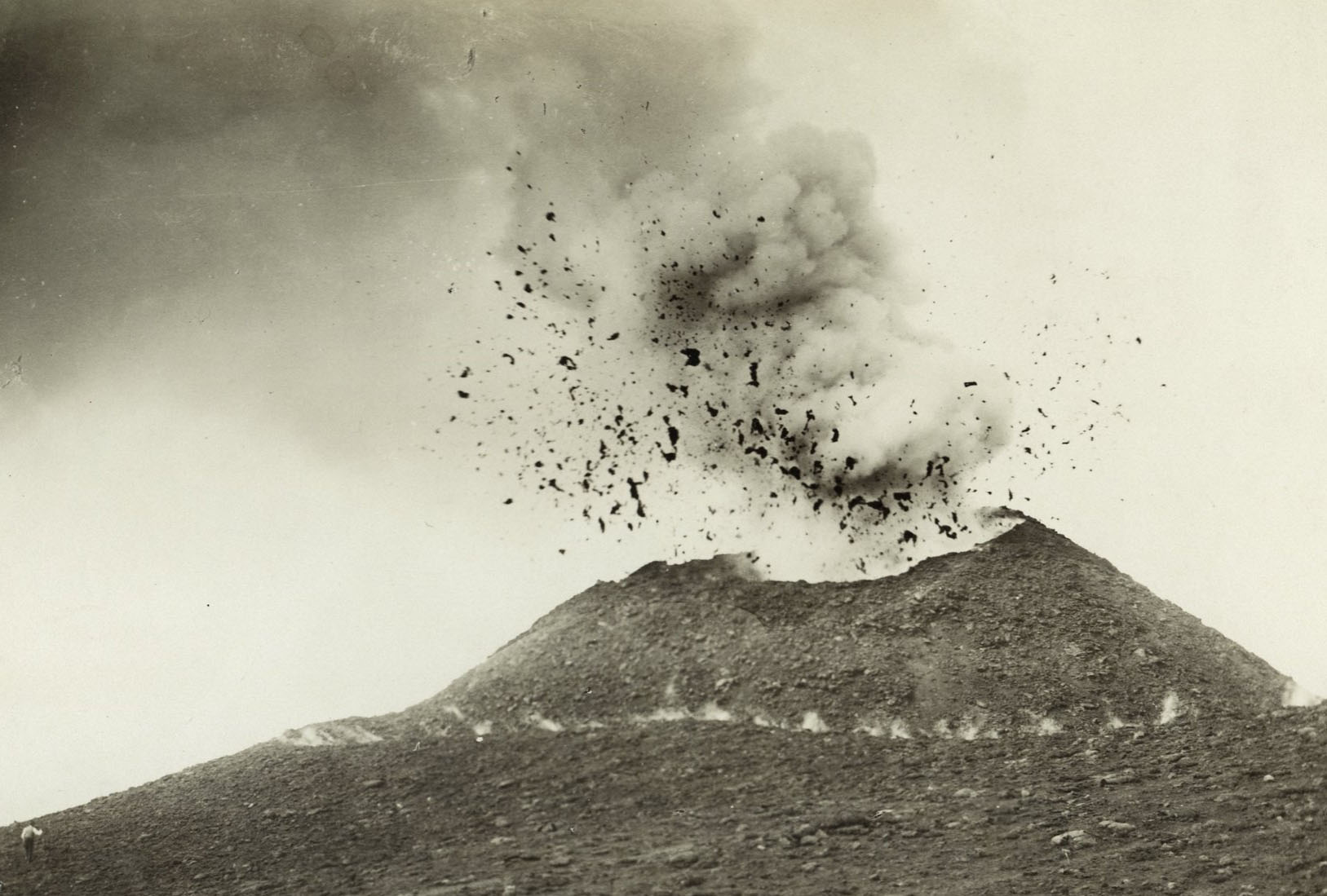
Il Vesuvio ~ Cratere in eruzione, 1895 | Detail showing crater and climber on far left side